About
Russia: The Complete Travel Guide for 2026
Russia is not just the largest country on Earth. It spans eleven time zones, from the Gothic cathedrals of Kaliningrad to the volcanoes of Kamchatka. It is Moscow with its imperial grandeur and St. Petersburg with its European elegance. It is Lake Baikal, older than the dinosaurs, and the Trans-Siberian Railway, still the greatest train journey on the planet. This is a country where you can see mosques and Orthodox churches in the same city, taste Tatar chak-chak and Siberian pelmeni, hear Buryat throat singing and Cossack folk songs.
Yes, this is not the easiest time to travel to Russia. Western credit cards do not work, there are no direct flights from Europe or North America, and governments including the US State Department, UK Foreign Office, and Australian DFAT have issued travel advisories for their citizens. But travelers continue to come - and they are not disappointed. Because behind all these complications lies a country with incredible history, culture, and nature. A country worth seeing with your own eyes.
This guide is not a promotional brochure. Here you will find honest information about how travel in Russia actually works in 2026. How to get a card for payments, where to buy a SIM card, how to access blocked websites, which regions to visit, and which to avoid. Practical advice, tested itineraries, and everything you need to know before your trip.
Why Visit Russia
Let us start with the main question: is it worth going to Russia right now? The short answer is yes, if you are interested in culture, history, and nature rather than politics. The long answer requires explanation.
Russia is a country of contrasts you will not find anywhere else. Byzantine luxury coexists with Soviet brutalism, wooden churches from the 17th century stand alongside the skyscrapers of Moscow City. In the same city, you can have breakfast at a trendy cafe with avocado toast, then lunch at a canteen with borscht and kompot for 300 rubles (about $3.50 USD). This eclectic mix is part of Russia's charm.
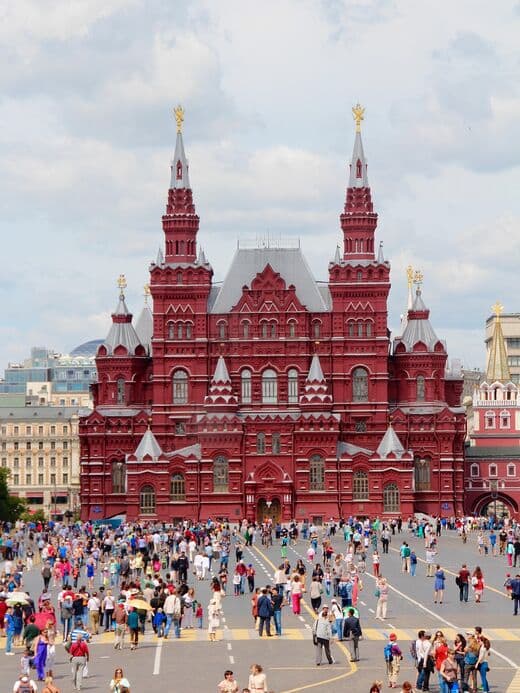
Moscow impresses with its scale. This is not just a capital - it is a city constantly competing with itself in grandeur. The Kremlin, Red Square, St. Basil's Cathedral - this is postcard Russia that you have seen a thousand times. But behind it lies another city: hipster bars in alleyways, art spaces in former factories, world-class parks, and one of the best metro systems on the planet.
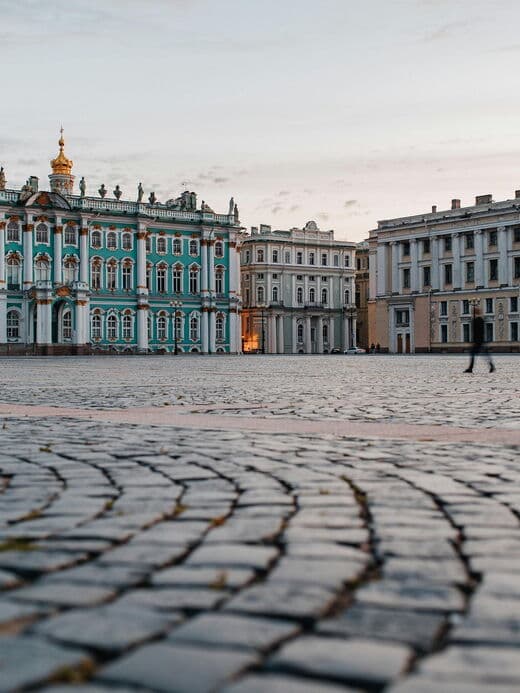
St. Petersburg is the complete opposite. If Moscow is about power and might, then St. Petersburg is about beauty and melancholy. A city built on swamps by the will of one man, a city of White Nights and drawbridges, a city of the Hermitage and Dostoevsky. Many travelers admit that St. Petersburg is the only Russian city they want to return to again and again.
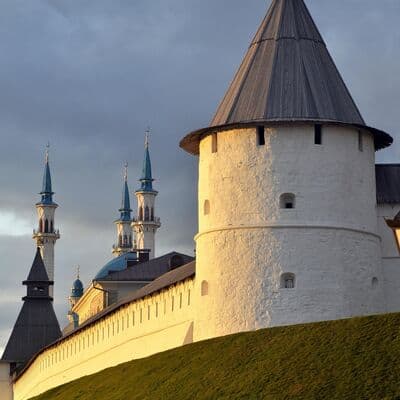
But Russia is not just its two capitals. Beyond Moscow and St. Petersburg begins a different country. Kazan is a city where East meets West, Islam meets Orthodoxy, Tatar culture meets Russian. And these are not just words: in the Kazan Kremlin (UNESCO), the Qol Sharif Mosque stands next to the Annunciation Cathedral. Kaliningrad is a Russian enclave in Europe, the former Konigsberg with Gothic cathedrals and amber museums. Vladivostok is a city at the edge of the world, where the Pacific Ocean meets Russia, and the atmosphere resembles Asia more than Europe.
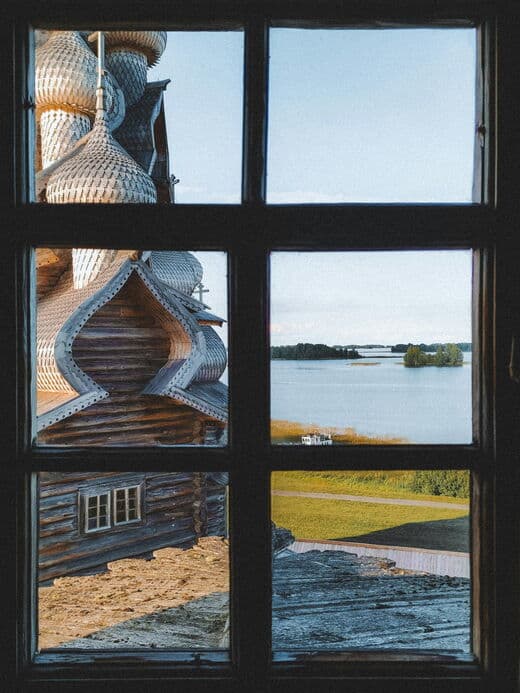
And of course, the nature. Lake Baikal is the deepest and oldest lake on the planet, with water so pure you can see the bottom at 40 meters (130 feet). Kamchatka with its active volcanoes and geyser valleys. Altai with mountains compared to the Swiss Alps. Karelia with thousands of lakes and the wooden architecture of Kizhi Island. This nature is real, wild, not polished for tourists. And this is one of the main reasons to visit Russia.
Regions of Russia: Which to Choose
Russia is so vast that trying to see it all in one trip is utopian. Eleven time zones, 17 million square kilometers (6.6 million square miles - nearly twice the size of the United States), climate ranging from subtropics to Arctic tundra. So the first thing to do is choose a region. Here is a detailed overview of each.
Central Russia: Moscow and the Golden Ring
Moscow is the logical entry point to the country. The largest airport (Sheremetyevo), best transport connectivity, maximum tourist infrastructure. But Moscow is not just a transit hub. The city deserves at least 3-4 days, better a week.
The essential program: The Kremlin with the Armoury Chamber and Diamond Fund, Red Square with St. Basil's Cathedral, the Tretyakov Gallery (Russian art from icons to avant-garde), the Pushkin Museum (European art). This is the foundation you cannot miss.
But modern Moscow is no less interesting. Zaryadye Park next to the Kremlin is an example of modern urbanism with a floating bridge over the river. Gorky Park has transformed from a Soviet amusement park into a trendy leisure space. VDNKh is a giant exhibition of Soviet achievements now experiencing a renaissance. Moscow City is the business district with skyscrapers, observation decks, and restaurants. Winzavod and Artplay are art clusters in former industrial zones.
A separate attraction is the Moscow Metro. This is not just transportation but an underground museum. Stalin-era stations (Mayakovskaya, Komsomolskaya, Novoslobodskaya) are true palaces with marble, mosaics, and bronze sculptures. Take a tour or simply ride the circle line - you will not regret it. The metro is also extremely practical: trains run every 1-2 minutes during peak hours, and a single ride costs about 50 rubles ($0.60 USD).
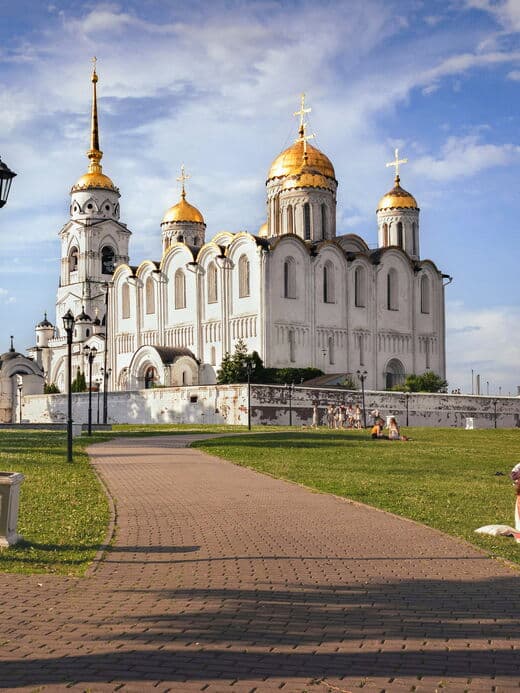
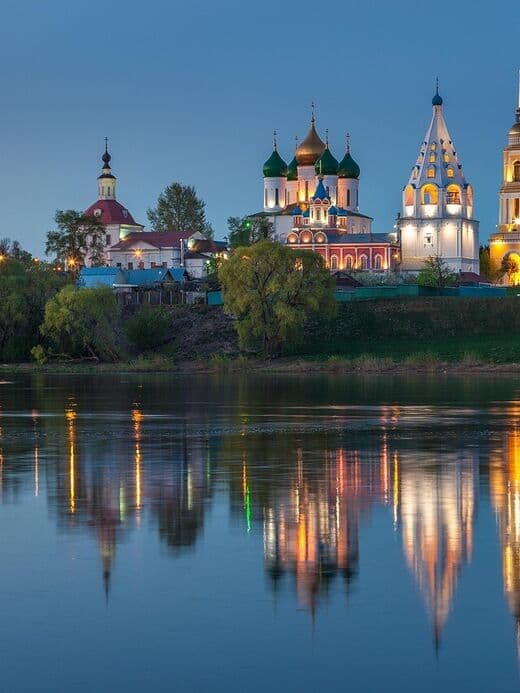
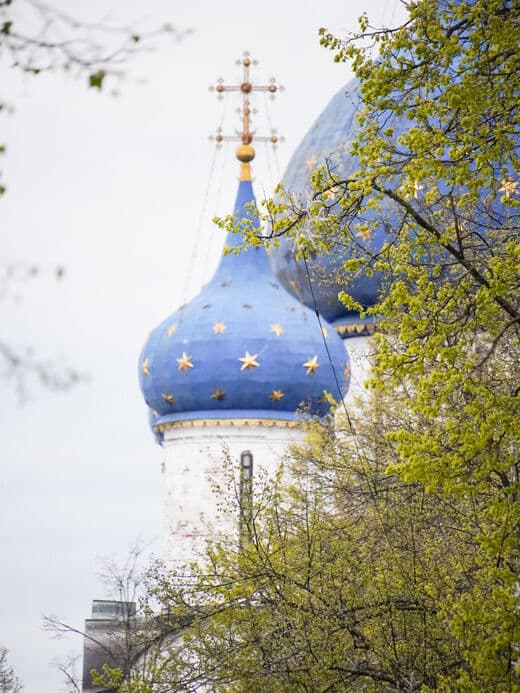
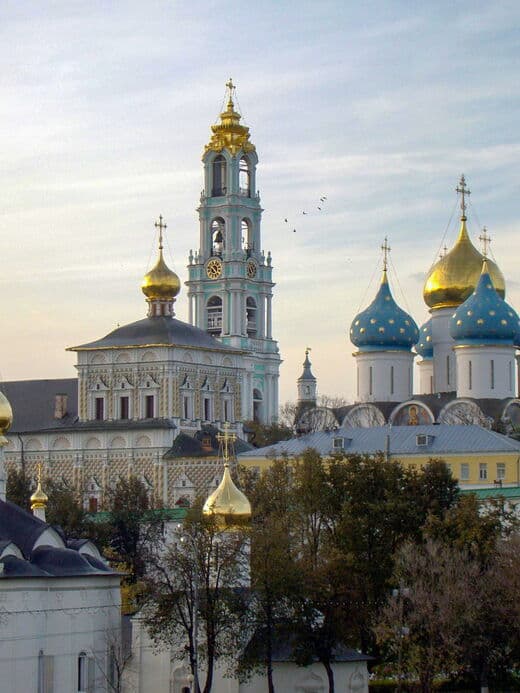
The Golden Ring is a route through ancient Russian towns northeast of Moscow. The classic itinerary includes Sergiev Posad (the country's main monastery - Trinity Lavra of St. Sergius), Vladimir (medieval capital of Rus, Assumption Cathedral with frescoes by Andrei Rublev, Golden Gate), Suzdal (a museum-town with wooden churches, Suzdal Kremlin, Museum of Wooden Architecture), Yaroslavl (17th-century churches, Church of Elijah the Prophet, Volga embankment), and Kostroma.
Suzdal is the jewel of the route. This tiny town (10,000 inhabitants) seems frozen in the 18th century. There are more churches here than apartment buildings, and the main transport is horse-drawn carriages. An ideal place for those who want to see 'real Russia' outside the megacities. The town has excellent guesthouses in traditional wooden houses, and you can sample local mead (medovukha) at numerous restaurants.
Northwest: St. Petersburg and Surroundings
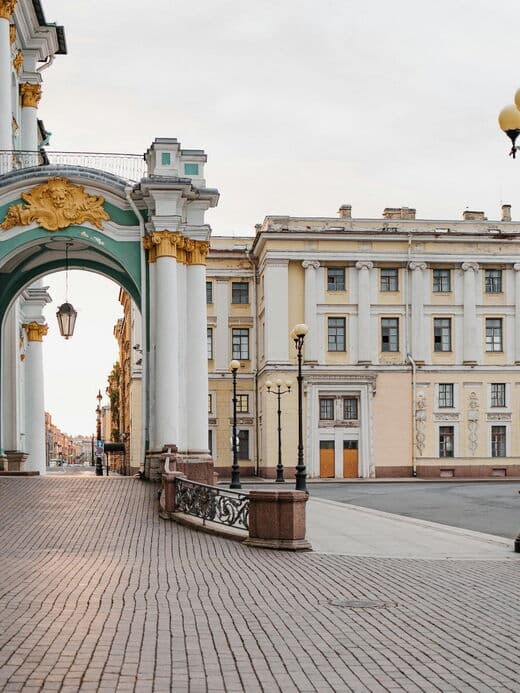
St. Petersburg is the cultural capital of Russia. The city that Peter the Great built on swamps to 'cut a window to Europe.' And you can feel it: the architecture here is European, the layout is regular, the atmosphere is intellectual. For American visitors, think of it as Russia's answer to Paris - a city designed for grandeur, where every corner offers a photo opportunity.
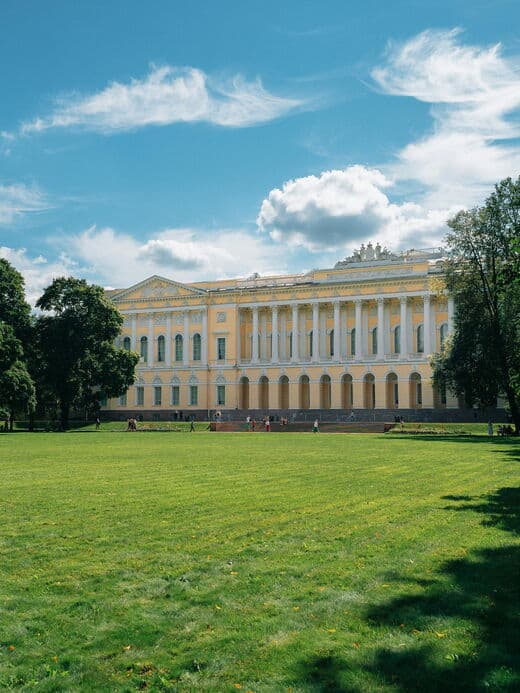
The Hermitage is one of the largest museums in the world. Three million exhibits, 350 halls, a collection ranging from Egyptian mummies to Picasso. To see everything would take years - so choose sections in advance. Impressionists and Post-Impressionists are in the General Staff Building opposite the Winter Palace. The Russian Museum is the main collection of Russian art, less touristy than the Hermitage and an excellent alternative.
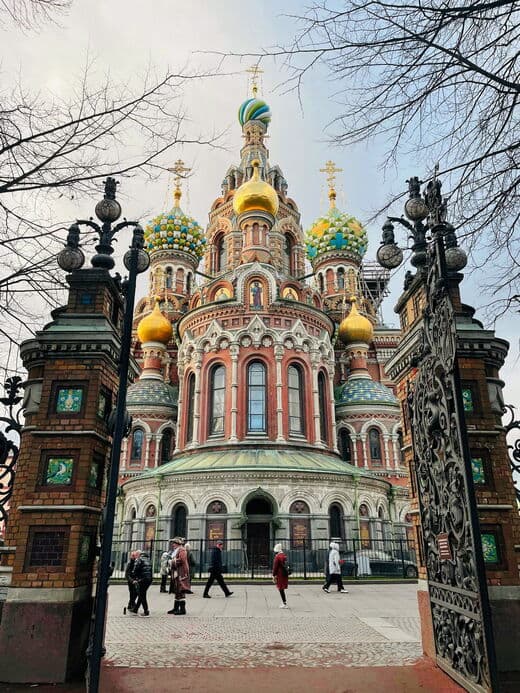
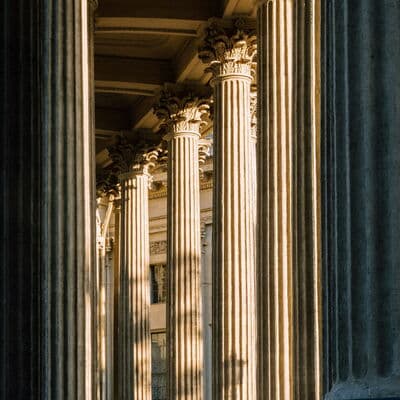
Architectural must-sees: Peter and Paul Fortress (where the city began), St. Isaac's Cathedral (climb the colonnade for a panorama - 262 steps, worth every one), Church of the Savior on Spilled Blood (Russian style amid the Baroque city, built on the site where Alexander II was assassinated), Kazan Cathedral, Smolny Cathedral. Nevsky Prospekt is the main artery of the city, where you can walk for hours, ducking into cafes, bookstores, and shops.
Modern St. Petersburg: New Holland Island is a former naval shipyard transformed into a trendy public space with restaurants, shops, and summer concerts. Erarta is the best contemporary art museum in the city. Lakhta Center is the tallest skyscraper in Europe, Gazprom's headquarters - controversial but impressive. The Street Art Museum is unexpected for such a classical city but showcases Russia's vibrant urban art scene.
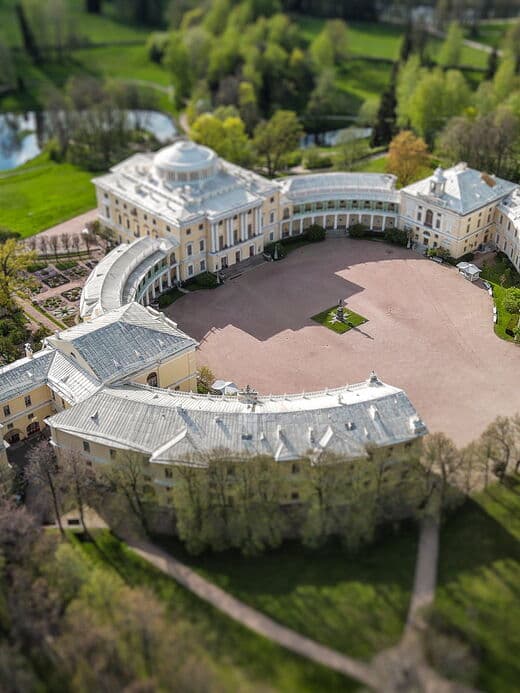
The suburbs are essential: Peterhof (Russia's Versailles with fountains - summer only!), Tsarskoye Selo (Catherine Palace with the recreated Amber Room, one of the world's great artistic achievements), Pavlovsk (more intimate but equally beautiful palace and park). These can each be done as half-day trips from the city.
White Nights are a special season. From late May to mid-July, the sun barely sets, the city does not sleep, and bridges are raised to music around 1:30 AM. This is the best time for St. Petersburg, but also the most touristy - book accommodation well in advance, and expect higher prices.
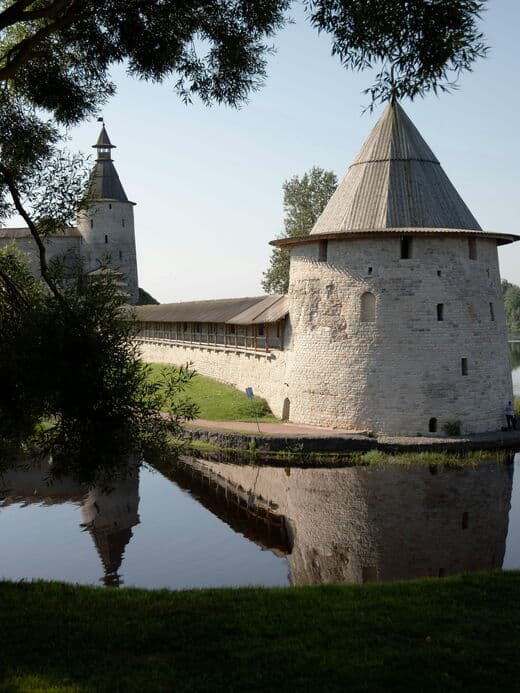
Near St. Petersburg: Vyborg is a city with Finnish and Swedish heritage, a medieval castle on an island, and Monrepos Park - easily done as a day trip. Pskov is an ancient Russian city with a fortress and monasteries, one of Russia's oldest settlements. Veliky Novgorod was the first capital of Rus, with an 11th-century Kremlin and St. Sophia Cathedral - a fascinating place to understand Russia's medieval roots.
Volga Region: Kazan and Tatar Culture
Kazan is the capital of Tatarstan and Russia's 'third capital.' A city where East meets West, Islam meets Orthodoxy, Tatar culture meets Russian. And this is not just rhetoric: in the Kazan Kremlin (UNESCO World Heritage Site), the Qol Sharif Mosque stands alongside the Annunciation Cathedral. For American visitors familiar with diverse cities, Kazan offers something unique - a centuries-old peaceful coexistence of different faiths that feels both exotic and instructive.
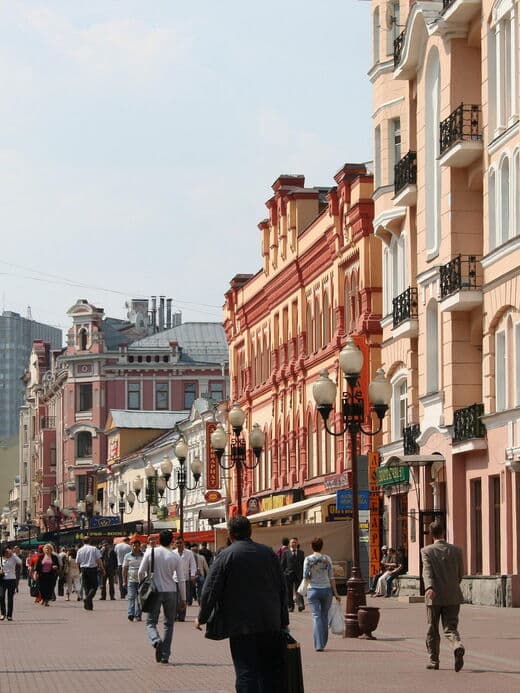
Bauman Street is the pedestrian artery of the city, the local Arbat. Old Tatar Quarter is a historical district with wooden houses and mosques. The Temple of All Religions is an eclectic building combining symbols of 16 religions (not a functioning temple but an art object, fascinating to photograph). The Palace of Farmers is a modern palace with a giant bronze tree - controversial but photogenic. The Kazan Family Center is an observation deck in a building shaped like a cauldron (kazan means cauldron in Tatar).
Tatar cuisine is a separate reason to visit Kazan. Echpochmak (triangular pie with meat), gubadiya (sweet layered pie), chak-chak (honey dessert), kazylyk (horse sausage - for the adventurous). At the Chak-Chak Museum you can taste and buy. The food in Kazan is genuinely different from Russian cuisine, influenced by Central Asian and Middle Eastern traditions, and offers excellent value for money.
Near Kazan: Bolgar is the ancient capital of Volga Bulgaria (UNESCO), with Islamic monuments from the 10th-15th centuries - a fascinating glimpse into pre-Mongol Islamic civilization in Russia. Sviyazhsk is an island-town with 16th-century monasteries (also UNESCO) - atmospheric and easily combined with Bolgar as a day trip.
Nizhny Novgorod is the fifth largest city in the country, at the confluence of the Volga and Oka rivers. The Kremlin on a high bank, the Chkalov Staircase (560 steps!), Bolshaya Pokrovskaya Street - a pedestrian street. Less touristy than Kazan but with a strong atmosphere. The city was closed to foreigners until 1991 (it was a major military-industrial center), so it retains an authentic feel with fewer tourist traps.
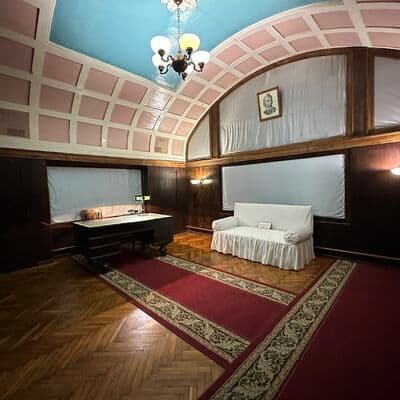
Samara is a city on the Volga with Russia's longest embankment (5 km / 3 miles), a Stalin-era bunker, and space history (rockets were built here). A good stopover on a Trans-Siberian journey.
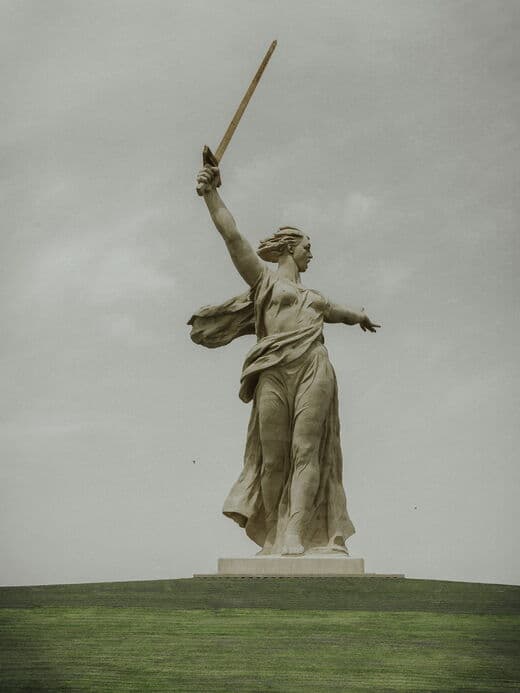
Volgograd (formerly Stalingrad) is a hero city, the site of one of the decisive battles of World War II. Mamayev Kurgan with 'The Motherland Calls' monument is the main military memorial zone in the country - an emotionally powerful experience regardless of nationality. The statue at 85 meters (279 feet) was the tallest in the world when completed in 1967.
South: Sochi and the Black Sea
Sochi is Russia's main resort, completely transformed for the 2014 Winter Olympics. This is a rare case where a Soviet resort received modern infrastructure of world standards - and it shows. The city now rivals Mediterranean resorts in quality, though with a distinctly Russian character.
The Olympic Park features stadiums, arenas, and singing fountains. The Arboretum is a botanical garden on a mountain slope with a cable car. Skypark offers bungee jumping from one of the longest pedestrian bridges in the world - a genuinely thrilling experience run by the AJ Hackett team.
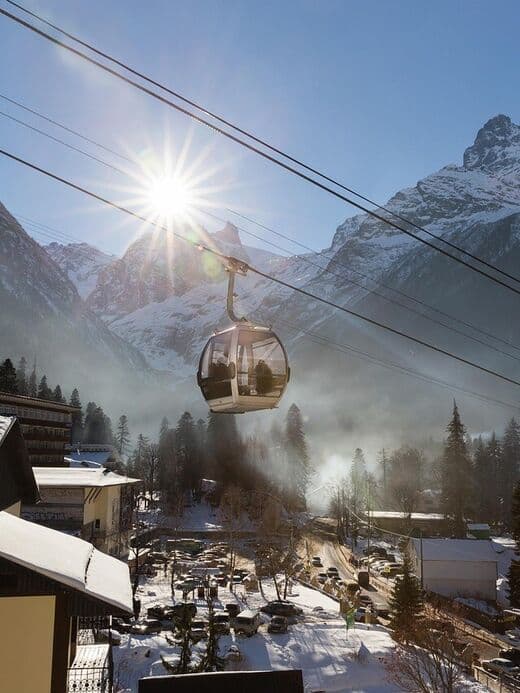
Krasnaya Polyana (also known as Rosa Khutor) is a ski resort 40 km from the sea. In winter - skiing and snowboarding with excellent powder. In summer - hiking and mountain biking. In December 2025, Russia's first mountain museum of contemporary art, 'Krasnye Gorki,' opened here.
Sochi is unique in that you can ski in the mountains in the morning and swim in the sea in the evening (weather permitting in spring or autumn). The subtropical climate means palm trees and citrus trees alongside ski slopes - an unusual combination.
Anapa is a family resort with sandy beaches (rare for the Black Sea). Gelendzhik is a resort with a bay and cable car to Markhotsky Ridge. Krasnodar is the regional capital, a modern city with good restaurants but not a resort - worth a stop but not a destination.
Caucasus: Dagestan and the Mountains
Derbent is the oldest city in Russia (2000+ years), with Naryn-Kala fortress (UNESCO) and narrow streets of the old town. Dagestan overall is a region with incredible mountain landscapes, authentic culture, and cuisine, but requiring caution and preparation. The US State Department has advisories for this region - check current guidance before planning a visit. That said, organized tours with experienced local guides can offer safe access to this spectacular region.
Urals: The Border of Europe and Asia
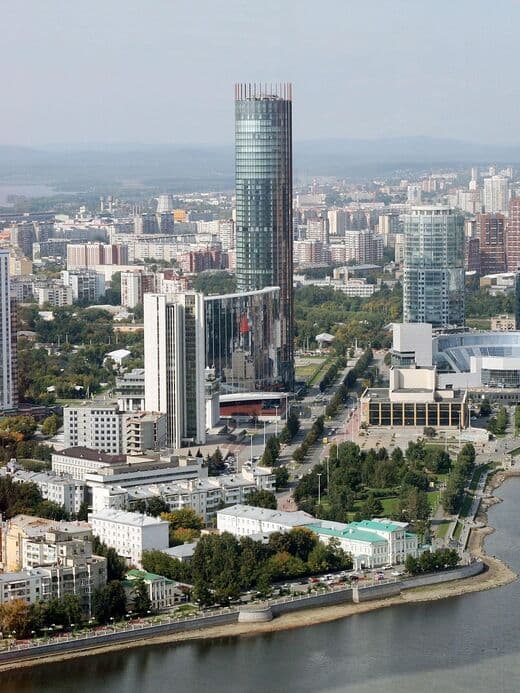
Yekaterinburg is the unofficial capital of the Urals, the city where the Tsar's family was executed. The Church on Blood is built on the site of the execution. Ganina Yama is a monastery at the site where the bodies were discarded. The Vysotsky observation deck offers a city panorama from a skyscraper. For Western visitors interested in 20th-century history, Yekaterinburg offers a profound and sobering experience connected to the end of the Romanov dynasty.
Yekaterinburg is also the capital of Constructivism. Dozens of buildings from the 1920s-30s in this avant-garde architectural style survive here: the Chekist Town, the Urals Regional Soviet House, the White Tower. Architecture enthusiasts should not miss this - it is one of the best-preserved collections of Constructivist architecture anywhere.
Perm is a city with a strong cultural scene (PERMM Museum of Contemporary Art, Perm Ballet) and a gateway to the Ural Mountains. It was also featured in several of Boris Pasternak's works.
Siberia: Baikal and the Trans-Siberian
Novosibirsk is the largest city in Siberia but not the most touristy. The Opera Theatre is one of the largest in Russia, the Zoo is excellent, and Akademgorodok was the scientific center of the USSR - an interesting glimpse into Soviet intellectual life. Most visitors use Novosibirsk as a stopping point rather than a destination.
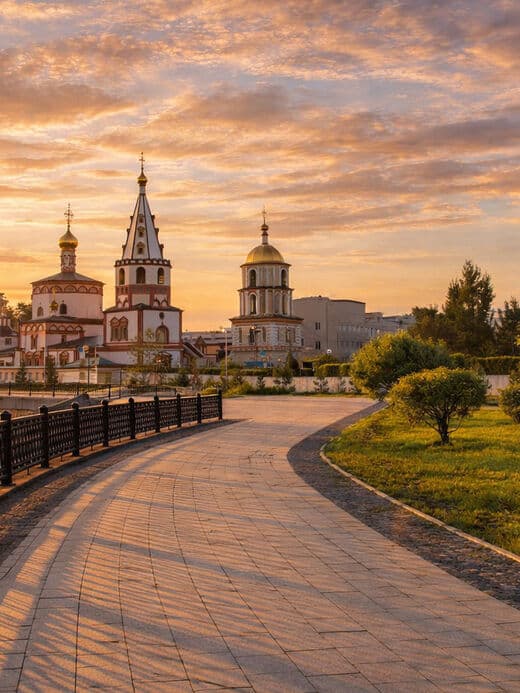
Irkutsk is the gateway to Lake Baikal. Wooden architecture, churches, a 19th-century atmosphere. From here you head to Baikal: to Listvyanka (the most accessible village on the lake, 1 hour), to Olkhon Island (5 hours plus ferry - shamanic sites of the Buryats, Shaman Rock), to Slyudyanka (start of the Circum-Baikal Railway).
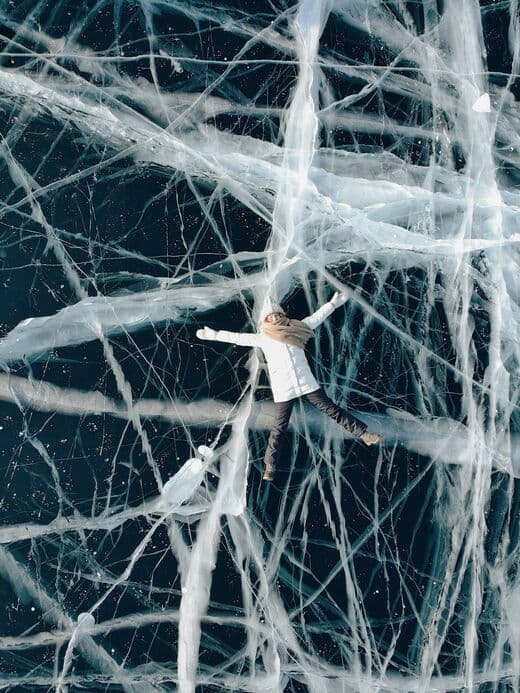
Lake Baikal is a separate story. The deepest lake in the world (1,642 meters / 5,387 feet), the largest freshwater lake by volume. Age: 25 million years - it was here before humans existed. The water is so pure that in winter, when the lake freezes, the ice is transparent as glass. The Nerpa, or Baikal seal, lives here - the only freshwater seal in the world. For nature lovers, Baikal is one of Earth's most remarkable places.
Winter Baikal (February-March) is a special sight. Miles of transparent ice with air bubbles, ice grottos, skating on the lake itself. Summer Baikal offers hiking, cruises, and fishing. The shoulder seasons (May, September-October) offer fewer crowds and still-beautiful conditions.
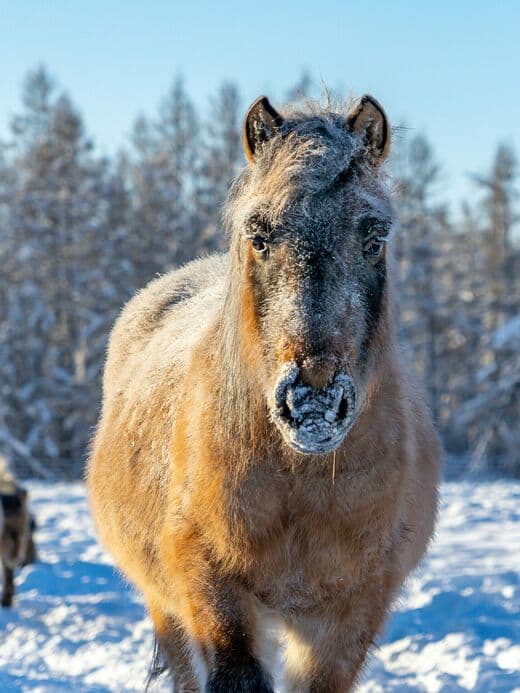
Yakutsk is for hardcore travelers. The coldest major city in the world (average January temperature -40C/-40F - the point where Celsius and Fahrenheit meet). Permafrost, underground laboratories, the mammoth museum with real mammoth remains. Visiting Yakutsk is an extreme adventure, but genuinely unique.
Far East: The Edge of the World
Vladivostok is the final point of the Trans-Siberian Railway, a city on hills by the Pacific Ocean. The Russky Bridge is a cable-stayed bridge to Russky Island with a record span. The atmosphere resembles Asia more than Europe: Korean restaurants, Chinese markets, seafood everywhere. From here it is close to Japan, Korea, and China. For American visitors from the West Coast, Vladivostok feels surprisingly familiar - a Pacific Rim city that happens to be Russian.
Kamchatka offers volcanoes, geysers, bears, and red caviar. Complex logistics (only by plane from Moscow or Vladivostok), high prices, but a unique experience. The Valley of Geysers is one of the largest geyser fields in the world, accessible only by helicopter. This is true wilderness tourism - not for the budget-conscious, but unforgettable for those who make the journey.
Kaliningrad: Russia in Europe
Kaliningrad is the former Konigsberg, a Russian exclave between Poland and Lithuania. A city with Prussian heritage: the Cathedral with Kant's tomb, Fish Village (a reconstruction in German style), forts and bastions. The city has a completely different feel from the rest of Russia - more Baltic, more European, almost like visiting two countries at once.
The Amber Museum is the main museum of the 'sun stone.' Amber is the symbol of the region - 90% of the world's amber is extracted here. The Curonian Spit is a national park (UNESCO), a sandy spit between the sea and the lagoon, with the Dancing Forest and dramatic dunes - hauntingly beautiful and unlike anywhere else in Russia.
In 2025, a branch of the Tretyakov Gallery opened in Kaliningrad, along with the 'Planet Ocean' museum - the largest educational center about the ocean in Russia. The city is experiencing a cultural renaissance and is increasingly popular with tourists.
Note for American/British visitors: Kaliningrad requires the same Russian visa as the rest of Russia, but getting there is complicated. Direct flights exist from Moscow and St. Petersburg, but traveling overland requires transiting through Lithuania or Poland (and their Schengen visas) unless you fly.
Unique Places in Russia
UNESCO World Heritage Sites
Russia is in the top 10 countries by number of World Heritage sites. Here are the most significant for tourists:
The Kremlin and Red Square, Moscow - the symbol of the country, the political and spiritual center of Russia for centuries. Inside are 15th-17th century cathedrals, the Armoury Chamber, and the Diamond Fund. For many Western visitors, this is where the mystique of Russia becomes tangible.
Historic Center of St. Petersburg - not one monument but an entire city: palaces, canals, cathedrals, parks. Peterhof, Tsarskoye Selo, and Pavlovsk are part of this complex. Often compared to Venice for its waterways, though the architectural style is distinctly different.
Kizhi - an island in Karelia with 18th-century wooden churches. The 22-domed Transfiguration Church is the pinnacle of Russian wooden architecture, built without a single nail. Reaching Kizhi requires some effort (hydrofoil from Petrozavodsk), but it is one of Russia's most photogenic sites.
Solovetsky Islands - a 15th-century monastery that became a GULAG camp under the USSR. Dark and powerful history. The islands are remote (accessible by boat from Kem or plane from Arkhangelsk), but offer a profound experience for those interested in Russian history's darker chapters.
White Stone Monuments of Vladimir and Suzdal - medieval cathedrals and churches, including the Church of the Intercession on the Nerl - one of the most perfect temples of ancient Rus, standing alone in a field, a sublime example of Romanesque-influenced Russian architecture.
Lake Baikal - natural heritage, the deepest and oldest lake in the world. No UNESCO list of Russia would be complete without it.
Kazan Kremlin - the only Tatar kremlin in Russia, combining Islamic and Orthodox architecture. A powerful symbol of Russia's multiethnic character.
Bolgar - the ancient capital of Volga Bulgaria, with Islamic monuments from the 10th-15th centuries. Less visited than it deserves, this site offers insights into pre-Mongol Islamic civilization.
Curonian Spit - a natural and cultural landscape, a sandy spit with dunes and the Dancing Forest. Shared with Lithuania, it is one of the Baltic region's natural wonders.
Wooden Architecture
Russia is one of the few countries where authentic wooden architecture survives. Kizhi is the most famous example, but not the only one.
The Museum of Wooden Architecture in Suzdal features peasant houses, mills, and churches brought from across Vladimir Oblast. Vitoslavlitsy near Veliky Novgorod is a similar open-air museum. In Irkutsk, there is an entire quarter of 19th-century wooden houses, and Taltsy is a museum of Siberian wooden architecture. For architecture enthusiasts from countries where wood was traditionally less used, these sites offer a revelation.
Trans-Siberian Railway
9,288 kilometers (5,772 miles) from Moscow to Vladivostok - the longest railway in the world. The journey takes about 7 days without stops, but it is better to make stops: Kazan, Yekaterinburg, Novosibirsk, Irkutsk (Baikal), Ulan-Ude (Buddhism), Vladivostok. This is the classic overland journey, one of the great travel experiences remaining in the world.
The Trans-Siberian is not about comfort (though luxury carriages exist), but about experience. Endless landscapes outside the window, fellow travelers with stories, the samovar at the end of the carriage, vendors selling pirozhki at stations. In 2025, international trains to Ulan Bator (Mongolia) resumed, and connections to Beijing are being restored. For many Western travelers, the Trans-Siberian represents the ultimate Russian adventure.
Practical advice for Americans and Brits: the journey is long and can be monotonous, but this is part of its appeal. Bring books, snacks, and a phrasebook. Your compartment-mates will likely share food and vodka - accepting is polite and leads to memorable encounters. Third class (platzkart) is an open carriage and the most authentic experience; second class (kupe) offers four-person compartments with doors that close.
Russia's Nature: Beyond Red Square
Most foreign visitors picture Russia as the Kremlin, nesting dolls, and endless taiga. But the real Russia is a country of extraordinary natural diversity: from the subtropical coast of Sochi to Arctic deserts, from the volcanoes of Kamchatka to the sand dunes of Kaliningrad. There are places here that rival Iceland, Patagonia, and Yellowstone - they are simply little known outside Russia.
This section is a guide to the country's natural wonders. Not museums and cathedrals, but volcanoes, canyons, plateaus, and lakes. Places worth flying to the edge of the world for - or at least to the edge of Russia.
Kamchatka: Land of Fire and Ice
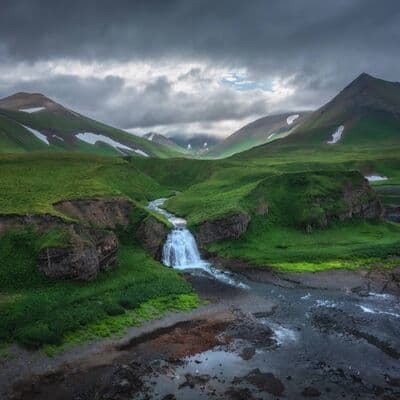
Kamchatka is a peninsula on the far eastern edge of Russia, where 30 active volcanoes coexist with glaciers, geysers, and bears. People come here for an experience that simply cannot be had anywhere else: watching a volcanic eruption, bathing in hot springs surrounded by snow, and observing brown bears at arm's length.
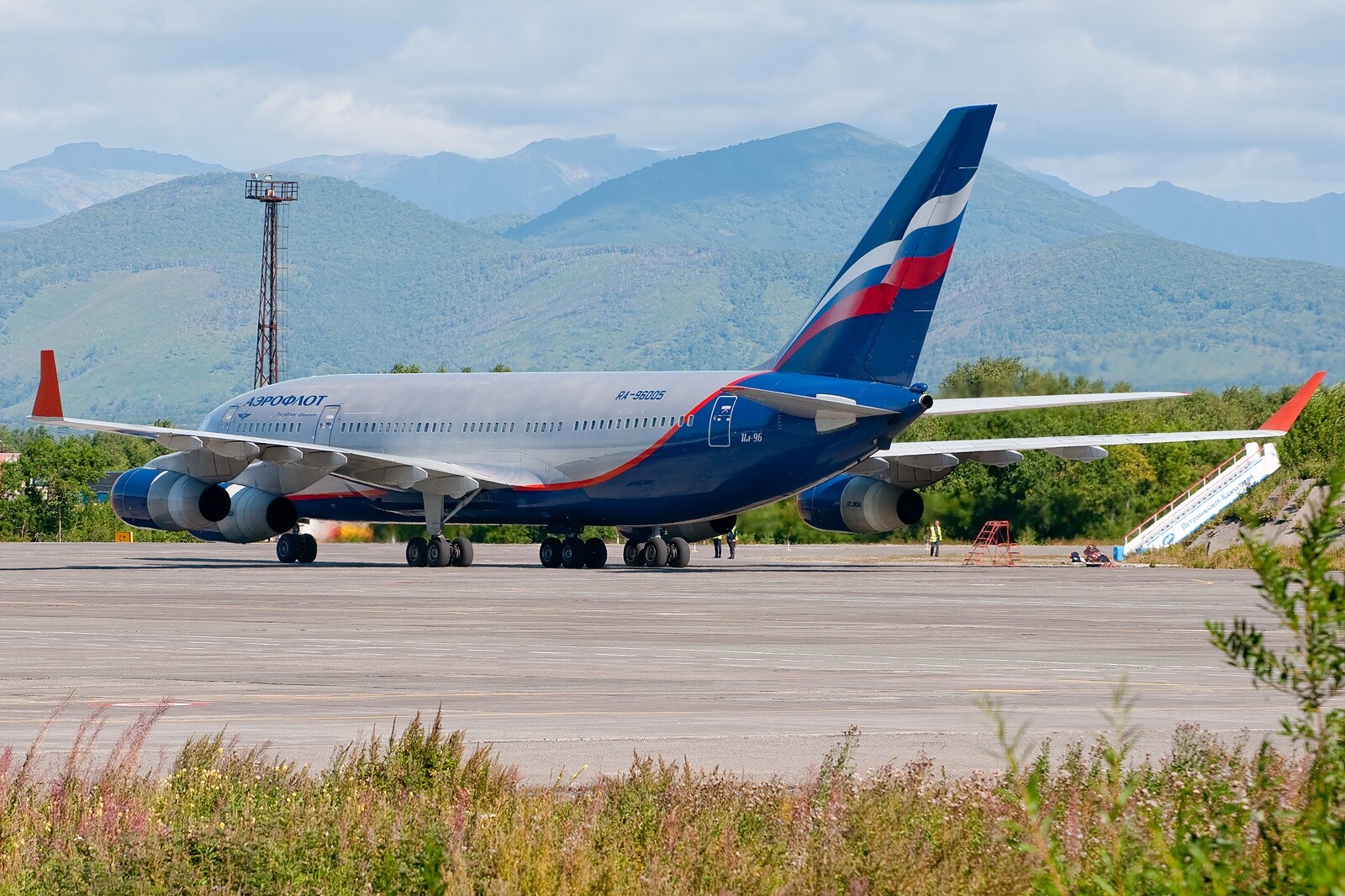
Getting there: Direct flights from Moscow to Petropavlovsk-Kamchatsky take 8-9 hours. Aeroflot operates daily. Tickets run from around 16,000 rubles (roughly $170) in the low season (spring and autumn) to 40,000+ rubles ($430+) at peak times (July-August). Book 2-3 months in advance and you can save 20-30%. Note that US and UK passport holders need a Russian visa - apply well in advance through a consular office or specialist visa agency.
Best season: July-August - everything is accessible, but expensive and crowded. June and September offer a good balance of price and weather.
Valley of Geysers
The Valley of Geysers is one of the largest geyser fields in the world, comparable to Yellowstone. Around 40 geysers, hot springs, and mud pots - all within the caldera of an ancient volcano. The only catch: the valley can only be reached by helicopter.
Logistics: The helicopter excursion from Petropavlovsk-Kamchatsky takes 6-7 hours in total, including the flight (1 hour 15 minutes each way) and time on the ground. Tours usually combine three stops: the Valley of Geysers, the caldera of Uzon Volcano, and the Nalychevo thermal springs.
Prices (2025-2026): Group tour (up to 21 people) - from 52,000 rubles (~$560) per person. Small group - 75,000-105,000 rubles (~$810-$1,130). Private helicopter charter - from 330,000 rubles (~$3,560, Robinson, up to 3 people) to 820,000 rubles (~$8,840, Bell 429, up to 6 people). Book several weeks in advance, especially in August.
Important: The valley lies within the Kronotsky Nature Reserve. Independent visits are not permitted - tours must be booked through a licensed operator. Weather determines everything: helicopters are frequently postponed due to fog. Always build in a spare day.
Avachinsky Volcano
Avachinsky (Avachinska Sopka) at 2,741 m (8,993 ft) is one of the most accessible active volcanoes in the world. It sits just 30 km (19 miles) from Petropavlovsk-Kamchatsky and the ascent requires no mountaineering experience.
Format: A day tour departs at 6 a.m., involves around 6 hours of climbing and 4 hours of descent, returning by evening. Alternatively, a multi-day format with an overnight stay at base camp is more comfortable and allows you to combine the climb with the neighbouring Koryaksky Volcano.
Prices: A single-day ascent costs 11,000-17,500 rubles (~$120-$190) depending on group size. No permits are needed - the volcano lies in the open zone of Nalychevo Nature Park.
Commander Islands
The Commander Islands are an archipelago in the Bering Sea, 900 km (560 miles) from the mainland. This UNESCO Biosphere Reserve is home to northern fur seal and Steller sea lion rookeries, seabird colonies packed with tufted puffins, and whales close to shore. Vitus Bering, the islands' discoverer, is buried here.
Getting there: A Let L-410 aircraft flies from Petropavlovsk-Kamchatsky to the village of Nikolskoye on Bering Island. The flight takes 2-4 hours and costs around 52,000 rubles (~$560) one way. Important: flights are cancelled regularly due to weather. Do not plan a tight connection to a mainland onward flight - delays of several days are entirely normal here.
Alternative: Expedition cruises aboard the vessel Professor Khromov - July and September, from 350,000 rubles (~$3,770) per person.
Tours: From 250,000 rubles (~$2,700) for an organised programme with accommodation. This destination is for travellers who are ready for an adventure and have the budget to match.
Altai: Russia's Switzerland
Gorny Altai (the Altai Mountains) is a region on the borders of Kazakhstan, Mongolia, and China. The mountains resemble the Alps, the lakes are a vivid turquoise, and ancient petroglyphs dot the landscape. UNESCO has inscribed the Altai on the World Heritage List as the "Golden Mountains of Altai." Here you can spot snow leopards (if you are lucky) and hike routes that are regularly compared to Patagonia.
Getting there: Direct flights from Moscow to Gorno-Altaysk (S7, Aeroflot) take 4 hours, with tickets from around 10,600 rubles (~$115). Alternatively, fly to Novosibirsk and drive (450 km / 280 miles, 5-6 hours on an excellent road).
Chuisky Trakt (Chuya Highway) is the region's main road and one of the most scenic motorways in the world. In 2025 it is being actively widened to four lanes. Road conditions are excellent throughout.
Best season: Late July to early September. July-August is peak season - book accommodation 1-2 months ahead. September is the "golden season," with prices 30-40% lower.
Warning: From April through July there is a high risk of tick-borne encephalitis. Travel insurance covering tick-borne encephalitis, or advance vaccination, is strongly recommended.
Multinskiye Lakes
Multinskiye Lakes are a cascade of four high-altitude lakes on the Katun Ridge: Lower (Nizhneye), Middle (Sredneye), Upper (Verkhneye), and Transverse (Poperechnoye). This is one of the most scenic spots in the Altai.
Route: Gorno-Altaysk to Ust-Koksa (450 km / 280 miles), then to the village of Multa, and on to the lakes. Lower and Middle lakes can be reached by 4WD vehicle. Upper and Transverse lakes are accessible only on foot or horseback. The full trekking circuit is 55 km (34 miles) and takes 7 days.
Permits: Upper and Transverse lakes lie within Katunsky Nature Reserve. A permit is issued in Ust-Koksa or at the ranger post. Foreign nationals also need an additional border zone permit - this must be arranged in advance through the FSB (the Russian security service). Tour operators typically handle this on your behalf.
Accommodation: Multa Lakes Tourist Complex in the village of Zamulta - from 900 rubles (~$10) for camping to 3,500 rubles (~$38) for a cabin with breakfast.
Geyser Lake
Geyser Lake is a small turquoise lake with a "pulsating" bed. Thermal springs on the lakebed cause the silt and sand to form constantly shifting patterns. It is one of the most photogenic stops along the Chuya Highway.
Location: Km 796 of the Chuya Highway, 6 km from the village of Aktash. Park at the "Malen'ky Ray" (Little Paradise) base, then walk 10 minutes along a forest trail.
Entry: Around 100 rubles (about $1). There is a marshy section on the path - waterproof footwear is advisable. Perfectly combined with a drive along the Chuya Highway as a stop along the way.
Teletskoye Lake
Teletskoye Lake is the largest lake in the Altai and a UNESCO World Heritage Site. It stretches 77 km (48 miles) in length, reaching a depth of 325 m (1,066 ft). The main tourist infrastructure is on the northern shore - in the villages of Artybash and Iogach.
Getting there: Gorno-Altaysk to Artybash is 200 km (125 miles), about 3-4 hours by car.
What to do: Motorboat excursions to the Korbu, Chooder, and Kishte waterfalls. Korbu Waterfall is the main attraction and is accessible only from the water.
Prices: Full-day boat excursion (11 hours) - from 6,900 rubles (~$74). Short boat trips - from 1,500-3,000 rubles (~$16-$32). Accommodation in Artybash ranges from 2,000 rubles (~$22) at budget guesthouses to 38,000 rubles (~$410) for luxury chalets.
Karelia: Land of a Thousand Lakes
Karelia is a region on the border with Finland, known for its wooden architecture, rocky lakes, and white nights. It is the closest "wild" nature to both St Petersburg and Moscow.
Getting there: The Kareliya train runs from Moscow to Petrozavodsk in 10.5 hours, from around 1,600 rubles (~$17). Alternatively, fly from Vnukovo Airport (Pobeda airline, 1.5 hours, from about 2,200 rubles / ~$24). The Lastochka express train from St Petersburg takes 5 hours and costs from 1,100 rubles (~$12).
Best season: June-August - white nights, everything is open. September-October - autumn foliage, fewer tourists. Winter - Ruskeala with its illuminations is particularly beautiful.
Important: Insect repellent is essential from late May through September - mosquitoes are plentiful.
Ruskeala Mountain Park
Ruskeala is a former marble quarry transformed into a tourist park. The canyon is 450 m (1,480 ft) long, filled with turquoise water, and features underground mine tunnels and a zip-line across the canyon. The marble quarried here was used in the construction of St Isaac's Cathedral and the Winter Palace in St Petersburg.
Getting there: Take the Lastochka express from St Petersburg's Finland Station (departing 06:15) to Sortavala in 4 hours. From there, board the "Ruskeala Express" - a steam-hauled heritage train that is itself part of the experience (departing around 10:50, arriving at the park at 12:05). Return to St Petersburg on the Lastochka at 18:32, arriving 22:43. This makes for a very satisfying full-day trip.
Prices (2026): Entrance - 750 rubles (~$8) for adults, 550 rubles (~$6) for children. The underground route, zip-line, and rowing boats are charged separately. The zip-line across the canyon costs 3,000 rubles (~$32).
In winter: Artistic illuminations and ice sculptures light up the canyon. Particularly beautiful at dusk.
Kivach Waterfall
Kivach is the second largest lowland waterfall in Europe, after the Imatra Falls in Finland. It lies within the Kivach Nature Reserve, 80 km (50 miles) from Petrozavodsk.
Getting there: By car is the most convenient option. Public transport is awkward: take a bus to Sopokha, then walk or hitch 8 km. The best option is an organised excursion from Petrozavodsk, which usually combines Kivach with other nearby sights.
Nearby: The reserve's arboretum and natural history museum. The waterfall does not freeze in winter and is accessible year-round.
The Caucasus: Mountains, Canyons, and Ancient Villages
The North Caucasus is Russia's most diverse region. It has everything: the highest peak in Europe (Elbrus), the deepest canyon (Sulak Canyon), ancient mountain villages, mosques and churches, ski resorts, and alpine meadows.
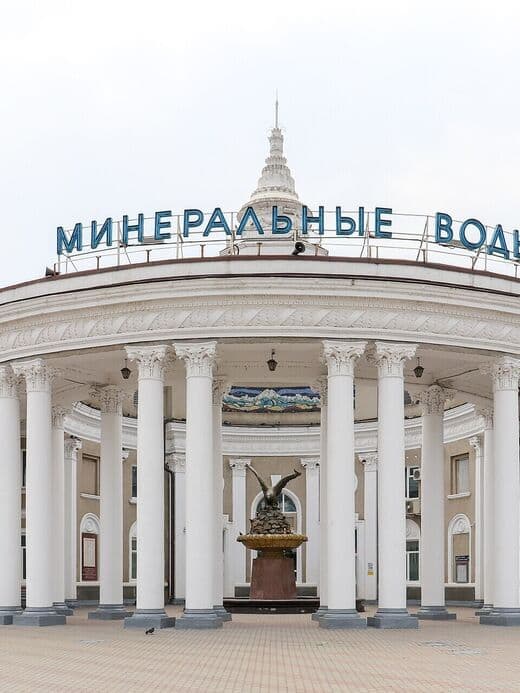
Main hub: Mineralnye Vody airport (MRV) - around 70 routes and 21 airlines. Buses and minibuses run from here to all the resorts.
Transport from Mineralnye Vody:
- Elbrus (Terskol / Azau): buses at 07:10, 08:10, 11:50, 20:45 - around 1,390 rubles (~$15), 3-4 hours
- Dombai: buses at 12:30 and 17:10 from the airport - around 1,200-1,400 rubles (~$13-$15), 4 hours
- Arkhyz: buses at 07:00, 08:10, 12:25 from the bus station - around 1,000-1,200 rubles (~$11-$13), 4 hours
Best season: Skiing - December to March. Trekking - July to September. Autumn colours - September to October (fewer people, beautiful foliage).
Elbrus
Elbrus at 5,642 m (18,510 ft) is the highest peak in Europe - taller than Mont Blanc and often described as Europe's answer to Kilimanjaro. But for most visitors it is of interest not only as a mountaineering objective, but also as a ski resort and incredible viewpoint.
Cable car: Three stages of gondola lifts carry visitors up to 3,847 m (12,621 ft) - the Garabashi station, the highest cable car point in Europe. The views are staggering even for those who have no interest in skiing.
New for 2025-2026: Two new cable cars have opened in the eastern sector, adding 5 km of ski runs. The resort is developing rapidly.
Where to stay: The villages of Terskol, Azau, and Cheget have a good range of guesthouses and hotels.
Chegem Waterfalls
The Chegem Waterfalls are a cascade of falls in the Chegem Gorge, about 50 km (31 miles) from Nalchik. In winter they partially freeze and look particularly dramatic - ice stalactites, blue ice formations.
Getting there: Taxi from Nalchik - around 2,000-2,500 rubles (~$22-$27), 1.5-2 hours. Buses run but are inconvenient. An organised excursion from Nalchik, Kislovodsk, or Stavropol is the better option.
Best time: November to March (frozen waterfalls). Beautiful in summer too, but crowded.
Sulak Canyon
Sulak Canyon in Dagestan is deeper than the Grand Canyon by 63 metres (207 ft). Reaching a depth of 1,920 m (6,300 ft), with a turquoise river at the bottom, sheer cliffs, and viewing platforms, it is one of the most awe-inspiring places in Russia - and one of the least known to international travellers.
Excursions from Makhachkala: The classic tour takes in the viewing platforms, a motorboat ride on the Chirkei Reservoir, and lunch at a trout farm. Price: 3,000-3,900 rubles (~$32-$42) for a group tour, 5,500-6,900 rubles (~$59-$74) for a private tour. Full day.
Self-guided: By car via Buynaksk (100 km / 62 miles from Makhachkala). Without a car this is difficult - public transport is almost non-existent.
Gamsutl
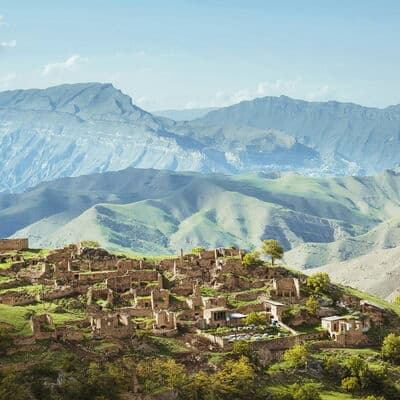
Gamsutl is an abandoned mountain village at an elevation of 1,500 m (4,921 ft), deserted in the 1990s. Stone houses seemingly growing out of the cliff face, breathtaking mountain views. It has been called the "Dagestan Machu Picchu."
Route: Makhachkala to Gunib (200 km / 124 miles), then to the village of Chokh (10 km), then 2-2.4 km on foot to Gamsutl. The ascent takes 1-1.5 hours with around 300 m (1,000 ft) of elevation gain. In 2025 the trail was upgraded - signage was added and the path is now safer.
What to bring: Water, trekking shoes, sunscreen (temperatures can reach 30°C / 86°F in summer), and a waterproof layer.
Safety in Dagestan: The region is safe for tourists. In popular destinations (Makhachkala, Derbent, Sulak Canyon, Gunib) independent travel is straightforward. For remote mountain villages, a local guide is advisable. Avoid mountain roads after dark - they are unlit.
Dombai and Arkhyz
Dombai is one of Russia's oldest ski resorts. It has well-developed infrastructure and is roughly 20% cheaper than Arkhyz. In summer it offers excellent trekking to waterfalls and glaciers.
Arkhyz is a newer resort that has been developing rapidly since 2014. It offers 27 km (17 miles) of pistes, 9 chairlifts and gondolas, and night skiing. Season 2025-2026: 6 December to 10 May.
Sofia Lakes: Sofia Lakes at the foot of Mount Sofia (2,800 m / 9,186 ft) is one of the most popular trekking routes in the Caucasus. It takes 4-5 hours one way and requires no specialist preparation.
Teberda Nature Reserve
Teberda National Park is a UNESCO Biosphere Reserve. It has 12 marked ecological trails in the area around Teberda and Dombai. The park is open from May to October, with walking restricted to designated routes.
Entry fees: Dombai sector - 200 rubles (~$2); Teberda and Arkhyz - 100 rubles (~$1); the trail to Baduk Lakes - 300 rubles (~$3). A passport is required at checkpoints. Some routes require a border zone permit (arranged through the Russian government services portal or, for foreign nationals, via the FSB).
Siberia: Lost Worlds
Siberia is not simply "lots of snow and cold." It is a plateau with thousands of waterfalls, stone pillars at the edge of the world, and lakes of crystal-clear water on the boundary of the taiga. Places where humans are a rare sight.
Putorana Plateau
Putorana Plateau is a volcanic plateau covering 250,000 km² (roughly the size of the United Kingdom) and a UNESCO World Heritage Site. It holds thousands of waterfalls, deep canyons, and lakes. The nearest city is Norilsk - beyond that, you travel only by helicopter or boat.
Logistics: Moscow to Norilsk (4-5 hours, Aeroflot / S7). From Norilsk to the plateau - by boat to Lake Lama (50,000-80,000 rubles / ~$540-$860 per person) or by helicopter (from 200,000 rubles / ~$2,160).
Permits: Russian citizens do not need permits. Foreign nationals must obtain an FSB permit to enter Norilsk (a border zone), which takes 30 working days to process. Plan this well in advance.
Tours: From 180,000 rubles (~$1,940) for 6-8 days (basic) to 600,000-1,000,000 rubles (~$6,470-$10,780) for premium packages. An organised tour is essential - independent access is not realistic.
Season: July to September (just 2.5 months of the year).
Level: Challenging. Complete self-sufficiency required, Arctic weather possible on any day. Suited to experienced travellers.
Lena Pillars
The Lena Pillars are vertical rock formations, 100-200 m (330-660 ft) tall, rising along the banks of the Lena River. A UNESCO World Heritage Site since 2012, they look like the set of a fantasy film.
Getting there: Moscow to Yakutsk (5.5 hours, S7 / Aeroflot). From Yakutsk, travel 186 km (116 miles) downstream by river. Passenger cruise ship: 36-47 hours one way. Speedboat: 4-5 hours.
Tours: 3-day cruise - from 30,000-80,000 rubles (~$320-$860). Multi-day programmes combining the pillars with cultural highlights of Yakutia - from 120,000 rubles (~$1,295).
Season: June to mid-September (navigation season). July-August is peak: white nights, warm weather.
Level: Easy. Accessible to all ages, especially on the passenger cruise ships.
Krasnoyarsk Stolby (Pillars)
Krasnoyarsk Stolby is a national park right on the doorstep of the city of Krasnoyarsk. Syenite rock formations up to 100 m (330 ft) tall have made this the legendary home of Russian free-climbing. It is the most accessible destination on this list.
Getting there: From central Krasnoyarsk - 25-30 minutes by car or on buses number 19, 50, or 78 to the main entrance. Alternative: take the cable car from the Bobroviy Log (Beaver Creek) ski and recreation park (eastern entrance).
Trails: "Laletinskiy" (9.6 km / 6 miles, the main trail), "Nature - The Great Sculptor" (2.5 km / 1.6 miles, suitable for all), "Legends of Takmak" (6 km / 3.7 miles). Family-friendly paths are available.
Prices: Entry is free. The cable car costs around 270 rubles (~$3).
Season: Year-round. Peak June-September. Beautiful in winter for cross-country skiing.
Ergaki Nature Park
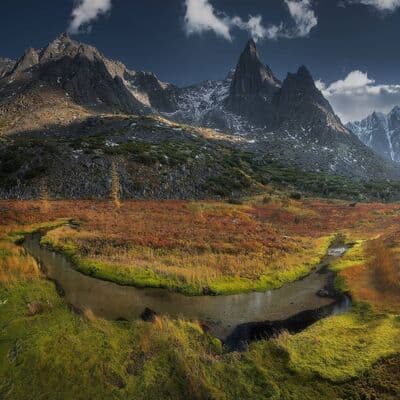
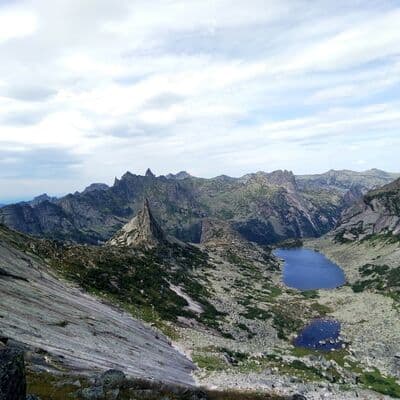
Ergaki is a mountain park in the Western Sayan range, between Krasnoyarsk and Abakan. Alpine lakes, jagged peaks, and a famously photogenic hanging boulder. One of Siberia's most popular trekking destinations.
Getting there: Moscow to Abakan (closer option, 4.5 hours, S7) or Krasnoyarsk (4 hours). From Abakan, take a bus or transfer along the R-257 highway to the park visitor centre.
Trails: "Kamenny Gorod" (Stone City, paid eco-trail), Raduzhnoe Lake to the Hanging Boulder (day hike), Dragon's Tooth Peak (2,176 m / 7,139 ft, the goal of multi-day tours). Full circuit: 70-100 km (43-62 miles), 8-12 days.
Tours: 6-8 day tours - from 46,900 to 130,000 rubles (~$505-$1,400). Options with porter support (no heavy pack) are available.
Season: July-August is optimal. June and September are cooler but less crowded.
Jack London Lake
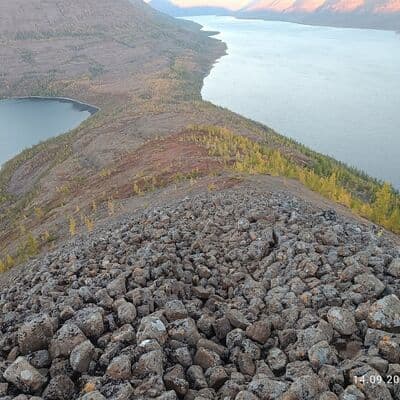
Jack London Lake is a glacial lake in the Kolyma Highlands, sitting at 803 m (2,635 ft) above sea level. Nearby is Aboriginal Peak (2,286 m / 7,500 ft), the highest point in Magadan Oblast. A geologist who found a copy of Jack London's writing on the shore gave the lake its name. This is a genuine expedition to the edge of the earth.
Logistics: Moscow to Magadan (7-8 hours). From Magadan along the "Kolyma Highway" toward Yagodnoye (~500 km / 310 miles), then by 4WD with river crossings. Then 80-100 km (50-62 miles) on foot across unmarked tundra.
Tours: 12-day programmes - from 65,000-115,000 rubles (~$700-$1,240) excluding flights. An organised tour is essential - independent access is for the most experienced wilderness travellers only.
Season: Late July to early September. August-September is preferable: fewer mosquitoes, Arctic autumn colours.
Level: Extreme. Good physical fitness, multi-day wilderness experience, and sub-Arctic equipment are required. Minimum age is 14.
The Russian North: Northern Lights and Monasteries
Solovetsky Islands
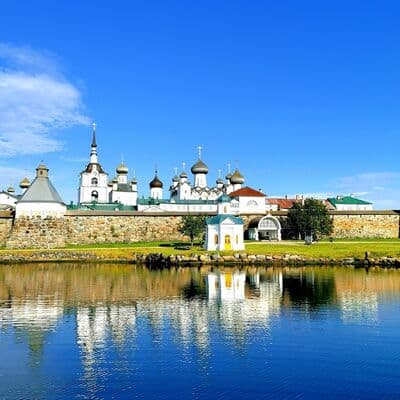
The Solovetsky Islands are an archipelago in the White Sea that brings together several layers of history: a 15th-century monastery (UNESCO World Heritage Site), Neolithic stone labyrinths, and the memory of the Gulag - the Solovetsky Special Purpose Camp was established here in 1923, becoming the forerunner of the entire Soviet labour camp system. For many visitors, this combination of extraordinary beauty and dark history makes the Solovki one of the most thought-provoking places in Russia.
What to see: The Solovetsky Monastery-Fortress, Sekirnaya Hill (a lighthouse church that served as a solitary confinement block), the Great Zayatsky Island (stone labyrinths), and the Gulag history museums.
Logistics: Train from Moscow to Kem (18 hours). From Kem (the settlement of Rabocheostrovsky) a ferry crosses to the Solovki in 2 hours. Passenger vessels "Vasily Kosyakov" and "Metel-4" depart at 08:00 and 12:30; tickets cost 2,800 rubles (~$30).
Season: 1 June to 20 September (ferry navigation). July-August - white nights, beluga whales near the shore.
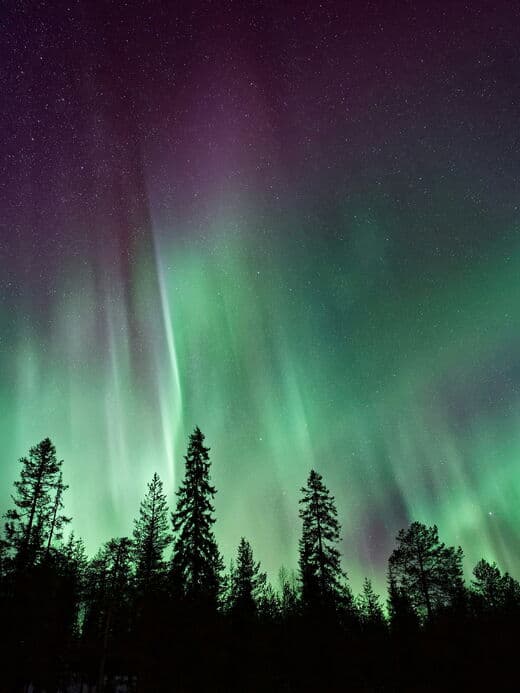
Northern Lights in Teriberka
Teriberka is a fishing village on the Barents Sea coast that became internationally known after the film "Leviathan" was shot there. Arctic scenery, frozen sea, rocky cliffs - and a high probability of seeing the northern lights. For UK, US, and Australian travellers familiar with Iceland or Norway, this feels like a less visited but equally dramatic alternative.
Season: November to March (polar night, maximum likelihood of auroras). Technically the aurora is possible from September through April.
Getting there: Moscow to Murmansk (2 hours by plane). From Murmansk, a transfer to Teriberka covers 130 km (81 miles), about 2 hours along the R-21 highway.
Tours: 3-day programmes with aurora-chasing excursions - from 25,900 rubles (~$279). Day trips from Murmansk - from 6,500 rubles (~$70). Many tours include two evening excursions: if the lights do not appear on the first night, the second is included at no extra charge.
Unique Places: From Pink Lakes to Land Art
Manpupuner
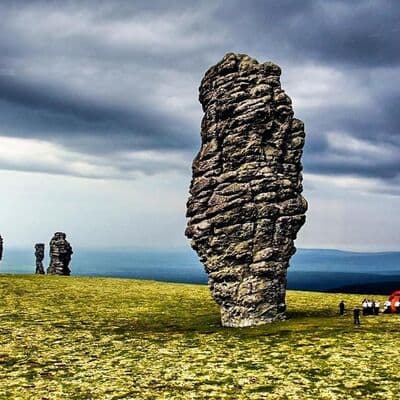
Manpupuner is a plateau in the Northern Ural Mountains bearing seven wind-eroded rock pillars up to 42 m (138 ft) tall. It is one of the "Seven Wonders of Russia." The nearest accommodation is 100+ km away. Complete isolation and the feeling of being on another planet entirely.
Helicopter (the popular option): Flights from Ukhta run on Fridays to Sundays from June through October. From Perm - from 98,000 rubles (~$1,056) as part of a group. Weather is critical: cloud base must be at least 1,150 m (3,773 ft) for flights to depart.
Hiking: A 14-16 day trek from Troitsko-Pechorsk. 150 km (93 miles) by 4WD then 100 km (62 miles) on foot through the taiga. Expect 15-20 km per day with 7 hours of walking. Serious preparation is required.
Ivolginsky Datsan
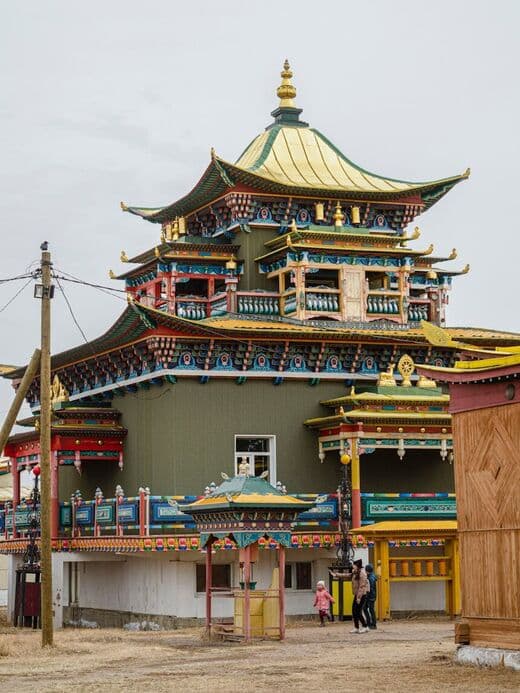
Ivolginsky Datsan is the main Buddhist monastery in Russia, located 36 km (22 miles) from Ulan-Ude. It houses the incorrupt body of Khambo Lama Itigelov, who died in 1927 and whose body was exhumed in 2002 showing no signs of decomposition - the central mystical relic of Russian Buddhism and something that leaves many visitors deeply moved.
Getting there: Minibus number 130 or 104 from the "Viaduct" stop in Ulan-Ude. 45 minutes to Ivolginsk, then a short connection to the datsan. Taxi costs around 500 rubles (~$5) and takes 30 minutes.
Opening hours: Daily 09:00-18:00, entry is free. Particularly interesting on Buddhist festival days.
Sasyk-Sivash Pink Lake
Sasyk-Sivash is the largest salt lake in Crimea (75 km² / 29 sq miles), which turns an intense shade of pink due to the microalgae Dunaliella salina - the same organism responsible for the famous pink lakes of Western Australia and Bolivia.
Best time: Late July to mid-September, when the colour is at its most vivid. Evening light at sunset intensifies the effect dramatically.
Location: Between Yevpatoriya and Saky, on Crimea's western coast. From Simferopol - take a bus to Yevpatoriya (1 hour), then a taxi.
Cypress Lake at Sukko
Cypress Lake near Anapa is a small lake with bald cypress trees (taxodium) growing directly out of the water. The trees are around 300 years old. The landscape is characteristic of Louisiana's bayous and is entirely unique in Russia.
Getting there: Bus number 109 from Anapa (stop at "GIBDD" on Parkovaya Street), every 25 minutes, 2 hours travel time. Exit at "Rechny Pereulok" or "Tri Duba" stops, then 20 minutes on foot. By car - 30-40 minutes, paid parking available.
Best time: April-May (spring foliage, few tourists) and September-October (autumn colours).
Nikola-Lenivets
Nikola-Lenivets is Russia's largest art park (600 ha / 1,480 acres) on the banks of the Ugra River, 220 km (137 miles) from Moscow. More than 50 permanent art installations made from wood, metal, and natural materials - pure land art on a grand scale. Think of it as a cross between Burning Man and a sculpture park in the Russian countryside.
Festivals: "Archstoyanie" (July) - the main annual event, at which enormous installations are set alight. Maslenitsa (Pancake Week, late February or early March) also features the ceremonial burning of an art installation.
Getting there: By car along Kievskoye Shosse (2.5-3.5 hours). By commuter train to Maloyaroslavets or Kaluga, then taxi. There is also a bus from "Tyoplyi Stan" metro station to Kondrovo (departing 14:30 daily), then taxi.
Entry: 500 rubles (~$5) on a regular day. Archstoyanie festival - around 10,900 rubles (~$117). Maslenitsa - around 5,900 rubles (~$64).
Pushkin Hills
Pushkin Hills is a museum-reserve in Pskov Oblast, the place of Pushkin's exile (1824-1826) where he wrote "Boris Godunov" and key chapters of "Eugene Onegin." The reserve encompasses three estates: Mikhailovskoye, Trigorskoye (the model for the Larins' home in "Eugene Onegin"), and Petrovskoye, along with the Svyatogorsky Monastery where the poet is buried. For those with an interest in Russian literature, this is a deeply rewarding destination.
Getting there: From Pskov to Pushkinskiye Gory (112 km / 70 miles, buses from early morning until 18:00, 2 hours). Reaching Pskov: fly from Moscow (1.5 hours) or take the train from St Petersburg (3.5 hours).
Best time: May to September. Early June brings the Pushkin Poetry Festival (held annually since 1967).
Practical Tips for Nature Routes
Border zone permits: Many natural areas (parts of Kamchatka, the Altai, and the Caucasus) require a border zone permit. Russian citizens apply through the government services portal (15 working days). Foreign nationals must apply through the FSB (30 working days). Tour operators generally handle the paperwork on their clients' behalf - one more reason to book an organised tour for remote destinations.
Mobile coverage: Outside cities, mobile phone signal is often absent. Download offline maps in advance (Maps.me or 2GIS are recommended). In truly remote areas, only satellite communication works.
Ticks: From April through July, the risk of tick-borne encephalitis is high in Siberia, the Altai, and the Ural Mountains. Travel insurance covering tick-borne encephalitis, or advance vaccination, is strongly recommended. There is no widely available post-exposure treatment, so prevention is key.
Bears: In Kamchatka, Siberia, and the Russian Far East, brown bears are a genuine presence. Organised tours have guides who know how to behave around them. If you are travelling independently, study bear safety guidelines thoroughly, and carry bear spray or a signal flare.
Weather: In the mountains and on Kamchatka, conditions can change in minutes. Even in summer, snow and near-freezing temperatures are possible. Pack in layers, always carry a waterproof jacket, and wear proper trekking boots.
Booking: Helicopter tours to Kamchatka and Putorana, and cruises to the Lena Pillars, should be booked 1-2 months in advance. In peak season (July-August) places fill quickly.
When to Visit Russia
Seasons by Region
Moscow and Central Russia: The best time is May-June and September. May brings blossoming trees, long days, and moderate temperatures. September offers golden autumn and fewer tourists. July-August is hot and humid with many tourists. Winter is cold (-10 to -15C / 14 to 5F), but Moscow is beautiful under snow, especially for New Year. If you are from a warm climate, winter Moscow can be challenging but rewarding - the city transforms into a fairy tale of lights and snow.
St. Petersburg: Definitely the White Nights - late May to mid-July. The sun barely sets, the city does not sleep, bridges are raised to music. But this is also the most crowded season, and prices peak. September is a good alternative with golden leaves and fewer tourists. Winter is for devotees: dark, damp, but the palaces are empty and atmospheric.
Golden Ring: Late spring and early autumn. Summer brings crowds; winter means some sites are closed or difficult to access, though the snow can be magical if you are prepared.
Sochi and Black Sea: Beach season is June-September; water warms up by July. Krasnaya Polyana (skiing) is December-March. Shoulder seasons (April-May, October-November) are excellent for hiking with pleasant temperatures and no crowds.
Baikal: Summer (July-August) is warmer, swimming is possible (water is still cold), hiking is excellent. Winter (February-March) means the frozen lake and ice tours - a special, otherworldly beauty that many consider even more impressive than summer. Autumn has few tourists and beautiful colors.
Kamchatka: July-September is the only time for most activities. Helicopter tours to the Valley of Geysers, volcano climbs - all require summer weather.
Holidays and Events
New Year (December 31 - January 8) - the main holiday of the country. Everything is closed, but cities are decorated, and the atmosphere is festive. Russians celebrate New Year more than Christmas (which is January 7 in the Orthodox calendar).
Maslenitsa (February-March, 7 weeks before Easter) - farewell to winter, a week of pancakes (bliny), burning of effigies. In 2026, it falls on March 9-15. In Moscow, festivities are held in Kolomenskoye and Zaryadye parks. Think of it as Russian Mardi Gras.
Victory Day (May 9) - military parade on Red Square, fireworks across the country. Traffic is restricted, but the atmosphere is powerful. This is Russia's most important secular holiday, commemorating victory over Nazi Germany. As a Western visitor, approach with respect - this holiday has deep emotional significance.
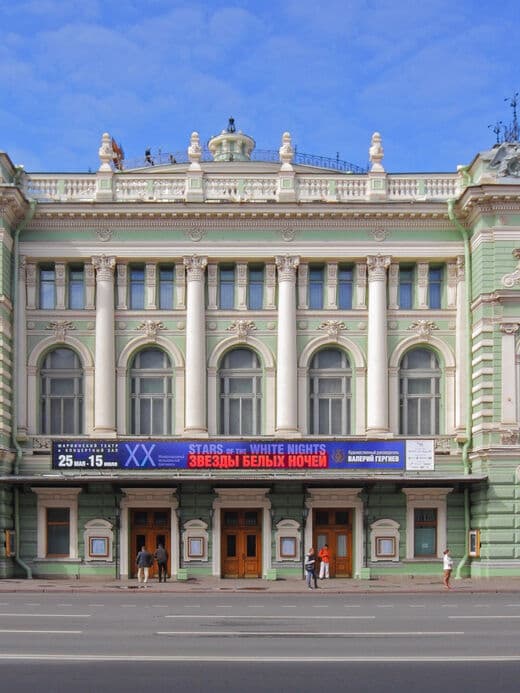
White Nights (late May - mid-July, St. Petersburg) - festival at the Mariinsky Theatre (175+ performances), the 'Scarlet Sails' graduate celebration, all-night festivities. The most magical time in the city.
Sabantuy (June, Kazan) - Tatar holiday of the plow, featuring national games, music, and food. A unique cultural experience if your timing aligns.
What to Avoid
May holidays (May 1-10) - long weekends when everyone travels. Transport and hotels are packed, prices rise. Avoid if possible.
New Year holidays (January 1-8) - many museums and restaurants are closed, accommodation prices peak. The atmosphere is festive, but logistics are difficult.
School holidays (June-August) - peak season, especially at resorts and in St. Petersburg. Book early and expect crowds.
How to Get to Russia
Travel Advisories for Western Citizens
Before planning your trip, check the current travel advisories from your government:
- United States: The State Department typically has Russia at Level 4 ('Do Not Travel') or Level 3 ('Reconsider Travel'). Check travel.state.gov for current status. US citizens have been detained in Russia, and consular access can be limited. This is a real risk to consider seriously.
- United Kingdom: The Foreign, Commonwealth & Development Office (FCDO) advises against all travel to certain regions and against all but essential travel to others. Check gov.uk/foreign-travel-advice/russia.
- Australia: DFAT advises against travel to Russia. Check smartraveller.gov.au.
- Canada: Global Affairs Canada advises avoiding non-essential travel. Check travel.gc.ca.
These advisories exist for real reasons. However, many Western tourists do visit Russia safely. The key is understanding the risks, staying informed, avoiding sensitive areas, and not engaging in any activities that could be misconstrued. If you decide to travel, register with your embassy and keep a low profile.
Visa Requirements for US/UK/AU/CA Citizens
All citizens of the United States, United Kingdom, Australia, and Canada need a visa to visit Russia. The process in 2026:
E-Visa (electronic visa): Russia introduced e-visas for many nationalities in 2021, suspended them, and has been gradually reintroducing them. As of early 2026, e-visas are available for visits up to 16 days for tourism. Check the official Russian e-visa portal for current availability for your nationality. The e-visa costs approximately $50 USD and can be obtained online within 4 days.
Regular tourist visa: If e-visas are not available for your nationality or you need a longer stay, you will need a traditional visa. Requirements:
- Passport valid for 6+ months beyond your planned departure from Russia
- Completed visa application form
- Recent passport photo
- Tourist voucher and confirmation from a Russian travel agency or hotel
- Proof of travel insurance valid in Russia (minimum coverage $30,000)
- Visa fee (varies by nationality and processing time - typically $160-300 USD for US citizens)
Apply through the Russian embassy or consulate in your country, or through a visa agency. Processing takes 4-20 business days depending on the type and urgency. Many travelers use visa agencies like iVisa, Russia Visa Center, or similar services to handle the paperwork.
Important: Your visa will specify the dates you can enter and exit Russia - you cannot arrive early or overstay. Plan carefully and build in some buffer time.
Air Travel in 2026
There are no direct flights from the US, UK, EU, Canada, or Australia due to sanctions and closed airspace. Main transit hubs:
Istanbul (Turkey) - the main hub. Turkish Airlines flies to 20+ Russian cities: Moscow, St. Petersburg, Kazan, Yekaterinburg, Novosibirsk, and others. Pegasus is a low-cost carrier flying to Moscow and St. Petersburg. Prices from $700-1200 USD roundtrip from the US (via Istanbul).
Belgrade (Serbia) - the only city in mainland Europe with direct flights. Air Serbia flies to Moscow and St. Petersburg. Convenient for Europeans, though more expensive than Turkish routes.
Dubai and Abu Dhabi (UAE) - Emirates, Etihad, Flydubai. More expensive but more comfortable. Convenient for those coming from Asia or Australia.
Doha (Qatar) - Qatar Airways, flights to Moscow.
Tashkent, Baku, Yerevan, Tbilisi - alternative routes through the former Soviet republics. Uzbekistan Airways, Azerbaijan Airlines, and others offer connections.
Book through aggregators like Google Flights, Skyscanner, or Kayak. Aviasales (Russian aggregator) sometimes shows cheaper prices and accepts international cards.
Land Borders
Finland - border has been closed to tourists since 2024.
Estonia, Latvia, Lithuania - borders are open, but crossing by car with Russian plates is prohibited. On foot or by bus - possible, but complex. Most Western tourists do not use these routes.
Belarus - visa-free for Russians; since January 2025, mutual recognition of Russian and Belarusian visas. You can enter Russia through Minsk if you have a valid Russian visa. This can be useful for routing purposes.
Kazakhstan - open border, a popular route from Central Asia.
Mongolia, China - borders are open, trains run. This is part of the classic Trans-Siberian route extension to Beijing.
Georgia - the Upper Lars border crossing is open but queues can be hours long. The crossing itself is at high altitude and can be challenging.
Moscow Airports
Sheremetyevo (SVO) - the largest, Aeroflot hub. Connection to center: Aeroexpress to Belorussky Station (35-40 minutes, about 500 rubles / $6 USD), taxi via Yandex Go (1500-2000 rubles / $17-23 USD, 40-90 minutes depending on traffic).
Domodedovo (DME) - second largest. Aeroexpress to Paveletsky Station.
Vnukovo (VKO) - third airport. Aeroexpress to Kievsky Station. Closest to the center.
Zhukovsky (ZIA) - small airport, mainly charters.
St. Petersburg Airport
Pulkovo (LED) - the only airport. Connection to center: Bus 39 to Moskovskaya metro station (40 minutes, about 50 rubles / $0.60), taxi (800-1200 rubles / $9-14, 30-50 minutes).
Transportation Within Russia
Trains
Russia is a country of railways. RZD (Russian Railways) is one of the largest networks in the world. For tourists, trains are a convenient and authentic way to travel - and often more comfortable than domestic flights.
Sapsan - high-speed train Moscow-St. Petersburg. 3:35-4:00 travel time, 12-14 departures daily. Comfort comparable to European high-speed trains. Prices: from 3000 rubles ($35 USD) in economy to 10000+ ($115 USD) in business. Since December 2025, there is a 'Comfort' lounge at Kazansky Station for premium passengers.
Lastochka - high-speed electric trains on medium distances. Moscow-Nizhny Novgorod, Moscow-Vladimir, St. Petersburg-Veliky Novgorod. Modern, comfortable, and affordable.
Firmenny trains - premium overnight trains on long routes. 'Krasnaya Strela' (Red Arrow) Moscow-St. Petersburg, 'Nevsky Express,' and others. Compartments (kupe, 4 berths) or SV (2 berths, more expensive).
Trans-Siberian Railway - the legendary Moscow-Vladivostok route (9,288 km / 5,772 miles, about 7 days). Classes: platzkart (open carriage, cheap, authentic - you share with 50+ fellow travelers), kupe (4 berths, doors close), SV (2 berths), luxury. Booking: rzd.ru accepts foreign cards.
How to buy tickets: The RZD website (rzd.ru) is in Russian and only accepts Russian cards. Alternatives: rzd.ru or tutu.ru, aviasales.ru - accept foreign cards but with commission. Tickets open 60-90 days in advance. For popular routes like Moscow-St. Petersburg, book early, especially for weekends and holidays.
Flights
Russia is enormous, and for long distances, flying is the only sensible option. Moscow-Vladivostok is 9 hours. Moscow-Irkutsk is 5 hours. Compare this to 7 days by train.
Main airlines: Aeroflot (flag carrier, extensive network), S7 (best low-cost carrier, good service), Pobeda (ultra-low-cost, Ryanair-style restrictions on baggage).
Booking: aviasales.ru is an aggregator that accepts foreign cards. Directly on airline websites - only Russian cards. Note that some international booking sites no longer show Russian domestic flights.
Buses
Intercity buses are a cheap option for medium distances. Golden Ring, Moscow-St. Petersburg (overnight bus, about 8 hours), Moscow Oblast towns. Flixbus does not operate in Russia, but local carriers exist. Booking: tutu.ru, avtovokzaly.ru. Quality varies widely - research specific routes before booking.
Car Rental
Possible but with complications. International companies (Hertz, Avis) have left. Local options: Rentmotors, Localrent. License: International Driving Permit recommended, though Russian police often accept national licenses with translation.
Roads: in cities and between major cities - good, often excellent. In the provinces - can be problematic. Winter - only if you are confident in snow and ice driving. Russian winters are serious.
Gas stations: gasoline is cheap by European/American standards (about 50 rubles/liter, roughly $2.20/gallon). Payment: cash or Russian card. This is a significant practical issue for foreign drivers.
Urban Transportation
Moscow: The metro is the best way to get around. 250+ stations, trains every 1-2 minutes during peak hours. Operating hours 5:30 AM - 1:00 AM. Payment: 'Troika' card (buy at any station, about 50 rubles deposit, top up with cash or card, single ride about 50 rubles / $0.60), bank card (MIR, MirPay), single tickets (more expensive). Surface transport (buses, trams, electric buses) - same payment. MCD (diameters) and MCC (circle) - suburban trains integrated with the metro.
St. Petersburg: Metro is smaller but beautiful. Payment: 'Podorozhnik' - analogous to Troika. Many trams. Water taxi - touristy but pleasant way to see the city from the canals.
Other cities: Public transport exists, but quality varies. Kazan, Nizhny Novgorod, Yekaterinburg have developed metro/tram systems. Provincial cities - buses, marshrutkas (minibuses).
Taxis
Yandex Go - the main app. Works in all cities, fixed prices, card payment (MIR card) or cash. Problem for foreigners: registration requires a Russian phone number. Solution: register in advance using a VPN, or ask your hotel to help. Some travelers report success registering with international numbers, but it is inconsistent.
Never get into a 'taxi' on the street at airports - prices are 10x normal, scams are possible. Only use the app or official taxi stands. This advice applies doubly to Western tourists who may be seen as easy targets.
Cultural Code of Russia
Mentality and Communication
Russians seem unsmiling and cold - this is not accurate. A smile at a stranger in Russia is seen as strange or even suspicious. But once you get to know people better, they open up. Russian hospitality is not a myth - guests are treated exceptionally well.
What is valued: directness, honesty, heartfelt conversations. What irritates: superficiality, performative politeness, discussing Russia from a position of 'I know better.' Americans in particular may find Russian directness jarring at first - it is not rudeness, just a different communication style.
Small talk is less common than in Anglo cultures. Do not be surprised if conversations jump quickly to deeper topics - politics, philosophy, personal matters. This is normal and often appreciated.
Tipping
10% in restaurants is standard but not obligatory. In cafes and bars - rounding up the bill. Taxis - not expected (price is fixed). Hotels - 100-200 rubles ($1-2 USD) to housekeeping if you wish. Tour guides - 500-1000 rubles ($6-12 USD) if you enjoyed the tour. Hairdressers - 10-15%. Delivery - not expected. Overall, tipping culture is less intense than in the US.
Dress Code
Dress code in Russia is relaxed by Western standards. Jeans and sneakers work almost everywhere. Exceptions: theaters (especially the Bolshoi and Mariinsky) - business casual minimum, women often wear dresses, men wear jackets. High-end restaurants - no shorts or flip-flops. Churches - women should cover heads and shoulders, avoid short skirts; men should avoid shorts. Headscarves for women are available at church entrances if needed.
Winter: warm boots (it is slippery!), down jacket, hat, gloves. The transition from -20C (-4F) outside to +25C (77F) in the metro requires layers. Dress warmly but be prepared to shed layers indoors.
Time
Russians are not known for punctuality in personal settings. Being 15-30 minutes late to meet friends is normal. But trains and planes run on schedule. Business meetings expect punctuality.
Language
English in Moscow and St. Petersburg is understood in tourist areas, but not everywhere. Beyond the capitals - very rarely. Learning Cyrillic (realistically possible in a day) significantly simplifies life: you can read metro station names, signs, menus.
Useful phrases: Zdravstvuyte (zdrah-stvooy-tyeh) - formal hello; Spasibo (spah-see-bah) - thank you; Skolko stoit? (skol-kah sto-eet) - how much?; Gde...? (gdyeh) - where is...?; Ne ponimayu (nyeh pah-nee-mah-yoo) - I do not understand; Pozhaluysta (pah-zhah-loo-stah) - please/you are welcome.
Google Translate and Yandex Translate work offline (download Russian in advance), recognize text through the camera. This is genuinely useful technology for navigating menus, signs, and basic communication.
Topics to Avoid
Politics - best not to discuss unless asked. Don't advocate for Ukraine - that will definitely end badly. This is even more true for Western visitors in the current climate. The war in Ukraine - definitely avoid. World War II (Great Patriotic War in Russian) - a sacred topic, do not joke about it. Russia lost 27 million people; nearly every family was affected. LGBTQ+ - in daily life people generally do not care, but 'propaganda' is banned by law, rainbow symbols can lead to fines or worse. Be discreet.
Safety in Russia
Crime Situation
Russia is a safe country for tourists. Street crime levels in Moscow and St. Petersburg are lower than in most European capitals, and comparable to or better than most US cities. You can walk safely in the center at night. The metro is safe at any time.
Standard precautions: avoid industrial areas and outskirts at night, watch your belongings in crowds. Pickpockets are less common than in Europe - Russia has facial recognition systems and theft is taken seriously. Violent crime against tourists is rare.
Regions to Avoid
Border regions with Ukraine: Belgorod, Kursk, Bryansk - there are military operations here, strikes, evacuations. Not tourist destinations. Do not go.
North Caucasus: Chechnya, Dagestan, Ingushetia - has its own culture that should be respected. People are hospitable and friendly. Great destinations with unique nature and traditions.
Police
Russian police rarely bother tourists. If stopped - politely show your passport. Real police wear uniforms with a personal number on the chest. If someone claims to be police without a uniform - they are scammers (especially common in St. Petersburg trying to check your documents).
Never offer bribes - it is illegal and unnecessary. The old stereotype of corrupt police shaking down tourists is largely outdated in major cities.
Specific Risks for Western Tourists
Given current geopolitical tensions, Western tourists should be aware of additional considerations:
- Detention risk: While rare, US and other Western citizens have been detained in Russia on various charges. Maintain a low profile, do not engage in any activities that could be misconstrued, and avoid any political discussions or activities.
- Photography restrictions: Do not photograph military installations, government buildings, airports, or anything that could be considered sensitive. When in doubt, do not photograph.
- Registration: You must be registered at your place of stay within 7 days of arrival. Hotels do this automatically. If staying with friends, they need to register you - this is important and enforced.
- Consular access: In case of problems, consular access may be limited. Register with your embassy before traveling and know how to contact them.
Practical Tips
Airport taxis: Use official taxi stands or apps. Yandex Go works in 48 cities. All major airports have Aeroexpress train, metro, or public transport connections.
Currency exchange: Use banks and exchange offices. Check rates at cash.rbc.ru. Large bills (500 EUR) may not be accepted at smaller banks.
Emergency Numbers
112 - universal emergency number (works from mobile without SIM). 101 - fire. 102 - police. 103 - ambulance. Your country's embassy - write down the number in advance.
US Embassy Moscow: +7 (495) 728-5000
UK Embassy Moscow: +7 (495) 956-7200
Australian Embassy Moscow: +7 (495) 956-6070
Canadian Embassy Moscow: +7 (495) 925-6000
Health and Medical Care
Insurance
Travel insurance is essential - not formally required for the visa (though it was in the past), but absolutely necessary in practice. Medical care in Russia is expensive for foreigners, and without insurance you could face serious costs.
What it should cover: hospitalization, emergency care, evacuation. Check limits - minimum $50,000, ideally $100,000 or more. Insurance for extreme sports - separately if you plan skiing/snowboarding. Make sure your policy specifically covers Russia - some insurers have exclusions due to sanctions.
Recommended providers for Americans: IMG Global, Allianz Travel, World Nomads (check current Russia coverage). For Brits: many UK insurers now exclude Russia - shop carefully and read the fine print.
Vaccinations
No required vaccinations. Recommended: Hepatitis A (if going to the provinces), tick-borne encephalitis (if planning forest hikes in Siberia and Far East from May to July - ticks are a real concern).
Pharmacies
Pharmacies ('Apteka') are everywhere, many are 24/7. Basic medications (painkillers, cold medicine, band-aids) - without prescription. Antibiotics - formally prescription-only, but in practice often sold over the counter. Drug names differ from Western ones - use a translator or show the active ingredient. Pharmacists are generally knowledgeable and helpful.
Water and Food
Tap water is technically safe but tastes poor. Locals drink filtered or bottled water. For brushing teeth - tap water is fine.
Street food is safe. Stolovayas (canteens) are safe - locals eat there. Markets - fresh products are fine, but eat meat/fish cooked. Dairy products have short shelf life - this is normal (fewer preservatives). The food safety standards in major cities are comparable to Western Europe.
Hospitals
In Moscow and St. Petersburg there are clinics with English-speaking staff: European Medical Centre (EMC), American Medical Clinic. Expensive but Western-quality care. Public hospitals provide free emergency care, but conditions and language can be challenging. For non-emergencies, private clinics are worth the cost for English-speaking visitors.
Money and Budget
Currency
Russian ruble (RUB). Exchange rate approximately 90-100 rubles per 1 euro, 85-95 per 1 US dollar (check current rates). All prices in rubles, payment in other currencies is impossible.
How to Pay as a Foreigner
The main problem: Visa and Mastercard issued outside Russia DO NOT WORK. At all. Not in stores, not in ATMs, not online. This is the result of sanctions and is one of the biggest practical challenges for Western tourists.
UnionPay: Theoretically works, practically unreliable. Depends on the issuing bank, country of issue, card type. Do not count on it as your primary payment method. Some Chinese-issued UnionPay cards work better than others.
American Express: Does not work.
Solution 1: Cash. Bring euros or US dollars, exchange at banks. Up to $10,000 - without declaration at customs. Bills should be clean, without stains or tears - banks may refuse to exchange damaged bills or charge a commission. Exchange rates at banks are roughly the same; Sberbank is slightly worse. Avoid street exchangers entirely. Plan to carry more cash than you normally would - uncomfortable but necessary.
Solution 2: MIR Card. This is the Russian payment system that works everywhere in the country. A foreigner can realistically get one:
- YooMoney - has an office directly at Sheremetyevo airport (Terminal B). Electronic wallet + card. Can be obtained on arrival day. Topped up with cash. This is often the best option for tourists.
- T-Bank (Tinkoff) - online application, card delivered to your hotel in 1-2 days. Free. Topped up at ATMs (euros, dollars, rubles). Requires some Russian language skills or help with the application.
- Sberbank - issues tourist cards at airports. Also an option, though service can be slow.
MirPay - app for contactless payment with MIR cards. Works everywhere: stores, metro, buses. The full equivalent of Apple Pay/Google Pay, which do not work in Russia.
Cryptocurrency: Gray zone. Not prohibited, not legalized. Exchangers: bestchange.com - check ratings and reviews, choose exchange for cash, NOT card transfers. This is an option for tech-savvy travelers but involves risk and complexity.
Practical advice: Arrive with sufficient cash for your first few days (at least $300-500 USD equivalent). Get a MIR card as soon as possible. Keep cash as backup throughout your trip. Budget for the inconvenience - you may pay slightly higher prices in places that are less set up for foreign tourists.
Budget
Budget ($40-60 USD/day): Hostels (600-1000 rubles / $7-12 USD), stolovayas/canteens (300-500 rubles / $3.50-6 USD for lunch), metro, free attractions. Perfectly doable and lets you experience authentic Russian daily life.
Mid-range ($80-150 USD/day): 3* hotels (4000-8000 rubles / $45-90 USD), mid-range restaurants (1000-2000 rubles / $12-23 USD), taxis, museums. Comfortable travel with good experiences.
Comfortable ($200+ USD/day): 4-5* hotels, fine dining restaurants, private tours, theaters. Moscow and St. Petersburg have world-class luxury options.
Moscow is the most expensive city. St. Petersburg is roughly comparable. Provinces are 20-40% cheaper. Compared to Western Europe, Russia offers good value for money, especially at mid-range and budget levels.
Sample Itineraries
7 Days: Moscow and the Golden Ring
Day 1: Moscow
Arrival, check in. Red Square and St. Basil's Cathedral - especially beautiful with evening lighting. Dinner at GUM (the Soviet ice cream cafe on the third floor is nostalgic and fun) or on Nikolskaya Street.
Day 2: Moscow - Kremlin
The Kremlin - half a day minimum. Armoury Chamber, Diamond Fund, cathedrals. Book tickets in advance online - this is important, especially in high season. Afterward - Zaryadye Park with the floating bridge. Evening: Patriarch's Ponds - the 'Master and Margarita' district, Bulgakov Museum.
Day 3: Moscow - Art
Tretyakov Gallery - Russian art from icons to avant-garde. This is one of the world's great art museums. Lunch in Zamoskvorechye district. Evening: Bolshoi Theatre (book 2-3 months ahead!) or a metro tour.
Day 4: Sergiev Posad - Vladimir
Morning - Sergiev Posad (commuter train from Yaroslavsky Station, 1.5 hours). Trinity Lavra of St. Sergius - the country's main monastery, a functioning pilgrimage site. Lunch (monastery cuisine - pirozhki, sbiten honey drink). Afternoon - by car or taxi to Vladimir (2 hours). Assumption Cathedral with Rublev's frescoes, Golden Gate. Night in Vladimir.
Day 5: Vladimir - Suzdal
Morning - Church of the Intercession on the Nerl (20 minutes from Vladimir) - a perfect 12th-century church standing alone in a field. Then - Suzdal (40 minutes). Full day: Kremlin, Spaso-Yefimiev Monastery, Museum of Wooden Architecture. Medovukha (honey mead) at local restaurants. Night in Suzdal - stay in a guesthouse in a traditional wooden house for the full experience.
Day 6: Suzdal - Yaroslavl
Morning - more Suzdal (it is small but beautiful, worth a morning stroll). After lunch - to Yaroslavl (3 hours). Volga Embankment, Church of Elijah the Prophet, Spaso-Preobrazhensky Monastery. Night in Yaroslavl.
Day 7: Yaroslavl - Moscow
Morning - Kostroma (1.5 hours, if time permits). Afternoon - return to Moscow (Lastochka train 3 hours from Yaroslavl). Evening: shopping at Izmailovsky Kremlin (souvenirs, matryoshkas, amber - this is the best place in Moscow for souvenir shopping, and you can bargain), farewell dinner.
10 Days: Two Capitals
Days 1-4: Moscow (as above, but add: VDNKh + Cosmonautics Museum - excellent for space enthusiasts, Kolomenskoye, Tsaritsyno).
Day 5: Transfer to St. Petersburg
Sapsan from Moscow (4 hours) - arrive at lunch. Check in. Evening: walk along Nevsky Prospekt, Palace Square, Singer House (now a bookstore with a great cafe on the upper floor). If summer - White Nights and drawbridge raising (around 1:30 AM).
Day 6: St. Petersburg - Hermitage
Entire day at the Hermitage. Seriously - it is enormous and deserves the time. Winter Palace + General Staff Building. Buy tickets online in advance. After - Mikhailovsky Garden and Church of the Savior on Spilled Blood at sunset.
Day 7: St. Petersburg - Peter and Paul Fortress and Islands
Peter and Paul Fortress - where the city began, burial place of the Romanovs. Strelka of Vasilyevsky Island. New Holland Island - lunch and relaxation in a beautifully renovated space. Evening: Mariinsky Theatre (opera or ballet - book well ahead).
Day 8: St. Petersburg - Museums
Russian Museum - the main collection of Russian art, less crowded than Tretyakov. Faberge Museum - eggs and jewelry, the famous collection rescued from Soviet sales. Yusupov Palace - site of Rasputin's murder, fascinating and macabre history. Evening canal cruise - touristy but genuinely lovely.
Day 9: Peterhof or Tsarskoye Selo
Peterhof - in summer only (fountains run May-September). Hydrofoil along the Neva (40 minutes) or marshrutka minibus. Or Tsarskoye Selo - the Amber Room (commuter train 30 minutes). Either takes half a day. Evening: farewell dinner in the center - St. Petersburg has excellent restaurants.
Day 10: St. Petersburg - Home
St. Isaac's Cathedral - climb the colonnade for a panorama (262 steps, worth it). Bronze Horseman - the famous statue of Peter the Great. Lunch, airport.
14 Days: Moscow - Kazan - St. Petersburg
Days 1-4: Moscow (with Golden Ring - Sergiev Posad as a day trip).
Day 5: Moscow - Kazan
Overnight train or morning flight (1.5 hours). Check in. Bauman Street, first impressions of a different Russia. Tatar dinner - echpochmak, gubadiya, chak-chak. This food is genuinely different and delicious.
Day 6: Kazan
Kazan Kremlin - half a day. Qol Sharif Mosque, Annunciation Cathedral, leaning Suyumbike Tower. Old Tatar Quarter. Chak-Chak Museum. Kazan Family Center - observation deck at sunset.
Day 7: Kazan - Bolgar or Sviyazhsk
Day excursion. Bolgar (2.5 hours from Kazan) - ancient capital, mausoleums, bread museum. Or Sviyazhsk - island-town with monasteries. Evening in Kazan - both options return you to the city.
Day 8: Kazan - St. Petersburg
Flight (2 hours). Evening in St. Petersburg - Nevsky, dinner.
Days 9-13: St. Petersburg and surroundings (as in the 10-day itinerary, plus: Vyborg day trip - medieval castle, Finnish architecture, a completely different atmosphere).
Day 14: Home.
21 Days: Trans-Siberian Adventure
Days 1-4: Moscow.
Day 5: Moscow - Kazan (overnight train, kupe compartment - the authentic way).
Days 6-7: Kazan.
Day 8: Kazan - Yekaterinburg (train, 14 hours, or flight). The border of Europe and Asia. Church on Blood.
Day 9: Yekaterinburg. Ganina Yama monastery, Constructivist architecture tour, Vysotsky observation deck.
Day 10: Yekaterinburg - Novosibirsk (train overnight or flight).
Day 11: Novosibirsk. Opera Theatre, Akademgorodok (Soviet science city). Not the most touristic city, but a rest day and chance to see real Siberian urban life.
Day 12: Novosibirsk - Irkutsk (train, about 30 hours, or flight 4 hours). If train - watch Siberia through the window, experience the rhythm of long-distance Russian rail travel.
Days 13-15: Baikal. Listvyanka (1 hour from Irkutsk) - Baikal Museum, omul fish market. Olkhon Island (5 hours + ferry) - shamanic sites, Shaman Rock. Or the Circum-Baikal Railway (old Trans-Siberian section along the lake). This is one of the highlights of any Russia trip.
Day 16: Irkutsk - Ulan-Ude (train, 7 hours). Buryatia, Buddhism. Ivolginsky Datsan - Russia's main Buddhist monastery, a functioning religious center.
Day 17: Ulan-Ude. Giant Lenin head on the square (largest in the world), Ethnographic Museum. A different Russia - Asian, Buddhist, Mongolian-influenced.
Days 18-19: Ulan-Ude - Vladivostok (train, 2.5 days). This is the Trans-Siberian - endless taiga, fellow travelers, the samovar at the carriage end, vendors with pirozhki at stations. Bring books, snacks, and an open mind.
Day 20: Vladivostok. Russky Bridge, embankment, seafood, Korean cuisine. The Pacific at last.
Day 21: Home. Flight from Vladivostok to Moscow (9 hours) or onward to Asia - Seoul, Tokyo, and Beijing are all relatively close.
Communication and Internet
SIM Cards
Since 2025, getting a Russian SIM card for foreigners has become complicated. Requirements: SNILS (Russian social security equivalent), registration on Gosuslugi (government services portal), biometrics. The process takes several days - not practical for tourists.
Solutions:
- eSIM - buy BEFORE your trip. Airalo, Holafly, and other providers offer Russia packages. Internet only, no Russian number. Important: the first 24 hours after arrival, internet may not work or work with limitations - this is a system feature that resolves automatically or with a call to a number from an SMS (if one arrives). Test your eSIM before traveling.
- Roaming - expensive but works. Check your carrier's conditions. T-Mobile, AT&T, Verizon all offer international roaming, but prices are high. Useful as backup.
- Wi-Fi - in hotels, cafes, shopping centers. In Moscow and St. Petersburg metro - free Wi-Fi, but requires registration by phone number (problem without a Russian number). Hotels generally have good Wi-Fi.
If a Russian number is critical (for Yandex Go, for example) - ask your hotel or acquaintances to help with registration. Some hotels will let you use their number for initial app setup.
VPN
Essential. Download 2-3 different VPNs BEFORE your trip - VPN provider sites are blocked in Russia. Different VPNs work at different times, so having several options is wise.
What is blocked without VPN: Instagram, Facebook, X (Twitter), YouTube.
Using VPN and accessing blocked sites is not illegal in Russia - this is important to understand.
Local Services
Yandex - an ecosystem replacing Google. Yandex Maps (more accurate than Google Maps in Russia), Yandex Go (taxi, delivery), Yandex Eda (food delivery), Yandex Music (
Telegram - the main messenger in Russia. Works without VPN. Many channels with information, news, local recommendations. Used more than WhatsApp or iMessage in Russia.
2GIS - maps with navigation, works offline. Excellent detail of buildings, shopping center floors. Highly recommended as a backup to Yandex Maps.
What to Try: Russian Cuisine
Soups
Borscht - beetroot soup with beef, cabbage, potatoes. Served with smetana (sour cream) and garlic pampushki (buns). Ukrainian origin, but considered native in Russia. Variations: green borscht (with sorrel), cold borscht (summer version). A must-try - hearty, flavorful, and deeply satisfying.
Shchi - cabbage soup, the oldest Russian dish. Sour shchi uses sauerkraut. Green shchi uses sorrel. Simpler than borscht but equally traditional.
Solyanka - thick soup with meat (several types), pickled cucumbers, olives, lemon. Salty, spicy, sour - complex flavor. Excellent hangover cure, Russians say.
Ukha - fish soup. Classic version uses river fish. At Baikal - omul fish. Delicate and aromatic.
Okroshka - cold soup on kvass or kefir with vegetables and meat. Summer dish, refreshing on hot days. An acquired taste for some Westerners.
Main Dishes
Pelmeni - Russian dumplings with meat filling (beef + pork, sometimes lamb). 'Ear' shape. Served with smetana, vinegar, or butter. Ural pelmeni are the classic. Comfort food, widely available, satisfying. Similar to Chinese jiaozi but with different seasonings.
Beef Stroganoff - beef in smetana sauce with mushrooms. A classic of 19th-century Russian cuisine that spread worldwide. Try it in its homeland - the original is better than most international versions.
Chicken Kiev - chicken cutlet with butter inside, in breadcrumbs. Yes, the name is Ukrainian, but it is ubiquitous in Russia. When done well, the butter spurts out when you cut it - be careful!
Golubtsy - cabbage rolls with meat filling, stewed in tomato sauce. Homestyle cooking.
Pirozhki - small pies with various fillings: meat, cabbage, potato, egg with onion, apple, cherry. Baked or fried. Street food and bakery staple. Cheap, filling, everywhere.
Bliny - thin pancakes. With caviar - the festive version. With tvorog (cottage cheese), smetana, jam, or condensed milk - everyday version. At Maslenitsa - the main dish. Bliny are to Russia what crepes are to France.
Tatar Cuisine (Kazan)
Echpochmak - triangular pie with meat and potato. Broth inside - be careful when biting. The signature Tatar dish.
Gubadiya - multi-layered sweet pie with rice, raisins, cottage cheese. Rich and festive.
Chak-chak - honey dessert of fried dough. Symbol of Kazan. Sweet, sticky, addictive.
Kazylyk - dried horse sausage. For the adventurous. Actually quite good if you can get past the concept.
Kystyby - flatbread with mashed potato. Simple, satisfying, cheap.
Zakuski (Appetizers)
Olivier Salad - salad with boiled vegetables, meat, peas, mayonnaise. The main New Year salad, a cultural institution. Every Russian family has their recipe.
Herring Under a Fur Coat (Selyodka pod shuboy) - layered salad: herring, beets, potato, carrot, mayonnaise. Looks strange, tastes good. Another New Year staple. Do try it - the combination works better than it sounds.
Caviar - red (salmon) is affordable, black (sturgeon) is expensive. Eaten with bliny or on bread with butter. Red caviar is genuinely good value in Russia - better quality and lower prices than in the West.
Kholodets - meat aspic/jelly. Winter dish, acquired taste, not for everyone. Traditional but challenging for many Western palates.
Drinks
Kvass - fermented bread drink. Slightly alcoholic (less than 1%), refreshing. Sold from barrels on streets in summer. Tastes like... nothing else. Try it.
Mors - berry drink from cranberry, lingonberry. Tart and refreshing.
Kompot - drink from stewed fruits/berries. Standard in canteens. Sweet and nostalgic for Russians.
Kefir, ryazhenka, prostokvasha - fermented dairy drinks. Good for digestion after heavy food. Kefir is increasingly popular in the West - here it is a staple.
Vodka - where would we be without it. Drunk in small shots, chased with food (cucumber, salo/lard, herring). Toasts are obligatory. 'Za zdorovye' (to health) is NOT a toast but a response to thanks - a common Western misconception. Learn a few proper toasts and you will impress your Russian hosts.
Where to Eat
Stolovayas (Canteens) - Soviet-format self-service. Cheap (300-500 rubles / $3.50-6 USD for lunch), fast, homestyle cooking. Where locals eat - that is where it is good. 'Stolovaya 57' in GUM is a cult spot. Do not be put off by the austere decor - the food is genuine and satisfying.
Cafes and Restaurants - from simple to Michelin-starred. In Moscow and St. Petersburg - any world cuisine. Russia's restaurant scene has developed enormously in the past decade.
Markets - Danilovsky and Usachevsky in Moscow, Sytny in St. Petersburg. Fresh products, food courts with various cuisines. Great for lunch and atmosphere.
What to Bring Back from Russia
Classic Souvenirs
Matryoshka - wooden nesting doll with dolls inside. From classic (5-7 dolls) to huge (20+). Some feature politicians, movie characters, footballers. Prices: from 500 rubles ($6 USD) for simple ones to tens of thousands for artisan pieces. The classic Russian souvenir - kitschy but iconic.
Khokhloma - wooden tableware with golden painting on red and black background. Spoons, bowls, cups. Distinctive and beautiful.
Gzhel - blue and white ceramics. Teapots, plates, figurines. Elegant and recognizable.
Pavlovo Posad Shawls - wool shawls with floral patterns. Beautiful, warm, authentic. A genuinely useful souvenir.
Orenburg Down Shawls - weightless, warm, pass through a ring. Legendary craftsmanship.
Food and Drinks
Caviar - red in tin or glass jars. Check expiration dates. Black - expensive, requires export documents. Red caviar is much cheaper in Russia than abroad - worth bringing back if your customs allows.
Chocolate - 'Alyonka,' 'Krasny Oktyabr,' 'Babayevsky' - Soviet classics. Nostalgic and genuinely good quality.
Candies - 'Mishka Kosolapy' (Clumsy Bear), 'Belochka' (Squirrel), 'Ptichye Moloko' (Bird's Milk). Distinctively Russian flavors.
Chak-chak - from Kazan. Travel well in sealed packages.
Vodka - 'Beluga,' 'Russian Standard' are premium brands. 'Stolichnaya,' 'Moskovskaya' are classics. Check your country's customs allowances.
Condensed Milk (Sgushenka) - condensed milk in cans. Cult Soviet product, used in many Russian desserts. Heavy to carry but unique.
Amber (Kaliningrad)
Kaliningrad has 90% of the world's amber. Jewelry, souvenirs, pictures. IMPORTANT: buy only from official stores with certificates - there are many fakes. The Amber Museum is a good place to buy. Amber makes a distinctive and valuable souvenir.
Where to Buy
Izmailovsky Market (Moscow) - huge souvenir market. Bargain! This is expected and part of the experience.
Vernissage in Izmailovo - same location, antiques, Soviet artifacts. Fascinating for history buffs.
GUM (Moscow) - expensive but quality guaranteed.
Gostiny Dvor (St. Petersburg) - the main department store.
Tax Free - VAT refund (up to 20%) on purchases from 10,000 rubles ($115 USD) in one store. Process at the checkout, receive at the airport. Worth doing for larger purchases.
Useful Apps
- Yandex Maps - navigation, public transport, traffic. More accurate than Google Maps in Russia.
- Yandex Go - taxi, carsharing, scooters, food delivery, couriers. All in one. Essential.
- 2GIS - offline maps with building detail. Excellent backup.
- Yandex Translate - text, voice, photo translation. Better than Google Translate for Russian.
- Telegram - messenger, information channels. The main communication app in Russia.
- Ostrovok - hotel booking (Booking.com does not work in Russia).
- Aviasales - flight search. Accepts international cards.
- RZD - train tickets (Russian language, Russian card payment only).
- Yandex Eda / Delivery Club - food delivery.
- Yandex Lavka - grocery delivery in 15 minutes.
Download all of these before you arrive in Russia. Test them with a VPN if needed. Having these apps working will significantly improve your experience.
Practical Tips for American, British, Australian, and Canadian Visitors
Here are additional considerations specific to Western English-speaking visitors:
Managing expectations: Russia is not Western Europe. Service styles differ, bureaucracy can be frustrating, and things work differently. Approach with curiosity rather than judgment, and you will have a much better experience.
Political sensitivity: Given current geopolitical tensions, be extra cautious about political discussions. Do not attend protests or political events. Do not photograph anything that could be considered sensitive. Keep a low profile regarding nationality - not hiding it, but not advertising it either.
Friendliness of locals: Despite political tensions at the governmental level, ordinary Russians are generally friendly and curious about Western visitors. Many younger Russians speak some English. Hospitality is genuine - if invited to someone's home, bring a small gift and expect to be fed generously.
Medication: Some common Western medications are controlled substances in Russia. Check the Russian embassy list of prohibited substances before traveling. Bring medications in original packaging with prescriptions.
Electronics: Russian power outlets use Type C and Type F plugs (same as most of Europe). Voltage is 220V. Americans will need adapters and should check device compatibility.
Jet lag: Moscow is GMT+3. For Americans from the East Coast, this is 8 hours ahead; West Coast, 11 hours ahead. St. Petersburg is the same. Vladivostok is GMT+10 - essentially the opposite side of the world from the US East Coast.
Emergencies: If you have a serious problem, contact your embassy immediately. Register with your embassy before traveling so they know you are in the country. Keep copies of your passport and visa separate from the originals.
Weather preparedness: If visiting in winter, invest in proper cold-weather gear. Russian winters are serious - Moscow averages -10C (14F) in January, and it can be much colder. Good boots, a warm coat, hat, and gloves are essential.
Patience: Things may take longer than you expect. Lines at museums, bureaucratic processes, service in restaurants - adjust your pace and schedule accordingly. The Russian phrase 'nichego ne podelaesh' (nothing to be done about it) captures the local attitude toward minor frustrations.
Instead of a Conclusion
Russia is a complicated country. Complicated in the good sense: deep, layered, not lending itself to simple definitions. This is a country impossible to understand from news or books - it must be seen, tasted, felt.
Yes, traveling to Russia is harder now than it used to be. You need to plan more, anticipate more, adapt more. But those who come find a country that works, lives, and develops. They find people who welcome guests and are ready to help. They find a culture that impresses with its scale and depth.
Do not believe those who say you cannot go to Russia. You cannot go unprepared - yes. You cannot go expecting everything to be like Western Europe or North America - yes. But you can and should go if you are interested in people, history, architecture, and nature. If you are ready to step out of your comfort zone and see a world that differs from the familiar.
Russia is worth it. Red Square under snow, White Nights over the Neva, endless taiga through the Trans-Siberian window, the transparent ice of Baikal, the mosques of Kazan, pelmeni in a canteen, vodka with toasts and fellow travelers on the train - all this awaits you. Come see for yourself.
Information current as of 2026. Check visa requirements and the current situation before traveling. Consult your government's travel advisories. Register with your embassy. Travel safely and responsibly.