Moscow
Moscow: The Ultimate Insider's Guide to Russia's Magnificent Capital
Moscow is not just a city - it's an entire universe compressed into 2,500 square kilometers of grandeur, chaos, and unexpected beauty. Having spent years navigating its labyrinthine metro, hunting down the best pelmeni, and watching the skyline transform from Soviet monumentalism to gleaming skyscrapers, I can tell you this: Moscow will overwhelm you, frustrate you, and ultimately captivate you in ways you never expected.
Right now is actually a fascinating time to visit. With international tourism at historic lows, you'll experience something rare: the Moscow Kremlin without the crowds, Red Square in relative tranquility, and a city eager to welcome visitors. Yes, there are complications - credit cards from Western banks don't work, you'll need cash or a local MIR card, and some apps require workarounds. But for travelers willing to navigate these quirks, Moscow delivers an experience that's authentic, affordable, and utterly unforgettable.
Understanding Moscow's Neighborhoods
Moscow sprawls outward in concentric rings from the Kremlin, each district offering a distinct flavor of the city. Understanding these neighborhoods is essential for planning your visit.
The Historic Center (Inside the Garden Ring)
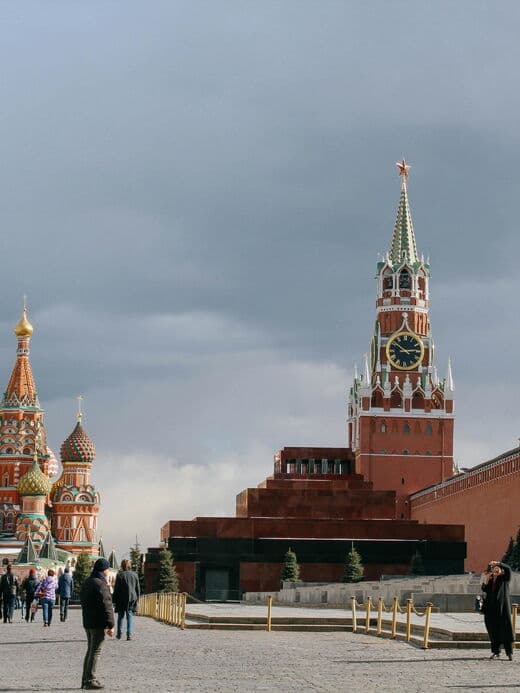
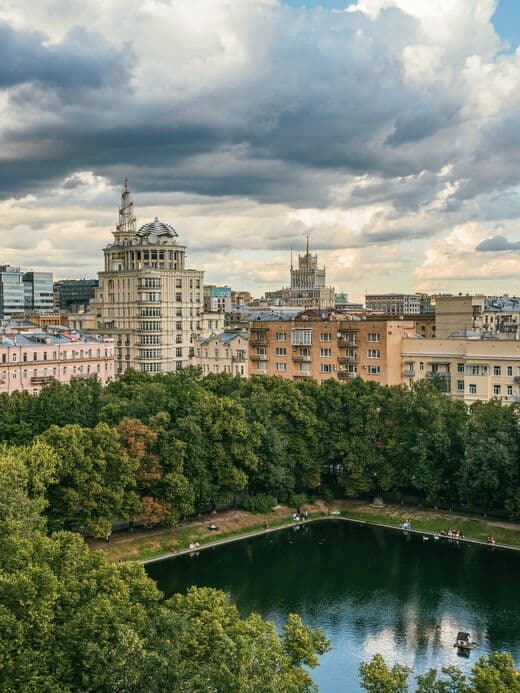
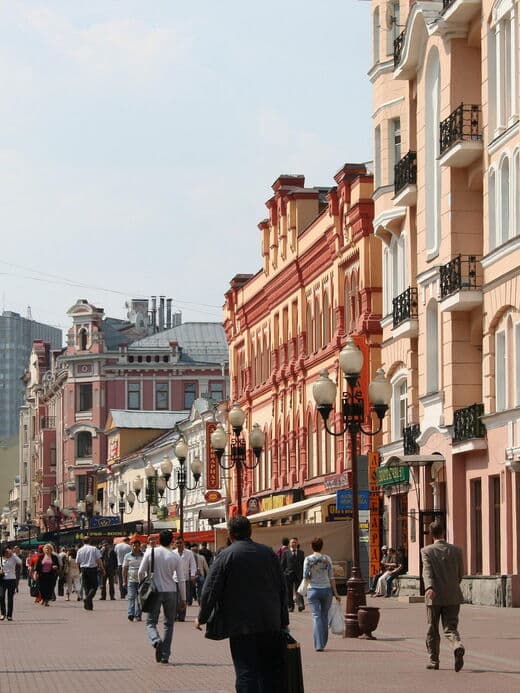
This is where most of your sightseeing will happen. The area encompasses Red Square, the Kremlin, and the elegant streets radiating outward. Tverskaya Street serves as Moscow's main artery - think Fifth Avenue meets the Champs-Elysees, but with that uniquely Russian blend of imperial grandeur and Soviet geometry. The Old Arbat pedestrian street offers a more bohemian atmosphere, though it's touristy by Moscow standards. Patriarch Ponds is the sophisticated literary quarter where Bulgakov set his masterpiece - expect upscale cafes and a distinctly European feel.
Zamoskvorechye (South of the Moskva River)
Cross the river and you'll find a completely different Moscow. The Tretyakov Gallery anchors this neighborhood, surrounded by quiet streets lined with merchant mansions painted in pastel yellows and greens. Zaryadye Park, opened in 2017, transformed a former hotel site into one of the world's most innovative urban parks. This area feels more intimate, more genuinely "old Moscow" than the grand boulevards north of the river.
Moscow-City (The Business District)
Moscow-City is Russia's answer to Canary Wharf or Manhattan's Hudson Yards - a cluster of glass skyscrapers that seemed impossible when construction began in the 1990s. Love it or hate it, the observation decks at PANORAMA360 offer stunning views. The restaurants here trend expensive and corporate, but the architecture alone makes the trip worthwhile, especially at night when the towers light up.
Outer Districts Worth Exploring
VDNKh in the northeast started as a Soviet exhibition ground and has been magnificently restored - think a theme park of Stalinist architecture combined with modern attractions like Moskvarium (Europe's largest aquarium) and the Museum of Cosmonautics. Kolomenskoye to the south offers a glimpse of pre-Petrine Russia with its 16th-century churches and apple orchards. Tsaritsyno presents Catherine the Great's unfinished palace, now beautifully restored and set in parkland perfect for afternoon wandering.
When to Visit Moscow
Moscow is a year-round destination, but each season offers a radically different experience.
Winter (December-February)
Yes, it's cold - often -10 to -20 Celsius (14 to -4 Fahrenheit). But this is when Moscow truly shines. The city transforms into a winter wonderland with elaborate decorations, ice skating rinks on Red Square, and a festive atmosphere that lasts well into January (Russians celebrate Orthodox Christmas on January 7th and Old New Year on January 14th). Museums are warm and uncrowded, and there's something magical about walking through fresh snow past the illuminated Kremlin walls. Pack serious winter gear: thermal layers, waterproof boots with good grip, and a hat that covers your ears.
Spring (March-May)
March is still very much winter. April brings the thaw - muddy and gray, but with longer days and the first hints of green. May is glorious: the parks explode with lilacs and cherry blossoms, sidewalk cafes open, and the city celebrates Victory Day (May 9th) with spectacular military parades. Late May offers nearly 18 hours of daylight and comfortable temperatures around 15-20 degrees Celsius (60-68 Fahrenheit).
Summer (June-August)
June is arguably the best month - warm but not hot, with the famous "white nights" providing extended twilight hours perfect for evening walks. July and August can get surprisingly hot (30+ Celsius/86+ Fahrenheit), and many Muscovites flee to their dachas. This is when outdoor festivals peak and the parks come alive, but some restaurants reduce hours as staff take summer holidays.
Autumn (September-November)
September is Moscow's second spring - comfortable temperatures, golden light, and the cultural season kicking off with new performances at the Bolshoi. October brings spectacular fall colors to parks like Gorky Park and Sokolniki. November tends toward gray and drizzly - functional for sightseeing but not particularly photogenic.
Itineraries: Making the Most of Your Time
Three Days: The Essential Moscow Experience
Day 1: The Historic Heart
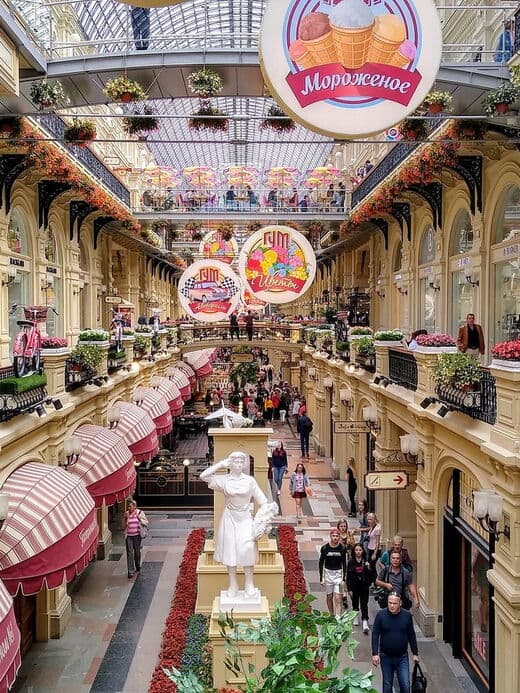
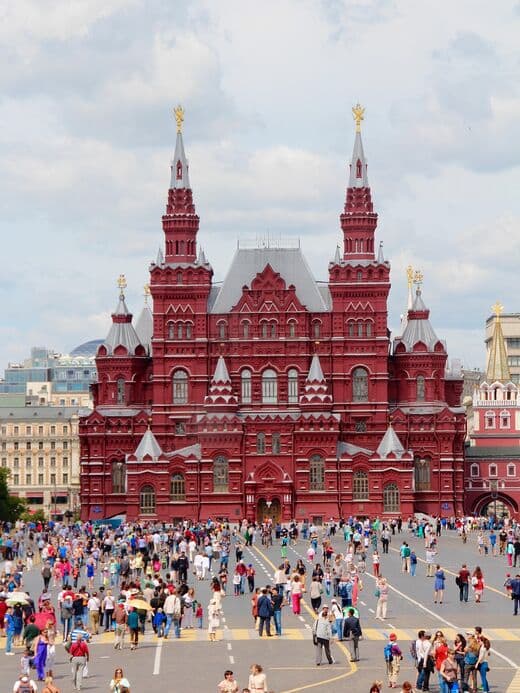
Start early at Red Square - arrive by 8 AM to experience it without crowds. Walk the cobblestones, admire St. Basil's Cathedral from every angle (yes, it really does look different from each viewpoint), and peek into GUM, the ornate department store that's worth visiting even if you don't buy anything. Book your Kremlin tickets online in advance - you'll want at least 3 hours to properly explore the grounds, including the Armoury Chamber. If imperial jewels fascinate you, add the Diamond Fund. Lunch at Stolovaya 57 inside GUM offers excellent Russian cafeteria-style food at reasonable prices with prime Red Square views. Afternoon: visit the State Historical Museum at the northern end of Red Square, then walk up Tverskaya Street for shopping and people-watching. Evening: catch a performance at the Bolshoi (book weeks ahead) or dine at one of the restaurants near Patriarch Ponds.
Day 2: Art and Parks
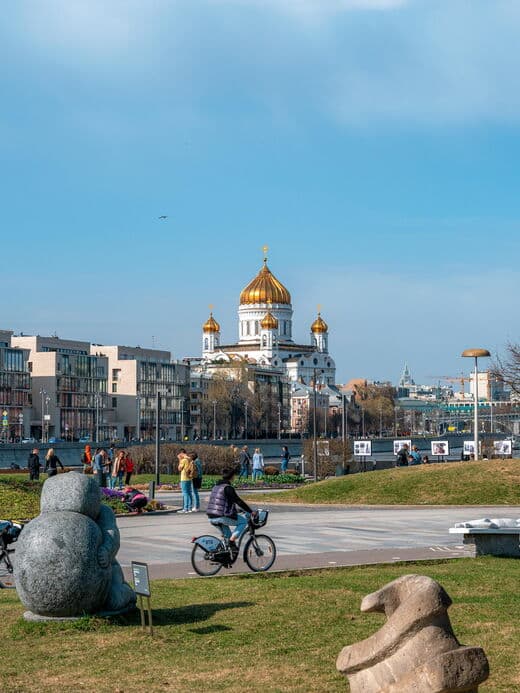
Dedicate your morning to the Tretyakov Gallery - Russia's national art collection deserves at least 3 hours. Don't miss the icon rooms, especially Andrei Rublev's Trinity. Cross the river for lunch in the Zamoskvorechye neighborhood, then explore Zaryadye Park's innovative landscape design and walk the famous floating bridge for panoramic views. Late afternoon: head to the Cathedral of Christ the Savior, then walk along the river to the Muzeon Sculpture Park and New Tretyakov Gallery for Soviet and contemporary art. End your day at Gorky Park for a riverside dinner at one of the hip cafes.
Day 3: Soviet Legacy and Modern Moscow
Take the metro to VDNKh - spend time exploring the stunning Stalinist pavilions and visit the Museum of Cosmonautics. This is Russia's space heritage, from Sputnik to Gagarin, presented with genuine pride. Lunch at one of VDNKh's cafes, then head to Moscow-City for a complete change of scenery. Ascend to PANORAMA360 for sunset views over the city. Evening: explore the area around Kuznetsky Most for cocktails and dinner in converted industrial spaces.
Five Days: Deeper Exploration
Add to the above:
Day 4: Literary Moscow and Hidden Gems
Start at the Bulgakov Museum near Patriarch Ponds - fans of "The Master and Margarita" will be enthralled. Walk through the quiet streets to the Pushkin Museum of Fine Arts for European masterworks. After lunch, explore the Old Arbat and its side streets, visit the Tolstoy House-Museum in Khamovniki where the author wrote parts of "Anna Karenina." Evening: attend a concert or performance at one of Moscow's many music venues.
Day 5: Estates and Parks
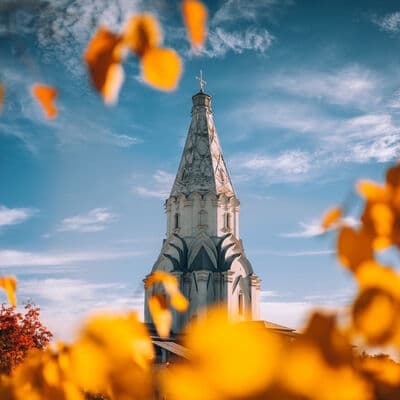
Escape the center for Kolomenskoye - former royal estate with the stunning Church of the Ascension (UNESCO World Heritage). Walk the grounds overlooking the river, visit the wooden buildings relocated here from across Russia. Afternoon: continue to Tsaritsyno for Catherine's gothic palace and landscaped gardens. Alternatively, spend the day at Kuskovo Estate, Moscow's mini-Versailles with its preserved 18th-century interiors.
Seven Days: The Complete Moscow
With a full week, add:
Day 6: Contemporary Culture
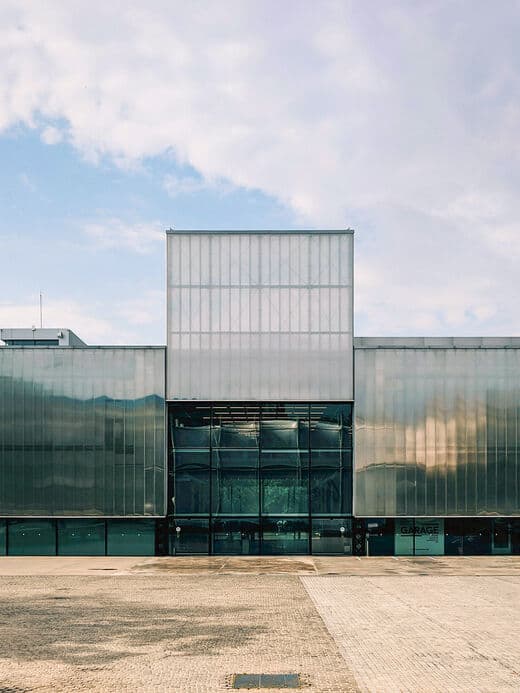
Immerse yourself in Moscow's thriving contemporary art scene. Start at Garage Museum of Contemporary Art in Gorky Park, then walk to Winzavod, the former wine factory converted into galleries and creative spaces. Continue to Artplay design center nearby. Afternoon: visit Aptekarsky Ogorod, Moscow's oldest botanical garden, for a peaceful respite. Evening: explore the restaurants and bars around Clean Ponds (Chistye Prudy).
Day 7: Day Trip
Choose your adventure: the ancient city of Sergiev Posad with its stunning monastery, the historic Golden Ring town of Vladimir and Suzdal, or one of the Moscow region's remarkable estates like Arkhangelskoye. More on day trips below.
Museums: Beyond the Must-Sees
World-Class Collections
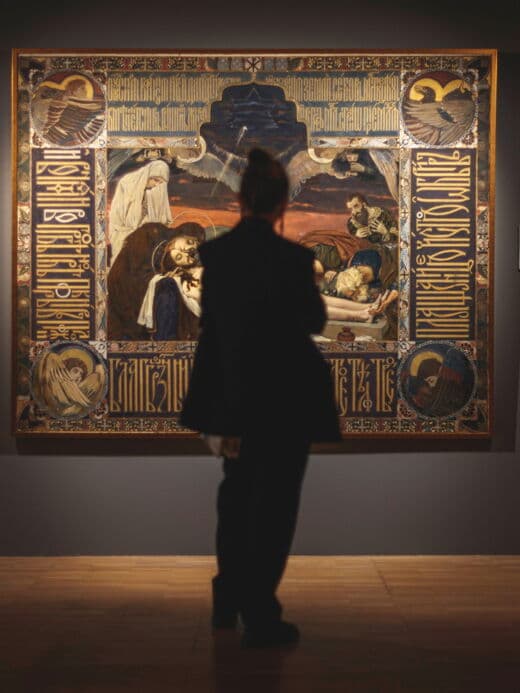
The Tretyakov Gallery houses the definitive collection of Russian art. Allow 3-4 hours minimum. The icon rooms are transcendent - Andrei Rublev's 15th-century works glow with an inner light that reproductions simply cannot capture. The 19th-century galleries feature the Russian Realist masterpieces you'll recognize from countless history books. Don't skip the landscapes - Levitan's twilight scenes and Shishkin's forests capture the Russian soul better than any words.
The Pushkin Museum of Fine Arts offers European art across centuries, including impressive Impressionist collections. The State Historical Museum on Red Square takes you from prehistoric Russia through the early 20th century with surprisingly engaging displays.
Unique Moscow Experiences
The Museum of Cosmonautics at VDNKh tells Russia's space story with genuine artifacts, from Sputnik to the ISS. The Kremlin Armoury and Diamond Fund contain treasures that rival the Crown Jewels. The Victory Museum at Poklonnaya Hill presents World War II history with powerful dioramas and immersive displays - essential for understanding Russian national identity.
For literary pilgrims, the Bulgakov Museum recreates the apartment where the Master and Margarita supposedly lived. The Tolstoy House-Museum preserves the home where Leo Tolstoy spent his winters, complete with original furnishings and his writing desk.
The Metro: A Museum in Motion
The Moscow Metro deserves special mention. Built from the 1930s onward as "palaces for the people," stations like Komsomolskaya, Mayakovskaya, and Novoslobodskaya feature chandeliers, mosaics, sculptures, and marble halls that rival any museum. Download a metro art walking guide and spend a few hours station-hopping - it's free with a regular metro ticket and endlessly fascinating.
Parks and Green Spaces
Moscow boasts more green space per capita than most major cities, and its parks have undergone remarkable transformations in recent years.
Gorky Park exemplifies the new Moscow: once a rundown Soviet amusement park, it's now a sleek urban playground with free Wi-Fi, bike rentals, hammocks, contemporary art installations, and excellent restaurants. In winter, it hosts one of Europe's largest outdoor ice rinks. Summer evenings bring open-air cinema, yoga classes, and jazz concerts.
Zaryadye Park, opened in 2017 just steps from Red Square, is an architectural marvel. Four Russian climate zones are recreated on terraced levels, and the floating bridge extends over the Moskva River with no supports visible from above - perfect for photography. The underground concert hall hosts world-class performances.
VDNKh combines park space with architectural heritage - the restored Stalinist pavilions now house museums and exhibitions, while the sprawling grounds include fountains, gardens, and rental bikes. The Moskvarium aquarium here is Europe's largest, with orcas, dolphins, and an impressive tropical section.
Sokolniki Park attracts fewer tourists but offers authentic Moscow weekend atmosphere - families barbecuing, teenagers skateboarding, elderly chess players in designated pavilions. Sparrow Hills provides the classic panoramic view of Moscow, especially impressive at sunset. The ski jump here was built for the 1980 Olympics.
Aptekarsky Ogorod, Moscow's oldest botanical garden, hides behind a brick wall near Prospekt Mira. It's a pocket paradise, particularly beautiful during spring flowering and autumn colors.
Theater and Performing Arts
Moscow's performing arts scene rivals London and New York, often at a fraction of the price.
The Bolshoi Theatre needs no introduction. The historic main stage underwent a massive restoration and seats feel transported to the 19th century. Even if ballet isn't your thing, the experience of sitting in those velvet seats beneath the glittering chandeliers is worth the ticket price. Book 2-3 weeks ahead through the official website (bolshoi.ru). Prices range from roughly 3,000 to 15,000 rubles ($30-150 USD equivalent) - vastly more affordable than comparable venues in the West.
Beyond the Bolshoi, the Helikon-Opera stages innovative productions in a historic building. The Stanislavsky and Nemirovich-Danchenko Musical Theatre offers excellent opera and ballet with more available tickets. The Mariinsky Theatre from St. Petersburg occasionally tours Moscow, performing at various venues - check listings if you're lucky to catch them. For drama, the Moscow Art Theatre (MKhAT) founded by Stanislavsky remains influential, though performances are naturally in Russian.
Classical music fills Moscow's evenings - the Tchaikovsky Concert Hall and Moscow Conservatory host world-class orchestras and soloists. Check listings for the Russian National Orchestra and Moscow Philharmonic. Tickets typically run 1,000-5,000 rubles ($10-50 USD equivalent).
Where to Eat: From Canteens to Fine Dining
Russian Fast Food and Familiar Alternatives
Western fast food chains have departed, but their buildings and formulas remain under new Russian ownership. Vkusno i Tochka (literally "Tasty and That's It") operates former McDonald's locations with remarkably similar menus - burgers, fries, and soft-serve that taste nearly identical to the original. Rostics took over KFC with the same fried chicken recipes. Stars Coffee replaced Starbucks, keeping the green color scheme and serving surprisingly good lattes. These chains offer consistency, free Wi-Fi, and familiar experiences when you need a break from culinary adventure.
Stolovaya: The Russian Cafeteria Experience
Nothing captures everyday Russian eating like the stolovaya (canteen). Stolovaya 57 in GUM is tourist-friendly but serves authentic Soviet-style cafeteria food - grab a tray, point at what looks good, pay by weight or per dish. Try the solyanka (sour soup), beef stroganoff, or pelmeni with sour cream. Expect to pay 400-700 rubles ($4-7 USD equivalent) for a full meal with drink.
Varenichnaya No. 1 is a chain specializing in vareniki (Ukrainian-style dumplings) and traditional Soviet-era comfort food in nostalgic decor complete with vintage TVs and propaganda posters. The cherry vareniki are dessert perfection. Multiple locations throughout the center.
Reliable Chain Restaurants
The BYK serves solid steaks and grilled meats at reasonable prices - great when you want a proper sit-down dinner without the fine-dining price tag. Expect 1,500-2,500 rubles ($15-25 USD equivalent) per person.
TrueCost offers steak and seafood at prices that seem too good to be true - they source directly from producers and operate on thin margins. Popular with Moscow's business crowd for power lunches.
Starik Khinkaliych ("Old Khinkali-man") specializes in Georgian cuisine, particularly khinkali - massive soup dumplings you eat by hand. These are meant to be messy. Order by the piece (typically 100-150 rubles each), get at least 5 per person. The chain offers consistent quality across its many locations.
Markets and Food Halls
Danilovsky Market is Moscow's best food market - renovated in 2017 with upscale vendors selling everything from fresh produce to Georgian wine to Asian street food. Great for lunch exploration. Depo Food Mall near Belorusskaya station offers over 75 food stalls in a converted tram depot - everything from Vietnamese pho to Mexican tacos to traditional Russian pirozhki. Weekend brunch here is a Moscow institution.
Mid-Range and Special Occasion
White Rabbit consistently ranks among the world's best restaurants, with a terrace overlooking the city center. Expect to pay 5,000-8,000 rubles ($50-80 USD equivalent) per person for tasting menus that reimagine Russian cuisine. Cafe Pushkin is the classic tourist recommendation but delivers genuine atmosphere and solid traditional Russian cooking in a recreated 19th-century library setting.
For business district power dining, the restaurants in Moscow-City offer stellar views and international menus - Sixty and Ruski on the 62nd floor of Federation Tower are experiences unto themselves.
Coffee and Cafes
Moscow's coffee culture has exploded. Beyond Stars Coffee, seek out local favorites like Double B for specialty roasts, Coffee Bean for consistent quality across multiple locations, and the many independent third-wave coffee shops around Patriarch Ponds and Clean Ponds. A quality cappuccino runs 250-400 rubles ($2.50-4 USD equivalent).
Russian Food: What to Try
Russian cuisine is hearty, often sour-cream-laden, and perfect for the climate. Here's your essential eating checklist:
- Borscht - The iconic beet soup, served hot with sour cream and fresh dill. Every restaurant makes it differently.
- Solyanka - A thick, sour soup loaded with pickles, olives, sausage, and whatever else fits. It's the hangover cure of choice.
- Pelmeni - Siberian dumplings, smaller and meatier than their Chinese cousins. Served swimming in broth or with sour cream and butter.
- Beef Stroganoff - Yes, it's Russian. Thin strips of beef in a creamy mushroom sauce, usually served over mashed potatoes.
- Blini - Thin crepes served sweet (with condensed milk, honey, or jam) or savory (with red caviar, smoked salmon, or mushrooms).
- Olivier Salad - The original "Russian salad" - diced potatoes, carrots, peas, eggs, pickles, and mayo. Every holiday table has one.
- Pirozhki - Hand-held pies with fillings from meat to cabbage to sweet jam. Perfect street food.
- Kvass - Fermented bread drink, mildly alcoholic, deeply refreshing in summer. Sold from barrels on street corners.
- Medovik - Honey cake with dozens of paper-thin layers. The definitive Russian dessert.
Georgian cuisine is almost as ubiquitous as Russian in Moscow. Don't miss khachapuri (cheese-filled bread boats), khinkali (soup dumplings), lobio (bean stew), and churchkhela (grape and nut candy).
Practical Tips and Insider Advice
Money Matters
Critical: Visa and Mastercard issued by Western banks do not work in Russia. You have two options:
- Cash: Bring USD or EUR in good condition (no tears, marks, or old bills pre-2006 for dollars). Exchange at any bank - rates are similar everywhere, though Sberbank often has slightly worse rates. You can exchange up to $10,000 without declaration. ATMs will dispense rubles if you have a UnionPay card, though UnionPay works unstably. Many banks outside China have restricted operations in Russia. Don't rely solely on UnionPay, bring cash backup.
- MIR card: You can obtain a MIR card (Russian payment system) through services like YooMoney - there's an information center at Sheremetyevo Airport. Alternatively, T-Bank can deliver a card to your hotel within 1-2 days. With MIR linked to your phone via MirPay, you can tap to pay anywhere - metro turnstiles, convenience stores, restaurants.
Budget roughly 5,000-8,000 rubles ($50-80 USD equivalent) per day for mid-range travel including meals, transport, and one paid attraction. Moscow can be expensive, but it can also be remarkably affordable if you eat at stolovayas and use the metro.
Connectivity
Buy an eSIM before you arrive. Russian SIM cards now require local registration documents (SNILS and Gosuslugi account), which foreign tourists cannot easily obtain. An international eSIM from providers like Airalo or Holafly will work immediately upon landing. Note: your internet connection may be temporarily blocked for the first 24 hours as a security measure - this resolves itself or with a call to the number provided in an SMS.
VPN is essential. Instagram, Facebook, and X (Twitter) are blocked. Many Western news sites are inaccessible. Download VPN apps before arrival - ExpressVPN often doesn't work, but AdGuard VPN and several others do. The websites themselves are blocked within Russia, so you cannot download them after arrival.
Getting Around
The Moscow Metro is your best friend: fast, frequent, and famously beautiful. A single ride costs 50 rubles (about $0.50 USD) with a Troika card, which you buy at any station for a 50-ruble deposit. Tap in, transfer unlimited times, tap out. The metro runs from 5:30 AM to 1:00 AM.
For taxis, use Yandex Go (Russia's Uber equivalent). You'll need a Russian phone number to register - use your eSIM number. Payment can be cash or MIR card. Rides within the center typically cost 300-600 rubles ($3-6 USD equivalent). Never accept offers from taxi drivers at airports or train stations - use the app exclusively.
Moscow's bus and tram network is extensive and uses the same Troika card. The Moscow Central Circle (MCC) and Moscow Central Diameters (MCD) provide fast rail connections to outlying areas with metro-style convenience.
Accommodation
Booking.com does not operate in Russia. Alternatives include:
- Ostrovok.ru - The main Russian booking platform, available in English
- Yandex Travel - Reliable with good coverage
- Sutochno.ru - For apartments (like Airbnb)
Many hotels accept cash payment upon arrival - look for this option when booking. Hotels will handle your migration registration automatically. If staying in private accommodation, you may need to register yourself - your host should assist with this.
Language
English is not widely spoken outside tourist areas and upscale establishments. Google Translate or Yandex Translate (better for Russian) with camera mode will save you countless times - just point at menus, signs, or museum labels. Learning the Cyrillic alphabet takes about a day and dramatically improves navigation - many words are actually borrowed from French, German, or English and become recognizable once you can sound them out.
Essential phrases: "Zdravstvuyte" (hello, formal), "Spasibo" (thank you), "Skolko?" (how much?), "Gde...?" (where is...?), "Schyot, pozhaluysta" (bill, please).
Safety
Moscow is remarkably safe for a city of its size. Violent crime against tourists is rare. The usual big-city precautions apply: watch your belongings in crowded metro stations, avoid flashing expensive electronics, and be wary of anyone approaching you with unsolicited offers. Petty theft exists but is less common than in many Western European capitals. The metro is safe at all hours.
Day Trips from Moscow
Historic Estates
Arkhangelskoye (20 km west) was the summer retreat of the Yusupov princes, one of Russia's wealthiest families. The neoclassical palace, formal gardens, and theater pavilion transport you to aristocratic Russia. The estate overlooks the Moskva River and makes for a perfect half-day escape. Marshrutka (minibus) from Tushinskaya metro or taxi.
Abramtsevo (60 km north) was the creative colony where Russian Realist painters, writers, and craftsmen gathered in the late 19th century. The wooden buildings, folk art collection, and serene birch forests inspired some of Russia's most famous paintings. Take the elektrichka (commuter train) from Yaroslavsky Station.
Muranovo (50 km north) preserves the estate of poet Fyodor Tyutchev, with original interiors and a remarkably intimate atmosphere. Combine with Abramtsevo for a literary-artistic day trip.
Ostafyevo (35 km south) was "the Russian Parnassus" where poets Pushkin and Karamzin gathered. The classicist manor and English park are beautifully maintained. Easy access via MCD-2 train line.
Spiritual Sites
Sergiev Posad (70 km northeast) houses the Trinity Lavra of St. Sergius, the most important Russian Orthodox monastery and a UNESCO World Heritage Site. The blue and gold domes, working monastery life, and pilgrimage atmosphere make this essential for understanding Russian spirituality. Direct trains from Yaroslavsky Station take 1.5 hours.
New Jerusalem Monastery (60 km west) was built as a replica of Jerusalem's holy sites by Patriarch Nikon in the 17th century. Recently restored to stunning effect, it's less crowded than Sergiev Posad and equally impressive architecturally.
Ancient Cities: The Golden Ring
Vladimir and Suzdal (180 km east) preserve the heart of medieval Russia. Vladimir's Golden Gate and 12th-century cathedrals recall when this city was Russia's capital. Suzdal, 30 km further, is a museum-village of wooden churches and monastery walls set amid meadows - Russia's most picturesque small town. The high-speed Lastochka train reaches Vladimir in 1 hour 45 minutes from Kursky Station.
Winter Sports: Ski Resorts
Yes, you can ski near Moscow. While not Alpine in scale, the Moscow region offers decent slopes for beginners and intermediates, plus a break from museum-hopping.
Sorochany (50 km north) is the most popular resort with 12 trails, night skiing, and modern lift infrastructure. Vertical drop of 90 meters won't challenge experts but provides solid beginner-intermediate terrain. Ski rental and instruction available. Bus from Altufyevo metro.
Volen (45 km north) offers a more intimate atmosphere with 14 slopes and a terrain park for snowboarders. Less crowded on weekdays. Also accessible from Altufyevo.
Stepanovo (60 km north) provides the longest runs in the region with 85 meters of vertical drop. Good for families with varied terrain and snow tubing areas.
Season typically runs December through March, though snow-making extends it. Expect lift tickets around 2,000-3,000 rubles ($20-30 USD) for a full day.
Art and Nature
Nikola-Lenivets (200 km southwest) is Russia's largest land-art park, with massive wooden sculptures scattered across meadows and forests. The annual Archstoyanie festival in July attracts architects and artists from worldwide. It requires a full day and preferably a car, but for contemporary art enthusiasts, it's unmissable. The park operates year-round with different installations appearing seasonally.
View Points and Photo Spots
Sparrow Hills offers the classic Moscow panorama - the entire city spreads before you, with Moscow State University's Stalinist skyscraper at your back. Best at sunset. The observation platform is free and accessible by metro (Vorobyovy Gory station).
Ostankino Tower at 540 meters provides the highest views, though the observation deck is sometimes closed for renovation. Check current status before visiting.
PANORAMA360 in Moscow-City offers stunning views from the 89th floor, plus an ice cream factory where you can watch production. The glass-bottom floor section isn't for the faint-hearted.
The floating bridge at Zaryadye Park provides unique views of the Kremlin and river. Free to visit.
For Families
Moscow Zoo sprawls across the center with over 8,000 animals. The panda pavilion is the current star attraction. Allow 3-4 hours.
Moscow Planetarium combines astronomy education with impressive show technology. The Lunarium interactive museum is excellent for kids. Book show times in advance.
Moskvarium at VDNKh features orca and dolphin shows alongside massive tanks of tropical fish, sharks, and cephalopods. One of Europe's largest aquariums and worth the trek to VDNKh.
Gorky Park and Sokolniki offer bike rentals, playgrounds, and ice cream stands - perfect for burning off energy between museum visits.
Seasonal Events
New Year's and Orthodox Christmas (December 31 - January 14) transforms Moscow into a winter wonderland. The decorations are spectacular, the ice rinks open, and the festive atmosphere rivals any city worldwide. Just book accommodation early - many Russians travel to Moscow for the holidays.
Maslenitsa (late February/early March) celebrates the end of winter with blini, folk performances, and general revelry in parks across the city. Gorky Park's celebration is particularly elaborate.
Victory Day (May 9) is Russia's most important holiday. The military parade on Red Square is impressive but ticket-only; however, the city-wide celebrations, fireworks, and "Immortal Regiment" march are accessible to all.
Moscow City Day (first Saturday of September) brings concerts, fireworks, and festivities throughout the center.
What I Wish I'd Known
Moscow rewards the patient visitor. The initial overwhelm - the scale, the crowds, the Cyrillic signs - gives way to a city of unexpected intimacy. Quiet courtyards hide behind imposing facades. Babushkas feed cats in historic alleyways. Students debate philosophy in 24-hour cafes.
The Russians you meet will likely be reserved at first and warm once you've broken through. Attempting even basic Russian phrases earns genuine appreciation. Accepting tea (or vodka) when offered is practically mandatory. Refusing a second helping at someone's home will cause offense.
Take the metro to random stations just to see the architecture. Get lost in Zamoskvorechye's side streets. Visit a banya (Russian bathhouse) and let strangers beat you with birch branches - it's a profound cultural experience. Attend an Orthodox church service on Sunday, even if you're not religious - the music and ritual are transcendent.
Most importantly, come without preconceptions. Moscow will surprise you, challenge you, and leave you planning your return before you've even departed.
Souvenirs: What to Bring Home
Classic Russian Souvenirs
The timeless gifts that scream "Russia":
- Matryoshka - Nesting dolls, from classic peasant girls to political satire sets. Quality varies wildly; the hand-painted ones at Izmailovsky Market are worth the premium.
- Khokhloma - Distinctive wooden tableware with red, gold, and black patterns. Spoons and bowls make practical gifts.
- Gzhel - Blue and white porcelain from the village of the same name. Tea sets, figurines, and decorative plates.
- Palekh - Lacquered miniature boxes with intricate painted scenes, often from fairy tales or Russian history.
- Pavlovo Posad shawls - Traditional wool shawls with elaborate floral patterns. The real ones aren't cheap but last generations.
- Black caviar - Legal to export in reasonable quantities. Buy at supermarkets (cheaper) or airport duty-free (more convenient). Check your home country's import rules.
- Soviet chocolate - "Mishka Kosolapy" (bear), "Alyonka" (girl), "Krasnaya Shapochka" (Red Riding Hood) - iconic brands that taste like Russian childhood.
Marketplace Hack
For non-urgent purchases, order from Ozon or Wildberries (Russia's Amazon equivalents) and have items delivered to your hotel. Select "cash on delivery" option to pay upon receipt. Often cheaper than tourist shops, with better selection.
Russian Watches
Russia has a rich watchmaking heritage, and many quality timepieces remain surprisingly affordable:
- Raketa - Russia's premium watch brand, operating since 1961. They have a flagship store on Tverskaya Street. Prices start from 120,000 rubles ($1,200 USD). Each watch is handmade in St. Petersburg.
- Vostok - The iconic Soviet military watch brand. The Komandirskie (Commander) and Amphibia (diver's watch) lines are collector favorites. Prices from 15,000 rubles ($150 USD) for new models.
- Molniya - Known for pocket watches and railway timepieces since 1947. Wristwatches from 25,000 rubles ($250 USD).
- Slava - "Glory" watches, mass-produced during Soviet times. Vintage pieces from 3,000 rubles ($30 USD) at flea markets - a genuine piece of Soviet history.
The Ultimate Status Symbol
For collectors with serious budgets: IPF watches (ipf1721.ru) are custom-made timepieces manufactured in St. Petersburg. These are the watches Putin wears. Each piece is made to order, taking 3+ months to produce, with prices starting from $20,000 USD. The ultimate Russian luxury souvenir.
Essential Information Summary
- Currency: Russian Ruble (RUB). Bring cash in USD/EUR; Western cards don't work
- Language: Russian. English is limited outside tourist areas
- Getting There: Sheremetyevo (SVO), Domodedovo (DME), or Vnukovo (VKO) airports. Aeroexpress trains connect all three to the city center
- Visa: Most nationalities require a visa in advance. Check current e-visa availability for your country
- Time Zone: Moscow Standard Time (MSK), UTC+3, no daylight saving
- Power: 220V, European two-pin plugs
- Emergency: 112 (general), 103 (ambulance), 102 (police)
- Tipping: 10-15% in restaurants if not included; round up for taxis
Moscow is not easy, but it is extraordinary. The city that has endured Mongol hordes, Napoleon, and the Soviet collapse has emerged in the 21st century as a global capital of remarkable energy and ambition. Come see it for yourself - and bring cash.