Diamond Fund
The Diamond Fund is a unique collection of precious stones, jewelry, and state regalia housed in the Moscow Kremlin. It's one of the world's largest and most valuable jewelry collections, featuring masterpieces of Russian and Western European jeweler's art.
Collection History
The collection was founded by Peter I, who established the Diamond Room at the Renterey—the royal treasury—in 1719. Russian emperors collected jewels for centuries, passing them down as inheritance. In 1922, the collection was nationalized and became state property.
State Regalia
The collection holds imperial crowns, scepters, orbs, and order insignia. The Great Imperial Crown, created for Catherine II's coronation in 1762, is adorned with 4,936 diamonds and a giant red spinel weighing 398 carats.
Famous Stones
The Orlov Diamond, weighing 189.62 carats, is one of the world's largest. Legend says it was the eye of a Brahma statue in an Indian temple. The Shah Diamond, weighing 88.7 carats, bears inscriptions from three Persian rulers. The Kochubey emerald cluster amazes with its size and clarity.
Gold and Platinum Nuggets
The collection includes extremely rare nuggets. The "Big Triangle" is the world's largest gold nugget at 36 kg. Platinum nuggets from Ural deposits are unmatched in size and purity.
Jewelry Masterpieces
The collection features works by Europe's finest jewelers: tiaras, necklaces, and bracelets belonging to the imperial family. 18th-century port-bouquets and brooches amaze with their complexity. Modern Gokhran pieces continue Russian jewelry traditions.
Order of the Golden Fleece
A rare insignia of the Spanish Order of the Golden Fleece, owned by Russian emperors. Decorated with large diamonds and emeralds. It's one of the most valuable order insignia in the world.
Visiting
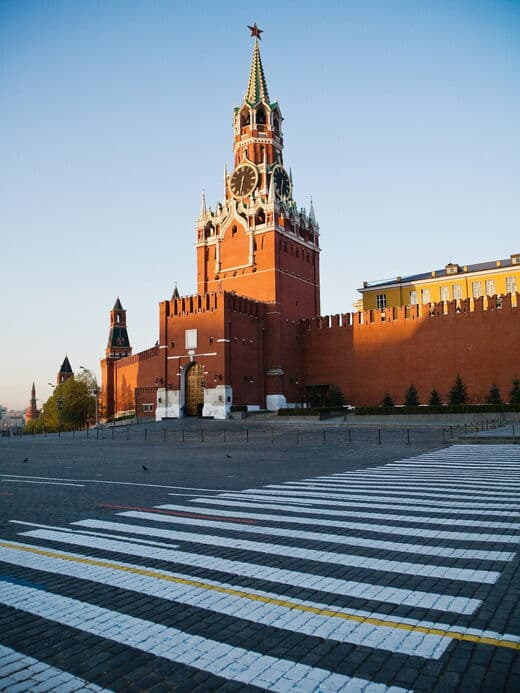
The Diamond Fund is located in the Kremlin's Armoury Chamber. Entry requires a separate ticket, with sessions every 20 minutes. Advance booking recommended. Photography is prohibited.
Atmosphere
The Diamond Fund is a concentration of luxury and history in a few halls. The exhibition is compact; viewing takes about an hour. Convenient to combine with the Armoury Chamber. Security is strict; bags are checked at entry.