About
Japan: The Complete Travel Guide
Why Visit Japan
Japan defies every expectation you bring with you. You think you are prepared after watching anime and reading travel blogs, but the reality is entirely different - and far more fascinating. Here, a 7th-century temple stands beside neon-lit skyscrapers, and an elderly woman in a kimono casually scrolls her smartphone on a bullet train hurtling at 200 mph. This is not exoticism for show - it is simply daily life.
What sets Japan apart from anywhere else is an obsessive attention to detail elevated to an art form. The barista at a coffee shop will craft your cappuccino as if their life depends on it. The taxi driver in white gloves will open your door. The convenience store clerk will bow and thank you three times. At first it seems excessive, then you get used to it, and after returning home, you miss it terribly.
Japanese cuisine is reason enough to visit. Forget what you have eaten at Japanese restaurants back home. Real ramen in Fukuoka, the freshest sushi at Tokyo fish markets, okonomiyaki in Osaka - this is an entirely different level. It is not just about ingredient quality. It is philosophy: every dish must be perfect, even a simple onigiri from 7-Eleven that costs 150 yen.
Safety in Japan is phenomenal. You can forget your wallet on a park bench, return an hour later, and find it exactly where you left it. You can walk through any Tokyo neighborhood at 3 AM without the slightest concern. For travelers, especially women, this sense of freedom is priceless.
Regions: What to Choose
Kanto: Tokyo and Surroundings
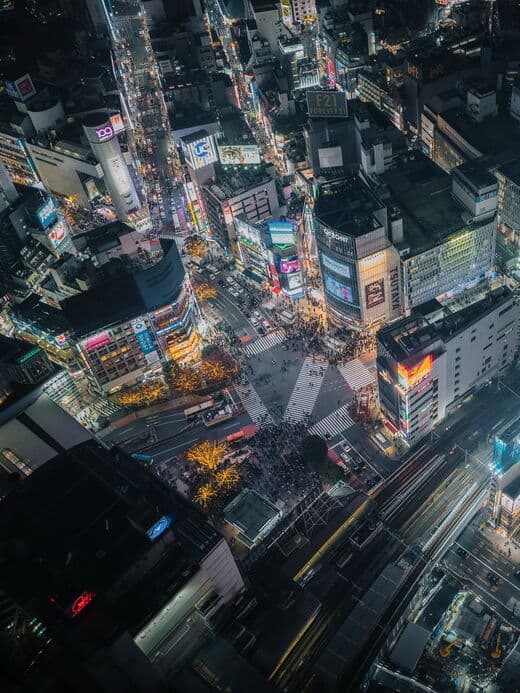
The Kanto region is the heart of modern Japan, home to Tokyo, a megalopolis of nearly 38 million people. Tokyo is not one city but a constellation of cities within a city, each with its own character. Shibuya Crossing is the world's busiest pedestrian intersection, where up to 3,000 people cross in a single light cycle. Akihabara is geek paradise, with multi-story electronics shops, anime merchandise, and maid cafes.
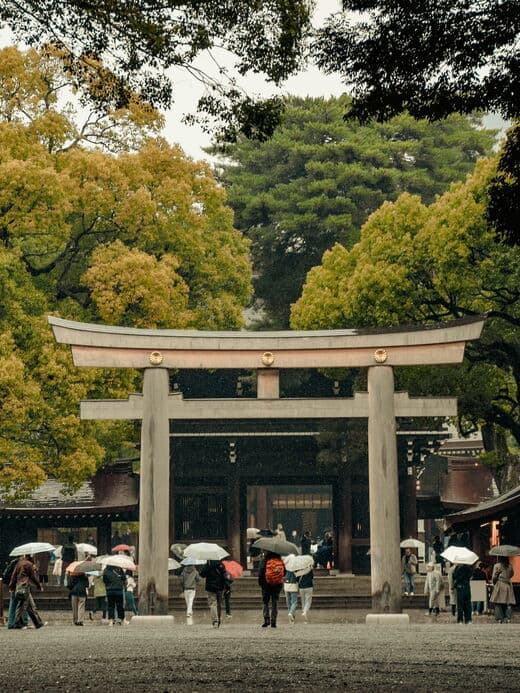
Senso-ji Temple in Asakusa is Tokyo's oldest Buddhist temple, founded in 645 AD. Its Kaminarimon Gate with the giant red lantern is one of the city's most iconic symbols. Meiji Jingu Shrine is surrounded by a genuine forest of 100,000 trees donated from across Japan - a green oasis amid the concrete jungle.
Art lovers must visit teamLab Borderless and teamLab Planets - immersive digital museums where you literally become part of the artwork. Book tickets at least a month ahead, especially for weekends. Tokyo Skytree at 634 meters offers the best panoramic city views, while Tokyo Tower is more atmospheric for evening photos.
Shinjuku Gyoen National Garden is perfect for hanami in spring, when 1,500 cherry trees of 65 varieties bloom. Ueno Park combines nature and culture, housing the Tokyo National Museum with the world's largest collection of Japanese art.
Geeks will appreciate the Ghibli Museum in Mitaka (tickets online only, a month in advance!) and Warner Bros. Studio Tour Tokyo - The Making of Harry Potter. The Unicorn Gundam statue in Odaiba transforms every hour - essential viewing for mecha fans.
Shopping in Tokyo is an adventure in itself. Ginza offers luxury boutiques and department stores, while Takeshita Street in Harajuku features youth fashion and crepe cafes. Tsukiji Outer Market continues to thrive after the main market relocated - this is where to find the best breakfast sushi.
Kansai: Kyoto, Osaka, Nara
The Kansai region is Japan's historical heartland, where three major cities with completely different characters cluster in a compact area. Kyoto is the former capital with 17 UNESCO World Heritage sites, Osaka is the culinary capital with its straightforward humor, and Nara is the ancient capital with freely roaming deer.
Kyoto demands at least three full days, ideally a week. Fushimi Inari Taisha with its 10,000 vermillion torii gates is a must-see, but arrive at 6 AM to avoid crowds and catch magical morning light. The climb to the summit takes 2-3 hours and is worth every step.
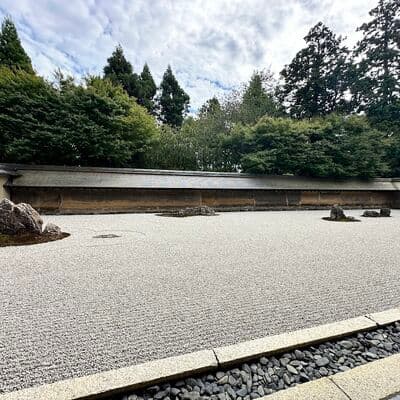
Kinkaku-ji (Golden Pavilion) looks most stunning on clear days when it reflects in the pond, or in winter under snow. Ginkaku-ji (Silver Pavilion) is less touristy and more meditative. Ryoan-ji's rock garden features 15 stones on white gravel, but only 14 are visible from any single viewpoint - pure Zen philosophy.
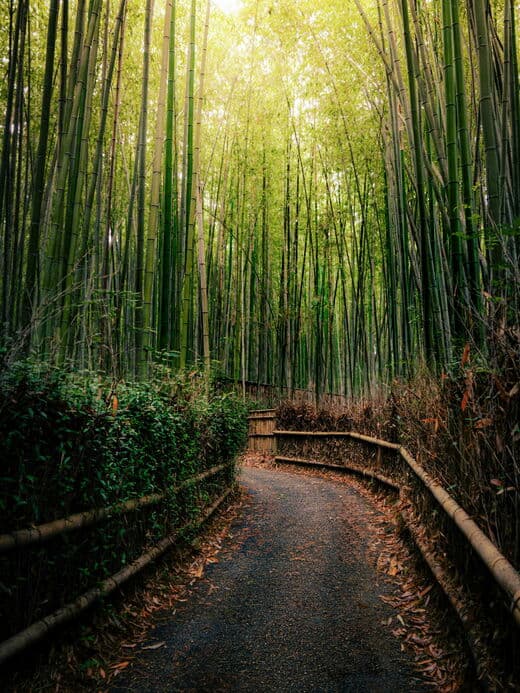
Arashiyama Bamboo Grove is incredibly photogenic but becomes a queue of tourists with selfie sticks by midday. Solution: arrive at dawn or book a rickshaw for less-known paths. Nearby Tenryu-ji Temple has a UNESCO-listed garden.
Kiyomizu-dera with its famous wooden terrace built without a single nail looks best in autumn when red maples blaze. The Gion District offers chances to spot genuine geiko (as geisha are called in Kyoto), especially in early evening hours. Nishiki Market is 'Kyoto's Kitchen' - 400 meters of food stalls.
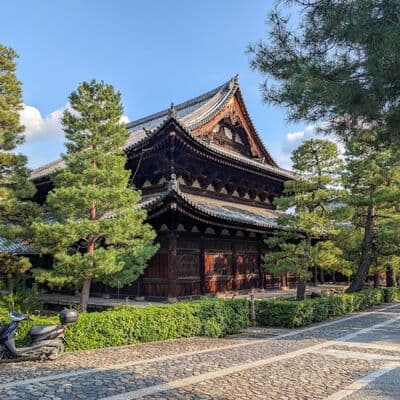
Other essential temples: Nanzen-ji with its old aqueduct, Sanjusangendo with 1,001 statues of Kannon, Nijo Castle with its 'nightingale floors' that squeak to warn of intruders, and To-ji with Japan's tallest wooden pagoda at 55 meters.
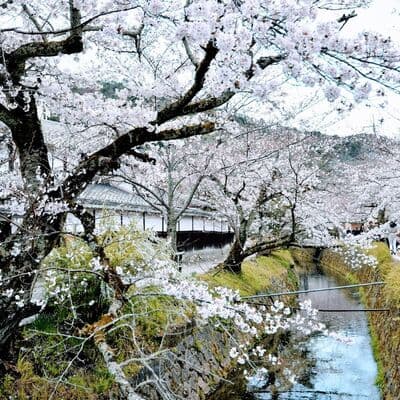
The Philosopher's Path is a two-kilometer canal-side walk between Ginkaku-ji and Nanzen-ji, especially beautiful during cherry blossom season. Kyoto Imperial Palace can now be visited free without advance booking.
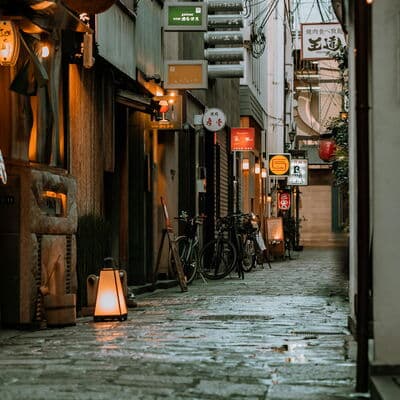
Osaka is the complete opposite of formal Kyoto. People greet strangers here, bargain at markets, and eat while walking. The city's mantra: 'kuidaore' - eat until you drop. Dotonbori with its giant neon signs (crabs, the running Glico man) is the heart of nightlife and street food.
Osaka Castle is the city's main symbol, especially stunning in spring surrounded by 3,000 cherry trees. It is a modern reconstruction, but the museum inside is excellent. Shinsekai with Tsutenkaku Tower is a retro district serving the best kushikatsu (deep-fried skewers).
Kuromon Market is 'Osaka's Kitchen' where you can breakfast on the freshest seafood. Kaiyukan Aquarium is one of the world's largest, featuring whale sharks. Universal Studios Japan with Super Nintendo World is perfect for families.
Abeno Harukas (300m) is Japan's tallest building outside Tokyo, with a rooftop observation deck. Umeda Sky Building with its 'floating' observatory is an architectural masterpiece from the 90s.
Osaka's temples are less famous but equally interesting: Shitennoji is Japan's first Buddhist temple (593 AD), Sumiyoshi Taisha features unique pre-Chinese architectural style, and Namba Yasaka Shrine has a striking giant lion head sculpture.
Hiroshima and the Chugoku Region
Hiroshima is a city the world knows for a tragic reason, but today it is a vibrant, green metropolis with a message of peace. Peace Memorial Park is an essential visit that permanently changes how you perceive war and history.
The Atomic Bomb Dome (Genbaku Dome) is the only structure preserved as it appeared after the blast. The Peace Memorial Museum requires emotional preparation - the exhibition is honest and harrowing, especially personal belongings of victims. The Cenotaph, Children's Peace Monument with paper cranes, and Peace Flame (burning until all nuclear weapons are abolished) form a unified memorial ensemble.
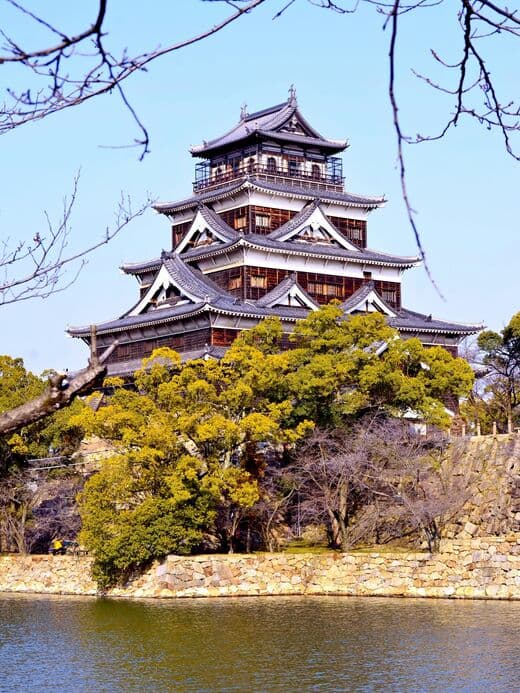
But Hiroshima is not just about tragedy. Hiroshima Castle (rebuilt in 1958) is surrounded by a beautiful park. Shukkei-en Garden is a classic Japanese garden created in 1620 and restored after the war. Hiroshima Museum of Art features an impressive collection of French Impressionists.
Okonomimura is 'okonomiyaki village' - a building with 24 restaurants serving Hiroshima-style versions of this dish (with a layer of noodles). Hondori Shopping Street is the center of shopping and nightlife. Orizuru Tower offers interactive exhibits and paper crane folding workshops.
An hour by ferry lies Miyajima Island with the 'floating' torii gate of Itsukushima Shrine (UNESCO site). Momijidani Park on Miyajima is one of the best spots for autumn momiji (maple viewing). The Mazda Museum in the suburbs appeals to car enthusiasts with factory tours.
Kyushu: Fukuoka and the South
Fukuoka is the largest city on Kyushu island, known as 'the gateway to Asia' due to its proximity to Korea and China. This is the birthplace of tonkotsu ramen with its rich, milky-white pork bone broth simmered for 12-20 hours. Yatai (street stalls) along the Nakasu River are the best place to try it.
Dazaifu Tenmangu is one of Japan's most important shrines, dedicated to the god of learning. Students from across the country visit before exams. Nearby, Kyushu National Museum is an impressive modern complex covering regional history.
Fukuoka Castle Ruins in Ohori Park are perfect for strolls, especially in the evening when the walls are illuminated. Fukuoka Tower (234m) offers panoramic city and bay views. Canal City Hakata is a massive shopping and entertainment complex with fountain shows every 30 minutes.
Fukuoka's Buddhist temples: Shofukuji is Japan's first Zen temple (1195), Tochoji houses a 10.8m seated wooden Buddha - Japan's largest, and Nanzoin features a 41m bronze reclining Buddha - the world's largest.
Kushida Shrine is the center of the Hakata Gion Yamakasa festival every July. Hakata Machiya Folk Museum showcases traditional neighborhood culture. Momochi and Uminonakamichi beaches are for those wanting to combine city with sea.
Nokonoshima Island Park, 10 minutes by ferry, features flower fields that change with the seasons: rapeseed in spring, cosmos in autumn.
Hokkaido: Northern Nature
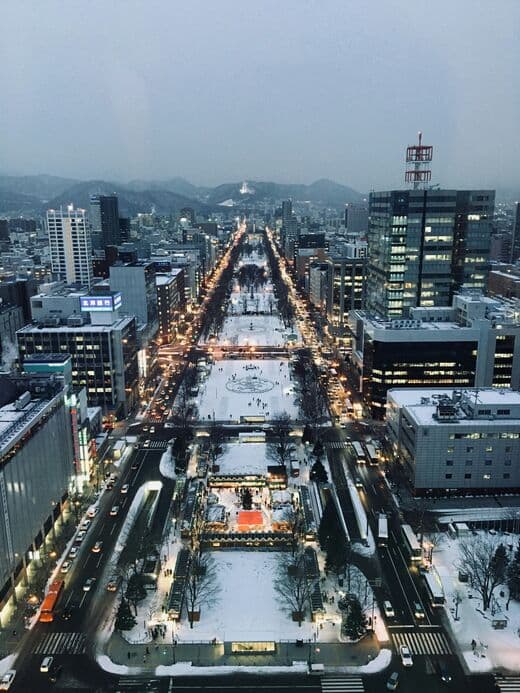
Hokkaido is the northernmost and least populated of the main islands, with an entirely different atmosphere. Sapporo, the capital, is known for beer, February's Snow Festival, and Niseko ski resort with world-class powder snow. In summer, Hokkaido offers escape from the humidity of the main islands - Furano's lavender fields in July-August rival Provence in beauty.
Hokkaido's national parks - Shiretoko (UNESCO site with bears), Daisetsuzan (Japan's largest), Akan-Mashu (volcanic lakes) - are for nature lovers. Hakodate in the south is famous for its night view from Mount Hakodate and morning fish market.
Tohoku: The Northeast
The Tohoku region in northeastern Honshu remains terra incognita for most tourists, which is its advantage. Matsushima - a bay with 260 small pine-covered islands - is one of Japan's three most scenic views. Sendai is the city of Tanabata, the largest festival in August.
Niigata's hot springs, samurai districts of Kakunodate, sacred mountains of Dewa Sanzan with yamabushi ascetics - this is all Tohoku. Winter brings some of the country's best ski resorts.
Chubu: The Japanese Alps
The central region includes Nagoya (third largest city), the Japanese Alps, and the Sea of Japan coast. Villages of Shirakawa-go and Gokayama with traditional gassho-zukuri houses ('praying hands' style) are UNESCO sites, especially impressive under snow.
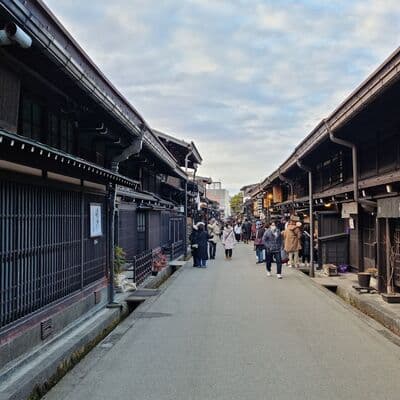
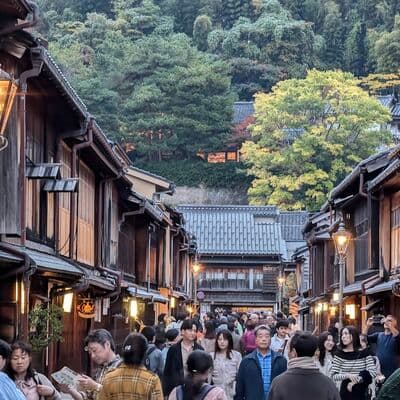
Kanazawa is 'Little Kyoto,' spared during World War II, with Kenroku-en garden (one of Japan's three great gardens), samurai and geisha districts. Takayama features preserved Edo-period streets and the finest Hida beef.
Okinawa: Tropical Japan
The Okinawa islands are a subtropical paradise with their own culture (former Ryukyu Kingdom), language, and cuisine. Shuri Castle in Naha (being restored after the 2019 fire), white sand beaches, and coral reefs for snorkeling await. Average temperatures: +17C in winter, +28C in summer - swimming is possible year-round.
The Kerama Islands, an hour from Naha, offer some of Japan's best dive sites. Ishigaki and Iriomote in the far south feature jungles, mangrove forests, and an end-of-the-world feeling.
National Parks and Nature
Japan is a mountainous country: 70% of its territory is mountains. The 34 national parks offer everything from subarctic Hokkaido landscapes to Okinawa coral reefs.
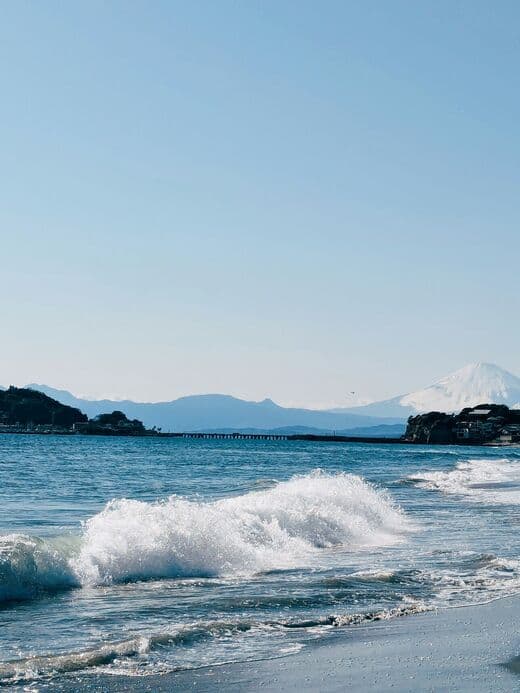
Mount Fuji (3,776m) is the sacred mountain and ultimate symbol of Japan. The official climbing season runs July 1 to September 10. The ascent takes 5-7 hours, descent 3-4 hours. Many start at night to catch sunrise at the summit (goraiko). Without climbing, the mountain is best viewed from the Fuji Five Lakes area (Kawaguchiko) or Hakone.
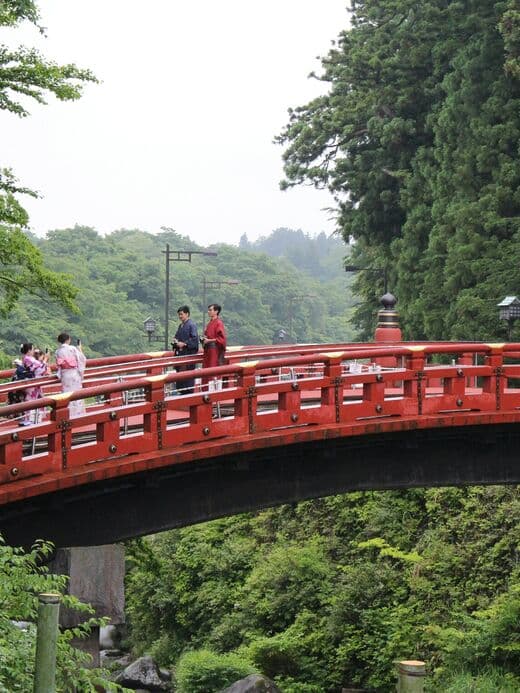
Nikko, two hours from Tokyo, features the Toshogu shrine complex with the mausoleum of the first Tokugawa shogun, the famous 'see no evil, hear no evil, speak no evil' monkeys, and Kegon Falls. In autumn, foliage transforms Nikko into an artist's palette.
Yakushima is a forest island off southern Kyushu, home to ancient cryptomeria cedars aged 2,000-7,000 years. This is where Miyazaki drew inspiration for 'Princess Mononoke.' Rain falls '35 days a month' (local joke), so waterproof gear is essential.
Kamikochi in the Japanese Alps is a mountain valley at 1,500m elevation, closed to private vehicles. Trekking ranges from easy walks to serious multi-day hikes. Season: late April to mid-November.
When to Visit
Japan is beautiful in every season, but each has advantages and drawbacks.
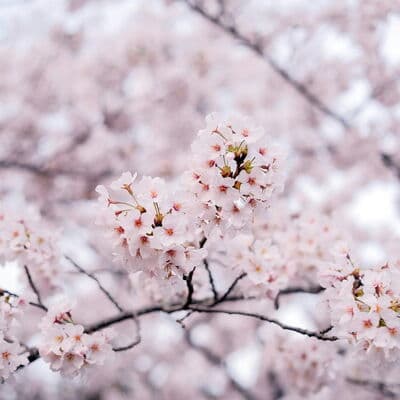
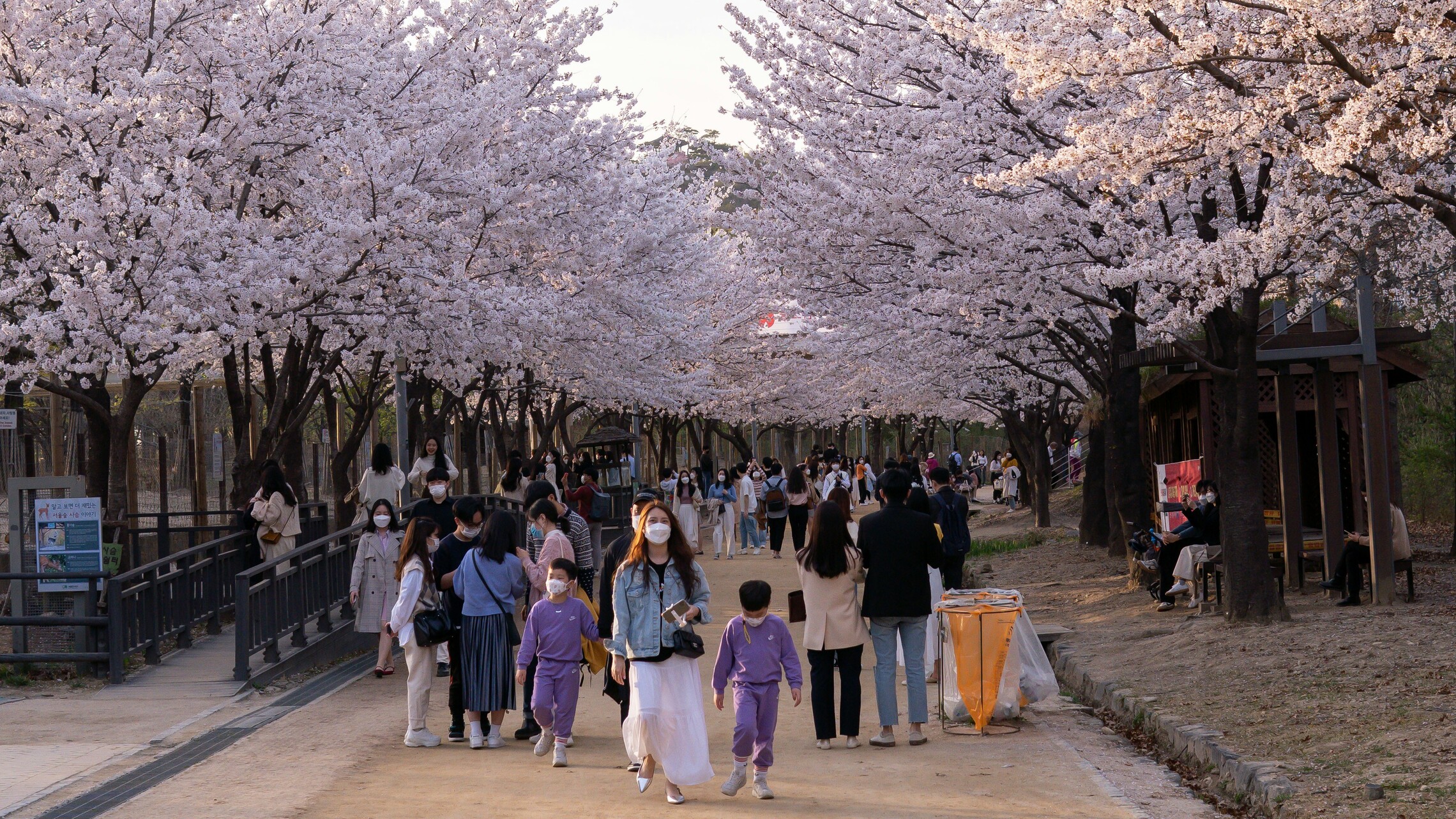
Spring (March-May) - cherry blossom season, a national obsession. Blooming moves north: Okinawa mid-January, Kyushu and Kansai late March, Tokyo early April, Tohoku late April, Hokkaido early May. Peak bloom lasts about a week, so monitor forecasts (sakura forecast) and stay flexible. Downside: crowds, high hotel prices, everything books months ahead.
Summer (June-August) - rainy season (tsuyu) in June across most of the country, then humid heat. July-August brings 30-35C with 70-80% humidity - challenging for Westerners. But this is the time for fireworks (hanabi), festivals (matsuri) in traditional dress, Okinawa beaches. Summer Hokkaido offers escape from the heat with lavender fields.
Autumn (September-November) - the second 'golden' season after spring. Momiji (autumn foliage viewing) runs from mid-October in the north to late November in Kyoto. Fewer tourists than spring, comfortable 15-25C weather. Typhoons are possible in September-October but usually mean just a couple of rainy days.
Winter (December-February) - best time for hot springs (onsen), skiing, and snowy landscapes. Snow-covered Shirakawa-go, 'snow monsters' (juhyo) on Mount Zao, Sapporo's Snow Festival in February. Tokyo and Kyoto rarely see snow, temperatures around 5-10C.
What to avoid: Golden Week (late April-early May), Obon (mid-August), New Year (December 28-January 4) - all of Japan travels, prices spike, everything is booked.
Getting There
Main international hubs are Tokyo's airports: Narita (NRT) for intercontinental flights and Haneda (HND), more convenient to central Tokyo. Kansai (KIX) near Osaka is second largest, ideal for starting in the Kansai region. Chubu Centrair (NGO) in Nagoya, Fukuoka (FUK), and Sapporo New Chitose (CTS) receive international flights.
For US, UK, Australian and other ESTA-eligible travelers:
Japan offers visa-free entry for up to 90 days for citizens of 68 countries including the US, UK, Australia, Canada, and most EU nations. You just need a valid passport and return/onward ticket. Entry is straightforward - biometric data (fingerprints, photo) collected at immigration.
Flights from the US: Direct flights from major hubs - Los Angeles, San Francisco, New York JFK, Chicago, Seattle, Dallas, Houston, Atlanta. Japan Airlines, ANA, United, American, Delta all operate routes. Flight time: 11-14 hours from West Coast, 13-15 hours from East Coast. Budget tip: connecting through Seoul or Taipei can be cheaper.
Flights from UK/Europe: Direct from London Heathrow (British Airways, JAL, ANA) - about 11.5 hours. From other European cities, connections through Middle East hubs (Emirates via Dubai, Qatar via Doha) or direct from major capitals.
Flights from Australia: Direct from Sydney, Melbourne, Brisbane to Tokyo - about 9-10 hours. Qantas, JAL, ANA operate these routes. Budget options via Southeast Asian hubs.
Getting Around
Shinkansen (bullet trains) are the best way to travel between major cities. Tokyo-Kyoto: 2 hours 15 minutes, about 13,000 yen. Tokyo-Hiroshima: 4 hours, about 18,000 yen. Tokyo-Fukuoka: 5 hours, about 22,000 yen. Trains run with precision measured in seconds - average annual delay is under 1 minute.
Japan Rail Pass is the multi-day pass for foreign tourists on JR networks. 7 days - 50,000 yen, 14 days - 80,000 yen, 21 days - 100,000 yen (2024 prices). It pays off if you plan at least one Tokyo-Kyoto-Tokyo roundtrip plus local trains. Purchase online before your trip, activate in Japan. Important: not valid on fastest Nozomi and Mizuho trains, but Hikari and Sakura are nearly as fast.
Regional passes: JR West Pass (Kansai), JR Kyushu Pass, Hokkaido Pass - cheaper than full JR Pass for specific regions.
IC cards (Suica, Pasmo, ICOCA) are prepaid cards for metro, buses, trains, even convenience store purchases. Sold at station machines (2000 yen, 500 deposit). Since 2023, new plastic cards are limited due to chip shortages, but digital versions work in Apple Pay or Google Pay.
Metro in Tokyo and Osaka is a maze of lines from multiple operators. Google Maps and Japan Transit app handle navigation excellently. Rush hour (7:30-9:30 AM) sees trains literally packed - there are even 'pushers' (oshiya) to squeeze people in.
Buses are main transport in smaller cities and rural areas. Overnight buses between cities (Tokyo-Osaka from 2000 yen) are budget alternatives to shinkansen, though only luxury buses spare your back.
Car rental makes sense in rural areas, Hokkaido, or Kyushu. Left-hand traffic, signs are intuitive. International Driving Permit required. GPS (car navi) usually included and works in English. Toll roads are expensive - Tokyo-Osaka runs about 10,000 yen in tolls.
Domestic flights: JAL, ANA, and budget carriers (Peach, Jetstar Japan, Skymark) connect the islands. Tokyo-Sapporo or Tokyo-Okinawa is faster and often cheaper than trains. Budget carriers fly from Narita and Kansai.
Cultural Code
Japan is a country of unwritten rules, and while tourists are treated with leniency, knowing basic etiquette makes your trip more pleasant.
Shoes: Remove shoes when entering homes, ryokans, some restaurants, temples, and fitting rooms. If you see a step up and shoe locker - remove your shoes. Socks without holes are your best friends.
Tatami: Walk on straw tatami mats only in socks or barefoot. Toilets have special slippers that must be removed when leaving (classic tourist mistake - walking to the dinner table in toilet slippers).
Onsen and sento: Public baths are gender-separated, completely naked, with mandatory shower before soaking. Small towel goes on your head, large towel stays in the locker. Tattoos are taboo in traditional onsen (yakuza association), though more 'tattoo-friendly' places are appearing. Private onsen (kashikiri) are the solution for tattooed visitors.
Tipping: Not practiced at all. Attempting to tip may cause confusion or even a chase with your 'forgotten' change. Good service is the norm, not grounds for extra payment.
Noise: Silence on trains and metro - phone calls prohibited, music only through earphones. 'Quiet cars' (quiet cars) on shinkansen are even stricter.
Eating: Slurping noodles is normal and even shows appreciation. But never stick chopsticks vertically in rice (incense at funerals) or pass food chopstick-to-chopstick (cremation association).
Queuing: Japanese love queuing neatly and patiently. Impatience or cutting in line is a serious breach of etiquette.
Blowing nose: Sniffling is normal; loudly blowing your nose in public is rude. Carry tissues and step aside.
Trash: Bins are nearly nonexistent (since the 1995 subway attack), but littering is absolutely not done. Carry a small bag for your trash, dispose at hotels or convenience stores.
Bowing: A slight head nod is sufficient for tourists. Deep bows are for formal situations. Do not attempt to bow like locals - it will be awkward.
Safety
Japan is one of the world's safest countries. Violent crime is near zero, pickpocketing is rare, fraud is practically nonexistent. Women can safely walk alone at night in any district. Lost items are turned in to police and often returned to owners.
What to know:
Police: Emergency number is 110. Police boxes (koban) are everywhere - they will help with anything from lost items to directions. English is limited but Google Translate helps.
Natural disasters: Japan is earthquake and typhoon country. Install the Safety Tips app (official government app) for English alerts. Hotels have evacuation instructions. During earthquakes: indoors get under a table, outdoors move away from buildings and power lines.
Typhoons: Season June-October, peak September. Usually several days' warning. Follow JMA (Japan Meteorological Agency). Transport may cancel preemptively.
Neighborhoods: No specific 'dangerous' areas exist. Kabukicho in Tokyo and Tobita in Osaka are red light districts, but danger is only that touts may lead you to bars with astronomical prices. Do not follow them.
Scams: Rare, but drink scams exist (a woman invites you to a bar, bill is 100,000 yen). Do not go to unfamiliar venues with new 'friends.'
Health and Medical Care
Healthcare in Japan is world-class but expensive without insurance. Travel insurance is essential - a doctor's visit runs 5,000-10,000 yen, hospitalization from 30,000 yen per day. Major cities have international clinics with English-speaking staff.
Pharmacies (yakkyoku) are everywhere, but many medications require prescriptions. Over-the-counter painkillers, antihistamines, cold remedies are available at convenience stores and drugstores (Matsumoto Kiyoshi, Sugi Pharmacy). If you need specific medication, bring it with an English prescription.
Tap water is drinkable everywhere. Food is safe, hygiene standards are phenomenal. No vaccinations required for travel.
Summer heat and humidity are real threats: drink plenty of water, wear a hat, use cooling wipes and sprays from convenience stores.
Money and Budget
Currency is Japanese yen (JPY). Exchange rate early 2024: about 150 yen per US dollar (historically weak yen makes Japan more affordable).
Cash: Japan remains largely a cash society. Many restaurants, ryokans, small shops accept only cash. Withdraw yen from ATMs at 7-Eleven, FamilyMart, post offices (Japan Post) - they accept foreign cards. Exchange currency at airports, major banks, exchange counters in tourist areas.
Cards: Visa and Mastercard accepted at large stores, hotels, chain restaurants. American Express widely accepted in tourist areas. JCB is Japanese and accepted everywhere. Have cash for 'cash only' places - especially in rural areas.
Budget breakdown:
Accommodation: hostel 3,000-4,000 yen/night, business hotel 7,000-12,000, mid-range hotel 12,000-25,000, ryokan with meals from 15,000. Capsule hotels 3,500-5,000 - worth trying at least once.
Food: convenience store breakfast 300-500 yen, lunch (ramen, donburi) 800-1,200, izakaya dinner 2,000-4,000, decent sushi from 3,000. Supermarket evening discounts of 20-50% - budget traveler hack.
Transport: JR Pass 7 days 50,000 yen. Tokyo metro 170-320 yen per ride. Shinkansen Tokyo-Kyoto without pass 13,320 yen.
Attractions: temples and gardens 300-1,000 yen entry, museums 500-2,000, theme parks (Universal Studios, teamLab) 3,000-10,000.
Total budget: Backpacker from 8,000 yen/day. Mid-range tourist 15,000-25,000 yen/day. Comfortable travel from 30,000 yen/day.
Top Itineraries
7 Days: Classic Golden Route
Day 1: Tokyo - Arrival
Arrive at Narita or Haneda. Transfer to hotel. Evening stroll through Shibuya and Harajuku. Dinner at an izakaya.
Day 2: Tokyo - Temples and Modernity
Morning: Senso-ji Temple and Asakusa district. Lunch at Tsukiji Market. Afternoon: Meiji Jingu and Yoyogi Park. Evening: Shibuya Sky at sunset, then Akihabara.
Day 3: Tokyo - Art and Entertainment
Morning: teamLab Planets (opens 9 AM, arrive at opening). Afternoon: Ueno and National Museum. Evening: Ginza, illuminated Tokyo Tower.
Day 4: Tokyo to Kyoto
Shinkansen to Kyoto (2h 15min). Afternoon: Fushimi Inari (climb halfway - 1 hour). Evening: Gion district, kaiseki dinner.
Day 5: Kyoto - West
Morning: Bamboo Grove at dawn, Tenryu-ji. Afternoon: Kinkaku-ji, Ryoan-ji. Evening: Nishiki Market.
Day 6: Kyoto - East
Morning: Kiyomizu-dera (opens 6 AM - perfect without crowds). Afternoon: Ginkaku-ji, Philosopher's Path, Nanzen-ji. Evening: return to Tokyo.
Day 7: Tokyo - Departure
Morning: Shinjuku shopping, last bowl of ramen. Airport transfer.
10 Days: Classic + Osaka and Hiroshima
Days 1-3: Tokyo (as above)
Day 4: Tokyo to Hiroshima
Shinkansen to Hiroshima (4 hours). Peace Memorial Park, Atomic Bomb Dome, Peace Museum. Evening: okonomiyaki at Okonomimura.
Day 5: Miyajima
Ferry to Miyajima (1 hour). Floating torii gate, deer, Momijidani Park. Return to Hiroshima or overnight on the island.
Day 6: Hiroshima to Osaka
Shinkansen to Osaka (1.5 hours). Osaka Castle. Evening: Dotonbori, street food (takoyaki, kushikatsu).
Day 7: Osaka
Morning: Kuromon Market. Afternoon: Shinsekai and Tsutenkaku or Universal Studios. Evening: Umeda Sky Building.
Days 8-9: Kyoto (as Days 5-6 in 7-day route)
Day 10: Kyoto to Tokyo - Departure
Shinkansen to Tokyo, departure.
14 Days: Deep Dive
Days 1-3: Tokyo
Day 4: Nikko (day trip from Tokyo)
Toshogu Shrine, Kegon Falls, Lake Chuzenji. Return to Tokyo.
Day 5: Tokyo to Hakone
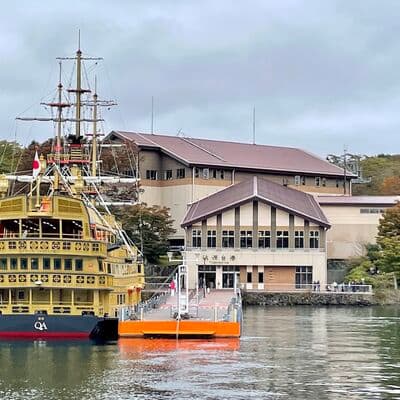
Romance Car from Shinjuku (1.5 hours). Cable car, black eggs (add 7 years to your life!), Fuji views (weather permitting). Night at ryokan with onsen.
Day 6: Hakone to Hiroshima
Shinkansen via Odawara. Evening at Peace Park.
Day 7: Hiroshima + Miyajima
Day 8: Hiroshima to Fukuoka
Shinkansen (1 hour). Dazaifu Tenmangu, Kyushu National Museum. Evening: yatai tonkotsu ramen.
Day 9: Fukuoka
Castle ruins, Ohori Park, Canal City. Tochoji with giant Buddha.
Day 10: Fukuoka to Osaka
Shinkansen (2.5 hours). Dotonbori, Shinsekai.
Day 11: Osaka
Osaka Castle, Shitennoji, Abeno Harukas.
Day 12: Nara (from Osaka)
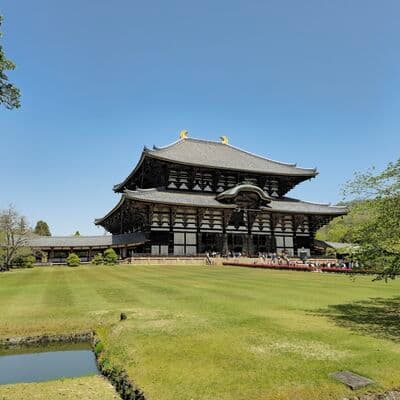
Train 45 minutes. Deer, Todai-ji with giant Buddha, Kasuga Taisha. Return to Kyoto.
Day 13: Kyoto
Full day: Fushimi Inari, Kiyomizu-dera, Gion, Nishiki.
Day 14: Kyoto to Tokyo - Departure
21 Days: All of Japan
Days 1-4: Tokyo + Nikko
Days 5-6: Hakone + Lake Kawaguchiko
Fuji views, onsen, Chureito Pagoda.
Days 7-8: Japanese Alps
Matsumoto (black castle), Takayama (old town, Hida beef), Shirakawa-go (traditional houses).
Day 9: Kanazawa
Kenroku-en garden, samurai district, Omicho Market.
Days 10-12: Kyoto
All major temples + Uji day trip (matcha tea, Byodo-in).
Days 13-14: Osaka + Nara
Days 15-16: Hiroshima + Miyajima
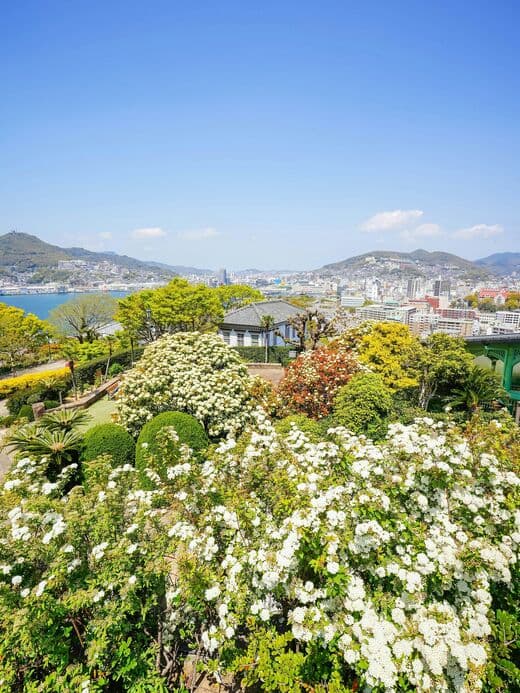
Days 17-18: Fukuoka + Nagasaki
Nagasaki - another atomic city, but with Dutch and Chinese influence.
Days 19-20: Hokkaido (flight)
Sapporo, Otaru, lavender fields (summer) or ski resorts (winter).
Day 21: Sapporo to Tokyo - Departure
Connectivity and Internet
Free Wi-Fi in Japan is limited: available in hotels, major stores, stations, but not everywhere and not always reliable. For proper navigation, you need mobile data.
Options:
eSIM - most convenient if your phone supports it. Ubigi, Airalo, Holafly are popular providers. From $15 USD for 10 days/3 GB. Instant activation, can purchase before your trip.
Pocket Wi-Fi - a router device providing Wi-Fi for multiple gadgets. Airport rental or hotel delivery: 500-1,000 yen/day. Convenient for couples or families. Downside: another device to charge.
SIM card - physical data card without voice calls. Sold at airports, electronics stores. From 2,000 yen for 7 days.
What to Try
Japanese cuisine extends far beyond sushi and ramen. Every region has specialties, making a gastronomic tour reason enough to visit.
Tokyo and Kanto:
- Edomae-zushi - original Tokyo sushi with marinated fish
- Monjayaki - Tokyo's version of okonomiyaki, soft and gooey
- Tempura - lightly battered and fried seafood and vegetables
- Soba - buckwheat noodles, served cold with dipping sauce
Kansai (Osaka/Kyoto):
- Takoyaki - octopus balls, Osaka's street food
- Okonomiyaki - 'Japanese pizza,' in Osaka all ingredients are mixed
- Kushikatsu - deep-fried skewers, in Shinsekai
- Kaiseki-ryori - Kyoto's haute cuisine, multi-course meal
- Yudofu - tofu simmered in broth, Kyoto specialty
Hiroshima:
- Hiroshima-style okonomiyaki - with yakisoba layer, not mixed
- Momiji-manju - maple leaf-shaped sweets (Miyajima)
- Oysters - Hiroshima produces 60% of Japan's oysters
Fukuoka and Kyushu:
- Tonkotsu ramen - milky-white pork bone broth
- Mentaiko - spicy pollack roe, added to everything
- Mizutaki - chicken hot pot with vegetables
- Unagi - grilled eel (Yanagawa)
Hokkaido:
- Jingisukan - lamb barbecue on special griddle
- Miso ramen - with soybean paste, warming in winter
- Kaisendon - rice bowl piled with fresh seafood
- Dairy products - Japan's best milk and ice cream
Sweets:
- Matcha - everything green tea: ice cream, latte, tiramisu
- Mochi - rice cakes with various fillings
- Taiyaki - fish-shaped waffle with anko (sweet bean paste)
- Kakigori - shaved ice with syrups, summer essential
Drinks:
- Sake - rice wine, try different prefectures
- Japanese whisky - Yamazaki, Hibiki, Nikka - world class
- Craft beer - booming in recent years
- Ramune - soda in a bottle with a marble
Shopping
What to bring back:
Food: Kit Kats with wild flavors (matcha, sake, wasabi), regional brand sweets (omiyage), Japanese whisky, soy sauce from Kamakura, matcha powder from Uji, rice crackers.
Beauty: Japanese cosmetics (Shiseido, SK-II, Canmake - budget hit), face masks, makeup removal cloths, sunscreen (Anessa, Biore).
Clothing: Uniqlo (cheaper and wider selection than abroad), split-toe socks (tabi), traditional tenugui (towel-cloths), yukata.
Electronics: Limited advantage - prices not lower, compatibility can be an issue (Type A/B outlets). Exception: Japanese camera models with specific features.
Pop culture: Manga in Japanese, anime figures, Pokemon Center merchandise, Studio Ghibli goods, cassettes and vinyl at Tower Records.
Traditional: Ceramics (Arita, Seto, Mashiko), lacquerware, fans, knives (Sakai is knife mecca), handcrafted chopsticks, furoshiki (wrapping cloths).
Tax Free: On purchases over 5,000 yen at shops with 'Tax Free' logo, you can reclaim 10% consumption tax. Passport required, items sealed in a bag and must be taken out of country.
Where to shop: Don Quijote - 24-hour chaos with everything at good prices. Yodobashi and Bic Camera - electronics and more. Daiso, Seria - 100 yen shops. Department stores (Takashimaya, Isetan) - luxury and quality omiyage in basement food halls.
Useful Apps
- Google Maps - works excellently, including public transport
- Japan Transit (Navitime) - detailed train schedules, fares
- Google Translate - camera for translating menus and signs
- Tabelog - Japanese Yelp equivalent, restaurant ratings (above 3.5 is good)
- PayPay - mobile payments if you can set up (tricky for foreigners)
- Safety Tips - official earthquake alert app
- Japan Official Travel App - from tourism bureau, general info
- Suica/Pasmo in Apple/Google Pay - digital transit cards
Conclusions
Japan rewards preparation but forgives spontaneity. You can plan every hour or simply wander the streets - both will bring discoveries. The key is not trying to see everything in one trip. Tokyo, Kyoto, Osaka in a week is doable but superficial. Better to immerse deeply in two or three places than race through all the highlights.
The language barrier exists but is manageable. English in tourist areas is sufficient, and Japanese people so want to help that they will draw maps and walk you to your destination. Google Translate and pointing solve most problems.
Budget is flexible. You can eat at convenience stores and sleep in capsules for 5,000 yen a day, or dine at Michelin restaurants and stay in ryokans for 100,000. A comfortable mid-range level is 15,000-20,000 yen daily excluding intercity transport.
Returning home, you will miss the incredible cleanliness, punctual transport, perfect service, and food that is a small celebration every time. And you will be planning your next trip - because once is definitely not enough.
Information current as of 2026. Verify visa requirements and prices before your trip.