Tokyo 2025: The Ultimate Travel Guide to Japan's Capital
Tokyo is a city that defies simple explanation. Ancient temples stand shoulder to shoulder with neon-lit skyscrapers. Tranquil gardens hide in the shadows of futuristic towers. Traditional ryokans operate just steps away from capsule hotels. This is a metropolis where 14 million people live in remarkable harmony, where trains arrive with second-to-the-second precision, and where street food can earn a Michelin star. I've put together this comprehensive guide to Tokyo for 2025 - packed with practical advice, current prices, and insider tips that will help you fall in love with this extraordinary city from the moment you arrive.
When to Visit Tokyo
Tokyo is magnificent year-round, but two seasons stand out and are worth planning your trip around well in advance.
Cherry Blossom Season (Late March - Early April)
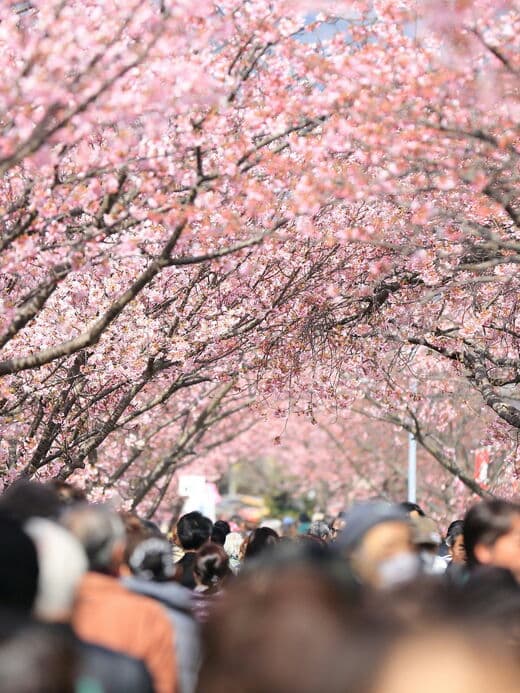
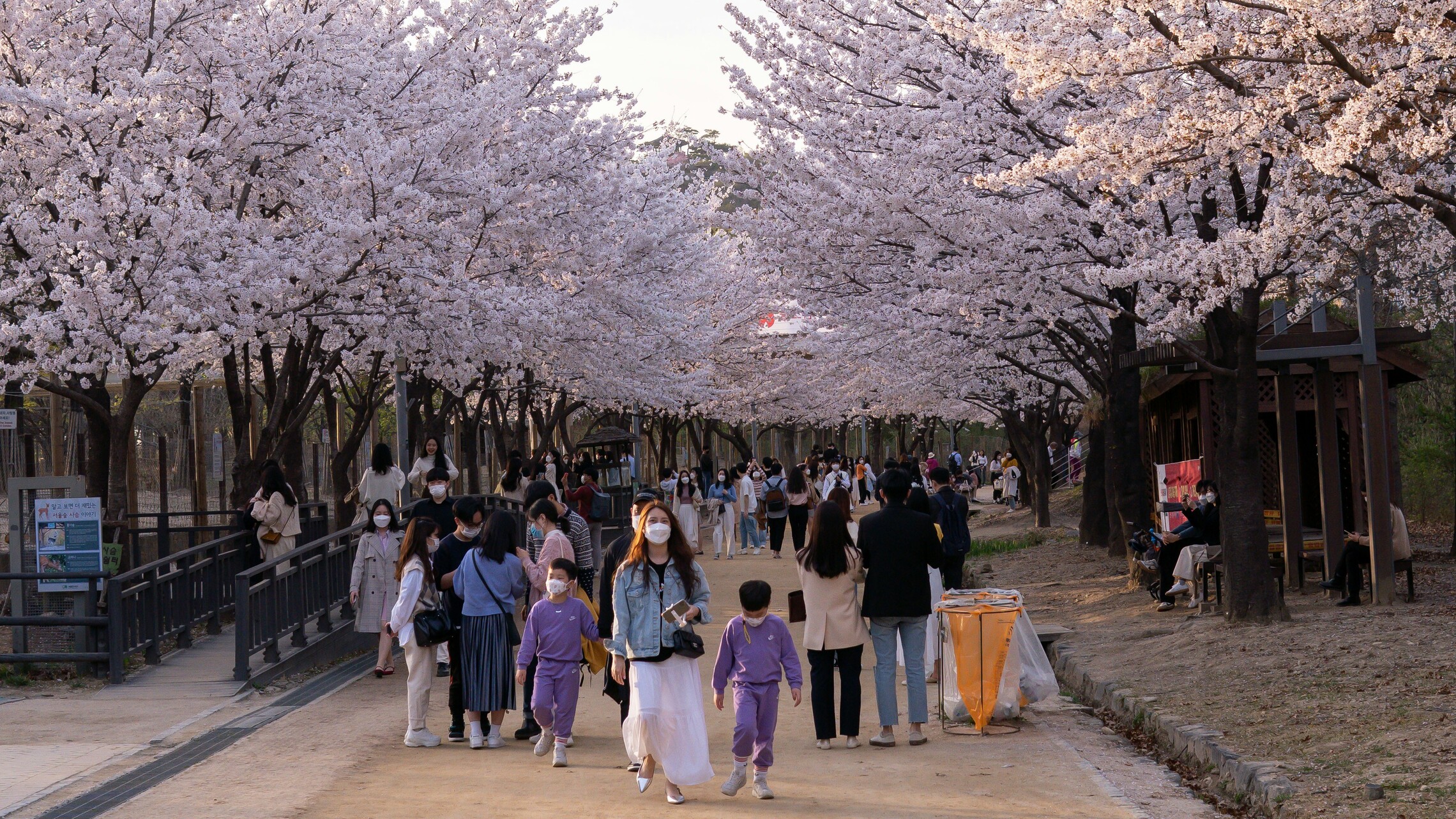
The blooming of Japanese cherry blossoms isn't just a natural phenomenon - it's an entire philosophy called hanami (flower viewing). Over 1,500 cherry trees bloom in Shinjuku Gyoen alone, and when they flower, the city transforms into a sea of pink. Best spots for hanami:
- Shinjuku Gyoen - home to 75 varieties of cherry trees, with blooming spread over several weeks
- Ueno Park - Tokyo's largest park with over 1,000 trees
- Sumida River - romantic evening strolls with illuminated blossoms
- Meguro River - a canal where cherry branches form a canopy overhead
Important: Peak bloom lasts only 8-10 days, and hotel prices jump 20-30% during this period. Book accommodation 3-4 months ahead.
Autumn Foliage Season (Mid-November - Early December)
The autumn maples are every bit as stunning as spring cherry blossoms. Peak colors in Tokyo typically fall between November 25 and December 12. There are fewer tourists than in spring, and prices are lower. For a first visit to Japan, I recommend November: dry weather (around 63°F/17°C during the day), comfortable walking temperatures, and spectacular views.
When NOT to Visit
Summer (June-August) - rainy season followed by oppressive humidity. Temperatures reach 90°F (32°C) but feel like 104°F (40°C) with 80% humidity. Exception: if you want to catch summer festivals and fireworks.
Golden Week (Late April - Early May) - national holidays when all of Japan travels. Transportation is packed, prices are at their peak.
Best Time for Budget Travel
January is the most affordable month. Flights from North America and Europe are 30-40% cheaper, and hotels also drop prices. The air is dry and crystal clear - on sunny days, you can see Mount Fuji perfectly. The only downside is shorter daylight hours.
Getting to Tokyo
Tokyo is served by two international airports, and your choice between them can significantly impact both your budget and travel time.
Narita International Airport (NRT)
The main international hub, located about 37 miles (60 km) from the city center. Most international flights arrive here.
Getting to Central Tokyo:
Narita Express (N'EX) - the most convenient option
- Travel time: 50-90 minutes to various stations
- Cost: ¥3,070 one-way, ¥5,000 round-trip (N'EX Tokyo Round Trip Ticket - valid for 14 days)
- Covered by JR Pass
- Direct trains to Tokyo Station, Shibuya, Shinjuku, Ikebukuro
Keisei Skyliner - the fastest option
- Travel time: 36 minutes to Ueno, 41 minutes to Nippori
- Cost: ¥2,520 (¥2,470 with IC card)
- NOT covered by JR Pass
- Best choice if you're staying in the eastern part of the city
JR Sobu Line (Rapid Service) - budget option
- Travel time: approximately 90 minutes
- Cost: ¥1,340 (free with JR Pass)
- Trains depart once per hour
Airport Limousine Bus - comfortable option
- Travel time: 1.5-2 hours
- Cost: ¥3,200
- No lugging bags through stations
- Stops at major hotels, Tokyo Disneyland, Ginza, Shinjuku
Haneda Airport (HND)
Located just 9 miles (15 km) from the city center, more international flights are arriving here. All international flights use Terminal 3.
Getting to Central Tokyo:
Tokyo Monorail - simple and fast
- 13 minutes to Hamamatsucho Station
- Then transfer to JR Yamanote Line
- Covered by JR Pass and payable with Suica card
Keikyu Line - direct trains to Shinagawa, Shimbashi, Asakusa
- 11 minutes to Shinagawa
- About 35 minutes to Asakusa
Pro tip: Always compare prices for both airports - sometimes one offers significantly better deals depending on your origin city.
Getting Around the City
Tokyo's transportation system is an art form. Trains arrive with 30-second precision, stations are immaculately clean, and the navigation system is thoughtfully designed. But figuring it out on your first try isn't easy.
Suica / PASMO Card
This is your essential tool for getting around the city. It's a contactless card that can pay for subway rides, buses, monorail, as well as purchases at stores and vending machines.
New in 2025: On March 6, 2025, JR East launched the Welcome Suica Mobile app for iPhone and Apple Watch. No physical card needed - just use your smartphone. Android users still need a physical card for now.
Where to Buy Welcome Suica:
Starting March 27, 2025, cards are available at these stations:
- Narita Airport Terminal 1 and Terminal 2/3
- Haneda Airport Terminal 3 (Tokyo Monorail)
- Tokyo Station, Shibuya, Shinjuku, Ikebukuro, Ueno
Welcome Suica advantage: No ¥500 deposit required (unlike regular Suica). The card is valid for 28 days from first use - perfect for tourists.
JR Pass
If you're planning to travel beyond Tokyo (Kyoto, Osaka, Hiroshima), the JR Pass will pay for itself many times over. A 7-day pass costs around ¥50,000 and covers:
- All JR trains in Tokyo
- Most Shinkansen bullet trains (except Nozomi and Mizuho)
- Narita Express to/from the airport
- Tokyo Monorail from Haneda
Important: JR Pass does NOT cover Tokyo Metro and Toei Subway - you'll need Suica or a separate pass for those.
Tokyo Subway Ticket
If you're staying only in Tokyo, the Tokyo Subway Ticket offers better value:
- 24 hours - ¥800
- 48 hours - ¥1,200
- 72 hours - ¥1,500
Covers unlimited rides on all Tokyo Metro and Toei Subway lines. Available at airports and subway stations.
Practical Transport Tips
- Avoid rush hour (7:30-9:30 AM and 5:30-8:00 PM) - trains are packed beyond capacity
- Use Google Maps - it works brilliantly with Tokyo's transit and shows platform numbers
- Stand on the left on escalators - the right side is for walking (opposite in Osaka!)
- Don't talk on your phone in train cars - it's considered rude
- Trains stop at midnight - be at your station by 11:30 PM, especially if changing lines
Tokyo Districts: Where to Stay
Tokyo isn't one city but 23 special wards, each with its own character. Your choice of neighborhood will shape your entire experience.
Shinjuku - Best Choice for First-Time Visitors
Shinjuku is Tokyo in miniature. It has everything: skyscrapers with panoramic views, the world's busiest transport hub (3.5 million people pass through Shinjuku Station daily!), the legendary Golden Gai bars, and the romantic Shinjuku Gyoen garden.
Pros:
- Best transportation access - you can get anywhere from here
- Huge selection of hotels for every budget
- 24/7 life - shops, restaurants, entertainment
Cons:
- Noisy and crowded
- Easy to get lost in the station (200+ exits!)
Recommended Hotels:
- Budget: Shinjuku Kuyakusho-Mae Capsule Hotel (from ¥2,500/night)
- Mid-range: Tokyu Stay Shinjuku Eastside - rooms with kitchenettes
- Luxury: Park Hyatt Tokyo - the hotel from "Lost in Translation"
Shibuya - For the Young and Energetic
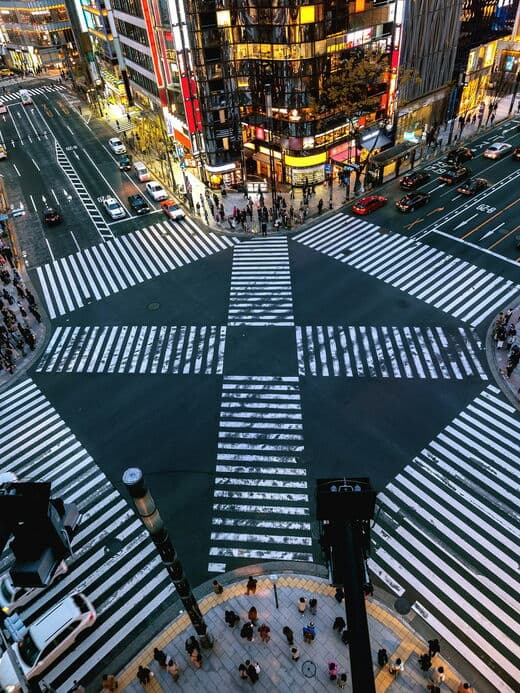
The famous Shibuya Crossing, where up to 3,000 people cross at once, is the symbol of modern Tokyo. Here you'll also find the Hachiko statue, trendy Shibuya 109 boutiques, and endless cafes.
Pros:
- Epicenter of youth culture
- Near Harajuku with its wild fashion scene
- Excellent nightlife
Cons:
- Very noisy
- Higher-than-average hotel prices
Recommended Hotels:
- Mid-range: Shibuya Excel Hotel Tokyu - directly above the station
- Comfort: Tokyu Stay Shibuya - a quiet corner in a loud district
Asakusa - For Tradition Lovers
If you dream of old Japan with rickshaws, temples, and incense, head to Asakusa. It's one of the few districts that survived World War II bombing. Here you'll find Tokyo's oldest Buddhist temple - Senso-ji - and Nakamise Street has been selling traditional souvenirs for 300 years.
Pros:
- Authentic old Japan atmosphere
- More affordable hotel prices
- Great base for exploring Ueno area
Cons:
- Far from western districts (Shinjuku, Shibuya)
- Quiets down in the evening
Recommended Hotels:
- Budget: HOTEL TAVINOS Asakusa
- For families: Mimaru Tokyo Asakusa Station - apartments with kitchen
- Authentic experience: Ryokan Asakusa Shigetsu - traditional Japanese inn
Practical Tip
Choose a hotel near the JR Yamanote Line - this loop line connects all major districts. No matter where you stay on this line, any attraction is at most 30-40 minutes away.
Top Attractions in Tokyo
Temples and Shrines
Senso-ji Temple
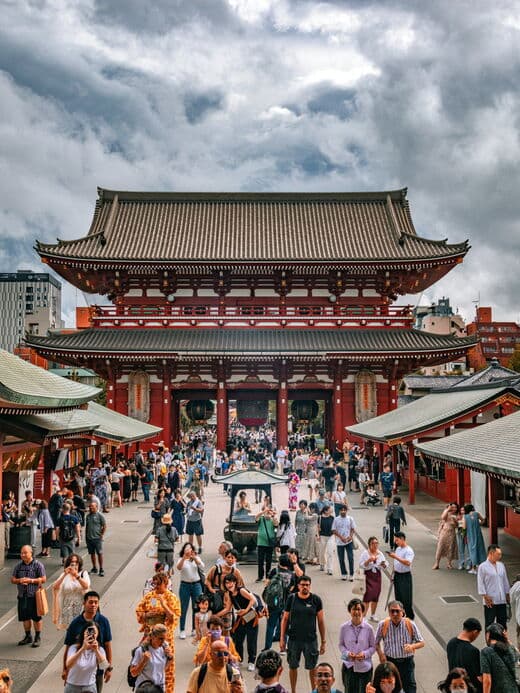
Tokyo's oldest Buddhist temple, founded in 645 AD. The massive red lantern at Kaminarimon Gate is one of Japan's most photographed sights. Arrive early morning (before 7:00 AM) to avoid crowds and watch monks perform morning rituals.
Admission: Free
How to get there: Asakusa Station (Ginza, Asakusa, Tobu Skytree lines)
Meiji Shrine (Meiji Jingu)
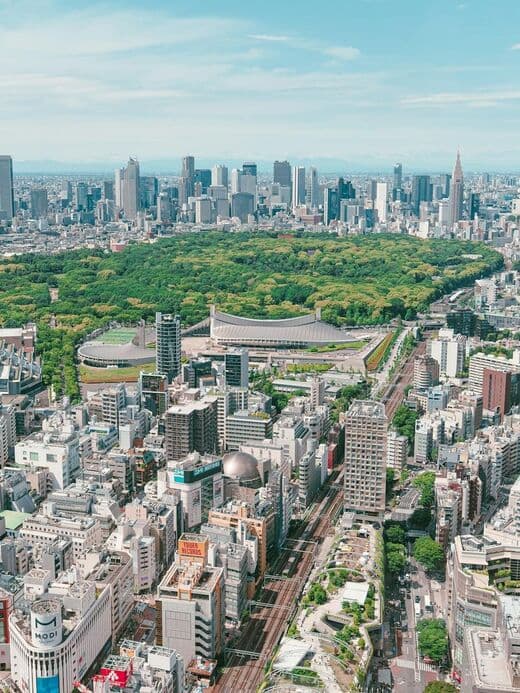
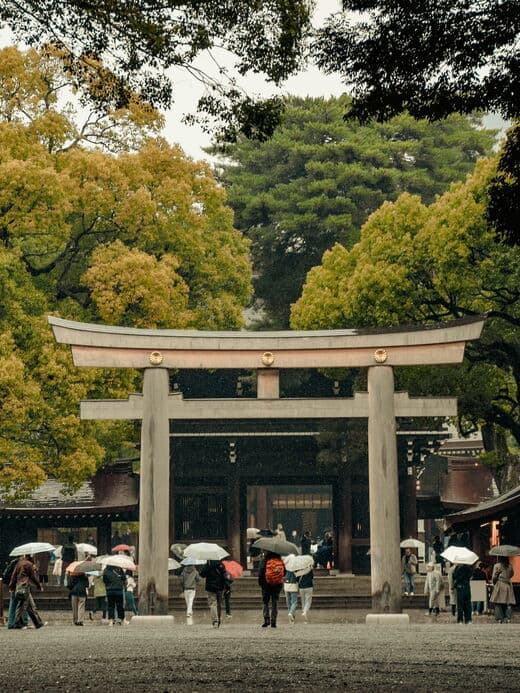
A Shinto shrine honoring Emperor Meiji, hidden in a forest of 100,000 trees in the heart of the metropolis. On weekends, you might witness traditional Japanese weddings. Perfect for a meditative walk.
Admission: Free
How to get there: Harajuku Station (JR Yamanote) or Meiji-jingumae (Chiyoda, Fukutoshin lines)
Observation Decks
Tokyo Skytree
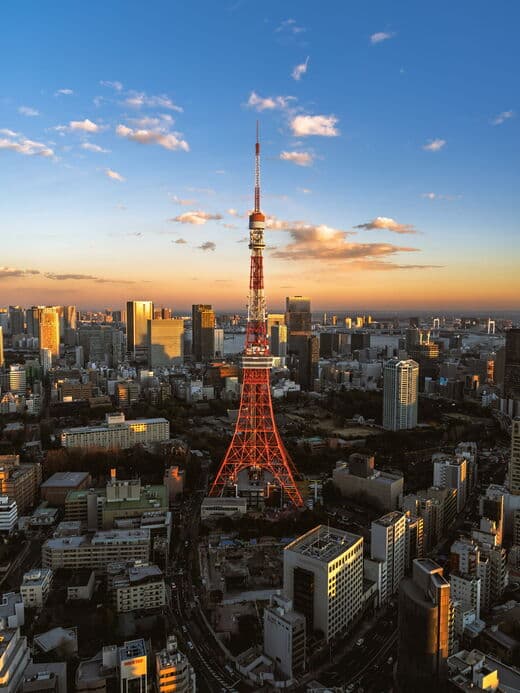
Japan's tallest structure at 2,080 feet (634 meters). Two observation decks at 1,148 feet (350m) and 1,476 feet (450m). On clear days, you can see Mount Fuji. Best time is an hour before sunset to see both daytime and nighttime Tokyo.
Tickets: ¥2,100 (Tembo Deck, 350m), ¥3,100 (both levels)
Tip: Buy tickets online in advance - lines can be enormous
Tokyo Metropolitan Government Building
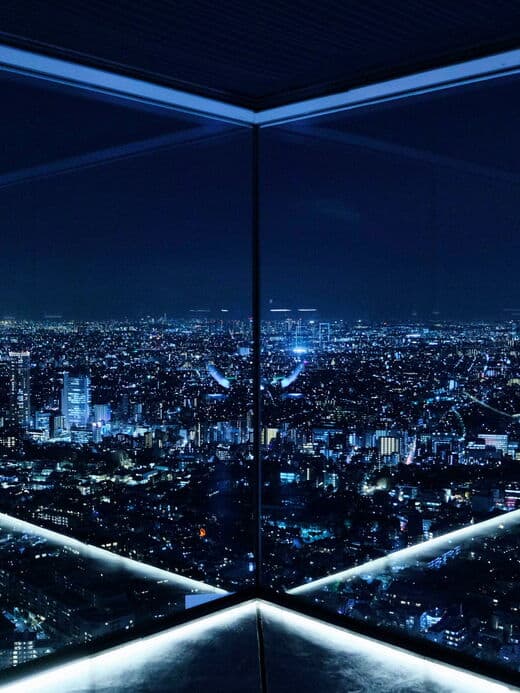
A free alternative! Observation deck on the 45th floor of Tokyo's City Hall. Views as good as the paid platforms.
Admission: Free
Hours: 9:30 AM - 11:00 PM
How to get there: Tochomae Station (Oedo Line) or 10-minute walk from Shinjuku
Digital Art
TeamLab Borderless (NEW Location in 2025!)
The legendary digital art museum has moved to Azabudai Hills and reopened on February 9, 2025. This isn't just a museum - it's immersion into another reality where boundaries between artworks dissolve and you become part of the installations.
Tickets: ¥3,800-4,800 (book 12 weeks ahead on the official website!)
Time needed: Budget at least 3 hours
Tip: Wear pants or shorts - lots of mirrored floors
How to get there: Kamiyacho Station (Hibiya Line), 5-minute walk
TeamLab Planets (Toyosu)
A separate exhibition where you literally walk through water and immerse yourself in artwork barefoot. Extended through 2027 due to massive popularity.
Don't confuse with Borderless - these are two different exhibitions in different areas!
Neighborhoods to Explore
Akihabara
Geek paradise. The former electronics market has become the mecca of anime, manga, and video games. Multi-story shops with figurines, maid cafes, arcades with retro games. Even if you're not an anime fan, it's worth seeing as a cultural phenomenon. The best day to visit is Sunday afternoon (1-5 PM), when the main street is closed to cars.
Golden Gai (Shinjuku)
A labyrinth of 200+ tiny bars, each seating just 5-10 people. A post-war Japan atmosphere preserved intact. Some bars charge cover fees (¥500-1,500) or only accept regulars - but most welcome foreigners. Look for "Tourist Welcome" signs.
Harajuku and Omotesando
Harajuku is the epicenter of Japanese street fashion, from Gothic Lolita to Decora style. Takeshita Street is touristy but colorful. Omotesando is the "Japanese Champs-Elysees" with luxury boutiques in buildings designed by star architects.
Tokyo's Food Scene
Tokyo is the culinary capital of the world, with more Michelin stars than any other city on Earth. But here's the revelation: it's incredibly delicious at every budget level. A ¥900 bowl of ramen can be just as impressive as a ¥50,000 omakase meal.
Tsukiji Outer Market
The inner wholesale market moved to Toyosu in 2018, but Tsukiji's outer market is still alive and bursting with flavors. It's the best breakfast spot in Tokyo.
Must-Try Foods:
- Tamagoyaki - sweet Japanese omelet on a stick (¥100-200)
- Onigiri at Marutoyo - rice balls with seafood fillings (from ¥275). Opens at 5:00 AM, sells out by noon!
- Scallops and oysters at Kakigoya - giant scallops with butter and soy sauce (¥600)
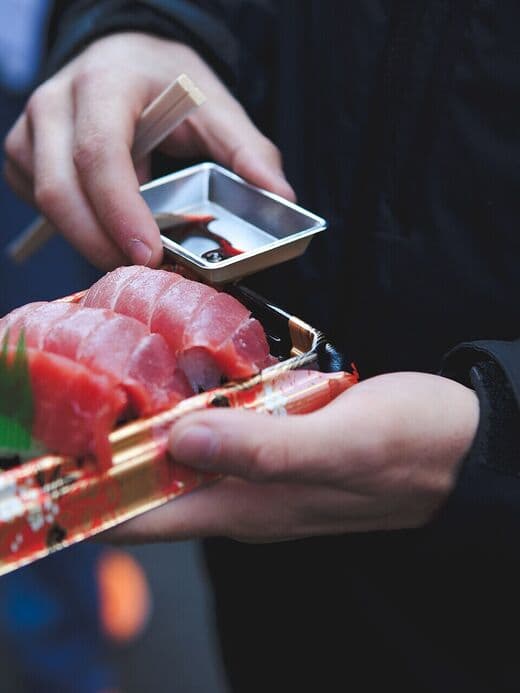
- Fresh sushi - straight from the morning catch
How to get there: Tsukiji Station (Hibiya Line) or Tsukiji Market (Oedo Line)
Best time: 7:00-10:00 AM
Ramen
Three ramen restaurants in Tokyo have Michelin stars - the most accessible way to try Michelin-level cuisine.
Recommendations:
- Ichiran - iconic chain with individual booths for "flavor concentration." Perfect for introverts. ¥980-1,500
- Tokichiro (Asakusa) - small spot with open kitchen and only 4 types of ramen. Complex broth with perfect flavor balance
- T's Tantan (Tokyo Station) - vegan ramen! Sesame tan-tan-men without meat, fish, eggs, or dairy
- Fuunji (Shinjuku) - tsukemen (dipping ramen with separate broth)
Sushi
Budget Options:
- Sushiro - conveyor belt sushi with plates from ¥120-300. Not haute cuisine, but fresh and delicious
- Uobei (Shibuya) - sushi train with touchscreen ordering
- Tachigui Sushi Akira (Tsukiji) - standing sushi, premium quality at reasonable prices
For Special Occasions:
- Sushi Hashimoto (Tsukiji) - one Michelin star, ranked in Japan's top 100 sushi
- Sukiyabashi Jiro - legendary restaurant from the Netflix documentary (book months ahead!)
Budget Dining
You can eat incredibly well in Tokyo on ¥2,000-3,000 per day:
- Konbini (7-Eleven, Lawson, FamilyMart) - Japanese convenience stores are not your typical corner shops. Onigiri, bento, sandwiches are fresh and tasty. Bento + salad + drink = ¥500
- Gyudon (beef bowl) - chains like Yoshinoya, Matsuya, Sukiya. From ¥400
- Tenya - tempura-don (rice with tempura) from ¥580
- Hanamaru Udon - udon in broth from ¥290
- Omoide Yokocho (Shinjuku) - yakitori (chicken skewers) at ¥100-150 each
Dining Etiquette
- At ramen shops, slurping is encouraged - it shows appreciation to the chef
- Don't tip - it can be considered offensive
- Many restaurants use ticket machines - select your dish, pay, get a ticket, hand it to the kitchen
- Saying "Itadakimasu" before eating (giving thanks for food) is a nice gesture
Trip Budget for Tokyo 2025
Tokyo has a reputation as an expensive city, but reality is more nuanced. Yes, hotels aren't cheap. But food, transportation, and many attractions are surprisingly affordable.
Approximate Daily Budget
| Category | Budget | Mid-Range | Comfortable |
|---|---|---|---|
| Accommodation | ¥3,000-5,000 | ¥10,000-15,000 | ¥25,000+ |
| Food | ¥2,000-3,000 | ¥5,000-7,000 | ¥10,000+ |
| Transportation | ¥800-1,000 | ¥1,500-2,000 | ¥2,000-3,000 |
| Entertainment | ¥1,000-2,000 | ¥3,000-5,000 | ¥10,000+ |
| TOTAL | ¥7,000-10,000 (~$47-68) | ¥20,000-30,000 (~$135-200) | ¥50,000+ (~$340+) |
Accommodation in 2025
Important: Hotel prices in Tokyo have risen 20-25% compared to 2024. Average price is around ¥20,000 per night.
- Hostels and capsule hotels: ¥2,500-5,000
- Business hotels: ¥8,000-15,000
- Mid-range hotels: ¥15,000-25,000
- Luxury: ¥40,000+
Tip: Budget-friendly areas include Ueno, Asakusa, and Arakawa. Capsule hotels start at ¥2,500.
Budget for 10-14 Days
For a comfortable 10-14 day trip, plan for:
- Budget option: $1,200-1,500 (excluding flights)
- Mid-range option: $2,000-3,000 (excluding flights)
- Comfortable option: $4,000+ (excluding flights)
Where to Save Money
- Free attractions: Senso-ji Temple, Meiji Shrine, TMG observation deck, parks
- Konbini instead of restaurants for breakfast and snacks
- Day passes instead of single tickets
- January - cheapest month for flights and hotels
- Airbnb in outlying areas - sometimes cheaper than downtown hostels
Etiquette and Cultural Tips
Japanese people are very tolerant of foreigners and understand that we don't know all the rules. But showing basic respect for local customs will make your trip more pleasant - for you and for them.
Bowing
You don't have to bow Japanese-style, but a slight nod of the head when greeting, thanking, or apologizing is a nice gesture. Deep bows (30-45°) are for formal situations.
Shoes
Remove your shoes when entering:
- Homes and apartments
- Traditional ryokans and some restaurants
- Temples (interior spaces)
- Fitting rooms in some stores
How to know: Look for the genkan - a small entryway with a step. Shoes stay below; step up without them or in provided slippers.
Important: Separate slippers are used for the bathroom!
Onsen (Hot Springs)
Visiting an onsen is a unique Japanese experience, but with strict rules:
- Wash thoroughly before entering the water - with soap, at washing stations
- No clothing - swimsuits are forbidden in traditional onsens
- Small towel doesn't go in the water - place it on your head or the edge
- No photos - leave your phone in the locker
- No swimming - onsens are for soaking, not swimming laps
Tattoos: Many onsens still prohibit guests with tattoos. Look for "tattoo-friendly" establishments or book private baths (kashikiri).
Tipping
DON'T tip. In Japan, it can be seen as insulting - as if you're pitying the worker. The best thanks is a sincere "arigatou gozaimasu" with a slight bow.
Chopsticks
- Never stick chopsticks upright in rice - this resembles a funeral ritual
- Don't pass food directly chopsticks-to-chopsticks - also a funeral association
- When taking food from shared dishes, use the reverse end of your chopsticks
In Public Spaces
- Don't eat while walking - it's considered rude (exception: festivals and designated food streets)
- Don't talk on the phone on public transport
- Keep your voice down - Japanese value quiet
- Trash - there are almost no public bins; carry a small bag for your garbage
Useful Phrases
- Arigatou gozaimasu - thank you (polite)
- Sumimasen - excuse me / I'm sorry / may I (all-purpose word)
- Itadakimasu - said before eating (gratitude for food)
- Gochisousama deshita - thank you for the meal (after eating)
- O-kaikei onegaishimasu - check, please
Practical Tips
Money
- Cash is still important: Many small establishments, temples, and street vendors don't accept cards
- Withdraw yen at 7-Eleven and Japan Post ATMs - they work with foreign cards
- IC cards (Suica/PASMO) are accepted almost everywhere - stores, cafes, vending machines
Internet
- Pocket WiFi - best option for multiple devices. Rental from ¥500/day
- SIM cards - available at airports and electronics stores
- Free WiFi is available at konbini, subway stations, and Starbucks, but quality is inconsistent
Advance Bookings
Many popular spots require early reservations:
- TeamLab Borderless/Planets - 4-12 weeks ahead
- Ghibli Museum - 1 month ahead (tickets sell out in minutes!)
- Michelin restaurants - 1-2 months ahead
- Hotels during cherry blossom season - 3-4 months ahead
Apps
- Google Maps - works brilliantly with transit, shows platform numbers
- Navitime or Japan Transit - alternatives for transportation
- Google Translate - camera reads Japanese characters in real-time
- Tabelog - Japanese alternative to TripAdvisor for restaurants
- PayPay - popular payment system (for longer stays)
Safety
Tokyo is one of the safest major cities in the world. You can walk around at night without worry, forget your wallet at a cafe and find it right where you left it. But basic caution never hurts - keep an eye on your belongings in crowds.
Healthcare
- Pharmacies (yakkyoku) - easy to find in any district
- Medications - many familiar drugs differ in Japan. Bring what you need
- Travel insurance - essential! Healthcare in Japan is very expensive
What to Pack
- Comfortable shoes - you'll be walking a lot
- Small umbrella - weather is unpredictable
- Small bag for trash - almost no public bins
- Power adapter - Type A outlets (like US), 100V
- Cash - withdraw yen before arriving or at the airport
Final Thoughts
Tokyo is a city that's hard to understand but impossible not to love. It may overwhelm you with its scale and pace, but beneath that intensity lies remarkable harmony, attention to detail, and deep respect for tradition.
Don't try to see everything on one trip. Choose a few neighborhoods, wander without a plan, pop into a little ramen shop down an alley, sit in a park, watch the city go by. Tokyo reveals itself gradually - and shows you something new every time.
Safe travels - or as the Japanese say, 良い旅を (yoi tabi wo)!