Fukuoka
Fukuoka 2026: What You Need to Know
Fukuoka is the kind of city that makes you wonder why everyone flies straight to Tokyo and Kyoto. Sitting on the northern shore of Kyushu, Japan's southernmost main island, it consistently ranks as one of the most livable cities in Asia - and once you visit, you understand why. It has the food culture of Osaka, the compactness of a European city, and an airport so close to downtown that you can be slurping ramen within 15 minutes of landing. No other major Japanese city can claim that.
Quick answer - what to see in Fukuoka? Start with the yatai street food stalls along the Naka River, visit Kushida Shrine and Tochoji Temple in Hakata, spend an afternoon at Ohori Park, take the day trip to Dazaifu Tenmangu Shrine, and climb Fukuoka Tower for sunset views. Three days minimum, five days ideal.
Who is Fukuoka for? Food obsessives who want to eat their way through a city without breaking the bank. Travelers who have already done Tokyo and Kyoto and want something more local. Families who want beaches and parks without big-city stress. Digital nomads looking for a base with great infrastructure and low cost relative to Tokyo. Couples who want romantic canal walks and rooftop bars without the tourist crowds.
The honest pros and cons. On the plus side: the best street food scene in Japan, insanely convenient airport, friendly locals, affordable by Japanese standards, excellent public transit, and a relaxed pace that still feels urban. On the downside: fewer world-famous landmarks than Kyoto, summer humidity that hits like a wall (35C with 80%+ humidity in August), limited English signage outside tourist zones, and nightlife that shuts down earlier than Tokyo. If you need ancient temples on every corner and geisha sightings, Kyoto is your city. If you want to eat phenomenally, explore at your own pace, and feel like you discovered something before the crowds did - Fukuoka is calling.
Fukuoka Neighborhoods: Where to Stay
Fukuoka is really two cities that merged: Hakata (the eastern, older commercial side) and Fukuoka (the western, formerly samurai side). Locals still use both names, and the distinction matters when choosing where to stay. Here are seven neighborhoods, each with a distinct personality.
Hakata Station Area
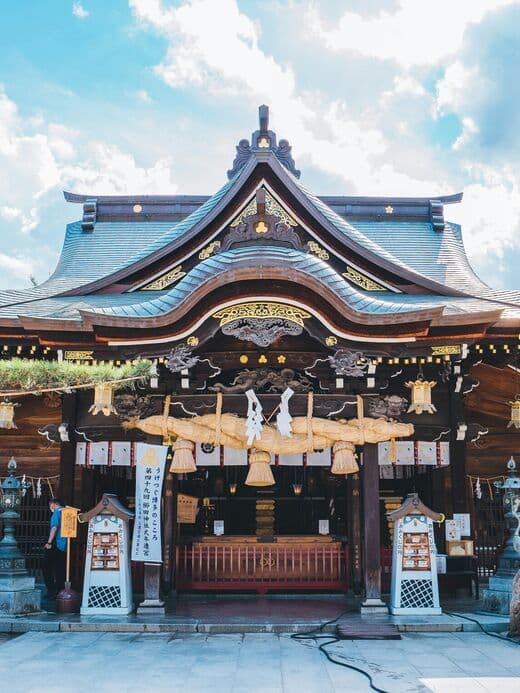
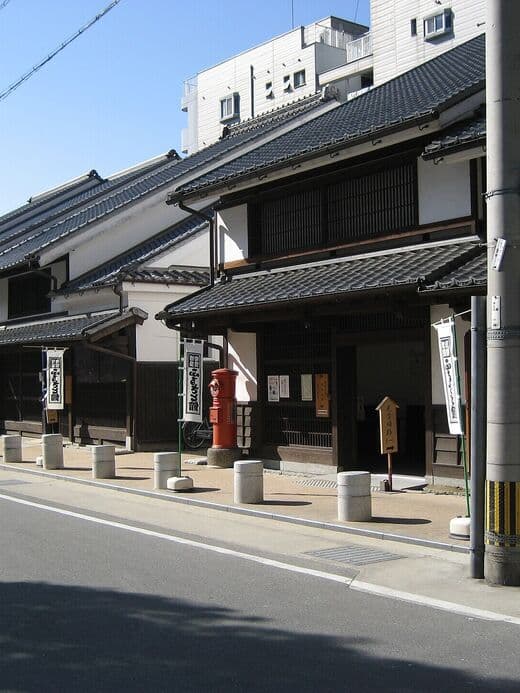
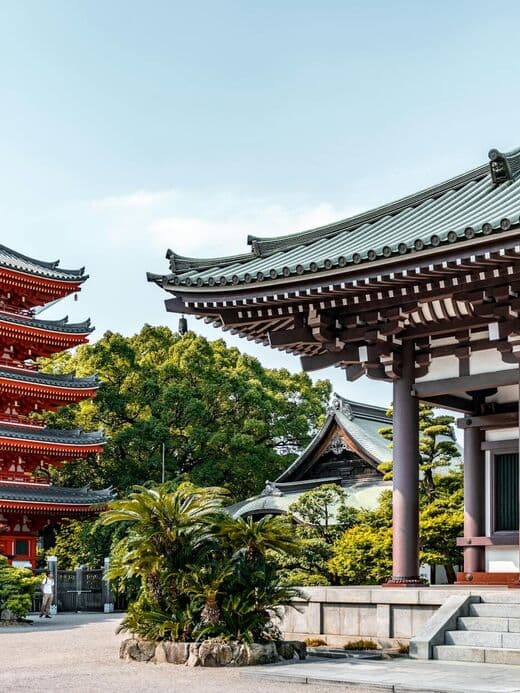
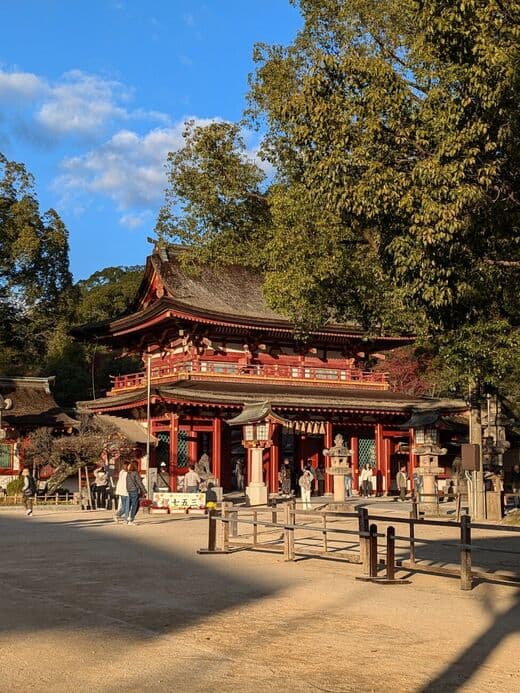
The transport nerve center of Fukuoka. Hakata Station is where the Shinkansen arrives, where airport metro connects, and where most bus routes originate. The area around the station is modern, efficient, and packed with department stores (JR Hakata City, KITTE Hakata, Deitos). Within walking distance you will find Kushida Shrine, Tochoji Temple with its giant wooden Buddha, and Shofukuji Temple - the first Zen temple ever built in Japan. The Hakata Machiya Folk Museum is a five-minute walk away.
Vibe: Business-efficient, convenience-first. Not the most charming, but everything is accessible. Price range: $60-180/night (budget business hotels to upscale chains). Best for: First-timers, short stays, Shinkansen travelers. Downside: Feels corporate, limited nightlife beyond station restaurants.
Tenjin
The shopping and nightlife heart of Fukuoka. Tenjin is where locals go on weekends - department stores (Mitsukoshi, Daimaru, PARCO), the massive Tenjin Underground Shopping Street (Tenchika) stretching 590 meters with 150+ shops, and dozens of bars and restaurants spilling onto side streets. It is a 10-minute metro ride from Hakata Station and walkable to Ohori Park and Fukuoka Castle Ruins. Some of the best yatai stalls line the river near Tenjin.
Vibe: Urban energy, young crowds, neon lights. Think Shibuya but smaller and friendlier. Price range: $70-200/night. Best for: Shoppers, nightlife seekers, people who want to be in the center of the action. Downside: Can be noisy on weekends, slightly pricier restaurants than Hakata side.
Nakasu
A narrow island sandwiched between two rivers - the Naka River and the Hakata River - Nakasu is Fukuoka's entertainment district and the second-largest entertainment quarter in Japan after Osaka's Shinsaibashi. By day it looks ordinary. By night, the neon reflects off the water and the yatai stalls along the riverbank come alive. This is where you will find the most famous row of yatai in the city, plus countless izakayas, bars, and clubs. It sits between Hakata Station and Tenjin, walkable to both.
Vibe: Neon-lit nightlife island. Price range: $50-150/night (some surprisingly affordable hotels tucked between entertainment venues). Best for: Nightlife enthusiasts, yatai pilgrims, those who want to stumble home after late-night ramen. Downside: Some areas feel seedy, noise levels can be high, not family-friendly after dark.
Daimyo
Tucked between Tenjin and Akasaka, Daimyo is Fukuoka's hipster quarter. Narrow streets lined with independent coffee roasters, vintage clothing shops, craft cocktail bars, small galleries, and some of the city's best bakeries. It has a distinctly un-Japanese vibe - think Brooklyn meets Shimokitazawa. No major tourist attractions here, but it is a fantastic neighborhood for wandering, eating, and people-watching. Walking distance to both Tenjin shopping and Ohori Park.
Vibe: Creative, independent, cafe culture. Price range: $60-160/night (mostly boutique hotels and guesthouses). Best for: Coffee lovers, design-conscious travelers, people who value neighborhood character over convenience. Downside: Few hotels (book early), far from Hakata Station, limited late-night options.
Yakuin
South of Tenjin, Yakuin is where young professionals and families live. It has a quieter, more residential feel with excellent local restaurants, bakeries, and neighborhood cafes that cater to regulars rather than tourists. One metro stop from Tenjin, walkable to Ohori Park. If you want to experience Fukuoka the way locals do - morning coffee at a neighborhood roaster, grocery shopping at a local market, dinner at a tiny counter-seat restaurant - Yakuin delivers.
Vibe: Quiet residential with hidden gems. Price range: $50-130/night (apartments and smaller hotels). Best for: Longer stays, families, travelers who hate tourist areas. Downside: Limited nightlife, need to commute to major sights, fewer English-friendly options.
Momochi / Seaside Area
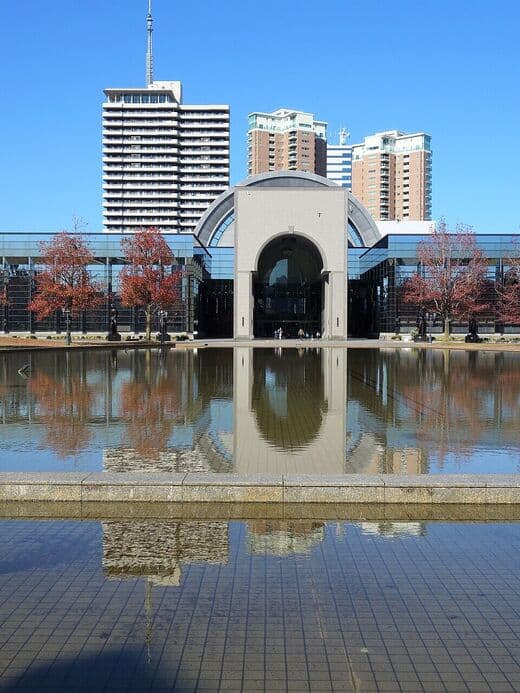
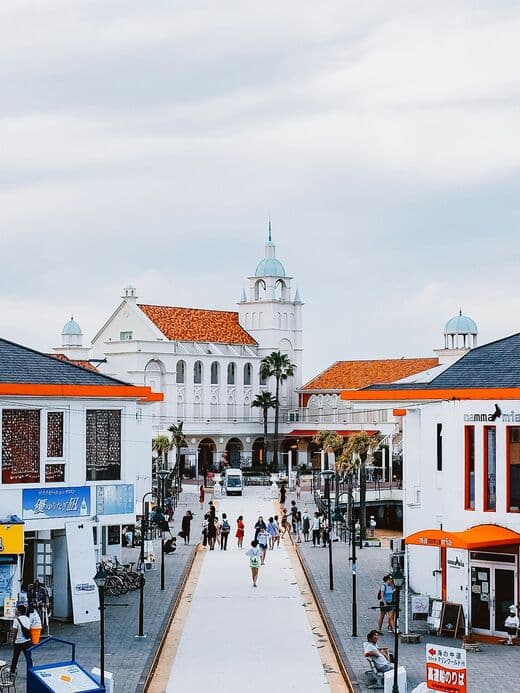
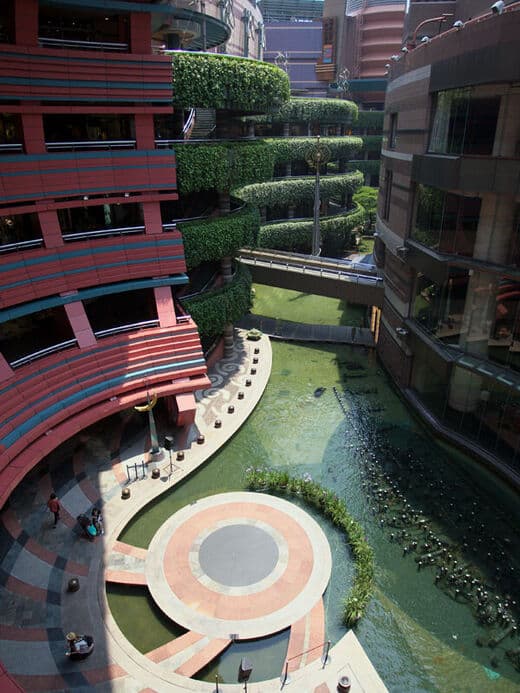
The reclaimed waterfront district on Fukuoka's western edge. This is where you will find Fukuoka Tower (234 meters, stunning sunset views), Momochi Seaside Park with its artificial beach, and the Fukuoka City Museum. It feels spacious and modern compared to the dense city center. The beach is swimmable in summer, and the seaside promenade is great for jogging or cycling. Canal City Hakata - the massive canal-themed shopping complex - is accessible by bus from here.
Vibe: Breezy, modern, family-friendly. Price range: $80-250/night (resort-style and business hotels). Best for: Families with kids, beach lovers, people who want ocean views. Downside: Isolated from nightlife and restaurants, requires bus/taxi to reach central areas, quiet at night.
Near the Airport (Higashi-ku)
Fukuoka Airport is absurdly close to downtown - just two metro stops from Hakata Station. If you have an early flight or late arrival, staying near the airport is practical without feeling like you are in the suburbs. The area around Higashi-ku has some good local restaurants and is close to Uminonakamichi Seaside Park, a massive waterfront park perfect for cycling and family outings. Hakozaki Shrine, one of the three major Hachiman shrines, is also nearby.
Vibe: Practical, suburban convenience. Price range: $40-100/night (budget-friendly). Best for: Transit travelers, budget-conscious visitors, those exploring eastern Fukuoka. Downside: Feels more suburban, limited dining compared to central areas, fewer walkable attractions.
Best Time to Visit Fukuoka
Fukuoka's climate is milder than Tokyo's - warmer winters, slightly cooler summers thanks to coastal breezes. But "slightly" is doing heavy lifting here; July and August are still brutal. Here is the honest breakdown by season.
Spring (March to May) - Best Season
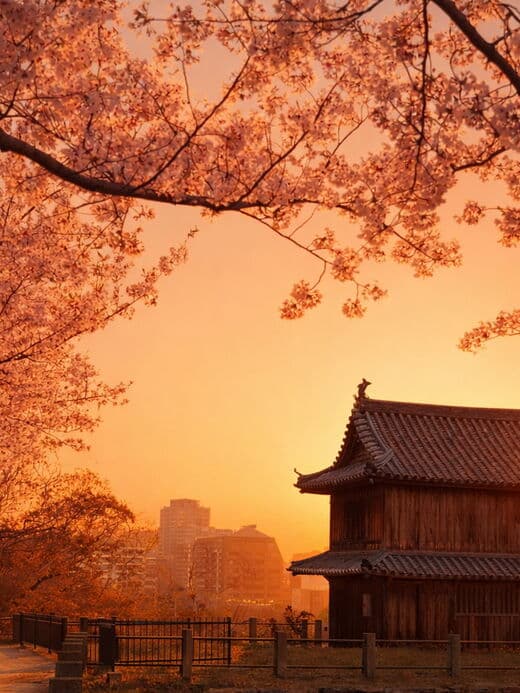
Cherry blossoms hit Fukuoka in late March to early April, about a week before Tokyo. Ohori Park and Fukuoka Castle Ruins (Maizuru Park) are the top hanami spots - locals spread blue tarps and picnic with beer starting at lunch. Temperatures hover around 15-22C (59-72F), perfect walking weather. The Hakata Dontaku Festival on May 3-4 draws over 2 million visitors with parades and performances. Hotel prices rise 20-30% during Golden Week (late April to early May), so book months ahead or avoid those exact dates.
Autumn (October to November) - Second Best
Comfortable temperatures (15-23C / 59-73F), autumn foliage at Dazaifu Tenmangu Shrine and Ohori Park, and thinner crowds. The Hakata Autumn Festival in October brings traditional performances and food stalls. November is arguably the sweet spot - cool, crisp, beautiful, and cheaper than spring. Bring a light jacket for evenings.
Summer (June to September) - Hot but Festive
June brings tsuyu (rainy season) - two to three weeks of persistent drizzle. July and August peak at 33-36C (91-97F) with oppressive humidity. But here is the trade-off: the Hakata Gion Yamakasa Festival (July 1-15) is one of Japan's most spectacular festivals, culminating in a dawn race where teams sprint through the streets carrying one-ton floats. If you can handle the heat, it is unforgettable. Air conditioning is everywhere, and yatai stalls are at their liveliest. Summer also means beach days at Momochi Seaside Park and fireworks festivals along the waterfront.
Winter (December to February) - Low Season, Low Prices
Mild by Japanese standards - temperatures rarely drop below 3C (37F), and snow is extremely rare. Illumination events light up Fukuoka Tower and Canal City. Hotel rates drop 30-40% from peak. The downside: shorter days, some outdoor attractions are less appealing, and a few seasonal restaurants close. But for budget travelers who do not mind a coat, winter Fukuoka is a great deal. Hot ramen and motsunabe taste even better when it is cold.
Fukuoka Itinerary: 3 to 7 Days
Three days covers the essentials. Five days lets you breathe and add day trips. Seven days turns Fukuoka into a base for exploring all of northern Kyushu. Here are detailed itineraries with specific timing.
3-Day Essential Itinerary
Day 1: Old Hakata and Yatai Night
Start at Tochoji Temple (9:00 AM, free entry) - the giant 10.8-meter seated wooden Buddha inside is breathtaking, and you can walk through the pitch-black "hell passage" in the basement. Walk five minutes to Shofukuji Temple (9:30 AM), Japan's first Zen temple founded in 1195. The grounds are serene and rarely crowded. Continue to Kushida Shrine (10:15 AM), Fukuoka's most important shrine, where the massive Yamakasa floats are displayed year-round. Pop into Hakata Machiya Folk Museum (11:00 AM, 200 yen / ~$1.30) next door to see traditional Hakata crafts and daily life exhibits. Lunch: grab tonkotsu ramen at Shin Shin near Hakata Station (expect a 15-minute queue, worth it, ~900 yen / $6). Afternoon: browse Canal City Hakata (1:30 PM) - even if malls are not your thing, the canal fountain shows every 30 minutes are genuinely impressive. Evening (6:30 PM onwards): head to the Nakasu yatai stalls along the river. Arrive early to grab a seat. Budget 2000-3000 yen ($13-20) for ramen, yakitori, and a beer. The atmosphere alone is worth it - steam rising, lanterns glowing, chefs working inches away from you.
Day 2: Parks, Tower, and Tenjin
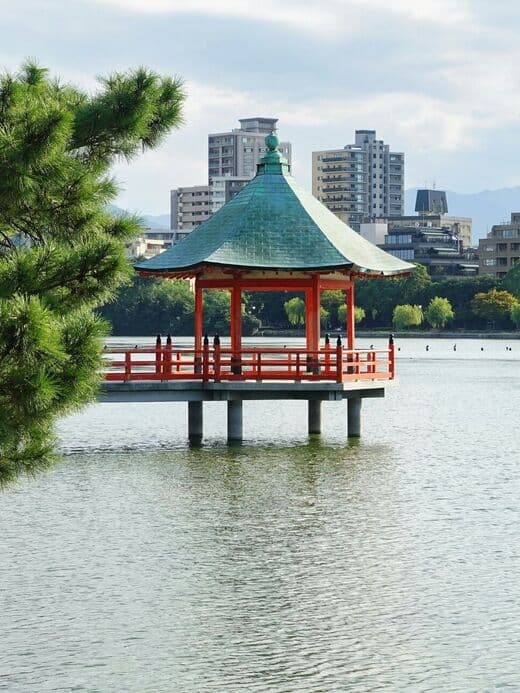
Morning: walk through Ohori Park (8:30 AM) - the central lake, modeled after West Lake in Hangzhou, has a beautiful path crossing three islands. The Japanese Garden inside the park (250 yen / ~$1.70) opens at 9:00 and is worth the entry fee. Continue walking west to Fukuoka Castle Ruins (10:00 AM, free) - climb to the top platform for panoramic city views. The castle walls and gates are impressive even without the original keep. Lunch in Daimyo neighborhood (12:00 PM) - try one of the craft cafes or a local udon spot. Afternoon: visit Fukuoka City Museum (1:30 PM, 200 yen) to see the famous gold seal given by a Chinese emperor in 57 AD - it is tiny but historically enormous. Then head to Fukuoka Tower (3:00 PM, 800 yen / ~$5.30) - go before sunset, stay for the view changing to city lights. Evening: Tenjin shopping and dinner. Explore Tenjin Underground Shopping Street (Tenchika), then surface for dinner at an izakaya. Try motsunabe (offal hot pot) - it sounds intimidating but the collagen-rich broth is incredible. Budget 2500-3500 yen ($17-23) per person at a mid-range spot.
Day 3: Dazaifu and Nanzoin Day Trip
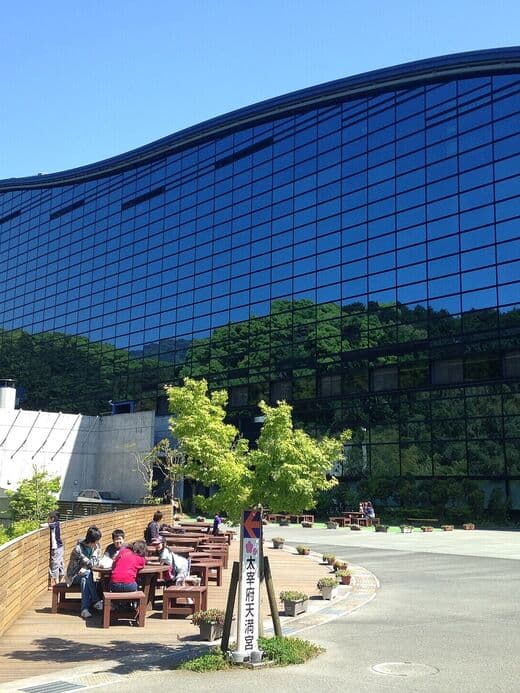
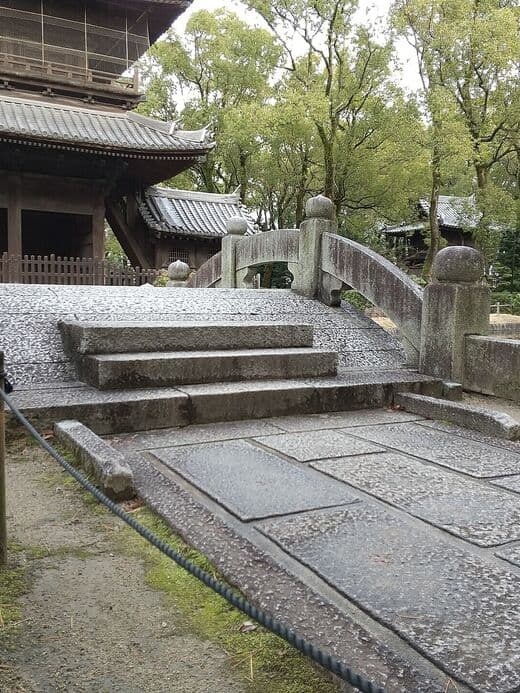
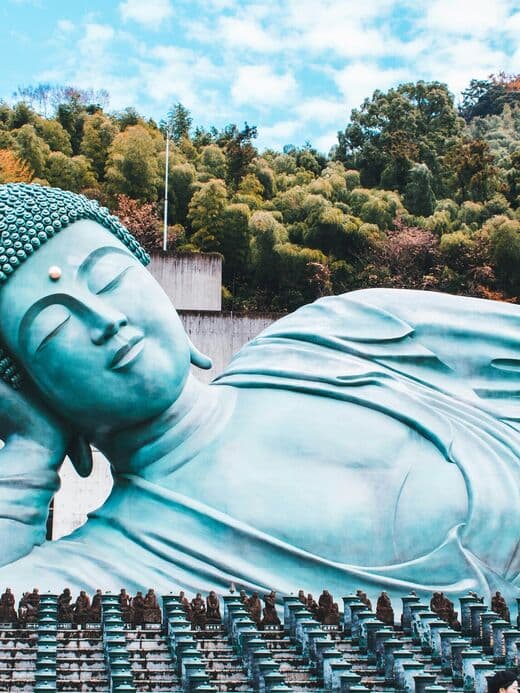
Take the Nishitetsu train from Tenjin Station to Dazaifu (40 minutes, 410 yen / ~$2.70 each way). Start at Dazaifu Tenmangu Shrine (9:30 AM) - the god of learning draws students before exams, but the shrine is beautiful year-round. The approach street has shops selling umegae mochi (plum blossom rice cakes, 130 yen each) - eat them hot. Walk to the Kyushu National Museum (11:00 AM, 700 yen / ~$4.70), connected by a moving walkway through the forest. The building itself is architecturally stunning. Afternoon: take the JR line to Sasaguri Station and walk 15 minutes to Nanzoin Temple (2:00 PM, free) - home to the largest bronze reclining Buddha in the world (41 meters long). It is genuinely awe-inspiring and far less crowded than it deserves. Return to Fukuoka by 5:00 PM. Final dinner: splurge on mizutaki (chicken hot pot) at a traditional restaurant - Hakata Hanao is a local favorite, reservation recommended, ~3500-5000 yen ($23-33) per person.
5-Day Extended Itinerary
Days 1-3: Follow the 3-day itinerary above.
Day 4: Island and Seaside
Morning: take the ferry from Meihama Port to Nokonoshima Island Park (ferry 230 yen + park entry 1200 yen / ~$9.50 total). The flower fields change by season - cosmos in autumn, rapeseed in spring, sunflowers in summer. Pack a picnic or eat at the park restaurant. The island has a retro, time-stopped feeling that contrasts beautifully with the city skyline visible across the bay. Return by 2:00 PM. Afternoon: head to Uminonakamichi Seaside Park (entry 450 yen / ~$3, rent bikes for 700 yen / ~$4.70 for 3 hours). This sprawling park on a peninsula has flower gardens, a small zoo, an aquarium, and beaches. It is huge - cycling is the only practical way to see it. Ideal for families or anyone who wants a break from urban sightseeing.
Day 5: Yanagawa Canal Town
Take the Nishitetsu limited express to Yanagawa (50 minutes from Tenjin, ~850 yen / $5.70). Book a donko boat cruise through the willow-lined canals (1600-1700 yen / ~$11, 70 minutes). The boatman poles you through narrow waterways while singing local folk songs - it is touristy but genuinely charming. After the cruise, walk the old samurai district and try Yanagawa's famous unagi (eel) - steamed then grilled, different from Tokyo-style. Lunch at one of the eel restaurants near the boat landing (unagi sets from 2500-4000 yen / $17-27). Return to Fukuoka by mid-afternoon. Spend the evening exploring any neighborhoods you missed or revisit your favorite yatai.
7-Day Regional Itinerary
Days 1-5: Follow the 5-day itinerary above.
Day 6: Kumamoto Day Trip
Shinkansen from Hakata to Kumamoto (35 minutes, ~5000 yen / $33 each way - or covered by JR Pass). Kumamoto Castle, even partially under reconstruction after the 2016 earthquake, is one of Japan's most impressive castles. The special passage route shows both the restored sections and earthquake damage. Visit Suizenji Garden (400 yen), a stunning Edo-period landscape garden with a miniature Mount Fuji. Try Kumamoto's famous horse meat sashimi (basashi) and karashi renkon (stuffed lotus root). Return to Fukuoka by evening.
Day 7: Beppu Onsen Day Trip
Take the JR Sonic limited express to Beppu (2 hours from Hakata, ~6000 yen / $40 each way - or JR Pass). Beppu has more hot spring water output than anywhere else in Japan. Visit the Jigoku Meguri (Hell Tour) - seven unique hot springs ranging from blood-red to cobalt blue (2000 yen / $13 for all seven). In the afternoon, actually soak in an onsen - Hyotan Onsen or Takegawara Onsen (100-1050 yen depending on the bath). There is also a sand bath where they bury you in naturally heated volcanic sand (1500 yen / $10). Return to Fukuoka for your final evening.
Where to Eat in Fukuoka
Fukuoka is arguably the best food city in Japan for budget travelers. The yatai culture keeps prices low, competition is fierce, and locals take their ramen as seriously as Italians take their pasta. Here is where to eat by category and budget.
Yatai Street Food Stalls
Fukuoka has around 100 licensed yatai - open-air food stalls that set up at dusk and serve until 2:00-3:00 AM. They seat 8-12 people on stools around a counter. Three main areas:
- Nakasu riverbank - The most famous and photogenic row, along the Naka River between Nakasu-Kawabata and Tenjin. Expect queues at popular stalls by 8:00 PM. Slightly more tourist-oriented and pricier. Best stalls: Nagahamaya Yatai, Ramen Kazuya.
- Tenjin area - Scattered around Watanabe-dori and Showa-dori streets. Locals slightly outnumber tourists here. Good balance of atmosphere and authenticity.
- Nagahama - Near the fish market, this is where off-duty fishermen and taxi drivers eat. The most local, least English-friendly, cheapest. Nagahama-style ramen originated here - thin noodles, rich pork broth, no frills.
Yatai etiquette: Sit down, order at least one item and a drink. Do not hover or take photos without ordering. Most stalls are cash only. Average spend: 1500-2500 yen ($10-17) for ramen, a side dish, and a beer.
Ramen Restaurants
Hakata tonkotsu ramen is the city's gift to the world. The broth is creamy white, made from pork bones simmered 12-20 hours. Noodles are thin and straight. You customize firmness: barikata (very firm), kata (firm), futsu (normal), yawa (soft). Start with kata if unsure.
- Shin Shin (Hakata Station area) - Rich but not heavy. The locals' ramen. Queue moves fast. ~850-950 yen ($5.70-6.30).
- Ippudo (Daimyo, original location) - The internationally famous chain was born here. The original shop has a different energy than overseas branches. Shiromaru (classic white) ~890 yen ($6).
- Ichiran (Nakasu, original location) - Individual booths with a curtain, you order via paper form. Gimmicky but the ramen is consistently excellent. ~980 yen ($6.50). Open 24 hours.
- Ganso Nagahamaya (Nagahama area) - Open since 1952, cash only, no-frills counter seating. Pure Nagahama style. ~500 yen ($3.30) - yes, that cheap.
- Hakata Issou - Ultra-rich "foam cap" ramen. Not for the faint-hearted; the broth is thick enough to coat a spoon. Cult following. ~900 yen ($6).
Local Joints and Hidden Gems
- Udon - Fukuoka's udon is soft and pillowy (the opposite of Sanuki udon). Try gobo-ten udon (burdock root tempura) at Ushi no Hi or Marue Udon. ~500-700 yen ($3.30-4.70).
- Yakitori (Hakata-style) - Fukuoka yakitori includes pork belly and vegetable wraps alongside chicken. Hakata Torimasa and Kawaya are local favorites. Budget 1500-2500 yen ($10-17) for a full session with drinks.
- Gyoza - Hakata hitokuchi gyoza (bite-sized dumplings) come in sets of 8-10. Hakata Issou Gyoza and Tekken Gyoza are go-to spots. ~400-600 yen ($2.70-4) per plate.
Mid-Range Dining
- Mizutaki - Chicken hot pot in milky collagen broth. Hakata Hanao, Shin Miura, and Toriden are traditional choices. ~3000-5000 yen ($20-33) per person. Often requires reservation.
- Motsunabe - Beef or pork offal in a garlic-chive soy or miso broth. Sounds adventurous, tastes incredible. Yamaya Motsunabe, Ooyama. ~2000-3500 yen ($13-23) per person.
- Sushi - Fukuoka's fish market supplies incredibly fresh seafood. Try a sushi lunch set at Yanagibashi Market area. Lunch sets: 1500-3000 yen ($10-20), dinner omakase: 5000-12000 yen ($33-80).
- Yakiniku - Japanese BBQ ranges from budget chain to premium wagyu. Mid-range recommendation: Yakiniku Bacchus near Tenjin. ~3000-6000 yen ($20-40) per person.
Cafes and Bakeries
Fukuoka's cafe scene has exploded. Daimyo neighborhood alone has a dozen specialty roasters. Key spots:
- Rec Coffee - Japan Barista Championship winners. Single-origin pour-over from 500 yen ($3.30). Multiple locations; the Yakuin shop has the best atmosphere.
- Abeki Coffee - Tiny standing-room roaster in Hakata. Old-school kissaten vibes, excellent hand-drip. ~400 yen ($2.70).
- Stereo Coffee - Daimyo hideaway with vinyl records playing and exceptional espresso. Draws a creative crowd.
- Komeda Coffee - Chain but beloved. Order any morning drink before 11:00 AM and you get a free thick toast with butter and red bean paste (ogura toast). ~500-600 yen ($3.30-4).
- Daimyo bakeries - Walk the back streets and follow your nose. Croissant shops, French-style boulangeries, and Japanese-style melon pan spots cluster in this area. Most items 200-400 yen ($1.30-2.70).
Must-Try Food in Fukuoka
Ten dishes that define Fukuoka's food identity. This is not a "best restaurants" list - these are specific dishes you should seek out, with context on what makes them special.
- Tonkotsu Ramen (豚骨ラーメン) - The dish Fukuoka is famous for. Creamy pork bone broth, thin straight noodles, chashu pork, pickled ginger, sesame seeds. Order kaedama (noodle refill, 100-150 yen) when you finish your noodles but still have broth left. Found everywhere; best versions at dedicated ramen shops rather than yatai. ~800-1000 yen ($5.30-6.70).
- Mentaiko (明太子) - Spicy marinated pollock roe. Fukuoka's second most famous food. Eat it on hot rice at breakfast, buy tubes at the airport as souvenirs, try mentaiko pasta or mentaiko baguette for fusion takes. Fukuya (the originator) and Yamaya are the big names. A mentaiko set meal: ~1200-1800 yen ($8-12). Tubes for souvenirs: 500-1500 yen ($3.30-10).
- Motsunabe (もつ鍋) - Hot pot with beef or pork offal (intestines), cabbage, garlic chives, garlic, and chili flakes in soy or miso broth. The offal melts into the broth, creating an incredibly rich soup. Finish with champon noodles or rice porridge in the remaining broth. ~2000-3500 yen ($13-23) per person. Best in winter but available year-round.
- Mizutaki (水炊き) - Chicken hot pot in a cloudy, collagen-rich broth made by simmering whole chickens for hours. Dip pieces in ponzu sauce. The broth is served as a first course in a small cup - it is liquid gold. A more refined, elegant dining experience than motsunabe. ~3000-5000 yen ($20-33). Reservation usually needed.
- Hitokuchi Gyoza (一口餃子) - Bite-sized pan-fried dumplings, smaller than standard gyoza. Hakata-style means you can pop them in one bite. They come in groups of 8-10 and disappear fast. Dip in the soy-vinegar-chili oil blend. ~400-600 yen ($2.70-4) per plate. Order at least two plates.
- Gobo-ten Udon (ごぼう天うどん) - Soft, pillowy Fukuoka-style udon in a light dashi broth, topped with crispy burdock root tempura (gobo-ten). The contrast between the soft noodles and crunchy tempura is the point. A humble, deeply satisfying lunch. ~500-700 yen ($3.30-4.70).
- Yaki-Ramen (焼きラーメン) - Ramen noodles stir-fried on a griddle with pork, cabbage, and a thick sauce. A yatai specialty - watching it made on the flat grill in front of you is half the experience. Not as famous as regular ramen but uniquely Fukuoka. ~800-1000 yen ($5.30-6.70) at yatai.
- Umegae Mochi (梅ヶ枝餅) - Plum blossom-shaped rice cakes filled with sweet red bean paste, grilled until the outside is crispy. Sold along the approach to Dazaifu Tenmangu Shrine. Eat them hot - they lose magic as they cool. ~130 yen ($0.85) each. Buy from the stalls with the longest local queues.
- Torikawa (とり皮) - Hakata-style chicken skin yakitori, wrapped tightly around skewers and grilled dozens of times over days until crispy throughout - not floppy or fatty like elsewhere. A drinking snack perfected in Fukuoka. Kawaya and Hakata Torimasa are the specialists. ~150-200 yen ($1-1.30) per skewer.
- Iwashi Mentai (いわし明太) - A whole sardine stuffed with mentaiko, then grilled or deep-fried. It is messy, intensely flavored, and perfect with rice and beer. Found at izakayas and some yatai. ~600-900 yen ($4-6). Not photogenic, but delicious.
Tourist trap warning: Ramen Stadium on the 5th floor of Canal City Hakata is convenient but overpriced and overcrowded. The same ramen shops have standalone locations with shorter queues and better atmosphere. Also avoid the yatai stalls that aggressively call out to tourists in English - the best stalls do not need to hustle for customers.
For vegetarians: Fukuoka is challenging. Dashi (fish stock) is in nearly everything. Your best bets: shojin ryori (Buddhist temple cuisine) at Shofukuji area restaurants, Indian restaurants in Tenjin, and the growing number of vegan cafes in Daimyo. The app HappyCow is essential. Be explicit about fish stock - "dashi mo dame desu" (no dashi either).
Allergy note: Soy, wheat, seafood, and sesame are in almost everything. Egg allergies are manageable. Major allergens are listed on convenience store items by law. Restaurant allergy communication cards (print from allergycard.jp) are genuinely useful - hand them to your server.
Fukuoka Secrets: Local Tips
Things that guidebooks skip and locals assume you already know.
- Kaedama is your birthright. When you finish your ramen noodles but still have broth, say "kaedama kudasai" (替え玉ください) for a noodle refill. It costs 100-150 yen (~$1) and is standard practice in every Hakata ramen shop. Not ordering kaedama when you have broth left is like leaving wine in the bottle.
- Yatai seating strategy. Peak hours are 8:00-10:00 PM on weekends. Go at 6:30 PM (right when they open) or after 11:00 PM for no queue. Weekday evenings are significantly calmer. If a stall has one empty seat, it is yours - do not wait to be invited. Sit down, say "sumimasen," and order.
- Tenjin Underground is air-conditioned paradise. Tenchika (Tenjin Underground Shopping Street) stretches 590 meters with 150+ shops, all climate-controlled. In summer rain or winter cold, you can shop, eat, and commute without going outside. It connects to Tenjin metro station and multiple department store basements.
- The airport trick. Fukuoka Airport domestic terminal is two metro stops (5 minutes) from Hakata Station. International terminal requires a free shuttle bus to the domestic terminal first, then metro. Total time: about 20 minutes door-to-door from central Fukuoka. This means you can check out of your hotel at noon, drop bags at the airport, and sightsee until your evening flight. No other major city in Japan offers this.
- Mentaiko tubes as gifts. At the airport departure area, mentaiko is sold in squeeze tubes - shelf-stable, no refrigeration needed, TSA-friendly in checked luggage. At 500-800 yen ($3.30-5.30), they are the perfect souvenir. Squeeze onto hot rice, pasta, or toast. Fukuya and Yamaya brands both sell them.
- Free things worth doing. Shofukuji Temple (Japan's first Zen temple, free), Kushida Shrine (free, Yamakasa floats year-round), Fukuoka Castle Ruins (free, great city views), Yanagibashi Morning Market (free to browse, cheap to eat), and the Hakata Riverain entertainment complex lobby (free art installations). Fukuoka is generous with free entry.
- Yanagibashi Market - the local Tsukiji. Yanagibashi Rengo Ichiba is Fukuoka's kitchen, operating since the Meiji era. Open mornings only (roughly 8:00 AM to noon). Stalls sell fresh fish, mentaiko, pickles, and prepared foods. Less famous and less crowded than Tsukiji or Nishiki, which is exactly the point. Try the fresh sashimi sets for 500-800 yen ($3.30-5.30).
- Nishitetsu bus is often better than metro. The metro only has three lines and does not reach everywhere. Nishitetsu buses blanket the city and cost a flat 100 yen ($0.67) within the central zone (190 yen normal fare). The 100-yen bus zone covers Hakata, Tenjin, Canal City, and most central attractions. Pay when you exit, exact change or IC card.
- The hidden floor at Kushida Shrine. Most tourists see the main hall and leave. Walk to the back left of the shrine grounds to find the display hall with full-size Yamakasa floats that are rotated annually. They are enormous - 10+ meters tall - and seeing them up close gives you a sense of the festival's scale even if you visit outside July.
- Konbini (convenience stores) are restaurants. This applies across Japan, but Fukuoka konbini have regional exclusives: mentaiko onigiri (rice balls), Hakata-style bento, and local craft beer. A konbini dinner of onigiri, salad, and a drink costs 500-700 yen ($3.30-4.70) and is honestly better than many budget restaurants in other countries.
- Hakata-ben will confuse your Japanese. If you have studied Japanese, be aware that Fukuoka dialect (Hakata-ben) sounds different. "Sugoi" becomes "sugoka," "ii" becomes "yokka," and sentences often end with "~to" or "~ken." Locals love it when tourists try even basic Hakata-ben. "Yokka yo" (よかよ, meaning "it's great") will earn you smiles.
Transport and Connectivity
Getting from the Airport to the City
Fukuoka Airport is the most conveniently located major airport in Japan, possibly in all of Asia.
- Metro (recommended): From the domestic terminal, take the Kuko (Airport) Line to Hakata Station - 2 stops, 5 minutes, 260 yen ($1.70). To Tenjin: 11 minutes, 260 yen. The metro runs from 5:30 AM to midnight.
- International terminal: A free shuttle bus connects the international terminal to the domestic terminal every 5-15 minutes (5-minute ride). Then transfer to metro. Total airport-to-Hakata time: about 20 minutes.
- Taxi: From the domestic terminal to Hakata Station, about 1000-1500 yen ($6.70-10), 10 minutes. From international terminal to Hakata, about 1500-2000 yen ($10-13). Useful for groups or late-night arrivals when metro has stopped.
- Nishitetsu Airport Bus: Direct buses to Hakata Station (270 yen, 15 minutes) and Tenjin (310 yen, 25 minutes). Less frequent than metro but useful if you have heavy luggage (no stairs).
Direct flight context: From the US, there are no direct flights to Fukuoka - connect through Tokyo Narita/Haneda, Osaka Kansai, or Seoul Incheon. Korean Air and Asiana fly direct from Seoul Incheon (1 hour 20 minutes). From Southeast Asia, budget carriers like Peach and Air Busan offer cheap direct connections. From Europe, connect through Tokyo or a hub like Singapore or Bangkok. Once you land, the city access is unbeatable.
Getting Around the City
Metro (Subway): Three lines - Kuko (Airport) Line (orange, most useful), Hakozaki Line (blue), and Nanakuma Line (green). Covers Hakata Station, Tenjin, Nakasu-Kawabata, the airport, and Ohori Park. Single rides: 210-370 yen ($1.40-2.50). Day pass: 640 yen ($4.30) - pays for itself after three rides. Trains run 5:30 AM to midnight, every 5-8 minutes.
Nishitetsu Bus: More extensive coverage than metro. The 100-yen central zone is a fantastic deal. Nishitetsu also runs highway buses to nearby cities. Pay on exit with cash (exact change) or IC card. Route maps are at every stop, and Google Maps handles bus routing well.
Nishitetsu Railway: Private railway running south from Tenjin - this is how you get to Dazaifu (Tenmangu Shrine) and Yanagawa. Not covered by JR Pass. The Nishitetsu Tenjin Omuta Line limited express to Dazaifu takes 40 minutes (with transfer at Futsukaichi).
JR Trains: From Hakata Station, JR trains and Shinkansen connect to Kumamoto (35 minutes), Beppu (2 hours), Nagasaki (1.5 hours), and Kagoshima (1.5 hours). Covered by JR Pass if you have one. The JR Sonic to Beppu runs along a beautiful coastal route.
Taxi: Metered, clean, doors open automatically. Starting fare: 680 yen (~$4.50). A typical cross-city ride (Hakata to Momochi): 1500-2500 yen ($10-17). Late-night surcharge (22:00-5:00): 20% extra. Most accept IC cards; some accept credit cards. DiDi and Japan Taxi apps work well for hailing.
Charichari Bike Share: Red rental bikes scattered at stations across the city. 130 yen ($0.87) per 30 minutes. App-based (Japanese phone number helps but email registration works). Fukuoka is flat and bike-friendly - cycling from Hakata to Momochi beach along the river path takes 25 minutes and is genuinely pleasant. Return bikes at any station.
Internet and Essential Apps
- eSIM: Buy before you arrive. Ubigi, Airalo, and Mobal offer Japan eSIMs from $5-15 for 7-30 days. Physical SIM cards available at the airport (higher price). Free Wi-Fi exists at stations, konbini, and Starbucks but is unreliable - get an eSIM.
- Google Maps: Works excellently in Japan for transit directions, including real-time bus and train schedules. This is your primary navigation tool.
- Tabelog: Japan's top restaurant rating app. Scores above 3.5 are excellent (the scale is harsher than Yelp or Google). Interface is in Japanese but Google Translate handles it. This is how locals find restaurants.
- SUGOCA / SUICA / IC Cards: Rechargeable transit cards that work on metro, bus, trains, konbini, and vending machines across Japan. Buy a physical card at Hakata Station or use Apple Pay/Google Pay for a digital SUICA (iPhone 8+ or recent Android). Tap on, tap off. Eliminates the need for exact change.
- PayPay: Japan's dominant mobile payment app. Many small restaurants and shops, including some yatai, accept PayPay but not credit cards. Setting up requires a Japanese phone number, so this is mainly useful for longer stays.
- Navitime: Alternative to Google Maps with more detailed Japanese transit information. The English version (Japan Travel by Navitime) is useful for complex JR route planning.
Who Fukuoka Is For: Summary
Ideal for: Food-focused travelers, second-time Japan visitors who want something beyond Tokyo-Kyoto, families wanting a relaxed city with beaches and parks, digital nomads seeking affordable Japanese urban life, ramen pilgrims, and anyone who appreciates a city that does not try too hard to impress tourists - it just quietly delivers.
Less ideal for: Travelers who want world-famous landmarks (no Mount Fuji views, no Fushimi Inari gates), nightlife seekers who want Tokyo-scale club scenes, history buffs wanting pristine castles (Fukuoka's castle is ruins), or travelers who rely heavily on English (outside tourist zones, English is limited).
Time needed: Minimum 3 days for the city core. Optimal 5 days to include day trips to Dazaifu, Nokonoshima, and Yanagawa. Maximum 7-10 days if you use Fukuoka as a base for Kumamoto, Beppu, Nagasaki, and the broader Kyushu region. Any less than 3 days and you are just eating ramen and leaving - which, honestly, is still worth the trip.