Kyoto Travel Guide 2025: Complete Guide to Japan's Ancient Capital
Kyoto is Japan's cultural heart, a city of a thousand temples where geishas still glide through narrow lanes and golden pavilions reflect in mirror-still ponds. This comprehensive guide unlocks all the secrets of the former imperial capital: from the best times to visit to hidden gardens, from exquisite kaiseki cuisine to staying in an authentic ryokan.
Best Time to Visit Kyoto
Spring (March - May): Cherry Blossom Season
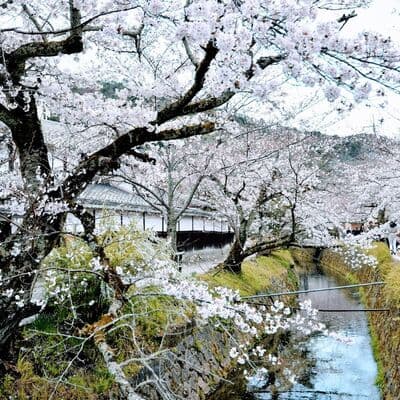
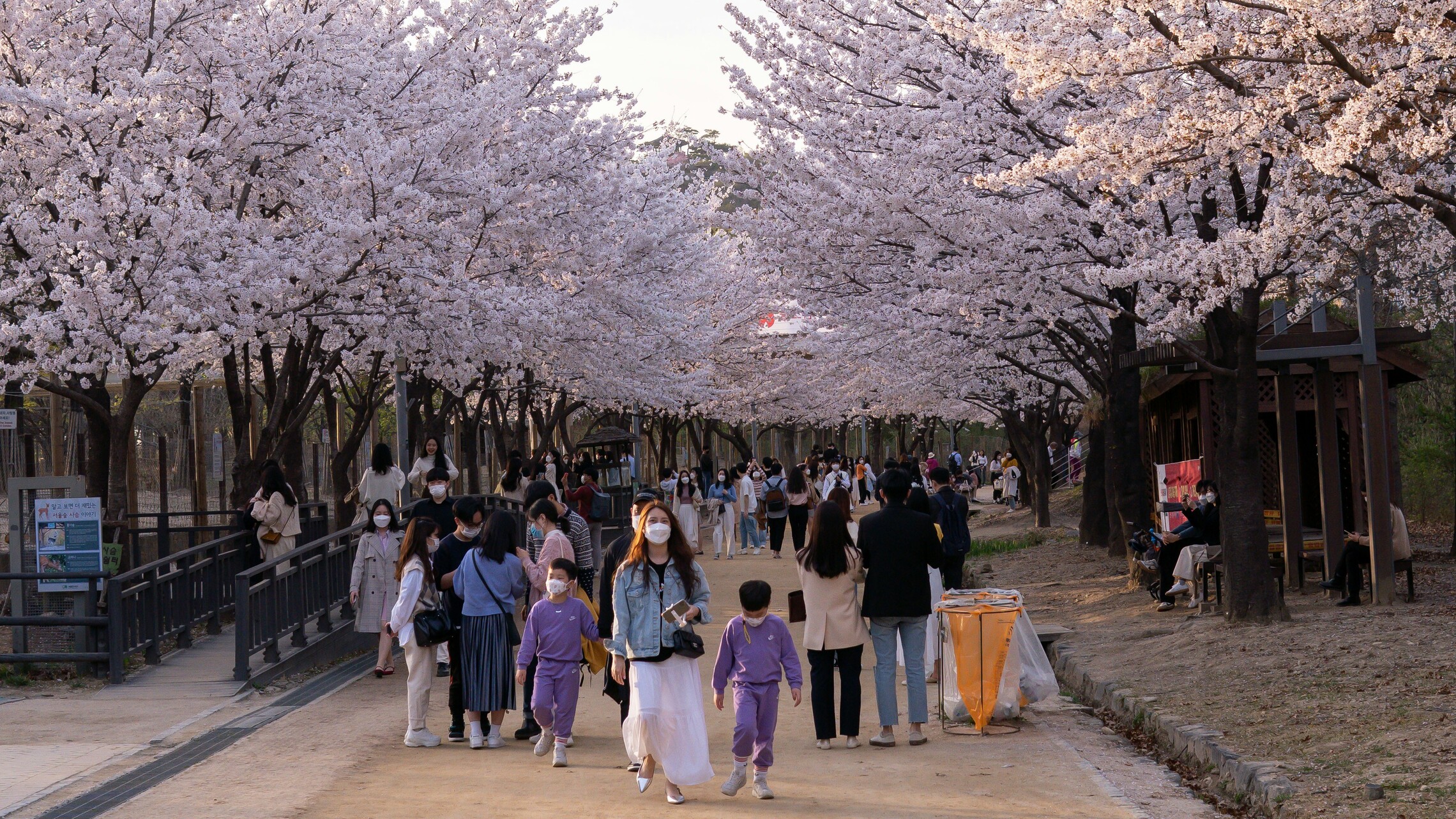
Spring in Kyoto is pure magic as cherry blossoms frame ancient temples in pink and white. The city transforms into a floral wonderland during sakura season. Peak bloom typically occurs from late March to early April. For 2025, the Japan Meteorological Agency predicts full bloom in Kyoto around March 28 - April 5.
Best spots for hanami (cherry blossom viewing):
- Philosopher's Path (Tetsugaku-no-michi): 2km canal-side walkway lined with 500 cherry trees
- Maruyama Park: Most popular spot featuring a magnificent weeping cherry with night illumination
- Daigo-ji Temple: 800 trees of various varieties, blooming extends nearly a month
- Kamo River: Picnics along the riverbanks with mountain views
- Ninna-ji: Famous dwarf omuro cherries, blooming one week later than others
April temperatures: 10-20°C (50-68°F). This is peak season - book accommodations 3-6 months ahead!
Summer (June - August)
June brings the rainy season (tsuyu), but it's also time for hydrangeas at Mimurotoji and Sanzen-in temples. July is hot and humid (30-35°C, 80%+ humidity), but this is when the Gion Matsuri - one of Japan's three greatest festivals - takes place. The grand procession on July 17th featuring massive yamaboko floats is unforgettable.
August hosts the Daimonji Festival (August 16), when five giant kanji characters are lit on fire across the mountains surrounding Kyoto. Fewer tourists mean lower hotel prices.
Autumn (September - November): Fall Foliage Season
Autumn colors in Kyoto rival spring's cherry blossoms in beauty. Momiji (maple leaves) reach their peak from mid-November to early December. Temples offer evening illuminations (yomawari), and red leaves literally glow in the darkness.
Best spots for autumn foliage:
- Tofuku-ji: The Tsutenkyo Bridge over a sea of red maples - an iconic photo spot
- Eikando: 3,000 maple trees with spectacular night illumination
- Arashiyama: Bamboo grove + red mountains = perfect contrast
- Kitano Tenmangu: 350 maples in the Momijien garden
- Shoren-in: Intimate atmosphere without crowds
Temperatures: 10-20°C (50-68°F). Second peak season after spring.
Winter (December - February)
Winter is the quietest season. Fewer tourists, no queues, discounted accommodation. Temperatures range from 2-10°C (36-50°F), with occasional snowfall transforming the Golden Pavilion into a fairytale scene. New Year temple ceremonies (hatsumode) offer unique cultural experiences. February brings plum blossoms (ume) - harbingers of spring.
| Season | Temperature | Highlights | Crowds | Prices |
|---|---|---|---|---|
| Spring | 10-20°C | Cherry blossoms | Very high | High |
| Summer | 25-35°C | Gion Matsuri | Medium | Medium |
| Autumn | 10-20°C | Fall foliage | Very high | High |
| Winter | 2-10°C | Snow scenes | Low | Low |
How to Get to Kyoto
From Tokyo
The most popular route is by shinkansen (bullet train).
- Tokaido Shinkansen Nozomi: 2 hours 15 minutes, ¥14,170 one way. Departures every 10-15 minutes from Tokyo Station.
- Hikari: 2 hours 40 minutes, ¥13,850. Fewer stops than Kodama.
- Kodama: 4 hours, ¥13,850. Stops at all stations.
JR Pass: Covers Hikari and Kodama (not Nozomi!). With JR Pass, Tokyo-Kyoto is essentially free.
From Kansai International Airport (KIX)
The nearest international airport to Kyoto, located near Osaka.
- Haruka Express: 75 minutes to Kyoto Station, ¥3,640. Discount with ICOCA & HARUKA - ¥2,200.
- Limousine Bus: 90-105 minutes, ¥2,600. Direct to major hotels.
- JR Regular: 100 minutes with transfer in Osaka, ¥1,910.
From Osaka Itami Airport (ITM)
Osaka's domestic airport, closer to Kyoto.
- Limousine Bus: 55 minutes to Kyoto Station, ¥1,340.
- Monorail + Hankyu: 70 minutes to Kawaramachi, ¥1,000.
From Osaka
- JR Special Rapid: 29 minutes from Osaka Station to Kyoto, ¥580. Covered by JR Pass.
- Hankyu: 45 minutes from Umeda to Kawaramachi (central Kyoto), ¥410.
- Keihan: 55 minutes from Yodoyabashi to Gion, ¥430.
From the US and Europe
Kyoto has no airport. International travelers typically fly into:
- Kansai International (KIX): Direct flights from major US and European cities. Then Haruka Express to Kyoto.
- Tokyo (NRT/HND): More flight options, then shinkansen to Kyoto.
2025 average prices from US: $800-1,500 roundtrip economy.
Getting Around Kyoto
Buses - The Main Transport
Unlike Tokyo, Kyoto's main public transport is the bus system. The subway exists but covers limited attractions.
Kyoto City Buses:
- Flat fare in central zone: ¥230
- Enter through rear door, exit through front with payment
- Accept IC cards (ICOCA, Suica) or cash
- Key routes: 100, 101, 102, 205, 206 - cover all major temples
Day Passes:
- Bus One-Day Pass: ¥700 - unlimited rides on city buses. Pays off after 4 rides.
- Subway + Bus Pass (1 day): ¥1,100
- Subway + Bus Pass (2 days): ¥2,000
Purchase at Kyoto Station ticket machines or tourist information centers.
Subway
Two lines: Karasuma (north-south) and Tozai (east-west). Useful for:
- Kyoto Station ↔ downtown (Shijo-Karasuma)
- Nijo Castle
- Higashiyama district (Tozai Line)
Trains
- JR Lines: To Arashiyama (JR Sagano Line), Inari (JR Nara Line), Uji.
- Hankyu: To Arashiyama, Osaka.
- Keihan: To Fushimi Inari, Gion, Osaka.
- Keifuku (Randen): Retro tram to Arashiyama - an attraction in itself.
Bicycle - Ideal Transport
Kyoto is flat with good cycling infrastructure. Rentals:
- Kyoto Eco Trip: From ¥1,100/day, stations throughout the city
- Rentals near Kyoto Station: ¥1,000-1,500/day
- Electric bikes: ¥1,500-2,000/day - for hilly areas (Higashiyama)
Bicycle parking is paid (¥150-200/day) at stations and attractions.
Taxi
Base fare: ¥500 (1.2km), then ¥100/295m. Night surcharge +20% (11PM-5AM). For groups of 3-4, taxis can be more cost-effective than buses. Drivers are polite but rarely speak English - show addresses in Japanese.
Kyoto's Districts
Higashiyama (東山) - Historic East
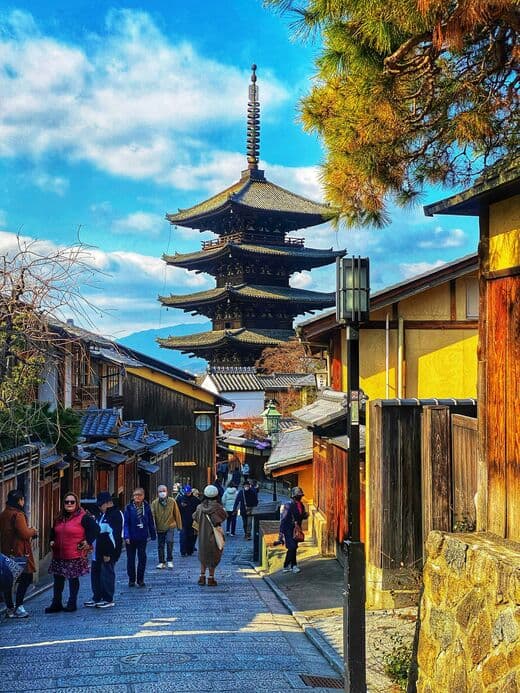
The most atmospheric district with the highest concentration of temples and traditional streets. Home to Kiyomizu-dera, Gion, Kodai-ji, and Yasaka Shrine. The lanes of Ninenzaka and Sannenzaka are postcard Kyoto: wooden houses, ceramic shops, matcha cafes.
Tip: Visit early morning (7-8 AM) or evening after temple closures - almost no tourists.
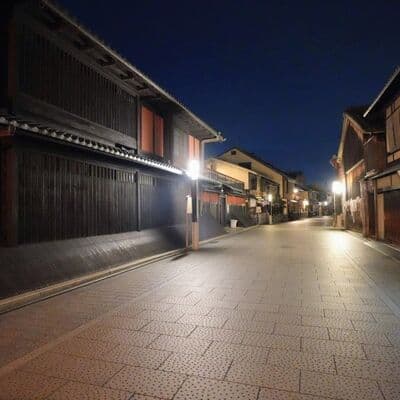
Gion (祇園) - Geisha District
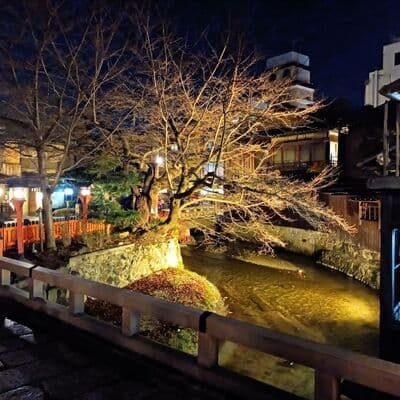
The famous district where you might spot maiko (apprentice geisha) and geiko (geisha) hurrying to evening engagements. Hanamikoji is the main street lined with teahouses (ochaya). Please don't chase or touch geisha - it's considered extremely rude.
Best time: Around 5:30-6:00 PM when maiko head to appointments.
Arashiyama (嵐山) - Bamboo Forest
Western Kyoto district featuring the iconic bamboo grove, Togetsukyo Bridge, Tenryu-ji Temple (UNESCO site), and Iwatayama Monkey Park. Plan at least half a day.
Tip: The bamboo forest is least crowded at 7-8 AM or after 5 PM.
Downtown (中心部)
The area between Kyoto Station and Shijo-Kawaramachi. Key shopping and dining streets:
- Shijo-dori: Main commercial thoroughfare
- Kawaramachi: Shopping, restaurants, nightlife
- Nishiki Market: 'Kyoto's Kitchen' - 400m of food stalls
- Pontocho: Narrow alley of restaurants along the Kamo River
Kinkaku-ji and Northwest
Area around the Golden Pavilion, Ryoan-ji (rock garden), and Ninna-ji. More spread out attractions - need transport between them.
Fushimi (伏見)
Southern district with the iconic Fushimi Inari (thousands of red torii gates) and sake breweries. Plan half a day.
Kyoto Station Area
Modern district with the striking station building (architect Hiroshi Hara), Isetan department store, and Kyoto Tower. Convenient base due to excellent transport connections.
Temples and Shrines
Must-See Temples
Fushimi Inari Taisha (伏見稲荷大社)
The head shrine of Inari with 10,000 vermillion torii gates forming tunnels up the mountain. Full hike takes 2-3 hours, but you can do just the first section (30-40 minutes). Free admission, open 24/7. Magically beautiful at dawn or dusk.
Kinkaku-ji - Golden Pavilion (金閣寺)
14th-century Zen temple covered in actual gold leaf, reflecting in a mirror pond. One of Japan's most iconic images. Especially stunning in winter snow. Admission: ¥500. Hours: 9:00-17:00.
Ginkaku-ji - Silver Pavilion (銀閣寺)
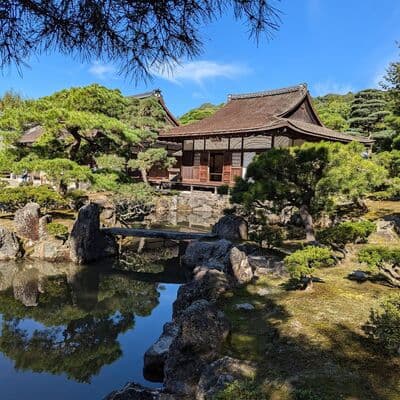
Despite its name, the pavilion isn't covered in silver - they planned to but never finished. But the sand garden Ginsadan with its cone symbolizing Mount Fuji is mesmerizing. Starting point of the Philosopher's Path. Admission: ¥500.
Kiyomizu-dera (清水寺)
'Pure Water Temple' with its famous wooden terrace on 13-meter pillars built without a single nail. Breathtaking views of Kyoto. After 2020 restoration, the roof gleams anew. Evening illumination during sakura and momiji seasons. Admission: ¥400.
Ryoan-ji (龍安寺)
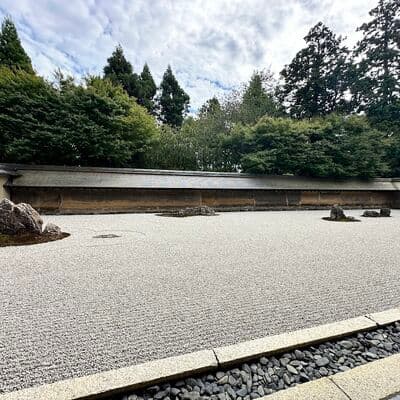
Famous rock garden - 15 rocks on white gravel, but from any angle you can only see 14. A 500-year-old Zen riddle. Arrive at opening before tour groups. Admission: ¥600.
Tenryu-ji (天龍寺)
Arashiyama's main temple, UNESCO World Heritage site. Sogenchi Garden is one of Japan's oldest, with borrowed mountain scenery. Garden admission: ¥500, with halls ¥800.
Lesser-Known Temples (For Enthusiasts)
Tofuku-ji (東福寺)
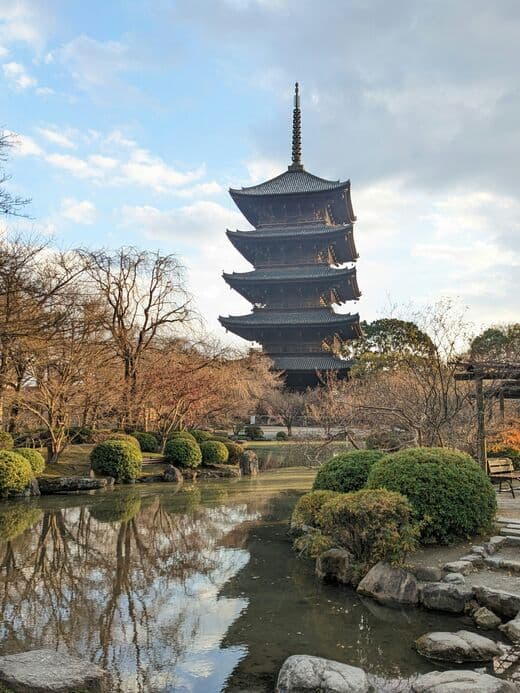
One of Kyoto's five great Zen monasteries. In autumn, the Tsutenkyo Bridge over a valley of red maples is one of Japan's most photographed scenes. Admission: ¥500-1,000 (varies by season).
Daitoku-ji (大徳寺)
Complex of 20+ sub-temples with magnificent gardens. Especially recommended: Daisen-in (dry garden depicting life's journey) and Koto-in (maple-lined approach). Not all sub-temples are open - check in advance.
Saiho-ji - Moss Temple (苔寺)
120 species of moss create an emerald carpet. Advance reservation required (2 weeks ahead, by mail or online). Participation in sutra copying mandatory. Admission: ¥3,000. Difficult to access but unforgettable.
Nanzen-ji (南禅寺)
Head temple of the Rinzai Zen school. Monumental Sanmon gate (¥600 to climb), Meiji-era brick aqueduct, Tenjuan sub-temple with beautiful garden. Grounds are free.
Shinto Shrines
Yasaka Jinja (八坂神社)
Shrine at Gion's entrance, center of Gion Matsuri. 24-hour access, beautiful lantern illumination at night. Free.
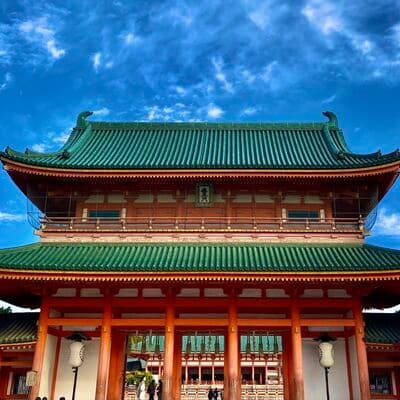
Heian Jingu (平安神宮)
1895 shrine commemorating Kyoto's establishment as capital. Huge vermillion torii on approach, garden with pond and flowering cherries/irises. Grounds free, garden ¥600.
Kamigamo and Shimogamo Shrines
Kyoto's two oldest shrines, both UNESCO sites. Shimogamo sits in the sacred Tadasu-no-Mori forest. Both free.
Other Attractions
Nijo Castle (二条城)
Residence of the Tokugawa shoguns, UNESCO World Heritage site. Famous for 'nightingale floors' (uguisubari) - designed to chirp when walked on to alert guards to intruders. Ninomaru Palace features stunning Kano school paintings. Admission: ¥1,300 including audio guide. Closed some Tuesdays.
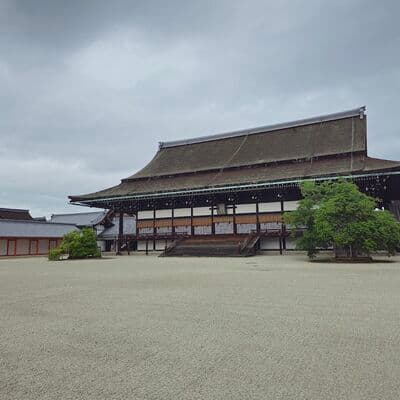
Kyoto Imperial Palace (京都御所)
Imperial residence until 1869. Since 2016, free entry without reservation. Elegant Heian-period architecture, extensive gardens. Free. Closed Mondays.
Katsura Imperial Villa (桂離宮)
17th-century masterpiece of Japanese architecture and garden design. Reservation required through Imperial Household Agency website (several days ahead). Free but limited spots.
Shugakuin Imperial Villa (修学院離宮)
Imperial villa with three gardens on a mountainside. Stunning views of Kyoto. Also requires reservation. Free.
Arashiyama Bamboo Grove
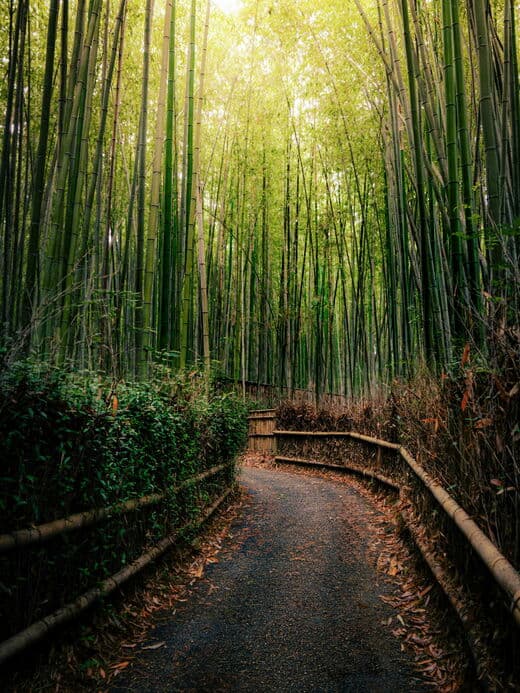
Tunnel of towering bamboo - one of Japan's most photographed scenes. Free and 24-hour access. Important: Arrive at 7-8 AM, otherwise you'll be photographing tourists' backs.
Kamo River and Pontocho
Evening stroll along the Kamo River, especially between Shijo and Sanjo bridges - quintessential Kyoto romance. In summer, Pontocho restaurants set up noryo-yuka (dining platforms over the water).
Nishiki Market (錦市場)
400-meter covered market, 'Kyoto's Kitchen.' Try:
- Tsukemono (Japanese pickles)
- Yuba (tofu skin) - Kyoto specialty
- Tako-tamago (octopus with quail egg)
- Matcha ice cream and sweets
- Fresh seafood on sticks
Open roughly 9:00-18:00, some stalls closed Wednesdays.
Geisha and Maiko
Want to see real geisha?
- Gion-Kobu and Pontocho: Around 5:30-6:00 PM maiko head to appointments
- Gion Corner Theater: Demonstrations of traditional arts (maiko dance, tea ceremony, ikebana) - ¥3,500
- Private engagements: Through hotels or specialized agencies - from ¥50,000 per group
Important: Don't block walkways, don't touch or chase geisha. They're working, not posing for photos.
Food and Dining
Kyoto Specialties
Kaiseki (懐石)
Japan's haute cuisine featuring multiple small courses served in precise order. Art on a plate, seasonal ingredients, handcrafted ceramics. Kyoto is where cha-kaiseki (tea ceremony cuisine) originated. Dinner: from ¥15,000 to ¥50,000+. Recommended restaurants:
- Kicho: Three Michelin stars, from ¥40,000
- Gion Sasaki: Two stars, from ¥20,000
- Kiyosumi: Accessible kaiseki from ¥8,000
Yuba (湯葉)
Delicate skin that forms on heated soy milk. Tender and nutritious. In Kyoto, yuba is a cult. Try at Yuba Sen near Nishiki or temple restaurants.
Shojin Ryori (精進料理)
Buddhist vegetarian cuisine. Served at temples:
- Tenryu-ji Shigetsu: With garden view, from ¥3,500
- Daitoku-ji Ikkyu: Authentic, from ¥4,000
- Nanzen-ji Junsei: Tofu in various forms
Kyoto Ramen
Chicken or pork broth with soy sauce, thin straight noodles. Less fatty than tonkotsu. Takabashi near Kyoto Station is legendary since 1929. ¥800-1,000.
Nishin Soba
Buckwheat noodles with herring. Winter dish, signature recipe of Matsuba (since 1861) in Gion.
Yatsuhashi
Rice flour sweets with cinnamon, often filled with an (red bean) or matcha. Available raw (nama-yatsuhashi) or baked. The quintessential Kyoto souvenir.
Dining Districts
Pontocho
Narrow atmospheric alley along the Kamo River. Summer terraces over the water. From budget izakaya to haute cuisine. Many restaurants require reservations.
Nishiki Market
Street food and tastings: tako-tamago, mochi, yuba, pickles. Best visited hungry.
Kyoto Station Area
10th floor of Isetan - restaurant court with panoramic views. Underground Porta - budget options.
Kawaramachi
Youth district with cafes, bars, international cuisine. Cheaper than Gion.
Tea Culture
Kyoto is the birthplace of tea ceremony. Three schools (Urasenke, Omotesenke, Mushanokoji-senke) are headquartered here. Where to experience:
- Ippodo: Tea house since 1717, buy tea or drink on-site
- Camellia: Tea ceremony for tourists in English, from ¥2,500
- Temple tea houses: Simpler but authentic - matcha + wagashi for ¥500-800
Coffee and Cafes
Kyoto also boasts excellent coffee culture:
- % Arabica: Minimalist cafes with views (Higashiyama, Arashiyama)
- Inoda Coffee: Legendary cafe since 1947
- Weekenders Coffee: Specialty coffee
Where to Stay
Ryokan - Traditional Japanese Inns
Kyoto is the best place for an authentic ryokan experience. Typically includes:
- Tatami (straw mat) floors and futons
- Yukata (cotton robe) for guests
- Often onsen or ofuro (bath)
- Kaiseki dinner and traditional breakfast
Recommended Ryokans:
- Tawaraya: Legendary ryokan with 300 years of history, from ¥80,000/night
- Hiiragiya: Since 1818, guests from Chaplin to Rockefeller, from ¥60,000
- Shiraume: More accessible, from ¥25,000 with dinner
- Shinmonzen Sarasa: Budget ryokan from ¥12,000
Hotels
Luxury:
- The Ritz-Carlton Kyoto: On the Kamo River, from ¥100,000
- Four Seasons Kyoto: With Shokoku-ji temple garden, from ¥80,000
- Aman Kyoto: In a forest on the outskirts, minimalist luxury, from ¥150,000
- Park Hyatt Kyoto: In Higashiyama, from ¥90,000
Mid-Range:
- Hotel Granvia Kyoto: Directly above the station, from ¥20,000
- Mitsui Garden Hotel Kyoto: Several locations, from ¥15,000
- Cross Hotel Kyoto: Modern design, from ¥18,000
Budget:
- Piece Hostel Sanjo: Stylish hostel, from ¥3,000
- The Millennials Kyoto: Smart capsule hotel, from ¥4,000
- Guest House Bokuyado: Traditional house, from ¥5,000
Machiya - Merchant Houses
Renting an entire traditional wooden townhouse (machiya) is a unique Kyoto experience. Perfect for families and groups.
- Kyoto Machiya Inn: Restored machiya from ¥25,000/house
- Nazuna: Luxury machiya hotels
- Airbnb: Many options, verify legality (minpaku license)
Best Areas to Stay
| Area | Pros | Cons |
|---|---|---|
| Kyoto Station | Transport, shopping | Less atmosphere |
| Gion/Higashiyama | Atmosphere, near temples | Expensive, far from station |
| Kawaramachi | Food, nightlife | Noisy |
| Arashiyama | Nature, tranquility | Far from center |
Budget Planning
Daily Costs
Budget Traveler: ¥8,000-12,000 (~$55-85)
- Hostel: ¥3,000-4,000
- Food: ¥2,500-3,500 (konbini, ramen, budget cafes)
- Transport: ¥700-1,000 (day pass)
- Attractions: ¥1,500-2,500 (2-3 temples)
Mid-Range: ¥18,000-28,000 (~$125-195)
- Business hotel: ¥10,000-15,000
- Food: ¥4,000-6,000 (restaurants)
- Transport: ¥1,000-2,000
- Attractions + activities: ¥3,000-5,000
Comfortable: ¥40,000+ (~$280+)
- Ryokan or 4-5* hotel: ¥25,000+
- Kaiseki, fine dining: ¥10,000+
- Taxis, private tours: ¥5,000+
Money-Saving Tips
- Free temples: Fushimi Inari, Nanzen-ji grounds, Yasaka Shrine, Imperial Palace
- Lunch over dinner: Restaurant lunch sets 30-50% cheaper
- Konbini: Onigiri, bento - filling and affordable
- Day passes: Bus Pass ¥700 - unlimited rides
- Free views: Kamo River, Philosopher's Path, Bamboo Grove
Payment
Like elsewhere in Japan, cash is still important in Kyoto. Many small temples, ryokans, and traditional restaurants don't accept cards.
- ATM: 7-Eleven, post offices, banks
- IC cards: ICOCA - Kansai's regional card (interchangeable with Suica)
- Cards: Visa/Mastercard at major stores and hotels
Culture and Traditions
Temple Etiquette
- Remove shoes when entering pavilion interiors
- Photography usually allowed outside, often prohibited inside (watch for signs)
- At Shinto shrine entrances - temizuya (purification pavilion): rinse hands and mouth
- Buddhist temple prayer: bow, press palms together, toss a coin
- Shrine prayer: two bows, two claps, one bow
Gion and Geisha - Behavior Rules
After tourist problems, Kyoto introduced strict rules:
- Don't chase maiko and geiko
- Don't block walkways for photos
- Don't touch - considered assault
- Don't enter private alleys (koji)
- Fines for violations: up to ¥10,000
Kimono Rental
Kimono rental is a popular experience. Numerous shops offer complete sets (kimono, obi, bag, zori) with dressing assistance. From ¥3,000 per day. Recommended:
- Yumeyakata: Multiple branches, large selection
- Okamoto: Near Kiyomizu-dera
- Wargo: Modern styles
Some temples offer discounts for visitors in kimono!
Tea Ceremony
Kyoto is the cradle of tea culture. Three schools (Urasenke, Omotesenke, Mushanokoji-senke) are headquartered here. Where to experience:
- Camellia: Ceremony in English for tourists, ¥2,500-4,000
- En: In traditional house near Kinkaku-ji
- Temple tea rooms: Simpler but authentic - matcha + wagashi ¥500-800
Seasonal Festivals
- Gion Matsuri (July): Yamaboko float processions July 17 & 24 - one of Japan's three greatest festivals
- Jidai Matsuri (October 22): Procession in historical costumes spanning 1,200 years
- Aoi Matsuri (May 15): Ancient festival with Heian-period costumes
- Daimonji (August 16): Five giant bonfires in kanji shapes on surrounding mountains
- Hanatoro (December, March): Lantern illumination of streets in Arashiyama and Higashiyama
Kyoto Crafts
Kyoto is the center of traditional crafts:
- Kyo-yuzen: Silk dyeing for kimono
- Kyo-yaki: Kyoto ceramics
- Kyo-sensu: Folding fans
- Kyo-ningyo: Dolls
Workshops available at tourist centers and specialized studios.
Day Trips from Kyoto
Nara (45 minutes)
Ancient capital with 1,200 sacred deer roaming freely in the park. Main attractions:
- Todai-ji: World's largest wooden building with 15-meter bronze Buddha
- Kasuga Taisha: Shrine with thousands of stone and bronze lanterns
- Nara Park: Deer, Kofuku-ji pagoda
How to get there: Kintetsu from Kyoto to Nara, 35-50 minutes, ¥640-1,160.
Osaka (30 minutes)
Japan's food capital. For a day trip:
- Dotonbori: Neon-lit street with street food (takoyaki, okonomiyaki)
- Osaka Castle: City's landmark
- Shinsekai: Retro Osaka district with Tsutenkaku Tower
How to get there: JR Special Rapid, 30 minutes, ¥580.
Himeji (1 hour)
White Heron Castle - Japan's most beautiful and best-preserved original castle, UNESCO site. After 2015 restoration, it gleams white. Half a day is sufficient.
How to get there: JR Shinkansen Hikari 45 minutes or JR Special Rapid 90 minutes. Free with JR Pass.
Uji (25 minutes)
Home of Japan's finest tea. Attractions:
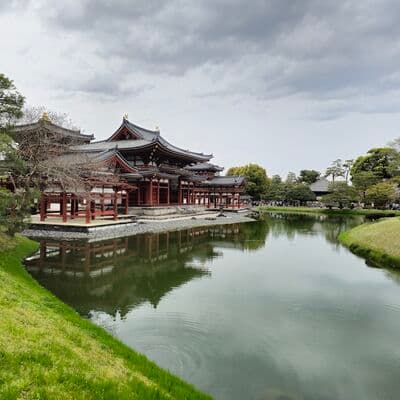
- Byodo-in: 11th-century temple with Phoenix Hall (featured on ¥10 coin)
- Tea plantations and shops: Tastings, matcha sweets
- Ujigami Shrine: Japan's oldest shrine building
How to get there: JR Nara Line, 25 minutes, ¥250.
Kobe (30 minutes)
Port city with European charm:
- Kitano: Quarter of Western mansions
- Nankinmachi: Chinatown
- Harborland: Waterfront, port
- Kobe Beef: Try an authentic steak
How to get there: JR Special Rapid, 30 minutes, ¥1,110.
Mount Koya (Koya-san) (2-3 hours)
Sacred mountain with 120+ Buddhist temples. Center of Shingon Buddhism. Overnight at a temple (shukubo) is a unique experience. Okunoin cemetery with 200,000 tombstones - a mystical place.
How to get there: Train to Gokurakubashi + cable car + bus. Nankai Rail Pass is good value.
Practical Tips
When to Book
- Cherry blossom and fall foliage: Hotels 3-6 months ahead
- Gion Matsuri (July): 2-3 months ahead
- Top ryokans: 6-12 months ahead
- Regular season: 1-2 months is sufficient
How Many Days
- Minimum: 2 full days (main temples + Gion)
- Optimal: 3-4 days (+ Arashiyama, relaxed pace)
- With day trips: 5-7 days
Avoiding Crowds
- Early morning: Most temples open 8:30-9:00, but grounds often accessible earlier
- Late evening: Temples close after 5 PM, but Gion comes alive
- Weekdays over weekends
- December-February: Low season, minimal tourists
- Lesser-known temples: Shoren-in, Kennin-ji, Daitoku-ji instead of top spots
Internet
- Pocket Wi-Fi: Rent at airport or pre-order, ¥500-1,000/day
- SIM card: Sakura Mobile, Mobal - data-only from ¥3,000/month
- eSIM: Airalo, Ubigi - instant activation
- Free Wi-Fi: Stations, konbini, Starbucks, Kyoto Wi-Fi (registration)
Useful Apps
- Google Maps: Navigation, transport
- Kyoto Bus & Train: Public transport routes
- Hyperdia/NAVITIME: Train schedules
- Google Translate: Camera for menu translation
- Tabelog: Restaurants (rating 3.5+ = good)
What to Pack
- Comfortable, easily removable shoes (many temples!)
- Hole-free socks (you'll be removing shoes)
- Folding umbrella
- Small towel (Japanese restrooms often don't have them)
- Cash (many temples don't accept cards)
- Eco bag (plastic bags cost extra)
Tourist Information
- Kyoto Tourist Information (Kyoto Station): Maps, passes, English assistance
- Official website: kyoto.travel