Hiroshima
Hiroshima 2026: What to Know Before You Go
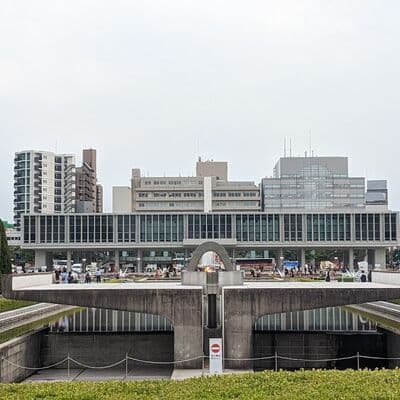
Hiroshima is not the somber, melancholy city many first-time visitors expect. Yes, the Hiroshima Peace Memorial Park and the Atomic Bomb Dome carry profound historical weight, but step beyond them and you will find a vibrant, forward-looking city with excellent food, friendly locals, and easy access to some of Japan's most beautiful scenery. The city rebuilt itself with remarkable determination, and that optimistic spirit permeates everything from the bustling shopping arcades to the lively okonomiyaki restaurants.
What makes Hiroshima worth visiting in 2026? Three things stand out. First, it serves as the perfect base for exploring western Honshu, with Miyajima Island just 45 minutes away by train and ferry. Second, the food scene here rivals Osaka's without the crowds, offering what many consider Japan's best okonomiyaki and some of the country's finest oysters. Third, the city remains refreshingly affordable compared to Tokyo or Kyoto, with hotel prices 30-40% lower and restaurant bills that rarely shock.
Plan for at least three full days. One for the Peace Memorial sites, one for Miyajima, and one for exploring the city's neighborhoods, gardens, and food culture. Five days allows you to add day trips to Onomichi, Rabbit Island, or the stunning Tomonoura coastal town. Hiroshima rewards slower travel, so resist the temptation to rush through.
Hiroshima Neighborhoods: Where to Stay
Choosing the right neighborhood in Hiroshima significantly affects your experience. Unlike Tokyo's sprawl, Hiroshima remains compact enough that you can walk or tram between most areas, but where you sleep determines what's at your doorstep.
Around Hiroshima Station
The practical choice for travelers arriving late or departing early. Hiroshima Station underwent major renovations completed in 2025, and the surrounding area now offers excellent shopping and dining options. Hotels here range from budget business hotels at $60-80 per night to the upscale Sheraton Grand at $180-250. The Shinkansen platform is steps away, and the airport limousine bus departs from the station's south exit.
Pros: Unbeatable transport connections, new restaurants and shops, reliable mid-range hotels. Cons: Feels slightly corporate, 15-minute tram ride to Peace Park, limited nightlife. Best for: Business travelers, early Shinkansen departures, families with luggage.
Hatchobori and Kamiyacho (City Center)
The heart of Hiroshima's shopping and entertainment district. Hondori Shopping Street runs through this area, offering covered arcades perfect for rainy days. You'll find everything from department stores to tiny bars in the alleys. Hotels range widely: basic business hotels from $50, stylish boutique options like Kiro Hiroshima at $100-150, and the Rihga Royal at $150-200.
Pros: Walking distance to Peace Park, best restaurant selection, vibrant atmosphere. Cons: Can be noisy on weekends, fewer budget options than station area, parking difficult. Best for: First-time visitors, foodies, nightlife seekers.
Peace Park Area (Nakajima-cho)
Staying within walking distance of the Hiroshima Peace Memorial Museum offers morning visits before crowds arrive. The area is quieter after dark, with a mix of business hotels and ryokan-style accommodations. Expect to pay $70-120 for mid-range options. The Mitsui Garden Hotel Hiroshima is a standout at $120-180, offering views of the Peace Park.
Pros: Walk to memorials, quieter evenings, good for reflection. Cons: Limited dining after 9pm, fewer shops, can feel isolated. Best for: Those prioritizing Peace Park, early risers, visitors seeking quiet.
Nagarekawa (Entertainment District)
Hiroshima's answer to Osaka's Dotonbori, this area comes alive after dark with izakayas, bars, and late-night ramen shops. Accommodations here tend toward love hotels and budget business hotels ($40-70), though a few mid-range options exist. Not family-friendly, but perfect for solo travelers or couples wanting to experience Hiroshima's nightlife.
Pros: Best nightlife, 24-hour convenience, authentic local atmosphere. Cons: Noisy until late, not family-appropriate, limited daytime appeal. Best for: Solo travelers, nightlife enthusiasts, budget backpackers.
Hijiyama Park Area
A hidden gem for those wanting green space and local neighborhood vibes. The Hiroshima Prefectural Art Museum and several temples dot this hillside area. Fewer hotels here, but vacation rentals through Airbnb offer excellent value at $60-100. The Hijiyama Hill features beautiful cherry blossoms in spring.
Pros: Quiet residential feel, nature access, excellent value rentals. Cons: 20-minute walk to center, limited restaurants, requires more planning. Best for: Longer stays, budget-conscious families, nature lovers.
Miyajima (Day Trip Base Alternative)
Consider staying one night on Miyajima Island itself. While most visitors day-trip, the island transforms after the last ferry departs around 10pm. Traditional ryokan accommodations range from $150-400 including dinner and breakfast, offering an experience unavailable on the mainland. The floating torii gate illuminated at night with no crowds is unforgettable.
Pros: Magical evening atmosphere, traditional ryokan experience, deer encounters. Cons: Limited luggage storage, expensive, fewer dining options. Best for: Couples, traditional Japan seekers, photography enthusiasts.
Best Time to Visit Hiroshima
Hiroshima's moderate climate means no truly bad time to visit, but seasons dramatically affect your experience. Here's what each offers and when to book.
Spring (March to May)
Cherry blossom season transforms the city, with Peace Memorial Park and Shukkei-en Garden becoming particularly beautiful. Peak bloom typically hits late March to early April, though exact timing varies yearly. Hotel prices spike 20-30% during Golden Week (late April to early May), and Miyajima becomes extremely crowded. Book accommodation at least two months ahead for cherry blossom season, three months for Golden Week.
Summer (June to August)
Hot and humid, with temperatures reaching 32-35C (90-95F) and high humidity. June brings rainy season (tsuyu), making outdoor sightseeing challenging. However, summer means fewer tourists, lower hotel prices, and spectacular fireworks festivals. The August 6th Peace Memorial Ceremony draws international visitors for a profound, if somber, experience. Bring light clothing, stay hydrated, and plan indoor activities for midday.
Autumn (September to November)
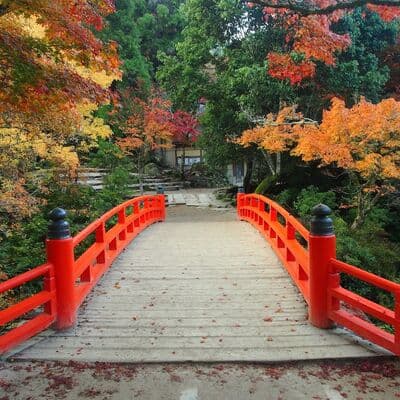
Arguably the best time to visit. Comfortable temperatures (15-25C/59-77F), stunning autumn colors at Momijidani Park on Miyajima, and manageable crowds. The Hiroshima Food Festival in late October showcases local specialties. November weekends at Miyajima can be crowded for autumn leaf viewing, so visit weekdays if possible. Book one month ahead for October and November stays.
Winter (December to February)
Mild by Japanese standards (3-10C/37-50F), occasionally dipping below freezing. Crowds thin dramatically, hotel prices drop 20-30%, and the winter oyster season (November to March) means exceptional seafood. The illuminations at Peace Memorial Park create a serene atmosphere. Some outdoor attractions have reduced hours, but museums and indoor sites operate normally.
Major Events to Plan Around
Peace Memorial Ceremony (August 6): Book hotels months in advance. A moving experience, though crowded and emotionally intense. Hiroshima Flower Festival (May 3-5): Coincides with Golden Week, extreme crowding. Ebisu Festival (November 18-20): Local festival with special food and performances. Miyajima Water Fireworks (August): Spectacular but requires ferry planning.
Hiroshima Itinerary: 2 to 5 Days
Here's how to structure your time in Hiroshima, from a rushed weekend to a leisurely exploration. Times are realistic, including transit and reasonable breaks.
Day 1: Peace and Remembrance
8:00am: Start at the Hiroshima Peace Memorial Museum right when doors open. The museum underwent extensive renovations and now presents a deeply personal narrative. Allow 2-2.5 hours for a thorough visit. Warning: emotionally heavy. Many visitors need time to process afterward.
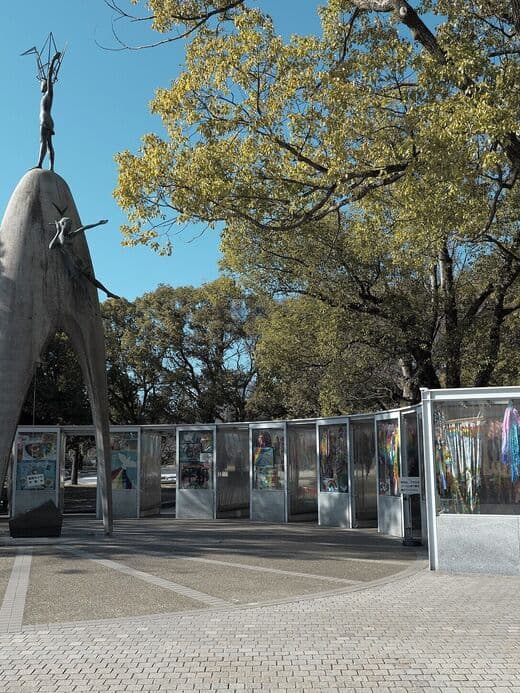
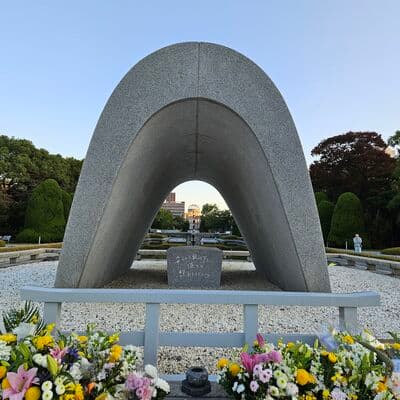
10:30am: Walk through Peace Memorial Park to see the Cenotaph for A-bomb Victims, Peace Flame, and Children's Peace Monument with its thousands of paper cranes. Take your time here.
11:30am: Visit the Atomic Bomb Dome. You cannot enter, but walking around its perimeter is essential. The Rest House nearby has an interesting history as one of the few structures that survived.
12:30pm: Lunch break. Walk 10 minutes to Okonomimura for your first Hiroshima-style okonomiyaki. This multi-floor food hall has over 20 stalls. Try the classic with noodles, pork, and egg (around 1,100-1,400 yen).
2:00pm: Visit the Hiroshima National Peace Memorial Hall, often overlooked but equally moving. The Hall of Remembrance features 140,000 tiles representing victims.
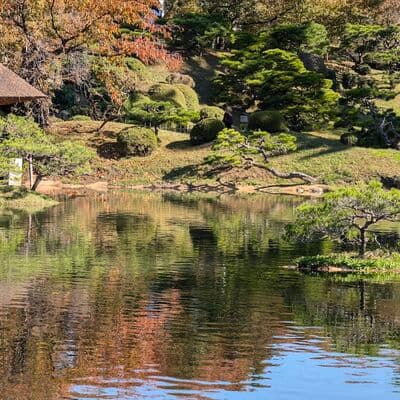
3:30pm: Walk to Shukkei-en Garden for a peaceful contrast. This 400-year-old garden survived the bombing and offers tea house refreshments. Spend an hour here.
5:00pm: Head to Hiroshima Castle. The reconstructed castle offers city views from the observation deck (closes at 5:30pm in winter, 6pm summer). The grounds remain open for evening strolls.
7:00pm: Dinner in Nagarekawa entertainment district. Try grilled oysters at one of the specialized restaurants or explore izakayas for a variety of local dishes.
Day 2: Miyajima Island
8:00am: Take the tram from Hiroshima Station to Miyajimaguchi (about 70 minutes) or JR train (30 minutes). Then board the ferry (10 minutes, included with JR Pass). Arriving early beats tour groups.
9:30am: See the floating torii gate, preferably at high tide for the iconic view. Check tide tables in advance and plan accordingly.
10:30am: Explore Itsukushima Shrine (500 yen entry). The vermillion structures extending over water create stunning photographs.
11:30am: Hike to Momijidani Park and take the ropeway to Mount Misen summit (round trip 1,840 yen). The 30-minute hike from the ropeway station to the peak offers panoramic views of the Seto Inland Sea.
2:00pm: Descend and have a late lunch. Try momiji manju (maple leaf-shaped cakes) fresh and grilled anago (conger eel) at one of the restaurants along the shopping street.
3:30pm: Visit Daisho-in Temple, often missed by tourists. This atmospheric temple complex features 500 unique Buddha statues and prayer wheels.
5:00pm: If staying overnight, check into your ryokan. If returning, catch the ferry by 5:30pm for a relaxed journey back. Those staying should enjoy the evening atmosphere and deer wandering the quiet streets.
Day 3: Art, Culture, and Local Life
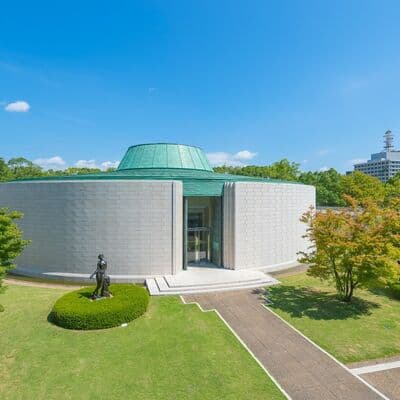
9:00am: Start at Hiroshima Museum of Art for its impressive French Impressionist collection in a beautiful circular building surrounded by gardens.
11:00am: Walk through the Hondori Shopping Street, stopping at local shops and department stores. This is prime souvenir shopping territory.
12:30pm: Lunch at a local ramen shop. Hiroshima-style ramen features soy sauce-based broth with thin noodles. Bakudanya near Hondori is a local favorite.
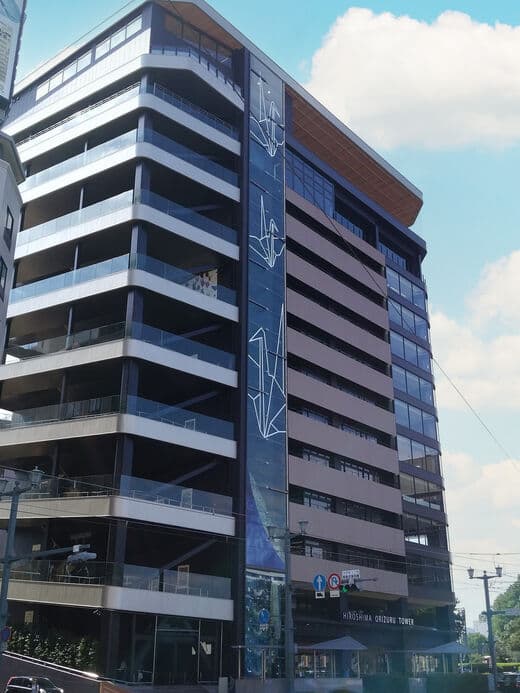
2:00pm: Visit Orizuru Tower for panoramic city views and the chance to fold your own paper crane. The observation deck offers a different perspective on the Peace Park and Atomic Bomb Dome below.
3:30pm: Take the tram to Fudoin Temple, one of few buildings that survived the bombing. The peaceful grounds offer respite from crowds and connect you to pre-war Hiroshima.
5:00pm: Return to the city center. Consider a cooking class to learn Hiroshima-style okonomiyaki, offered by several companies for around 5,000 yen.
7:30pm: Final dinner. Splurge on a kaiseki meal showcasing Seto Inland Sea seafood, or hit the yatai (food stalls) near Hiroshima Station for casual grazing.
Days 4-5: Extended Explorations
Day 4 Option A - Mazda Museum: Free factory tours (book online weeks ahead) show vehicle assembly. Tours run at 10am and 1pm, last 90 minutes. Combine with Mitaki-dera Temple in the afternoon for forest bathing among waterfalls.
Day 4 Option B - Onomichi: This hillside town 90 minutes east features cat-filled temple walks, literary history, and the start of the famous Shimanami Kaido cycling route. Rent bikes and ride as far as you like.
Day 5 Option A - Okunoshima (Rabbit Island): 90 minutes from Hiroshima, this small island teems with friendly wild rabbits. A peculiar contrast to its history as a poison gas factory. Ferry from Tadanoumi port.
Day 5 Option B - Tomonoura: A perfectly preserved Edo-period port town that inspired Studio Ghibli's Ponyo. Narrow streets, historic temples, and excellent sea bream dishes. Accessible by bus from Fukuyama Station.
Where to Eat in Hiroshima
Hiroshima takes its food seriously, and you should too. The city's culinary identity extends far beyond okonomiyaki, though that's certainly where to start.
Okonomiyaki: The Essential Experience
Okonomimura houses 24 okonomiyaki stalls across three floors, each with counter seating around a massive griddle. The advantage: variety and atmosphere. The downside: tourists often outnumber locals. For a more authentic experience, seek out neighborhood shops. Hassho in Funairi or Lopez (yes, really) near Yokogawa Station draw devoted regulars. Expect to pay 900-1,500 yen per okonomiyaki.
Pro tip: Hiroshima-style differs fundamentally from Osaka-style. Here, ingredients layer rather than mix, with yakisoba or udon noodles as the base, cabbage piled high, and a fried egg on top. Ask for extra negi (green onions) and try the cheese or kimchi variations after you have mastered the classic.
Oysters: Seasonal Perfection
Hiroshima produces 60% of Japan's oysters, and October through March brings peak season. Kakifune Kanawa, a floating restaurant on the river, serves oysters every way imaginable: raw, grilled, fried, steamed in sake, and baked with various toppings. Dinner runs 3,000-5,000 yen. For budget options, the oyster huts in Miyajima or Kusatsu let you grill your own at 1,000 yen for a generous portion.
Tsukemen: Cold Dipping Noodles
Hiroshima claims tsukemen as its own invention. Thick noodles dipped in a spicy, slightly sweet sauce make a perfect summer meal. Bakudanya chain popularized the style, but Chinchikurin offers more complex flavors. Prices run 800-1,100 yen.
Anago: Grilled Conger Eel
Miyajima's signature dish, anago is lighter and less fatty than unagi (freshwater eel). Ueno, operating since 1901, serves the definitive version: whole eel over rice with a sweet soy glaze (2,000-2,500 yen). The wait can exceed an hour on weekends, so arrive early or visit their Hiroshima Station branch.
Momiji Manju: Sweet Souvenirs
These maple leaf-shaped cakes with sweet fillings make perfect gifts. Traditional red bean fills most, but cheese, chocolate, and matcha variations abound. Fresh from the griddle at shops on Miyajima or Hondori Street, they transcend the typical souvenir snack.
Late Night Options
Nagarekawa's izakayas stay open past midnight, serving everything from yakitori to creative fusion dishes. For post-drinking ramen, Suzume in Hatchobori serves until 4am. Convenience stores (especially Lawson and 7-Eleven) stock surprisingly good onigiri and prepared foods for budget late-night eating.
Vegetarian and Dietary Restrictions
Hiroshima poses challenges for vegetarians, as dashi (fish stock) pervades most cooking. Tamaki near Peace Park offers vegetarian okonomiyaki with advance notice. Buddhist temple cuisine (shojin ryori) provides fully vegetarian meals at several temples. For celiac travelers, okonomiyaki is typically not safe due to wheat flour in the batter.
Must-Try Food in Hiroshima
Beyond restaurants, these specific dishes define Hiroshima's culinary identity. Hunt them down.
Hiroshima-style Okonomiyaki (900-1,500 yen): Layered savory pancake with noodles, cabbage, pork belly, and egg. Essential first meal. Order 'soba iri' for the classic noodle version.
Kaki no Dotenabe (1,200-1,800 yen): Oysters simmered in miso broth in an earthenware pot. Rich, warming, and deeply savory. Winter specialty at izakayas throughout the city.
Grilled Oysters (1,000-1,500 yen for a set): Simply grilled with a squeeze of lemon or topped with cheese, garlic butter, or ponzu. Hiroshima's oysters are smaller and sweeter than Western varieties.
Anago Meshi (2,000-2,800 yen): Grilled conger eel over rice, Miyajima's signature. Less rich than unagi, with delicate sweetness. Try at Ueno for the definitive version.
Hiroshima Tsukemen (850-1,100 yen): Cold noodles with spicy dipping sauce. Perfect summer lunch. Order extra sauce if you like spice.
Momiji Manju (120-180 yen each, 1,000-1,500 yen for gift boxes): Maple leaf cakes with various fillings. Buy fresh and hot from Miyajima vendors. Age manju (fried) adds crispy dimension.
Setouchi Lemon Dishes (varies): Hiroshima Prefecture produces 60% of Japan's lemons. Look for lemon ramen, lemon chuhai, lemon sours, and lemon desserts throughout the city.
Onomichi Ramen (750-950 yen): If visiting Onomichi, try this local specialty: soy sauce-based broth with pork back fat floating on top. Unexpectedly light despite appearances.
Koiwashi (small sardines, 500-800 yen): These tiny fish from the Seto Inland Sea are served raw as sashimi, lightly fried, or simmered in soy sauce. Seasonal spring delicacy.
Sake from Saijo (400-800 yen per glass): The Saijo sake brewing district, 40 minutes from Hiroshima, produces renowned sake. Try Kamotsuru or Fukubijin at izakayas or visit the breweries directly.
Hiroshima Secrets: Local Tips
After living in Hiroshima and returning countless times, these insights consistently improve visits.
1. Visit Peace Memorial Museum at opening or closing. The 8am opening attracts few visitors. Alternatively, arrive at 4pm (3pm winter) to finish as crowds thin. Midday queues can exceed 30 minutes.
2. The hypocenter is not in Peace Park. The actual hypocenter where the bomb detonated sits 160 meters away, marked by a modest plaque outside Shima Hospital. Most tourists miss it entirely.
3. Tram day passes save money only with heavy use. At 700 yen, you need four or more rides to justify the Hiroshima Electric Railway pass. Most visitors do better paying per ride (190-230 yen depending on distance).
4. Miyajima tide timing matters enormously. At high tide, the torii gate floats majestically. At low tide, you can walk out to it and see the barnacle-encrusted base. Both are worth experiencing, but know which you will see. Tide tables are posted at ferry terminals and online.
5. Hiroshima Gokoku Shrine within the Castle grounds is peaceful at sunset. While tourists cluster at the castle, this shrine offers quiet contemplation. Especially beautiful during autumn leaf season.
6. The seven rivers create excellent cycling routes. Rent bikes from Peacecle stations (160 yen per 60 minutes) and explore the riverside paths connecting most attractions. Flat terrain makes cycling effortless.
7. Okonomiyaki quality varies wildly in Okonomimura. Ask your hotel concierge which stalls they recommend. Quality differences exist between the ground and upper floors, with some locals arguing the top floor houses better options.
8. The Peace Park illuminates beautifully after dark. Few tourists linger past closing time, but the dome and park lights remain on. Evening walks offer reflection without crowds.
9. Mitaki-dera Temple offers forest escape minutes from downtown. Three waterfalls and moss-covered grounds feel worlds away from urban Hiroshima. Perfect rainy day destination when the mist adds atmosphere.
10. JR Pass holders can ride the ferry to Miyajima free. The JR-operated ferry (not Miyajima Matsudai Kisen) is covered by JR Pass. Same dock, same destination, significant savings.
11. The underground passages beneath Hiroshima Station connect to Ekie shopping complex. Perfect for rainy arrivals or departures, with restaurants, shops, and bakeries along the route.
12. Local craft beer scene is growing. Hiroshima has excellent craft breweries including Raku Beer near Hondori and several taprooms in Nagarekawa. Ask for recommendations at hotels.
Transportation and Connectivity
Getting to, around, and out of Hiroshima is straightforward once you understand the options.
Arriving in Hiroshima
By Shinkansen: The fastest option from major cities. Tokyo to Hiroshima takes approximately 4 hours on the Nozomi (not covered by JR Pass) or 5 hours on the Hikari (JR Pass valid). Osaka to Hiroshima is 90 minutes. Hiroshima Station sits centrally with tram connections to all areas.
By Air: Hiroshima Airport (HIJ) is located 50 minutes from Hiroshima Station by limousine bus (1,450 yen). Direct flights operate from Tokyo, Sapporo, Sendai, and limited international destinations including Seoul, Taipei, and Singapore. Low-cost carriers often use Iwakuni Airport, 45 minutes from Hiroshima by direct bus.
By Ferry: Matsuyama (Shikoku) connects via high-speed ferry in about 70 minutes (7,500 yen). Romantic option for those exploring multiple regions.
Getting Around Hiroshima
Hiroden Trams: The iconic streetcars, including several vintage cars, cover the entire city. Flat fare of 190-230 yen paid when exiting. IC cards (ICOCA, Suica) accepted on all lines. The 1-day pass (700 yen) includes unlimited tram rides and Miyajima ferry.
Buses: Less useful for tourists than trams. The Loop Bus (Meipuru-pu) connects major attractions for 220 yen per ride or 400 yen day pass, operating weekends and holidays primarily.
Bicycles: Peacecle bike-share stations dot the city. Register via app (English available), pay 160 yen per 60 minutes. Flat terrain and dedicated paths make cycling practical. Hotels often offer free bicycle loans.
Taxis: Readily available, meters start at 660 yen. Useful for early morning airport runs or late night returns. Apps like Japan Taxi work throughout the city.
Connectivity
WiFi: Free WiFi available at Hiroshima Station, major hotels, and many cafes. The Hiroshima Free WiFi network covers tourist areas but requires periodic re-login. Pocket WiFi rentals (800-1,200 yen daily) from airport counters provide reliable coverage.
SIM Cards: Available at electronics stores in Hiroshima Station and airport. Data-only SIMs from 1,500-3,000 yen for 7-14 days provide coverage throughout the prefecture.
Useful Apps: Google Maps works excellently for transit timing. Japan Transit Planner (Jorudan) provides detailed transfer information. Navitime offers offline capability. For restaurants, Tabelog (Japanese) and Google Maps reviews help identify local favorites.
Day Trip Logistics
Miyajima: Take JR Sanyo Line to Miyajimaguchi (30 minutes) then ferry (10 minutes). Total about 45 minutes each way. Last return ferry at 10:30pm.
Onomichi: JR Sanyo Line or Shinkansen to Onomichi or Shin-Onomichi (45-90 minutes depending on service). Excellent cycling base for Shimanami Kaido.
Rabbit Island (Okunoshima): JR to Tadanoumi Station (90 minutes), then Omishima Ferry (15 minutes). Plan for full day.
Who Should Visit Hiroshima: Summary
Ideal for: History enthusiasts, especially those interested in World War II and its aftermath. Food lovers seeking authentic Japanese cuisine beyond Tokyo and Kyoto. Budget-conscious travelers benefiting from lower prices than major cities. Families with children old enough (10+) to engage with Peace Memorial content. Base camp seekers wanting easy access to Miyajima, Onomichi, and the Seto Inland Sea.
Not ideal for: Travelers seeking traditional Japan aesthetics (Kyoto and Kanazawa offer more). Party-focused visitors (Osaka and Tokyo have more nightlife). Those uncomfortable with emotionally heavy historical content. Very short Japan trips where time constraints eliminate western Honshu entirely.
Minimum time needed: Two full days (Peace Park, Miyajima). Recommended: four days to experience food, culture, and a day trip beyond Miyajima.
Perfect pairing: Combine with Osaka (90 minutes by Shinkansen), Kyoto (100 minutes), or continue west to Fukuoka (60 minutes) for a comprehensive western Japan itinerary.