About
Italy: The Complete Travel Guide
Why Visit Italy
Italy is a country that needs no introduction, yet remains impossible to fully know in a single trip. Every city is its own universe with distinct character, cuisine, dialect, and approach to life. Rome is majestic and chaotic, Milan elegant and businesslike, Naples loud and soulful, and Venice exists outside of time and the laws of physics. And that's just the beginning of the list.
For American and British travelers, Italy offers that perfect blend of the familiar and the exotic. You'll find world-class museums with English-speaking staff, excellent tourism infrastructure, and a culture that has profoundly influenced Western civilization. Yet step off the beaten path, and you'll discover a country that operates by its own rules: lunch is sacred, dinner doesn't start until 8 PM, and 'on time' is more of a suggestion than a rule.
Italy holds the world record for UNESCO World Heritage Sites with 59 listings. But it's not about numbers. It's about living history that isn't locked behind museum glass. You drink your espresso in a 13th-century building, buy vegetables at a market that's occupied the same spot since Roman times, and dine at a trattoria where the owner's great-grandmother's recipes are still on the menu.
The country is also one of contrasts. The wealthy industrial north and the poorer agricultural south, cosmopolitan Milan and traditional Sicily, tourist-packed Venice and Florence versus barely-touched regions like Basilicata and Molise. Your choice depends entirely on what you're looking for: a classic grand tour of iconic landmarks or an off-the-beaten-path adventure through the Italy that guidebooks don't show.
Regions: What to Choose
Lazio and Rome
Rome is a city built over 2,800 years, with every era leaving its mark. The ancient Colosseum neighbors the Baroque Piazza Navona, the Renaissance Vatican stands near the Imperial Roman Forum. You could spend a week without leaving the historic center and still not see half of it.
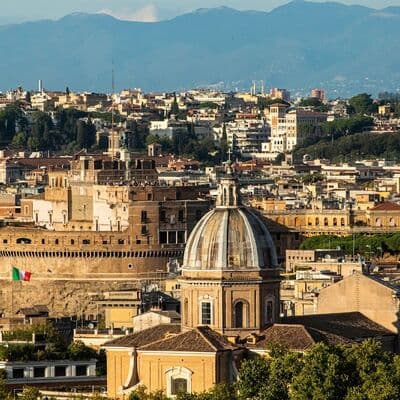
Essential stops for first-timers: The Colosseum and Forum form the heart of ancient Rome, where gladiators fought and senators decided the empire's fate. The Vatican houses the Sistine Chapel and St. Peter's Basilica. The Pantheon is antiquity's best-preserved building, where light streams through the oculus in the dome. The Trevi Fountain awaits your coin toss to ensure your return. The Spanish Steps serve as a meeting point and sunset spot. Castel Sant'Angelo started as a mausoleum, became a fortress, and served as a papal prison.
Rome hack: Visit major attractions early morning or late evening. The Colosseum at 8 AM is a completely different experience than at noon. The Pantheon is especially beautiful in the rain when drops fall through the oculus. And skip the tourist restaurants around major sights - walk 10 minutes in any direction for better food at half the price.
Beyond Rome, Lazio offers Etruscan necropolises at Cerveteri, the villas of Tivoli (Hadrian's Villa and Villa d'Este with its fountains), medieval towns of Viterbo and Orvieto, and Lakes Bracciano and Bolsena. All make excellent day trips from the capital.
Tuscany
Tuscany is postcard Italy: cypress-dotted hills, vineyards, medieval hilltop towns, and Renaissance masterpieces. If Rome represents imperial grandeur, Tuscany embodies beauty on a human scale.
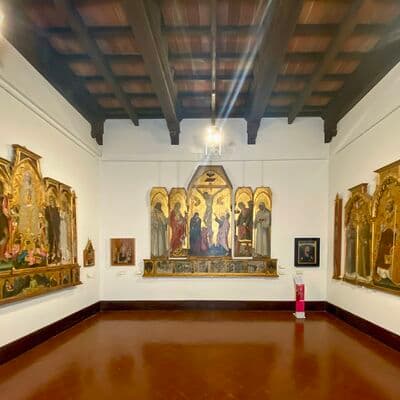
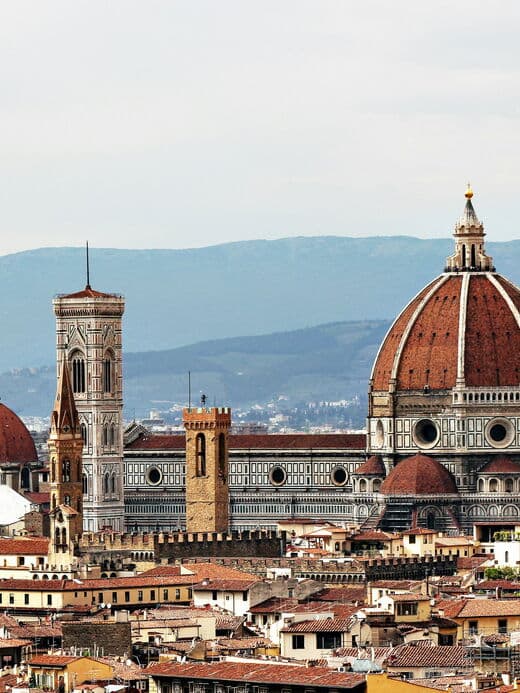
Florence is the regional capital and birthplace of the Renaissance. Brunelleschi built the Duomo dome here, still the world's largest brick dome. The Uffizi Gallery houses works by Botticelli, Leonardo, Michelangelo, and Raphael - the concentration of masterpieces per square foot is staggering. The Galleria dell'Accademia is home to Michelangelo's original David. Ponte Vecchio is the bridge with jewelry shops that survived World War II. Palazzo Pitti and the Boboli Gardens were the Medici residence. And Piazzale Michelangelo offers the best panoramic view of the city, especially at sunset.
Siena was Florence's main rival in the Middle Ages. Piazza del Campo is one of the world's most beautiful squares, hosting the Palio horse race twice yearly. The Cathedral stuns with its marble facade and inlaid floor. Climb the Torre del Mangia - 102 meters and 400 steps, but the views are worth it. Palazzo Pubblico preserves 14th-century frescoes. Santa Maria della Scala is a former hospital turned museum. Visit the Sanctuary of Saint Catherine, patron saint of Europe. The Baptistery, Fonte Gaia, and Pinacoteca Nazionale round out Siena's offerings.
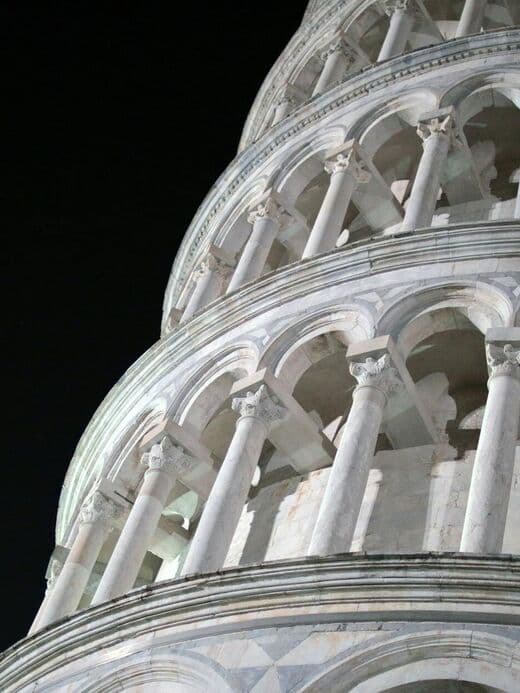
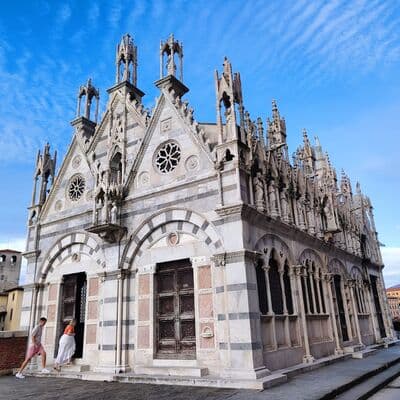
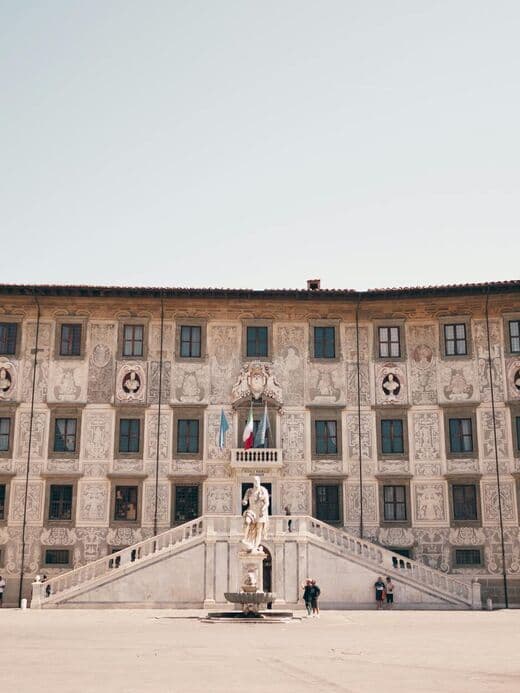
Pisa is known primarily for the Leaning Tower, but the Field of Miracles is an entire ensemble: the Cathedral, Baptistery, and Camposanto with Roman sarcophagi and medieval frescoes. Don't miss Piazza dei Cavalieri, the Santa Maria della Spina church on the Arno, and Keith Haring's mural - unexpected street art in a historic city. You can walk atop the city walls. The Museo delle Sinopie, Opera del Duomo Museum, Palazzo Blu, Palazzo della Carovana, and Botanical Garden offer deeper exploration.
Tuscan countryside: San Gimignano with its medieval towers, Montepulciano and Montalcino for wine enthusiasts, Lucca with its preserved walls, Arezzo with Piero della Francesca frescoes, Cortona on the Umbrian border. Chianti is not just wine but the most picturesque landscape between Florence and Siena.
Veneto
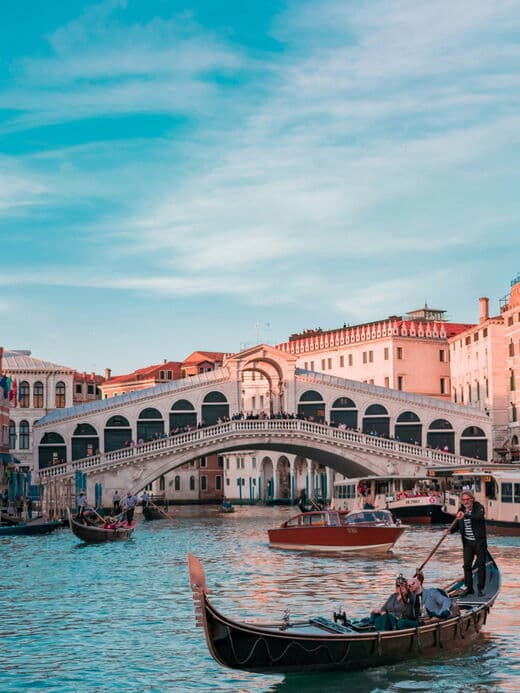
Venice is a city unlike any other. 118 islands, 400 bridges, zero cars. You need to get lost here - it's the only way to see the real Venice beyond the tourist crowds around San Marco.
The classic route: St. Mark's Basilica with golden mosaics and horses stolen from Constantinople. The Doge's Palace is a Gothic masterpiece and power center of the Venetian Republic. Rialto Bridge is the oldest crossing of the Grand Canal. Gallerie dell'Accademia holds the best collection of Venetian painting. The islands: Murano for glassblowing, Burano for colorful houses and lace.
Venice is sinking and overcrowded with tourists, but remains magical. Visit in November or February (not during Carnival) when the city is wrapped in fog and nearly empty. Wake early - Venice at 7 AM belongs only to locals and seagulls. And definitely venture away from San Marco into the Cannaregio or Castello neighborhoods where life continues at its own pace. Skip the overpriced tourist restaurants near the major sights and look for places where locals eat.
Verona is the city of Romeo and Juliet, but there's much more. The Arena is a Roman amphitheater hosting open-air operas in summer. Juliet's House is a tourist attraction, but Piazza delle Erbe and San Pietro hill are genuine gems. Basilica of San Zeno is a Romanesque masterpiece. Castelvecchio is a medieval castle with a museum. Stroll across Ponte Pietra and through Giardino Giusti. Torre dei Lamberti, Roman Theatre, Scaliger Tombs, and Juliet's Tomb complete the picture. Verona makes a day trip from Venice, but staying overnight is better.
Padua is a university town with rich history. The Scrovegni Chapel with Giotto frescoes is one of world art's greatest masterpieces - book well ahead. The Basilica of Saint Anthony draws pilgrims worldwide. Prato della Valle is one of Europe's largest squares. Palazzo della Ragione is the medieval town hall. The Botanical Garden is the world's oldest university garden. Don't miss Caffe Pedrocchi, a historic intellectual meeting place. Other highlights include the Cathedral Baptistery, Chiesa degli Eremitani, Basilica of Santa Giustina, Palazzo Bo (the university), and Piazza dei Signori.
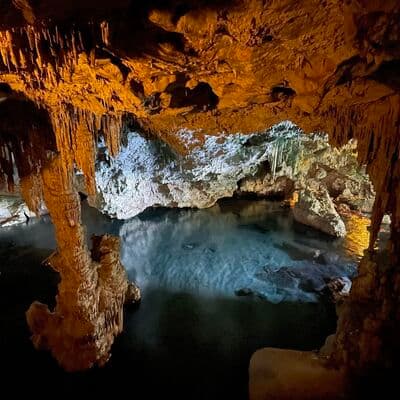
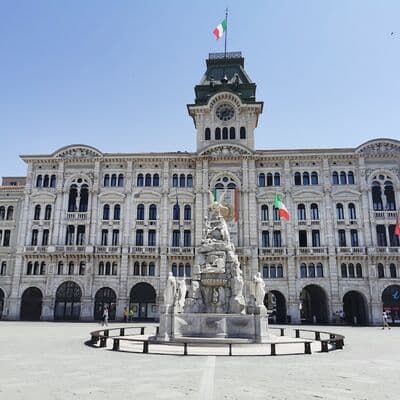
Trieste sits at the border of Slavic and Romance worlds, the former main port of the Austro-Hungarian Empire. Piazza Unita d'Italia is Europe's largest seaside square. Miramare Castle is a romantic Habsburg residence overlooking the sea. The Canal Grande, San Giusto Castle with its cathedral, Roman Theatre, and the Grotta Gigante cave in the suburbs are must-sees. Molo Audace, Arco di Riccardo, Revoltella Museum, Victory Lighthouse, and the historic Opicina Tramway add to Trieste's unique appeal. The city is also Italy's coffee capital - they drink more espresso per capita here than anywhere else in the country.
Lombardy and Piedmont
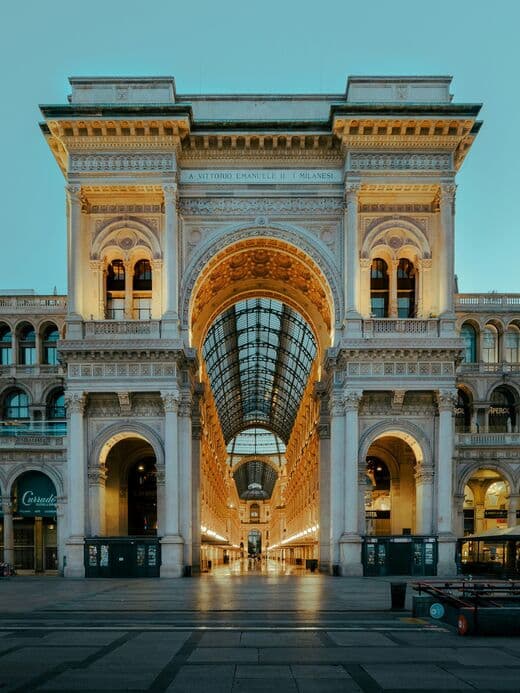
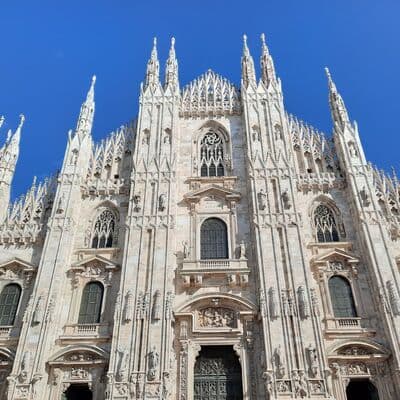
Milan is Italy's economic capital, the city of fashion and design. Less postcard romance here, but more energy. The Duomo is a Gothic cathedral of pink marble with a rooftop you can climb. Galleria Vittorio Emanuele II is a luxurious 19th-century arcade. The Last Supper by Leonardo in Santa Maria delle Grazie - book tickets 2-3 months ahead. Castello Sforzesco has museums and a park. Pinacoteca di Brera is one of Italy's best art galleries. La Scala is the temple of opera. The Navigli district offers canals, bars, and nightlife. Cimitero Monumentale is an open-air sculpture museum. Pinacoteca Ambrosiana houses Leonardo's Codex Atlanticus. San Siro Stadium is a pilgrimage site for football fans.
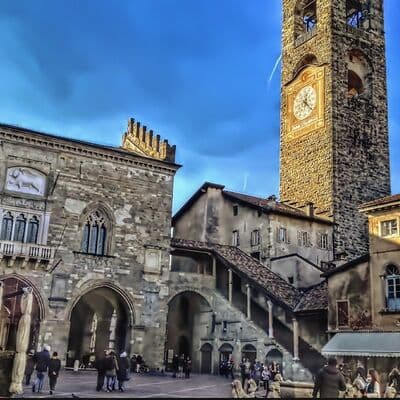
Bergamo is two cities in one. The upper city (Citta Alta) is a medieval gem within Venetian walls. Piazza Vecchia, Basilica of Santa Maria Maggiore, and Cappella Colleoni with its inlaid facade are highlights. Torre Civica (Campanone) and the Rocca fortress offer views. Accademia Carrara is an excellent art museum. The funicular takes you up to Castello di San Vigilio. The Duomo completes the religious architecture. Bergamo is an excellent alternative to overcrowded tourist cities - authentic, beautiful, and half the price.
Brescia is an underrated city with Roman and Lombard heritage. Santa Giulia Museum is a UNESCO site in a former monastery. The Capitolium is northern Italy's best-preserved Roman temple. The Castle on the hill, Piazza della Loggia, Piazza della Vittoria, and two cathedrals - the old Rotonda and new Duomo - impress. The Mille Miglia Museum appeals to motorsport fans. Pinacoteca Tosio Martinengo has works by Raphael and Lorenzo Lotto. The Teatro Grande and Clock Tower round out the sights.
Turin was the first capital of unified Italy, a city with French charm. Mole Antonelliana is the city symbol housing the National Cinema Museum. The Egyptian Museum is second in importance only to Cairo's. Royal Palace and Palazzo Madama represent Savoy heritage. The Cathedral houses the Turin Shroud. Basilica of Superga sits on the hill above the city. The Automobile Museum celebrates FIAT's hometown. Piazza Castello anchors the historic center. Turin invented gianduja chocolate, grissini breadsticks, and the aperitivo tradition. It's a city of cafes and chocolate.
Emilia-Romagna
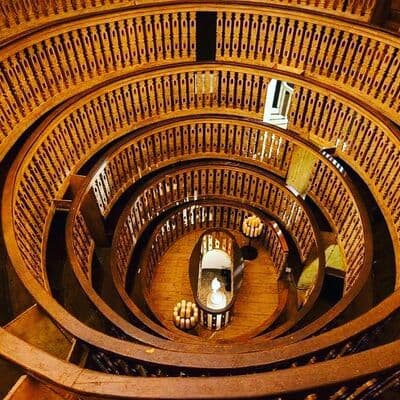
Bologna is Italy's gastronomic capital and home to Europe's oldest university (founded 1088). Piazza Maggiore is the city's heart. Basilica of San Petronio is one of the world's largest churches, never completed. The Two Towers (Asinelli) - climb 498 steps for the view. The Anatomical Theatre of the Archiginnasio is where doctors trained since the 16th century. Santo Stefano is a complex of seven churches. Sanctuary of Madonna di San Luca sits on a hill reached by the world's longest portico (3.8 km). The Neptune Fountain and Clock Tower add to the piazza. Bologna means tagliatelle, tortellini, mortadella, and ragu (which you know as Bolognese).
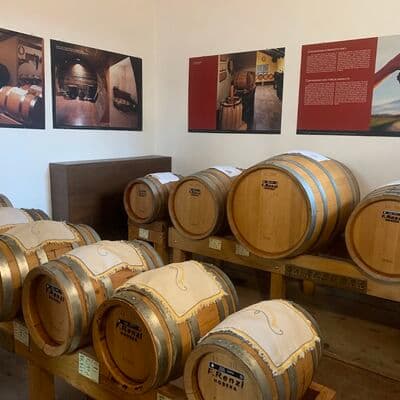
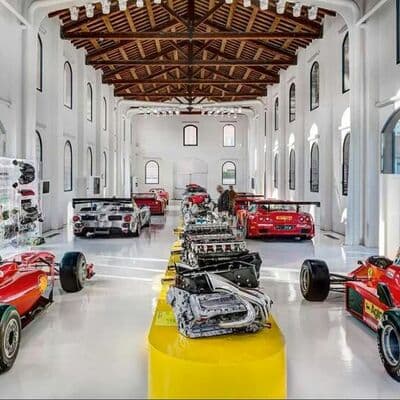
Modena is the city of balsamic vinegar, Ferrari, and Pavarotti. The Cathedral and Ghirlandina Tower are UNESCO sites. Piazza Grande anchors the city center. The Enzo Ferrari Museum is for fans of the red cars (a second Ferrari museum is in Maranello). The Communal Acetaia is where traditional balsamic ages. Mercato Albinelli is a gastronomic paradise. The Pavarotti House Museum appeals to music lovers. Galleria Estense has works by Velazquez and Bernini. Palazzo Ducale is now a military academy but worth seeing from outside.
Parma means Parmigiano-Reggiano, prosciutto, and opera. The Cathedral has Correggio frescoes, alongside the Romanesque Baptistery of pink marble. Palazzo della Pilotta houses the National Gallery and Teatro Farnese. Camera di San Paolo is a secret room with frescoes. Parco Ducale is perfect for strolls. Piazza Garibaldi buzzes with local life. Museo Giordano Ferrari exhibits vintage cars. Be sure to visit Parmigiano and prosciutto producers in the surrounding countryside.
Ravenna is the capital of mosaics and three empires (Western Roman, Ostrogothic, and Byzantine). Eight UNESCO sites: San Vitale with mosaics of Justinian and Theodora, the Mausoleum of Galla Placidia with its starry ceiling, Sant'Apollinare Nuovo and Sant'Apollinare in Classe, Neonian Baptistery, and Chapel of Sant'Andrea. The Mausoleum of Theodoric is the only Ostrogothic monument. Dante's Tomb - the poet died and is buried here. Domus dei Tappeti di Pietra has Byzantine mosaic floors. Basilica of San Francesco has a flooded crypt.
Liguria
Genoa is a former maritime republic, birthplace of Columbus and pesto. The old town (caruggi) is Europe's largest medieval center, a labyrinth of narrow alleys. Strada Nuova Museums occupy 16th-century palaces with art collections (UNESCO site). San Lorenzo Cathedral has a treasury museum. Palazzo Ducale is an exhibition center. The Aquarium is Europe's largest, located in the Old Port near the Biosphere and Neptune Galleon. Galata Sea Museum covers maritime history. La Lanterna lighthouse is the city symbol. Castelletto viewpoint and the fishing village of Boccadasse charm visitors. The Nervi promenade runs along the rocky coast. Palazzo Reale and Piazza de Ferrari complete the picture.
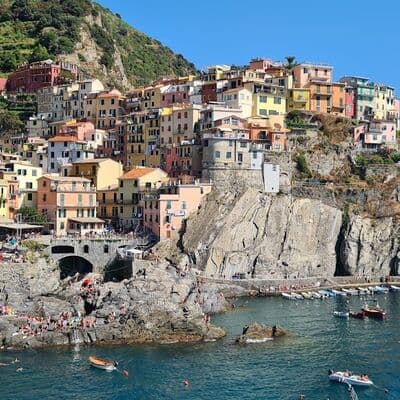
Cinque Terre comprises five villages clinging to cliffs along the Ligurian coast, connected by trails and train. This is one of Italy's most photogenic corners, but also one of the most crowded in summer. Visit in spring or fall, and stay overnight in one of the villages to see them without crowds.
Portofino and Santa Margherita Ligure lie east of Genoa. Portofino is a tiny harbor beloved by celebrities where a coffee costs as much as lunch elsewhere. Santa Margherita is a more accessible alternative. Nearby, San Fruttuoso Abbey is reachable only by sea or on foot.
Campania
Naples is a city of contrasts, chaos, and the world's best pizza. You need to shed stereotypes and accept the city as it is: loud, dirty, dangerous by reputation, but incredibly alive and authentic.
The National Archaeological Museum holds the world's best collection of ancient art, including finds from Pompeii and Herculaneum. Cappella Sansevero with its incredible 'Veiled Christ' sculpture requires advance booking. Spaccanapoli is the street cutting through the historic center. Naples Underground explores Greek and Roman tunnels beneath the city. The Cathedral holds the blood of San Gennaro. Santa Chiara has a majolica-tiled cloister. Catacombs of San Gennaro are early Christian burial sites.
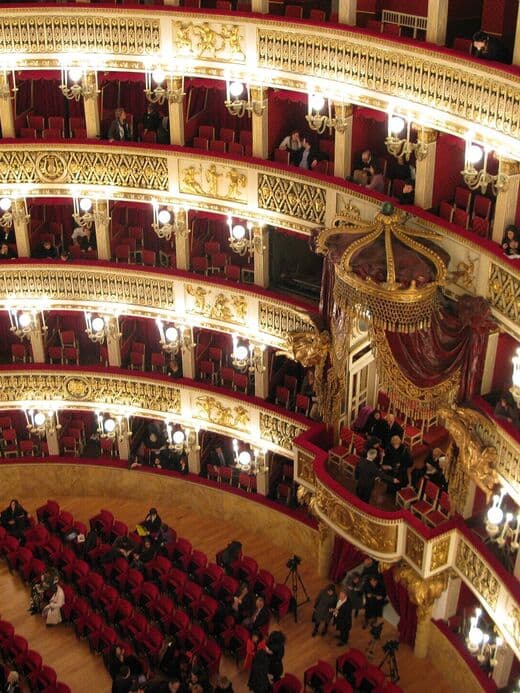
Three castles define the city: Castel dell'Ovo on an island in the sea, Castel Nuovo (Maschio Angioino) by the port, and Sant'Elmo on the hill with panoramic views (next to Certosa di San Martino). The Royal Palace and Piazza del Plebiscito, Galleria Umberto I, and Teatro San Carlo - Europe's oldest opera house - anchor the elegant district. Museo di Capodimonte occupies a former royal residence.
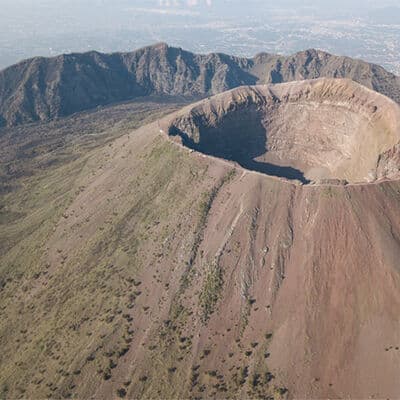
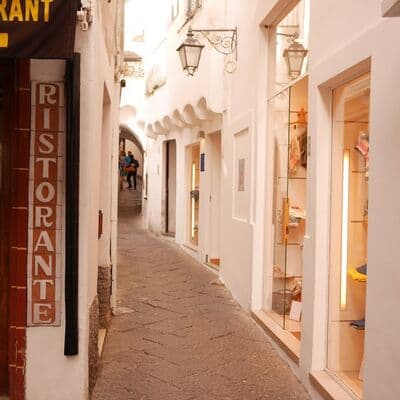
From Naples: Pompeii and Herculaneum are 30 minutes on the Circumvesuviana train. Vesuvius, Sorrento and the Amalfi Coast, and the islands of Capri and Ischia are all easy day trips.
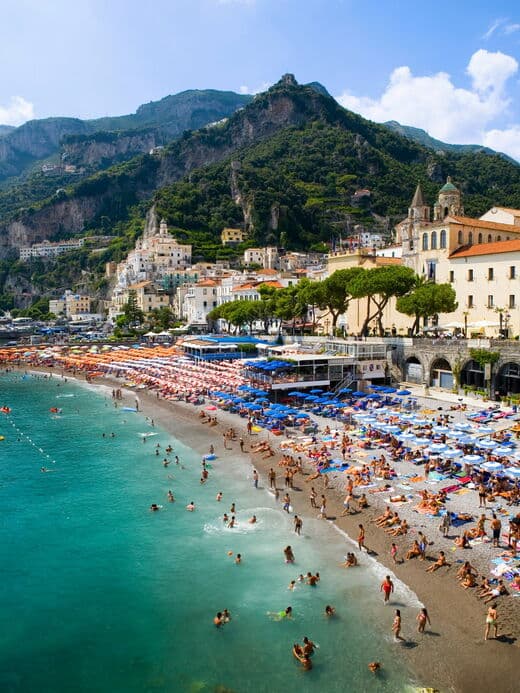
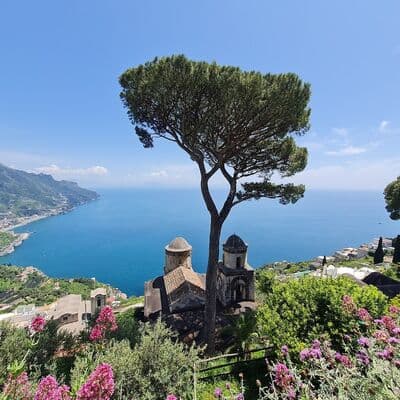
Amalfi and the Amalfi Coast form one of the world's most beautiful coastlines. A serpentine road above cliffs, villages clinging to rocks, lemon groves, and turquoise sea. Amalfi Cathedral has Arab-Norman architecture with a Paradise Cloister. The Emerald Grotto is a cave with emerald waters. The Paper Museum recalls Amalfi's paper-making fame. Valley of the Mills holds abandoned ruins in jungle vegetation. Marina Grande Beach is the main beach. Positano and Ravello are neighboring gems along the coast.
Sicily
Sicily is a separate country within Italy. An island with its own history, cuisine, dialect, and mentality. Greek temples, Norman cathedrals, Arab motifs, and post-earthquake Baroque - everything mixed into a unique cocktail.
Palermo is the capital where Arab, Norman, and Baroque interweave. Palazzo dei Normanni with the Palatine Chapel has 12th-century golden mosaics. The Cathedral combines Gothic, Baroque, and Islamic elements in one building. La Martorana has Byzantine mosaics. San Giovanni degli Eremiti features red domes against palm trees. Quattro Canti is a Baroque intersection. Fontana Pretoria was called the 'fountain of shame' for its nude statues. Teatro Massimo is Europe's third-largest theater. Capuchin Catacombs display 8,000 mummies on walls. Ballaro Market is chaos, shouting, and street food. Botanical Garden and Palazzo Abatellis with its 'Triumph of Death' add depth. Piazza Marina has ancient ficus trees.
Monreale Cathedral, 8 km from Palermo, is the greatest Norman art monument with 6,340 square meters of golden mosaics. The rooftop terraces are a must.
Catania is a Baroque city at Etna's foot. Piazza del Duomo with the Elephant Fountain anchors the city. Cathedral of Saint Agatha honors the city's patron. The Benedictine Monastery is Europe's second-largest. Teatro Bellini honors the local composer. Via Etnea is the main street with volcano views. La Pescheria is a chaotic fish market. The Roman Amphitheater and Roman Theatre speak to ancient history. Via dei Crociferi has Baroque churches including Badia di Sant'Agata. Villa Bellini is the city park. Palazzo Biscari has rococo interiors.
Syracuse was Archimedes' city, once more powerful than Athens. Ortigia is the island-old town with Piazza Duomo and the Cathedral built into a Greek temple. Fonte Aretusa is fresh water by the sea. Castello Maniace sits on the promontory. Neapolis Archaeological Park includes the Greek Theatre, Roman Amphitheater, and Ear of Dionysius. Paolo Orsi Museum covers Sicilian archaeology. The Temple of Apollo is Sicily's oldest Doric temple. Castello Eurialo is a Greek fortress. Palazzo Bellomo, Fountain of Diana, and Archimedes Museum round out the offerings.
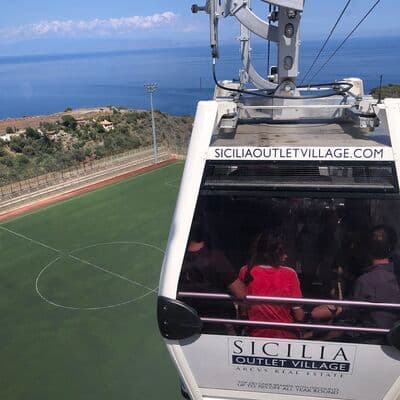
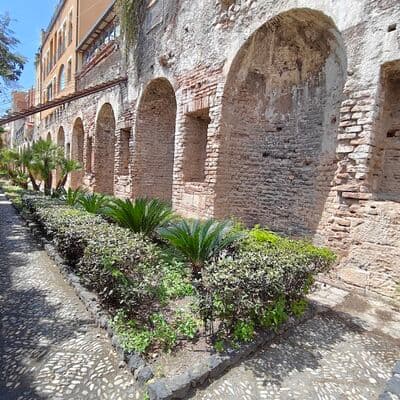
Taormina is a resort town on a cliff above the sea, beloved by tourists since the 19th century. The Greek Theatre offers views of Etna and the sea, hosting a film festival. Corso Umberto is the pedestrian street from Porta Messina to Porta Catania. Piazza IX Aprile with its clock tower offers views. Palazzo Corvaja shows Arab-Norman architecture. Isola Bella is a tiny island-reserve below, reached by cable car. Villa Comunale gardens have views. Madonna della Rocca Sanctuary is carved into rock above town. The Cathedral and numerous churches including San Giuseppe and Santa Caterina add historic depth. Naumachiae, Taormina Castle, and Palazzo Santo Stefano complete the picture.
Messina is Sicily's gateway, the ferry crossing from the mainland. The Cathedral with its astronomical clock - the world's largest - has a noon show. Orion Fountain is by Montorsoli. Church of the Annunziata dei Catalani is Norman. The Regional Museum has Caravaggio works. Cristo Re Sanctuary is a hilltop memorial. Montalto Sanctuary and Madonnina del Porto are landmarks. Pilone di Torre Faro offers views across the strait. Neptune Fountain graces the waterfront.
Puglia (Apulia)
Puglia is the heel of Italy's boot, a region tourists discovered relatively recently. Olive groves to the horizon, turquoise sea, Romanesque cathedrals, and unique trulli - round houses with conical roofs.
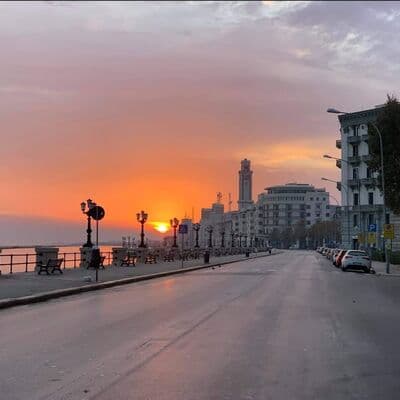
Bari is the regional capital, city of Saint Nicholas (the original Santa Claus). Basilica di San Nicola is a pilgrimage site, with the saint's relics here since 1087. Bari Vecchia is the labyrinthine old town where grandmothers make orecchiette pasta on the street (Strada Arco Basso). San Sabino Cathedral is 11th-century Romanesque. The Norman-Swabian Castle was built by Frederick II. Teatro Petruzzelli is Italy's fourth-largest. Lungomare is the seafront promenade. Piazza Mercantile and Piazza del Ferrarese anchor nightlife. Pinacoteca Metropolitana shows regional art. Pane e Pomodoro beach is the city beach.
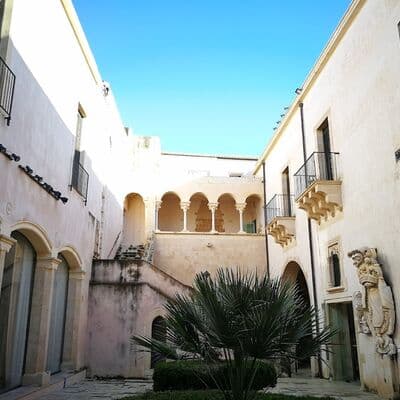
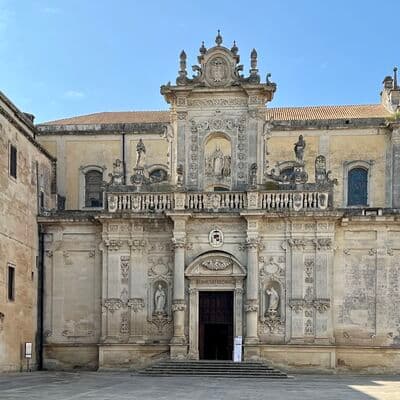
Lecce is the 'Florence of the South,' a Baroque city built of local golden limestone. Basilica di Santa Croce has a facade of incredible complexity, 150 years in the making. Piazza del Duomo with its Cathedral is an enclosed Baroque space. The Roman Amphitheater sits on the main square. Charles V Castle dominates. Porta Napoli is a triumphal arch. Baroque churches include Santa Chiara and San Matteo. The Roman Theatre and Museo Faggiano - archaeology under a house - add layers of history. Outside town, Santi Niccolo e Cataldo is a Norman church with Baroque facade.
Matera is a city in rock, one of the world's oldest continuously inhabited places. The Sassi are cave districts where people lived until the 1950s in conditions called 'Italy's shame.' Today it's a UNESCO site and film location (The Passion of the Christ, James Bond). Casa Grotta is a house-museum of cave life. Casa Noha is a multimedia history museum. Rock churches include Santa Maria de Idris, Santa Lucia alle Malve, San Pietro Barisano, and San Pietro Caveoso. Crypt of the Original Sin has 8th-century frescoes outside town. The Cathedral crowns the hill. Palombaro Lungo is an underground cistern. MUSMA is a contemporary sculpture museum in caves. Belvedere Murgia Timone offers the best Sassi view from across the ravine. Piazza Vittorio Veneto is the modern center.
Alberobello is the trulli capital, white houses with conical roofs. Polignano a Mare is a town on cliffs above turquoise water. Ostuni is the 'white city.' Gallipoli, Otranto, and Trani are coastal gems.
Umbria
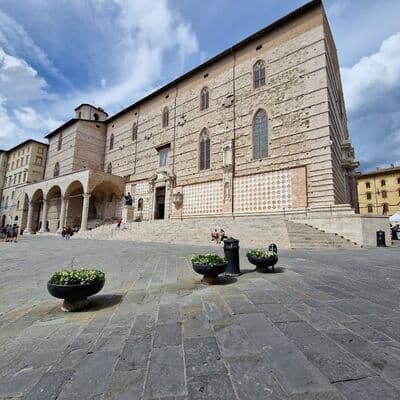
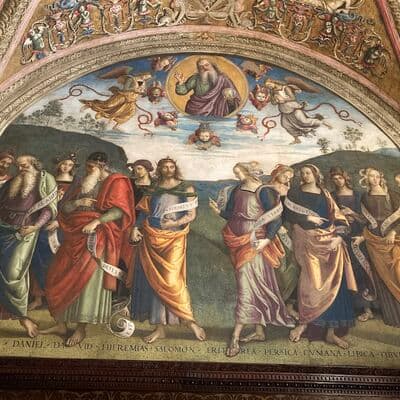
Perugia is the regional capital, a university town on a hill. Fontana Maggiore is a medieval masterpiece on the main square. Palazzo dei Priori houses the National Gallery of Umbria. Collegio del Cambio has Perugino frescoes. San Lorenzo Cathedral dominates. The Etruscan Arch dates to the 3rd century BC. Etruscan Well plunges 37 meters deep. Rocca Paolina is a papal fortress that swallowed a medieval quarter. Cappella San Severo has a Raphael fresco. San Domenico houses an archaeological museum. Sant'Angelo is a 5th-century paleochristian church. Giardini Carducci offers valley panoramas.
Assisi is the birthplace of Saint Francis, a pilgrimage town. The Basilica with Giotto frescoes is one of Italian art's greatest monuments. Spoleto has a Roman bridge and festival. Orvieto sits on a cliff with its Gothic cathedral. Gubbio is a medieval town frozen in time.
Islands and Coasts
Sardinia
Sardinia is an island with Caribbean beaches and Bronze Age nuraghi. Costa Smeralda is a billionaire resort with emerald waters. Cagliari is the capital with Spanish heritage. Alghero is a town where they speak Catalan. Sassari, Nuoro, and Orgosolo with its murals offer authentic experiences. Su Nuraxi is a UNESCO nuraghe site. Beaches of La Pelosa, Cala Goloritze, and Cala Mariolu rank among the Mediterranean's finest.
Northern Italian Lakes
Como is the lake of stars and villas - Bellagio is called its pearl. Garda is Italy's largest lake - Sirmione sits on a peninsula with a castle. Maggiore has the Borromean Islands with palaces and gardens. Iseo is less touristy - Monte Isola island is car-free.
Dolomites
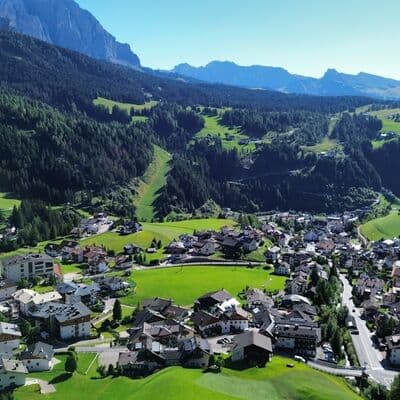
The Dolomites are pink-hued mountains at sunset, a UNESCO site. Cortina d'Ampezzo is the winter sports capital hosting the 2026 Olympics. Bolzano is a city between cultures where German is spoken. Otzi Museum houses the 5,300-year-old Iceman. Tre Cime di Lavaredo is the Dolomites' symbol.
When to Go
Italy is a year-round destination, but the best season depends on region and goals.
Spring (March-May) is ideal for art cities. Florence, Rome, and Venice aren't yet choking with tourists, weather is comfortable (59-72F/15-22C), and parks bloom. Easter in Rome is special but crowded. By May, swimming is possible in the south.
Summer (June-August) is beach season, but cities are hellishly hot (95-104F/35-40C in Rome). August is traditional vacation month: Italians flood to the coast, many restaurants and shops close in cities. But this is opera time in Verona, Taormina film festival, and jazz festivals in Umbria. Coastal areas see peak prices and crowds.
Fall (September-November) is the shoulder season. September remains warm with swimming possible in the south. October brings grape harvest in Tuscany and Piedmont, truffle festivals. November is low season - cheap and uncrowded but rainy in the north.
Winter (December-February) means Christmas markets in the north, skiing in the Alps, and Venice Carnival (February). The south stays mild (50-59F/10-15C), Sicily blooms with almonds in February. Rome and Florence without crowds offer rare chances to see masterpieces queue-free.
Holidays and Events: Venice Carnival (February) is beautiful but expensive and crowded. Holy Week in Rome is impressive. Palio in Siena (July 2 and August 16) combines horse racing and festival. Ferragosto (August 15) sees the whole country on holiday. Sagre - local food festivals - happen year-round across the country.
Getting There
For US travelers, major airlines offer direct flights to Rome and Milan from East Coast hubs. From the West Coast, expect one stop. Budget carriers like Norwegian sometimes offer seasonal direct routes.
Main airports:
- Rome Fiumicino (FCO) - main hub, convenient for central and southern Italy
- Milan Malpensa (MXP) - gateway to the north
- Venice Marco Polo (VCE) - for Veneto
- Naples (NAP) - for Campania and Amalfi
- Catania (CTA) and Palermo (PMO) - for Sicily
- Bergamo Orio al Serio (BGY) - budget carriers to Milan area
- Pisa (PSA) - for Tuscany
- Bologna (BLQ) - for Emilia-Romagna
For UK travelers, budget carriers (Ryanair, easyJet, Wizz) serve numerous Italian airports from multiple UK cities. Flight time is around 2 hours. Eurostar to Paris plus TGV to Milan is an alternative for those avoiding flights.
No visa required for US, UK, Canadian, Australian, and New Zealand citizens for stays up to 90 days in the Schengen Area. Your passport should be valid for at least three months beyond your planned departure from Italy.
Getting Around
Trains
Italian trains are an excellent way to travel. Trenitalia (state-owned) and Italo (private) compete on high-speed routes.
Frecciarossa high-speed trains reach 186 mph (300 km/h). Rome-Milan takes 3 hours, Rome-Florence 1.5 hours, Milan-Venice 2.5 hours. Tickets get pricier closer to departure - book early. Classes range from Standard to Premium, Business, and Executive.
Regional trains are slower, cheaper, and don't require reservations. Good for short distances.
Tip: Trenitalia and Italo often run promotions. Super Economy tickets can cost EUR 9.90 versus EUR 60+ for standard. But they're non-refundable.
Car Rental
Renting makes sense in Tuscany, Umbria, Puglia, and Sardinia - wherever public transport is inconvenient. In major cities, a car is a liability: ZTL (limited traffic zones), traffic, paid parking.
What to know:
- International driving permit recommended but US/UK licenses usually accepted
- Highways (autostrada) are tolled - pay at exit by cash or card
- Gas is expensive - around EUR 1.80-2.00 per liter
- ZTL cameras photograph cars entering historic centers - EUR 80-100 fine per violation
- Parking: white lines = free, blue lines = paid, yellow lines = prohibited
- Seatbelts mandatory, phones without hands-free = fine
- Manual transmission is standard - specify automatic when booking if needed
Buses
FlixBus offers budget intercity options. SITA, Busitalia, and regional companies serve local routes. In the south, buses are often the only way to reach small towns.
Ferries
To Sicily: from Naples, Salerno, Civitavecchia (Rome). To Sardinia: from Genoa, Livorno, Naples, Civitavecchia. To Capri, Ischia, and Procida: from Naples. Companies include Tirrenia, Grimaldi, GNV, and Moby.
Domestic Flights
Worth it for long distances: Milan-Palermo, Rome-Catania. Budget carriers Ryanair and Vueling are often cheaper than trains if booked early.
Cultural Code
Manners and Communication
Italians are expressive and loud. This isn't rudeness - it's communication style. Gesticulation is part of the language; don't be surprised by wildly waving hands.
Greetings: 'Buongiorno' (until early afternoon), 'Buonasera' (after). 'Ciao' is only for people you're on first-name terms with. Greet when entering shops and restaurants; say goodbye when leaving.
Queues: Don't always exist, especially in the south. But 'Permesso?' (excuse me) helps navigate.
Volume: Italians speak loudly, especially in groups. This is normal. Your quiet conversation might be perceived as aloofness.
Food and Restaurants
Schedule: Lunch 12:30-2:30 PM, dinner from 7:30-8:00 PM. Between meals, restaurants close. Tourist places operate all day, but quality is usually lower.
Coperto is the cover charge (EUR 1-3 per person), listed in menus. This is normal and expected.
Coffee: Cappuccino is morning-only; after meals, order espresso. Drink coffee standing at the bar - sitting down costs more.
Pizza: In Naples, it's soft; in Rome, thin and crispy. Don't ask for pineapple or ketchup.
Pasta: Don't cut spaghetti with a knife. Don't request parmesan with seafood dishes. Al dente is correct - not overcooked.
Bill: Won't arrive unprompted. Ask: 'Il conto, per favore.'
Tipping
Tipping isn't mandatory but appreciated:
- Restaurants: Round up or leave 5-10% for excellent service
- Bars: Small coins when paying for coffee at the counter
- Taxis: Round up to the nearest euro
- Hotels: EUR 1-2 for housekeeping, porters
- Guides: EUR 5-10 for a tour
What Not to Do
- Don't sit on historic monument steps in Rome and Florence - up to EUR 400 fine
- Don't swim in fountains - fine
- Don't buy bags and watches from street vendors - fine for purchasing counterfeit goods
- Don't eat or drink near historic monuments in some cities (Venice, Florence)
- Don't go shirtless in town - only at the beach
- Don't feed pigeons in Venice - fine
Church Dress Code
Shoulders and knees must be covered. Major basilicas (Vatican, St. Mark's) enforce this. Carry a scarf or shawl in your bag.
Safety
Italy is a safe country, but with nuances.
Pickpockets
The main threat is pickpockets in tourist areas:
- Rome: Termini station, metro, Colosseum, Trevi, Vatican
- Florence: Santa Maria Novella station, around the Duomo
- Milan: Central Station, metro
- Naples: Requires attention everywhere
- Venice: Vaporetto, San Marco
Protection: Wear crossbody bags in front, keep nothing in back pockets, beware 'accidental' jostles in crowds, avoid people offering 'gifts' (bracelets, roses).
Scams
- 'Waiters' near attractions - don't sit at tables until you've confirmed it's a real restaurant
- Inflated bills in tourist spots - always check menu prices
- Taxis without meters - agree on price beforehand or insist on the meter
- 'Free' services - photos with 'gladiators' in Rome, feeding pigeons in Venice will demand payment
Areas for Caution
- Rome: Termini station at night, Esquilino, parts of San Lorenzo
- Milan: Porta Garibaldi at night, some areas beyond the center
- Naples: Quartieri Spagnoli at night, station area, some suburbs
- Palermo: Ballaro late evening
Emergency Numbers
- 112 - Universal emergency number (police, ambulance, fire)
- 113 - Police (Polizia di Stato)
- 118 - Ambulance
- 115 - Fire department
Carabinieri (112) are military police handling criminal matters. Polizia are civilian police. For tourists, there's no practical difference - contact either.
Health and Medicine
Italy's healthcare system is excellent, but services for tourists are paid.
Essential: Travel insurance with at least EUR 30,000 coverage. European healthcare prices apply - a doctor visit starts at EUR 100, hospitalization runs into thousands.
UK travelers: The GHIC (Global Health Insurance Card) provides some coverage for necessary medical treatment, but doesn't cover all costs. Travel insurance is still strongly recommended.
Pharmacies (Farmacia) display a green cross. They follow regular hours, but duty pharmacies operate 24/7. Pharmacists can give basic advice and sell over-the-counter medication. Many familiar drugs require prescriptions.
Tap water is safe everywhere. Fontanelle (drinking fountains) in Rome are safe.
Sun: Use SPF in summer, especially in the south. Heat stroke is a real risk.
Vaccinations: None required for Italy.
Money and Budget
Currency and Payment
Currency is the euro (EUR). Cards are accepted almost everywhere, but cash still matters:
- Small trattorias in the south, markets, kiosks - often cash only
- Some B&Bs and small hotels
- Tips are easier to leave in cash
ATMs: Use bank branch ATMs; avoid Euronet and similar - high fees and poor rates. Always decline Dynamic Currency Conversion - choose local currency.
Currency exchange: Avoid airport exchanges. Use ATMs or exchange at banks.
Budget
Budget (EUR 60-90/day):
- Hostel or budget B&B: EUR 30-50
- Takeaway pizza or panino: EUR 5-8
- Aperitivo with snacks: EUR 8-12
- Museum: EUR 10-20
- Transport: EUR 5-10
Mid-range (EUR 150-220/day):
- 3* hotel: EUR 100-150
- Trattoria lunch: EUR 20-30
- Dinner with wine: EUR 40-60
- Tour: EUR 40-60
Comfort (EUR 300+/day):
- 4-5* hotel: EUR 200-400
- Restaurant: EUR 80-120
- Private guide: EUR 180-300
- Taxis/transfers: EUR 60+
Where to save:
- Aperitivo (5-9 PM) - buy a drink, get buffet access. In Milan, this is practically dinner
- Pranzo (lunch) is cheaper than cena (dinner) - look for menu del giorno
- Coffee at the bar is half the price of sitting at a table
- First Sunday of the month - free entry to state museums
- City cards (Roma Pass, Firenze Card) - if you're planning many museums
Top Itineraries
7 Days: Classic Italy
Days 1-2: Rome
Arrive, check into Trastevere or Monti neighborhood. Day one - acclimatize: stroll through Piazza Navona, Pantheon, Trevi Fountain. Dinner in Trastevere. Day two - ancient Rome: Colosseum (book ahead!), Forum, Palatine. Afternoon - Spanish Steps, Villa Borghese. Evening - Testaccio neighborhood for authentic dinner.
Day 3: Vatican and Departure
Early morning - Vatican (museums open at 8 AM, arrive by 7:30). Sistine Chapel, St. Peter's Basilica, dome climb (551 steps but worth the views). Castel Sant'Angelo. Afternoon train to Florence (1.5 hours).
Days 4-5: Florence
Day 4: Duomo - cathedral, baptistery, campanile, and Brunelleschi's dome (463 steps). Uffizi (book ahead!). Ponte Vecchio. Evening - Piazzale Michelangelo for sunset. Day 5: Galleria dell'Accademia (David), Palazzo Pitti and Boboli Gardens. Oltrarno neighborhood for shopping and eating.
Days 6-7: Venice
Train Florence-Venice (2 hours). Day 6: St. Mark's, Doge's Palace, Rialto. Get lost in Cannaregio. Day 7: Islands - Murano and Burano. Evening - farewell dinner and departure (Marco Polo airport or train to Milan).
10 Days: North and Tuscany
Days 1-2: Milan
Arrive at Malpensa. Duomo with rooftop, Galleria Vittorio Emanuele II, Castello Sforzesco. Essential: Last Supper (book 2 months ahead!). Pinacoteca di Brera. Evening - Navigli for aperitivo.
Day 3: Bergamo and Lake Como
Morning train to Bergamo (50 minutes). Upper town within Venetian walls: Piazza Vecchia, Basilica, Cappella Colleoni. Afternoon - Lake Como (train to Varenna, 1.5 hours). Night in Varenna or Bellagio.
Day 4: Lake Como - Verona
Morning ferry between lake towns. Afternoon train to Verona (2 hours). Evening walk: Piazza delle Erbe, Arena from outside.
Day 5: Verona - Venice
Morning in Verona: Arena inside, Juliet's House, San Zeno, Castelvecchio. Train to Venice (1 hour). Evening: get lost in Dorsoduro.
Days 6-7: Venice
Full experience: St. Mark's, Doge's Palace, Accademia, Rialto. Islands: Murano, Burano. Wander through Cannaregio and Castello.
Day 8: Bologna
Train Venice-Bologna (1.5 hours). Piazza Maggiore, towers, Santo Stefano. Lunch: tortellini, tagliatelle, mortadella. Night in Bologna.
Days 9-10: Florence
Train Bologna-Florence (40 minutes). Full two days: Duomo, Uffizi, Accademia, Pitti, Ponte Vecchio. Optional: day trip to Siena or Pisa. Depart from Florence or Pisa.
14 Days: Milan to Sicily
Days 1-2: Milan
Duomo, Last Supper, Sforzesco, Brera, Navigli.
Days 3-4: Venice
St. Mark's, Doge's Palace, islands, atmosphere.
Days 5-6: Florence
Duomo, Uffizi, Accademia. Day in Tuscany: Siena or San Gimignano.
Days 7-9: Rome
Colosseum, Forum, Vatican, Pantheon, Trevi, Trastevere. Optional day: Tivoli or Orvieto.
Days 10-11: Naples and Coast
Train Rome-Naples (1 hour). Archaeological Museum, Sansevero, Spaccanapoli. Day trip: Pompeii or Amalfi.
Days 12-14: Sicily
Flight Naples-Catania. Day 12: Catania - Piazza Duomo, Via Etnea, market. Day 13: Taormina - Greek Theatre, Isola Bella. Day 14: Syracuse - Ortigia, archaeological park. Depart from Catania.
21 Days: Deep Dive
Add to the 14-day itinerary:
Days 15-16: Puglia
Train/flight to Bari. San Nicola, old town. Day in Matera - Sassi, rock churches. Or: Lecce - 'Florence of the South.'
Days 17-18: Emilia-Romagna
Bologna - gastronomy. Modena - balsamic and Ferrari. Parma - Parmigiano and prosciutto. Ravenna - UNESCO mosaics.
Days 19-20: Liguria
Genoa - caruggi, aquarium, Strada Nuova. Day trip: Cinque Terre or Portofino.
Day 21: Turin
Turin - Mole Antonelliana, Egyptian Museum, Royal Palace. Depart from Turin.
Connectivity
SIM cards: TIM, Vodafone, WindTre, Iliad. Sold at carrier shops; passport required. Plans from EUR 10 for 30-50 GB. Iliad is cheapest.
eSIM: Airalo, Holafly - convenient to activate before arrival.
Wi-Fi: Free in most hotels, cafes, and restaurants. Speed and stability vary.
Roaming: EU carriers have free roaming in Italy. US/UK plans vary - check before travel.
What to Eat
Regional Cuisine
Italian cuisine isn't just pizza and pasta. Rather, it's hundreds of types of each, different in every region.
Rome and Lazio: Carbonara (guanciale, pecorino, egg - no cream!), cacio e pepe, amatriciana. Saltimbocca is veal with prosciutto. Artichokes prepared Roman-style or Jewish-style.
Tuscany: Bistecca alla fiorentina is a T-bone for two, 2-3 pounds. Ribollita and pappa al pomodoro are bread soups. Pici are thick hand-rolled spaghetti. Lampredotto is tripe in a bun (Florentine fast food).
Emilia-Romagna: Tortellini in brodo, tagliatelle with ragu, lasagna. Parmigiano-Reggiano and prosciutto di Parma. Traditional balsamic ages at least 12 years. Mortadella comes from Bologna.
Veneto: Risotto (with squid ink, with radicchio), sarde in saor (marinated sardines), baccala (dried cod). Tiramisu was invented in Treviso.
Liguria: Pesto genovese (basil, pine nuts, Parmesan, pecorino, garlic, oil). Focaccia is best in Genoa. Trofie and trenette are pastas for pesto.
Naples and Campania: Pizza - margherita and marinara, soft dough, high crust. Spaghetti alle vongole, parmigiana di melanzane, ragu napoletano. Sfogliatella and baba are desserts.
Sicily: Arancini are fried rice balls. Pasta alla Norma has eggplant. Cannoli and cassata are desserts. Granita is an icy treat served with brioche.
Puglia: Orecchiette with cime di rapa (turnip tops). Burrata is mozzarella with cream inside. Taralli are crunchy rings.
Wine
- Tuscany: Chianti, Brunello di Montalcino, Vino Nobile, Super Tuscans
- Piedmont: Barolo, Barbaresco, Moscato d'Asti
- Veneto: Prosecco, Amarone, Soave
- Sicily: Nero d'Avola, Marsala
Coffee
- Espresso - standard, drunk standing at the bar in one minute
- Cappuccino - morning only
- Macchiato - espresso with a drop of milk
- Caffe corretto - with grappa or sambuca
- Caffe shakerato - shaken with ice, a summer option
Shopping
What to Bring Home
Food and Drink:
- Parmigiano-Reggiano - the real thing, aged
- Prosciutto di Parma or San Daniele - vacuum-packed
- Balsamic - traditional (Aceto Balsamico Tradizionale) starts at EUR 50, industrial from EUR 5
- Olive oil - extra virgin from Tuscany, Liguria, or Puglia
- Pasta - artisanal, bronze-die cut
- Wine - buy at enotecas or directly from producers
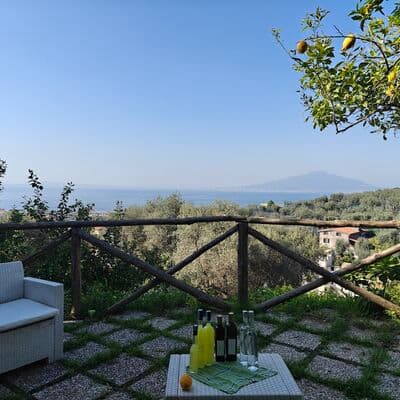
- Limoncello - from the Amalfi Coast
Fashion:
- Milan is the fashion capital - boutiques in the Quadrilatero della Moda
- Outlets: Serravalle (near Milan), The Mall (Tuscany), Castel Romano (Rome)
- Leather - Florence, Santa Croce area
Crafts:
- Glass - Murano
- Lace - Burano
- Ceramics - Deruta (Umbria), Vietri sul Mare (Amalfi)
- Paper - Amalfi, Florence
Tax Free
For purchases over EUR 154.94 at one store, non-EU residents can reclaim VAT (22%). Request a Tax Free form, get a refund at the airport (cash or card). Passport required.
Useful Apps
- Trenitalia and Italo - train tickets
- Moovit or Google Maps - city transport
- Free Now - taxis
- TheFork (LaFourchette) - restaurant reservations
- Musement or GetYourGuide - museum tickets
- Airalo - eSIM
- XE Currency - currency converter
- Google Translate - with offline Italian package
Insider Tips by City
Rome Secrets
The best gelato isn't near the tourist sights. Head to Fatamorgana in Trastevere or Prati for creative flavors made with natural ingredients. Giolitti near the Pantheon is historic but overpriced - locals go elsewhere. For pizza al taglio (by the slice), Bonci in Prati is legendary, while Trapizzino in Testaccio invented the triangular pizza pocket.
Skip the overpriced restaurants around Piazza Navona and the Vatican. Walk 10 minutes into Prati for better food at half the price. Testaccio neighborhood is where Romans actually eat - try Flavio al Velavevodetto or Da Felice for classic Roman cuisine.
The Vatican Museums are bearable on Wednesday mornings when many tourists attend the papal audience. Or book a night tour when the galleries are nearly empty and beautifully lit. The Friday night opening (certain seasons) is a local secret - wine and music among the masterpieces.
For the Colosseum, book the underground and arena floor tour - it's more expensive but includes areas most visitors never see. The Full Experience ticket with Forum and Palatine is valid for two days. Enter the Forum from Via dei Fori Imperiali (less crowded than the Colosseum entrance).
Trastevere transforms at night: the daytime tourist crowds give way to young Romans and the neighborhood becomes one of the city's best areas for aperitivo and nightlife. But for true local atmosphere, cross the river to Testaccio or head to San Lorenzo near the university.
Florence Hacks
The Uffizi has a lesser-known second entrance at Door 2 (Porta dei Leoni) that sometimes has shorter lines. Better yet, book the combined Uffizi-Pitti-Boboli pass - it works for five days and lets you skip lines at all three.
Avoid the restaurants immediately around the Duomo - they're tourist traps. Walk five minutes toward Sant'Ambrogio market for the real Florentine food scene. The Mercato Centrale upstairs food hall is touristy but quality; the ground floor market stalls are where locals shop.
For the best Florentine steak, skip the famous names and head to Buca Mario or Trattoria Sostanza (called 'il Troia' by locals). For lampredotto, find Mario at his cart near Sant'Ambrogio - the best in the city.
The Accademia is worth it for David, but you can see everything in 45 minutes. Don't waste time on the musical instruments collection unless you're genuinely interested. The Bargello museum has incredible sculptures with far fewer crowds.
Climb San Miniato al Monte instead of Piazzale Michelangelo - it's slightly higher, has the beautiful church, and far fewer people. Go for evening vespers when the monks chant Gregorian music.
Venice Survival Guide
Venice is small - you can walk from the train station to San Marco in 40 minutes. Don't take the vaporetto for everything; walking reveals the real city. But do take the vaporetto for the Grand Canal experience at least once - the No. 1 line is the scenic route.
The entrance fee (EUR 5-10 depending on season) for day visitors is now mandatory on busy days. If you're staying overnight in Venice, you're exempt - hotels register guests automatically.
Eat where Venetians eat: Cannaregio around the Ghetto, Castello near Via Garibaldi. Avoid anything with photos on the menu or touts outside. Cicchetti (Venetian tapas) at wine bars like Al Merca, Cantinone gia Schiavi, or All'Arco are the affordable local lunch.
Murano is worth the trip for glass, but skip the factory tours pushed by touts near San Marco - they get commissions. Take the vaporetto to Murano yourself and explore freely. Burano is magical but tiny - combine it with Torcello for a half-day trip.
Water taxis are ruinously expensive (EUR 60+ from the airport) but gondolas are even worse value (EUR 80-100 for 30 minutes). If you must gondola, share with other tourists at the traghetto crossings - EUR 2 to stand across the Grand Canal like a local.
Milan Efficiency
The Last Supper books out months in advance. If you can't get tickets, tour operators sometimes release cancellations. Or book a 'Last Supper and Milan walking tour' package - they have allocations when individual tickets are sold out.
The Duomo rooftop is worth the extra cost for elevator access - the stairs are 250 steps in the heat. Go at sunset when the pink marble glows. The Duomo itself is free but there's often a long line; the museum across the piazza is rarely crowded and includes rooftop access.
Aperitivo culture is strongest in Milan - from 6 PM to 9 PM, buying a drink (EUR 10-15) gets you access to food buffets. In Navigli and Brera, this is essentially a free dinner. The best spots change constantly; follow local Instagram accounts for current favorites.
For fashion shopping, Via Montenapoleone is for window shopping (or if money is no object). For actual deals, head to Corso Buenos Aires - Europe's longest shopping street - or take the train to Serravalle Designer Outlet.
Naples Street Smarts
Naples' reputation for crime is outdated but not wrong to acknowledge. Petty theft happens; don't flash expensive items, keep bags secure, and avoid deserted areas at night. That said, the centro storico is perfectly safe during the day and buzzing at night.
The pizza debate is fierce: Da Michele is famous but has brutal lines. Sorbillo is nearly as good with better seating. Local secret: Di Matteo for fried pizza and Starita in Materdei for classic Neapolitan away from tourists.
Naples is the best base for Pompeii (30 minutes by Circumvesuviana), Herculaneum (20 minutes), and the Amalfi Coast. Stay in Naples and day-trip rather than paying Amalfi prices. The Circumvesuviana train is ancient and crowded but functional - hold onto your belongings.
Don't miss the underground Naples tours - they reveal a completely different city beneath the chaos above. Napoli Sotterranea and the Catacombs of San Gennaro are both excellent.
Sicily Strategy
Sicily is bigger than you think - driving from Palermo to Syracuse takes 3 hours. Don't try to see everything in a week. Pick either the west (Palermo, Trapani, Agrigento) or the east (Catania, Syracuse, Taormina) for a focused trip.
Renting a car is almost essential in Sicily. Trains are slow and buses unreliable. But don't drive into Palermo or Catania historic centers - park outside and walk or use buses.
Taormina is beautiful but expensive and overcrowded in summer. Stay in Catania or Giardini Naxos and visit Taormina for a day. Syracuse is equally beautiful, more authentic, and half the price.
The street food in Palermo is legendary: arancini, panelle, sfincione, stigghiola. The Ballaro and Vucciria markets are chaotic, loud, and unforgettable. Don't be afraid to point and eat.
Day Trip Ideas
From Rome
Tivoli (45 min): Villa d'Este with Renaissance fountains and Villa Adriana (Hadrian's Villa) - ancient Roman engineering at its finest. Both are UNESCO sites. Combine them for a full day.
Orvieto (1 hour): Medieval hilltop town with a stunning Gothic cathedral. The underground city tour reveals Etruscan tunnels and medieval wells. Great wine region too.
Ostia Antica (30 min): Rome's ancient port, better preserved than Pompeii and far less crowded. You can explore for hours and have the place almost to yourself.
Castelli Romani (30-45 min): Hill towns south of Rome - Frascati for wine, Castel Gandolfo for the papal summer residence, Nemi for strawberries and a volcanic lake.
From Florence
Siena (1.5 hours): Medieval rival city with the shell-shaped Piazza del Campo. Time your visit for the Palio (July 2, August 16) if you can handle the crowds.
San Gimignano (1.5 hours): The 'Manhattan of the Middle Ages' with its medieval towers. Touristy but photogenic. Combine with a Chianti wine tour.
Lucca (1.5 hours): Perfectly preserved Renaissance walls you can walk or bike around. Less famous than Pisa, much more charming.
Pisa (1 hour): Everyone goes for the Leaning Tower, but the Piazza dei Miracoli ensemble is genuinely impressive. Half a day is enough.
Cinque Terre (2.5 hours): Technically closer from La Spezia, but doable from Florence. Five colorful villages on cliffs - start early, stay late.
From Venice
Verona (1 hour): Romeo and Juliet's city with a Roman arena hosting summer operas. Easy half-day trip, better as an overnight.
Padua (30 min): Giotto's frescoes in the Scrovegni Chapel alone justify the trip. The university town has great food and a fraction of Venice's prices.
Dolomites (2-3 hours): Cortina d'Ampezzo or Bolzano for mountain scenery. Best in summer for hiking or winter for skiing.
Prosecco Hills (1.5 hours): The UNESCO-listed wine region around Valdobbiadene. Rent a car and drive the wine roads.
From Milan
Lake Como (1 hour): Bellagio, Varenna, or Menaggio for lakeside beauty. Celebrity spotting at Villa d'Este in Cernobbio.
Bergamo (50 min): The upper city within Venetian walls is a medieval dream. Severely underrated.
Turin (1 hour): Egypt museum, car museum, elegant boulevards, and Piedmont cuisine. Better as an overnight.
Franciacorta (1.5 hours): Italy's answer to Champagne. Wine tours through rolling vineyards near Lake Iseo.
Special Interest Itineraries
Food and Wine Focus (14 days)
Days 1-3: Bologna and Emilia-Romagna
Start in Italy's culinary heart. Take a cooking class to learn fresh pasta. Visit a Parmigiano-Reggiano producer near Parma - watch the 4 AM milk delivery and the aging caves with thousands of wheels. Tour an acetaia for traditional balsamic (the real stuff, aged 12-25 years). Sample prosciutto di Parma at source. Dinner at Osteria Francescana if you can get a reservation (book months ahead) - Modena's three-Michelin-star restaurant.
Days 4-5: Piedmont
Base yourself in Alba or Bra for white truffle country (October-December). Even outside truffle season, the Langhe wine region produces Italy's greatest reds - Barolo and Barbaresco. Visit traditional wineries in Serralunga and Neive. Try tajarin pasta with butter and truffles, vitello tonnato, and bagna cauda. Stop at Eataly's original store in Turin.
Days 6-8: Tuscany
Wine tour through Chianti: Greve, Panzano (home of Dario Cecchini, the world's most famous butcher), Radda. Continue to Montalcino for Brunello tastings. In Florence, take a lampredotto tour through the historic markets. Learn about Florentine steak - where to eat it, why it must be Chianina beef, why anything under 1.2 kg isn't serious.
Days 9-10: Rome
Testaccio food tour: the neighborhood that invented Roman cuisine. Learn the four pastas: carbonara, cacio e pepe, amatriciana, gricia. Explore the kosher cooking of the Jewish Ghetto. Visit Campo de' Fiori market in the morning, before it becomes a tourist trap at noon.
Days 11-14: Campania and Puglia
Naples pizza pilgrimage: the birthplace of pizza deserves serious attention. Visit multiple pizzerias, learn the difference between marinara and margherita, understand why Neapolitan pizza is different. Take a cooking class for ragu napoletano. Continue to Puglia: learn to make orecchiette with the nonnas in Bari's old town, taste burrata at source, explore the olive oil mills of Salento.
Art and Architecture (10 days)
Days 1-2: Rome - Ancient and Baroque
Focus on chronological layers: the Roman Forum and Colosseum for ancient engineering, the Pantheon for revolutionary architecture (the unreinforced concrete dome stood for 2,000 years), Bernini's fountains and sculptures for Baroque drama. Caravaggio tour: find his works scattered across Roman churches, often free to view.
Days 3-4: Florence - Renaissance
Concentrate on the Renaissance explosion: Brunelleschi's dome that launched the era, Botticelli's Birth of Venus and Primavera at the Uffizi, Michelangelo's David at the Accademia. Visit Santa Croce for the tombs of Michelangelo, Galileo, and Machiavelli. The Bargello has sculptures without Uffizi crowds.
Days 5-6: Venice - Byzantine and Gothic
St. Mark's Basilica is the greatest Byzantine church outside Istanbul - time your visit for late afternoon when golden mosaics catch the light. The Doge's Palace represents Venetian Gothic at its most elaborate. The Accademia traces Venetian painting from Bellini through Titian to Tintoretto.
Days 7-8: Ravenna - Mosaics
The world's greatest Byzantine mosaics are not in Istanbul but here. San Vitale, Galla Placidia, Sant'Apollinare Nuovo - each represents a different era of mosaic art. Spend two full days; these masterpieces deserve slow contemplation.
Days 9-10: Milan - Modern
Leonardo's Last Supper is Renaissance, but Milan's real contribution is modern: the Triennale design museum, the Pirelli Tower (Italy's first skyscraper), Armani Silos fashion museum, the Fondazione Prada contemporary art complex. Architecture walking tour of rationalist and postmodern buildings.
Ancient History Focus (12 days)
Days 1-3: Rome
The Forum, Palatine, and Colosseum deserve at least two full days. Add the Baths of Caracalla, Trajan's Markets, the Pantheon. The Capitoline Museums have the original Marcus Aurelius statue and the Dying Gaul. Ostia Antica for a day trip - Rome's port city, less crowded than Pompeii.
Days 4-6: Bay of Naples
Pompeii needs a full day - arrive when it opens, bring water, wear comfortable shoes. Herculaneum is smaller but better preserved; the organic materials (wood, fabric, food) survived under the volcanic mud. Naples Archaeological Museum has everything removed from both sites. Optional: climb Vesuvius for crater views.
Days 7-9: Sicily
The Valley of the Temples at Agrigento is the best-preserved Greek temple complex outside Greece. Syracuse was more powerful than Athens - the archaeological park with its Greek theatre proves it. Segesta and Selinunte in western Sicily are less visited but equally impressive. The Villa Romana del Casale has the ancient world's best-preserved floor mosaics.
Days 10-12: Puglia
Less famous but fascinating: the Messapian ruins at Egnazia, the dolmens of Salento, and the museum at Taranto (second only to Naples for Greek artifacts). Matera adds prehistoric cave dwellings - humans lived here 9,000 years ago.
Traveling with Kids
Italy is surprisingly family-friendly despite its reputation for sophisticated adult pleasures. Children are welcomed everywhere, restaurants often have no formal kids' menu but will happily prepare simple pasta, and gelato is the universal peacemaker.
Rome with Kids: The Colosseum fascinates children who've learned about gladiators. The Bioparco (zoo) in Villa Borghese offers respite from monuments. Explora is a hands-on children's museum. Castel Sant'Angelo has passages and parapets to explore. Gladiator school programs let kids train like ancient warriors.
Florence with Kids: The Palazzo Vecchio has secret passages tours designed for families. The Stibbert Museum has suits of armor that capture young imaginations. Gelato-making classes exist for kids. The Boboli Gardens provide space to run around.
Venice with Kids: The city itself is a playground - no cars, bridges everywhere, boats instead of buses. Kids love the vaporetti. Murano glass-blowing demonstrations are mesmerizing for all ages. The Peggy Guggenheim Collection is manageable in size and has a sculpture garden.
Sicily with Kids: The beaches beat mainland Italy. The Etna cable car and crater walks (age 8+) are adventures. Puppet shows (opera dei pupi) are traditional entertainment. The ancient sites are more like outdoor exploration than stuffy museums.
Practical Tips: Italians eat late, but restaurants often open at 7 PM - early by Italian standards but manageable for children. Pack snacks for the afternoon closure (everything shuts 1-4 PM). Many museums are free for children under 18. High chairs exist but aren't universal; baby changing facilities are rare outside major attractions.
Romantic Italy
Italy invented romance - or at least perfected the marketing of it. But beyond the cliches, there are genuinely romantic experiences that don't require fighting through crowds.
Venice Beyond the Cliches: Skip the overpriced gondola ride and instead book a sunset aperitivo cruise with Venetian appetizers. Or take the vaporetto to Burano at golden hour when the colored houses glow. Stay on Giudecca island for views of San Marco without the crowds.
Tuscan Countryside: Rent a farmhouse in the Val d'Orcia or Chianti. Drive empty roads through cypress-lined hills. Have dinner at an agriturismo where the owner's grandmother cooks. Watch sunset from the walls of Pienza or Montepulciano with a glass of Brunello.
Amalfi Coast at Dusk: Ravello is the coast's romantic heart - the Villa Rufolo gardens have Wagner-worthy views. Stay overnight in Positano or Amalfi after the day-trippers leave. Book a private boat to secluded beaches. Dinner at a cliffside restaurant as lights twinkle along the coast.
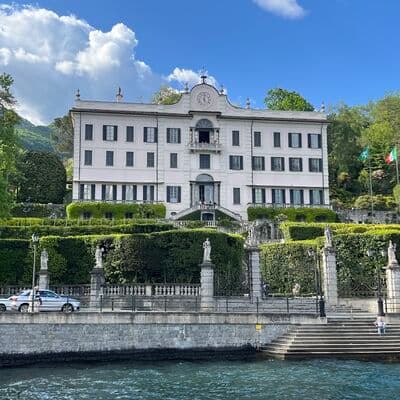
Lake Como Elegance: Varenna is quieter than Bellagio but equally beautiful. Take the ferry at sunset when the villas light up. Splurge on dinner at a lakefront restaurant. The gardens of Villa Carlotta are made for wandering hand in hand.
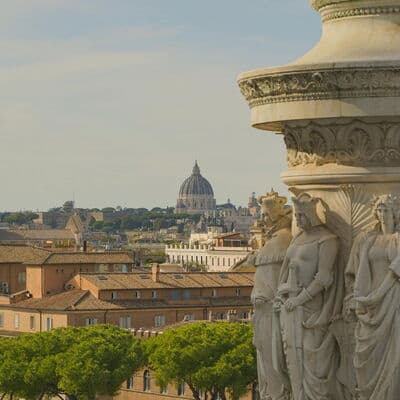
Rome After Hours: The Trevi Fountain at midnight, nearly empty. Trastevere's cobblestone alleys after the restaurants close. A rooftop bar overlooking the city lights. The Pincian Hill at sunset when the dome of St. Peter's turns gold.
Accessible Italy
Italy's historic cities present challenges for visitors with mobility issues, but accessibility is improving and many sites now offer alternatives.
Rome: The Vatican Museums have wheelchair routes and elevators, though crowds can make navigation difficult. The Colosseum has elevators to upper levels. St. Peter's Basilica is fully accessible. Many ancient sites (Forum, Palatine) have uneven terrain, but viewing platforms exist. The metro has elevators at some stations; check accessibility maps before traveling.
Florence: The Uffizi and Accademia are wheelchair accessible with advance notice. Palazzo Pitti has elevators. However, cobblestone streets and the Duomo's dome climb pose challenges. The city center is compact enough to navigate by wheelchair; some bridges have ramps.
Venice: Perhaps Italy's most challenging city for mobility - 400 bridges, most with steps. However, accessible routes exist: the city publishes maps showing bridge-free paths, and water taxis provide an alternative to vaporetti (which are partially accessible). The Doge's Palace has ramps and elevators.
General Tips: Contact museums in advance to arrange assistance. Many churches and historic buildings lack elevators but may allow vehicle access to courtyards. Italian trains have wheelchair spaces but require advance booking. Newer hotels must be accessible, but historic properties vary widely.
LGBTQ+ Travel
Italy is generally tolerant, particularly in major cities, though public displays of affection may attract attention in conservative areas and smaller towns. Same-sex civil unions are legal since 2016.
Rome has a visible gay scene centered on the Colosseum area (via di San Giovanni in Laterano) and Trastevere. Gay Street (Via S. Giovanni in Laterano) has the highest concentration of LGBTQ+ venues.
Milan is perhaps Italy's most progressive city for LGBTQ+ travelers, with a well-established scene in Porta Venezia neighborhood and excellent nightlife.
Bologna has a strong LGBTQ+ community, supported by the university's liberal atmosphere. Pride events are significant.
Florence is generally welcoming, though more reserved than Milan. The Oltrarno neighborhood has LGBTQ+ friendly bars.
Southern Italy and Sicily tend to be more conservative. Exercise discretion in smaller towns, though tourist areas are generally fine. Taormina has historically attracted LGBTQ+ visitors and has several gay-friendly establishments.
Sustainable Travel
Italy faces tourism pressures, particularly in Venice, the Cinque Terre, and Florence. Here's how to minimize your impact while maximizing your experience.
Overtourism Solutions: Visit in shoulder seasons (April-May, September-October). Stay overnight in crowded destinations rather than day-tripping - it spreads your economic benefit and lets you see cities without day-trip crowds. Choose less-famous alternatives: Bergamo instead of Milan, Padua instead of Venice, Lecce instead of Florence.
Transport Choices: Italy's train network makes car-free travel easy for most itineraries. High-speed trains between major cities are often faster than flying when you include airport time. For rural Tuscany or Sicily, consider electric car rental or e-bike tours.
Eating Responsibly: Support local food systems by eating at family-run trattorias rather than international chains. Visit local markets and buy seasonal produce. Italy's slow food movement started here - embrace it.
Accommodation: Choose locally owned hotels, B&Bs, or agriturismos over international chains. These funnel money directly into local communities. In Venice, consider staying on the mainland in Mestre and taking the train in - it's cheaper and reduces pressure on the fragile historic center.
Summary
Italy is a country you fall in love with, even if you arrive skeptical. It's impossible to remain indifferent here: the chaos of Italian life either irritates or enchants - most often both simultaneously.
For a first trip, the classic Rome-Florence-Venice route remains optimal: it's the quintessence of what people love about Italy. But don't be afraid to deviate from standards. The south - Naples, Puglia, Sicily - is another Italy, more chaotic, more authentic, more delicious. Smaller cities - Bergamo, Ravenna, Lecce, Matera - often make a bigger impression than overhyped tourist meccas.
Plan, but leave room for spontaneity. The best Italian experiences are the trattoria you found by accident where no one speaks English but the food makes you want to weep. It's the square in a small town where locals drink aperitivo. It's the sunset over the sea you didn't plan but will remember forever.
Learn at least basic Italian phrases. Italians appreciate the effort, even if your pronunciation is far from perfect. 'Buongiorno,' 'Grazie,' 'Scusi' - that's already enough to break the ice. Add 'Che bello!' (how beautiful!) and you're practically family.
Information current as of 2026. Verify visa requirements and prices before traveling.