Messina
Messina - Sicily's Gateway on the Strait
Messina is Sicily's third-largest city and the island's main gateway, located on the narrow strait separating Sicily from mainland Italy. A city with ancient history that has survived devastating earthquakes and World War II bombings, today it presents itself as a modern port city with a unique astronomical cathedral and stunning views of Calabria and the Strait of Messina.
History - From Greeks to Rebirth
Messina was founded by Greek colonists from Chalcis in the 8th century BC under the name Zancle (from the Sicilian word for "sickle" - describing the shape of the natural harbor). In the 5th century BC, the city was renamed Messana by settlers from Greek Messenia.
Its strategic position on the strait made Messina a coveted prize for conquerors: Carthaginians, Romans, Byzantines, Arabs, Normans - all ruled the city. Under the Normans (11th-12th centuries), Messina became one of the most important Mediterranean ports, a departure point for Crusaders.
The city suffered repeatedly from catastrophes. The plague of 1743 killed half the population. But the main ordeal was the earthquake of December 28, 1908 - one of the most destructive in European history. In 37 seconds, more than 80,000 people perished, and the city was virtually wiped off the map. The following tsunami completed the destruction.
The rebuilt Messina suffered again from Allied bombings in 1943. The city's modern appearance is the result of post-war reconstruction, combining functional architecture with restored historical monuments.
Cathedral and Astronomical Clock
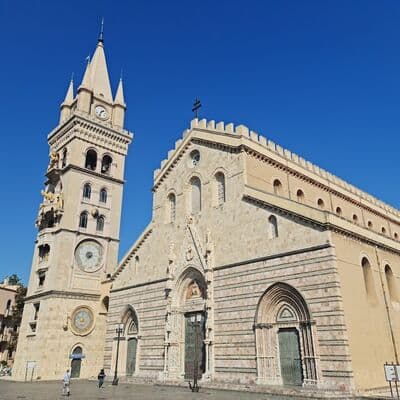
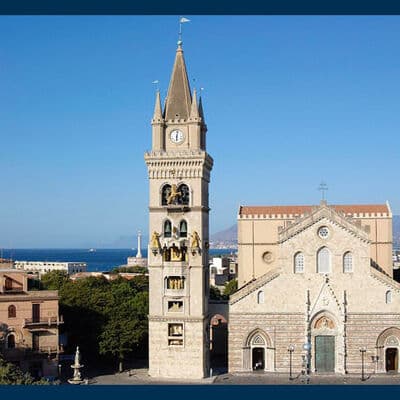
The Duomo di Messina is the city's main attraction, a 12th-century Norman cathedral destroyed by the 1908 earthquake and 1943 bombings but carefully restored. The facade combines Romanesque, Gothic, and Renaissance elements.
Bell Tower with Astronomical Clock
The Campanile is a 60-meter bell tower with the world's largest astronomical clock, created by the Strasbourg firm Ungerer in 1933. Every day at noon, the mechanism comes to life: figures of a lion, rooster, angels, and biblical characters perform an elaborate show to the sound of bells. Thousands of tourists gather in the square to witness this 15-minute spectacle.
Cathedral Interior
Inside the cathedral are Byzantine-style mosaics (restored), a wooden ceiling, and works by Antonello Gagini and other Sicilian masters. The treasury holds the golden Manta - a precious covering for the statue of Madonna della Lettera, patroness of Messina.
Orion Fountain
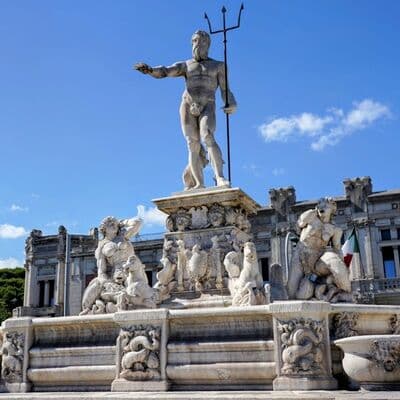
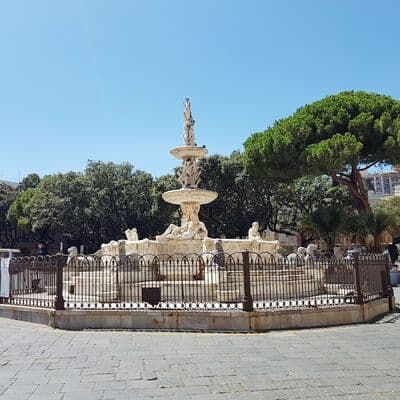
The Fontana di Orione is a Renaissance masterpiece by Giovanni Angelo Montorsoli (1547), a student of Michelangelo. The fountain depicts the mythological hunter Orion, legendary founder of Messina, surrounded by river deities and sea creatures.
Historical Attractions
Church of Annunziata dei Catalani
The Chiesa della Santissima Annunziata dei Catalani is a rare example of 12th-century Arab-Norman architecture that miraculously survived the 1908 earthquake. The church stands below the modern street level, giving an idea of what medieval Messina looked like. An interesting mix of Norman, Byzantine, and Arab elements.
Regional Museum
The Museo Regionale di Messina houses one of Sicily's most important art collections. The main masterpieces: "Raising of Lazarus" and "Adoration of the Shepherds" by Caravaggio (created in Messina in 1609), as well as works by Antonello da Messina - Sicily's greatest 15th-century painter.
Sanctuary of Madonna di Montalto
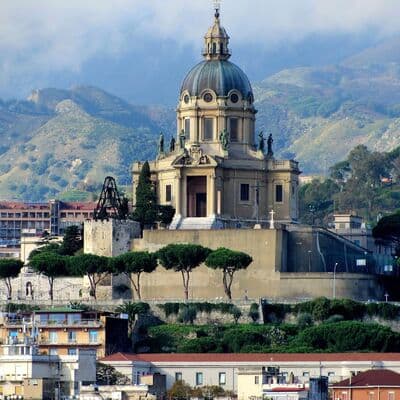
The Santuario della Madonna di Montalto is a church on a hill above the city with the best panorama of Messina, the strait, and Calabria. Here, according to legend, the Virgin Mary appeared to the inhabitants during the siege of the city in 1282.
Fort San Salvatore
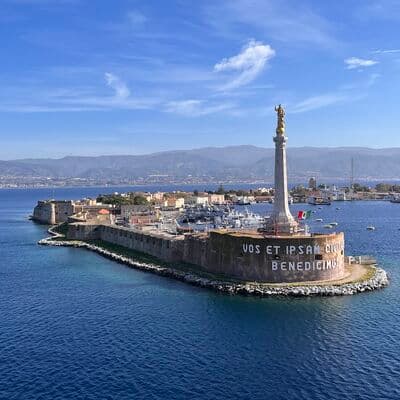
The Forte San Salvatore is a 16th-century Spanish fortress on a promontory at the harbor entrance. On its summit stands a column with a statue of Madonna della Lettera (60 m), blessing ships. The inscription "Vos et ipsam civitatem benedicimus" ("We bless you and your city") is the legendary message from the Virgin Mary to the people of Messina.
Strait of Messina
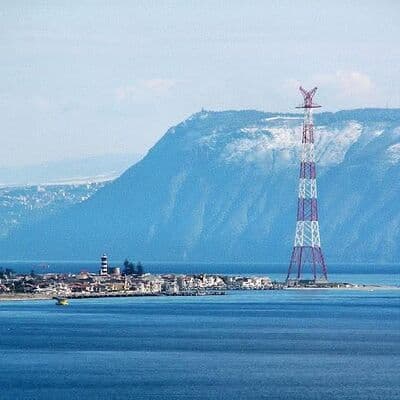
The Stretto di Messina is a narrow strait (3-16 km) separating Sicily from Calabria. This is the place of ancient myths about Scylla and Charybdis - monsters that threatened Odysseus's ships.
Ferry Service
Ferries by Caronte & Tourist, Blu Jet, and others run between Messina and Villa San Giovanni (20 minutes) or Reggio di Calabria (35 minutes) around the clock. This is the main route for cars and trains to Sicily. The crossing itself is an adventure with views of both shores.
Bridge Project
For decades, construction of a bridge across the strait has been discussed - it would be the world's longest suspension bridge (3.3 km). The project is periodically revived and frozen for economic and environmental reasons.
Gastronomy
Messina's cuisine reflects its maritime position and Calabrian influence.
Swordfish
Pesce spada is the symbol of Messina's cuisine. Here it's prepared in dozens of ways: grilled, involtini (rolls), carpaccio, with capers and olives (ghiotta). Traditional swordfish hunting on felucca boats is a sight worth seeing.
Other Dishes
Pasta 'ncasciata - baked pasta with meat ragù, eggplant, and cheese. Focaccia messinese - flatbread with tomatoes, anchovies, cheese, and vegetables. Granita with brioche - the obligatory Sicilian breakfast. Pignolata - traditional dessert of dough balls with glaze.
Around Messina
Tindari
70 km from Messina is the ancient Greek city of Tyndaris with a 4th-century BC theater and the Sanctuary of the Black Madonna. Nearby are the scenic Marinello Lakes, formed by sand bars.
Aeolian Islands
From Messina (Milazzo port, 40 km), ferries and hydrofoils depart to the Aeolian Islands - a UNESCO volcanic archipelago: Lipari, Vulcano, Stromboli, Salina, and others.
Taormina
The pearl of Sicilian tourism is just 50 km south of Messina. Greek theater, medieval streets, views of Etna.
Practical Information
Getting There
Reggio di Calabria airport on the mainland (25 km + ferry) or Catania airport (100 km). Most travelers arrive by ferry from Villa San Giovanni or by train (rail cars are transported on ferries). Buses connect Messina with Palermo (3 hours), Catania (1.5 hours), Taormina (1 hour).
Getting Around
The historic center is compact and convenient for walking. The tram connects the center with peripheral districts and the ferry terminal. A rental car is convenient for trips to the surroundings.
When to Visit
The best time is spring and autumn. Summer is hot but the sea breeze softens the heat. Winter is mild with rare rains. August 15 is the Assumption festival with the grand Vara procession.
How Long to Stay
One day is enough to see the city. Messina often serves as a transit point on the way to other Sicilian cities or the Aeolian Islands.
Related Destinations
- Taormina - 1 hour, pearl of Sicily with Greek theater
- Catania - 1.5 hours, city at the foot of Etna
- Aeolian Islands - ferry from Milazzo, volcanic archipelago
- Palermo - 3 hours, capital of Sicily
- Reggio Calabria - 35-minute ferry, Riace Bronzes
- Syracuse - 2.5 hours, city of Archimedes