Naples
Naples - The Gem of Southern Italy at the Foot of Vesuvius
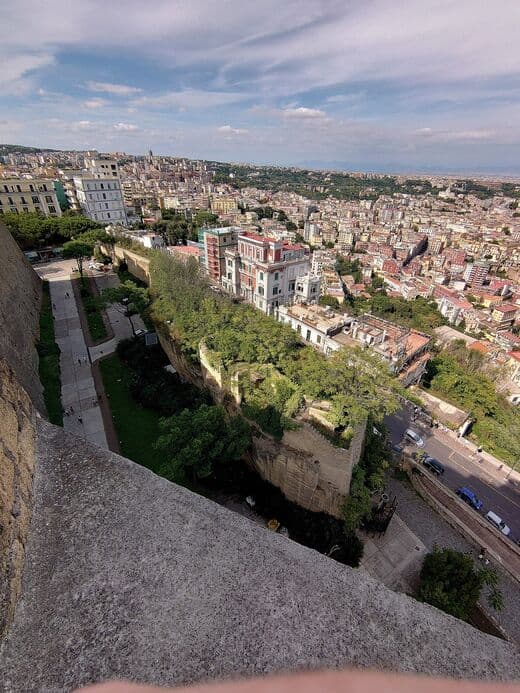
Naples is Italy's third-largest city and capital of the Campania region, sprawling along the picturesque Bay of Naples in the shadow of legendary Mount Vesuvius. This is a city of contrasts, where ancient ruins stand alongside Baroque churches, and the narrow alleys of Spaccanapoli preserve the spirit of old Italy. Naples is the birthplace of pizza and Neapolitan song, a city with a character impossible to mistake for anywhere else. Its historic center, a UNESCO World Heritage Site, is a living open-air museum.
History of Naples: From Greek Colony to Kingdom Capital
Naples' history spans nearly three millennia. The city was founded by Greek colonists in the 8th century BC as Parthenope, later renamed Neapolis (New City). Under the Roman Empire, Naples became a favorite retreat for patricians, drawn by the mild climate and beauty of the bay.
After Rome's fall, the city passed from one conqueror to another: Byzantines, Normans, Hohenstaufen, Angevin and Aragonese dynasties all left their mark on its architecture and culture. In 1282, Naples became capital of the Kingdom of Naples, and by the 18th century was Europe's third most populous city after London and Paris. The Bourbons transformed it into a brilliant capital with magnificent palaces, theaters, and museums.
After Italian unification in 1861, Naples lost its capital status but retained its unique cultural heritage. Today it remains a vibrant, energetic city where past and present intertwine in an inimitable dance.
Vesuvius and Pompeii - Memory of Catastrophe
Vesuvius - mainland Europe's only active volcano - rises 1,281 meters above the Bay of Naples. The famous eruption of 79 AD destroyed the Roman cities of Pompeii, Herculaneum, and Stabiae, burying them under layers of ash and pumice. Paradoxically, this catastrophe preserved for us unique evidence of ancient life.
Pompeii is the world's largest open-air archaeological park. Here you can walk the streets of a Roman city, see houses with frescoes and mosaics, baths, the forum, an amphitheater, and the famous lupanare. Plaster casts of the victims - humans and animals - make an indelible impression.
Herculaneum is smaller but better preserved thanks to volcanic mud that even conserved wooden structures, fabrics, and food. Two-story houses, baths with original mosaics, and a unique library of papyrus scrolls survive here.
Climbing Vesuvius is possible from the crater station (1,000 m). The final stretch (about 30 minutes on foot) offers stunning views of the bay, and at the crater's edge you can see fumaroles - vents releasing volcanic gases.
Naples Historic Center
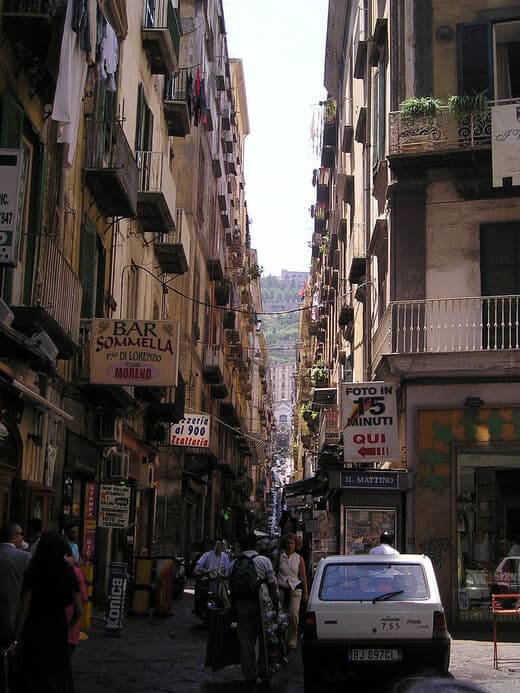
Spaccanapoli is the narrow straight street that literally 'splits' the old town in half. This is the heart of the historic center, where ancient churches, aristocratic palaces, and traditional workshops cluster together. The street follows the ancient Greek decumanus and preserves street planning two thousand years old.
The Gesù Nuovo Church with its unusual volcanic stone facade featuring diamond-point rustication is one of the city's main Baroque temples. Nearby stands the 14th-century Gothic Basilica of Santa Chiara with its famous Cloister of the Clarisses (Chiostro delle Clarisse), decorated with majolica tiles depicting pastoral scenes.
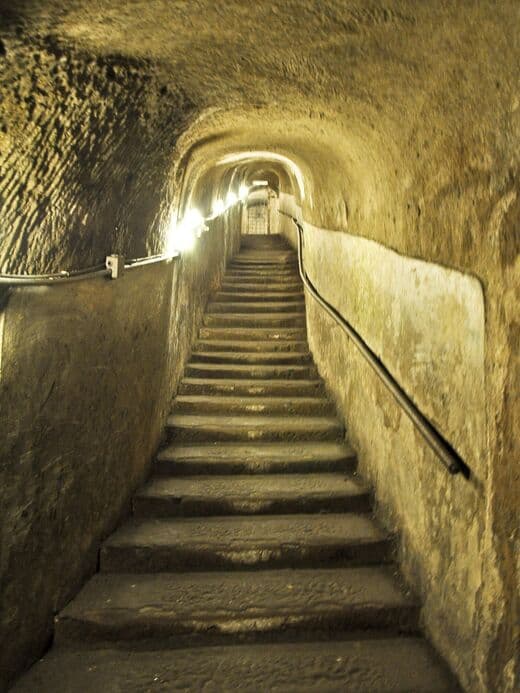
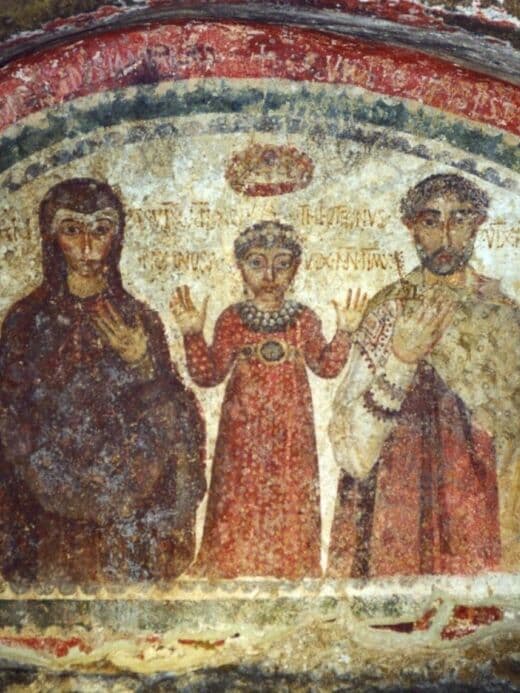
Underground Naples (Napoli Sotterranea) is a network of tunnels, cisterns, and catacombs carved into tuff rock up to 40 meters deep. Greeks quarried stone here for construction, Romans built aqueducts, and during World War II citizens sheltered from bombing. Tours begin from Piazza San Gaetano.
Royal Palaces and Castles
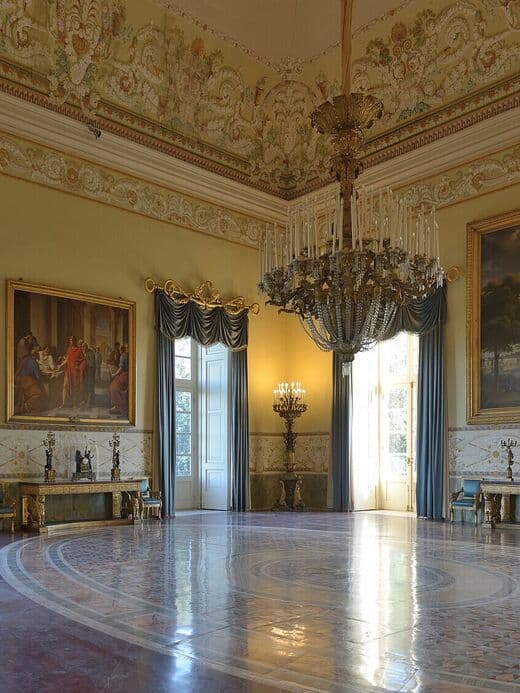
The Royal Palace (Palazzo Reale) on Piazza del Plebiscito served as the residence of Neapolitan kings from the 17th century. State rooms with frescoes and tapestries, the court theater, and royal chapel are open to visitors. The terrace offers views of the Church of San Francesco di Paola - a neoclassical rotunda modeled on Rome's Pantheon.
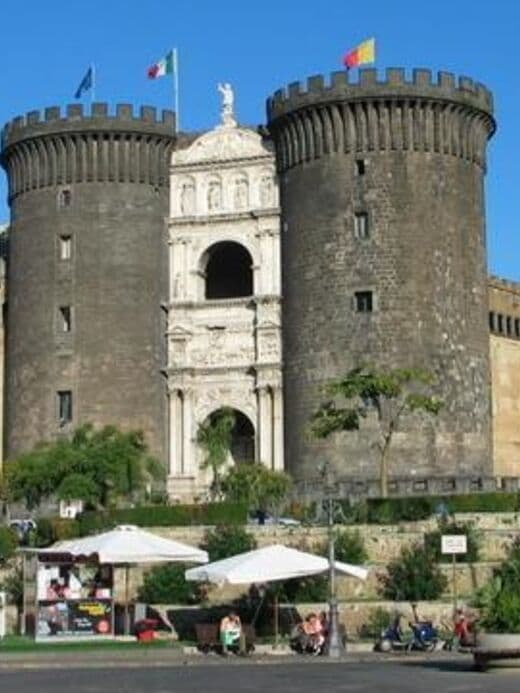
Castel Nuovo (Maschio Angioino) is a massive 13th-century fortress with five round towers. Between two towers is wedged an elegant marble Triumphal Arch - an early Renaissance masterpiece. Today the castle houses the Civic Museum with painting and sculpture collections.
Castel dell'Ovo (Egg Castle) is Naples' oldest fortress, on the island of Megaride connected to the waterfront by a causeway. Legend says a magical egg is buried beneath the castle, upon whose integrity the city's fate depends. Entry is free, and the terraces offer magnificent bay views.
The Capodimonte Palace is a former royal hunting residence on a hill with a vast park. Today it houses one of Italy's largest museums, with masterpieces by Caravaggio, Titian, Raphael, Botticelli, and a unique Farnese art collection.
Museums of Naples
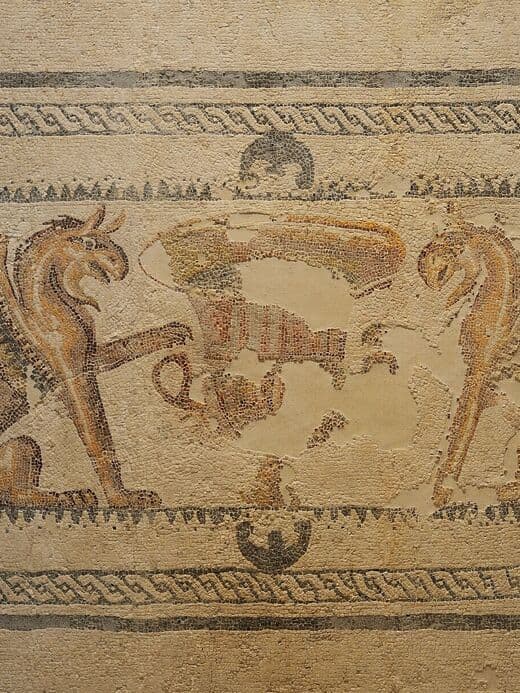
The National Archaeological Museum (MANN) is one of the world's most important archaeological museums. It holds finds from Pompeii and Herculaneum: frescoes, mosaics (including the famous 'Battle of Issus'), bronze sculptures, and everyday objects. A separate hall is dedicated to ancient erotic art - the famous 'Secret Cabinet.'
The Capodimonte Museum combines the National Gallery with works by Italian and European masters, a porcelain collection, and Bourbon royal apartments. Caravaggio is represented by seven works, including 'The Flagellation of Christ' and 'Judith Beheading Holofernes.'
MADRE (Museum of Contemporary Art) in the historic Palazzo Donnaregina presents works by contemporary artists: Andy Warhol, Anish Kapoor, Jeff Koons. The permanent collection includes site-specific installations in historic interiors.
Churches and Chapels
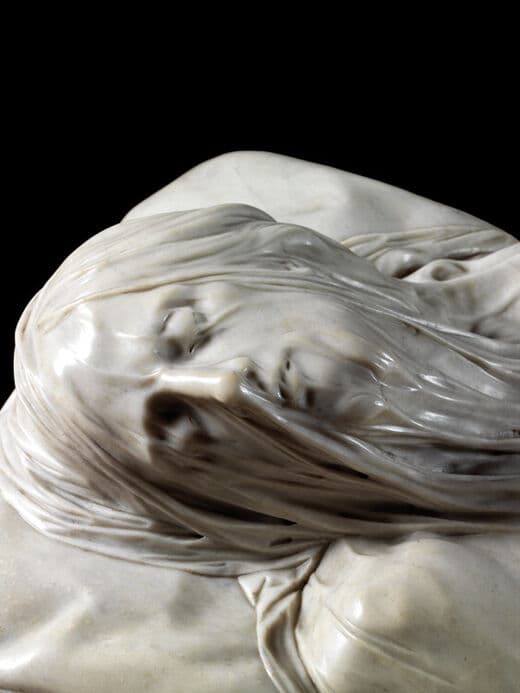
The Sansevero Chapel is a small private chapel that has become one of Naples' main attractions thanks to the 'Veiled Christ' (Cristo Velato) sculpture by Giuseppe Sanmartino (1753). The marble veil covering Christ's body is stunningly realistic - the fabric seems about to lift with breath. In the crypt are mysterious 'anatomical machines' - skeletons with preserved circulatory systems.
The Cathedral (Duomo di San Gennaro) holds the relics of Saint Januarius, Naples' patron. Twice yearly (in May and September) the miracle of the blood's liquefaction occurs - an event drawing thousands of believers. If the blood fails to liquefy, it's considered a bad omen for the city.
The Santa Chiara complex includes the Gothic basilica, Angevin dynasty royal tombs, and the magnificent Cloister of the Clarisses - an 18th-century covered gallery with columns clad in bright majolica depicting flowers, fruits, and rural scenes.
Neapolitan Pizza - World Heritage
Naples is pizza's birthplace, and in 2017 the art of Neapolitan pizzaiuoli was inscribed on UNESCO's Intangible Cultural Heritage list. Traditional Neapolitan pizza is made from special dough (type 00 flour, water, salt, yeast), rested at least 24 hours, and baked in a wood-fired oven at 485°C for 60-90 seconds.
Margherita is the classic - tomato sauce, fior di latte mozzarella, and basil, symbolizing the Italian flag's colors. Legend says pizzaiolo Raffaele Esposito created it in 1889 in honor of Queen Margherita of Savoy.
Marinara is the oldest pizza: only tomatoes, garlic, oregano, and olive oil, without cheese. Named for the fishermen (marinai) who took it to sea.
Legendary pizzerias: Da Michele (operating since 1870, only two types of pizza), Sorbillo (family tradition since 1935), Di Matteo (Bill Clinton's favorite), Starita (featured in 'The Gold of Naples' with Sophia Loren).
Neapolitan Cuisine
Beyond pizza, Neapolitan cuisine boasts many dishes:
- Spaghetti alle vongole - pasta with clams in white wine, garlic, and parsley sauce
- Ragù napoletano - meat sauce simmered 6-8 hours, a traditional Sunday dish
- Parmigiana di melanzane - eggplant casserole with tomatoes, mozzarella, and Parmesan
- Frittura di paranza - assorted small fish deep-fried
- Mozzarella di bufala - fresh cheese from water buffalo milk, raised nearby
- Sfogliatella - crispy layered pastry with ricotta, a symbol of Neapolitan confectionery
- Babà al rum - yeast cake soaked in rum syrup
Neapolitan coffee is a distinct culture. It's made strong and sweet in a traditional 'cuccumella' pot. Caffè sospeso (suspended coffee) is a beautiful tradition: paying for two cups so a stranger gets the second one.
Amalfi Coast and Islands
From Naples, the most scenic spots of Campania are easily accessible:
The Amalfi Coast - 50 kilometers of winding roads clinging to cliffs above turquoise waters. Positano with its cascading white houses, Amalfi with its grand cathedral, Ravello with Villa Cimbrone's gardens - each town is unique.
Capri Island - the Bay of Naples' jewel with the Blue Grotto, Tiberius' villas, the Faraglioni rocks, and an exquisite dolce vita atmosphere. The ferry from Beverello takes 50-80 minutes.
Ischia Island - the bay's largest, famous for thermal springs and the Aragonese Castle. Procida - a small authentic island recently named Italy's cultural capital.
Sorrento - a cliff-top resort town with views of Vesuvius, known for limoncello production and as a departure point for exploring the coast.
Practical Information
Getting there: Capodichino International Airport (NAP) is 7 km from the center. The Alibus reaches the central station and port for 5 euros (20-30 minutes). Frecciarossa and Italo trains connect Naples with Rome (1 hour 10 minutes), Florence (3 hours), and Milan (4.5 hours).
Transportation: The metro (Line 1 is one of the world's most beautiful, with art stations) and buses cover the city. A day pass is 4.50 euros. To reach Pompeii, take the Circumvesuviana suburban train from Garibaldi station (about 30 minutes, stop at Pompei Scavi).
When to visit: The best times are spring (April-June) and autumn (September-October), with comfortable temperatures and fewer tourists. Summer is hot and crowded. December is attractive for Christmas traditions and the famous Neapolitan nativity scenes (presepi) on Via San Gregorio Armeno.
Safety and Tips
Naples has a reputation for being rough, but with reasonable caution there are no problems. Watch your belongings in crowds and on transport, don't display expensive electronics, avoid dark alleys at night. The Spanish Quarters (Quartieri Spagnoli) are safe and colorful by day; stick to lit streets in the evening.
Museum tickets: Online booking recommended for the Archaeological Museum and Capodimonte. For Pompeii and Herculaneum, advance tickets are also advisable. The Campania Artecard (32-34 euros for 3 days) includes museum entry and transport.
Via San Gregorio Armeno is 'Christmas Street,' selling traditional nativity figures and souvenirs year-round. Nearby are churches, archaeological sites, and typical Neapolitan atmosphere.
Related Destinations
Continue your Italian journey: Rome is just over an hour by high-speed train - a perfect combination for a trip. To the north await Florence with its Renaissance treasures and romantic Venice. For history lovers - Palermo in Sicily with its Arab-Norman heritage.