Matera
Matera 2026: What You Need to Know
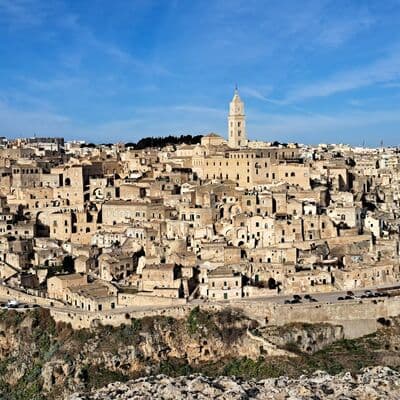
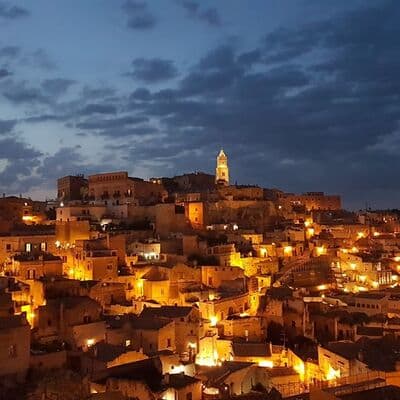
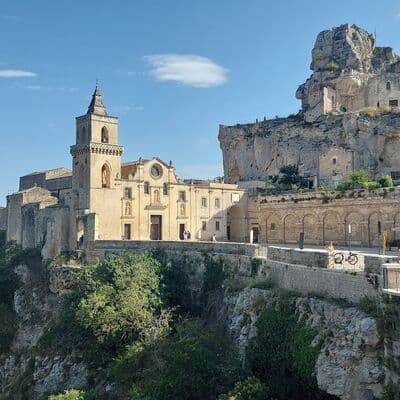
Matera is a city carved into rock. Standing on the edge of the Gravina gorge and looking out over thousands of cave dwellings stacked on top of each other, you feel like you have stepped onto a film set from biblical times. That is not a coincidence - Mel Gibson chose this exact location for 'The Passion of the Christ', and the Bond franchise came here for 'No Time to Die'. A city that in the 1950s was called 'the shame of Italy' for its cave-dwelling poverty is now a UNESCO World Heritage Site and was the European Capital of Culture in 2019.
In short: Matera is worth visiting for the Sassi - ancient cave quarters carved into limestone cliffs. Sleep in a cave hotel, explore rock-hewn churches with frescoes dating back to the 8th century, descend into the Palombaro Lungo underground cistern, and hike across the Gravina gorge. Two to three days is enough for Matera proper, but a full week lets you explore the wider Basilicata region.
This city is for travelers looking for something completely unlike typical Italy. There are no grand piazzas of Rome or canals of Venice here - instead, there is a landscape that has been continuously inhabited for roughly 9,000 years. Honestly, Matera is small and compact; you can cover the main sights in a day and a half. But the atmosphere is the kind that makes you want to linger - just sitting on stone steps watching golden sunset light wash over the ancient facades.
Neighborhoods: Where to Stay
Sasso Barisano - the heart of the cave city
The larger and more developed of the two Sassi quarters. This is where you will find the best cave hotels, restaurants, and artisan shops. The neighborhood faces northwest and sits closer to the main Piazza Vittorio Veneto. A labyrinth of stairways, narrow alleys, and terraces - getting lost here is the best thing that can happen to you.
Pros: widest selection of cave hotels, convenient access to restaurants and the upper town, atmospheric at every turn
Cons: the most touristy area, higher prices, can be noisy from restaurants in the evening
Prices: $$-$$$ (cave B&Bs from EUR 80 / USD 85, boutique cave hotels EUR 150-300 / USD 160-320)
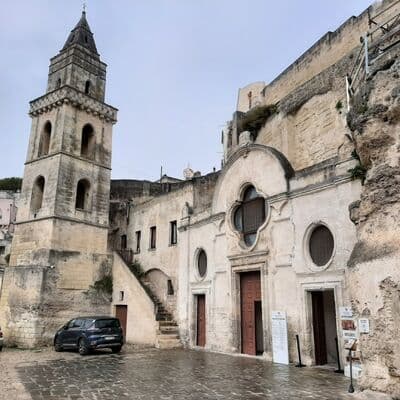
Nearby: Church of San Pietro Barisano, MUSMA, Palombaro Lungo
Sasso Caveoso - authentic and quiet
The second cave quarter, facing southeast toward the Gravina gorge. Caveoso is less commercialized, with fewer restaurants but more of that raw, 'real Matera' feel. The alleys are narrower and steeper, the stairways seemingly endless. The best views of the gorge and the cave churches on the opposite cliff face are from here. This is where Gibson filmed scenes for 'The Passion of the Christ'.
Pros: authentic atmosphere, best views of the Gravina gorge, quieter, slightly cheaper
Cons: steep climbs, fewer restaurants nearby, darker in the evenings
Prices: $$ (B&Bs from EUR 60 / USD 65, cave rooms from EUR 100 / USD 107)
Nearby: Church of San Pietro Caveoso, Church of Santa Maria de Idris, Casa Grotta di Vico Solitario
Piano - the upper town
The district above the Sassi, centered around Piazza Vittorio Veneto. This is the 'normal' part of Matera - shops, bars, pizzerias, and everyday Italian life. Descents into both Sassi quarters start from here. It is also the main transport hub, with the bus station and parking areas nearby. The vibe is pleasant Italian provincial town - nice, but without the wow factor of the caves below.
Pros: convenient logistics, supermarkets, regular shops, flat surfaces (your knees will thank you)
Cons: no cave atmosphere, less photogenic
Prices: $ (standard hotels from EUR 50 / USD 54, B&Bs from EUR 40 / USD 43)
Civita - the crown between the Sassi
The highest part of the old town, home to the Matera Cathedral. This ridge connects the two Sassi quarters and sits like a crown on top of the rock. Narrow streets, white facades, panoramic terraces. Few restaurants up here, but the trade-off is quiet evenings and stunning views over both Sassi simultaneously.
Pros: best panoramic views, the historic core, peaceful
Cons: the climb up is tiring, limited dining and shopping options
Prices: $$ (rooms in historic palazzi from EUR 90 / USD 96)
Station area / Via Lucana
The modern part of town stretching along Via Lucana from the Matera Centrale train station to the old center. This is where locals actually live. Pharmacies, banks, supermarkets - all the everyday infrastructure. Hotels are cheaper, but it is a 10-15 minute walk to the Sassi. A solid choice for budget travelers and anyone arriving by train who wants to drop bags quickly.
Pros: affordable, convenient for train arrivals, supermarkets nearby
Cons: no historic atmosphere, a walk to the Sassi
Prices: $ (hotels from EUR 35 / USD 38, hostels from EUR 20 / USD 22)
Murgia Materana - for nature lovers
The opposite side of the Gravina gorge, part of the Murgia Materana regional park. This is where you will find the Belvedere Murgia Timone viewpoint with the iconic panorama of Matera. Almost no hotels out here - this is hiking and photography territory. However, a handful of agriturismi (farm stays) in the surrounding countryside offer rooms for EUR 40-70 / USD 43-75 with views that no Sassi hotel can match.
Pros: nature, silence, the single best view of the city
Cons: you need a car, far from restaurants and shops
Prices: $ (agriturismi from EUR 40 / USD 43)
Best Time to Visit
Best months: April through June and September through October. Spring in Basilicata is gorgeous - 64-77 F (18-25 C), green hills, wildflowers, long days. Autumn is warm and dry with fewer tourists, and the light for photography turns soft and golden. September is the sweet spot balancing temperature, crowd levels, and atmosphere.
July and August: hot. Seriously hot - 95-104 F (35-40 C), and the entire city is stone that absorbs and radiates heat. The Sassi become a stone oven. Plan your walking for before 11 AM and after 6 PM; spend the midday hours in air-conditioned cave museums or your hotel room. The upside is that evenings come alive: festivals, concerts in caves, open-air cinema screenings.
November through March: low season. Temperatures hover around 41-54 F (5-12 C), with occasional rain but nothing constant. The reward is having the city almost to yourself - walking the Sassi in solitude is priceless. The Christmas period (mid-December) brings the Presepe Vivente (Living Nativity) in the Sassi, where dozens of caves are transformed with actors in biblical costumes, working artisans, and live animals. It is a genuinely unique experience.
Key festivals and events:
- July 2 - Festa della Bruna: Matera's biggest celebration. A procession carries an enormous papier-mache float (Carro Trionfale) through the streets, and at the climax the crowd tears it apart. Chaotic and unforgettable. Book accommodation 2-3 months in advance.
- December-January - Presepe Vivente: the Living Nativity in the Sassi caves. Actors, artisans, live animals - an immersive biblical scene spread across multiple caves.
- April-May - Easter processions: solemn religious processions through the old town streets, deeply atmospheric in this setting.
- Summer - Gezziamoci Jazz Festival, Women's Fiction Festival, cave cinema screenings.
When is it cheapest: November through March (excluding the Christmas-New Year period). Cave hotels drop to EUR 50-60 / USD 54-65, restaurants are half-empty, and you will not wait in line for a single attraction.
Itinerary: 3 to 7 Days
Matera in 3 days: the essentials
Day 1: Sasso Barisano and getting your bearings
9:00-10:00 - Start at Piazza Vittorio Veneto. Grab a coffee at one of the bars lining the square (EUR 1.20 / USD 1.30 for an espresso at the counter - remember, standing at the bar is always cheaper than sitting at a table in Italy). From here you get your first dramatic view down into the Sassi.
10:00-11:30 - Palombaro Lungo - a massive underground cistern directly beneath the piazza. Enter through the tourist office (EUR 5 / USD 5.40). This is a staggering feat of engineering: a giant reservoir carved from solid rock that once supplied water to the entire city. The guided visit takes 30-40 minutes.
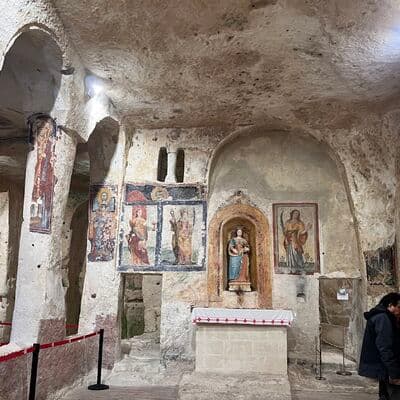
11:30-13:00 - Descend into Sasso Barisano via Via d'Addozio. Take your time - every turn reveals a new vista. Visit the Church of San Pietro Barisano, the largest rock church in Matera. Beneath the church are underground passages and crypts (included in the combined ticket: EUR 7 / USD 7.50 for 3 rock churches).
13:00-14:30 - Lunch in the Sassi. Look for trattorias tucked into side alleys, away from the main stairways. Try orecchiette (ear-shaped pasta) with cime di rapa (turnip greens) or with a slow-cooked ragu.
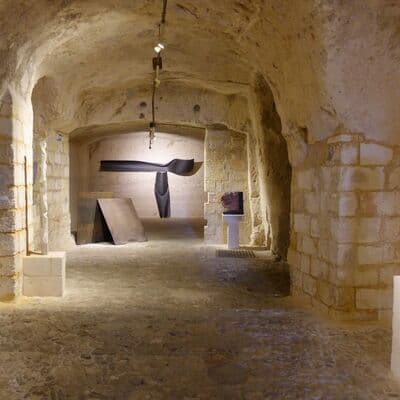
15:00-17:00 - Casa Noha (managed by FAI, Italy's National Trust equivalent) - an immersive multimedia presentation about Matera's history housed in a former aristocratic residence. Engaging and well-paced, about 45 minutes. Then head to MUSMA - the Museum of Contemporary Sculpture set inside the caves of Palazzo Pomarici. Contemporary art inside ancient caves creates a striking contrast.
18:00-20:00 - Sunset. Best spots: the viewing terrace near Church of San Pietro Caveoso, or the terraces along Via Bruno Buozzi. When the lights come on across the Sassi, it becomes one of the most beautiful urban views in Italy.
20:30 - Dinner in Civita or the upper town. Order peperone crusco (fried dried sweet pepper) - the signature ingredient of Basilicata cuisine.
Day 2: Sasso Caveoso and the Gravina gorge
9:00-10:30 - Church of Santa Maria de Idris, carved directly into the rock of Monte Errone at its summit. Inside are frescoes from the 12th to 17th centuries. The views from the entrance platform are among the finest in the city.
10:30-11:30 - Church of Santa Lucia alle Malve, the first Benedictine convent for women in Matera (8th-9th century). The frescoes in the rock niches are the oldest in the city.
11:30-12:30 - Casa Grotta di Vico Solitario - a reconstructed cave dwelling showing how families (along with their livestock!) lived in a single cave until the 1950s. Eye-opening and sobering.
12:30-14:00 - Lunch in the Caveoso area. Less touristy restaurants with views over the gorge.
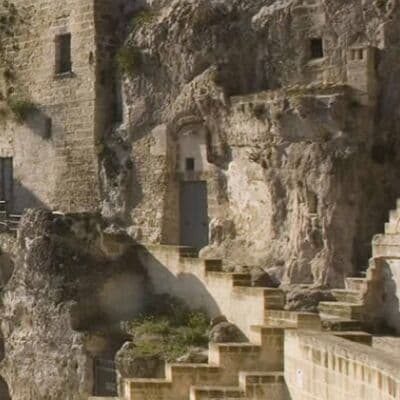
14:30-17:30 - Hike across the Gravina gorge. Descend from San Pietro Caveoso along the trail to the ancient Ponticello bridge (a Roman-era road). Cross to the other side and walk to Belvedere Murgia Timone - the famous viewpoint with the panorama of the entire city. Along the way, you will pass cave churches carved into the cliff face (frescoes from the 8th-13th centuries, free entry). The trail is about 3-4 miles (5-6 km), moderate difficulty. Bring water and wear proper walking shoes.
18:00 - Back in town. Aperitivo on Piazza Vittorio Veneto or on a Sassi terrace. An Aperol spritz runs about EUR 5-7 / USD 5.50-7.50.
20:30 - Dinner. Order agnello alla materana (Matera-style roast lamb) and a glass of Aglianico del Vulture, the powerful local red wine.
Day 3: The Crypt and the Cathedral
9:00-11:00 - Crypt of the Original Sin, about 9 miles (14 km) outside town. Called the 'Sistine Chapel of cave art', it contains astonishingly well-preserved 8th-9th century frescoes. You must book online in advance - groups are small (up to 25 people) and time slots fill up. In high season, book 2-3 weeks ahead. Taxi or transfer: EUR 15-20 / USD 16-22 each way.
11:30-13:00 - Return to town and explore what you missed. Browse the artisan workshops - look for the cucu, a clay rooster-shaped whistle that is the symbol of Matera. Handmade ones start at EUR 5 / USD 5.40. Also pick up a vacuum-sealed packet of peperoni cruschi (EUR 3-5 / USD 3.20-5.40) - the best food souvenir.
13:00-14:30 - Final lunch: focaccia materana (thicker and softer than the Roman style, topped with cherry tomatoes and olives) from an old-town bakery, EUR 2.50-4 / USD 2.70-4.30.
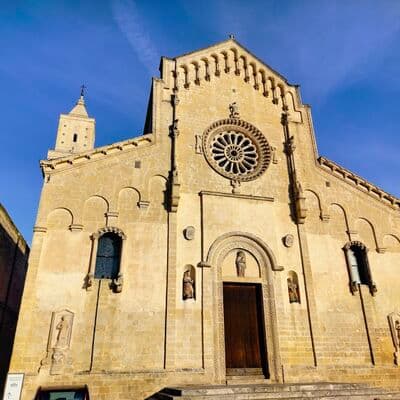
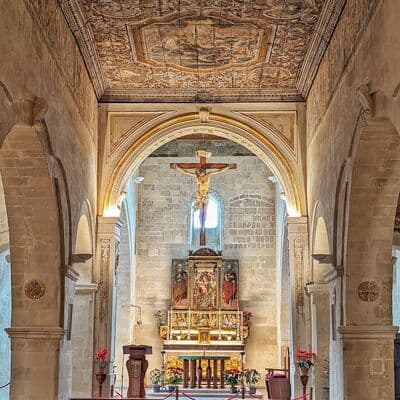
15:00-17:00 - Matera Cathedral in Civita - a 13th-century Romanesque cathedral sitting on the highest point of the old town. Inside: a Last Judgment fresco and the Byzantine icon of the Madonna della Bruna. The piazza in front offers panoramic views over both Sassi.
17:00-18:30 - Free time for photography. The late-afternoon light in Matera is extraordinary. Especially beautiful along Via Madonna delle Virtu and the steps around Monte Errone.
Matera in 5 days: without rushing
Days 1-3 as above, plus:
Day 4: Food and crafts
9:00-12:00 - Cooking class: learn to make orecchiette by hand. Several cooking schools offer sessions from EUR 40-60 / USD 43-65 per person. You shape the pasta with your hands the way grandmothers in Basilicata have done for centuries, then sit down to eat what you made.
14:00-16:00 - Visit an olive oil farm or winery in the surrounding countryside. Basilicata produces excellent Aglianico del Vulture wine and outstanding olive oil. Tastings run EUR 15-25 / USD 16-27.
17:00-19:00 - Explore the Lanera district, a lesser-known section of Sasso Barisano. Almost no tourists here: abandoned caves, wild cactus pushing through stone, cats sleeping on steps. This is the Matera that Instagram does not show you.
Day 5: Day trip
Option A: Altamura (30 min by car) - the city of bread. The famous Pane di Altamura (DOP) is considered one of the best breads in the world. Visit traditional wood-fired bakeries and try focaccia ripiena (stuffed focaccia). Bonus: real dinosaur footprints at the Pontrelli quarry.
Option B: Castelmezzano and the Flight of the Angel (1 hour) - a village in the Lucanian Dolomites where houses cling to sheer rock faces. The Volo dell'Angelo is a zipline connecting two villages (Castelmezzano and Pietrapertosa) at over 3,000 feet elevation. Pure adrenaline. Ticket: EUR 40 / USD 43.
Option C: Craco (40 min) - a ghost town perched on a hilltop, abandoned in 1963 due to landslides. Guided tours (EUR 10 / USD 11) take you through the eerie, beautiful ruins. Featured in the Bond film 'Quantum of Solace' and 'Christ Stopped at Eboli'.
Matera in 7 days: with the wider region
Days 1-5 as above, plus:
Day 6: Basilicata's coastline
Maratea (2 hours by car) - the 'pearl of the Tyrrhenian Sea'. Rocky coves with turquoise water and a Christ the Redeemer statue on the mountaintop (reminiscent of Rio). Alternatively, Metaponto (40 min) - Greek ruins and a sandy beach. The Tyrrhenian coast is more scenic; the Ionian coast is closer and combines archaeology with swimming.
Day 7: Potenza and the castles of Basilicata
Melfi (1.5 hours) - Frederick II's Norman castle, or Venosa - birthplace of the poet Horace, with Roman ruins. Lunch at an agriturismo with hearty Lucanian cuisine. Evening: a farewell dinner in Matera on a terrace overlooking the Sassi.
Where to Eat: Restaurants and Cafes
Street food and bakeries
Matera is not a street food city in the way Naples is. But it has a deep bread and focaccia culture. Pane di Matera (IGP - Protected Geographical Indication) is made from durum wheat semolina and baked in wood-fired ovens. The loaves are enormous - some weigh over 20 pounds. Buy a chunk with tomatoes and olive oil from a historic bakery (panificio) for EUR 2-3 / USD 2.20-3.20 and you have breakfast sorted.
Focaccia materana is thicker than the Neapolitan version, softer than the Roman style, loaded with cherry tomatoes, olives, and onions. From bakeries in the Sassi: EUR 2.50-4 / USD 2.70-4.30 per portion. Look for the sign 'Forno a legna' (wood-fired oven).
Frizzuli (also called ferretti) are a local handmade pasta shape, twisted around a thin stick. At festivals and markets, vendors sometimes sell them with ragu in paper cups - proper Basilicata fast food.
Local trattorias
The best food in Matera is in small trattorias where the menu is handwritten on a chalkboard - or where there is no menu at all and the owner tells you what is cooking today. Signs of a good place: checkered tablecloths, locals eating there at lunch, wine served from a jug. Average check: EUR 15-25 / USD 16-27 for a full lunch (primo + secondo + house wine). That is a fraction of what you would pay in Rome or Florence for comparable quality.
Hunt for trattorias on Via Fiorentini, in the alleys of Sasso Barisano (away from the main stairways), and around Piazza Sedile. Lunch service: 12:30-14:30. Dinner: from 20:00. Do not show up at 18:00 expecting dinner - kitchens will not be open yet.
Mid-range restaurants
A wave of restaurants with beautiful terraces and gorge views has opened in the Sassi. Prices: EUR 30-50 / USD 32-54 for dinner with wine. The cooking tends to be modern interpretations of Basilicata tradition. Book ahead for dinner in high season, especially if you want a table with a view. The Civita district and the upper part of Sasso Barisano have the highest concentration. Look for places advertising 'cucina lucana' (Lucanian cuisine) - that means the chef cooks with local ingredients.
Fine dining
For a special evening. Matera has several restaurants with Michelin recommendations. Average check: EUR 60-100 / USD 65-107 per person with wine. Tasting menus of 5-7 courses showcase local ingredients with creative presentation. Book at least a week ahead in season. Concentrate your search around Civita and Via Ridola. A note on tipping: service charge (coperto, EUR 1.50-3) is usually included in Italy. An additional tip of 5-10% for excellent service is appreciated but not expected.
Cafes and breakfast
Italian breakfast is minimal: a cornetto (similar to a croissant) and a cappuccino for EUR 2-3 / USD 2.20-3.20. In Matera, add pasticiotto to your vocabulary - a sweet pastry filled with custard cream, typical of southern Italy. Best breakfast cafes are on Piazza Vittorio Veneto and along Via del Corso. Standing at the bar (al banco) costs 2-3 times less than sitting at a table (al tavolo) - this applies everywhere in Italy.
For a coffee break during sightseeing: seek out bars in the Sassi with terraces. Espresso: EUR 1-1.20 / USD 1.10-1.30. Cappuccino: EUR 1.50-2 / USD 1.60-2.20. Italians do not drink cappuccino after 11 AM - but you are a tourist, you get a pass.
Must-Try Food
Orecchiette con le cime di rapa - ear-shaped pasta with turnip greens, garlic, and anchovies. The classic dish of both Basilicata and Puglia. The best versions are in trattorias where grandmothers shape each piece by hand every morning. Price: EUR 8-12 / USD 8.60-13. Order it as your primo.
Peperone crusco - the calling card of Basilicata. Dried sweet peppers from Senise, flash-fried in olive oil for just seconds. Crispy, subtly sweet, and unlike anything you have tasted before. Served as a side dish, crumbled over pasta, or crushed onto bruschetta. A packet makes the best edible souvenir: EUR 3-5 / USD 3.20-5.40 from shops in the Sassi.
Crapiata materana - an ancient peasant dish: a thick soup of mixed legumes (lentils, chickpeas, beans) and grains (wheat, barley). Traditionally prepared on August 1 for the harvest celebration. Some restaurants serve it year-round. EUR 8-10 / USD 8.60-11.
Pane di Matera IGP - bread with Protected Geographical Indication status. Made from durum wheat semolina and baked in wood-fired ovens. The loaves are massive - some up to 22 pounds. Golden, crunchy crust and yellow crumb. Keeps for a week. A chunk with olive oil and fresh tomatoes is a complete meal for EUR 3 / USD 3.20.
Strazzate - chocolate and almond cookies typical of Matera, with a characteristic cracked surface (strazzata means 'torn'). Buy them from bakeries: EUR 1-2 / USD 1.10-2.20 each. Perfect with espresso.
Lucanica - thin pork sausage flavored with fennel and peperoncino. The name gave rise to the word 'luganega' used across Italy. Available cured or fresh. Found on every antipasti board (tagliere). A tagliere with cured meats and local cheeses: EUR 10-15 / USD 11-16.
Agnello alla materana - roast lamb with potatoes, tomatoes, and onions (tiella), slow-cooked in a clay pot for hours. A classic secondo. EUR 12-18 / USD 13-19.
Caciocavallo podolico - aged cheese made from the milk of Podolica cows that graze on the wild pastures of Basilicata. Complex, sharp flavor. Served grilled (alla piastra) or on antipasti boards. At the market: EUR 10-15 / USD 11-16 per kilogram.
Aglianico del Vulture DOC - a red wine from the indigenous Aglianico grape. Powerful, tannic, with notes of dark cherry and spice. Sometimes called the 'Barolo of the South'. Top producers: Basilisco, Elena Fucci, Grifalco. Bottle in a restaurant: EUR 18-35 / USD 19-38. In wine shops: from EUR 10 / USD 11.
What not to order: pizza (this is not Naples - the pizza here is mediocre). Seafood (the city is far from the coast). A 'tourist menu' for EUR 15 - it typically means frozen, reheated food. If you see a menu in five languages with photos, walk past.
For vegetarians: Basilicata is surprisingly friendly. Many dishes center on vegetables, legumes, and pasta. Look for parmigiana di melanzane (eggplant parmesan), ciambotta (vegetable stew), and orecchiette con i peperoni cruschi.
Local Secrets and Tips
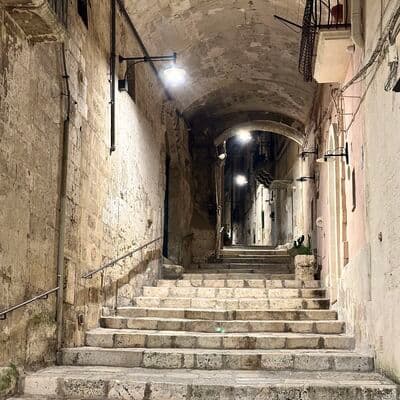
- Footwear is everything. Matera is a city of staircases. Hundreds of stone steps, polished limestone surfaces, uneven grades. Heels are a one-way ticket to the emergency room. Sneakers or hiking shoes only. After rain, the stone becomes slippery as ice.
- Come early or stay late. The Sassi between 10 AM and 5 PM are packed with tourists, especially cruise ship groups arriving from Bari. At 7 AM and after 8 PM, the city is yours. Sunrise photos from Sasso Caveoso with zero people in the frame are very achievable.
- Do not buy the combination ticket immediately. There are several options: 3 rock churches (EUR 7 / USD 7.50), extended (EUR 10 / USD 11), full (EUR 15 / USD 16). If you only have 1-2 days, the 3-church ticket plus separate admission to Palombaro Lungo and the Crypt is the best value.
- Book the Crypt of the Original Sin well in advance. Groups are capped at 25 people and slots fill up fast. In high season, book 2-3 weeks ahead. Without a reservation, your chances of getting in are nearly zero.
- Water from public fountains is safe to drink. Carry a refillable bottle. Fontanelle (drinking fountains) are scattered throughout the city. Saves you EUR 2-3 / USD 2.20-3.20 per day on bottled water.
- Parking is a headache. There is no parking in the Sassi - none at all. Free parking lots are on the outskirts (Via Lucana, Spine Bianche area), a 15-20 minute walk from the center. Paid lots near Via Annunziatella (EUR 1-1.50 / USD 1.10-1.60 per hour) are closer. If you drove here, park the car and forget about it until you leave.
- Wander without a map. Seriously. Matera is small enough that you cannot get permanently lost, but twisty enough that every wrong turn reveals an unexpected view. Some of the best moments come from going the 'wrong' way.
- Matera at night is a separate show. When the lights come on, the Sassi transform into something almost unreal. Best vantage points: Via Bruno Buozzi (Sasso Barisano side) or from the terrace near Church of San Pietro Caveoso. Photographers: bring a tripod.
- It is Basilicata, not Puglia. Many tourists lump Matera into a 'Puglia trip', but Matera is the soul of Basilicata. Different region, different cuisine, different character. Locals will politely correct you - it matters to them.
- Do not treat Matera as a day trip from Bari. You can do it, but you will miss everything that makes this place special. Matera reveals itself in the evening, at sunset, at night. Arriving at 10 AM and leaving at 5 PM means missing the best parts. One night minimum - two or three is much better.
- Credit cards are widely accepted in restaurants and hotels, but small shops, bakeries, and market stalls may be cash-only. Have some euros on hand. ATMs (bancomat) are available on Via del Corso and around Piazza Vittorio Veneto. Your US or UK debit card will work, but check with your bank about international withdrawal fees.
- Craft souvenirs worth buying. The cucu - a clay rooster-shaped whistle, the symbol of Matera. Handmade versions from EUR 5 / USD 5.40. Vacuum-packed peperoni cruschi for EUR 3-5 / USD 3.20-5.40. Local olive oil in tins makes a perfect gift that travels well in luggage.
Transport and Connectivity
Getting to Matera
Matera does not have its own airport or high-speed rail connection, which is part of its charm - and its logistical challenge. Bari is the main gateway.
From Bari (Bari Palese Airport):
- Bus (Flixbus / Pugliairbus): direct service from Bari airport to Matera. 1.5 hours, EUR 5-10 / USD 5.40-11. Runs 4-6 times per day. The most convenient and affordable option.
- FAL train (Ferrovie Appulo Lucane): from Bari Centrale to Matera Centrale. 1.5-2 hours, EUR 5 / USD 5.40. A slow regional train, but scenic. Important: the Bari FAL station is separate from the main Trenitalia station - do not confuse them.
- Taxi / private transfer: EUR 100-130 / USD 107-140. If traveling in a group of 3-4, this splits to a reasonable per-person cost.
- Rental car: 1 hour on the highway. Useful for exploring the wider region, but the car becomes a burden in Matera itself due to parking.
From other cities:
- Rome: Flixbus runs direct (about 5 hours, from EUR 20 / USD 22). Alternatively, take a high-speed train to Bari (4 hours, from EUR 30 / USD 32 on Trenitalia or Italo) and connect from there.
- Naples: Flixbus or Marozzi bus (3.5-4 hours, from EUR 15 / USD 16). By car: about 3 hours via the A3 and E847.
- From the US/UK/Australia: fly into Bari (BRI) - Ryanair and Wizz Air connect Bari to London, and seasonal routes link to other European hubs. From North America, connect through Rome (FCO) or Milan (MXP) and take a domestic flight or train to Bari. From Australia, the most efficient routing is through Rome.
Getting around the city
Matera is a walking city. The entire historic center can be crossed in 30-40 minutes (if you do not stop, which is impossible). Public transport is only needed for reaching the outskirts.
- City buses (MICCOLIS): connect the train station, parking areas, and center. EUR 1 / USD 1.10 per ride. Schedules are unreliable - do not count on them.
- Taxis: scarce in Matera. You call by phone; Uber does not operate here. A ride within town: EUR 8-12 / USD 8.60-13. To the Crypt of the Original Sin: EUR 15-20 / USD 16-22.
- On foot: the only sensible way. But be prepared for 3-6 miles (5-10 km) of walking per day, much of it on stairs. A fitness tracker will love Matera.
- Tuk-tuks: tourist tuk-tuks run through the upper town. EUR 15-20 / USD 16-22 for a tour. Fun but optional.
Internet and connectivity
SIM card / eSIM: if you have a European SIM, EU roaming rules mean no extra charges. For US, UK, Canadian, or Australian travelers: buy a local SIM from TIM, Vodafone, or WindTre - shops are on Via del Corso. Tourist SIM: EUR 10-15 / USD 11-16 for 10-50 GB. eSIM options (Airalo, Holafly) start from EUR 5 / USD 5.40 for 1 GB and are the easiest solution - set up before you fly.
Wi-Fi: available in nearly all hotels and cafes. Speeds in cave hotels can be patchy due to thick stone walls. Piazza Vittorio Veneto has free municipal Wi-Fi, though it is slow. If you need reliable connectivity for work, ask your hotel about signal strength before booking a cave room deep in the Sassi.
Useful apps:
- Trenitalia + FAL Basilicata - train and bus schedules
- Google Maps - generally reliable, but in the Sassi it sometimes miscalculates routes because it does not account for elevation changes and staircases
- Maps.me - offline maps that work better than Google Maps in the Sassi
- TheFork - restaurant reservations, often with discounts of up to 50%
- Flixbus - buses from Bari, Naples, Rome
- Google Translate - English is not widely spoken outside tourist-facing businesses; the camera translation feature is helpful for menus and signs
Final Verdict
Matera is not a city you check off a list - it is a city you experience. Small but impossibly dense with history spanning 9,000 years, singular architecture, powerful local cuisine, and an atmosphere that gives you chills. You do not need a checklist of attractions here - you just need to walk, look, and feel.
Perfect for: photographers, couples (romantic cave hotels), history and architecture enthusiasts, food lovers, anyone seeking an Italy beyond the well-trodden tourist trail.
Not ideal for: beach holidays (the coast is 1-2 hours away), families with small children (endless staircases, strollers are useless), shoppers and nightlife seekers (the city winds down by 11 PM).
How many days: minimum 2 nights, ideal 3-4 days (with day trips), maximum a week (exploring wider Basilicata).
Information current as of 2026.