About
Portugal: The Complete Guide to Europe's Best-Kept Secret
Why Visit Portugal
Portugal has quietly become one of Europe's most compelling destinations, offering everything travelers seek: stunning landscapes, world-class cuisine, rich history, and exceptional value. Unlike its flashier neighbors Spain and France, Portugal maintains an authentic charm that mass tourism hasn't eroded. You can breakfast on fresh pasteis de nata in historic Lisbon, lunch on seafood in Porto, and watch sunset over Douro Valley vineyards - all in one day. The country packs remarkable diversity into a compact footprint.
For American and British travelers, Portugal delivers European charm without the crowds or premium prices. Your dollar or pound stretches further here than in Paris or Rome. A quality dinner with wine might cost $30-40, a boutique hotel $80-120. Yet the experience rivals any European destination: UNESCO World Heritage sites on every corner, Michelin-starred restaurants, beaches that compete with the Caribbean, and wine regions that challenge Bordeaux and Napa.
The Portuguese have a concept called 'saudade' - a melancholic longing for something beautiful. This bittersweet sentiment permeates the culture, from the haunting fado music to the faded grandeur of Lisbon's tiled buildings. But don't mistake this for sadness: the Portuguese are warm, welcoming, and genuinely happy to share their country with visitors. English is widely spoken in tourist areas, making navigation easy even for first-time European travelers.
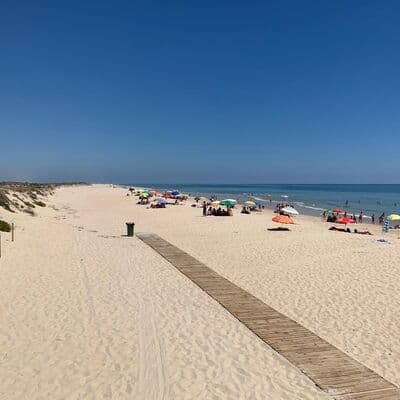
Whether you're seeking beach relaxation in the Algarve, wine experiences in the Douro, historical exploration in Evora, or urban adventure in Lisbon and Porto, Portugal delivers. And the food - oh, the food. The Portuguese have elevated simple ingredients into a national art form. Grilled fish, slow-cooked meats, fresh seafood, and pastries that will ruin you for anything else. Add world-class wines at a fraction of what you'd pay at home, and you have a destination that satisfies on every level.
Regions: What to Choose
Lisbon and Surroundings
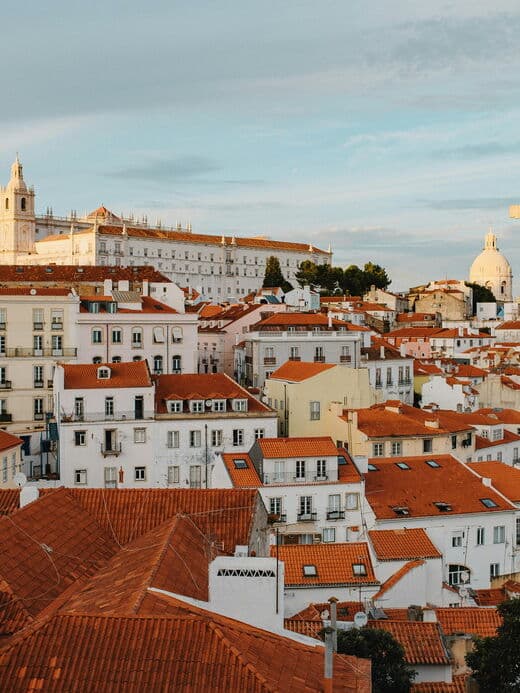
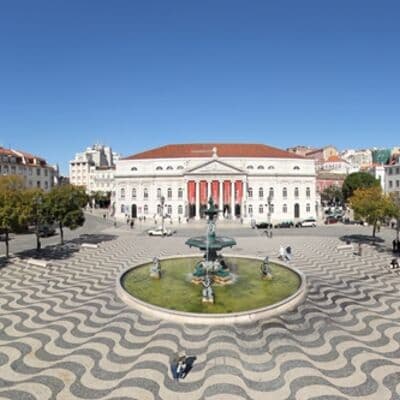
Lisbon is one of Europe's most photogenic capitals, built on seven hills overlooking the Tagus River. The city seamlessly blends crumbling old-world charm with cutting-edge modernity. Historic neighborhoods each have distinct personalities: Alfama is a labyrinth of medieval lanes where fado music drifts from windows. Bairro Alto transforms into the city's nightlife hub after dark. Chiado offers elegant boutiques and century-old cafes. Belem showcases monumental architecture from the Age of Discoveries.
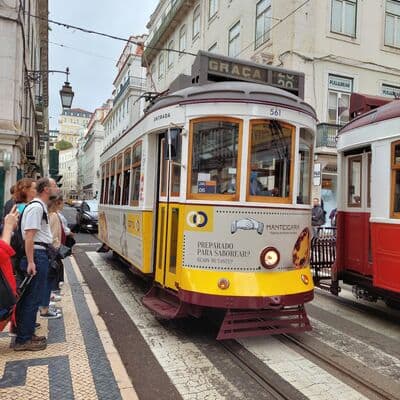
Essential Lisbon experiences: Jeronimos Monastery - a UNESCO masterpiece of Manueline architecture and Vasco da Gama's final resting place. Belem Tower - the iconic symbol of Portuguese maritime power. Sao Jorge Castle - Moorish fortifications with the best city views. Santa Justa Elevator - an engineering marvel designed by a student of Eiffel. Tram 28 - the legendary route through historic neighborhoods. Don't miss the miradouros (viewpoints): Miradouro da Graca, Santa Luzia, and Senhora do Monte offer stunning panoramas.
Cultural highlights: Gulbenkian Museum - one of Europe's finest private art collections. National Tile Museum - the story of Portuguese azulejos. MAAT - contemporary art in a striking waterfront building. National Coach Museum - the world's largest collection of royal carriages. Carmo Convent - evocative ruins from the 1755 earthquake.
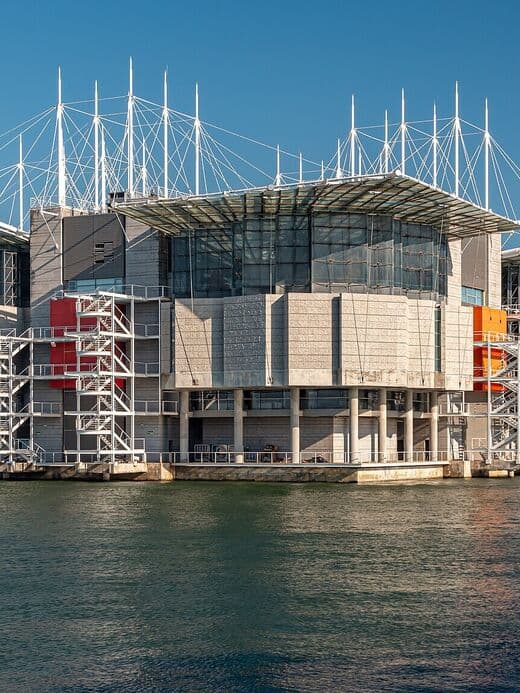
Modern Lisbon centers on LX Factory - a creative complex in former industrial buildings, and Time Out Market - a food hall showcasing the city's best restaurants. Lisbon Oceanarium in Parque das Nacoes is among Europe's largest and perfect for families.
Sintra - The Fairytale Escape
Sintra is a separate universe just 30 minutes from Lisbon. This UNESCO-protected town in the Serra de Sintra mountains was where Portuguese nobility built summer palaces for centuries. Byron called it 'glorious Eden,' and it's hard to disagree: palaces, parks, and castles nestle amid lush subtropical vegetation at every turn.
Pena Palace is Sintra's crown jewel and one of the world's most recognizable castles. Its colorful towers and terraces seem lifted from a fairytale. Summer lines can exceed an hour - arrive at opening. Quinta da Regaleira is a mystical estate with Masonic symbolism, grottoes, and the famous Initiation Well - a spiral staircase descending into darkness. Moorish Castle offers 8th-century battlements with views across the region. Sintra National Palace in the town center features distinctive conical chimneys.
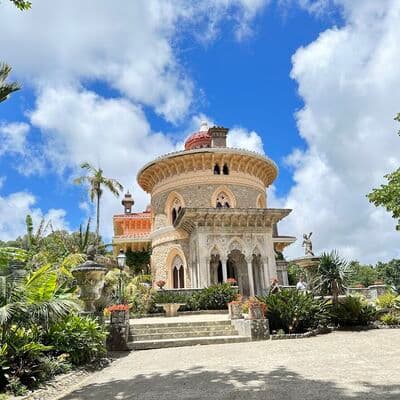
Lesser-known gems: Monserrate Palace with Moorish influences and botanical gardens. Capuchos Convent - an austere monastery carved into rock. Chalet of the Countess of Edla - a romantic cottage in Pena Park. Biester Palace - a neo-Gothic residence recently opened to visitors.
Sintra also offers ocean access. Cabo da Roca is continental Europe's westernmost point, where cliffs plunge into the Atlantic. Praia da Ursa is wild and remote but stunningly beautiful. Azenhas do Mar is a postcard-perfect cliff village with a natural pool.
Porto and the Douro Valley
Porto is Portugal's second city and birthplace of port wine. If Lisbon is polished capital elegance, Porto is working-class authenticity. The city rises steeply from the Douro River banks, its architecture a layered cake of eras: Romanesque churches, baroque palaces, modernist buildings, and contemporary art.
The historic Ribeira district is UNESCO-listed. From here, you get the iconic view of Dom Luis I Bridge - a double-deck iron structure designed by a student of Eiffel. Across the river lies Vila Nova de Gaia with its port wine cellars, where you can taste and buy directly from producers.
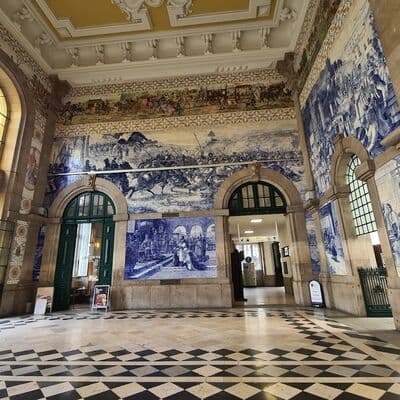
Clerigos Tower - a 76-meter baroque bell tower, was long Portugal's tallest building. Climbing 240 steps rewards you with city-wide panoramas. Livraria Lello bookstore is among the world's most beautiful, reportedly inspiring J.K. Rowling's Hogwarts library. Entry requires a ticket (redeemable against purchases). Sao Bento Station features a hall decorated with 20,000 azulejo tiles depicting Portuguese history.
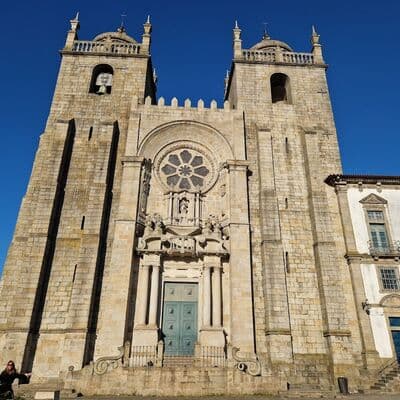
Porto's churches are artistic treasures: Igreja de Sao Francisco stuns with its gilded baroque interior (700 pounds of gold leaf). Porto Cathedral is a 12th-century Romanesque fortress with gothic and baroque additions. Palacio da Bolsa - the neoclassical stock exchange - features an Arab Room replicating the Alhambra.
Contemporary art thrives at Serralves Foundation - a museum set in expansive parkland. Crystal Palace Gardens offer perfect sunset views over the Douro.
The Douro Valley east of Porto is port wine's homeland and a UNESCO World Heritage site. Terraced vineyards cascade down river hillsides in one of the world's most dramatic wine landscapes. The best way to explore: rent a car and drive the N-222 (voted one of the world's most scenic roads), or take a river cruise. September-October harvest season brings extra festivities.
Braga and the Minho
Braga is Portugal's religious capital and one of its oldest cities. If you're tired of tourist crowds in Lisbon and Porto, Braga offers a breath of fresh air: a genuine Portuguese city with a university, lively squares, and minimal foreigners.
The main pilgrimage site is Bom Jesus do Monte, a hilltop sanctuary with a monumental baroque stairway. The 577 steps symbolize Calvary's ascent, with fountains and sculptures at each landing. For the less energetic, a funicular (the world's oldest water-powered) provides an alternative. Sameiro Sanctuary nearby ranks as Portugal's second most important pilgrimage site after Fatima.
Braga Cathedral is Portugal's oldest, founded in the 11th century. Its treasury holds relics tied to Portugal's Christianization. Santa Barbara Garden beside the Archbishop's Palace offers a peaceful retreat. Arco da Porta Nova provides baroque gates into the old town.
For history enthusiasts: Roman Baths reveal 1st-century ruins. Fonte do Idolo is a pre-Roman sacred spring. Tibaes Monastery in the suburbs was the Benedictine mother house in Portugal. Capela de Sao Frutuoso is a 7th-century Visigothic church, among Portugal's oldest.
Biscainhos Museum occupies a baroque palace with lovely gardens. Torre de Menagem is all that remains of the medieval castle. Theatro Circo showcases art nouveau theatrical architecture. Praca da Republica is the central square where locals gather at cafes.
The Minho region north of Braga offers green hills, vinho verde wine, and granite villages. Guimaraes - the 'Birthplace of Portugal' where the first king was born - deserves a separate visit (not yet in our database but essential).
Coimbra and Central Portugal
Coimbra is the quintessential university town. It houses Portugal's oldest university and one of Europe's oldest, founded in 1290. Students still wear black capes, and in May the streets fill with graduates burning their faculty ribbons - the Queima das Fitas, one of the world's largest student festivals.
University of Coimbra is UNESCO-listed. Its jewel is Joanina Library, an 18th-century baroque masterpiece with gilded ceilings and 300,000 volumes. A colony of bats lives here, protecting books from insects - seriously! Tours are limited; book ahead.
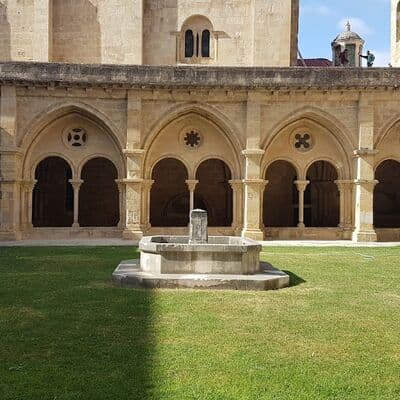
The upper town features Old Cathedral (a 12th-century Romanesque fortress-church) and New Cathedral (a 16th-century baroque building). Arco de Almedina marks the medieval entrance to the university quarter. Machado de Castro Museum occupies a former bishop's palace above a remarkably preserved 2nd-century Roman cryptoporticus.
Along the Mondego River: Santa Cruz Monastery is the pantheon of Portugal's first kings. Santa Clara-a-Velha comprises gothic ruins flooded for centuries and recently excavated. Santa Clara-a-Nova on the hill houses Queen Isabel's remains. Quinta das Lagrimas - the 'Estate of Tears' - is where, legend says, Prince Pedro's beloved Ines was murdered.
For families: Portugal dos Pequenitos is a miniature park featuring Portuguese and colonial monuments. Botanical Garden is among Europe's oldest, founded in the 18th century. Penedo da Saudade offers parkland viewpoints over city and river.
Ten miles from Coimbra, Conimbriga Roman ruins rank among the Iberian Peninsula's best-preserved ancient cities. Mosaics, baths, forum, and city walls impress throughout.
Evora and the Alentejo
Evora is the Alentejo capital, a region of endless cork oak forests and wheat fields. The entire historic center is UNESCO-listed, and the city is compact enough to explore on foot in a day. But staying overnight reveals magic: evening Evora with illuminated monuments and empty streets is enchanting.
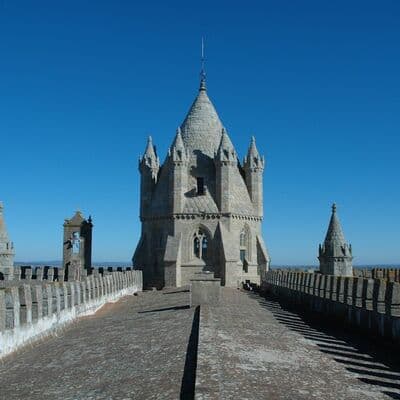
Roman Temple (often incorrectly called Temple of Diana) is Portugal's best-preserved ancient monument - 14 Corinthian columns on a high podium. Evora Cathedral is a 12th-13th century Romanesque-Gothic giant with a beautiful cloister. Chapel of Bones in the Church of Sao Francisco has walls lined with 5,000 monks' bones beneath the motto 'We bones here await yours.' Macabre but an important baroque memento mori.
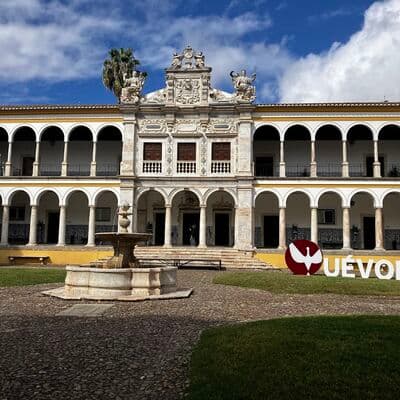
Praca do Giraldo is the city heart with a 16th-century fountain, outdoor cafes, and Igreja de Santo Antao. Igreja de Sao Joao Evangelista (Loios) is completely covered inside with 18th-century azulejos. University of Evora, founded by Jesuits in the 16th century, features a Renaissance cloister.
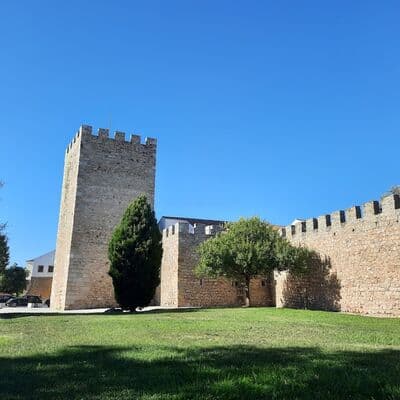
Agua de Prata Aqueduct from the 16th century partly runs through city streets - shops and houses built into its arches. City Walls encircle the old town: Roman foundations, medieval towers, Renaissance bastions. Evora Museum in the former bishop's palace holds collections from Roman artifacts to Flemish paintings.
Eight miles from the city, Almendres Cromlech is the Iberian Peninsula's largest megalithic complex. Ninety-five standing stones date from the 6th-4th millennia BC - a thousand years older than Stonehenge. The site is magical, especially at dawn.
The Alentejo beyond Evora offers vast landscapes, whitewashed villages, wine estates, and medieval towns like Monsaraz and Mertola (not yet in our database but worth visiting).
The Algarve and Southern Portugal
Faro is the gateway to the Algarve, Portugal's southern region with the country's best beaches. The city itself is often skipped for beach resorts, but that's a mistake: Faro Old Town within the walls is atmospheric with white buildings, orange trees, and few tourists.
Arco da Vila provides neoclassical gates built over a Moorish portal. Faro Cathedral combines Gothic, Renaissance, and Baroque elements; its tower offers lagoon views. Igreja do Carmo has its own Chapel of Bones - lesser known than Evora's but equally striking. Municipal Museum in a former convent presents regional history from Romans to present.
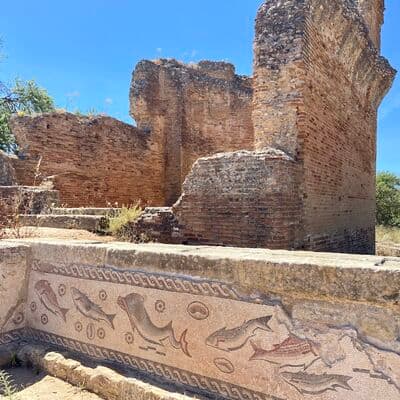
Faro Marina is the departure point for lagoon and island excursions. Jardim Manuel Bivar on the waterfront is perfect for evening strolls. Six miles away, Milreu Roman Ruins preserve a 1st-4th century villa with mosaics and fish pond.
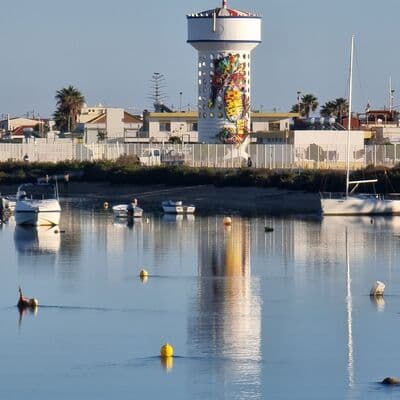
Ria Formosa Natural Park is a lagoon system with barrier islands, one of Europe's most important wetlands. Flamingos, herons, and rare bird species nest here. Ferries reach the islands: Ilha Deserta (Deserted Island) offers an empty beach - just sand and sea. Ilha da Culatra is a car-free fishing village. Praia de Faro is the city beach on the sandbar.
Unfortunately, our database doesn't yet include popular Algarve resorts like Lagos, Albufeira, Vilamoura, Tavira, and Sagres. Each deserves its own coverage: Lagos for young travelers and surfing, Albufeira for families, Tavira for authenticity, Sagres for dramatic cliffs and end-of-the-world sunsets.
Madeira - Island of Eternal Spring
Madeira is an autonomous Atlantic archipelago with year-round mild climate. This 'floating garden' features lush subtropical vegetation, dramatic mountains, and unique culture. The capital Funchal offers a colorful market, old quarter, and cable car up the hillsides. Unfortunately, our database doesn't yet include Madeira places, but the island is essential visiting.
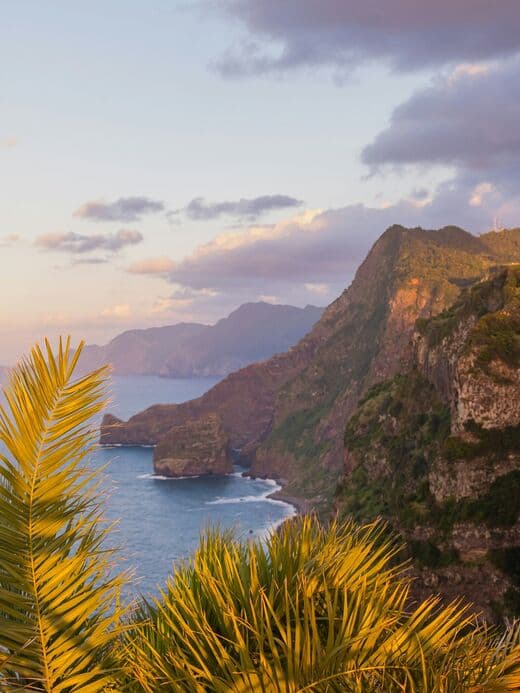
Levadas - 16th-century irrigation channels - have walking trails alongside them. This unique opportunity takes you through laurel forests (UNESCO-listed), fern groves, and past waterfalls. Cabo Girao is the world's second-highest sea cliff (1,900 feet) with a glass-floored viewing platform. Pico Ruivo is the island's highest point (6,109 feet) with archipelago-wide views.
The north coast offers rugged cliffs and Porto Moniz natural pools. The east has the Sao Lourenco peninsula with Martian landscapes. Madeira wine is fortified like port but with its own character: it's 'cooked' with heat, simulating Age of Discovery ship holds. Madeira wine lasts for centuries. And don't miss poncha - the local cocktail of aguardente, honey, and lemon.
The Azores - Mid-Atlantic Paradise
The Azores aren't yet in our database but deserve mention. Nine islands in the mid-Atlantic offer volcanic lakes, hot springs, whale watching, and absolute tranquility. Sao Miguel, the largest island, features green crater lakes and geothermal areas. Pico has the eponymous volcano, Portugal's highest point. Flores, the westernmost, remains almost untouched by tourism.
Unique Portugal: Wine Regions and Nature
Wine Regions
Portugal is one of the world's oldest winemaking countries, and wine is part of national identity. Major regions:
Douro Valley - birthplace of port and world-class table wines. Terraced vineyards along the river create epic scenery. Quintas (estates) offer tours and tastings, many with accommodation. Best time: September-October harvest season.
Alentejo - the region around Evora produces powerful reds from native varieties. Cork oak forests create unique landscapes. You can visit several wineries in a day - but designate a driver.
Vinho Verde - Portugal's northwest near Braga produces light, slightly fizzy white wines. 'Green' refers to youth, not color. Perfect for hot days and seafood.
Lisbon Region - Colares, Bucelas, Carcavelos are small appellations with distinctive wines. Wineries accessible from the capital within an hour.
Madeira - fortified wine with a unique style: 'cooked' by heat, simulating historic ship conditions. Madeira wine lasts for centuries.
Natural Parks
Ria Formosa near Faro is Portugal's largest lagoon with barrier islands and bird colonies. Ideal for kayaking and birdwatching.
Serra da Estrela is a central mountain range with Portugal's only ski resort. Summer brings hiking; autumn brings local sheep's cheese production.
Peneda-Geres in the north is Portugal's oldest national park, featuring granite formations, waterfalls, and wild garranos ponies. Excellent hiking away from tourist routes.
Arrabida south of Lisbon offers limestone hills above the ocean with white-sand beaches and a clifftop monastery.
When to Visit
April-June - ideal timing. Weather is warm (65-77F), crowds thinner, prices lower. Swimming is possible in the Algarve. Wisteria and jacaranda bloom spectacularly in Lisbon.
July-August - peak season. Hot (85-105F in the Alentejo and south), tourist crowds, maximum prices. Beaches are packed; book hotels 3-4 months ahead. The north and Porto are more comfortable. Festival season: Sao Joao in Porto (June 23-24) is a massive celebration with plastic hammers and grilled sardines.
September-October - excellent timing. The sea is still warm, crowds thin, Douro grape harvest underway. Weather can turn by late October.
November-March - low season. Rain, especially in the north, but Madeira and the Algarve remain pleasant. Prices drop, attractions are crowd-free. December-January brings Christmas and New Year festivities; cities are decorated but many places close December 25 and January 1.
Key holidays and events: Carnival (February-March) - best in Torres Vedras and Madeira. Easter - processions in Braga. April 25 - Freedom Day, Carnation Revolution anniversary. June 10 - Portugal Day. May 13 and October 13 - Fatima pilgrimages. Santo Antonio (June 12-13) in Lisbon - street parties in Alfama.
Getting There
Major airports:
Lisbon (LIS) - the main hub. Direct flights from major US cities (New York, Boston, Miami, Washington, Newark, Chicago) on TAP Air Portugal, United, and Delta. From the UK, multiple daily flights on TAP, British Airways, easyJet, Ryanair. From Australia, connections typically via Dubai or London. The airport is 4 miles from downtown; metro reaches the center in 20 minutes.
Porto (OPO) - convenient for northern Portugal. Good low-cost carrier coverage. Some US flights connect via Lisbon or European hubs. Metro reaches downtown in 30 minutes.
Faro (FAO) - the main Algarve gateway. Many UK charter flights in summer, fewer off-season.
Madeira (FNC) - Funchal international airport. Landing on a runway built on stilts over the ocean is an adventure in itself.
For US/UK/Australian travelers: No visa required for stays up to 90 days in any 180-day period (Schengen rules). Passport must be valid for at least 3 months beyond your planned stay. From 2025, ETIAS authorization (similar to ESTA) may be required for visa-exempt travelers - check current requirements before booking.
Getting Around Portugal
Car Rental
The best way to explore Portugal is by car. The country is compact, roads are excellent, and rental is affordable ($25-40/day for an economy car). Major rental companies operate at airports, but local firms are often cheaper - compare on aggregator sites.
Key points: Drive on the right. Toll highways (A1, A2, etc.) use electronic gates - easiest to get a Via Verde transponder from your rental company. City parking is metered; use the ePark app. In Lisbon and Porto, cars are more trouble than they're worth - narrow streets, scarce parking, many one-ways. Best to leave the car at your hotel or skip it entirely for city days.
Gasoline is expensive (about $6.50-7.50/gallon); diesel slightly less. Highway stations are 24-hour; rural ones may close for lunch and weekends.
Trains
CP (Comboios de Portugal) is the national operator. The main Lisbon-Porto line offers: high-speed Alfa Pendular (2.5 hours), cheaper Intercidades (3 hours). Book at cp.pt; advance tickets are discounted. Lisbon to Coimbra takes 1.5-2 hours. To Faro, about 3 hours.
Commuter trains: Lisbon to Sintra (40 minutes from Rossio station), to Cascais (40 minutes from Cais do Sodre). Porto along the Douro to Pocinho and Regua is among Europe's most scenic rail journeys.
Buses
Rede Expressos is the main intercity carrier. Cheaper than trains with more destinations. Lisbon to Evora is more convenient by bus than train. FlixBus also serves popular routes.
Urban Transport
Lisbon: metro (4 lines), trams (including legendary Tram 28), buses, funiculars. A Viva Viagem card with unlimited daily travel is the best value. Santa Justa Elevator is included.
Porto: metro (6 lines including airport), buses, historic tram. The Andante card works across all modes.
Taxis and Rideshare
Uber and Bolt operate in all major cities, often cheaper than official taxis. Taxis are beige or black-and-green, metered. Tipping isn't required but rounding up is courteous.
Cultural Code
Time and punctuality: The Portuguese aren't as relaxed as Spaniards but aren't German-level punctual either. Being 15 minutes late to meet friends is normal. For business, arrive on time.
Meals: Lunch (almoco) is the main meal, 12:30-2:30 PM. Dinner (jantar) runs late, 8:00-10:00 PM. Restaurants outside tourist areas may close between lunch and dinner. Breakfast is light - coffee and pastry, often standing at the counter.
Tipping: Not mandatory but appreciated. In restaurants, 5-10% for good service. In cafes, round up or leave change. Taxi drivers - round up. Hotels - $1-2 for porters.
Communication: The Portuguese are polite and formal with strangers. Using 'senhor/senhora' is appreciated. Handshakes for introductions; friends exchange cheek kisses. English is understood in tourist areas; older generations may speak French. Learn 'obrigado/obrigada' (thank you, male/female speaker) - it opens doors.
Cultural sensitivity: Don't confuse Portuguese with Spanish - they're different peoples with different histories. Don't start conversations in Spanish - use English instead. Avoid colonial history topics unless you know the context. Fado is serious art - don't chat during performances.
Dress: Casual but neat. In churches, cover shoulders and knees. At beaches - beach attire only; don't walk through town in swimwear. Smart casual works for evening restaurants.
Safety
Portugal is one of Europe's safest countries. The Global Peace Index consistently ranks it in the top 5. Violent crime is rare; police are courteous and professional.
Main risks - petty theft:
- In Lisbon: Tram 28, Alfama, Rossio, Santa Apolonia - pickpockets target tourists. Keep valuables in front pockets, bags secured.
- In Porto: Sao Bento area, Ribeira - similar precautions.
- At beaches: Don't leave belongings unattended. Use hotel safes.
- Rental cars: Don't leave valuables visible in parked cars.
Areas to avoid at night: In Lisbon - Martim Moniz, Intendente (though the latter is gentrifying). In Porto - some areas behind Sao Bento station. Even these are more about atmosphere than actual danger.
Emergency number: 112 - the European emergency number. Works everywhere; operators speak English.
Police: PSP (Policia de Seguranca Publica) in cities. GNR (Guarda Nacional Republicana) outside cities and on roads. Tourist police in Lisbon and Porto speak English and assist with theft reports.
Natural hazards: Sun is strong, especially in the Algarve - use SPF 30+. The ocean can be treacherous: currents, waves, cliff edges. Swim at lifeguarded beaches. Summer brings wildfire risk - monitor news when traveling through rural areas.
Health and Medical Care
Healthcare quality in Portugal is high. State hospitals and health centers (Centro de Saude) are accessible with the European Health Insurance Card (EHIC) for EU/UK citizens. US and Australian visitors need travel insurance.
Travel insurance is essential! Choose coverage of at least $50,000 with evacuation options. Check if it covers adventure activities (surfing, hiking) if you're planning them.
Pharmacies (Farmacia): Look for the green cross. Hours typically 9 AM-7 PM, some until 10 PM. Duty pharmacies (farmacias de servico) operate nights and holidays - addresses posted on any pharmacy door. Basic medications available without prescription; antibiotics and strong drugs require one.
Water: Tap water is safe but many prefer bottled due to chlorine taste.
Specific risks: No tropical diseases; no vaccinations required. Ticks exist in rural areas - check yourself after hikes. Jellyfish occasionally appear on Algarve beaches.
Money and Budget
Currency: Euro (EUR). Exchange rates as of 2026: approximately $1.10 = 1 EUR, 0.85 GBP = 1 EUR. ATMs offer competitive rates; avoid airport exchange desks.
Cards: Visa and Mastercard accepted almost everywhere. Contactless payment is widespread. American Express less common. Always have some cash for small cafes and markets.
ATMs (Multibanco): Everywhere. Your bank's fees apply. Withdraw larger amounts less frequently to minimize fees. Some ATMs offer 'conversion' - decline it; the rate is unfavorable.
Daily budget:
Budget ($60-80/day):
- Hostel: $25-40
- Food: street food, supermarket, menu of the day: $15-25
- Transport: day pass or walking: $5-10
- Attractions: free plus 1-2 paid: $10-15
Mid-range ($120-180/day):
- 3-star hotel: $70-110
- Food: cafe breakfast, restaurant lunch, mid-range dinner: $45-60
- Transport: occasional taxi/Uber: $10-25
- Attractions: several museums, one tour: $25-35
Comfort ($250+/day):
- 4-5 star hotel: $150-250+
- Food: restaurants, tastings, Michelin experiences: $100-180
- Transport: rental car, transfers: $35-60
- Attractions: private tours, VIP access: $60-120+
Money-saving tips:
- Menu do dia (daily menu) at lunch: full meal for $10-15
- Petiscos (Portuguese tapas) instead of formal dinner
- Lisboa Card or Porto Card - transport and museum discounts
- Free museum days (first Sunday of the month)
- Supermarkets Pingo Doce, Continente, Lidl for snacks
- Supermarket wine from $3 for a quality bottle
Top Portugal Itineraries
7 Days: Classic First Visit
Days 1-2: Lisbon
Arrive in Lisbon. Day one: explore Alfama starting with Sao Jorge Castle, descend via Santa Luzia viewpoint, get lost in the lanes, visit Se Cathedral. Evening: fado in an authentic Alfama restaurant.
Day two: Belem district - Jeronimos Monastery (arrive at 10 AM opening), Belem Tower, Monument to the Discoveries, MAAT. Essential: pasteis de nata at Pasteis de Belem. Afternoon: Bairro Alto and Chiado - bookshops, Cafe A Brasileira, Carmo ruins, Santa Justa Elevator.
Day 3: Sintra
Early departure for Sintra (40-minute train from Rossio). First: Pena Palace (arrive by 9:30 AM before crowds). Then walk or bus to Moorish Castle (views!). Lunch in Sintra center, stroll to National Palace. Afternoon: Quinta da Regaleira (allow 2-3 hours). If time permits, taxi to Cabo da Roca for sunset. Return to Lisbon.
Day 4: Transfer to Porto
Morning Alfa Pendular train to Porto (2.5 hours). Check in, lunch in Ribeira. Afternoon: Livraria Lello (book tickets online!), Clerigos Tower, walk across Dom Luis I Bridge upper deck. Evening: port wine tasting in Vila Nova de Gaia cellars (Taylor's, Graham's, or Sandeman).
Day 5: Full Day in Porto
Morning: Sao Bento Station (azulejos!), Cathedral, Palacio da Bolsa (Arab Room tour). Lunch: try francesinha, the local specialty. Afternoon: Igreja de Sao Francisco (gilded interior), Serralves (contemporary art + park). Sunset: Crystal Palace Gardens. Dinner in Foz district.
Day 6: Douro Valley
Day trip to the Douro Valley: train or guided tour. Visit 1-2 wineries with tastings, river cruise, lunch with views. Return to Porto evening.
Day 7: Braga or Departure
If flying out evening: morning trip to Braga (1 hour by train). Bom Jesus (funicular up, walk down the stairs), Cathedral, Santa Barbara Garden. Lunch and return to Porto for flight. If flying from Lisbon: morning train, transfer to airport.
10 Days: Extended Route
Days 1-3: Lisbon
As in 7-day itinerary, plus: Tile Museum, Oceanarium in Parque das Nacoes, Gulbenkian Museum. Evening at LX Factory or Time Out Market.
Day 4: Sintra + Coast
Full day in Sintra with rental car: Pena, Regaleira, Monserrate, Cabo da Roca, Azenhas do Mar. Overnight in Sintra or Cascais.
Day 5: Transfer to Evora
Morning drive or bus to Evora (1.5 hours). Stop at Almendres Cromlech en route. Check in, lunch at Praca do Giraldo. Afternoon: Roman Temple, Cathedral, Chapel of Bones. Evening walk along walls and aqueduct.
Day 6: Alentejo
Day trip through the Alentejo: Monsaraz (white fortress village), Mertola (Moorish heritage), regional wineries. Return to Evora.
Day 7: Transfer to Porto via Coimbra
Morning departure for Coimbra (2.5 hours). University and Joanina Library (book ahead!), Old Cathedral, Santa Cruz. Lunch and transfer to Porto (1.5 hours).
Days 8-9: Porto and Douro Valley
As in 7-day itinerary.
Day 10: Braga and Departure
Morning in Braga: Bom Jesus, historic center. Return to Porto, fly out.
14 Days: Complete Immersion
Days 1-4: Lisbon and Surroundings
Three days in Lisbon (as above), one day for Sintra and Cascais.
Days 5-6: Evora and Alentejo
As in 10-day itinerary.
Days 7-8: Algarve
Transfer to Faro. Day one in the city: Old Town, Cathedral, Chapel of Bones. Day two: Ria Formosa - boat to Ilha Deserta or Culatra. With a car, add Lagos, Sagres, and beaches.
Days 9-10: Coimbra
Transfer to Coimbra. Full day: university, museums, monasteries. Day two: Conimbriga and surroundings.
Days 11-13: Porto and the North
As in 10-day itinerary, plus a day for Guimaraes (not in database - the birthplace of Portugal, essential).
Day 14: Braga and Departure
Morning in Braga, fly from Porto.
21 Days: Portugal Coast to Coast
Days 1-5: Lisbon, Sintra, Coast
Four days in Lisbon with day trips to Sintra and Cascais/Estoril. One day on the Arrabida coast or Setubal.
Days 6-8: Alentejo
Three days for the region: Evora, Monsaraz, Mertola, Elvas (on the Spanish border), wineries.
Days 9-11: Algarve
Three days: Faro and Ria Formosa, Tavira, Lagos area, Sagres and Cape St. Vincent.
Days 12-13: Coimbra
As in 14-day itinerary.
Days 14-17: Porto and Douro Valley
Four days: complete Porto, two days in the Douro with an overnight at a wine estate.
Days 18-19: Minho
Braga, Guimaraes, possibly Viana do Castelo.
Days 20-21: Madeira or Azores
Fly to Madeira or the Azores for 2 days - a taste of island life before returning home.
Connectivity and Internet
Mobile internet in Portugal is fast and accessible. Main carriers: Vodafone, MEO, NOS. All offer tourist SIM cards at airports and stores.
Tourist SIMs: From $12-18 for 5-10GB over 15-30 days. Sold at airports (look for carrier kiosks after arrivals), carrier shops in cities, some tobacco shops. Passport required for activation.
eSIM: If your phone supports it, a convenient option. Airalo, Holafly, and Nomad offer European plans, activated online before arrival.
Roaming: EU citizens have free roaming (roam like at home). US carriers often include Portugal in international plans but check rates. Local SIM is usually cheaper for extended stays.
Wi-Fi: Free in most cafes, restaurants, and hotels. Lisbon and Porto have municipal Wi-Fi downtown (slow but functional).
What to Eat and Drink
National Dishes
Bacalhau (salt cod) - prepared 365 ways. Most popular: Bacalhau a Bras (with egg and shoestring potatoes), Bacalhau com natas (cream casserole), Bacalhau a Gomes de Sa (with onions and potatoes). Try at least three versions.
Francesinha - Porto's pride. A sandwich with multiple meats, covered in cheese and spicy beer sauce. Served with fries. Caloric bomb, but essential once.
Cozido a Portuguesa - winter stew with various meats, vegetables, and sausages. Portions are huge.
Arroz de Pato - duck rice baked to a crispy top. Best in Braga.
Porco Preto - black Iberian pork. In the Alentejo around Evora, it's a cult: presunto (ham), plumas (steaks), secretos (marbled cuts).
Seafood: Percebes (gooseneck barnacles) - a delicacy, dangerously harvested. Ameijoas a Bulhao Pato (clams in garlic sauce). Polvo a lagareiro (octopus with potatoes). Caldeirada (fish stew). Cataplana (copper-pot stew, Algarve specialty).
Regional Specialties
Lisbon: Ginjinha - cherry liqueur, drunk from chocolate cups. Bifana - pork steak sandwich. Prego - beef steak sandwich.
Porto: Tripas a moda do Porto - tripe with beans (locals are called 'tripeiros'). Francesinha (see above).
Coimbra: Chanfana - goat in red wine. Leitao da Bairrada - suckling pig.
Evora and Alentejo: Migas - bread porridge with pork. Acorda - bread soup. Porco preto in all forms.
Algarve around Faro: Cataplana. Dom Rodrigo - almond and egg sweet.
Sweets
Pastel de nata - custard tarts. In Belem they're called Pastel de Belem (since 1837). Eaten sprinkled with cinnamon and powdered sugar.
Ovos moles from Aveiro - egg yolk and sugar in wafer shells.
Queijadas de Sintra - cheese tarts from Sintra.
Travesseiros - puff pastry tubes with almond cream, also from Sintra.
Toucinho do Ceu - almond cake from Braga.
Drinks
Port wine - fortified wine from the Douro. Tawny (barrel-aged), Ruby (young), Vintage (vintage), LBV (Late Bottled Vintage). Taste in Vila Nova de Gaia cellars opposite Porto.
Vinho Verde - young white (sometimes rose, rarely red) from the Minho region. Light, sometimes slightly fizzy, perfect for hot weather.
Alentejo wines - powerful reds from around Evora.
Douro wines - table wines (not port) gaining international recognition.
Madeira - fortified wine from the island. From dry Sercial to sweet Malmsey.
Ginjinha/Ginja - cherry liqueur. In Lisbon, find bars around Rossio; shots cost $1-2.
Coffee: Bica/Expresso - espresso. Galao - latte in a glass. Meia de leite - half coffee, half milk. Abatanado - Portuguese americano.
Shopping
What to buy:
Port wine and wine - the obvious choice. Buy from specialty shops or directly from producers, not the airport. Bottle shops in Porto offer shipping.
Azulejos - tiles. Individual tiles available, panels made to order. Ensure you're buying contemporary production, not antiques (export regulated). Sant'Anna factory in Lisbon - quality since 1741.
Cork products - Portugal is the world's largest cork producer. Bags, wallets, umbrellas, jewelry - eco-friendly and original. Best selection in the Alentejo and Lisbon.
Canned fish - sardinha (sardines), atum (tuna), polvo (octopus) in beautiful tins. Shops like Comur, Conserveira de Lisboa, Loja das Conservas offer huge selections.
Ceramics - beyond azulejos, pottery, vases, decor. Each region has a style: Barcelos (roosters), Caldas da Rainha (cabbage leaves), Coimbra (blue painting).
Wool items - blankets and sweaters from Serra da Estrela, traditional capes.
Ginjinha and liqueurs - compact alcohol souvenirs.
Where to shop:
- LX Factory in Lisbon - designer goods
- Feira da Ladra (flea market) in Lisbon - antiques and vintage
- Mercado do Bolhao in Porto - food products
- A Vida Portuguesa - chain with traditional Portuguese goods
Tax refund: Purchases over 50 EUR in one store qualify. Look for Tax Free signs, get the form, show at customs, collect refund (around 13%) at the airport. Global Blue and Planet are the main operators.
Useful Apps
Transport:
- CP (Comboios de Portugal) - train schedules and tickets
- Carris/GIRA - Lisbon public transport
- STCP - Porto transport
- Bolt/Uber - taxi and rideshare
- ePark - parking payment in cities
Food and restaurants:
- Zomato - reviews and reservations
- The Fork - restaurant discounts
- Glovo - food delivery
Tourism:
- Visit Portugal - official tourism app
- Lisboa Cool - Lisbon guides
- Porto. - Porto guides
- Wineroute - Douro wine routes
Useful:
- Google Translate - offline Portuguese translation
- Maps.me - offline maps
- XE Currency - exchange rates
Conclusion
Portugal captivates from the first visit. It's a rare combination: rich history and contemporary culture, authenticity and cosmopolitanism, sea and mountains, gastronomy and wines, safety and value. Within compact borders lies remarkable diversity: from Alentejo megaliths to Lisbon's modernist museums, from wild Algarve beaches to Douro's terraced vineyards.
For American and British travelers, Portugal represents Europe at its most accessible. Direct flights, English widely spoken, excellent infrastructure, and genuine hospitality await. Your money stretches further without sacrificing quality. This is world-class travel at mid-range prices.
Visit for at least a week - Lisbon, Sintra, and Porto form the classic triangle. Two weeks allow adding Evora, Coimbra, and beaches. Three weeks mean complete immersion with Madeira or the Azores. Fair warning: many visitors return again and again, and some relocate permanently.
Portugal doesn't shout about itself. It quietly waits to be discovered. And when you do discover it, you'll understand that saudade - that longing for something beautiful. Only now it will be longing for Portugal whenever you're away from it.
Information current as of 2026. Check visa requirements, prices, and schedules before traveling. Exchange rates and service costs may vary.