Lisbon
Lisbon 2026: What to Know Before You Go
Lisbon is the kind of city that sneaks up on you. You arrive expecting pretty tiles and custard tarts, and you leave planning your move. I spent two years living in this sun-drenched capital perched on seven hills above the Tagus River, and I still find reasons to return. Unlike Barcelona or Rome, Lisbon has managed to modernize without losing its soul. Yes, there are more tourists than a decade ago, but wander five minutes from any major attraction and you will find yourself alone on a cobblestone street, listening to fado drifting from an open window.
What makes Lisbon special in 2026? It remains one of Western Europe's most affordable capitals. A proper sit-down lunch with wine costs 12-15 EUR (roughly 13-16 USD), apartments in the center rent for half of what you would pay in Paris, and world-class museums charge under 10 EUR. The weather delivers over 300 sunny days annually, public transport actually works, and English is widely spoken. The city has also become a global hub for remote workers and startups, meaning excellent coworking spaces, fast wifi in most cafes, and an international community that makes solo travelers feel welcome.
This guide covers everything practical: which neighborhoods match your travel style, how to structure your days, where locals actually eat, and the insider knowledge that turns a good trip into a great one. Whether you have three days or a full week, Lisbon rewards curiosity. The best experiences here rarely require reservations or entrance fees. They happen when you take a wrong turn in Alfama, when you order whatever the waiter recommends, when you climb one more hill for one more sunset view.
Lisbon Neighborhoods: Where to Stay
Choosing the right neighborhood in Lisbon matters more than in most cities. The hills are steep, the metro does not reach everywhere, and each bairro has a distinct personality. Here is an honest breakdown of where to base yourself.
Baixa and Rossio
The flat, grid-pattern downtown rebuilt after the 1755 earthquake. Rossio Square is the traditional heart of the city, surrounded by cafes, shops, and easy metro access. Stay here if you want to walk everywhere, have mobility concerns about hills, or this is your first visit. The downside: it is the most touristy area, can be noisy at night, and lacks authentic neighborhood character. Hotels range from 80-150 EUR for midrange options. The Santa Justa Elevator is here, connecting Baixa to the upper neighborhoods.
Chiado and Bairro Alto
Chiado is elegant and intellectual, home to historic bookshops, theaters, and the famous Cafe A Brasileira. Bairro Alto sits just above it, quiet during the day but transforming into Lisbon's main nightlife zone after 10pm. Excellent for travelers who want culture by day and bars by night, but avoid if you need early bedtimes. The narrow streets mean no car access and some steep walks. Apartments run 100-180 EUR per night, and you are within walking distance of most attractions. The Sao Pedro de Alcantara Viewpoint offers one of the city's best panoramas right in the neighborhood.
Alfama
The oldest neighborhood in Lisbon, spared by the earthquake, is a maze of narrow alleys climbing up to Sao Jorge Castle. Alfama is where you find traditional fado houses, laundry drying between buildings, and elderly residents who have lived here their entire lives. It is authentic but challenging: no metro station, steep terrain everywhere, limited restaurant options outside tourist traps near the cathedral. Best for second-time visitors who prioritize atmosphere over convenience. Budget guesthouses start at 60 EUR, boutique hotels reach 200 EUR. The Santa Luzia Viewpoint and Lisbon Cathedral are neighborhood landmarks.
Graca
Sitting above Alfama, Graca is where Lisboetas actually live. The Graca Viewpoint and Senhora do Monte Viewpoint are the highest in the city, with unobstructed panoramas. Tram 28 runs through, connecting you to the center. This neighborhood has excellent local restaurants, a Saturday flea market, and a village-within-a-city feel. The trade-off is distance: you are 20-25 minutes by tram or bus from Baixa. Accommodation is cheaper, 50-100 EUR for apartments, and you will be one of few tourists on the street.
Principe Real
The trendiest neighborhood in Lisbon right now. Principe Real centers on a beautiful garden square with a century-old cedar tree. The streets are lined with design shops, concept stores, upscale restaurants, and the LGBTQ+ community that has long called this area home. It is walkable to Bairro Alto but quieter, with better food options and a more sophisticated vibe. Expect to pay premium prices: hotels average 150-250 EUR, and even coffee costs more here. Perfect for design-conscious travelers, couples, and anyone who appreciates a curated aesthetic.
Belem
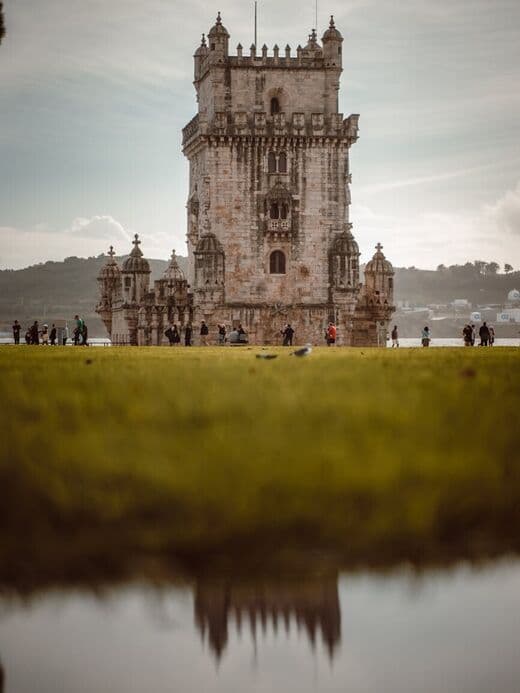
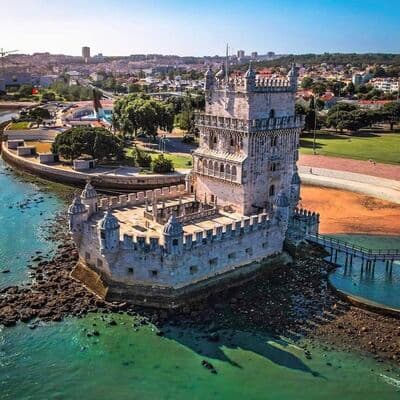
Belem sits 6km west of the center along the riverfront. This is where the Age of Discovery monuments cluster: Jeronimos Monastery, the Monument to the Discoveries, and Belem Tower (currently closed for renovation until mid-2026). The neighborhood feels more suburban, with wide spaces, the MAAT museum, and Lisbon's famous Pasteis de Belem bakery. Stay here only if you prioritize peaceful mornings and waterfront walks over nightlife and walkability. Hotels run 80-140 EUR, and you will need the tram or train to reach central attractions.
Best Time to Visit Lisbon
Lisbon is a year-round destination, but timing your visit correctly can mean the difference between pleasant exploration and battling cruise ship crowds in 35-degree heat.
April to June is the sweet spot. Temperatures range from 18-25 degrees Celsius, rain is minimal, and summer crowds have not yet arrived. The city bursts with jacaranda blooms in May, turning streets purple. Book accommodation 4-6 weeks ahead and expect moderate prices. The only downside: some beach weather may be too cool for swimming, though Cascais and Sintra day trips are ideal.
July and August bring heat, crowds, and prices. Temperatures regularly exceed 30 degrees, making midday sightseeing uncomfortable. Every rooftop bar is packed, Sintra is overrun, and accommodation costs spike 40-50% above shoulder season. However, this is when Lisbon's Santos Populares festivals happen, especially the June 12-13 Santo Antonio celebration with grilled sardines, street parties, and all-night revelry. If you visit in summer, book three months ahead and plan outdoor activities for early morning or evening.
September and October rival spring as the best months. Summer crowds thin out after mid-September, the ocean is actually warmest for swimming, and temperatures remain comfortable at 22-27 degrees. Wine harvest season means special menus at restaurants. This is my personal favorite time to visit, with the added bonus of lower prices than peak summer.
November through March is Lisbon's off-season. Rain is possible though rarely persistent, temperatures stay mild at 10-15 degrees, and you will have attractions largely to yourself. Hotel prices drop 30-40%, and flights from North America and UK are cheapest. The trade-off: shorter days, occasional stormy weather, and some outdoor venues operating reduced hours.
Lisbon Itinerary: 3 to 7 Days
The following itinerary works as a complete three-day visit or expands naturally to a week. Each day has a geographic focus to minimize backtracking across the hills.
Day 1: Baixa, Chiado, and Bairro Alto
Start at Praca do Comercio around 9am, when the massive riverside square is still quiet and morning light illuminates the yellow facades. Walk through the triumphal arch into Rua Augusta, Lisbon's main pedestrian shopping street. Resist the tourist shops and continue straight to Rossio Square for coffee at one of the traditional cafes, around 2 EUR for an espresso.
From Rossio, walk uphill through Chiado. Stop at Livraria Bertrand, the world's oldest operating bookstore since 1732, and browse their English section. Continue to the ruins of Carmo Convent, destroyed in the 1755 earthquake and intentionally left unrestored as a memorial. Entry is 5 EUR, and the roofless nave with Gothic arches against blue sky is one of Lisbon's most photogenic spots. Allow 45 minutes.
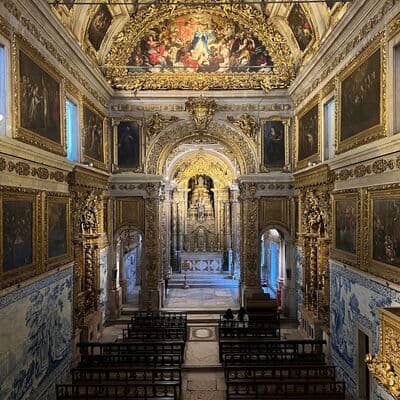
Lunch in Chiado at Cervejaria Trindade, a former monastery turned beer hall with stunning tile work. Their bifana with a draft beer runs about 12 EUR. Alternatively, walk to Time Out Market in nearby Cais do Sodre for a food hall experience with dozens of vendors, expect 15-20 EUR.
Afternoon: Take the Santa Justa Elevator if lines are short, 5 EUR round trip. The views over Baixa's grid pattern are worth a brief queue. Then wander into Bairro Alto, quiet until nightfall, and find Sao Pedro de Alcantara Viewpoint for your first miradouro experience. The kiosk sells beer and wine for 3-4 EUR.
Evening: Return to Bairro Alto after 9pm when the streets fill. Start with ginjinha, the sour cherry liqueur, at A Ginjinha near Rossio, 1.50 EUR per shot. Dinner at a tasca like Taberna da Rua das Flores, where three courses with wine cost 25-35 EUR.
Day 2: Alfama, Graca, and the Castle
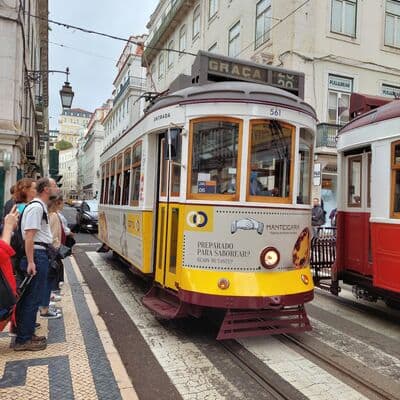
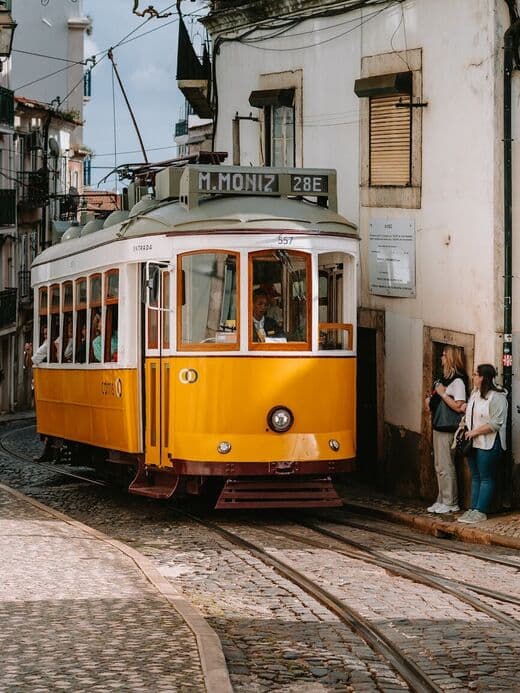
Begin at the Lisbon Cathedral around 9:30am. The Romanesque fortress-church is free to enter, though the cloisters cost 4 EUR. From here, take Tram 28 uphill. This iconic yellow tram is touristy but charming; board early for a window seat. A ride costs 3 EUR onboard, 1.65 EUR with a Viva Viagem card.
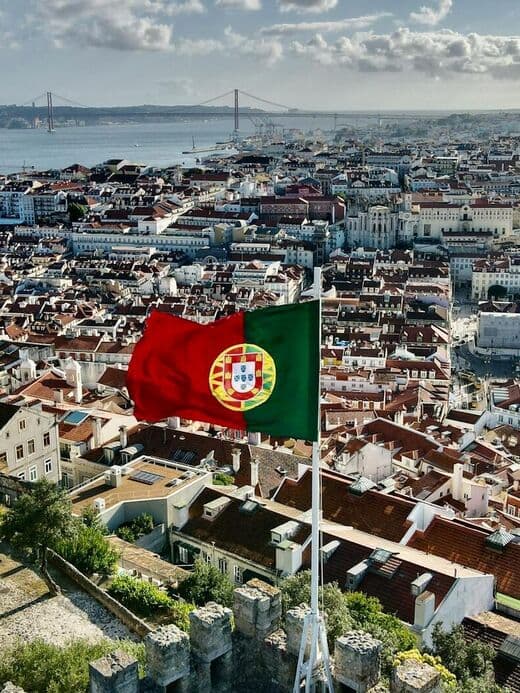
Exit at Sao Jorge Castle. Arrive by 10am to beat crowds. Entry is 15 EUR, and you need 90 minutes to explore the ramparts, gardens, and archaeological site. The views across the city and river are the best in Lisbon. Bring water as shade is limited.
Descend into Alfama on foot, deliberately getting lost. Stop at Santa Luzia Viewpoint for tiled panels depicting Lisbon before the earthquake. Continue downhill to explore narrow alleys and local life.
Lunch: Skip tourist restaurants near the cathedral. Find Casa do Alentejo, a hidden palace with Moorish interiors serving regional food for 10-14 EUR.
Afternoon: Take Tram 28 from Alfama up to Graca. Walk to Graca Viewpoint, then continue uphill to Senhora do Monte Viewpoint, the highest in the city. Bring wine from a grocery store and join locals watching the sunset.
Evening: Reserve a fado show. Avoid tourist-trap venues charging 50+ EUR with mandatory dinner. Book at Mesa de Frades or Tasca do Chico, expecting 25-35 EUR including drinks. Music starts around 10pm.
Day 3: Belem
Take Tram 15E from Praca do Comercio to Belem, about 20 minutes. The waterfront route is scenic. Arrive by 9:30am.
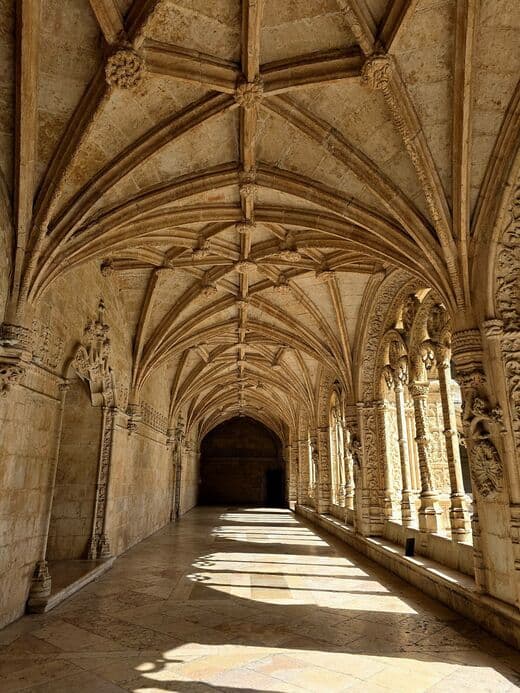
Start at Jeronimos Monastery, UNESCO-listed and genuinely spectacular. The Manueline cloisters are the highlight, all twisted columns and maritime motifs. Entry to the church is free; cloisters cost 10 EUR. Allow 90 minutes and go early.
Walk to the Monument to the Discoveries. The elevator to the top costs 10 EUR for riverside panoramas. Note: Belem Tower remains closed for renovation until mid-2026.
Essential Belem ritual: Pasteis de Belem for the original pasteis de nata. The queue looks intimidating but moves fast. Buy a box of six for 8.40 EUR and eat them warm with cinnamon in the nearby garden.
Lunch: Ponto Final across the river in Cacilhas is worth the ferry, 1.30 EUR each way from Cais do Sodre. Grilled seafood at local prices, 12-18 EUR with skyline views.
Afternoon: The MAAT museum (9 EUR) showcases contemporary art with a walkable rooftop. The National Coach Museum (8 EUR) displays royal carriages. Or visit the National Tile Museum (5 EUR) back in the center.
Days 4-5: Day Trips
Sintra deserves a full day. The train takes 40 minutes from Rossio, 2.30 EUR each way. Start at Pena Palace (14 EUR), a technicolor castle on a forested hill, then hike to Quinta da Regaleira (10 EUR) with its initiatic well and underground tunnels. Avoid weekends and arrive before 10am.
Cascais makes an easier day. The train from Cais do Sodre hugs the coastline for 40 minutes. Cascais is a beach town with excellent seafood, and you can bus to Guincho Beach for Atlantic waves.
Days 6-7: Deeper Lisbon
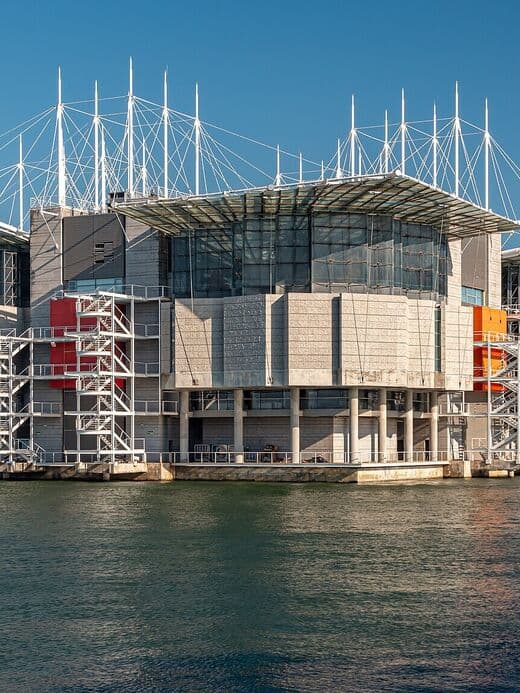
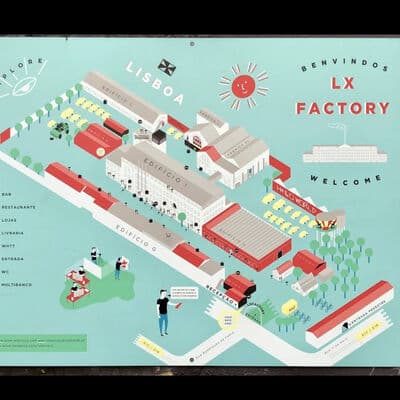
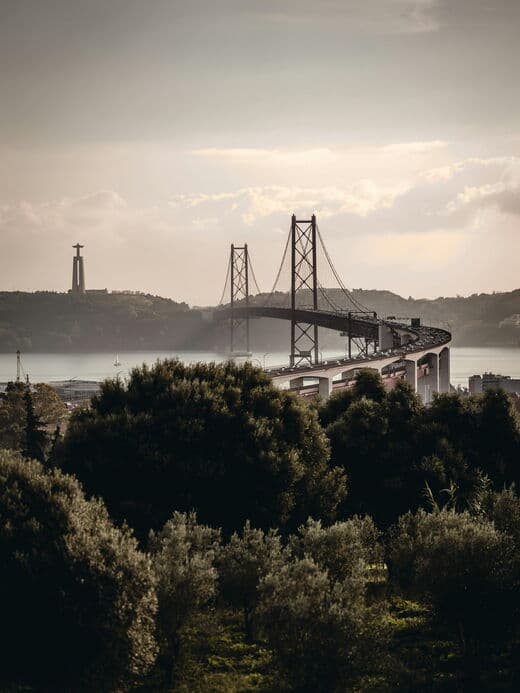
LX Factory under the 25 de Abril Bridge is an industrial complex turned creative hub, excellent for Sunday brunch or browsing design shops. The Calouste Gulbenkian Museum (10 EUR) houses one of Europe's finest private collections in a beautiful garden. The Lisbon Oceanarium (25 EUR) in Parque das Nacoes is among Europe's best aquariums.
Where to Eat in Lisbon
Lisbon's food scene has exploded recently, but the best meals still happen at traditional tascas that have not changed in fifty years.
Traditional Portuguese
Cervejaria Ramiro is the famous choice for seafood, living up to the hype. Expect 40-60 EUR per person for prawns, percebes (goose barnacles), and their legendary prawn sandwich. No reservations; arrive at 6pm or wait an hour. Taberna da Rua das Flores serves modern petiscos in a cozy room, 25-35 EUR for a full meal. For bacalhau done properly, try Laurentina in Baixa.
Budget and Local
Tasca do Chico serves simple home cooking before the fado starts, under 15 EUR. O Velho Eurico in Bairro Alto has handwritten menus and daily-changing dishes, never exceeding 12 EUR. Ze da Mouraria feeds workers with the cheapest lunch deal in central Lisbon, around 7-8 EUR for soup, main, drink, and coffee.
Markets and Casual
Time Out Market is touristy but genuinely good, bringing top Lisbon chefs together in food stall format. Expect 15-20 EUR per person. Mercado da Ribeira, the traditional market on the same site, operates mornings with fresh produce worth seeing.
Modern and Specialty
Belcanto is Portugal's two-Michelin-star flagship, worth a splurge at 200+ EUR for the tasting menu. For vegetarian: Ao 26 or Psi in Alfama. Fabrica Coffee Roasters has three locations serving specialty coffee, 3-4 EUR. Manteigaria in Chiado bakes pasteis de nata in an open kitchen.
What to Try: Lisbon Food Guide
Pasteis de Nata (1.30-1.50 EUR): Custard tarts in flaky pastry, best warm with cinnamon. Pasteis de Belem sets the standard, but Manteigaria and Nata Lisboa produce excellent versions throughout the city.
Bacalhau (12-20 EUR): Salt cod prepared in hundreds of ways. Start with bacalhau a bras (shredded with fried potatoes and eggs) or bacalhau com natas (baked with cream). Seek out taverns that specialize in cod.
Bifana (3.50-5 EUR): A pork sandwich marinated in garlic and white wine on a crusty roll. Perfect cheap lunch with a beer. Try As Bifanas do Afonso near Cais do Sodre.
Grilled Fish (14-25 EUR): Portuguese grill mastery with robalo (sea bass), dourada (sea bream), and sardinhas (sardines, seasonal May-October). Order whole with olive oil.
Cozido a Portuguesa (15-18 EUR): A hearty stew of multiple meats, blood sausage, cabbage, and potatoes. Winter food in enormous portions.
Ginjinha (1.50-2 EUR): Sour cherry liqueur at A Ginjinha or Ginjinha Sem Rival near Rossio. Choose com (with) or sem (without) cherries.
Seafood Rice (30-50 EUR for two): Arroz de marisco, a soupy rice loaded with clams, mussels, shrimp. Meant for sharing.
Lisbon Secrets: Local Tips
The Tram 28 hack: Tourists queue at Martim Moniz for the full route, but boarding is nearly impossible during peak hours. Catch it at Graca or Campo Ourique terminus where the tram starts empty. Or take the route in reverse. Best times: before 9am or after 7pm.
Viewpoint timing: Every guide says watch sunset from Santa Luzia or Graca. They are right, but golden hour brings crowds. Arrive an hour before sunset with drinks from a grocery store. Or come for sunrise alone.
Sunday markets: Feira da Ladra (Thieves' Market) in Graca operates Tuesday and Saturday, selling antique tiles to absolute junk. The Sunday LX Factory market is smaller but curated. Neither operates in rain.
Shoe strategy: The cobblestones (calcada portuguesa) are beautiful and treacherous. Even locals wear practical footwear. Rubber soles and good ankle support are essential.
Dinner timing: Portuguese eat late. Restaurants fill around 8:30pm and stay busy until 11pm. Arrive at 6pm and eat alone in an empty room.
Supermarket wine: Pingo Doce and Continente stock bottles for 3-7 EUR that would cost 20+ elsewhere. Grab anything from Douro or Alentejo regions.
Cash still matters: Tascas, market vendors, and kiosks often operate cash-only. ATMs (Multibanco) are everywhere. Keep 20-30 EUR handy.
Water is free: Ask for agua da torneira. Tap water is perfectly drinkable.
Pasteis de Belem timing: Opens at 8am. By 10am, the queue wraps around the building. Visit early.
Hidden gems: The National Tile Museum is criminally undervisited. The Gulbenkian Museum gardens are free.
Transport and Communication
From the Airport
Lisbon Airport sits 7km from the center. The metro red line connects to downtown in 25 minutes, costing 1.65 EUR with a Viva Viagem card (0.50 EUR card fee). Trains run 6:30am to 1am. Uber and Bolt typically cost 8-12 EUR depending on traffic, often cheaper than taxis at 15-20 EUR fixed rate.
Getting Around
The metro is modern and clean, covering most tourist areas except Alfama and Belem. Four lines connect key points, trains every 5-8 minutes from 6:30am to 1am. A day pass costs 6.80 EUR including metro, bus, tram, and elevator rides.
Trams are iconic but often impractical. Tram 28 is worth riding once, but lines exceed 30 minutes during peak hours. Tram 15E to Belem is more useful. Buy tickets onboard (3 EUR) or use your card (1.65 EUR).
Uber and Bolt work seamlessly, typically 5-10 EUR for cross-city trips. Walking is the best way to experience Lisbon despite the hills. The historic center crosses in 30 minutes on foot.
SIM Cards
EU citizens use home plans without roaming fees. Others should buy a local SIM: Vodafone, NOS, or MEO offer 15-20 EUR for 10-15GB data valid 15-30 days. Bring passport. Free wifi at most cafes and attractions.
Essential Apps
Uber and Bolt for rides. Google Maps for navigation. Zomato or TheFork for restaurant reservations. WhatsApp is universal in Portugal.
Who Lisbon Is For: Final Thoughts
Lisbon works for almost everyone, but particularly rewards certain travelers. History enthusiasts find layers of Moorish, Manueline, and post-earthquake architecture within steps. Food lovers discover cuisine far more sophisticated than its reputation suggests, at prices that embarrass Paris. Budget travelers explore a Western European capital on 30 EUR daily for food.
The city welcomes solo travelers with safe streets and cafe culture that never makes dining alone awkward. Remote workers have made Lisbon their European hub: fast wifi, reasonable costs, time zone bridging US and Europe, and a creative community always forming.
Families might struggle with steep hills and stroller-unfriendly cobblestones, though the Oceanarium and beach towns compensate. Party-focused visitors should check dates; Bairro Alto delivers weekends but can feel quiet midweek.
What Lisbon offers most is atmosphere. The light here is famous for a reason. The fado echoes through Alfama at night. The custard tarts really are that good. Come ready to walk, to eat, and to surrender your schedule to whatever the next cobblestone alley reveals. The city asks little and gives back generously.