About
USA: The Ultimate Travel Guide to the Land of Possibilities
Why Visit the USA
The United States of America is not just a country - it is an entire continent of experiences packed into one nation. In a single trip, you can see the skyscrapers of Manhattan and the deserts of Arizona, surf the Pacific waves and ski in the Rocky Mountains, taste Cajun cuisine in New Orleans and authentic barbecue in Austin. America is a country where distances are measured in flight hours, and the diversity of landscapes and cultures astonishes even seasoned travelers.
For many, the USA conjures images from Hollywood films, and there is truth in this - you can indeed walk the Walk of Fame in Los Angeles, see the Statue of Liberty in New York, or drive the legendary Route 66. But America is so much more than tourist cliches. It is a country of national parks, where the Grand Canyon takes your breath away and the geysers of Yellowstone remind you that the planet is alive. It is a country of music, where jazz, blues, rock and roll, and hip-hop were born. It is a country of innovation, where world-changing companies were started in Silicon Valley garages.
The USA offers travelers unique freedom: rent a car and hit the road, stopping at motels along the way and discovering small towns that no guidebook mentions. Or plan an intensive urban itinerary, flying between metropolises. Or disappear into the wilderness for days, sleeping under starry skies. America embraces any style of travel and generously rewards those willing to explore beyond the beaten path.
Whether you are visiting from the UK, Australia, or anywhere else in the English-speaking world, you will find America both familiar and surprising. The language is the same, but the scale is different - everything is bigger, from portion sizes to parking lots to national parks. Prepare to recalibrate your sense of distance and embrace a country that rewards those who venture beyond the obvious destinations.
Regions: What to Choose
The USA is so vast that trying to see everything in one trip is a futile endeavor. Wiser travelers choose one or two regions and explore them thoroughly. Each region of America is like a separate country with its own character, climate, cuisine, and rhythm of life. Let us explore what each has to offer.
The Northeast: History and Urban Sophistication
The Northeast is the cradle of American independence, the region where the first colonists landed and where the key events of the Revolutionary War unfolded. This is also home to the countrys greatest metropolis - New York City, the city that never sleeps and cannot be described in a few paragraphs.
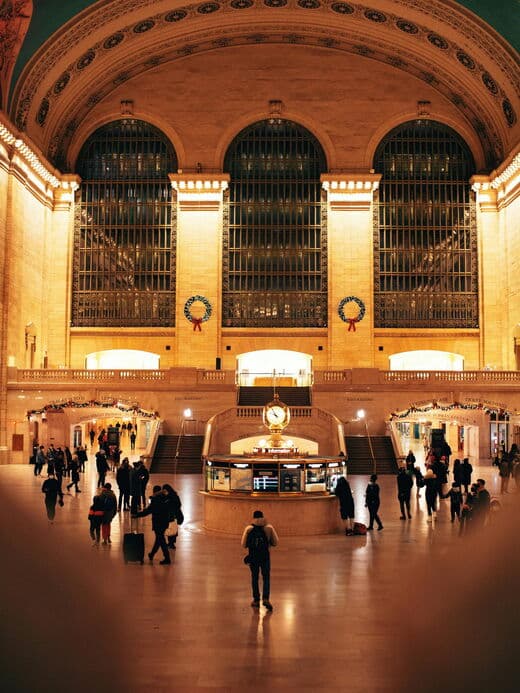
New York is Times Square with its neon madness, Central Park where Manhattanites escape the urban chaos, the Brooklyn Bridge with its Gothic arches, the Metropolitan Museum of Art with a collection that would take a week to properly explore. It is the Empire State Building and the One World Trade Center, Fifth Avenue and DUMBO in Brooklyn, the High Line and Grand Central Terminal. The city is so dense with experiences that even locals constantly discover something new.
Manhattan is the heart of the city, an island of skyscrapers and ambition. Downtown with Wall Street and the 9/11 Memorial, Midtown with Rockefeller Center and the Chrysler Building, the Upper East Side with the Guggenheim Museum and MoMA - each neighborhood has its own character. Brooklyn has long ceased to be just a bedroom community: DUMBO with its view of the Manhattan Bridge, Williamsburg with its hipster bars, Brooklyn Heights with its historic brownstones - it is a city within a city.
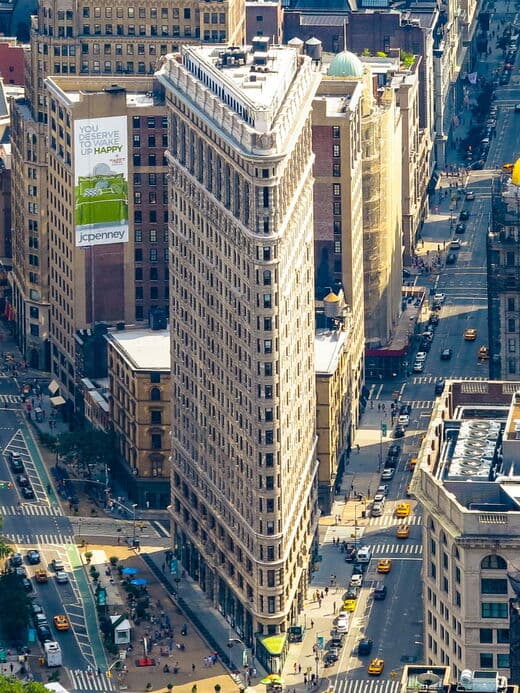
The Statue of Liberty and Ellis Island are symbols of the American dream, through which millions of immigrants passed. The New York Public Library is a Beaux-Arts masterpiece with legendary lions at the entrance. The Flatiron Building was an iconic triangular skyscraper before the Empire State existed. The American Museum of Natural History - yes, that museum from Night at the Museum - could easily consume an entire day.
Boston is the intellectual capital of America, the city of Harvard and MIT, where history lies literally beneath your feet. Walk the Freedom Trail - a 4-kilometer route connecting 16 historic sites. The red line on the pavement leads from Boston Common - the oldest public park in the country - through Old North Church, where lanterns were hung to warn of the British approach, to Paul Reveres House.
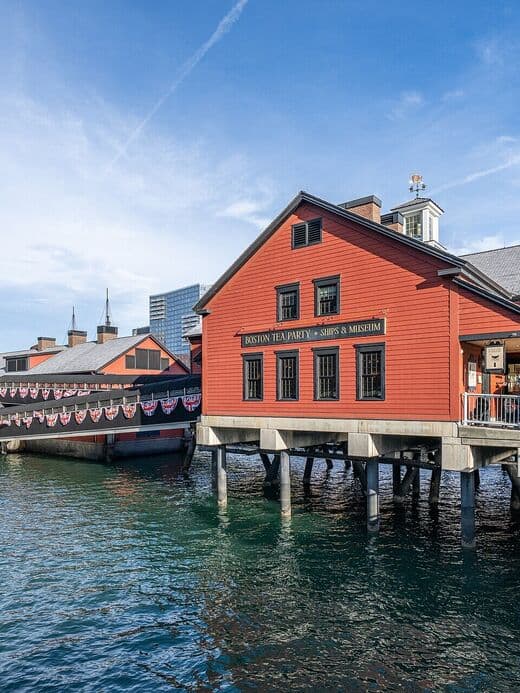
Visit Harvard Yard, where eight US presidents studied, and rub the foot of John Harvards statue for luck. Stop by the Boston Tea Party Ships and Museum, where you can throw tea overboard yourself - interactive history at its best. Faneuil Hall is a historic market where Samuel Adams called for independence, now selling clam chowder and lobster rolls.
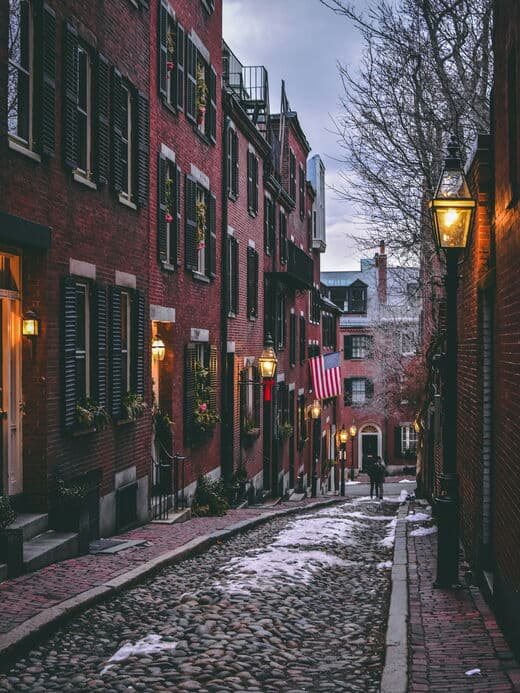
Beacon Hill with its gas lamps, brick sidewalks, and narrow streets is one of the most charming neighborhoods in America. Boston Public Garden is the countrys oldest botanical garden with legendary swan boats. The Museum of Fine Arts has one of the best collections in the country. The Isabella Stewart Gardner Museum is a Venetian palazzo with stolen Rembrandts - empty frames still hang on the walls in hope the paintings will return.
Fenway Park is the oldest baseball stadium in the country, home of the Boston Red Sox, where the Green Monster wall in left field is as much an attraction as the game itself. The Charles River Esplanade is a park with views of Cambridge, perfect for running or picnicking. Boston Harbor Islands is a national park within city limits with beaches and forts. Trinity Church is a Romanesque Revival masterpiece reflected in the glass facade of the Hancock Tower. The Boston Public Library was the first public library in the country, with an Italian courtyard and Sargent murals. USS Constitution is the oldest commissioned naval vessel afloat, launched in 1797. The Museum of Science is an interactive museum that delights children and adults alike.
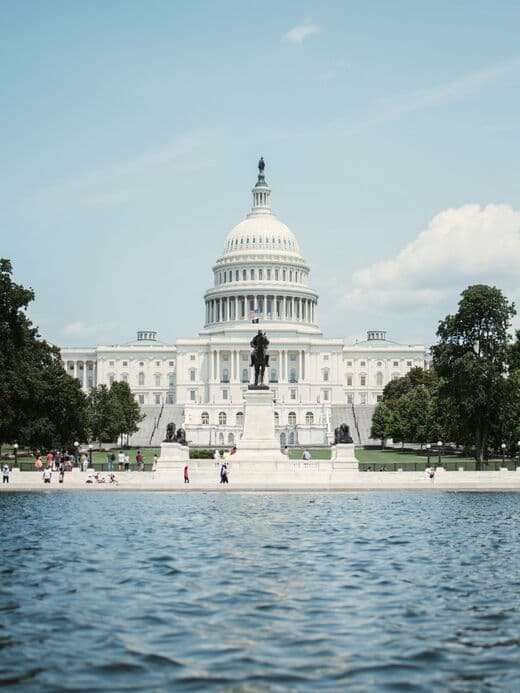
Washington, D.C. is a capital built specifically to be a capital. There are no skyscrapers here - law prohibits building higher than the Capitol - but there are magnificent monuments and the best museums in the country, all free. The Lincoln Memorial, Washington Monument, Capitol, and White House can all be seen on foot in one packed day along the National Mall.
The Smithsonian museums are a world-class treasure trove. The National Air and Space Museum has the actual Apollo command module and the Wright Brothers plane. The National Museum of American History has the original Star-Spangled Banner and the ruby slippers from The Wizard of Oz. The National Museum of African American History and Culture is a powerful narrative of slavery, segregation, and civil rights. The National Gallery of Art has the only Leonardo da Vinci in the Americas and an extensive impressionist collection. All these museums are free.
The Jefferson Memorial on the Tidal Basin is especially beautiful in spring when the cherry blossoms bloom. The FDR Memorial tells the story of the Great Depression and World War II through sculptures and waterfalls. The Vietnam Veterans Memorial - a black wall with 58,000 names - is a place of quiet mourning. The Einstein Memorial in front of the National Academy of Sciences features a bronze scientist with notes of his formulas. The Library of Congress is the worlds largest library with 170 million items in a stunningly beautiful building.
Arlington National Cemetery is the final resting place of veterans from the Civil War to Afghanistan, where the changing of the guard at the Tomb of the Unknown Soldier occurs every half hour with perfect precision. The Supreme Court allows visitors to attend sessions if you arrive early and wait in line. Lincolns Cottage is the summer residence where the president drafted the Emancipation Proclamation. Dumbarton Oaks is an estate with gardens where the UN was planned. The National Arboretum covers 180 hectares of gardens, including surreal columns from the old Capitol. The National Postal Museum is surprisingly engaging.
The Northeast is ideal for a first American visit, especially if you love history, museums, and city life. The region is compact by American standards - you can travel between Boston, New York, and Washington by Amtrak train, enjoying the views from the window. Philadelphia midway offers another stop: the Liberty Bell, Independence Hall where the Declaration of Independence was signed, and the best cheesesteaks in the country.
The Southeast: Southern Hospitality and Musical Roots
The American South is a world apart with its own pace of life, cuisine, and traditions. People speak slower here, the food is spicier, and guests are treated like family. This is the region where blues, jazz, and country music were born, where plantation mansions stand alongside swamps, and barbecue is elevated to an art form.
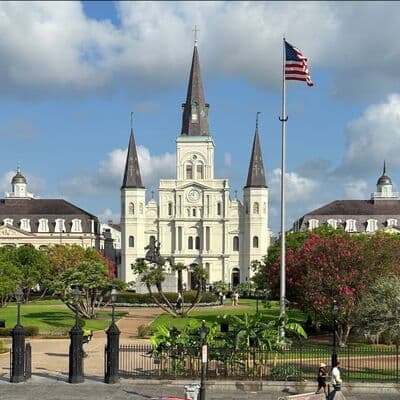
New Orleans is the most unusual city in America, a place where French, Spanish, African, and Caribbean influences have blended into a unique cultural cocktail. The French Quarter with its lacy ironwork balconies, Bourbon Street with its round-the-clock bars and live music, Jackson Square with street performers and fortune tellers - the city is unlike anything else in America.
You must visit Cafe du Monde for beignets and chicory coffee - the cafe has been open 24 hours since 1862. Listen to jazz at Preservation Hall - an authentic venue with no air conditioning or alcohol, just music. Stroll through the Garden District with its mansions and oak trees draped in Spanish moss. Visit St. Louis Cathedral - the oldest continuously operating Catholic cathedral in the US. Order a po-boy with oysters or jambalaya - Creole and Cajun cuisine is everywhere.
New Orleans is also a city of mysticism. Voodoo, above-ground cemeteries, ghost stories - the dark side of the city is no less attractive than the bright side. Visit St. Louis Cemetery No. 1 with a guide - the tomb of Marie Laveau, the Voodoo Queen, still attracts pilgrims. And if you visit during Mardi Gras in February or March, the city transforms into one giant carnival with parades, costumes, and beads.
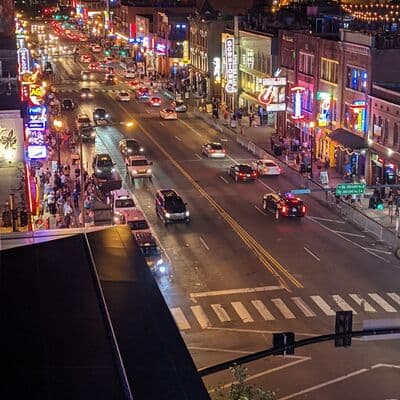
Nashville is the world capital of country music. Broadway downtown is a street where live music pours out of every bar, and its free. Honky tonks operate from morning to night, and at any time you can walk in to hear up-and-coming musicians or catch surprise appearances by stars. Grand Ole Opry is the legendary concert venue where every country star from Hank Williams to Dolly Parton has performed. The Ryman Auditorium - the Mother Church of country music - is an acoustically perfect hall where the Grand Ole Opry was born.
Nashville is booming - young professionals from across the country are moving here, trendy restaurants and bars are opening, but the atmosphere of southern hospitality remains. Try hot chicken - spicy fried chicken that is a local invention. The Country Music Hall of Fame is a must for fans of the genre. And if you want to see the city from an unexpected angle, check out the Parthenon - a full-scale replica of the Athenian original with a 13-meter statue of Athena inside.
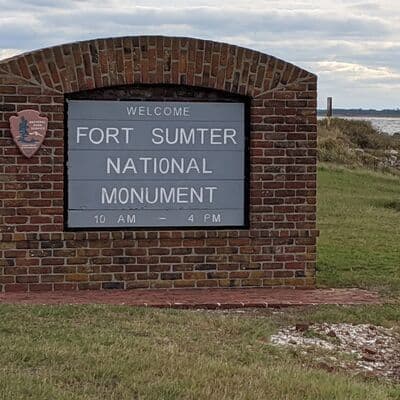
Charleston may be the most beautiful city in the American South. The Historic District with its antebellum mansions, Rainbow Row - a row of colorful Georgian houses from the 18th century - is one of the most photographed streets in the country. Fort Sumter on an island in the harbor is where the Civil War began on April 12, 1861, when Confederate forces fired on the federal garrison.
Charleston cuisine is considered among the best in the country. Low Country cuisine means shrimp and grits, she-crab soup, Hoppin John made with rice and black-eyed peas. The citys restaurants regularly appear in national rankings. Stroll along the Battery - a waterfront promenade with harbor views, visit Waterfront Park with its legendary pineapple fountain, browse the City Market that has operated since 1804. The plantations around the city - Boone Hall, Magnolia, Middleton Place - tell both the beautiful and tragic history of the South.
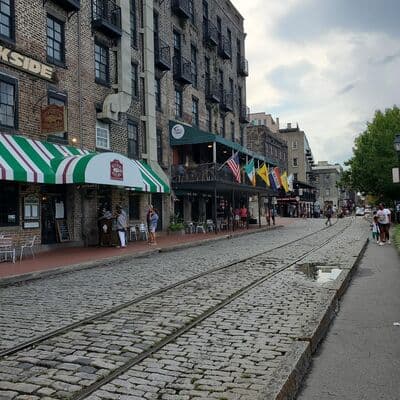
Savannah is a garden city with 22 historic squares, each with its own character and story. Forsyth Park with its famous fountain is the symbol of the city, a place for morning jogs and Sunday picnics. The Historic District is one of the largest in the country, with cobblestone streets, mansions, and oak trees draped in Spanish moss. River Street is a riverfront where old cotton warehouses have become restaurants, bars, and shops.
Savannah charms with its slow Southern pace. You can legally drink on the street here - order a to-go cup at any bar. The book and film Midnight in the Garden of Good and Evil made the city a cult destination for fans of Gothic atmosphere. Bonaventure Cemetery with its sculptures and live oaks is one of the most atmospheric places in the country. And if you want to see the city through local eyes, take a trolley tour or join an evening ghost tour.
Miami is a completely different kind of South - Latin American and glamorous. South Beach with its white sand and turquoise water, the Art Deco District with its pastel 1930s buildings, Ocean Drive with its cafes and clubs - the city lives for nightlife and fashion. Miami Beach architecture comprises 800 Art Deco buildings - the largest collection in the world, most built in the 1930s-40s as affordable hotels for the middle class, now a historic district.
Little Havana is a piece of Cuba with its coffee, cigars, and music. Calle Ocho is the main street of the neighborhood, where you can drink a colada (strong sweet espresso) from a ventanita window, watch old men play dominoes in Maximo Gomez Park, and buy fresh hand-rolled cigars. Wynwood is a world-class street art district where warehouse walls have become canvases for artists from around the globe. Every December, Art Basel, the largest contemporary art fair in America, takes place here.
Vizcaya is an early 20th-century Italian villa on the bay with gardens and a European art collection. Bayside Marketplace is a waterfront shopping center with views of the bay and port. Key Biscayne is an island with beaches and a lighthouse, accessible by causeway. And nearby is the Everglades, a unique subtropical wetland ecosystem with alligators, manatees, and rare birds. Take an airboat ride to see alligators in their natural habitat.
Miami is the gateway to the Florida Keys, a 180-kilometer chain of islands connected by bridges. Key West at the end is the southernmost point of the continental United States, the city of Hemingway and six-toed cats, sunsets and Key lime pie. The Overseas Highway is one of the most scenic drives in the world, with the Seven Mile Bridge in the middle.
The Midwest: The Heart of America
The Midwest is often underestimated, but this is where the heart of real America beats. It is a region of endless prairies and Great Lakes, industrial cities and farmlands, genuine people and honest food. Fewer tourists come here, but there is more authenticity.
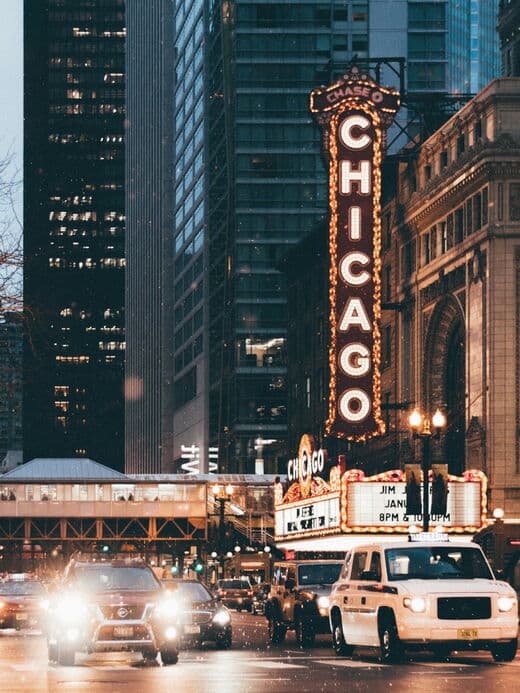
Chicago is the third-largest city in the USA and possibly the most underrated. Chicago architecture is a textbook on the history of skyscrapers: this is where the building type was born after the Great Fire of 1871, when the city rebuilt itself experimenting with steel frames. The Chicago School of architecture gave the world the first skyscrapers, then Mies van der Rohe and his students created modernist icons.
The Willis Tower - formerly the Sears Tower - has Skydeck Ledge glass balconies where you stand over a 412-meter drop. Millennium Park has the famous Bean - Anish Kapoors Cloud Gate sculpture reflecting the city in its mirrored surface. The Art Institute of Chicago has one of the best collections in the world: American Gothic, Nighthawks, an impressionist hall with Seurat, Monet, and Renoir.
The Magnificent Mile on Michigan Avenue offers world-class shopping: from Apple to Louis Vuitton, from Nordstrom to Neiman Marcus. Navy Pier is an entertainment complex on Lake Michigan with a Ferris wheel, theaters, and fireworks in summer. The Riverwalk along the Chicago River is one of the best urban public spaces in the country, with restaurants, bars, and kayaks.
Wrigley Field is the legendary Cubs baseball stadium built in 1914, where time seems to have stopped: manual scoreboard, ivy on the walls, fans on neighboring rooftops. The Field Museum is one of the largest natural history museums in the world with Sue the T. rex. Shedd Aquarium is one of the oldest in the country with belugas and dolphins against the lake skyline.
Chicago is also a culinary capital. Deep dish pizza is the opposite of New York-style: thick crust, lots of cheese, sauce on top. Best places: Lou Malnatis, Giordanos, Pequods. Italian beef is juicy meat on a roll with peppers. Chicago-style hot dogs have seven toppings including a pickle spear, but never ketchup - thats taboo. And Chicagos jazz and blues clubs are living American music history: Kingston Mines, Buddys Lounge, Green Mill - where Al Capone hung out.
The Southwest: Deserts and Canyons
The Southwest is a region where nature has created its most impressive sculptures. Red rocks, deep canyons, endless deserts, and saguaro cacti - the landscapes here are so otherworldly that they can be hard to process as real. This is the land of Native American reservations and cowboy culture, Route 66 and ghost towns.
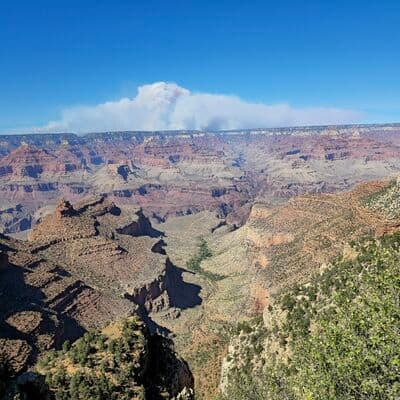
The Grand Canyon is a place that photographs cannot capture. Standing at the rim and looking at layers of rock up to two billion years old, you feel the scale of geological time. The canyon is 446 kilometers long, up to 29 kilometers wide, and 1,800 meters deep. The Colorado River carved it over 5-6 million years, exposing rocks that remember the birth of life on Earth.
Mather Point is the first stop for most visitors, a classic canyon view. Hopi Point is the best spot for sunset, when the canyon turns shades of red and gold. Desert View Watchtower on the eastern rim is a 21-meter tower in pueblo style with panoramic views of the canyon and Painted Desert.
For those who want more - a descent into the canyon. Bright Angel Trail is the most popular route with water and shelters, 15 kilometers to the river with a 1,300-meter elevation change. South Kaibab Trail is steeper and more scenic but has no water. Remember: the descent takes half the time of the ascent, and most rescue operations are for people who overestimated their abilities. In summer, the temperature at the canyon bottom is 15 degrees higher than at the rim.
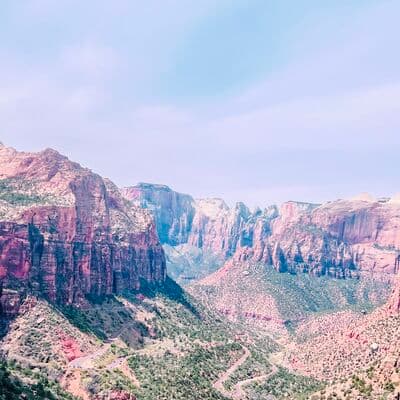
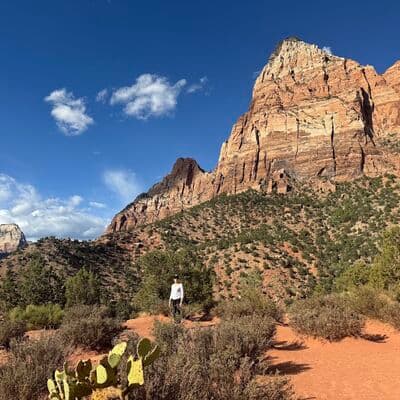
Zion National Park is a canyon of a completely different character: narrow, deep, with sheer walls of red and white sandstone. Here you do not look at the canyon from above - you are inside it, with walls towering hundreds of meters above you.
Angels Landing is one of the most thrilling hikes in the country. The final section follows a narrow ridge with chains - 450-meter drops on both sides. The trail now requires a permit due to popularity - book on recreation.gov months in advance. The view from the top shows the entire Zion Canyon.
The Narrows is a hike through the Virgin River between canyon walls up to 600 meters high. You walk in the water - sometimes ankle-deep, sometimes waist-deep. You need special boots with neoprene socks and a trekking pole - all rentable in Springdale at the park entrance. Best to hike bottom-up - no permit needed. Check the forecast: flash floods are possible after rain in the mountains.
Observation Point offers the highest view in the park, 670 meters above the valley. The trail from the canyon is closed due to a rockslide, but you can reach it from the east entrance on an easier path. Emerald Pools is an easy hike to waterfalls and pools. Canyon Overlook is a short trail with excellent views of Pine Creek. Watchman Trail offers sunset views over Springdale. Riverside Walk is an easy path along the river to the start of the Narrows. Court of the Patriarchs features views of three monumental rock formations named for Abraham, Isaac, and Jacob.
Death Valley is the hottest, driest, and lowest place in North America. In summer, temperatures exceed 50 degrees Celsius - in July 1913, 56.7C was recorded here, possibly a world record. Visiting in summer is not recommended. But in spring and fall, this is an otherworldly landscape worth seeing.
Badwater Basin is the lowest point in the Western Hemisphere, 86 meters below sea level. White salt crust stretches to the horizon. Zabriskies Point offers panoramic views of colorful mountains, especially beautiful at sunrise. Mesquite Flat has sand dunes best photographed in early morning or late evening. Racetrack Playa is a dry lake with moving rocks that leave tracks on the clay surface. Dantes View offers views of the entire valley from 1,669 meters. Artists Palette features rocks of every color from minerals.
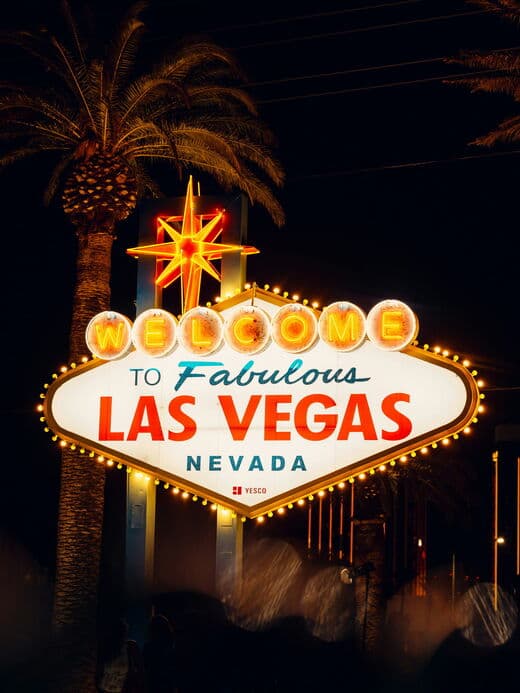
Las Vegas is a city-mirage in the middle of the Mojave Desert, a place unlike anything else in the world. The city of casinos, shows, weddings, and everything that stays in Vegas. But Vegas is much more than gambling.
The Bellagio Fountains are a free show every 15-30 minutes, with water jets dancing to music against the Strip backdrop. Fremont Street is old Vegas with a covered LED canopy and a zipline over the crowd. The Sphere is the newest attraction, a giant ball with 16K screens inside and out, where concerts and immersive films create unprecedented experiences.
The Neon Museum is a graveyard of old signs telling the citys history from the Golden Nugget to the Stardust. The Mob Museum covers Vegas dark past when Bugsy Siegel and his successors ran the city. Area15 and Omega Mart is an immersive art experience from Meow Wolf: enter a supermarket and find yourself in parallel dimensions. The High Roller is the largest observation wheel in North America with Strip views.
Hoover Dam is 45 minutes from Vegas, an engineering marvel of the 1930s that created Lake Mead. Red Rock Canyon is 30 minutes away, with red rocks for hiking and climbing, a reminder that the desert never left. Valley of Fire is a state park with petroglyphs and Martian landscapes.
Vegas is also world-class dining. Michelin-starred chefs open restaurants in casinos: Joel Robuchon, Guy Savoy, Gordon Ramsay. Vegas buffets are legendary: Bacchanal at Caesars Palace, Wicked Spoon at Cosmopolitan. And shows - from Cirque du Soleil to Celine Dion - can be seen every night.
The Pacific Coast: From Seattle to San Diego
The West Coast is the California Dream, Silicon Valley tech giants, Napa vineyards, and giant sequoias. This is a region where the weather is almost always good and the lifestyle is relaxed and healthy. The Pacific Coast Highway is one of the most scenic drives in the world: Highway 1 from San Francisco to Los Angeles through Big Sur.
Los Angeles is not a city in the traditional sense but an agglomeration of dozens of neighborhoods spread over 80 kilometers along the coast. There is no center - there are many centers: Downtown, Hollywood, Santa Monica, Beverly Hills, Venice, Pasadena. Without a car, you cannot function here - this is a city built for automobiles.
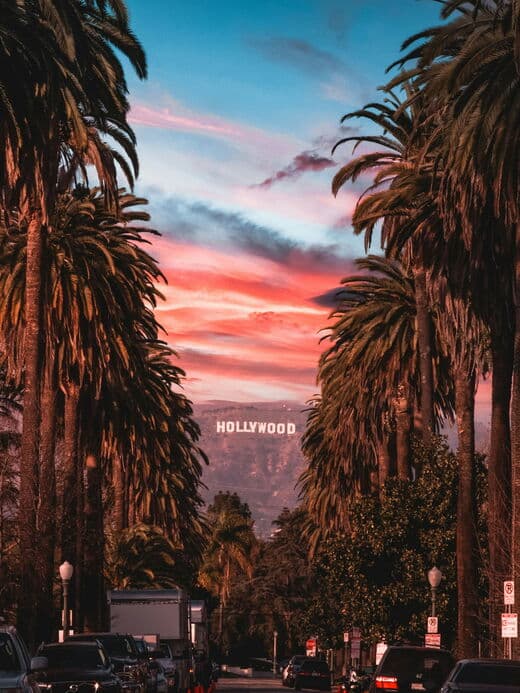
The Hollywood Sign - nine white letters on a hill, symbol of the dream industry. Best views: from Griffith Observatory or the hiking trail to it (but you cannot get close). The Walk of Fame has 2,700 stars on the Hollywood Boulevard sidewalk, from Chaplin to modern stars. Griffith Observatory offers the best view of the city and those famous letters, with a free planetarium and telescopes.
The Getty Center is a world-class museum with free admission (you only pay for parking), stunning Richard Meier architecture, and views of all Los Angeles. The collection ranges from Rembrandt to Van Gogh, with Robert Irwins gardens. The Broad has contemporary art downtown: Koons, Kusama, Basquiat, Murakami. Tickets are free but book ahead. LACMA is the largest art museum in the West: from ancient art to Urban Light - 202 street lamps that became an installation.
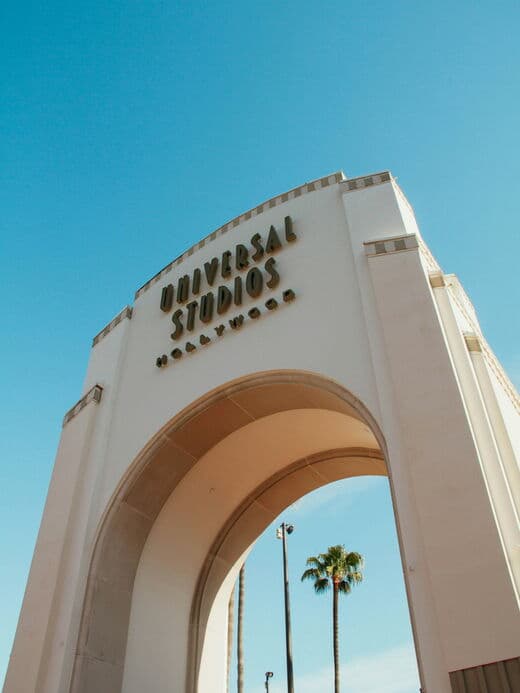
Santa Monica Pier is the end of legendary Route 66, with a Ferris wheel and aquarium. Venice Beach is a bohemian beach with bodybuilders at Muscle Beach, skaters at the skate park, street performers, and canals that gave the neighborhood its name. Universal Studios Hollywood is not just a theme park but a working film studio: a backlot tour, the Wizarding World of Harry Potter, rides based on movies from Jurassic Park to Fast and Furious.
Downtown Los Angeles is experiencing a renaissance: historic buildings are becoming lofts and restaurants, Grand Central Market is a foodie paradise, Walt Disney Concert Hall by Frank Gehry is an architectural icon. Malibu has movie star beaches. Pasadena has old money and the Rose Bowl. The Huntington has a library with the Gutenberg Bible and Japanese gardens.
San Francisco is a city of completely different character: compact, walkable, full of personality. A city of hills - 43 of them - and fog, which Mark Twain supposedly called the coldest winter he ever spent (though the quote is apocryphal).
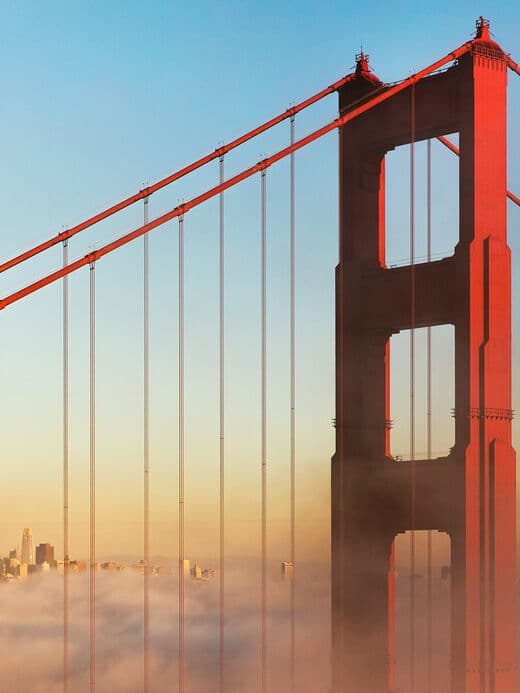
The Golden Gate Bridge is possibly the most photographed bridge in the world. The International Orange color was chosen deliberately - it is visible in fog. Walk or bike across to Sausalito - 2.7 kilometers over the strait. Best views: Battery Spencer on the north side, Baker Beach on the south.
Alcatraz is a former federal prison on an island in the middle of the bay, from which, they say, escape was impossible. Though several tried, and three mens fates remain unknown. The audio tour with voices of former inmates and guards is excellent. Book tickets weeks ahead, especially for the night tour.
The Cable Cars are the only moving National Historic Landmark in the world. The system has operated since 1873, and this is not a tourist attraction but working transportation. The Powell-Hyde line is the most scenic, with bay views. The line at Powell Street is long - board at intermediate stops.
Fishermans Wharf is touristy but atmospheric. Sea lions at Pier 39, clam chowder in a bread bowl, Dungeness crab in season. Chinatown is the oldest in North America, founded in the 1840s, with dragon gates and dim sum restaurants.
Lombard Street is the crookedest street in the world: 8 turns in 400 meters. Painted Ladies are Victorian houses famous from the Full House opening credits, with downtown behind. Coit Tower is an observation tower on Telegraph Hill with 1930s murals and 360-degree views. Palace of Fine Arts is a neoclassical fantasy on a lagoon, left over from the 1915 Worlds Fair.
San Francisco is a city of neighborhoods, each with its own identity. The Castro is the historic LGBTQ neighborhood with rainbow crosswalks. Haight-Ashbury is the cradle of the 1960s hippie movement. The Mission is a Latino neighborhood with murals and burritos. North Beach is Little Italy with beatnik coffee shops. Napa Valley and Sonoma are an hour north, with 400 wineries offering tastings.
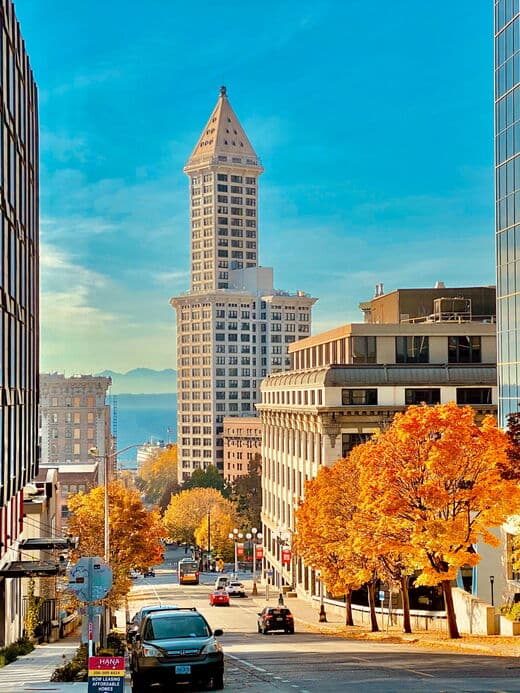
Seattle is a city of rain, coffee, and tech giants. Amazon, Microsoft, Starbucks - all were born here. The city is surrounded by water and mountains: Puget Sound on one side, the Cascade Mountains on the other, Mount Rainier on the horizon on clear days.
Space Needle is a futuristic tower built for the 1962 Worlds Fair with an observation deck featuring a rotating glass floor. Pike Place Market is the oldest farmers market in the country, operating since 1907. This is where they throw fish, where the original Starbucks was born, where you can find everything from oysters to antiques.
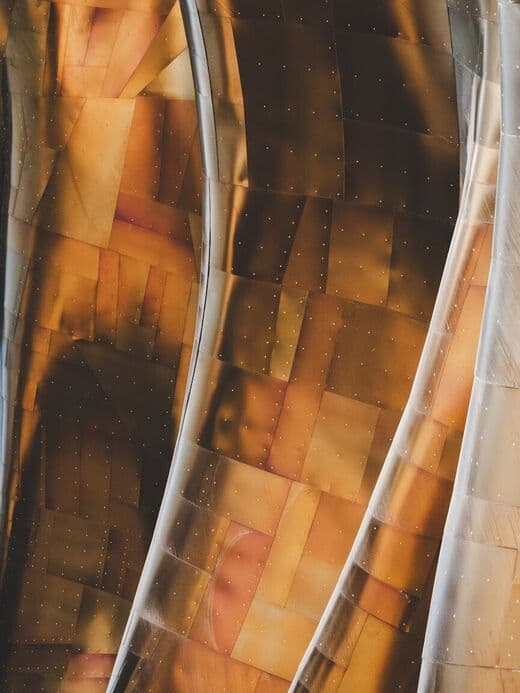
Chihuly Garden and Glass features stunning glass sculptures by Dale Chihuly, a local artist with a global reputation. The Museum of Pop Culture is an interactive museum of music, science fiction, and pop culture in a Frank Gehry-designed building: Jimi Hendrixs guitars, Star Wars costumes, interactive recording studios.
Kerry Park offers the best view of downtown and Mount Rainier, the classic Seattle photograph. The Fremont Troll is a giant sculpture under a bridge clutching a real Volkswagen Beetle. The Gum Wall is exactly what it sounds like: a wall covered in gum, in an alley near Pike Place. The Underground Tour is a walk through the underground streets of old Seattle, which was raised one level higher after the 1889 fire.
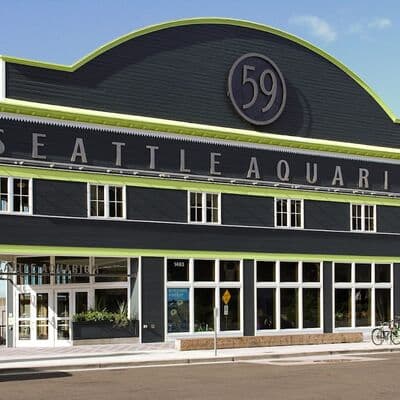
The Seattle Art Museum with Hammering Man on the facade has a collection from antiquity to contemporary. The Museum of Flight is one of the largest aviation museums in the world with the first Air Force One and the 747 prototype. Seattle Aquarium on the waterfront features local marine life from octopuses to sea otters.
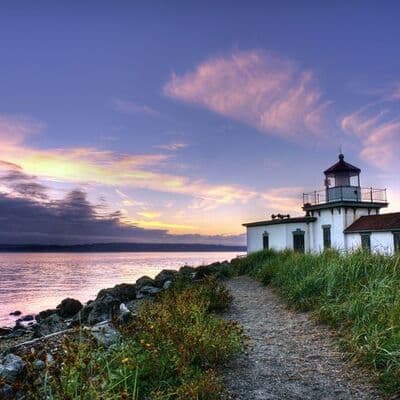
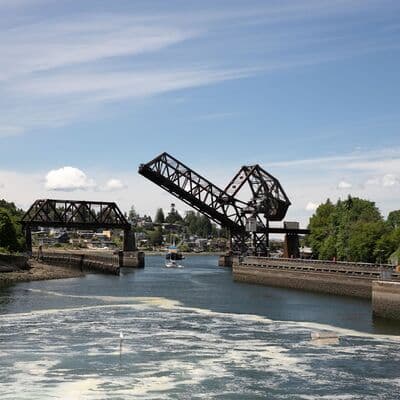
Gas Works Park features industrial ruins of a gas plant converted into a park with downtown views. Discovery Park is 220 hectares of wilderness within city limits with a lighthouse and beaches. Volunteer Park has a conservatory with orchids and the Asian Art Museum. Ballard Locks raises boats between fresh and salt water while salmon climb the fish ladder. Olympic Sculpture Park is a free contemporary sculpture park on the waterfront.
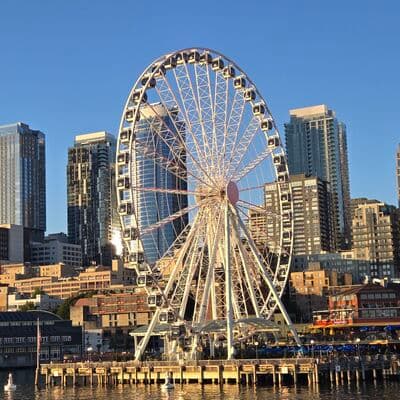
The Seattle Great Wheel rises 53 meters above the waterfront. Seattle Japanese Garden is an oasis of calm in the city. Waterfall Garden Park is a small oasis in Pioneer Square. Seattle Central Library is a Rem Koolhaas architectural masterpiece worth visiting just to see the building.
Hawaii: Tropical Paradise
Hawaii is the 50th state of the USA, but feels like another planet. A chain of volcanic islands in the middle of the Pacific Ocean, where Polynesian culture meets the American way of life, and nature amazes with diversity - from tropical forests to lava fields, from snow-capped peaks to coral reefs.
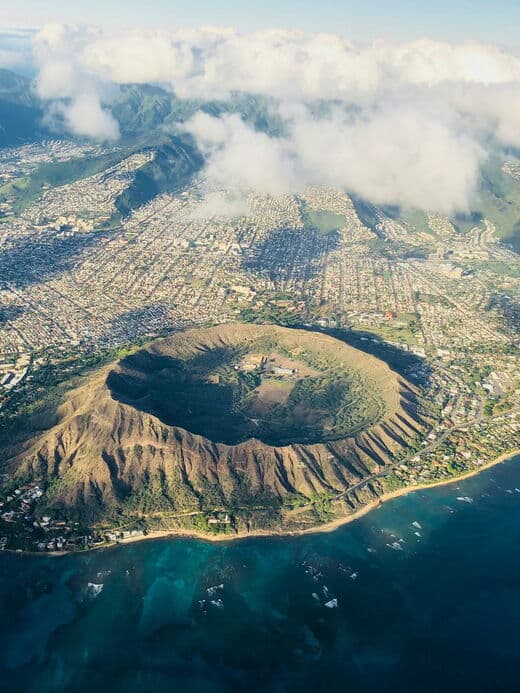
Honolulu on the island of Oahu is the state capital and main tourist hub. Waikiki Beach is a legendary beach with views of Diamond Head, a volcanic crater you can climb in 1.5 hours via a trail through a former military fortification. The view from the top shows all of Honolulu and the south coast.
Pearl Harbor is a memorial dedicated to the December 7, 1941 attack that changed the course of history. The USS Arizona Memorial is a platform over the sunken battleship where 1,177 sailors still rest, and oil continues to rise to the surface. Tickets are free but book ahead. Bishop Museum has the best collection of Polynesian artifacts in the world, telling the history of Hawaii from Polynesian voyagers to US annexation.
Hanauma Bay offers the best snorkeling on the island in an extinct volcanic crater. The bay is a nature preserve with limited visitors - book online. Hundreds of fish species swim in crystal-clear water. Manoa Falls is an easy hike through tropical forest to a 45-meter waterfall. Lanikai Beach regularly appears on lists of the worlds best beaches: white sand, turquoise water, two islands on the horizon.
Koko Crater is 1,048 steps on old railway ties to the summit, one of the most challenging hikes on the island, but worth the view. Lanikai Pillbox is a short but steep hike to former military bunkers with views of Lanikai and Kailua. The North Shore of Oahu is a surfing mecca with waves reaching 15 meters in winter. Pipeline, Sunset Beach, Waimea Bay - legendary spots where world championships take place.
Iolani Palace is the only royal palace on US soil, residence of the last Hawaiian monarchs. Honolulu Museum of Art has an excellent Asian collection. Ala Moana is a local beach, less touristy than Waikiki. Waikiki Aquarium is small but features endemic Hawaiian fish. Honolulu Zoo sits in Kapiolani Park at the foot of Diamond Head. National Memorial Cemetery of the Pacific in Punchbowl Crater is the final resting place of Pacific War veterans. Chinatown is the oldest in the state, with markets, restaurants, and nightlife.
Hawaii is more than just Oahu. The Big Island (Hawaii) has active volcanoes Kilauea and Mauna Loa, black sand beaches, and snow-capped Mauna Kea with observatories. Maui has the Road to Hana with 620 curves and 59 bridges over 85 kilometers, and Haleakala volcano with sunrises above the clouds. Kauai is the Garden Isle with Waimea Canyon (the Grand Canyon of the Pacific) and the Na Pali Coast, accessible only on foot or by boat. Each island is unique and deserves a separate trip.
The Rocky Mountains: Wild Nature
The Rocky Mountains are a range stretching from Canada to New Mexico, a region of national parks, ski resorts, and towns with cowboy spirit. Nature here is still wild, and bears and elk are not uncommon.
Yellowstone is the first national park in the world, established in 1872, and possibly the most impressive. The park sits on a supervolcano caldera, last erupting 640,000 years ago. Geothermal activity is everywhere - more than 10,000 hot springs, geysers, mud pots, and fumaroles.
Old Faithful erupts every 60-110 minutes (90 on average) with predictability within 10 minutes. Eruptions last 2-5 minutes, shooting 14,000-32,000 liters of boiling water up to 55 meters high. Around it is the Upper Geyser Basin with hundreds of other geysers.
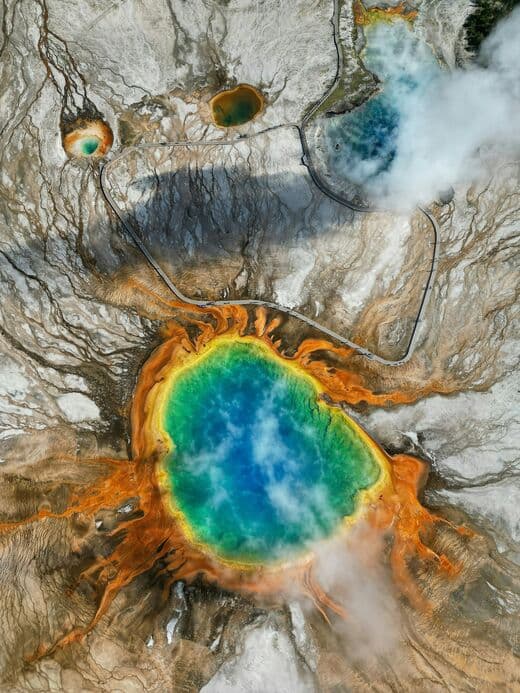
Grand Prismatic Spring is the largest hot spring in the USA and third in the world, 90 meters in diameter. The rainbow colors - from blue in the center (too hot for life) to orange and brown at the edges (thermophilic bacteria) - are created by nature, not Photoshop. The best view is from the Fairy Falls Overlook trail.
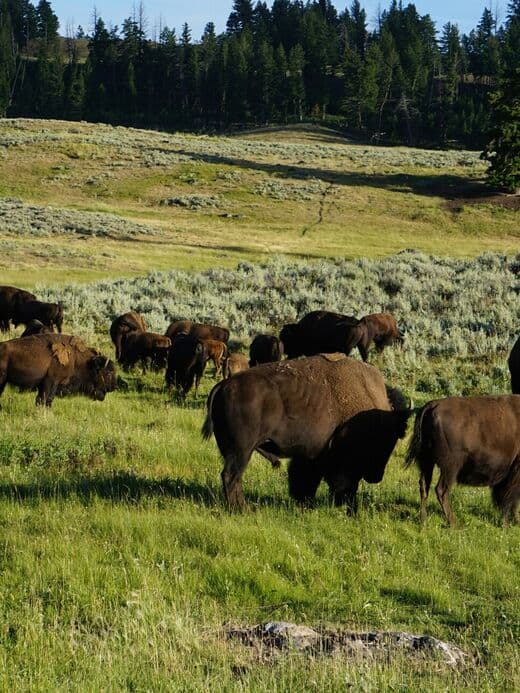
Mammoth Hot Springs has travertine terraces resembling a frozen waterfall, constantly changing shape. Yellowstone Falls is twice the height of Niagara, in the Grand Canyon of the Yellowstone (not to be confused with that Grand Canyon in Arizona). Lamar Valley is the Serengeti of North America, the best place for wildlife watching: bison herds, wolves, grizzly bears, elk, pronghorn antelope. Come at dawn or dusk.
Yellowstone is also history. Old Faithful Inn is the largest log structure in the world, built in 1904. The museum at Mammoth Hot Springs tells the parks history from early explorers to the National Park Service. Remember: animals are wild. Keep 100 meters from bears and wolves, 25 meters from bison and elk. Every year tourists are injured by bison.
Yosemite is a valley carved by glaciers, with sheer granite walls and waterfalls. John Muir called it a temple of nature, and that is no exaggeration. Ansel Adams made it famous with his black-and-white photographs. Alex Honnold climbed El Capitan without ropes - documented in the Oscar-winning film Free Solo.
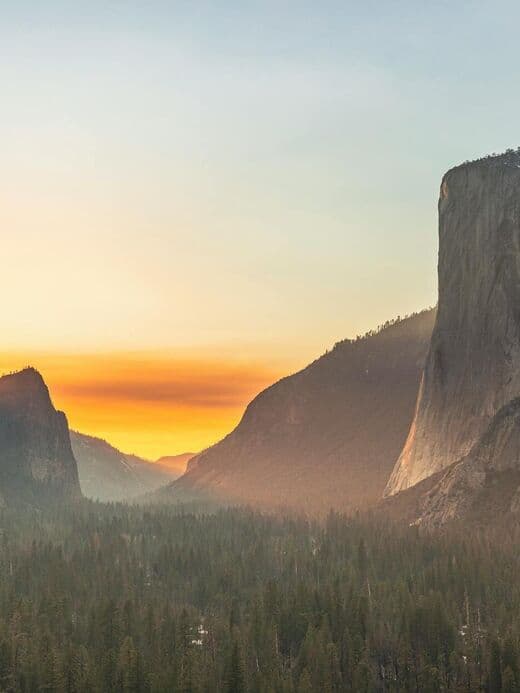
El Capitan is a 914-meter monolith, a mecca for climbers worldwide. The vertical Nose route is one of the most challenging in the world. For regular tourists, the view from the valley is impressive, especially in morning when light hits the granite. Half Dome is an iconic rock that looks sliced in half. You can climb it with cables, but need a permit distributed by lottery months ahead.
Yosemite Falls is one of the tallest in North America at 739 meters in three cascades. In spring when snow melts, it thunders; by late summer it may dry up. Bridalveil Fall is more consistent, with mist resembling a brides veil. Vernal Fall and Nevada Fall are accessible via Mist Trail, one of the best day hikes in the country.
Tunnel View is the classic valley vista you have seen in thousands of photographs: El Capitan on the left, Bridalveil on the right, Half Dome in the distance. Glacier Point is a viewpoint overlooking Half Dome and the entire valley from 975 meters. The road is open only in summer. Mariposa Grove has giant sequoias, some over 2,000 years old. Grizzly Giant is 64 meters tall, 8 meters in diameter.
Tuolumne Meadows are high alpine meadows at 2,600 meters, less crowded than the valley. Tenaya Lake has granite shores and clear water. Mirror Lake reflects Half Dome in still water, especially beautiful in spring. Sentinel Dome is an easy hike with 360-degree views. Four Mile Trail climbs to Glacier Point for those who want to earn the view.
Horsetail Fall in February at sunset looks like flowing lava - this phenomenon is called Firefall. Light must hit at a specific angle, and it only happens a few days a year. The Ahwahnee Hotel is a historic landmark built in 1927 - even if you do not stay, visit for lunch or just to see the interiors. Yosemite Village has a museum, Ansel Adams Gallery, and shops. The valley is just 1% of the parks territory, but most tourists come here. For solitude, head into the backcountry - hundreds of kilometers of trails await those willing to carry a pack.
Texas: A Universe Apart
Texas is not just a state - it is a state of mind. The second largest state by area and population has its own identity, distinct from the rest of America. Everything is bigger here - portions, pickups, cowboy hats, and sense of self. Texas was an independent republic and still remembers.
Austin is the state capital and the Live Music Capital of the World. The citys slogan is Keep Austin Weird, reflecting its spirit: tech startups neighbor hippie bars, vegan restaurants sit alongside barbecue temples.
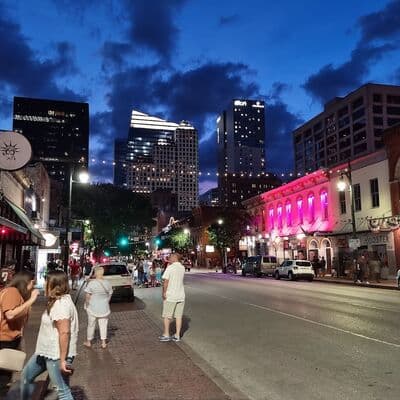
Sixth Street is the Texas version of Bourbon Street: bars, clubs, and live music every night. On weekends the street is closed to cars, becoming one big street festival. East 6th is more hipster, Dirty 6th more touristy, Red River for live music lovers.
Barton Springs Pool is a natural spring-fed pool where Austinites escape Texas heat. Water stays 20-21 degrees year-round, and covers three acres. The place is iconic: people come to swim, sunbathe, and people-watch.
Congress Avenue Bridge is home to the largest urban bat colony: 1.5 million Mexican free-tailed bats emerge every evening from March to November. The spectacle is impressive - a black stream against the sunset sky. Best viewed from a boat or the hill near the bridge.
Austin is also a culinary capital. Texas barbecue is a religion, and the line at legendary Franklin Barbecue starts at 6am for brisket many consider the best in the world. La Barbecue, Micklethwait, Terry Blacks are alternatives with shorter lines. Breakfast tacos are a local tradition: eggs, beans, cheese in a corn tortilla. Veracruz All Natural, Tacodeli, Torchys Tacos are cult spots.
SXSW in March is the largest music, tech, and film festival, when the city fills with creatives from around the world. Austin City Limits in October is a music festival in Zilker Park. The University of Texas has 50,000 students, orange everywhere, and football as religion.
Beyond Austin lies Texas Hill Country: hills, vineyards, German towns like Fredericksburg (yes, Texas has winemaking and German heritage). San Antonio is two hours south, with the Alamo and River Walk. Dallas and Houston are big cities with their own merits. Big Bend National Park on the Mexico border is one of the least visited and most impressive parks in the system.
Florida: Year-Round Sunshine
Florida is a peninsula washed by the Atlantic and Gulf of Mexico, a state of eternal summer, theme parks, and retirees. But behind the tourist cliches lies amazing diversity - from space launches at Cape Canaveral to Everglades wildlife, from Cuban culture in Miami to old Southern atmosphere in St. Augustine.
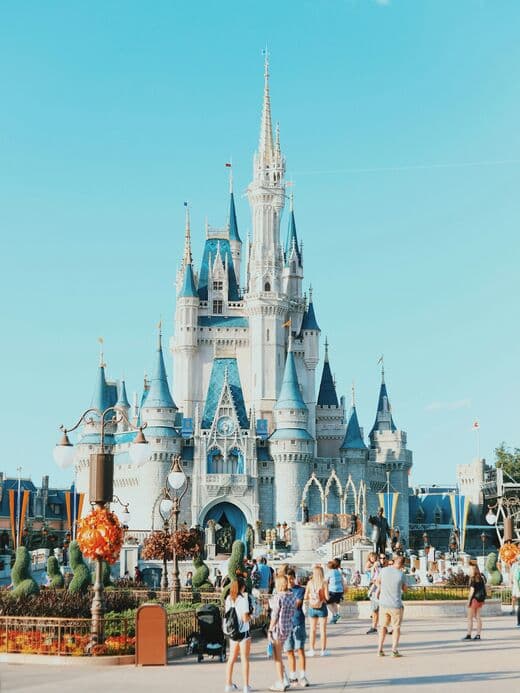
Orlando is the theme park capital of the world, where American families bring their children and adults return to childhood. Walt Disney World is not one park but an entire world: Magic Kingdom with Cinderellas Castle, EPCOT with world pavilions, Hollywood Studios with Galaxys Edge, Animal Kingdom with Pandora from Avatar. Plus two water parks, Disney Springs, and dozens of hotels. You could spend two weeks and not see everything.
Universal Orlando has two parks (Universal Studios and Islands of Adventure) and Volcano Bay. The Wizarding World of Harry Potter in both parks - Diagon Alley and Hogsmeade - is worth a visit even for those indifferent to the books. The Hogwarts Express train connects the parks. SeaWorld has marine animals and roller coasters. LEGOLAND is for kids 2-12. Kennedy Space Center covers Americas space history and SpaceX launches in real time.
But Orlando is more than parks. Nature surrounds the city: Wekiwa Springs has crystal-clear water where you can swim with manatees in winter. Blue Spring is another manatee meeting spot. Winter Park is a charming suburb with the Tiffany Museum and boat rides through a chain of lakes. International Drive is the tourist artery with restaurants, a Ferris wheel, and entertainment.
Alaska: The Last Frontier
Alaska is the largest US state but has a population smaller than San Francisco. It is a land of glaciers and bears, midnight sun and northern lights, wilderness in its pristine state. A trip to Alaska is an expedition, not a tourist vacation.
Anchorage is the states largest city and starting point for most journeys. Denali (formerly McKinley) is North Americas highest peak at 6,190 meters, surrounded by a national park with grizzlies, moose, caribou, and wolves. One road enters the park, 150 kilometers through wilderness on park buses - private vehicles are not allowed past 24 kilometers.
Mendenhall Glacier near the capital Juneau is one of the few glaciers accessible by road. Blue ice retreats, creating a lake at its base. Kenai Fjords is a national park with glaciers calving into the ocean, whales, and puffins. Glacier Bay is another glacial park, accessible mainly by cruise ship.
The best time for Alaska is May to September, when days are long (the sun does not set in summer) and temperatures are bearable. Cruises along the coast are a popular way to see the state, but for the real experience you need to go inland. Salmon fishing, bear viewing at Katmai, bush plane flights to remote villages - Alaska is for those seeking adventure.
National Parks: Natural Heritage
The US National Park System is Americas best idea, as writer Wallace Stegner said. 63 national parks protect the countrys most impressive landscapes - from Alaskas glaciers to Floridas coral reefs, from Californias sequoias to Wyomings geysers. Plus hundreds of national monuments, preserves, seashores, and historic sites.
The America the Beautiful Pass for 80 dollars gives access to all federal parks and preserves for a year - one of the best investments for a traveler. The pass is valid for one year from purchase, covering entry for one vehicle (up to 4 people) or the holder plus three adults.
Beyond the already-described Grand Canyon, Yellowstone, Yosemite, Zion, and Death Valley, notable parks include:
Great Smoky Mountains is the most visited national park in the country, though most tourists just drive through on the road between Tennessee and North Carolina. Misty mountains on the border of two states, old-growth forests, bears and deer. Cades Cove is a historic valley with preserved 19th-century structures: churches, mills, settler cabins. Kuwohi (formerly Clingmans Dome) is the parks highest point at 2,025 meters with an observation tower. Gatlinburg at the park entrance is a tourist town with attractions, but has charm.
Other parks worth attention: Arches in Utah has over 2,000 natural sandstone arches. Bryce Canyon has amphitheaters with thousands of hoodoos, red rock pillars. Canyonlands is wild canyon landscape without crowds. Joshua Tree is a desert with peculiar trees. Sequoia and Kings Canyon have giant sequoias, including General Sherman, the largest tree on Earth. Redwood has coastal redwoods, the tallest trees in the world. Acadia in Maine is the only national park in the Northeast, with rocky shores and lobsters. Olympic in Washington has temperate rainforests, glaciers, and wild beaches. Glacier in Montana has Going-to-the-Sun Road through alpine landscapes.
When to Go
The USA is so vast that somewhere will have ideal weather at any time of year. Your timing depends on which regions you plan to visit.
Spring (March-May) is excellent for the Southwest: canyons have not yet heated up, desert flowers bloom after winter rains. In March, Death Valley covers itself in wildflowers in rare superbloom years. Washington, D.C. is gorgeous during cherry blossom season (late March to early April), though crowds are significant - book hotels months ahead. Florida and the Gulf Coast are still comfortable before summer humidity sets in. Texas blooms with bluebonnets - blue fields along the roads.
Summer (June-August) is high season for Rocky Mountain national parks. Yellowstone and Yosemite are most accessible with all roads open, but tourists are at maximum - book accommodation and campsites six months ahead. The Southwest (Grand Canyon, Death Valley, Las Vegas) heats to 40-50 degrees - visit only if you can handle extreme heat or stay near air conditioning. Alaska is ideal in summer - white nights, access to remote areas, salmon fishing. The Pacific Northwest (Seattle, Portland) finally has no rain.
Fall (September-November) is the best time for most destinations. New England (Boston and surroundings) explodes with fall foliage in late September through October - the region becomes a living painting. Leaf peeping is a national pastime, and Vermont and New Hampshire hotels book a year ahead. The Southwest becomes comfortable after summer heat. National parks empty after Labor Day (first Monday in September) - an excellent time to visit. Hawaii is good year-round, but fall has fewer tourists and lower prices.
Winter (December-February) is time for Florida, Arizona, Southern California. Miami and Los Angeles are delightful while the north is buried in snow. Ski resorts in Colorado (Vail, Aspen, Breckenridge), Utah (Park City), and California (Lake Tahoe) are in full season. New York at Christmas has the magic of Fifth Avenue window displays, the Rockefeller Center ice rink, and the giant tree. But be ready for cold and snow in northern states - especially Minnesota and the Dakotas, where temperatures reach -30.
Holidays and events affecting travel:
- Mardi Gras (February-March, date varies) - New Orleans goes wild for a week of carnival. Hotels cost three times as much - book a year ahead
- Spring Break (March) - American students flood Florida beaches, Mexico, and the Caribbean. Avoid if you do not want parties
- Memorial Day (last Monday in May) - start of summer season, long weekend. Everything is packed, prices rise
- July 4th (Independence Day) - fireworks across the country, patriotic parades. But crowds, traffic, and high prices
- Labor Day (first Monday in September) - end of summer season, last chance for the beach
- Halloween (October 31) - not a day off but culturally important. Decorated houses, costumes, parties
- Thanksgiving (fourth Thursday in November) - the worst time for travel. The whole country visits family, airports and roads are packed
- Black Friday (day after Thanksgiving) - shopping paradise, but stores are packed. Online sales are smarter
- Christmas and New Year - peak season in warm states and ski resorts. Maximum prices - book months ahead
Getting There
For visitors from ESTA countries (UK, Australia, most of Europe, Japan, South Korea, and others), entering the USA is straightforward. Apply for ESTA online at least 72 hours before departure (but do it earlier to be safe). ESTA costs 21 dollars and is valid for two years or until your passport expires. No interview needed for short tourist or business visits up to 90 days.
Main airport hubs:
- JFK (New York) - main international gateway, convenient for the Northeast
- Newark (EWR) - JFK alternative, often cheaper, also serves New York
- LAX (Los Angeles) - gateway to the West Coast, huge and chaotic
- SFO (San Francisco) - LAX alternative for Northern California
- ORD (Chicago) - largest hub in the center of the country, convenient for the Midwest
- ATL (Atlanta) - worlds busiest airport, Delta hub for the Southeast
- DFW (Dallas) - American Airlines hub for Texas and the Southwest
- MIA (Miami) - gateway to Florida and Latin America
- SEA (Seattle) - gateway to the Pacific Northwest and Alaska
- IAD (Washington Dulles) - capitals international airport
Flights from the UK: Direct flights operate from London Heathrow, Gatwick, and Manchester to most major US cities. British Airways, Virgin Atlantic, American, United, and Delta all offer nonstop service. Flight times: 7-8 hours to the East Coast, 10-11 hours to the West Coast. Budget option: Norwegian and other low-cost carriers via connecting points.
Flights from Australia: Direct flights from Sydney, Melbourne, and Brisbane to Los Angeles, San Francisco, Dallas, and Houston. Qantas, United, and American operate these routes. Flight times: 13-15 hours. Alternative: connect through Auckland, Fiji, or Asian hubs.
Payment and currency: US dollars are the only currency. Credit and debit cards are accepted everywhere - contactless payment (Apple Pay, Google Pay) is widespread. ATMs charge fees for foreign cards (usually 3-5 dollars), so withdraw larger amounts less often. Tipping culture means carrying some cash for small tips.
Transportation Within the Country
Car is the main way to get around America. The country is built for cars: wide highways, free parking at stores, drive-throughs everywhere - from banks to pharmacies to coffee shops. You can manage without a car only in major cities (New York, San Francisco, Chicago, Boston, Washington), but even there a car expands possibilities for day trips.
Renting a car:
- Major companies: Hertz, Avis, Enterprise, Budget, National, Alamo. Book on their sites or through aggregators (Kayak, AutoSlash)
- Book early - especially in high season and at airports. Prices can vary dramatically
- International driving permit is recommended alongside your home license, though many states accept foreign licenses
- Insurance CDW/LDW is essential - either from the rental company (20-30 dollars/day) or your credit card (many premium cards include it). Without insurance they will not release the car
- Gas is cheap by European/Australian standards - around 3-4 dollars per gallon (roughly 0.80-1 dollar per liter). Self-service stations, pay by card at the pump
- Age: most companies require 25. Ages 21-24 pay a young driver fee (10-30 dollars/day). Under 21 is nearly impossible
- One-way rentals (drop-off in a different city) are possible but cost extra. Sometimes free on popular routes
Driving in the USA:
- Right turn on red is allowed almost everywhere (unless signed No Turn on Red). Stop, check the way is clear, turn
- Passing on the right on highways is legal and common. Left lane is for passing, but many ignore this
- School buses with flashing red lights require a complete stop by ALL lanes in BOTH directions (except divided highways with barriers). Serious fine for violation
- Police: do not pass police cars. If stopped: pull over, turn off the engine, put hands on the steering wheel, do not reach for anything without permission. Be polite, calm
- Toll roads: have cash ready or use transponders: SunPass in Florida, E-ZPass in the East and Midwest, FasTrak in California. Some roads are electronic-only - the bill goes to the rental company
- Speed limits are in miles: 65-80 mph on highways (105-130 km/h), 55-65 mph on regular roads (90-105 km/h), 25-35 mph in cities (40-55 km/h). Speed cameras are rare but exist
- Carpool lanes (HOV) are for vehicles with 2+ passengers. Fine for violation: 400+ dollars
Domestic flights are the optimal way to cover large distances. From New York to Los Angeles is 4,500 km - thats 6 hours flying or 4 days driving.
- Budget carriers: Southwest (two free checked bags!), JetBlue (free WiFi), Spirit and Frontier (ultra-low-cost, bags cost extra, bring only a backpack)
- Traditional: American, United, Delta, Alaska
- Baggage is usually paid on traditional airlines (35-45 dollars per bag each way), carry-on is free (except Basic Economy fares on Spirit/Frontier)
- Book 1-3 months ahead for best prices. Tuesday and Wednesday are usually cheaper
- Search: Google Flights, Skyscanner, Kayak. Momondo sometimes finds good deals
Amtrak trains are romantic but slow and expensive. US railways prioritize freight, and passenger trains are often delayed.
- Northeast Corridor (Boston-NYC-Philadelphia-Washington) is the only place where trains compete. Acela is fast (3.5 hours NYC-DC), Northeast Regional is cheaper but slower
- California Zephyr (Chicago to San Francisco, 51 hours) is a legendary scenic route through the Rockies for those in no hurry
- Coast Starlight (Seattle to LA, 35 hours) runs along the Pacific coast
Buses are the cheapest option:
- Greyhound - largest network, covers almost the entire country. Stations often in rough areas
- FlixBus - European low-cost carrier expanding in the US. New buses, WiFi, outlets
- Megabus - cheap tickets in the East (sometimes from 1 dollar with early booking)
- BoltBus - comfortable buses with WiFi, Northeast
City transit varies greatly:
- New York: subway runs 24/7, 2.90 dollars per ride, weekly unlimited 34 dollars. Works, if old
- Chicago: L train, extensive network, 2.50 dollars
- San Francisco: BART (metro), Muni (buses, streetcars), cable cars (8 dollars - tourist attraction)
- Washington: Metro is clean and efficient but expensive (2 to 6 dollars depending on distance and time)
- Los Angeles: Metro exists but covers little, hard without a car
- Everywhere: Uber and Lyft are transportation basics, apps work across the country
Cultural Code
America may seem familiar from films and TV, but cultural differences exist and can surprise even prepared travelers.
Smiles and small talk. Americans smile at strangers, greet cashiers and servers, ask How are you? without expecting an honest answer. The correct response: Good, thanks! How are you? or simply Good, you? This is not insincerity - it is a cultural norm of politeness, social lubrication. Smile, say thanks, use please and thank you - it opens doors.
Tipping is mandatory. This is not optional and not a reward for good service, but part of the wage system. Servers, bartenders, taxi drivers, and hairdressers receive minimum wage (sometimes 2-3 dollars an hour) and live on tips. Not tipping means depriving someone of their income.
- Sit-down restaurants: 18-20% of the bill before tax (15% is minimum, 20% is standard, 25% is excellent service)
- Bars: 1-2 dollars per drink or 15-20% of the tab
- Taxi/Uber/Lyft: 15-20% (convenient in apps)
- Hotels: 2-5 dollars for housekeeping per night (leave on pillow with a note), 1-2 dollars to bellhop per bag, 1-2 dollars for valet parking
- Salon/spa: 15-20%
- Food delivery: 15-20% or minimum 5 dollars
- Coffee shops: 1-2 dollars in the tip jar (not mandatory but common)
- Fast food/self-service: no tip needed
Not tipping is a serious social breach. If service was terrible, leave 10% and speak to the manager. Zero tip is an extreme gesture saying something serious happened.
Tax is not included in prices. Price tags in stores or menus show prices before sales tax. Tax is added at checkout and varies by state and city:
- 0%: Oregon, Montana, New Hampshire, Delaware (shopping paradise)
- 5-7%: most states
- 8-10%+: California, New York (with local additions)
Restaurant bills add tax + tip, so the total will be 25-30% higher than menu prices. Annoying but thats the system.
Personal space. Americans value personal space more than Europeans. Keep about a meter of distance when talking. Do not stand close in lines. On public transit, do not sit next to a stranger if other seats are available. Do not touch people when talking - no shoulder slaps with strangers.
Punctuality. Arrive on time - being more than 5-10 minutes late without warning is considered disrespectful. Arrive 5 minutes early for business meetings. For restaurant reservations - on time, or your table goes to someone else. For parties - you can be 15-30 minutes late (fashionably late), but not an hour.
Conversation topics. Safe topics: weather, sports, travel, work (in general terms), local attractions. Americans love talking about food and restaurants. Compliments are normal and welcomed.
Topics to avoid with strangers and new acquaintances:
- Politics - America is extremely polarized now. Democrats and Republicans live in different information bubbles. An innocent question can lead to awkwardness
- Religion - a personal topic, especially in conservative states
- Money and salary - taboo. Asking how much someone earns is rude
- Race and ethnicity - a very sensitive topic, easy to say something wrong
- Guns - a polarizing topic, like politics
Restaurant portions are huge. American portions are often 2-3 times European sizes. Not finishing is completely normal. Ask for a to-go box or doggy bag for leftovers - it is accepted and not seen as cheap. Its sensible and eco-friendly. Many restaurants offer automatically.
Water in restaurants is free. You will be brought a glass of ice water automatically when seated. Refills of coffee, tea, and soda are often free. A nice bonus.
Alcohol. Legal age is 21, strictly enforced. ID will be checked everywhere, even if you are obviously older. Without ID you will not be served - carry your passport or license. Drinking on the street (open container) is prohibited almost everywhere, exceptions: New Orleans, Las Vegas (on the Strip), some entertainment zones. Do not drive even after one drink - DUI (driving under the influence) is a serious crime with arrest, fines, license suspension, and even jail. Uber is your friend.
Safety
The USA is generally a safe country for tourists, but like any large country, has nuances worth knowing.
General situation. Violent crime in the USA is higher than in Western Europe or Australia, but it is concentrated in specific areas that tourists typically do not visit. Tourist zones in major cities are safe day and evening. Main risks for tourists are petty theft (pickpockets on subways, car break-ins) and scams.
Areas to avoid (especially at night):
- New York: generally very safe, but caution in parts of the Bronx, East Harlem, some Brooklyn areas at night
- Los Angeles: Skid Row downtown (homeless encampments), Compton, parts of South Central
- Chicago: South and West sides (Englewood, Austin, Garfield Park) - high violence, tourists have no reason to go
- San Francisco: Tenderloin (paradoxically near downtown), parts of the Mission at night
- Detroit, Baltimore, St. Louis, Memphis: significant parts of city are unsafe
Basic safety rules:
- Do not leave valuables visible in your car - thieves smash windows in seconds, especially in tourist zones in San Francisco and Los Angeles. Nothing visible at all
- Use the hotel safe for passport, extra cash, and valuables
- Carry money in different places - not everything in one wallet
- At night stay on well-lit streets with people
- On the subway: do not fall asleep, watch your bag, do not display expensive phones
- If someone demands your wallet - hand it over. Life is worth more than money
- Make copies of documents - passport, visa, insurance - on your phone and in the cloud
Natural hazards in national parks are real and kill tourists every year:
- Heat and dehydration: people die from heat stroke in Grand Canyon and Death Valley. Bring at least 1 liter of water per hour of hiking, wear a hat, avoid midday sun
- Bears: in Yellowstone and Yosemite store food in bear-proof containers, do not approach bears. Bear spray on hikes in bear country
- Bison: look slow but run faster than you. Keep 25 meters distance. Every year tourists are injured by bison in Yellowstone
- Altitude sickness: in Colorado (Denver is at 1,600m), Utah, California - acclimatize gradually. Drink water, avoid alcohol the first days
- Rattlesnakes: watch your step on desert trails. Do not put hands under rocks. If bitten - do not panic, call for help
- Lightning: in mountains during storms - get off ridges and open spaces
- Ocean: rip currents drag people out. Swim parallel to shore, not against the current
Emergency services: 911 is the single number for police, ambulance, and fire. Works from any phone, even without a SIM card. Dispatcher speaks English but can find a translator.
Police in the USA. If stopped by a police officer (in a car or on foot):
- Stop immediately
- In a car: pull over, turn off the engine, turn on hazards, lower the window, put hands on the steering wheel
- Do not reach for anything without permission - not for documents, not for your phone. US police are armed and may perceive sudden movements as a threat
- When the officer approaches, politely explain you are a tourist
- For document requests: My ID is in my wallet/bag. Can I reach for it?
- Be polite and calm, do not argue - that can be done later in court
- If ticketed - do not try to bribe, that is a serious crime
Guns. The USA has many civilian firearms, and in some states open carry is legal. Do not panic if you see someone with a gun - most likely a law-abiding citizen. But if something seems suspicious - leave and call 911.
Health and Medicine
US medicine is among the best in the world for quality and among the worst for accessibility and cost. A simple emergency room visit can cost several thousand dollars. An ambulance call: from 500 dollars. An MRI: 2,000-3,000 dollars. A night in hospital: 5,000-10,000 dollars. Travel insurance is not just recommended - it is critical.
Travel insurance:
- Minimum coverage should be 50,000 dollars, recommended 100,000-300,000 dollars
- Medical evacuation must be included - a special flight home can cost 50,000+ dollars
- Check exclusions: extreme sports, pre-existing conditions, pregnancy
- Save the insurance number on your phone and in printed form
- Deductible: choose reasonable so small expenses are covered
What to do with a health problem:
- Minor issues: go to a pharmacy, the pharmacist can recommend over-the-counter medication
- Non-urgent issues: Urgent Care Clinic - cheaper than ER, shorter wait. CVS MinuteClinic, Walgreens Healthcare Clinic
- Serious issues: Emergency Room (ER) at a hospital - expensive but they always take you
- Life-threatening: call 911, ambulance comes quickly
Pharmacies: CVS, Walgreens, Rite Aid are major chains, open late or 24 hours. Pharmacies also inside many supermarkets (Walmart, Target, Costco).
- Over the counter: pain relievers (Tylenol, Advil), antihistamines (Benadryl, Claritin), cold medicine (DayQuil, NyQuil), antacids, bandages
- Prescription: antibiotics, strong pain relievers, most chronic medications
- If you need a prescription: Urgent Care Clinic can write one
What to bring from home:
- Familiar medications (US may have different names or formulations)
- Prescriptions for chronic medications (in Latin/international names)
- Sunscreen SPF 30+ (for Southwest, Hawaii, Florida)
- Insect repellent (for Southeast, Hawaii)
Vaccinations: no special vaccines are required for the USA.
Tap water is safe to drink throughout the country. Some places it tastes bad - buy bottled, but thats a taste issue, not safety.
Money and Budget
The USA is an expensive country, but with smart planning you can stay within a reasonable budget. Prices vary greatly by region: New York and San Francisco are among the worlds most expensive cities, while the Midwest and South are significantly more affordable.
Approximate daily budget (per person):
Budget (80-120 dollars):
- Accommodation: hostel or motel - 40-60 dollars
- Food: hotel or cafe breakfast - 5-10 dollars, fast food lunch - 10-15 dollars, budget restaurant dinner - 15-25 dollars
- Transport: public transit or cheap rental car - 15-30 dollars
- Entertainment: free museums and parks - 0-20 dollars
Mid-range (150-250 dollars):
- Accommodation: decent 3-star hotel or Airbnb - 100-150 dollars
- Food: regular restaurants - 50-80 dollars
- Transport: mid-range rental car - 40-60 dollars
- Entertainment: museums, parks, tours - 30-50 dollars
Comfortable (300-500+ dollars):
- Accommodation: good 4-5 star hotel - 200-400 dollars
- Food: top restaurants - 100-200 dollars
- Transport: domestic flights, taxis - 50-100 dollars
- Entertainment: the best of everything - 50-100+ dollars
Cost breakdown:
Accommodation:
- Hostels: 30-60 dollars per bed (in NYC/SF: 50-80). HI USA, Hostelworld
- Roadside motels: Motel 6, Super 8 - 50-80 dollars. Simple, clean, convenient for road trips
- Chain 3-star hotels: Holiday Inn Express, Hampton Inn - 100-150 dollars, breakfast included
- Airbnb: 80-200 dollars per apartment, great value for groups and longer stays
- 4-5 star hotels: 200-500+ dollars
- National park campgrounds: 15-35 dollars per site, book on recreation.gov months ahead
Food:
- Coffee and breakfast: coffee 3-6 dollars, diner breakfast 10-15 dollars
- Fast food: combo meal 8-12 dollars
- Fast casual: Chipotle, Five Guys, Panera - 12-18 dollars
- Regular restaurant: 20-40 dollars per dish + tip + tax
- Top restaurant: 50-150+ dollars per person
- Groceries: Walmart is cheapest, Whole Foods pricier but better quality
Transport:
- Rental car: from 30-40 dollars/day for economy + gas + insurance + tolls
- Gas: 3-4 dollars per gallon (about 4 liters)
- Domestic flight: 50-300 dollars one-way depending on route and timing
- Uber/Lyft: 10-30 dollars per city ride
- NYC subway: 2.90 dollars per ride, weekly unlimited 34 dollars
Entertainment:
- National parks: 35 dollars per vehicle or 80 dollars annual pass
- Museums: 0-30 dollars (Smithsonians are free, MoMA is 30 dollars)
- Theme parks: Disney, Universal - 130-200 dollars per day per ticket
- Broadway show: 80-300 dollars
- Sports game: 50-500 dollars depending on team and seats
Ways to save:
- Book accommodation and flights early
- Cook yourself - Airbnb with kitchen + supermarket groceries
- Use CityPASS for museums in major cities
- Eat big at lunch (lunch specials are cheaper) and light at dinner
- Free museum days - check schedules
- Happy hour at bars - drinks and appetizers cheaper
- Outlet malls for shopping - 30-70% off
Top Itineraries
The USA is so large that planning the perfect route is an art. Here are detailed itineraries for different trip lengths.
7 Days: New York and Surroundings
A perfect first US visit - immersion in the countrys greatest metropolis with excursions to neighboring cities.
Day 1: Arrival and Manhattan
Arrive at JFK or Newark. Taxi or AirTrain + subway to Midtown hotel. After settling in, walk Times Square: neon madness, crowds, city energy. Dinner in Hells Kitchen - a neighborhood with dozens of restaurants for every taste.
Day 2: Classic Manhattan
Morning: Statue of Liberty and Ellis Island - book ferry tickets in advance, leave early. Lunch in Battery Park City. Afternoon: 9/11 Memorial and One World Trade Center - observatory on the 102nd floor. Wall Street and the Bull - classic photos. Evening: walk across Brooklyn Bridge at sunset to DUMBO, pizza at Julianas or Grimaldis.
Day 3: Central Park and Museums
Morning: Central Park - Bethesda Fountain, Bow Bridge, Strawberry Fields (John Lennon memorial). Lunch on Upper West Side. Afternoon: American Museum of Natural History - dinosaurs, planetarium, dioramas. Or Metropolitan Museum of Art - one of the largest collections in the world, choose sections in advance. Evening: Rockefeller Center and Top of the Rock - views of Empire State and the park.
Day 4: Brooklyn and Modern New York
Morning: High Line - park on a former railway. Chelsea Market - foodie heaven. Meatpacking District - trendy boutiques and galleries. Afternoon: subway to Brooklyn. DUMBO - view of Manhattan Bridge from Washington Street, Brooklyn Bridge Park. Evening: Williamsburg - hipster bars, street art, live music.
Day 5: Washington Day Trip
Early Amtrak train from Penn Station (3-4 hours) or bus (4-5 hours). In Washington: Capitol, Washington Monument, Lincoln Memorial, Vietnam Memorial. Lunch on the National Mall. Afternoon: one Smithsonian museum - Air and Space or American History. Evening: return to New York.
Day 6: Shopping and Relaxation
Morning: Fifth Avenue - Tiffany windows, Apple Store, Saks Fifth Avenue, Trump Tower. New York Public Library - see the Rose Reading Room. Grand Central Terminal - Beaux-Arts architecture, starry ceiling. Lunch at the Oyster Bar inside. Afternoon: SoHo - boutiques and galleries. Or: Century 21 - discount shopping. Evening: Broadway show - same-day discount tickets at TKTS.
Day 7: Final Impressions and Departure
Morning: Empire State Building - arrive at opening (8am) before lines. Or: Guggenheim Museum - Frank Lloyd Wright building worth visiting even if you do not love art. Brunch in East Village or Lower East Side. Final shopping. Transfer to airport.
10 Days: California from San Francisco to Los Angeles
A classic Highway 1 road trip - one of the most scenic drives in the world.
Days 1-3: San Francisco
Day 1: Arrive SFO. Taxi or BART to hotel (Union Square or Fishermans Wharf). Afternoon: Fishermans Wharf, sea lions at Pier 39, clam chowder dinner. Day 2: Morning: Golden Gate Bridge - walk or bike to Sausalito, ferry back. Lunch in Sausalito. Afternoon: Palace of Fine Arts, Coit Tower, Lombard Street. Evening: Chinatown and North Beach - Italian restaurants. Day 3: Morning: Alcatraz - first ferry at 9am, book weeks ahead. After return: cable cars on Powell-Hyde line. Painted Ladies, Alamo Square. Evening: Mission District - murals, tacos, bars.
Day 4: Napa or Carmel
Option A: Napa Valley - wine tastings at 2-3 wineries, lunch among vineyards. Option B: Drive south, stop in Santa Cruz (surfing, beaches), night in Carmel - charming town with galleries.
Day 5: Big Sur
The most impressive stretch of Highway 1. Bixby Creek Bridge - iconic view. McWay Falls - waterfall dropping onto a beach. Julia Pfeiffer Burns State Park. Lunch at Nepenthe with ocean views. Night in San Simeon or Cambria.
Day 6: Hearst Castle and Santa Barbara
Morning: Hearst Castle - tour of the media magnates castle (book ahead). Drive along coast through Morro Bay. Night in Santa Barbara - the American Riviera. Walk State Street, dinner with ocean views.
Day 7: Santa Barbara to LA
Morning: beach in Santa Barbara, Old Mission. Drive to Los Angeles (2 hours). Check into hotel (recommend Santa Monica or West Hollywood). Evening: Santa Monica Pier at sunset, dinner on Third Street Promenade.
Days 8-9: Los Angeles
Day 8: Morning: Griffith Observatory - arrive early, views of Hollywood Sign and city. Hike to the sign. Lunch in Los Feliz. Afternoon: Walk of Fame, TCL Chinese Theatre. Evening: dinner in West Hollywood. Day 9: Morning: Getty Center - arrive at opening, free, stunning views. Or: LACMA - Urban Light and collection. Afternoon: Venice Beach - boardwalk, Muscle Beach, canals. The Broad if time. Evening: dinner on Abbot Kinney.
Day 10: Universal Studios or Departure
If time: Universal Studios Hollywood - Wizarding World of Harry Potter, studio tour. Or: final shopping, beach, depart from LAX.
14 Days: Southwest - Canyons and Deserts
An epic road trip through Americas most impressive landscapes. Start and end in Las Vegas.
Day 1-2: Las Vegas
Day 1: Arrive LAS. Check into Strip hotel. Evening: walk the Strip, Bellagio Fountains, explore casinos. Day 2: Morning: pool time. Afternoon: Neon Museum (book ahead), Mob Museum. Fremont Street. Evening: Cirque du Soleil show or concert. Omega Mart for something different.
Day 3: Vegas to Zion (2.5 hours)
Morning: Hoover Dam stop en route. Drive through Arizona into Utah. Arrive in Springdale at Zion entrance. Evening: scout the park, Watchman Trail at sunset.
Day 4: Zion National Park
Early start: Angels Landing - if you have a permit and are ready for heights. Or: Observation Point via East Mesa Trail. Afternoon: Emerald Pools. Riverside Walk to the start of The Narrows.
Day 5: The Narrows and Bryce (1.5 hours)
Morning: The Narrows - hike in the river, rent gear in Springdale. 3-4 hours upstream and back. Afternoon: drive to Bryce Canyon. Evening: Sunset Point at sunset - hoodoos glow red.
Day 6: Bryce and Grand Canyon (4 hours)
Morning: Navajo Loop + Queens Garden Trail - best hike in Bryce, descent among hoodoos. 2-3 hours. Afternoon: drive to Grand Canyon South Rim via Kanab and Marble Canyon. Check in inside park (book 6 months ahead!) or Tusayan. Evening: Hopi Point at sunset.
Day 7: Grand Canyon
Sunrise at Mather Point. Morning: hike Bright Angel Trail - descent to Indian Garden (6 hours round trip) or at least 3-Mile Resthouse (3 hours). Bring lots of water! Afternoon: Rim Trail from Village to Hermits Rest - 11km along the rim, shuttle one way. Desert View Watchtower - on the east rim if time.
Day 8: Grand Canyon to Page (2.5 hours)
Morning: another canyon sunrise. Drive east through Navajo Nation. Horseshoe Bend - iconic Colorado River bend, short hike. Arrive in Page. Afternoon: Antelope Canyon tour - Upper or Lower (book ahead, tours only with Navajo guides). Evening: Glen Canyon Dam and Lake Powell.
Day 9: Monument Valley (2 hours from Page)
Sunrise in Monument Valley Navajo Tribal Park - iconic formations familiar from westerns. 17-Mile Loop by car or tour with Navajo guide for backcountry. Forrest Gump Point on Highway 163. Afternoon: drive to Moab, Utah (3 hours). Night in Moab.
Day 10: Arches National Park
Full day in Arches - over 2,000 natural arches. Delicate Arch - iconic hike (5km round trip, early start!). Landscape Arch - the longest. Double Arch, Windows Section. Book timed entry ahead. Evening in Moab - dinner, rest.
Day 11: Canyonlands and drive (5 hours to Capitol Reef)
Morning: Canyonlands National Park, Island in the Sky District - Grand View Point, Mesa Arch (dramatic at sunrise). Afternoon: drive to Capitol Reef National Park or Torrey town. Scenic Drive through Capitol Reef, petroglyphs. Night in Torrey.
Day 12-13: Return via Death Valley
Day 12: Long drive through the desert. Stop in St. George or Las Vegas for lunch. Arrive in Death Valley evening - Zabriskies Point at sunset. Night in Furnace Creek or Stovepipe Wells (book!). Day 13: Early start (deadly hot after 10am in summer). Badwater Basin - lowest point. Artists Palette - colorful mountains. Mesquite Flat Sand Dunes. Return to Las Vegas (2 hours).
Day 14: Vegas and Departure
Morning: Red Rock Canyon - scenic loop and short hike (30 min from Vegas). Or: High Roller, final casinos, shopping. Depart from LAS.
21 Days: The Great American Journey - East Coast and Deep South
Three weeks to immerse in history, music, and culture of the Eastern Seaboard and Deep South.
Days 1-4: New York
See the 7-day itinerary, first 4 days. Statue of Liberty, Central Park, Brooklyn Bridge, museums, Brooklyn.
Day 5: Philadelphia (1.5 hours by train)
Amtrak from Penn Station. Independence Hall - where the Declaration of Independence and Constitution were signed. Liberty Bell. Museum of the American Revolution. Lunch: cheesesteak at Pats or Genos (eternal debate which is better). Eastern State Penitentiary - atmospheric abandoned prison. Evening: return to NYC or overnight in Philadelphia.
Days 6-7: Washington
Train to Washington (3-4 hours). Two full days in the capital. Day 1: National Mall - Capitol, Washington Monument, Lincoln Memorial, war memorials. Air and Space Museum. Day 2: African American History Museum (book tickets!), National Gallery, Arlington Cemetery. Georgetown evening.
Days 8-9: Charleston
Morning flight to Charleston (1.5 hours). Check in Historic District. Historic District walk among antebellum mansions. Rainbow Row. Battery promenade. Dinner - Low Country cuisine at a top restaurant (Husk, FIG, Slightly North of Broad). Day 2: Ferry to Fort Sumter - where Civil War began. City Market, French Quarter. Plantation tour (Boone Hall or Magnolia) - beautiful but complex history.
Days 10-11: Savannah
Morning drive to Savannah (2 hours). Check in Historic District. Forsyth Park - iconic fountain. Walk the squares - each unique. River Street - restaurants and shops in old warehouses. Evening ghost tour - Savannah is famous for its ghost stories. Day 2: Historic District deeper - SCAD (art school), galleries. Bonaventure Cemetery - atmospheric, with Spanish moss. Wormsloe Historic Site - avenue of oaks. Dinner at a star-chef restaurant.
Days 12-14: New Orleans
Morning flight to New Orleans (1.5 hours). Check in French Quarter or Garden District. Day 1: French Quarter - lacy ironwork balconies, 18th-century architecture. Jackson Square - street performers, artists, fortune tellers. Cafe du Monde - beignets and chicory coffee. Evening: Bourbon Street - bars, music, atmosphere. Day 2: St. Louis Cemetery #1 with tour guide (required). Garden District - mansions and oaks, St. Charles streetcar. St. Louis Cathedral. Preservation Hall evening - authentic jazz. Day 3: Swamp tour morning - alligators, nature, Cajun culture. National WWII Museum - one of the best war museums in the world. Evening: Frenchmen Street - live music, more local than Bourbon.
Days 15-16: Nashville
Morning flight to Nashville (1.5 hours). Check in Downtown or The Gulch. Day 1: Broadway - honky tonks, live music in every bar. Roberts Western World, Tootsies Orchid Lounge - classics. Hot chicken dinner - Princes or Hattie Bs. Day 2: Country Music Hall of Fame - genre history. RCA Studio B - where Elvis and Dolly recorded. Grand Ole Opry - if theres a show, tickets ahead. Or: Ryman Auditorium tour. Evening: East Nashville - hipster bars and restaurants.
Day 17-18: Memphis
Drive to Memphis (3 hours) - birthplace of blues and rock and roll. Day 1: Graceland - Elvis Presleys estate, pilgrimage for fans. Sun Studio - where Elvis, Johnny Cash, Jerry Lee Lewis started. Beale Street evening - blues clubs, barbecue. Day 2: National Civil Rights Museum at Lorraine Motel - site of Martin Luther King Jr assassination. Emotional but important. Stax Museum - soul music history. Barbecue lunch - Central BBQ or The Bar-B-Q Shop. Evening on Beale Street - live blues.
Days 19-21: Chicago
Morning flight to Chicago (1.5 hours). Check in The Loop or River North. Day 1: Millennium Park - Cloud Gate (the Bean), Crown Fountain. Riverwalk. Architecture boat tour - best way to see skyscrapers. Deep dish pizza dinner - Lou Malnatis or Giordanos. Day 2: Art Institute of Chicago - one of the worlds best collections. Afternoon: Willis Tower Skydeck - glass balconies. Magnificent Mile shopping. Evening: jazz or blues club - Green Mill, Kingston Mines, Buddy Guys Legends. Day 3: Wrigley Field - stadium tour (or Cubs game in season). Navy Pier. Field Museum or Shedd Aquarium. Final Chicago-style hot dogs. Depart from ORD.
What to Try
American cuisine is not just burgers and fast food. Each region has its own culinary traditions, and a gastronomic journey through the USA can be as interesting as one through France or Italy.
New York:
- New York pizza - thin, folded in half, eaten on the go. Joes Pizza, Di Fara, Lucali
- Bagels - with lox and cream cheese. Russ and Daughters (since 1914), Essa Bagel
- Cheesecake - creamy, dense. Juniors is the classic
- Pasta - Italian-American classics. Raos (if you can get in), Carbone
New England (Boston):
- Lobster roll - bun with lobster: cold (with mayo) or hot (with butter)
- Clam chowder - creamy soup with clams. Not to be confused with Manhattan style (red)
- Baked beans - Boston beans with molasses
- Oysters - East Coast oysters, smaller and saltier than Pacific
The South (New Orleans, Charleston):
- Gumbo - thick stew with seafood or meat, Creole foundation
- Jambalaya - rice with meat and seafood, Cajun paella
- Po-boy - baguette with fried oysters, shrimp, or roast beef
- Beignets - fried doughnuts with powdered sugar, Cafe du Monde
- Shrimp and grits - shrimp with corn grits, Low Country classic
- Fried green tomatoes - exactly what it sounds like
Texas (Austin):
- Texas barbecue - brisket, smoked 12+ hours over oak. Franklin is legendary, line from 6am
- Breakfast tacos - tortilla with eggs, bacon, cheese, beans. Veracruz All Natural, Tacodeli
- Tex-Mex - Texas-Mexican fusion: fajitas, queso, enchiladas
- Chicken fried steak - breaded steak, like a cutlet
Chicago:
- Deep dish pizza - thick crust, lots of cheese, sauce on top. Lou Malnatis, Giordanos, Pequods
- Chicago-style hot dog - with mustard, onion, relish, tomato, pickle, peppers, on poppy seed bun. Never with ketchup!
- Italian beef - thin-sliced beef on a roll with peppers, wet (dipped) or dry
California (Los Angeles, San Francisco):
- In-N-Out Burger - Californias cult burger, secret menu (Animal Style)
- Cioppino - tomato seafood stew, San Francisco
- Mission burrito - giant burrito wrapped in foil. La Taqueria
- Sourdough bread - sourdough tradition from Gold Rush days
- Fish tacos - tacos with fish, San Diego heritage
- Avocado toast - yes, this is a California invention
Hawaii (Honolulu):
- Poke - raw tuna with sauce, rice, seaweed. The original is Hawaiian
- Loco moco - rice, hamburger patty, fried egg, gravy. Comfort food
- Spam musubi - rice with Spam in nori. Sounds weird, tastes good
- Plate lunch - local lunch: meat, rice, macaroni salad
- Shave ice - Hawaiian snow cone with syrups and ice cream
- Kalua pig - pork cooked in earth oven
Seattle:
- Coffee - Starbucks birthplace, but locals drink at Victrola, Stumptown, Elm
- Dungeness crab - local crab
- Oysters - Pacific oysters from Puget Sound
- Salmon - wild salmon in season
American classics:
- Burger - from fast food (Five Guys, Shake Shack) to gourmet versions
- BBQ ribs - style varies by region: Texas (dry), Kansas City (sauced), Carolina (vinegar-based)
- Mac and cheese - macaroni and cheese, comfort food
- Apple pie - as American as apple pie
- Pancakes - American pancakes with maple syrup, classic breakfast
- Peanut butter and jelly sandwich - every American kids childhood
For vegetarians: The USA is one of the best countries for vegetarians. Major cities have vegan restaurants everywhere. Impossible Burger and Beyond Meat are on most burger menus. Asian restaurants always have vegetarian options. The South is harder - vegetables are often cooked in bacon fat, ask.
Shopping: From Outlets to Boutiques
America invented modern retail therapy, and shopping here ranges from massive outlet malls to quirky independent boutiques. Understanding the landscape helps you find genuine deals rather than tourist traps.
Outlet Shopping Strategy
Premium outlets offer legitimate savings of 30-70% on brand-name goods. The best complexes cluster near major cities - Woodbury Common near New York, Desert Hills near Los Angeles, Sawgrass Mills near Miami. Arrive early on weekdays for the best selection and shortest lines. Sign up for outlet newsletters before your trip - many email exclusive coupons worth additional 10-20% off. Tax-free shopping events happen during specific weekends, varying by state.
Regional Retail Treasures
New York dominates luxury shopping with Fifth Avenue flagship stores and SoHo designer boutiques. Century 21 near the World Trade Center offers designer discounts year-round. Brooklyn neighborhoods like Williamsburg showcase independent designers and vintage finds. Sample sales, announced through apps like SampleBoard, offer 70-90% off runway pieces.
Los Angeles shopping spans Rodeo Drive glamour to Melrose Avenue edge. The Grove provides open-air mall experience with farmers market adjacent. Rose Bowl Flea Market, second Sunday monthly, attracts vintage hunters from across the country. Abbott Kinney Boulevard in Venice features local designers and sustainable brands.
San Francisco Union Square anchors downtown retail, while Hayes Valley offers boutique shopping in walkable neighborhood setting. Ferry Building Marketplace combines food shopping with artisan goods. Mission District vintage shops reward patient browsers.
Electronics and Tech
American electronics pricing undercuts most international markets, especially for Apple products, cameras, and laptops. Best Buy and Apple Stores honor warranties internationally on most products - verify before purchase. B&H Photo Video in New York offers tax-free shipping to international addresses, though customs duties apply. Black Friday (late November) and Prime Day (July) bring genuine discounts, though doorbusters sell out within minutes.
Outdoor and Sports Gear
REI Co-op offers quality outdoor equipment with generous return policy - used items from their garage sales provide exceptional value. Patagonia outlet stores discount previous season gear significantly. Sports brand factory stores (Nike, Adidas, Under Armour) cluster in outlet malls. Bass Pro Shops and Cabelas provide immersive experiences for hunting, fishing, and camping equipment.
Souvenirs Worth Buying
Skip generic tourist shop items for authentic American goods. Denim from American manufacturers (Levis, Wrangler) costs significantly less domestically. Bourbon from Kentucky distilleries and California wines make memorable gifts - check your home country alcohol import limits. Native American crafts require careful sourcing - verify tribal authenticity certificates. Vintage Americana, Route 66 memorabilia, and national park merchandise offer unique mementos.
Tax Refund Considerations
Unlike Europe, America offers no VAT refund for tourists. Sales tax (0-10% depending on state) is non-refundable. Some states charge no sales tax - Oregon, Montana, Delaware, New Hampshire, and most of Alaska. Strategic shopping in these states saves significant amounts on expensive purchases. Louisiana offers tax refund program for international visitors at participating retailers.
Staying Connected: Phones and Internet
Reliable connectivity makes American travel smoother - from navigation to restaurant reservations to ride-hailing. Planning your phone and data strategy before arrival saves frustration.
Mobile Phone Options
Prepaid SIM cards offer the best value for visitors. T-Mobile and AT&T tourist plans provide unlimited talk, text, and generous data for 2-4 weeks. Purchase SIMs at airport carrier stores or electronics retailers like Best Buy. Activation requires passport identification. Mint Mobile offers budget-friendly monthly plans with excellent T-Mobile network coverage.
eSIM technology simplifies connectivity for compatible phones. Airalo, Holafly, and carrier eSIMs activate instantly without physical SIM swap. T-Mobile eSIM plans work well in urban areas. Download eSIM before departure - airport WiFi can be unreliable for large downloads.
International roaming from your home carrier usually costs significantly more than local options. Verify rates before relying on roaming - some carriers charge over ten dollars per megabyte for data.
Coverage Considerations
Urban coverage is excellent across all major carriers. Rural areas and national parks present challenges - Verizon typically offers best rural coverage, followed by AT&T. T-Mobile excels in cities but struggles in remote areas. Yellowstone, Grand Canyon, and Death Valley have limited connectivity - download offline maps before visiting.
Driving through rural West, expect dead zones lasting hours. Nevada, Wyoming, Montana, and New Mexico highways have sparse coverage. Park service facilities sometimes offer WiFi, though bandwidth is limited.
WiFi Availability
Free WiFi is ubiquitous in American cities. Coffee shops, restaurants, hotels, and public libraries offer connectivity. Starbucks provides reliable free WiFi with no time limits. Public library WiFi often works from parking lots outside business hours. Airport WiFi is typically free, though some require watching ads.
Hotel WiFi quality varies dramatically. Budget hotels often include basic WiFi while luxury properties sometimes charge resort fees covering connectivity. Airbnb listings usually indicate WiFi availability and speed.
Essential Apps for USA Travel
Navigation apps save countless hours. Google Maps works offline with downloaded regions - essential for national park visits. Waze provides real-time traffic and police alerts. Apple Maps integrates well with CarPlay and offers detailed airport terminal navigation.
Transportation apps are city-specific. Uber and Lyft operate nationwide - download both as pricing varies. City transit apps vary: NYC Subway, LA Metro, SF Muni, Chicago Transit Authority each have dedicated apps. Citymapper covers multiple cities with excellent public transit routing.
Restaurant and food apps enhance dining experiences. Yelp reviews remain influential for restaurant discovery. OpenTable and Resy handle reservations at popular restaurants. DoorDash, UberEats, and Grubhub deliver from thousands of restaurants. Seated and TheFork offer dining rewards.
National park apps provide offline trail maps and wildlife information. NPS App covers all national parks with downloadable content. AllTrails offers detailed hiking trail information with user reviews. Gaia GPS works offline for serious backcountry navigation.
Discount and deal apps stretch budgets. GasBuddy finds cheapest fuel prices along routes. Groupon offers local experience discounts. Hopper predicts flight and hotel price trends. Too Good To Go reduces food waste while offering meal deals.
Emergency Communication
911 works from any phone, including locked phones and those without SIM cards. Text-to-911 is available in many areas for deaf or hard-of-hearing travelers. Download What3Words app for precise location communication in emergencies - particularly useful in wilderness areas without addresses.
Conclusion: Making America Your Own
After weeks of researching, planning, and dreaming about America, the moment you step off that plane feels surreal. The scale hits first - everything really is bigger, from portion sizes to parking lots to possibilities. But within that vastness lies incredible intimacy: the diner waitress who calls you honey and refills your coffee before you ask, the ranger who shares their favorite hidden viewpoint, the strangers who strike up conversations at national park overlooks.
America rewards curiosity and punishes rigid expectations. The country constantly surprises - world-class art in unexpected cities, natural wonders around blind corners, culinary innovations in strip mall storefronts. The iconic sites deserve their fame, but often the unplanned moments become the stories you tell for years: stumbling upon a small-town festival, finding a perfect beach without another soul, watching sunset paint canyon walls colors that photographs cannot capture.
Embrace the Contradictions
This is a country of contradictions, and accepting them enriches travel. Stunning natural beauty exists alongside commercial development. Genuine warmth coexists with transactional efficiency. World-leading innovation happens in cities with crumbling infrastructure. Some of the best meals cost five dollars while others cost five hundred. Both experiences are authentically American.
The diversity of American experiences defies simple narratives. New York and Los Angeles share a country but different universes. New Orleans feels transplanted from another era and continent. San Francisco combines Victorian architecture with technological futurism. Each region, each city, each neighborhood offers distinct character worth exploring.
Practical Final Advice
Build flexibility into your itinerary. America consistently takes longer than expected - distances stretch, attractions captivate, serendipity intervenes. Leave buffer days for spontaneous exploration or simply rest. The road trip that looks manageable on a map often proves exhausting in reality.
Engage with locals. Americans generally enjoy sharing their cities and recommendations. Ask bartenders, hotel staff, and shop owners for their favorites - the best experiences often come from local tips. Social interactions that might seem forward in other cultures are normal American friendliness.
Document thoughtfully. Yes, photograph the Grand Canyon and the Golden Gate Bridge. But also capture the details that evoke memory - the neon signs, the breakfast plates, the roadside oddities, the moments between destinations. These images will trigger stories when iconic shots blur together.
Return Planning
One trip cannot cover America - this is a country that rewards return visits. Perhaps your first journey focuses on classic highlights: New York, Grand Canyon, San Francisco. Future trips might dive deeper: two weeks in the Southwest, a month exploring the South, a national parks odyssey, or settling into a single city to know it properly.
Many travelers find themselves unexpectedly moved by America. Beyond Hollywood images and political headlines exists a country of extraordinary natural beauty, creative energy, cultural diversity, and genuine hospitality. The America you discover will be uniquely yours - shaped by your route, your encounters, your willingness to embrace both the familiar and foreign.
The road awaits. Whether you are chasing Pacific sunsets, autumn colors in New England, desert starscapes, or neon-lit city nights, America offers experiences that expand perspectives and create lasting memories. Pack your sense of adventure, comfortable shoes, and an open mind. This vast, complicated, beautiful country will surprise you.
Safe travels, and welcome to America.
Note: Information in this guide reflects conditions as of early 2026. Visa requirements, prices, and specific recommendations may change. Always verify current requirements with official sources before travel. This guide provides general information and should not replace professional travel, medical, or legal advice.