Washington, D.C.
Washington DC 2026: What You Need to Know Before Your Trip
Quick summary: Washington DC is a walkable, monument-filled capital where world-class museums are free, history is around every corner, and the food scene has quietly become one of the best on the East Coast. It rewards slow exploration and punishes poor planning.
DC is not what most people expect. If your image of the city comes from political dramas, you are missing about 90% of what makes this place worth visiting. The real DC is the Ethiopian restaurants on U Street, the jazz floating out of a Georgetown basement, the quiet shock of standing in front of the Vietnam Veterans Memorial at dusk when the crowds have gone home.
This city is ideal for history lovers, museum addicts, architecture fans, and families with curious kids. The Smithsonian museums are free. The memorials are free. The Library of Congress is free. You can spend four days here and barely open your wallet for anything beyond food and lodging.
The downsides? Summer heat is brutal - 95°F with 80% humidity in July and August. The Metro closes earlier than you would expect. Hotel prices spike during cherry blossom season. But time it right and DC delivers an experience no other American city can match.
Washington DC Neighborhoods: Where to Stay
Choosing the right neighborhood shapes your entire experience. Here is an honest breakdown of the seven best areas for visitors.
Downtown / Penn Quarter
Most convenient base for first-timers. Walking distance to the Mall, multiple Metro lines, dining around 7th Street NW. Feels corporate and empties after 10 PM on weekdays.
Best for: First-timers, families | Price: $$$ ($200-350/night) | Pros: Walk to Mall, Metro | Cons: Generic, quiet at night
Georgetown
Cobblestone streets, Federal-era townhouses, Potomac waterfront, boutique shopping on M Street. No Metro station - bus, walk 15 min from Foggy Bottom, or rideshare. Weekend traffic gridlock.
Best for: Couples, charm seekers | Price: $$$ ($250-400/night) | Pros: Beautiful, Dumbarton Oaks | Cons: No Metro, expensive
Capitol Hill
The local's DC - row houses, bookshops, neighborhood bars, Eastern Market. Steps from the Capitol, Library of Congress, and Supreme Court.
Best for: Repeat visitors, market lovers | Price: $$ ($150-250/night) | Pros: Local vibe, walkable | Cons: Fewer restaurants
Adams Morgan
Eclectic, slightly scruffy. 18th Street packed with Ethiopian, Salvadoran, Vietnamese restaurants, dive bars, vintage shops. Where young DC eats and drinks. 20-min walk to the Mall, serious hills.
Best for: Foodies, nightlife, budget | Price: $-$$ (LINE Hotel $200-300; hostels $80) | Pros: Best international food | Cons: Hilly, far from Mall
Dupont Circle
Grown-up Adams Morgan - tree-lined streets, brunch spots, Embassy Row, Sunday farmers market. Central location, long the center of DC's LGBTQ+ community.
Best for: Couples, culture lovers | Price: $$-$$$ ($180-320/night) | Pros: Central, walkable | Cons: No parking, pricier dining
U Street / Shaw
Duke Ellington grew up here. Historic music venues, trendy restaurants, Ben's Chili Bowl. Shaw is one of DC's hottest dining neighborhoods. Excellent Metro.
Best for: Music fans, foodies | Price: $$ ($160-280/night) | Pros: Nightlife, live music | Cons: Gentrifying, 15-min Metro to Mall
Navy Yard / The Wharf
New DC - waterfront with modern hotels, seafood, river views. The Wharf has concerts and a fish market. Navy Yard has Nationals Park. Lacks historic character.
Best for: Families, sports fans | Price: $$-$$$ ($180-320/night) | Pros: Waterfront, modern | Cons: Corporate feel
Best Time to Visit Washington DC
Best months: April and September through October
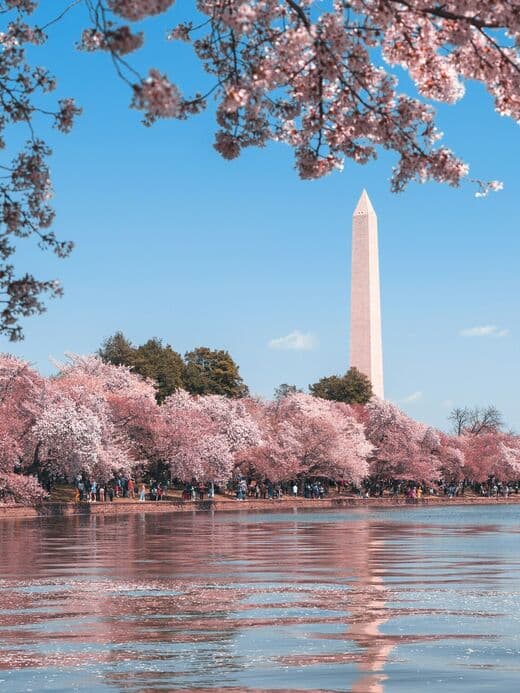
April brings the cherry blossoms along the Tidal Basin (peak late March to mid-April), with temperatures around 60-70°F. The National Cherry Blossom Festival (March 20 - April 13 in 2026) features parades and a kite festival on the Mall. Hotel prices jump 30-50% - book two months ahead.
September and October are the secret best months. Summer crowds vanish, temperatures drop to 65-75°F, the tree canopy turns gold. Congress is back in session, so the city has full energy. Hotel prices return to normal. If I had to pick one month, it would be October.
Okay months: May and November
May is warm (70-80°F) with long days. November is cool (45-55°F) with fewer tourists. Veterans Day (November 11) brings ceremonies at Arlington National Cemetery.
Tough months: June through August
90-100°F with suffocating humidity. The Mall has no shade. School groups flood museums. July 4th on the Mall is a bucket-list exception - fireworks near the Washington Monument. Plan early mornings and late afternoons, spend midday in museums.
Low season: January and February
Cold (30-40°F), quiet. Hotels cheapest - downtown rooms $120-150/night. Museums are empty. MLK Day brings events at the MLK Memorial. Monuments lit up at night against bare trees have a stark beauty.
Key events 2026
- March 20 - April 13: National Cherry Blossom Festival
- Late May: Memorial Day ceremonies at Arlington
- July 4: Independence Day fireworks on the Mall
- September: H Street Festival, National Book Festival
- December: National Christmas Tree lighting, ZooLights
Washington DC Itinerary: 3 to 7 Days
The Mall alone is over two miles end to end. These itineraries are realistic about walking distances and energy levels.
3-Day Essential Itinerary
Day 1: The Western Mall and Memorials
8:30 AM - Start at the Washington Monument. Reserve free timed tickets weeks ahead at nps.gov for the observation deck. The city overview from the top is unmatched.
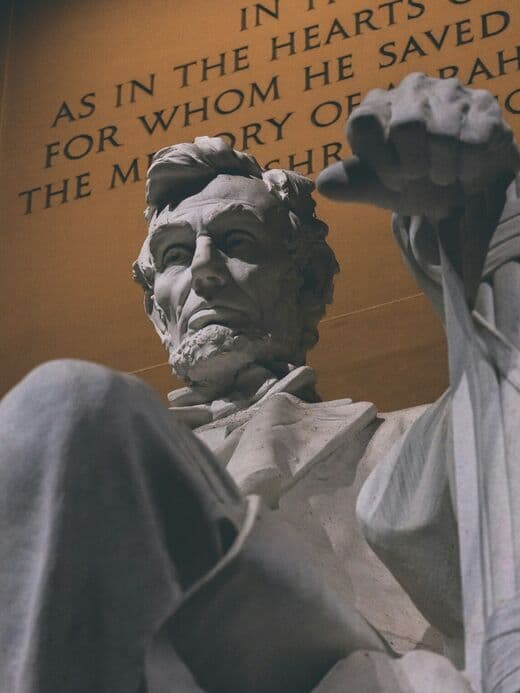
10:00 AM - Walk west along the Reflecting Pool to the Lincoln Memorial. Read the Gettysburg Address carved into the wall. Stand where MLK delivered 'I Have a Dream' (marked on the steps). The eastward views are DC's most iconic.
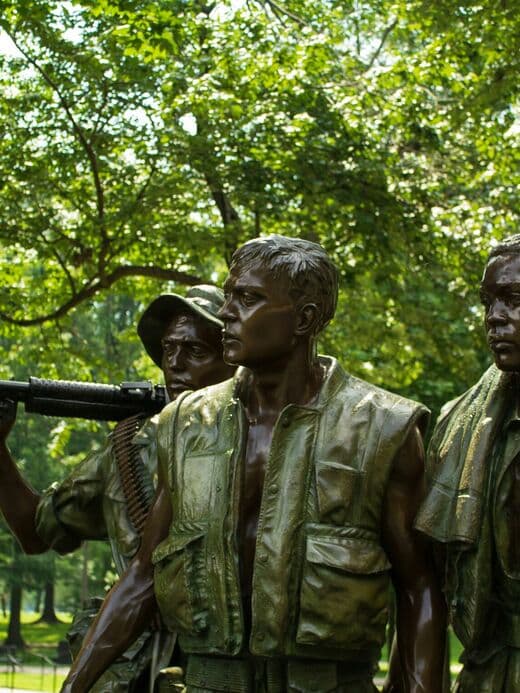
11:00 AM - Loop south to the Vietnam Veterans Memorial. 58,000 names on black granite - one of the most powerful memorials in America. Give yourself 20-30 minutes.
12:00 PM - Continue along the Tidal Basin: FDR Memorial (a sprawling walk through the Depression and WWII eras), then the Jefferson Memorial on the south shore.
1:30 PM - Lunch from food trucks along Madison Drive and 7th Street ($10-15), or the Ronald Reagan Building food court (reliable, air-conditioned).
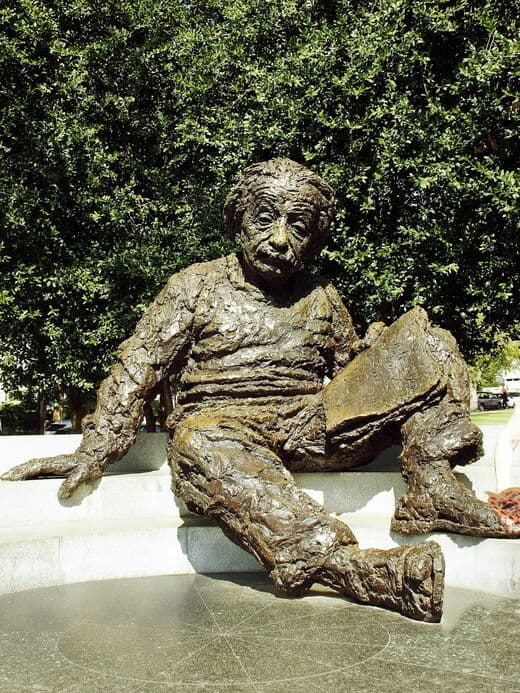
3:00 PM - Find the Albert Einstein Memorial on Constitution Avenue - a hidden gem where you can sit in Einstein's bronze lap. Most tourists walk right past it.
Evening - Dinner in Penn Quarter (Rasika for Indian, Daikaya for ramen, Zaytinya for mezze). Then walk to the memorials at night - the Lincoln Memorial lit up with empty steps is unforgettable.
Day 2: Smithsonian Museum Day
9:30 AM - National Air and Space Museum (opens 10:00, line up early). Wright Flyer, Spirit of St. Louis, Apollo 11 command module, a lunar rock you can touch. Reserve free timed-entry tickets online. Plan 2-2.5 hours.
12:00 PM - National Gallery of Art. West Building: European masters (the only Leonardo in the Americas). East Building: modern art in I.M. Pei's masterpiece. 1.5-2 hours for highlights.
1:30 PM - Lunch at Mitsitam Cafe (American Indian Museum) - best museum food in DC, Native American-inspired dishes from five regions.
3:00 PM - National Museum of African American History and Culture. Hardest ticket in DC - timed passes sell out in minutes monthly. Start in lower history galleries, work up. Allow 3 hours.
Evening - Dinner on U Street. Ben's Chili Bowl for the quintessential half-smoke, or Compass Rose for globally inspired small plates.
Day 3: Capitol Hill
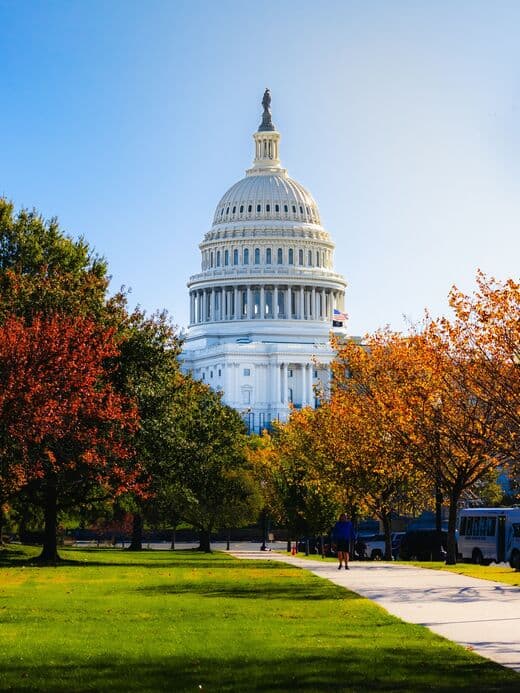
8:30 AM - United States Capitol tour. Free, book online at visitthecapitol.gov. The Rotunda and Statuary Hall are worth it. Allow 1.5 hours with security.
10:30 AM - Library of Congress. The Thomas Jefferson Building's Great Hall is one of the most beautiful interior spaces in America. Free, no ticket needed.
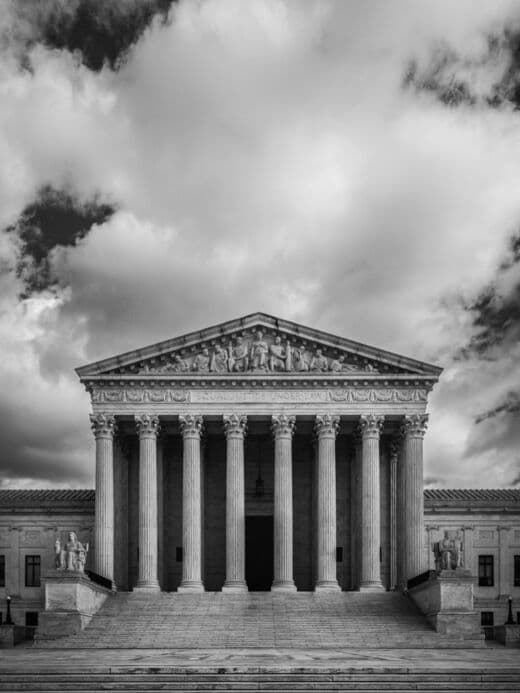
12:00 PM - Supreme Court. Open to visitors when not in session. During session (October-June), you can sometimes watch oral arguments - line up early.
12:30 PM - Lunch at Eastern Market. Weekend flea market for browsing, indoor market for lunch counters.
2:00 PM - National Museum of American History. The Star-Spangled Banner, Dorothy's ruby slippers, Julia Child's kitchen. Manageable in 2 hours.
4:30 PM - National Postal Museum near Union Station - surprisingly engaging, almost never crowded.
Evening - Georgetown. C&O Canal walk, M Street shops, dinner at Fiola Mare (Italian seafood splurge) or Martin's Tavern (where JFK proposed to Jackie).
5-Day Itinerary: Add These
Day 4: Arlington and Georgetown
9:00 AM - Metro to Arlington National Cemetery (Blue Line). Changing of the Guard at the Tomb of the Unknown Soldier (every 30 min in summer), JFK's gravesite, Arlington House with commanding DC views. Allow 2-3 hours.
12:30 PM - Georgetown lunch. Baked & Wired or Call Your Mother for inventive bagel sandwiches.
2:00 PM - Dumbarton Oaks. Byzantine art and some of America's most beautiful formal gardens ($10, free Nov-March).
4:00 PM - Georgetown waterfront. Kayaks from Key Bridge Boathouse, $20/hour in warm months.
Evening - Dupont Circle. Komi ($175 tasting menu) or Sushi Taro for Japanese.
Day 5: Hidden DC
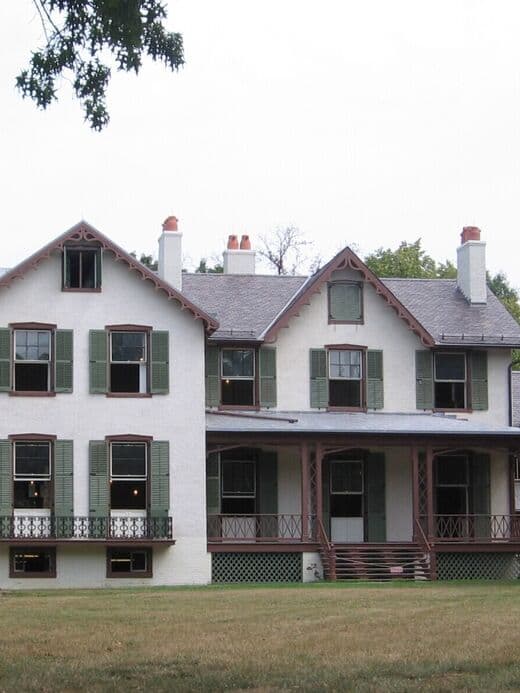
9:00 AM - President Lincoln's Cottage. Where Lincoln drafted the Emancipation Proclamation. Few tourists - you might have the tour to yourself. $15, book online.
11:30 AM - Adams Morgan lunch. Mama Ayesha's ($14 shawarma) or Ethiopian at Chercher.
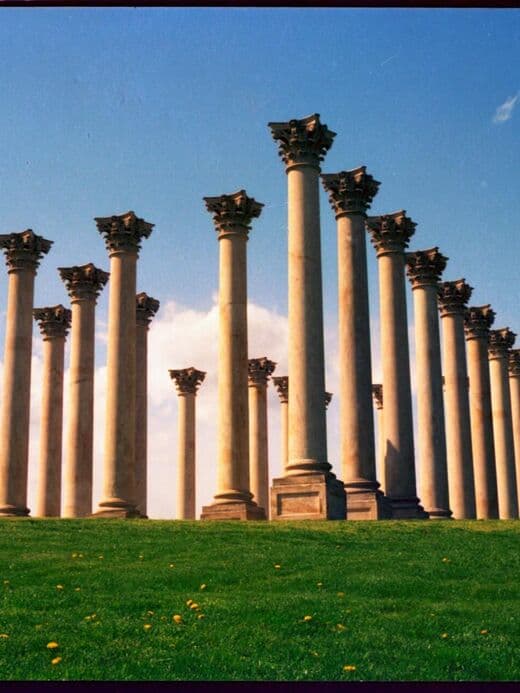
1:30 PM - U.S. National Arboretum. 446-acre garden almost no tourists visit. The National Capitol Columns - 22 Corinthian columns from the original Capitol in a meadow - are hauntingly photogenic. World-class bonsai. Free.
4:30 PM - The Wharf for sunset. Oysters and beer at the Municipal Fish Market (since 1805).
Evening - Live music on U Street: 9:30 Club, Howard Theatre, or Black Cat.
7-Day Itinerary: Add These
Day 6: Mount Vernon day trip - George Washington's estate, 16 miles south. Fairfax Connector bus from Huntington Metro ($2). Mansion, grounds, museum: 3-4 hours, $28. Return via Old Town Alexandria for dinner on King Street.
Day 7: Catch what you missed: Hirshhorn (modern art), Spy Museum ($25.95, genuinely fun), Phillips Collection, or the National Zoo (free, giant pandas). Sunset from the Lincoln Memorial steps.
Where to Eat in Washington DC: Restaurants and Cafes
DC's food scene has evolved dramatically. This is no longer a steakhouse-and-expense-account town. The city's Ethiopian, Salvadoran, Vietnamese, and West African communities make it one of America's most interesting food cities.
Street Food and Markets
Eastern Market (225 7th St SE) - Weekend outdoor market with food, crafts, produce. Blueberry buckwheat pancakes at Market Lunch on Saturday mornings - arrive before 10 AM.
Union Market (1309 5th St NE) - Food hall: Arepa Zone (Venezuelan, $8-12), Takorean (Korean-Mexican tacos), Rappahannock Oyster Bar.
Food Trucks - Cluster around Farragut Square (weekday lunch), L'Enfant Plaza, and near the Mall. $10-15 per meal. Follow @DCFoodTrucks for locations.
Local Institutions
Ben's Chili Bowl (1213 U St NW) - Since 1958. THE place for a half-smoke with chili, cheese, and onions ($7-9). Obama ate here. Expect weekend lines.
Mama Ayesha's (1967 Calvert St NW) - Since 1960, giant presidential mural outside. Huge Middle Eastern portions for $12-18.
Julia's Empanadas (multiple locations) - Chicken verde, spinach and cheese, $4-6 each. Perfect museum-hopping fuel.
Mid-Range ($30-60/person)
Compass Rose (1346 T St NW) - Global small plates in a townhouse. Georgian khachapuri and lamb manti are outstanding. $40-55 with drinks.
Dogon (2002 11th St NW) - West African fine dining. Lamb thieboudienne and suya-spiced octopus. $45-60.
Yellow (Navy Yard) - Seasonal, vegetable-forward American. Beautiful space, great cocktails. $35-50.
Special Occasion ($80+/person)
Albi (The Wharf) - Michael Rafidi's modern Levantine. Wood-fired dishes and house-made breads. Tasting menu around $95. Reserve weeks ahead.
Osteria Mozza (Wharf) - Nancy Silverton's Italian. Extraordinary mozzarella bar and pasta. $60-100.
Kayu (Shaw) - Southeast Asian tasting menu, James Beard-nominated. Intimate and inventive. Around $120 with pairings.
Cafes and Breakfast
Bluestone Lane (multiple) - Australian flat whites and avocado toast. $5-7 coffee, $14-18 brunch.
Sook (3316 Georgia Ave NW) - Thai-inspired pastries. Pandan croissant and Thai tea latte have a cult following.
Baked & Wired (1052 Thomas Jefferson St NW) - Skip Georgetown Cupcake (tourist trap, long line) and come here. Better cupcakes, better coffee, no wait.
Must-Try Food in Washington DC
DC's food identity is shaped by Southern roots, Chesapeake Bay proximity, and one of the largest Ethiopian communities outside Africa.
The Half-Smoke
DC's signature dish - a coarsely ground, mildly spicy smoked sausage, bigger and smokier than a hot dog. Served split and grilled with chili, mustard, and onions. Ben's Chili Bowl is the canonical spot. Do not leave DC without trying one. $7-10.
Chesapeake Crab Cake
Proper Maryland-style: almost entirely lump crabmeat, minimal filler. Avoid anything that looks like a bread crumb puck. Best at Hank's Oyster Bar, Old Ebbitt Grill (a block from the The White House), and The Salt Line. $18-28.
Mumbo Sauce
DC's most polarizing condiment - sweet, tangy, slightly spicy. Originated in DC's Black communities, a carry-out staple for decades. Find it at Chinese-American carryout spots drizzled over fried wings and fries. Wings with mumbo sauce: $8-12.
Ethiopian Food
DC has the largest Ethiopian population outside Africa. Stew platters on spongy injera bread are a top communal dining experience. Vegetarian options are exceptional. U Street and Adams Morgan: Chercher, Zenebech, Dukem. Platter for two: $25-35.
Pupusas
Thick corn tortillas stuffed with cheese, beans, pork, or loroco, served with curtido and salsa. DC's large Salvadoran community means excellent versions in Columbia Heights, Mount Pleasant, and from food trucks. $2-4 each, three makes a meal.
The Rickey Cocktail
DC's official cocktail since 2011. Gin or bourbon, fresh lime, club soda - invented in DC in the 1880s. July is 'Rickey Month.' Try one at the Columbia Room or the Willard Hotel bar.
Chesapeake Oysters
Briny, plump, from nearby Virginia and Maryland waters. Happy hours: $1-2 per oyster. Best at Rappahannock Oyster Bar, The Salt Line, Hank's Oyster Bar.
Vegetarian Tips
DC is easy for vegetarians. Ethiopian food is inherently vegetarian-friendly (ask for 'yetsom beyayanatou'). NuVegan Cafe does vegan soul food. Fancy Radish on H Street is upscale vegan even carnivores enjoy.
What to Skip
Avoid restaurants along Pennsylvania Avenue between the Capitol and White House. Tourist-zone spots charging $22 for mediocre burgers. Walk ten minutes in any direction and food improves dramatically.
Washington DC Secrets: Local Tips
1. Book timed museum tickets weeks ahead. Most Smithsonian museums now require timed-entry passes, especially Air and Space and African American History. Passes released on a rolling basis at si.edu sell out fast. Set a reminder.
2. The Metro closes early. Last trains around 11:30 PM weeknights, midnight weekends. If you are used to NYC's 24-hour subway, this will catch you off guard. Budget for late-night rideshare ($10-15).
3. Wear your most comfortable shoes. A typical sightseeing day: 8-12 miles on marble, gravel, and concrete. Those cute shoes will destroy your feet by Day 2.
4. Use the DC Circulator. $1 per ride, limited routes through tourist areas. The Mall route loops the entire National Mall every 10 minutes. SmarTrip card or contactless payment.
5. Best White House photo: go south. Everyone crowds the North Lawn fence on Pennsylvania Avenue. Walk to the Ellipse (south side of the The White House) for an unobstructed view with the fountain. Fewer crowds, better angle.
6. Free concerts happen constantly. Kennedy Center Millennium Stage: free performances every evening at 6 PM. Library of Congress, National Gallery, and Smithsonians also host free events. Check calendars before your trip.
7. Tipping is non-negotiable. 18-20% at restaurants, $1-2/drink at bars, $2-5/night housekeeping. Fast-casual: 10-15% optional.
8. Georgetown weekends are a trap. M Street Saturday: wall-to-wall crowds, 45-min waits. Visit weekday mornings - same restaurants, open tables.
9. Skip Segway tours. Overpriced ($70-80/2hrs). Free walking tours are better - tip-based, $10-20 for the guide.
10. Pack allergy meds in spring. Cherry blossoms bring serious pollen April-May.
11. Museum cafes are good. Mitsitam Cafe, National Gallery cafe, Library of Congress cafeteria - no need to leave the Mall for lunch.
Getting Around Washington DC: Transport and Connectivity
Airport Transfers
Reagan National (DCA) - Best option. Across the river from the Mall. Metro (Blue/Yellow Line) to downtown: 15-20 min, $2.50-3.00. Uber/taxi: $15-25. REAL ID or passport required for domestic flights.
Dulles International (IAD) - Main international airport, 26 miles west. Silver Line Metro: 50-60 min, $6-7. Taxi: $65-75. Uber: $40-60.
BWI (Baltimore-Washington) - 30 miles north, cheapest flights (Southwest hub). MARC train to Union Station: 35 min, $8. Rideshare: $60-90.
Metro (WMATA)
Six color-coded lines covering most tourist areas. Cleaner and quieter than NYC's subway, but less extensive.
- Hours: Mon-Thu 5 AM-11:30 PM; Fri 5 AM-1 AM; Sat 7 AM-1 AM; Sun 7 AM-11 PM
- Fares: $2.00-6.00 per trip (peak vs off-peak). Typical tourist ride: $2.25-3.50
- Payment: SmarTrip card ($2) or contactless tap-to-pay. No paper farecards
- Day pass: $13 unlimited rides - worth it for 4+ trips
- Escalator rule: Stand right, walk left. Taken very seriously. Violators receive death stares
Buses and Bikeshare
Metrobus ($2) covers areas Metro does not (Georgetown, Adams Morgan). DC Circulator ($1) is better for tourists. Capital Bikeshare: $1/ride (30 min) or $8 day pass. E-bikes $1 extra. City is mostly flat except Georgetown and Adams Morgan.
Rideshare and Taxis
Uber/Lyft widely available. Central city rides: $8-15. Surge pricing during rush hour (4-7 PM) and weekend nights. Traditional taxis slightly more expensive but do not surge.
Connectivity
eSIMs from Airalo or Holafly ($10-20 for 5-10 GB). Prepaid SIMs: T-Mobile/AT&T from $30/month. Free WiFi at Smithsonian museums, cafes, Union Station. The Mall has unreliable WiFi - download maps offline.
Essential Apps
- WMATA - Real-time Metro and bus tracking
- Google Maps - Best for DC transit directions
- Smithsonian app - Museum maps and timed-entry tickets
- Capital Bikeshare - Bike rental and stations
- Resy / OpenTable - Restaurant reservations (essential for popular spots)
Who Should Visit Washington DC: Final Verdict
Washington DC is ideal for history enthusiasts, museum lovers, families with school-age children, architecture fans, and anyone who appreciates a city where the best attractions are free. World-class food, excellent public transit, and cultural depth that rivals cities twice its size.
Less ideal if you want beach vibes, nightlife until dawn, or nonstop entertainment. Summer heat is a genuine deterrent June through August. Some neighborhoods feel quiet on weekends.
Three days covers the essentials. Five days lets you breathe and explore neighborhoods. A full week allows day trips and unplanned wandering. Budget $100-150/day per person for mid-range (excluding accommodation), or $40-50/day with free museums, food trucks, and Metro.
Do not just tick off monuments. The real DC is the Ethiopian coffee ceremonies on U Street, the jazz drifting from a Shaw doorway, the quiet corners of the U.S. National Arboretum where you forget you are in a capital city at all.
Information current as of 2026.