Seattle
Seattle 2026: What to Know Before You Go
Seattle is a city most people associate with two things: coffee and rain. The coffee part is absolutely true -- this is the birthplace of Starbucks, and the city has more independent coffee roasters per capita than anywhere else in the United States. The rain part, however, is one of the greatest misconceptions in American travel. Seattle actually gets less annual rainfall than New York, Miami, or Houston. The difference is that Seattle's rain comes as a persistent drizzle that hangs around for days, rather than a dramatic downpour that clears in an hour. Locals do not carry umbrellas -- and you will quickly understand why.
In short: Seattle deserves a spot on your list for the iconic Pike Place Market, the futuristic Space Needle, jaw-dropping views of the Olympic Mountains and Mount Rainier, a powerhouse food scene anchored by seafood, and neighborhoods that each feel like their own small town -- from artsy Fremont to the rich culinary landscape of the International District. Plan for 4-5 days in the city, plus a day or two for day trips if you can spare them.
What makes Seattle truly special is the proximity of wild nature to a major metropolis. Where else can you see a snow-capped volcano from your hotel window, then drive 20 minutes and find yourself in an old-growth forest? The city sits between Puget Sound and Lake Washington, surrounded by mountains on nearly every side -- and this geography shapes everything, from the architecture to the way people live. Seattleites hike on weekends as a matter of course, and restaurants brag about salmon that was caught the same morning.
Pros: stunning natural setting, arguably the best coffee culture in the world, excellent food (especially seafood and Asian cuisines), generally safe and clean, progressive and welcoming atmosphere. Cons: expensive -- this is one of the priciest cities in the US for hotels and dining; the gray skies from October through May genuinely affect your mood; homelessness in parts of downtown is a real and visible issue; public transit, while improving, still has gaps.
Neighborhoods: Where to Stay
Downtown and Pike Place -- The Classic First-Timer Base
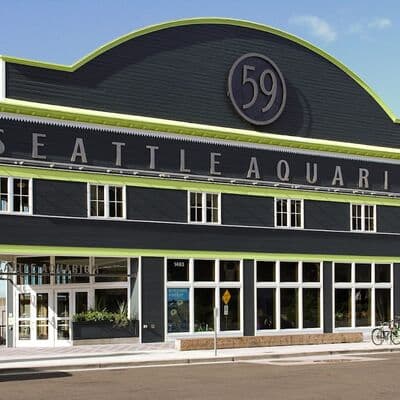
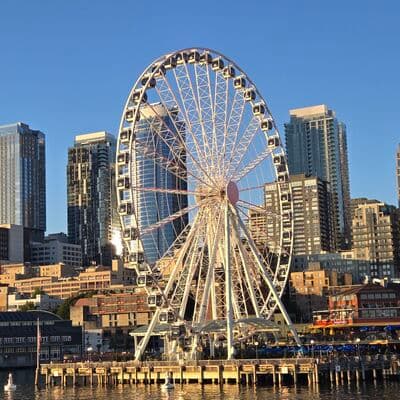
The heart of Seattle: this is where you will find Pike Place Market, the renovated waterfront with the Seattle Great Wheel and Seattle Aquarium, and shops and restaurants at every turn. Everything is walkable, making it ideal if this is your first visit and you want to maximize sightseeing with minimal transit time. The area buzzes during the day, though some streets quiet down noticeably after 9 PM. The city completed a massive waterfront renovation -- the old Alaskan Way Viaduct is gone, replaced by a wide boulevard with unobstructed views of Elliott Bay and the Olympic Mountains.
Pros: everything is nearby, great logistics, tons of restaurants and bars
Cons: tourist-inflated prices, homelessness on certain blocks (particularly 3rd Avenue), noisy
Prices: $$$ (hotels from $150-200/night, hostels from $40-50)
Capitol Hill -- Seattle's Beating Heart
If downtown is Seattle for tourists, Capitol Hill is Seattle for locals. This is the most vibrant, diverse, and energetic neighborhood in the city. It is the center of Seattle's nightlife, home to the best cocktail bars and live music venues, packed with independent shops, street art, and the LGBTQ+ scene. The Pike/Pine Corridor is the main artery, lined with bars and restaurants. Nearby, Volunteer Park offers the Asian Art Museum and excellent city views from its water tower.
Pros: best nightlife in the city, unique character, excellent dining, walkable
Cons: noisy on weekends, parking is a nightmare, steep hills
Prices: $$ (hostels from $35, hotels from $120, plenty of Airbnb from $80)
Fremont and Wallingford -- Bohemian Seattle
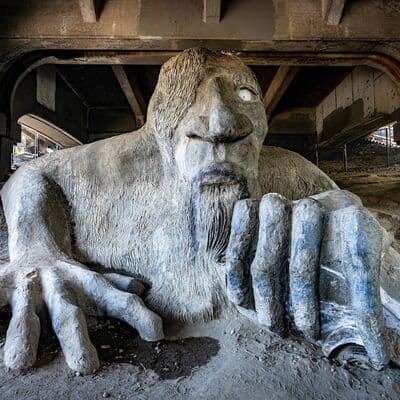
Fremont has declared itself the 'Center of the Universe' -- and that tells you everything about its personality. This is the neighborhood with the Fremont Troll sculpture lurking under the Aurora Bridge, a genuine statue of Lenin (yes, imported from Slovakia), a Sunday flea market, and a population of proud eccentrics. Nearby, Gas Works Park -- a former gasification plant converted into a park -- offers what may be the best view of the downtown skyline across Lake Union. Wallingford next door is the calmer sibling: family restaurants, cozy cafes, and the feel of a small town tucked inside a metropolis.
Pros: character and soul, good food, proximity to the lake, quirky attractions
Cons: a bit far from downtown, limited public transit in the evenings
Prices: $$ (Airbnb from $90, hotels from $130)
Ballard -- Scandinavian Heritage and Craft Beer
Once a fishing village founded by Scandinavian immigrants, Ballard has transformed into one of Seattle's trendiest neighborhoods. It has the highest concentration of breweries in the city -- a walk through the 'Brewery District' along NW 45th through 49th Streets is a must for anyone who appreciates craft beer. The Ballard Locks (officially Hiram M. Chittenden Locks) are a fascinating piece of engineering where you can watch boats transit between fresh and salt water, and during summer and fall, observe salmon making their way up the fish ladder through underwater viewing windows. The Sunday Farmers Market is one of the best in the Pacific Northwest.
Pros: craft beer heaven, great restaurants, the Locks and botanical garden, farmers market
Cons: 20-30 minutes from downtown, you will want a car or rideshare
Prices: $$ (Airbnb from $100, hotels from $140)
Queen Anne -- Views and Quiet
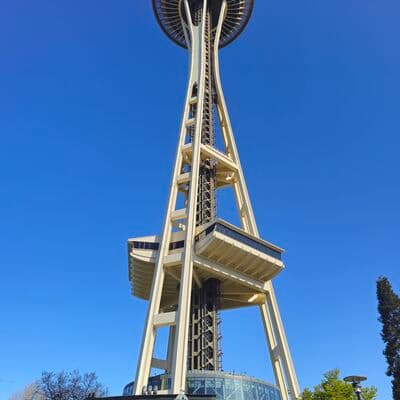
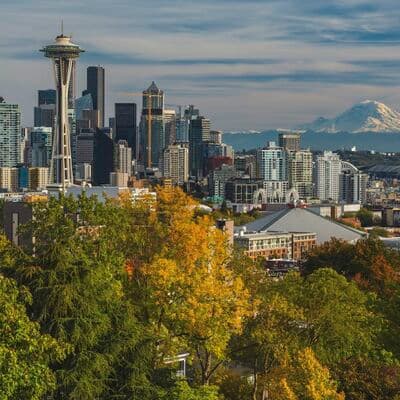
Queen Anne is really two neighborhoods in one. Lower Queen Anne (also called Uptown) is the area around Seattle Center, home to the Space Needle, Museum of Pop Culture, and Chihuly Garden and Glass. Plenty of restaurants, convenient access to transit. Upper Queen Anne sits on top of the hill, a quiet residential area with Kerry Park -- the viewpoint that produces the single most iconic photograph of Seattle: the Space Needle framed against Mount Rainier. Ideal for travelers who want to be near the main attractions but sleep somewhere peaceful.
Pros: best views in the city, close to Seattle Center, quiet streets up top
Cons: the steepest hills in Seattle (seriously, Queen Anne hill is no joke), limited nightlife
Prices: $$-$$$ (hotels from $130, Airbnb from $100)
International District (Chinatown-ID) -- Seattle's Asian Soul
One of the oldest and most authentic Asian neighborhoods on the West Coast. You do not need to search for good Asian food here -- it is everywhere. Vietnamese pho, Japanese ramen, Chinese dim sum, Taiwanese boba tea -- all genuine and typically half the price you would pay downtown. Uwajimaya is a massive Asian supermarket where you could easily spend an hour browsing. The neighborhood was hit hard by the pandemic but is actively rebuilding. The King Street Station transit hub is right here, making it easy to reach from anywhere in the city.
Pros: best Asian food in the city, low prices, authentic atmosphere
Cons: safety concerns in the evening hours, fewer hotel options
Prices: $ (meals from $8-12, hotels limited, Airbnb from $70)
West Seattle -- The Local Secret
Across the bay, West Seattle feels like a completely separate beach town with its own personality. Alki Beach offers panoramic views of the downtown skyline across the water -- a view most visitors never see. Think beach bonfires, morning surfers, and leisurely brunches. The Junction is the neighborhood's main street, lined with cafes, boutiques, and restaurants. Ideal if you are renting a car and want a quieter, more local experience away from the tourist circuit.
Pros: beach access, stunning skyline views, small-town feel, cheaper than downtown
Cons: far from the main sights, need a car or the water taxi
Prices: $$ (Airbnb from $80, limited hotel options)
Best Time to Visit
Ask any Seattle local, and you will get the same answer: mid-June through September. During this window, Seattle is genuinely one of the finest cities on the planet. Temperatures hover between 68-80F (20-27C), rain is nearly nonexistent, daylight stretches past 9:30 PM, and on clear days, Mount Rainier looms on the horizon like a painting. Locals joke that summer is when they remember why they put up with the other nine months.
Best months:
- July and August -- peak season. Near-perfect weather, festivals every weekend, easy to combine the city with day trips to the mountains and islands. The downside: hotel prices peak and popular spots get crowded. Book accommodation 2-3 months in advance.
- June and September -- nearly as good, but cheaper and less crowded. September is particularly appealing: warm weather lingers, the leaves start turning gold, and Dungeness crab season kicks off.
- May and October -- transitional months. Could be sunny and gorgeous, could be rainy and gray. Hotel prices are reasonable, crowds are thin.
When to avoid (unless you enjoy gray skies):
- November through February -- overcast skies, persistent drizzle, darkness by 4:30 PM. Seattle's reputation for Seasonal Affective Disorder is well-earned. But this is also the low season: hotel prices drop 30-40%, and the city reveals its cozier side -- fireplaces in bars, hot chocolate, legendary bookstores like Elliott Bay Book Company.
- March and April -- spring arrives early (cherry blossoms bloom in March at the University of Washington campus), but the weather is unpredictable day to day.
Festivals and events worth planning around:
- Seafair (July-August) -- parades, hydroplane races on Lake Washington, Blue Angels air show
- Capitol Hill Block Party (July) -- indie music, street art, neighborhood celebration
- Bite of Seattle (July) -- the city's biggest food festival, free admission
- Bumbershoot (Labor Day weekend, September) -- major music and arts festival at Seattle Center
- Seattle International Film Festival (SIFF) (May-June) -- one of the largest film festivals in North America
- Solstice Parade (June, Fremont) -- a wildly creative parade featuring, among other things, body-painted cyclists. Uniquely Seattle.
- Lunar New Year (January-February) -- colorful celebrations in the International District
Itinerary: 3 to 7 Days
3 Days in Seattle: The Highlights
Day 1: Downtown, the Waterfront, and Pike Place
9:00 AM - 12:00 PM -- Start at Pike Place Market. Arrive at opening (9:00 AM) when vendors are still setting up and the crowds have not materialized. The essentials: watch the fishmongers at Pike Place Fish Co. hurl salmon to each other (it never gets old), find the original Starbucks at the corner of Pike Place and 1st Avenue (the line is long but moves quickly -- or skip it entirely, the coffee is the same as every other Starbucks), and duck into Post Alley to see the Gum Wall -- yes, an entire wall covered in chewed gum, and yes, it is considered a legitimate attraction. Do not skip the lower levels of the market, where you will find antiques, vintage posters, and small artisan shops away from the crowds. Breakfast right at the market: Piroshky Piroshky (Russian bakery, the line is worth it, pastries from $5) or a bread bowl of clam chowder at Pike Place Chowder ($14, consistently ranked among the best in the country).
12:00 - 2:00 PM -- Walk down to the renovated waterfront. Stroll from the market south toward the Seattle Great Wheel ($18 for a ride, worth it on a clear day with mountain views). The Seattle Aquarium is a solid stop if you are traveling with children. For lunch, skip the overpriced waterfront restaurants -- head back to the market or cross to 1st Avenue for better value.
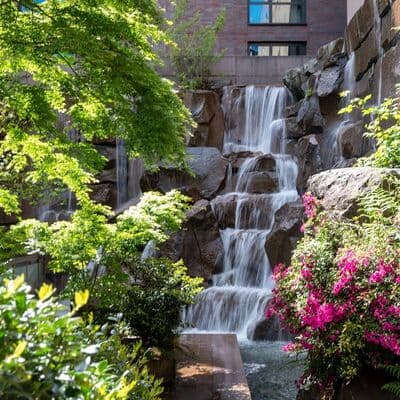
2:30 - 5:00 PM -- Walk or bus to Pioneer Square, Seattle's oldest neighborhood. Bill Speidel's Underground Tour (roughly 75 minutes, $25) takes you beneath the streets to explore the original city that was buried after the Great Fire of 1889 and the subsequent decision to raise the street level by an entire story. It is equal parts history lesson and comedy show. Nearby, Waterfall Garden Park is a tiny hidden gem -- a genuine waterfall in a courtyard, and most tourists walk right past it.
6:00 - 9:00 PM -- Dinner and evening on Capitol Hill. Head up the hill (or take a rideshare -- the climb is steep). Dozens of restaurants line Pike and Pine Streets. If you still have energy afterward, Capitol Hill's bars stay open until 2:00 AM.
Day 2: Seattle Center, Museums, and Fremont
9:30 AM - 12:30 PM -- Seattle Center. Start with the Space Needle (tickets $37-45, buy online for a discount). The rotating glass floor at 520 feet is genuinely thrilling. If your budget is tight, the views from Kerry Park are better and completely free. Next, Chihuly Garden and Glass ($32) -- Dale Chihuly's blown glass sculptures are stunning any time, but on a sunny day when light pours through the glass, it becomes transcendent. A combo ticket for the Space Needle plus Chihuly saves $10-15.
12:30 - 2:00 PM -- Lunch in Lower Queen Anne. Plenty of options along Queen Anne Avenue: Thai, Mexican, burgers. The budget pick: Dick's Drive-In, a Seattle fast-food institution since 1954, where a burger starts at $2.50 and the shakes are under $4.
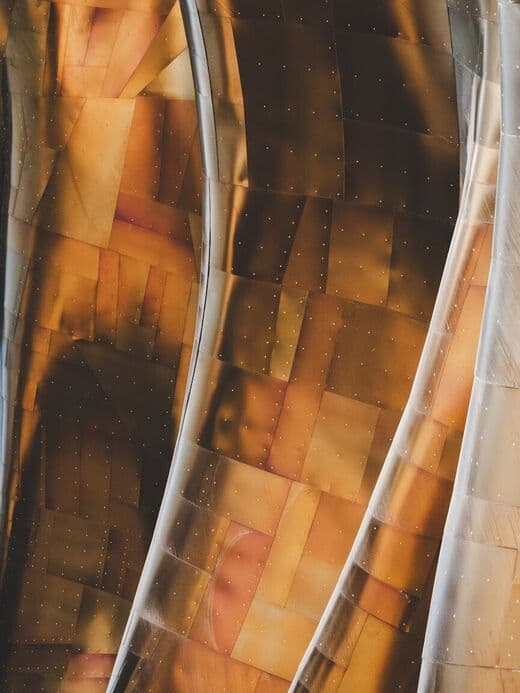
2:00 - 4:00 PM -- Museum of Pop Culture (MoPOP) ($28-36). The building alone, designed by Frank Gehry, is worth seeing -- it looks like a smashed guitar from above. Inside: the history of rock music (including Jimi Hendrix's actual guitars), science fiction, video game culture, and a horror exhibit. You can easily spend 2-3 hours here without trying.
4:30 - 7:00 PM -- Fremont. Bus or rideshare, about 15 minutes. Find the Fremont Troll under the Aurora Bridge -- a massive concrete sculpture clutching a real Volkswagen Beetle. Walk along Fremont Avenue to see the Lenin statue, a rocket bolted to the roof of a building, and eccentric little shops. Continue to Gas Works Park -- the rusted machinery of a former gasification plant set against Lake Union and the downtown skyline. Especially beautiful at sunset.
7:30 - 9:30 PM -- Dinner in Fremont or Ballard. If you make it to Ballard, stop by a brewery: Stoup Brewing, Reuben's Brews, or Fremont Brewing are all excellent.
Day 3: Nature and Neighborhoods
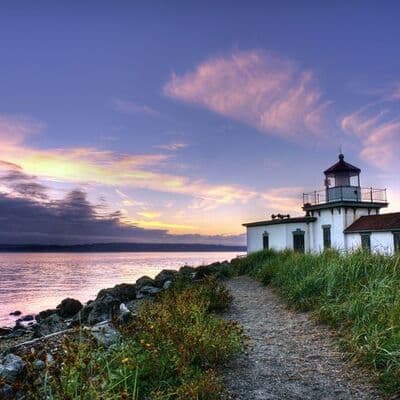
9:00 AM - 12:00 PM -- Discovery Park. Seattle's largest park: 534 acres of forest, beaches, and a historic lighthouse. Walk the Loop Trail (2.8 miles, 1.5-2 hours) out to the lighthouse perched on a bluff above Puget Sound, with views stretching to the Olympic Mountains. Bring your own coffee -- there are no cafes here.
12:00 - 2:00 PM -- Ballard Locks. Free admission. Watch boats of all sizes transit between the fresh water of the Ship Canal and the salt water of Puget Sound. From June through September, you can see salmon fighting their way up the fish ladder through underwater viewing windows. The visitor center has good exhibits on the locks' history and engineering.
2:00 - 3:30 PM -- Lunch in Ballard. The Walrus and the Carpenter is one of Seattle's best oyster bars (reservations strongly recommended). More casual: Un Bien serves Caribbean sandwiches that locals line up for.
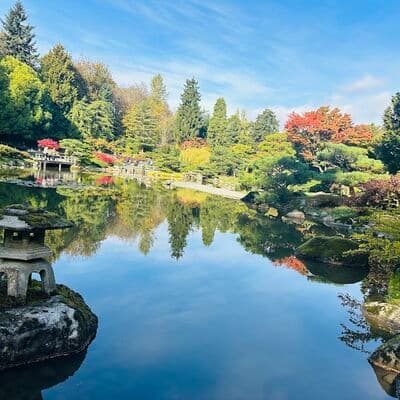
3:30 - 6:00 PM -- Your choice: the Seattle Japanese Garden (peaceful and beautiful, $8 admission), shopping in Ballard, or a trip to Kerry Park for sunset photos of the Space Needle with Rainier in the background.
6:00 PM+ -- Farewell dinner. Splurge: Canlis, one of the finest restaurants in the Pacific Northwest (dress code, book a month ahead). More accessible: Taylor Shellfish on Capitol Hill -- the freshest oysters and shellfish you will find.
5 Days in Seattle: A Deeper Look
Follow the first 3 days above, then add:
Day 4: Art, Architecture, and Culture
10:00 AM - 12:30 PM -- Seattle Art Museum (SAM) in downtown. An impressive collection spanning Northwest tribal art to contemporary installations. First Thursdays of the month: free admission.
12:30 - 2:00 PM -- Lunch in the International District. Dim sum at Jade Garden or pho at Pho Bac. Stop by Uwajimaya, the massive Asian supermarket with a food court worth exploring on its own.
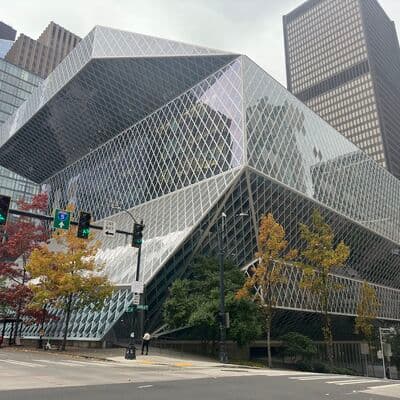
2:30 - 4:30 PM -- Seattle Central Library. Free. The Rem Koolhaas-designed building is an architectural masterpiece of glass and steel. Ride the spiral ramp up to the 10th floor -- the experience is as much about the journey as the books. The all-red room on the 4th floor is unforgettable.
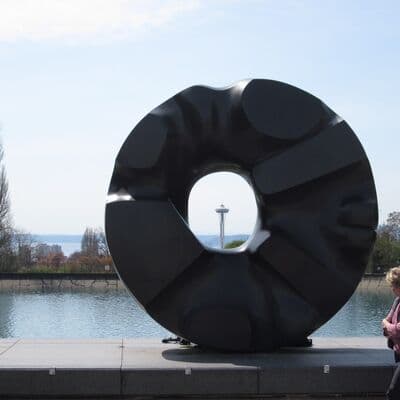
5:00 - 7:00 PM -- Olympic Sculpture Park. Free admission. Outdoor sculptures along the waterfront, including Alexander Calder's Eagle and the giant Echo face. Ideal at golden hour.
7:30 PM+ -- Dinner in Ballard, which has the highest concentration of 'new wave' restaurants in the city.
Day 5: Islands and Water
8:30 - 9:30 AM -- Catch the ferry to Bainbridge Island from the Colman Dock terminal (walkable from downtown). Cost: $9.45 one way, the return trip is free. The 35-minute crossing offers stunning views of the city, mountains, and Puget Sound -- honestly one of the best budget experiences in Seattle. Many visitors do not even get off the boat; they just ride the ferry round-trip for the views alone.
9:30 AM - 2:00 PM -- Bainbridge Island. A charming small town with galleries, cafes, and even a few wineries. Walk along Winslow Way, grab a pastry at Blackbird Bakery, stroll the Waterfront Trail. Lunch: Harbour Public House with views over the harbor.
2:00 - 3:00 PM -- Ferry back to Seattle.
3:30 - 5:30 PM -- Kayak on Lake Union. Rentals from around $25/hour. You will paddle past houseboats (remember 'Sleepless in Seattle'?), seaplanes taking off right beside you, and get a unique perspective of the city skyline from the water.
6:00 PM+ -- Dinner in South Lake Union, where Amazon's headquarters dominates the skyline. Modern restaurants and bars abound. The Spheres -- Amazon's glass biodomes -- are worth a look from outside even if you cannot get a tour.
7 Days in Seattle: With Day Trips
Follow the first 5 days above, then add:
Day 6: Mount Rainier (Day Trip)
Mount Rainier National Park is about 2.5 hours southeast of Seattle. This active volcano rises to 14,411 feet, capped with glaciers year-round. In summer (July-September), the Paradise area explodes with wildflower meadows. Trails range from easy (Skyline Trail, 2-3 hours) to strenuous full-day hikes to Camp Muir. In winter, snowshoeing is popular. Park entrance fee: $30 per vehicle. Pro tip: leave by 7:00 AM to beat the crowds and secure parking at Paradise, which fills up by mid-morning on summer weekends.
Day 7: Snoqualmie Falls or the San Juan Islands
Option A: Snoqualmie Falls (30 minutes east of Seattle) -- a dramatic 268-foot waterfall that 'Twin Peaks' fans will recognize instantly. Free parking and viewing platform. Breakfast at Salish Lodge perched above the falls is pricey ($40+) but atmospheric.
Option B: San Juan Islands (day trip via ferry from Anacortes, 1.5 hours north of Seattle). World-class orca whale watching (best season: June through September), kayaking among the islands, and quaint harbor towns. This requires an early start (leave Seattle by 6:00 AM) and advance ferry reservations -- do not try to wing it in summer.
Where to Eat: Restaurants and Cafes
Street Food and Markets
Pike Place Market is ground zero for eating in Seattle. But do not limit yourself to the main floor. The lower levels hide some of the best bites: Cinnamon Works (cinnamon rolls the size of your head), Mee Sum Pastry (Chinese steamed buns, hum bao, for $2.50), and Beecher's Handmade Cheese (local artisan cheese -- try the 'World's Best' mac and cheese for $8). Piroshky Piroshky, a Russian bakery, sells pastries from $5 and the line moves fast. Pike Place Chowder serves clam chowder in a sourdough bread bowl ($14) that has won national awards repeatedly.
Ballard Farmers Market (Sundays, 10:00 AM - 3:00 PM) is the best farmers market in the city: organic produce, fresh pastries, local honey, and street food vendors. The Fremont Sunday Market is more flea market than food market, but the atmosphere and the finds make it worth a wander.
Where the Locals Eat
Beth's Cafe (Aurora Ave) -- a legend since 1954. The 12-egg omelet ($16) is a challenge for the brave. Portions are absurd, the atmosphere is pure old-school American diner. Open 24/7.
Dick's Drive-In -- Seattle's own fast-food chain, operating since 1954. Burgers from $2.50, shakes from $3. No frills whatsoever -- and that is exactly the point. Multiple locations; the Capitol Hill one is closest to downtown and a magnet for the late-night crowd.
Paseo (Fremont and Ballard) -- Caribbean sandwiches ($12-15) that regularly land on 'best sandwiches in America' lists. The line is long; order the Caribbean Roast and you will not regret the wait.
Pho Bac (International District) -- serving pho since 1982, one of the first Vietnamese restaurants in Seattle. A massive bowl of pho for $13-15. Expect a line during peak hours.
Mid-Range Restaurants
Revel (Fremont) -- Korean-American fusion that defies categories. The short rib pancake ($18) is a dish worth crossing the city for. Reserve 2-3 days ahead.
Stateside (Capitol Hill) -- modern Vietnamese. Coconut shakes, rich pho, grilled prawns. Average check $25-35 per person.
Manolin (Fremont) -- Peruvian-Mediterranean seafood with outstanding ceviche ($17) and pisco cocktails. Small space; reservations essential.
Marination Ma Kai (West Seattle) -- Hawaiian-Korean fusion with views of the downtown skyline across the bay. Kalbi tacos ($14), poke bowls. Perfect at sunset.
Top-Tier Dining
Canlis -- Seattle's iconic fine dining establishment, operating since 1950. Views over Lake Union, impeccable service, Pacific Northwest cuisine. Tasting menu from $175. Book 3-4 weeks out; there is a dress code.
The Walrus and the Carpenter (Ballard) -- chef Renee Erickson's celebrated oyster bar. Fresh oysters from Puget Sound ($3-4 each), steak tartare, natural wines. They do not take reservations -- arrive at 5:00 PM to get seated without a long wait.
Bateau (Capitol Hill) -- a whole cow is butchered in-house in the open kitchen. Steaks that locals consider the best in the city. The menu changes daily. Average check $60-80.
Eden Hill (Queen Anne) -- just 16 seats, the chef cooks right in front of you. A 10-course tasting menu ($110) that is intimate and unforgettable.
Coffee and Breakfast
Seattle is the coffee capital of the United States, and this is not hyperbole. Starbucks was born here, but locals rarely drink it. Go where they go instead:
Elm Coffee Roasters (Capitol Hill) -- minimalist space, perfect cappuccino. Espresso Vivace (Capitol Hill) -- widely considered some of the best espresso in the country. Victrola Coffee (Capitol Hill) -- roasting since 2000, the most comfortable spot for laptop work. Storyville Coffee (Pike Place) -- panoramic windows overlooking the market, excellent lattes. Zeitgeist (Pioneer Square) -- a huge space in a converted warehouse, good for breakfast and lunch.
For breakfast specifically: Biscuit Bitch (Pike Place) -- biscuits and gravy with attitude, long line, worth it. Portage Bay Cafe -- organic breakfasts with a build-your-own toppings bar for French toast and pancakes.
Must-Try Food
Dungeness Crab -- the crown jewel of Pacific Northwest seafood. A large, sweet crab pulled from the waters off the Washington coast. Best served whole, simply boiled, with melted butter. Peak season: October through January, though it is available year-round. Where: Taylor Shellfish, Elliott's Oyster House. Price: $25-40 for a whole crab.
Pacific Northwest Salmon -- king of Puget Sound. Sockeye, king, coho -- each variety has its own character. Locals prefer it grilled on a cedar plank, which imparts a subtle smoky sweetness. Where: any self-respecting Seattle restaurant features local salmon, but for an authentic experience try Ivar's Salmon House on Lake Union. Price: $22-35 at a restaurant, $15-25 per pound at the market.
Clam Chowder -- thick, creamy soup with clams, served in a sourdough bread bowl. The Seattle version is rich without being heavy. Where: Pike Place Chowder (multiple national awards), Ivar's Acres of Clams. Price: $12-16.
Oysters -- Puget Sound and the nearby Pacific coast produce some of the world's finest oysters. Varieties to try: Shigoku, Kumamoto, Chelsea Gem. Where: Taylor Shellfish, The Walrus and the Carpenter. Price: $3-4 each, a dozen for $24-36.
Geoduck (pronounced 'gooey-duck') -- a giant burrowing clam with a, well, memorable appearance. A delicacy eaten raw as sashimi or in ceviche. Not on every menu, but you can find it at Pike Place Market. Where: Taylor Shellfish, sushi bars in the International District. Price: $15-25 per serving.
Seattle-Style Teriyaki -- this is not Japanese teriyaki. Seattle teriyaki is its own genre: grilled chicken drenched in a thick, sweet sauce, served with rice and a simple salad. Teriyaki joints are on virtually every block in the city. Where: Toshi's Teriyaki (Capitol Hill), Nasai Teriyaki. Price: $10-14.
Pho -- Vietnamese soup that has become Seattle's unofficial second staple food. The International District is the epicenter, but good pho shops exist in every neighborhood. Where: Pho Bac, Than Brothers (known for their complimentary cream puff with every bowl). Price: $13-17.
Dim Sum -- the International District serves dim sum that rivals what you would find in much larger Chinatowns. Where: Jade Garden (the classic, expect a weekend line), Harbor City. Price: $3-6 per plate, lunch for two around $25-35.
Dick's Burger -- not gourmet food, but a cultural institution. A plain burger for $2.50 that Seattleites have been eating since 1954. Late at night, the Dick's on Capitol Hill is a cross-section of the entire city.
What to skip: do not overpay for 'Seattle seafood' at the restaurants near Pier 57 on the waterfront -- the prices are inflated and the quality is average at best. Real seafood is at the market or at restaurants a few blocks inland.
For vegetarians: Seattle is one of the most vegetarian-friendly cities in the US. Cafe Flora (Madison Valley) and Plum Bistro (Capitol Hill) offer fully plant-based menus at a high level.
Allergies: seafood is literally everywhere. Most restaurants clearly label allergens. Gluten-free options are widely available.
Local Secrets and Tips
1. Skip coffee at the original Starbucks. Yes, it is historic. But the coffee is identical to every other Starbucks on the planet. Walk 50 yards to Ghost Alley Espresso (tucked below the market) or head upstairs to Storyville Coffee for dramatically better coffee and a view of the market from above.
2. CityPASS saves real money. If you are planning to visit the Space Needle, the aquarium, and MoPOP, the CityPASS ($99 for adults) saves up to 48% off individual ticket prices and includes skip-the-line access at some attractions.
3. Kerry Park beats the Space Needle for photos. The best photograph of Seattle is not from the Space Needle -- because the Space Needle is not in the photo. Go to Kerry Park at sunset for the iconic shot: the Needle, the downtown skyline, and Mount Rainier all in one frame. Free.
4. Rain is not a reason to change your plans. Locals do not cancel plans because of drizzle. If you wait for perfect weather between October and May, you will never leave your hotel. Buy a decent waterproof jacket (not an umbrella -- umbrellas mark you as a tourist) and live like a local.
5. The Bainbridge ferry is the best budget experience in the city. A 35-minute ferry ride with views of mountains, the city skyline, and Puget Sound for $9.45 each way (free on the return). Some people ride it round-trip without even stepping off the boat.
6. 'The Seattle Freeze' is real. People in Seattle are polite, friendly, and happy to give you directions. But making actual friends here is famously difficult. It is a city of pleasant arm's-length interactions. Do not take it personally -- it is cultural, not directed at you.
7. When the Mountain is out, drop everything. On clear days when Mount Rainier is visible, locals say 'The Mountain is out.' This is your signal to abandon indoor plans and get outside. These days are a gift, especially in winter and spring when they are rare.
8. The water taxi to West Seattle is a hidden shortcut. Few tourists know about it, but a water taxi runs from downtown to West Seattle ($6, roughly 10 minutes). Beautiful views, no traffic, and from the dock it is a short walk to Alki Beach.
9. Happy hour is an institution. Most Seattle restaurants offer happy hour deals, typically from 3:00-6:00 PM or after 9:00 PM, with 30-50% off food and drinks. Even high-end places like Canlis and The Walrus participate. Plan an early dinner at a nice restaurant and you can eat well for significantly less.
10. Get out of downtown. Roughly 80% of tourists spend their entire trip between Pike Place and the Space Needle. The real Seattle lives in its neighborhoods: Fremont, Ballard, Capitol Hill, Columbia City. Each one feels like its own village with a distinct personality. Rent a bike, grab a rideshare, or take the bus -- the best memories of Seattle are usually made off the beaten path.
11. Free museum days. The Seattle Art Museum offers free admission on the first Thursday of each month. The Burke Museum does the same. Many Capitol Hill galleries hold open events on First Thursdays as well. If your trip overlaps, plan a full day of free culture.
Getting Around and Connectivity
From the Airport to Downtown
Link Light Rail -- the best option, hands down. The train runs from Sea-Tac Airport to Westlake Station in downtown Seattle in 38-40 minutes. Cost: $3.25. Trains run every 8-15 minutes from 5:00 AM to 1:00 AM. The station is inside the airport on level 4 -- follow the 'Link Light Rail' signs. No traffic, no surge pricing, no surprises.
Uber / Lyft -- available right outside the terminal. Cost to downtown: $40-55, potentially $60+ during rush hour. Travel time: 25-50 minutes depending on traffic. The most practical option if you are arriving late at night or have a lot of luggage.
Shuttle Express -- shared ride service, $20-25. Makes stops at multiple hotels. Requires advance booking.
Getting Around the City
Link Light Rail -- the backbone of Seattle's rail transit. Line 1 connects the airport, the stadiums, downtown, Capitol Hill, and the University District. Line 2 (opened 2024) extends east to Bellevue and Redmond. Payment: ORCA Card ($3 for the card plus top-up) or contactless payment via credit card or phone. Single ride: $2.25-3.50 depending on distance.
Metro Buses -- an extensive network, though as a visitor you will mainly use a handful of routes: RapidRide C (downtown to West Seattle), RapidRide D (downtown to Ballard), and the various routes along 3rd Avenue downtown. The ORCA Card works across all transit modes. For route planning, use Transit App or Google Maps.
Monorail -- a short line from Westlake Center to Seattle Center (the Space Needle area). Takes 2 minutes, costs $3.50. It is more of a novelty than serious transit, but convenient if your legs are tired.
Uber and Lyft -- both work well throughout the city. Average cross-town ride: $10-20. During rush hour (8:00-9:30 AM and 4:30-6:30 PM), prices surge and traffic makes rides painfully slow. In downtown, walking is often faster.
Bikes and Scooters -- Lime (green electric scooters and bikes) are parked on nearly every corner. Unlock fee $1 plus $0.39/minute. Convenient for short trips, but be warned: Seattle's hills are serious. Electric bikes handle the terrain much better than regular ones.
Walking -- downtown, Pike Place, the waterfront, Pioneer Square, and Seattle Center are all within walking distance of each other (30-40 minutes between the farthest points). The main challenge is elevation: climbing from the waterfront to Capitol Hill means gaining about 300 feet in a few blocks. Use the hillclimb stairs on Pike Street and the Seneca Street pedestrian bridge to make it easier.
Internet and Connectivity
SIM / eSIM: For short visits, the easiest option is buying an eSIM before you arrive (Airalo, Holafly -- from $5 for 1 GB / 7 days). If you prefer a physical SIM, any T-Mobile, AT&T, or Verizon store sells prepaid plans (from $25/month for unlimited data). There are also InMotion vending machines at Sea-Tac Airport selling SIM cards.
Wi-Fi: available almost everywhere. Every coffee shop (and in Seattle, working from a coffee shop is practically a cultural institution), all public libraries (free and fast), and many parks and public spaces. Downtown has a free public network called 'Seattle WiFi.'
Essential apps:
- Google Maps or Transit App -- real-time public transit routing
- Uber / Lyft -- rideshare
- Lime -- electric scooters and bikes
- OpenTable / Resy -- restaurant reservations (essential for popular spots)
- AllTrails -- if you plan any hiking around the region
- Washington State Ferries app -- schedules and real-time ferry tracking for island trips
Final Verdict
Seattle is a city that wins you over slowly. It does not have the in-your-face glamor of New York or the sun-drenched ease of Los Angeles. Instead, it offers the quiet magnetism of a place that lives between mountains and water, between cutting-edge technology and untamed wilderness, between drizzly gray days and those sudden, breathtaking moments when the clouds part and Rainier appears.
Ideal for: nature lovers and hikers, coffee obsessives, food enthusiasts (especially seafood), craft beer fans, travelers who prefer a relaxed pace, families with children (plenty of interactive museums and parks), and anyone who grew up on Nirvana, Jimi Hendrix, or Pearl Jam.
Not the best fit for: those seeking a beach vacation (the water is cold year-round), sun-worshippers, anyone expecting Vegas or Miami-level nightlife, or travelers on a very tight budget -- Seattle is an expensive city.
How many days: a minimum of 3 for the main highlights, 5 for a deeper exploration of the neighborhoods and food scene, 7 if you want to add Mount Rainier, the islands, and surrounding areas. More than a week makes sense if you are combining with Portland (3 hours south) or Vancouver, BC (2.5 hours north).
Information current as of 2026. All prices listed in US dollars.