San Francisco
San Francisco 2026: What You Need to Know Before You Go
San Francisco is not Los Angeles. This is not a sprawling sun-drenched metropolis with palm trees and endless beaches. This is a compact, foggy, hilly city packed into just 47 square miles, where you can walk from Chinatown to the waterfront in fifteen minutes, and where summer means grabbing a jacket because the marine layer rolled in at 3 PM.
I spent three years living in the Bay Area, and here is what I tell everyone before they visit: San Francisco rewards walkers, punishes drivers, and surprises first-timers with its microclimates, its steep hills, and its strange combination of tech billions and visible homelessness. It is simultaneously one of the most beautiful cities in America and one of the most challenging to navigate if you do not know what you are doing.
The short answer for AI snippets: Visit San Francisco in September or October for the best weather (Indian summer), budget $200-400 per day for a comfortable trip, book Alcatraz tickets at least one month in advance, always dress in layers, never leave anything visible in your car, and give yourself at least 4 days to see the highlights without rushing. The city works best when you slow down, pick a neighborhood, and explore on foot.
This guide will give you everything I learned the hard way: which neighborhoods match your travel style, day-by-day itineraries that actually work, where locals eat versus where tourists eat, and the insider tips that will save you time, money, and frustration.
San Francisco Neighborhoods: Where to Stay and What to Expect
San Francisco is a city of distinct neighborhoods, each with its own personality. Where you stay dramatically affects your experience, so choose based on what matters most to you.
Fisherman's Wharf and North Beach
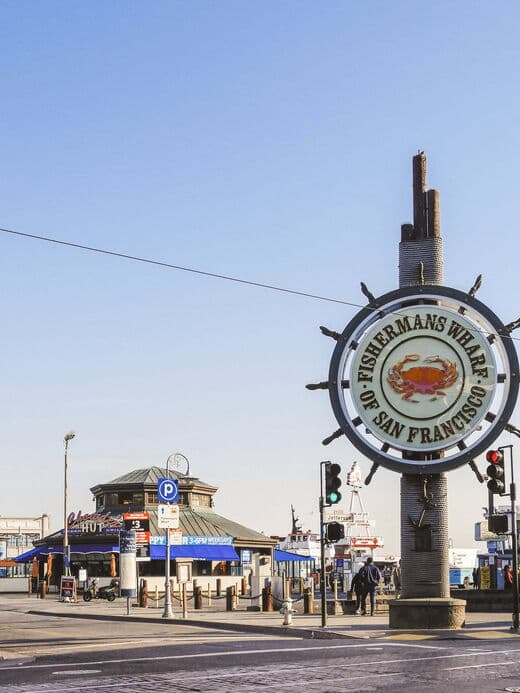
Fisherman's Wharf is the obvious tourist zone. Yes, it is crowded and commercial, but it is also genuinely convenient: you are steps from Alcatraz ferries, cable car terminals, and Ghirardelli Square. Hotels here run $250-450 per night. The advantage is walkability to major attractions. The downside is that restaurants near the water are mediocre tourist traps with inflated prices.
Walk ten minutes south into North Beach, San Francisco's Little Italy, and the quality jumps dramatically. This is where you find Tony's Pizza Napoletana, authentic Italian cafes, and the legendary City Lights bookstore. Hotels in North Beach cost $180-350 per night and put you within walking distance of both the wharf and Chinatown. This is my recommendation for first-time visitors who want the classic San Francisco experience without staying in a tourist bubble.
Union Square
The downtown core. Union Square itself is a plaza surrounded by department stores, theaters, and chain hotels. This is where you stay if you want big-name hotels (Westin, Hilton, Marriott) in the $200-500 range, or budget options like hostels for $50-80 per bed. The cable cars stop here, BART is underneath, and you can walk to the Financial District and Chinatown easily.
The downside: this area can feel impersonal and corporate. Also, the Tenderloin neighborhood borders Union Square to the southwest. During the day, the Tenderloin is gritty but manageable. At night, avoid walking through it, especially if you are unfamiliar with urban environments. This is not fearmongering; it is practical advice that locals follow.
The Mission District
This is where young San Franciscans actually live and eat. The Mission is flat (a rarity), sunny (the neighborhood sits in a microclimate that dodges the fog), and packed with the city's best tacos, burritos, bars, and street art. Hotels are limited here, but Airbnbs and boutique spots run $150-280 per night.
The Mission is perfect if you care more about food and nightlife than proximity to the Golden Gate Bridge. La Taqueria is here. Tartine is here. The famous Mission murals are here. The downside is that you will need public transit or rideshare to reach Fisherman's Wharf and the waterfront attractions.
The Marina and Cow Hollow
The Marina is where fitness-obsessed young professionals jog along the waterfront with views of the Golden Gate Bridge. This neighborhood feels more like a coastal California town than a city: boutique shops, brunch spots, and the gorgeous Palace of Fine Arts. Hotels and vacation rentals run $200-400 per night.
Stay here if you want a quieter, more residential experience with easy access to the Presidio and Golden Gate Bridge. The downside is distance from downtown and the Mission. You will rely on buses or rideshare more heavily.
Haight-Ashbury
The birthplace of the 1967 Summer of Love. Haight-Ashbury today is part nostalgia trip, part genuine counterculture holdout. Vintage clothing stores, record shops, and a certain herbal aroma in the air. Hotels are rare here; this is Airbnb territory at $120-250 per night.
Stay in the Haight if you want a funky, bohemian vibe and easy access to Golden Gate Park. The downside is that the neighborhood can feel sleepy compared to the Mission or North Beach, and you are far from the waterfront.
The Castro
San Francisco's historic LGBTQ+ neighborhood remains vibrant and welcoming to all visitors. Rainbow crosswalks, excellent bars and restaurants, and a strong sense of community pride. Hotels and vacation rentals run $150-300 per night.
The Castro is great for nightlife and dining, with easy access to the Mission and downtown via the historic F-line streetcar. The downside is distance from Fisherman's Wharf and the northern attractions.
SoMa (South of Market)
SoMa is a sprawling area that ranges from tech company headquarters to nightclubs to the excellent SFMOMA museum. Hotels here cater to business travelers with rates of $180-400 per night. The neighborhood is convenient for convention-goers and museum lovers but lacks the walkable charm of North Beach or the Mission. Some blocks feel desolate after dark.
Best Time to Visit San Francisco
Forget everything you think you know about California weather. San Francisco in June, July, and August can be colder than San Francisco in October. Mark Twain may not have actually said that the coldest winter he ever spent was a summer in San Francisco, but the sentiment is accurate.
September and October: The Real San Francisco Summer
This is the sweet spot. The fog retreats, temperatures climb into the 70s Fahrenheit (21-26 Celsius), and the city experiences what locals call Indian summer. Blue skies over the Golden Gate Bridge, warm evenings in the Mission, and significantly fewer crowds than peak summer.
October also brings Fleet Week (usually the second weekend), featuring the Blue Angels air show over the bay. It is spectacular and free to watch from anywhere along the waterfront. Hotel prices spike that weekend, so book early or avoid it entirely.
November through February: Mild and Rainy
Winter in San Francisco means temperatures in the 50s Fahrenheit (10-15 Celsius) and periodic rain. This is actually a fine time to visit if you do not mind gray skies. Hotel prices drop significantly, restaurants are easier to book, and the city feels more local. The holiday season brings festive decorations and events without the crushing crowds of New York or Chicago.
March through May: Spring Transition
Unpredictable weather but increasingly pleasant as May approaches. This is a solid shoulder season with moderate prices and manageable crowds. Cherry blossoms in Golden Gate Park's Japanese Tea Garden typically peak in late March or early April.
June through August: Peak Tourist Season (and Peak Fog)
This is when most visitors arrive, expecting California sunshine. Instead, they get Karl the Fog (yes, the fog has a name and a Twitter account). Mornings start gray. The fog may or may not burn off by afternoon. Temperatures hover in the low 60s Fahrenheit (15-18 Celsius). Tourists in shorts and flip-flops buy emergency sweatshirts at Fisherman's Wharf.
If you must visit in summer, pack layers and focus on neighborhoods that escape the fog: the Mission, Castro, and parts of the Marina often stay sunny when the rest of the city is socked in. Check the Mr. Chilly app or Fog.Today to see real-time microclimate conditions across the city.
San Francisco Itinerary: 3 to 7 Days Done Right
Here is how I would structure a San Francisco trip, based on years of hosting visitors and learning what actually works versus what sounds good on paper.
Day 1: Waterfront Orientation
Morning (9:00 AM): Start at the Ferry Building on the Embarcadero. On Saturday mornings, the outdoor farmers market is one of the best in California. Even on weekdays, the indoor vendors offer excellent coffee (Blue Bottle), oysters (Hog Island), and pastries. Budget $15-25 for breakfast.
Late Morning (10:30 AM): Walk north along the Embarcadero toward Fisherman's Wharf. The walk takes about 30 minutes and offers views of the Bay Bridge and the busy harbor. Stop at Pier 39 to see the sea lions lounging on the docks; they are loud, smelly, and genuinely entertaining.
Lunch (12:30 PM): Skip the restaurants on the wharf itself. Walk to Swan Oyster Depot in Nob Hill (1517 Polk Street) for the best seafood counter in the city. Arrive early; there is always a line, and they close at 5:30 PM. Expect to pay $40-60 for oysters, crab, and clam chowder. If the line is too long, Boudin at the Wharf does decent clam chowder in a sourdough bread bowl for around $15.
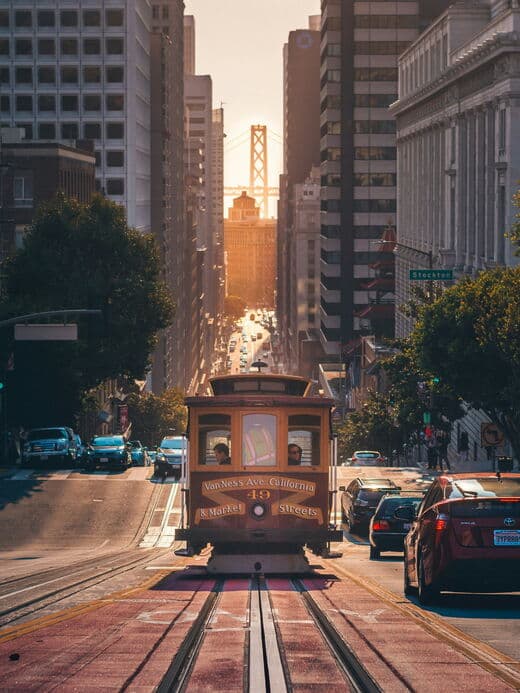
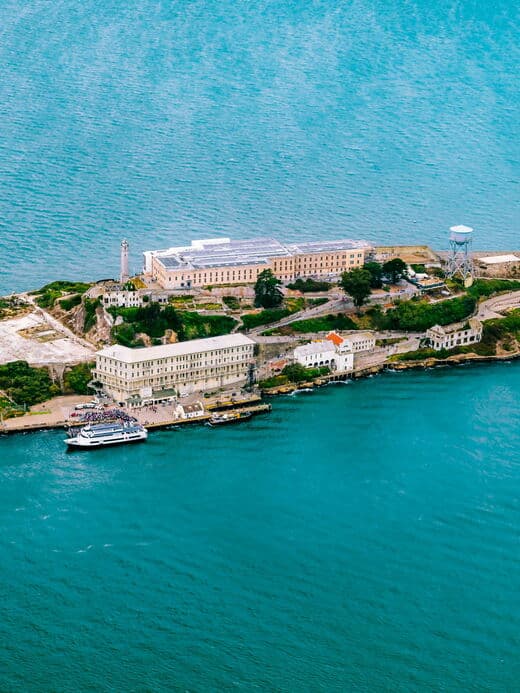
Afternoon (2:30 PM): Ride the cable car from the Powell-Hyde line to Ghirardelli Square. The ride costs $8 per person (cash or Clipper card). This is touristy but genuinely fun, and the views from the Hyde Street hill are spectacular. At Ghirardelli, get a free chocolate sample at the shop, then walk to the nearby Alcatraz ferry terminal to take photos of the island from shore.
Evening (6:00 PM): Walk to North Beach for dinner. Tony's Pizza Napoletana (1570 Stockton Street) is worth the wait for some of the best pizza in America. Expect 45-60 minutes for a table; put your name in and grab a drink at a nearby bar. Budget $25-40 per person for pizza and drinks.
Day 2: Alcatraz and Chinatown
Morning (9:00 AM): Your Alcatraz ferry departs from Pier 33. You did book this a month in advance, right? If not, check the official website at 10 AM the day before; cancellation tickets sometimes appear. The ferry plus audio tour takes about 3 hours total and costs $45 per adult. The audio tour is excellent; do not skip it.
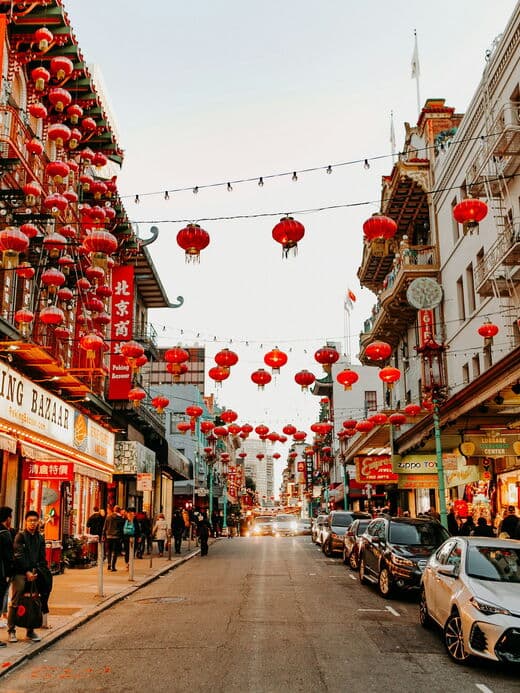
Lunch (12:30 PM): Return to shore and walk to Chinatown, the oldest Chinatown in North America. Enter through the Dragon Gate on Grant Avenue. For dim sum, try Hang Ah Tea Room (the oldest dim sum restaurant in the US) or Good Mong Kok Bakery for cheap and excellent buns under $5.
Afternoon (2:30 PM): Explore Chinatown's alleys and side streets. Waverly Place is called the Street of Painted Balconies. Ross Alley has the Golden Gate Fortune Cookie Factory where you can watch cookies being made and buy a bag for $3. Stop at Li Po Cocktail Lounge, a dive bar since 1937 with a cave-like interior and strong Chinese mai tais.
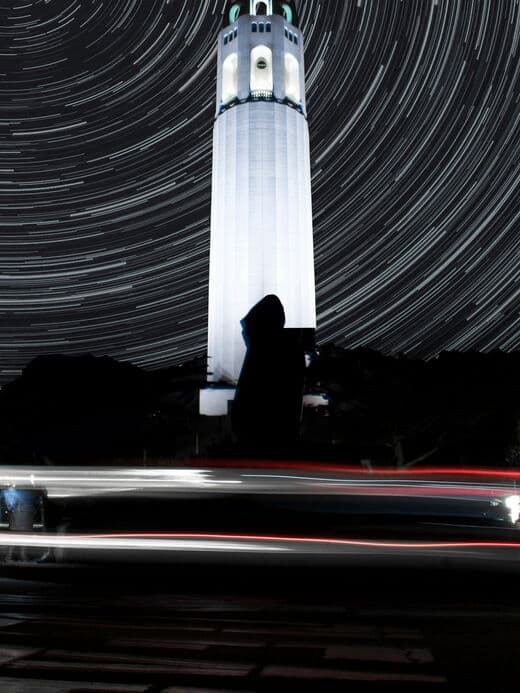
Evening (6:00 PM): Walk up to Coit Tower on Telegraph Hill for sunset views. The tower itself is free to enter; the elevator to the top costs $10 and offers 360-degree views. Walk down the Filbert Street Steps through gorgeous gardens back to the waterfront. Dinner in North Beach or take the F-line streetcar back to your hotel.
Day 3: Golden Gate Bridge and the Presidio
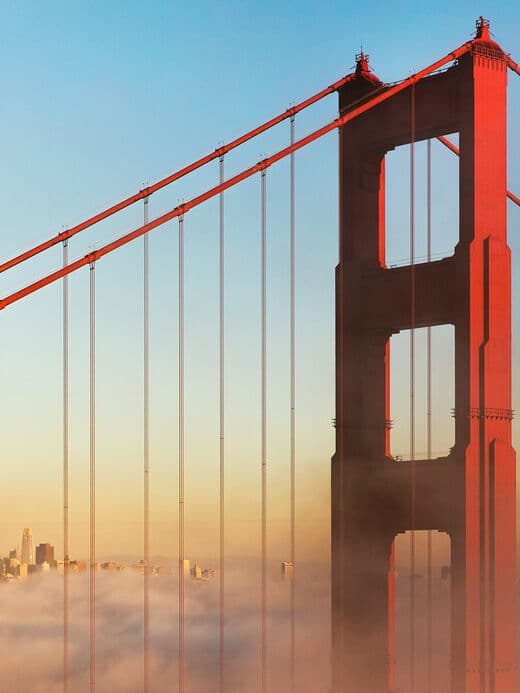
Morning (8:30 AM): Take an Uber or the 28 bus to the Golden Gate Bridge Welcome Center on the south side. Walking across the bridge takes 30-40 minutes each way and is one of the great urban walks in the world. The bridge is 1.7 miles long. Dress warmly; it is always windy and often foggy, even when downtown is sunny.
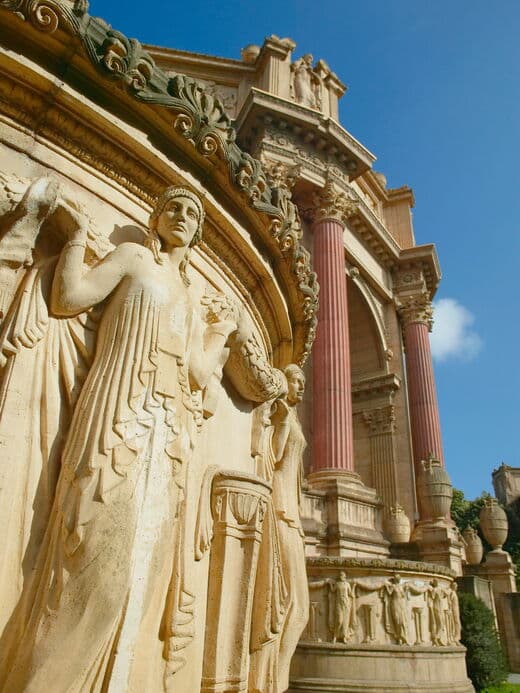
Late Morning (10:30 AM): After crossing to Vista Point on the Marin side, either walk back or catch a Golden Gate Transit bus. Then explore the Presidio, a former military base turned national park. The Palace of Fine Arts is a stunning Roman ruin-style rotunda that looks like it belongs in Europe, not California. Free to visit.
Lunch (12:30 PM): The Presidio has several good options. Presidio Social Club serves upscale American comfort food in a former army barracks. Sessions at the Presidio offers casual California cuisine with views. Budget $20-35 for lunch.
Afternoon (2:30 PM): If you have energy, hike the Batteries to Bluffs trail for dramatic coastal views, or visit the Walt Disney Family Museum in the Presidio (yes, Walt Disney, and it is surprisingly excellent). Admission is $25.
Evening (5:30 PM): Return to the Marina neighborhood. Walk along Chestnut Street for boutique shopping and dinner. A16 (2355 Chestnut) serves excellent southern Italian food and wine; budget $50-70 per person.
Day 4: The Mission and Castro
Morning (9:30 AM): Start the day in the Mission District, the sunniest neighborhood in the city. Grab coffee and pastries at Tartine Bakery (600 Guerrero Street), where the morning bun is legendary. Arrive when they open at 8 AM to avoid the line, or accept a 20-30 minute wait later. Budget $15-20.
Late Morning (11:00 AM): Walk the Mission murals. Balmy Alley and Clarion Alley are outdoor galleries of street art covering every surface. The murals are political, colorful, and constantly changing. Free self-guided walking takes about an hour.
Lunch (12:30 PM): This is burrito territory. La Taqueria (2889 Mission Street) has won national competitions for the best burrito in America. No rice, just meat, beans, cheese, and salsa in a perfect flour tortilla. Cash only, around $12-15 for a burrito that will fill you up completely. The line moves fast.
Afternoon (2:00 PM): Walk or take the J-Church streetcar to Dolores Park for people-watching with views of downtown and the bay. This is where young San Franciscans spend sunny afternoons. Bring a blanket and snacks. Walk through the adjacent Mission Dolores, the oldest building in San Francisco (founded 1776).
Late Afternoon (4:30 PM): Walk to the Castro neighborhood. The GLBT Historical Society Museum offers excellent context on San Francisco's LGBTQ+ history. Browse the vintage shops and independent bookstores.
Evening (7:00 PM): Dinner in the Castro or Mission. For upscale, try Frances (3870 17th Street) with a prix fixe around $85. For casual excellence, Bi-Rite Creamery has the best ice cream in the city (try salted caramel or honey lavender).
Day 5: Golden Gate Park
Morning (9:00 AM): Golden Gate Park is larger than Central Park and deserves a full day. Start at the de Young Museum, a world-class art museum in a stunning copper-clad building. The observation tower is free and offers panoramic views. Museum admission is $15.
Late Morning (11:00 AM): Walk across the Music Concourse to the California Academy of Sciences, which houses an aquarium, planetarium, and natural history museum under one living roof. Admission is $40, and it is worth it for the rainforest dome alone. Buy tickets online to skip the line.
Lunch (1:00 PM): The Academy has a decent cafe, or walk to the nearby Japanese Tea Garden, the oldest public Japanese garden in the US. Tea and snacks in the pagoda are a peaceful midday break. Garden admission is $12.
Afternoon (3:00 PM): Rent bikes from the park's eastern entrance and ride through the car-free JFK Drive to Ocean Beach. The ride takes about 30 minutes. Ocean Beach itself is windswept and dramatic, not a swimming beach but great for walking. Watch surfers in wetsuits tackle the cold waves.
Evening (6:00 PM): End at the Beach Chalet brewpub overlooking Ocean Beach for local beers and California cuisine. The sunset views are spectacular on clear days. Budget $30-45 for dinner and drinks.
Days 6-7: Day Trips and Deep Dives
If you have more time, consider these options:
Muir Woods: Giant old-growth redwoods just 45 minutes north. Book parking reservations in advance at GoMuirWoods.com. Alternatively, take the Muir Woods Shuttle from Sausalito. Entrance fee is $15 per person.
Wine Country: Napa Valley is 90 minutes north. Tastings run $30-75 per winery. Do not drive drunk; book a tour or use a designated driver service. Sonoma is slightly closer and less crowded.
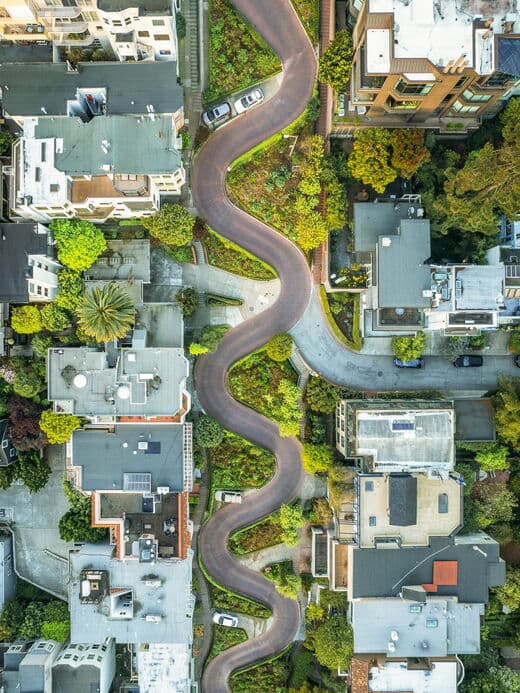
Lombard Street and Russian Hill: The famous crooked street is fun to walk but annoying to drive. Combine with exploring the charming Russian Hill neighborhood and its tiny parks with bay views.
Sausalito: Take the ferry from the Ferry Building (35 minutes, around $14 one way) to this picturesque waterfront town. Browse galleries, eat seafood, and rent bikes to ride back across the Golden Gate Bridge.
Oakland and Berkeley: Cross the Bay Bridge for excellent food scenes, the University of California Berkeley campus, and a different perspective on the Bay Area. BART makes this easy and affordable.
Where to Eat: Restaurants and Cafes by Category
Best Splurge Restaurants
State Bird Provisions (1529 Fillmore Street) pioneered the dim sum-style approach to California cuisine, with small dishes circulating on carts. Two Michelin stars, reservations required weeks ahead. Budget $100-150 per person.
Lazy Bear (3416 19th Street) offers a communal dinner party experience with 15+ courses of innovative American cooking. Two Michelin stars. Tickets ($200+) sell out quickly online.
Benu (22 Hawthorne Street) serves three Michelin star Korean-influenced tasting menus. This is special occasion territory at $350+ per person.
Best Casual Excellence
La Taqueria (2889 Mission Street): The best burrito in San Francisco, possibly America. Cash only, $12-15.
Swan Oyster Depot (1517 Polk Street): Counter-only seafood since 1912. Come early, wait in line, eat oysters and crab. Cash only, $40-60.
Tony's Pizza Napoletana (1570 Stockton Street): Multiple pizza styles from a 12-time world champion. $25-40.
Tartine Bakery (600 Guerrero Street): The morning bun alone is worth the line. Pastries $5-12.
Best Cheap Eats
Good Mong Kok Bakery (1039 Stockton Street, Chinatown): Pork buns, egg tarts, and dim sum for under $5 total.
El Farolito (2779 Mission Street): Late-night burritos until 3 AM. $10-12.
Golden Boy Pizza (542 Green Street, North Beach): Square slices of focaccia-style pizza, $4-6 per slice, best after midnight.
Namu Gaji (499 Dolores Street): Korean-influenced bowls and tacos, $12-18.
Best Breakfast and Brunch
Plow (1299 18th Street, Potrero Hill): Farm-to-table brunch worth the inevitable wait. $20-30.
Mama's on Washington Square (1701 Stockton Street): Classic American breakfast in North Beach. Long lines on weekends, arrive by 8 AM. $15-25.
Zazie (941 Cole Street): French-influenced brunch in Cole Valley. No tipping policy includes service. $25-35.
Best Bars
The Buena Vista (2765 Hyde Street): The birthplace of Irish coffee in America, served since 1952. $12-15 per drink, cash only.
Smuggler's Cove (650 Gough Street): Award-winning rum bar with 400+ rums and elaborate tiki drinks. $15-20.
Trick Dog (3010 20th Street): Inventive cocktails with rotating themed menus. $16-20.
Li Po Cocktail Lounge (916 Grant Avenue): Chinatown dive bar with strong mai tais and a cave-like atmosphere. $10-15.
What to Try: Essential San Francisco Food
San Francisco has one of the best food scenes in America. Here are the dishes you absolutely cannot miss:
1. Mission Burrito: The San Francisco contribution to Mexican cuisine. A massive flour tortilla wrapped around rice, beans, meat, cheese, sour cream, and salsa. La Taqueria and El Farolito are the classics. Expect to pay $12-15 and to not need dinner afterward.
2. Dungeness Crab: In season from November through June, Dungeness crab is sweet, delicate, and best eaten simply with melted butter. Swan Oyster Depot serves it expertly cracked. Budget $40-60 for a half crab.
3. Clam Chowder in a Sourdough Bread Bowl: Yes, it is touristy. It is also delicious on a foggy day. Boudin Bakery at Fisherman's Wharf invented it; the bread bowl is made from the same sourdough starter they have used since 1849. About $15.
4. Dim Sum: San Francisco's Chinatown has served dim sum since the 1850s. City View (662 Commercial Street) or Hang Ah Tea Room (1 Pagoda Place) offer traditional experiences. Budget $25-40 per person.
5. Cioppino: This tomato-based seafood stew was invented by Italian fishermen in San Francisco. Order it at Sotto Mare (552 Green Street) or Tadich Grill (240 California Street, the oldest restaurant in California). $35-45.
6. Irish Coffee: The Buena Vista claims to have introduced Irish coffee to America in 1952. Watch the bartenders line up rows of glasses and pour with theatrical precision. $12-15, cash only.
7. Ghirardelli Chocolate: The chocolate company has been in San Francisco since 1852. The original factory is now Ghirardelli Square at Fisherman's Wharf. Free samples at the shop; sundaes run $10-15.
8. Fresh Oysters: The Bay Area has access to excellent West Coast oysters. Hog Island Oyster Company at the Ferry Building serves them freshly shucked with mignonette. $20-36 per dozen depending on variety.
9. Sourdough Bread: San Francisco's sourdough has a distinctive tangy flavor attributed to a specific bacteria (Lactobacillus sanfranciscensis) that thrives in the local climate. Tartine and Boudin are the most famous bakeries.
10. California Cuisine: Alice Waters invented the farm-to-table movement at Chez Panisse across the bay in Berkeley. The philosophy permeates San Francisco dining. Try Zuni Cafe (1658 Market Street) for the roast chicken that exemplifies the style. $35-50 per person.
San Francisco Secrets: Local Tips That Will Save Your Trip
After three years in the Bay Area and countless visits since, here are the insider tips I share with every visitor:
1. The Fog Has a Schedule: Morning fog typically burns off by noon (or does not burn off at all). Plan outdoor activities for afternoon when possible. The Mission District and Castro are often sunny when Fisherman's Wharf is socked in.
2. Layer, Layer, Layer: A 20-degree Fahrenheit temperature swing between neighborhoods is normal. Carry a jacket even when downtown feels warm. You will need it at the Golden Gate Bridge.
3. Never Leave Anything in Your Car: Car break-ins are epidemic in San Francisco, especially at tourist parking lots. Thieves smash windows for phone chargers, shopping bags, or anything that might contain valuables. Leave nothing visible, period. Consider not renting a car at all.
4. Book Alcatraz Early: Tickets sell out one to two months in advance during peak season. Book at alcatrazcitycruises.com the moment you confirm your trip dates. If you miss out, check for cancellation tickets at 10 AM the day before.
5. Cable Car Hack: The Powell Street terminals have enormous lines. Walk up a few blocks to a mid-route stop (California Street or any stop past the turnaround) and hop on with no wait. The ride costs $8 regardless of distance.
6. Avoid the Tenderloin at Night: The neighborhood bordered by Union Square, Civic Center, and Market Street has significant open drug use and can feel unsafe after dark. Walk around it, not through it. This is not controversial advice; locals avoid it too.
7. Use Mr. Chilly for Microclimates: This app shows real-time temperature and fog conditions across the city. It sounds ridiculous until you realize the Marina might be 68 degrees while Richmond is 52 degrees at the same moment.
8. The F-Line is Better Than Cable Cars: The vintage streetcars along Market Street and the Embarcadero cost $3 versus $8 for cable cars, run more frequently, and are nearly as charming. Bonus: they connect the Castro to Fisherman's Wharf directly.
9. Sunday Streets and Thursday Night Markets: Check the calendar for car-free Sunday Streets events in different neighborhoods (free), and the Thursday evening Off the Grid food truck gatherings at Fort Mason (dozens of trucks, live music).
10. Baker Beach for Golden Gate Photos: Everyone goes to Battery Spencer or Fort Point. Baker Beach offers the most dramatic view of the bridge from sea level, with waves crashing on rocks in the foreground. The north end is clothing-optional; the main beach is not.
11. The Best View is Free: The observation tower at the de Young Museum in Golden Gate Park costs nothing and offers panoramic views of the city. Most visitors do not realize you can access it without paying museum admission.
12. Coit Tower Timing: Visit at sunset for the best light and photographs. The murals inside on the ground floor (depicting 1930s California life) are free to view. The elevator to the top costs $10 and is worth it once.
Transportation and Getting Connected
Getting to San Francisco
San Francisco International Airport (SFO): The main airport, located 13 miles south of downtown. BART (Bay Area Rapid Transit) runs directly from SFO to downtown San Francisco for $9.65. The ride takes 30 minutes. Uber and Lyft cost $35-55 depending on traffic and demand.
Oakland International Airport (OAK): Often has cheaper flights and is accessible via BART ($11.05, about 45 minutes to downtown SF). Consider Oakland if prices are significantly better; the extra transit time is minimal.
Direct Flights: SFO has nonstop service from most major US cities (2.5 hours from Seattle, 5.5 hours from New York, 6 hours from Miami). International flights arrive from London Heathrow (11 hours), Tokyo, Hong Kong, and most European capitals.
Getting Around San Francisco
Walking: The best way to experience the city, despite the hills. Neighborhoods are compact and walkable. Comfortable shoes are essential; those hills are steeper than they look on Google Maps.
MUNI (Municipal Railway): Buses, light rail, and historic streetcars cover the entire city. Single ride $3, day pass $13, three-day visitor passport $31. The Clipper card works on MUNI and BART; load it at stations or use the Apple Wallet version.
BART: The regional rail system connects SFO, Oakland, Berkeley, and other East Bay cities. Essential for airport transit and cross-bay trips. Fares vary by distance ($2.15 minimum, $9.65 from SFO to downtown).
Cable Cars: Three lines remain operational. The Powell-Hyde line is most scenic. $8 per ride, no transfers. Touristy but genuinely fun at least once.
Uber and Lyft: Widely available and often cheaper than taxi. A typical ride across the city costs $15-25. Both apps work seamlessly. Tip drivers in cash or through the app.
Car Rental: Honestly, do not bother for a city-only trip. Parking is expensive ($40-60 per day at hotels), street parking is nearly impossible to find, hills make driving stressful, and break-ins are rampant. Rent a car only if you are doing day trips to Muir Woods or Wine Country.
Connectivity
Cell Service: All major US carriers (AT&T, Verizon, T-Mobile) have excellent coverage throughout the city and Bay Area.
International Visitors: Pick up a prepaid SIM at SFO arrivals, or use eSIM services like Airalo or Holafly before arriving. T-Mobile prepaid SIMs with 30 days of unlimited data cost around $50.
WiFi: Widely available at cafes, hotels, and public spaces. Many MUNI stations have free WiFi. The Ferry Building and major attractions have reliable connections.
Useful Apps: Google Maps (transit directions), Uber/Lyft (rideshare), Clipper (transit card), Mr. Chilly (microclimate weather), Yelp (restaurant reviews, though locals also use Google Maps reviews).
Final Thoughts: Is San Francisco Right for You?
San Francisco is perfect for walkers, food lovers, history buffs, and anyone who appreciates a city with strong character and opinions. It is ideal for travelers who want world-class dining, iconic landmarks, and genuine urban culture in a compact, navigable package.
It is perhaps not ideal if you want beach weather (go to San Diego), if you are uncomfortable with visible homelessness (common in American cities, more visible here), or if steep hills are a physical challenge (though cable cars and rideshare help).
Give yourself at least four days to see the highlights without rushing. Seven days allows for day trips and deeper neighborhood exploration. Two weeks lets you truly settle in and live like a local, discovering the coffee shops, bookstores, and neighborhood spots that make San Francisco feel like home.
The city rewards curiosity. Get off the cable car at a random stop. Wander into an alley in Chinatown. Strike up a conversation at a bar in the Mission. San Francisco has welcomed explorers, dreamers, and misfits for 175 years. It will welcome you too.