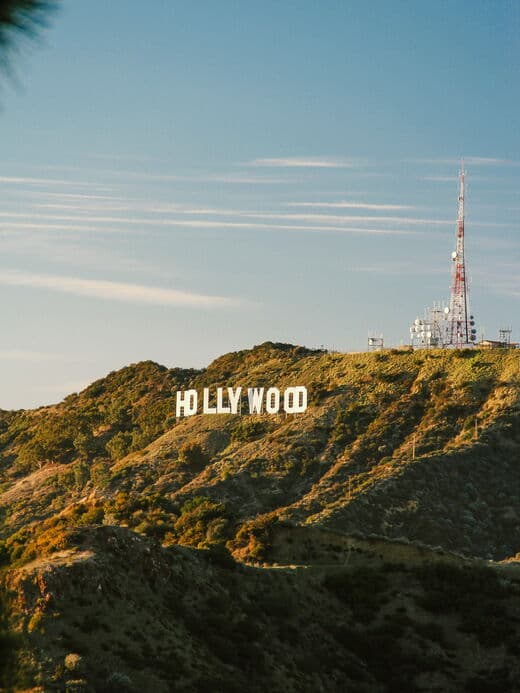
Los Angeles
Los Angeles 2026: What You Need to Know Before You Go
Los Angeles is one of those cities that everyone thinks they already know. You have seen it in a thousand movies, heard about it in a thousand songs, and scrolled past its sunsets on Instagram more times than you can count. But the real LA - the one you actually experience when you step off the plane - is messier, more sprawling, more frustrating, and ultimately more rewarding than any screen version. I spent years figuring this city out, and I am still discovering new corners of it.
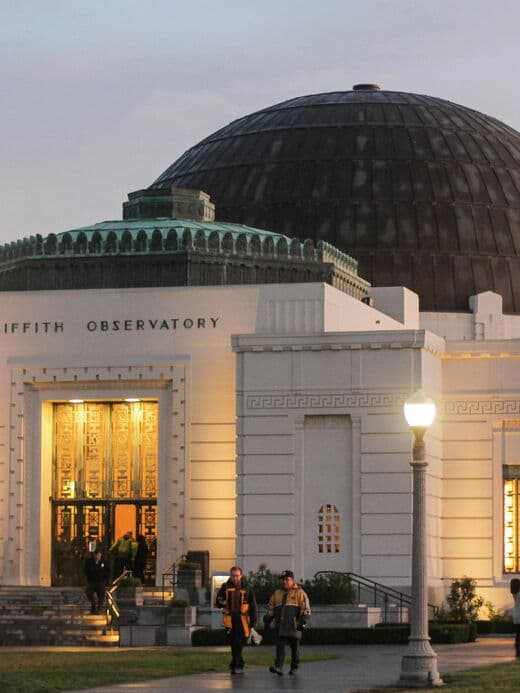
Quick answer: What should you see in LA? Start with Griffith Observatory for the best free views of the city and the Hollywood Sign. Walk the Hollywood Walk of Fame (but do not linger too long). Spend a morning at The Getty Center for world-class art and architecture. Hit Venice Beach for the quintessential LA boardwalk experience, and close your trip at Santa Monica Pier watching the sun drop into the Pacific.
LA is for people who love driving with the windows down, who want tacos at midnight and hikes at sunrise, who appreciate that a city can contain Beverly Hills mansions and East LA murals in equal measure. It is for foodies, film buffs, surfers, hikers, museum lovers, and anyone who does not mind sitting in traffic to get to something incredible.
The honest downsides? Traffic is genuinely terrible - not an exaggeration, not a joke, it will eat your day if you do not plan around it. Homelessness is visible and confronting, especially in Hollywood and parts of Downtown. Public transport exists but covers maybe 30% of what you actually want to do. And the city is so spread out that 'popping over' to something 12 miles away can take an hour. But if you plan smart, group your activities by neighborhood, and embrace the sprawl, LA will reward you with experiences you simply cannot get anywhere else on earth.
LA Neighborhoods: Where to Stay
Choosing where to stay in Los Angeles is probably the most important decision of your trip. This is not a compact European city where everything is a walk away. Where you base yourself determines what you will see, how much time you will spend in traffic, and honestly, how much you will enjoy the trip. Here are seven neighborhoods worth considering, each with a very different personality.
Santa Monica
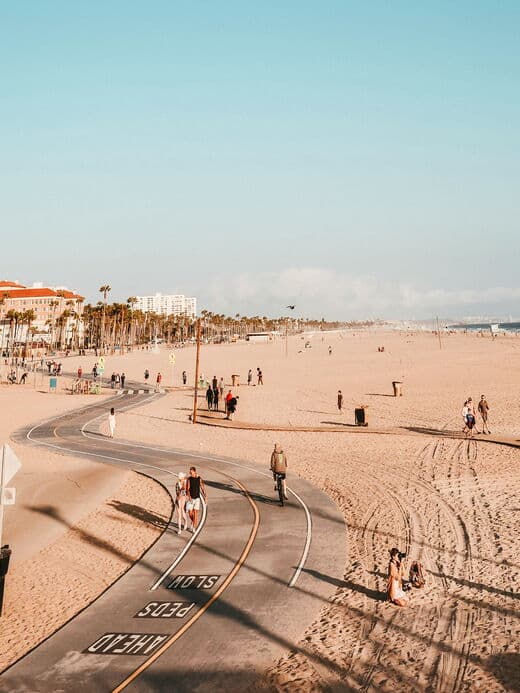
If this is your first time in LA, Santa Monica is the safest bet for a home base. You get the beach, the pier, excellent restaurants on Montana Avenue and Main Street, and the Expo Line into Downtown. The vibe is upscale-casual - yoga pants and $7 cold brew, but nobody is pretending to be a celebrity. Walking and biking actually work here, which is rare for LA. The Big Blue Bus connects you to Venice and UCLA cheaply. Downsides: it is on the western edge of the city, so getting to Hollywood or the Eastside means 45-90 minutes depending on traffic. Hotels run $200-400/night for mid-range, $120-180 for budget options a few blocks from the beach.
Price range: $$ - $$$
Nearby: Santa Monica Pier, Venice Beach (walkable or a short bike ride), Third Street Promenade
Hollywood
Hollywood is central, which is its biggest advantage. You are close to Griffith Park, the Hollywood Bowl, and the tourist sights along Hollywood Boulevard. The Metro Red Line runs through here, connecting you to Downtown and Universal City. But let me be straight: Hollywood Boulevard itself is gritty, touristy, and not the glamorous strip you might imagine. The side streets and neighborhoods around it - Beachwood Canyon, Franklin Village - are lovely, but the boulevard at night can feel sketchy. Hotels range widely: $100-150 for basic spots on side streets, $250-500 for the trendy places on Sunset.
Price range: $ - $$$
Nearby: Hollywood Walk of Fame, Griffith Observatory, Hollywood Sign hiking trails
Downtown LA (DTLA)
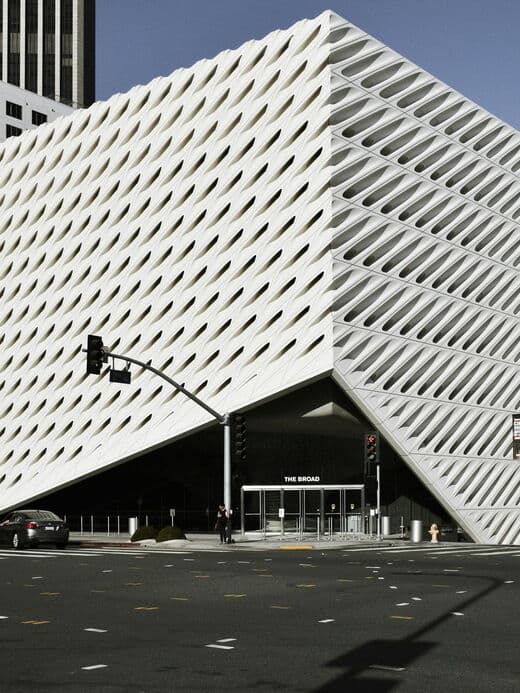
Downtown has transformed dramatically over the past decade. The Arts District is genuinely cool - converted warehouses, craft breweries, galleries, and some of the best restaurants in the city. Grand Avenue has The Broad, Walt Disney Concert Hall, and the new Grand LA development. The Metro connects you to Hollywood and beyond. The downside is that DTLA still has rough patches - Skid Row is just blocks from the nice parts, and the contrast can be jarring, especially at night. Hotels: $150-250 for solid mid-range, $300+ for the Ace Hotel or similar boutique spots.
Price range: $$ - $$$
Nearby: The Broad, Grand Central Market, Little Tokyo, Arts District, Olvera Street
Venice
Venice Beach is LA at its most eccentric. The boardwalk is a circus - street performers, bodybuilders at Muscle Beach, skateboarders, and vendors selling everything imaginable. Abbot Kinney Boulevard, one block inland, is one of the best shopping and dining streets in the city. The canals are surprisingly peaceful and photogenic. Venice skews younger and more bohemian, though gentrification has pushed prices up significantly. Airbnbs and vacation rentals are often better value here than hotels. Budget on $150-300/night for a decent place. Parking is a nightmare, so plan on biking or walking within the neighborhood.
Price range: $$ - $$$
Nearby: Venice Beach boardwalk, Abbot Kinney Boulevard, Venice Canals, Santa Monica Pier (bikeable)
Koreatown
This is my insider pick for budget travelers and food obsessives. Koreatown has arguably the best and most diverse food scene in the entire city - Korean BBQ at 2am, incredible Mexican taqueros, Thai street food, and craft cocktail bars all within blocks of each other. It is centrally located, served by two Metro lines, and hotel prices are genuinely affordable: $90-160/night for clean, modern hotels. The neighborhood is dense and walkable by LA standards. The trade-off: it is not pretty in a postcard sense, and it is not near the beach. But if you want to eat your way through LA without breaking the bank, Koreatown is unbeatable.
Price range: $ - $$
Nearby: LACMA, The Grove, Hancock Park, Metro Purple and Red Lines
Silver Lake and Los Feliz
These adjacent Eastside neighborhoods are where LA's creative class actually lives. Silver Lake has the Reservoir loop trail, indie coffee shops, vintage stores, and a vibe that feels more Portland or Brooklyn than Hollywood. Los Feliz sits right at the base of Griffith Park, so you are minutes from the Griffith Observatory and the best hiking in the city. Vermont Avenue in Los Feliz has excellent restaurants and the historic Vista Theatre. Hotels are limited - this is more Airbnb territory - but you will find places for $120-200/night. The downside: you are not near the beach, and getting to the Westside takes a while.
Price range: $$
Nearby: Griffith Observatory, Griffith Park trails, Hollywood Sign, Sunset Junction, Thai Town
Beverly Hills
Beverly Hills is exactly what you expect: manicured, polished, and expensive. Rodeo Drive is worth a walk-through even if you are not buying anything, and the residential streets with their ridiculous mansions are genuinely fun to drive through. The food scene is solid if pricey - there are excellent sushi spots and Italian restaurants. It is centrally located between the Westside and Hollywood. But unless you have a generous budget, it is hard to justify staying here when neighborhoods with more character are cheaper. Hotels start around $300/night and go way up from there. This is the spot if you want a luxury trip and do not mind paying for it.
Price range: $$$
Nearby: Rodeo Drive, LACMA, The Grove, Century City, UCLA campus
Best Time to Visit Los Angeles
LA has one of the most forgiving climates of any major city, but there are still better and worse times to visit. The weather is almost always decent, but crowds, prices, and that infamous 'June Gloom' marine layer make timing matter more than you would think.
Best: September through November
This is the sweet spot. Summer crowds have thinned, hotel prices drop 20-30% from peak, and the weather is arguably the best of the year - clear skies, warm days (75-85F / 24-30C), and the marine layer that haunts early summer is long gone. October in particular is fantastic: the light turns golden, the beaches are swimmable, and the city feels like it belongs to you rather than to tourists. Halloween in West Hollywood (October 31) is legendary - the entire Santa Monica Boulevard becomes a massive street party.
Good: March through May
Spring is lovely. Wildflowers bloom in the hills after winter rains, temperatures are comfortable (65-75F / 18-24C), and it is shoulder season for prices. The one catch: May brings the start of 'May Gray' - that coastal fog that can keep mornings overcast until noon. If you are heading to the beach, afternoons are your friend. Coachella (April) happens in the desert two hours east but affects LA hotel prices and flight costs.
Peak season: June through August
Summer is when everyone visits, and you will feel it. Beaches are packed, theme park lines are longest, and hotel prices hit their peak. June specifically is often disappointing for first-timers because of 'June Gloom' - a thick marine layer that keeps the coast cool and foggy until early afternoon. July and August clear up and are genuinely hot (85-95F / 30-35C), but the inland areas like Hollywood and the Valley can feel oppressive. If you must visit in summer, book everything early and budget 15-20% more than other seasons.
Low season: December through February
Winter in LA is nothing like winter anywhere else. Temperatures rarely drop below 55F / 13C, and you will get plenty of sunny days. December has holiday lights and events. January and February are the 'rainy season,' which in LA terms means maybe 5-8 days of actual rain spread across two months. Hotel prices are at their lowest (except holiday weeks), and you can often score deals 30-40% below summer rates. The trade-off: water is too cold for swimming (58-62F / 14-17C), sunset comes early (around 5pm), and some outdoor attractions have shorter hours. But if you are here for food, museums, and culture, winter is secretly the best value time to visit.
Key festivals and events
- Rose Parade - January 1, Pasadena. Iconic flower-covered floats. Get there by 5am for a good spot, or watch from the bleachers ($70-100).
- Academy Awards - March. You cannot attend, but the Dolby Theatre area buzzes with energy for weeks before.
- CicLAvia - Multiple dates (usually March, June, October). Streets close to cars and open to bikes, pedestrians, and skaters. Free and fantastic.
- LA Pride - June, Hollywood/West Hollywood. One of the biggest Pride celebrations in the country.
- KCON - August, LA Convention Center. Massive K-pop festival if that is your thing.
- Day of the Dead - Late October/early November, Olvera Street. Beautiful and culturally rich.
Los Angeles Itinerary: 3 to 7 Days
The biggest mistake people make in LA is trying to do too much in a day. This city is enormous - roughly 500 square miles - and bouncing between neighborhoods means losing hours to traffic. The key is grouping activities by area. Here are three itineraries that actually work in practice, not just on paper.
3-Day Itinerary: The LA Essentials
Day 1: The Westside (Santa Monica + Venice)
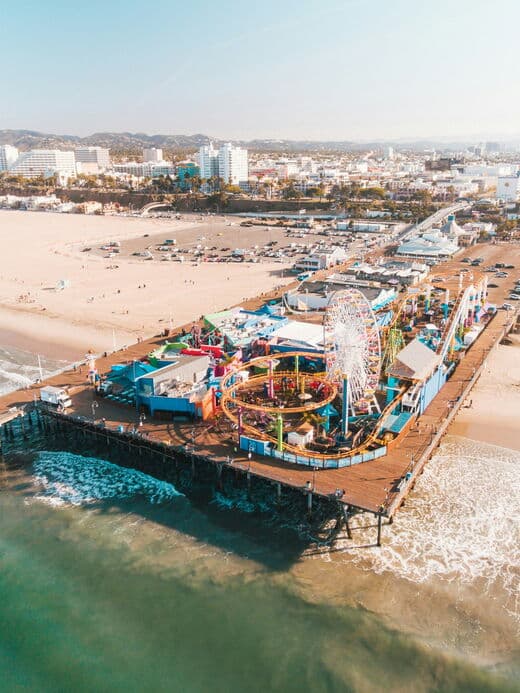
Start your morning at Santa Monica Pier around 9am - the light is beautiful and the crowds have not arrived yet. Walk or rent bikes along the beach path south to Venice Beach (about 20 minutes by bike). Spend time on the boardwalk, watch the skatepark, and stroll through the Venice Canals. By noon, head to Abbot Kinney Boulevard for lunch - Gjelina for upscale California cuisine ($25-35 entrees) or Gjusta for incredible sandwiches and baked goods ($15-20). Afternoon: walk Abbot Kinney's shops, or head back to Santa Monica for the Third Street Promenade. Dinner on Ocean Avenue watching the sunset, or head to Cassia in Santa Monica for Southeast Asian-inspired food that locals love ($30-45 per person with drinks).
Day 2: Hollywood + Griffith Park
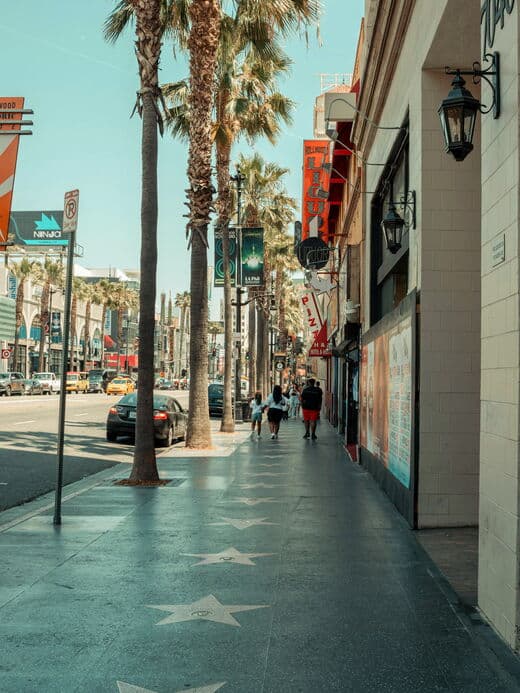
Get an early start - drive or Uber to the Griffith Park trailhead for the Hollywood Sign hike via the Brush Canyon Trail. Start by 8am to avoid heat and crowds (the hike is about 6 miles round trip, moderate difficulty). After the hike, drive to Griffith Observatory - free admission, incredible views, and genuinely interesting exhibits about space and the cosmos. Lunch: head down to Los Feliz and eat at HomeState for excellent Texas-style breakfast tacos ($12-16) or Alcove Cafe. Afternoon: drive to Hollywood Walk of Fame. Be honest - you need about 45 minutes here, max. Find your favorite celebrity's star, see the handprints at TCL Chinese Theatre, take your photos, and move on. The novelty wears off fast. Evening: catch a show at the Hollywood Bowl (in season) or have dinner on Sunset Boulevard - Petit Trois for French bistro classics or Pizzeria Mozza for what many consider LA's best pizza ($18-30 per person).
Day 3: Museums + Downtown
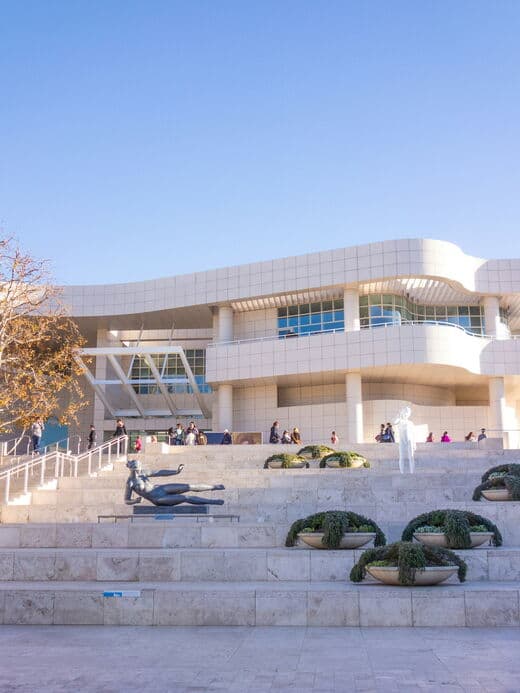
Morning: The Getty Center opens at 10am. Arrive right at opening - the architecture alone is worth the trip, and the gardens overlooking the city are spectacular. The art collection spans medieval to contemporary, and admission is free (parking is $20). Plan to spend 2-3 hours. Afternoon: drive to Downtown LA. Start at The Broad (free, timed tickets - book online in advance). Then walk to Grand Central Market for a late lunch - Tacos Tumbras a Tomas for legendary beef tacos, or Eggslut for their famous egg sandwich ($10-16). If you have energy, explore the Arts District on foot - murals, galleries, and craft breweries like Angel City Brewing. Dinner: Bestia in the Arts District is one of LA's best restaurants (Italian, $50-80 per person, reserve weeks ahead) or Bavel next door for stunning Middle Eastern cuisine.
5-Day Itinerary: Add These
Day 4: Culture + Koreatown
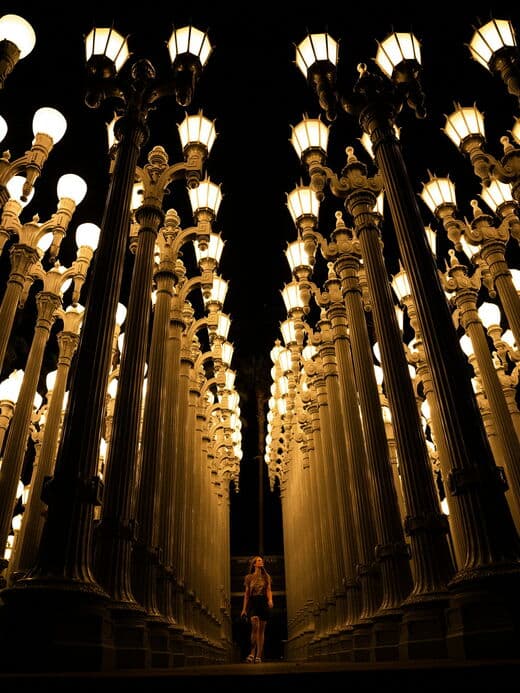
Morning: LACMA - the largest art museum in the western US. The iconic 'Urban Light' lamp post installation is free to visit anytime (best photos at dusk, but morning works too). Plan 2-3 hours inside. Lunch: walk to the Original Farmers Market at 3rd and Fairfax - a local institution since 1934 with dozens of food stalls. Try the gumbo at The Gumbo Pot or a French dip at Magee's. Afternoon: head to Koreatown. Get a Korean spa experience at Wi Spa ($30 entry, bring a swimsuit or go traditional without one) - jjimjilbang-style with multiple temperature rooms, and you can add a body scrub for $40. Dinner: Korean BBQ at Park's BBQ or Kang Ho-dong Baekjeong ($35-50 per person). Finish with karaoke at Pharaoh Karaoke Lounge ($25-40/hour per room) or cocktails at The Walker Inn, a hidden speakeasy behind a Korean restaurant.
Day 5: Theme Park Day
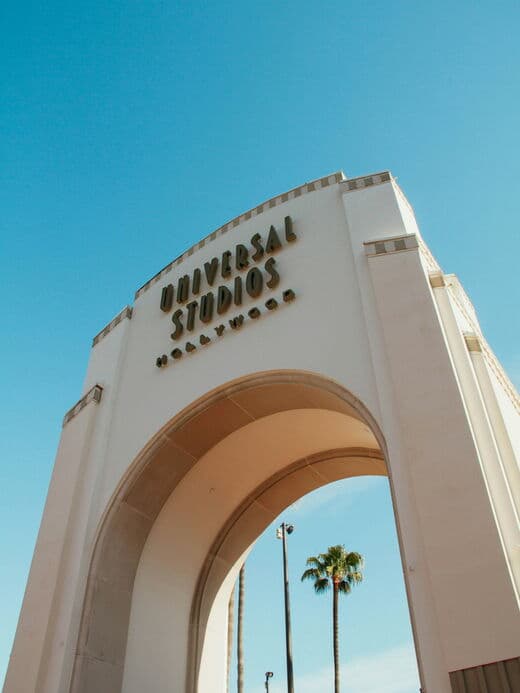
Universal Studios Hollywood deserves a full day. Get there at park opening (usually 9 or 10am). The Studio Tour is genuinely excellent - you ride through actual movie sets and backlots. The Wizarding World of Harry Potter is impressive even if you are not a superfan. Pro tips: buy tickets online in advance (from $109, prices vary by date), consider the Express Pass ($189+) if visiting on a weekend or holiday - it genuinely saves 2-3 hours of waiting. Eat inside the park at Three Broomsticks (themed but decent) or exit for lunch at Sushi Ichiri on Ventura Boulevard in Studio City ($15-25). Evening: CityWalk outside the park has restaurants and entertainment - or head to nearby Burbank for Bob's Big Boy, a classic 1950s diner.
7-Day Itinerary: Go Deeper
Day 6: Day Trip to Malibu
Rent a car (you really need one for this) and drive Pacific Coast Highway north. Stop at El Matador Beach - arguably the most beautiful beach in LA County, with dramatic rock formations and sea caves (arrive before 10am for parking, $8). Continue to Point Dume for another stunning beach and a short cliff walk with ocean views. Lunch at Malibu Seafood Fresh Fish Market - nothing fancy, but incredibly fresh and right on PCH ($15-22 for fish and chips or grilled plates, eat at outdoor picnic tables). Afternoon: if you are a hike, the Solstice Canyon trail is easy and ends at a waterfall (when there has been rain). Or just beach-hop along PCH. Head back through Topanga Canyon for a different vibe - hippie community, the Topanga Living Cafe, and winding mountain roads. Dinner back in Santa Monica or Venice.
Day 7: Silver Lake + Arts + Farewell
Sleep in and start with brunch in Silver Lake - Sqirl is the famous spot (get the ricotta toast with jam, $16-20, expect a line on weekends) or Dinosaur Coffee for a more chill vibe. Walk the Silver Lake Reservoir loop (2.2 miles, flat, great views of the hills and the Griffith Observatory in the distance). Drive to the Echo Park Lake area and see the lotus flowers (if visiting July-August). Spend your last afternoon revisiting a favorite spot or exploring something you missed - maybe the Watts Towers (folk art masterpiece in South LA), the Huntington Library and Gardens in Pasadena (stunning botanical gardens, $29 admission), or a final beach session. Farewell dinner: choose your favorite neighborhood and go all out. My suggestion: Republique on La Brea for modern French-Californian cooking in a gorgeous 1929 building ($40-60 per person).
Where to Eat in Los Angeles: Restaurants and Cafes
LA's food scene is world-class, full stop. The diversity of cuisines here is unmatched by any city in America, and arguably by most cities on the planet. Mexican food that rivals Mexico City, Korean food that rivals Seoul, Japanese food that rivals Tokyo - and all of it within a 20-minute drive. Here is how to navigate it by category and budget.
Street food and markets
Grand Central Market (Downtown) is the iconic starting point - a century-old market hall with vendors serving everything from Thai curry to artisanal PB&J. Tacos Tumbras a Tomas and Sarita's Pupuseria are standouts. Smorgasburg LA (Sundays, ROW DTLA) brings together 80+ food vendors in an open-air market - come hungry and graze. For real-deal taco trucks, head to East LA or the intersection of Olympic and Hoover - Leo's Tacos does al pastor on a spinning trompo until 3am ($2-3 per taco). Original Farmers Market at 3rd and Fairfax is touristy but genuinely good - Loteria Grill for Mexican, Du-par's for classic diner pancakes.
Local favorites (under $20)
Howlin' Ray's - Nashville hot chicken that regularly has hour-long lines. Worth it. Chinatown location ($12-18). Langer's Delicatessen - the pastrami sandwich here is better than Katz's in New York (I said what I said). $22 for the legendary #19 on rye. Coni'Seafood - Nayarit-style Mexican seafood in Inglewood. The pescado zarandeado (grilled whole fish) is transcendent ($18-25). Jitlada - Thai food so authentic and spicy that Thai people fly in from Bangkok to eat here. Southern Thai curries are the specialty ($15-22). Guerrilla Tacos - chef-driven tacos in the Arts District, creative seasonal fillings ($5-7 per taco).
Mid-range ($25-50 per person)
Pizzeria Mozza - Nancy Silverton's legendary pizza. The squash blossoms with burrata pizza is iconic. Reserve in advance ($20-35). Gjelina - Venice institution with a California-Mediterranean menu and an always-buzzing atmosphere ($30-45). Broken Spanish - modern Mexican fine-casual in DTLA. The mole is extraordinary ($25-40). Sushi Gen - Little Tokyo sushi that is exceptional value. The sashimi lunch special ($22) is one of the best deals in the city - arrive before 11:30am or face a serious wait. Quarters Korean BBQ - all-you-can-eat Korean BBQ in Koreatown done right ($30-35 per person).
Fine dining ($80+ per person)
Bestia - Italian-inspired, Arts District. Reserve 30 days in advance when bookings open. The pastas are flawless ($60-90). Providence - seafood tasting menu, two Michelin stars. Special occasion territory ($150-250 with wine). n/naka - kaiseki (Japanese multi-course) that is considered one of the best restaurants in America. Nearly impossible reservations, $250+ per person, worth every penny. Bavel - Middle Eastern from the Bestia team. The lamb neck shawarma is legendary ($70-100 per person).
Cafes and breakfast
Coffee culture in LA is serious. Intelligentsia (multiple locations, the Silver Lake one has the best vibe), Blue Bottle (Arts District), Verve (West Hollywood and DTLA) - all serve excellent specialty coffee ($5-7 for a latte). For breakfast spots: Sqirl in Silver Lake for ricotta toast and grain bowls ($14-20), Republique on La Brea for pastries and brunch ($18-30), The Butcher, The Baker, The Cappuccino Maker in West Hollywood for a full brunch experience ($20-30). If you want the classic American diner breakfast, Norms is open 24/7, has been around since 1949, and serves a full breakfast with coffee for under $15.
Must-Try Food in Los Angeles
These are the ten things I tell every visitor they absolutely must eat while in LA. Not just because they are delicious, but because they represent what makes this city's food culture unique - a collision of Mexican, Korean, Japanese, American, and Californian influences that you will not find anywhere else in this combination.
1. Tacos al pastor. Pork marinated in dried chilis and pineapple, shaved off a vertical spit. Leo's Tacos (multiple locations, look for the truck with the spinning trompo) is the gold standard. $2-3 per taco. Order at least three - they are small, and you will regret ordering fewer. Best after 9pm when the trompo is fully caramelized.
2. Korean BBQ. Grilling marinated meats at your table is a communal, interactive meal that is quintessentially LA. Park's BBQ in Koreatown for premium cuts (USDA Prime galbi, $35-50/person) or Kang Ho-dong Baekjeong for a livelier atmosphere. Always order the combo, not individual plates - better value and variety. Pro tip: the banchan (side dishes) are free and unlimited, so do not fill up on rice.
3. California burrito. A San Diego invention that LA has adopted - carne asada, cheese, sour cream, and french fries inside a flour tortilla. Find it at any good taqueria. Cactus Taqueria or Benny's Tacos are solid options ($10-14). Yes, fries inside a burrito. Trust the process.
4. Fish tacos. Beer-battered white fish, cabbage slaw, creamy sauce, lime. Ricky's Fish Tacos (a truck usually parked in Silver Lake/Los Feliz) is legendary ($4-5 per taco). Mariscos Jalisco in East LA does an incredible shrimp taco on a crispy tortilla ($3-4). Eat them standing up on the sidewalk - that is the correct way.
5. Acai bowl. Yes, they are everywhere now, but LA basically introduced America to the acai bowl. Backyard Bowls and SunLife Organics do excellent versions ($13-17). Get it topped with granola, banana, and honey. Best as a post-beach or post-hike meal.
6. In-N-Out Burger. Look, it is not the greatest burger on earth, but it is a genuine LA institution and a rite of passage. Order 'Animal Style' - patty cooked in mustard, grilled onions, pickles, extra spread. A Double-Double Animal Style with fries and a shake runs about $10. The location at LAX on Sepulveda Boulevard has airplane views while you eat. The 'secret menu' is not that secret - ask for a '3x3' or 'protein style' (lettuce wrap) if you want to go off-script.
7. Ramen. LA's ramen scene rivals any city outside Japan. Daikokuya in Little Tokyo has been the standard for two decades (tonkotsu, rich and porky, $14-17, expect a line). Tsujita on Sawtelle does a tsukemen (dipping noodle) that is worth every minute of waiting ($16-19). Shin-Sen-Gumi in multiple locations is consistently excellent. Go for lunch to avoid the worst lines.
8. Birria tacos. Beef birria stew served in a crispy cheese-dipped tortilla with a cup of consomme for dipping. This dish went viral from LA. Teddy's Red Tacos in East LA started the craze ($4-5 per taco). Birrieria Gonzalez is another excellent option. The proper technique: dunk the taco in the consomme between every bite.
9. Avocado toast. Love it or mock it, LA perfected it. Sqirl in Silver Lake serves it on house-made toast with ricotta ($16). The Butcher, The Baker, The Cappuccino Maker in West Hollywood does a great version with poached eggs ($18). Gjusta in Venice adds cured salmon ($19). Yes, these prices are why millennials supposedly cannot buy houses.
10. Horchata. A creamy rice-and-cinnamon drink that is the perfect companion to tacos. Get it fresh from any taqueria - the made-in-house stuff is worlds better than bottled. Guisados in multiple locations makes excellent horchata ($3-4). Some places now do horchata lattes (horchata plus espresso) - Tierra Mia Coffee does the best one ($5-6). Dangerously addictive.
LA Secrets: Local Tips
These are the things I wish someone had told me before my first trip to LA. None of them are in the guidebooks, all of them will save you time, money, or frustration.
1. Uber surge pricing is predictable. It spikes at bar closing time (2am), after concerts and games, and during rush hours (7-9am, 5-7pm). Check the app before you leave - if it is surging, wait 15-20 minutes or walk a few blocks away from the venue. Prices can triple near Staples Center after a Lakers game. Lyft sometimes has lower prices; always compare both apps.
2. Parking is an art form. Read every sign carefully - LA parking signs are famously confusing, with multiple restrictions stacked on one pole. The ParkMobile and SpotAngels apps help find spots and understand restrictions. Street cleaning days mean your car WILL get a $73 ticket if parked on the wrong side. In Hollywood and Venice, pay for a lot rather than circling for street parking - your time is worth more than the $10-15 you would save.
3. Many museums are free on certain days. The Broad is always free (book timed tickets online). The Getty Center is always free (pay only for parking, $20). LACMA offers free general admission for LA County residents, and every second Tuesday is free for everyone. The Hammer Museum (Westwood) is always free. The Natural History Museum is free on the first Tuesday of each month. Plan your museum days around these to save $50-80 easily.
4. Group activities by neighborhood - religiously. I cannot stress this enough. Do not go from Santa Monica to Hollywood to DTLA to Venice in one day. You will spend 4+ hours in a car and see nothing. Pick one or two adjacent neighborhoods per day and explore them deeply. Your itinerary should look like a cluster, not a zig-zag across the map.
5. The secret stairs of LA. Hidden public stairways connect neighborhoods throughout the hills - remnants of the pre-car era. The Music Box Steps in Silver Lake (Vendome Street, where Laurel and Hardy filmed), the Santa Monica Canyon Steps, and the Castellammare Steps in Pacific Palisades offer excellent workouts and views. Free, uncrowded, and an experience most tourists never find. The website 'Secret Stairs of LA' has maps and routes.
6. Koreatown after midnight is a different city. While most of LA shuts down early (kitchens close at 10pm in many neighborhoods), Koreatown is alive until 2am and beyond. Korean BBQ restaurants, noodle shops, and soju bars stay packed late. Sun Nong Dan for their galbi-jjim stew at 1am is a transformative experience. If you are coming from a city with late-night culture, Koreatown is your answer to LA's early bedtime problem.
7. Bikes and e-scooters are genuinely useful on the Westside. The beach bike path runs 22 miles from Pacific Palisades to Torrance. In Venice and Santa Monica, a Lime or Bird scooter ($1 to unlock + $0.39/minute) is often faster than driving and parking. Metro Bike Share ($1.75 per 30-minute ride) has stations throughout DTLA, Hollywood, and the Westside. But: never ride a scooter at night without lights, and never ride on the sidewalk - both are tickets and safety hazards.
8. The best free views in the city. Griffith Observatory is the obvious one, but also try: the Baldwin Hills Scenic Overlook (nicknamed the 'Culver City stairs' - 282 steps to a panoramic view of the entire basin), the Kenneth Hahn State Recreation Area (sunset views of the skyline with DTLA in the distance), and the Getty Center gardens (ocean views on clear days). All free, all spectacular.
9. Tipping is not optional. For international visitors: tip 18-20% at sit-down restaurants, $1-2 per drink at bars, $2-5 for Uber/Lyft drivers (in the app after the ride), and 15-20% for hotel housekeeping per night. Not tipping in LA is considered genuinely rude - servers earn $15.96/hour base but depend on tips for a living wage in an expensive city. At coffee shops with tip jars or screen prompts, $1 or the 'no tip' option is perfectly acceptable.
10. Wear sunscreen every single day, even when it is cloudy. The UV index in LA is higher than most people expect, especially from April to October. The marine layer does not block UV. I have watched countless tourists turn lobster-red on their first day and suffer for the rest of the trip. SPF 50, reapply every 2 hours, wear a hat. Your future skin will thank you.
11. Use Waze, not Google Maps, for driving. Waze is basically the official navigation app of Los Angeles. It crowd-sources real-time traffic data and routes around accidents, road closures, and congestion in ways Google Maps does not match (though both work). The difference can be 15-30 minutes on a bad traffic day. Set it before you start driving - it has saved me from countless traffic nightmares.
12. Hollywood Boulevard after dark is not what you think. During the day, the Walk of Fame area is crowded but safe - costumed characters, tour groups, and souvenir shops. After about 10pm, the vibe shifts. It gets rowdy around the clubs, aggressive panhandlers emerge, and the general atmosphere becomes much more chaotic. If you want to experience Hollywood nightlife, stick to the bars and venues on Sunset Boulevard (the Sunset Strip area) or the more curated spots on Cahuenga Boulevard. The actual Walk of Fame area after dark is best avoided, especially for families.
Getting Around LA: Transport and Connectivity
Let me be honest: getting around Los Angeles is the single biggest challenge of visiting. The city was built for cars, and while public transit has improved dramatically in the past decade, it still cannot replace a car for most trips. Here is the full breakdown of your options.
From LAX to the city
FlyAway Bus: The best budget option. Direct buses run from LAX to Union Station (Downtown), Hollywood, Van Nuys, and Westwood/UCLA. The Union Station route runs 24/7 and costs $9.75 one way. Journey takes 35-60 minutes depending on traffic. Buy tickets at the bus stop or on the app. This is genuinely the smartest way to get to Downtown.
Metro: The new LAX/Metro Transit Center connects to the C Line (Green) via a free shuttle. From there you can transfer to other Metro lines. It works but adds time and transfers - budget 60-90 minutes to most destinations. Cost: $1.75 per ride.
Uber/Lyft: Expect $30-50 to Santa Monica, $40-65 to Hollywood, $35-55 to Downtown, and $55-80 to Pasadena. Prices swing wildly based on traffic and demand - late night arrivals are cheapest. Use the LAX-it lot (follow signs from baggage claim) for pickup. Do not try to get picked up at the terminal curb - it is not allowed and you will waste time.
Taxis: Flat rate from LAX to Downtown is $50-55 (set by regulation). To other areas, expect meter rates that end up 20-30% more than Uber on average. Taxis are most useful when Uber is surging heavily.
Car rental: If your itinerary includes Malibu, day trips, or the Valley, renting a car is worth it. The rental car center is connected to LAX by a free shuttle. Budget $40-80/day for a compact, plus $15-25/day for parking at most hotels. Book in advance - walk-up rates are significantly higher. Make sure you have a credit card for the hold (debit cards cause problems at many rental agencies).
Getting around the city
Metro Rail: Six lines cover a growing portion of the city. The B Line (Red, subway) connects Hollywood, Koreatown, and Downtown - this is the most useful line for tourists. The E Line (Expo) connects Downtown to Santa Monica via USC and Culver City. Trains run every 10-15 minutes during the day, every 20 minutes at night. Single ride: $1.75. Day pass: $3.50 (all-day unlimited rides). Get a TAP card at any station ($2 for the card itself). The Metro is clean, mostly safe during the day, but I would avoid riding alone late at night on certain lines.
DASH buses: These small buses run fixed routes within specific neighborhoods for just $0.50 per ride. There are DASH routes for Downtown, Hollywood, Fairfax, Los Feliz, and more. Excellent for getting around within a neighborhood once you are there. Check the DASH app or website for routes and schedules.
Big Blue Bus: Santa Monica's bus system connects to Venice, Westwood, and LAX. $1.25 per ride. The Route 1 along the coast between Santa Monica and Venice is particularly useful for visitors.
Uber/Lyft: Your most practical option for most trips. Budget $15-25 for typical cross-town rides, $8-15 for shorter trips within a neighborhood. Check both apps for prices before requesting - they often differ by $5-10. UberX and Lyft standard are cheapest; avoid the premium options unless you need a larger vehicle.
Driving: If you rent a car, know that rush hour is 7-10am and 4-7pm on weekdays. The 405, 101, and 10 freeways are parking lots during these hours. Right turns on red are legal (after a full stop) unless signed otherwise. Parking meters in most areas run until 8pm (some until 10pm in busy areas) and accept cards. Always check signs before parking. Gas averages $5.00-5.50/gallon.
Bikes and scooters: Metro Bike Share has 180+ stations across the city ($1.75/30 minutes or $5/day pass). E-scooters from Lime and Bird are everywhere on the Westside. The beach bike path is flat and scenic. For cycling in traffic, use Strava's bike route feature - it routes you on streets with bike lanes, which are expanding rapidly but still patchy in many areas.
Internet and connectivity
eSIM: The easiest option for international visitors. Airalo and Holafly offer US data eSIMs starting at $5 for 1GB or $15-20 for unlimited data. Activate before you land and you will have data the moment you clear customs. Most modern phones support eSIM - check yours before you travel.
Physical SIM: T-Mobile and AT&T prepaid SIMs are available at LAX (there are vending machines and small shops in the terminals). A 30-day plan with unlimited data runs $40-60. T-Mobile generally has better coverage in LA than AT&T. Walmart and Target also sell prepaid SIMs if you miss the airport options.
WiFi: Free WiFi is available at Starbucks, McDonald's, most cafes, and all major hotels. The quality varies wildly - Starbucks WiFi is usually reliable, hotel WiFi often is not (and some charge extra for faster speeds). Public WiFi on Metro buses and trains is available but slow. I recommend having cellular data as your primary and using WiFi as backup, not the other way around.
Essential apps
- Waze - navigation (better than Google Maps for LA traffic)
- Uber + Lyft - always compare prices between both
- Transit - real-time Metro and bus tracking (better than the official Metro app)
- Yelp - restaurant discovery and reviews (heavily used in LA)
- SpotAngels - find parking and understand street signs
- OpenTable/Resy - restaurant reservations (essential for popular spots)
- AllTrails - hiking trail info for Griffith Park, Runyon Canyon, etc.
Who Is Los Angeles For: Final Thoughts
Los Angeles is not a city that reveals itself easily. It does not have the instant walkability of New York or the compact charm of San Francisco. It asks you to work a little harder, plan a little smarter, and accept that getting somewhere takes longer than you think. But the payoff is extraordinary - a city where you can surf at sunrise, hike to a mountain observatory at noon, eat the best tacos of your life at midnight, and see world-class art for free, all in the same day.
LA is ideal for: food lovers (especially Mexican, Korean, and Japanese cuisine), outdoor enthusiasts who want beaches and hikes, film and pop culture fans, anyone who loves warm weather and long golden evenings, road trip enthusiasts using LA as a base for California exploration, and people who appreciate diverse, multicultural neighborhoods with distinct personalities.
LA might not be for you if: you hate driving or traffic, you expect a walkable European-style city, you are on a very tight budget (LA is expensive - plan $150-250/day minimum for accommodation, food, and transport), or you want everything to be within walking distance. If you have fewer than three days, you will likely leave feeling like you barely scratched the surface - and you would be right.
How many days? Three days for a taste, five for a solid experience, seven to really understand what makes LA special. Whatever you have, group by neighborhood, eat everywhere, get to the beach at least once, and do not judge the city by Hollywood Boulevard alone. The real Los Angeles is in the neighborhoods, the taco trucks, the hidden staircases, and the sunsets that genuinely never get old.