Chicago
Chicago 2026: What to Know Before You Go
Chicago is the city that taught America how to build skyscrapers, invented the modern blues scene, and perfected the art of putting an entire meal inside a pizza. It's the third-largest city in the United States, but it doesn't carry the intensity of New York or the sprawl of Los Angeles. Chicago has its own rhythm - confident, unpretentious, and genuinely welcoming to visitors who take the time to explore beyond the downtown postcard views.
Here's what you need to know upfront: Chicago is a lakefront city, and Lake Michigan dominates everything from the weather to the weekend plans of every local. The "L" train system will get you almost anywhere you need to go. Deep-dish pizza is real, but locals actually eat tavern-style thin crust more often. And yes, the winters are brutal - but Chicagoans have turned surviving them into a point of pride.
Budget-wise, expect to spend $150-250 per day for a comfortable visit including mid-range hotels, meals, and attractions. The city is walkable in summer, well-connected by public transit year-round, and packed with enough museums, architecture, food, and live music to fill weeks of exploration. Whether you're here for three days or three weeks, Chicago rewards curiosity.
Chicago Neighborhoods: Where to Stay
Chicago is a city of neighborhoods - 77 officially recognized community areas, each with its own personality. Where you stay shapes your entire experience. Here's an honest breakdown of the seven areas most relevant to visitors.
The Loop
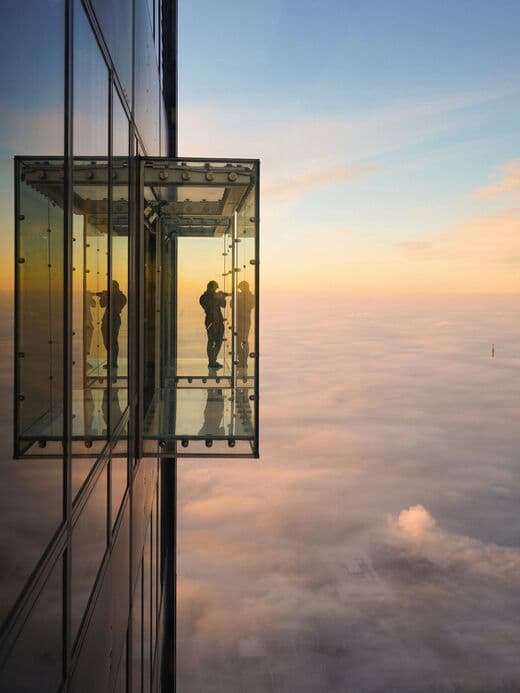
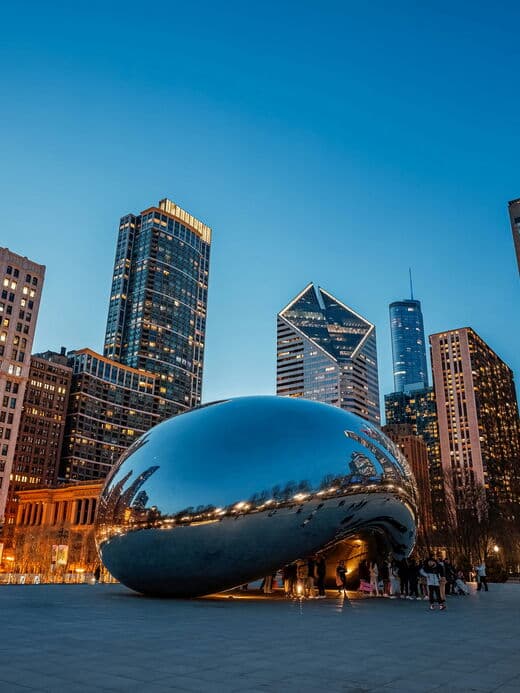
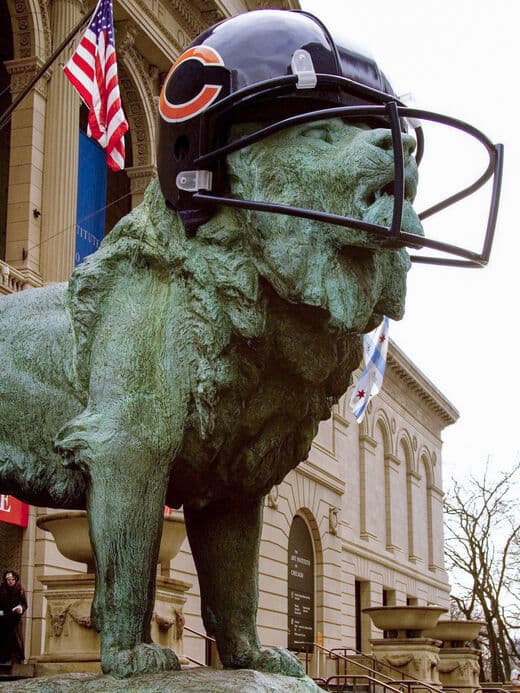
Downtown Chicago. This is where you'll find the towering skyscrapers, the Willis Tower Skydeck, the Art Institute of Chicago, and Millennium Park with its iconic Cloud Gate sculpture. Hotels here range from $180-400 per night for major chains. The advantage is walkability to major attractions. The downside: the Loop empties out after 6 PM on weekdays and can feel oddly quiet. This is a business district first, tourist destination second.
River North
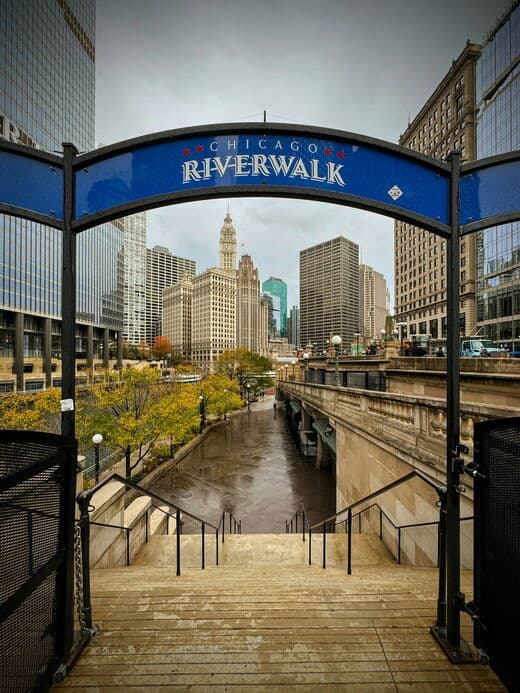
Just north of the Loop, River North is where Chicago goes to eat, drink, and show off. This neighborhood has the highest concentration of restaurants and galleries in the city. Hotels run $200-450 per night. The Chicago Riverwalk is right here, and the Magnificent Mile shopping district is a short walk away. River North is louder and more energetic than the Loop at night - great if you want nightlife, less ideal if you want sleep before midnight.
West Loop
Chicago's undisputed food capital. The neighborhood that gave the world Alinea, Girl and the Goat, and dozens of other destination restaurants. Former meatpacking warehouses now house some of the best dining in North America. Hotels are newer and range $170-350 per night. The area is slightly less convenient to major tourist attractions but excellent if food is a primary reason for your visit. The Randolph Street and Fulton Market corridors are the main draws.
Gold Coast
Old money Chicago. Tree-lined streets, historic mansions, and proximity to Oak Street Beach. Hotels like The Drake have been hosting visitors since the 1920s. Expect to pay $250-500 per night for the prestige addresses. The Gold Coast is quieter, more refined, and feels distinctly different from the energy of River North just blocks away. Perfect if you want elegance and easy access to Lincoln Park.
Lincoln Park
The neighborhood that proves Chicago has more to offer than downtown towers. Lincoln Park itself is the largest park in the city, home to a free zoo, beaches, and miles of running paths. The residential streets around it are filled with brownstones, local restaurants, and young professionals. Hotels are scarcer here - mostly boutique options running $150-280 per night. This is where you stay if you want to feel like a resident rather than a tourist.
Wicker Park and Logan Square
Chicago's creative heart. These connected neighborhoods on the northwest side are where you'll find independent boutiques, craft cocktail bars, vintage shops, and the city's best coffee scene. Hotels are limited - mostly vacation rentals and a few boutique properties at $120-220 per night. The Blue Line train connects you to downtown in 15-20 minutes. Stay here if you value authenticity over convenience and want to experience the Chicago that locals actually live in.
South Loop
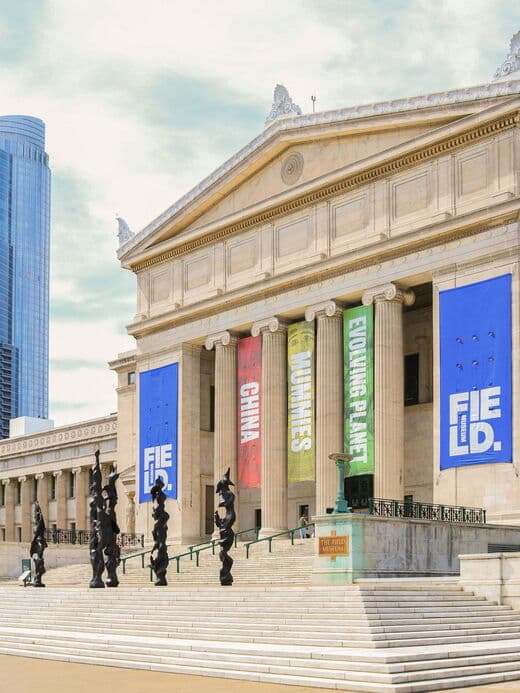
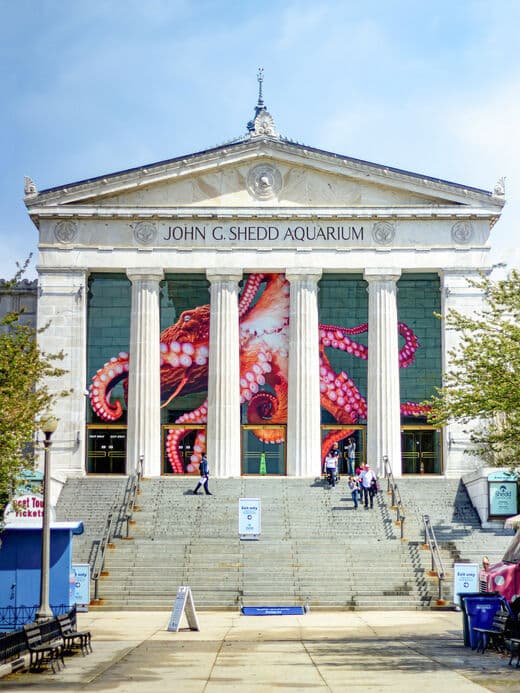
Home to Museum Campus - the Field Museum, Shedd Aquarium, and Adler Planetarium all sit together on the lakefront here. Hotels run $140-280 per night and tend to be newer chain properties. The South Loop is practical for families focused on museums and has easy access to Soldier Field and the McCormick Place convention center. It's less walkable for dining and nightlife than neighborhoods to the north.
Best Time to Visit Chicago
Chicago's weather is famously extreme. Understanding the seasons isn't just about packing - it fundamentally changes what kind of trip you'll have.
Summer (June through August)
Peak season, and for good reason. Temperatures range from 70-85F (21-29C), the lakefront comes alive, and the city hosts dozens of outdoor festivals. Taste of Chicago in July, Lollapalooza in August, neighborhood street fairs every weekend. Hotel prices peak, crowds are at their highest, but this is Chicago at its most vibrant. Book hotels 2-3 months ahead for summer weekends.
Fall (September through November)
The secret best time to visit. September and early October offer warm days (60-75F / 15-24C), smaller crowds, and lower hotel rates. The Chicago Marathon in October brings runners from around the world. By late November, temperatures drop and the city transitions to holiday mode with Christmas markets and window displays along the Magnificent Mile.
Winter (December through February)
Not for the faint of heart. Temperatures regularly drop below 20F (-6C), and the wind off Lake Michigan adds a brutal wind chill. But hotel rates drop 30-50%, museums are empty, and there's something genuinely beautiful about Chicago in snow. The city doesn't shut down - Chicagoans simply layer up and keep moving. Ice skating at Millennium Park, holiday lights along the Riverwalk, and the warmth of a jazz club make winter visits memorable in their own way.
Spring (March through May)
Unpredictable. March can bring snowstorms or 60-degree days, sometimes in the same week. By May, the city is reliably pleasant, with temperatures in the 60-70F range (15-21C). Hotel prices begin climbing as summer approaches. Spring is ideal for architecture tours on the river before summer crowds arrive.
Chicago Itinerary: 3 to 7 Days
Three Days: The Essential Chicago
Day 1: Downtown and the Lakefront
Start at Millennium Park by 9 AM before the crowds arrive at Cloud Gate. Walk south through Grant Park to the Art Institute of Chicago - plan 3-4 hours for the collection. Lunch at one of the cafes inside or grab Italian beef from Portillo's nearby. Afternoon: walk the Chicago Riverwalk and take an architecture boat tour (1.5 hours, $45-55). Evening: dinner in River North, then drinks at a rooftop bar with skyline views.
Day 2: Museum Campus
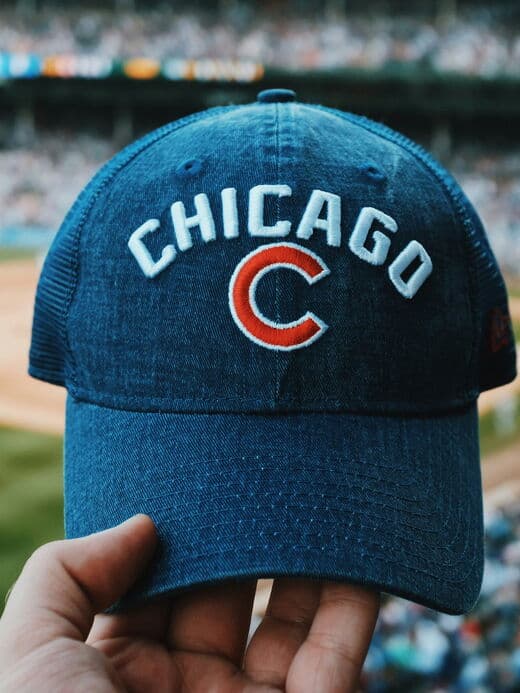
Dedicate the day to Museum Campus. Start at the Field Museum when it opens at 9 AM - the SUE the T-Rex exhibit alone is worth the visit. Lunch at the museum cafe, then walk to Shedd Aquarium for the afternoon. The aquarium gets crowded after 11 AM, so if you prefer, reverse this order. Evening: catch a game at Wrigley Field if the Cubs are playing, or explore the bars of Wrigleyville regardless.
Day 3: Neighborhoods
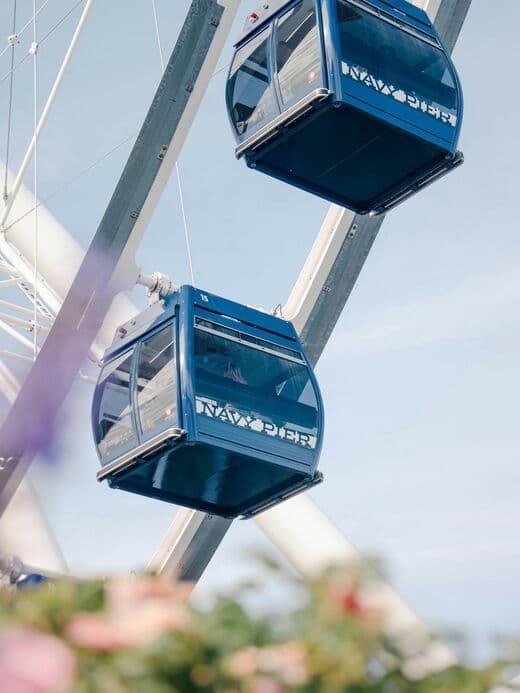
Morning: coffee and brunch in Wicker Park. Walk the boutiques on Milwaukee Avenue. Afternoon: take the Blue Line back toward downtown and visit Navy Pier - touristy but the lakefront views are worth it. Late afternoon: head to the Willis Tower Skydeck for sunset views (book timed tickets in advance, $28-36). Evening: dinner in West Loop at one of the acclaimed restaurants - Girl and the Goat, Avec, or Publican.
Five Days: Going Deeper
Days 1-3: Follow the three-day itinerary above.
Day 4: Beyond Downtown
Morning: explore Pilsen, Chicago's Mexican-American neighborhood on the south side. The National Museum of Mexican Art (free admission) is excellent. Lunch at one of the taquerias along 18th Street. Afternoon: head to Hyde Park to see the University of Chicago campus and the Museum of Science and Industry. This is also where Obama's presidential center is being built. Evening: blues at Buddy Guy's Legends or Kingston Mines - Chicago invented this music, and hearing it live is essential.
Day 5: Chicago Your Way
Return to whatever captured you most. Options: Second day at the Art Institute (it's that big), exploring Lincoln Park and the free zoo, shopping the Magnificent Mile, or taking a food tour through Chinatown. End your trip with deep-dish pizza at Lou Malnati's or Pequod's - you can't leave without trying it at least once.
Seven Days: The Full Experience
Days 1-5: Follow the five-day itinerary above.
Day 6: Day Trip or Deep Dive
Options: Take the South Shore Line to Indiana Dunes National Park (1 hour, $8) for beaches and hiking. Or stay in the city and explore neighborhoods you missed - Andersonville for Scandinavian heritage and LGBTQ+ culture, Bronzeville for African-American history, or Chinatown for dim sum and bakeries. This is also a good day for the Architecture Center's walking tours (2 hours, $26).
Day 7: Slow Morning, Final Highlights
No rushing on your last day. Brunch at one of Chicago's legendary spots - Lula Cafe, Big Jones, or Café Ba-Ba-Reeba. Walk through a neighborhood you loved. Pick up Garrett Popcorn for the trip home - the Chicago Mix (caramel and cheese) is the classic. Head to the airport knowing you've seen a city that deserves more than one visit.
Where to Eat: Restaurants and Cafes
Chicago is one of America's great food cities - a claim backed by more James Beard Awards than almost anywhere except New York. The dining scene spans every budget and cuisine. Here's how to navigate it.
Street Food and Quick Bites ($8-15)
The Chicago hot dog is an institution - Vienna beef, yellow mustard, relish, onion, tomato, pickle, sport peppers, and celery salt on a poppy seed bun. Never ketchup. Find them at Portillo's, Gene and Jude's, or Jim's Original (the original Maxwell Street stand). Italian beef sandwiches are equally essential - wet with giardiniera peppers at Al's #1 Italian Beef or Johnnie's Beef.
Casual Dining ($15-35)
For deep-dish pizza, the debate never ends: Lou Malnati's for buttery crust, Giordano's for stuffed style, Pequod's for caramelized cheese edges. Tavern-style thin crust (the pizza Chicagoans actually eat weekly) is best at Pat's Pizza or Vito and Nick's. Mexican food in Pilsen rivals anything in the Southwest - Birrieria Zaragoza for goat tacos, Carnitas Uruapan for the namesake pork. For Asian cuisines, Chinatown delivers dim sum at MingHin and hand-pulled noodles at Strings.
Mid-Range Restaurants ($35-75)
The sweet spot for quality without reservations months ahead. Giant in Logan Square for creative American. Lula Cafe for the original farm-to-table brunch. Fat Rice for Macanese-Portuguese fusion. Avec for Mediterranean small plates in a communal setting. Big Jones for upscale Southern. Reservations recommended for weekends, but weeknight walk-ins often succeed.
Fine Dining ($75-300+)
Chicago has three Michelin three-star restaurants as of 2025: Alinea (the molecular gastronomy temple), Smyth, and Ever. Two-star options include Oriole, Boka, and Temporis. Reservations open 60-90 days ahead and book within hours for top spots. Alinea runs $285-395 per person before wine. If you can only do one splurge, Girl and the Goat offers the closest to the Chicago dining experience - creative, unpretentious, and genuinely delicious - at around $70-90 per person.
Coffee and Cafes
Chicago's coffee scene centers on Dark Matter, Intelligentsia, and Metric Coffee. For atmosphere, Sawada in West Loop combines Japanese aesthetics with military latte art. Do-Rite Donuts pairs perfectly with any coffee stop. Beatrix offers upscale all-day dining with excellent coffee. The cafe culture here is serious - don't expect Starbucks to be anyone's first choice.
What to Try: Chicago Food
Beyond restaurants, Chicago has a distinct food identity. These are the dishes and specialties you can't properly experience anywhere else.
Chicago-Style Hot Dog: A religion, not a condiment choice. The seven required toppings - mustard, relish, onion, tomato, pickle, sport peppers, celery salt - exist in careful balance. The Vienna beef dog and steamed poppy seed bun are non-negotiable. Ask for ketchup and watch the vendor's face fall.
Deep-Dish Pizza: Yes, it's a casserole. Yes, it takes 45 minutes to bake. Yes, you'll eat one slice and feel full for six hours. That's the point. The cheese goes directly on the crust, then toppings, then chunky tomato sauce on top. Lou Malnati's sausage pizza is the definitive version for first-timers.
Italian Beef: Chicago's contribution to sandwich excellence. Thin-sliced roast beef cooked in seasoned broth, served on French bread, topped with sweet peppers or spicy giardiniera. Order it "wet" (dipped in jus) and "hot" (with giardiniera) like a local. Al's Italian Beef on Taylor Street is the original.
Garrett Mix: Garrett Popcorn's combination of CaramelCrisp and CheeseCorn in one bag. The sweet-savory combination sounds wrong and tastes perfect. The lines at the Magnificent Mile location are always long - it's worth it.
Tavern-Style Pizza: What Chicagoans actually eat when they want pizza. Thin, cracker-crisp crust, cut into squares, meant for sharing with beer. Pat's Pizza, Vito and Nick's, and Marie's Pizza and Liquors are the temples.
Jibarito: A Chicago invention from Borinquen on Division Street in 1996. It's a sandwich using fried plantains instead of bread, filled with steak, cheese, lettuce, tomato, and garlic mayo. Puerto Rican-inspired and found nowhere else in the world.
Rib Tips: Chicago's South Side perfected this barbecue cut - the cartilage-heavy ends of spare ribs, slow-smoked and sauced. Lem's Bar-B-Q, Uncle John's, and Honey 1 BBQ are the essentials. Pair with mild sauce and white bread.
Rainbow Cone: Five flavors stacked on one cone since 1926 - orange sherbet, pistachio, Palmer House (vanilla with cherries and walnuts), strawberry, and chocolate. The original location on Western Avenue is a summer pilgrimage.
Chicago Secrets: Local Tips
After spending real time in Chicago, here are the things guidebooks skip and locals assume you already know.
The lakefront trail is 18 miles of free entertainment. Rent a Divvy bike ($15/day unlimited 30-minute rides) and ride from Montrose Harbor to Museum Campus. You'll see more of the city's character than any tour bus provides.
Architecture boat tours are better than bus tours. The Chicago Architecture Foundation river cruise is the single best introduction to the city. Take the morning tour for better light and smaller crowds. The evening tour offers sunset views but less architectural detail.
The "L" gets you everywhere, but not quickly. Chicago's elevated train system is convenient and scenic but slow compared to New York's subway. The Blue Line to O'Hare takes 45 minutes from downtown - budget accordingly. The views from the Brown Line loop around downtown are free sightseeing.
Museum free days exist. The Art Institute is free for Illinois residents and all visitors on certain days. The Field Museum has free basic admission days. Check individual museum websites before paying full price.
Second City improv isn't just comedy - it's Chicago history. The legendary comedy club launched Tina Fey, Steve Carell, Stephen Colbert, and dozens of others. The mainstage shows are excellent; the late-night improv sets are where you might see the next star.
Deep-dish is for tourists; tavern-style is for Tuesday nights. This isn't snobbery - it's logistics. Deep-dish takes an hour from order to eating. Tavern-style arrives in 20 minutes and doesn't require a nap afterward. Try both, but understand what you're choosing.
Summer weekends book up months ahead. Lollapalooza, the Air and Water Show, Blues Fest, and neighborhood festivals mean hotels double their rates and sell out. If you're flexible, Thursday arrivals save money and avoid the worst crowds.
The South Side is not dangerous - it's essential. National media coverage of Chicago violence focuses on specific neighborhoods and ignores that most of the South Side is working-class communities with incredible food, music history, and culture. Hyde Park, Bronzeville, Pilsen, and Bridgeport are all safe and fascinating for visitors.
Tip 20% or you'll be remembered. Chicago service workers earn $9.48/hour in tipped minimum wage. Standard tipping is 18-22% at restaurants, $1-2 per drink at bars, $5-10 per bag for hotel bellhops. The city runs on service industry jobs - respect the people making your visit possible.
Winter has its own rewards. January hotel rates drop by half. Museum crowds disappear. And there's something genuinely beautiful about watching snow fall on the city from a warm jazz club with a glass of bourbon. Pack layers and embrace it.
Navy Pier is skippable for adults without kids. The Ferris wheel is fine, but the pier is mostly chain restaurants and tourist shops. If you want lakefront views, walk the Riverwalk instead. Families with children will find more value in the attractions.
Cash helps in old-school establishments. Classic hot dog stands, Polish delis on Milwaukee Avenue, and South Side BBQ spots may not take cards or charge minimums. Carry $40-60 in small bills for the authentic experiences.
Transportation and Connectivity
Getting to Chicago
O'Hare International Airport (ORD) is one of the busiest in the world, with direct flights from most major cities globally. The Blue Line train runs from O'Hare to downtown in 45 minutes for $5 - far cheaper than the $45-60 taxi or rideshare. Midway Airport (MDW) on the South Side serves Southwest and budget carriers; the Orange Line reaches downtown in 25 minutes.
Amtrak trains arrive at Union Station from across the country - the Southwest Chief from Los Angeles, the Empire Builder from Seattle, the Capitol Limited from Washington DC. Greyhound and FlixBus connect to other Midwest cities cheaply.
Getting Around Chicago
The "L" (elevated train): Eight color-coded lines serve the city. The Red and Blue lines run 24 hours. Single rides cost $2.50 with a Ventra card (plus $5 for the reusable card itself). Unlimited passes are available: 1-day ($5), 3-day ($15), 7-day ($28). For most visitors, the 3-day pass provides the best value.
Buses: CTA buses fill gaps the L doesn't reach. Same Ventra card, same pricing. The #151 and #156 routes along Lake Shore Drive offer scenic alternatives to the train. Real-time tracking via Transit app makes bus travel reliable.
Rideshare: Uber and Lyft operate throughout the city. Expect $15-25 for trips within the main visitor areas, $35-50 to airports. Surge pricing during events and weather can triple costs. The L is often faster during rush hour.
Divvy Bikes: Chicago's bike-share system has stations every few blocks downtown and in popular neighborhoods. $15/day for unlimited 30-minute rides, or pay-per-ride at $1 unlock plus $0.17/minute. The lakefront trail is perfect for cycling. E-bikes cost more but handle Chicago's surprisingly hilly northern neighborhoods.
Walking: Downtown Chicago is highly walkable in good weather. The Pedway - a series of underground tunnels connecting buildings in the Loop - helps in winter. Most neighborhoods reward walking, though distances between them require transit.
Connectivity
Chicago has excellent cellular coverage from all major carriers. Free public WiFi exists at Millennium Park, libraries, and some CTA stations, but quality varies. Most cafes and restaurants offer WiFi with purchase. International visitors should note that T-Mobile and AT&T have the best coverage; Verizon works well but has fewer international roaming partnerships.
For navigation, download Google Maps or Apple Maps offline areas before arrival. The Transit app is essential for real-time CTA tracking. OpenTable and Resy handle most restaurant reservations. Ventra app lets you buy and manage transit passes on your phone.
Who Chicago Is For: Summary
Chicago rewards travelers who appreciate substance over flash. If you want world-class architecture, you'll find it on every block. If you care about food, the city competes with any in America. If you love live music - jazz, blues, rock, indie - Chicago's clubs and venues deliver nightly.
The city works for families with excellent museums, couples seeking romantic skyline views and intimate restaurants, and solo travelers who value walkability and public transit. It's manageable in three days and inexhaustible in three weeks.
Chicago is not for travelers who want beach resorts, desert landscapes, or constant sunshine. It's not the cheapest American city, though it's far more affordable than New York or San Francisco. And winter visits require genuine commitment to cold weather.
But if you want a city that feels authentically American - diverse, hardworking, unpretentious, and proud of exactly what it is - Chicago delivers. Come hungry, stay curious, and layer up.