Honolulu
Honolulu 2026: What You Need to Know Before You Go
Honolulu is not just a beach vacation. Yes, the turquoise water and golden sand are real, but this city has layers most visitors never bother to discover. It is the only major tropical city in the United States, a place where Polynesian culture, Asian immigration, military history, and American suburbia have been blending for over two centuries. The result is something genuinely unique: a city where you can eat world-class ramen, hike an extinct volcano, visit a royal palace, and snorkel with sea turtles -- all in the same day.
A few things to calibrate expectations: Honolulu is expensive. A decent hotel room in Waikiki runs $250-450/night. A plate lunch costs $12-18. Parking is a constant headache. Traffic on the H-1 freeway during rush hour rivals Los Angeles. And the tourist density in Waikiki can feel overwhelming, especially between December and March.
But here is the thing -- step two blocks off the main drag, rent a car for a day or two, wake up early, and Honolulu transforms. The crowds thin out. The prices drop. The real Hawaii reveals itself. This guide is designed to help you find that version of the city, while still enjoying the greatest hits that made it famous in the first place.
Honolulu Neighborhoods: Where to Stay
Waikiki
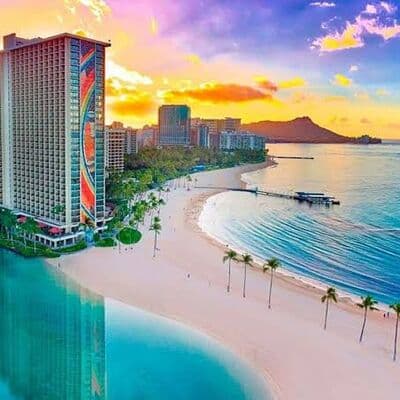
The default choice for first-timers, and honestly, it is not a bad one. Waikiki Beach is right there, restaurants and bars are everywhere, and you can walk to most things. The downside: it feels like a resort bubble, not like Hawaii. Hotel prices range from $180/night for a basic room with no view to $600+ for oceanfront at the big-name properties. The sweet spot is staying one or two blocks back from the beach -- you save $100-150/night and lose maybe three minutes of walking. Waikiki is also the noisiest neighborhood at night, especially along Kalakaua Avenue.
Ala Moana
Immediately west of Waikiki, Ala Moana is where locals actually go to the beach. Ala Moana Beach Park is calmer, less crowded, and has a protected reef that makes swimming safe for kids. The massive Ala Moana Center mall is here -- useful for shopping but also for its excellent food court. Hotels are fewer but often cheaper than Waikiki. Several vacation rentals and condos in this area run $150-250/night and come with kitchens, which saves you a fortune on food. Good bus connections to everywhere.
Kakaako
The arts and foodie district. Kakaako has transformed over the past decade from industrial warehouses into a hip neighborhood with murals, breweries, and some of the best restaurants on the island. SALT at Our Kakaako is the anchor -- a collection of shops and eateries worth an afternoon. Accommodation options are mostly vacation rentals and newer condo hotels, averaging $200-350/night. The neighborhood is walkable and sits between Waikiki and downtown, making it a solid base. Downside: no beach within immediate walking distance, though Ala Moana is a 10-minute walk.
Downtown and Chinatown
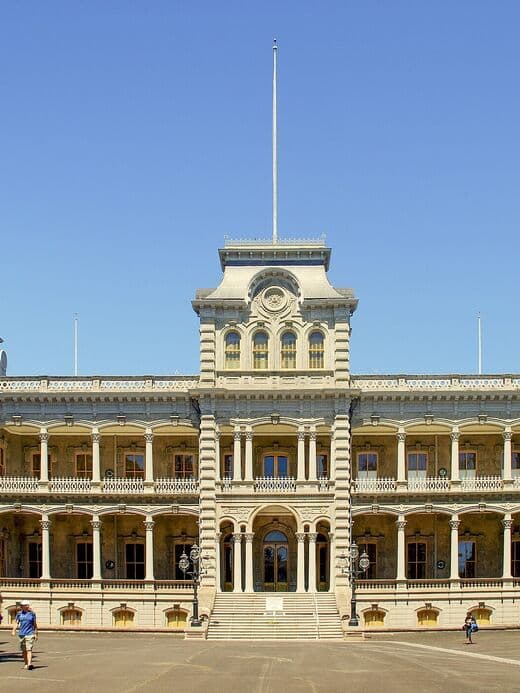
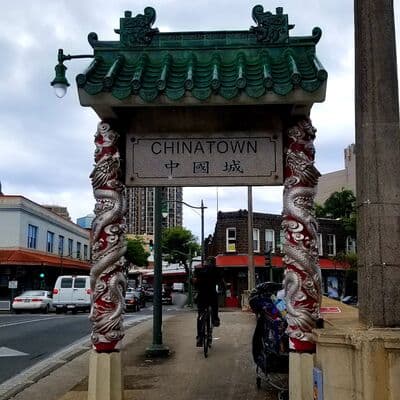
This is where Honolulu's history lives. Iolani Palace, the Hawaii State Capitol, and the Chinatown Historic District are all here. Chinatown is gritty, authentic, and has the best cheap eats in the city -- Vietnamese pho, dim sum, and fresh lei stands. Hotels are scarce downtown, but a few boutique options exist in the $150-250 range. The area quiets down significantly after dark and some blocks feel sketchy late at night. Best for travelers who prioritize culture over beach proximity. The new Skyline rail connects this area to the airport and western suburbs.
Diamond Head and Kahala
East of Waikiki, the vibe shifts to upscale residential. The Kahala Hotel is the marquee property here ($500+/night), but the real appeal is proximity to Diamond Head State Monument and Hanauma Bay Nature Preserve without the Waikiki chaos. Vacation rentals in this area are popular with families. It is quieter, greener, and feels more like actual Hawaii. You will need a car or be comfortable with buses, as walking to restaurants and shops requires some effort.
Manoa
A lush valley neighborhood that feels like a different world from the coast. Manoa is where the University of Hawaii sits, surrounded by botanical gardens and hiking trails including Manoa Falls Trail. It rains here more than anywhere else in Honolulu -- that is what keeps it so green. Accommodation is limited to vacation rentals and B&Bs, typically $120-200/night. Perfect for nature lovers and budget travelers who do not need to be on the beach every day. The bus to Waikiki takes about 25 minutes.
Kailua
Technically a separate town on the windward (east) side of Oahu, Kailua is where many locals choose to live and where Lanikai Beach consistently ranks among the most beautiful beaches in the world. The town has a charming small-town feel with independent shops and good restaurants. Vacation rentals run $150-300/night. The catch: getting to Honolulu's main attractions requires driving over the Pali Highway (20-40 minutes depending on traffic). If you have a car and prefer a quieter, more local experience, Kailua is excellent. Without a car, it is inconvenient.
Best Time to Visit Honolulu
The honest answer: Honolulu is good year-round, but some months are significantly better than others for specific travelers.
Peak season (mid-December through March) brings the highest prices, the biggest crowds, and the best whale-watching opportunities. Hotel rates jump 30-50% above normal. The North Shore gets massive winter swells (great for watching surfers, dangerous for swimming), while south-facing beaches like Waikiki stay calm. Temperatures hover around 78-82F (25-28C). This is also when mainland Americans flee winter, so flights are more expensive.
Shoulder season (April through May, September through November) is the sweet spot. Weather is excellent -- warm, mostly dry, with slightly fewer tourists. Hotel prices drop noticeably. Late September and October can bring occasional rain, but we are talking brief tropical showers, not all-day downpours. Flights from the mainland are cheapest in late September and October.
Summer (June through August) is family season. Schools are out, so crowds return (though not quite at winter peak levels). Temperatures are the warmest at 83-88F (28-31C), and the humidity picks up. South shore swells arrive, making Waikiki surf a bit bigger -- fun for beginners, though occasionally too rough for small children. Hotel prices are moderate to high.
Practical considerations: Hanauma Bay and Diamond Head now require advance reservations year-round, so the season matters less for access and more for pricing and crowds. The water temperature stays between 75-80F (24-27C) all year -- you never need a wetsuit. Trade winds keep things comfortable most days, but when they die down (called "Kona weather"), humidity spikes and it feels noticeably hotter. This happens most often in late summer and early fall.
One more thing: if you are coming from the US East Coast, the 5-6 hour time difference means jet lag is real. Give yourself a day to adjust before packing the schedule.
Honolulu Itinerary: 3 to 7 Days
3 Days: The Greatest Hits
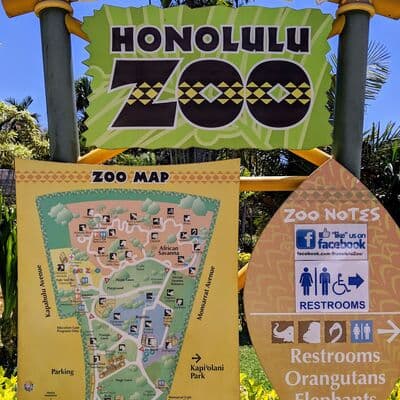
Day 1 -- Waikiki and Diamond Head. Start early. Book your Diamond Head State Monument reservation for 7:00-7:30 AM (book online at least 2 days ahead, $5/person entry). The hike takes 45-60 minutes up. By 9:00 AM you are back down and the parking lot is a zoo -- you will feel smug. Drive or bus to Waikiki Beach for a late morning swim. Grab lunch at a plate lunch spot (try rainbow drive-in or L&L for an authentic experience). Afternoon: explore the shops along Kalakaua Avenue or relax at the Honolulu Zoo ($19 adults). Walk to Kaimana Beach (the quiet end of Waikiki) for sunset. Dinner in Waikiki -- plenty of options at every price point.
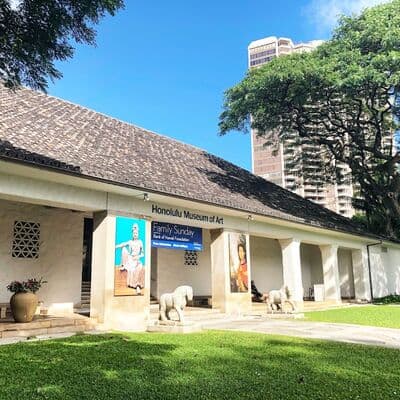
Day 2 -- Pearl Harbor and Downtown. Pearl Harbor National Memorial opens at 7:00 AM -- arrive by 6:30 AM or book timed-entry tickets online ($1 fee). The USS Arizona Memorial program takes about 75 minutes. Plan 3-4 hours total if you add the USS Missouri ($35) or the Pacific Aviation Museum. Afterward, head downtown for lunch in Chinatown Historic District -- the Maunakea Marketplace food court is the real deal. Walk to Iolani Palace ($28 guided tour, $20 self-guided) -- it is the only royal palace on American soil. If time allows, visit the Honolulu Museum of Art ($20) a few blocks away. Evening: happy hour at a Kakaako brewery.
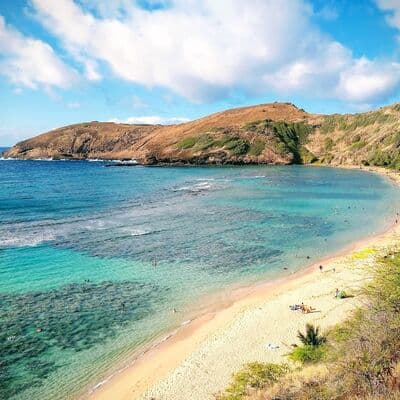
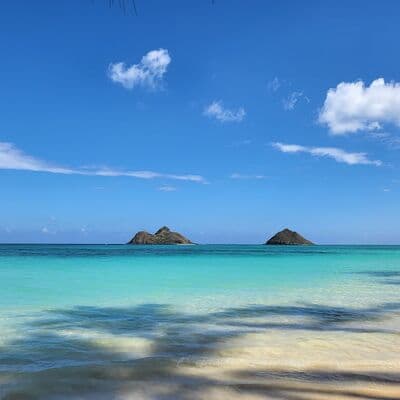
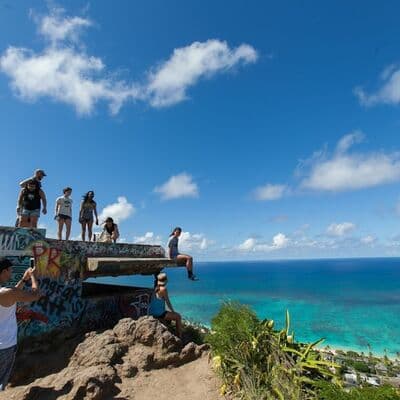
Day 3 -- Hanauma Bay and East Side. Reserve your Hanauma Bay Nature Preserve spot online (opens at 6:45 AM, $25 non-resident entry). Get there early for the best snorkeling visibility and calmer conditions. You will see parrotfish, tangs, and often sea turtles without even trying hard. Spend the morning there, then drive to Lanikai Beach for a completely different beach experience -- powdery white sand, calm turquoise water, and views of the Mokulua Islands. If you have energy, hike the Lanikai Pillbox Trail (30-45 minutes, moderate) for one of the best panoramic views on the island. Dinner in Kailua town before heading back.
5 Days: Add Depth
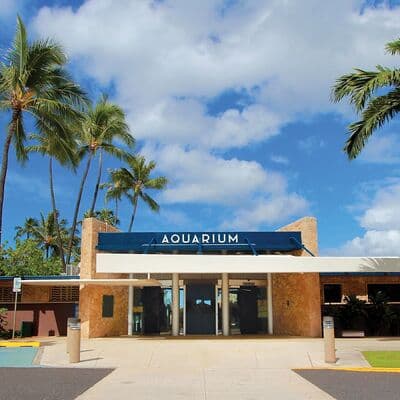
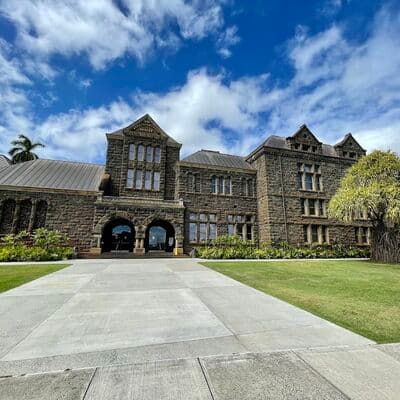
Day 4 -- Manoa Valley and Culture. Morning hike to Manoa Falls Trail (1.6 miles round trip, muddy, bring shoes with grip). The 150-foot waterfall is stunning, especially after rain. Bring mosquito repellent. Afternoon: visit Bishop Museum ($27 adults) -- this is the premier museum of Hawaiian and Polynesian culture, and it is genuinely world-class. The planetarium show is worth the extra $6. Late afternoon: explore the Waikiki Aquarium ($14 adults) -- small but excellent, especially the monk seal exhibit and the living reef tanks.
Day 5 -- North Shore Day Trip. Rent a car for the day. Drive up the H-2 to Haleiwa (about 45 minutes without traffic, 75+ with). Stop at the Dole Plantation if you want ($13 for the garden tour, or just get a Dole Whip for $7). In Haleiwa, walk the town, eat garlic shrimp from one of the famous trucks (Giovanni's or Romy's, $15-18 per plate). In winter (November-February), watch big-wave surfing at Pipeline or Sunset Beach -- it is genuinely awe-inspiring. In summer, these same beaches are calm enough for swimming. Stop at the National Memorial Cemetery of the Pacific (Punchbowl) on the way back -- free entry, moving experience, and great views of the city.
7 Days: Go Deep
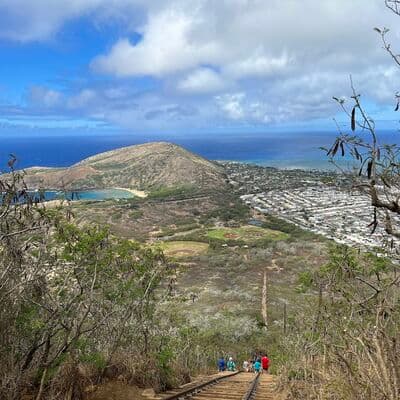
Day 6 -- Koko Head and Southeast Coast. For a serious workout, tackle the Koko Crater Trail -- 1,048 railroad-tie steps straight up. Start by 7:00 AM to avoid the heat. It takes 30-60 minutes up depending on fitness. The view from the top is spectacular. Reward yourself with an acai bowl in Hawaii Kai. Spend the rest of the day exploring the coastline: Sandy Beach (great for watching bodyboarders, dangerous for swimming), the Halona Blowhole lookout, and Makapuu Lighthouse Trail (2 miles round trip, paved, easy). In winter you can spot whales from the trail.
Day 7 -- Slow Day, Your Choice. You have earned a lazy morning. Sleep in, grab breakfast at a local cafe, then pick your adventure: revisit a favorite beach, do a stand-up paddleboard lesson in Waikiki ($80-100 for a group lesson), take a catamaran sunset cruise ($40-60), visit the KCC Farmers Market if it is Saturday (7:30-11:00 AM, do not miss this), or just post up at Ala Moana Beach Park with a book and a poke bowl. For a final dinner, splurge somewhere nice -- the views from a waterfront restaurant in Waikiki at sunset are hard to beat as a farewell to the island.
Where to Eat in Honolulu
Street Food and Markets
The KCC Farmers Market (Kapiolani Community College, Saturdays 7:30-11:00 AM) is the single best food experience in Honolulu. Local vendors sell fresh poke, grilled mahi tacos, coconut shrimp, passion fruit juice, and homemade mochi. Budget $20-30 for a full breakfast here. Chinatown is where cheap eats thrive: dim sum at Legend Seafood ($15-20/person), pho at The Pig and The Lady ($16-19), and fresh tropical fruit from the open-air markets. The International Marketplace food hall in Waikiki has upscale food court options averaging $15-25 per dish.
Local Joints
Rainbow Drive-In has served plate lunches since 1961 -- loco moco, kalbi, and mixed plates for $9-14. Lines move fast. Helena's Hawaiian Food (Liliha neighborhood) is the real deal for traditional Hawaiian -- pipikaula short ribs, lau lau, and poi. They won a James Beard Award and still feel like your grandma's kitchen. Cash only. Marukame Udon in Waikiki always has a line, but it moves quickly and a bowl of fresh-made udon is $6-9. Watch them roll and cut the noodles through the window.
Mid-Range
MW Restaurant in Kakaako does modern Hawaiian cuisine at $25-45 per entree -- their miso butterfish is outstanding. Senia (also Chinatown) has a prix fixe option for around $85 that is widely considered one of the best meals on the island. 12th Ave Grill in Kaimuki is a neighborhood gem with a rotating seasonal menu ($20-40 entrees). Reservations recommended for all three, especially on weekends.
Fine Dining
Sushi Sho is a 10-seat omakase counter where the chef trained in Tokyo. Expect $200-300/person -- book weeks ahead. La Mer at the Halekulani Hotel is Honolulu's most formal dining experience, French-Hawaiian fusion with a jacket suggested ($150-250/person with wine). Chef Mavro does tasting menus ($120-180) with wine pairings that focus on local ingredients. These are not tourist traps; all three consistently earn praise from visiting food critics and returning locals alike.
Cafes and Breakfast
Morning Glass Coffee in Manoa roasts their own beans and serves excellent pourover in a relaxed setting ($5-7 for a coffee). Koko Head Cafe in Kaimuki does creative brunch (cornflake French toast, kimchi fried rice) with waits of 30-60 minutes on weekends -- worth it, entrees $14-22. Island Vintage Coffee in Waikiki serves 100% Kona coffee ($7-9) and solid acai bowls ($15-18). For a quick, cheap breakfast, any Zippy's location (a local chain) serves omelettes and saimin starting at $8.
Must-Try Food in Honolulu
Poke -- Raw fish (usually ahi tuna) seasoned with soy sauce, sesame oil, and seaweed. You will find it everywhere from gas stations to fine dining, but the best comes from fish markets and dedicated poke counters. Ono Seafood and Foodland (the grocery store) are reliable bets. A poke bowl runs $14-20. Do not be shy about asking for samples -- most places expect it.
Loco Moco -- A hamburger patty over white rice, topped with a fried egg and brown gravy. It sounds odd and tastes incredible, especially at 7:00 AM after a hike. Classic comfort food. Every local diner has a version. Expect $10-14.
Garlic Shrimp -- The North Shore truck version (shell-on shrimp swimming in garlic butter) is the iconic version, but several restaurants in Honolulu proper do it well. Messy, rich, and addictive. Around $15-18 per plate.
Kalua Pig -- Slow-roasted pork traditionally cooked in an underground oven (imu). The meat is smoky, tender, and shredded. Best sampled at a luau or at Helena's Hawaiian Food. A plate runs $12-16.
Spam Musubi -- A slice of grilled Spam on a block of rice, wrapped in nori. Hawaii consumes more Spam than any other US state, and this is the reason. Sold at every convenience store for $2-3. It is better than you think.
Malasadas -- Portuguese-style doughnuts brought by plantation workers. Leonard's Bakery has been making them since 1952 and the line wraps around the block for good reason. Hot, sugary, and filled with haupia (coconut custard) or custard cream. $1.50-2.50 each.
Shave Ice -- Not a snow cone. The ice is shaved paper-thin, and the syrups are often made from real fruit. Matsumoto's on the North Shore is the famous one, but in Honolulu proper, Waiola Shave Ice and Island Vintage Shave Ice are excellent. Get it with ice cream on the bottom and sweetened azuki beans. $5-8.
Plate Lunch -- The quintessential Hawaii meal format: a protein (chicken katsu, teriyaki beef, or kalbi ribs), two scoops of white rice, and one scoop of macaroni salad. Available at hundreds of takeout spots for $10-15. It is not health food. It is perfect.
Saimin -- Hawaii's answer to ramen. Lighter broth, thinner noodles, often topped with char siu, kamaboko (fish cake), and green onions. It is a distinctly local invention. Shiro's in Waikiki and Palace Saimin are traditional spots. Around $8-12 per bowl.
What to skip: Overpriced "Hawaiian fusion" at Waikiki tourist restaurants that charge $35 for mediocre fish tacos. If the menu has sunset photos and the waiter is wearing a costume lei, keep walking. Also, do not order mainland-style sushi -- it is technically fine but you will pay mainland prices without mainland quality. Go for poke instead.
Vegetarian and vegan options: Honolulu has a strong plant-based scene. Ai Love Nalo (farm-to-table vegan in Kailua), Peace Cafe (vegan buffet by weight in Waikiki, $10-14), and Mud Hen Water (modern Hawaiian with many vegetable-forward dishes). Most poke shops also carry tofu poke options. Acai bowls are everywhere and generally excellent.
Honolulu Insider Tips
1. Book Diamond Head and Hanauma Bay weeks ahead. Since the reservation systems launched, you cannot just show up. Diamond Head slots fill up 2-3 days in advance. Hanauma Bay can sell out a week ahead during peak season. Set a reminder and book the moment your travel window opens.
2. Rent a car only for specific days, not the whole trip. You do not need a car in Waikiki. Daily parking at hotels is $35-55. Rent a car for your North Shore day, your Hanauma Bay trip, and your east coast exploration -- return it the rest of the time. You will save hundreds.
3. Never leave anything visible in your rental car. Break-ins at trailhead parking lots are common, especially at Manoa Falls and Diamond Head. Take everything with you or leave it at the hotel. This is not fear-mongering; it genuinely happens regularly.
4. The best sunsets are not in Waikiki. Waikiki faces south, not west. For proper over-the-ocean sunsets, head to Ala Moana Beach Park, Magic Island, or the west side of the island. The sunset view from the Ala Moana Beach Park peninsula (Magic Island) is stunning and free.
5. Hit the KCC Farmers Market on Saturday mornings. Open 7:30-11:00 AM at Kapiolani Community College. Get there by 8:00 AM for the best selection and shortest lines. Bring cash -- some vendors do not take cards.
6. Wear reef-safe sunscreen only. Hawaii law bans sunscreens containing oxybenzone and octinoxate. This is not just virtue signaling -- these chemicals genuinely bleach coral. Buy reef-safe before you arrive (it is more expensive on the island). Brands like Raw Elements and Sun Bum work well.
7. Take advantage of happy hours. Honolulu restaurants are expensive at dinner, but many offer excellent happy hour deals from 3:00-6:00 PM. Appetizers and drinks at half price can turn a $100 dinner into a $45 experience. Monkeypod Kitchen and Tommy Bahama are popular happy hour spots.
8. ABC Stores are everywhere and actually useful. These convenience stores on every Waikiki block sell cheap sunscreen ($9-12), beach mats ($8), snorkeling gear ($15-25), and decent snacks. Prices are fair for what they are. Do not buy jewelry or souvenirs there -- quality is low.
9. Respect heiau (sacred sites). You will encounter ancient Hawaiian temple ruins and sacred sites throughout the island. Do not climb on them, move rocks, or leave trash. Some are marked, many are not. When in doubt, stay on the trail and do not stack rocks (those Instagram rock cairns actually disrupt native ecosystems).
10. Tipping is mandatory, not optional. Standard is 18-20% at restaurants, $2-3/drink at bars, 15-20% for activity guides and tour operators. Hawaii's service workers deal with insane cost of living -- tip generously if the service was good.
11. Embrace island time. Things move slower. Buses might be late. Your food might take a while. Locals are warm and helpful but do not respond well to mainland impatience. Relax into it -- you are on vacation and this is part of the experience.
12. Respect the ocean -- it is more powerful than you think. Check surf reports daily. Never turn your back on the waves. Do not swim at beaches without lifeguards unless you are an experienced ocean swimmer. Rip currents, shore breaks, and sudden swells injure tourists every single week. When in doubt, ask a lifeguard. They are friendly and would rather answer a "dumb" question than pull you out of the water.
Getting Around Honolulu
Airport to the City
Daniel K. Inouye International Airport (HNL) is about 10 miles from Waikiki. Your options: Uber/Lyft costs $25-40 to Waikiki depending on traffic and demand (20-45 minutes). The new Skyline rail connects the airport area to Ala Moana Center, where you can transfer to a bus to Waikiki -- this is the cheapest option at $3 one-way, but involves a transfer and takes 40-60 minutes total. Airport shuttles (Roberts Hawaii, SpeediShuttle) run $18-22/person to Waikiki hotels with multiple stops. A taxi runs a flat $40-50 to Waikiki. Skip the rental car on arrival day -- you will not need it and airport pickup lots add stress.
City Transport: TheBus
Honolulu's public bus system is surprisingly good. A single ride is $3.00, and a day pass is $7.50. The Holo Card (reloadable transit card, $2 to purchase) gives you free transfers within 2.5 hours. Route 2 connects Waikiki to Downtown and Chinatown. Route 20 goes to the airport area. Route 22 is the "Beach Bus" to Hanauma Bay (but you still need a reservation). Buses run 5:00 AM to midnight on most routes. They are clean, air-conditioned, and safe. The biggest downside: frequency drops on weekends and evenings, and some routes to hiking trailheads are infrequent.
Skyline Rail
Honolulu's long-awaited rail system is finally operational, connecting East Kapolei to Ala Moana Center with stops at the airport, Pearl Harbor, and Pearlridge. It is elevated, air-conditioned, and fast. Useful for airport transfers and Pearl Harbor visits. Fare is $3.00 per ride (uses the same Holo Card as TheBus). Service runs approximately every 6-10 minutes during peak hours.
Uber, Lyft, and Taxis
Rideshare works well in the Honolulu metro area. Expect $15-25 for trips within the city, $25-40 to the airport, and $60-80 for longer hauls to the North Shore. Surge pricing hits during bar closing time (around 2:00 AM) and after major events. Taxis are available but more expensive and harder to find outside hotel taxi stands. A useful tip: rideshare drivers on Oahu are often retired locals who will give you better restaurant recommendations than any guidebook.
Biki Bikes
Honolulu's bike-share system has 130+ stations across Waikiki, Ala Moana, Kakaako, and Downtown. A single 30-minute ride is $4.50. A day pass ($25) gives unlimited 30-minute rides. Great for short trips between neighborhoods. The bike lanes along the Ala Wai Canal and through Kakaako are decent. Be careful on busy streets -- drivers are not always looking for cyclists. Helmets are not provided, so bring your own or buy one at an ABC Store if it matters to you.
Car Rental
Rates average $60-100/day depending on season. Book through major companies at the airport for the best rates. Turo (peer-to-peer) can be cheaper but read reviews carefully. Reserve well in advance during peak season -- inventory genuinely runs out. Remember: gas is expensive ($4.50-5.50/gallon), parking in Waikiki is $35-55/night at hotels, and traffic during rush hour (6:30-8:30 AM, 3:30-6:30 PM) on the H-1 is genuinely terrible. A car is essential for North Shore and east coast trips but a liability in Waikiki.
Staying Connected
If you have a US carrier, your phone works normally. International visitors should grab an eSIM before departure -- Airalo and Holafly offer Hawaii/US plans starting at $5-15 for a week of data. Physical SIM cards are available at the airport and ABC Stores. Free WiFi is widely available at hotels, restaurants, malls, and even many beaches (Waikiki has spotty municipal WiFi). Essential apps: Google Maps (works offline if you download the Oahu map), Holo Transit (for bus/rail), OpenTable or Yelp (restaurant reservations), and the Hawaii State Parks app for booking Diamond Head and Hanauma Bay reservations.
Who Should Visit Honolulu
Honolulu works for almost everyone, but it is especially rewarding for a few types of travelers. First-time Hawaii visitors will find the most concentrated mix of beaches, culture, food, and history anywhere in the islands. Couples get world-class dining, sunset beaches, and enough variety for a week without boredom. Families with kids benefit from calm, lifeguarded beaches, the zoo, the aquarium, and easy logistics -- you do not need to drive everywhere. History enthusiasts will find Pearl Harbor, Iolani Palace, and the Bishop Museum genuinely compelling. Foodies will eat spectacularly well across every budget.
Who might want to go elsewhere? If you want remote, undeveloped Hawaii with no crowds, try Molokai or the Big Island's Hamakua Coast. If you want all-day hiking without a car, Kauai's Na Pali Coast or Maui's upcountry are better fits. And if your only goal is to sit on an empty beach for a week, Honolulu's best beaches are rarely empty -- but they are rarely disappointing either.