Boston
Boston 2026: What You Need to Know
Boston is one of those rare American cities that actually feels like it has a soul. Walking through its cobblestone streets, you sense 400 years of history layered beneath your feet - from the birth of American independence to world-class universities shaping the future. This is where the American Revolution began, where some of the brightest minds study and work, and where people take their clam chowder very, very seriously.
What surprised me most about Boston was its walkability. Unlike most American cities designed around cars, Boston rewards those who explore on foot. The compact downtown means you can hit major sites without spending half your day in transit. The flip side? Streets that follow colonial cow paths rather than any logical grid, so your GPS will occasionally have an existential crisis.
The city runs on a few unwritten rules: never call it "Beantown" (locals cringe), pronounce it "Hahvahd" if you want to blend in, and understand that the Red Sox aren't just a baseball team - they're a religion. Boston is expensive, occasionally rude in that charming Northeastern way, and absolutely worth every penny and side-eye you'll encounter.
In 2026, Boston continues to evolve while fiercely protecting its character. The Seaport District has transformed into a gleaming waterfront neighborhood, yet Beacon Hill still looks exactly as it did in the 1800s. This tension between old and new defines the Boston experience - and makes it endlessly fascinating to explore.
Boston Neighborhoods: Where to Stay
Choosing where to stay in Boston dramatically shapes your experience. Each neighborhood has its own personality, price point, and proximity to different attractions. Here's the honest breakdown:
Downtown and Financial District
The most central location, putting you steps from the Freedom Trail, Faneuil Hall Marketplace, and major T stations. Hotels here range from $250-450 per night for mid-range options. The downside? It feels corporate and empties out after business hours. Great for efficiency, less great for evening atmosphere. Best for first-time visitors who want to maximize sightseeing time.
Back Bay
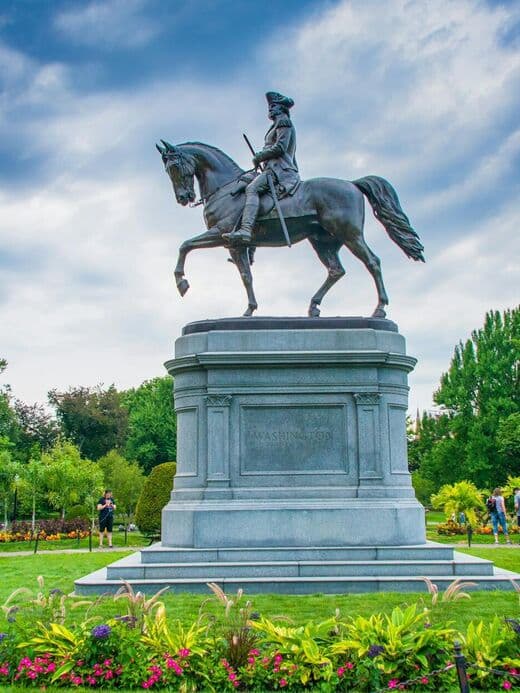
My personal favorite for a balanced Boston experience. Newbury Street offers world-class shopping and dining, Boston Public Garden is your morning running route, and the architecture is stunning Victorian brownstones. Hotels run $300-500 per night. You're close to everything but in a proper neighborhood that feels alive at all hours. The Copley Square area near Trinity Church and the Boston Public Library is particularly charming.
North End
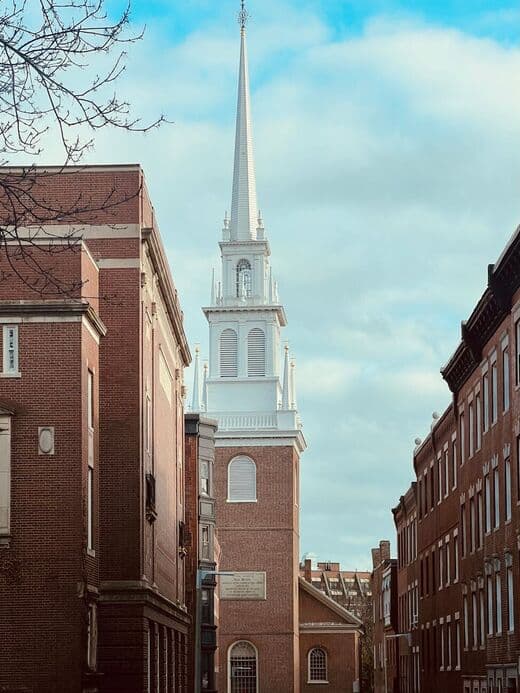
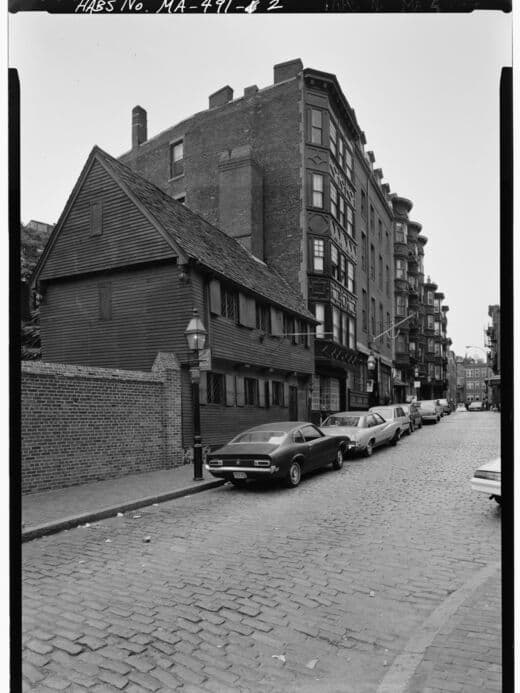
Boston's Little Italy, and the best neighborhood for food lovers. Narrow streets lined with Italian restaurants, bakeries selling fresh cannoli, and the Paul Revere House tucked between espresso bars. Accommodation options are limited - mostly Airbnbs and a few boutique hotels ($200-350). It's small and can feel touristy on weekends, but the authentic Italian-American atmosphere and proximity to the waterfront make it worthwhile. Walking distance to the Old North Church.
Seaport District
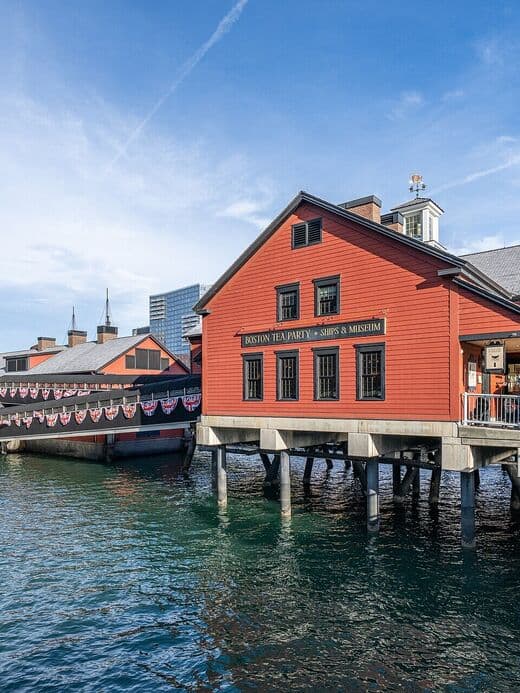
The newest and shiniest part of Boston. Modern hotels ($280-450), waterfront restaurants, the Institute of Contemporary Art, and proximity to the Boston Tea Party Ships and Museum. It's clean, safe, and architecturally impressive but lacks the historic character that makes Boston special. Best for business travelers or those who prefer contemporary over cobblestones. The Silver Line connects you to the airport in 15 minutes.
Beacon Hill
The most photogenic neighborhood in Boston, with gas-lit streets, brick row houses, and the iconic Acorn Street. Beacon Hill borders Boston Common and feels like stepping into a 19th-century novel. Very few hotels exist here - mostly upscale B&Bs and vacation rentals ($300-600). It's quiet, residential, and romantic, but limited dining options mean you'll be walking to other neighborhoods for meals.
Cambridge
Technically a separate city, but connected by the T's Red Line. Home to Harvard and MIT, Cambridge offers a more academic, liberal vibe with excellent bookshops, cafes, and the beautiful Harvard Yard. Hotels near Harvard Square run $220-380. The downside is being across the Charles River - you'll spend 15-25 minutes on the T reaching downtown attractions. Perfect for those interested in university culture or seeking a slightly quieter base.
South End
Boston's most diverse neighborhood, known for Victorian architecture, art galleries, and the city's best restaurant scene. The LGBTQ+ community has shaped its welcoming character for decades. Limited hotels but excellent Airbnbs ($180-320). It's a 15-minute walk to Back Bay and downtown. Best for food-focused travelers and those wanting to live like a local rather than a tourist.
Best Time to Visit Boston
Boston has four distinct seasons, and each offers a genuinely different experience. There's no single "best" time - it depends on what you're seeking.
Fall (September to November) is peak season for good reason. The foliage is spectacular, temperatures hover around 50-65°F (10-18°C), and the city buzzes with back-to-school energy from 35+ colleges. Late September through mid-October offers the best leaf colors. Expect higher hotel prices ($50-100 more per night) and advance booking requirements. The Head of the Charles Regatta in October draws 400,000 spectators to the Charles River Esplanade.
Spring (April to May) brings blooming magnolias in Back Bay and the iconic swan boats returning to Boston Public Garden. April can be unpredictable - snow one week, 70°F the next. May is reliably pleasant. Marathon Monday (third Monday of April) transforms the city with the Boston Marathon, one of the world's most prestigious races. Book hotels months ahead if visiting during marathon week.
Summer (June to August) means outdoor concerts at the Hatch Shell, harbor cruises to the Boston Harbor Islands, and Red Sox games at Fenway Park. Temperatures reach 80-90°F (27-32°C) with high humidity. It's the most expensive season, with limited hotel availability. July 4th celebrations on the Esplanade are legendary but incredibly crowded - book accommodation six months ahead.
Winter (December to March) is cold (20-40°F / -6 to 4°C), occasionally brutal, and the best time for budget travelers. Hotel rates drop 30-40%, museums are empty, and you'll experience Boston like locals do - layered up and moving quickly between heated spaces. January and February are the coldest months. Holiday season (late November to early January) offers festive decorations and ice skating on Boston Common, though prices spike during this period.
My recommendation for first-time visitors: late September or early May. You'll get pleasant weather, manageable crowds, and reasonable prices without the extremes of summer or winter.
Boston Itinerary: 3 to 7 Days
Boston packs incredible density into a small area. Three days covers the essentials, five days allows depth, and a week lets you truly explore. Here's how I'd structure each:
3-Day Essential Boston
Day 1: Revolutionary History
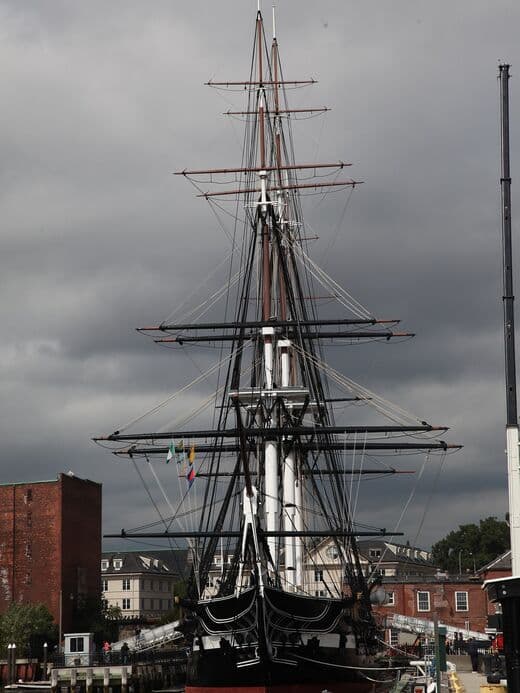
Start at 9:00 AM on the Freedom Trail from Boston Common. Follow the red brick line through downtown, past the State House (free tours weekdays), to Faneuil Hall. Break for lunch at Quincy Market around noon - grab clam chowder in a bread bowl ($12-15). Continue through the North End, stopping at Paul Revere House ($6 entry, allow 30 minutes) and Old North Church ($8 entry). End at the USS Constitution Museum in Charlestown around 3:30 PM. Evening: dinner in the North End - make reservations for anywhere popular.
Day 2: Culture and Gardens
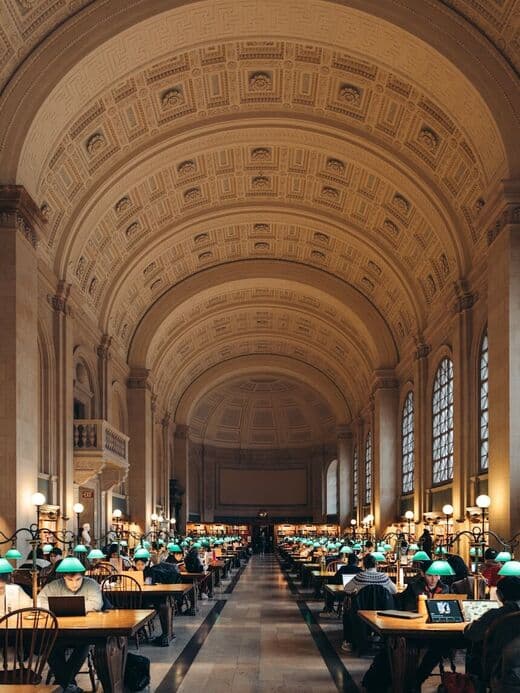
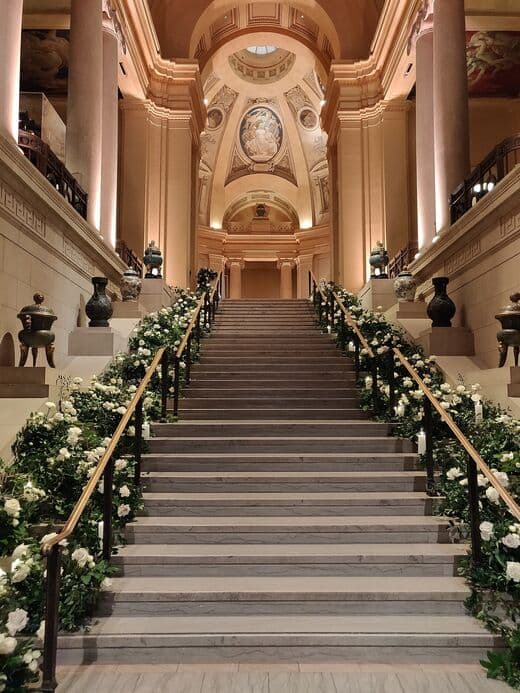
Morning at the Museum of Fine Arts ($27 entry, opens 10 AM). Focus on the American Wing and Impressionist galleries - you can't see everything. Lunch at the museum cafe or nearby Fenway area. Afternoon walk through Back Bay: Boston Public Library (free, stunning interior), Trinity Church ($12 for self-guided tour), then stroll Newbury Street. End at Boston Public Garden for the swan boats ($4.50, seasonal) and Beacon Hill golden hour photos.
Day 3: Cambridge and Waterfront
Take the Red Line to Harvard Square by 9:30 AM. Walk through Harvard Yard (free, self-guided), browse Harvard Book Store, and grab coffee at one of the many cafes. Walk or Uber to MIT campus (20 minutes). Afternoon: return downtown for the Boston Tea Party Ships and Museum ($32, book ahead, allow 90 minutes). Evening along the Seaport waterfront or catch a Red Sox game at Fenway Park if in season (tickets $30-150+).
5-Day Deeper Dive
Add to the 3-day itinerary:
Day 4: Art and Islands
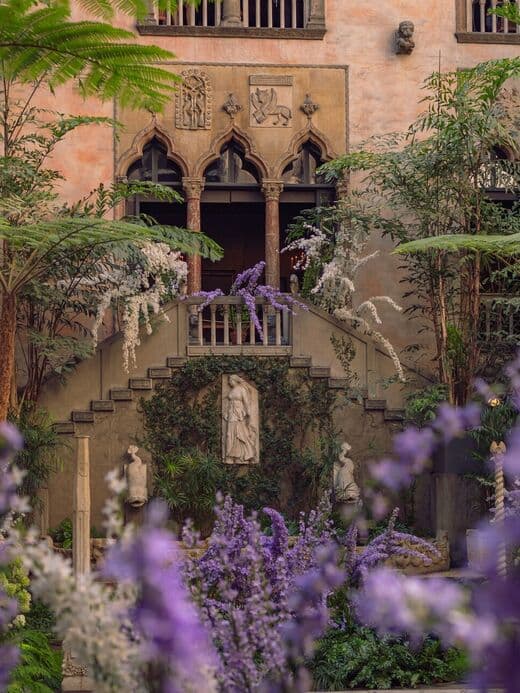
Morning at the Isabella Stewart Gardner Museum ($20 entry, opens 11 AM). This Venetian-style palazzo houses an eccentric personal collection - don't miss the courtyard. The famous art heist story adds intrigue. Afternoon ferry to the Boston Harbor Islands (ferry $22 round trip from Long Wharf). Georges Island has Fort Warren to explore; Spectacle Island offers the best beaches. Last ferry returns around 5:30 PM - check schedules.
Day 5: Science and Sports
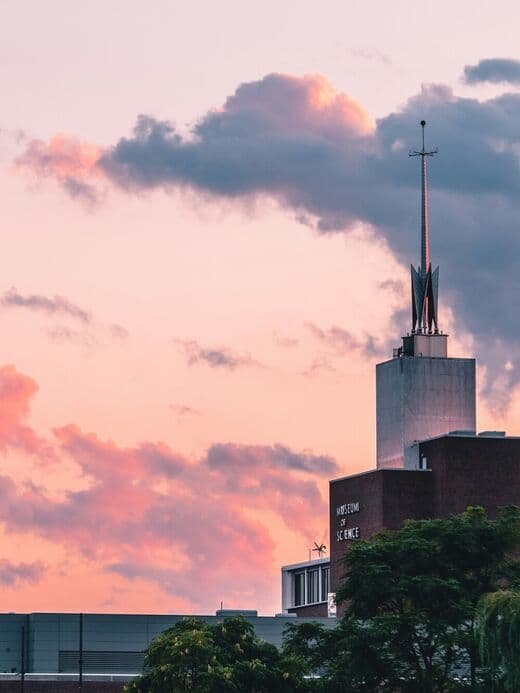
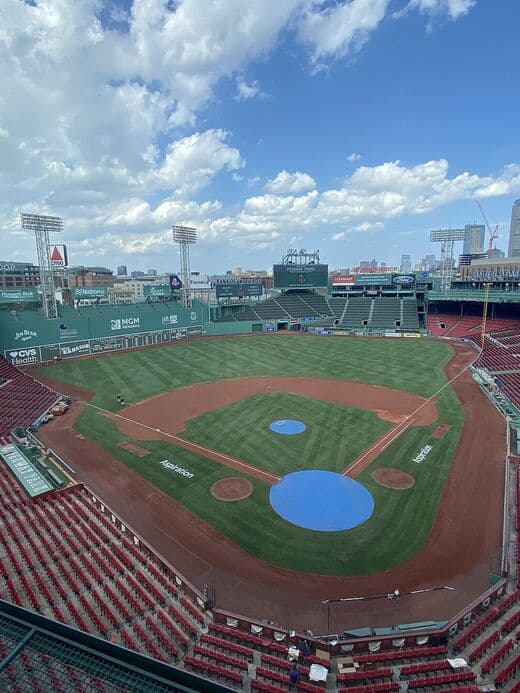
Family-friendly day starting at the Museum of Science ($29, planetarium extra $6). Allow 3-4 hours - the lightning demonstration is worth timing your visit around. Lunch in Cambridge, then walk the Charles River Esplanade to Back Bay. If it's baseball season, an afternoon game at Fenway Park is essential Boston. Even non-sports fans appreciate America's oldest ballpark. Evening in the South End for the city's best dining.
7-Day Complete Experience
Add to the 5-day itinerary:
Day 6: Day Trip
Choose your adventure: Salem (30 minutes by commuter rail, $7.50 each way) for witch history and excellent October atmosphere; Plymouth (1 hour drive) for Pilgrim history and Plimoth Patuxet Museums; or Lexington and Concord (30 minutes drive) for Revolutionary War battlefields and literary history (Walden Pond, Alcott and Emerson homes). All work as full-day excursions departing by 9 AM.
Day 7: Neighborhoods and Local Life
Skip the itinerary and live like a local. Morning farmers market at Copley Square (Tuesdays and Fridays) or SoWa Open Market in South End (Sundays). Brunch in South End or Jamaica Plain. Afternoon browsing independent bookshops (Brattle Book Shop, Harvard Book Store, Trident Booksellers). Walk the Emerald Necklace parks from Back Bay to Jamaica Pond. Evening cocktails at a speakeasy-style bar followed by dinner at a neighborhood restaurant you discovered yourself.
Where to Eat in Boston
Boston's food scene has evolved dramatically. While seafood and Italian remain pillars, the city now offers world-class dining across cuisines. Here's where to eat based on what you're craving:
Seafood
Legal Sea Foods is the reliable chain option - consistent quality, multiple locations, reasonable prices ($25-40 per person). For upscale seafood, Neptune Oyster in the North End has legendary lobster rolls ($42) but expect long waits without reservations. Row 34 in the Seaport offers excellent oysters and craft beer in a modern space. For casual waterfront seafood, Yankee Lobster in the Seaport serves working-waterfront atmosphere with fresh catches ($20-35).
Italian (North End)
The North End has over 100 Italian restaurants in a few blocks. My picks: Giacomo's for classic red-sauce Italian (cash only, long lines, no reservations - worth it); Pomodoro for intimate fine dining ($40-60); Daily Catch for garlic-heavy seafood pasta served in the pan. Skip the tourist traps on Hanover Street's main stretch - walk one block in either direction for better food and shorter waits.
Breakfast and Brunch
Paramount on Beacon Hill serves cafeteria-style breakfast ($12-18) that draws lines every weekend - the French toast is legendary. Tatte Bakery has multiple locations for excellent pastries and shakshuka. In South End, Myers + Chang does creative Asian-inspired brunch. For classic American diner experience, try South Street Diner - open 24 hours and a true Boston institution.
Budget Eats
Chinatown offers the best value in the city - dim sum at China Pearl ($15-20 per person), hand-pulled noodles at Gene's, or late-night Taiwanese at Taiwan Cafe. Food halls have multiplied: Time Out Market (Fenway), High Street Place (downtown), and Bow Market (Somerville) offer quality variety under $15. Clover Food Lab serves fast-casual vegetarian that even carnivores love ($10-12). For cheap pizza, Ernesto's in the North End serves massive slices for $5.
Coffee Culture
Boston runs on Dunkin' - locals are fiercely loyal to "Dunkies." But for quality coffee, George Howell Coffee (multiple locations) roasts some of the country's best beans. Thinking Cup near Boston Common draws crowds for their espresso. In Cambridge, Broadsheet Coffee is worth the walk. Blue Bottle has arrived in Back Bay for West Coast devotees.
Must-Try Boston Food
Beyond restaurants, certain foods define the Boston experience. You cannot leave without trying:
New England Clam Chowder: The thick, creamy version - never tomato-based Manhattan style, which Bostonians consider heresy. Best spots: Legal Sea Foods for consistency, Union Oyster House for history (oldest restaurant in America), or Atlantic Fish Company for upscale. A bread bowl from Quincy Market isn't gourmet but is appropriately touristy. Expect $12-18 per bowl.
Lobster Roll: Two styles exist - Connecticut (warm, buttered) and Maine (cold, mayo-based). Boston serves both. Neptune Oyster's hot buttered version is legendary ($42 and worth it). For budget options, James Hook and Co. near the waterfront serves excellent rolls ($24-28). Lobster prices fluctuate seasonally; summer typically offers the best value.
Cannoli: The North End cannoli rivalry between Mike's Pastry and Modern Pastry has raged for decades. Mike's has longer lines and more variety; Modern is more traditional and locally preferred. My verdict: get one from each ($5-6 each) and decide yourself. The key is fresh-filled shells - never pre-filled, which get soggy. Bova's Bakery, open 24 hours, is the late-night secret.
Boston Cream Pie: Despite the name, it's a cake - yellow sponge with custard filling and chocolate glaze. Created at the Omni Parker House hotel in 1856, where you can still order the original ($12 slice). It's sweeter than it sounds and deeply satisfying.
Boston Baked Beans: The dish that gave Boston its "Beantown" nickname (though, again, don't call it that). Navy beans slow-cooked with molasses and salt pork. Durgin-Park at Faneuil Hall served them for 190 years before closing; now Union Oyster House carries the tradition. Honestly more historical than delicious, but worth trying once.
Oysters: Boston's proximity to cold Atlantic waters means excellent local oysters. Island Creek Oysters from Duxbury are the most famous. Try them at Island Creek Oyster Bar, Row 34, or Neptune Oyster. Happy hours (typically 4-6 PM) offer $1-2 oysters at many seafood restaurants - ask locally for current deals.
Boston Secrets: Local Tips
After living in and visiting Boston extensively, here are insider tips that transform a good trip into a great one:
- The T closes at 12:30 AM. Boston has embarrassingly early public transit closure. Plan your late nights with Uber/Lyft in mind, or stay within walking distance of your hotel. Ride costs surge after midnight.
- Cash still matters in the North End. Multiple beloved restaurants (Giacomo's, Daily Catch) are cash only. ATMs charge $3+ fees. Withdraw before you arrive.
- Boston Public Library is free and stunning. The McKim building's reading room rivals European libraries. Free art tours on certain days. The courtyard is a hidden oasis.
- Avoid Quincy Market for actual meals. Great for walking through and grabbing a snack, but food quality is tourist-grade. Walk five minutes in any direction for better options at lower prices.
- The Arnold Arboretum is Boston's secret park. 281 acres of landscaped gardens, free admission, and almost no tourists. Take the Orange Line to Forest Hills. Lilac Sunday in May is magical.
- Make restaurant reservations. Even mid-range places fill up, especially Thursday through Saturday. Resy and OpenTable are essential. Some restaurants (like Neptune Oyster) don't take reservations - arrive at 4:45 PM for the 5 PM opening.
- The Harbor Islands are worth the effort. Boston Harbor Islands feel worlds away from the city. Pack a picnic and catch an early ferry. Georges Island has Civil War fort exploration; Spectacle Island has the best swimming beaches.
- Student discounts are everywhere. Boston has 35+ colleges - many museums, theaters, and attractions offer student pricing. Bring your ID even if you're visiting from elsewhere.
- The Freedom Trail doesn't require a guide. Self-guided is free and flexible. Download the NPS app or grab the $3 map at the visitor center. Guided tours ($14-18) add context but follow strict schedules.
- Beacon Hill at sunrise is pure magic. Beacon Hill's narrow streets photograph best in early morning light without crowds. Acorn Street - the most photographed street in America - is peaceful before 8 AM.
- The Mapparium at the Mary Baker Eddy Library is a three-story stained-glass globe you walk through. Bizarre, beautiful, and rarely crowded ($8 entry). The acoustics create strange whispering effects.
- Somerville and Jamaica Plain are where locals actually hang out. Davis Square in Somerville has better, cheaper nightlife than downtown. JP has Boston's best casual dining scene. Both accessible by the Orange Line or Red Line.
Transportation and Connectivity
Getting to and around Boston is straightforward once you understand the systems:
Arriving by Air
Logan International Airport (BOS) is remarkably close to downtown - just 3 miles across the harbor. The Silver Line bus connects to South Station for free (yes, free outbound from the airport). Travel time is 20-30 minutes depending on traffic. The Blue Line T connects to downtown (Airport station) for $2.40. Uber and Lyft to downtown cost $20-35 depending on surge pricing. Taxis use flat rates to specific zones: $25-35 to most downtown hotels.
Direct flights connect Boston to most major US cities plus London (6.5 hours), Dublin (6 hours), Paris (7 hours), and numerous Caribbean destinations. Competition keeps prices reasonable - flights from New York start around $80 round trip, from Los Angeles $200-300.
The T (MBTA)
Boston's subway system is America's oldest (1897) and shows its age. Four color-coded lines cover the central city: Red, Orange, Blue, and Green. Single rides cost $2.40 with a CharlieCard (reusable plastic card from stations) or $2.90 with a CharlieTicket (paper). Buy a CharlieCard immediately - it saves money and time.
The Green Line has four branches (B, C, D, E) that share tracks downtown before splitting. This confuses everyone. The Red Line connects Cambridge to South Boston via downtown. Service is frequent (every 5-10 minutes) during rush hours, less reliable nights and weekends. Real-time tracking via the Transit app saves frustration.
Day passes ($11) and weekly passes ($22.50) exist but rarely make financial sense unless you're taking 5+ rides daily. Most visitors walk more than they expect.
Walking and Biking
Boston is genuinely walkable - you can cross downtown in 30 minutes. However, the street layout is chaotic (those colonial cow paths again), and Google Maps occasionally sends you in circles. Download offline maps. Comfortable shoes are essential; cobblestones and brick sidewalks punish heels and thin soles.
Bluebikes is the bike share system - $2.95 per 30-minute ride, or $11 for a day pass. Stations are everywhere downtown. The Charles River Esplanade path is perfect for casual cycling. Boston drivers are aggressive, so stick to protected bike lanes and paths when possible.
Ride-Sharing and Taxis
Uber and Lyft operate throughout the area. Typical fares: airport to downtown ($20-35), Back Bay to Cambridge ($15-25), downtown to Fenway ($12-18). Prices surge during Red Sox games and weekend nights. Traditional taxis cost roughly the same but can be hailed on the street - useful when your phone dies.
Day Trip Transportation
Commuter rail from North Station and South Station connects to suburbs and regional destinations. Salem is 30 minutes from North Station ($7.50). Providence, Rhode Island is one hour from South Station ($12.25). Check MBTA schedules - service is less frequent than the T.
Renting a car is unnecessary within Boston and actively frustrating - parking costs $35-50 daily at hotels, streets are confusing, and traffic is legendary. Only rent for day trips outside the city.
Conclusion
Boston rewards curiosity. It's a city where you can debate Revolutionary War history over craft beer, watch a Red Sox game in a century-old ballpark, eat world-class Italian food, and walk through a university campus that shaped American thought - all in a single day.
The city isn't perfect. It's expensive, the T is unreliable, winter is brutal, and locals have earned their reputation for brusque directness. But beneath that tough exterior lies genuine warmth and fierce civic pride. Bostonians love their city precisely because it demands something from you - attention, respect, and maybe a willingness to pronounce things wrong while you figure it out.
Come for the history, stay for the food, and leave with stories. Boston has been making history for four centuries, and there's plenty of room for you to be part of it - even if just for a few days.