About
Germany: The Complete Guide to Castles, Beer, and the Autobahn
Why Visit Germany
Germany is a country of beautiful contradictions. Medieval castles stand alongside futuristic skyscrapers, traditional beer halls share streets with Michelin-starred restaurants, and Bavarian lederhosen coexist with Berlin's underground culture. It's a nation where punctuality is almost sacred, yet locals know how to party hard at Oktoberfest and Christmas markets.
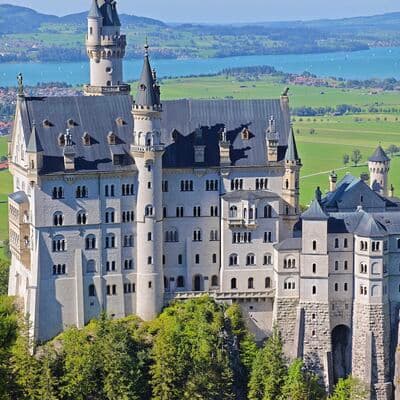
For travelers, Germany offers the perfect blend of history, culture, and modern pleasures. You can spend your morning wandering through Neuschwanstein Castle (the inspiration for Disney's Sleeping Beauty Castle), your afternoon sampling smoked beer in medieval Bamberg, and your evening dancing in legendary Berlin clubs. The country is compact, transportation runs like clockwork (mostly), and the regional diversity is astounding - from the northern coast with its dunes to the Alpine peaks in the south.
Germany is also a country with a complicated history that Germans don't hide but honestly confront. Holocaust memorials, remnants of the Berlin Wall, the Documentation Center in Nuremberg - these are essential parts of any visit that will make you think. But alongside this sobering history lies incredible culture: Bach and Beethoven, Goethe and the Brothers Grimm, Bauhaus and Expressionism. Germany has given the world so much that one trip will never be enough.
And yes, you can drive without speed limits on parts of the Autobahn, drink beer practically anywhere and anytime, and German cuisine is far more than just sausages and sauerkraut. Though those are also fantastic.
Regions: What to Choose
Bavaria - Heart of German Stereotypes
When foreigners picture Germany, they usually think of Bavaria - and for good reason. This is where you'll find postcard-perfect Alpine villages, King Ludwig II's fairy-tale castles, Oktoberfest, and dirndl-clad maidens. But Bavaria is far more than tourist cliches. It's Germany's largest state with incredible diversity: from cosmopolitan Munich to medieval Franconian towns.
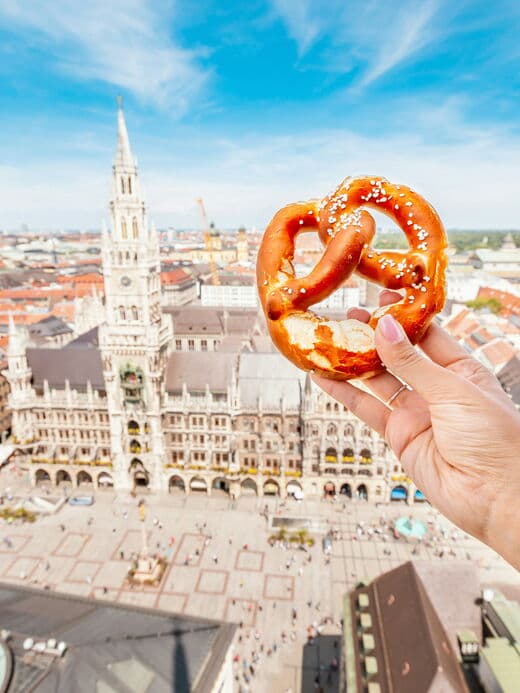
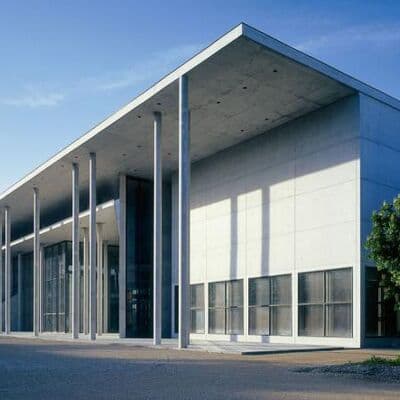
Munich is Bavaria's capital and Germany's third-largest city. Must-sees include Marienplatz with its famous Glockenspiel, Nymphenburg Palace, the English Garden (one of the world's largest urban parks), the Pinakothek museums, and of course the legendary Hofbrauhaus. Tech enthusiasts will love the Deutsches Museum - the world's largest science and technology museum - and BMW Museum. Don't miss Viktualienmarkt, the city's main food market with incredible delicacies.
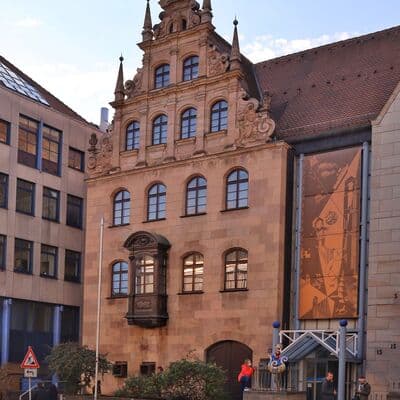
Nuremberg is Bavaria's second city, famous for its medieval fortress Kaiserburg, Albrecht Durer's House, its Christmas market, and the dark legacy of Nazism. The Documentation Center at the former Nazi rally grounds and Memorium Nuremberg Trials are essential for understanding 20th-century history. The old town with the Schoner Brunnen fountain, St. Lorenz and St. Sebaldus churches, and Craftsmen's Courtyard is charming year-round.
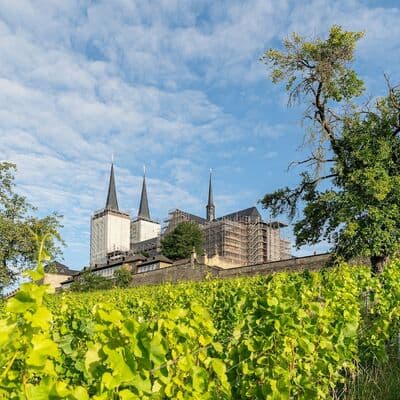
Bamberg is Franconia's gem and a UNESCO World Heritage site. This city on seven hills features a unique island town hall, a Romanesque cathedral with the tomb of the only German pope, and the Little Venice quarter. But Bamberg's real claim to fame is Rauchbier - smoked beer. Try it at the legendary Schlenkerla brewery. With 11 breweries for 77,000 residents, it's beer lover's paradise.
Rothenburg ob der Tauber is Germany's most photogenic medieval town. Its city walls are completely intact - you can walk around the entire old town on them. Plonlein - the iconic view with two towers - has been reproduced on millions of photos. The Medieval Crime Museum isn't for the faint-hearted, but the Christmas Museum is open year-round. The town is tiny but incredibly atmospheric - stay overnight after the day-trippers leave.
Berlin and Brandenburg - The Capital Region
Berlin isn't just Germany's capital - it's its own universe. A rebel city, an experiment, a place constantly reinventing itself. Here, 20th-century history is literally beneath your feet: Brandenburg Gate, the Reichstag with Norman Foster's glass dome, Checkpoint Charlie, East Side Gallery - a graffiti-covered remnant of the Berlin Wall, the Holocaust Memorial, and Topography of Terror museum.
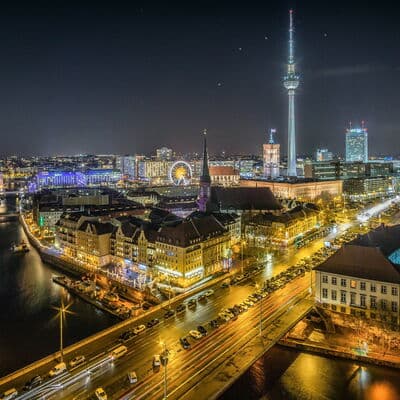
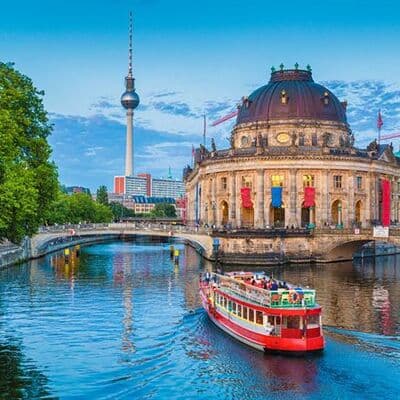
But Berlin is more than history. Museum Island with five world-renowned museums, including Neues Museum (home to Nefertiti's bust) and Bode Museum, is essential for art lovers. Berlin Cathedral impresses with its size and dome views. The TV Tower at Alexanderplatz is East Berlin's iconic landmark.
Berlin is famous for its neighborhoods, each with its own vibe. Kreuzberg is multicultural and bohemian with the best kebabs. Prenzlauer Berg is hipster and family-friendly with cozy cafes. Hackesche Hofe offers shopping, cafes, and galleries in Art Nouveau courtyards. Mauerpark transforms into a giant flea market with outdoor karaoke on Sundays. Tiergarten is the central park with the Victory Column. Charlottenburg Palace showcases Prussian baroque in the city's west.
Berlin's nightlife is legendary. Clubs run from Friday to Monday non-stop, the dress code is the stranger the better, and door policy is unpredictable. Techno culture here is serious business.
Hamburg and the Northern Coast
Hamburg is Germany's second-largest city and biggest port. It's a city of bridges (more than Venice and Amsterdam combined), canals, and maritime spirit. Speicherstadt is the world's largest warehouse district on stilts, a UNESCO site with brick Gothic architecture and early 20th-century atmosphere. This is where you'll find Miniatur Wunderland - the world's largest model railway, stunning in its scale and detail.
Elbphilharmonie is the 21st century's architectural icon, a wave-shaped building with an observation deck and incredible acoustics. Rathaus impresses with neo-Renaissance grandeur. St. Michael's Church (Michel) is the city's symbol with panoramic views from its tower. Landungsbrucken are historic piers with museum ships including Cap San Diego.
Reeperbahn in St. Pauli is more than a red-light district - it's a legendary nightlife hub and music venue (the Beatles started here). Fish Market on Sunday mornings from 5 AM is a legendary experience, especially after a Reeperbahn night. Planten un Blomen is an urban park with a Japanese garden and evening fountain shows. Kunsthalle is one of Germany's best art museums.
The Rhine Valley and Western Germany
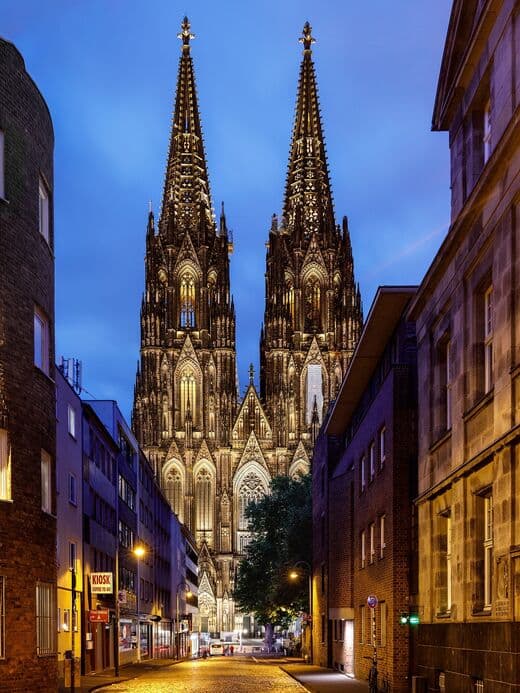
Cologne is a million-plus city on the Rhine with two thousand years of history. Cologne Cathedral is a Gothic giant that took 632 years to build (1248-1880), with the world's largest church facade. Climbing the south tower (533 steps) rewards you with stunning views. Hohenzollern Bridge is covered with thousands of love locks.
The Old Town with its beer halls serving Kolsch (local beer that keeps coming until you cover your glass with a coaster) is charming. Chocolate Museum on a Rhine island tells you everything about cocoa and offers tastings. Museum Ludwig has one of Europe's best modern art collections. Belgian Quarter is the hipster neighborhood with boutiques and cafes. Cologne is also famous for its carnival, rivaling Brazil's in scale and madness.
Dusseldorf is the elegant capital of North Rhine-Westphalia. Konigsallee (Ko) is one of Europe's most luxurious shopping boulevards. Altstadt is called 'the longest bar in the world' - hundreds of bars and pubs serving local Altbier. MedienHafen is a former port transformed into a modern architecture district featuring Frank Gehry's buildings. Rheinturm offers panoramic views.
The city is famous for its Japanese community (Europe's largest), art scene with K20 and K21 museums, and Kunstpalast. Benrath Palace is a rococo gem on the city's outskirts. Nordpark with its Japanese Garden is beautiful year-round.
Frankfurt and Hesse
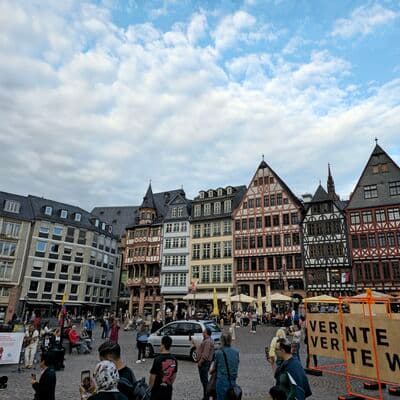
Frankfurt is continental Europe's financial capital with Germany's only true skyline. Bank and ECB skyscrapers contrast with the reconstructed Romerberg - a medieval square with half-timbered houses and the New Old Town, a reconstruction of the historic quarter. Main Tower is the only skyscraper with a public observation deck.
Goethe House is the birthplace of the great poet. Stadel Museum is one of Germany's oldest and finest art museums. Museumsufer (Museum Embankment) on the Main's south bank has a dozen world-class museums. Palmengarten is a magnificent botanical garden. Kleinmarkthalle is a foodie paradise with local specialties including famous green sauce and apple wine.
Frankfurt is Germany's main transport hub, so your trip will likely start or end here. Don't rush to leave - the city deserves at least two days.
Saxony - Baroque and Culture
Dresden - the 'Florence on the Elbe' - was almost completely destroyed in 1945 and painstakingly rebuilt. Frauenkirche is a symbol of reconciliation, a baroque church rebuilt from ruins by 2005. Zwinger is a palace complex housing the Old Masters Gallery, home to Raphael's Sistine Madonna. Semperoper is one of the world's most beautiful opera houses.
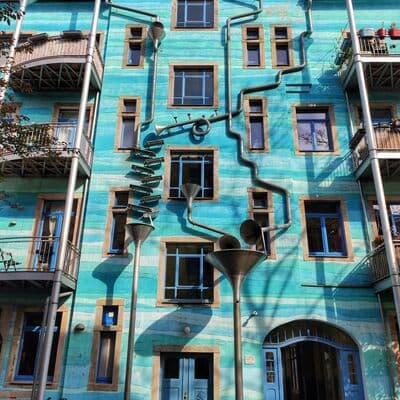
Residenzschloss with the Green Vault treasury showcases Saxon electors' opulence. Bruhl's Terrace - the 'Balcony of Europe' - overlooks the Elbe. Furstenzug is a 102-meter Meissen porcelain mural. Neustadt across the river is the bohemian quarter with bars, galleries, and Kunsthofpassage, courtyards with 'singing' drainpipes.
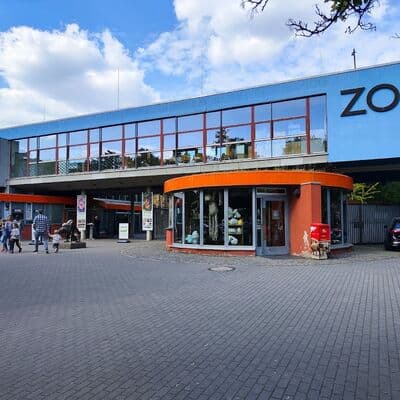
Leipzig is the city of music and the 1989 peaceful revolution. Thomaskirche is where Bach served and is buried. Bach Museum is next door. Nikolaikirche is where the protests that led to the Wall's fall began. Monument to the Battle of the Nations is a monumental Napoleonic Wars memorial. Leipzig Zoo is one of Europe's best with the tropical Gondwana pavilion. Auerbachs Keller is the cellar mentioned in Goethe's Faust.
Baden-Wurttemberg - From Automobiles to the Black Forest
Stuttgart is German automotive industry's capital. Mercedes-Benz Museum and Porsche Museum are pilgrimages for car enthusiasts. The Mercedes architecture is art in itself. Schlossplatz with Neues Schloss is the city's heart. Staatsgalerie is James Stirling's postmodernist masterpiece. City Library is a minimalist architectural icon. Wilhelma is a zoo in Moorish style.
Heidelberg is one of Germany's most romantic cities. Heidelberg Castle is romantic ruins overlooking the city that inspired poets and artists. Alte Brucke over the Neckar features a lucky monkey statue. Old Town has Germany's longest pedestrian street. Philosophers' Way on the opposite bank offers stunning sunset views. Germany's oldest university (1386) includes Student Prison, its walls covered with generations of student graffiti.
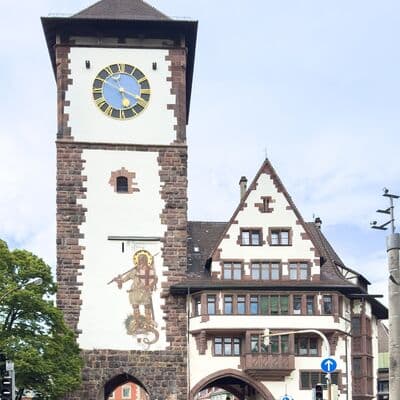
Freiburg is the gateway to the Black Forest and Germany's sunniest city. Munster has a delicate Gothic spire. Munsterplatz features markets and half-timbered houses. Bachle are narrow channels along streets where you'll inevitably step in (legend says you'll marry a local). Schlossberg is a hill with city panoramas. Schauinslandbahn cable car takes you to a mountaintop. From here, trails lead into the Black Forest with its cuckoo clocks, cherry cake, and Brothers Grimm atmosphere.
Germany's Nature: From Alps to Baltic
Bavarian Alps
Southern Bavaria is the German Alps with postcard views. Zugspitze (2,962 m) is Germany's highest peak, accessible by cable car. Garmisch-Partenkirchen is a ski resort and hiking base. Lake Konigsee with its emerald waters and St. Bartholomew's Church is one of Germany's most beautiful spots. Neuschwanstein Castle - King Ludwig II's 'Disney castle' - draws millions annually (book online in advance!).
Berchtesgaden and Berchtesgaden National Park offer Alpine nature at its finest. The Eagle's Nest (Kehlsteinhaus) is Hitler's mountaintop retreat with 200 km views. Must-do route: from Berchtesgaden, boat across Konigsee to St. Bartholomew's, then hike to upper lake Obersee.
Black Forest
The Schwarzwald is dense fir forests, pastoral villages, healing springs, and the birthplace of cuckoo clocks. Baden-Baden is an elegant spa town with casino and thermal baths. Triberg has Germany's highest waterfall and a clock museum. Titisee is a lake for swimming and boating. Gengenbach is a fairy-tale half-timbered town. The Black Forest High Road is 60 km of stunning views.
Freiburg is the best base for exploring the Black Forest - easy access to all attractions, and the city itself is charming.
Romantic Road
The Romantic Road runs 400 km from Wurzburg to Fussen through medieval towns, castles, and Bavarian villages. Key stops: Wurzburg with its Residence (UNESCO), Rothenburg ob der Tauber, Dinkelsbuhl, Nordlingen (a town inside a meteor crater), Augsburg, and Neuschwanstein and Hohenschwangau castles. This classic route can be driven in 3-5 days or taken by special bus.
Rhine Valley
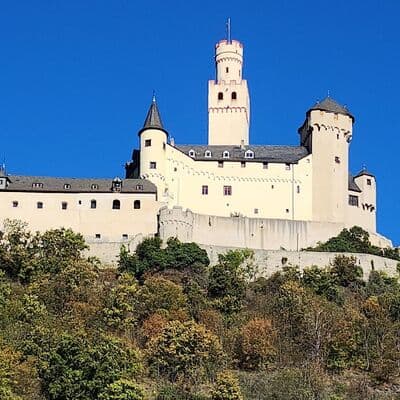
The Middle Rhine between Koblenz and Bingen is a UNESCO site with castles at every turn. Lorelei rock is where legend says a siren lured sailors. Bacharach, St. Goar, Oberwesel are wine towns with half-timbered houses. Rhine cruises are the best way to see all the castles. Riesling from these slopes is world-class.
Baltic Coast
Northern Germany offers sandy beaches, dunes, and resorts. Rugen is the largest island with chalk cliffs and resort architecture. Usedom on the Polish border has the longest beaches. Lubeck is the city of marzipan and Hanseatic Gothic (UNESCO). Schwerin has a lake castle, the 'Neuschwanstein of the North.'
National Parks
Germany isn't the first association with wilderness, but there's plenty to see. Saxon Switzerland near Dresden has rock formations for hiking and climbing. Bavarian Forest on the Czech border is Germany's oldest national park with bison and lynx. Harz with its Brocken mountain has witch legends and narrow-gauge railways through forests. Wadden Sea on the North Sea coast is a unique tidal ecosystem (UNESCO).
When to Visit
Germany is a year-round destination, but season choice dramatically changes the experience.
Spring (April-May) - gardens bloom, comfortable weather, fewer tourists. Ideal for cities and castles. Easter is important with fairs and traditions. Downside: unpredictable weather, possible rain.
Summer (June-August) - high season with long days and warm weather. Best for Alps, lakes, and coastline. Outdoor festivals everywhere. Downsides: tourist crowds, higher prices, cities can be hot.
Fall (September-October) - golden time. October in Bavaria means Oktoberfest and grape harvest in Rhine and Moselle regions. Forests in autumn colors, fewer tourists. Comfortable hiking weather.
Winter (November-March) - Christmas markets (Weihnachtsmarkte) transform cities into fairy tales. Nuremberg, Dresden, Cologne are top destinations. Mulled wine, stollen, lebkuchen - culinary delights. Ski resorts in Alps and Black Forest. Downside: short days, cold, some attractions closed.
When not to visit: Mid-January to early March is dead season with dreary weather and many closures. August in cities - locals on vacation, hot. School holidays (especially Bavarian) mean crowds and prices.
Major holidays and events:
- Carnival (February-March) - Cologne, Dusseldorf, Mainz go crazy
- Easter - fairs and traditions
- Oktoberfest (mid-September to early October) - Munich becomes one big tent city
- Christmas markets (late November - December 23)
- Silvester (New Year's Eve) - fireworks everywhere, especially at Brandenburg Gate
How to Get There
Germany is Europe's transport hub with excellent global connections.
Major airports:
- Frankfurt (FRA) - Germany's largest, Lufthansa hub. Direct flights worldwide. Connected to city center and rail network.
- Munich (MUC) - second largest, great for Bavaria and Austria
- Berlin Brandenburg (BER) - relatively new capital airport
- Dusseldorf (DUS) - for western Germany
- Hamburg (HAM) - for the north
Low-cost carriers fly to smaller airports: Cologne-Bonn, Frankfurt-Hahn (far from Frankfurt!), Munich-Memmingen, Dortmund, Weeze (near Dusseldorf).
For US/UK/Australian travelers: Most countries have visa-free access to Germany for up to 90 days within a 180-day period (Schengen rules). Direct flights from major US cities (New York, LA, Chicago, Miami, Atlanta, Boston, San Francisco) to Frankfurt and Munich. From the UK, numerous options including budget airlines. From Australia, connections typically via Middle East or Asia.
By train: Germany connects via high-speed trains to France (Paris - 4h), Belgium, Netherlands, Austria, Switzerland. From Prague, Warsaw, Copenhagen - regular trains. Night trains (Nightjet) are a romantic option from Vienna, Zurich, Amsterdam.
By car: Excellent autobahns from all directions. From Poland via A2, from Czech Republic via A17 through Dresden, from Austria via A8 through Munich, from France via A5 through Strasbourg.
By bus: Flixbus connects Germany to all of Europe. Cheap but slow.
Getting Around
Deutsche Bahn Trains
German trains are classic. ICE (InterCity Express) are high-speed trains up to 300 km/h connecting major cities. IC (InterCity) are intercity trains. RE/RB are regional trains, slower but cheaper.
Tips:
- Book ahead at bahn.de - Sparpreis fares from 17.90 euros even for long routes
- BahnCard 25/50 - 25% or 50% discounts on all tickets, pays for itself quickly
- Deutschlandticket (49 euros/month) - unlimited regional trains and all local transport. Revolutionary value!
- Group tickets (Quer-durchs-Land-Ticket, Lander-Tickets) - great for groups
- DB Navigator app - schedules, tickets, real-time delay info
Honest truth about German trains: Punctuality reputation is somewhat exaggerated. ICE often runs 5-15 minutes late. Sometimes catastrophically. Allow buffer time for connections (minimum 15-20 minutes). Winter and strike periods can be chaotic.
Car Rental
A car is the best way to explore rural Germany, castles, and routes like the Romantic Road. Roads are excellent. Autobahns are free (for now).
Unlimited autobahns: Yes, some sections have no speed limit. Recommended speed is 130 km/h. But be careful - Germans really do drive 200+ km/h. Stay right, left lane is only for passing. Watch for signs - limits appear suddenly (construction, towns).
Practical tips:
- Most cars are manual. Automatic costs more and needs advance booking
- City centers require environmental zones (Umweltzone) - green sticker on windshield. Rental cars usually have it
- City center parking is expensive (2-4 euros/hour). Look for P+R on outskirts
- Gas is expensive (1.7-2 euros/liter). Diesel slightly cheaper
- Fines are high and sent home. Speed cameras everywhere
Buses
Flixbus is the main player. Cheap, comfortable, Wi-Fi. Good train alternative on long routes if time isn't critical.
City Transport
Every city has an integrated system of U-Bahn (metro), S-Bahn (urban rail), trams, and buses. Tickets work on all types. Deutschlandticket (49 euros/month) works everywhere - incredible savings for 2+ travel days.
Important: Germany has no turnstiles. But inspectors exist, and the fine is 60 euros. Validate tickets before boarding!
Bicycles
Germany is a cycling country. Bike lanes everywhere. Rentals (Call a Bike from DB, Nextbike) in every city. Bikes allowed on regional trains (sometimes need separate ticket).
Cultural Code
Germans aren't the stereotype robots. Yes, they value order and rules, but they're not humorless automatons.
Punctuality: This is sacred. Being even 5 minutes late requires a call or message. Business meetings - no lateness whatsoever. Social gatherings - 'akademisches Viertel' (academic 15 minutes) is acceptable.
Greetings: 'Guten Tag' (good day) is standard. 'Hallo' is informal. In Bavaria - 'Gruss Gott.' In the north - 'Moin.' Handshake for introductions and goodbyes. Formal 'Sie' (you) by default; informal 'du' only with permission or among youth.
In restaurants: Choose your own table. Waiters won't bring the bill until asked ('Zahlen, bitte!'). Tips are 5-10%, round up or say 'stimmt so' (keep the change). Free water isn't given - ask for 'Leitungswasser' (tap water), though it may be awkward.
Payment: Germany loves cash! Cards aren't accepted everywhere, especially small venues, taxis, markets. Always carry cash. AmEx rarely accepted.
Shops are closed on Sundays. This is law. Stock up on Saturday. Only gas station shops and train stations work (and they're pricier).
Quiet: Germans value quiet. Loud conversations, music, noise in residential areas after 10 PM and on Sundays is taboo. 'Ruhezeit' (quiet time) is sacred. You can get police for a party or even laundry at the wrong time.
Ecology: Recycling is mandatory and complex. Bottles and cans with 'Pfand' (deposit) go back to store machines. Plastic bags cost money.
On public transport: Give seats to elderly, pregnant, parents with children. Don't talk loudly on phone. In ICE quiet zones - phone calls only in corridors.
Don't:
- Cross on red (even if no cars)
- Display Nazi symbols or gestures (criminal offense)
- Make noise on Sundays
- Be late
- Stare at people too long (seen as aggression)
Safety
Germany is one of the world's safest countries. Serious crime is rare, but basic caution is wise.
Pickpockets: Main tourist problem. Especially in Berlin (Alexanderplatz, transport), Munich (Marienplatz, Oktoberfest), Frankfurt (train station). Standard measures: wallet in inner pocket, bag in front, attention in crowds.
Areas requiring caution: Frankfurt - Bahnhofsviertel (station quarter) with drug trade and prostitution. Berlin - Kottbusser Tor at night, Gorlitzer Park. Hamburg - Reeperbahn at night (though daytime is safe). These aren't 'dangerous' in a Latin American sense, just require awareness.
Police: Polite, professional. Speak English. Universal emergency number - 112 (police, ambulance, fire). Police also 110.
Demonstrations: Common in major cities. Usually peaceful, but best avoided.
Scams: Standard tourist tricks - 'deaf' people with petitions, shell games, taxis without meters. Rare but exists.
Health and Medicine
German healthcare is world-class. But expensive for foreigners.
Insurance is mandatory. For Schengen visas, minimum 30,000 euros coverage required. For all travelers - get comprehensive travel insurance. Check COVID coverage.
Pharmacies (Apotheke): Marked by green or red cross. Many things require prescription (items that are OTC elsewhere). Basics - paracetamol, ibuprofen - available. Night duty pharmacies - info on any pharmacy door.
For emergencies: Call 112. They'll take you to nearest hospital. With insurance - expenses covered. Without - you'll pay, and it's very expensive.
Water quality: Tap water is safe everywhere.
Money and Budget
Germany isn't cheap, but it's not Switzerland either. Smart planning keeps costs reasonable.
Currency: Euro (EUR). Exchange at banks or withdraw from ATMs (Geldautomat). Exchange office rates often unfavorable.
Cash vs cards: Germany is surprisingly conservative. Many restaurants, cafes, taxis, markets accept only cash. 'Nur Bargeld' (cash only) is common. Always carry 50-100 euros. Mastercard and Visa accepted more than AmEx.
Approximate daily budget (per person):
Budget (50-80 euros):
- Hostel/AirBnb - 25-40 euros
- Food: hostel breakfast, bakery lunch (5-8 euros), kebab/Asian dinner (8-12 euros)
- Transport: Deutschlandticket (49 euros/month) or day tickets
- Attractions: free + 1 museum
Mid-range (100-150 euros):
- 3* hotel / good AirBnb - 60-100 euros
- Food: cafe breakfast (8-12 euros), restaurant lunch (15-25 euros), nice dinner (25-40 euros)
- Attractions without limits
- Transport: ICE trains
Comfortable (200-300 euros):
- 4* hotel - 120-180 euros
- Restaurants for all meals
- Taxis, car rental
- Theater, concerts
Where it's cheaper: Eastern Germany (Saxony, Thuringia) is cheaper than west. Small towns cheaper than cities. Munich is the most expensive city. Berlin is cheaper than other EU capitals.
Typical prices:
- Beer in bar - 4-6 euros (0.5L)
- Beer in supermarket - 0.8-1.5 euros
- Coffee - 2.5-4 euros
- Lunch (Mittagstisch) - 8-12 euros
- Kebab/currywurst - 4-7 euros
- Museum - 10-15 euros (many free days)
- Concert ticket - 30-80 euros
- Taxi (5 km) - 15-20 euros
Savings:
- Deutschlandticket - must-have for active travelers
- Museum cards (Berlin WelcomeCard, Munich Card, etc.) - pay for themselves after 2-3 museums
- Aldi, Lidl supermarkets - cheap and quality
- Bakeries (Backerei) - filling breakfasts and lunches for pennies
- Mittagstisch - lunch specials at restaurants (often half price)
Top Itineraries
One Week: Classic Germany
Days 1-2: Berlin
Day 1: Brandenburg Gate, Reichstag (book dome in advance!), Holocaust Memorial, walk down Unter den Linden to Museum Island. Evening in Hackesche Hofe.
Day 2: East Side Gallery, Checkpoint Charlie, Kreuzberg for lunch (kebab!), Tiergarten, evening in Prenzlauer Berg.
Day 3: Dresden
2 hours by ICE from Berlin. Zwinger, Frauenkirche, Bruhl's Terrace, Residenzschloss (Green Vault). Evening in Neustadt for bars.
Day 4: Dresden to Nuremberg
3 hours by train. Kaiserburg, Old Town, Durer House, Schoner Brunnen. Documentation Center if time allows for reflection.
Day 5: Rothenburg to Munich
1 hour to Rothenburg. Morning walk on the walls, Plonlein, Crime Museum. Afternoon - 3 hours to Munich.
Days 6-7: Munich
Day 6: Marienplatz (Glockenspiel at 11 AM or noon), Viktualienmarkt, Residenz, English Garden, evening at Hofbrauhaus.
Day 7: Nymphenburg in morning, Deutsches Museum or BMW Museum. Or day trip to Neuschwanstein (book ahead!).
10 Days: North and South
Days 1-3: Berlin
As in week itinerary, plus: Charlottenburg, Neues Museum (Nefertiti), Mauerpark on Sunday, DDR Museum.
Days 4-5: Hamburg
1.5 hours by ICE. Day 4: Speicherstadt, Miniatur Wunderland, Elbphilharmonie. Day 5: Fish Market early morning (Sun only), St. Michael's, Reeperbahn evening.
Day 6: Cologne
4 hours by ICE. Cathedral, tower climb, Old Town, Kolsch beer halls, Chocolate Museum.
Day 7: Cologne to Heidelberg
2 hours ICE to Frankfurt, 1 hour to Heidelberg. Castle, Old Bridge, Altstadt, Philosophers' Way at sunset.
Day 8: Heidelberg to Stuttgart
1 hour by train. Mercedes-Benz Museum (half day minimum), Schlossplatz, Staatsgalerie. Or Porsche Museum for fans.
Days 9-10: Munich
2 hours by ICE. As in week itinerary plus day trip: Neuschwanstein or Salzburg (1.5 hours, Austria) or Berchtesgaden.
2 Weeks: Full Immersion
Days 1-3: Berlin
Full capital exploration: all Museum Island museums, Gemaldegalerie, Neue Nationalgalerie, daytime neighborhoods, nightlife.
Day 4: Potsdam
30 minutes by S-Bahn. Sanssouci - Prussia's Versailles, parks, Dutch Quarter. Can return to Berlin for evening or stay overnight.
Day 5: Dresden
Full day: morning - Zwinger and Old Masters Gallery. Day - Residenzschloss, Frauenkirche. Evening - Neustadt.
Day 6: Saxon Switzerland
Day trip from Dresden: 40 minutes by train to Bastei. Rock bridges, views, hiking. Evening - Semperoper (if tickets available).
Day 7: Leipzig
1 hour from Dresden. Thomaskirche, Bach Museum, Nikolaikirche, Battle of Nations Monument. Auerbachs Keller for dinner.
Day 8: Hamburg
3 hours by ICE. Speicherstadt, Elbphilharmonie, Chilehaus, evening on Reeperbahn.
Day 9: Hamburg
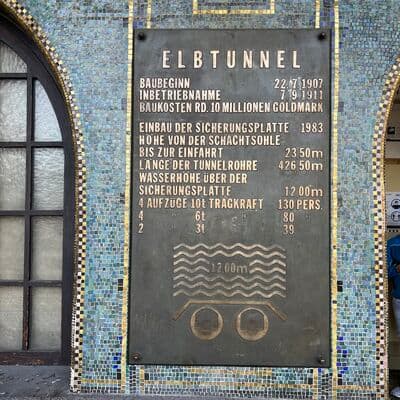
Fish Market at 5 AM (Sun), Miniatur Wunderland, Old Elbe Tunnel, Planten un Blomen.
Day 10: Cologne
4 hours by ICE. Cathedral, tower, Museum Ludwig, Belgian Quarter, evening in Old Town beer halls.
Day 11: Dusseldorf
30 minutes by ICE. Konigsallee, Altstadt with Altbier, MedienHafen, K20.
Day 12: Frankfurt
1.5 hours by ICE. Romerberg, New Old Town, Main Tower, Stadel, apple wine in Sachsenhausen.
Day 13: Heidelberg
1 hour from Frankfurt. Full day: castle, old town, philosophers' way, student prison.
Day 14: Munich
3 hours by ICE. Main highlights: Marienplatz, Residenz, English Garden, Hofbrauhaus.
3 Weeks: Grand Tour
Add to two-week itinerary:
Days 15-16: Bavaria
From Munich: Nuremberg (1 day), Bamberg (1 day) with overnight and Rauchbier tasting at Schlenkerla.
Day 17: Rothenburg ob der Tauber
Full day in medieval fairy tale. Walls, Plonlein, Crime Museum, Christmas Museum. Overnight is a must.
Days 18-19: Alps and Castles
From Munich: Neuschwanstein + Hohenschwangau (1 day). Garmisch-Partenkirchen + Zugspitze or Berchtesgaden + Konigsee (1 day).
Day 20: Freiburg
4 hours from Munich. Munster, Munsterplatz, Bachle channels, Schlossberg.
Day 21: Black Forest
Schauinslandbahn, Titisee, Triberg with waterfall and clock museum. Or day trip to Baden-Baden.
Connectivity and Internet
Connectivity in Germany is good but not perfect - 4G coverage in rural areas can be weak.
SIM cards: Main operators are Telekom (best coverage, pricier), Vodafone, O2. Prepaid SIMs available at supermarkets (Aldi Talk, Lidl Connect), electronics stores (MediaMarkt, Saturn). Passport registration required!
For tourists: Lebara, Lycamobile - no in-store registration (online activation). eSIMs from providers like Airalo, Holafly - convenient and work immediately.
Wi-Fi: Hotels, cafes, restaurants - usually free. ICE trains - free but unstable. DB stations - 30 minutes free. Public city Wi-Fi - look for 'Freifunk' (free network).
Roaming: For EU SIMs - roaming is free. UK travelers should check post-Brexit terms with their carrier.
What to Try
German cuisine is much more than sausages and sauerkraut. Though those are also fantastic.
Classics
Sausages (Wurst): Every region has its own. Bratwurst (fried) - Franconia and Thuringia. Weisswurst (white) - Bavaria, eaten before noon with sweet mustard and pretzel. Currywurst (with curry ketchup) - Berlin and Ruhr. Nurnberger (small) - Nuremberg. Frankfurter - the original hot dog.
Schnitzel: Wiener Schnitzel (veal) vs Schnitzel Wiener Art (pork - cheaper). Jagerschnitzel (with mushroom sauce), Zigeunerschnitzel (with paprika and onion).
Schweinebraten: Roast pork with crispy crackling. Bavarian classic with dumplings and cabbage.
Sauerbraten: Marinated pot roast, especially popular in Rhineland.
Cabbage: Sauerkraut (fermented), Rotkohl (braised red) - meat side dishes.
Potatoes: Bratkartoffeln (fried), Kartoffelsalat (salad - mayo in south, vinegar in north), Kartoffelpuffer (pancakes).
Regional Specialties
Bavaria: Weisswurst, Schweinshaxe (pork knuckle), Leberkase (meatloaf), Obatzda (cheese spread for beer), Brezen (pretzels).
Franconia (Nuremberg, Bamberg): Nurnberger Rostbratwurst, Schaufele (pork shoulder), Lebkuchen (gingerbread).
Black Forest: Schwarzwalder Schinken (cold-smoked ham), Schwarzwalder Kirschtorte (cherry cake with cream and kirsch).
Rhineland: Himmel un Aard ('heaven and earth' - apples and potatoes with blood sausage), Halve Hahn (not half a chicken, but cheese with bread!).
Hamburg: Labskaus (sailor's stew), Finkenwerder Scholle (plaice), Franzbrötchen (cinnamon bun).
Berlin: Currywurst, Doner Kebab (Berlin-style is special!), Eisbein (pork knuckle), Berliner Pfannkuchen (doughnuts).
Frankfurt: Grune Sosse (green sauce from 7 herbs), Handkase mit Musik (cheese with onions), Apfelwein (apple wine).
Beer
Germany is beer country with incredible style variety:
- Pils/Pilsner - most common, light, bitter
- Helles - Bavarian lager, softer than Pilsner
- Weizen/Weissbier - wheat beer, Bavarian, banana and clove notes
- Dunkel - dark, malty
- Bock/Doppelbock - strong (6-12%)
- Kolsch - Cologne only, light, served in small glasses
- Altbier - Dusseldorf only, copper-colored
- Rauchbier - smoked, Bamberg only (Schlenkerla!)
- Berliner Weisse - sour wheat beer with syrup (red or green)
Reinheitsgebot: 1516 Beer Purity Law - only water, hops, malt (yeast added later). Still followed by most breweries.
Wine
Germany isn't just beer. Riesling from Rhine and Moselle is world-class white wine. Regions: Rheingau, Mosel, Pfalz, Baden. Red wine (Spatburgunder/Pinot Noir) is surprisingly good from Baden.
Desserts
- Schwarzwalder Kirschtorte - Black Forest cherry cake
- Apfelstrudel - apple strudel
- Lebkuchen - Nuremberg gingerbread
- Stollen - Christmas fruitcake with candied fruits (Dresden)
- Rote Grutze - berry pudding with cream (North)
- Berliner - filled doughnuts
Shopping
What to bring from Germany:
- Cuckoo clocks - from Black Forest, authentic ones from 150 euros
- Beer steins - especially Bavarian with lids
- Lebkuchen - Nuremberg gingerbread (best from Lebkuchen Schmidt)
- Stollen - Dresden Christmas cake (available year-round)
- Kathe Wohlfahrt - Christmas decorations (stores in Rothenburg and nationwide)
- Meissen porcelain - expensive but iconic
- Wusthof, Zwilling knives - world's best kitchen knives (from Solingen)
- Cosmetics - dm, Rossmann cheaper than many countries
- Chocolate - Ritter Sport, Milka, Lindt (Swiss but more accessible)
- Beer and wine - baggage allowance issue
Where to shop:
- Christmas markets - best for souvenirs (November-December)
- Galeria Kaufhof - department store in every city
- Konigsallee - luxury shopping in Dusseldorf
- Munich - Maximilianstrasse (luxury), Marienplatz (tourist)
- Berlin - KaDeWe (iconic department store), Friedrichstrasse
Tax Free: For non-EU residents with purchases over 50.01 euros at one store. Get form at store, stamp at customs when leaving, receive refund (10-14% of amount).
Note: Shops are closed on Sundays! Plan shopping for weekdays or Saturday.
Useful Apps
- DB Navigator - train schedules, tickets, real-time delay info
- Flixbus - bus tickets
- Google Maps / Apple Maps - navigation, public transport
- Citymapper - city transport in major cities
- Too Good To Go - discounted food from restaurants and shops
- Lieferando - food delivery
- GetYourGuide / Viator - tours and tickets
- Booking.com / HRS - hotels
- DeepL - translator (better than Google for German)
Final Thoughts
Germany is a country that leaves no one indifferent. Here you'll find everything: from medieval castles to futuristic architecture, from perfect autobahns to cozy Alpine trails, from philosophical reflection at the Holocaust Memorial to unbridled fun at Oktoberfest.
Germans have created a society that works - with punctual transport (mostly), clean streets, efficient bureaucracy, and high quality of life. But behind this organization lies deep culture, dark humor, and an ability to enjoy life - especially with a liter stein in hand and a hearty pork knuckle on the plate.
Come to Germany. Climb the Reichstag dome, try smoked beer in Bamberg, get lost in Rothenburg's alleys, stand before Brandenburg Gate, descend into Nuremberg Castle's dungeons. And definitely come back - because one trip will never be enough.
Information current as of 2026. Check visa requirements and prices before traveling.