About
Turkey: The Complete Travel Guide to a Country Where East Meets West
Why Visit Turkey
Turkey defies categorization. This is a country where you can have breakfast in Europe, lunch in Asia, and dinner in a cave hotel overlooking the moonscape of Cappadocia. Where Byzantine mosaics share city blocks with Ottoman mosques and gleaming modern shopping malls. Where the Mediterranean meets ancient Lycia, and the Black Sea coast feels more like Switzerland than the Middle East.
For travelers from ESTA countries - the US, UK, Australia, and most of Europe - Turkey offers exceptional value. Your dollar, pound, or euro stretches far thanks to the continuously depreciating lira. Five-star resorts cost what you'd pay for a mid-range hotel in Western Europe. A three-course meal with wine rarely exceeds $30. Yet the quality is world-class: Turkey's hospitality industry has decades of experience catering to international visitors.
The country packs an extraordinary density of experiences into relatively compact geography. In two weeks, you can explore one of the world's great cities (Istanbul), walk among 2,000-year-old Roman ruins, float above fairy chimneys in a hot air balloon, swim in the Mediterranean, and hike through pine-forested canyons - all connected by excellent roads, cheap domestic flights, and comfortable overnight buses.
Turkey is also remarkably accessible. Most nationalities get visa-free entry or easy e-visas. The tourism infrastructure is mature without being sterile. English is widely spoken in tourist areas, but step off the beaten path and you'll find an authentic culture that hasn't been packaged for consumption. The call to prayer echoes five times daily. The bazaar merchants still haggle like it's 1453. The tea keeps flowing, whether you want it or not.
Regions: What to Choose
Istanbul and the Marmara Region
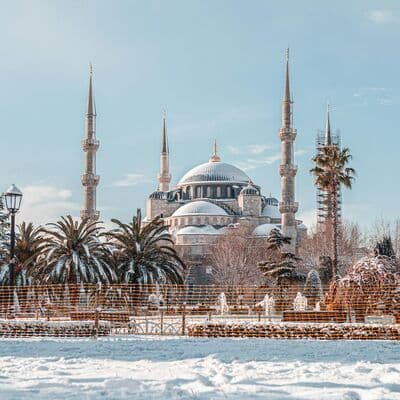
Istanbul isn't just a city - it's a universe unto itself. The only metropolis in the world straddling two continents, where the Hagia Sophia faces the Blue Mosque across a plaza that has witnessed 1,500 years of history. This is a city of 16 million, and during rush hour, it feels like all of them are trying to get somewhere at once.
Don't try to 'do' Istanbul in a day or two. Allocate at least 4-5 days for the historic Sultanahmet district alone: Topkapi Palace where sultans ruled an empire, Basilica Cistern with its mysterious upside-down Medusa heads, and the labyrinthine Grand Bazaar with 4,000 shops under one roof.
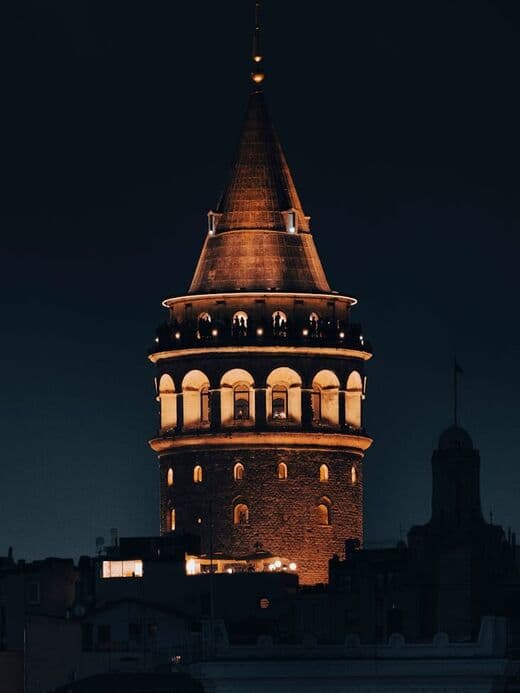
The Beyoglu district deserves another full day. Climb Galata Tower for 360-degree views, stroll down Istiklal Avenue with its historic tramway, and end the evening at rooftop bars overlooking the Bosphorus. Dolmabahce Palace on the waterfront showcases Ottoman opulence at its most excessive - the crystal chandelier in the throne room weighs 4.5 tons. Pierre Loti Hill offers the best sunset views over the Golden Horn.
For Byzantine art beyond Hagia Sophia, visit Chora Church (now a mosque, but the stunning mosaics and frescoes remain visible). The Spice Bazaar is more manageable than the Grand Bazaar and perfect for edible souvenirs. Gulhane Park provides green respite next to Topkapi. Take a ferry to the Princes' Islands for a car-free day of cycling and Ottoman-era wooden mansions.
Ortakoy Mosque sits photogenically beneath the Bosphorus Bridge - come for the sunset and stay for the kumpir (loaded baked potatoes) at the waterfront stalls. Istanbul Archaeological Museum holds treasures from across Anatolia, including the Alexander Sarcophagus. Turkish and Islamic Arts Museum has the world's finest collection of antique carpets. Emirgan Park explodes with tulips each April during the Istanbul Tulip Festival.
The Aegean Coast
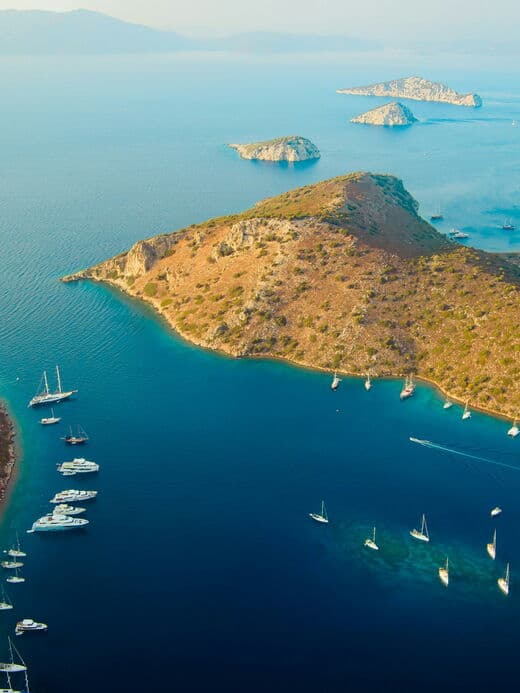
Bodrum is Turkey's answer to the French Riviera. Whitewashed cubic houses cascade down hillsides to yacht-filled marinas. The vibe is bohemian-chic: boutique hotels, wine bars, and a nightlife scene that rivals Ibiza. Bodrum Castle, built by the Knights Hospitaller in the 15th century, now houses the excellent Museum of Underwater Archaeology.
The Mausoleum at Halicarnassus was one of the Seven Wonders of the Ancient World. Only the foundation remains, but history buffs will appreciate walking where Mausolus once lay. The Bodrum Peninsula offers dozens of beaches and bays - Bitez for windsurfing, Gumusluk for sunset seafood dinners, Yalikavak for designer shopping.
The Turkish Riviera (Antalya Region)
Antalya is Turkey's tourism capital, and for good reason. The old town of Kaleici is a maze of Ottoman houses converted into boutique hotels and restaurants, entered through the magnificently preserved Hadrian's Gate from 130 AD. The Yivli Minaret, with its distinctive fluted design, has been the city's symbol since the 13th century.
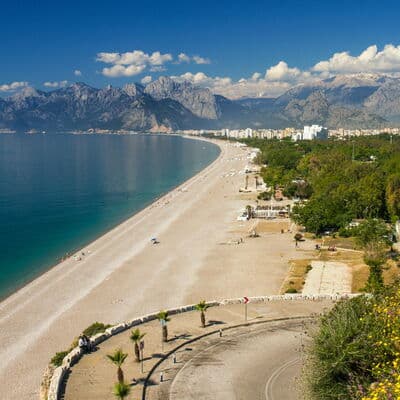
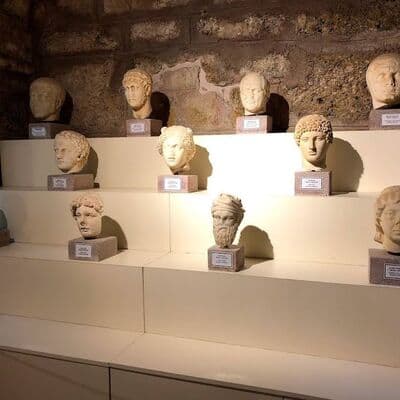
Duden Waterfalls tumble directly into the Mediterranean - take a boat trip to see the lower falls from the sea. Konyaalti Beach is a Blue Flag pebble beach backed by mountains, free and public. Lara Beach has finer sand and mega-resorts. Antalya Museum is one of Turkey's best, packed with statues from nearby Perge and sarcophagi from Side.
The region's real treasures lie outside the city. Perge is a remarkably complete Roman city just 20 minutes away. Aspendos has the best-preserved ancient theater in the world - 15,000 seats, still used for concerts, with acoustics so perfect you can hear a whisper from the stage. Termessos is the 'eagle's nest' that even Alexander the Great couldn't conquer, set high in the mountains with spectacular views.
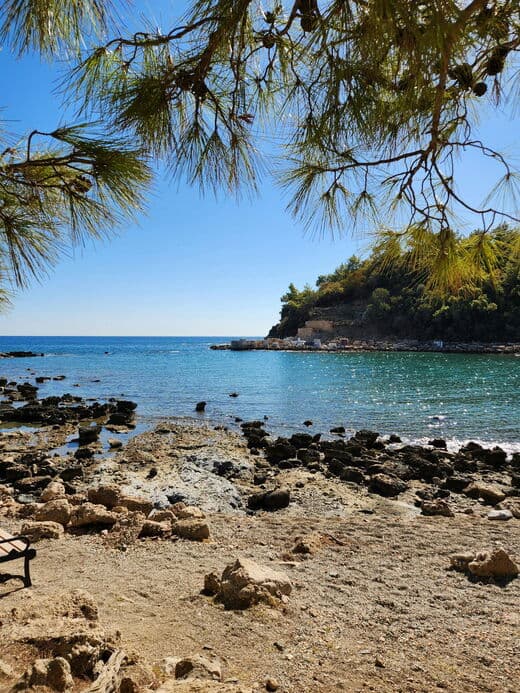
Phaselis combines Roman ruins with three natural harbors perfect for swimming. Koprulu Canyon is the rafting capital of Turkey. Karain Cave was inhabited 400,000 years ago - one of the oldest human dwelling sites in Turkey. Yanartas, the eternal flames of Chimaera, have burned from gas vents in the mountainside for millennia - visit at night for the full effect.
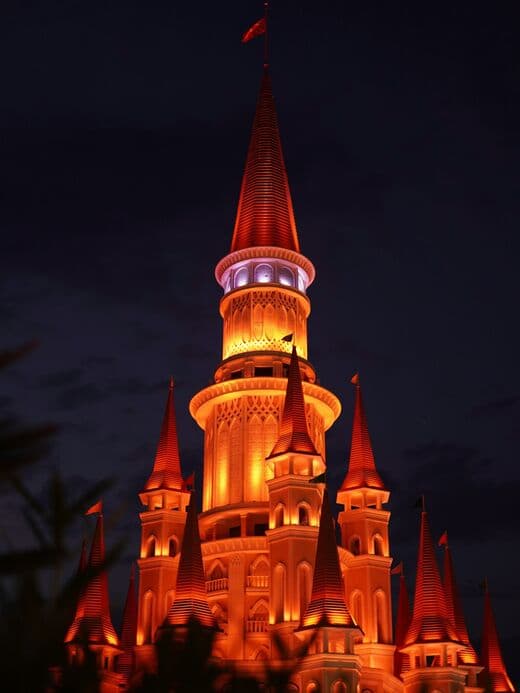
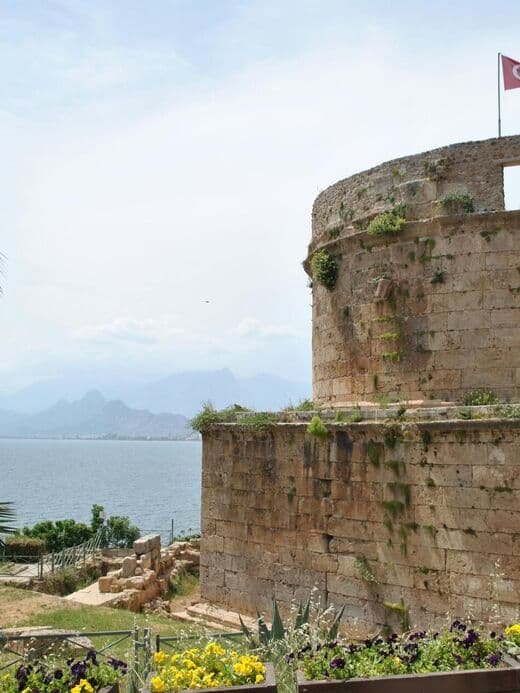
Karaalioglu Park offers clifftop walks with views of the mountains and sea. Hidirlik Tower, probably a Roman lighthouse, marks the park's eastern end. Antalya Aquarium claims the world's longest tunnel aquarium at 131 meters. Land of Legends is Turkey's answer to Disneyland, with a water park and dolphin shows.
Kemer and the Olympos Coast
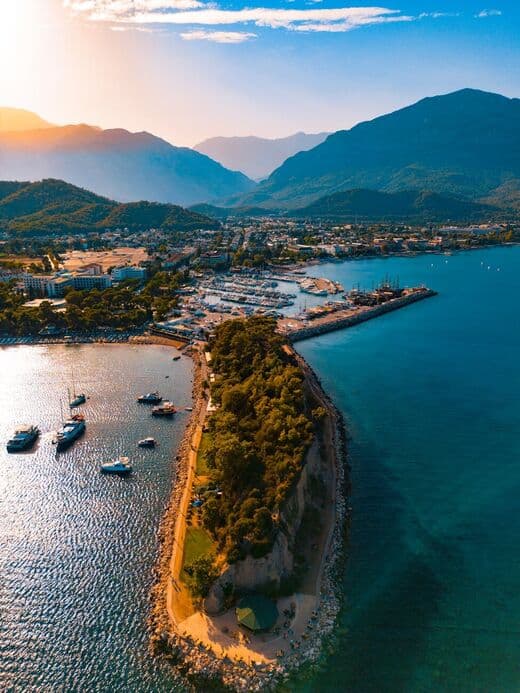
Kemer sits at the foot of the Taurus Mountains, 40 km from Antalya. Mount Tahtali (ancient Olympos) rises 2,365 meters - take the Olympos Teleferik cable car to the summit where snow lingers into May while bathers swim below. Olympos Beach stretches below the ruins of an ancient Lycian city, attracting backpackers to its treehouse camps.
Phaselis is equally accessible from Kemer - combine archaeology with beach time. The Chimaera flames are the same eternal fires of myth, burning from rock vents on the mountainside. Goynuk Canyon offers hiking and canyoning through turquoise pools. Yoruk Park recreates the life of nomadic Yoruk tribes. Moonlight Park has a beach, marina, and evening promenade. Dinopark features life-sized animatronic dinosaurs for families.
Alanya
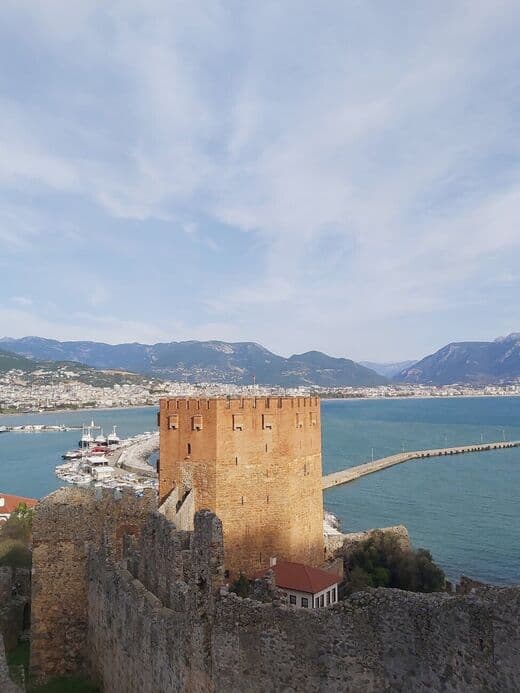
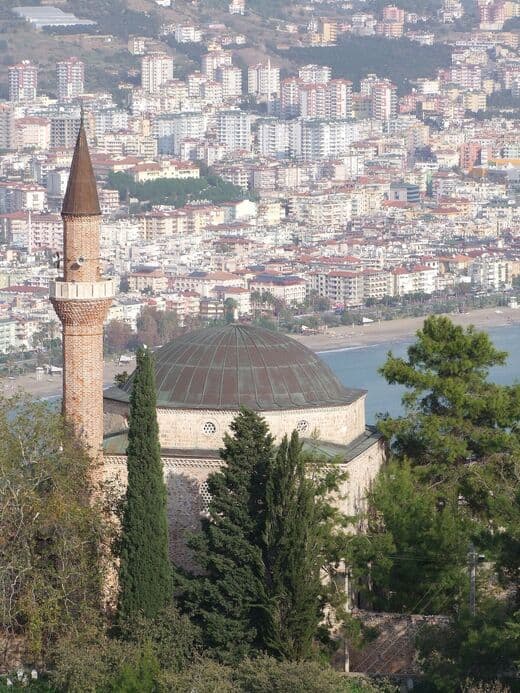
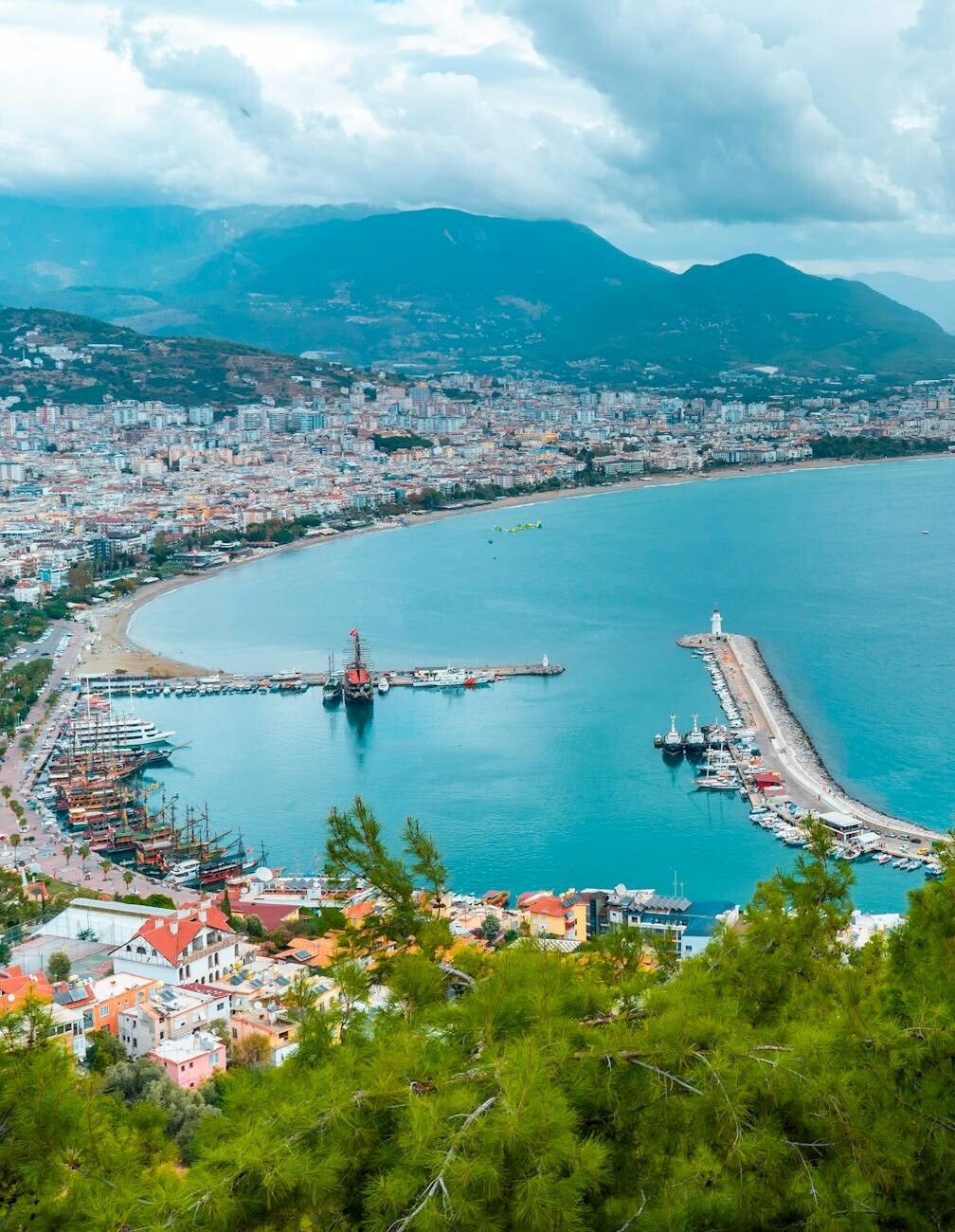
Alanya is Antalya's younger, more budget-friendly sibling. The dramatic peninsula topped by Alanya Castle - 6 km of walls, 140 towers - defines the town's silhouette. Red Tower (Kizil Kule), an octagonal 13th-century structure, is Alanya's iconic landmark. Nearby, the Tersane Shipyard is where the Seljuks built their fleet.
Cleopatra Beach is consistently rated among Turkey's best - coarse golden sand supposedly imported from Egypt for the queen herself. Damlatas Cave has therapeutic air sought by asthma sufferers. Dim Cave, 12 km inland, is larger and more spectacular. Green Canyon, a mountain reservoir with emerald waters, makes for excellent boat trips.
Side
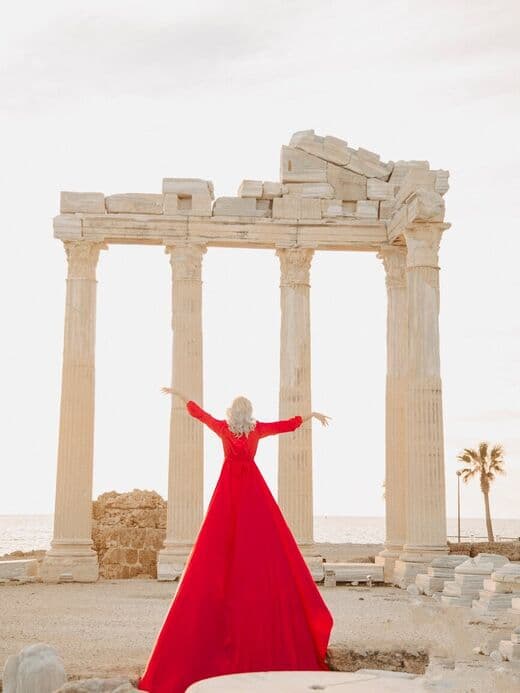
Side is an ancient city that never stopped being inhabited. Roman ruins weave through modern shops and restaurants. The Temple of Apollo stands right on the seafront - five columns silhouetted against Mediterranean sunsets create one of Turkey's most iconic images. Side Amphitheatre seated 15,000 spectators and remains impressively intact. The ancient harbor now shelters yachts and fishing boats. The Nymphaeum was a three-story fountain that once rivaled Rome's. Side Museum, housed in restored Roman baths, displays finds from the city.
Fethiye and the Lycian Coast
Fethiye is the gateway to ancient Lycia. Oludeniz Blue Lagoon is one of the world's most photographed beaches - turquoise water, white sand, mountains behind. The beach itself is now a nature reserve with an entrance fee (about 100 TL), but it's worth it. Paragliders launch from Mount Babadag 1,960 meters above - the tandem flight over the lagoon ranks among the world's top paragliding experiences.
Butterfly Valley is accessible only by boat or a precipitous mountain trail. It's home to the Jersey Tiger butterfly, a wild beach, waterfalls, and a back-to-basics camping experience. Saklikent Gorge is Turkey's deepest canyon - 18 km long, up to 300 meters deep, traversed by wading through icy glacial meltwater. Lycian Rock Tombs are carved into the cliff face above Fethiye town, lit dramatically at night. Kayakoy is a haunting Greek ghost town, abandoned during the 1923 population exchange.
Cappadocia
Goreme is the heart of Cappadocia, a landscape unlike anywhere else on Earth. Millions of years of volcanic eruptions deposited soft tuff, which wind and water sculpted into fairy chimneys - surreal stone pillars topped with harder capstones. Humans carved homes, churches, and entire underground cities into this malleable rock.
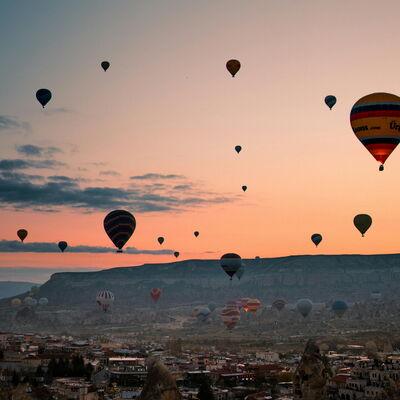
Goreme Open Air Museum is a UNESCO World Heritage site containing rock-cut churches with frescoes dating from the 10th-12th centuries. Uchisar Castle is the region's highest point, a rock riddled with tunnels offering 360-degree views. But Cappadocia's defining experience is the hot air balloon ride at dawn - hundreds of balloons rising simultaneously over the valleys as the first light paints the fairy chimneys golden.
Pamukkale and Hierapolis
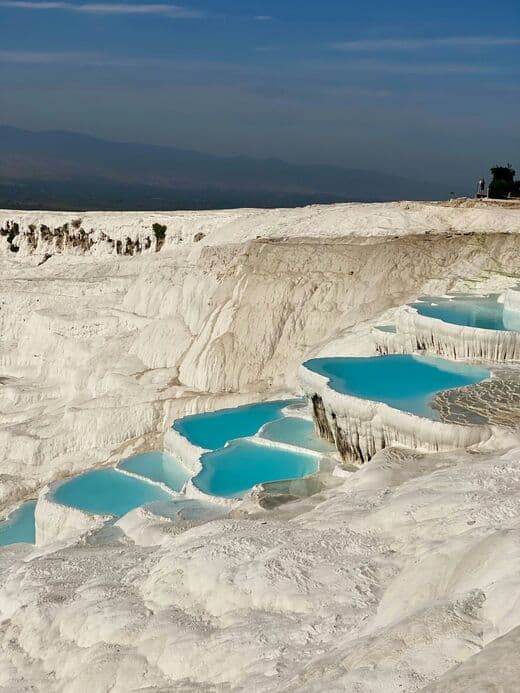
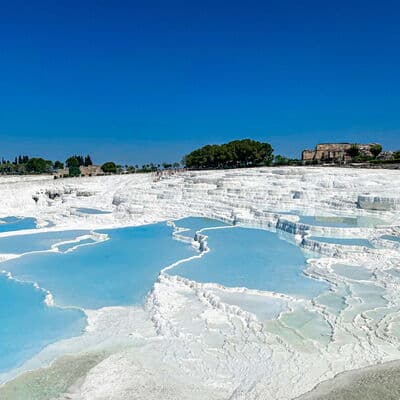
Denizli is the gateway to Pamukkale. The travertines - brilliant white limestone terraces formed by calcium-rich thermal springs - look like frozen waterfalls cascading down the hillside. You walk barefoot (shoes prohibited), ankle-deep in warm thermal water, as the sun sets and the white stone turns pink and gold.
Hierapolis, the ancient city above the travertines, offers an enormous Roman theater, an extensive necropolis, and Cleopatra's Pool where you can swim among submerged Roman columns (extra fee).
Marmaris
Marmaris occupies a deep bay popular with British and Russian tourists. Marmaris Castle overlooks one of the Aegean's largest marinas. The marina is the departure point for yacht cruises and gulet trips. Cleopatra Island (Sedir) has unique coarse sand and ancient theater ruins.
Icmeler Beach, 8 km away, is quieter and more family-friendly. Atlantis Aquapark keeps kids entertained. Bar Street is the center of nightlife.
Ankara
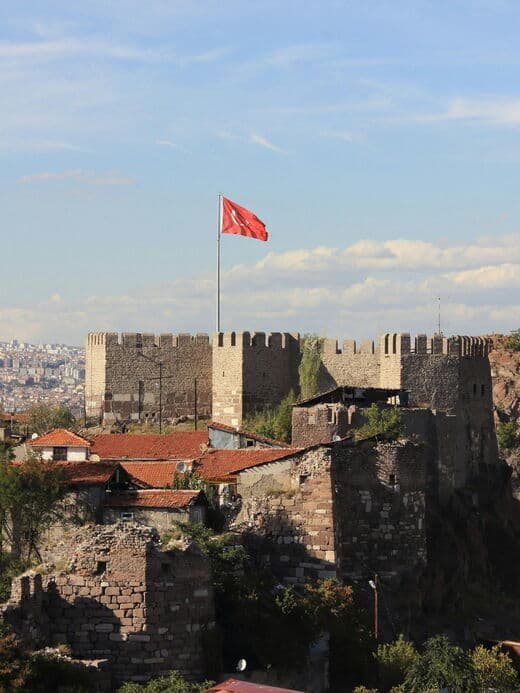
Ankara, Turkey's capital, gets overlooked by tourists rushing to the coast. That's their loss. Anitkabir, the mausoleum of Ataturk, is a monumental complex on a hilltop that illuminates modern Turkish identity. Museum of Anatolian Civilizations is the country's finest museum, tracing human history from the Paleolithic through the Ottomans. Ankara Citadel is a walled old town with panoramic views and antique shops.
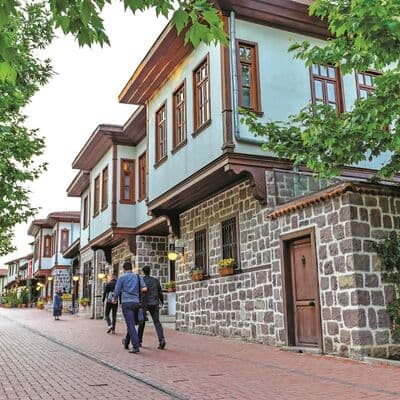
Kocatepe Mosque, Ankara's largest, blends classical Ottoman style with modern construction. Haci Bayram Mosque sits beside Roman baths ruins, juxtaposing eras. Hamamonu is a restored historic quarter with cafes and craft shops. Atakule Tower offers dining with revolving views.
Kugulu Park is where locals relax among swans. Lake Eymir is a cycling and picnic destination. Genclik Park has an old-school amusement park feel. Rahmi M. Koc Museum covers transport and industry with interactive exhibits.
The Black Sea Coast
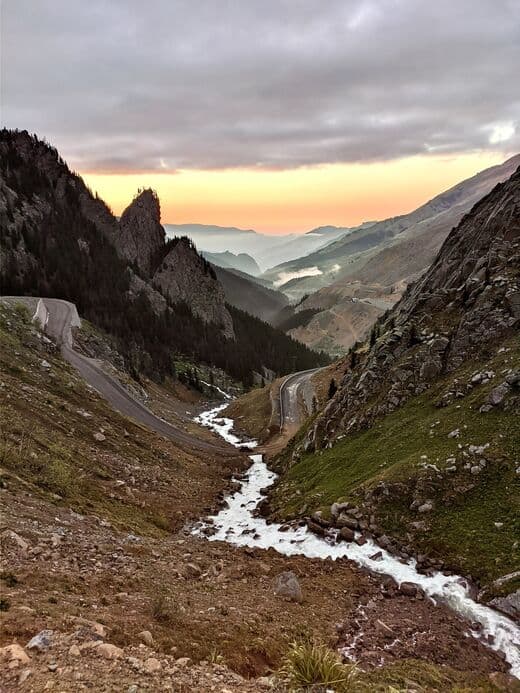
Trabzon is the major city of the eastern Black Sea, a region that feels like another country entirely. Green mountains, mists, tea plantations, and the legacy of Pontic Greeks who lived here for millennia. Sumela Monastery, a Byzantine monastery carved into a sheer cliff face 1,200 meters above the valley floor, is the region's star attraction. The interior frescoes date from the 14th-19th centuries. The road winds through Altindere Valley National Park, with waterfalls and trout restaurants.
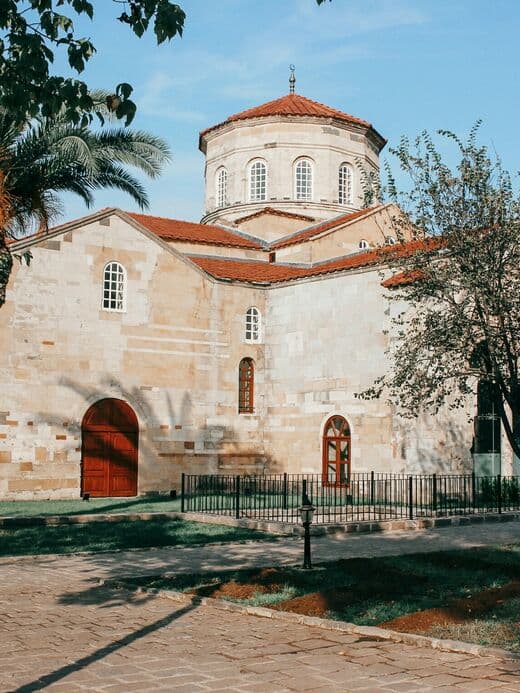
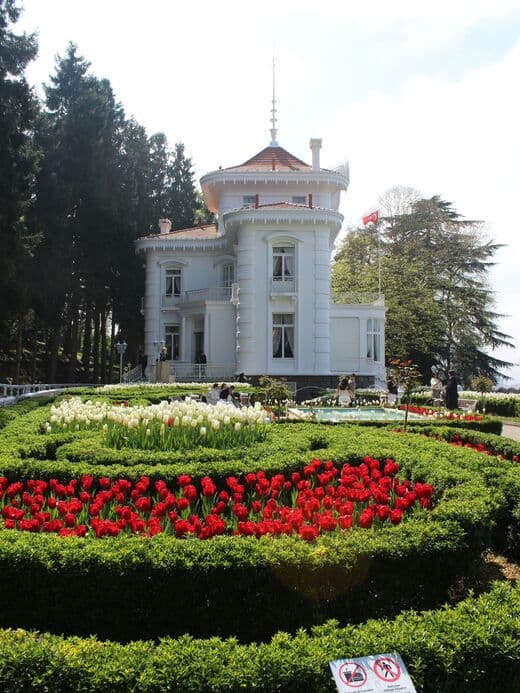
Trabzon's Hagia Sophia is a smaller but significant Byzantine church with intact frescoes. Trabzon Castle offers hilltop ruins. Boztepe Hill has tea gardens with city views. Ataturk Mansion is a white European-style villa where the republic's founder stayed. Cal Cave, 8 km long, ranks among the world's longest. Zagnos Valley Park is a green retreat in the city center.
Uzungol Lake, 100 km from Trabzon, has become a tourism phenomenon - an alpine lake surrounded by chalets, pine forests, and mist. Visit early morning or on weekdays to avoid crowds.
Natural Wonders and National Parks
Turkey's landscape diversity rivals continents, not countries. From alpine meadows in the east to Mediterranean pine forests in the south, from volcanic moonscapes to drowned river canyons, the natural wonders match the cultural ones.
Koprulu Canyon in Antalya province is Turkey's rafting capital. The Koprucay River has carved through limestone up to 400 meters deep. The ancient Lycian Way hiking trail crosses the canyon on a Roman bridge still in use. Rafting here suits beginners - Class II-III rapids, spectacular scenery, and swimming breaks in turquoise pools.
Saklikent Gorge near Fethiye is Turkey's deepest canyon - 18 km long, 300 meters deep in places. The first 200 meters are on wooden walkways above the torrent. Beyond, you wade through glacial meltwater - knee-deep, sometimes waist-deep, between vertical walls. Summer warms the water; spring is for the hardy.
Goynuk Canyon near Kemer offers a gentler alternative. Walk the trail alongside the river, or rent wetsuits and helmets to scramble through the water to the waterfalls at the end.
Butterfly Valley is a protected nature reserve accessible only by boat from Oludeniz or a steep trail with 350 meters of descent. The Jersey Tiger butterfly breeds here, but the real draws are the wild beach, waterfall, and escape from civilization.
Altindere Valley National Park near Trabzon presents a completely different ecosystem. Ancient conifer forests, rushing rivers, waterfalls. Sumela Monastery is the highlight, but the park merits a full day: hiking trails, trout farms, riverside restaurants.
Green Canyon in the mountains behind Alanya is artificial - a reservoir - but looks entirely natural. Emerald water surrounded by pine-covered slopes. Boat trips include swimming and fish lunches.
Cave enthusiasts have options across the country. Dim Cave and Damlatas Cave near Alanya, Cal Cave near Trabzon (one of the world's longest at 8 km), and Karain Cave near Antalya - the latter containing evidence of human habitation 400,000 years ago.
Mount Tahtali (2,365m) dominates the coastline from Antalya to Kemer. The Olympos Teleferik cable car whisks you from subtropical beach to alpine snow in 10 minutes. On clear days, you can see Cyprus 250 km away.
Uzungol Lake in the Pontic mountains looks like it belongs in Switzerland - alpine meadows, fir trees, mist rolling between peaks. Visit on weekdays; weekends bring traffic jams.
The Lycian Way - 540 km of waymarked trail from Oludeniz to Antalya along the coast - ranks among the world's great long-distance walks. Ancient ruins, wild beaches, mountain villages, the eternal flames of Chimaera. Walk the whole thing in a month, or pick sections for day hikes.
When to Go
Turkey spans multiple climate zones. When the Mediterranean coast bakes at 40C in peak summer, Cappadocia might be 25C with thunderstorms, and eastern Turkey still has snow patches. Timing depends on what you want to see.
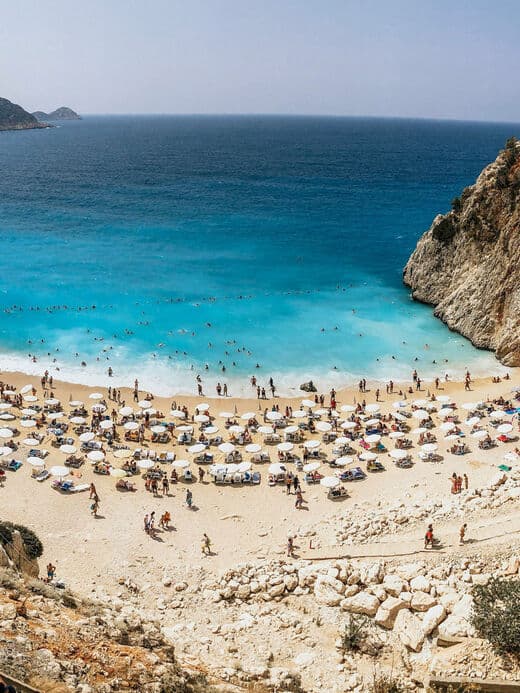
Mediterranean Coast (Antalya, Alanya, Side, Kemer): Beach season runs May to October. July-August hits peak heat (up to 40C/104F), peak prices, and peak crowds - mostly Russians, Germans, and Gulf Arabs. The sweet spots are June and September: warm (30-35C/85-95F), warm sea, fewer tourists. April and October are gambles - could be perfect, could rain.
Aegean Coast (Bodrum, Marmaris, Fethiye): Similar season, mid-May to late September. Summer is hot but the meltemi wind off the sea provides relief. Spring brings wildflowers and green hillsides.
Istanbul: Year-round destination. Most comfortable in spring (April-May) and autumn (September-October). Summer is hot, humid, and packed with tourists. Winter is mild (5-10C/40-50F) with rain, but you'll have the monuments nearly to yourself and prices drop significantly. The April Tulip Festival is a special draw.
Cappadocia: Best in April-May and September-October. Summer reaches 35C+ with crowds. Winter drops to -10C with snow - photogenic but cold, and balloon flights cancel more often. Autumn colors are spectacular.
Black Sea Coast (Trabzon): Summer only, June-September. This is Turkey's rainiest region, but summer brings drier weather. Winter is gray and damp, with mountain roads often closed.
Eastern Turkey: Summer only, June-September. Harsh winters with meters of snow. But summer offers green alpine meadows, crystal lakes, and uncrowded exploration.
Festivals and Holidays: Ramadan (dates shift annually) is a month of fasting. Tourist areas function normally, but finding food in conservative towns can be tricky during daylight hours. Eid al-Adha (Kurban Bayrami) follows Ramadan - three public holidays when domestic tourism surges and prices spike. April 23 (Children's Day), May 19 (Youth Day), and October 29 (Republic Day) are national holidays.
What to Avoid: August on the Mediterranean is sweltering and overcrowded. New Year's week in Istanbul and Cappadocia means doubled or tripled prices. Ramadan in conservative inland regions.
Getting There
Turkey is extremely well-connected internationally. Turkish Airlines, one of the world's largest carriers, flies to more countries than any other airline, with Istanbul as its hub. Budget carriers including Pegasus, SunExpress, and European low-cost airlines serve major tourist destinations directly.
Istanbul has two major airports. Istanbul Airport (IST), opened in 2019, is the new mega-hub - the world's third-largest terminal building. It's 40 km from the city center; Havaist buses run to key points (80-90 TL), taxis cost 500-700 TL. Sabiha Gokcen (SAW) on the Asian side serves Pegasus and budget carriers - cheaper flights but longer transfers to the European side.
Antalya (AYT) is Turkey's second-busiest airport, a major gateway for beach resort traffic. Transfers disperse visitors across the coast: 15 km to central Antalya, 45 km to Kemer, 120 km to Alanya. Tour operators arrange buses; Havas runs public coaches to Antalya center.
Bodrum-Milas (BJV) serves the Aegean peninsula. Dalaman (DLM) is the gateway for Fethiye and Marmaris. Izmir (ADB) works for the northern Aegean and Ephesus.
For US/UK/Australia travelers: Direct flights connect major European hubs to Istanbul daily. From North America, Turkish Airlines flies nonstop from a dozen US cities. Flight times: 10-11 hours from the US East Coast, 12-13 hours from the West Coast. From the UK, 3.5-4 hours to Istanbul or the resorts. From Australia, 18-22 hours with one stop (usually Dubai, Doha, or Singapore).
Visas: US, UK, Canadian, and Australian citizens need e-visas, obtainable online before travel (evisa.gov.tr, approximately $50-60). Most EU countries have visa-free entry for 90 days. Check current requirements as rules change. Your passport must be valid for 6 months beyond your travel dates.
Getting Around
Domestic Flights: Turkey is large, and flying often makes sense. Turkish Airlines and Pegasus connect everywhere. Istanbul-Trabzon is 1.5 hours (versus 12 hours by bus). Istanbul-Cappadocia (Nevsehir or Kayseri airports) is 1 hour. Pegasus regularly offers fares of 20-30 euros booked in advance. Budget carriers fly from Sabiha Gokcen.
Buses: Turkish intercity buses are excellent - comfortable seats, WiFi, tea service, meal stops at clean rest areas. Major companies include Metro Turizm, Kamil Koc, and Pamukkale. Overnight buses save hotel costs - leave Istanbul at night, wake up in Cappadocia. Fares range from 200 TL for short hauls to 600-800 TL for long distances. Book on obilet.com or at bus company offices (otogar).
Car Rental: The best way to explore independently. Highways are excellent, fuel is expensive (about 40 TL/liter), but distances are manageable. International licenses are technically required but rarely checked - US/UK/EU licenses work in practice. International companies (Avis, Hertz, Europcar) cost more but offer better insurance. Local companies (Garenta, Sixt Turkey) are cheaper. Take full insurance - mountain roads mean rockfall risk.
Toll roads use the HGS system (windshield sticker) - usually included in rentals. City parking is challenging; use paid lots (otopark). Traffic violations are camera-enforced, and fines get charged to your rental company's card.
Trains: Limited network but excellent where it exists. Istanbul-Ankara YHT high-speed rail takes 4.5 hours through scenic landscapes. Ankara-Konya and Ankara-Eskisehir also run fast trains. But there's no train to the coast. Book at tcddtasimacilik.gov.tr; prices are low.
Dolmus: Minibuses are the backbone of local transport. They run fixed routes but stop on request - shout your destination when boarding. Pay cash to the driver. No fixed schedules - they leave when full. Cheap and efficient for short distances.
Taxis: Yellow cars with meters. Istanbul taxis are generally honest; resort town taxis often try scams. Insist the meter (taksimetre) is running. Uber is banned in Turkey; BiTaksi is the local app-based alternative with upfront pricing.
Ferries: Essential to the Istanbul experience. Cross the Bosphorus every 10-15 minutes using Istanbul Kart (transport card). Ferries to the Princes' Islands depart from Kabatas. From Bodrum, ferries reach Greek islands Kos and Rhodes (requires Schengen visa). Marmaris has ferry connections to Rhodes.
Cultural Code
Turkey is a secular republic with a Muslim majority, creating a unique dynamic. In Istanbul, a mosque stands beside a wine bar; in Antalya, bikini-clad women sunbathe within sight of minarets. But head inland, and society becomes markedly more conservative.
Dress: On the coast and in Istanbul, Western dress is the norm. In mosques, both genders must cover shoulders and knees; women should cover their hair (free scarves usually provided at entrances). In conservative cities like Konya and eastern provinces, women should avoid shorts and sleeveless tops - not prohibited, but locals may stare.
Tipping: In restaurants, 10-15% is standard unless service charge (servis dahil) is already included - check the bill. Hotels: 20-50 TL for housekeeping for your stay, 10-20 TL per bag for porters. Taxi drivers don't expect tips, but rounding up is appreciated. In hammams, tip the tellak (masseur) 20-30% of the service cost.
Bargaining: Expected in bazaars. The first price is the tourist price - start at half and negotiate. In fixed-price shops, bargaining is inappropriate. For taxis, negotiate only before getting in.
Tea: Turkish tea (cay, pronounced 'chai') is a ritual and a symbol of hospitality. You'll be offered it constantly - in shops, offices, hotels, anywhere business happens. Declining is slightly rude, but taking a polite sip satisfies custom. Tea comes in tulip-shaped glasses (bardak); sugar cubes are standard; milk is never added.
Taboos: Never criticize Ataturk - it's literally illegal under Turkish law. Don't photograph military installations. Don't show the soles of your feet to people (sitting cross-legged can be problematic). The 'OK' hand gesture (circle with thumb and finger) is obscene in Turkey. Don't blow your nose at the table.
Time: Turks are not punctual. 'Now' (simdi) might mean an hour; 'tomorrow' (yarin) might mean a week. This isn't laziness but a different relationship with time. Relax and adapt.
Hospitality: Turks are extraordinarily welcoming and curious. Expect questions about where you're from, whether you're married, if you like Turkey. This is genuine interest, not necessarily a sales pitch (though it can be both). Attitudes toward Western tourists are warm - tourism is a major industry and source of pride.
Safety
Turkey is a safe country for tourists. Street crime rates are low, and walking at night is fine in most areas. Common sense applies.
Istanbul: Avoid the Tarlabasi and Dolapdere neighborhoods (near Taksim) at night. Beyoglu late at night has pickpockets and drunks. Sultanahmet is safe but full of scams: 'friendly' locals inviting you to bars (where you'll face inflated bills), shoeshiners who 'drop' their brush for you to pick up. Never follow a stranger to a secondary location.
Resorts: The main dangers are alcohol and the sea. Drownings happen every season. Don't swim drunk, respect warning flags, watch children constantly.
Roads: Turkish drivers are aggressive. Traffic lights are treated as suggestions; pedestrians don't have right of way in practice. Mountain roads have sharp curves and rockfall.
Nature: Snakes exist but rarely bite. Scorpions live in the south - shake out shoes. Sea urchins lurk on rocky shores; jellyfish appear seasonally. Sunburn is the most common health issue.
Earthquakes: Turkey sits on major fault lines. Large earthquakes occur unpredictably. Review earthquake safety procedures if this concerns you.
Emergency Numbers: 112 is the universal emergency line (English spoken). 155 for police. 110 for fire. 154 for tourist police (in Istanbul and Antalya).
Health and Medical Care
No vaccinations are required for Turkey. Tap water is technically safe but heavily chlorinated and tastes poor - drink bottled. Restaurant ice is made from purified water.
Medical Care: Private hospitals are excellent, especially in Istanbul, Antalya, and Ankara - Turkey is a major medical tourism destination. Public hospitals are free for emergencies but quality varies. Without insurance, a doctor's visit starts at 500 TL; hospitalization can cost thousands of euros.
Insurance: Essential. Get coverage of at least 50,000 euros including medical evacuation. For adventure activities (diving, paragliding, rafting), verify your policy covers them.
Pharmacies (eczane): Ubiquitous. Many medications available without prescription. Pharmacists often speak English and can recommend treatments. Duty pharmacies (nobetci eczane) operate 24/7.
Common Issues: Stomach upsets from unfamiliar food (especially spicy dishes), sunburn, dehydration. Drink plenty of water and use SPF 50+ sunscreen.
Money and Budget
Currency is the Turkish Lira (TRY). The exchange rate is volatile - the lira has steadily depreciated, making Turkey increasingly affordable for visitors with hard currency. However, local prices rise with inflation, so the bargain isn't as extreme as exchange rates suggest.
For US/UK/Australian travelers: Visa and Mastercard work everywhere tourists go. ATMs (bankamatik) dispense lira; your bank will charge foreign transaction fees. Wise or Revolut cards minimize fees. US dollars and euros exchange easily at exchange offices (doviz) - better rates than banks or hotels.
Approximate Prices (2026):
- Lunch in a casual restaurant: 200-400 TL ($6-12)
- Dinner in a nice restaurant: 500-1000 TL ($15-30)
- Street food (doner, simit): 50-100 TL ($1.50-3)
- Bottled water (0.5L): 10-20 TL ($0.30-0.60)
- Beer in a bar: 100-200 TL ($3-6)
- Coffee in a cafe: 80-150 TL ($2.50-4.50)
- Taxi (base + 10 km): 200-300 TL ($6-9)
- Intercity bus: 300-800 TL ($9-24)
- Museum admission: 200-700 TL ($6-21)
- Hostel: 500-1000 TL/night ($15-30)
- Mid-range hotel: 2000-4000 TL/night ($60-120)
- 5-star all-inclusive: 5000-15000 TL/night per person ($150-450)
Budget traveler: 2000-3000 TL/day ($60-90) covers hostels, street food, public transport. Mid-range: 4000-6000 TL/day ($120-180) for 3-star hotels, sit-down meals, occasional taxis. Comfort: 8000+ TL/day ($240+) for nice hotels, good restaurants, tours.
Seasonal pricing: July-August rates are 1.5-2x normal. May-June and September are optimal. Winter (except New Year) brings discounts of 50% or more.
Top Itineraries
7 Days: Istanbul and Cappadocia
Day 1: Istanbul, Sultanahmet
Arrive, check into a hotel in Sultanahmet or Sirkeci. Once recovered, head straight for the heart of the city. Hagia Sophia - start here while you have energy. Lines can be enormous; arrive at opening or after 4 PM. Opposite stands the Blue Mosque, free entry but closed during prayer times. Between them lies Sultanahmet Square, once the Byzantine Hippodrome. Evening: stroll through Gulhane Park to the waterfront for sunset over the Bosphorus.
Day 2: Istanbul, Palaces and Bazaars
Morning: Topkapi Palace, seat of the Ottoman sultans for four centuries. Get the audio guide - it's essential. The Harem costs extra but is worth it. After the palace: Basilica Cistern, an underground reservoir with columns and upside-down Medusa heads. Lunch in Sultanahmet, then the Grand Bazaar - 4,000 shops, easy to get lost, that's part of the charm. Bargain for carpets, lamps, ceramics. Nearby: the Spice Bazaar for edible souvenirs.
Day 3: Istanbul, Beyoglu and the Bosphorus
Ferry across to Karakoy (pay with Istanbul Kart). Climb Galata Tower for 360-degree panoramas. Walk along Istiklal Avenue - pedestrianized shopping street with a historic tramway. Toward evening: Dolmabahce Palace on the Bosphorus waterfront (closes at 4 PM, plan accordingly). Or take a sunset Bosphorus cruise - ferries run from Eminonu to Anadolu Kavagi and back.
Day 4: Fly to Cappadocia
Early flight Istanbul-Nevsehir or Kayseri (1 hour). Transfer to Goreme. Check into a cave hotel - this is a non-negotiable experience, even if more expensive than standard accommodation. After lunch: hike the valleys - Rose Valley (Gulludere) and Red Valley (Kizilcukur). Catch sunset from Sunset Point viewpoint.
Day 5: Cappadocia Highlights
If weather cooperates: 4:30 AM wake-up for hot air balloon flight (book in advance, from 150 euros). Breakfast at the hotel watching hundreds of balloons is the alternative. Then: Goreme Open Air Museum, rock-cut churches with 10th-12th century frescoes. After lunch: Uchisar Castle, the region's highest point. Evening: wine tasting at a local winery - Cappadocia has been producing wine for 4,000 years.
Day 6: Cappadocia Active Day
Underground cities of Derinkuyu or Kaymakli - 8 levels deep where thousands hid from invaders. Ihlara Valley - 14 km gorge with cave churches, walk a section. Nar Lake - volcanic crater with turquoise water. Evening: Turkish night show with belly dancing (touristy but atmospheric).
Day 7: Departure
Morning: fairy chimneys in Pasabag Valley (Monks Valley). If you didn't balloon - one more chance. Transfer to airport, fly to Istanbul or home.
10 Days: Turkish Classics
Days 1-3: Istanbul
Follow the 7-day itinerary above. Add: Chora Church with the finest Byzantine mosaics, Ortakoy Mosque beneath the bridge, Princes' Islands for a car-free day, the Asian side's Kadikoy neighborhood with markets and hipster cafes.
Day 4: Transfer to Cappadocia
Flight or overnight bus. Arrive, rest, evening walk through Goreme.
Days 5-6: Cappadocia
Balloon flight, Goreme museum, Uchisar, underground cities, valleys. Rent ATVs to explore independently.
Day 7: Pamukkale
Early departure for Denizli/Pamukkale (5 hours by car or bus). Travertines at sunset - best light for photos. Overnight in Pamukkale.
Day 8: Pamukkale and Transfer to Fethiye
Morning: Hierapolis - Roman theater, necropolis, Cleopatra's Pool (swim among submerged columns). Afternoon: drive to Fethiye (3 hours). Evening waterfront stroll.
Day 9: Fethiye Area
Morning: Oludeniz Blue Lagoon, swimming, paragliding from Mount Babadag (for the brave). Afternoon: Kayakoy ghost town or Saklikent Gorge. Evening: Lycian rock tombs illuminated above town.
Day 10: Departure
Transfer to Dalaman Airport (45 minutes), fly home or to Istanbul.
14 Days: The Grand Turkey Tour
Days 1-3: Istanbul
Full program: Hagia Sophia, Blue Mosque, Topkapi, Cistern, bazaars, Galata, Dolmabahce, Chora, islands, Bosphorus cruise.
Day 4: Istanbul to Ankara
YHT high-speed train (4.5 hours, scenic). Anitkabir - Ataturk's mausoleum. Overnight in Ankara.
Day 5: Ankara to Cappadocia
Morning: Museum of Anatolian Civilizations, Citadel. Afternoon: bus to Goreme (4 hours) or rent a car.
Days 6-7: Cappadocia
Full program: balloon, museum, all valleys (Rose, Red, Pigeon, Love), Uchisar, both underground cities, Avanos pottery town, Ihlara Valley, sunrises and sunsets.
Day 8: Cappadocia to Konya to Antalya
Drive to Konya (3 hours) - Mevlana Museum (whirling dervishes). Lunch, then continue to Antalya (4 hours). Evening stroll through Kaleici.
Day 9: Antalya
Antalya Museum, Hadrian's Gate, Duden Waterfalls (upper and lower), Konyaalti Beach. Evening: restaurants in the old town.
Day 10: Antalya Ancient Cities
Perge in the morning, Aspendos (don't miss the theater!), Side at sunset - Temple of Apollo. Overnight in Side or return to Antalya.
Day 11: Kemer and Olympos
Drive to Kemer area. Phaselis - ruins by the sea with swimming. Mount Tahtali cable car. Evening: Chimaera flames in darkness (impressive!).
Day 12: Drive to Fethiye
Coastal drive through Kalkan (4 hours). Saklikent Gorge en route. Evening in Fethiye.
Day 13: Fethiye
Oludeniz, paragliding, Butterfly Valley by boat. Rock tombs at sunset.
Day 14: Departure
Dalaman Airport (45 minutes), fly out. Or continue to Bodrum/Marmaris.
21 Days: All of Turkey
Days 1-4: Istanbul
Complete immersion. All major sites plus: Archaeological Museum, Turkish and Islamic Arts Museum, Balat and Fener neighborhoods (colorful houses, Greek patriarchate), Emirgan Park, walking Galata Bridge at dawn, street food tour.
Day 5: Istanbul to Bursa
Ferry + bus (2.5 hours). Bursa - first Ottoman capital. Green Mosque, Silk Bazaar, Iskender kebab (invented here), Mount Uludag cable car.
Day 6: Bursa to Iznik to Ankara
Iznik (ancient Nicaea) - site of ecumenical councils, famous for ceramics. Then bus to Ankara.
Day 7: Ankara
Anitkabir, Museum of Civilizations, Citadel, Hamamonu.
Days 8-10: Cappadocia
Three full days: balloon, museum, all valleys (Rose, Red, Pigeon, Love), Uchisar, both underground cities, Avanos ceramics, Ihlara Valley, sunsets and sunrises.
Day 11: Cappadocia to Konya
Mevlana Museum, Alaeddin Mosque, Sultanhan Caravanserai en route.
Day 12: Konya to Pamukkale
Travertines at sunset. Overnight in Pamukkale.
Day 13: Pamukkale to Ephesus to Kusadasi
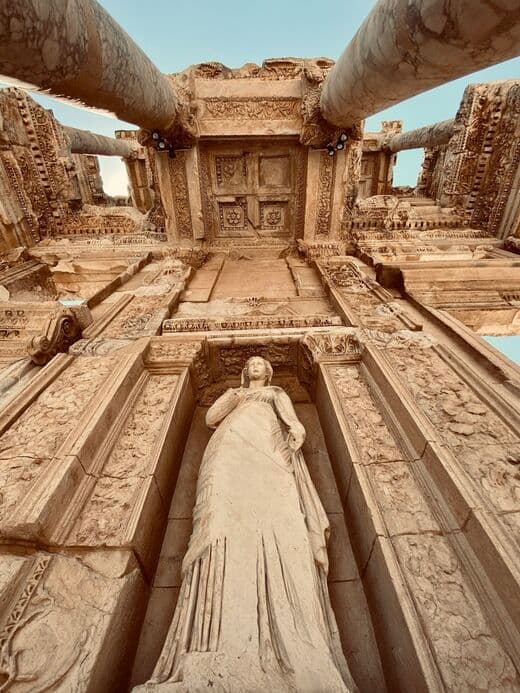
Morning: Hierapolis. Drive to Ephesus (3 hours). Ephesus in evening light, nearly empty - magical. Overnight in Kusadasi or Selcuk.
Day 14: Ephesus to Bodrum
Morning at Ephesus (arrive at 8:30 opening). House of the Virgin Mary, Temple of Artemis (one column remains). Drive to Bodrum (2 hours). Castle, Mausoleum, marina at sunset.
Day 15: Bodrum
Beach day on the peninsula: Bitez, Gumusluk. Or yacht tour of the bays. Nightlife in the evening.
Day 16: Bodrum to Marmaris
Drive (3 hours), Cleopatra Island en route. Castle, marina in evening.
Day 17: Marmaris to Fethiye
Coastal road (2 hours). Saklikent, Kayakoy. Evening in Fethiye.
Day 18: Fethiye
Oludeniz, paragliding, Butterfly Valley.
Day 19: Fethiye to Antalya
Coastal drive (4 hours) through Kalkan and Kas. Kaleici in evening.
Day 20: Antalya and Surroundings
Perge, Aspendos, waterfalls. Or beach day at Lara/Konyaalti.
Day 21: Departure
Antalya Airport, farewell to Turkey.
Connectivity and Internet
Internet in Turkey is fast and widely available. Most hotels, cafes, and restaurants offer free WiFi. Cities have excellent coverage; rural areas can be patchy.
Mobile Data: Three operators - Turkcell, Vodafone, Turk Telekom. Turkcell has the best coverage but is pricier. Tourist SIM cards are sold at airports and carrier shops - bring your passport. 20 GB monthly packages run about 500-700 TL.
eSIM: If your phone supports it, services like Airalo or Holafly sell Turkish eSIMs that activate on arrival.
VPN: Some VPN services are blocked in Turkey. Wikipedia was blocked until 2020. Telegram and WhatsApp work. Install VPN before arrival if needed.
What to Eat
Turkish cuisine ranks among the world's three great culinary traditions (alongside French and Chinese). This is far more than kebab and doner - though even those are transformed here compared to emigrant versions abroad.
Breakfast (kahvalti): Turkish breakfast is an art form. Dozens of small plates: white cheese (beyaz peynir), aged cheese (kasar), olives, tomatoes, cucumbers, honey with clotted cream (kaymak), various jams, eggs (menemen is scrambled with tomatoes and peppers), sujuk (spicy sausage), simit (sesame bread rings), fresh bread. Serpme kahvalti (spread breakfast) can include 30-40 items. This is not a buffet - every element matters.
Kebabs: Dozens of regional varieties. Adana kebab - spicy minced meat on a skewer. Urfa kebab - same preparation, not spicy. Iskender (from Bursa) - on bread with tomato sauce and yogurt. Doner - meat from a vertical spit, don't confuse it with shawarma. Testi kebab in Cappadocia - cooked in a sealed clay pot that's cracked open tableside.
Seafood: On the coasts, grilled fish rules, especially sea bass (levrek) and sea bream (cipura). In Istanbul, balik ekmek (fish sandwich) from the boats at Galata Bridge is iconic. Stuffed mussels (midye dolma) are street food staples.
Street Food: Simit (everywhere), doner, lahmacun ('Turkish pizza' - thin flatbread with minced meat), pide (boat-shaped pizza with toppings), gozleme (thin savory pancakes with cheese, spinach, or potato), kokorec (grilled intestines - acquired taste but Turks adore it).
Sweets: Baklava (Gaziantep makes the world's best), Turkish delight (lokum - get nut-filled, not jelly), kunefe (hot cheese pastry with pistachios), tulumba (fried dough in syrup), stretchy ice cream (dondurma) - the vendor will put on a show.
Drinks: Cay (tea) - everywhere, endlessly, often free. Turkish coffee (turk kahvesi) - thick, with grounds at the bottom. Ayran (salty yogurt drink) - perfect with kebab. Raki - anise-flavored spirit, diluted with water to milky 'lion's milk'. Efes and Tuborg - local beers.
Regional Specialties:
- Istanbul: balik ekmek, kokorec, boza (fermented millet drink)
- Gaziantep: baklava, lahmacun, cig kofte (raw meatballs)
- Black Sea: cornbread, anchovies (hamsi), muhlama (cheese fondue)
- Konya: etli ekmek (meat on flatbread)
- Adana: spicy Adana kebab, salgam (turnip juice)
Shopping
Turkey is a shopper's paradise - if you know what to look for and where.
Carpets: The classic purchase. Genuine handmade carpets range from $500 to $50,000+. Kilims (flatweaves) are cheaper. Bargaining is mandatory. Buy only from reputable dealers with certificates - fakes abound. A quality carpet lasts generations but requires expertise to select.
Leather: Jackets, bags, belts. Quality is excellent, prices lower than Europe. In Istanbul, try the Laleli district and Grand Bazaar. Bargain hard - 30-50% discounts are achievable.
Ceramics and Iznik Tiles: Iznik pottery with distinctive blue and red patterns is a national treasure. Authentic Iznik is expensive and rare; most sold is Kutahya ware - still beautiful but less valuable.
Spices and Tea: Spice Bazaar in Istanbul or local markets. Saffron, sumac, Turkish red pepper (pul biber), apple tea (touristy - Turks don't actually drink it), black tea (the real stuff).
Turkish Lamps: Mosaic glass lanterns make beautiful souvenirs but are fragile - sellers will pack carefully for transport.
Olive Oil: The Aegean region produces excellent olive oil. Buy in tins for safe transport.
Tax Free: Purchases over 100 TL in participating shops qualify for VAT (KDV, 18%) refund. Get the form stamped at customs before departure; refund is to card or cash.
Useful Apps
- BiTaksi - ride-hailing with fixed prices (Uber is banned)
- Istanbul Kart (Android) - top up Istanbul transport card
- Google Maps - navigation (works well in Turkey)
- Moovit - public transport routing
- Obilet - bus and flight bookings
- Yemeksepeti or Getir - food delivery
- Trendyol - online shopping
- XE Currency - exchange rate converter
- Google Translate - offline Turkish translation
Final Thoughts
Turkey is a country that rewards return visits. You can come ten times and discover something new each trip. First time: the beaches of Antalya and the sensory overload of Istanbul. Second: Cappadocia, and the realization this isn't just a beach destination. Third: the Lycian Way, Black Sea mountains, eastern cities. And so on.
For travelers from the US, UK, Australia, and Europe, Turkey offers extraordinary value without sacrificing quality. The tourism infrastructure is mature but hasn't been sanitized. English is widely spoken in tourist areas, but venture off the beaten path and you'll encounter authentic culture that hasn't been packaged for consumption. The call to prayer still echoes five times daily. Bazaar merchants still haggle. Tea flows endlessly.
The best advice: don't confine yourself to an all-inclusive resort. Turkey deserves more than a beach lounger and buffet. Rent a car, drive the coast, sleep in a mountain village, bargain at the market, order something mysterious from the menu, get lost in Istanbul's backstreets. Turkey reveals itself to those who explore - and the Turkey you'll discover isn't in any brochure.
One more thing: Turks are extraordinarily hospitable people. When someone helps you find your way, offers you tea, invites you to lunch - it's usually not a sales pitch. It's simply part of a culture where the guest is sacred. Accept with gratitude, and your trip becomes not just a vacation but a genuine journey.
Information current as of 2026. Check visa requirements and prices before travel.