Istanbul: A City You Can't Understand in One Trip
Some cities reveal themselves immediately - you arrive, see the sights, and leave. Istanbul isn't like that. It's layered, like baklava: simple on the surface, but inside - endless layers of meaning, history, and contrasts. Here, mosques neighbor bars, fishermen cast lines beneath Byzantine palace walls, and in Balat's alleyways, hipster coffee shops hide behind century-old doors.
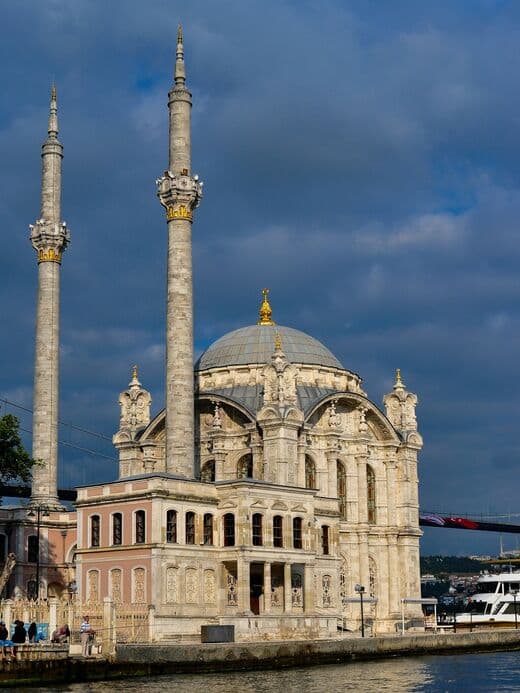
Istanbul is the world's only metropolis straddling two continents. The Bosphorus divides the city into European and Asian sides, and this isn't just geography - it's two different moods. The European side is touristy, loud, with museum queues and crowds on Istiklal. The Asian side is calmer, more honest - this is where Istanbulites actually live, where those seeking the real city come.
Where to Stay: Choosing Your Neighborhood
Sultanahmet - the obvious choice for first-timers. Step out of your hotel and there's Hagia Sophia. Across the street - the Blue Mosque. Around the corner - Topkapi entrance. Convenient? Absolutely. But there's a catch: the district is tourist-focused. Café prices are higher, touts more persistent, and that "real Istanbul" feeling takes effort to find. Still, if you only have a couple of days, the logistics are perfect.
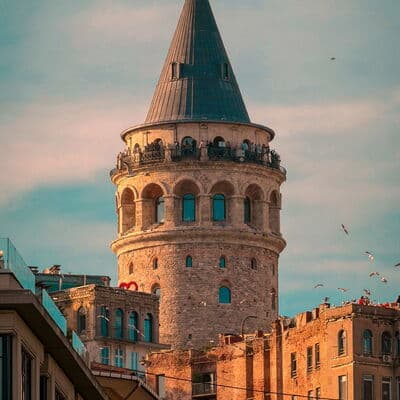
Taksim and Beyoğlu - a different story entirely. Istiklal Street is a pedestrian artery with shops, restaurants, and a nostalgic tram. Evenings bring crowds, street musicians, music spilling from bars. The area is noisy but alive. Want quiet? Stay in the side streets of Cihangir or Galata: bohemian atmosphere, cats on every corner, Bosphorus views from rooftops.
Karaköy - a former port district transformed into hipster heaven. The concentration of specialty coffee shops per square meter is off the charts. Avocado toast, vintage shops, contemporary art galleries - that's Karaköy. And Sultanahmet is just a twenty-minute walk across the Galata Bridge.
Kadıköy on the Asian side is my personal favorite for return visits. The Bosphorus ferry ride (an attraction in itself), fish market, streets lined with bars and live music, no tour groups with flags. Here you understand how the city really lives. The downside - you need a ferry to reach main attractions. But is that really a downside?
Transport: How Not to Go Broke on Taxis
First rule of Istanbul - get an IstanbulKart. This isn't advice, it's necessity. Without the card, fares are higher, and you simply can't enter the metro. The card costs 130 lira (~€2.6) from machines at metro stations, then you top up as needed. Single ride: 27-35 lira, transfers within two hours discounted. Works everywhere: metro, trams, buses, ferries, even funiculars.
Istanbul's metro is modern and fast. M1 line goes to the new Istanbul Airport (IST) - about an hour from center. For Sabiha Gökçen Airport (SAW) on the Asian side, take M4. The T1 tram is the main tourist line, connecting Kabataş to Sultanahmet and beyond.
Ferries are pure joy. The Bosphorus is beautiful from the water in any weather. Classic route: Eminönü-Kadıköy, about twenty minutes, costs a regular IstanbulKart fare. Upper deck, wind, seagulls, mosque silhouettes on the horizon - Instagram can't compete.
Taxis in Istanbul require a complicated relationship. Yellow cabs use meters, but drivers love "negotiating" fixed prices - in their favor, naturally. Sometimes they "accidentally" take the long route. Hack: use BiTaksi or Uber (works with local drivers). See the route and price upfront, no surprises.
Money: The Lira Falls, We Adapt
The Turkish lira is a nervous currency. It's devalued dramatically in recent years, and continues to. In December 2025, rates are roughly 42 lira per dollar and 49-50 per euro. For tourists this means: Istanbul has become significantly more affordable. Dinner at a nice restaurant for €20-30? Easy.
But there's a catch: tourist spots often price in euros, where inflation is less noticeable. Solution - get off the tourist trail. At local lokantas (canteens), lunch costs 150-300 lira (€3-6); at a tourist restaurant near Hagia Sophia - three times more for the same quality.
Currency exchange is its own adventure. Best rates at exchange offices near Eminönü, Grand Bazaar, Istiklal. At the airport, change only enough for a taxi - the rate is robbery. Cards work almost everywhere, but bazaars and small shops need cash.
What to See: Must-Sees and Hidden Gems
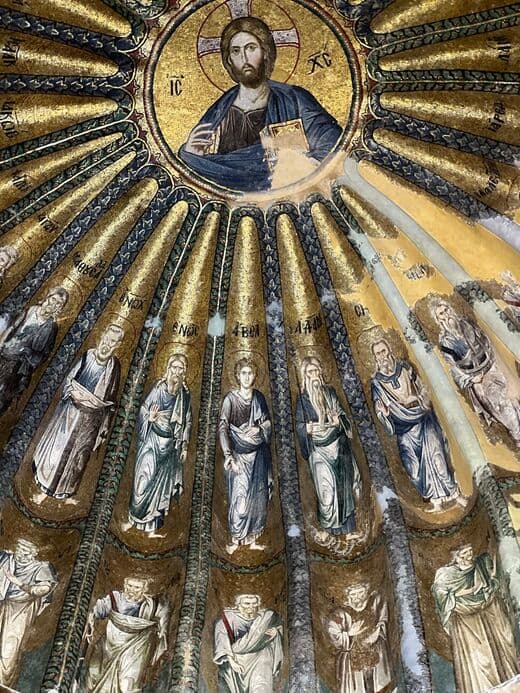
Hagia Sophia - a building with a thousand years of history that's been cathedral, mosque, museum, and mosque again. Main space entry is free (it's an active mosque), but the upper gallery with mosaics requires a €25 ticket. Come at opening (9:00) or after 4pm - midday queues are brutal.
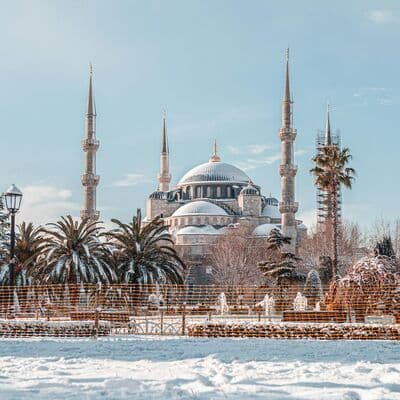
The Blue Mosque opposite is free but closes during prayer times (five daily). Remove shoes, women receive headscarves. Inside - sixteen thousand Iznik tiles that take your breath away.
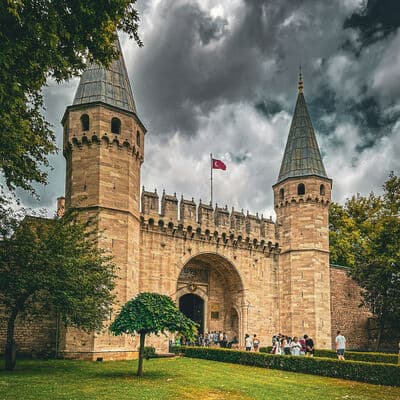
Topkapi Palace - Ottoman sultans' residence on a cape overlooking the Bosphorus. Tickets 2400 lira (~€48), includes harem and Hagia Irene church. Allow minimum three hours, ideally half a day. Tip: buy tickets online or spend an hour in the queue.
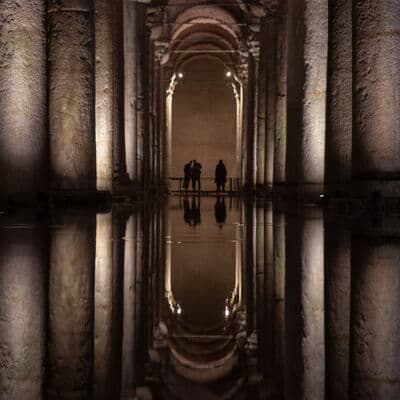
Basilica Cistern - a 6th-century underground reservoir with columns and atmospheric lighting. Medusa heads at column bases - a separate attraction. Tickets 1500 lira (~€30), Museum Pass doesn't work here.
Now for places not in standard guidebooks. Balat district - colorful houses, winding streets, antique shops, zero tour groups. Great for photos and breakfast. Süleymaniye Mosque - in my opinion more beautiful than the Blue Mosque, but without crowds. Sits on a hill, stunning city views. Üsküdar on the Asian side - waterfront with views of European Istanbul, especially gorgeous at sunset.
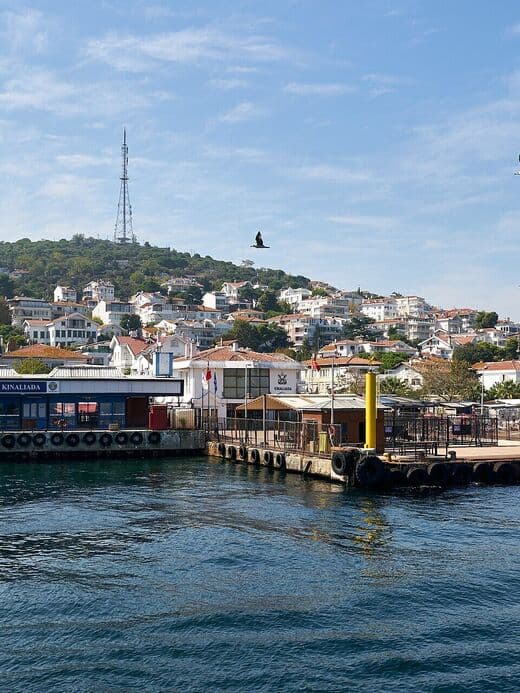
Princes' Islands - a must-do if you have a free day. Ferry from Kabataş, ninety minutes each way, IstanbulKart fare. On the largest island, Büyükada, cars are banned - only bikes, electric carts, and horse carriages. Atmosphere of 19th-century resort Turkey, wooden mansions, pines, beaches. Rent a bike and circle the island - a leisurely three to four hours.
Food: From Simit to Meze
Turkish cuisine is one of the world's great cuisines, and Istanbul shows it. Start your day with a simit - sesame-crusted bread ring for 15 lira, sold on every corner. Crispy, fresh, perfect with Turkish tea.
Turkish breakfast (serpme kahvaltı) isn't a meal, it's a ritual. Twenty small plates cover the table: white cheese, kaymak with honey, three kinds of olives, tomatoes and cucumbers, eggs, sausages, jams, fresh bread. Proper breakfast spots are in Beşiktaş or Kadıköy, 400-800 lira per person. Tourist Sultanahmet charges more for worse quality.
Street food is its own genre. Döner kebab (80-150 lira) - yes, that döner, but here it's better than anywhere in the world. Lahmacun - thin flatbread with minced meat, Turkish pizza (60-100 lira). Balık ekmek - fish sandwich, classic Eminönü waterfront fare (100-150 lira).
A special category: lokantas. These are canteens serving home-style food: soups, stews, rice, vegetables. You point at the display, pay 150-300 lira for a full meal. No English menu, but honest and delicious.
Istanbul restaurants have a rule: if someone's standing outside trying to lure you in - walk past. Good places don't need touts. Look for spots where locals sit and menus are Turkish-only.
Shopping: The Art of Bargaining
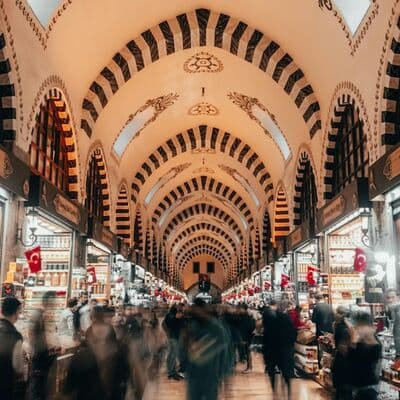
The Grand Bazaar isn't a market, it's a city within a city. Four thousand shops under one roof, a labyrinth of lanes, crowds everywhere. They sell everything: leather, carpets, gold, ceramics, spices, lamps, souvenirs. And yes, you must bargain. Simple rule: first price is at least double. Calmly state your price, be ready to walk away - the seller will call you back.
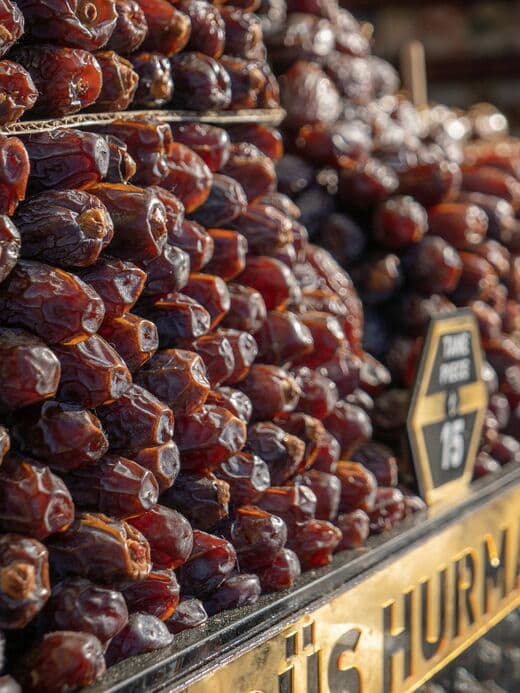
The Spice Bazaar (Egyptian Bazaar) is more compact and less exhausting. Spices, tea, dried fruits, Turkish delight - everything fragrant, colorful, tempting. Prices are touristy too, but bargaining applies.
Practical Details
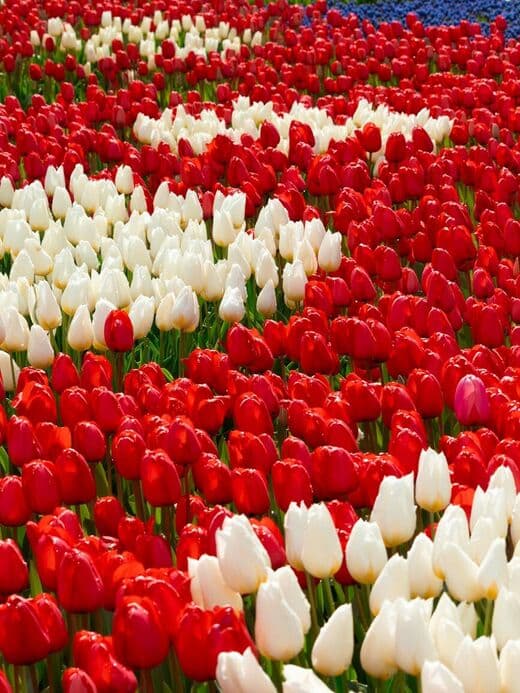
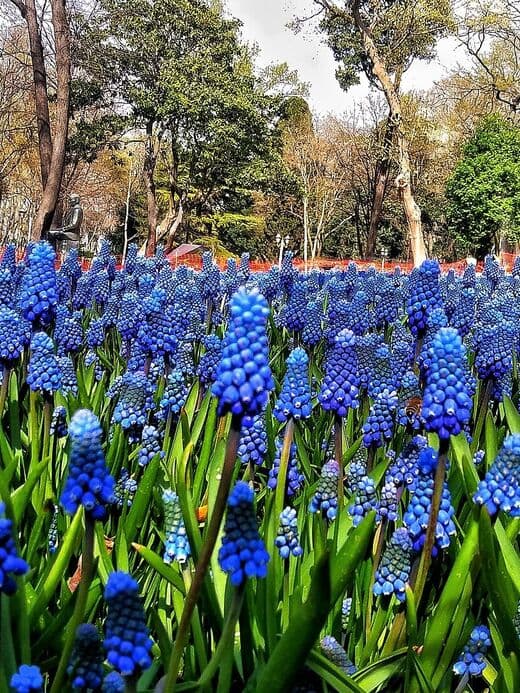
Best time to visit: April-May or September-October. Comfortable temperatures, fewer tourists, wisteria blooming (spring) or golden autumn. Summer is hot and humid - July-August daytime walking is tough. Winter is rainy and windy, but fewer tourists, lower prices, its own charm.
Useful apps: BiTaksi (taxi), Yandex Maps or Google Maps (both work well), Getir (15-minute delivery), Trendyol (Turkish Amazon). For translation - Google Translate with Turkish downloaded offline.
Language: English spoken in tourist areas, elsewhere not guaranteed. Basic phrases: merhaba (hello), teşekkür ederim (thank you), ne kadar (how much), hesap lütfen (bill please). Turks appreciate attempts to speak their language - even a few words break the ice.
Safety: Istanbul is safe by metropolis standards. Violent crime is rare. But pickpockets exist in transport and bazaars - standard precautions apply. A separate category: scams. Shoe shiners who "accidentally" drop their brush then demand payment; "friendly" locals inviting you for drinks (astronomical bill follows); vendors miscounting change. Just stay alert.
One last thing. Istanbul is a city to feel, not to race through checking boxes. Get lost in alleyways, drink tea with a stranger, sit on the waterfront watching tankers pass. The city will open up - not immediately, but it will.