Trabzon
Trabzon 2026: What You Need to Know Before You Go
If you have ever wondered what Turkey looks like beyond the well-trodden paths of Istanbul, Cappadocia, and Antalya, Trabzon is your answer. Perched on the Black Sea coast where the Pontic Alps tumble dramatically into dark, moody waters, Trabzon is a city that feels like a different country entirely. The air smells of roasting anchovies and fresh tea leaves. The hillsides are impossibly green. The locals will invite you to sit down for breakfast before you have even asked for directions.
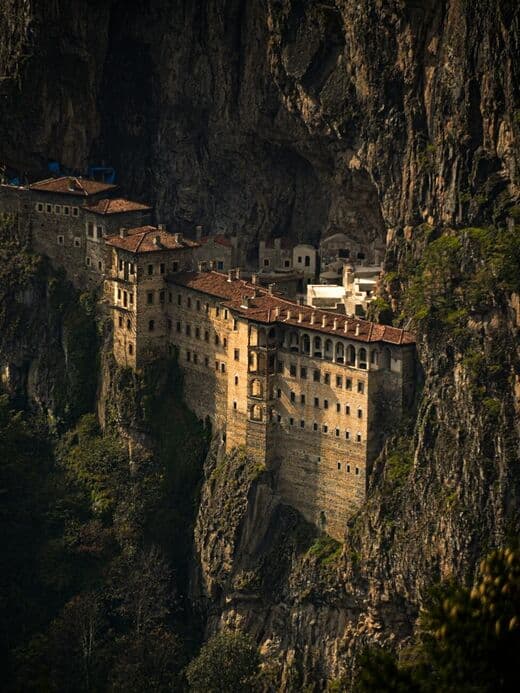
The short version: Trabzon is Turkey's northeastern gem -- a place where Byzantine monasteries cling to sheer cliff faces, alpine lakes mirror forested peaks, and the food scene revolves around anchovies prepared in ways you never imagined possible. Think of it as Turkey's Pacific Northwest: misty, green, fiercely independent in character, and deeply proud of its local cuisine.
Why come here: Sumela Monastery carved into a 300-meter cliff. Uzungol Lake surrounded by alpine meadows. A food culture built around Black Sea anchovies, molten cheese dishes, and the best rice pudding in Turkey. Hagia Sophia without the crowds. Boztepe Hill sunsets that make you forget your phone exists. Real Turkish life without the tourist markup.
Why think twice: Rain is a constant companion (seriously, pack that umbrella). English is rare outside hotels. The city center is not particularly pretty -- it is functional, chaotic, and thoroughly Turkish. Getting to mountain attractions requires either renting a car or joining tours. If you want beach resorts and nightclubs, you are in the wrong part of Turkey.
Trabzon Neighborhoods: Where to Stay
Trabzon is not a huge city, but where you base yourself matters. Each district has a distinct personality, and picking the right one can make or break your trip. Here is an honest breakdown.
Ortahisar (City Center)
This is the beating heart of Trabzon and where most first-time visitors should stay. Ortahisar wraps around the old town, the bazaar, Trabzon Castle, and the main square (Ataturk Alani, which everyone calls Meydan). You can walk to most city attractions, and the bus and dolmus network radiates from here. Hotels range from budget guesthouses at 800-1,200 TRY per night (around $25-35 USD) to comfortable mid-range options at 2,000-3,500 TRY ($60-100 USD). The downsides: traffic noise, narrow streets that test your navigation skills, and parking is essentially fictional. But for a first visit of 3-5 days, this is where you want to be.
Boztepe
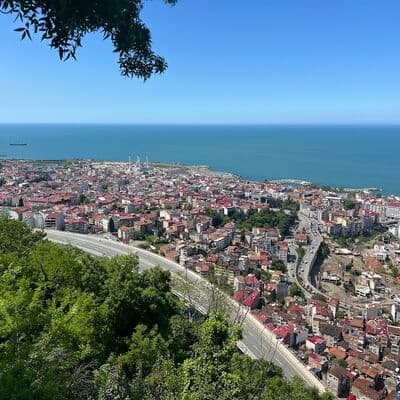
The hill overlooking the city from the south, Boztepe is where Trabzon locals go for tea with a view. Staying up here means waking up to panoramic Black Sea vistas every morning. There are a handful of boutique hotels and guesthouses in the 1,500-3,000 TRY range ($45-90 USD). The trade-off is real, though: you will need a taxi or a steep 20-minute walk to reach the city center. The uphill return is not for the faint-hearted, especially after a big dinner. Best for couples or anyone who prioritizes scenery over convenience.
Meydan Area (Forum Square)
Technically part of Ortahisar, but worth calling out separately. The streets radiating from Meydan square are where Trabzon's food scene concentrates. Pide shops, kofte joints, pastry stalls, tea gardens -- all within a five-minute walk. If eating your way through a city is your travel style, plant yourself here. Hotels are mid-range, typically 1,500-2,500 TRY ($45-75 USD). Noise levels are high, especially on weekend evenings and during Trabzonspor match days, when the city essentially loses its mind with celebration or despair.
Yomra
A quieter suburb about 10 km east of the center along the coast road. Yomra has newer apartment-style accommodations and a calmer pace. Budget travelers can find decent places for 600-1,000 TRY ($18-30 USD). You will need a dolmus (about 15-20 minutes) to reach the center. Yomra works well if you are staying longer than a week or if you have a rental car and plan to use Trabzon as a base for exploring the eastern Black Sea coast.
Akcaabat
Located 15 km west of central Trabzon, Akcaabat is famous for one thing: kofte (meatballs). Seriously, this small coastal town's identity revolves around its grilled meatballs, and the rivalry between competing kofte restaurants is intense. Staying here puts you close to some of Trabzon's best food but far from the main sights. A few family-run pensions and small hotels charge 700-1,500 TRY ($20-45 USD). Dolmus connections to Trabzon center run every 10-15 minutes. Consider Akcaabat if you are a dedicated food traveler or if you want a quieter coastal base with character.
Ganita (Seafood District)
The waterfront strip east of the city center where Trabzon's seafood restaurants cluster. Ganita is not really a residential neighborhood, but a couple of hotels have opened here to serve visitors who want to roll out of a fish dinner and into bed. Expect to pay 2,000-4,000 TRY ($60-120 USD) for sea-view rooms. The area comes alive in the evenings when families descend for grilled hamsi (anchovies) and Black Sea turbot. During the day, it can feel a bit empty. Best for a splurge night or two rather than a full-trip base.
Best Time to Visit Trabzon
Trabzon's weather is nothing like the rest of Turkey. Forget the scorching Mediterranean summers and bone-dry Anatolian plains. The Black Sea coast plays by its own meteorological rules, and those rules include a lot of moisture.
Peak Season: June to September
This is when Trabzon shines -- literally. Temperatures hover between 22-27 degrees Celsius (72-81 degrees Fahrenheit), the mountain roads to Sumela Monastery and Uzungol are reliably open, and the lush green valleys are at their most photogenic. July and August bring domestic Turkish tourists, especially to Uzungol, which can get crowded on weekends. Hotel prices peak during Bayram (national holiday) periods -- book well in advance or pay double. Even in summer, pack a light rain jacket. This is the Black Sea; afternoon showers appear from nowhere.
Shoulder Season: May and October
My personal favorite. May brings wildflowers to the mountain meadows, and October paints the valleys in amber and rust. Crowds thin out dramatically, hotel prices drop 20-30%, and the weather is still pleasant (16-20 degrees Celsius / 61-68 degrees Fahrenheit). The risk: some higher-altitude yayla (mountain pasture) roads may still be closed in early May or close early in October. Sumela Monastery and the main attractions remain accessible. If you are flexible on dates, late May or early October hits the sweet spot.
Off-Season: November to March
Rain. Fog. More rain. Mountain roads closed by snow. Uzungol blanketed in mist (which is actually beautiful if you do not mind being cold and damp). The city itself functions normally, and you will have Hagia Sophia and Trabzon Castle practically to yourself. Hotel prices bottom out. But honestly, unless you are here specifically for the hamsi season (January-February, when anchovy fever grips the region) or you enjoy dramatic winter landscapes, plan your trip for warmer months.
Festivals Worth Planning Around
- Hamsi Festival (January-February): Trabzon's unofficial national holiday. The city celebrates the peak of anchovy season with cooking competitions, mass frying events, and anchovy-themed everything. Thousands of kilos of hamsi are cooked and distributed free. If you can handle the cold, it is a uniquely joyful experience.
- Yayla Festival (July-August): Mountain pasture festivals in the highlands above Trabzon. Traditional music, horon dancing, local food, and an atmosphere that feels centuries old. Dates vary by village -- ask your hotel for current schedules.
- Horon Dance Festival (July): The horon is the Black Sea region's signature folk dance -- fast, intense, and performed with a trembling energy that is mesmerizing to watch. Festival events happen across the region throughout July.
Trabzon Itinerary: 3 to 7 Days
Here is how I would spend my time in Trabzon, whether you have a long weekend or a full week. These are realistic itineraries with actual logistics, not the fantasy schedules you find in most guides.
Day 1: Trabzon City Essentials
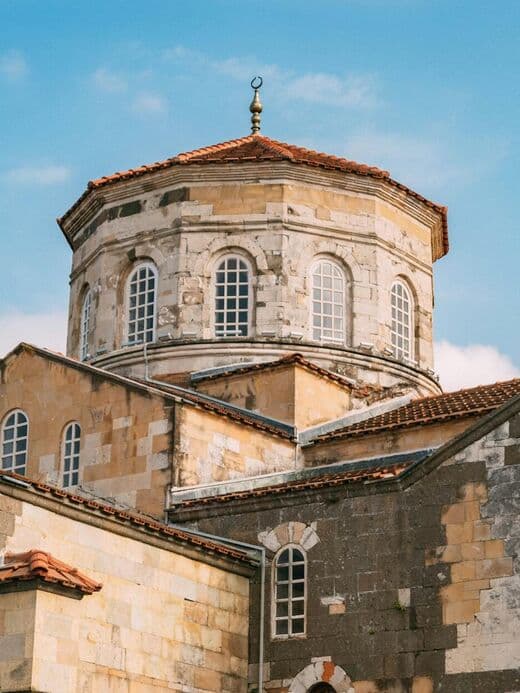
Start your morning at Hagia Sophia Trabzon (Ayasofya Camii). Get there by 9:00 AM before tour groups arrive. This 13th-century Byzantine church-turned-mosque is smaller than its Istanbul namesake but arguably more atmospheric, with frescoes that survived centuries of whitewash. Entry is free (it is a functioning mosque -- remove shoes, dress modestly, and women should cover their hair). Allow 45 minutes to explore the interior and the garden with Black Sea views.
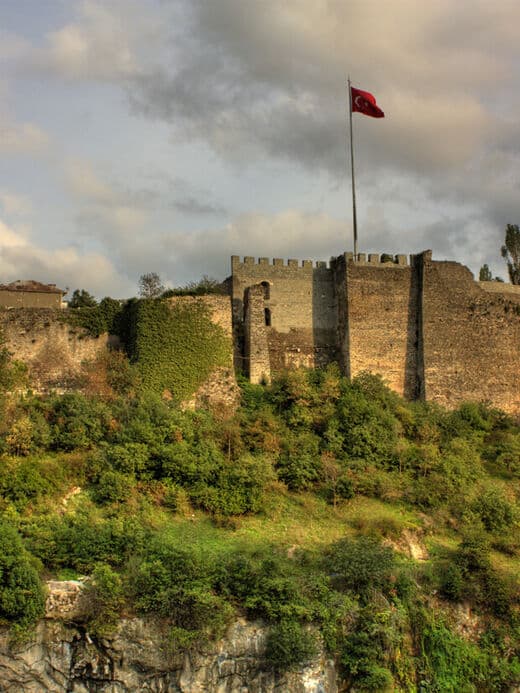
Walk or take a short taxi ride to Trabzon Castle (Kale). The fortress sits on a hilltop above the old town and dates back to Byzantine times, though what you see today is mostly Ottoman-era walls. The castle grounds are free to wander. The real draw is the view over the ravine and the old town below. Budget 30-40 minutes here.
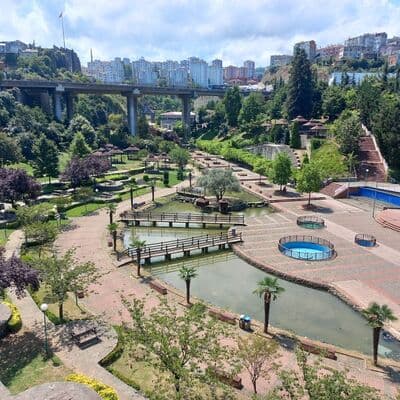
Head downhill to Zagnos Valley Park for a mid-morning break. This green corridor cuts through the city below the castle walls. Grab a glass of tea from one of the park kiosks (5-8 TRY / $0.15-0.25 USD -- yes, tea is absurdly cheap in Turkey) and sit by the stream. The park connects the upper old town to the lower bazaar area.
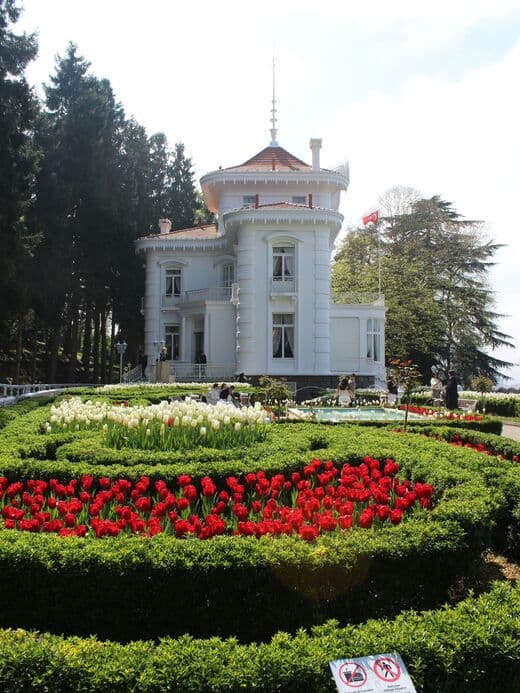
After lunch in the Meydan area (more on restaurants below), take a taxi or dolmus to Ataturk Mansion (Ataturk Kosku). This elegant white villa set in manicured gardens was built in 1890 for a Greek banker and later used by Ataturk during his visits to Trabzon. Entry is 60 TRY (about $1.75 USD). The mansion itself is interesting, but the real attraction is the peaceful gardens and the views over the city. Allow 1-1.5 hours including travel time.
End your first day at Boztepe Hill for sunset. Take a taxi up (about 40-60 TRY / $1.20-1.75 USD from the center) and find a spot at one of the tea gardens perched on the hillside. The panoramic view of Trabzon spread along the coast with the Black Sea stretching to the horizon is the kind of scene that stays with you. On clear evenings, the sunset paints the water gold and copper. Tea costs 8-12 TRY, and you can order toast, simit, or gozleme while you watch. Stay until the city lights come on -- it is worth it.
Day 2: Sumela Monastery, Altindere Valley, and Cal Cave
This is the big day trip and the highlight of most Trabzon visits. Start early -- leave the city by 8:00 AM at the latest.
Getting there: The easiest option is renting a car (from about 1,200-1,800 TRY / $35-55 USD per day). Alternatively, join a guided tour (400-700 TRY / $12-20 USD per person, bookable through your hotel or agencies near Meydan square). Public transport exists but is slow and limits your flexibility.
Drive south through increasingly dramatic mountain scenery for about 45 minutes to reach Altindere Valley National Park. The park entrance fee is 30 TRY (about $0.90 USD). Stop at the valley floor first -- there is a small waterfall, picnic areas, and a trout restaurant that serves freshly caught fish grilled over charcoal (a full meal runs about 200-350 TRY / $6-10 USD).
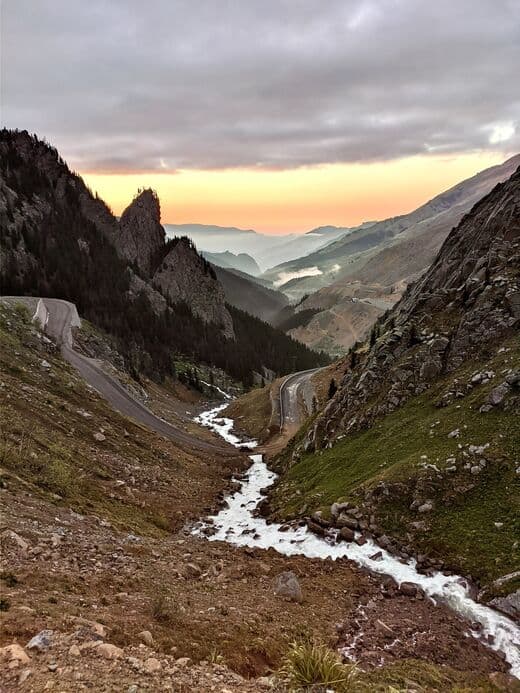
Then continue up the winding road to Sumela Monastery (Sumela Manastiri). The monastery is carved into a cliff face at 1,200 meters altitude, and the sight of it emerging from the mist and forest is genuinely breathtaking. Entry is 200 TRY (about $6 USD). The climb from the parking area takes 20-30 minutes on a well-maintained path with stairs. Inside, you will find Byzantine frescoes dating from the 6th century, monk cells carved into rock, and vertiginous views down the valley. Allow 2-3 hours for the full visit including the hike. Wear proper shoes -- the stone steps can be slippery, especially after rain (and it rains a lot here).
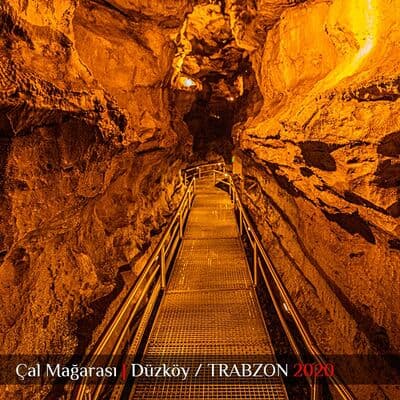
On your way back toward Trabzon, detour to Cal Cave (Cal Magara). Located about 25 minutes from Sumela, this is one of the longest caves in Turkey, extending over 8 km into the mountainside (about 1 km is open to visitors on illuminated walkways). Entry is 60 TRY (about $1.75 USD). The cave features impressive stalactites and stalagmites, underground pools, and a constant cool temperature that feels refreshing after the monastery hike. The visit takes about 45 minutes to an hour.
You will be back in Trabzon by late afternoon, tired but thoroughly impressed.
Day 3: Uzungol Lake and Hamsiköy
Another full-day excursion, this time heading southeast into the mountains. Uzungol Lake is about 100 km from Trabzon (roughly 1.5-2 hours by car). The drive itself is spectacular, climbing through tea plantations, hazelnut orchards, and dense forest.
Pro tip: Go on a weekday if at all possible. On weekends, especially in summer, Uzungol gets absolutely packed with domestic tourists and Gulf Arab visitors. The lakeside road becomes a parking lot, and the experience loses its magic. On a Tuesday morning, you might have stretches of the lake path entirely to yourself.
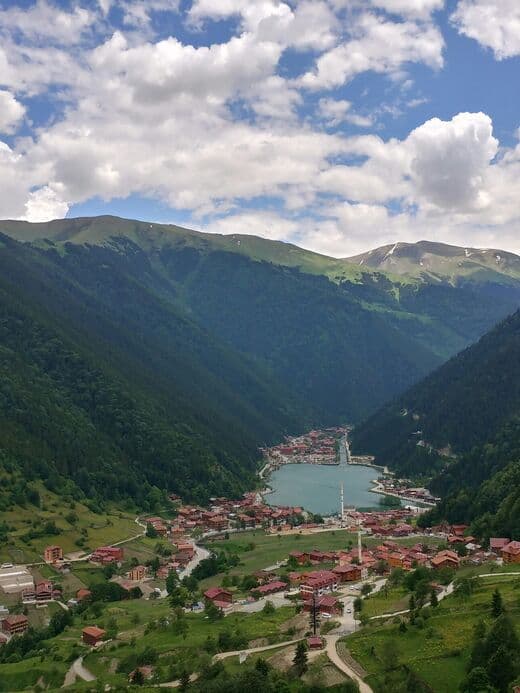
Uzungol is a small alpine lake ringed by steep, forested mountains that are often wrapped in low clouds. The setting is postcard-perfect. Walk the lakeside path (about 45 minutes for the full loop), rent a rowboat (100-150 TRY / $3-4.50 USD for 30 minutes), or just sit in one of the lakeside cafes and absorb the scenery. Several restaurants serve local trout and Black Sea cuisine. A full lunch with trout, salad, bread, and tea runs about 250-400 TRY ($7-12 USD).
On the drive back, stop in the tiny village of Hamsiköy, famous across Turkey for its sutlac (rice pudding). This is not regular rice pudding -- Hamsiköy sutlac is baked in clay pots, caramelized on top, and made with rich mountain milk that gives it a depth of flavor you will not find anywhere else. Every restaurant in the village serves it, and they all claim to be the original. A portion costs 60-100 TRY ($1.75-3 USD). Buy an extra pot to take back to your hotel. You will thank yourself later.
Days 4-5: Deeper Exploration
If you have more than three days, Trabzon rewards the extra time.
Akcaabat pilgrimage: Take a dolmus to Akcaabat (20-25 minutes, 20 TRY / $0.60 USD) and eat your way through the kofte capital of Turkey. Nihat Usta (in business since 1974) and Komaroglu are the heavyweight contenders. Order a porsiyon of kofte with piyaz (white bean salad) and freshly baked bread. A full meal costs 200-350 TRY ($6-10 USD). Walk it off along Akcaabat's waterfront promenade, which offers different perspectives of the coastline than what you see from the city.
Vazelon Monastery: Less famous than Sumela but arguably more atmospheric because you might be the only visitor. This ruined Byzantine monastery sits at about 1,300 meters altitude in the mountains south of Macka. Access requires a car (preferably 4WD for the last stretch) and a moderate hike. No entry fee, no ticket booth, no guardrails -- just crumbling stone walls, faded frescoes, and absolute silence except for birdsong. Allow a full half-day including travel.
Mountain villages and yaylas: The highlands above Trabzon are dotted with traditional wooden houses and summer pastures (yaylas). Villages like Zigana, Hamsiköy, and the plateau settlements above Caykara offer a glimpse of Black Sea mountain culture that has not changed much in generations. If you have a rental car, spend a day just driving the mountain roads. Pack a picnic, fill a thermos with tea, and stop wherever the view demands it.
Days 6-7: Extended Adventures
Ayder Hot Springs: About 160 km east of Trabzon (3-3.5 hours driving), Ayder is a mountain village famous for its thermal baths. The public hot springs cost about 100-150 TRY ($3-4.50 USD) and are fed by naturally heated mineral water at around 55 degrees Celsius. The village itself is nestled in a dramatic valley at 1,350 meters altitude, surrounded by waterfalls and alpine meadows. You can day-trip from Trabzon if you leave early, but spending the night in one of Ayder's wooden guesthouses (1,000-2,500 TRY / $30-75 USD) is a far better experience. The morning mists rising through the valley are worth the extra night alone.
Sera Lake: A peaceful lake about 25 km south of Trabzon that rarely appears in tourist itineraries. The surrounding park has walking trails, small waterfalls, and a pleasant restaurant. A half-day trip when you want something relaxed. Take a dolmus toward Aksu and ask for Sera Golu. No entry fee.
Russian Bazaar (Rus Pazari): Located in the city center, this covered market reflects Trabzon's history as a cross-border trading hub with Georgia and Russia. You will find everything from spices and dried fruits to clothing and household goods. The bazaar is most interesting on weekdays when local traders are active. Even if you do not buy anything, the atmosphere of commerce and banter is pure Trabzon. Haggling is expected but keep it friendly -- aggressive bargaining is considered rude here.
Where to Eat in Trabzon
Trabzon takes food seriously. Not in a pretentious, Michelin-star way, but in a 'my grandmother's recipe is better than your grandmother's recipe' way. The cuisine here is distinct from the rest of Turkey, built on Black Sea ingredients: anchovies, cornmeal, butter, hazelnuts, and an astonishing variety of greens. Here is where to eat, organized by type and budget.
Street Food and Quick Bites
Meydan Bazaar area: The streets around the main square are lined with small shops selling fresh simit (sesame bread rings, 10-15 TRY / $0.30-0.45 USD), hamsi ekmek (anchovy sandwich, 30-50 TRY / $0.90-1.50 USD during anchovy season), and borek (filled pastries, 20-40 TRY / $0.60-1.20 USD). Walk through in the morning when everything is freshly baked. Follow your nose -- it will not lead you wrong.
Ayasofya Food Market: Near Hagia Sophia, a cluster of small stalls and shops sell local products: honey from highland yaylas, local cheeses, hazelnuts in every form, and fresh-baked pide to go. Prices are slightly tourist-inflated but still very reasonable by international standards.
Pici stalls: Look for small shops selling pici, Trabzon's version of fried dough, served hot and dusted with sugar or filled with cheese. These are particularly common near the bazaar and bus station areas. A portion costs 20-40 TRY ($0.60-1.20 USD) and makes an excellent mid-afternoon snack.
Traditional Local Restaurants
Bozo Pide: A local institution for Trabzon-style pide (flatbread with various toppings). Trabzon pide is different from the boat-shaped pide you find in most of Turkey -- here it is closed, more like a stuffed bread, and baked in wood-fired ovens. A pide with ground meat, cheese, or eggs costs 100-180 TRY ($3-5.50 USD). The place is nothing fancy -- formica tables, fluorescent lights, zero English on the menu -- but the pide is exceptional. Point at what other tables are having if the language barrier is too high.
Mustafa Amca's Place (Mustafa Amca'nin Yeri): Operating since 1945, this tiny restaurant near the bazaar serves traditional Black Sea home cooking. Daily specials might include karalahana corbasi (black cabbage soup), kuymak (melted cheese with cornmeal), and whatever fresh fish came in that morning. Portions are generous, and a full meal rarely exceeds 200-300 TRY ($6-9 USD). No menu -- the waiter tells you what is available today. Go with it.
Mid-Range Restaurants
Nihat Usta (Akcaabat): If you eat at only one restaurant outside the city center, make it this one. Operating since 1974, Nihat Usta is widely considered to serve the best Akcaabat kofte in the region (and therefore, by local logic, the best kofte in Turkey). The meatballs are made from a closely guarded blend of beef and lamb, mixed with nothing but salt and onion, then grilled over charcoal. A full kofte meal with bread, salad, and drinks costs 250-400 TRY ($7-12 USD). The restaurant has a terrace overlooking the sea. Get there before 12:30 for lunch or expect to wait.
Komaroglu Kofte (Akcaabat): The eternal rival to Nihat Usta, and some locals swear it is actually better. Same concept, similar prices, equally fierce loyalty among regulars. My honest advice: try both on different days and form your own opinion. This is an argument that has been raging for decades, and you will not settle it in one visit.
Arakale Kafe: A more modern cafe-restaurant in the city center that bridges traditional Black Sea cuisine with contemporary presentation. Good for visitors who want local flavors but prefer a space with English menus, Wi-Fi, and slightly more polished service. Mains run 150-350 TRY ($4.50-10 USD). Their kuymak is reliably good.
Seafood and Fine Dining
Ganita seafood district: The waterfront stretch east of the city center is where Trabzon does its serious seafood dining. Multiple restaurants line the road, all with similar menus focused on whatever fish is in season. During hamsi season (roughly November-March), every restaurant serves anchovies in a dozen different preparations. In summer, expect Black Sea turbot (kalkan), sea bass (levrek), and bluefish (lufer). A seafood dinner with meze, fish, salad, and soft drinks costs 400-800 TRY ($12-24 USD) per person depending on the fish type. Kalkan is the most expensive and the most worth it. Ask the waiter what is fresh today and let them guide you -- the daily catch approach is far better than ordering from a static menu.
Cafes and Tea Gardens
Ayasofya Tea Garden: Set in the grounds near Hagia Sophia, this open-air tea garden offers Black Sea views and shaded tables under old trees. Tea costs 8-12 TRY, and they serve basic snacks. The setting is the point here, not the food. Perfect for a post-mosque visit rest.
Boztepe cafes: Several tea houses and cafes dot the hillside of Boztepe, each offering variations on the same theme: panoramic city views and bottomless tea. Prices are slightly higher than in the city (tea 10-15 TRY) but the view premium is worth every kurus. Some serve full breakfasts on weekends -- serpme kahvalti (spread breakfast) for 200-350 TRY ($6-10 USD) per person, which will keep you full until dinner.
Mustafa Ozbak Bakery: A local bakery near the bazaar that has been turning out traditional Black Sea breads and pastries for generations. Their kuymakli pide (pide with melted cheese) fresh from the wood-fired oven is a revelation. Most items cost 30-80 TRY ($0.90-2.50 USD). Get there in the morning for the best selection.
Must-Try Foods in Trabzon
Trabzon's cuisine deserves its own section because it is genuinely different from what most visitors expect of Turkish food. Forget kebabs -- the Black Sea coast has its own culinary identity, and it is built on ingredients and techniques you will not find in Istanbul or Antalya.
Kuymak (Muhlama)
This is Trabzon's signature dish, and once you try it, you will understand why locals get emotional about it. Kuymak is a molten, stringy blend of local cheeses (usually a mix of fresh tulum and minci cheeses) melted with butter and cornmeal into a fondue-like consistency. It is served bubbling hot in a shallow copper pan, and eating it involves stretching long strings of cheese from the pan to your bread. A portion costs 80-150 TRY ($2.50-4.50 USD) at most restaurants. Eat it for breakfast like locals do, with fresh bread and tea. Mustafa Amca's Place and several restaurants in the Meydan area do excellent versions. Warning: this is not a light dish. A full portion of kuymak before a day of sightseeing will sit in your stomach like a warm, cheesy anchor.
Hamsi Tava (Pan-Fried Anchovies)
Trabzon is obsessed with anchovies (hamsi), and hamsi tava is the most straightforward expression of that obsession. Fresh anchovies are gutted, dredged in cornmeal, and pan-fried in oil until crispy. Eaten whole -- head, tail, bones, and all. A portion costs 60-120 TRY ($1.75-3.50 USD) and is typically served with rocket salad and lemon. During hamsi season (November-March), you can get them at virtually every restaurant in the city. Outside of season, they are available frozen but it is not the same experience. If the idea of eating whole small fish is new to you, start with hamsi bugulamasi (steamed anchovies), which has a milder presentation.
Akcaabat Kofte
Grilled meatballs from the neighboring town of Akcaabat that have achieved national fame. The secret is simplicity: beef and lamb mixed with onion and salt only, no breadcrumbs, no filler, no spices beyond maybe a touch of black pepper. Shaped into small, flat patties and grilled over hardwood charcoal. The result is intensely meaty and satisfying. A portion of 6-8 kofte with bread and salad costs 150-300 TRY ($4.50-9 USD). Available throughout Trabzon, but purists insist you must eat them in Akcaabat itself.
Trabzon Pide
Turkish pide is often described as 'Turkish pizza,' but Trabzon pide is its own thing entirely. Unlike the open, boat-shaped pide found elsewhere in Turkey, Trabzon pide is closed -- the dough is folded over the filling and sealed, creating something more like a stuffed flatbread. Fillings include ground meat (kiymali), cheese (peynirli), egg (yumurtali), or combinations. Baked in wood-fired ovens until the outside is golden and slightly charred. A whole pide costs 100-200 TRY ($3-6 USD) and feeds one hungry person or two moderate eaters. Bozo Pide is the go-to spot, but every neighborhood has its champion.
Karalahana Corbasi (Black Cabbage Soup)
A hearty soup made from black cabbage (a kale-like green that grows abundantly in the Black Sea region), cornmeal, and sometimes beans or small pieces of meat. It is peasant food in the best sense -- warming, nutritious, and deeply flavored from slow cooking. A bowl costs 50-80 TRY ($1.50-2.50 USD) and is the perfect lunch on a rainy Trabzon day (which is most days). You will find it at traditional restaurants and lokanta (cafeteria-style eateries) throughout the city.
Hamsiköy Sutlac (Rice Pudding)
Sutlac (rice pudding) exists all over Turkey, but the version from the village of Hamsiköy near Trabzon is in a different league. Made with rich mountain milk, slow-baked in clay pots until a caramelized skin forms on top, and served warm or at room temperature. The texture is creamier and denser than standard sutlac, and the caramelized crust adds a bitter-sweet complexity. A portion costs 60-100 TRY ($1.75-3 USD). Available at restaurants throughout Trabzon, but nothing beats eating it in Hamsiköy itself, where the milk comes from cows grazing on alpine meadows literally above the village.
Laz Boregi
Despite the name (borek usually means a savory pastry), Laz boregi is actually a sweet dessert. Thin layers of pastry are filled with a creamy custard, baked until golden, and soaked in syrup. The result is somewhere between baklava and a cream-filled pastry -- crispy, sweet, and rich. A portion costs 50-90 TRY ($1.50-2.75 USD). Available at pastry shops and some restaurants. The best versions use local butter and have a delicate balance between the crispy pastry and smooth custard.
Pici (Fried Dough)
Simple fried dough balls or strips, served hot and typically dusted with powdered sugar or drizzled with local honey. Think of it as Trabzon's answer to a doughnut, but less sweet and more bread-like. A street food snack that costs 20-40 TRY ($0.60-1.20 USD) and is best eaten immediately while still warm and crispy. Some versions come filled with local cheese. Look for small stalls in the bazaar area, especially in the morning.
For vegetarians: Trabzon cuisine is heavily meat and fish-oriented, but you will not starve. Kuymak is vegetarian (check that they use vegetable rennet if you are strict), as is pide with cheese or egg filling, karalahana corbasi (ask for the meatless version), pici, and all the desserts. Many restaurants also serve meze platters with vegetable-based options. Communicate clearly -- the concept of vegetarianism is understood but not always enthusiastically supported in traditional Black Sea restaurants.
Allergy note: Cornmeal (misir unu) and dairy are everywhere in Black Sea cooking. Gluten-free and lactose-free options are extremely limited outside of upscale hotels. If you have serious food allergies, carry a Turkish-language allergy card -- your hotel can help you prepare one.
Tourist trap warning: Be cautious of restaurants on the main tourist strip near Uzungol that display menus in Arabic with photos. These tend to charge 2-3 times the going rate for mediocre food. If the menu has no Turkish text and the prices seem high, walk a block inland to where locals eat.
Trabzon Secrets: Tips Only Locals Know
After spending serious time in Trabzon and learning from people who have lived there for decades, here are the things that will make your trip smoother, cheaper, and more authentic.
1. Always carry an umbrella. This is not optional advice. Trabzon receives over 800 mm of rainfall annually, and it can rain in any month, including August. Locals do not even comment on light rain -- they just have umbrellas permanently in their bags. A sudden downpour in the mountains can turn sunny hiking weather into soup in twenty minutes. Buy a compact umbrella at any market for about 50 TRY and keep it on you at all times.
2. Visit Uzungol on a weekday. I cannot stress this enough. Weekend Uzungol, especially in July-August, is a traffic-choked Instagram factory. Weekday Uzungol, particularly early morning, is a serene alpine lake with mist rising off the water and maybe three other people in sight. The difference is staggering. If your schedule only allows a weekend visit, arrive before 9:00 AM.
3. Learn five Turkish phrases. English is rare in Trabzon outside of major hotels. Even basic Turkish -- merhaba (hello), tesekkurler (thank you), hesap lutfen (bill please), cok guzel (very beautiful), ne kadar (how much) -- will transform your interactions. Trabzon locals are warm and hospitable, but they are noticeably warmer when you make the effort to speak even broken Turkish. Download Google Translate's offline Turkish pack before you arrive.
4. Do not bargain aggressively. Unlike Istanbul's Grand Bazaar, Trabzon's markets are used primarily by locals. Aggressive haggling is seen as rude, not clever. A gentle 'Is there a small discount?' approach works much better than theatrical negotiations. In restaurants and for fixed services (taxis with meters, museum entries), prices are not negotiable at all.
5. Visit Vazelon Monastery instead of (or in addition to) Sumela. Sumela gets all the fame, but Vazelon Monastery is its ruined, atmospheric sibling. No crowds, no ticket booth, no gift shop -- just crumbling Byzantine walls in a mountain forest. You will need a car and some determination to find it, but the reward is a genuinely off-the-beaten-path experience. Ask locals in Macka for directions; GPS is unreliable on the mountain roads.
6. Embrace breakfast culture. Turkish breakfast (kahvalti) is a ritual, not a meal, and Trabzon takes it further than most cities. A proper serpme kahvalti (spread breakfast) includes dozens of small dishes: cheeses, olives, honey, kaymak (clotted cream), eggs cooked various ways, fresh bread, tomatoes, cucumbers, jams, butter, and of course kuymak. Allow 1.5-2 hours and skip lunch afterward. Many hotels include an impressive breakfast, but the best are at dedicated kahvalti salons on Boztepe.
7. Skip the city beaches. Trabzon has a few small beaches along its coastline, and they are universally disappointing -- rocky, narrow, and often littered. If you want a beach day, drive east to Surmene or Arakli where the coast opens up slightly. But honestly, Trabzon is not a beach destination. It is a mountain-and-culture destination that happens to be on the coast. Adjust your expectations accordingly.
8. Experience a Trabzonspor match. If your visit coincides with a home match at Senol Gunes Stadium (formerly Medical Park Arena), buy a ticket. Trabzonspor is one of Turkey's Big Four football clubs, and the fans are among the most passionate in the country. Match day transforms the city -- streets fill with burgundy and blue, horns honk constantly, and the atmosphere in the stadium is electric. Tickets cost 100-500 TRY ($3-15 USD) depending on the section and opponent. Even if you are not a football fan, the cultural experience is worth it.
9. Buy hazelnuts as souvenirs. Turkey produces about 70% of the world's hazelnuts, and a significant portion comes from the Black Sea coast around Trabzon. Buy them fresh, roasted, or chocolate-covered from shops in the bazaar area. A kilogram of fresh roasted hazelnuts costs about 200-300 TRY ($6-9 USD) -- a fraction of what you would pay for the same quality in Europe or North America. They make excellent gifts and travel well in luggage.
10. Respect tea culture. Tea (cay) is not just a beverage in Trabzon; it is a social institution. When someone offers you tea, accept it. It is a gesture of hospitality and refusing can be seen as impolite. Tea is served in small tulip-shaped glasses, always hot, always strong, and always with sugar cubes on the side. You will drink a lot of it. Like, a lot. Embrace it. And if you visit a tea garden on the hillsides east of the city where the tea is actually grown, you will taste a freshness that no supermarket brand can match.
11. Plan for mountain weather changes. Even in summer, the mountains above Trabzon can be significantly cooler than the city (10-15 degrees difference is normal). If you are heading to Sumela, Uzungol, or any yayla, bring layers. A light fleece or jacket, even in July, is essential. Mountain fog can roll in within minutes, reducing visibility to near zero on narrow mountain roads. If you are driving yourself, take it slow and use headlights. The scenery is stunning, but the roads demand respect.
Transport and Getting Connected
Getting to Trabzon
By air: Trabzon Airport (TZX) is the main gateway and has direct flights from Istanbul (about 1 hour 40 minutes), Ankara (1 hour 20 minutes), and Izmir (2 hours). Turkish Airlines, Pegasus, and AnadoluJet operate multiple daily flights. From Istanbul, expect to pay 1,200-3,000 TRY ($35-90 USD) one way depending on season and booking lead time. The airport is about 6 km east of the city center.
Airport to city: Three options. Havas shuttle buses depart after each arrival and drop you at various points along the coast road and in the city center (60-80 TRY / $1.75-2.50 USD). City bus number 1 runs along the coast road and stops near the airport (12 TRY / $0.35 USD with KentKart -- see below). Taxis from the airport to the city center cost 200-350 TRY ($6-10 USD), depending on your exact destination and traffic. Use the metered taxis at the official taxi stand, not the drivers who approach you inside the terminal.
By bus: Long-distance buses connect Trabzon to Istanbul (about 17-19 hours, 600-1,000 TRY / $18-30 USD), Ankara (10-12 hours, 450-700 TRY / $13-20 USD), and other Turkish cities. Metro Turizm, Ulusoy, and local companies operate from Trabzon Otogar (bus station), which is about 3 km east of the city center. Buses are comfortable with assigned seats, Wi-Fi, and regular rest stops, but the sheer distance makes flying a better option from western Turkey.
Getting Around Trabzon
Dolmus (shared minibuses): The backbone of local transport. These small buses run fixed routes throughout the city and to nearby towns like Akcaabat, Macka, and Surmene. Fares are typically 15-25 TRY ($0.45-0.75 USD). You flag them down along their routes and shout 'inecek var!' (someone getting off!) when you want to stop. Routes are displayed on signs above the windshield in Turkish. The main dolmus hub is near Meydan square. No schedule -- they run when they are full, which in practice means every 5-15 minutes on busy routes.
City buses: Trabzon has a reasonably good public bus network. You will need a KentKart (rechargeable transit card) available at kiosks near major stops and at the otogar for about 20 TRY (including some initial credit). Bus fares are 12 TRY per ride. Route maps are available online but not in English; ask your hotel for guidance on which routes serve your destinations. Google Maps transit directions work fairly well in Trabzon.
Taxis: Metered taxis are readily available. Flag one down on the street or ask your hotel to call one. Fares start at about 25 TRY and increase at roughly 18-20 TRY per kilometer. A cross-city trip typically costs 80-200 TRY ($2.50-6 USD). Insist on the meter (taksimetre) -- most drivers use it automatically, but occasionally someone will try to quote a flat rate that is higher. The BiTaksi app works in Trabzon and is the safest way to call a taxi with transparent pricing, though not all drivers use the app.
Car rental: Highly recommended if you plan to explore beyond the city. Hertz, Avis, and local companies operate from the airport and city center. Daily rates start at about 1,200 TRY ($35 USD) for a basic car, though summer prices can be higher. An automatic transmission costs more. Get the full insurance -- mountain roads are narrow and local driving styles are 'assertive.' International driving licenses are accepted. Fuel costs about 45-50 TRY per liter ($1.30-1.50 USD). A full day of mountain driving (Sumela, Uzungol) will use about half a tank in a small car.
Staying Connected
SIM cards: The three main Turkish operators are Turkcell (best coverage in mountainous areas), Vodafone, and Turk Telekom. Tourist SIM cards are available at the airport and at operator shops in the city center. A tourist SIM with 20 GB of data valid for 30 days costs about 750-1,000 TRY ($22-30 USD). You will need your passport for registration. Turkcell is the recommended choice for Trabzon specifically because their coverage in the mountain areas around Sumela and Uzungol is noticeably better than competitors.
eSIM: If your phone supports it, eSIM is a simpler option. Airalo and Holafly offer Turkey data plans starting at about $8-15 USD for 5-10 GB. No registration needed, instant activation. The trade-off: you do not get a Turkish phone number, which means you cannot register for some local apps. For most tourists, data-only eSIM is perfectly adequate.
Wi-Fi: Hotels and most mid-range restaurants offer free Wi-Fi. Speeds are generally decent in the city center (20-50 Mbps) but drop significantly in mountain areas. Do not count on reliable Wi-Fi at Uzungol or in highland villages. Download offline maps and any content you might need before heading into the mountains.
Useful apps: Google Maps (works well for driving directions but less reliable for public transit), BiTaksi (ride-hailing), Google Translate (download Turkish offline), Yandex Maps (sometimes better than Google for Turkish cities), and WhatsApp (the universal communication app in Turkey -- many hotels and tour operators prefer WhatsApp over email or phone calls).
Who Is Trabzon For? The Honest Summary
Trabzon is perfect for you if: You want to see a side of Turkey that most tourists never reach. You enjoy dramatic mountain scenery, distinctive regional cuisine, and genuine cultural encounters. You are comfortable with limited English, unpredictable weather, and a travel experience that requires a bit more effort than a resort holiday. You appreciate history that you can touch and taste rather than just read about on plaques.
Trabzon might not be for you if: You want beach lounging, vibrant nightlife, or a fully English-friendly tourist infrastructure. You dislike rain, winding mountain roads, or cities that are functional rather than charming. You expect everything to run on a schedule and every restaurant to have an English menu with photos.
The bottom line: Trabzon rewards curiosity and flexibility. It is not the easiest destination in Turkey, but it might be the most rewarding. The combination of Sumela Monastery's impossible cliff-face location, Uzungol's alpine serenity, and a food culture that transforms humble anchovies into high art makes Trabzon unlike anywhere else in the country. Come with patience, an umbrella, and an empty stomach. You will leave with stories that no Antalya all-inclusive can match.