Fairy Chimneys
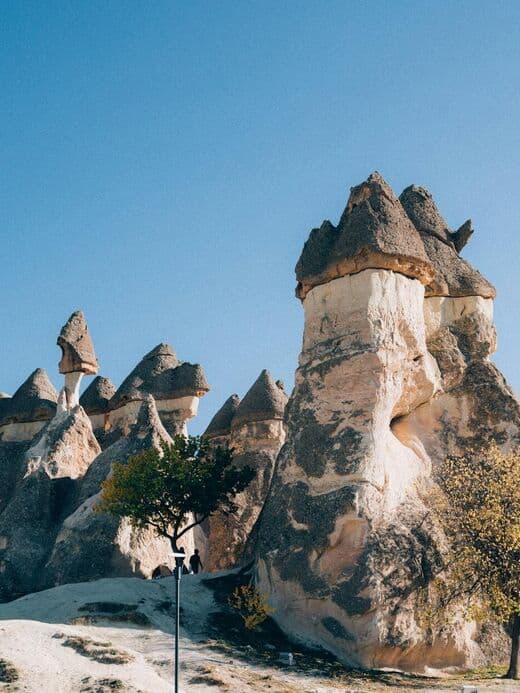
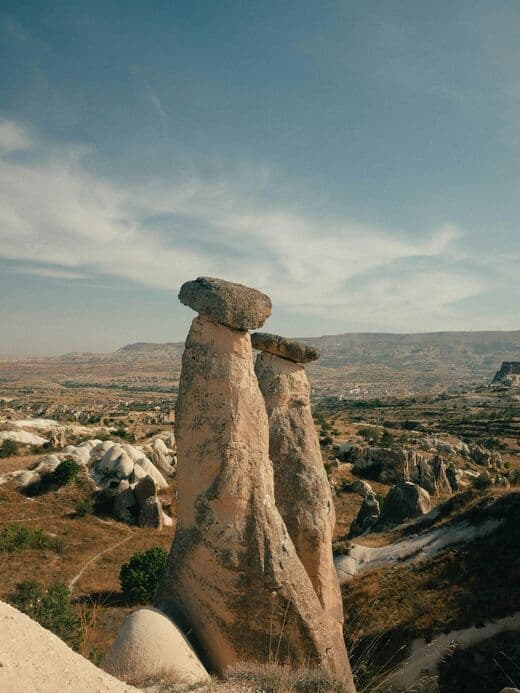
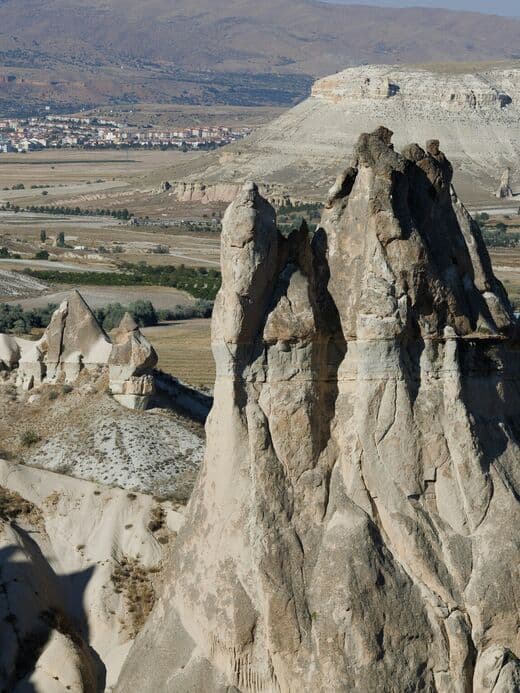
Cappadocia's Fairy Chimneys are a geological wonder created by volcanoes and time. Cone-shaped rocks with "caps" of hard stone dot the valleys, creating a landscape from another planet. For centuries people lived in these towers, carving homes and churches into them.
How the Chimneys Formed
Millions of years ago, the Erciyes and Hasan volcanoes covered the region in layers of ash and tuff. The soft rock eroded easily from rain and wind, but where a layer of hard basite sat on top, "mushrooms" formed—cones with stone caps.
The process continues today. Each year erosion eats away a few millimeters of tuff. Some chimneys lose their "caps" and collapse. What we see today is a snapshot of a geological process spanning millennia.
Where to See Them
Fairy chimneys are scattered throughout Cappadocia, but several main locations stand out:
Paşabağ Valley—the most famous. Chimneys here are especially tall and photogenic, some with multiple "heads." Inside one is a chapel of Saint Simeon, a 5th-century hermit monk.
Devrent Valley—the "Valley of Imagination." Rocks here resemble animals: camel, seal, dolphin. No signs—find them yourself, that's part of the game.
Love Valley (Aşk Vadisi)—rocks of characteristic phallic shape. Tourists giggle, geologists explain erosion. Sunset views are stunning regardless of rock shapes.
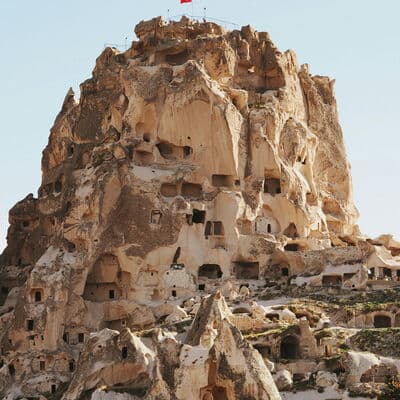
Zelve and Çavuşin—abandoned villages carved into chimneys. People lived here until the 1950s, when collapses forced relocation.
Life in Stone
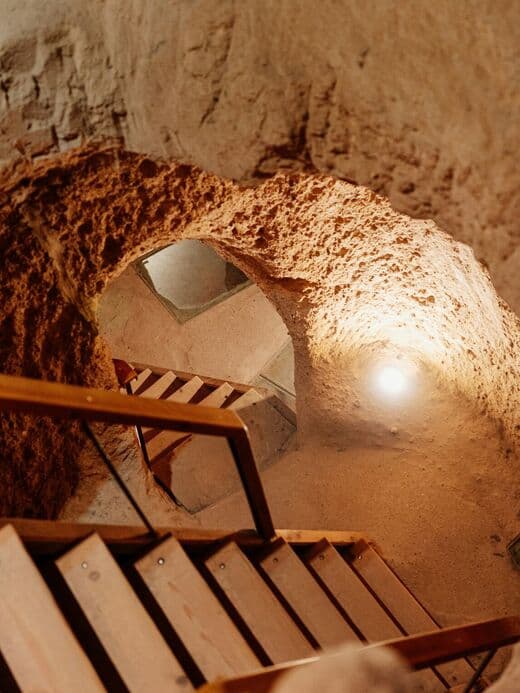
Soft tuff is easy to work—ideal building material in a region without forests. Hittites, Phrygians, Romans, Byzantines, Turks—all carved dwellings into rocks.
Inside the chimneys it's surprisingly comfortable. Cool in summer, warm in winter, walls "breathe" regulating humidity. Some Cappadocia hotels offer rooms in rocks—an authentic experience.
Christians hid here from persecution, creating underground cities and rock churches. Göreme Museum is the best place to see these temples with preserved frescoes.
How to Explore
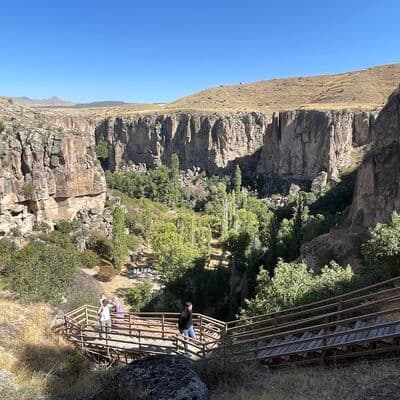
On foot: Numerous trails wind through valleys. Routes of varying difficulty—from easy walks to multi-hour hikes. Maps available at tourist offices and hotels.
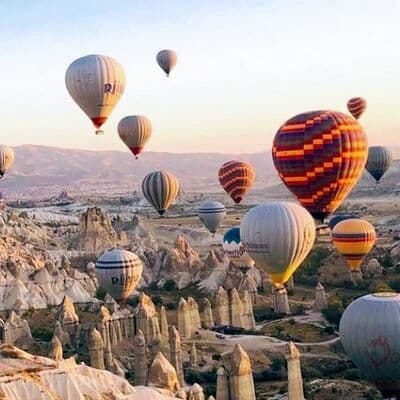
By hot air balloon: The iconic way to see Cappadocia. At dawn, hundreds of balloons rise above the valleys—a spectacle in itself. Book ahead, especially in season.
By ATV/horseback: For those wanting to cover more ground. Tours for every taste—from one hour to full day.
With a guide: Organized excursions ("Red Tour," "Green Tour") cover main points. Convenient but less flexible.
Practical Information
Paşabağ Valley: open 8:00 AM to 7:00 PM, paid entry. Parking, cafe, souvenirs available.
Devrent Valley: free access but no infrastructure. Bring water and comfortable shoes.
Best time: sunrise and sunset—for photography. Spring and fall—for comfortable temperatures. Summer is hot, winter may bring snow (but that's beautiful too).
Getting There
Base towns for exploration: Göreme, Ürgüp, or Uçhisar. From Istanbul—overnight bus (10-12 hours) or flight to Nevşehir/Kayseri (1 hour).
Getting around is easiest by rental car or scooter. Public transport exists but is limited.
Atmosphere and Character
Cappadocia is a place unlike anywhere else. The fairy chimneys are literally fairy-tale: it seems gnomes or dragons hide behind every rock.
The best moment is sunrise, when hot air balloons float above valleys and light paints rocks pink and gold. This is one of those views that stays in memory forever.
But chimneys are wonderful anytime. Simply walking among them, touching rough tuff, peering into abandoned dwellings—you feel connection with thousands of people who lived here before us. The rocks have seen empires, religions, wars. And still stand—until erosion takes its toll.