Bodrum
Bodrum 2026: What You Need to Know Before You Go
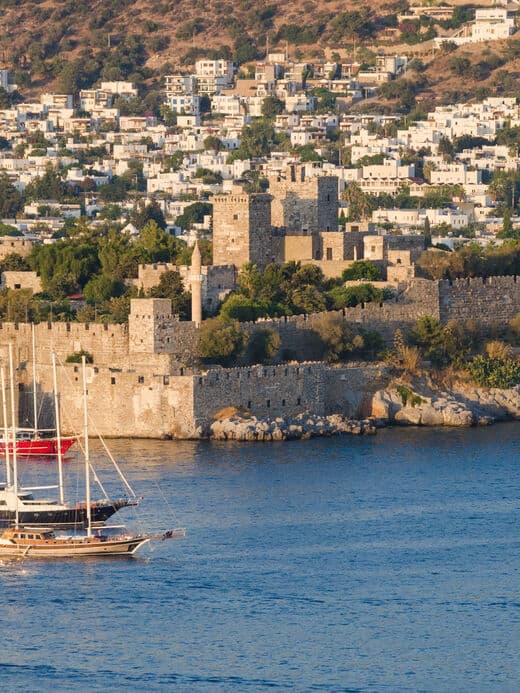
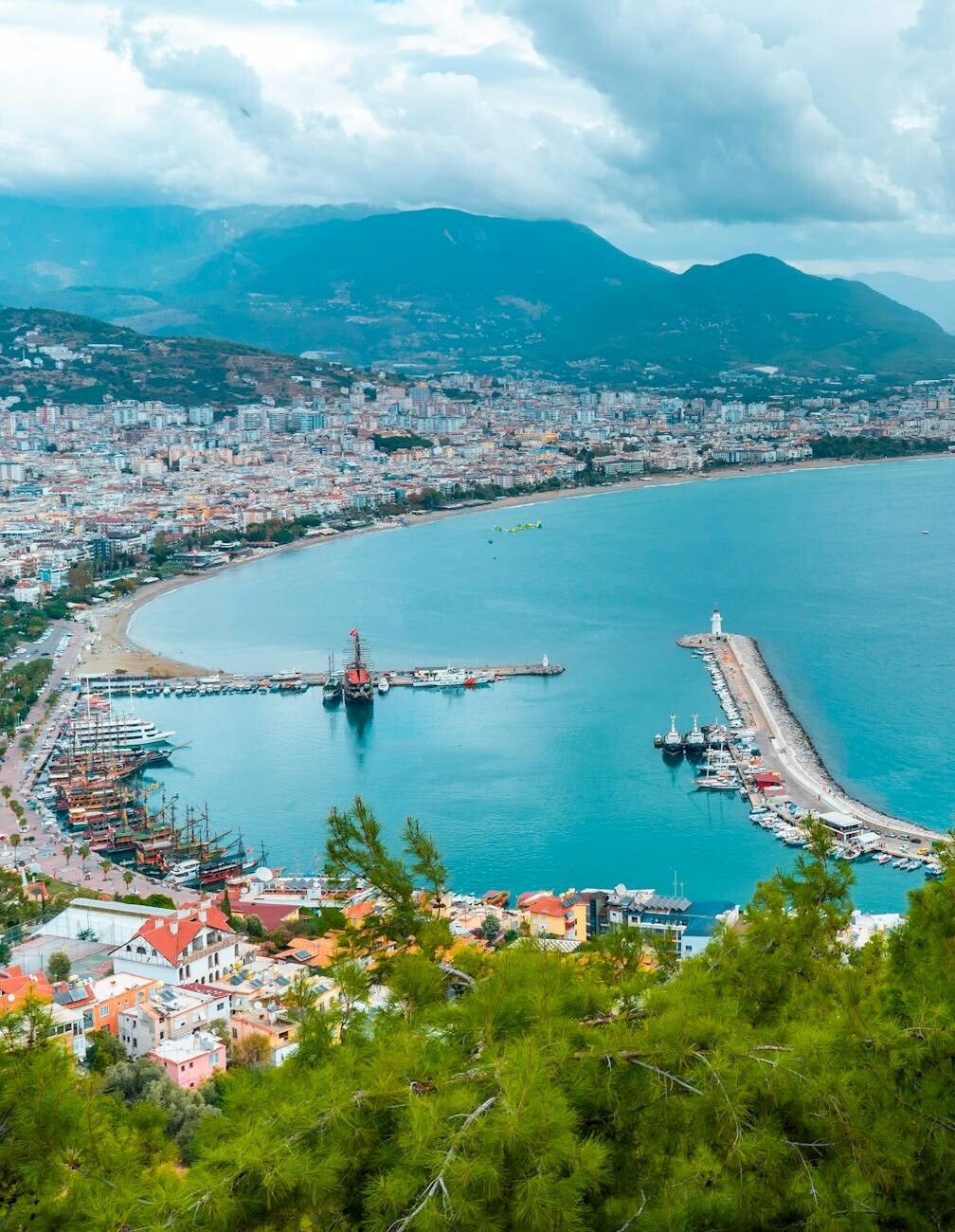
Bodrum is one of those places that surprises you. Most people picture it as just another Turkish beach resort, but spend a few days here and you will realize it is something else entirely. This is a town where a 15th-century crusader castle overlooks a harbor full of wooden gulets, where fishermen mend nets next to designer boutiques, and where you can eat a $3 gozleme for lunch and a $80 seafood dinner the same evening. Bodrum sits on the southwestern tip of Turkey's Aegean coast, on a peninsula dotted with dozens of bays, villages, and beaches - each with its own personality.
Who is Bodrum for? Couples looking for a romantic getaway with culture and good food. Families who want beaches without the package-tour chaos of Antalya. History buffs drawn to ancient Halicarnassus. Foodies who want to explore Aegean cuisine beyond the tourist kebab. And nightlife seekers - yes, Bodrum's Bar Street is legendary, though not everyone considers that a plus.
The honest pros: Stunning coastline with clear water, excellent food scene, rich history, easy day trips to Greek islands, a long season from May through October, and genuinely friendly locals. The honest cons: Summer crowds (July-August are intense), prices have climbed significantly in recent years, the meltemi wind can ruin beach days, and public transport between villages is functional but not always convenient. Bodrum is not a budget destination anymore - plan for $80-150 per day for a comfortable mid-range trip, or $200+ if you want the boutique hotel and fine dining experience.
Bodrum Neighborhoods: Where to Stay
The Bodrum Peninsula is not one place - it is a collection of distinct towns and villages spread across a hilly, pine-covered headland. Where you base yourself matters enormously. Here is the honest breakdown of seven main areas.
Bodrum Center (Bodrum Town)
The heart of it all. Bodrum Castle dominates the waterfront, the Bodrum Marina is packed with yachts, and the backstreets are full of restaurants, bars, and shops. This is where you want to be if you like walking everywhere - the castle, the Mausoleum at Halicarnassus, the bazaar, and Bar Street are all on foot. Vibe: Lively, urban by Bodrum standards, touristy but with local character. Cons: No great beach in the center itself, noisy at night near Bar Street. Price range: $60-180/night for hotels, wide range of dining options.
Gumbet
Just 3 km west of the center, Gumbet is Bodrum's party-and-beach combo neighborhood. Gumbet Beach is a wide sandy crescent with sunbeds, watersports, and beach bars. It draws a younger crowd and British package tourists. Vibe: Energetic, casual, beach-focused. Cons: Can feel overly touristy, beach gets very crowded in peak season, nightlife spillover means noise. Price range: $40-120/night, budget-friendly dining. This is Bodrum's most affordable area for accommodation.
Bitez
One bay further west from Gumbet, Bitez is the calmer, more grown-up sibling. Bitez Beach is famous for windsurfing and kitesurfing thanks to consistent afternoon winds. The village itself has excellent local restaurants - some of the best food on the peninsula, actually. Mandarin orchards line the hills behind the beach. Vibe: Relaxed, sporty, foodie-friendly. Cons: Limited nightlife, beach is pebbly in parts. Price range: $50-150/night, great value mid-range restaurants.
Yalikavak
This former fishing village on the northwest coast has transformed into Bodrum's most upscale address. Yalikavak Beach is pleasant but the real draw is Palmarina - a luxury marina with designer shops and high-end restaurants. Thursday market is one of the peninsula's best. Vibe: Posh, sophisticated, quieter luxury. Cons: Expensive, 20 km from Bodrum center (25-minute drive), can feel exclusive to the point of sterile. Price range: $100-400/night, dining skews expensive ($30-80 per person).
Turkbuku and Golturkbuku
The celebrity and Istanbul elite hangout. Turkbuku Beach is where Turkish socialites and international visitors go to see and be seen. Beach clubs charge $30-50 just for a sunbed. The bay is genuinely beautiful - sheltered, clear water, pine-covered hills. Vibe: Glamorous, exclusive, scene-y. Cons: The most expensive area on the peninsula, can feel pretentious, beach clubs are overpriced. Price range: $150-500+/night, dining $40-100+ per person. Not the place for budget travelers.
Gumusluk
The bohemian soul of Bodrum. This laid-back village sits on the ruins of ancient Myndos, and you can still see submerged walls when you wade into the shallow water. Gumusluk is famous for its waterfront fish restaurants where you eat with your feet practically in the sea. Rabbit Island (connected by a shallow walkway) is the sunset spot. Vibe: Artistic, peaceful, authentic. Cons: Very quiet (some would say too quiet), limited shopping and nightlife, 25 km from Bodrum center. Price range: $50-130/night, seafood dinners $15-35 per person.
Turgutreis
The second-largest town on the peninsula, Turgutreis is where locals actually live and shop. It has a big Saturday market (one of the best in the Aegean region), a long waterfront promenade, and the ferry terminal for Kos, Greece. Sunsets from Turgutreis are arguably the best on the peninsula. Vibe: Local, practical, residential with a resort fringe. Cons: Less charming than other villages, beach is average, 22 km from Bodrum center. Price range: $35-100/night, cheapest dining on the peninsula.
My recommendation: First-timers should stay in Bodrum Center for 2-3 nights (walkable to everything), then move to Bitez or Gumusluk for the beach-and-food phase. Couples wanting luxury should look at Yalikavak. Families with kids do well in Bitez or Turgutreis.
Best Time to Visit Bodrum
Bodrum has a longer season than most Mediterranean destinations, but timing your visit right makes a big difference in both experience and cost.
The sweet spot: May-June and September-October. These are the months when Bodrum is at its best. In May and early June, the water is warming up (22-24C/72-75F), wildflowers are blooming, prices are 30-40% lower than peak, and you can actually get a table at popular restaurants without booking. September is arguably the single best month - water temperature peaks at 26-27C (79-81F), summer crowds thin out after Turkish schools start, and the light turns golden. October is still pleasant (water around 23C/73F), with bargain prices and a mellower pace.
Peak season: July-August. Hot (35-40C/95-104F), crowded, and expensive. Every hotel and restaurant operates at full capacity. The famous meltemi wind kicks in most afternoons, which is great for windsurfers but annoying for beach loungers - sand blows, umbrellas flip, and north-facing beaches become choppy. Traffic on peninsula roads gets serious. That said, the energy is electric: beach clubs are pumping, Bar Street is at full volume, and the social scene peaks. If this is what you want, book at least 2-3 months ahead.
Off-season: November-April. Many hotels and restaurants close entirely from November through March. Bodrum does not die completely - the town center stays alive and there is a small expat community - but it is a very different vibe. Winter temperatures hover around 10-15C (50-59F) with rain. That said, if you catch a sunny week in late November or early March, you will have the ruins and coastline virtually to yourself, and hotel prices drop 50-70%.
Festival calendar worth noting: Bodrum International Ballet Festival (July-August, performances at the castle), Bodrum Jazz Festival (various dates), and the Turgutreis International Music Festival. The Yalikavak Thursday market and Turgutreis Saturday market run year-round but are most vibrant April through October. Ramadan dates shift yearly - during Ramadan some restaurants may have limited daytime hours in smaller villages, though tourist areas are unaffected.
Bodrum Itinerary: 3 to 7 Days
Here are three detailed itineraries depending on how much time you have. All assume you are based in or near Bodrum Center for at least the first couple of days.
3-Day Essential Bodrum
Day 1 - Bodrum Center: History and Harbor
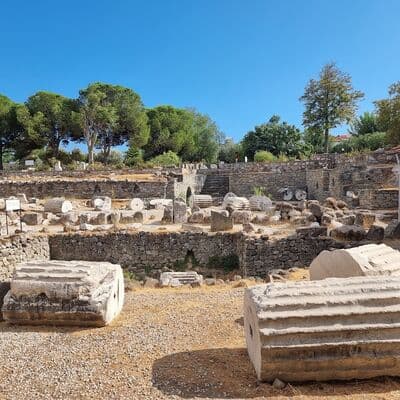
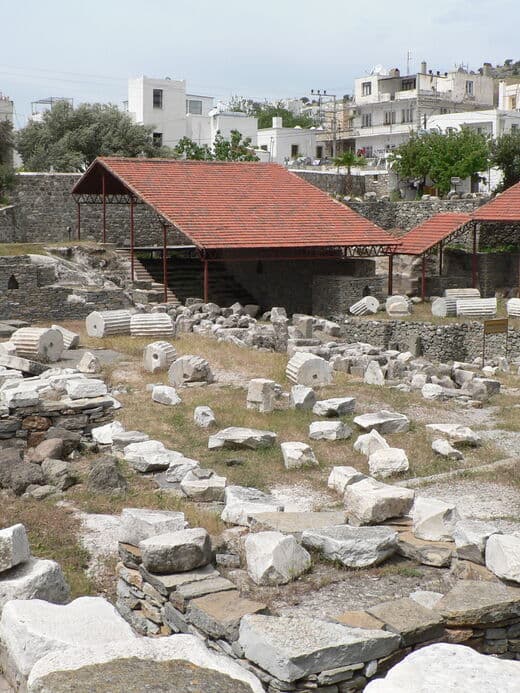
Start at Bodrum Castle (Castle of St. Peter) around 9:00 AM before the heat and crowds build. Allow 2-2.5 hours - the Underwater Archaeology Museum inside is genuinely world-class, with artifacts from Bronze Age shipwrecks. After the castle, walk 10 minutes to the Mausoleum at Halicarnassus - one of the Seven Wonders of the Ancient World. Honestly, what remains is modest (a few stones and a model), but the history is incredible and it takes just 30-40 minutes. Lunch at Otantik Ocakbasi near the center - get the cokertme kebab, Bodrum's signature dish ($8-12). Afternoon: stroll through the bazaar area for shopping and Turkish delight tasting, then walk along Bodrum Marina as the sun gets lower. Dinner at Mudavim for excellent meze and grilled fish ($20-30 per person). Evening: wander Bar Street (Cumhuriyet Caddesi) - even if clubbing is not your thing, the people-watching is entertaining.
Day 2 - Beach Day: Bitez and Gumbet
Take a dolmus from Bodrum center to Bitez Beach (15 minutes, about 25 TRY/$0.70). Arrive by 10:00 AM to grab a good sunbed spot. Rent a sunbed and umbrella set (150-200 TRY/$4-6). The water here is calm in the morning before the wind picks up. Lunch at one of the beachfront restaurants - grilled calamari and a beer will run you $10-15. If you want watersports, Bitez is one of the best spots for windsurfing - rental and a quick lesson runs about $40-60. Mid-afternoon, hop on a dolmus to Gumbet Beach (10 minutes) for a different vibe - more lively, with beach bars and parasailing options. Dinner back in Bodrum center at La Pasion for something different - international cuisine with Aegean touches ($25-40 per person).
Day 3 - Gumusluk Sunset Day
Sleep in. Late morning, take a dolmus to Gumusluk (40 minutes from Bodrum center, 40 TRY/$1.10). Walk through the village, explore the small craft shops, wade out to Rabbit Island across the shallow causeway. Have a long, lazy seafood lunch at one of the waterfront restaurants - sit at the tables literally on the water's edge. The fish here is extremely fresh; a full fish meal with meze, salad, and raki runs $20-30 per person. Spend the afternoon swimming in the sheltered bay. Stay for sunset - Gumusluk has the best sunset on the peninsula, and the restaurants light candles as the sky turns pink and orange. Take a dolmus back (last ones around 11 PM in summer).
5-Day Extended Itinerary
Days 1-3: Follow the 3-day itinerary above.
Day 4 - Yalikavak and Turkbuku
Rent a car or scooter for the day ($25-40 for a car, $15-20 for a scooter). Drive to Yalikavak Beach first (20 km, 25 minutes). If it is Thursday, hit the Yalikavak market - it is fantastic for leather goods, spices, textiles, and local produce. Browse Palmarina for window shopping (unless your budget allows the boutiques). Coffee at one of the marina cafes ($4-6). Then drive the scenic coast road to Turkbuku Beach (15 minutes). This is where you splurge - a beach club day with sunbed, lunch, and drinks will run $50-80 per person, but the setting is stunning. Alternatively, there is a small public beach area that is free. Dinner at Zai Yasam in Turkbuku for modern Turkish cuisine ($35-50 per person) - reserve ahead in summer.
Day 5 - Greek Island Day Trip (Kos)
Ferries depart from both Bodrum center and Turgutreis to Kos, Greece. Book through Bodrum Ferryboat Association or online - round trip is about $35-45 per person. Morning ferry (usually 9:00-9:30 AM, 30-45 minutes). Bring your passport - this is an international border crossing. Spend the day exploring Kos Town: the Asklepion ruins, the Castle of the Knights, the old town. Lunch at a Greek taverna (moussaka, fresh fish, Greek salad). Prices in Kos are similar to Bodrum or slightly higher since Greece uses euros. Return ferry usually around 4:30-5:00 PM. Important: Check visa requirements - US, UK, Canadian, and Australian citizens can enter Greece visa-free for short visits, but verify current rules. Buy your ferry ticket at least a day ahead in summer.
7-Day Full Peninsula Experience
Days 1-5: Follow the 5-day itinerary above.
Day 6 - Camel Beach and Turgutreis
Drive (or dolmus) to Camel Beach on the south coast - this is one of the most beautiful beaches on the peninsula, set in a sheltered cove with turquoise water and pine trees. The name comes from the camel rides offered there, but the beach itself is the star. Arrive early (before 10 AM) as it fills up fast. Sunbed rental is about 200-300 TRY ($6-9). Spend the morning swimming and relaxing. Afternoon, continue to Turgutreis. Walk the waterfront promenade, browse any market stalls, and grab an ice cream. If it is Saturday, the Turgutreis market is enormous and worth at least an hour. Dinner at Bitz Lounge in Bitez on the way back - modern Aegean cuisine in a garden setting ($20-35 per person). Stay for sunset views over the bay.
Day 7 - Slow Day and Farewell
No agenda. Sleep late. Have a proper Turkish breakfast at Limon or Miam in Bodrum center - this is not a quick meal but a spread of cheeses, olives, eggs, honey, tomatoes, cucumbers, bread, and tea that takes an hour to enjoy ($8-15 per person). After breakfast, revisit your favorite spot - maybe a final swim at Bitez, another walk around the castle, or some last-minute shopping in the bazaar. If you are a coffee lover, stop at Kurul for excellent specialty coffee ($3-5). For a grand finale dinner, book Arka Ristorante - Italian-Turkish fusion with harbor views, probably the best fine dining in Bodrum center ($50-70 per person). Walk the marina one last time under the stars.
Where to Eat in Bodrum
Bodrum's food scene has exploded in recent years. It ranges from humble pide shops to internationally recognized restaurants. Here is how to navigate it by category and budget.
Street Food and Markets
Do not overlook Bodrum's street food. Gozleme (stuffed flatbread) stalls are everywhere - the best ones use local herbs and village cheese (15-25 TRY/$0.50-0.70). Kumru sandwiches (sesame-crusted rolls with cheese and tomato) are a quick, satisfying meal for under $2. The Tuesday market in Bodrum center has incredible produce - peaches, figs, tomatoes that actually taste like something. Yalikavak Thursday market and Turgutreis Saturday market are worth a trip for food alone.
Local Joints (Budget-Friendly)
Otantik Ocakbasi - The place for cokertme kebab, Bodrum's signature dish of thinly sliced lamb over crispy potatoes with yogurt. Unpretentious, authentic, locals eat here. Mains $8-14. Mudavim - Hidden in a backstreet, this meze-focused spot is beloved by locals. Order a spread of 5-6 cold meze plates, grilled octopus, and a bottle of raki. Two people eat very well for $30-40 total. The ot kavurma (herb-sauteed greens with eggs) is exceptional here.
Mid-Range Restaurants
La Pasion - A step up in ambiance without being stuffy. Menu mixes Aegean and international dishes. Good wine list featuring Turkish producers (try Urla or Kavaklidere labels). Mains $15-25. Bitz Lounge in Bitez - Garden setting under old trees, modern takes on Turkish classics. Their meze platter is one of the best on the peninsula. Budget $25-35 per person with drinks. Limon - Known for exceptional breakfast spreads but also serves lunch and dinner. Great spot for a leisurely morning meal.
Fine Dining and Special Occasions
Zai Yasam in Turkbuku - Modern Turkish cuisine in an elegant setting. Chef uses hyper-local ingredients from peninsula farms. Tasting menus available. Expect $50-80 per person. Reserve 2-3 days ahead in summer. Arka Ristorante - Italian-Turkish fusion overlooking the harbor. Handmade pasta, fresh seafood, excellent wine pairings. One of the most consistently praised fine dining spots in Bodrum. Budget $50-70 per person. Miam - Sits on the line between mid-range and fine dining. Mediterranean-Aegean fusion, beautiful courtyard. Famous for creative meze and desserts. $35-55 per person.
Cafes and Breakfast
Kurul - Specialty coffee done right. Single-origin beans, proper espresso technique, knowledgeable baristas. A rarity in Turkish resort towns. Espresso $2.50-4. Limon - Already mentioned, but their Turkish breakfast deserves its own highlight. The full spread with menemen (scrambled eggs with peppers and tomatoes), five types of cheese, local honey, and unlimited tea is a perfect start to the day ($10-15 per person). Do not rush it.
General tip: In summer, always book dinner reservations at mid-range and fine dining spots. Walk-ins at popular places are difficult from June through September. Many restaurants in Bodrum add a service charge (10-15%) - check the bill before tipping on top.
What to Try: Bodrum Food Guide
Aegean Turkish cuisine is lighter, more herb-driven, and more vegetable-focused than the meat-heavy fare of eastern Turkey. Bodrum has its own distinct dishes and food traditions. Here is what you absolutely must eat.
Cokertme Kebab - Bodrum's signature dish and you cannot leave without trying it. Thin strips of sauteed lamb laid over a bed of crispy shoestring potatoes, drizzled with yogurt and tomato sauce. It originated in the village of Cokertme near Bodrum. Best at Otantik Ocakbasi or any traditional ocakbasi. Around 250-350 TRY ($7-10).
Meze Spread - Not a single dish but a way of eating. Order 5-8 small plates to share: haydari (thick yogurt with herbs), acili ezme (spicy tomato paste), deniz borulcesi (samphire - a salty sea vegetable sauteed in olive oil and lemon, unique to the Aegean coast), atom (spicy walnut dip), and whatever else catches your eye. A proper meze session with raki is a quintessential Bodrum evening. Budget 150-300 TRY ($4-9) per dish.
Ot Kavurma - Wild greens and herbs foraged from the hillsides, sauteed in olive oil, often served with eggs on top. The herb mix changes seasonally and varies by cook. Simple, healthy, and deeply flavorful. A staple of Aegean home cooking that you will find on most local restaurant menus. Around 120-200 TRY ($3.50-6).
Kabak Cicegi Dolmasi - Stuffed zucchini flowers. The blossoms are filled with herbed rice (sometimes with cheese) and gently cooked in olive oil. Delicate, seasonal (mainly June-August), and completely delicious. One of the best vegetarian dishes in Turkish cuisine. About 150-250 TRY ($4-7) for a plate.
Deniz Borulcesi (Samphire) - This salty, crunchy sea vegetable grows along the Aegean coastline and shows up as a side dish or in salads. Dressed simply with olive oil and lemon juice, it is addictive and unlike anything most visitors have tried. Available everywhere from market stalls to fine dining. Around 80-150 TRY ($2.50-4.50).
Grilled Fresh Fish - Bodrum is a fishing town. Levrek (sea bass), cipura (sea bream), and ahtapot (octopus) are the staples. Gumusluk is the best place for fish - restaurants there source from local fishermen. Fish is typically priced by weight. Expect 300-600 TRY ($9-18) for a portion depending on the fish and the restaurant. Always ask for the daily catch.
Gozleme - Thin flatbread filled with spinach and cheese, potato, or minced meat, cooked on a convex griddle by women who have been making them for decades. The ultimate cheap eat - 40-80 TRY ($1-2.50). Markets and village stalls have the best versions.
Kumru - A sesame-crusted bread roll stuffed with sucuk (spiced sausage), kasar cheese, and tomato, then pressed hot. Essentially Turkey's answer to the panini. Perfect for a quick lunch. Under 100 TRY ($3).
Raki - Not food, but no Bodrum food guide is complete without it. This anise-flavored spirit is mixed with water and ice (turns milky white, hence the nickname "lion's milk"). Raki is inseparable from the meze tradition. Sip slowly - it is 45% alcohol. A standard 35cl bottle at a restaurant is 400-700 TRY ($12-20). The ritual of raki and meze is one of Turkey's great cultural experiences.
For vegetarians: Aegean cuisine is genuinely vegetarian-friendly. The meze tradition means half the table is already plant-based. Ot kavurma, kabak cicegi dolmasi, and deniz borulcesi are all vegetarian stars. Most restaurants have multiple vegetable dishes. For allergies: Gluten appears in gozleme, bread, and some meze. Dairy is in many dips. Nut allergies - be cautious with walnut-based dips (atom, cevizli biber). Communicate allergies clearly; most restaurant staff will accommodate you.
Bodrum Insider Tips: Local Secrets
After spending real time on the peninsula, here are the practical tips that most travel guides skip.
1. Master the dolmus system. Dolmus minibuses connect all peninsula villages to Bodrum center. They leave from the main dolmus station near the marina, run frequently in summer (every 15-30 minutes), and cost 25-50 TRY ($0.70-1.50) depending on distance. Last dolmus from most villages is around 11:00 PM in summer, earlier off-season. They do not always run on a fixed schedule - when it fills up, it goes. Pay the driver directly in cash. This is by far the cheapest way to explore the peninsula.
2. Respect the meltemi. The meltemi is a strong northerly wind that blows most afternoons from June through September. It makes north-facing beaches (like parts of Yalikavak) choppy and unpleasant. South-facing beaches like Bitez and Camel Beach are more sheltered. Check the wind forecast each morning and choose your beach accordingly. The wind also means evenings can be surprisingly cool - pack a light jacket even in August.
3. Market days are essential. Each village has a specific market day: Bodrum center (Tuesday), Yalikavak (Thursday), Turgutreis (Saturday), and others rotate. Go early (before 10 AM) for the best produce and fewer crowds. Prices are negotiable for clothing and goods but generally fixed for food. These markets are where locals shop - you will pay a fraction of supermarket prices for fruit, vegetables, cheese, and olives.
4. Book restaurants, especially for dinner. From June through September, any restaurant worth eating at will be full by 8:30 PM. Call ahead or use Instagram DMs - many Bodrum restaurants manage reservations through Instagram. A same-day morning call usually works for mid-range places; fine dining needs 1-3 days notice.
5. Bar Street is not all of Bodrum nightlife. Cumhuriyet Caddesi (Bar Street) is loud, wild, and fun if that is your scene - but it is a tourist zone. For a more local experience, try the rooftop bars around the castle area, the beach clubs in Gumbet and Turkbuku that run sunset DJ sets, or simply a waterfront restaurant in Gumusluk where the evening stretches into raki-fueled conversations.
6. Tap water is safe but does not taste great. Bodrum's tap water is technically drinkable but has a mineral taste most people dislike. Locals drink bottled or filtered water. Big 5-liter bottles from the market are about 30-50 TRY ($1-1.50). Most hotels provide complimentary bottles.
7. Rent a car for days 3+. If you are staying more than two or three days, a rental car unlocks the peninsula. Roads are decent, parking is generally available (except in Bodrum center - park at the outskirts). Rental costs $25-45/day for a basic car. Get an automatic if you are not comfortable with stick shift on hills. Scooters are popular but helmets are mandatory and enforcement is real. International driving license is technically required but rarely checked.
8. Turkish tea is a social ritual, not just a drink. When a shopkeeper offers you tea, accept it. It is not a sales tactic (well, not only) - it is hospitality. Tea is served in small tulip-shaped glasses, always black, always with sugar cubes on the side. It is also incredibly cheap - 10-20 TRY ($0.30-0.60) at a tea house. A glass of tea on a seaside bench is one of Bodrum's simplest pleasures.
9. Cash gets discounts. Many smaller restaurants, shops, and even some hotels will offer 5-10% discounts for cash payment, especially outside peak season. ATMs are plentiful - use ones attached to bank branches (Garanti, Is Bank, Akbank) to avoid independent ATM surcharges. Withdraw in Turkish lira, not USD - your bank will give a better exchange rate.
10. Pack water shoes. Many Bodrum beaches are pebbly, not sandy. At places like Bitez and some coves, the entry into the water involves walking on stones. A pair of basic water shoes (available at every beach shop for 100-200 TRY/$3-6) will save your feet and make the experience much more enjoyable.
11. Greek island hopping is easy. Kos is 30-45 minutes by ferry and makes a perfect day trip. In summer, there are also ferries to Rhodes (2 hours) and other Dodecanese islands. Book through the ferry companies directly or at the harbor offices. Remember: Greece is in the Schengen zone, so different visa rules may apply depending on your nationality.
12. Bodrum wakes up late. Dinner at 9 PM is early. Bars fill up after midnight. Clubs peak at 2-3 AM. Plan accordingly - do not schedule an 8 AM museum visit if you were out until 3 AM. Conversely, mornings are the best time for beaches and sightseeing because the crowds are still sleeping.
Getting Around Bodrum: Transport and Connectivity
Getting from the Airport
Bodrum's airport (BJV - Milas-Bodrum Airport) is about 36 km northeast of Bodrum center, roughly a 45-minute drive. Several options exist for the transfer:
Havas shuttle bus: The most popular budget option. Buses run after each arriving flight and go directly to Bodrum bus station. Cost is approximately 200-250 TRY ($6-7). From there you can catch a dolmus or taxi to your hotel. Journey takes about 50-60 minutes.
Muttas bus: A regional bus service that operates scheduled routes from the airport to various peninsula destinations including Turgutreis, Yalikavak, and Bodrum center. Slightly cheaper than Havas and covers more villages, but runs on a fixed timetable rather than syncing with flights. Check schedules on the Muttas website.
Private taxi: Fixed-rate taxis from the airport to Bodrum center cost approximately 1,200-1,500 TRY ($35-45). Prices are posted at the taxi stand. To farther destinations like Yalikavak or Turgutreis, expect 1,500-2,000 TRY ($45-60). Taxis are metered within towns but airport transfers are generally fixed-rate. Negotiate or confirm the price before departing.
Car rental: All major companies (Avis, Budget, Europcar, Sixt) plus Turkish companies (Garenta) have desks at the airport. Book online in advance for better rates. Summer prices start at about $25-40/day for an economy car. Fuel is expensive in Turkey - approximately 45-50 TRY/liter ($1.30-1.50) - so factor that in.
Getting Around the Peninsula
Dolmus minibuses: The backbone of Bodrum transport. Routes radiate from Bodrum center to all peninsula villages. Cheap (25-50 TRY), frequent in summer, and cover every destination you would want to visit. The downside: they can be crowded, there is no AC on some older vehicles, and routes all funnel through Bodrum center - so going from Bitez to Yalikavak means transferring in town. Dolmus stops are marked with signs (usually a "D" on a blue background).
Taxis: Available everywhere, metered within towns. Short hops within Bodrum center are 80-150 TRY ($2.50-4.50). Cross-peninsula rides get expensive quickly - Bodrum to Yalikavak is 500-700 TRY ($15-20). Uber does not operate in Bodrum; use the BiTaksi app for ride-hailing, or just flag one down.
Scooter and ATV rental: Popular with visitors, available from shops in every village. Scooters are $15-20/day, ATVs $30-50. You need a valid driver's license (international license recommended). Helmets are required by law. Roads on the peninsula are hilly and winding - scooters are fun but be cautious, especially on the main highway between towns where traffic moves fast.
Car rental (local): If you did not rent at the airport, local agencies in Bodrum center offer slightly higher daily rates ($30-50/day) but more flexibility. Useful for 1-2 day explorations of the peninsula rather than the full trip.
Ferries to Greek islands: Regular ferries to Kos depart from Bodrum center harbor and Turgutreis. In summer, 2-4 departures daily, crossing time 30-45 minutes. Round-trip tickets $35-45. There are also less frequent services to Rhodes, Kalymnos, and other Dodecanese islands. Book through Bodrum Express Lines or Bodrum Ferryboat Association. Bring your passport - this is a Schengen border crossing.
Staying Connected
SIM cards: Turkish SIM cards from Turkcell, Vodafone, or Turk Telekom can be purchased at shops in Bodrum center. Tourist SIM packages with data cost approximately 400-800 TRY ($12-24) for 20-50 GB valid for 30 days. You will need your passport for registration. Note: foreign phones must be registered within 120 days or cellular service will be blocked - for a short vacation this is not an issue.
eSIM: The easier option for most travelers. Purchase an eSIM from Airalo, Holafly, or similar services before your trip. A Turkey eSIM with 5-10 GB costs $10-20 for 7-30 days. No passport registration needed, activates instantly. Coverage is excellent across the Bodrum peninsula.
WiFi: Hotels, restaurants, and cafes universally offer free WiFi. Quality varies - fast in modern hotels, spotty in traditional restaurants. For reliable connectivity, an eSIM or local SIM is recommended.
Useful apps: BiTaksi (ride-hailing), Google Maps (works well for Turkey, including dolmus routes), Yandex Maps (sometimes better for local businesses), Google Translate (Turkish offline pack is essential), and the ferry companies' websites for booking Kos trips.
Who Should Visit Bodrum: Final Verdict
Bodrum works for a surprisingly wide range of travelers, but it is not for everyone. Here is the honest assessment.
Bodrum is ideal for: Couples who want a mix of beach, culture, and dining. Foodies exploring Aegean cuisine. History enthusiasts interested in ancient Greek and Ottoman heritage. Families with older children who appreciate varied activities. Anyone who wants a base for Greek island day trips. Nightlife seekers who enjoy open-air clubs and beach parties. Repeat Turkey visitors looking beyond Antalya and Istanbul.
Bodrum is not ideal for: Budget backpackers (it is no longer cheap). Families with toddlers who need sandy, wave-free beaches (many beaches are pebbly). Anyone who dislikes wind and heat. Travelers seeking an undiscovered, off-the-beaten-path experience - Bodrum is well-established on the tourist map.
How many days? Three days covers the essentials. Five days lets you explore the peninsula properly and add a Greek island trip. A full week allows you to slow down, revisit favorite spots, and truly unwind. Beyond seven days, you are living the Bodrum life - and plenty of people have come for a week and stayed for years.