Marmaris
Marmaris 2026: What You Need to Know Before You Go
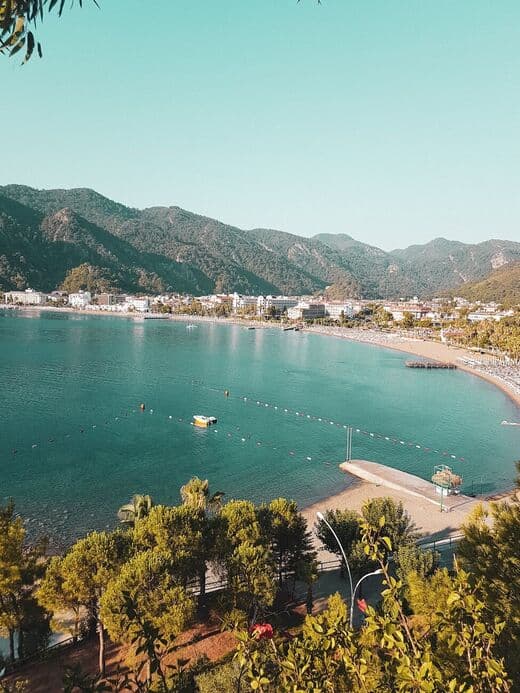
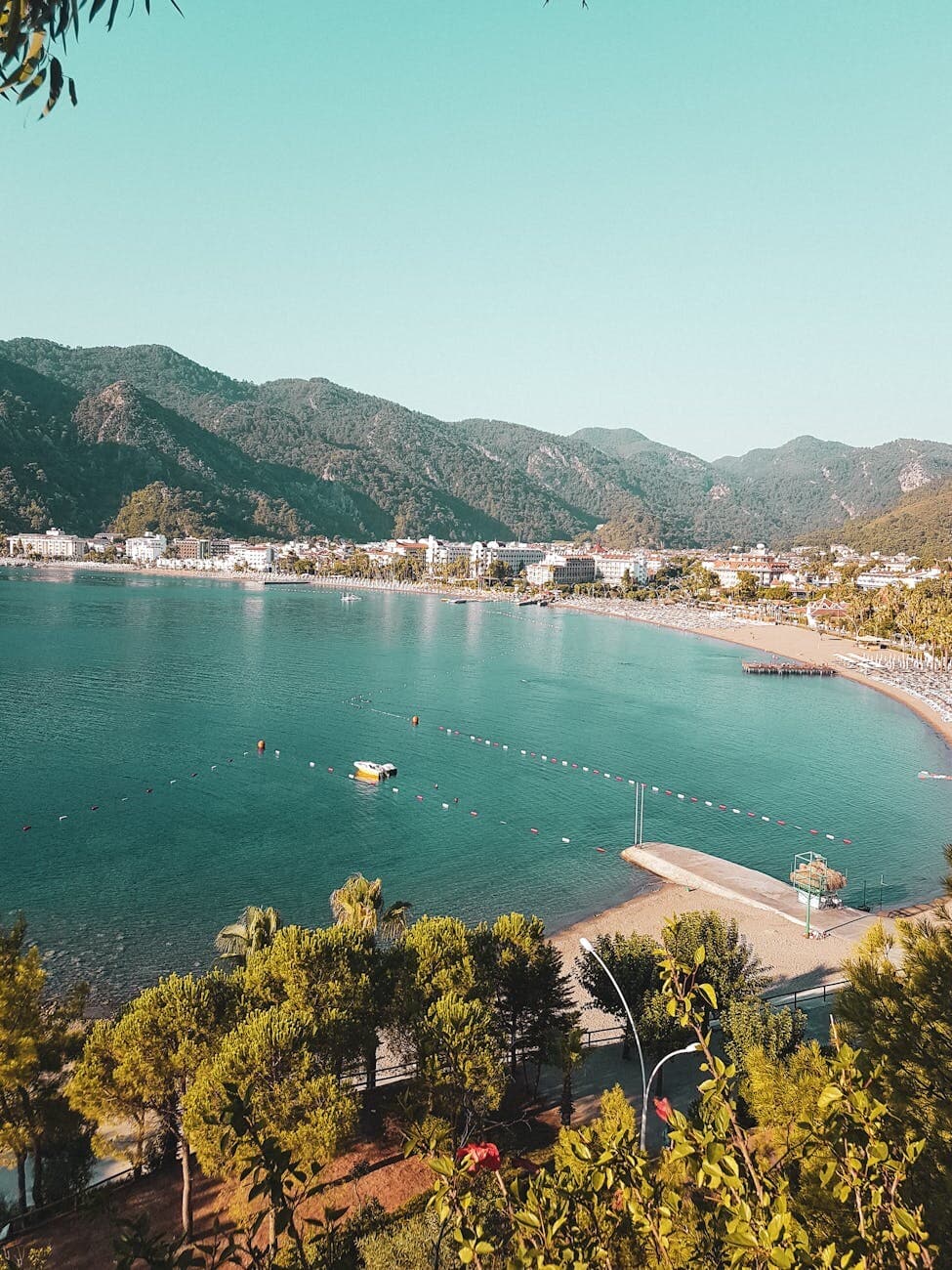
Marmaris is where pine-covered mountains plunge straight into turquoise water, and the narrow alleys of the bazaar smell of spices and freshly squeezed pomegranate juice. This is not just another Turkish resort - it is a lively, loud, and strikingly beautiful town at the meeting point of the Aegean and Mediterranean seas, where you can spend a full week without a single dull moment.
In short: Marmaris is worth visiting for its stunning mountain-ringed bay, a yacht marina that rivals anything in the western Mediterranean, day-trip boat excursions to islands and hidden coves, a notoriously energetic nightlife strip, and easy access to the ancient ruins of Kaunos. Plan for 5 to 7 days: 2 days exploring the town, 2 to 3 for boat trips, and 1 to 2 for the surrounding area.
Who is this town for? Marmaris is genuinely versatile. Young travelers come for the bars and clubs, families head to the calm beaches of Icmeler, couples enjoy romantic sunsets from chartered yachts, and adventure seekers book jeep safaris, diving, and sea kayaking. The town is compact, everything is close, and the infrastructure is solid.
Honest downsides: in July and August, temperatures hit 104F (40C) and the streets fill with package tourists, mainly from the UK and Eastern Europe. Bar Street turns into a wall of noise after dark. The town center beaches are mediocre - for genuinely good swimming you need to get to Icmeler or Turunc. And yes, this is resort Turkey, not authentic Turkey, with everything that implies.
Neighborhoods: Where to Stay in Marmaris
Town Center and Promenade - convenience and action
The heart of Marmaris stretches from Marmaris Castle along the waterfront promenade to the Marina. Everything is concentrated here: restaurants, shops, the covered bazaar, banks, pharmacies, and tour agencies. Any point in town is at most a 15-minute walk or a quick dolmus ride away.
Pros: everything within walking distance, an evening promenade with panoramic bay views, wide range of accommodation for every budget
Cons: noisy, especially at night near Bar Street; the central beach is narrow and overcrowded
Prices: $$ (hostels from $10-12/night, 3-star hotels from $35-40, 4-star from $70-80)
Best for: younger travelers, solo backpackers, anyone who wants to be at the center of things
Icmeler - the best beach and a quieter pace
A small resort village 4.5 miles (7 km) from Marmaris center, tucked into the far end of the bay. Icmeler Beach is hands-down the best beach in the area: crystal-clear water, a gentle sandy slope into the sea, and pine trees reaching almost to the shoreline. The vibe is calmer than downtown Marmaris, but all the essentials are in place - restaurants, grocery stores, water sports rental. Dolmus minibuses to Marmaris center run every 10 to 15 minutes until late at night.
Pros: best water quality in the area, lush greenery, quieter atmosphere, family-friendly, clean
Cons: nightlife requires a ride into Marmaris; fewer restaurant options than the center
Prices: $$ (3-star hotels from $40-45, 4-star from $80-90, all-inclusive options from $100-120)
Best for: families with kids, couples, anyone who prioritizes beach quality
Armutalan - budget-friendly and authentically Turkish
A residential neighborhood 1 to 2 miles uphill from the waterfront. This is where the locals actually live, which means real bakeries selling simit rings for pennies, a fruit market with local prices, and neighborhood cafes where the menu is only in Turkish. The beach and promenade are a 15 to 20-minute walk downhill or a 5-minute dolmus ride.
Pros: lowest prices in the area, authentic atmosphere, good apartment rentals
Cons: a bit far from the sea, transport needed, quiet in the evenings
Prices: $ (apartments from $20-25, budget hotels from $25-30)
Best for: budget travelers, digital nomads, anyone who wants to live like a local
Siteler - peace, pines, and crystal water
A neighborhood east of the center, stretching along the coast toward Datca. Surrounded by pine forest, with low-rise buildings, small rocky beaches, and incredibly clear water. Perfect for travelers who want to escape the noise and immerse themselves in nature. Dolmus to the center takes 10 to 15 minutes.
Pros: peaceful, natural setting, clean sea, very few tourists
Cons: not much happening in the evenings, fewer restaurants, rocky entry into the water
Prices: $$ (hotels from $45-50, villas from $90-100)
Best for: couples, older travelers, nature lovers
Turunc - a secluded bay
A tiny resort village 12 miles (20 km) from Marmaris, hidden inside a picture-perfect bay. You can reach it via a winding mountain road or by water taxi from Marmaris (40 minutes each way, with jaw-dropping coastal views). The beach holds a Blue Flag award - the water is transparent right down to the sandy bottom. There are enough restaurants and small shops, but do not expect a wide selection.
Pros: one of the most beautiful bays on the Turkish coast, pristine water, total tranquility
Cons: isolated - getting to Marmaris requires a boat or bus; limited entertainment
Prices: $$$ (boutique hotels from $70-80, villas from $130-150)
Best for: couples on a romantic getaway, anyone who truly wants to unplug
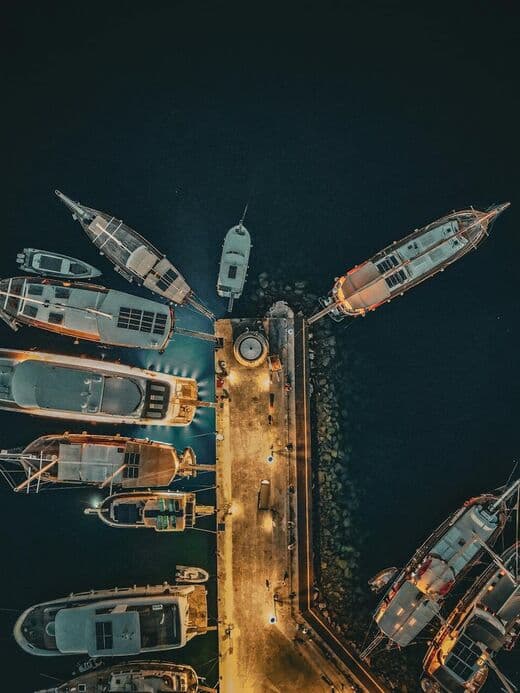
Marina District - yachting elegance
The area surrounding Marmaris Marina is the most polished part of town. Upscale restaurants with views of gleaming yachts line the waterfront, interspersed with boutique shops and cocktail bars. An evening stroll along the marina is practically a local ritual. This is also where day-trip yachts and multi-day blue cruise boats depart from.
Pros: atmosphere, dining, views, departure point for sailing trips
Cons: above-average prices, no proper beach nearby
Prices: $$$ (hotels from $90-100)
Best for: couples with a budget, sailing enthusiasts, anyone who appreciates the finer things
Best Time to Visit Marmaris
Marmaris sits at a unique geographical crossroads - where the Mediterranean and Aegean seas converge - inside a sheltered bay surrounded by pine-covered mountains. This geography shapes its climate: slightly milder than Antalya to the east, and a touch warmer than the northern Aegean coast.
Sweet spot: May to June and September to October
May to June is the ideal window. Air temperatures range from 77 to 86F (25-30C), and the sea warms to 72-75F (22-24C) by early June. Tourist crowds have not yet arrived, and accommodation prices run 30 to 40 percent below peak-season rates. The surrounding hills are bright green and wildflowers are everywhere. The only catch: the sea in early May may feel cool for extended swimming sessions.
September to October is the so-called velvet season. The punishing heat subsides to 80-86F (27-30C), the sea is at its warmest (77-79F or 25-26C), and the summer crowds have thinned out. October is especially good for hiking and day trips. By late October, some rain appears and a few cafes and shops start closing for the winter.
Peak season: July and August
Hot - 95 to 104F (35-40C) - with sea temperatures of 80-82F (27-28C). Maximum tourist density, especially British package holidaymakers. Prices at their highest. Bar Street pounds until dawn. This period works if you are young, want nonstop nightlife, and do not mind the heat. Book accommodation 2 to 3 months in advance or expect slim pickings.
Off-season: November to April
Marmaris is a seasonal resort. From November through April, roughly 80 percent of hotels, restaurants, and shops are shuttered. The weather is rainy and unpredictable. You can visit for rock-bottom prices and solitude, but swimming is off the table and the town feels like a ghost of its summer self.
Events and festivals
- Marmaris Yacht Festival (usually October) - regattas, boat exhibitions, waterfront parties
- Pine Honey Festival (September) - Marmaris is one of the world's top producers of pine honey, and this local celebration is worth catching
- International Marmaris Rally (usually June) - a car rally through the winding mountain roads surrounding the town
Marmaris Itinerary: 3 to 7 Days
Marmaris in 3 days: the essentials
Day 1: Town and waterfront
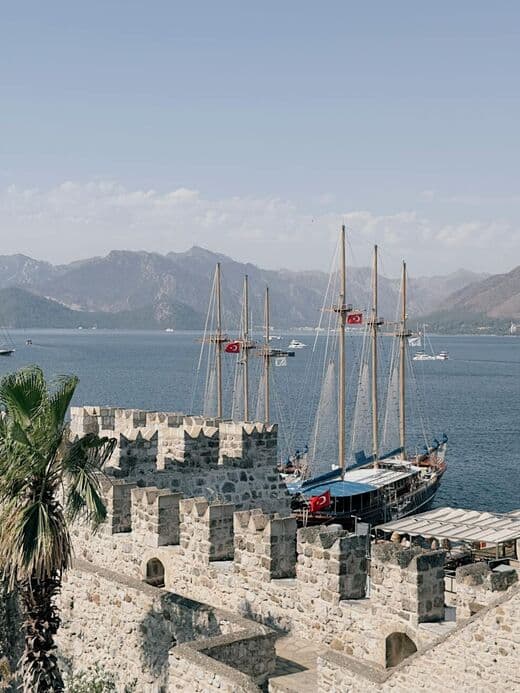
9:00-11:00 - Start your morning at Marmaris Castle. This hilltop fortress houses a small but worthwhile museum and offers the best panoramic view of the entire bay. Arrive early before it gets hot. Admission is about 100 TL ($3 USD). Inside you will find artifacts spanning from antiquity through the Ottoman era - not huge, but well curated.
11:00-13:00 - Walk down to the covered bazaar. It is a labyrinth of narrow lanes packed with leather goods, spices, Turkish delight, and textiles. Bargaining is expected - the sticker price is the tourist price, and the real price is 30 to 50 percent lower. Grab a glass of freshly squeezed pomegranate juice (15-20 TL / about $0.50) and sample lokum (Turkish delight) from different vendors.
13:00-14:30 - Lunch. Skip the waterfront restaurants for now and look for a lokanta (a cafeteria-style eatery with prepared dishes behind glass) in the back streets behind the bazaar. Point at what looks good and they will plate it up. A full lunch - soup, a meat or vegetable main, rice, bread, and ayran - runs 150-200 TL ($5-6 USD).
15:00-18:00 - Stroll through the Marina. Admire the yachts, browse the waterfront restaurants, and if you want, book a boat excursion for the next day (there are dozens of tour desks along the quay). Then walk the promenade toward the public beach for a late-afternoon swim.
19:00-22:00 - Dinner with a sunset view. The stretch of restaurants along the waterfront between the Marina and the town center is a reliable bet. Order grilled fish or a spread of meze with raki.
Day 2: Boat excursion
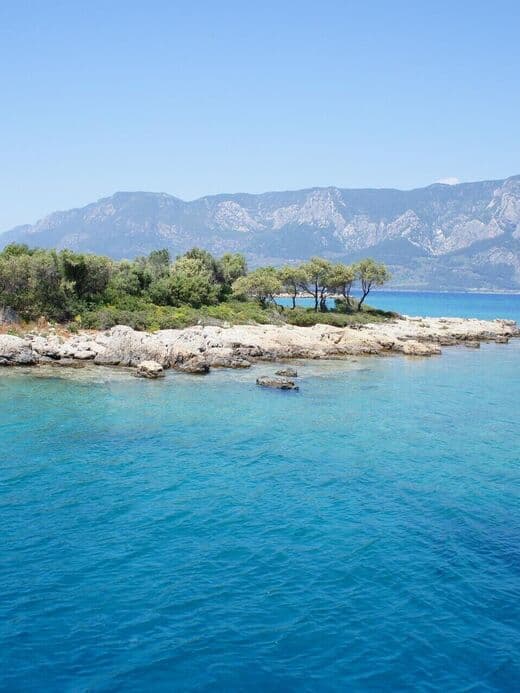
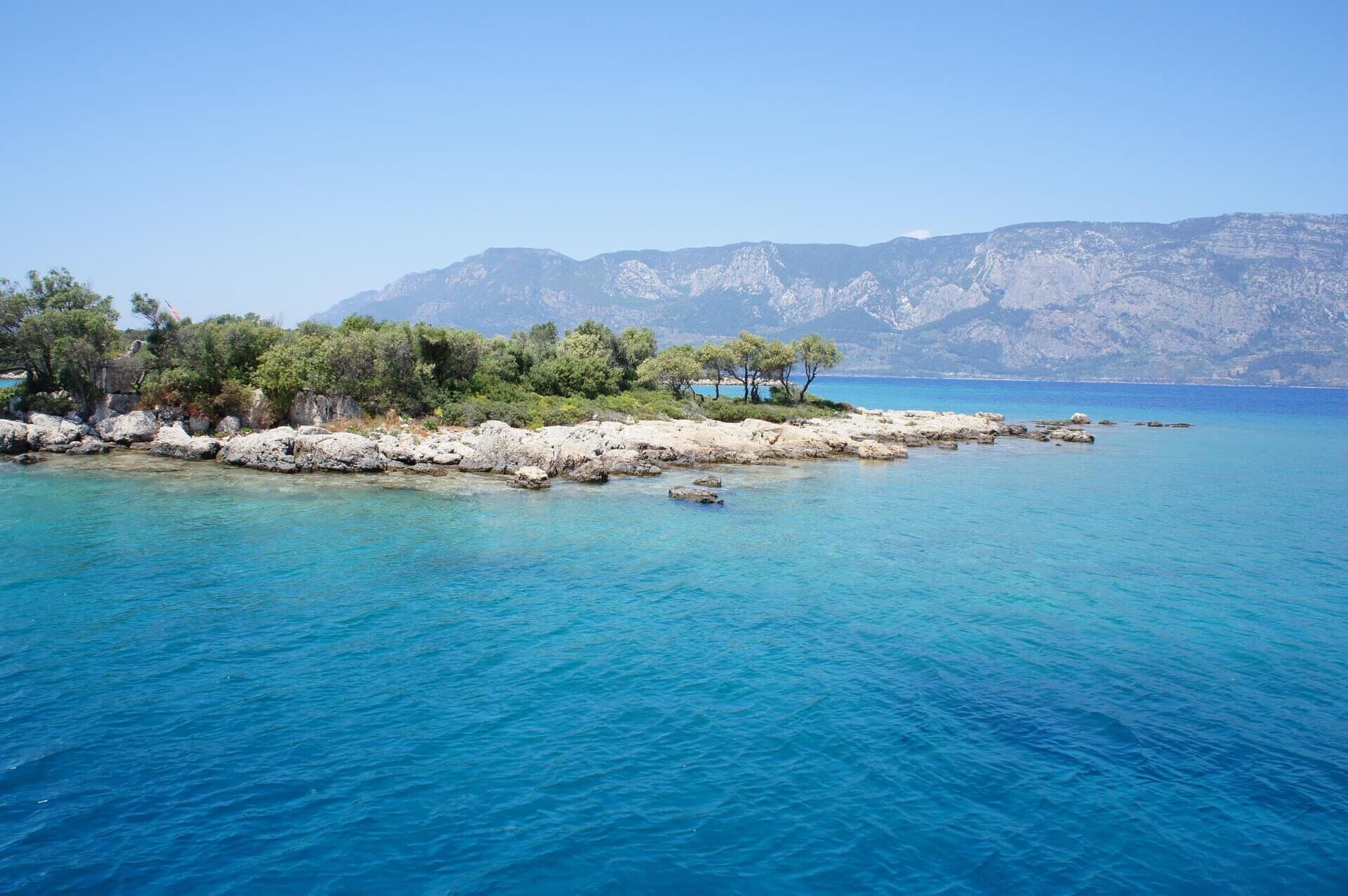
9:30-17:30 - A full-day boat trip is arguably the single best thing you can do in Marmaris. The most popular route loops through the bays around the peninsula with 5 to 6 swimming stops: Phosphorus Cave (the water glows an eerie blue), Kumlubuk Bay, Paradise Island, and more. Price: 300-500 TL ($9-15 USD) including a basic lunch on board. The alternative - and the splurge option - is a trip to Cleopatra Island (Sedir). It costs more (800-1000 TL / $25-30 USD), but it is genuinely worth it: the sand is unlike anything else on the Turkish coast (laboratory analysis confirmed it is not native), and there are ancient theater ruins on the island.
18:00-20:00 - Back at the hotel, shower, rest.
21:00+ - Evening on Bar Street. Even if you are not a party person, walking through is an experience in itself. Cocktails start around 100 TL ($3 USD). Promoters will call out from every doorway - feel free to politely wave them off, nobody takes it personally.
Day 3: Icmeler and relaxation
9:00-10:00 - Catch a dolmus to Icmeler (10-15 minutes, 15 TL / about $0.50). The dolmus stop is on Ataturk Caddesi in the center.
10:00-16:00 - A full day at Icmeler Beach. Rent a sunbed and umbrella set (100-150 TL / $3-5 USD for the day) or lay your towel on the free section. The water here is noticeably cleaner than the town center beach. Have lunch at one of the beachside cafes without moving far.
17:00-19:00 - Walk along the Icmeler promenade, pick up souvenirs.
19:30 - Head back to Marmaris for a farewell dinner.
Marmaris in 5 days: taking your time
Days 1 through 3 as above, then add:
Day 4: Dalyan and the mud baths
9:00 - Take a dolmus or book a guided tour to Dalyan/Kaunos (roughly 1.5 hours each way). This is one of the most impressive day trips from Marmaris.
10:30-12:00 - The Lycian rock tombs of Kaunos - monumental burial chambers carved into a sheer cliff face in the 4th century BC. The view from the river below is spectacular and deeply atmospheric.
12:00-13:30 - Mud baths at Lake Koycegiz. Yes, it is a tourist attraction, but it is genuinely fun - coat yourself in mineral-rich mud, bake in the sun until it dries, then rinse off in a warm sulfur spring. Your skin really does feel incredible afterward.
14:00-15:30 - Lunch in the charming riverside town of Dalyan, then a short walk through its unhurried streets.
16:00-17:00 - Iztuzu Beach (Turtle Beach) - 3 miles of pristine, undeveloped sand where loggerhead turtles (Caretta caretta) nest at night. The swimming here is exceptional: shallow, warm, and uncrowded.
Day 5: Jeep safari or water park
Option A: Jeep safari through the mountains. Tours depart around 9:00 and include rides through mountain villages, waterfalls, swimming stops in mountain streams, and a village lunch. Cost: 500-700 TL ($15-20 USD). Dusty and bumpy, but the views are phenomenal and it is a blast.
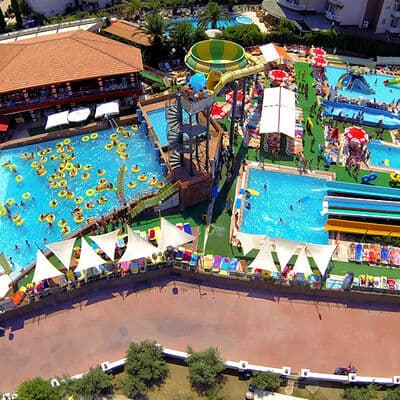
Option B: Atlantis Aquapark - ideal if you are traveling with kids. Slides ranging from gentle to terrifying, pools, a lazy river. Enough to fill a full day. Admission is around 500-600 TL ($15-18 USD), with discounts for children.
Evening: dinner at a fish restaurant near the Marina. Order levrek (sea bass) or cipura (sea bream), grilled whole over charcoal.
Marmaris in 7 days: exploring the wider region
Days 1 through 5 as above, then add:
Day 6: Cleopatra Island
8:00-8:30 - Early departure. Cleopatra Island (Sedir) is about 10 miles (16 km) from Marmaris. You reach it by boat from the village of Camli. Legend has it that Mark Antony shipped in sand from Egypt specifically for Cleopatra - and geological analysis has confirmed the sand is indeed not from this region.
10:00-15:00 - Swim on the unique beach (fine, almost white sand), explore the ruins of an ancient theater and temple. A serious warning: removing sand from the island carries a genuine fine. Bring your own food and water - the on-site cafeteria is minimal.
16:00-19:00 - Return trip, rest at hotel.
19:30 - Dinner in the quiet streets behind the castle. It is calmer and cheaper than the waterfront, and the food is often better.
Day 7: Turunc or Selimiye
Option A: Water taxi to Turunc (40 minutes each way, about 100 TL / $3 USD). A Blue Flag bay of staggering beauty. Spend the whole day swimming and decompressing. Lunch on fresh seafood at a waterfront restaurant.
Option B: Drive or take a dolmus to Selimiye village (40 minutes by road). A quiet fishing hamlet with a gorgeous bay. Waterside fish restaurants, kayak rentals, and the kind of stillness that makes you forget your phone. Fun fact: a scene from a James Bond film was shot here.
Evening: a final walk along the Marmaris promenade at sunset, dondurma ice cream in hand.
Where to Eat in Marmaris: Restaurants and Cafes
Street food and markets
Marmaris is not Istanbul when it comes to street food variety, but you can still find cheap and excellent bites. The covered bazaar (Kapali Carsi) and its surrounding lanes are your main hunting ground. Look for:
- Simit (sesame-crusted bread ring) - 10-15 TL ($0.30-0.50) at any bakery. Perfect grab-and-go breakfast
- Gozleme - paper-thin flatbreads filled with cheese, spinach, or minced meat, cooked on a convex griddle right in front of you. 50-80 TL ($1.50-2.50). Look for the grandmothers making them near the bazaar - they are the best
- Fresh-squeezed juice - pomegranate and orange on every corner. 15-25 TL ($0.50-0.80). Pomegranate is the must-try
- Grilled corn - sold from carts along the promenade in the evenings, 20-30 TL ($0.60-1)
- Stuffed mussels (midye dolma) - from street vendors on the waterfront, 5-10 TL ($0.15-0.30) per piece. A classic Turkish street snack: rice-stuffed mussels with a squeeze of lemon
On Fridays, a farmers' market (pazar) operates in the Armutalan neighborhood - fresh fruit, vegetables, olives, cheese, and honey at local prices, far cheaper than anything near the tourist strip.
Lokantas - where the locals eat
A lokanta is a traditional Turkish cafeteria with prepared dishes displayed behind glass. You point at what you want, they plate it up. Cheap, tasty, filling. A full meal - soup, a meat or vegetable main, a side, bread, and ayran (a salty yogurt drink) - costs 120-200 TL ($3.50-6 USD).
Look for lokantas away from the waterfront, especially on Ulusal Egemenlik Caddesi and 51. Sokak. The more Turkish customers you see at the tables, the better sign it is. Menus are often Turkish-only, but the whole point is that you just look at the display and point.
Mid-range restaurants
Dozens of restaurants line the waterfront from the Marina to the town center, covering every cuisine you might want. Expect to spend 400-700 TL ($12-20 USD) per person for dinner with drinks.
Fish restaurants cluster around the Marina and in Icmeler. You choose your fish from the ice display and they grill it for you. Levrek (sea bass) and cipura (sea bream) start at about 300 TL ($9 USD) per portion. Always order meze - a selection of cold appetizers - alongside the fish. That combination is a proper Turkish dinner.
For meat, seek out kebab places away from the tourist streets. Adana kebab (spicy, on a skewer) and iskender kebab (on bread with yogurt, tomato sauce, and melted butter) run from 200 TL ($6 USD). The back streets behind the bazaar are a strong bet in the evening.
Special-occasion dining
Marina-side restaurants with yacht views are the obvious choice for a romantic dinner. Reserve a table, especially in high season. Budget 800-1500 TL ($25-45 USD) for two with wine. Turkish wine, by the way, is seriously underrated internationally - try Kayra Vintage or Urla Sauvignon Blanc and you might be surprised.
Breakfast and cafes
A traditional Turkish breakfast (kahvalti) is a production: a dozen small plates of cheese, olives, tomatoes, cucumbers, honey, clotted cream (kaymak), eggs, and fresh bread arrive on a tray. A portion for two costs 300-500 TL ($9-15 USD) and will carry you through to dinner. If your hotel breakfast is underwhelming, seek this out - it is one of the highlights of Turkish food culture.
Coffee culture is alive and well in Marmaris: both traditional Turkish coffee brewed in a copper cezve and modern espresso-bar style cappuccinos. A typical cappuccino runs 60-100 TL ($2-3 USD). In the evening, switch to Turkish tea - served in tulip-shaped glasses and costing a token 15-20 TL ($0.50). Accepting tea is practically a social obligation in Turkey, and refusing it can feel almost rude.
Must-Try Food in Marmaris
Marmaris sits squarely in the Aegean culinary tradition: generous with olive oil, fresh herbs, seasonal vegetables, and seafood. Here is what to put on your eating checklist:
1. Balik ekmek (fish sandwich) - fried or grilled fish in crusty bread with lettuce, onion, and a squeeze of lemon. Simple and devastatingly good, especially from the boats along the waterfront. 80-120 TL ($2.50-3.50 USD).
2. Meze - a spread of cold appetizers that is the backbone of a real Turkish evening meal. Hummus, acuka (a spicy red pepper paste), haydari (thick yogurt with herbs), stuffed grape leaves, calamari. Order 4 to 5 varieties for two people, add raki, and you have an authentic dinner that could last for hours.
3. Gozleme - thin flatbreads cooked on a curved griddle with fillings. The cheese-and-spinach version (peynirli-ispanakli) is the classic. Do not order these in a restaurant - find the women making them by hand at a street stall. 50-80 TL ($1.50-2.50 USD).
4. Pide - often called Turkish pizza, though it is boat-shaped and nothing like pizza. Available with minced meat (kiymali), cheese (peynirli), or spinach. Eaten fresh from a wood-fired oven at a pideci (pide shop). 100-180 TL ($3-5.50 USD).
5. Adana kebab - hand-minced spicy lamb on a flat skewer, grilled over charcoal. Served with lavash bread, raw onion, and hot peppers. If you like heat, ask for 'acilik' (extra spicy). 150-250 TL ($4.50-7.50 USD).
6. Iskender kebab - slices of doner on pieces of pide bread, doused in tomato sauce and melted butter, with a side of yogurt. A caloric bomb, but unforgettable. 200-300 TL ($6-9 USD).
7. Midye dolma (stuffed mussels) - mussels packed with spiced rice, sold from street carts. You eat them with your hands, squeezing lemon on top. 5-10 TL ($0.15-0.30) per mussel. Buy from the vendor with the longest line - that means they are fresh.
8. Marmaris pine honey (cam bali) - the signature local product. Marmaris is one of the world's largest producers of pine honey. It is dark, thick, and has a distinctive resinous flavor unlike any honey you have tasted before. Buy it at the bazaar or in surrounding villages. 200-400 TL ($6-12 USD) per kilo. It is extraordinary with kaymak (clotted cream) at breakfast.
9. Raki - anise-flavored spirit, the national drink of Turkey. Served diluted with cold water, which turns it milky white (earning it the nickname 'lion's milk'). Always paired with meze. 150-300 TL ($4.50-9 USD) per bottle at a restaurant. Sip slowly - this is meant to last the evening.
10. Dondurma - Turkish ice cream made from goat's milk and mastic resin. It is chewy, stretchy, and melts far slower than regular ice cream. Street vendors put on a theatrical show, flipping the cone on a long stick and teasing you before handing it over. 30-50 TL ($1-1.50 USD) per serving.
What NOT to order: the 'international menu' at tourist-zone restaurants - pasta, burgers, and fish and chips. You did not fly to Turkey for that. Also, be wary of any restaurant with photos of food on the sign and a person at the door trying to lure you in - the food is typically mediocre and overpriced.
For vegetarians: Turkish cuisine is surprisingly accommodating. Gozleme with cheese, pide with vegetables, meze (hummus, babaganoush, dolma), imam bayildi (stuffed eggplant with tomatoes), and manti with yogurt are all excellent. Lokantas always have several vegetable dishes available.
For allergy sufferers: nuts and sesame are everywhere - in desserts, bread, and sauces. Dairy appears in most dishes. Gluten is in pide, gozleme, and all bread. Alert your server: 'alerjim var' means 'I have an allergy' in Turkish.
Local Secrets and Tips
1. Do not eat on the waterfront - eat behind it. The price difference between seafront restaurants and places two blocks inland is 40 to 60 percent. The food is often better at the cheaper spots, because they survive on repeat local customers rather than one-time tourist traffic.
2. The dolmus is your best friend. These minibuses run along the entire coastline from Icmeler to Marmaris every 5 to 10 minutes. Cost: 15-25 TL ($0.50-0.80). Pay the driver in cash as you board. They operate until roughly midnight. Forget taxis for short hops.
3. Bargain at the bazaar, but not in shops. At the bazaar, the asking price is inflated 2 to 3 times - haggling is expected and part of the experience. In shops with fixed price tags, bargaining is pointless. In restaurants, never.
4. Visit the Castle early morning. Between 8:00 and 10:00, the Castle is nearly empty and you can photograph the bay panorama in peace. After 11:00, cruise ship groups arrive and it gets packed.
5. Water taxis beat organized tours. If you just want to reach Turunc or another bay, a water taxi from the promenade costs 80-120 TL ($2.50-3.50) one way. An organized day tour with lunch starts at 400 TL ($12). If all you need is the beach, take the taxi.
6. Do not book excursions through your hotel. Hotel-booked tours cost 1.5 to 2 times more. Walk to the Marina promenade where dozens of tour agencies compete for business. Prices are competitive and you can negotiate. Or book online in advance for even better rates.
7. Pharmacies (eczane) are a goldmine. Medications in Turkey are significantly cheaper than in the US, UK, or Australia. Sunscreen, insect repellent, vitamins, even prescription drugs - all available at excellent prices. Pharmacists often speak English and can recommend over-the-counter remedies.
8. Do not skip the Armutalan Friday market. This weekly farmers' market is the best place for fruit, vegetables, olives, cheese, and honey. Prices are 2 to 3 times lower than the tourist bazaar. This is where locals do their weekly grocery shopping, and you should too.
9. The best sunsets are from the water. The Marmaris waterfront faces south, so the sunset view from town is not particularly dramatic. The best sunsets are from a boat in the bay, from a yacht, or from the restaurants in Icmeler (which face west).
10. Watch out for sea urchins. On rocky beaches (Siteler, some coves), sea urchins are common. Buy aqua shoes - specialized water footwear available at the bazaar for 50-100 TL ($1.50-3 USD). Especially important if you are traveling with children.
11. The volatile Turkish lira works in your favor. The exchange rate fluctuates constantly, usually to the advantage of visitors holding dollars, pounds, or euros. Change money at exchange offices (doviz) in town, never at the airport where rates are worse. Visa and Mastercard are accepted almost everywhere, but small vendors prefer cash.
12. Do not worry about the 'hard sell.' Persistent vendors at the bazaar and restaurant touts calling out to passers-by are part of Turkish commercial culture, not a scam. A friendly 'tesekkur ederim' (thank you) and a smile as you walk past is all you need. Nobody is offended.
Transport and Connectivity
Getting from the airport to Marmaris
The nearest airport is Dalaman (DLM), 60 miles (95 km) from Marmaris. Travel time is 1.5 to 2 hours depending on traffic.
- Havas/Muttas shuttle bus - an express coach that departs after each flight arrival. 200-250 TL ($6-7.50 USD), 1.5 hours to Marmaris. The most popular option. Buy tickets online or at the desk inside the terminal
- Private transfer - from 1500 TL ($45 USD) per car (up to 4 passengers). Convenient if you arrive late at night or have heavy luggage. Book in advance through GetTransfer, KiwiTaxi, or local services
- Taxi - 2000-2500 TL ($60-75 USD) on the meter. Expensive, but if you did not pre-book a transfer, it may be your only option at night
- Car rental - from 800-1500 TL ($25-45 USD) per day. Rental desks are in the airport terminal. Useful if you plan to explore the wider region. An international driving permit is technically required, but most agencies accept a valid US, UK, Canadian, or Australian license
Getting around Marmaris
Dolmus (minibuses) - the primary public transport. Small buses run fixed routes: Marmaris-Icmeler, Marmaris-Armutalan, Marmaris-Siteler, and more. Fare: 15-30 TL ($0.50-1 USD) depending on distance. Pay the driver in cash. Operating hours roughly 7:00 to midnight, running more frequently and later in peak season. Stops are marked with a 'D' sign.
Taxis - yellow cars with meters. Base fare is about 30 TL, then metered. A ride from the center to Icmeler costs 150-200 TL ($4.50-6 USD). Night rates are higher. There is no Uber in Turkey - hail one on the street or have your hotel call one. You can also use BiTaksi, the Turkish ride-hailing app.
Water taxis - depart from the promenade and Marina to Turunc, Kumlubuk, and other bays. 80-150 TL ($2.50-4.50 USD) one way. Schedules are posted at the pier; in season they run every 30 to 60 minutes.
Scooter and ATV rental - from 500-800 TL ($15-25 USD) per day. Popular with younger travelers. A helmet is mandatory (and provided). They rarely ask for a license, but having an international driving permit is wise for insurance purposes.
Internet and connectivity
Local SIM card: Three operators - Turkcell (best coverage), Vodafone, and Turk Telekom. A tourist SIM costs 300-500 TL ($9-15 USD) for 20 GB over 30 days. You must buy it at an official carrier store with your passport (mandatory registration). Note: Turkey restricts foreign SIM usage in locally purchased phones - if you insert a Turkish SIM in a new phone, it gets blocked after 120 days.
eSIM: The best option for a short trip. Airalo, Holafly, and Nomad offer plans from $5-10 for 5-10 GB. Activate before you land and you are connected immediately on arrival. This is what most experienced travelers use now.
Wi-Fi: Free in most hotels, cafes, and restaurants. Quality varies - generally solid on the waterfront, spotty in hillside neighborhoods. For video calls or remote work, mobile data is more reliable.
Useful apps
- Google Maps - navigation works well, and it shows dolmus routes and schedules
- BiTaksi - Turkey's ride-hailing app, the local equivalent of Uber
- Yemeksepeti / Getir - food delivery apps
- Moovit - public transit schedules and route planning
- XE Currency - essential for tracking the ever-shifting lira exchange rate
Final Verdict: Who Should Visit Marmaris
Marmaris is a resort that somehow manages to combine raucous nightlife with family-friendly beaches, cheap lokantas with yacht-club elegance, and mountain pines with turquoise sea. In a single week, you can go from dancing on Bar Street at 3 AM to meditatively kayaking through a silent cove the next morning.
Ideal for: groups of friends (bars, clubs, beach parties), families with children (Icmeler, the water park, calm bays), couples (yachting, sunsets, the romantic seclusion of Turunc), and active travelers (diving, jeep safaris, sea kayaking).
Not the best choice for: anyone seeking authentic Turkish culture without a tourist veneer (try Kas or Datca instead), anyone who cannot handle extreme heat (summer is brutal), or anyone wanting solitude (high season is crowded).
How many days: minimum 3 (town, boat trip, Icmeler), optimal 5 to 7 (with day trips at a relaxed pace), maximum 10 to 14 (combining Marmaris with Datca, Fethiye, and Bodrum).
Information is current as of 2026. Prices are shown in Turkish lira with approximate USD equivalents. The lira fluctuates significantly, so use a currency app for real-time rates.