Hagia Sophia
Hagia Sophia is a building that changed religion three times: Christian cathedral, mosque, museum, mosque again. For a thousand years, it was the largest church in the Christian world. Today, beneath Justinian's dome, Byzantine mosaics and Islamic calligraphy coexist—living testimony to a turbulent history.
Justinian's Cathedral
The first church on this site was built in 360 CE. It burned, was rebuilt, burned again. In 532, after the Nika riots, Emperor Justinian decided to build something unprecedented.
Two architects—Anthemius of Tralles and Isidore of Miletus—received carte blanche. In five years (537), they created a building that amazed contemporaries and continues to amaze descendants.
The dome, 31 meters in diameter, floats at a height of 55 meters, supported by a system of half-domes and arches. When Justinian entered the finished church, he reportedly exclaimed: "Solomon, I have surpassed you!"
Architecture and Engineering
Hagia Sophia's main miracle is a dome that seems to float. The secret lies in 40 windows at its base: light blurs the boundary between dome and walls, creating an illusion of weightlessness.
The building nearly collapsed several times. Earthquakes in 553 and 557 damaged the structure; the dome partially collapsed in 558. Isidore the Younger rebuilt it higher and stronger. Buttresses added by the Ottomans also help.
Columns were brought from ancient temples: green ones from the Temple of Artemis at Ephesus, porphyry ones from Rome. Byzantines didn't hesitate to reuse materials—it was practical and symbolic.
Byzantine Heritage
Hagia Sophia's mosaics are Byzantine art masterpieces. Most date from the 9th-12th centuries (after iconoclasm):
Deësis (south gallery)—Christ with the Virgin Mary and John the Baptist. 13th century, the cathedral's finest mosaic in artistic quality.
Virgin and Child (apse)—the first mosaic created after iconoclasm, 867 CE.
Imperial portraits—Empress Zoe with her husband (the husband's face changed with each marriage!), John II Comnenus with his family.
After conversion to a mosque, mosaics were plastered over. This saved them: under the layer of lime, they survived better than if left exposed.
Ottoman Mosque
On May 29, 1453, Mehmed II rode into conquered Constantinople and headed straight for Hagia Sophia. The cathedral became a mosque—the Ottoman Empire's principal mosque.
Transformations were extensive: four minarets, mihrab (niche indicating Mecca), minbar (pulpit), giant medallions with the names of Allah, the Prophet, and caliphs. But the main structure remained untouched.
Architect Sinan reinforced the building with buttresses in the 16th century. Without his work, Hagia Sophia might not have survived to our day.
Museum and Return to Mosque
In 1934, Atatürk converted Hagia Sophia into a museum—a symbol of secular Turkey. Mosaics were uncovered; the building became accessible to all regardless of religion.
In 2020, President Erdoğan restored its status as a mosque. The decision sparked debate but changed little: tourists are still admitted (free), mosaics remain visible (except during prayers).
Visiting
Entry is free. During namaz (five times daily), tourists are asked to leave. For sightseeing, come between prayers—schedules change, check in advance.
Women need headscarves and modest clothing (provided at entrance). Shoes are removed. Photography is allowed, but without flash.
Upper galleries are sometimes closed for restoration—that's where the best mosaics are, so check during your visit.
Getting There
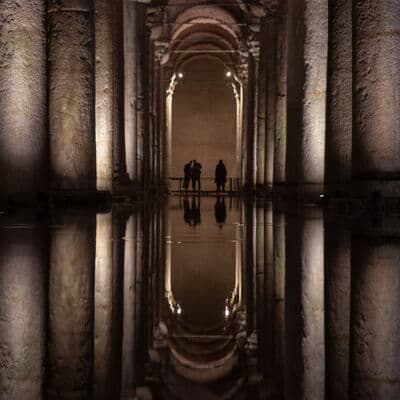
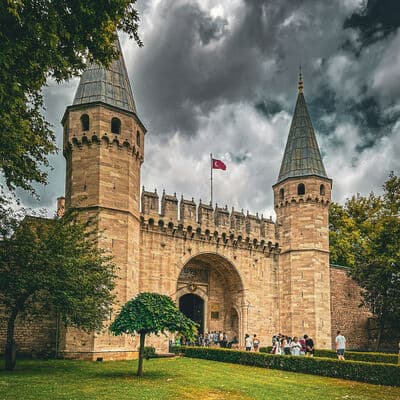
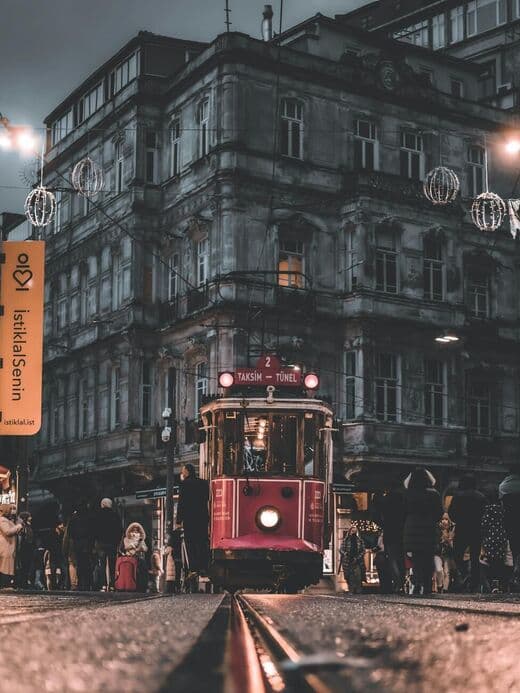
Tram T1, Sultanahmet stop—Hagia Sophia is directly opposite. Nearby: Blue Mosque, Topkapi Palace, Basilica Cistern.
Atmosphere and Character
Hagia Sophia is a palimpsest building: each era wrote over the previous one, but traces remain. Christian mosaics beneath Islamic medallions, Byzantine columns under Ottoman arches—everything coexists.
The space impresses with its scale. The dome truly seems to float. Light from windows plays on the gold of mosaics. You understand why envoys of Prince Vladimir didn't know "whether they were in heaven or on earth."
Debates about the building's status won't fade—too much history, too many claims. But Hagia Sophia has stood for 1,500 years and will likely stand longer. It has outlived empires and will outlive politics.