Bodrum Castle
Bodrum Castle is a Hospitaller fortress on the Aegean coast, one of the best-preserved medieval castles in the Mediterranean. Built from stones of the ancient Mausoleum—one of the Seven Wonders of the World—it combines the history of the Crusaders, antiquity, and modern Turkey.
Knights of St. John
The Order of Hospitallers (Knights of St. John) was founded in Jerusalem in the 11th century to help pilgrims. After the fall of the Crusader states, the knights settled on Rhodes, from where they controlled the eastern Mediterranean.
In 1402, the Hospitallers began building a fortress in Bodrum (then Halicarnassus)—a stronghold on the Asia Minor coast. Construction continued for nearly a century, with the castle constantly expanded and reinforced.
Each "nation" of the order—French, English, German, Italian, Spanish—had its own tower. Coats of arms and inscriptions on the walls still remind visitors of knights from every corner of Europe.
Stones of the Mausoleum
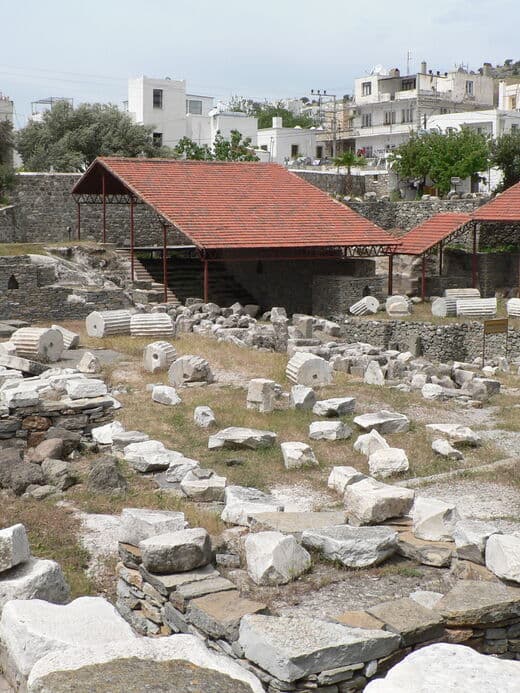
Building material for the fortress was plentiful: nearby lay the ruins of the Mausoleum at Halicarnassus—one of the Seven Wonders of the Ancient World. The knights unhesitatingly used the ancient marbles for walls and towers.
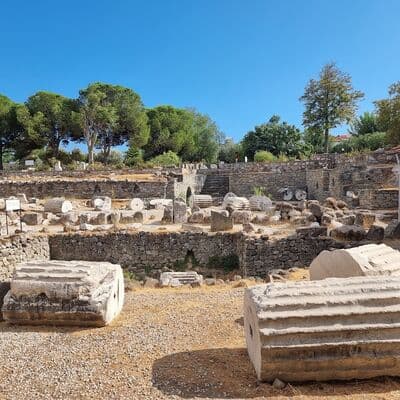
Marble blocks and bas-reliefs are still visible in the castle walls—fragments from the tomb of Carian king Mausolus. History is ironic: a wonder of the world was dismantled for a fortress that itself became a monument.
Ottoman Conquest
In 1522, Suleiman the Magnificent captured Rhodes—the order's main base. Bodrum Castle, deprived of support, surrendered without a fight. The knights departed for Malta, and the fortress became Ottoman.
The Turks converted the castle into a prison and military base. The chapel became a mosque (the minaret is still visible). The fortress was used until the early 20th century.
Museum of Underwater Archaeology
Since 1962, the castle has housed the Museum of Underwater Archaeology—one of the largest in the world. The Aegean coast is rich in shipwrecks, and treasures from the seabed form a unique collection.
Highlights include:
Uluburun Shipwreck—Bronze Age, 14th century BCE. The oldest known vessel carrying international cargo: copper ingots, tin, ivory, amber. The reconstruction of the hull and cargo is remarkable.
Yassıada Ship—a Byzantine merchant vessel from the 7th century. The full reconstruction reveals medieval navigation.
Glass Hall—a collection of ancient and medieval glass raised from the seabed. The preservation is astonishing.
Towers and Grounds
The castle occupies the entire cape separating Bodrum's two harbors. A walk along the walls and towers takes 2-3 hours.
The French Tower is the tallest, with the best views of town and sea. The English Tower displays British knights' coats of arms. The Snake Tower—where prisoners were kept.
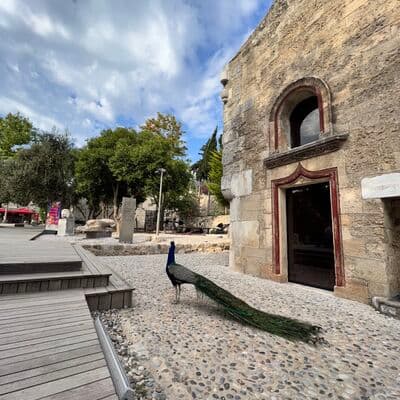
The castle gardens are an oasis of shade and greenery. Peacocks stroll among ancient sarcophagi and medieval cannons. The café overlooking the harbor is the perfect spot to rest.
Getting There
The castle sits in central Bodrum, on the cape between the eastern and western harbors. From the bus station—15 minutes on foot. You can't miss it—the fortress is visible from everywhere.
Practical Information
The museum is open 8:30 to 18:30 (summer) or until 17:00 (winter). Monday is a day off for some halls.
The ticket covers the castle and all exhibitions. Audio guides are available in several languages.
The grounds are large with many stairs and uneven surfaces—comfortable shoes are essential. In summer, bring water and a hat.
Atmosphere and Tips
Bodrum Castle is a rare place where antiquity, medieval times, and modernity converge. Mausoleum marbles in Crusader walls, Byzantine amphorae in museum cases, Turkish cannons in the courtyard—layers of history literally stacked upon each other.
This isn't ruins—the castle is alive. Concerts, exhibitions, and festivals take place here regularly. In the evening, the fortress is illuminated and becomes the waterfront's crowning jewel.
After Bodrum's beaches and parties, the castle is a reminder of these places' depth. This was once a cultural capital of antiquity. The knights understood that—and built a fortress worthy of such history.