Ankara
Ankara 2026: What You Need to Know
Ankara is the city most travelers fly right over on their way to Istanbul or Cappadocia. That is a mistake. Turkey's capital is not some dull government town -- it is a living, breathing metropolis with 5,000 years of history, where Hittite artifacts sit a few blocks from craft cocktail bars, and grandmothers still make gozleme on copper pans in the alleys of the old town.
In short: Ankara is worth visiting for the monumental Anitkabir Mausoleum, the world-class Museum of Anatolian Civilizations, the atmospheric streets of Hamamonu Historic District, and the panoramic views from Ankara Citadel. It is cheaper, calmer, and more authentic than Istanbul. Three to four days is the sweet spot, though you could easily fill five to seven days with day trips.
Who is Ankara for? People who are tired of tourist crowds and want to see the real Turkey. History buffs -- this city has layers of civilization from the Hittites to the Ottomans. Foodies -- Ankara cuisine is rougher and more honest than Istanbul's, and prices are about half. Let me be straight about the downsides: there is no sea, public transit is simpler than Istanbul's, and summer heat can hit 100F (38C). But that is exactly what makes Ankara a city for real travelers, not postcard collectors.
Neighborhoods: Where to Stay
Kizilay -- The Heart of the City
Kizilay is Ankara's Times Square: a central plaza where main streets converge, surrounded by dozens of restaurants, cafes, shops, and an endless stream of people. The neighborhood buzzes from morning until late at night. It is also the main transit hub for the metro, buses, and dolmuses -- you can reach any part of the city in 20 to 30 minutes.
Pros: perfect transit access, huge selection of food and shopping, alive around the clock
Cons: noisy, crowded, heavy traffic at rush hour, not much green space
Prices: $$ (hostels from $10-15/night, hotels from $40-70)
Best for: young travelers, budget visitors, nightlife seekers
Cankaya -- The Embassy District
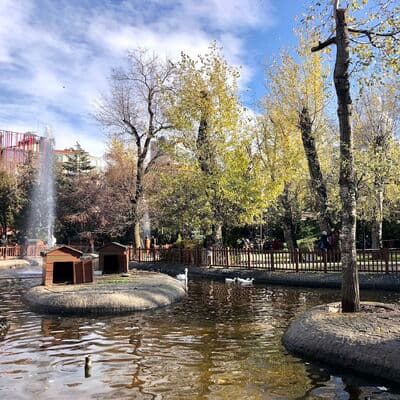
Cankaya is Ankara's most upscale neighborhood. Embassies, government buildings, top-tier restaurants, and leafy boulevards. Tunali Hilmi Street is the local equivalent of a European high street: boutiques, cafes, bookstores. Nearby is Kugulu Park with its resident swans, where the whole neighborhood strolls in the evening. The vibe is calm, clean, and cosmopolitan.
Pros: safe, attractive architecture, excellent restaurants, parks
Cons: pricier than average, a bit far from the historical sites in Ulus
Prices: $$$ (hotels from $60-120)
Best for: couples, families, business travelers, anyone who values comfort
Ulus -- The Historic Core
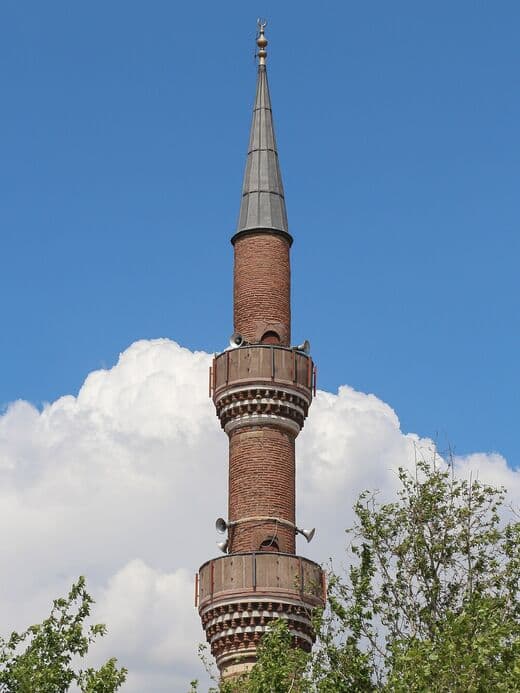
Ulus is the oldest part of Ankara, where everything began. Ankara Citadel, the Roman Baths, Haci Bayram Mosque, and the Museum of Anatolian Civilizations are all within walking distance. The streets are chaotic, the markets are loud, and the food is the cheapest in the city. This is unvarnished Ankara. The bazaar in Ulus is paradise for anyone who loves to haggle: spices, textiles, copperware, antiques.
Pros: all major sights within walking distance, lowest prices, authentic atmosphere
Cons: rougher around the edges, some alleys empty out after dark, few modern hotels
Prices: $ (guesthouses from $8-15, hotels from $25-40)
Best for: budget travelers, history lovers, photographers
Bahcelievler -- The Student Quarter
The area around several universities is young, loud, and unpretentious. Hundreds of cheap eateries, doner joints, and tea houses. Students set the tone: street art, small galleries, secondhand bookshops. Nightlife ranges from dive bars to proper clubs. Kizilay is ten minutes away by metro.
Pros: cheapest food in the city, lively atmosphere, metro access
Cons: noisy in the evenings, architecturally unremarkable
Prices: $ (hostels from $8, hotels from $25-35)
Best for: young travelers, solo backpackers, budget segment
Sogutozu -- The Modern Business District
Sogutozu is Ankara's version of a central business district: high-rises, corporate offices, big shopping malls like Armada and Next Level where you can spend a whole day. The area is clean and modern but somewhat soulless. It works well if you are in town on business or want the familiar comfort of an international hotel chain.
Pros: new hotels, shopping centers, quiet
Cons: far from the historic center, sterile atmosphere
Prices: $$$ (hotels from $70-150)
Best for: business travelers, families with kids, shopping enthusiasts
Hamamonu -- An Ottoman Postcard
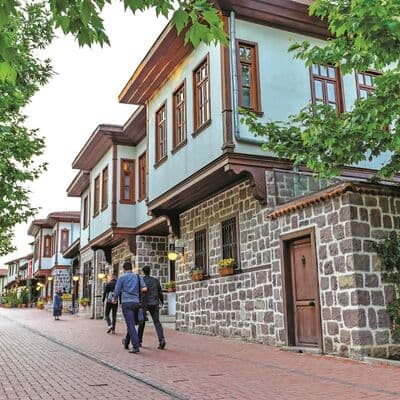
The Hamamonu Historic District is a beautifully restored Ottoman neighborhood: colorful wooden houses, cobblestone lanes, cozy cafes, and antique shops. Time slows down here. In the morning the air smells of fresh bread, at midday of coffee, in the evening of grilled meat. The area is small, charming, and incredibly photogenic. Finding a place to stay directly in Hamamonu is tricky (few options), but you can book a guesthouse in neighboring Ulus and walk over.
Pros: incredible atmosphere, photogenic, cafes with character
Cons: limited accommodation, no direct metro access
Prices: $$ (food and cafes are mid-range)
Best for: romantics, photographers, history lovers
Golbasi -- Nature on the Outskirts
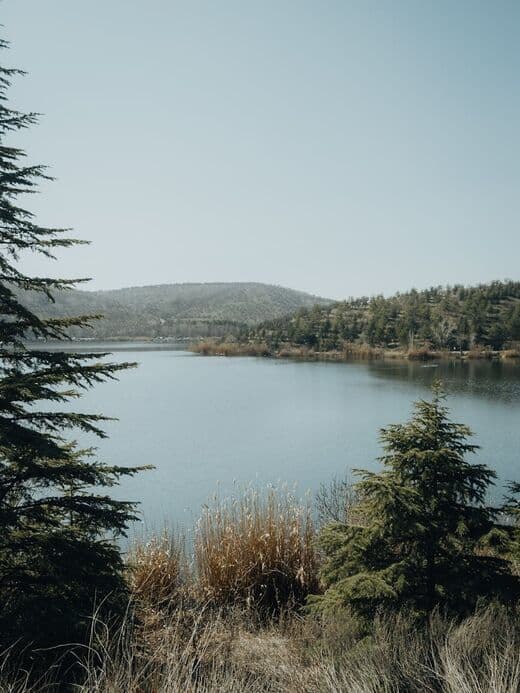
A suburban area with a lake, green parks, and fresh mountain air. Lake Eymir is a popular spot for picnics, jogging, and cycling. Families and peace-seekers live out here. The city center is 30 to 40 minutes by car. Worth it if you have a rental car or want to combine the city with nature.
Pros: quiet, nature, clean air, lake access
Cons: far from the center, need a car or taxi
Prices: $$ (hotels from $35-60)
Best for: families with kids, nature lovers, those with a car
Best Time to Visit
Ankara sits at an elevation of about 2,800 feet (850 meters), and that changes everything. The climate is continental: hot, dry summers and cold winters. This is not coastal Istanbul or beachy Antalya -- come prepared.
Best months: April through June and September through October
April and May -- the city blooms. Temperatures hover around 60-72F (15-22C), parks turn green, tourists are few, and prices are low. Perfect for walking the citadel grounds and lingering in museums. The only downside is occasional rain, so pack an umbrella.
June -- warm at 77-86F (25-30C), long daylight hours, everything open. The last comfortable month before the heat sets in.
September and October -- Ankara's golden season. The summer heat has broken, the city comes back to life after the quiet summer months. Universities reopen, cafes and bars fill up again. Temperatures sit around 64-77F (18-25C). Ideal.
Worst months
July and August -- heat reaching 95-100F (35-38C). The asphalt radiates, air conditioning becomes your best friend. The city empties as Turks head for the coast. Many small cafes and restaurants close for the break. Walking the citadel at noon is genuine punishment.
December through February -- temperatures drop to 23-14F (-5 to -10C). Snow, wind, short days. But if cold does not bother you, the city has a certain charm: hot salep (a milky orchid-root drink) on every corner, empty museums, the citadel dusted with snow.
Festivals and events
- April 23 -- National Sovereignty and Children's Day. The whole city is draped in flags, with parades and free events everywhere
- May 19 -- Youth and Sports Day. Sporting events, concerts across the city
- August 30 -- Victory Day. Turkey's main military parade, with a solemn ceremony at Anitkabir
- October 29 -- Republic Day. The biggest celebration of the year -- fireworks, concerts, the entire capital comes alive
- April-May -- Ankara International Music Festival
- June -- CerModern Festival (contemporary art in a converted locomotive depot)
When it is cheapest: November and February through March are the low season with rock-bottom hotel prices. You only need to book well ahead during national holidays (April 23, October 29), when Turks pour into the capital.
Itinerary: 3 to 7 Days
Ankara in 3 Days: The Essentials
Day 1: The Historic Core
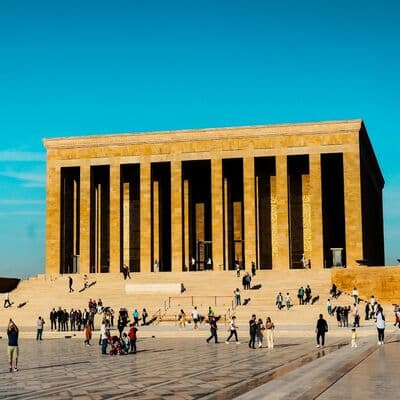
9:00-11:30 -- Start with Anitkabir, the mausoleum of Ataturk. This is not just a tomb -- it is an entire memorial complex on a hill, with a museum, manicured gardens, and the striking Lion Road approach. Arrive at opening time (9:00 AM) to beat the crowds. Allow 2 to 2.5 hours. Admission is free.
12:00-13:00 -- Lunch in the Ulus neighborhood. Look for a lokanta (a cafeteria-style eatery with ready-made dishes under glass). Point at what looks good -- no menu needed. A full meal with soup, a main course, salad, and bread runs about $3-4. Try Ankara tava (the city's signature lamb dish) or a classic iskender kebab.
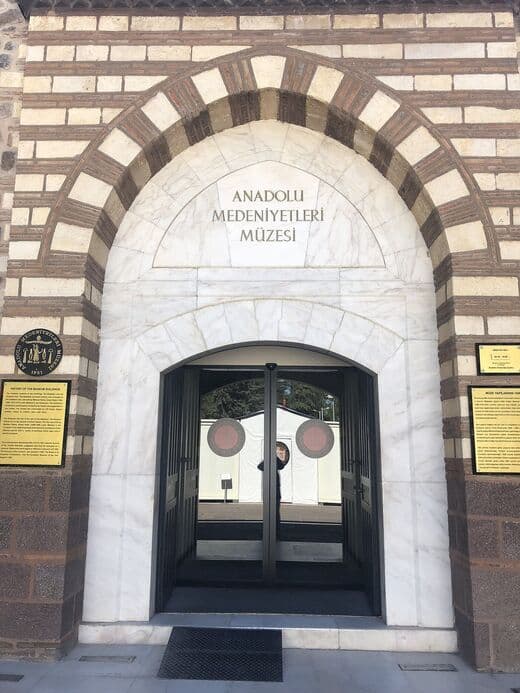
13:30-15:30 -- Museum of Anatolian Civilizations, the crown jewel of Ankara's museum scene and a former European Museum of the Year winner. Hittite, Phrygian, and Urartian artifacts spanning thousands of years. The building itself is a 15th-century caravanserai. Admission is about $5.
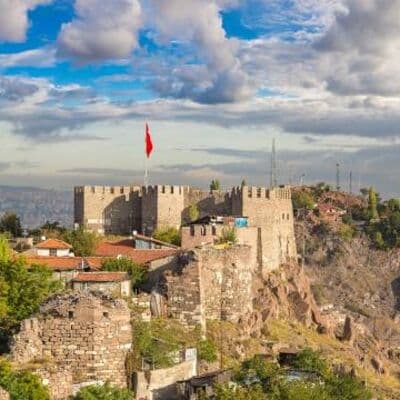
16:00-18:00 -- Walk up to Ankara Citadel. Wander the narrow streets inside the walls, find the viewpoint for a panorama of the entire city spread below. Sit down for tea at one of the small cafes perched on the fortress walls -- the views alone are worth the climb.
18:30-20:00 -- Dinner in Hamamonu. Stroll the restored Ottoman streets and pick a restaurant with a terrace. This is one of the most atmospheric dining experiences in the city.
Day 2: Culture and Modernity
9:30-11:00 -- Haci Bayram Mosque, one of the most revered in Turkey. Right next door are the ruins of the Temple of Augustus and Rome (a quick 20-minute look). The area around the mosque is a lively bazaar with tea vendors and sweet shops.
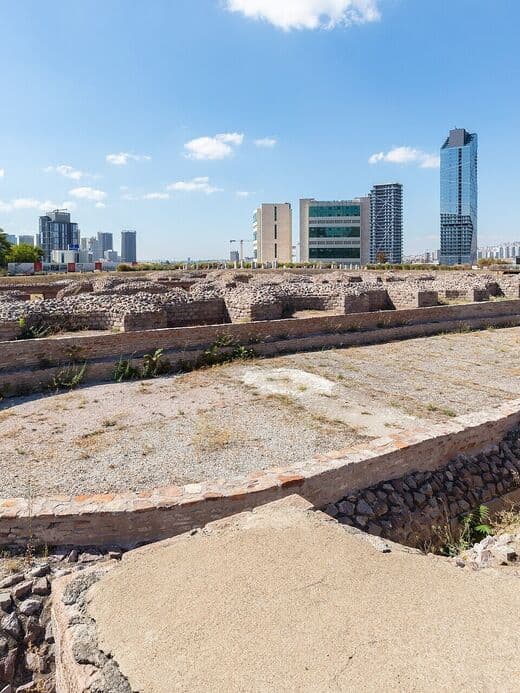
11:30-12:30 -- Roman Baths of Ankara. Third-century ruins right in the middle of the city. A quick visit takes 30 to 40 minutes, and the juxtaposition of ancient stonework against modern apartment blocks is striking.
13:00-14:00 -- Lunch on Sakarya Street. This is student territory -- tantuni (minced beef in flatbread), lahmacun (Turkish flatbread pizza), durum wraps. Cheap and delicious, with a full meal under $3.
14:30-16:30 -- Rahmi M. Koc Museum, an industrial heritage museum in a converted factory building. Steam locomotives, vintage cars, printing presses, old radios. Especially good if you are traveling with kids.
17:00-18:30 -- Walk along Tunali Hilmi Street in Cankaya. Browsing, boutiques, bookshops. Drop into Kugulu Park to watch the swans and sit with a cup of Turkish tea as the late afternoon light filters through the trees.
19:00-21:00 -- Dinner at a restaurant on Tunali Hilmi. Try meze (cold appetizers meant for sharing) with raki, the anise-flavored spirit Turks dilute with water until it turns milky white. It is practically a ritual.
Day 3: Nature and Panoramas
9:00-12:00 -- Head out to Lake Eymir (about 30 minutes by taxi, around $8-10). Walk or bike around the lake -- the loop is roughly 4.5 miles (7 km). In the morning, METU students are out jogging, and the lakeside is perfect for a picnic. Bike rental is available on-site.
12:30-13:30 -- Lunch in Golbasi. Fish restaurants by the lake serve grilled trout with salad -- simple and fresh.
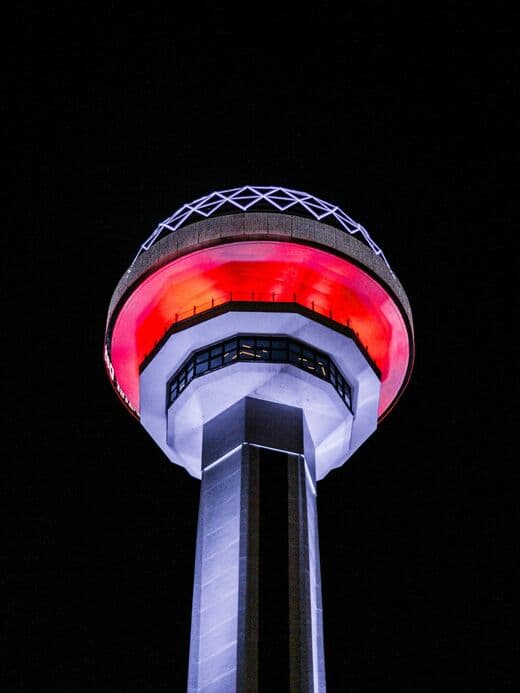
14:30-15:30 -- Atakule Tower, a telecommunications tower with an observation deck and a revolving restaurant. The 360-degree panorama of Ankara from 410 feet (125 meters) up is impressive. Try to visit close to sunset for the best light.
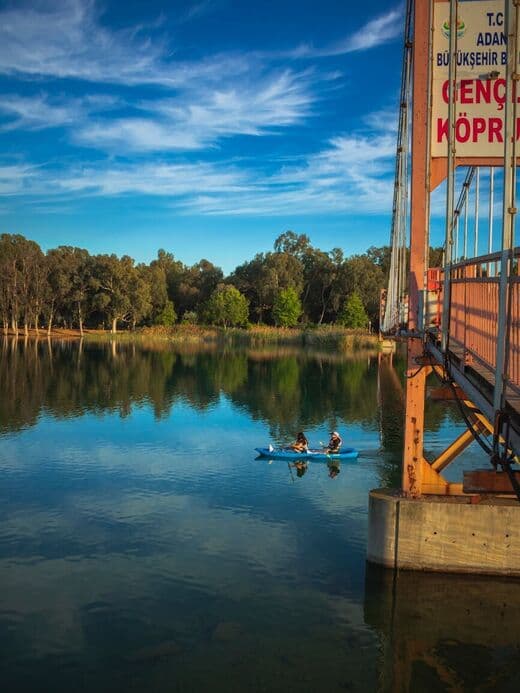
16:00-18:00 -- Genclik Park. A large urban park with a lake, amusement rides, and tea gardens. Take a paddleboat out on the water, or just walk and watch local families enjoying their afternoon.
19:00-21:00 -- Farewell dinner in Kizilay. Choose a restaurant with live music or head to a rooftop bar at one of the hotels for a cocktail with a view over the evening skyline.
Ankara in 5 Days: Taking Your Time
Add to the 3-day itinerary:
Day 4: Beypazari -- A Fairytale Town
9:00 -- Depart for Beypazari (60 miles / 100 km, about 1.5 hours by bus from ASTI bus terminal). This is a small town with perfectly preserved Ottoman houses, cobblestone streets, and incredible food.
11:00-13:00 -- Explore the historic center: wooden bay-windowed houses, the Ottoman House Museum, the local market.
13:00-14:30 -- Lunch. Beypazari is famous for two things: carrot-flavored Turkish delight and pastirma (air-dried cured beef). Try both. Also do not miss the local guvec, a slow-cooked meat stew served in a clay pot.
15:00-17:00 -- Inozu Canyon, a natural gorge near town. A walking trail with views of cliffs and greenery -- a refreshing break from city sightseeing.
18:00 -- Return to Ankara.
Day 5: Deep Dive
10:00-12:00 -- Ankara Ethnography Museum. A collection of Turkish art from the Seljuk period to the present: carpets, calligraphy, ceramics, traditional costumes. Small but well curated.
12:30-14:00 -- Lunch in the Ayranci neighborhood. On Sundays there is an organic market; otherwise, pick one of the area's hip cafes. Ayranci is quiet, leafy, and full of local character.
14:30-16:00 -- CerModern contemporary art gallery. A former locomotive depot converted into an impressive art space with rotating exhibitions and a good cafe.
16:30-18:30 -- Antique shopping in Ulus. The first Sunday of each month brings a flea market in Ayranci, but the antique shops in Ulus are open every day. Ottoman-era coins, vintage copperware, old jewelry.
19:00 -- Wine evening at one of the bars on Tunali Hilmi or at Hayyami Sarap Evi, which stocks over 240 varieties of Turkish wine. Turkish wine is seriously underrated -- this is your chance to find out why.
Ankara in 7 Days: With Day Trips
Add to the 5-day itinerary:
Day 6: Salt Lake (Tuz Golu)
8:00 -- Early departure for Tuz Golu (90 miles / 150 km, about 2 hours by car). Turkey's second-largest lake is salt, pink-tinged, and fantastically photogenic. In summer, water partially evaporates and you can walk on the salt crust -- an otherworldly experience that looks like something out of Bolivia's Salar de Uyuni. In winter, thousands of flamingos arrive.
11:00-13:00 -- Walk along the shore, photo session. Wear closed-toed shoes -- the salt will eat through sandals.
13:30-14:30 -- Lunch at a roadside restaurant. On the way back, stop in the town of Sereflikochisar, which has a small but pleasant historic center.
16:00 -- Return to Ankara, free evening.
Day 7: Hattusa -- Capital of the Hittites
7:00 -- Early departure for Hattusa (125 miles / 200 km, 2.5 to 3 hours). You can rent a car or join an organized tour.
10:00-14:00 -- Hattusa, capital of the Hittite Empire (1600-1178 BC) and a UNESCO World Heritage Site. The scale of the ruins is staggering: the Lion Gate, the King's Gate, an underground tunnel stretching 230 feet (70 meters). Nearby is Yazilikaya, a rock sanctuary carved with reliefs of Hittite gods. Allow a minimum of 3 to 4 hours for the whole complex. If you visited the Museum of Anatolian Civilizations on Day 1, this is where those artifacts came from -- seeing both is genuinely moving.
14:30-15:30 -- Lunch in the village of Bogazkale near the ruins.
16:00 -- Drive back to Ankara. On the way, consider a stop at Alacahoyuk, another Hittite archaeological site, if you still have energy.
Where to Eat: Restaurants and Cafes
Street food and markets
Ankara street food is rough, filling, and impossibly good. The main areas to find it:
Ulus and the bazaar area -- the highest concentration of street food in the city. A simit (Ankara's version is smaller and crunchier than Istanbul's) with tea costs about $0.50-0.75. Kokorec (grilled stuffed intestines) sounds terrifying and tastes divine. In autumn, vendors with carts roast chestnuts; in summer, corn on the cob.
Sakarya Street -- a student strip packed with tantuni joints. Tantuni is finely chopped beef with onions and spices wrapped in lavash flatbread. A portion that can feed two runs about $1.50-2.00.
Kizilay late-night stalls -- after midnight the square comes alive: stuffed mussels (midye dolma), lahmacun, boiled corn. A midnight snack costs $1-2.
Lokantas (local cafeterias)
Lokantas are Turkish cafeterias with ready-made dishes displayed under glass. You point at what you want, they plate it up. No menu, minimal English, maximum authenticity. Lunch with soup, a main, salad, and bread comes to about $2-4. Look for the ones with a lunchtime queue of office workers in suits -- a reliable sign of quality. The best lokantas cluster in Ulus and around the government buildings in Cankaya.
Mid-range restaurants
Ankara is the kebab capital of Turkey, and that is not hyperbole. Best kebab zones: Ulus (traditional), Tunali Hilmi (modernized), Sakarya (student-priced). An average dinner with a drink runs about $8-13 per person. You absolutely must try Ankara tava, the signature dish of the city. Look for restaurants with an 'Ankara Tava' sign -- think of it like a pizzeria in Naples: the dish is simple, but few places get it truly right.
For a special dinner, head to the Gaziosmanpasa neighborhood. Old villas converted into restaurants with creative menus. The setting alone -- dining in an early-Republic-era mansion -- makes it memorable. Budget about $15-30 per person.
Top-tier restaurants
For a splurge: Bogazici Restaurant (classic Turkish cuisine in an elegant setting, famous for its Ankara tava), Butcha Steakhouse in Bilkent (premium cuts), and the revolving restaurant at Atakule Tower (you are paying for the view, not the food -- but the view delivers). Expect to spend $15-30 per person. Reserve on weekends.
Cafes and breakfast
Turkish breakfast is an art form, and Ankara takes it seriously. Look for signs saying 'kahvalti' -- that means breakfast: dozens of small plates with cheese, honey, olives, tomatoes, eggs, and fresh bread. A full spread for two costs about $4-8 and will keep you going until dinner. The best breakfast spots are in Cankaya and Ayranci.
Coffee culture has landed firmly in Ankara. Third-wave coffee arrived years ago and is here to stay. Tunali Hilmi and Ayranci are thick with specialty coffee shops pulling single-origin espresso. For traditional Turkish coffee, head to the old cafes in Ulus and Hamamonu -- about $1-1.50 per cup, served with a piece of Turkish delight on the side.
Must-Try Food
Ankara Tava -- the city's signature dish. Tender lamb with bulgur, tomatoes, peppers, and spices, baked in a clay pot. The best versions are found in the old restaurants of Ulus. Price: $4-6. Pro tip: ask for 'kuzu' (lamb), not 'dana' (veal) -- the original recipe calls for lamb only.
Doner Kebab -- no, doner was not invented in Berlin. Ankara doner is made from lamb, slowly roasted over oak charcoal. Served with flatbread and salad. Price: $2.50-4.50. Only eat at places where you can see the spit turning -- that means the meat is fresh.
Iskender Kebab -- thinly sliced meat over pieces of pita bread, doused in tomato sauce and yogurt, with sizzling clarified butter poured on top at your table. Price: $4.50-8. The plate will be scorching hot -- do not touch the edges.
Kokorec -- lamb intestines stuffed with offal and spices, grilled and chopped into a crusty roll. It sounds extreme. The taste is fantastic. This is the number-one late-night street food in Turkey. Price: $2-3. Ask for 'acili' (spicy) or 'acisiz' (mild).
Simit -- Ankara's simit is smaller and crunchier than Istanbul's version. With tea, it is the perfect breakfast for under a dollar. Buy from the street vendors with carts early in the morning for the freshest batch.
Lahmacun -- paper-thin flatbread topped with minced meat, tomatoes, and herbs. Roll it up, squeeze lemon on it, add parsley. Price: $1.50-2. Do not confuse it with pide -- they are different dishes entirely.
Cilbir -- poached eggs on a bed of garlic yogurt, drizzled with paprika-infused butter. A traditional Ottoman breakfast dish that has become trendy in Western brunch spots, except here it costs $2-3 instead of $18. The best cilbir is in the cafes of Hamamonu.
Baklava -- Ankara baklava rivals the famous Gaziantep version. Look for the 80-layer handmade variety. Do not buy from tourist shops -- the best baklava comes from small pastry shops (pastane) in Ulus. Price: about $5-9 per kilogram.
Salep -- a hot milky drink made from orchid root, dusted with cinnamon. The quintessential winter drink, sold on every corner from November through March. Price: about $1-1.50. Think of it as Turkey's answer to hot chocolate, but more exotic.
What to avoid: restaurants with touts standing outside trying to pull you in -- you will pay a 200% markup for the same food. If the menu is in ten languages, walk past. If the menu is only in Turkish, walk in.
For vegetarians: Turkish cuisine is meat-centric, but meze always includes plant-based options: hummus, babaganoush, sigara borek (fried cheese rolls), imam bayildi (stuffed eggplant), mercimek corbasi (red lentil soup). Every lokanta will have 3 to 4 vegetable dishes. You will not go hungry, but you will need to be proactive about asking.
Allergy note: nuts are everywhere -- in baklava, salads, kebabs. Gluten is in lavash, simit, and pide. Dairy shows up in every other dish. Say 'alerjim var' (I have an allergy) and carry a translated allergy card. Most restaurant staff will be genuinely concerned and helpful once they understand the situation.
Local Secrets and Tips
1. Tea is a ritual, not a drink. When someone offers you tea, it is not a formality -- it is a sign of hospitality. Refusing is considered rude. In tea gardens (cay bahcesi), sit for at least an hour: watch Turks play backgammon and debate everything from politics to football. A glass of tea costs about $0.30-0.40.
2. Get an Ankarakart immediately. Buy one at any kiosk near a metro station for about $1.30 (roughly 50 lira, of which 35 lira is a refundable deposit). It works on the metro, buses, Ankaray (light rail), and even the cable car. A single ride costs about $0.40. Without the card, fares are double and cash-only.
3. Free museum days exist. The first Sunday of every month, many state-run museums offer free admission. Anitkabir is always free. The Museum of Anatolian Civilizations is free with a Muzekart (Museum Pass), which costs about $15 and covers all museums in Turkey for a year -- worth it if you are spending more than a few days in the country.
4. Haggle at the bazaar, not in shops. In the Ulus market, bargaining is an expected and enjoyable part of the transaction. Start at 50% of the asking price. But in stores with price tags, supermarkets, and restaurants, prices are fixed. Trying to negotiate will just earn you a puzzled look.
5. Shoes come off -- not just in mosques. If you are invited into someone's home, remove your shoes at the door. Some small shops and workshops follow the same custom. Look for a pile of shoes near the entrance -- if there is one, add yours to it.
6. Use your right hand. Do not hand over money or shake hands with your left hand. It is a small thing, but locals notice and appreciate the respect.
7. Free Wi-Fi is a trap. Cafes usually have Wi-Fi, but it is slow. The metro has it too, with ads. Your best bet is a local SIM card or eSIM (more on that below).
8. Friday lunch is different. Many people attend Friday prayers, so restaurants near mosques are packed from 12:00 to 2:00 PM. Plan your lunch earlier (11:30) or later (1:30) to avoid the rush.
9. Ankara is a city of civil servants -- and that helps you. Government workers eat lunch from 12:00 to 1:00 PM, and during that hour every good lokanta has a line. Show up at 11:30 or 1:30 -- same food, no wait.
10. Do not photograph military buildings. Ankara is the capital, and there are many government and military facilities. Photographing them is prohibited. If in doubt, do not shoot. Soldiers will politely ask you to delete photos, but it is better not to reach that point.
11. Seek out the hidden cafes. Ankara has a whole layer of independent cafes that never make it into guidebooks. Gramofon Cafe with its collection of antique gramophones, library-cafes in Cankaya, tea gardens tucked into the courtyards of the citadel. Ask young locals -- they know all the non-obvious spots and are usually happy to share them.
12. Altinkoy Open-Air Museum. About 45 minutes from the center, this reconstructed Anatolian village features water mills, forges, and traditional houses. Very few tourists, loads of atmosphere. Great with kids.
Getting Around and Connectivity
Airport to city center
Esenboga Airport (ESB) is 17 miles (28 km) from the center. Your options:
- Havas bus -- the most popular option. Runs to ASTI bus terminal and Kizilay Square. Departures every 30 minutes, journey time 40 to 50 minutes. Price: about $2.50-3. Pay by card or cash.
- Taxi -- $13-18 to the center. More at night. Use the BiTaksi app to order one -- drivers are less likely to take scenic routes or avoid turning on the meter.
- Hotel shuttle -- many hotels offer free or paid ($8-13) transfers. Ask when booking.
Getting around the city
Metro -- 4 lines covering the main districts. Runs from 6:00 AM to midnight. Trains every 5 to 10 minutes. Clean, safe, with station maps in English. The key lines for tourists: M1 (Kizilay to Batikent) and M2 (Kizilay to Cankaya). Payment is Ankarakart only.
Ankaray -- a light rail line running from ASTI (bus terminal) to Dikimevi via Kizilay. Transfer to the metro is free within 30 minutes of tapping in.
Buses -- extensive network, but confusing without local knowledge. Useful for reaching areas the metro does not cover (Ulus, Hamamonu). Route numbers display on electronic boards at stops. Payment by Ankarakart.
Dolmuses -- shared minibuses. Cheaper than taxis, faster than buses. Wave one down at a stop, say 'inecek var' (getting off) to the driver when your stop is coming. Pay the driver cash.
Taxis -- relatively cheap by Western standards. Base fare about $0.50-0.65, an average city ride runs $2-4. Apps: BiTaksi (the best and most reliable), Uber (works but coverage is spotty). Always check that the meter is running. Night tariff (midnight to 6:00 AM) is 50% more.
Bike rental -- the iBike Ankara city system has stations at major points. The first 30 minutes are free. Good for exploring parks and waterfront areas at a relaxed pace.
Internet and connectivity
Physical SIM card -- buy from official carrier shops: Turkcell, Vodafone, or Turk Telekom. Airport kiosks are pricier; better deals in shopping malls. A tourist package with 20 GB for 30 days runs about $8-13. Passport required. Important: a foreign phone without IMEI registration will stop working with the SIM after 120 days -- not an issue for most trips, but worth knowing.
eSIM -- simpler and faster. Airalo, Holafly, or Nomad -- purchase online before your trip, activate on arrival. 5 GB for 7 days starts at $5-10. This is my recommended option for most travelers. No store visits, no passport hassle, works immediately.
Wi-Fi -- available in most cafes and hotels, though speeds vary wildly. Metro Wi-Fi is free but slow. Parks and public squares have municipal Wi-Fi (requires phone number registration).
Essential apps:
- BiTaksi -- taxi hailing (more reliable than Uber in Turkey)
- Moovit -- public transit navigation with real-time data
- Yemeksepeti -- food delivery (Turkey's equivalent of DoorDash/Deliveroo)
- Getir -- ultrafast grocery delivery in 10-15 minutes
- Google Maps -- works excellently in Turkey, including transit directions
- Google Translate -- download the Turkish language pack offline; the camera translation feature is a lifesaver for menus
Final Verdict
Ankara is not for everyone, and that is its strength. There is no sea, no cruise ships, no postcard-perfect mosques reflected in the Bosphorus. What there is: 5,000 years of history packed into one museum, a living capital culture, honest food at prices that will make you laugh, and locals who will be genuinely surprised by your visit -- because people rarely come here 'just because.'
Ideal for: history and archaeology lovers, foodies, budget travelers, anyone who wants to see real Turkey without the tourist gloss, solo travelers.
Not the best choice for: beach vacations, world-class nightlife, travelers with very limited time (if you only have 5 days for all of Turkey, pick Istanbul).
How many days: minimum 2 days (Anitkabir + museum + citadel). Sweet spot: 3-4 days. With day trips (Beypazari, Hattusa, Tuz Golu): 6-7 days.
Information current as of 2026. Prices converted to USD at approximately 1 USD = 38-40 TRY. Always check current exchange rates before your trip.