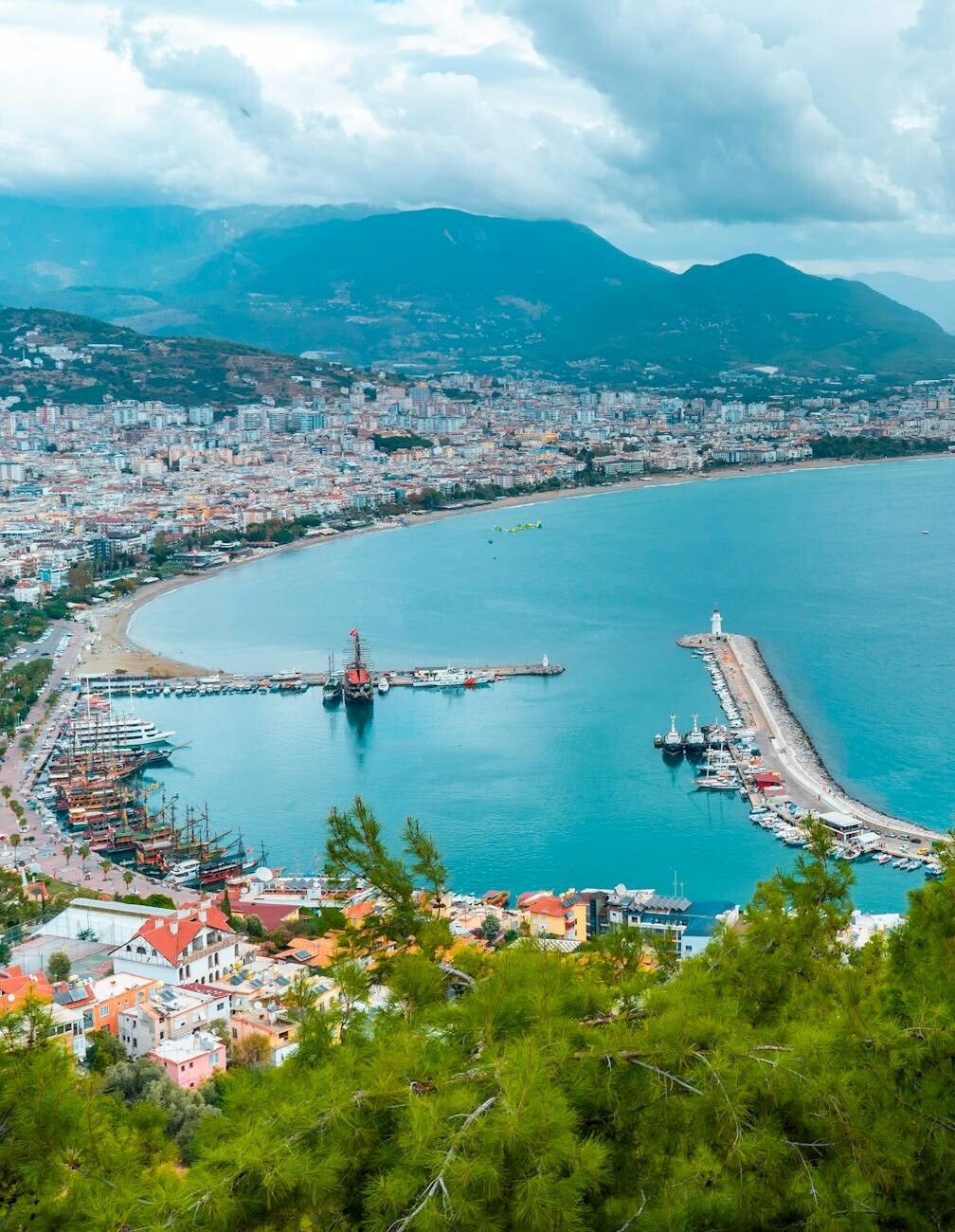
Alanya
Alanya 2026: What to Know Before You Go
Alanya is not Antalya's little sister anymore. This coastal city on Turkey's Mediterranean has evolved into a destination that stands firmly on its own, attracting everyone from budget backpackers to luxury seekers. With a population that swells from 350,000 to over a million in summer, Alanya has figured out how to handle tourists without losing its Turkish soul.
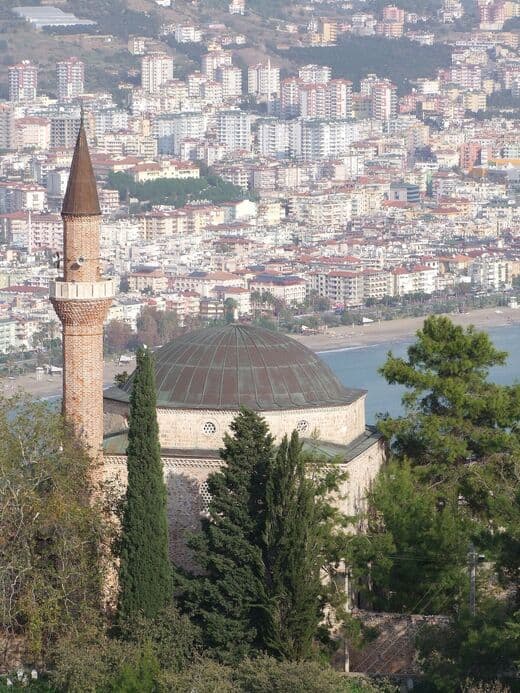
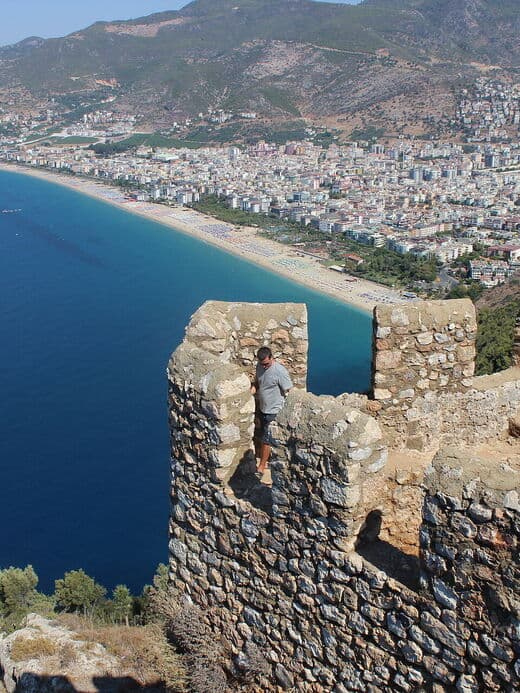
The city wraps around a dramatic peninsula topped by a Byzantine-era fortress, with beaches stretching in both directions. Unlike the resort-heavy areas of Kemer or Belek, Alanya has an actual downtown where real people live, work, and argue about football. You can eat breakfast next to construction workers, swim at the same beach as local families, and still find your Instagram-worthy sunset without trying too hard.
Getting here takes some effort from the US or UK. There are no direct flights to Gazipasa Airport (GZP), Alanya's small local airport, from either country. Most travelers fly into Antalya Airport (AYT) and take a 2-hour transfer. Direct flights from London to Antalya run year-round with easyJet, Jet2, and Turkish Airlines, typically $150-400 round trip depending on season. From the US, you will connect through Istanbul, adding about 4-5 hours to your journey. Budget $600-1200 for round-trip airfare from major US cities.
Your money goes far here. A solid restaurant meal costs $8-15, a beer runs $3-4, and you can find comfortable hotel rooms for $40-60 per night outside peak season. The Turkish lira continues its slide, which is terrible for locals but advantageous for visitors paying in dollars or pounds. Bring cash for small purchases but know that cards work almost everywhere in the tourist zone.
Alanya Neighborhoods: Where to Stay
Choosing where to base yourself in Alanya matters more than most guides admit. The city stretches about 15 kilometers along the coast, and walking from one end to the other is not happening. Each neighborhood has a distinct personality, price point, and type of visitor it attracts.
Kleopatra (Cleopatra Beach Area)
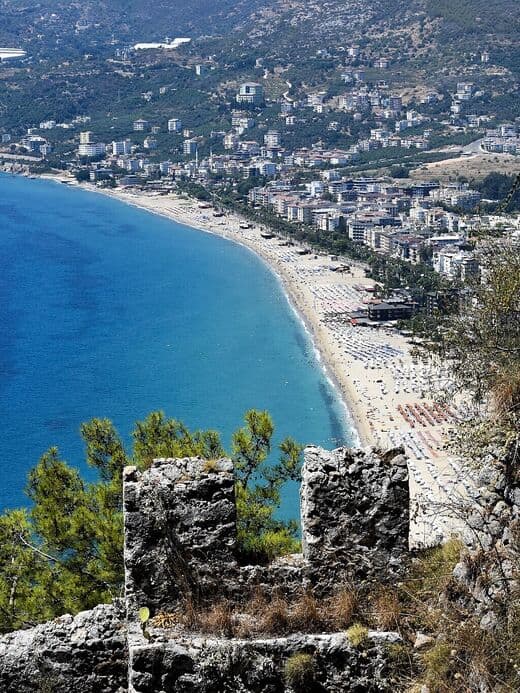
This is where most first-time visitors end up, and for good reason. Cleopatra Beach consistently ranks among Turkey's best, with coarse golden sand that does not stick to everything you own. The water stays crystal clear even when crowded, thanks to the pebble-sand mix that does not cloud up.
Pros: Walking distance to the beach, restaurants, and nightlife. The most international area with English widely spoken. Good public transport connections. Beach quality is genuinely excellent.
Cons: Gets packed in July-August. Street noise until midnight or later in summer. Highest accommodation prices in Alanya. Can feel like you are not in Turkey at all due to the tourist bubble.
Prices: Hotels $50-150/night. Apartments $800-2000/month. Restaurant meals $10-20.
Centrum (Old Town)
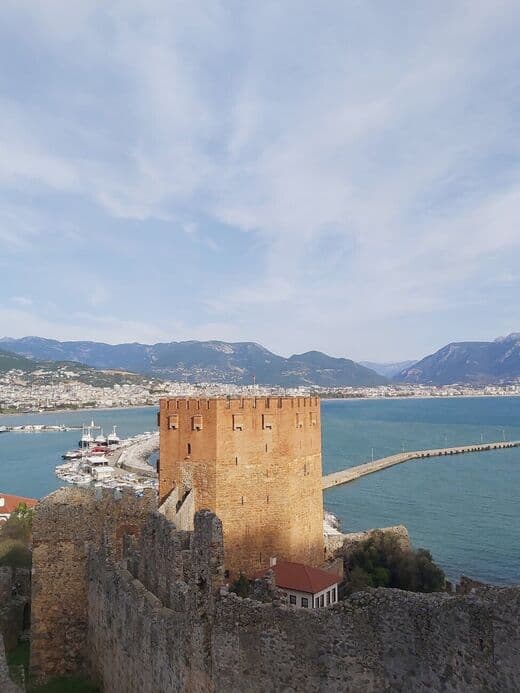
The area around the harbor and below Alanya Castle offers the most authentic Turkish experience. Narrow streets wind between Ottoman-era houses, and you will hear more Turkish than English. The Red Tower anchors the harbor area, which fills with fishing boats and tourist vessels.
Pros: Atmospheric and photogenic. Best local restaurants. Walking distance to historical sites. Lower prices than Kleopatra. Genuine neighborhood feel with markets and local shops.
Cons: Beaches require a 10-15 minute walk or dolmus ride. Steep hills everywhere. Fewer modern amenities. Some areas feel run-down rather than charmingly old.
Prices: Hotels $30-80/night. Apartments $500-1200/month. Restaurant meals $6-12.
Oba
East of Centrum, Oba has become the expat capital of Alanya. Russians, Germans, Scandinavians, and increasingly Ukrainians have settled here semi-permanently. The neighborhood has a strange mix of Turkish and Northern European vibes, with supermarkets stocking everything from borscht to bratwurst.
Pros: Best value for long-term stays. Modern apartment buildings with pools and gyms. Large supermarkets and malls. Flatter terrain than old town. Strong expat community if you want to meet other foreigners.
Cons: Limited beach access within walking distance. Less Turkish character. Can feel like a retirement community in off-season. Further from nightlife and historical attractions.
Prices: Hotels $35-70/night. Apartments $400-900/month. Restaurant meals $7-14.
Mahmutlar
About 12 kilometers east of central Alanya, Mahmutlar is basically a separate town that happens to share Alanya's municipal boundaries. It has exploded with development over the past decade, with high-rise apartment buildings lining the coast. The beach is decent, the prices are low, and the vibe is distinctly Eastern European.
Pros: Cheapest accommodation in the Alanya area. Massive Russian and Ukrainian community. Excellent for long-term budget stays. Modern infrastructure and large supermarkets.
Cons: Far from everything interesting in Alanya proper. Feels like a concrete jungle in places. Limited nightlife. You will need constant dolmus rides to see anything beyond the beach and malls.
Prices: Hotels $25-50/night. Apartments $300-700/month. Restaurant meals $5-10.
Tosmur
Between Alanya center and Mahmutlar, Tosmur offers a middle ground. The Dim River meets the sea here, creating a unique environment with riverside restaurants and a slightly more relaxed pace. Less developed than its neighbors, it attracts families and those seeking quiet.
Pros: River-side dining options unique to the area. Quieter than central areas. Good access to Dim Cave excursions. Family-friendly atmosphere.
Cons: Beach is not as impressive as Cleopatra. Limited nightlife. Somewhat characterless compared to old town. Not enough within walking distance for car-free travelers.
Prices: Hotels $30-60/night. Apartments $400-800/month. Restaurant meals $6-12.
Kestel and Konakli (West Side)
West of Cleopatra Beach, these areas cater primarily to package tourists staying in large all-inclusive resorts. Independent travelers rarely base themselves here unless they have scored a good resort deal. The beaches are fine but nothing special, and getting to Alanya's attractions requires transport.
Pros: All-inclusive value if that is your style. Quieter beaches. Some resorts have excellent facilities. Direct beach access from most hotels.
Cons: Isolated from real Turkish life. Limited dining options outside resorts. Must take transport everywhere interesting. Feels generic and could be anywhere on the Mediterranean.
Prices: All-inclusive resorts $80-200/night per person. Limited apartment options. Few independent restaurants.
Alanya Castle Area (Kale)
A handful of boutique hotels and guesthouses operate within the fortress walls or on the slopes below. Staying here is memorable but impractical for most visitors. The views are spectacular, but everything requires a steep climb or taxi ride.
Pros: Unbeatable views and atmosphere. Escape from tourist crowds. Unique accommodation options. Cooler temperatures in summer due to elevation.
Cons: Steep walks everywhere. Limited dining nearby. No beach access without serious transport planning. Not practical for more than a night or two.
Prices: Boutique hotels $60-150/night. No long-term rental options.
Best Time to Visit Alanya
Alanya enjoys over 300 sunny days per year, but not all seasons deliver the same experience. Your ideal time depends on what you want from the trip and how much you can tolerate crowds and heat.
Peak Season (July-August): Everything is open, the sea hits 28C (82F), and the city pulses with energy. This is also when Alanya shows its worst face: packed beaches where you fight for space, restaurant waits, traffic jams, and accommodation prices that double or triple. Air temperatures regularly exceed 35C (95F) with brutal humidity. Come if you love crowds and do not mind sweating through every activity. Avoid if you value personal space or traveling on a budget.
Shoulder Season (May-June, September-October): The sweet spot for most travelers. Sea temperature stays swimmable (22-26C), crowds thin dramatically, and prices drop 30-50% from peak rates. September is particularly good, with sea temperatures still at summer levels but air temps cooling to comfortable mid-20s. Late May offers perfect weather but water might feel cold to some at 21-22C. Most restaurants and attractions operate on full schedules. This is when locals actually enjoy their own beaches.
Winter (November-March): Alanya is one of Turkey's warmest winter destinations, but let us be realistic: swimming season is over. Air temperatures average 15-18C during the day, with occasional rain and some properly cold days. Many tourist-focused businesses close or operate reduced hours. However, this is prime time for cultural exploration without crowds, and you will find the best accommodation deals of the year. The expat community keeps certain neighborhoods lively year-round. Winter is also hiking season, when exploring Alanya Castle and surrounding mountains becomes pleasant rather than punishing.
Spring (April): A transitional month when Alanya wakes up from winter hibernation. Wildflowers cover the hills, temperatures climb into comfortable territory, but sea swimming remains cold-water territory for most people. Prices are low and crowds minimal, making it excellent for budget travelers focused on sightseeing rather than beach time.
My recommendation: Visit in late September if possible. You get summer weather without summer crowds, lower prices, and a more relaxed atmosphere. Early June works well too if you do not mind water that takes a few minutes to adjust to.
Alanya Itinerary: 3 to 7 Days
Day 1: Orientation and Beach Time
Morning (9:00-12:00): Start at Cleopatra Beach early, before crowds claim all the space. Rent a sunbed and umbrella ($3-5 for the day) or just throw down a towel on the public sections. The water stays calm in the mornings, perfect for swimming. Walk the full 2-kilometer length of the beach to get your bearings.
Lunch (12:00-13:30): Head inland one block from the beach to find authentic lokanta-style restaurants where you point at pre-made dishes behind glass. A full meal with drink costs $6-8. Avoid the beachfront restaurants charging tourist prices for mediocre food.
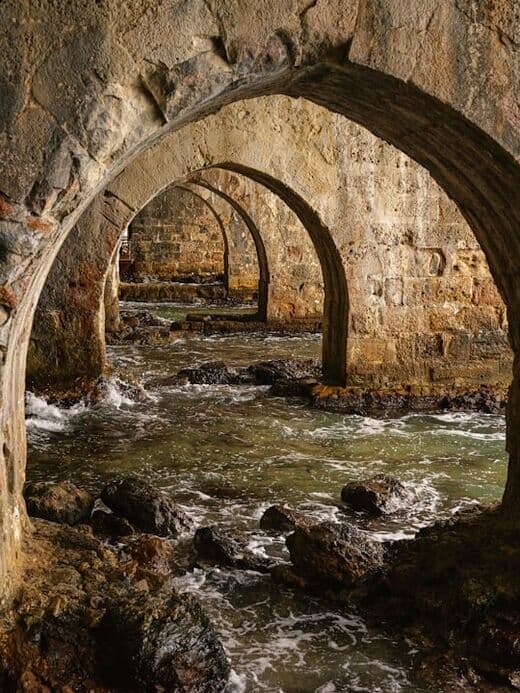
Afternoon (14:00-18:00): Walk to the harbor area through the old town streets. Visit the Red Tower (entry about $5), the octagonal 13th-century fortress that has become Alanya's symbol. The ethnographic museum inside takes 30-45 minutes. Continue along the harbor to Tersane Shipyard, a medieval structure built into the cliffs where the Seljuks once constructed their Mediterranean fleet.
Evening (19:00-22:00): Dine at one of the harbor restaurants. Yes, they are touristy, but the setting with boats bobbing in the water and the Red Tower illuminated makes it worthwhile for your first night. Expect to pay $15-25 for fish with sides and drinks.
Day 2: Castle and Caves
Morning (8:30-12:00): Take the bus or taxi up to Alanya Castle early to avoid heat. The sprawling fortress complex takes 2-3 hours to explore properly, with stunning views at every turn. Wear proper shoes as the terrain is uneven. Bring water. The Ic Kale (inner fortress) requires a separate ticket (about $8 total for everything).
Lunch (12:00-13:30): Descend on foot through the old town neighborhoods within the outer walls. Stop at one of the small family restaurants along the way for homemade Turkish food. The walk down takes 30-45 minutes depending on your pace and photo stops.
Afternoon (14:30-17:30): Visit Damlatas Cave ($3 entry), located right at the end of Cleopatra Beach. The cave maintains constant 22C temperature and high humidity, supposedly beneficial for respiratory conditions. It takes only 15-20 minutes to see but offers welcome relief from afternoon heat. Spend the remaining afternoon at Damlatas Beach, the cove next to the cave with calm, clear water.
Evening (19:00-late): Explore the restaurant streets parallel to Cleopatra Beach. Try different meyhane-style places serving meze and grilled meats. End at one of the rooftop bars for drinks with castle views.
Day 3: Day Trip to Dim Valley
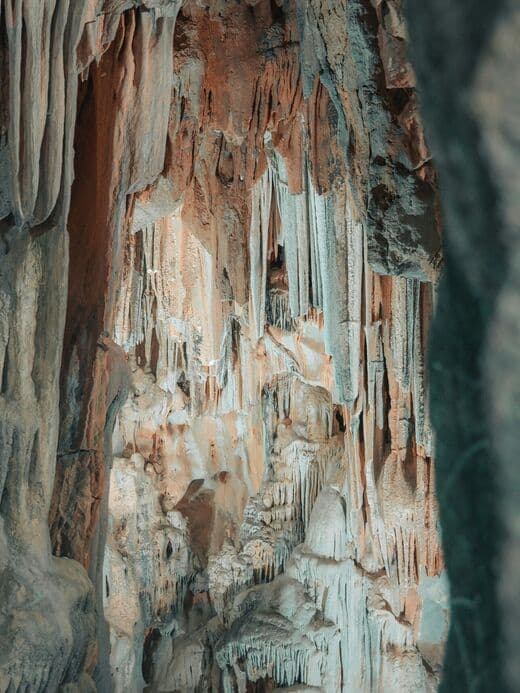
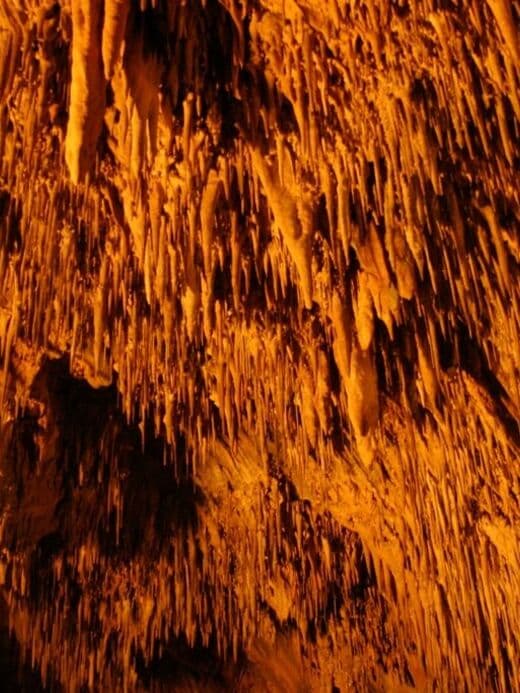
Morning (9:00-12:00): Rent a car or book a tour to Dim Cave, located 11 kilometers inland up the Dim River valley. The cave is genuinely impressive, with well-lit walkways through massive chambers. Allow 45 minutes inside. Entry costs around $8.
Lunch (12:00-14:00): Do not miss the riverside restaurants near Dim Cave. Wooden platforms extend over the rushing river, creating one of the most memorable dining settings in the region. Order grilled trout caught from the river that morning, plus meze. Budget $15-20 per person for a feast.
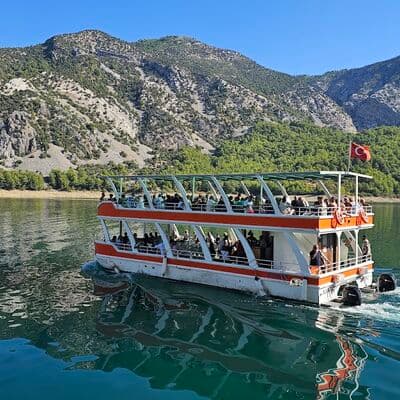
Afternoon (14:30-17:00): Continue to Green Canyon (Oymapinar Dam) if you have transport. The artificial lake with its brilliant green water surrounded by forested mountains is stunning. Boat tours run $20-30 per person for 2-3 hours on the water. Swimming is allowed in designated areas.
Evening: Return to Alanya for a relaxed dinner in the old town.
Day 4: Beach Hopping and Local Life
Morning (9:00-12:00): Take a dolmus east to Keykubat Beach, less crowded than Cleopatra with a more local atmosphere. The beach stretches for several kilometers with various sections offering different vibes.
Midday (12:00-14:00): Walk through Oba neighborhood to understand how long-term residents live in Alanya. Visit one of the large supermarkets to stock up on Turkish products at local prices. Have lunch at a working-class lokanta for an authentic and cheap meal.
Afternoon (15:00-18:00): Continue to Incekum Beach by dolmus or taxi. The name means fine sand, and it delivers. This beach, about 25 kilometers west of Alanya, offers a different character with pine forests reaching almost to the shore. Less developed than central beaches but with adequate facilities.
Evening: Return to central Alanya and explore the Friday market area (if timing aligns) or wander the shopping streets. Have dinner at a restaurant specializing in southeastern Turkish cuisine for a change of pace.
Day 5: Boat Trip and Water Activities
Full Day (10:00-17:00): Book a boat trip from the harbor. Standard tours cost $20-35 and include stops at caves, swimming spots, and usually lunch. The boats pass beneath the castle walls and explore coastal caves including Phosphorescent Cave (swimming inside a glowing grotto), Lovers Cave, and Pirates Cave. Bring sunscreen, a hat, and something to read for the transit times. These trips are touristy but worth doing once for the coastal perspectives you cannot get otherwise.
Alternative: If boat tours sound too packaged, rent a kayak or paddleboard ($15-25/hour) from Cleopatra Beach and explore the coastline at your own pace. You can paddle to the caves independently if you are in reasonable shape.
Evening: After a day on the water, treat yourself to a proper Turkish hammam experience. Several historic baths operate in the old town, costing $30-50 for the full treatment including scrub and massage.
Days 6-7: Deeper Exploration (Extended Stay)
With extra days, consider these options:
Sapadere Canyon: A half-day trip to a dramatic gorge with wooden walkways, waterfalls, and swimming holes. About 45 kilometers from Alanya, best reached by car or organized tour ($25-35).
Ancient Sites: The ruins of Syedra (15 km east) and Iotape (33 km east) offer Roman-era exploration without crowds. Syedra has mosaics and a stunning hilltop location. Both are free to enter.
Cooking Class: Several local operations offer Turkish cooking classes lasting 4-5 hours, teaching you to make dishes you have been eating all week. Expect to pay $40-60 including market visit and meal.
Relax: Honestly, Alanya rewards slowing down. Spend a day doing nothing more than beach, food, and wandering. That is how locals approach summer, and there is wisdom in following their lead.
Where to Eat in Alanya: Restaurants and Cafes
Alanya's dining scene divides cleanly between tourist-trap restaurants charging European prices for mediocre food and authentic spots where you eat like a local for a fraction of the cost. Learning to spot the difference will save you money and improve your meals dramatically.
Signs of a good restaurant: Turkish families eating there, especially with children. A short menu rather than a 20-page book. No one standing outside trying to drag you in. Prices displayed clearly. Staff too busy to chat you up.
Signs to avoid: Photos of food on the menu. Aggressive touts. Empty at mealtime while neighbors are full. Located directly on Cleopatra Beach promenade. Menu in 10 languages but Turkish is smallest.
For Traditional Turkish Food
Look for restaurants labeled lokanta, which serve home-style prepared dishes. You point at what looks good behind the glass counter, they heat it up, and you eat well for $5-8 including bread, salad, and drink. These are lunch places primarily, closing by early evening. The old town has several good ones on the streets leading up toward the castle.
For dinner, seek out restaurants specializing in regional Turkish cuisine. Southeastern Anatolian places serve the best kebabs. Black Sea-style restaurants offer excellent fish and cheese dishes. Central Anatolian spots do lahmacun and pide best. Alanya has all of these if you look beyond the generic tourist menus.
For Seafood
The harbor area has the most options but also the most tourist markup. For better value, head to the fishing villages west of Alanya or ask locals where they buy fish. Several restaurants will cook your purchase from the fish market for a modest fee, ensuring freshness and fair pricing.
When ordering fish at restaurants, always ask the price per kilo before ordering. A beautiful sea bass can easily reach $40-50 at tourist places. The same fish at a local restaurant costs $20-25. Always confirm if prices listed are per portion or per kilo.
For Breakfast
Turkish breakfast is a serious affair, and several cafes serve elaborate spreads with cheeses, olives, tomatoes, cucumbers, honey, clotted cream, eggs, and endless tea. These serpme kahvalti (spread breakfast) sets cost $8-15 per person and can easily become a 2-hour experience. Weekend mornings are prime breakfast time in Turkey.
For quick breakfast, any bakery sells simit (sesame bread rings) for under $1, or you can get a portion of borek (filled pastry) for $2-3. Add a glass of fresh-squeezed orange juice and Turkish tea for a complete meal under $5.
For Sweet Treats
Turkish desserts deserve attention. Look for pastane (pastry shops) selling baklava by weight, typically $10-15 per kilo. Dondurma (Turkish ice cream) stands use salep root for chewy texture. Muhallebici shops specialize in milk-based puddings. Turkish delight from specialty shops bears no resemblance to the dusty cubes sold as souvenirs.
Drinking Culture
Alanya has a split personality regarding alcohol. Tourist areas have bars and clubs serving until late. Traditional Turkish neighborhoods are dry or have minimal options. Good wine costs more than in most of Europe. Efes and Bomonti are the local beers, decent and cheap. Raki, the anise-flavored national spirit, deserves trying at least once with meze. Coffee means Turkish coffee unless you specifically order otherwise.
What to Try: Alanya Food Guide
Beyond the kebab-pide-baklava trinity that defines Turkish cuisine for most visitors, Alanya offers regional specialties worth seeking out. The city's position on the Mediterranean, backed by the Taurus Mountains, creates unique culinary opportunities.
Local Specialties
Ciger Sarma: Grilled liver wrapped in lamb fat and caul, served with onions and sumac. Sounds challenging but tastes incredible when done right. This is street food, eaten standing at counters.
Tantuni: Thin strips of beef or lamb stir-fried with spices and stuffed into lavash bread with tomatoes and onions. Originated in Mersin but perfected along this coast. Fast, cheap, satisfying.
Piyaz: Antalya-style white bean salad with tahini dressing, eggs, and parsley. The perfect side dish that often becomes a main course. Every restaurant makes it slightly differently.
Balik Ekmek: Fish sandwich, usually grilled mackerel in bread with onions and greens. Best from the boats in the harbor. Simple and perfect.
Seasonal Produce
Alanya sits in Turkey's citrus belt. From December through March, the region produces the country's best oranges and mandarins. Banana plantations cover the coastal hills. Pomegranates ripen in fall. Summer brings melons, figs, and stone fruits from the mountain villages. The Friday market showcases seasonal abundance at reasonable prices.
Street Food Worth Finding
Gozleme: Thin flatbread filled with cheese, spinach, potato, or meat, cooked on a convex griddle. Watch women rolling the dough paper-thin at roadside stalls. Under $3 for a filling snack.
Midye Dolma: Mussels stuffed with spiced rice, eaten directly from the shells. Vendors carry trays through bar areas late at night. Price per piece, usually 25-50 cents each.
Durum: Kebab meat wrapped in lavash bread, the Turkish answer to the burrito. Quicker and cheaper than plated kebabs, often better too.
Kokoreç: Grilled lamb intestines chopped with tomatoes and peppers, served in bread. Either you love it or you walk past quickly. No middle ground exists.
Drinks Beyond Tea
Ayran: Salted yogurt drink, served cold. The perfect kebab accompaniment. Tastes strange for one sip, essential by your third meal.
Salgam: Fermented black carrot juice from southeastern Turkey. Sour, salty, weirdly addictive. Often served alongside raki.
Fresh Juices: Orange, pomegranate, and mixed fruit juices from stands everywhere. Freshly squeezed while you watch. $1-2 per glass.
Turkish Coffee: Order it with sugar level specified (sade, az, orta, or cok sekerli). Drink slowly, do not disturb the grounds at the bottom, flip the cup for fortune telling if the mood strikes.
Alanya Secrets: Local Tips
After spending time in Alanya beyond the typical tourist experience, certain insights emerge that guidebooks miss. These tips come from observation and local conversations rather than tourism board recommendations.
1. The Early Beach Strategy: Cleopatra Beach transforms completely between 7:00 and 10:00 AM. Before 9:00, you have space, clean sand, and calm water. By 10:00, the sunbed renters have claimed everything and the crowds have arrived. Set your alarm.
2. Dolmus System: These shared minibuses are the cheapest and most efficient way to move around. Routes are written on the front, prices are fixed (pay the driver when boarding), and they run constantly during daylight hours. From Cleopatra to Mahmutlar costs about $1.50. No need to figure out bus schedules.
3. The Price Split: Walk one block inland from any tourist beach or promenade and prices drop 30-40% for identical items. This applies to restaurants, shops, and services. The Turkish economy has created parallel pricing, and the dividing line is remarkably consistent.
4. Castle Timing: Visit Alanya Castle either early morning or late afternoon. Midday visits in summer are punishing, and the crowds peak with tour bus arrivals between 11:00-14:00. Sunset from the castle is spectacular if you time it right.
5. Market Days: The Friday market near Oba is worth a visit even if you buy nothing. This is where locals shop for produce, clothes, housewares, and random goods. Arrive before 11:00 for the best experience and least heat.
6. Restaurant Bread Trick: Bread and water automatically appear at Turkish restaurants and will appear on your bill unless you send them back immediately. If you do not want them, say no right away. Once opened, you own them.
7. Cash Expectations: While cards work at established businesses, cash gets better prices at markets, small shops, and sometimes restaurants. Negotiate in cash. ATMs are everywhere, and exchanging at PTT (post office) usually offers fair rates.
8. Pharmacy Knowledge: Turkish pharmacies (eczane) sell many medications over the counter that require prescriptions elsewhere. Common antibiotics, allergy medicines, and other drugs cost a fraction of US or UK prices. Pharmacists often speak English and can recommend treatments.
9. SIM Card Value: Getting a Turkish SIM card requires passport registration and costs more than expected. For stays under two weeks, your international roaming might be cheaper than the hassle. For longer stays, Vodafone or Turkcell offer tourist packages around $20-30 for generous data allowances.
10. The Terrace Upgrade: Many mid-range hotels have rooftop terraces that are technically shared spaces even for non-guests. If you are staying somewhere without views, a polite ask at better hotels often gets you access for a drink at sunset.
11. Off-Season Advantage: Many restaurants and tour operators will negotiate prices in shoulder and low seasons. Ask for discounts. The worst they say is no, and often they say yes, especially for multi-day tours or larger groups.
12. Weather Reality: Turkish weather forecasts consistently predict rain that never arrives in summer and sunshine during actual storms. Check multiple sources and trust your eyes more than apps. When locals carry umbrellas, consider doing the same.
Transportation and Connectivity
Getting to Alanya
Most international visitors arrive through Antalya Airport (AYT), located 130 kilometers west of Alanya. Transfer options include:
Private Transfer: Pre-booked cars meet you at arrivals and drive directly to your accommodation. Cost runs $50-80 for a standard car, $80-120 for larger vehicles. Takes about 2 hours depending on traffic. Book through your hotel or reputable transfer companies.
Shared Shuttle: Havabus and similar operators run shuttles for $15-25 per person, but they make multiple stops and can take 3+ hours to reach Alanya. Fine if you are not in a hurry and want to save money.
Public Bus: Municipal buses run from Antalya otogar (bus station) to Alanya for under $10, but first you need to get from the airport to the bus station, adding time and complexity. Budget travelers find this worthwhile; others should just book a transfer.
Gazipasa Airport (GZP): This small airport 40 kilometers east of Alanya handles some European charter flights, mainly in summer. If your flight uses GZP, the transfer to Alanya costs $30-50 and takes 45 minutes. Check if this routing exists from your origin.
Getting Around Alanya
Walking: Central Alanya is reasonably walkable if you stay in Kleopatra, Centrum, or Oba areas. Distances seem short on maps but factor in hills and summer heat. Carry water and accept that some days you will need transport.
Dolmus: The minibus system connects all neighborhoods along the coast. Routes are marked on the front windshield, fares paid to the driver in cash. Main routes run every 5-10 minutes during the day, less frequently after 21:00. The system ends around midnight in summer, earlier in winter.
Taxi: Yellow taxis are metered (demand they use it) or negotiate a fixed price for longer trips. Short rides within central areas cost $5-10. Airport transfers are fixed-rate. Uber does not operate in Turkey; use BiTaksi app instead for reliable pricing and payment.
Car Rental: Necessary for reaching Green Canyon, Dim Cave, and other inland attractions independently. International companies and local operators compete aggressively on price. Expect $25-50 per day for basic cars. Turkish driving requires attention: rules are suggestions, and right-of-way goes to the bold. Parking in central areas is challenging; most hotels have arrangements.
Internet and Communication
Alanya has excellent mobile coverage and widespread WiFi. Most accommodations offer free WiFi of reasonable quality. Restaurants and cafes typically provide passwords to customers. 4G/LTE coverage extends throughout the city and along the coast.
Download these apps before arrival: Google Maps (offline maps work), Google Translate (offline Turkish package), BiTaksi (local taxi app), and Yandex Maps (sometimes better than Google for Turkey). WhatsApp is the dominant messaging platform and often the best way to communicate with tour operators and restaurants.
Power outlets use European-style round pins (Type C/F). Bring adapters if coming from the UK or North America. Voltage is 220V, which can damage older American electronics without converters.
Who is Alanya For: Summary
Alanya works best for travelers seeking a Mediterranean beach destination with actual Turkish culture attached. You can build a trip around beach relaxation while still accessing history, mountain scenery, and authentic cuisine. The infrastructure handles tourists smoothly without the artificiality of purpose-built resorts.
Budget travelers will find value difficult to match elsewhere on the Mediterranean. Mid-range visitors get quality accommodation and dining at prices that feel like deals. Luxury seekers have fewer options than in Antalya but still find boutique experiences worth having.
Families appreciate the calm beaches and kid-friendly attractions. Couples find romantic settings without exclusivity requirements. Solo travelers report feeling safe and welcomed, though the heavily partnered summer crowds might feel awkward at times.
Who should skip Alanya? Those seeking vibrant nightlife will find the scene tame compared to Bodrum or Antalya. Travelers wanting to avoid crowds entirely should look further east. Anyone allergic to tourist infrastructure will find certain areas frustrating. But for the intersection of beach, culture, value, and accessibility, Alanya delivers better than most alternatives.