About
France: The Complete Travel Guide
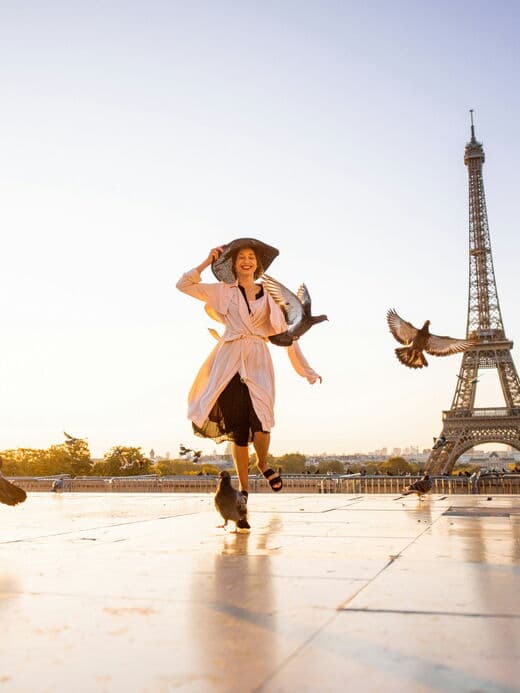
France needs no introduction. It's the birthplace of haute couture and haute cuisine, a land of vineyards and lavender fields, Gothic cathedrals and cutting-edge architecture. With over 90 million visitors annually, France remains the world's most visited country. But beyond the iconic Eiffel Tower postcards lies incredible diversity: from the Alpine peaks of Chamonix to the turquoise coves of the French Riviera, from the medieval castles of the Loire Valley to the futuristic Machines of the Isle in Nantes.
This guide covers everything you need to plan your 2026 trip to France: how to get there, where to stay, what to see, and how much to budget.
Why Visit France
France is not just a travel destination — it's a cultural phenomenon. This is where Impressionism and Existentialism were born, where the croissant and Champagne were invented, where the Lumière brothers created cinema and Coco Chanel revolutionized fashion. Each region is its own universe with distinct cuisine, architecture, and even dialect.
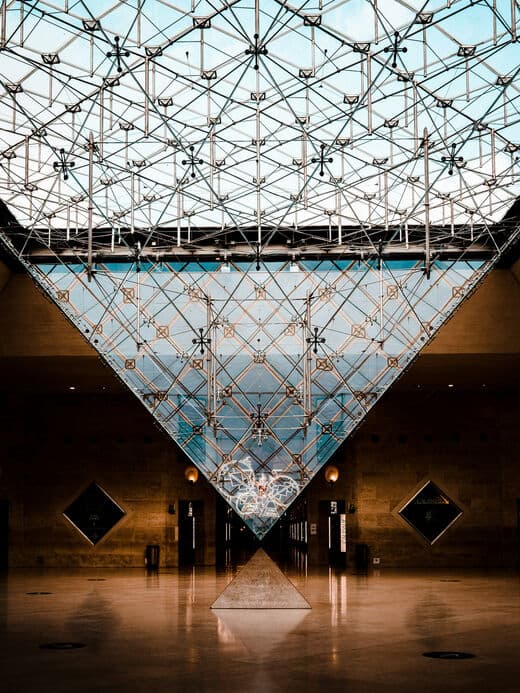
For art lovers, France is essential. Paris alone houses the Louvre with the Mona Lisa, the Musée d'Orsay with the world's greatest Impressionist collection, the Rodin Museum, and dozens more world-class galleries. In 2026, France commemorates the 100th anniversary of Claude Monet's death — expect major exhibitions in Giverny and across the country.
For foodies, France offers a universe of flavors. French cuisine is UNESCO-listed Intangible Heritage, and for good reason. From bouillabaisse in Marseille to foie gras in Périgord, from oysters in Brittany to cassoulet in Toulouse — every region takes pride in its specialties.
For nature lovers, France has it all: the Alps for hiking and skiing in Chamonix, the Calanques National Park near Marseille with stunning cliffs and coves, Provence's lavender fields, the Dune of Pilat — Europe's tallest, and the volcanoes of Auvergne.
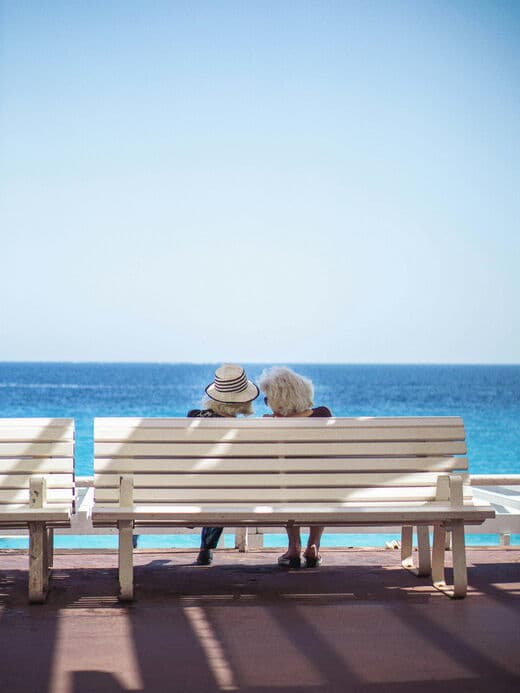
For romantics, France remains unmatched: strolling the Champs-Élysées, dining with views of the Eiffel Tower, watching sunrises over Burgundy's vineyards, catching sunsets on the Promenade des Anglais in Nice.
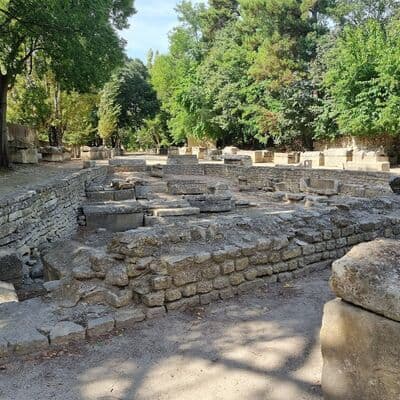
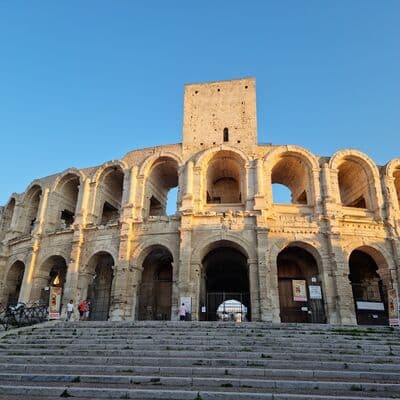
For history buffs, there's material for years: from Roman arenas in Avignon and Nice to Gothic masterpieces like Notre-Dame and Strasbourg Cathedral, from Versailles to World War memorials in Normandy.
Regions of France: What to Choose
France is a country of contrasts, and each region deserves its own journey. Here are the main destinations:
Île-de-France and Paris
Paris is the heart of France and one of the world's most visited cities. It concentrates the country's major museums: the Louvre, Orsay, Picasso Museum, Orangerie with Monet's Water Lilies. Historic monuments include the Eiffel Tower, Notre-Dame (reopened after restoration), Arc de Triomphe, and Sacré-Cœur in Montmartre. Explore neighborhoods like Le Marais with its galleries and Jewish cuisine, the Latin Quarter's student atmosphere, and Saint-Germain-des-Prés with legendary cafés.
Nearby: Versailles, Fontainebleau, Giverny with Monet's house and gardens, Chantilly with its magnificent château and stables.
Ideal for: first-time visitors, museum lovers, gastronomy enthusiasts, romantic getaways.
Provence and the French Riviera
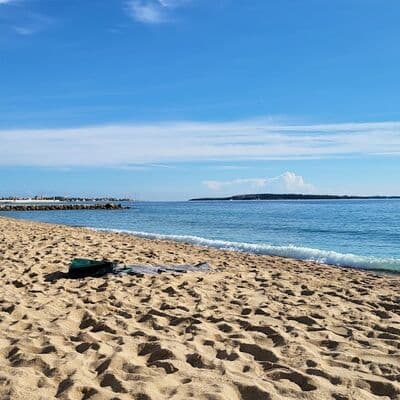
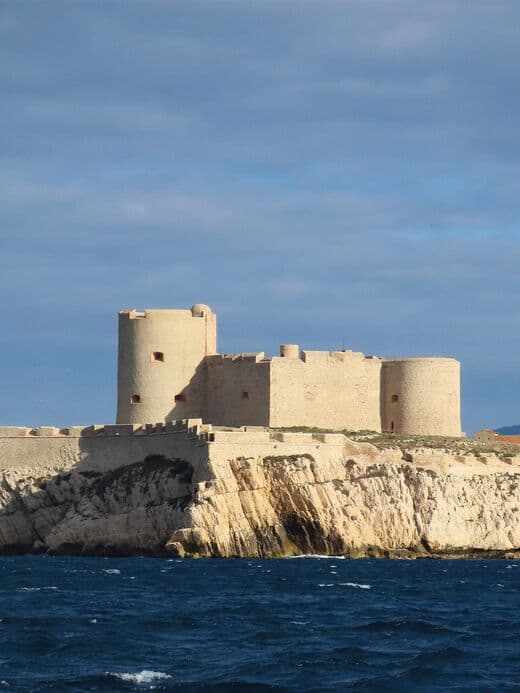
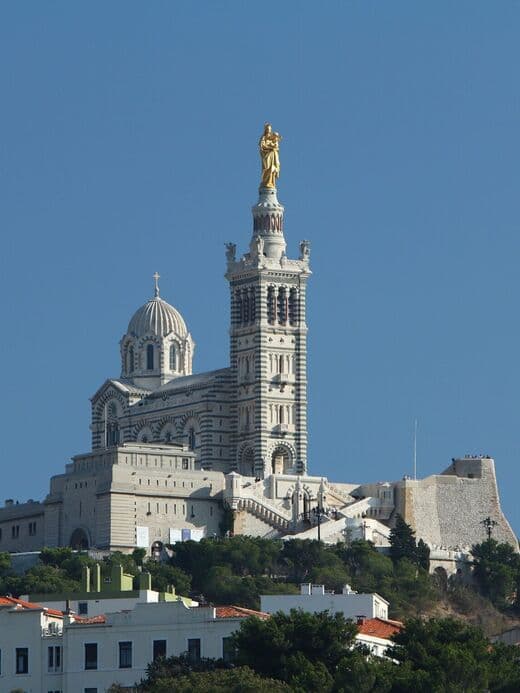
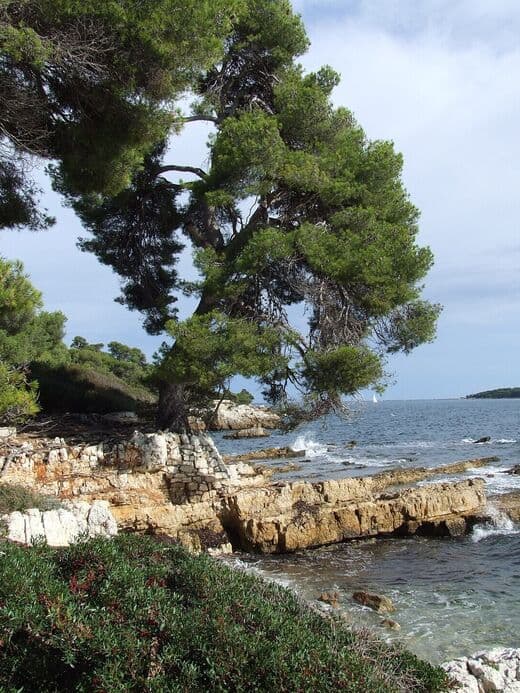
Southeast France is a symphony of colors and scents. Nice with its Promenade des Anglais, Old Town, and Matisse Museum. Cannes — the film festival city, with the glamorous Croisette and Île Sainte-Marguerite, where the Man in the Iron Mask was imprisoned. Marseille — a port city with character: the Old Port, Notre-Dame de la Garde basilica, MuCEM — the Museum of European and Mediterranean Civilizations, and the Calanques — stunning rocky inlets.
Aix-en-Provence — an elegant city of fountains and the Cours Mirabeau, birthplace of Cézanne. Avignon — the city of popes with the magnificent Palace of the Popes and the famous Pont Saint-Bénézet. The lavender fields of Valensole bloom from mid-June to early August.
Ideal for: beach holidays, food tourism, art lovers, scenic landscapes.
Brittany and Normandy
France's Atlantic coast is another world entirely: rugged cliffs, Gothic abbeys, cider instead of wine, and buckwheat galettes instead of croissants. Rennes is the Breton capital with the Parliament of Brittany and Thabor Park. Nantes — a city on the border of Brittany and the Loire, famous for Les Machines de l'Île — giant mechanical sculptures including a 12-meter elephant.
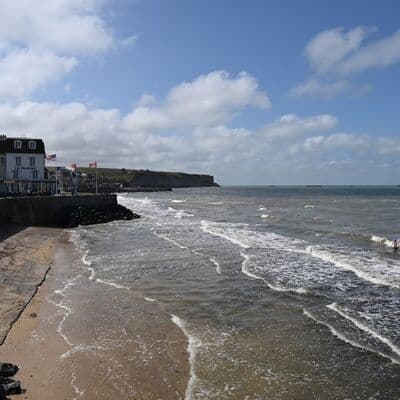
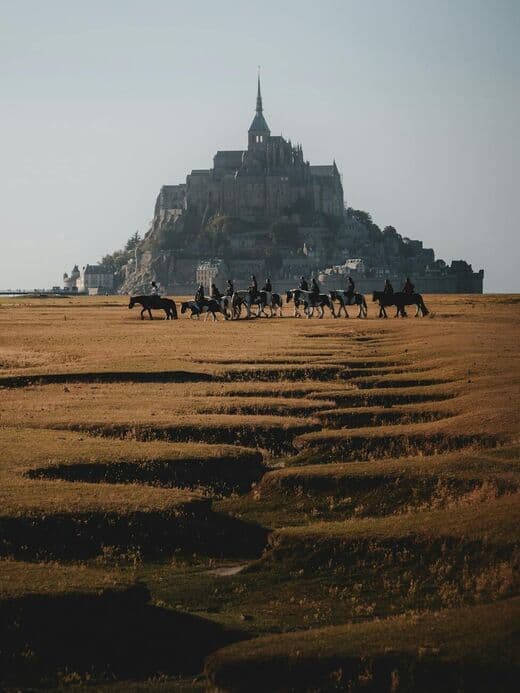
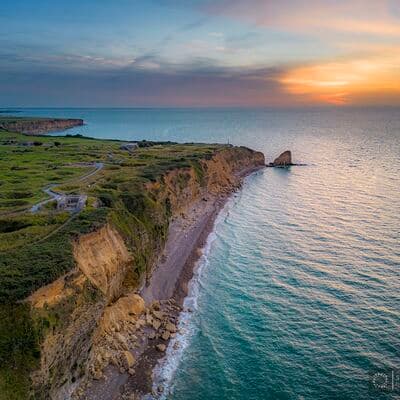
In Normandy: Rouen with its Gothic cathedral painted by Monet, the D-Day landing beaches of 1944, Honfleur — a picturesque port that inspired the Impressionists, and of course Mont-Saint-Michel — the abbey on a rock, one of France's symbols.
Ideal for: history lovers, nature enthusiasts, seafood fans, peaceful retreats.
Alsace and Lorraine
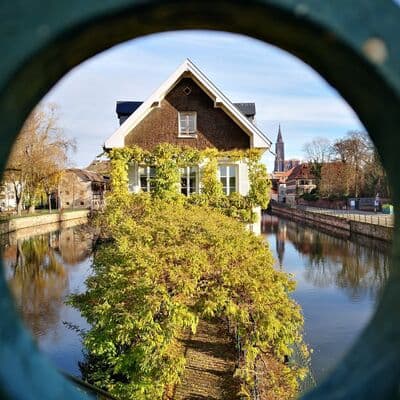
Eastern France on the German border is a unique region with its own identity. Strasbourg is the Alsatian capital and "Capital of Europe" with the European Parliament. Its Gothic cathedral is a medieval masterpiece, and the Petite France quarter with half-timbered houses is picture-perfect Alsace.
Colmar is a fairytale town with Little Venice, the Unterlinden Museum with the Isenheim Altarpiece, and the Maison des Têtes. Along the Alsace Wine Route — dozens of medieval villages with tasting rooms.
Ideal for: wine tourism, Christmas markets (Europe's best), food lovers.
Southwest: Aquitaine and Occitanie
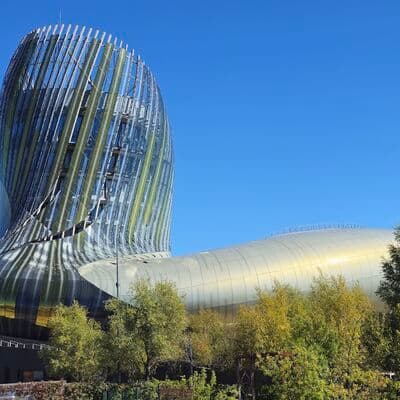
Bordeaux — the wine capital of the world with the Cité du Vin, the stunning Place de la Bourse with its Water Mirror, and the Grand Théâtre. Nearby — legendary châteaux of the Médoc, Saint-Émilion, and Graves.
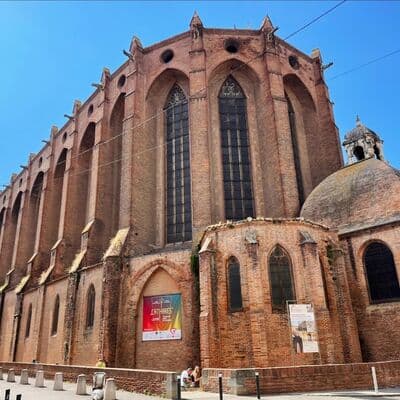
Toulouse — the "pink city" of red brick, capital of the aerospace industry. Here you'll find the Cité de l'Espace with a full-scale Ariane 5 rocket, the Romanesque Basilica of Saint-Sernin, and the Canal du Midi — a 17th-century waterway listed by UNESCO.
Further south: the Pyrenees with ski resorts and medieval Cathar fortresses, Carcassonne — Europe's largest fortified city.
Ideal for: wine tourism, gastronomy, mountain activities.
Loire Valley
The "Garden of France" — the region with the world's highest concentration of châteaux. Chambord — Francis I's hunting lodge with 440 rooms. Chenonceau — the "ladies' château" spanning the River Cher. Amboise, where Leonardo da Vinci is buried. Blois, Villandry, Azay-le-Rideau — each château is unique.
Ideal for: history lovers, architecture enthusiasts, cycling routes.
Rhône-Alps
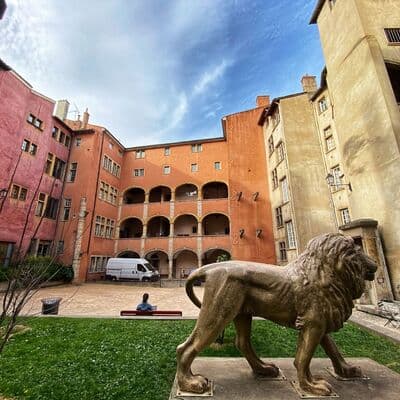
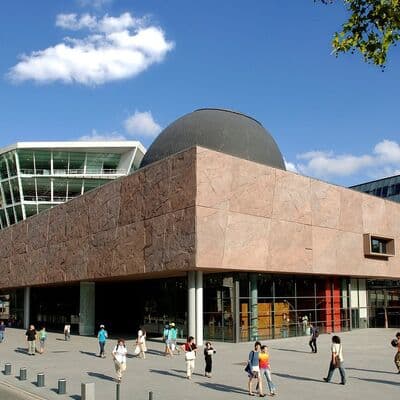
Lyon — France's gastronomic capital with its UNESCO-listed Old Town, mysterious traboules (covered passageways), Fourvière Basilica, and the Musée des Confluences in its futuristic building.
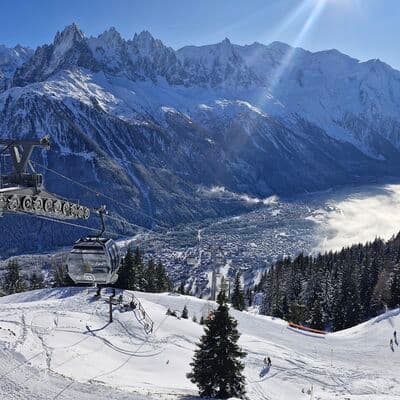
Annecy — the "Venice of the Alps" with its crystal-clear lake, Palais de l'Île, and Old Town with canals. Chamonix — the legendary ski resort at the foot of Mont Blanc with the Aiguille du Midi cable car (3,842m), the Mer de Glace glacier, and hundreds of hiking trails.
Ideal for: foodies, mountain lovers, outdoor enthusiasts.
Languedoc-Roussillon
Montpellier — a young university city with the Place de la Comédie, Musée Fabre, and the Antigone district — a postmodern quarter in neoclassical style. Nearby — Mediterranean beaches less crowded than the Riviera.
Carcassonne with Europe's largest medieval fortress, Perpignan with Catalan flair on the Spanish border.
Ideal for: budget beach holidays, history lovers.
The North: Flanders and Pas-de-Calais
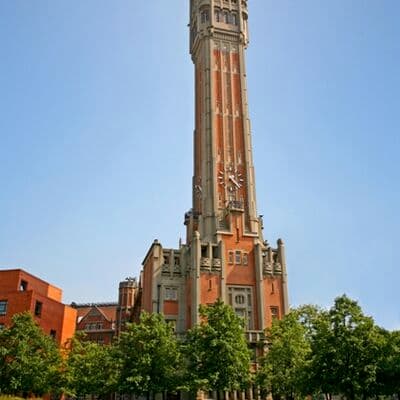
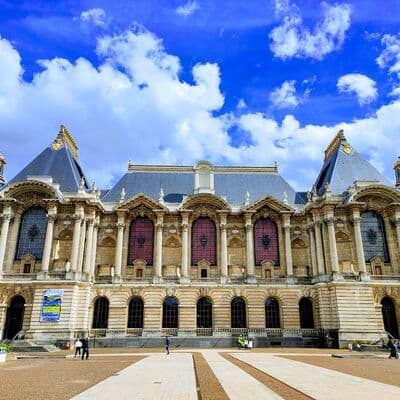
Lille — a city on the Belgian border, former industrial capital, now a cultural hub with the Palais des Beaux-Arts (France's second museum after the Louvre), the Vieille Bourse, and Grand Place. Famous for the Braderie — Europe's largest flea market in September.
Ideal for: Flemish culture lovers, beer enthusiasts, short trips from Paris or Brussels.
Wine Regions and Gastronomic Routes
France is the birthplace of great wines, and wine tourism here is unmatched. Here are the main regions for oenophiles:
Bordeaux
The world's largest quality wine region with over 7,000 châteaux. The Left Bank of the Gironde (Médoc, Graves) is famous for Cabernet Sauvignon-based wines — powerful, tannic, built for aging. Legendary châteaux include Lafite-Rothschild, Latour, Margaux, Haut-Brion, Mouton-Rothschild.
The Right Bank (Saint-Émilion, Pomerol) is Merlot territory: softer, fruitier wines. Saint-Émilion is a UNESCO World Heritage town with underground churches and kilometers of wine cellars.
The Cité du Vin in Bordeaux is an interactive museum dedicated to wine culture worldwide, with a panoramic bar on the 8th floor.
What to try: red blends from Médoc and Saint-Émilion, sweet whites from Sauternes, dry whites from Graves.
Burgundy
Here, terroir is a religion — each vineyard (climat) has a unique character. Two great varieties: Pinot Noir (reds) and Chardonnay (whites). Tiny parcels of land are worth millions: Romanée-Conti, Montrachet, Clos de Vougeot.
The Côte d'Or (Golden Slope) from Dijon to Beaune is the heart of the region. Beaune is the capital of Burgundy wines, home to the Hospices de Beaune — a 15th-century Gothic hospital where the famous wine auction takes place each November (Les Trois Glorieuses).
What to try: red Côte de Nuits (Gevrey-Chambertin, Vosne-Romanée), white Côte de Beaune (Meursault, Puligny-Montrachet), Chablis in the north.
Champagne
The only region producing true Champagne. Reims and Épernay are the two main towns with great houses: Moët & Chandon, Veuve Clicquot, Taittinger, Ruinart. Kilometers of chalk cellars underground are UNESCO-listed.
What to try: not just brut, but blanc de blancs (from Chardonnay), blanc de noirs (from Pinot Noir), vintage cuvées, rosé Champagne.
Rhône Valley
Two parts: Northern Rhône with Syrah (Côte-Rôtie, Hermitage, Condrieu with white Viognier) and Southern Rhône with blends (Châteauneuf-du-Pape — up to 13 varieties in a blend).
Alsace
White aromatic wines: Riesling, Gewürztraminer, Pinot Gris. The Wine Route (Route des Vins) — 170 km through picturesque villages: Riquewihr, Ribeauvillé, Obernai.
Loire Valley
Diverse styles: Sancerre and Pouilly-Fumé (Sauvignon Blanc), Vouvray (Chenin Blanc from dry to sweet), Chinon and Bourgueil (Cabernet Franc), Muscadet (with oysters).
Provence
Rosé wines — 88% of production. Côtes de Provence, Bandol, Cassis. Best experienced over lunch on a terrace overlooking lavender fields.
Gastronomic Routes
Lyon and Beaujolais: gastronomy capital with bouchons (traditional restaurants), Paul Bocuse Market, trip to Beaujolais for young wine in November.
Périgord: black truffles, foie gras, duck in all forms, walnuts. Sarlat — the region's most beautiful town.
Brittany: Cancale oysters, buckwheat galettes with cider, salted caramel, Bordier butter.
Normandy: Camembert, Calvados, cider, oysters, mussels.
Alsace: choucroute (sauerkraut with meats), tarte flambée (local "pizza"), pretzels, gingerbread.
When to Visit
France is beautiful year-round, but the optimal time depends on your goals.
Spring (April – May)
The ideal season for most regions. Chestnuts bloom in Paris, poppies in Provence. Fewer tourists than summer, comfortable temperatures of 15–22°C (59–72°F). Giverny gardens open April 1 – November 1. Paris Marathon — April 12, 2026. Printemps de Bourges festival — April 14–19, 2026.
Summer (June – August)
Peak tourist season. Provence's lavender fields bloom mid-June to early August — best time for photos. Beach season on the Riviera and Atlantic. But: crowds in Paris and on the Riviera, museum queues, high prices.
Key 2026 events:
- Cannes Film Festival — May
- Tour de France — July 4–26 (starting in Barcelona, finishing on the Champs-Élysées)
- Avignon Theatre Festival — July 1–25 (80th anniversary)
- World Aquatics Championships in Paris — July 31 – August 16
- Lavender Festival in Digne-les-Bains — July 31 – August 5
- Bastille Day — July 14 (fireworks nationwide)
Fall (September – November)
Shoulder season: fewer tourists, mild weather (12–20°C / 54–68°F). Grape harvest season (vendange) — best time for wine tourism. Autumn colors in Burgundy and Alsace.
Events:
- Lessay Fair (Normandy) — September 11–13, 2026 (thousand-year tradition)
- Beaujolais Nouveau — November 19, 2026
- Les Trois Glorieuses in Beaune — mid-November
- Salon du Chocolat in Paris — October 28 – November 1, 2026
- Dijon Gastronomic Fair — October 31 – November 11, 2026
Winter (December – February)
Low season for most regions (except ski resorts). Christmas markets in Alsace (Strasbourg, Colmar) — Europe's best. Fewer tourists, lower prices. Nice Carnival and Menton Lemon Festival — February 2026 (February 11 – March 1).
Ski season: December – April in Chamonix, Courchevel, Méribel, Val d'Isère.
Weather by Region
- Paris: temperate climate, 3–7°C (37–45°F) in winter, 15–25°C (59–77°F) in summer. Rain year-round.
- Provence/Riviera: Mediterranean climate, mild winters (8–12°C / 46–54°F), hot summers (25–32°C / 77–90°F). Mistral (north wind) — sudden cold snaps.
- Brittany/Normandy: oceanic climate, frequent rain, mild temperatures (5–10°C / 41–50°F winter, 18–22°C / 64–72°F summer).
- Alps: mountain climate, snow November–April, cool summers.
- Alsace: continental climate, cold winters (down to -5°C / 23°F), warm summers (22–28°C / 72–82°F).
Getting There
For Americans and Canadians
Direct flights are widely available from major North American cities:
- New York (JFK/EWR) to Paris CDG: 7–8 hours (Air France, Delta, United, American)
- Los Angeles to Paris: 10–11 hours
- Chicago, Miami, Boston, Washington — direct options available
- Toronto and Montreal to Paris: 7–8 hours (Air Canada, Air France)
Budget tip: Consider flying into other European hubs (London, Amsterdam, Frankfurt) and taking a train to France — often cheaper and you see more.
For British Travelers
Eurostar from London St Pancras to Paris Gare du Nord: 2 hours 15 minutes. Also serves Lille, Lyon, Marseille (seasonal). Book early for best fares (from £39 each way).
Flights: London to Paris is one of the world's busiest routes. British Airways, Air France, easyJet, Ryanair all operate multiple daily flights.
Driving: Take the Eurotunnel (Folkestone to Calais, 35 minutes) or ferry (Dover-Calais, 1.5 hours).
Main French Airports
Paris Charles de Gaulle (CDG) — France's largest airport and a major European hub. 276 destinations, 109 airlines. Connected to central Paris by RER B train (35 minutes, ~€11) and buses.
Paris Orly (ORY) — second Paris airport, mainly domestic flights and budget carriers. Connected to center via Orlyval + RER B or buses.
Between CDG and Orly: RER B + Orlyval, about 1.5 hours, €14. "Le Bus Direct" no longer operates (2026).
Regional airports with international flights:
- Nice (NCE) — third largest, flights from across Europe
- Lyon (LYS) — hub for southeast
- Marseille (MRS) — for Provence
- Toulouse (TLS) — for southwest
- Bordeaux (BOD) — for wine country
Getting Around
TGV and SNCF Trains
France has one of the world's best rail networks. TGV (Train à Grande Vitesse) reaches speeds up to 320 km/h (200 mph) and connects all major cities.
Sample journey times:
- Paris – Lyon: 2 hours
- Paris – Marseille: 3 hours 15 minutes
- Paris – Bordeaux: 2 hours
- Paris – Strasbourg: 1 hour 45 minutes
- Paris – Nice: 5.5 hours
Ticket types (2026):
TGV INOUI — premium service:
- PREM'S — non-refundable low-price tickets (from €25 Paris–Nice if booked early)
- LOISIR — standard tickets with exchange option
- PRO — fully flexible tickets (pricier)
- Full price on day of travel: Paris–Nice ~€140
OUIGO — low-cost TGV:
- From €10 for adults, €8 for children
- OUIGO ESSENTIEL — basic fare
- OUIGO PLUS — includes all services for +€9
- Departs from separate stations (not main terminals)
Discount cards (€49/year, 30% discount):
- Carte Jeune (ages 12–27)
- Carte Senior (60+)
- Carte Weekend (for weekend trips)
- Carte Liberté (€349/year) — for frequent travelers, up to 60% off
Booking: SNCF Connect (sncf-connect.com) opens sales 4 months ahead. Spring 2026 tickets went on sale January 28, 2026.
Tip: PREM'S tickets sell out fast — book as early as possible.
Car Rental
The ideal way to explore rural France, wine regions, Loire châteaux, Provence.
Key points:
- Drive on the right
- Highways (autoroutes, marked "A") are toll roads: Paris–Lyon ~€35, Paris–Marseille ~€60
- Gas (2026): ~€1.80–1.95/liter
- International driver's license recommended but not required for US/UK/Canada
- Major companies: Hertz, Avis, Europcar, Sixt, Budget
Buses
FlixBus and BlaBlaBus — budget alternatives to trains. Paris–Lyon from €10, but 5–6 hours vs 2 hours on TGV.
City Transport
Paris: metro (16 lines, €2.15 single ticket, €16.90 for 10), RER (suburban trains), buses, trams. Navigo Easy — rechargeable card. Navigo Semaine (€30.75/week) — unlimited in zones 1–5.
Lyon, Marseille, Toulouse, Bordeaux, Lille — have their own metro/tram systems.
Bikes: Vélib' in Paris, similar systems in other cities. Electric scooters everywhere (Lime, Tier, Dott).
Cultural Code
France has strong cultural traditions, and knowing local customs will make your trip more enjoyable.
Language
The French are proud of their language and appreciate attempts to speak French, even clumsy ones. Learn basic phrases:
- Bonjour — hello (daytime)
- Bonsoir — good evening
- Merci — thank you
- S'il vous plaît — please
- Excusez-moi — excuse me
- Parlez-vous anglais? — do you speak English?
In tourist areas of Paris, on the Riviera, and in Alsace, many speak English. In the provinces — much less.
Greetings
French people kiss on the cheeks (la bise) when meeting — even casual acquaintances. The number of kisses varies by region: in Paris usually 2, in the south can be 3–4. In business settings — a handshake.
When entering a shop, restaurant, or market — always say "Bonjour." When leaving — "Au revoir." This isn't optional — it's basic politeness.
Dining
Food in France is a sacred ritual.
Breakfast (petit-déjeuner): light — croissant, coffee, juice. 7:00–10:00.
Lunch (déjeuner): the main meal of the day. 12:00–14:00. Restaurants are often closed between lunch and dinner.
Dinner (dîner): 19:30–21:30. Before 19:00 — not very French.
Don'ts: asking to modify a recipe, rushing the waiter ("L'addition, s'il vous plaît" — only when ready), eating on the go in central Paris (not cool).
Tipping
In France, tipping is not mandatory — service is included by law (service compris). But leaving a small amount for good service is appreciated:
- Café/bar: round up to the euro
- Restaurant: €2–5 for a regular meal, €5–10 for dinner at a nice place
- Never leave more than 10% — it's considered showy
Where it's customary:
- Porters: €1–2 per bag
- Housekeeping: €2–4/day
- Taxi: round up, €1–2 for help with bags
- Tour guides: €5–10 on free tours, €20–50 for private tours
- Hairdresser: 10% (not to the owner)
Where it's forbidden: state theaters (Paris Opera), cloakrooms with "pourboire interdit" signs.
Dress Code
The French dress elegantly and understated. In Paris:
- Jeans are fine, but quality and well-fitting
- No shorts for men in nice restaurants
- Sneakers — only minimalist/athletic (not bright running shoes)
- Black, navy, gray, beige — base colors
- Scarves — a must year-round
On the Riviera — more relaxed dress code in summer, but beach clothes are only for the beach.
Pace of Life
The French value work-life balance. Sunday is family day — many shops are closed. August is vacation month — some establishments may be shut.
"L'apéro" (aperitif) — the tradition of evening drinks before dinner (17:00–20:00). Pastis in Provence, kir in Burgundy, Champagne — everywhere.
Taboos
- Don't discuss money or salaries
- Don't criticize French cuisine or wine
- Don't confuse Champagne with "just sparkling wine"
- Don't call all French people Parisians (regions have strong identities)
- Don't visit museums/churches in beach attire
Safety
France is generally safe for tourists, but basic precautions are necessary.
General Rules
Pickpocketing is the main issue, especially in Paris (metro, Eiffel Tower, Montmartre), Marseille, and Nice. Don't carry valuables in back pockets, watch your bag in crowds, don't leave your phone on café tables.
Scams:
- "Petitions" — while you sign, they steal your wallet
- "Gold ring" — they "find" an "expensive" ring, ask for money
- "Friendship bracelets" — they tie one on, demand payment
- Fake metro tickets
Areas to be cautious (at night):
- Paris: Gare du Nord, Barbès-Rochechouart, Château-Rouge, Saint-Denis
- Marseille: northern neighborhoods, areas outside the tourist center
- Nice: some areas beyond the center
Emergency Services
- 112 — European emergency number
- 15 — SAMU (medical emergency)
- 17 — Police
- 18 — Fire
- 114 — Emergency SMS for the deaf
Police
France has several types of police:
- Police Nationale — city police
- Gendarmerie — rural areas and roads
- Police Municipale — municipal police
For theft, go to a commissariat to get a report (needed for insurance). Tourist zones have special offices for visitors.
Demonstrations
The French are known for loving protests (manifestations). Usually safe but best avoided. "Gilets jaunes" (yellow vests) — since 2018, periodic Saturday protests.
Health and Medical Care
Healthcare System
France has one of the world's best healthcare systems, but services are paid for tourists.
Insurance
Essential: Get travel insurance with minimum €30,000 coverage — this is required for Schengen visas. Recommended coverage: €50,000–100,000.
Coverage should include:
- Emergency hospitalization
- Outpatient treatment
- Repatriation
- Dental emergencies
For Americans: check if your regular health insurance covers international travel. Many US policies don't, so consider World Nomads, Allianz, or Travel Guard.
Pharmacies (Pharmacie)
Green cross — the pharmacy symbol. French pharmacists are highly qualified and can advise on minor ailments. Many medications are available without prescription.
Pharmacies usually open 9:00–19:30, Saturday until 18:00, Sunday closed. Major cities have 24/7 pharmacies (pharmacies de garde).
Emergency Care
SAMU (15) — emergency medical service. For serious cases: heart attack, stroke, severe injuries.
SOS Médecins — house call doctor service. Works 24/7, arrives in 1–2 hours. Consultation ~€50–80.
Urgences — hospital emergency room. For emergencies, but waits can be long.
Money and Budget
Currency
Euro (€) is the only currency. Coins: 1, 2, 5, 10, 20, 50 cents; 1 and 2 euros. Bills: 5, 10, 20, 50, 100, 200, 500 euros (large bills accepted reluctantly).
Payment
Bank cards accepted almost everywhere (Visa, Mastercard). Contactless payment is standard. American Express — not everywhere.
ATMs: Withdraw from bank ATMs (BNP Paribas, Société Générale, Crédit Agricole) — fee usually €3–5. Avoid street ATMs (Euronet and similar) — high fees.
Daily Budget (2026)
Budget traveler: €90–110/day
- Hostel/budget hotel: €30–60
- Food: €25–35 (café breakfast, market lunch, bistro dinner)
- Transport: €10–15
- Entertainment: €10–20
Mid-range: €180–250/day
- 3-star hotel: €80–120
- Food: €50–80 (restaurants)
- Transport: €15–25
- Entertainment: €30–50
Comfortable travel: €300–500+/day
- 4–5 star hotel: €150–300+
- Food: €100–150
- Taxi/car rental
- Premium experiences
Key Prices (2026)
Accommodation (per night):
- Hostel (dorm bed): €25–40
- Budget hotel: €60–90
- Mid-range hotel: €100–180
- Luxury: €250+
- Airbnb studio in Paris: €80–120
Food:
- Coffee: €2–4
- Croissant: €1.50–2
- Sandwich: €5–8
- Lunch at a bistro (plat du jour): €12–18
- Restaurant dinner: €25–50
- Tasting menu: €80–150+
- Bottle of wine in a shop: €5–15
Transport:
- Paris metro (single): €2.15
- Navigo week pass: €30.75
- TGV Paris–Lyon: €25–90
- Gas: €1.80–1.95/liter
- Taxi from CDG to center: €50–60 (fixed)
Attractions:
- Louvre: €32 (non-EU), €22 (EU residents)
- Versailles: €35 (Passport, high season, non-EU)
- Eiffel Tower: €18–30
- Musée d'Orsay: €16
- Free: many museums on the first Sunday of the month
Important 2026 change: Major French museums (Louvre, Versailles, Sainte-Chapelle) introduced tiered pricing in January 2026. Non-EU visitors pay higher admission fees.
Tax-Free Shopping
VAT (TVA) is included in prices (20% standard, 10% on food, 5.5% on groceries). Non-EU citizens can get VAT refunds on purchases over €100 in one store. Process in-store, refund at airport (Global Blue, Planet).
Top Itineraries
7 Days: Classic Paris and Surroundings
Day 1: Arrive in Paris. Walk the Champs-Élysées, Arc de Triomphe. Evening dinner in Saint-Germain-des-Prés.
Day 2: Louvre (morning, 3–4 hours). Lunch in Tuileries Garden. Musée d'Orsay. Evening — Eiffel Tower (book ahead!).
Day 3: Notre-Dame and Île de la Cité. Sainte-Chapelle. Le Marais — galleries, falafel. Evening — Sacré-Cœur and Montmartre.
Day 4: Versailles — full day (palace + gardens + Trianons).
Day 5: Giverny (Monet's house and gardens) — ideal April–October. Or Chartres with its famous cathedral.
Day 6: Rodin Museum, Les Invalides. Luxembourg Gardens. Latin Quarter. Farewell dinner.
Day 7: Morning shopping or Fondation Louis Vuitton. Departure.
10 Days: Paris – Loire Valley – Provence
Days 1–3: Paris (see above, condensed).
Day 4: TGV to Tours (1 hour). Château de Chenonceau.
Day 5: Château de Chambord. Evening in Blois.
Day 6: Amboise (château + Clos Lucé — Leonardo's home). Transfer to Avignon (TGV, 2.5 hours).
Day 7: Avignon: Palace of the Popes, Pont Saint-Bénézet.
Day 8: Aix-en-Provence: Cours Mirabeau, Cézanne's studio. Or trip to lavender fields (June–July).
Day 9: Marseille: Old Port, Notre-Dame de la Garde, MuCEM. Or Calanques (half-day).
Day 10: Fly from Marseille or return to Paris.
14 Days: Grand Tour of France
Days 1–3: Paris.
Day 4: TGV to Lyon (2 hours). Old Town, traboules.
Day 5: Fourvière, Musée des Confluences. Evening — bouchon (traditional restaurant).
Day 6: Transfer to Annecy (2 hours). Lake, Old Town.
Day 7: Chamonix: Aiguille du Midi, Mer de Glace. Night in Chamonix.
Day 8: Transfer to Nice (5 hours by car or train via Lyon). Evening on the Promenade des Anglais.
Day 9: Old Town, Castle Hill, Matisse Museum.
Day 10: Cannes and Île Sainte-Marguerite.
Day 12: TGV to Bordeaux (4 hours). Place de la Bourse, Cité du Vin.
Day 13: Saint-Émilion wineries.
Day 14: TGV to Paris (2 hours). Departure.
21 Days: Deep Dive
Expanded 14-day itinerary with additions:
- Alsace: Strasbourg (2 days), Colmar (1 day), Wine Route (1 day)
- Brittany: Nantes (1 day), Mont-Saint-Michel (1 day)
- Burgundy: Dijon, Beaune, Côte d'Or vineyards (2 days)
Connectivity
For detailed information on mobile data, Wi-Fi, and useful apps — see the ConnectivityAndApps section on the country page.
Quick summary:
- EU SIM cards: roaming included at no extra cost (EU roaming)
- Tourist SIMs: Orange Holiday (€40 for 20GB + calls), Free Mobile, Bouygues
- Wi-Fi: free in hotels, cafés, train stations, museums
- US/UK visitors: check your carrier's international plans or buy a local SIM
Useful apps:
- SNCF Connect — train tickets
- Citymapper — navigation in Paris and major cities
- Google Maps — offline maps (download in advance!)
- TheFork — restaurant reservations
- Uber — rideshare (works in Paris, limited elsewhere)
- G7 — Paris taxi
- Bonjour RATP — Paris public transport
What to Eat
French cuisine isn't just food — it's a way of life. Each region takes pride in its specialties.
National Dishes
- Coq au vin — rooster braised in red wine with mushrooms and onions
- Boeuf bourguignon — Burgundy-style beef stew
- Pot-au-feu — meat and vegetable broth, a winter classic
- Croque-monsieur — ham and cheese sandwich with béchamel
- Quiche Lorraine — savory pie with bacon and eggs
- Ratatouille — Provençal vegetable stew
- Confit de canard — duck leg preserved in its own fat
- Escargots de Bourgogne — Burgundy snails with garlic butter
- Foie gras — duck or goose liver pâté
Regional Specialties
- Classic bistro steak-frites
- French onion soup
- Macarons from Ladurée, Pierre Hermé
Lyon:
- Quenelles — fish dumplings in crayfish sauce
- Tablier de sapeur — breaded tripe
- Cervelle de canut — herbed cheese spread
- Saucisson lyonnais — Lyon sausages
Marseille / Provence:
- Bouillabaisse — fish soup with saffron and rouille
- Aïoli — garlic sauce with vegetables and fish
- Navettes — orange blossom cookies
- Tapenade — olive spread
- Pan bagnat — Niçoise sandwich
Bordeaux / Southwest:
- Cannelés — caramelized pastries
- Entrecôte à la bordelaise — steak in wine sauce
- Cassoulet — bean and meat casserole (Toulouse, Carcassonne)
- Magret de canard — duck breast
Strasbourg / Alsace:
- Choucroute garnie — sauerkraut with meats
- Tarte flambée (Flammkuchen) — thin flatbread with cream and onions
- Kougelhopf — yeast cake
- Baeckeoffe — three-meat casserole
Brittany / Normandy:
- Galettes — buckwheat crepes with cheese, ham, egg
- Crêpes — sweet crepes
- Huîtres — oysters (Cancale is the capital)
- Moules-frites — mussels with fries
- Cidre — cider
- Calvados — apple brandy
- Camembert, Pont-l'Évêque, Livarot — Norman cheeses
Cheeses
France is home to over 400 cheese varieties. Must-try:
- Brie de Meaux — soft with white rind
- Camembert — Norman classic
- Roquefort — blue cheese from sheep's milk
- Comté — hard Alpine cheese
- Reblochon — Savoyard for tartiflette
- Chèvre — goat (Valençay, Crottin de Chavignol)
- Époisses — soft washed-rind, very aromatic
Pastries and Desserts
- Croissant — only fresh, in the morning
- Pain au chocolat — chocolate croissant
- Baguette tradition — traditional baguette
- Tarte Tatin — upside-down apple tart
- Crème brûlée — caramelized custard
- Paris-Brest — praline-filled choux ring
- Éclair — éclair
- Millefeuille — "thousand layers" (Napoleon)
Shopping
What to Bring Back
Food & Drink:
- Wine and Champagne
- Cheese (vacuum-packed)
- Foie gras (canned)
- Dijon mustard
- Herbes de Provence
- Olive oil from Provence
- Chocolate (Valrhona, Michel Cluizel)
- Macarons (keep 3–5 days)
- Pastries: cannelés, nougat from Montélimar
Fashion & Beauty:
- Perfume (Grasse — perfume capital, Sephora, Marionnaud stores)
- Pharmacy cosmetics: La Roche-Posay, Avène, Bioderma
- French fashion brands: Sandro, Maje, Zadig & Voltaire, APC, Isabel Marant
- Luxury: Louis Vuitton, Hermès, Chanel, Dior (Paris has best prices + Tax Free)
Souvenirs:
- Lavender sachets and oils from Provence
- Marseille soap (savon de Marseille)
- Breton striped shirts (marinière)
- Berets (basque)
- Belle Époque posters
- Alsatian Christmas ornaments
Where to Shop
Paris:
- Galeries Lafayette and Printemps — department stores with Tax Free
- Le Marais — boutiques and designer shops
- Saint-Germain-des-Prés — luxury
- Les Puces de Saint-Ouen — Europe's largest flea market
- Rue de Rivoli — mass market
- La Vallée Village — outlet 35 km from Paris
Food:
- Markets (marchés) — every neighborhood has one
- Fromageries — cheese shops
- Caves à vin — wine cellars
- Lafayette Gourmet, Le Bon Marché Epicerie — gourmet halls in department stores
Sales (Soldes)
Official sales twice a year, regulated by law:
- Winter: first Wednesday of January – early February (2026: January 7 – February 3)
- Summer: last Wednesday of June – early August
Discounts up to 70%, best selection in the first days.
Summary
France is a country that never disappoints. Here everyone finds their own: from Paris's great museums to the secluded coves of the Calanques, from Michelin-starred restaurants to village bistros, from Alpine peaks to Provence's lavender fields.
Best time to visit:
- Paris: April – June, September – October
- Provence: May – June (lavender), September (harvest)
- Alps: December – April (skiing), July – August (hiking)
- Alsace: December (Christmas), September – October (grape harvest)
Budget: from €90/day (hostel + street food) to €300+/day (comfortable hotel + restaurants).
Top tips:
- Book TGV and museums in advance
- Learn basic French — it opens doors
- Don't rush — the French pace of life is part of the experience
- Try regional cuisine, don't just stick to croissants
- In 2026, watch museum prices — new tiered pricing policy for non-EU visitors
Bon voyage!
For current information on transport prices and museum tickets, see the FAQ and Travel Tips sections on the country page.