Montpellier
Montpellier: Mediterranean Jewel of Southern France
Montpellier is France's seventh-largest city and the capital of the Occitanie region, located just a few kilometers from the azure waters of the Mediterranean Sea. This dynamic university city with a thousand-year history of medical education combines the medieval charm of the narrow streets of L'Écusson with the bold contemporary architecture of the Antigone district. The Place de la Comédie with its famous Fountain of the Three Graces, the majestic Peyrou triumphal arch, and numerous Renaissance mansions attract travelers seeking authentic Southern France.
History of Montpellier: From Trading Post to University Center
Unlike most major French cities, Montpellier has no Roman past. The city emerged in the 10th century as a trading settlement on the pilgrimage route to Santiago de Compostela. Its advantageous location between Spain and Italy quickly transformed it into a thriving center of spice and textile trade.
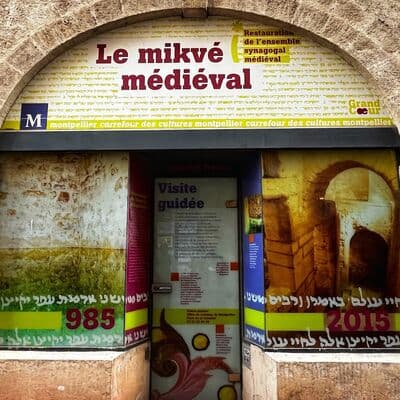
In 1220, one of Europe's oldest universities was founded here, and its medical faculty, established in 1181, is considered the oldest in the Western world. Among its students were Nostradamus and François Rabelais. Medieval Montpellier was a cosmopolitan city with influential Jewish and Arab communities, whose knowledge in medicine and commerce enriched the city.
Royal City and Wars of Religion
In 1349, Montpellier was sold to the French crown and became an important administrative center of Languedoc. However, the 16th century brought severe trials to the city: the Wars of Religion between Catholics and Protestants destroyed many churches and monasteries. Montpellier long remained a Huguenot stronghold, which shaped its cultural character.
Age of Enlightenment and Modern Renaissance
The 18th century was a golden age for Montpellier: wealthy merchants built luxurious mansions (hôtels particuliers), and the grand Place du Peyrou with its aqueduct was constructed. After a long period of decline in the 19th and 20th centuries, the city experienced a renaissance in the 1980s thanks to ambitious architectural projects by Ricardo Bofill and the development of high-tech industries.
Place de la Comédie: Heart of the City
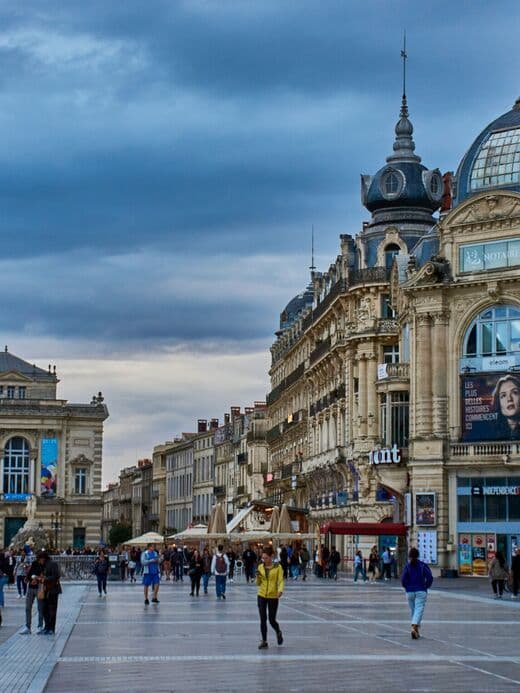
Place de la Comédie is Montpellier's main square and one of Europe's largest pedestrian zones. Locals simply call it "The Egg" (L'Œuf) due to its oval shape. It's the starting point for exploring the city and a meeting place for all its residents.
Fountain of the Three Graces
At the center of the square stands the Fountain of the Three Graces (1776) - a symbol of Montpellier. The three Graces - Aglaia, Euphrosyne, and Thalia - represent beauty, joy, and abundance. The original marble statues are kept in a museum, while exact bronze copies stand in the square.
Opera and Architecture
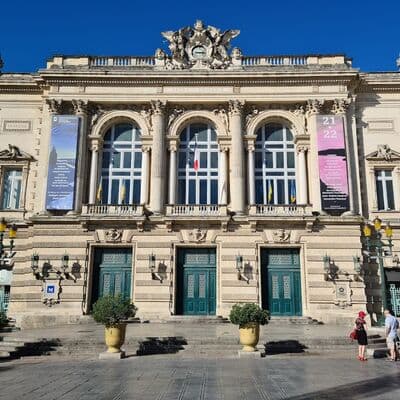
The square is framed by elegant 19th-century buildings, the main one being the Opera House (1888) in Italian Renaissance style. Numerous cafés with terraces create a typical Mediterranean atmosphere, especially lively in the evenings.
L'Écusson: The Medieval Heart
L'Écusson is Montpellier's historic center, named after the shape of a shield (écusson in French). This labyrinth of narrow medieval streets, hidden squares, and magnificent mansions is a true treasure trove for lovers of architecture and history.
Renaissance Mansions
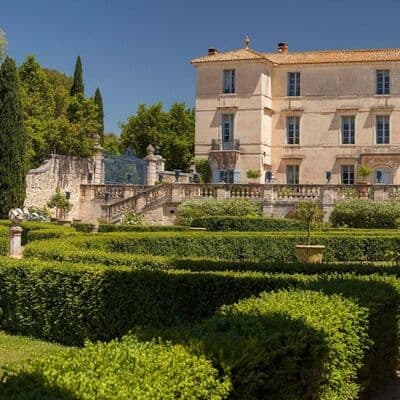
L'Écusson's main treasure is more than 80 preserved mansions (hôtels particuliers) from the 17th and 18th centuries. These magnificent houses with inner courtyards and monumental staircases belonged to wealthy merchants and nobility. Many can be visited during the "Night of the Mansions" in September.
Rue Foch and Place Sainte-Anne
Rue Foch is the main shopping street of the old town, lined with boutiques and cafés. Place Sainte-Anne, crowned by the church of the same name, is one of L'Écusson's most atmospheric spots, especially during street festivals.
Place du Peyrou: Royal Grandeur
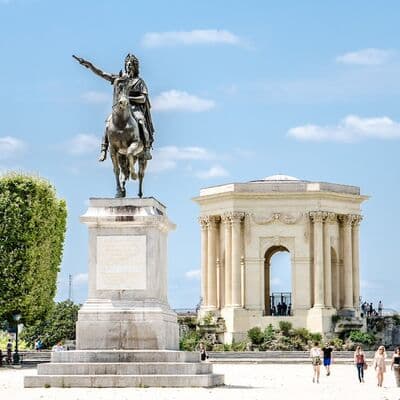
Place du Peyrou is a grand royal esplanade on the western edge of the historic center, created in the 18th century. It's the highest point of the old town, offering breathtaking views of the Pyrenees, the sea, and the Cévennes mountains.
Equestrian Statue of Louis XIV
At the center of the square stands a bronze equestrian statue of Louis XIV - the largest in France. The original statue was destroyed during the Revolution; the current one was installed in 1838. This "Sun King" gazes down upon the city from his pedestal.
Triumphal Arch and Aqueduct
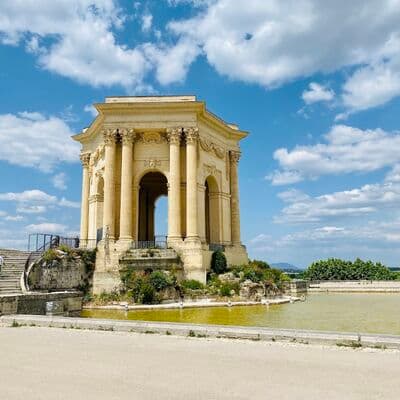
The entrance to the square is framed by the Triumphal Arch (1691), dedicated to Louis XIV. Its bas-reliefs depict key events of his reign. On the other side of the square, there's a view of the Saint-Clément Aqueduct (18th century), which still supplies the city with water from springs 14 kilometers away.
Antigone: Architectural Utopia
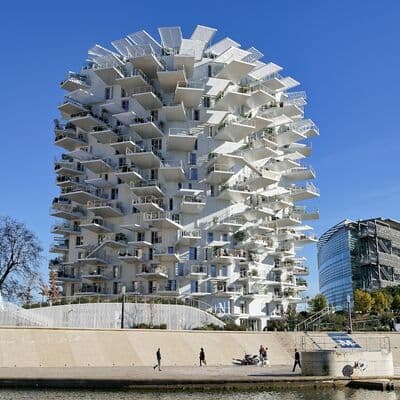
The Antigone district is an ambitious neoclassical project by Catalan architect Ricardo Bofill, built in the 1980s. This contrast with the historic center demonstrates Montpellier's readiness for architectural experimentation.
Neoclassical Grandeur
Antigone consists of a series of squares and streets with grand buildings of precast concrete imitating classical architecture. Enormous colonnades, arches, and pediments create the impression of an ancient Greek city in modern interpretation.
From Comédie to Lez
Antigone begins at Place de la Comédie and extends to the Lez River. Each square bears a name connected to antiquity: Thessaly, Marathon, Olympia. The endpoint is Place de Lesseps on the riverbank, from where you can take a walk to the sea.
Montpellier Botanical Garden
The Montpellier Botanical Garden, founded in 1593, is the oldest in France and one of the oldest in Europe. Created for the university's medical faculty, it holds unique plant collections.
Collections and History
The garden covers 4.5 hectares in the city center and contains over 2,500 plant species. Mediterranean flora, greenhouses with tropical plants, and a medicinal herb section make it a true oasis of tranquility.
Montpellier and Botany
Montpellier played a key role in the history of European botany. Outstanding naturalists worked here, and many exotic plants first spread across Europe from this garden.
Musée Fabre: Art Treasury
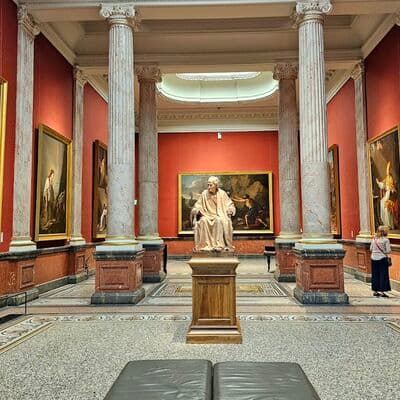
The Musée Fabre is one of France's largest art museums outside Paris. Founded in 1825 by painter François-Xavier Fabre, it possesses an exceptional collection of paintings from the Renaissance to the present day.
Collection
The museum is particularly rich in European paintings from the 17th to 19th centuries: works by Rubens, Delacroix, Courbet, and Bazille (a native of Montpellier). Separate galleries are devoted to contemporary art, including a significant collection of Pierre Soulages - master of the color black.
Building and Architecture
The museum occupies a historic 17th-century mansion, expanded with modern additions. Recent reconstruction created light-filled galleries perfectly suited for displaying paintings.
Saint Peter's Cathedral
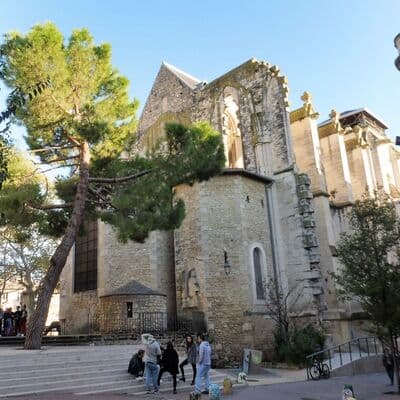
Saint Peter's Cathedral is the only church in Montpellier that survived the 16th-century Wars of Religion. This massive 14th-century Gothic temple stands out for its unusual canopy-baldachin at the entrance, supported by two powerful columns.
Architecture and Interior
The cathedral was originally part of the Saint Benedict Monastery. Its austere exterior resembles a fortress rather than a church - a legacy of troubled times. Inside is a spacious nave with stained glass windows and a 19th-century organ.
Medical Faculty Nearby
Next to the cathedral is the historic Medical Faculty of the University of Montpellier - one of the oldest in the world. Its museum houses a unique collection of anatomical specimens and medical instruments.
Mediterranean Cuisine of Montpellier
Montpellier's cuisine is the quintessence of Languedoc: fresh seafood, olive oil, aromatic herbs, and regional wines. Proximity to the sea and rich agricultural traditions create a unique gastronomic palette.
Seafood and Fish
Proximity to the Mediterranean means an abundance of fish and seafood. Oysters from Bouzigues, mussels from Sète, local fish (sea bream, sea bass, turbot) - all prepared simply with olive oil and herbs. Bouillabaisse here is no less excellent than in Marseille.
Languedoc Wines
Montpellier is surrounded by the vineyards of Languedoc - France's largest wine region. Red wines from Pic Saint-Loup, white Picpoul de Pinet, Muscat wines from Frontignan - the diversity is impressive. Many vineyards are open for tastings.
Local Specialties
Among local dishes are: tielle sétoise (octopus pie from Sète), bourride (fish soup with aioli), petit pâté (meat pastry from Pézenas). Those with a sweet tooth will enjoy grisettes - traditional honey candies with licorice.
Beaches and the Sea
Montpellier is located just 11 kilometers from the coast, making it an ideal base for beach holidays. The wide sandy beaches of Languedoc stretch for dozens of kilometers.
Palavas-les-Flots and Carnon Beaches
The nearest resorts to Montpellier - Palavas-les-Flots and Carnon - are accessible by tram. Wide sandy beaches, numerous restaurants, and a relaxed atmosphere attract both locals and tourists.
La Grande-Motte
La Grande-Motte is a resort town from the 1970s with futuristic pyramid-shaped architecture. Designed by architect Jean Balladur, it represents a unique example of modernist urban planning and excellent beaches.
Practical Information for Travelers
Getting There
From Paris, you can reach Montpellier by TGV in 3.5 hours. Montpellier-Méditerranée Airport receives flights from many European cities and is connected to the center by shuttle. Montpellier is also directly connected to Lyon, Marseille, and Barcelona.
City Transportation
Montpellier has a well-developed network of five tram lines covering the entire city and suburbs, including beaches. Each line features unique designer styling. The city center is compact and ideal for walking.
When to Visit
Montpellier enjoys 300 sunny days per year. The best time is spring (April - June) and autumn (September - October): comfortable temperatures, fewer tourists. Summer is hot (up to 35°C), but proximity to the sea provides relief. Winter is mild and suitable for cultural tourism.
Where to Stay
L'Écusson is the best choice for immersing yourself in the old town atmosphere. The area around Place de la Comédie is convenient for shopping. Antigone offers modern hotels. For beach holidays, consider Palavas or Carnon.
Around Montpellier
Sète: Venice of Languedoc
Sète is a picturesque port city between the sea and Étang de Thau, known for its canals, fish restaurants, and water jousting tournaments. It's the birthplace of poet Paul Valéry and singer Georges Brassens.
Pont du Gard
Just an hour's drive away is the famous Roman aqueduct Pont du Gard, a UNESCO World Heritage Site. This masterpiece of ancient engineering from the 1st century still impresses with its grandeur.
Nîmes and Arles
Nîmes with its Roman amphitheater and Arles, which inspired Van Gogh, are within easy reach. Both cities are treasuries of ancient and medieval heritage.
Montpellier for Different Travelers
For Families with Children
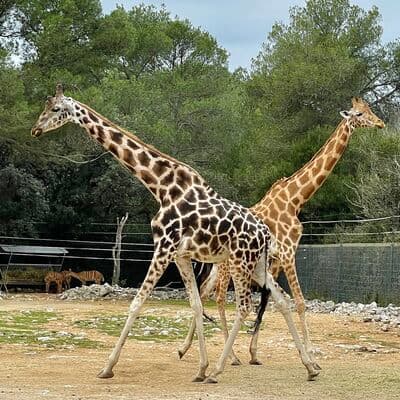
Montpellier Zoo is one of the best in France, with free admission. The Galileo Planetarium offers interactive shows. Beaches with gentle slopes are ideal for children. The Mare Nostrum Aquarium allows you to explore marine life.
For Art Lovers
The Musée Fabre is a must-visit. Contemporary art galleries in L'Écusson, street art in the Figuerolles district, the Montpellier Danse festival (June - July) - the city lives and breathes art year-round.
For Foodies
The Halles Castellane market is the best place to discover local products. Rue Foch and Place Jean-Jaurès are full of restaurants for every taste and budget. Wine tours to Pic Saint-Loup vineyards are organized daily.
For Young People
Montpellier is one of France's youngest cities thanks to 70,000 students. This means lively nightlife, affordable café and bar prices, and numerous cultural events. The Place Jean-Jaurès area is the nightlife center.
Travel Tips
- The tram is the best way to reach the beaches from the center
- The Musée Fabre is free on the first Sunday of the month
- The "Night of the Mansions" in September opens the doors of private mansions
- Montpellier Zoo is free, but parking is paid
- Les Halles Castellane market is open daily except Monday
- Place de la Comédie is especially beautiful in the evening when illuminated
- A walk along the Saint-Clément Aqueduct makes an excellent half-day hike
- Book tables at popular restaurants in advance, especially in summer
- Vélomagg bikes are a convenient way to explore the city
- The Montpellier Danse festival in June is a world-class event
Montpellier is a city of contrasts and discoveries, where medieval streets neighbor avant-garde architecture, and thousand-year-old university traditions combine with the youthful energy of a student city. Mediterranean sun, rich cultural life, proximity to sea and mountains, excellent gastronomy - all this makes Montpellier one of the most attractive cities in Southern France. Two or three days here will fly by, leaving vivid impressions and a desire to return.