Paris
Paris - Complete Travel Guide
Paris is more than just a city with the Eiffel Tower. It's 20 arrondissements, each with its own character. Museums that could take years to fully explore. Cuisine that has shaped gastronomy worldwide. And a transportation system that actually works - once you understand it.
This guide covers everything a traveler needs: how to get there, how to navigate the city, where to stay, what to see, and how to avoid common mistakes that cost tourists time and money.
Getting to Paris
Airports
Charles de Gaulle (CDG) - the main international airport, 25 km northeast of the city center. Handles most long-haul flights and major European carriers. Three terminals connected by free CDGVAL shuttle.
Getting to the city:
- RER B - fastest option, 35 minutes to Gare du Nord, €13. Runs every 10-15 minutes from 5:00 to midnight
- Roissybus - direct to Opéra, 60-75 minutes depending on traffic, €16
- Taxi - fixed rate €55 (fixed rate). No negotiations needed
- Le Bus Direct - comfortable coaches to Étoile, Trocadéro, Gare Montparnasse. €18-23
Orly (ORY) - 14 km south, primarily domestic and European budget carriers. Smaller and easier to navigate than CDG.
Getting to the city:
- Orlyval + RER B - automated shuttle to Antony station, then RER to central Paris. Total 35-40 minutes, €13
- Orlybus - to Denfert-Rochereau, 30-40 minutes, €13
- Tram T7 - to Villejuif-Louis Aragon (metro line 7), cheapest option at €2.50 but slowest
- Taxi - fixed rate €36 to Left Bank, €45 to Right Bank
Beauvais (BVA) - 85 km north, used by Ryanair and some budget carriers. Despite the "Paris" name, it's practically in another region. Shuttle bus to Porte Maillot takes 75-90 minutes, €17. Factor this into your flight calculations - a €20 flight can easily cost more in total than a €100 flight to CDG.
Train Connections
Paris is the heart of European rail, with six major stations:
- Gare du Nord - Eurostar to London (2h15), Thalys to Brussels (1h22) and Amsterdam (3h20)
- Gare de l'Est - TGV to Strasbourg, Frankfurt, Munich
- Gare de Lyon - TGV to Lyon (2h), Marseille (3h), Nice (5h30), connections to Barcelona, Milan, Geneva
- Gare Montparnasse - TGV to Bordeaux (2h), Nantes, Brittany
- Gare Saint-Lazare - regional trains to Normandy, Giverny, Rouen
- Gare d'Austerlitz - trains to central and southwestern France, some Spanish destinations
All stations connect to the metro. Book TGV tickets on SNCF Connect app - prices rise significantly closer to departure date. Ouigo offers budget TGV options but departs from suburban stations.
Getting Around Paris
Metro
14 lines, 300+ stations, a train every 2-5 minutes. The metro covers virtually everywhere you'd want to go in central Paris. Operates from 5:30 to ~00:40 (until ~1:40 on weekends).
Tickets and passes:
- Metro-Train-RER ticket - €2.50 single journey, valid for metro, RER (zone 1), buses, trams
- Carnet - book of 10 tickets, €2 per trip (use Navigo Easy or Liberté+). Not sold at machines anymore - use Navigo Easy card
- Navigo Easy - reloadable card (€2 for the card), load Metro-Train-RER tickets or passes
- Navigo Jour - day pass, €12 for zones 1-5 (without airports), €20.10 with airports (airports included)
- Navigo Semaine - weekly pass, €31.60 for all zones. Valid Monday-Sunday only, not rolling 7 days
- Paris Visite - tourist pass, more expensive than Navigo but available for any consecutive days
Tips:
- Lines 1 and 14 are fully automated - no driver, you can stand at the front window
- Keep your ticket until exit - inspectors check, fines are €50+
- Avoid rush hours (8-9:30, 17:30-19:30) on lines 1, 4, 13 - extremely crowded
- Transfer between metro lines is free within the same station, even if you exit and re-enter through different entrances
RER
Regional express trains running through Paris. Five lines (A-E), useful for airports, Versailles, Disneyland, and faster cross-city travel.
- RER A - Disneyland Paris (Marne-la-Vallée station), La Défense
- RER B - CDG Airport, Orly (via Orlyval), Cité Universitaire
- RER C - Versailles (Château Rive Gauche station), Musée d'Orsay
- RER D - Stade de France
RER uses different tickets for trips outside zone 1-2. Keep your ticket - you need it to exit at RER stations.
Buses and Trams
Buses cover routes the metro misses and offer city views. Line 69 is legendary - crosses Paris from Gambetta to Eiffel Tower passing major sights. Night buses (Noctilien) run when metro closes.
Trams circle the city edges along the old fortification ring. Useful for reaching venues like Stade de France or Porte de Versailles.
Taxis and Rideshare
Official taxis are beige with roof lights. Prices are metered:
- Base fare: €2.60
- Per km: €1.14-1.68 depending on time and zone
- Minimum fare: €7.30
Uber and Bolt work well in Paris. Prices often comparable to taxis, sometimes cheaper. Uber Berline offers premium vehicles.
Vélib' Bikes
Public bike-sharing with 1,400 stations. €3 for a day pass, first 30 minutes of each trip free (mechanical bikes) or first 45 minutes with €1 charge (electric).
Paris now has 1,000+ km of bike lanes. The main routes along the Seine are particularly scenic. Electric Vélib' bikes make the Montmartre hills manageable.
Where to Stay: Paris Districts
Paris is divided into 20 arrondissements (districts), spiraling clockwise from the center. Each has its character:
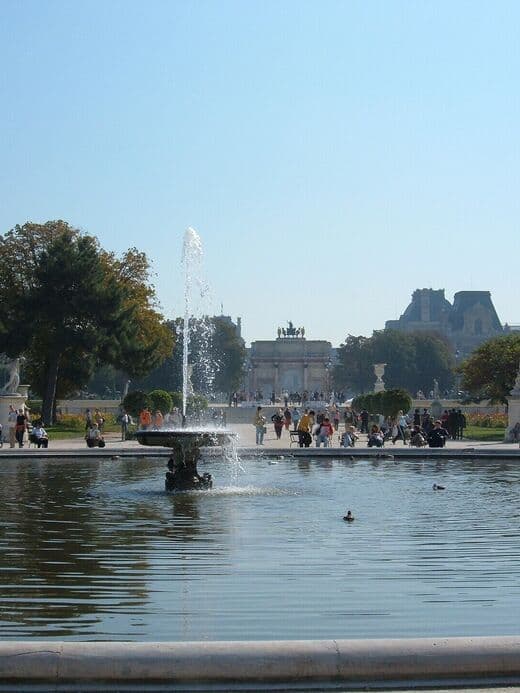
1st - Louvre, Tuileries
Geographic heart of Paris. The Louvre, Palais Royal gardens, high-end shopping on Rue de Rivoli. Extremely touristy during the day, quiet at night. Hotels are expensive, but central location saves time and transport costs.
2nd - Bourse, Sentier
Historic stock exchange district, now home to tech startups. Excellent covered passages (Galerie Vivienne, Passage des Panoramas) for rainy day browsing. Good restaurants without tourist markup.
3rd - Upper Marais
Museums (Picasso, Carnavalet), galleries, independent boutiques. Less chaotic than the 4th but equally charming. LGBTQ+ center of Paris around Rue des Archives.
4th - Marais, Île de la Cité
Notre-Dame, Sainte-Chapelle, Place des Vosges, the Jewish quarter. Medieval streets, excellent falafel on Rue des Rosiers. Very tourist-heavy but undeniably beautiful. Good base for exploring on foot.
5th - Latin Quarter
Sorbonne University, Panthéon, Luxembourg Garden edge, natural history museum. Student atmosphere, bookshops, and jazz clubs. Tourist traps on Rue de la Huchette but authentic spots nearby.
6th - Saint-Germain-des-Prés
Literary and artistic heart - Café de Flore, Les Deux Magots where Sartre wrote. Upscale shopping, Luxembourg Garden. Among the most expensive neighborhoods, but the quintessential Paris experience.
7th - Eiffel Tower, Invalides
Eiffel Tower, Musée d'Orsay, Rodin Museum, Les Invalides with Napoleon's tomb. Residential, quiet at night. Excellent for families seeking a calm base near major attractions.
8th - Champs-Élysées, Élysée
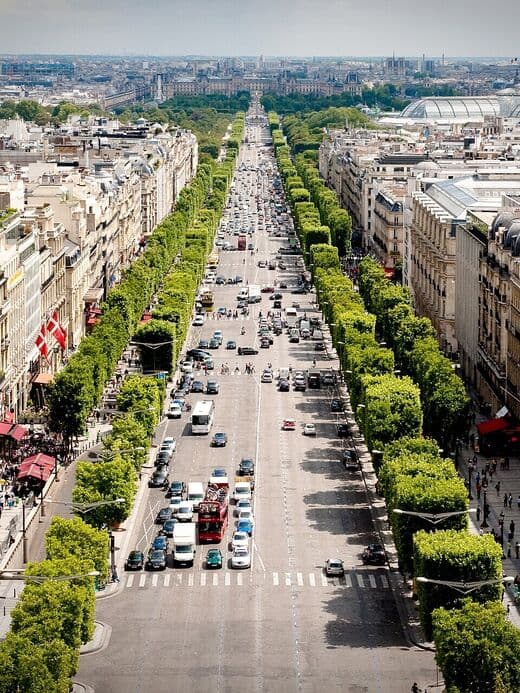
Grand boulevards, luxury brands, Arc de Triomphe. Touristy and expensive, but iconic Paris grandeur. Triangle d'Or for Dior, Chanel, Louis Vuitton. Hotels here cater to business travelers and luxury tourists.
9th - Opera, Pigalle
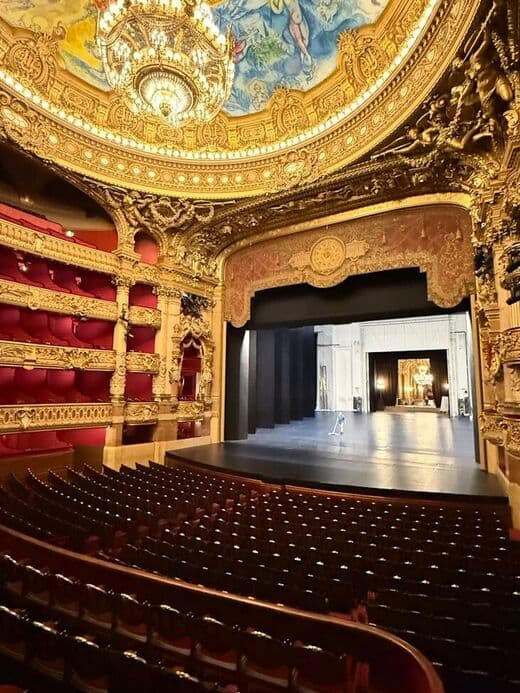
Palais Garnier (the opera house), Galeries Lafayette, Printemps. South 9th is grand Haussmannian Paris; north toward Pigalle has edgier nightlife. Good balance of sights and local life.
10th - Canal Saint-Martin
Trendy neighborhood along the picturesque canal. Boutiques, specialty coffee, young creative crowd. Gare du Nord and Gare de l'Est are here - convenient for Eurostar arrivals. Some areas around stations feel rough at night.
11th - Oberkampf, Bastille
Nightlife capital of Paris. Bars, clubs, concert venues. Young, diverse, energetic. Bastille area is central and connected. Budget-friendlier hotels than central arrondissements.
12th - Bercy, Nation
Residential, with Bercy Village (repurposed wine warehouses), AccorHotels Arena for concerts, and the Promenade Plantée elevated park. Quiet, convenient to Gare de Lyon.
13th - Gobelins, Chinatown
Paris's largest Chinatown, excellent Asian food. Street art around Bibliothèque François Mitterrand. Off-tourist path, affordable, connected by metro and tram.
14th - Montparnasse
Catacombs entrance, Montparnasse Cemetery (Sartre, Gainsbourg), Rue Daguerre market street. Residential Parisian life, good crêperies near the station (Breton community).
15th - Vaugirard
Largest arrondissement, almost entirely residential. No major tourist attractions but genuine Parisian life, good markets, and affordable accommodation. Far from center.
16th - Trocadéro, Passy
Wealthy residential area. Best Eiffel Tower views from Trocadéro. Museums (Palais de Tokyo, Marmottan). Quiet, safe, expensive, somewhat sterile.
17th - Batignolles
Bourgeois residential in south, trendy village atmosphere in Batignolles. Nice parks, local markets. Good value for families.
18th - Montmartre
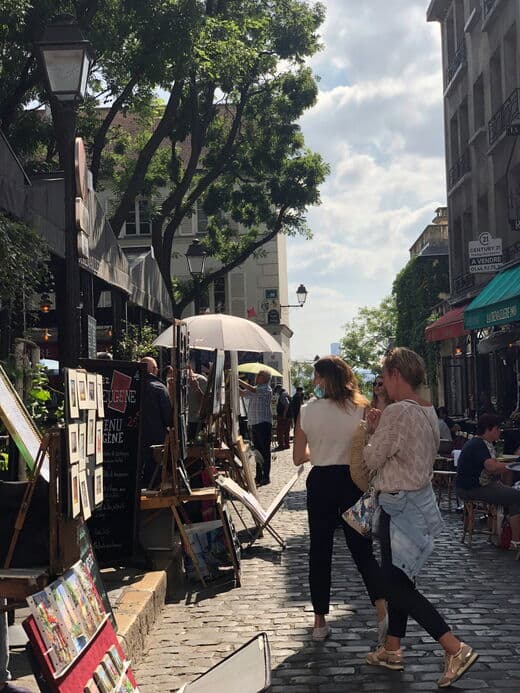
Sacré-Cœur, artist squares, Moulin Rouge. Crowded tourist areas around the basilica contrast with charming residential streets on the back slopes. Steep hills - embrace them or stay elsewhere.
19th - Buttes-Chaumont, La Villette
Parc des Buttes-Chaumont is Paris's most romantic park. La Villette has the science museum, Philharmonie, Canal de l'Ourcq. Multicultural, emerging nightlife.
20th - Belleville, Père Lachaise
Père Lachaise Cemetery (Jim Morrison, Oscar Wilde, Édith Piaf). Belleville is diverse, artistic, with the best city views from Belleville Park. Authentic, increasingly trendy.
What to See
Iconic Landmarks
Eiffel Tower - 330 meters, three levels, views across Paris. Book online weeks ahead for summit access. Best times: first slot in the morning or sunset. Second floor offers the best photo balance. Night illumination (until 1am) is copyrighted - no commercial photos.
Arc de Triomphe - 50 meters, rooftop terrace with Champs-Élysées views. Less crowded than Eiffel. Free first Sunday of month (November-March). The eternal flame beneath honors the Unknown Soldier.
Notre-Dame Cathedral - Undergoing restoration after 2019 fire, reopened December 2024. Gothic masterpiece with gargoyles, rose windows, and 850 years of history. The towers offer unforgettable views (when open).
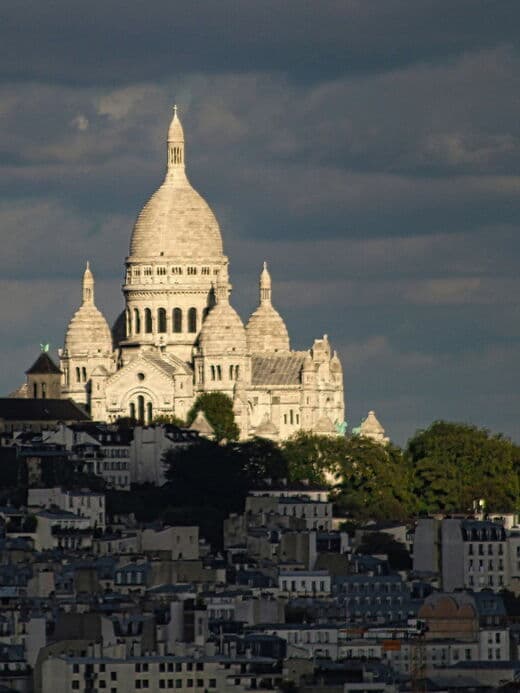
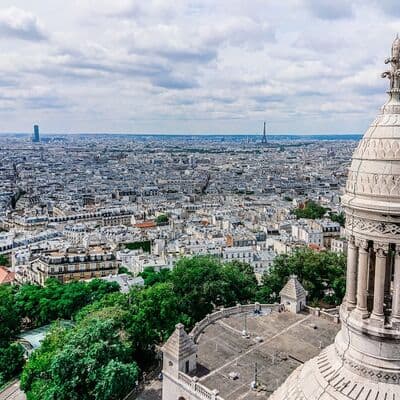
Sacré-Cœur - Byzantine-Romanesque basilica atop Montmartre. Free entry, paid dome access. Come for sunset, stay for city lights. Avoid the aggressive "friendship bracelet" vendors on the stairs.
Museums
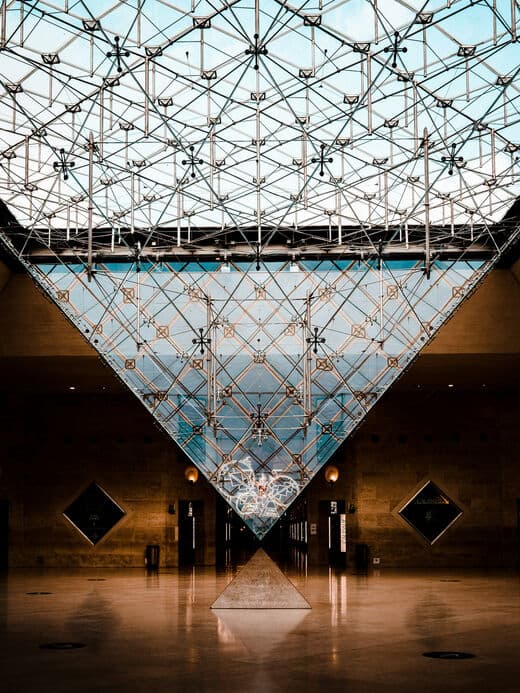
Louvre - World's largest art museum, 380,000 objects, 35,000 on display. Mona Lisa, Venus de Milo, Winged Victory. Realistically, choose 2-3 wings per visit. Free first Saturday evening of month. Download the Louvre app for navigation.
Musée d'Orsay - Impressionist masterpieces in a converted train station. Monet, Renoir, Van Gogh, Degas. More manageable than the Louvre. The clock windows are iconic photo spots.
Centre Pompidou - Modern and contemporary art in an inside-out building. Picasso, Kandinsky, Duchamp. Free rooftop views from the escalator tubes.
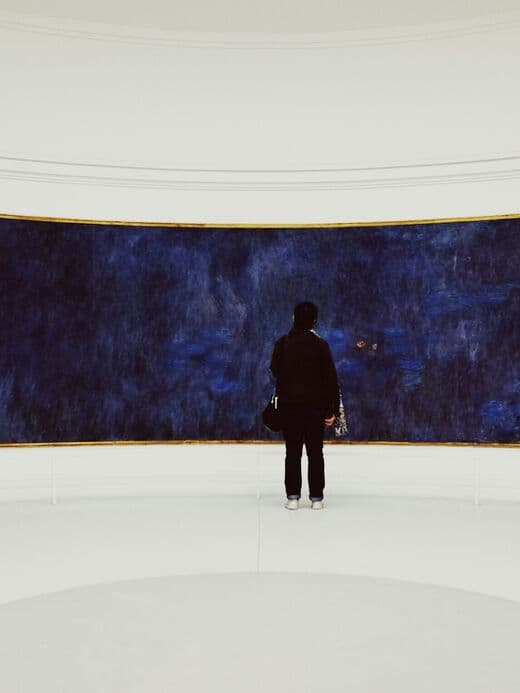
Musée de l'Orangerie - Monet's Water Lilies in two oval rooms designed specifically for them. Small, contemplative, often overlooked. Combined tickets with Orsay available.
Musée Rodin - The Thinker, The Kiss, Gates of Hell in a mansion garden setting. One of Paris's most pleasant museum experiences.
Picasso Museum - 5,000 works spanning Picasso's entire career. Recently renovated Marais mansion.
Day Trips
Versailles - Louis XIV's palace of excess, 40 minutes by RER C. Get there at opening (9am) to see the Hall of Mirrors before crowds. Gardens are free except on Musical Fountain days. Allow full day.
Giverny - Monet's house and gardens, inspiration for Water Lilies. April-October only. Train to Vernon, then shuttle/bike/taxi. Crowded but worth it for garden lovers.
Disneyland Paris - 35 minutes by RER A to Marne-la-Vallée. Two parks, European Disney atmosphere. Book tickets online, arrive at opening.
Fontainebleau - Napoleon's favorite palace, less crowded than Versailles. Beautiful forest for hiking. Train from Gare de Lyon.
Champagne Region - Reims and Épernay, 45 minutes by TGV. Cathedral where French kings were crowned, champagne house visits. Bookable day tours or independent travel.
Food and Drink
French Essentials
- Croissant - flaky, buttery, best eaten fresh in the morning. Look for "fait maison" (house-made)
- Baguette - daily bread, crusty outside, soft inside. "Une baguette tradition" is the artisanal version
- Croque-monsieur - ham and cheese sandwich with béchamel, grilled. Add egg on top = croque-madame
- Steak-frites - steak with fries, simple but revealing of quality. "Saignant" = medium-rare
- Coq au vin - chicken braised in red wine, classic bistro dish
- Bœuf bourguignon - beef stew slow-cooked in Burgundy wine
- Onion soup - caramelized onions, beef broth, topped with crusty bread and melted Gruyère
- Escargots - snails in garlic-parsley butter, more delicious than they sound
- Duck confit - leg cured and cooked in its own fat until tender
- Crêpes - thin pancakes, sweet (Nutella, butter-sugar) or savory (galette with ham, cheese, egg)
Where to Eat
Budget:
- Bakeries - €5-10 for croissant, sandwich, drink
- Market street picnics - Rue Mouffetard, Rue Cler, Rue Montorgueil
- Bouillon restaurants - Chartier, Bouillon Racine, Bouillon Julien. Traditional French food at €15-25
- Falafel in the Marais - L'As du Fallafel is famous, Miznon is trendy
Mid-range (€30-60):
- Classic bistros - Le Comptoir du Panthéon, Café de l'Industrie, Le Petit Cler
- Brasseries - Bofinger (oldest, Art Nouveau), La Coupole (Art Deco institution)
- Neo-bistros - modern takes on French classics, often by young chefs
Fine dining (€100+):
- Paris has more Michelin stars than any other city
- Classic: L'Ambroisie (3 stars), Guy Savoy, Pavillon Ledoyen
- Modern: Septime, Clover, David Toutain
- Book months ahead for starred restaurants
Cafés
Café culture is serious. Prices vary based on where you sit - terrace costs more than bar counter. "Un café" means espresso. "Café crème" is espresso with steamed milk (not ordered after 11am by locals). Sitting for hours with one coffee is perfectly acceptable.
Historic cafés: Café de Flore, Les Deux Magots (expensive but atmospheric). Modern specialty coffee: Coutume, Fragments, Boot Café.
Wine and Bars
Wine bars (bars à vin) serve quality wines by the glass with charcuterie and cheese. Try: Le Baron Rouge (11th), Septime La Cave (11th), Frenchie Bar à Vins (2nd).
For cocktails: Candelaria (speakeasy behind taco joint), Little Red Door, Experimental Cocktail Club. For cheap beers: Oberkampf and Bastille areas.
Practical Information
Weather and When to Visit
Paris is pleasant April-October. Peak tourist season is June-August - crowds everywhere, some locals on vacation, some restaurants closed. Spring (April-May) and fall (September-October) offer best balance of weather and fewer tourists. Winter is gray but romantic, with Christmas markets and sales (January).
Average temperatures: Winter 3-8°C, Spring 8-17°C, Summer 15-25°C, Fall 8-15°C. Rain is possible year-round - pack layers and an umbrella.
Money
Euro (€). Cards accepted almost everywhere, contactless common. Some small shops and markets prefer cash. Tipping not obligatory - service is included ("service compris") but rounding up or 5-10% for excellent service is appreciated.
Budget per day:
- Budget traveler: €80-120 (hostel, picnics, free museums)
- Comfortable: €200-350 (mid-range hotel, restaurants, some tours)
- Luxury: €500+ (boutique hotels, fine dining, private guides)
Safety
Paris is generally safe. Watch for pickpockets at tourist sites, metro, and train stations. Keep phones and wallets in front pockets. Avoid obvious money belts. Common scams: petition signers (distraction theft), "gold ring" finders, fake charity workers, aggressive bracelet vendors at Sacré-Cœur.
Some areas feel less comfortable at night: around Gare du Nord, Stalingrad, Barbès. Most neighborhoods are fine with normal urban awareness.
Useful Apps
- Citymapper - best for metro, bus, walking directions
- RATP - official Paris transport app
- Vélib' - bike sharing
- TheFork - restaurant reservations with discounts
- SNCF Connect - train tickets
French Basics
English is widely understood in tourist areas, but a few French words go far:
- Bonjour - Hello (always greet when entering shops)
- S'il vous plaît - Please
- Merci - Thank you
- L'addition, s'il vous plaît - The bill, please
- Parlez-vous anglais? - Do you speak English?
SIM Cards and Connectivity
EU residents: roaming included in domestic plans. Others: buy SIM at airport (Orange, SFR, Bouygues) or phone shops. Free WiFi in most cafés, metro stations, and public spaces.
Sample Itineraries
3 Days - Essential Paris
Day 1: Eiffel Tower (book morning slot), walk across Champ de Mars to Les Invalides. Lunch in Saint-Germain, then Musée d'Orsay. Evening walk along the Seine to Notre-Dame.
Day 2: Louvre (arrive at opening, pick 2 sections). Lunch in Palais Royal gardens. Walk through Marais to Place des Vosges. Dinner in Le Marais.
Day 3: Montmartre in the morning (Sacré-Cœur, Place du Tertre). Lunch at local café. Afternoon at your choice: Père Lachaise cemetery or shopping on Champs-Élysées. Arc de Triomphe at sunset.
5 Days - Paris Deeper
Add to the above:
Day 4: Day trip to Versailles. Leave early, full day exploring palace and gardens. Return for dinner in the Latin Quarter.
Day 5: Morning at Canal Saint-Martin (brunch, walk along the water). Centre Pompidou. Evening in Belleville or Oberkampf for non-touristy dining and bars.
7 Days - Complete Paris
Add to the above:
Day 6: Day trip to Giverny (April-October) or Champagne region. Or explore overlooked museums: Orangerie, Rodin, Jacquemart-André.
Day 7: Neighborhood exploration: Batignolles village, Canal de l'Ourcq, La Défense business district (modern architecture). Final evening dinner at a memorable restaurant.
Beyond the Tourist Path
- Covered passages - 19th-century glass-roofed shopping arcades. Galerie Vivienne, Passage des Panoramas, Passage Jouffroy
- Promenade Plantée - elevated park on old railway, predates NYC's High Line
- Buttes-Chaumont Park - romantic hilltop park with waterfall, grotto, and views
- Père Lachaise - art museum disguised as cemetery, find Chopin, Proust, Balzac
- La Petite Ceinture - abandoned railway circling Paris, partially accessible as urban wilderness
- Canal de l'Ourcq - less famous than Saint-Martin, outdoor cafés, summer swimming pool
- Bibliothèque François Mitterrand - four towers shaped like open books, brutalist architecture
Connecting to Other Destinations
Paris is ideally positioned for European exploration:
- London - 2h15 by Eurostar from Gare du Nord
- Brussels - 1h22 by Thalys, perfect for day trip
- Amsterdam - 3h20 by Thalys
- Barcelona - 6h30 by direct TGV, or 2h flight
- Milan - 7h by TGV, scenic Alpine route
- Geneva - 3h by TGV
- Lyon - 2h by TGV, France's gastronomic capital
- Nice - 5h30 by TGV, gateway to Côte d'Azur
For reaching Spain, Italy, or Germany, compare train and budget flight times including airport transit - trains are often competitive for distances under 1,000 km.
Paris repays repeat visits. Each arrondissement reveals more on deeper acquaintance. The city that seems like a postcard at first becomes, with time, a place of genuinely memorable experiences and discoveries.