Colmar
Colmar: The Fairytale Capital of Alsatian Wines
Colmar is a city that seems to have stepped out of a medieval fairytale. Located in the heart of Alsace, it enchants travelers with its colorful half-timbered houses, romantic canals, and cozy cobblestone streets. This city of approximately 70,000 inhabitants is considered one of the most beautiful in France and serves as the unofficial capital of the famous Alsatian wines. Colmar is a place where French elegance meets German coziness, creating a unique atmosphere that cannot be found anywhere else in the world.
History of Colmar: Between Two Cultures
The history of Colmar is a story of two cultures, French and German, that have fought for influence in this region for centuries. The first mention of the town dates to 823 under the name Columbarium (dovecote). In the Middle Ages, Colmar became a free imperial city of the Holy Roman Empire and prospered through the wine and textile trade.
After the Thirty Years' War in 1648, Alsace passed to France under the Peace of Westphalia. However, after the Franco-Prussian War of 1870-1871, the region was annexed by Germany and remained German until the end of World War I. World War II brought another occupation, and only in 1945 did Colmar finally return to France. This turbulent history has left an indelible mark on the architecture, cuisine, and culture of the city.
Architectural Heritage
Remarkably, Colmar suffered almost no damage during both World Wars, which allowed its medieval architecture to be preserved in its original state. Today, the old town is a true open-air museum with more than 200 historic buildings dating from the 14th to 18th centuries.
Little Venice: The Romantic Heart of the City
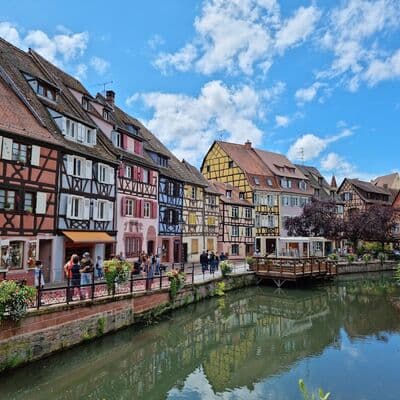
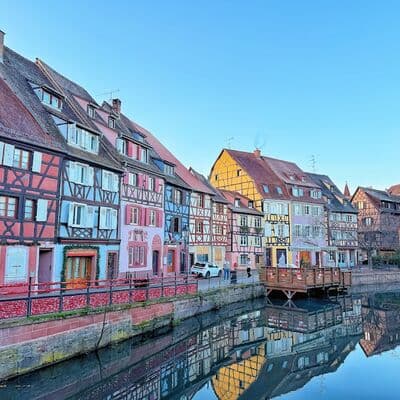
Little Venice (Petite Venise) is the most photogenic district of Colmar and perhaps all of Alsace. This picturesque quarter is situated along the canal of the Lauch River, which once served for transporting goods. Colorful half-timbered houses are reflected in the calm canal waters, creating a picture worthy of an artist's brush.
Boat Rides
The best way to explore Little Venice is by taking a traditional flat-bottomed boat ride. A half-hour trip along the canals allows you to see the city from an unusual perspective and hear stories about the lives of fishermen and tanners who once inhabited these banks. Evening rides are particularly romantic when the house facades are illuminated by soft light.
Tanners' Quarter
The Tanners' Quarter (Quartier des Tanneurs) adjoins Little Venice. Here in the 17th-18th centuries, leather craftsmen lived and worked. The narrow, tall houses with open upper floors are not decorative elements but functional necessities: attics were used for drying processed hides.
Unterlinden Museum: A Masterpiece of World Art
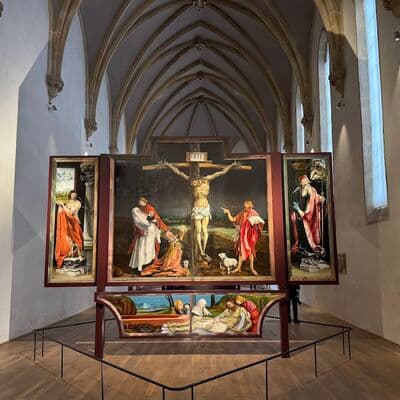
The Unterlinden Museum is Colmar's main cultural attraction and one of the most visited museums in France outside Paris. Located in a former 13th-century Dominican convent, it houses a true treasure of world art.
Isenheim Altarpiece
The museum's main exhibit is the Isenheim Altarpiece by Matthias Grünewald (circa 1512-1516). This grandiose polyptych is considered one of the greatest masterpieces of the Northern Renaissance. Its expressive images, especially the Crucifixion scene, are striking in their emotional power and mastery of execution. Art historians compare the impact of this work to that of Michelangelo and Rembrandt.
Other Collections
Besides the altarpiece, the museum has a rich collection of medieval and Renaissance art from the Upper Rhine, archaeological finds from prehistoric times to the Gallo-Roman period, and contemporary art in a new wing designed by architects Herzog & de Meuron.
Old Town: An Architectural Gem
A walk through Colmar's historic center is a journey through time. Each street, each house tells its own story.
Pfister House
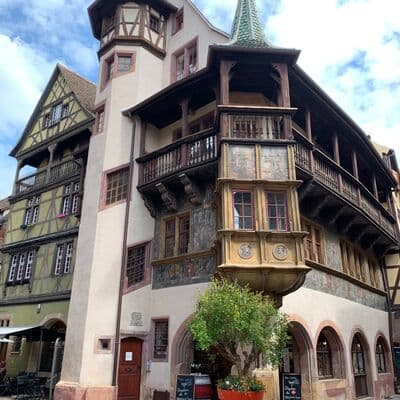
The Pfister House (Maison Pfister), built in 1537, is one of the most recognizable symbols of the city. Its corner oriel with a painted facade and wooden gallery represents a fine example of Alsatian Renaissance architecture. The house received its name from the family of hatmakers who owned it in the 19th century.
House of Heads
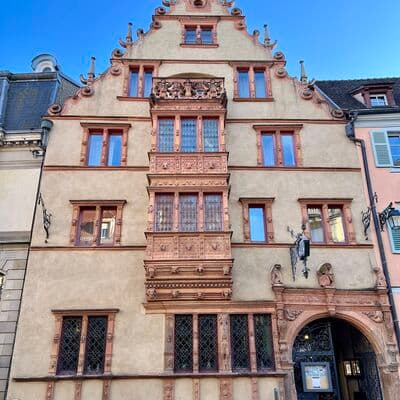
The House of Heads (Maison des Têtes) from 1609 amazes with its facade decorated with 106 sculptured heads and masks. This German Renaissance building once served as an exchange and today houses a luxury hotel.
Collegiate Church of St. Martin
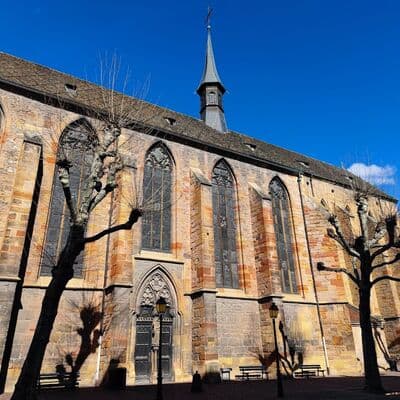
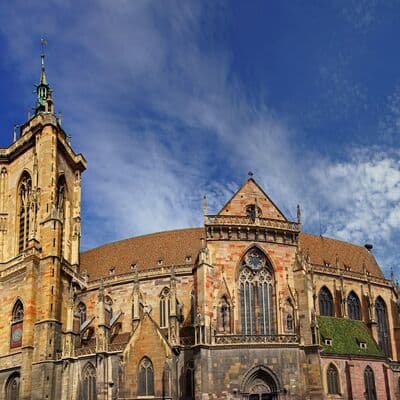
The Church of St. Martin is Colmar's main church, built from the 13th to 14th centuries. Its Gothic silhouette with asymmetrical towers dominates the cityscape. Inside, magnificent 14th-century stained glass windows and an 18th-century Baroque organ have been preserved.
Alsatian Wines: Journey Through the Vineyards
Colmar is located in the heart of the famous Alsace Wine Route (Route des Vins d'Alsace) - a 170-kilometer route through picturesque vineyards and charming villages. The city is rightfully considered the wine capital of the region.
Famous Varieties
Alsatian wines differ from other French wines. Here, predominantly white varieties are produced, each with its own character: Riesling - dry and mineral, Gewürztraminer - aromatic and spicy, Pinot Gris - rich and elegant, Sylvaner - light and refreshing. All wines are bottled in characteristic elongated bottles called flutes.
Wine Tastings
In Colmar and its surroundings, there are dozens of wine cellars (caves) where you can taste and purchase local wines. Many family estates have existed for several generations and are happy to share the secrets of winemaking. It is especially recommended to visit the villages of Riquewihr, Eguisheim, and Kaysersberg - pearls of the Wine Route.
Gastronomy: The Taste of Alsace
Alsatian cuisine is an amazing fusion of French sophistication and German substance. Colmar is the perfect place to discover regional delicacies.
Signature Dishes
Choucroute - sauerkraut with an assortment of pork and sausages, served with potatoes and Alsatian Riesling. Baeckeoffe - a casserole of three types of meat with potatoes, marinated in white wine. Tarte flambée or Flammkuchen - a thin flatbread with cream, onion, and bacon, the Alsatian equivalent of pizza. Kougelhopf - a traditional brioche cake in the shape of a turban with raisins and almonds.
Winstub Restaurants
A Winstub is a traditional Alsatian wine restaurant with wood paneling, checkered tablecloths, and a homey atmosphere. They serve regional dishes accompanied by local wines. This is the best place to feel the soul of Alsatian gastronomy.
Christmas Markets: Winter Magic
Colmar is famous for its Christmas markets, which transform the city into a true winter fairytale from late November to late December. These are among the most beautiful Christmas markets in France.
Five Markets
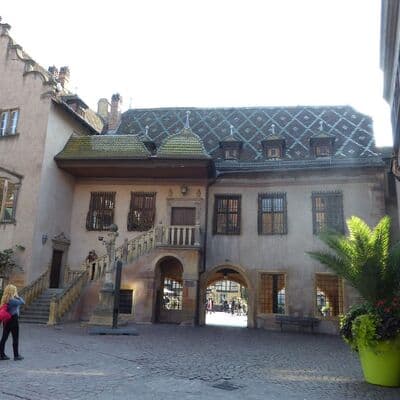
The city hosts five themed markets: on Place des Dominicains they sell Christmas ornaments and gifts, on Place de l'Ancienne Douane - regional delicacies, in Little Venice - products from local craftsmen. Each market has its own atmosphere, but all are united by the aroma of mulled wine and gingerbread.
Festive Lighting
The entire old town is decorated with hundreds of thousands of lights and garlands. Half-timbered houses, canals, and narrow streets acquire a magical glow. Many consider Christmas Colmar to be the most beautiful city in Europe at this time of year.
Bartholdi Museum: Father of the Statue of Liberty
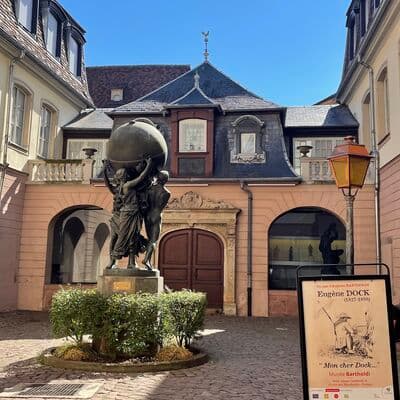
Colmar is the birthplace of Frédéric Auguste Bartholdi, the sculptor who created the famous Statue of Liberty. The museum dedicated to his life and work is located in the house where he was born in 1834.
Exhibition
The museum displays models and sketches of Bartholdi's main works, including scaled replicas of the Statue of Liberty, the Lion of Belfort, and other monuments. Documents and personal belongings tell the story of the sculptor's life, as well as the complex history of creating his most famous work.
Statue of Liberty Replica
At the northern entrance to the city stands a 12-meter replica of the Statue of Liberty. This is a popular photo spot and a tribute to Colmar's most famous native son.
Around Colmar
Colmar is an ideal base for exploring Alsace. Within a few dozen kilometers, there are picturesque villages, castles, and natural beauty.
Eguisheim
Eguisheim, 7 km from Colmar, has been repeatedly recognized as the most beautiful village in France. Its concentric streets surround a medieval castle, and colorful houses are buried in flowers. This is the birthplace of Alsatian winemaking.
Riquewihr
Riquewihr is another gem of the Wine Route, 15 km from Colmar. The village has completely preserved its medieval appearance with fortified walls, towers, and 16th-century half-timbered houses.
Haut-Koenigsbourg Castle
Haut-Koenigsbourg Castle, 25 km from Colmar, is an impressive fortress atop a mountain. Restored in the early 20th century by order of Kaiser Wilhelm II, it provides insight into medieval military architecture and offers panoramic views of the Alsatian Plain.
Strasbourg
The capital of Alsace, Strasbourg, is just 70 km from Colmar. Its magnificent cathedral, European institutions, and charming Petite France quarter deserve a separate visit.
Practical Information
How to Get There
The nearest major airport is Basel-Mulhouse-Freiburg (EuroAirport), 60 km away. From Paris, the TGV high-speed train reaches Colmar in 2.5 hours. From Strasbourg - 30 minutes by regional train. By car from Lyon - about 4 hours via motorway.
When to Visit
Colmar is beautiful any time of year. Spring (April-May) - blooming gardens and vineyards. Summer (June-August) - warm weather, festivals, but many tourists. Autumn (September-October) - grape harvest, golden colors, wine festivals. Winter (late November-December) - magical Christmas markets.
Where to Stay
In the old town - for immersion in the medieval atmosphere. Near the train station - convenient for trips around the region. Many choose hotels in surrounding Wine Route villages for a combination of tranquility and proximity to vineyards.
Getting Around
The historic center is compact and ideal for walking. For trips along the Wine Route, it's more convenient to rent a car. A network of cycling routes operates throughout the region.
Colmar for Different Travelers
For History and Architecture Lovers
The old town with half-timbered houses, the Unterlinden Museum with the Isenheim Altarpiece, churches, and historic buildings from various eras.
For Foodies and Wine Lovers
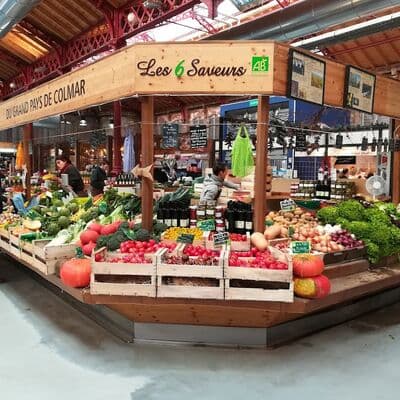
Tastings along the Wine Route, traditional winstubs, regional cuisine, market with local products.
For Romantics
Strolls through Little Venice, sunsets over the canals, candlelit dinner in a medieval setting.
For Families
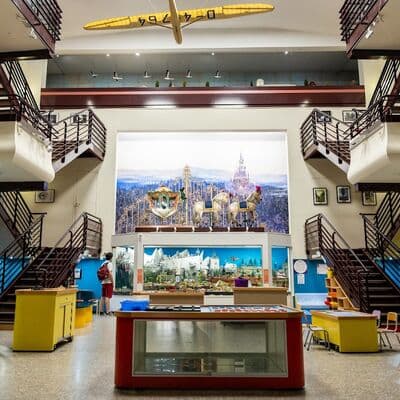
Toy Museum, boat excursions, visits to stork parks, cycling tours through the vineyards.
Tips for Travelers
- Book accommodation in advance for Christmas markets - this is peak season
- Plan at least 2-3 hours for visiting the Unterlinden Museum
- The best photos of Little Venice are taken early in the morning or at sunset
- On the Wine Route, designate a driver or book an organized tour
- Try local beer - Alsatian breweries are no less famous than wineries
- Shops close early - plan shopping for the first half of the day
- Many people speak German and Alsatian dialect alongside French
- In hot weather, seek coolness in churches and museums - air conditioning is rare
- Buy an Alsace Pass for savings on museums and attractions
- Don't miss the local soft Munster cheese - its taste is unique
Colmar is a city you fall in love with at first sight. Its fairytale architecture, rich history, magnificent wines, and hospitable residents create an atmosphere that stays in your memory forever. Whether you come for a romantic weekend, a gastronomic tour, or a Christmas fairytale, Colmar will give you unforgettable experiences. This is a place where time seems to have stopped, preserving for us the best of European history and culture.