Aix-en-Provence
Aix-en-Provence: City of a Thousand Fountains and Cézanne
Aix-en-Provence is an elegant city in southern France, the former capital of Provence, located 30 kilometers north of Marseille. This university town with nearly a thousand years of history enchants travelers with its plane tree-lined avenues, numerous fountains, exquisite 17th and 18th-century mansions, and unmistakable Provençal charm. Aix is the birthplace of painter Paul Cézanne, whose legacy permeates the entire city, and a place where art, history, and the Mediterranean way of life merge into one.
History of Aix-en-Provence: From Roman Baths to Capital of Provence
Aix-en-Provence was founded in 123 BC by Roman consul Sextius Calvinus at the site of healing springs and was named Aquae Sextiae - 'Waters of Sextius.' The thermal springs determined the city's destiny and its connection with water, embodied today in its famous fountains.
In the 12th century, Aix became the capital of the County of Provence and experienced a period of flourishing under King René the Good in the 15th century. This enlightened monarch transformed the city into a center of arts and culture, establishing traditions that live on to this day. After Provence was annexed to France in 1486, Aix became the seat of the Parliament of Provence.
Golden Age of the 17th - 18th Centuries
The 17th and 18th centuries were an era of prosperity for Aix. Wealthy parliamentarians and aristocrats built luxurious mansions (hôtels particuliers) that still adorn the historic center today. During this time, the city acquired its characteristic appearance with wide boulevards, elegant squares, and numerous fountains.
Cézanne and Artistic Heritage
In 1839, Paul Cézanne was born in Aix - an artist called the father of modern painting. He spent most of his life here, capturing Mont Sainte-Victoire and Provençal landscapes in his works. Cézanne forever linked Aix with the history of world art.
Cours Mirabeau: Heart of the City
Cours Mirabeau is the main artery of Aix-en-Provence and one of France's most beautiful streets. This 440-meter boulevard, laid out in the 17th century on the site of city walls, has become a symbol of Provençal elegance.
Plane Tree Alley and Fountains
Four rows of century-old plane trees form a green tunnel, providing coolness even on hot summer days. Along the boulevard are three famous fountains: the Fontaine de la Rotonde in the west, the moss-covered Fontaine d'Eau Chaude with thermal water (+18°C) in the center, and the Fontaine du Roi René in the east.
Cafés and Terraces
The northern side of the boulevard is occupied by historic cafés, the most famous being Les Deux Garçons, opened in 1792. Cézanne, Zola, Picasso, and Camus all visited here. The southern side features a row of magnificent 17th - 18th century mansions with carved portals and caryatids.
Old Town: A Labyrinth of History
The historic center of Aix is an interweaving of narrow streets, small squares with fountains, and magnificent mansions. Each quarter holds its own secrets and architectural treasures.
Place de l'Hôtel-de-Ville
Place de l'Hôtel-de-Ville is the heart of the old town with its 17th-century town hall, clock tower, and morning flower market. Here stands the Fountain with a column crowned with Roman symbols. On Saturdays, the square transforms into a picturesque food market.
Saint-Sauveur Cathedral
The Cathédrale Saint-Sauveur is an architectural encyclopedia: one building combines a 12th-century Romanesque cloister, Gothic nave, and Baroque façade. The main treasure is Nicolas Froment's triptych 'Burning Bush' (1476).
Mazarin Quarter
The Quartier Mazarin south of Cours Mirabeau is a 17th-century aristocratic district with regular planning. Here you'll find elegant mansions, the Musée Granet, and Place des Quatre-Dauphins with its fountain of the same name - one of the most charming in the city.
Fountains of Aix: Symphony of Water
Aix-en-Provence has more than 100 fountains - the city is rightly called the 'city of a thousand fountains.' Each fountain has its own history and character, and a walk from fountain to fountain is the best way to get to know the city.
Main Fountains
Fontaine de la Rotonde (1860) is a grand fountain in Place du Général de Gaulle, the gateway to the city. Three statues symbolize justice, agriculture, and fine arts. Fontaine d'Eau Chaude on Cours Mirabeau is covered with moss due to warm thermal water. Fontaine des Quatre-Dauphins (1667) is a baroque masterpiece with four dolphins.
Hidden Fountains
Besides the famous fountains, Aix has many smaller ones hidden in alleyways and courtyards. Searching for them becomes an engaging game that reveals hidden corners of the city.
Cézanne in Aix
Paul Cézanne (1839 - 1906) was born in Aix and spent most of his life here. The city preserves the memory of the great artist in numerous places connected with his life and work.
Cézanne's Studio
Atelier Cézanne is the studio the artist built in 1902 on Lauves hill, preserved as he left it. Here you can see his easel, palette, personal belongings, and objects depicted in his still lifes.
Bibémus Quarries
Carrières de Bibémus are abandoned ochre quarries where Cézanne painted his geometric landscapes. The golden rocks and views of Mont Sainte-Victoire explain why this place so inspired the artist.
Mont Sainte-Victoire
Montagne Sainte-Victoire is a 1,011-meter limestone mountain east of Aix that became the main motif of Cézanne's late work. He painted it more than 80 times at different times of day and year. Today you can hike to the top (about 2 hours) and enjoy the panorama of Provence.
Museums of Aix-en-Provence
Aix possesses a rich museum heritage covering art from antiquity to the present day.
Musée Granet
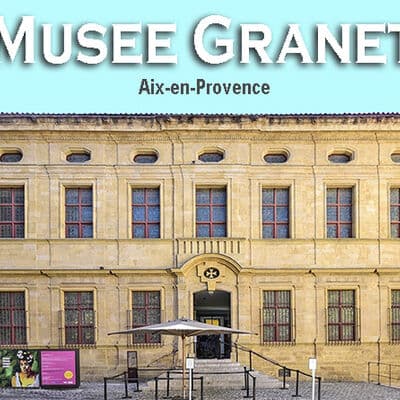
Musée Granet is the city's main art museum, housed in the Priory of the Order of Malta. The collection includes works from the medieval period to the 20th century: Rembrandt, Rubens, Ingres, and of course, several Cézanne paintings. A separate wing is devoted to contemporary art - the Planque Collection.
Tapestry Museum
Musée des Tapisseries in the former Archbishop's Palace houses a collection of 17th - 18th century tapestries, including the 'History of Don Quixote' series. Part of the famous opera festival program also takes place here.
Pavillon de Vendôme
Pavillon de Vendôme is an elegant 17th-century mansion with a French garden, built for the Duke of Vendôme. Today it hosts art exhibitions, and the garden is an ideal place to relax.
Provençal Cuisine of Aix
The cuisine of Aix-en-Provence is the quintessence of Provençal gastronomy: olive oil, herbs of Provence, fresh vegetables, and Mediterranean traditions.
Calissons
Calissons d'Aix are the city's main culinary symbol - diamond-shaped candies made from almond paste with candied fruit, covered with royal icing. Their history dates back to the 15th century and the wedding of King René. The Léonard Parli factory offers tours with tastings.
Markets and Local Products
The daily market in Place Richelme is a celebration of Provençal aromas: olives, goat cheese, lavender honey, herbs, fresh vegetables. On Saturdays, the food market occupies several squares in the old town.
Provençal Dishes
In Aix restaurants, try bouillabaisse (if there's no time to go to Marseille), daube provençale (beef stewed with wine and herbs), pieds et paquets with aioli (vegetables with garlic sauce), and ratatouille made with local vegetables.
Opera Festival
Festival d'Aix-en-Provence is one of the world's most prestigious opera festivals, held annually in July. Founded in 1948, it attracts world opera stars and music lovers from around the globe.
Festival Venues
The main stage is the Théâtre de l'Archevêché in the courtyard of the Archbishop's Palace under the open sky. Performances also take place at the Grand Théâtre de Provence - a modern concert hall by Renzo Piano - and other historic venues in the city.
Around Aix
Aix-en-Provence is an ideal base for exploring Provence.
Lavender Fields
In June - July, the purple lavender fields of the Valensole Plateau are an hour and a half's drive away. This is one of the most photogenic places in Provence.
Luberon
The Luberon Regional Park with its picturesque villages (Gordes, Roussillon, Ménerbes) is another popular destination for a day trip.
Marseille and Cassis
Marseille is 30 minutes away by train. The coastal town of Cassis with its calanques (rocky inlets) is an ideal place for a boat trip.
Practical Information
Getting There
The nearest major airport is Marseille-Provence (25 km), from where buses run to Aix. The TGV station is outside the city (Gare d'Aix-en-Provence TGV), with shuttles taking you to the center in 15 minutes. From Paris, the train takes about 3 hours. The bus station connects Aix with Marseille, Nice, and Avignon.
Getting Around
The historic center of Aix is compact and ideal for walking. All major attractions are within 15 - 20 minutes' walk from Cours Mirabeau. City buses are convenient for visits to Cézanne's studio and Bibémus quarries.
When to Visit
Aix is beautiful year-round. Spring (April - June) is ideal for strolls and blooming gardens. Summer is hot, but the festival season compensates for the heat. Autumn with its mild weather and grape harvest is charming. Winter is mild, with Christmas markets and fewer tourists.
Where to Stay
The Mazarin Quarter is a quiet and elegant area for history lovers. Near Cours Mirabeau puts you in the center of the action. Outside the city, villas in Provençal style with pools and views of Sainte-Victoire await.
Aix for Different Travelers
For Art Lovers
The Cézanne trail with visits to his studio, Bibémus quarries, and viewpoints of Mont Sainte-Victoire. Musée Granet and numerous contemporary art galleries.
For Foodies
Cooking classes in Provençal cuisine, calisson tastings, visits to olive mills and vineyards with tastings of Provence rosé wine.
For Romantics
Strolls along Cours Mirabeau in the shade of plane trees, dinner on a square with a fountain, sunset with views of Sainte-Victoire - Aix is made for romantic moments.
For Families
Fountains are great entertainment for children. A hike up Mont Sainte-Victoire for active families. Calisson-making workshops at the factory.
Travel Tips
- Markets operate in the mornings and close by lunchtime - arrive early
- Opera festival tickets should be booked several months in advance
- Cézanne's studio requires advance booking during peak season
- Summers in Aix are very hot - plan walks for morning and evening
- Cours Mirabeau is beautiful any time, but especially atmospheric in the evening
- For visiting Mont Sainte-Victoire, bring water and comfortable shoes
- On Sundays, many shops and restaurants are closed
- The 'Cézanne Pass' card offers discounts on museums and Cézanne sites
- Try Côtes de Provence rosé wine - the region's signature
- You can touch the thermal water fountain on Cours Mirabeau - the water is warm year-round
Aix-en-Provence is a city where time flows more slowly, where every square invites you to sit by a fountain, and every café beckons you to enjoy a coffee under the plane trees. Here, thousand-year-old history meets contemporary art, Provençal traditions blend with student energy. This city has captured hearts for centuries - from King René to Cézanne, from Zola to the present day - and continues to enchant everyone ready to discover its secrets.