About
Austria Travel Guide: From Imperial Vienna to Alpine Villages
Austria is one of those rare destinations that delivers on every possible travel fantasy. You want imperial grandeur? Vienna has palaces that make Versailles look understated. Seeking alpine adventures? The Tyrolean peaks offer some of Europe's finest skiing and hiking. Craving cultural immersion? This is the land of Mozart, Strauss, and Klimt, where coffee houses have UNESCO recognition and opera is a national obsession. Looking for fairy-tale scenery? Hallstatt exists, and yes, it really is that photogenic.
But here is what guidebooks often miss: Austria is not just a greatest-hits collection of tourist attractions. It is a country where traditions run deep and locals take genuine pride in preserving them. That cozy inn in Salzburg probably serves schnitzel made from the same family recipe for generations. That Vienna coffee house waiter is not being rude when he ignores you for ten minutes; he is respecting your right to linger undisturbed. And those mountain villages? They are not theme parks - they are living communities where farmers still drive cattle down from alpine pastures each autumn in flower-decorated processions.
At roughly 84,000 square kilometers - smaller than Maine - Austria packs an astonishing diversity into a compact space. You can wake up in Vienna, lunch in Salzburg, and watch the sunset over the Alps in Innsbruck, all in a single day by train. This makes it ideal for both first-time European visitors and experienced travelers seeking depth over breadth. Whether you have five days or five weeks, Austria rewards whatever time you give it.
This guide is written by someone who has visited Austria dozens of times across three decades, from childhood ski trips to adult city breaks to research expeditions for this very article. The goal is not to tell you what to do - it is to help you understand what makes this country tick, so you can design the Austrian experience that fits your particular interests and travel style.
Why Visit Austria
Let us be direct: Austria competes for your travel budget against countries that are cheaper (Czech Republic, Hungary), larger (Germany, France), or more exotic (Croatia, Portugal). So why choose Austria? The answer lies in concentration of quality. Few destinations pack so much world-class culture, natural beauty, and infrastructure excellence into such a manageable space.
The Habsburg legacy is Austria's cultural backbone, and it is visible everywhere. For over 600 years, this dynasty ruled an empire that stretched from Spain to Hungary, accumulating art, building palaces, and patronizing composers along the way. When the empire collapsed in 1918, all that accumulated wealth stayed in Austria. The result is a country punching dramatically above its weight in museums, architecture, and performing arts. Vienna alone has over 100 museums; Salzburg hosts one of the world's premier classical music festivals; even small towns often feature baroque churches that would be national treasures elsewhere.
The Alps define Austria's western half, and they are not just scenery - they are an entire way of life. Winter brings world-class skiing across hundreds of resorts, from family-friendly bunny slopes to expert terrain that challenges even Olympic athletes. Summer transforms these same mountains into hiking paradises, with over 50,000 kilometers of marked trails ranging from gentle valley walks to multi-day alpine crossings. And it is not just about physical activities: the mountain culture includes centuries-old traditions, distinctive cuisine, and a hospitality style that revolves around wooden lodges, warm fires, and restorative meals.
Then there is the practical side. Austria is extraordinarily easy to visit. The transport infrastructure - trains, buses, cable cars - runs with Germanic precision. English proficiency is high, especially in tourist areas and among younger Austrians. Safety is exceptional; violent crime is rare, scams are uncommon, and solo travelers report feeling comfortable everywhere. Healthcare meets Western European standards. Food and water quality is excellent. Credit cards are widely accepted, though having some cash is wise for smaller establishments.
Perhaps most importantly, Austria offers genuine value despite its reputation as expensive. Yes, a fancy Vienna hotel costs serious money. But a pension (guesthouse) in the Alps might run 50-80 euros for a charming double room with breakfast included. A two-course lunch at a traditional Gasthaus rarely exceeds 15 euros. Museum passes offer excellent deals. And the infrastructure makes self-guided travel feasible, eliminating the need for expensive tours or guides.
Regions: What to Choose
Austria divides into nine federal states (Bundeslander), but for travel purposes, it is more useful to think in terms of character regions. Here is what each offers:
Vienna and Surroundings
Vienna is simultaneously Austria's capital, largest city, and one of its nine states - a unique status reflecting its dominance over the nation's cultural and political life. With 1.9 million residents (over 20% of Austria's population), it is also one of Europe's major metropolitan areas, yet it rarely feels overwhelming. The historic center is compact and walkable; public transport is excellent and affordable; parks and the Danube provide breathing room.
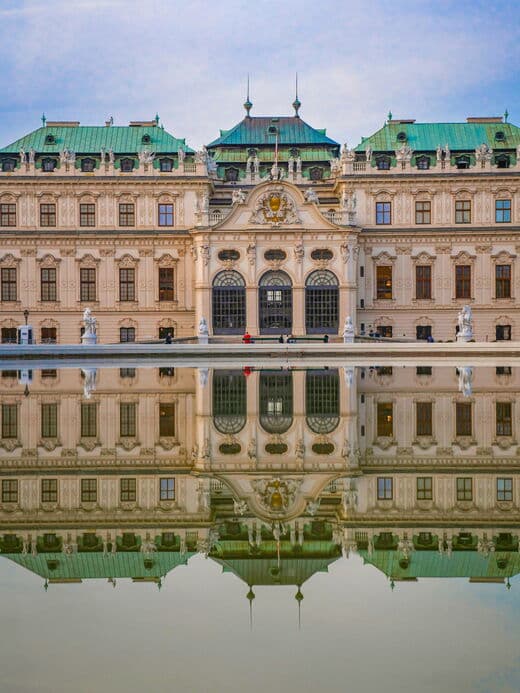
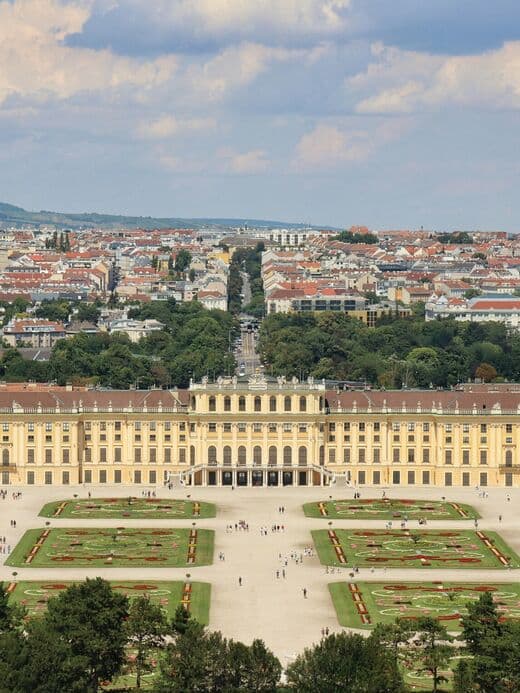
The imperial heritage is inescapable. The Hofburg Palace complex sprawls across the city center, housing everything from the Spanish Riding School to imperial apartments to the Austrian National Library. Schonbrunn Palace, the Habsburg summer residence, rivals Versailles in scale and exceeds it in accessibility - you can actually walk through over 40 rooms, each with original furnishings. The Belvedere Palace houses the world's finest collection of Gustav Klimt paintings, including the iconic Kiss.
But Vienna is not frozen in imperial amber. The MuseumsQuartier ranks among Europe's largest cultural complexes, with contemporary art at the Leopold Museum and MUMOK complementing the classical collections at the Kunsthistorisches Museum. The Naschmarkt buzzes with multicultural food stalls. The Hundertwasserhaus proves that even Vienna's architecture has a playful side. And the coffee house culture - listed by UNESCO as intangible cultural heritage - remains vibrantly alive, not as tourist theater but as genuine local tradition.
Beyond the city proper, Vienna's surroundings reward exploration. The Vienna Woods (Wienerwald) begin at the city's western edge, offering hiking and traditional wine taverns (Heurigen). The Wachau Valley - a UNESCO-listed stretch of the Danube with terraced vineyards, medieval villages, and baroque abbeys - lies just an hour away and makes for a perfect day trip or overnight excursion.
Salzburg and the Salzkammergut
Salzburg may be Austria's fourth-largest city (around 155,000 residents), but its cultural impact rivals Vienna. This is Mozart's birthplace, the setting for The Sound of Music, and home to one of the world's most prestigious classical music festivals. The baroque old town, a UNESCO World Heritage Site, presents such a perfectly preserved ensemble that it almost feels too pretty to be real.
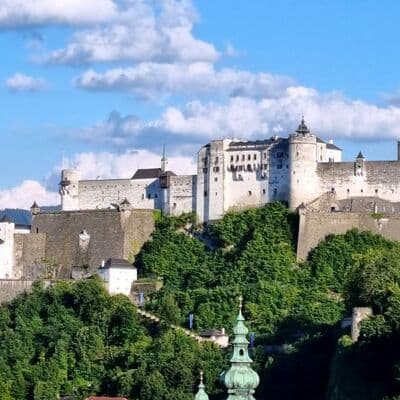
The Hohensalzburg Fortress dominates the skyline from its clifftop perch - one of Europe's largest intact medieval fortresses, reachable by funicular or steep footpath. Below, the old town clusters around the Salzburg Cathedral, where Mozart was baptized, and the Getreidegasse, a narrow shopping street with wrought-iron guild signs that includes Mozart's Birthplace museum at number 9. Across the river, the Mirabell Palace and Gardens offer the famous view of the fortress that appears in countless photographs.
The Salzburg Festival (late July through August) transforms the city into a classical music mecca, with performances in the Festival Halls and venues throughout town. Tickets for major productions sell out months in advance and cost hundreds of euros, but free outdoor screenings and smaller concerts make the festival atmosphere accessible to all.
Southeast of Salzburg lies the Salzkammergut, one of Austria's most scenic regions. The name means 'Salt Chamber Estate,' reflecting centuries of wealth derived from salt mining. Hallstatt is the iconic image - a village of 780 residents wedged between lake and mountain, with pastel-colored houses, a lakeside church, and views that have made it one of Europe's most photographed places. Yes, it is touristy, especially during midday cruise-ship hours. Yes, China built a full-scale replica. But visit early morning or off-season, and the magic remains genuine.
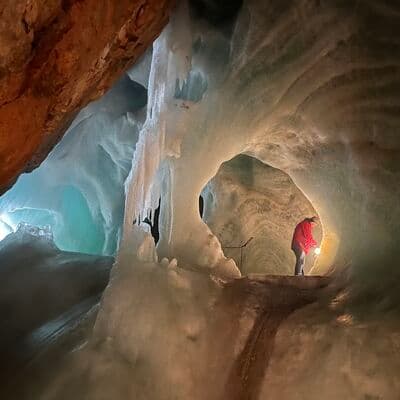
Hallstatt's attractions extend beyond scenery. The Hallstatt Salt Mine offers underground tours of the world's oldest known salt mine, with wooden slides between levels and a subterranean lake. The Skywalk provides vertiginous views from a glass platform protruding over the void. The Ossuary at the Catholic church contains hundreds of painted skulls - a macabre but fascinating tradition born of limited cemetery space. And the surrounding peaks - including the Dachstein Ice Cave and Five Fingers Viewing Platform - reward hikers with spectacular alpine scenery.
Other Salzkammergut highlights include Bad Ischl (imperial summer retreat), St. Wolfgang (charming lakeside village), the Wolfgangsee, Mondsee (where the wedding scene from Sound of Music was filmed), and a network of crystal-clear lakes ideal for summer swimming.
Tyrol and the Western Alps
Innsbruck, capital of Tyrol, sits in a unique location: a historic city (300,000 in the metropolitan area) surrounded on all sides by alpine peaks. This combination makes it both a cultural destination and an adventure sports hub. You can study Baroque architecture in the morning, take a cable car to 2,000 meters for lunch, and ski or hike all afternoon - then return for opera in the evening.
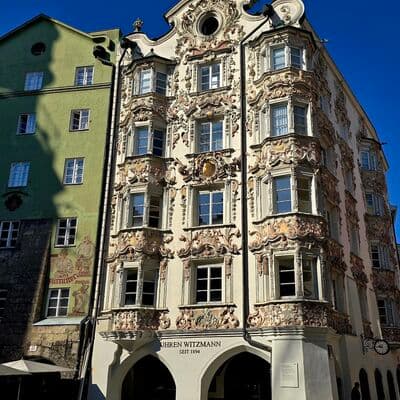
The old town centers on the Golden Roof (Goldenes Dachl), a Gothic oriel window covered with 2,657 fire-gilded copper tiles, built in 1500 for Emperor Maximilian I to watch tournaments in the square below. Nearby, the Hofburg showcases Habsburg opulence, while the Court Church contains the massive bronze figures surrounding Maximilian's cenotaph. The Maria-Theresien-Strasse, the main shopping street, frames perfect mountain views between baroque facades.
The Nordkette Cable Car whisks you from the city center to 2,334 meters in about 20 minutes, providing access to serious alpine terrain for hikers and skiers. The Bergisel Ski Jump, designed by Zaha Hadid, offers panoramic views even if you are not planning to launch yourself down an Olympic ramp. Just outside town, Swarovski Crystal Worlds presents a quirky art installation/brand showcase, while Ambras Castle houses Renaissance curiosity collections.
Tyrol extends far beyond Innsbruck. St. Anton am Arlberg is Austria's most famous ski resort, home to the Arlberg ski technique and attracting expert skiers with challenging terrain and vibrant apres-ski. Seefeld offers gentler slopes and excellent cross-country skiing. The Otztal valley features Obergurgl, one of Austria's highest ski areas, plus the Otztal Glacier and museum dedicated to Otzi, the 5,300-year-old iceman discovered in these mountains.
Summer transforms the region. The Stubai Alps offer glacial hiking, the Zillertal valley combines traditional villages with adventure sports, and the Lechtal provides some of Austria's most pristine alpine scenery. Multi-day hut-to-hut treks follow ancient trading routes through landscapes unchanged for centuries.
Carinthia and the Lakes
Austria's sunniest region occupies the country's southern edge, bordering Italy and Slovenia. Carinthia (Karnten) is where Austrians go for summer holidays, drawn by warm lakes (some reaching 28 degrees Celsius in summer), Mediterranean-influenced climate, and a relaxed pace that feels more Italian than Germanic.
Worthersee is the region's most famous lake, popular since the 19th century when the Habsburg elite built summer villas along its shores. The town of Velden remains a social scene, while Portschach and Maria Worth offer quieter alternatives. Other notable lakes include Millstattersee (known for clear water and diving) and Ossiacher See (quieter, family-friendly).
Klagenfurt, the regional capital, features an appealing old town and the unique Minimundus park - 150+ miniature models of world landmarks. The Hochosterwitz Castle, perched dramatically on a limestone cliff, ranks among Austria's most impressive fortresses. And the Nockberge mountains offer hiking and skiing in a gentler, less crowded alpine environment.
Styria: Wine and Wellness
Graz, Austria's second-largest city (290,000 residents), flies under the tourist radar compared to Vienna and Salzburg - a situation locals seem content to maintain. The UNESCO-listed old town blends medieval and Renaissance architecture with contemporary interventions like the Kunsthaus Graz (locally nicknamed the 'Friendly Alien' for its biomorphic form) and the Murinsel, a floating platform in the Mur river.
The Schlossberg hill dominates the city, crowned by the Uhrturm (Clock Tower), Graz's most recognizable landmark. Ascend by funicular, glass elevator, or 260 steps through the rock. Below, the old town invites wandering: the Styrian Armoury contains the world's largest historic weapons collection; the Eggenberg Palace presents a baroque masterpiece with an astronomy-themed design; and student-filled squares host markets and cafe terraces.
Beyond Graz, Styria divides into wine regions and alpine zones. The Sudsteiermark (South Styrian Wine Road) produces excellent white wines, especially Sauvignon Blanc and Gelber Muskateller, amidst rolling vineyard-covered hills that recall Tuscany. Wine taverns called Buschenschanken serve local wines with platters of cured meats and pumpkinseed oil, the region's signature ingredient. Thermal spas dot the eastern plains, offering wellness retreats at reasonable prices. And the Dachstein glacier provides year-round skiing and the dramatic Dachstein Ice Cave.
Upper Austria and the Danube
Upper Austria (Oberosterreich) centers on Linz, the country's third-largest city and an increasingly dynamic cultural hub. Once known mainly for industry (and unfortunate Hitler associations), Linz has reinvented itself with the Ars Electronica Center (a museum of digital technology and art), the Lentos Art Museum, and a lively contemporary music scene. The compact old town retains medieval charm, while the Poschls and other traditional beer halls maintain local character.
The Danube corridor between Linz and Vienna contains some of Austria's most scenic landscapes. Melk Abbey - a massive baroque monastery perched above the river - ranks among Europe's most impressive religious buildings. The Wachau Valley stretches downstream, its steep hillsides covered in terraced vineyards producing Gruner Veltliner and Riesling. Medieval villages like Durnstein (where Richard the Lionheart was imprisoned) and Krems invite wine-tasting walks and river cruises.
Vorarlberg: The Western Frontier
Austria's westernmost state feels different - more Swiss or Alemannic than the rest of Austria, with its own dialect, architectural style, and orientation toward Lake Constance (Bodensee) rather than Vienna. Bregenz, the small capital, hosts a summer festival famous for its floating stage on the lake. Dornbirn and Feldkirch offer pleasant town experiences.
But Vorarlberg's real draw is its mountains. Lech am Arlberg and Zurs represent Austria's most exclusive ski resorts, frequented by European royalty and oligarchs who appreciate the combination of challenging terrain, immaculate grooming, and discreet luxury. The Bregenzerwald valley features remarkably innovative contemporary architecture - cheese dairies and bus stops designed by award-winning architects - alongside traditional wooden farmhouses. The Montafon valley offers less crowded skiing and summer hiking.
Salzburg Land (Beyond Salzburg City)
The state surrounding Salzburg city extends south into serious alpine terrain. Zell am See-Kaprun is a major destination: the town of Zell am See sits on a lake (Zeller See) surrounded by mountains, while Kaprun provides access to the Kitzsteinhorn Glacier for year-round skiing. The Kaprun Ski Resort and connected Schmittenhohe offer extensive terrain for all abilities.
The Grossglockner High Alpine Road (Grossglockner Hochalpenstrasse) counts among Europe's greatest driving experiences - 48 kilometers of hairpin curves climbing to 2,504 meters, with views of Austria's highest peak (Grossglockner, 3,798 meters) and the Pasterze glacier. Open roughly May through October, it requires paying a toll but offers an unforgettable journey.
Bad Gastein, a faded grand dame of a spa town, features belle epoque hotels clinging to steep hillsides above a dramatic waterfall. The thermal waters and ski terrain attract visitors, though the town's slightly melancholic atmosphere is not for everyone. Nearby Sportgastein reaches altitudes above 2,600 meters.
Burgenland: The Eastern Edge
Austria's easternmost and least-visited state borders Hungary and reflects that influence in its culture, cuisine, and flat landscape - unusual in mountainous Austria. Lake Neusiedl (Neusiedler See), one of Europe's largest steppe lakes, draws birdwatchers, windsurfers, and cyclists who circle its shores on dedicated paths.
The region produces excellent red wines, particularly from indigenous Blaufrankisch grapes. Wine villages like Rust (famous for stork-nesting chimney tops), Morbisch, and Illmitz offer tastings at surprisingly affordable prices. The Esterhazy Palace in Eisenstadt, where Haydn served as court composer, provides a cultural anchor.
National Parks and Natural Wonders
Austria protects over 25% of its territory in various conservation designations, including six national parks that showcase remarkably diverse landscapes. For nature enthusiasts, these parks offer experiences unavailable in more developed regions.
Hohe Tauern National Park
Central Europe's largest protected area spans 1,856 square kilometers across three states (Salzburg, Tyrol, Carinthia) and contains the Eastern Alps' highest peaks, including Grossglockner. This is genuine wilderness: glaciers, alpine meadows, ibex, chamois, golden eagles, and the occasional bearded vulture reintroduced through conservation programs.
The park's accessibility varies dramatically. The Grossglockner High Alpine Road provides drive-through views for those with limited time or mobility. The Franz-Josefs-Hohe visitor center at the road's terminus offers glacier viewing without hiking. But the park rewards those who venture further: multi-day hut treks follow traditional routes, day hikes reach dramatic viewpoints, and ranger-led programs interpret alpine ecology.
Key access points include Heiligenblut (the classic postcard village below Grossglockner), the Krimml Waterfalls (Europe's highest at 380 meters total drop), and the Stubachtal valley for glacier approaches. The park's high season runs July through September, when trails are snow-free and mountain huts are open; winter brings extreme conditions suitable only for experienced mountaineers.
Gesause National Park
Austria's newest national park (2002) protects a dramatic gorge in Styria where the Enns river carved through limestone mountains. The result is a compact but spectacular landscape: sheer cliffs, wild rapids, dense forests, and remarkably little development. Hiking trails range from valley walks to challenging via ferratas (protected climbing routes). Rock climbers consider the Gesause walls among Austria's finest.
Kalkalpen National Park
Also in Upper Austria, this park preserves extensive beech and fir forests - some of the largest unbroken woodland in the Alps. While lacking the dramatic peaks of Hohe Tauern, Kalkalpen offers excellent wildlife watching (deer, lynx, forest birds), quiet hiking, and a sense of the ancient forests that once covered much of Central Europe.
Thayatal National Park
On the Czech border in Lower Austria, this small park protects the Thaya river valley as it cuts a deep gorge through granite. The terrain feels more Central European than Alpine, with dense forests, castle ruins, and excellent wildlife including wildcat populations. The park connects with Czech counterpart Podyji National Park, creating a transboundary protected area.
Donau-Auen National Park
Just downstream from Vienna, this park preserves one of Europe's last major floodplain wilderness areas along the Danube. The annual flood cycle maintains diverse wetland habitats hosting over 100 bird species, including white-tailed eagles and kingfishers. Boat tours, cycling paths, and walking trails provide access; the proximity to Vienna makes it an easy day trip for nature lovers.
Neusiedler See National Park
At the Hungarian border, this park protects the steppe-like landscape around Lake Neusiedl and the adjoining Seewinkel with its soda lakes. It is a birdwatcher's paradise: over 300 species recorded, including great bustards, spoonbills, and huge flocks of migrating geese. The flat terrain and dedicated cycle paths make it excellent for bike touring.
When to Visit
Austria offers distinct experiences across seasons, and 'best' depends entirely on your priorities. Here is an honest assessment:
Summer (June through August)
Peak season brings longest days, warmest weather (20-30C in valleys, cooler at altitude), and full access to alpine areas once snow melts (typically late June at higher elevations). This is prime time for hiking, lake swimming, and festivals including Salzburg Festival (late July-August), Bregenz Festival, and numerous smaller events.
Downsides include maximum crowds at major sites (Hallstatt, Salzburg old town, Vienna palaces), highest prices for accommodation, and occasional heat waves that make cities less pleasant. Book accommodation well ahead for Salzburg during the festival. Alpine thunderstorms are common in afternoon; plan hikes to descend before 2-3 PM.
Shoulder Seasons (May-June, September-October)
Often ideal compromise periods. May brings blooming meadows and mild temperatures, though higher trails may remain snowy. June offers summer conditions with smaller crowds before school holidays begin. September continues warm in valleys while adding fall colors at altitude. October brings grape harvest in wine regions, spectacular autumn foliage, and minimal tourists.
Some alpine facilities (cable cars, mountain huts, hiking trails) may close or operate limited schedules outside July-August. Weather becomes less predictable. But lower prices, shorter queues, and more authentic atmosphere often compensate.
Winter (December through March)
Ski season transforms alpine areas. Major resorts open mid-December through April, with peak conditions typically January-February. Christmas markets (late November through December) create magical atmosphere in Vienna, Salzburg, and smaller towns. Vienna's cultural season hits full stride with opera, concerts, and the famous balls (January-February).
Challenges include cold temperatures (often below freezing, sometimes significantly so), short days (sunset by 4-5 PM), and high prices/crowds at ski resorts during holidays and school break weeks. Many alpine hiking trails become inaccessible. Cities may experience gray, damp weather. But if you are drawn to winter activities - or simply love the aesthetic of snow-dusted baroque architecture - it is a magical time.
Spring (March through May)
Transition period with unpredictable weather. March is still winter at altitude but increasingly pleasant in cities. April sees Easter celebrations and spring flowers, though rain is common. May can be glorious - warm, green, uncrowded - or frustratingly variable. Many alpine areas remain inaccessible until late May or June.
Key Events and Festivals
Salzburg Festival (late July through August): World's premier classical music event. Book accommodation months ahead; expect high prices throughout region.
Vienna Opera Ball (February): The social event of Austria's season, attracting international celebrities and requiring formal attire and serious funds to attend.
Christmas Markets (late November through December 24): Vienna alone has over 20 markets; Salzburg's are particularly atmospheric. Weekends get crowded.
Easter Markets (weeks before Easter): Vienna, Salzburg, and other cities host traditional markets selling painted eggs and spring crafts.
Almabtrieb (late September through October): Cattle descent from alpine pastures with flower-decorated cows, folk music, and festivals in many Tyrolean and Salzburg-region villages.
New Year's Concert (January 1): Vienna Philharmonic's famous televised performance; tickets are lottery-only years in advance, but atmosphere pervades the city.
How to Get There
Austria's central location makes it accessible from virtually anywhere in Europe, with excellent connections to major global hubs.
By Air
Vienna International Airport (VIE) serves as the main gateway, with direct flights from most European capitals, several North American cities (New York, Washington, Chicago, Toronto, Montreal), and select Asian/Middle Eastern hubs (Tokyo, Bangkok, Dubai, Tel Aviv). Austrian Airlines (Star Alliance) is the flag carrier; low-cost options include Eurowings, Wizz Air, and Ryanair (the latter mostly flying to secondary airports).
Salzburg Airport (SZG) offers seasonal service, especially useful for winter ski access, with connections from UK cities, Germany, and occasional other European routes. Innsbruck Airport (INN) primarily serves ski transfers, with limited scheduled service supplemented by winter charters.
For western Austria (Vorarlberg, western Tyrol), consider flying into Zurich (2-hour drive to Lech) or Munich (1.5 hours to Innsbruck). For southern Austria (Carinthia), Ljubljana or Venice may be convenient alternatives.
By Train
Austria's rail network, operated primarily by OBB (Austrian Federal Railways), connects seamlessly to the European network. High-speed services link Vienna to Munich (4 hours), Zurich (8 hours), Prague (4 hours), and Budapest (2.5 hours). Overnight trains reach Rome, Venice, Hamburg, and other distant cities.
The Railjet, OBB's premium service, provides comfortable first and second class with wifi, power outlets, and onboard dining. Book online at oebb.at for best prices; advance purchase tickets can be significantly cheaper than day-of fares. Interrail/Eurail passes are valid on all OBB trains (supplements required for night trains and some international services).
For scenic arrivals, consider routes through the Alps: the Arlberg route from Zurich/Switzerland, the Brenner route from Italy, or the Tauern route from Slovenia. These journeys rank among Europe's most beautiful rail experiences.
By Car
Austria's highway (Autobahn) network is excellent, though you will need to purchase a vignette (toll sticker) for motorway use: 10 days (around 10 euros), 2 months (around 29 euros), or annual (around 96 euros). Buy online at asfinag.at, at border crossings, or at Austrian gas stations. Driving without a vignette risks substantial fines.
Special toll roads exist for certain alpine passes and tunnels (Brenner, Arlberg, Tauern, etc.) in addition to the vignette. The Grossglockner High Alpine Road also charges separately.
Winter driving requires winter tires (mandatory November 1 through April 15 in snowy/icy conditions) and sometimes snow chains for alpine roads. Major mountain passes may close temporarily during heavy snowfall.
By Bus
Flixbus and other operators connect Austrian cities to European destinations at budget prices, though journey times are longer than train alternatives. Useful for routes not well-served by rail, or for budget travelers willing to trade time for savings.
Getting Around Austria
Domestic transport within Austria is efficient and offers multiple options depending on your priorities and destinations.
Trains
OBB operates comprehensive services reaching most towns of any size. Railjet and Intercity trains connect major cities on frequent schedules: Vienna to Salzburg takes 2.5 hours with trains every 30-60 minutes; Vienna to Innsbruck around 4.5 hours; Vienna to Graz 2.5 hours. Regional trains (REX, S-Bahn) serve smaller towns.
The mountain railways are attractions themselves. The Arlberg line between Innsbruck and Bregenz crosses spectacular alpine terrain via the historic Arlberg tunnel. The Semmering Railway, a UNESCO World Heritage Site, climbs through 16 viaducts and 15 tunnels on its route from Vienna toward Graz. The Zillertal Railway and Pinzgauer Lokalbahn offer nostalgic narrow-gauge experiences.
Tickets can be purchased online (oebb.at, mobile app), at station machines, or at ticket counters. Sparschiene discount tickets offer significant savings for advance bookings on specific trains. The OBB Vorteilscard provides discounts for frequent travelers. Regional day passes (Einfach-Raus-Ticket) offer unlimited travel in a region for groups of 2-5.
Buses
Postbus (OBB) and regional operators fill gaps in rail coverage, especially in alpine valleys and rural areas. Many ski resorts rely primarily on bus connections. Services integrate with train schedules at transport hubs; combined ticketing is available for rail+bus journeys.
Driving
A rental car offers maximum flexibility, especially for exploring rural areas, wine regions, or multiple small villages. Major international agencies operate at airports and city locations; local agencies sometimes offer better rates. Automatic transmission costs more; specify when booking if you cannot drive manual.
Austrian roads range from excellent (highways, main routes) to narrow and winding (alpine passes, back roads). Speed limits are 130 km/h on highways, 100 on rural roads, 50 in towns unless otherwise posted. Speed cameras are common; fines are steep. Drinking limits are strict (0.5 per mille) and seriously enforced.
Parking can be challenging in cities and villages. Vienna requires parking vouchers (Parkscheine) in most central districts during business hours. Other cities have similar zones. Mountain villages often have limited parking; consider leaving your car at lower-altitude accommodations and using public transport or shuttles for summit excursions.
Cable Cars and Mountain Transport
Austria's network of cable cars, gondolas, funiculars, and cogwheel railways provides access to alpine terrain without requiring serious climbing. These are not just transport - they are experiences. The Nordkette in Innsbruck, the Untersberg near Salzburg, the Dachstein, the Kitzsteinhorn - each offers spectacular journeys and summit views accessible to anyone who can walk short distances at altitude.
Many mountain transport facilities close during shoulder seasons (roughly April-May and October-November). Check schedules before planning around a specific lift. Summer hiking passes often cover multiple lifts in a region at discount prices.
Cycling
Austria is exceptionally cycle-friendly. Dedicated bike paths follow river valleys (Danube, Inn, Drau) with gentle gradients, excellent surfaces, and regular services. Mountain biking opportunities abound in alpine areas, with many resorts offering bike transport on summer cable cars. E-bikes have revolutionized alpine cycling, making ambitious routes accessible to casual riders.
Bikes are allowed on most trains (designated cars, reservation sometimes required) and Postbuses (space permitting). Many towns have bike rental; OBB partners with rental services at stations. Vienna has an extensive bike-sharing system (WienMobil Rad, formerly Citybike).
Cultural Code: Understanding Austrian Behavior
Austrian culture combines Central European formality with alpine hospitality in ways that can initially puzzle visitors. Understanding a few key principles will smooth interactions:
Greetings and Formality
Austrians take greetings seriously. When entering a shop, restaurant, or elevator, acknowledge others with 'Guten Tag' (formal) or 'Gruss Gott' (traditional Austrian/Bavaria greeting, roughly 'God's greeting'). When leaving, 'Auf Wiedersehen' (formal goodbye) or 'Wiederschaun' (casual variant). Using 'Tschuss' (informal bye) with strangers can seem presumptuous.
The formal 'Sie' (you) is default with strangers, service staff, and older people. Only switch to informal 'du' when invited. First names come after the relationship develops; start with Herr/Frau + surname. Austrians of older generations particularly value these protocols.
Punctuality
Austrians expect punctuality. Arriving late without notice is considered disrespectful. If delayed, communicate as soon as possible. For dinner invitations, arriving 5-10 minutes after the stated time is acceptable; for business meetings, be precisely on time.
Coffee House Culture
Vienna's coffee houses deserve their UNESCO recognition. The tradition involves lingering - possibly for hours - over a single coffee, reading newspapers provided by the establishment, and occupying space without pressure to order more. This is not laziness; it is a cherished ritual.
Waiters (typically called Herr Ober, not 'waiter') may appear aloof. They are not ignoring you; they are respecting your space. When you want service, make eye contact and a small gesture. When ordering, be specific about your coffee type - Viennese coffee terminology has dozens of variations. A Melange (similar to cappuccino) is safe; a Verlangerter is a weaker coffee; a Kleiner Brauner is a small black with cream.
Tipping
Service charges are included in Austrian prices, but rounding up or adding 5-10% is customary for good service. In restaurants, round to a convenient figure when paying ('macht 45' means 'make it 45' when the bill is 42). In bars and cafes, round up or leave small change. Hotel porters and housekeeping appreciate 1-2 euros per day/bag. Tour guides expect 5-10% of tour cost. Taxi drivers receive 5-10% rounded up.
Unlike some countries, tipping is genuinely discretionary - service staff receive proper wages. Not tipping will not cause offense if service was poor.
Shopping and Services
Most shops close by 6-7 PM weekdays, earlier on Saturdays, and remain closed Sundays (except in tourist areas with exemptions). This applies even in major cities - do not expect Vienna to operate like New York. Plan grocery shopping and practical errands during business hours.
Pharmacies (Apotheken) follow similar hours but post signs for overnight/weekend emergency services. Ask at hotels or tourist offices for the nearest open pharmacy.
Table Manners
Wait for 'Guten Appetit' or 'Mahlzeit' (enjoy your meal) before eating. Keep hands visible on the table (not in lap). Finish everything on your plate; leaving food can signal the food was poor. Splitting bills is normal; 'zahlen getrennt' (pay separately) is understood.
Taboos and Sensitivities
The Nazi period remains a sensitive topic. Austria's complex relationship with this history - it was both perpetrator and victim, willing participant and occupied territory - does not welcome casual commentary from foreigners. If the subject arises, listen more than you speak.
Avoid comparing Austria to Germany or assuming they are culturally identical. Austrians take pride in their distinct identity. Similarly, do not assume everyone in Tyrol or Vorarlberg identifies primarily as Austrian rather than regional.
Noise levels: Austrians value quiet. Keep voices moderate in public spaces. Sunday quiet hours (Ruhezeit) are taken seriously; avoid loud activities that disturb neighbors.
Safety
Austria ranks among Europe's safest countries for travelers. Violent crime is rare; property crime, while not unknown, occurs at rates well below most European capitals. Basic precautions suffice:
Cities
Pick-pocketing occurs in crowded tourist areas (Vienna's Stephansplatz, Prater, public transport; Salzburg's Getreidegasse). Keep valuables secure and be alert in crowds. Scams targeting tourists are uncommon but exist: fake charity petitioners, distraction theft, occasionally rigged games. Use common sense.
No urban areas are genuinely dangerous by international standards. Some Vienna districts (parts of 10th, 15th, 20th) have reputations for higher crime, but crime rates that concern locals would barely register in many major cities worldwide. Walking at night is generally safe throughout central Vienna and other cities.
Mountains
Alpine environments present nature-based risks requiring respect. Weather changes rapidly; afternoon thunderstorms are common in summer. Proper equipment (boots, layers, rain gear, water, sun protection) is essential. Check forecasts before hiking. Inform someone of your plans.
Altitude affects everyone. Above 2,500 meters, some people experience headaches, nausea, or fatigue. Ascend gradually, stay hydrated, and descend if symptoms worsen. Serious altitude sickness (rare at Austrian elevations) requires immediate descent and medical attention.
Ski resorts are generally safe when you follow marked runs and heed closures. Off-piste skiing requires avalanche awareness, proper equipment (beacon, shovel, probe), and ideally a local guide. Avalanche deaths occur every year in Austria, usually among experienced skiers taking calculated risks.
Road Safety
Austrian roads are well-maintained and drivers generally competent. Alpine roads present specific challenges: hairpin curves, steep grades, occasional tunnels, animal crossings. Drive defensively, use appropriate gears on descents, and do not let mountain scenery distract you. Winter conditions require winter tires and sometimes chains.
Emergency Numbers
122: Fire brigade (Feuerwehr)
133: Police (Polizei)
144: Ambulance/Medical emergency (Rettung)
140: Mountain rescue (Bergrettung)
112: General EU emergency number (works throughout Europe, connects to appropriate service)
All operators speak English. Mobile phone coverage is excellent in valleys and cities, patchy in remote mountain areas.
Health and Medical Care
Austrian healthcare meets the highest European standards. Hospitals are well-equipped; doctors are well-trained; pharmacies (Apotheken) stock major medications.
Insurance Requirements
EU/EEA citizens with European Health Insurance Card (EHIC) or UK Global Health Insurance Card (GHIC) can access Austrian public healthcare on the same terms as Austrians. This covers necessary treatment but not repatriation or private facilities.
Non-EU visitors should carry travel insurance with medical coverage. The US in particular has no reciprocal healthcare agreement; American travelers face full costs (potentially thousands of euros per day for hospitalization) without insurance. Mountain rescue helicopter evacuations are expensive - ensure coverage includes this.
Pharmacies and Medications
Apotheken dispense prescription and over-the-counter medications. Unlike some countries, you cannot buy most medicines in supermarkets. Bring sufficient supplies of regular medications with prescription documentation. Common medications may have different brand names or require prescription that would not in your home country.
Specific Health Considerations
Tap water is excellent throughout Austria and safe to drink everywhere, including from mountain streams in most alpine areas (though local advice is wise).
Tick-borne encephalitis (FSME) exists in forested areas. Austrians routinely vaccinate; visitors spending significant time hiking should consider vaccination (3-shot series). Lyme disease also occurs; check for ticks after woodland activities.
Altitude-related issues (see Safety section) affect some visitors. Sun exposure intensifies at altitude; use strong sunscreen even on overcast days.
Money and Budget
Austria uses the euro. ATMs are widespread; major credit cards (Visa, Mastercard) are accepted at hotels, larger restaurants, and shops. Smaller establishments, market vendors, and some traditional restaurants may be cash-only; carry some euros in small denominations.
Cost Expectations
Austria is mid-range expensive by European standards - cheaper than Switzerland or Scandinavia, comparable to France or Germany, more expensive than Eastern Europe or Southern Europe. Prices vary significantly between Vienna and rural areas, between high season and shoulder season, between tourist centers and local spots.
Budget daily (per person, hostels/cheap pensions, self-catering): 60-80 euros
Midrange daily (3-star hotels, restaurant meals, some attractions): 120-180 euros
Comfort daily (4-star hotels, good restaurants, guided activities): 250-400 euros
Luxury (5-star hotels, fine dining, private guides): 500+ euros
Specific Costs (Approximate)
Coffee in cafe: 3-5 euros
Beer in pub: 4-6 euros
Restaurant lunch (main course): 12-18 euros
Restaurant dinner (two courses): 25-40 euros
Museum admission: 10-18 euros (many offer discounts with cards)
Cable car round-trip: 25-45 euros
Day ski pass: 50-70 euros
Public transport single ticket (Vienna): 2.40 euros
Train Vienna-Salzburg: 25-55 euros (varies by booking time, class)
Money-Saving Strategies
Vienna Card, Salzburg Card, Innsbruck Card: These city passes include public transport and attraction admission at discount. Calculate whether your planned visits justify the cost.
Self-catering breakfast: Many budget accommodations offer breakfast, but supermarket breakfasts save several euros daily.
Lunch as main meal: Austrian restaurants often offer lunch menus (Mittagsmenu, Tagessuppe + Hauptgericht) at significant discounts compared to identical evening dishes.
Heurige and Gasthauser: Traditional wine taverns (Heurige) and country inns (Gasthauser) offer better value than tourist-oriented restaurants.
Advance train booking: Sparschiene discount tickets can halve rail costs. Book online at oebb.at when plans are certain.
Shoulder season travel: May, June, September, October offer lower accommodation prices and fewer crowds while retaining good weather.
Top Itineraries
Austria rewards both depth and breadth. These suggested itineraries provide frameworks; adjust based on your interests and pace.
7 Days: Vienna and Salzburg Highlights
This classic itinerary covers Austria's two essential cities with a day for alpine scenery.
Day 1: Vienna Arrival and Imperial Center
Arrive at Vienna Airport, transfer to city center (CAT train or S-Bahn). Afternoon walking orientation: St. Stephen's Cathedral interior and tower climb, Hofburg Palace complex exterior, Kohlmarkt shopping street, Albertina Museum (excellent art collection including Durer's hare). Evening at traditional Heuriger wine tavern in Grinzing or Neustift am Walde.
Day 2: Vienna Palaces and Culture
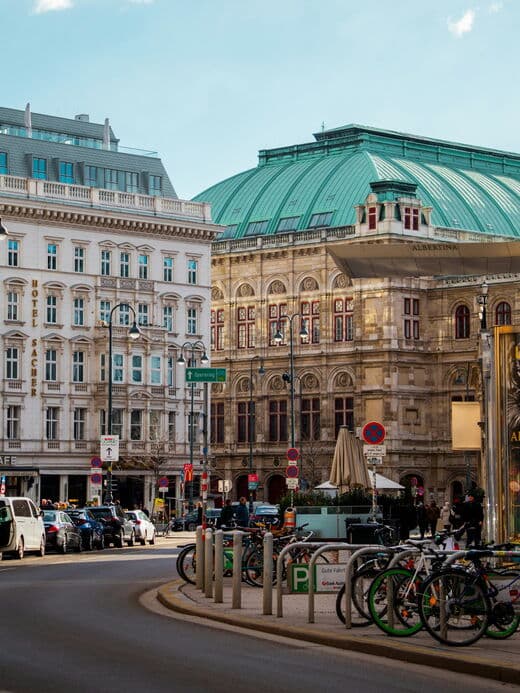
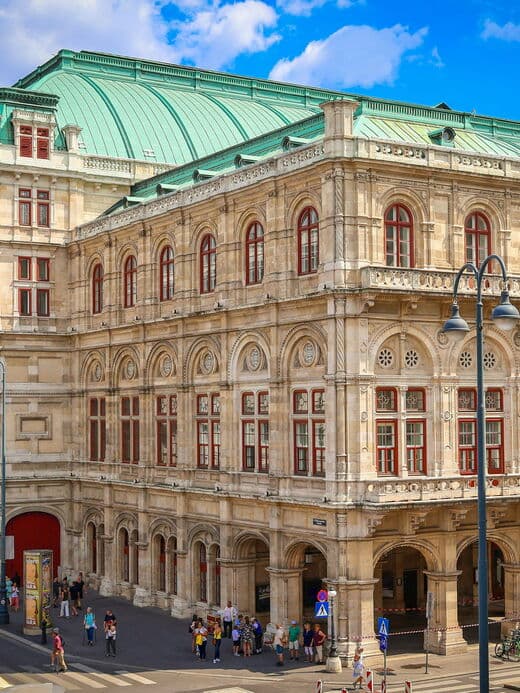
Morning at Schonbrunn Palace - arrive early for Grand Tour before crowds; explore gardens afterward. Afternoon at Belvedere Palace for Klimt's Kiss and other Austrian masters. Late afternoon coffee at historic cafe (Cafe Central, Cafe Sperl, or Cafe Hawelka). Evening at Vienna State Opera (standing room tickets available shortly before performances at minimal cost).
Day 3: Vienna Museums and Modern
Morning at Kunsthistorisches Museum (do not miss the Habsburg art collections). Lunch at Naschmarkt. Afternoon exploring MuseumsQuartier: Leopold Museum (Schiele collection) or MUMOK (contemporary art). Early evening walk to Hundertwasserhaus and surrounding district. Dinner in Spittelberg quarter.
Day 4: Vienna to Salzburg
Morning Railjet to Salzburg (2.5 hours). Afternoon exploring Salzburg old town: Mozart's Birthplace, Getreidegasse, Salzburg Cathedral, Residenz. Late afternoon funicular up to Hohensalzburg Fortress for views. Evening exploring right-bank Salzburg and Mirabell Gardens.
Day 5: Salzburg and Lake District
Day trip to Salzkammergut: early bus or car to Hallstatt. Walk lakeside promenade, visit Ossuary, take funicular to Salt Mine for tour and Skywalk views. Return via St. Gilgen or Mondsee if time permits. Evening back in Salzburg.
Day 6: Salzburg Culture and Hellbrunn
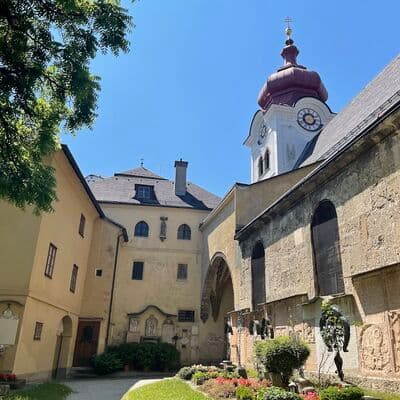
Morning at DomQuartier (combined museums above the cathedral). St. Peter's Abbey and Cemetery, Nonnberg Abbey. Afternoon at Hellbrunn Palace - the trick fountains are surprisingly entertaining. Return to city for final evening.
Day 7: Return
Depending on flight time: morning walk up Kapuzinerberg for views, or visit Hangar-7 (Red Bull aviation/art complex) en route to airport. Salzburg to Vienna by train, then airport transfer; or fly directly from Salzburg if available.
10 Days: Vienna, Alps, and Salzburg
Adding days allows meaningful alpine exploration.
Days 1-3: Vienna as above, but with more depth: add Natural History Museum, Prater park and Riesenrad ferris wheel, Zentralfriedhof (where Beethoven, Brahms, and Strauss are buried), or day trip to Wachau Valley (Melk Abbey, Durnstein, wine tasting).
Day 4: Vienna to Innsbruck
Morning Railjet through the Alps (4.5 hours, spectacular scenery). Afternoon exploring Innsbruck old town: Golden Roof, Hofburg, Court Church. Evening dining with mountain views.
Day 5: Innsbruck Mountains
Nordkette Cable Car to Hafelekar (2,334m) for hiking or simply enjoying the panorama. Descend for lunch in Maria-Theresien-Strasse. Afternoon option: Swarovski Crystal Worlds in Wattens or Ambras Castle. Evening at Bergisel for sunset views from the ski jump.
Day 6: Innsbruck to Zell am See
Drive or train eastward through Tyrol and Salzburg Land. Afternoon arrival in Zell am See. Walk lakeside promenade, swim in Zeller See if warm enough. Evening in charming town center.
Day 7: High Alpine Day
Drive the Grossglockner High Alpine Road (May-October only): one of Europe's great driving experiences, with views of Austria's highest peak and the Pasterze glacier. Alternatively: cable car to Kitzsteinhorn Glacier (3,029m) for snow even in summer. Return to Zell am See.
Days 8-10: Salzburg Region
Continue to Salzburg (1 hour from Zell am See). Three days allow thorough city exploration plus day trips: Hallstatt and Salzkammergut, Eisriesenwelt ice cave near Werfen, Untersberg mountain. Final day for any missed sites and departure.
14 Days: Comprehensive Austria
Two weeks allows a proper circuit touching most regions.
Days 1-3: Vienna
Full immersion in the capital: palaces, museums, coffee houses, neighborhoods. Day trip to Wachau Valley.
Day 4: Vienna to Graz
Train to Austria's second city (2.5 hours). Afternoon exploring: Schlossberg and Uhrturm, Kunsthaus, old town streets. Evening in student-filled bar district.
Day 5: Graz and Styrian Wine Country
Morning at Eggenberg Palace and Armoury. Afternoon driving the South Styrian Wine Road: vineyard tastings, Buschenschank dinner. Overnight in wine region.
Day 6: Styria to Carinthia
Drive south to Worthersee. Afternoon swimming or cycling around Austria's warmest lake. Evening in Velden or Portschach.
Day 7: Carinthia to Salzburg
Morning at Hochosterwitz Castle or Minimundus. Then drive north via Hohe Tauern National Park, possibly stopping at Krimml Waterfalls or driving Grossglockner Road. Evening arrival in Salzburg.
Days 8-9: Salzburg and Region
Full city exploration plus Hallstatt day trip or Eisriesenwelt ice cave.
Days 10-11: Innsbruck and Tyrol
City and mountain exploration. Option for side trip to Stubai Valley, Otztal, or Arlberg pass region.
Day 12: Vorarlberg
Continue west to Bregenz (Lake Constance) or Bregenzerwald valley. Contemporary architecture tour or mountain excursion.
Day 13: Return toward Vienna
Long drive or train day (Innsbruck to Vienna: 4.5 hours by train). Alternative: fly from Innsbruck/Zurich if itinerary permits.
Day 14: Vienna and Departure
Catch anything missed on initial Vienna visit. Departure.
21 Days: Austria in Depth
Three weeks allows relaxed pacing and additional experiences: wine regions, thermal spas, hiking segments, smaller towns, repeat visits to favorite spots. Consider basing yourself in one region for several days rather than daily moves. Examples:
Days 1-5: Vienna and Surroundings
Deeper museum exploration, neighborhoods beyond the center, day trips to Wachau (with cycling), Krems wine region, possibly Bratislava (1 hour).
Days 6-8: Southern Austria
Graz, South Styrian Wine Road, thermal baths in Bad Radkersburg or Rogner Bad Blumau (designed by Hundertwasser), Carinthian lakes.
Days 9-13: Salzburg and Salzkammergut
Beyond the highlights: Hallstatt with overnight for early/late visits without crowds, St. Wolfgang, Bad Ischl, Mondsee, Wolfgangsee cruise, Schafberg cogwheel railway.
Days 14-17: Eastern Alps
Zell am See-Kaprun area, Grossglockner, Bad Gastein, Heiligenblut. Hiking or scenic drives depending on season and weather.
Days 18-20: Innsbruck and Tyrol
City exploration, day hikes in Stubai or Karwendel, Seefeld plateau, Hall in Tirol salt mining history.
Day 21: Departure
From Innsbruck or connect to Vienna.
Connectivity and Apps
Austria offers excellent digital infrastructure. Mobile networks (A1, Magenta, Drei) provide 4G/5G coverage throughout populated areas; remote alpine locations may have limited or no signal. EU residents benefit from 'roam like at home' regulations; others should check data roaming costs or acquire a local SIM.
Public wifi is common in hotels, cafes, and some public spaces (including Austrian trains). Quality varies; having mobile data provides reliability.
Essential apps include: OBB (train schedules and tickets), Wiener Linien (Vienna public transport), Google Maps or Komoot (for hiking routes with offline maps), WienMobil (Vienna transportation including bike-sharing), and the Salzburg/Innsbruck Cards apps if using those city passes.
What to Eat and Drink
Austrian cuisine reflects the empire's multicultural history: German foundations, Hungarian spice, Bohemian dumplings, Italian influence in the south. Portions are generous; vegetarian options are improving but remain limited in traditional establishments.
Classic Dishes
Wiener Schnitzel: breaded and fried veal cutlet, served with potato salad or parsley potatoes and lingonberry jam. The definitive Austrian dish. Proper schnitzel is veal; cheaper versions use pork (Schweineschnitzel). It should arrive enormous, thin, and crispy.
Tafelspitz: boiled beef (traditionally prime cut) served with apple-horseradish sauce, chive sauce, and roasted potatoes. Emperor Franz Joseph's favorite dish; exemplifies Austrian comfort food.
Schweinsbraten: roasted pork with crackling, served with dumplings (Knodel) and sauerkraut. A hearty mountain dish.
Backhendl: fried chicken, originally Viennese but now nationwide. Often served cold for picnics.
Kasespatzle: soft egg noodles baked with cheese and fried onions. The Austrian answer to mac and cheese, common in alpine regions.
Grostl: pan-fried potatoes with leftover meat, onions, and often a fried egg on top. Traditional Tyrolean breakfast or lunch.
Gulasch: Hungarian-influenced beef stew with paprika and onions. Served with bread dumplings or as soup (Gulaschsuppe).
Sachertorte: chocolate cake with apricot jam filling, invented at Vienna's Hotel Sacher in 1832. The original and Cafe Demel have fought legally over the 'authentic' recipe; both versions are excellent.
Apfelstrudel: thin-pastry apple roll with cinnamon, raisins, and sometimes pine nuts. Served warm with vanilla sauce or ice cream.
Kaiserschmarrn: shredded pancake with powdered sugar, served with fruit compote. Named for Emperor Franz Joseph (allegedly his favorite dessert).
Regional Specialties
Tyrol: Tiroler Grostl, Schlutzkrapfen (half-moon ravioli with spinach filling), Speck (smoked bacon).
Styria: Steirisches Wurzelfleisch (root vegetable stew), everything with Kernol (pumpkinseed oil), Brettljause (cold meat/cheese boards).
Carinthia: Kasnudeln (cheese-filled dumplings), Reindling (sweet bread with cinnamon).
Salzburg: Salzburger Nockerl (souffled egg dessert), Bosna (spiced sausage in bread).
Coffee Culture
Vienna's coffee houses developed a vocabulary for every possible preparation. Key terms:
Melange: espresso with steamed milk and foam, similar to cappuccino.
Kleiner/Grosser Brauner: small/large espresso with a dash of cream.
Verlangerter: espresso diluted with hot water (like Americano).
Einspanner: espresso in a glass with whipped cream.
Wiener Eiskaffee: cold coffee with vanilla ice cream and whipped cream.
Coffee arrives on a small silver tray with a glass of water - this is tradition, not upselling.
Wine
Austria produces excellent wines, though exports remain limited. White varieties dominate: Gruner Veltliner (peppery, versatile) is the signature grape; Riesling, Welschriesling, and Gelber Muskateller also excel. Reds include Blaufrankisch, Zweigelt, and St. Laurent.
Wine regions: Wachau (prestigious whites), Kamptal (similar quality), Burgenland (reds, sweet wines around Neusiedler See), South Styria (aromatic whites). Heurigen (wine taverns) serve the current vintage with cold buffet food; proper restaurants offer wider selections.
Beer
Austrian beer follows German purity traditions. Major brands include Stiegl (Salzburg), Gosser (Styria), Ottakringer (Vienna), and Zipfer (Upper Austria). Quality is consistently good; local brews in regional pubs are often excellent. Radler (beer mixed with lemonade) is popular summer refreshment.
Spirits
Schnaps (clear fruit brandy) is traditional, particularly in alpine regions. Quality versions are made from specific fruits: Marille (apricot), Zwetschge (plum), Williams (pear). Always served chilled in small glasses; sip, do not shoot.
Shopping: What to Buy
Austrian souvenirs range from tacky to treasured. Skip the mass-produced Mozart balls and Klimt prints; seek authentic craftsmanship instead.
Worth Buying
Dirndl and Tracht: Traditional clothing remains worn for festivals, weddings, and even everyday occasions. Quality dirndls and lederhosen are expensive (hundreds of euros) but last generations. Major stores include Tostmann in Vienna, Lanz in Salzburg, Loden-Plankl throughout.
Loden cloth: Waterproof wool fabric traditionally used for alpine clothing. Jackets, capes, and accessories are practical and distinctive. Loden-Plankl or specialist shops.
Petit Point embroidery: Vienna specialty; tiny needlepoint creating incredibly detailed images on accessories, jewelry, and decorative items. Labor-intensive and expensive, but genuine artisanship.
Augarten porcelain: Vienna's historic manufacturer, producing since 1718. Less famous than Meissen but equally refined. Factory shop offers seconds at discount.
Swarovski crystal: Whether tacky or treasured depends on your taste, but it is authentically Austrian. The Swarovski shop in Vienna or Crystal Worlds near Innsbruck offer full ranges.
Food products: Manner wafers (Vienna institution since 1898), quality chocolate (Zotter from Styria is excellent), Kernol (Styrian pumpkinseed oil - distinctive flavor, expensive at home), Speck (Tyrolean smoked bacon), cheese from alpine dairies.
Musical instruments and accessories: Vienna has a tradition of fine instrument making; specialty shops cater to serious musicians.
Christmas decorations: If visiting during Advent markets, handcrafted ornaments make meaningful souvenirs.
Tax-Free Shopping
Non-EU residents can reclaim VAT (20%) on purchases over 75 euros from participating stores. Request the tax-free form at purchase; get it stamped at customs before departing the EU; claim refund at airport (Global Blue or Tax Free Worldwide counters) or by mail. Keep purchases accessible for potential inspection.
Useful Apps
OBB: Official Austrian Railways app for schedules, tickets, and platform information.
Wiener Linien: Vienna public transport including maps and ticket purchase.
Google Maps: Navigation and transit directions throughout Austria.
Komoot: Detailed hiking and cycling routes with offline capability.
bergfex: Mountain weather, ski conditions, and hiking information.
WienMobil: Combined Vienna transport including bike-sharing.
Austrian Airlines: If flying nationally or on Austrian carriers.
Family Travel
Austria ranks among Europe's most family-friendly destinations, combining safe environments with activities that genuinely engage children rather than just tolerating them. Austrian culture values families; children are welcome in most restaurants (even upscale ones, within reason), hotels routinely offer family rooms, and public transport typically allows free or discounted travel for younger children.
Best Destinations for Families
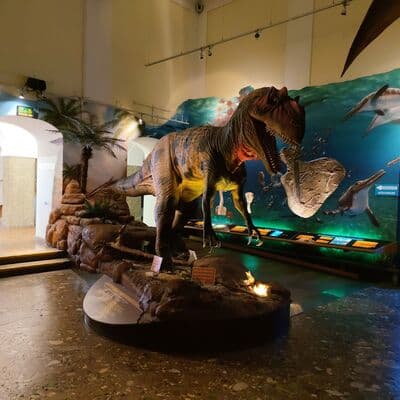
Vienna offers surprising child appeal beyond the obvious palaces. The Prater amusement park ranges from classic carousel rides to thrilling roller coasters, anchored by the iconic Riesenrad ferris wheel. Schonbrunn Zoo, the world's oldest continuously operating zoo (founded 1752), houses giant pandas and maintains excellent animal welfare standards. The Natural History Museum features dinosaur skeletons, while the Technical Museum offers hands-on exhibits. Even Schonbrunn Palace has a children's museum where kids can dress in imperial costumes.
Salzburg's Hellbrunn Palace trick fountains genuinely delight children - the surprise water jets from seemingly innocent garden features produce shrieks of joy (and soaking, so bring towels). The Toy Museum offers hands-on play. Boat rides on Wolfgangsee and the Schafberg cogwheel railway appeal to all ages.
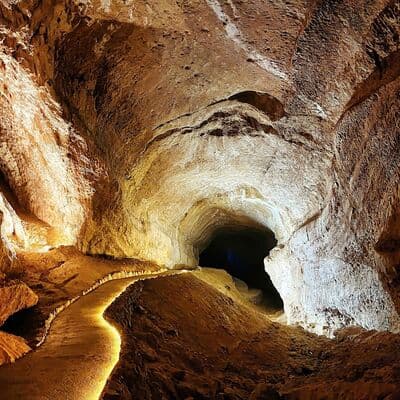
Hallstatt's Salt Mine tour includes wooden slides that children (and adults) find memorable. The Dachstein Ice Cave feels like entering a fantasy world. Swimming in the clear alpine lakes provides summer entertainment without crowds found at coastal destinations.
Innsbruck's Alpine Zoo specializes in mountain wildlife that children rarely encounter elsewhere - ibex, chamois, bearded vultures, and alpine marmots. The Swarovski Crystal Worlds play area and the Bergisel panorama appeal to various ages. Cable car rides themselves become adventures.
Carinthian lakes offer warm swimming, gentle hiking, and Minimundus (miniature world landmarks that children find fascinating). The flat terrain around Lake Neusiedl makes family cycling easy.
Practical Family Tips
Austrian restaurants typically have high chairs and children's menus (Kindermenu); portions are generous, so sharing works for younger eaters. Schnitzel and Kaiserschmarrn are reliable child pleasers. Most restaurants open for lunch around 11:30 and dinner service starts by 6 PM, earlier than some European countries.
Mountain cable cars usually accommodate strollers, though hiking above tree line requires child carriers. Alpine playgrounds (Spielplatze) appear in unexpected locations. Summer toboggan runs (Sommerrodelbahn) at many ski resorts thrill older children.
Public transport is generally stroller-accessible; Vienna's U-Bahn has elevators at most stations. Children under 6 travel free on Vienna public transport; ages 6-15 receive significant discounts. Family rail passes offer good value for longer journeys.
Accommodation ranges from family-friendly hotels with children's programs to farmstay experiences (Urlaub am Bauernhof) where children interact with animals and experience rural Austrian life.
Accessibility
Austria has made significant progress in accessibility, though challenges remain, particularly in historic city centers and mountain environments.
Vienna leads in accessibility. Most U-Bahn stations have elevators (check wienerlinien.at for exceptions); newer trams and buses are low-floor. Major attractions - Schonbrunn, Belvedere, major museums - provide wheelchair access, though some historic buildings have limitations. The Hofburg complex varies; the treasury is accessible, but some corridors remain challenging. Cobblestone streets in old towns can be difficult.
Mountain access has improved dramatically with modern cable cars, many of which accommodate wheelchairs. The Nordkette in Innsbruck, Kitzsteinhorn in Kaprun, and Untersberg near Salzburg all have accessible facilities at summit stations. The Hallstatt Skywalk and Five Fingers viewing platform are wheelchair-accessible.
Many ski resorts offer sit-ski programs and adaptive equipment. Thermal spas typically have good accessibility given their wellness focus.
Rail travel is generally accessible; OBB provides assistance with advance notice. Long-distance Railjet trains have wheelchair spaces. Historic narrow-gauge railways present more challenges.
Resources: oebb.at/barrierefreies-reisen (train accessibility), wien.gv.at/barrierefrei (Vienna accessibility), individual attraction websites.
Sustainable Travel
Austria takes environmental sustainability seriously, and travelers can easily minimize their impact while enjoying the country fully.
Transport Choices
Austria's excellent rail network makes car-free travel practical for most itineraries. The country generates most of its electricity from renewable sources (primarily hydropower), so electric trains have genuinely lower carbon impact than driving. OBB's Nightjet service connects to European destinations without flying.
Within cities, public transport is clean and efficient. Vienna's tram network is iconic; Salzburg's buses reach most tourist sites; Innsbruck's trams connect the compact center.
E-bike rental has exploded, making alpine cycling accessible to more people while reducing lift use. Some resorts charge e-bikes using solar power.
Accommodation
Austria has numerous eco-certified hotels and pensions. Look for the Austrian Eco-Label (Umweltzeichen) or EU Ecolabel. Many alpine lodges use local food, minimize waste, and incorporate sustainable building practices.
Agriturismos and farm stays (Urlaub am Bauernhof) typically practice sustainable agriculture. Some offer organic certification (Bio).
Food Choices
Austrian cuisine traditionally emphasizes local, seasonal ingredients. Farmers' markets (Bauernmarkt) offer locally grown produce. Mountain huts source from valley farms. Wine regions practice increasingly sustainable viticulture.
Vienna has a growing vegetarian/vegan scene, reducing the meat-heavy traditional diet's impact. Look for 'Bio' designation for organic products.
Alpine Conservation
Stay on marked trails to protect fragile alpine vegetation. Mountain ecosystems recover slowly from damage. Do not pick edelweiss or other protected flowers. Observe wildlife from distance; feeding wild animals harms them.
Support national parks through visitor center contributions. Some parks offer volunteer conservation programs.
LGBTQ+ Travel
Austria has progressed significantly in LGBTQ+ rights, legalizing same-sex marriage in 2019 and including comprehensive anti-discrimination protections. Vienna in particular has a vibrant queer scene dating back over a century.
Vienna's area around Naschmarkt and the 6th district hosts the largest concentration of LGBTQ+ venues. The annual Regenbogenparade (Rainbow Pride) in June is a major event. Queer-friendly hotels are common throughout the city; Rosa Lila Villa provides community resources and a cafe.
Other cities are smaller and more conservative, but generally tolerant. Salzburg and Graz have modest LGBTQ+ scenes. Rural and alpine areas may have more traditional attitudes, though outright hostility is rare.
Public displays of affection rarely provoke reaction in cities; discretion may feel more comfortable in traditional rural settings. Legal protections apply nationwide.
Solo Travel
Austria ranks among the world's safest destinations for solo travelers, regardless of gender. Well-maintained infrastructure, English proficiency, and low crime rates make independent travel straightforward.
Practical Advantages
Austria's efficient transport network makes solo navigation easy. Trains run frequently; connections are reliable; stations are well-signed. Traveling alone does not significantly increase costs, unlike destinations where shared transport or accommodation is essential.
Cultural norms support solo activities. Dining alone is unremarkable; cafe culture almost celebrates solitary occupation of tables. Many hiking trails are well-marked enough for confident solo walking, though higher-altitude routes benefit from companions for safety.
Social Opportunities
Hostels exist in major cities and tourist centers, offering social environments for those seeking connection. Free walking tours provide group context. Cooking classes, wine tastings, and organized activities create natural interaction opportunities.
Mountain huts (Hutten) foster communal atmospheres; shared tables encourage conversation with fellow hikers. Ski lift lines and apres-ski venues similarly enable social connection.
Austrian formality can initially feel reserved, but persists shorter than in some cultures; by the second meeting, interactions typically warm considerably.
Safety Considerations
Standard solo travel precautions apply: share itineraries with someone at home; check mountain weather forecasts; carry charged phones. But Austria requires no special vigilance beyond normal awareness.
Female solo travelers report feeling safe throughout Austria, including walking alone at night in city centers. Harassment is uncommon; Austrian men generally respect personal space.
Winter Sports Beyond Skiing
While downhill skiing dominates Austria's winter tourism, alternatives abound for non-skiers or those seeking variety.
Cross-Country Skiing (Langlauf)
Groomed trails (Loipen) cross valleys and plateaus throughout alpine regions. Seefeld in Tyrol hosted Olympic cross-country events and maintains extensive trail networks. The Ramsau plateau near Dachstein and the Tannheimer Tal also excel. Equipment rental is widely available; technique lessons helpful for beginners.
Snowshoeing
Guided snowshoe hikes access winter landscapes without skiing skills. Many ski resorts offer marked snowshoe trails alongside groomed cross-country routes. Wildlife watching opportunities increase when you move quietly through snowy forests.
Tobogganing
Evening toboggan runs down floodlit trails remain a cherished Austrian tradition. Rent sleds at the top, warm up with Gluhwein, then ride down as darkness falls and valley lights twinkle below. Major tobogganing areas include the Stubai valley, Zell am See region, and various resorts throughout Tyrol.
Ice Skating
Vienna's Rathausplatz transforms into a massive outdoor rink during winter. Carinthian lakes freeze (when cold enough) for skating amid mountain scenery. Indoor rinks exist in most towns.
Thermal Spas
Austria's thermal regions - particularly eastern Styria and Burgenland - specialize in winter wellness. Outdoor thermal pools stay warm despite freezing air temperatures, creating magical steam-rising-from-water experiences. Bad Blumau (designed by Hundertwasser), Bad Radkersburg, and Loipersdorf rank among the best.
Summer Hiking Regions
Austria contains some of Europe's finest hiking, with trails for every ability level marked and maintained to exceptional standards.
Difficulty Ratings
Austrian trails use a colored marker system: blue indicates easy valley walks suitable for families; red marks moderate mountain trails requiring reasonable fitness and appropriate footwear; black designates difficult routes involving exposed terrain, via ferrata sections, or technical challenges.
Multi-Day Hut Routes
The Austrian Alps support extensive networks of mountain huts (Hutten), enabling multi-day treks without camping equipment. Huts provide dormitory beds, hot meals, and sometimes private rooms. Book ahead during high season (July-August). Popular routes include:
Eagle Walk (Adlerweg): 126 stages across Tyrol, following a route shaped like an eagle with spread wings when mapped. Most hikers select shorter sections.
Rupertiweg: Crosses Salzburg state through alpine meadows and glacier approaches.
Zentralalpenweg: Part of the European long-distance E5 trail, crossing Austria's central Alps.
Day Hiking Highlights
Near Vienna: Vienna Woods offer forest walks directly accessible by city transport. Schneeberg, the nearest alpine peak, has cogwheel railway access.
Near Salzburg: Untersberg provides high-altitude walking with city views. Monchsberg ridge walks above the old town.
Near Innsbruck: Nordkette summit trails, Stubai valley glacier approaches, Karwendel nature park.
Hallstatt area: Echern Valley to Waldbachstrub Waterfall, Five Fingers and Dachstein approaches.
Zell am See area: Grossglockner region, Kitzsteinhorn glacier trails, Hohe Tauern national park.
Photography Tips
Austria offers extraordinary photographic opportunities, from iconic postcard shots to intimate details.
Iconic Shots and Alternatives
Hallstatt's classic viewpoint is beautiful but crowded. Arrive before 8 AM or stay overnight for dawn light. Alternatively, photograph from the lake by boat, or climb to the Skywalk for aerial perspective.
Hohensalzburg Fortress from Mirabell Gardens is classic but receives afternoon shade. Morning light from Kapuzinerberg offers different character.
Golden Roof in Innsbruck: afternoon light catches the gilded tiles; early morning avoids tourist crowds.
Best Light Conditions
Alpine landscapes benefit from dramatic light. Early morning offers mist in valleys with sun-touched peaks. Late afternoon brings warm side-lighting on mountains. Overcast days suit forest walks and waterfalls. Blue hour after sunset transforms Vienna's monuments.
Summer allows very early starts (dawn around 5 AM) and late finishes (sunset after 9 PM). Winter sun stays low, providing golden light but limited shooting hours (sunset by 4-5 PM).
Technical Considerations
Alpine UV is intense; lens filters protect from haze and deepen blue skies. Polarizers enhance lake reflections and reduce glare on water. Weather changes rapidly; protect equipment from sudden rain. Cold drains batteries - carry spares in insulating pocket.
Summary: Your Austria
Austria succeeds because it delivers excellence without pretension. The Hofburg impresses, but so does the village Gasthaus serving schnitzel that grandma would approve. The Vienna Opera astounds, but so does yodeling echoing across an alpine valley. The Kunsthistorisches Museum awes, but so does a sunset over Zeller See after a day's hiking.
This combination of high culture and natural beauty, of sophisticated cities and traditional villages, of efficiency and warmth, makes Austria uniquely satisfying. You can craft an itinerary focused entirely on museums and opera, or one centered on mountains and lakes, or one exploring wine and cuisine - and each would feel like the 'real' Austria. That is the point: Austria is not defined by any single experience but by the quality it brings to all of them.
First-time visitors often focus on Vienna, Salzburg, and perhaps Hallstatt - and those choices are justified. But return visits reveal deeper layers: the contemporary energy of Graz, the alpine authenticity of Tyrolean villages, the Mediterranean warmth of Carinthian lakes, the vineyard-draped hills of South Styria. Austria rewards repeated exploration like few other countries.
Whatever brings you here - imperial history, alpine adventure, musical heritage, photogenic villages, or simple curiosity - approach it with openness. Linger over that coffee; climb that extra mountain path; ask the innkeeper about their grandfather's schnapps recipe. Austria reveals itself to those who take their time.
Willkommen in Osterreich. Welcome to Austria. You are going to love it here.
Information accurate as of 2026. Verify visa requirements, prices, and schedules before travel.