Salzburg
Salzburg 2026: What You Need to Know
Salzburg is not just Mozart and The Sound of Music, though you will encounter both at every turn. This compact Austrian city of 155,000 residents sits between the Salzach River and the Alps, offering a density of baroque architecture, world-class music, and Alpine accessibility that few European destinations can match. The Old Town, a UNESCO World Heritage Site since 1996, remains remarkably intact and walkable.
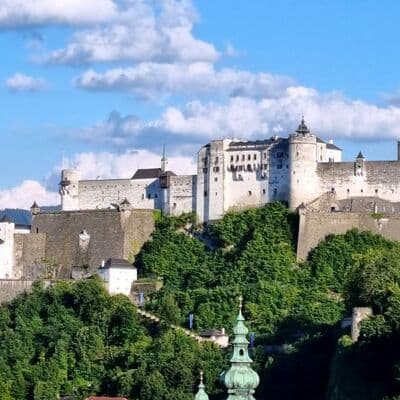
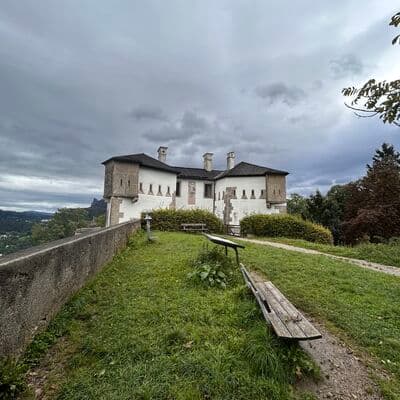
What strikes first-time visitors is the scale. Unlike Vienna or Munich, central Salzburg can be crossed on foot in 20 minutes. This intimacy means you are never far from a stunning church, a hidden courtyard, or a view of the Hohensalzburg Fortress looming above. The fortress is one of the largest intact medieval castles in Europe and visible from virtually everywhere in the city.
Expect to spend EUR 150-250 per day for comfortable travel including mid-range accommodation, meals, and attractions. Budget travelers can manage on EUR 80-100 by staying in hostels. The Salzburg Card, priced at EUR 32 for 24 hours (2026 prices), includes all public transport and most major attractions, potentially saving EUR 40-60 over individual tickets.
English is widely spoken in tourist areas, though learning basic German pleasantries earns genuine appreciation. The city operates on Central European Time and uses the Euro.
Neighborhoods: Where to Stay
Altstadt (Old Town) Left Bank
The historic core west of the Salzach River is where most tourists spend their time. Staying here puts you steps from Mozart's Birthplace, the Salzburg Cathedral, and the famous Getreidegasse shopping street. Hotels here command premium prices, typically EUR 180-350 per night for a decent double room. The trade-off is worth it for those who want to experience the Old Town at dawn before tour groups arrive.
Downsides exist. Narrow cobblestone streets make luggage transport challenging. Noise from bars can continue past midnight, especially during festival season. Some buildings lack elevators despite having four or five floors. Request a room facing an interior courtyard rather than the street if you are a light sleeper.
Altstadt Right Bank (Neustadt)
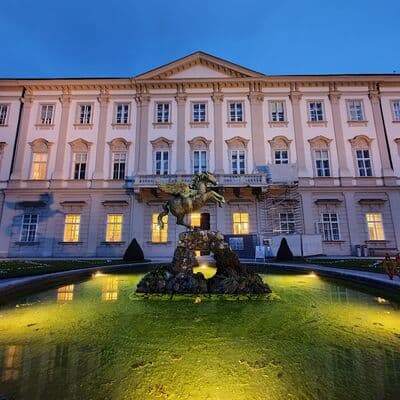
Cross the Staatsbrucke or Makartsteg bridges and you find yourself in a slightly quieter but equally central neighborhood. The Mirabell Palace and Gardens anchor this area, offering those iconic fountain views toward the fortress. Hotels here run EUR 120-250 per night, roughly 20-30% less than equivalent left bank properties.
The main train station sits on this side of the river, making right bank accommodation practical for those arriving by rail or planning day trips. Several excellent restaurants cluster around Linzergasse, the right bank equivalent of Getreidegasse but with fewer tourists and more locals.
Nonntal
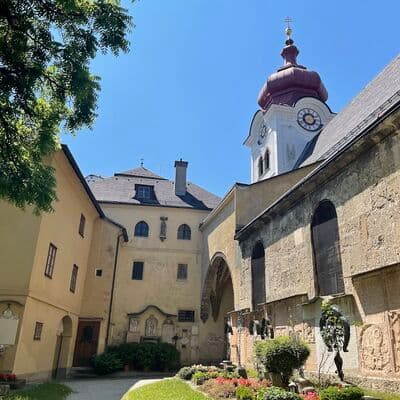
South of the Old Town, nestled beneath the Nonnberg Abbey and fortress cliffs, Nonntal offers a residential atmosphere with easy access to both the historic center and hiking trails up Monchsberg. Accommodations here tend toward guesthouses and smaller boutique hotels, with rates from EUR 90-180. The neighborhood attracts visitors who want to wake up and hike before breakfast.
Maxglan and Riedenburg
West of the Old Town, these residential districts offer the best value for accommodation, with hotel rates starting around EUR 70-120. The trade-off is a 20-30 minute walk or short bus ride to the center. These neighborhoods lack tourist infrastructure but provide authentic glimpses of everyday Salzburg life. The Augustiner Braustubl, a massive monastery brewery and beer garden, sits at the edge of Riedenburg.
Leopoldskron and Moos
The southern lakeside neighborhoods gained fame as filming locations for The Sound of Music. Hellbrunn Palace lies just beyond. Accommodation options here include the actual Schloss Leopoldskron, now partly a hotel. Expect to pay EUR 100-200 and rely on buses to reach the center, but enjoy parkland and peaceful evenings far from tourist crowds.
Best Time to Visit
Summer: Festival Season (July-August)
The Salzburg Festival transforms the city each summer into a global capital of classical music, opera, and theater. From late July through August, performances fill the Salzburg Festival Halls, churches, and palaces throughout the region. Hotel prices peak, often doubling or tripling standard rates. Booking accommodation six months ahead is advisable.
Even without festival tickets, summer brings street performances, extended museum hours, and that particular energy of a city at the center of cultural attention. Temperatures average 20-25C (68-77F), though heat waves increasingly push into the low 30s (upper 80s F).
Spring and Fall: The Sweet Spots
Late April through June and September through October offer the best balance of pleasant weather, manageable crowds, and reasonable prices. The Mirabell Gardens burst with flowers in spring, while autumn brings foliage color to the surrounding mountains. Temperatures range from 10-20C (50-68F).
Winter: Christmas Markets and Snow
Salzburg operates one of Austria's finest Christmas markets, with stalls filling the squares below the fortress from late November through December 26. The baroque architecture looks almost impossibly beautiful under snow. January through March are the quietest months, with lowest hotel prices. Many visitors combine city exploration with skiing at nearby resorts like Zell am See, 90 minutes by train.
Itinerary: 2 to 5 Days
Day 1: Old Town Essentials
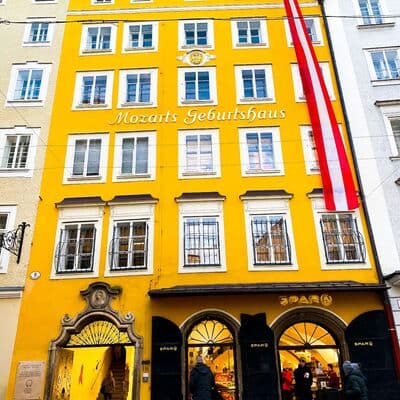
Begin at Mozart's Birthplace on Getreidegasse when it opens at 9:00. The modest apartment where Wolfgang Amadeus Mozart was born in 1756 contains original instruments, documents, and family portraits. Allow 60-90 minutes. Afterward, browse Getreidegasse itself, noting the wrought iron guild signs that date back centuries.
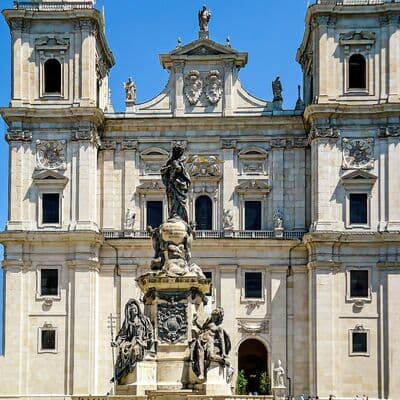
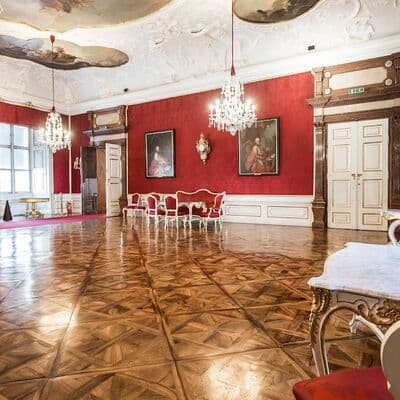
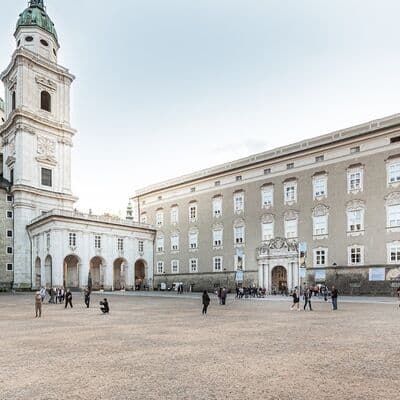
Walk to the Salzburg Cathedral for the 12:00 organ recital if timing works. Adjacent, the Salzburg Residenz and DomQuartier Salzburg museum complex reward art lovers with princely apartments and Old Master paintings.
After lunch, take the funicular (EUR 16 round trip, included with Salzburg Card) to Hohensalzburg Fortress. Spend 2-3 hours exploring the medieval rooms and ramparts. Views extend across the city to the Alps.
Evening: Watch sunset from the Mirabell Gardens with the fortress glowing gold behind.
Day 2: Sound of Music and Beyond
Whether you love the film or find it insufferable, The Sound of Music shaped Salzburg tourism profoundly. The official bus tours (EUR 50-60, four hours) visit key filming locations including Leopoldskron Palace exterior and the wedding church at Mondsee.
For the self-guided approach, start at Nonnberg Abbey where Maria was a novice. Walk to Hellbrunn Palace by bus (25 minutes, bus 25) for the famous trick fountains that have soaked unsuspecting visitors since 1619. The gazebo where Sixteen Going on Seventeen was filmed now resides in the palace grounds.
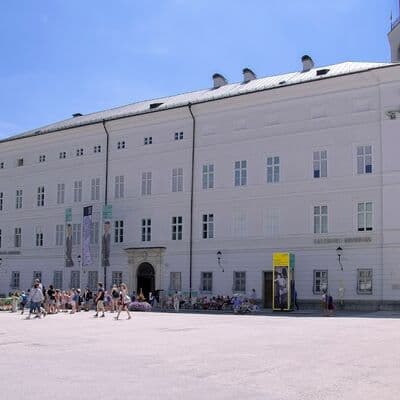
Afternoon alternative: Salzburg Museum in the New Residence offers excellent context on the city's history beyond any single composer or film.
Day 3: Alpine Adventures
Take the Untersberg Cable Car (EUR 30 round trip, 25 minutes by bus from center) to 1,853 meters elevation. On clear days, views extend across Bavaria into the distant Alps. Hiking trails range from gentle summit strolls to challenging descents.
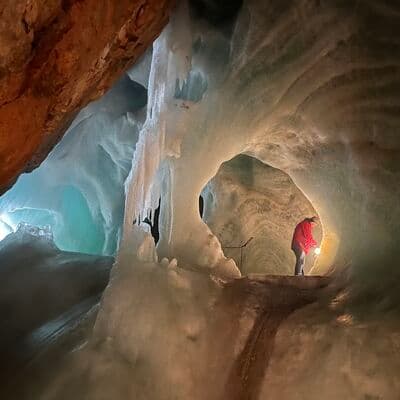
For something unique, drive or take a tour to Eisriesenwelt Ice Cave near Werfen. The world's largest accessible ice cave features frozen waterfalls illuminated by magnesium lamps. Open May through October only. Allow a full half-day including transport.
Return to Salzburg via Kapuzinerberg for an evening hike. This forested hill on the right bank offers an alternative perspective on the city, with fewer crowds than Monchsberg.
Day 4: Deep Dives and Personal Interests
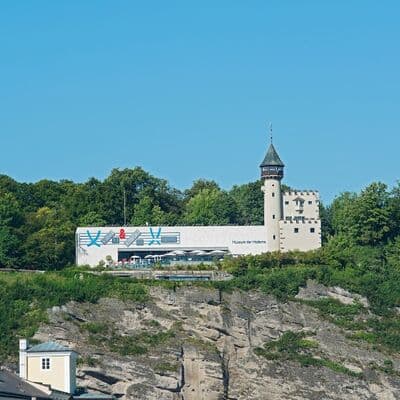
Art lovers should prioritize the Museum der Moderne Salzburg on Monchsberg, reached by elevator through the cliff. The contemporary collection and special exhibitions rival any European city museum.
Science enthusiasts will enjoy Haus der Natur, a surprisingly excellent natural history museum with aquariums and science center. Plan 2-3 hours.
Beer lovers should not miss Stiegl Brauwelt, the brewery museum and tasting center for Austria's largest private brewery. Take bus 1 to Brauhauststrasse.
Families with younger children will find the Toy Museum worth a visit, with hands-on play areas providing welcome breaks.
Day 5: Lake Country Day Trip
The Salzkammergut lake district begins 30 minutes east of Salzburg. Lake Wolfgangsee epitomizes the region, with turquoise waters and the resort town of St. Wolfgang featuring a pilgrimage church with a famous Gothic altarpiece.
Take a vintage cog railway up the Schafberg for panoramic views of multiple lakes. Boats cruise between lakeside villages. Depart Salzburg early; public transport connections via Bad Ischl take time.
St. Peter's Abbey and Cemetery merits a visit if missed earlier. The cemetery, with its wrought iron grave markers and catacombs carved into the cliff face, is among the most atmospheric in Europe.
Where to Eat: Restaurants
Traditional Austrian
Stiftskeller St. Peter operates in buildings dating to 803 AD, making it arguably Europe's oldest restaurant. The vaulted rooms feel appropriately historic. Expect to pay EUR 25-40 for main courses. Reservations recommended for dinner.
Zum Fidelen Affen on Priesterhausgasse offers similar traditional cuisine at more moderate prices, EUR 15-25 for mains. Locals actually eat here, which is recommendation enough in a tourist-heavy city.
For proper Salzburg Nockerl, the sweet souffle dessert said to resemble the city's three hills, try Sternbrau or Stiftskeller. Portions are enormous and meant for sharing.
Beer Halls and Gardens
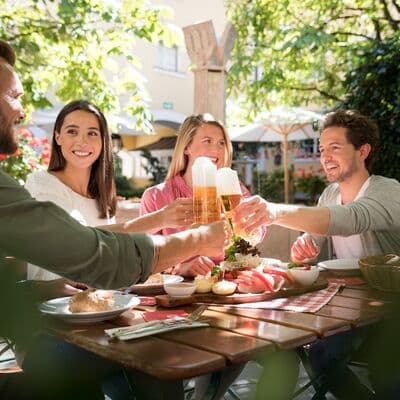
Augustiner Braustubl is the essential Salzburg beer experience. This massive monastery brewery pours directly from wooden barrels. Bring your own food from market vendors along the entrance hall. The beer garden seats 1,400. Cash only. Open from 3:00 PM weekdays.
Stiegl Keller on Festungsgasse offers a more conventional restaurant experience with fortress views. Prices run EUR 15-25 for typical beer hall fare.
Modern and International
Ikarus at Red Bull Hangar-7 brings guest chefs from around the world for monthly residencies. The modernist airport hangar setting is unlike any restaurant you have visited. Tasting menus run EUR 200-300 per person. Reservations essential weeks ahead.
M32 at the Museum der Moderne combines Austrian and international cuisine with terrace views. Lunch menus offer good value at EUR 15-20 for two courses.
Quick and Casual
Sausage stands dot the Old Town, selling Bosna (a local spiced sausage sandwich) and bratwurst. Expect EUR 4-6 for a satisfying snack. Bakeries like Fingerlos provide excellent pastries and light lunches.
What to Try: Local Food
Salzburg Nockerl
This sweet souffle dessert resembles three mountain peaks rising from a baking dish, supposedly representing the hills surrounding the city. The exterior caramelizes while the interior remains cloud-like. Share between two or more people. Budget EUR 15-20 for a portion meant for two.
Kasnocken
These cheese dumplings or spatzle originated in the Alps and appear on most traditional menus. Small irregular noodles tangle with melted cheese, often topped with crispy fried onions. Vegetarian versions are standard.
Tafelspitz and Boiled Beef
Austrians take their boiled beef seriously. Tafelspitz refers specifically to beef tri-tip, simmered for hours and served with apple-horseradish sauce. The broth often arrives separately as a first course. This is Sunday dinner food, requiring time and appetite.
Schnitzel
Wiener schnitzel means veal, pounded thin, breaded, and fried to golden perfection. Variations using pork cost less and taste nearly as good. A proper schnitzel hangs off the plate edges. Lingonberry jam and potato salad are traditional accompaniments.
Mozart Everything
Mozartkugeln, the chocolate-marzipan-pistachio balls, were invented in Salzburg in 1890 by confectioner Paul Furst. The original Furst shop still hand-produces using the traditional recipe. Pay more for the authentic blue-wrapped Furst original at their shops on Brodgasse and Mirabellplatz.
Austrian Wine and Beer
Austrian wines have gained international respect, particularly Gruner Veltliner white and Blaufrankisch red. Wine bars offer local wines by the glass from EUR 5-10. Beer in Salzburg means Stiegl, the local brewery producing lagers and seasonal specialties.
Insider Tips
Skip the Lines
Mozart's Birthplace opens at 9:00; arrive then or after 4:00 to avoid tour group crushes. The fortress funicular develops long waits by 10:30 on busy days; go early or walk up. For Hellbrunn trick fountains, the first tour at 9:00 has the smallest crowds.
The Salzburg Card, bought online before arrival, includes skip-the-line entry at many attractions. The 48-hour card (EUR 43) makes sense for two full days of sightseeing.
Free Experiences
Mirabell Gardens cost nothing to visit. The cemetery at St. Peter's Abbey charges no entry. Walking up Monchsberg or Kapuzinerberg is free. Sunday morning Mass at Salzburg Cathedral features organ music, free to all respectful attendees.
Avoiding Tourist Traps
Restaurants directly on Mozartplatz and Residenzplatz charge premium prices for mediocre food. Walk one or two blocks away for better value. Any establishment advertising in English on sidewalk boards likely targets tourists over quality.
Mozart concerts in period costume fill multiple venues nightly. Quality ranges from excellent to embarrassing. The Salzburg Marionette Theatre tends toward higher standards than generic packages.
Local Rhythms
Austrians lunch between 12:00 and 14:00; restaurants may close between 14:30 and 18:00. Dinner rarely starts before 18:00. Shops close Sundays and often by 18:00 weekdays. Plan accordingly.
Coffee culture matters here. A melange is essentially cappuccino; an Einspanner is espresso with whipped cream. Sitting in a cafe for hours over a single coffee is traditional, not freeloading.
Photography Tips
The fortress photographs best from the Mirabell Gardens in morning light or Kapuzinerberg at sunset. Tripods are prohibited inside many museums and churches. The best general overlook of the city comes from the Humboldt Terrace on Monchsberg.
Transport and Connectivity
Getting There
Salzburg Airport (SZG) receives flights from London, Amsterdam, Frankfurt, and other European hubs. The airport lies 4 kilometers from the center; bus 2 runs every 10-15 minutes (EUR 2.90, 20 minutes). Taxis cost EUR 18-25.
Munich Airport (MUC) offers far more connections, including direct flights from American cities. The Lufthansa Express Bus runs direct to Salzburg (EUR 28, 2 hours). Alternatively, take the S-Bahn to Munich Hauptbahnhof and the train onward (1.5 hours, EUR 35-55).
Trains from Vienna take 2.5 hours (EUR 30-60), from Munich 1.5 hours (EUR 25-45). The Hauptbahnhof sits on the right bank, 20 minutes walk from the Old Town. OBB (Austrian Federal Railways) offers excellent booking tools in English.
Getting Around
Central Salzburg barely requires public transport. The Old Town measures roughly one kilometer by one kilometer. Walking remains the best way to explore.
When transport is needed, the bus network covers the city comprehensively. Single tickets cost EUR 2.00 from machines. The 24-hour pass (EUR 6.00) makes sense for multiple journeys. The Salzburg Card includes unlimited public transport.
Bike rentals proliferate, with self-service A1 Cityrad stations throughout the city. Register online, then use any bike for EUR 1 per hour. The Salzach River paths make pleasant car-free cycling.
Day Trip Transport
For Wolfgangsee and the Salzkammergut, bus 150 runs regularly to Bad Ischl (1.5 hours, EUR 12). Regional trains serve Hallstatt via Attnang-Puchheim (2.5 hours total, EUR 25). Berchtesgaden connects by bus from Salzburg Hauptbahnhof (bus 840, 50 minutes, EUR 6).
Connectivity
EU mobile roaming means UK and European SIM cards work seamlessly. American visitors should check international plans or purchase local SIMs at the train station (EUR 10-20 for data packages). Free WiFi exists in most hotels and many cafes.
Currency is the Euro. ATMs are plentiful. Credit cards are accepted at hotels and restaurants, but smaller establishments may be cash-only. The Augustiner Braustubl famously accepts only cash.
Summary
Salzburg delivers a concentration of beauty, music, and history that larger cities dilute across sprawling districts. Within a few square kilometers, you find one of Europe's best-preserved baroque old towns, a medieval fortress dominating the skyline, and Alpine scenery within day-trip reach. The city rewards those who slow down to notice details: a courtyard fountain, a mountain view between buildings, the particular quality of light on old stone.
Two days suffice to hit major highlights; five days allow proper exploration including Alpine excursions. Budget EUR 150-250 daily for comfortable travel. The shoulder seasons of late spring and early autumn offer the best balance of weather, crowds, and cost. Come for Mozart and The Sound of Music if those drew your interest. Stay for the beer halls, the mountain hikes, and the chance to experience a small city that has punched above its weight for centuries.