Vienna
Vienna 2026: What to Know Before You Go
Vienna is a city where imperial grandeur seamlessly blends with contemporary culture, where baroque palaces stand shoulder to shoulder with avant-garde museums, and where you can start your evening in a historic coffeehouse with a melange and apple strudel, then end it in an underground jazz club. This is the city of Mozart and Klimt, Viennese waltzes and Wiener Schnitzel, strict etiquette and surprisingly laid-back vibes.
In brief: Vienna deserves a visit for Schonbrunn Palace and Hofburg Palace, the Belvedere Palace gallery with Klimt masterpieces, legendary coffeehouses with centuries of history, the world-class Vienna State Opera, the bustling Naschmarkt, and vineyards right on the city outskirts. Plan for 3-5 days in the city, plus 1-2 days for day trips to the surrounding wine country.
Who is this city for? Vienna is perfect for lovers of classical art and music, architecture enthusiasts who appreciate everything from Baroque to Art Nouveau, and foodies who value traditional cuisine and coffee culture. Families with children, couples, and solo travelers all find their comfort here. The city is compact, exceptionally safe, and has excellent public transportation that makes getting around effortless.
Honest downsides: Vienna is not cheap. Restaurant bills and museum tickets can hit your budget hard - expect to spend EUR 50-100 per day on attractions alone. Austrians tend to be reserved and formal - do not expect Mediterranean warmth or instant friendliness. Winters are gray and cold, while summers can bring uncomfortable heat waves. Service in traditional establishments feels slow by American standards, but rushing is considered uncouth here - embrace the pace.
Vienna Neighborhoods: Where to Stay
Vienna has 23 districts spiraling outward from the center like the growth rings of a tree. For tourists, the inner districts (1st through 9th) are most interesting - well-connected by public transport, packed with attractions, full of restaurants and cafes worth discovering on foot.
1st District - Innere Stadt
The historic heart encircled by the famous Ringstrasse. Major landmarks cluster here: St. Stephens Cathedral, Hofburg Palace, Vienna State Opera. Pedestrian streets Karntnerstrasse and Graben are perfect for strolling, lined with boutiques and baroque facades.
Pros: Everything walkable, old Vienna atmosphere, best coffeehouses
Cons: Highest prices (30-50% premium), tourist crowds, quiet at night
Prices: EUR 150-300 standard, EUR 250-450+ boutique
Best for: First visits, short trips, history lovers
2nd District - Leopoldstadt
A diverse neighborhood between the Danube Canal and the Danube River. Home to the famous Prater park with its iconic Giant Ferris Wheel, plus a growing food and nightlife scene that draws young Viennese. Karmelitermarkt is a local favorite for weekend brunch - arrive hungry on Saturday morning.
Pros: More affordable, excellent diverse restaurants, vibrant Jewish history, quick Prater access
Cons: Some gritty areas, farther from museums, isolated at night in spots
Prices: EUR 80-150 for hotels, budget apartment rentals available
Best for: Budget travelers, families, foodies
4th District - Wieden
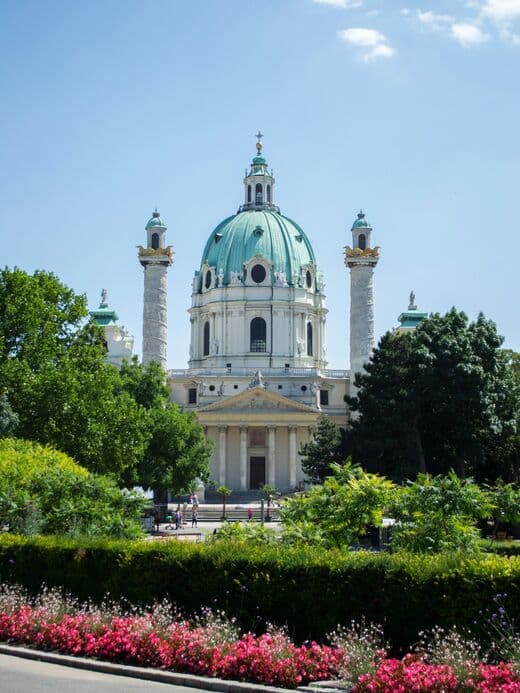
A sophisticated residential area just south of center with elegant 19th-century apartment buildings. Home to the stunning Karlskirche church and close to Belvedere Palace. Great cafe scene and local restaurants without the tourist markup you will find in the 1st district.
Pros: Central location, genuine local vibe, great value for money, beautiful residential architecture, easy walk to major attractions
Cons: Limited nightlife options, fewer major attractions within the district itself
Prices: EUR 100-180 for hotels
Best for: Return visitors, longer stays of a week or more, those seeking authenticity over tourist convenience
7th District - Neubau
The creative heart of Vienna. Narrow streets with independent boutiques, vintage shops, galleries, trendy restaurants. MuseumsQuartier sits at its edge. Where young Viennese hang out.
Pros: Best shopping and nightlife in the city, creative atmosphere, excellent restaurants and bars, feels authentically local rather than touristy
Cons: Can be noisy on weekends, limited parking, some streets feel cramped
Prices: EUR 90-160 for hotels, many stylish boutique options
Best for: Young travelers, design enthusiasts, night owls, anyone who values atmosphere over proximity to palaces
8th and 9th Districts
Josefstadt (8th) is Vienna's smallest district with a village-like feel - quiet, elegant, residential. Alsergrund (9th) is the university district with youthful energy, home to the Freud Museum and charming Servitenviertel area. Both offer excellent value and authentic local life away from tourist circuits.
Pros: Peaceful atmosphere, affordable prices, excellent local restaurants, feels like discovering a secret Vienna
Cons: Farther from main attractions, quieter nightlife
Prices: EUR 70-140 for hotels
Best for: Budget travelers, repeat visitors, remote workers, those seeking tranquility
Best Time to Visit Vienna
Vienna works year-round as a destination, but each season offers a distinctly different experience. Your ideal timing depends on what you want to see, how much you want to spend, and your tolerance for crowds.
Spring (April-May)
Parks burst with blossoms, outdoor cafes reopen, weather pleasant (12-20C). Schonbrunn gardens at their most romantic. Moderate prices, manageable crowds. The Vienna Festival begins in May. April can be rainy - pack layers. Early May often brings perfect conditions.
Summer (June-August)
Peak tourist season with longest days and warmest weather (25-35C). The Opera closes for summer, but open-air events take over - concerts at Schonbrunn, Film Festival at Rathausplatz, Danube Island Festival. Higher prices, larger crowds. July-August bring heat waves - many older buildings lack air conditioning. Upside: locals flee to the countryside, leaving the city relaxed.
Autumn (September-October)
Many consider this the best time. Cultural season reopens with opera, theater, concerts. Wine harvest means fresh Sturm in Heurigen taverns - not to miss. Comfortable temperatures (10-18C), golden foliage in Stadtpark, fewer tourists. Hotel deals in late October. Drawback: days shorten quickly, weather can turn gray.
Winter (November-March)
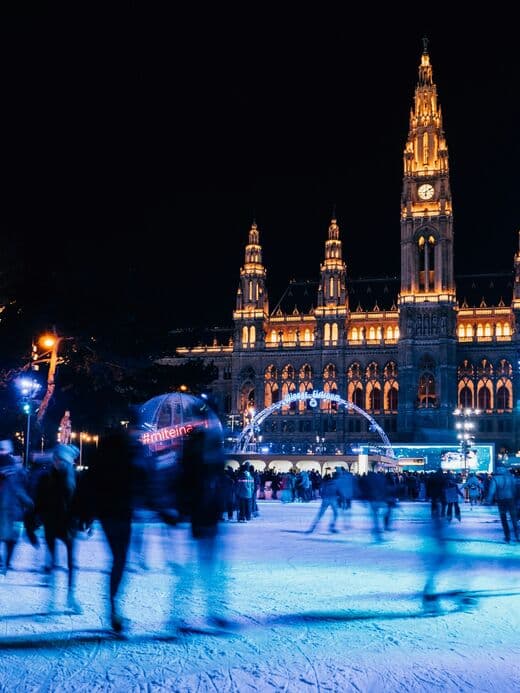
Vienna transforms during Christmas market season (mid-November through December 26). Markets at Rathausplatz, Schonbrunn, and Belvedere are magical - mulled wine, roasted chestnuts, twinkling lights. Opera and ball season peaks January-February. Prices drop (except Christmas week), museums uncrowded. Downside: cold (0-5C), short days. But coffeehouses have never been cozier.
My recommendation: Late September or early May. Perfect balance of good weather, cultural events, reasonable prices, and manageable crowds.
Vienna Itinerary: 3 to 7 Days
Day 1: Imperial Vienna
Morning: Start at St. Stephens Cathedral by 9 AM before the crowds arrive. Climb 343 steps of the South Tower for panoramic city views (EUR 6) - the only way to truly grasp Vienna's layout. Explore the catacombs below (EUR 6, guided tours every 30 minutes) to see where Habsburg rulers rest.
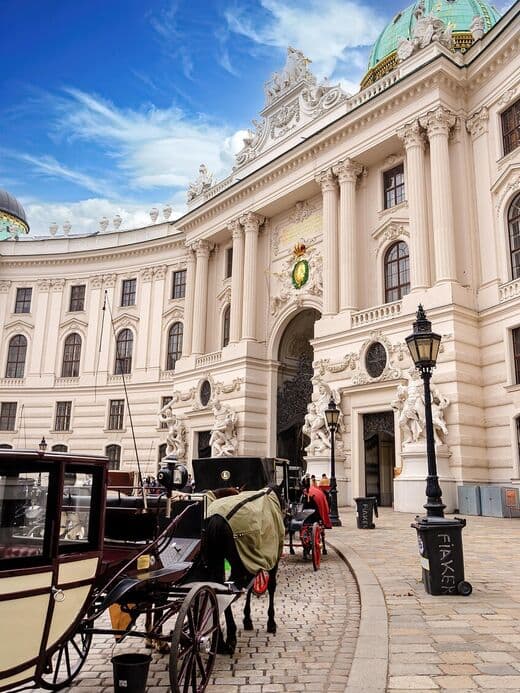
Late morning: Walk through elegant Graben and Kohlmarkt streets to Hofburg Palace. Budget 2-3 hours for Imperial Apartments, Sisi Museum, and Silver Collection (EUR 18 combined). The Sisi Museum alone justifies the visit, revealing the complex and often tragic life of Empress Elisabeth.
Lunch: Figlmuller on Wollzeile for legendary Wiener Schnitzel - it hangs off the plate. Arrive before noon or expect a 30-minute wait. EUR 20-25 per person.
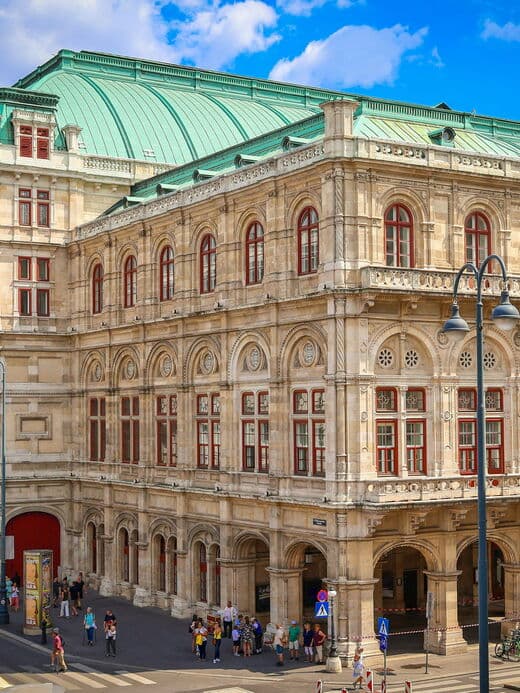
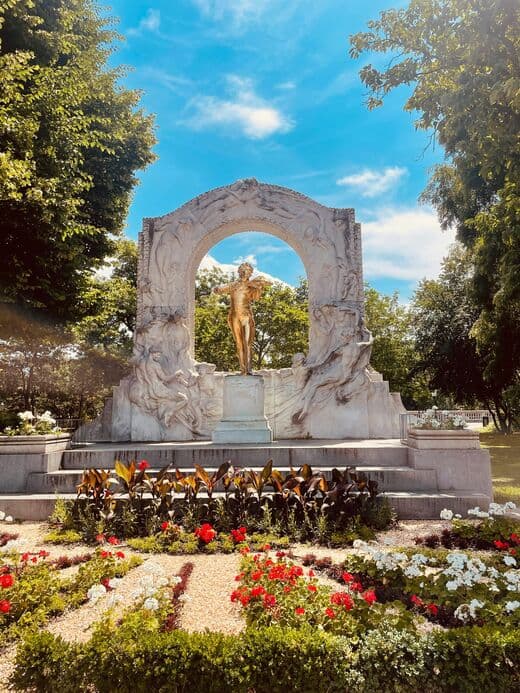
Afternoon: Vienna State Opera guided tour (EUR 13, 40 minutes, multiple languages). Even without attending a performance, the interior is spectacular. Then stroll through Stadtpark to see the golden Johann Strauss statue - the most photographed monument in Vienna.
Evening: Standing room at the Opera (EUR 15, available 80 minutes before curtain) for an authentic Viennese experience. Alternatively, dinner at Zum Schwarzen Kameel - elegant since 1618, excellent wine list.
Day 2: Art and Palaces
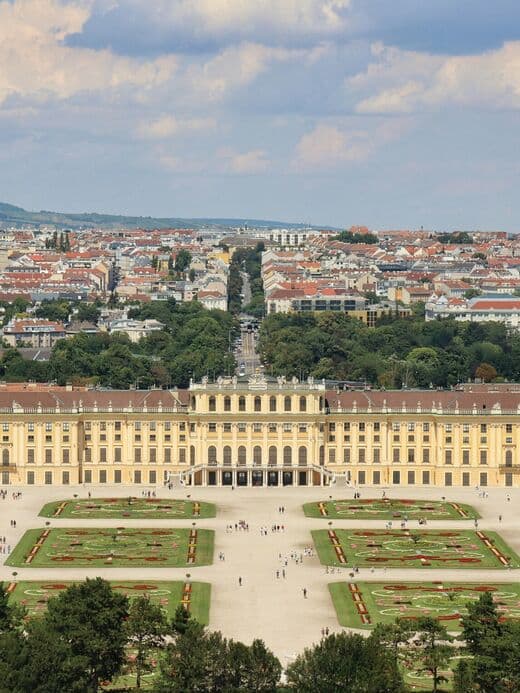
Morning: Take U4 metro to Schonbrunn Palace. Arrive at 8:30 AM opening to beat tour buses. Book the Grand Tour (EUR 26, 40 rooms, 50 minutes) to see Maria Theresa's and Franz Joseph's apartments. Walk up to the Gloriette for the classic postcard view. Families: the Schonbrunn Zoo next door is the world's oldest and surprisingly excellent.
Lunch: Return to center. Cafe Central on Herrengasse - vaulted ceilings, literary history, where Trotsky played chess. Order a melange and Kaiserschmarrn. EUR 25-30.
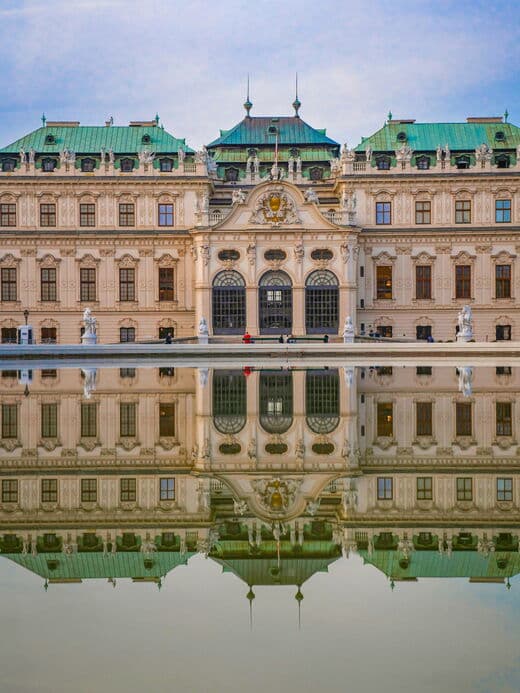
Afternoon: Belvedere Palace for Klimt's The Kiss and the world's largest Klimt collection (EUR 18). The artwork alone justifies the trip to Vienna. Allow 2 hours for the collection and baroque gardens.
Evening: Splurge dinner at Steirereck in Stadtpark (two Michelin stars, from EUR 210), or explore the 4th district around Karlskirche for more casual options.
Day 3: Museums and Markets
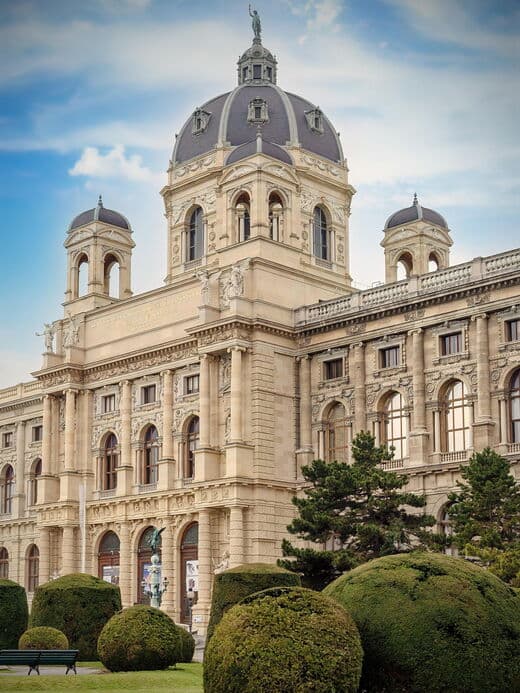
Morning: Kunsthistorisches Museum - Bruegel's peasant scenes, Vermeer's allegories, Raphael, Caravaggio. One of the world's great art museums (EUR 21). The building itself rivals the collection. Allow 3 hours minimum. Coffee in the cafe under the dome is worth a stop.
Lunch: Naschmarkt - Vienna's largest market stretching for a kilometer with 120+ stalls. Everything from produce to oysters. Try Neni for Middle Eastern flavors or Umar for fresh fish. EUR 15-25.
Afternoon: MuseumsQuartier - one of the world's largest cultural complexes in former imperial stables. Choose Leopold Museum (EUR 15, incredible Egon Schiele collection) or MUMOK for contemporary art. The courtyard is a local gathering spot - grab a drink and people-watch.
Evening: Prater for Giant Ferris Wheel sunset views (EUR 15). The 1897 wheel moves slowly - perfect for photos. Dinner at Schweizerhaus for massive pork knuckles and cold Czech beer - a local institution since 1920.
Days 4-5: Deeper Vienna
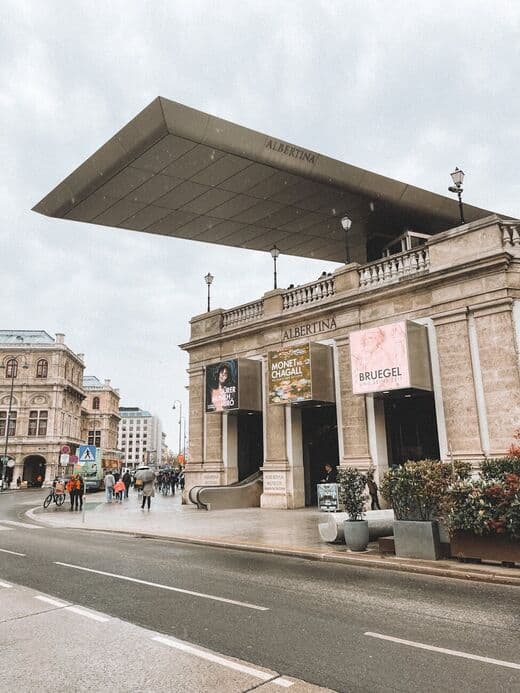
Day 4 morning: Albertina Museum (EUR 18.90) - graphic arts, temporary exhibitions, Habsburg State Rooms. Afternoon: Hundertwasserhaus - colorful apartment building with no straight lines. Nearby Kunsthaus Wien. Explore 2nd district food scene.
Day 5: Day trip to Wachau Valley - UNESCO terraced vineyards, medieval villages like Durnstein, excellent wine tastings. Tours EUR 60-80, or rent a car for flexibility. Return via Krems for dinner in a local wine tavern.
Days 6-7: Off the Beaten Path
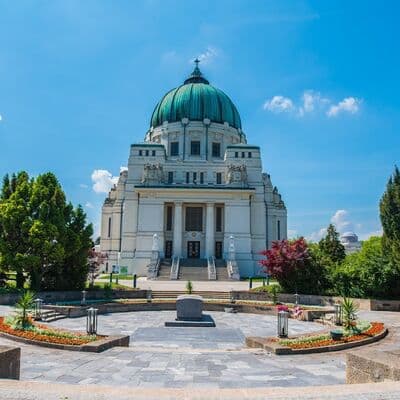
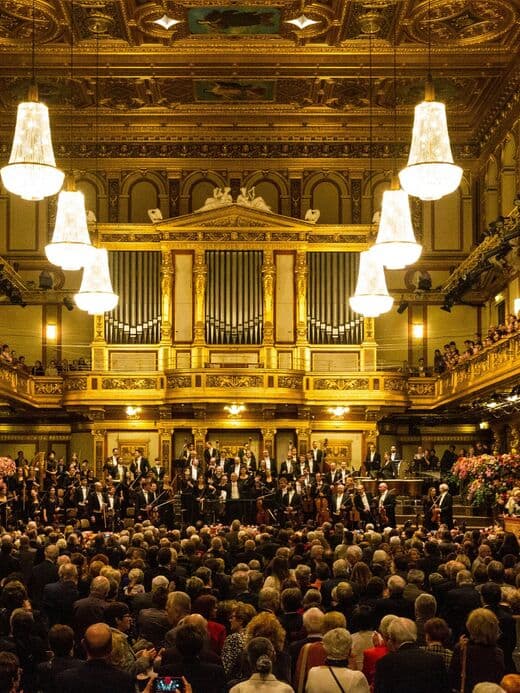
Day 6: Central Cemetery - peaceful grounds where Beethoven, Brahms, Schubert, Johann Strauss rest. Then Secession Building for Klimt's extraordinary Beethoven Frieze. Evening: Musikverein concert (world's finest acoustics) or Spanish Riding School Lipizzaner performance.
Day 7: Sleep in. Leisurely coffeehouse breakfast - take your time, read newspapers. Afternoon in a Heuriger wine tavern in Nussdorf or Stammersdorf - local wine from the barrel, garden seating under old trees. Perfect Vienna farewell.
Where to Eat: Vienna Restaurants
Viennese cuisine is hearty, meat-focused, and deeply traditional. The city takes its food seriously - even simple dishes are executed with precision honed over centuries.
Traditional Viennese
Figlmuller - The schnitzel institution since 1905. Veal schnitzel pounded thin, fried golden, hanging dramatically over the plate edge. Two locations on Wollzeile. Expect waits during peak hours. EUR 20-30.
Plachutta - Temple of Tafelspitz (boiled beef). Served in its copper cooking pot with bone marrow and apple horseradish. Emperor Franz Joseph's favorite dish. Reserve ahead. EUR 35-50.
Zum Schwarzen Kameel - Elegant Art Nouveau establishment since 1618. Stand at the bar for excellent sandwiches and wine, or book the formal dining room. The ambiance alone justifies a visit. EUR 25-60.
Gasthaus Poschl - Hidden gem near Hoher Markt. Traditional cooking, locals outnumber tourists. Try Beuschel (lung ragout) if adventurous. EUR 20-30.
Modern Austrian
Steirereck - Two Michelin stars in Stadtpark. Modern Austrian cuisine, seasonal ingredients. Reserve weeks ahead. Tasting menu from EUR 210.
Mraz und Sohn - Two Michelin stars in Leopoldstadt. Austrian-Asian fusion, relaxed atmosphere. EUR 150-200.
Casual and Budget
Bitzinger - Famous sausage stand behind the Opera. Well-dressed opera-goers eating wursts with champagne - only in Vienna. Kasekrainer (cheese sausage) is the move. EUR 5-8.
Trzesniewski - Standing sandwiches since 1902. Tiny open-faced creations on dark bread with creative toppings. Order five with a pfiff (small beer). EUR 10-15.
Coffeehouses
Cafe Central - Most famous, most beautiful. Vaulted ceilings, literary history - Trotsky and Freud were regulars. Worth it for afternoon coffee, skip the food.
Cafe Sperl - Locals' favorite since 1880. Less crowded, better food, authentic atmosphere. Try the Sperl Torte.
Cafe Hawelka - Bohemian legend where artists gathered for decades. Buchteln (sweet yeast rolls) served warm after 10 PM only.
What to Try: Essential Foods
Wiener Schnitzel
Veal pounded thin, breaded, fried in butter until the coating puffs and waves. Served with potato salad, lemon, lingonberry jam. Never order pork in traditional restaurants - that is Schnitzel Wiener Art. Best at Figlmuller or Plachutta.
Tafelspitz
Prime beef simmered for hours, served in its cooking pot with bone marrow, roasted potatoes, apple horseradish, and Schnittlauchsauce (creamy chive sauce). Emperor Franz Joseph ate it almost daily. Sounds simple; execution is everything. Plachutta is the undisputed master.
Sachertorte
Dense chocolate cake with a layer of apricot jam beneath chocolate glaze. Hotel Sacher and Cafe Demel fought a decade-long legal battle over the original recipe. Sacher's is moister; Demel's drier and arguably more elegant. Try both and decide. EUR 8-10 per slice.
Kaiserschmarrn
Shredded caramelized pancake dusted with powdered sugar, served with plum compote. Named after Emperor Franz Joseph (Kaiser). Rich enough for a meal - share it or skip dinner. Best at Cafe Central or Cafe Landtmann.
Coffee Culture
Vienna invented the coffeehouse - UNESCO-recognized intangible heritage. Melange is like cappuccino but lighter. Einspanner is espresso with whipped cream. You can sit for hours with one coffee - expected and respected. Never rush, never order to go. Accept the water served alongside.
Heuriger Food
In wine taverns on the city outskirts, the food is intentionally simple: cold cuts, Liptauer cheese spread, bread, pickles, maybe roast pork. The point is the wine - especially Gemischter Satz, the traditional Viennese field blend. Order by the Viertel (quarter liter) and keep going until sunset.
Local Secrets: Tips Only Regulars Know
Save Money
Calculate before buying Vienna City Card (EUR 17-25) - single tickets might actually cost less depending on your plans. Kunsthistorisches Museum is free for visitors under 19. Albertina has Wednesday evening discounts. Church concerts in St. Stephens Cathedral and Karlskirche offer world-class music for free or minimal donations.
Skip Lines
Book Schonbrunn online and arrive at 8:30 opening - by 10 AM waits exceed an hour as tour buses arrive. Kunsthistorisches is quietest Thursday evenings until 9 PM. Belvedere is calmest early morning or late afternoon.
Local Favorites
Skip touristy Grinzing Heurigen where buses stop - try Stammersdorf or Nussdorf instead for same quality wine, local atmosphere. Saturday brunch at Karmelitermarkt beats Naschmarkt for authenticity. Sunday morning at Brunnenmarkt (16th district) is Vienna's most diverse and interesting market experience.
Opera Standing Room
EUR 15 tickets sell 80 minutes before curtain at the Vienna State Opera. Arrive 2 hours early for popular productions. Bring a scarf - locals tie them to the rail to save spots during intermission. Acoustics for standing room are excellent, often better than expensive side seats.
Photo Spots
Belvedere gardens offer the classic Vienna skyline with St. Stephens Cathedral rising behind. Gloriette at Schonbrunn provides the best palace view. 25hours Hotel rooftop bar (7th district) has sunset views without crowds.
Transport and Connectivity
From Airport
Vienna Airport (VIE) is 18km from center. City Airport Train (CAT): 16 minutes to Wien Mitte station, EUR 14.90 one way. S-Bahn S7: 25 minutes, only EUR 2.40 with regular ticket - same tracks, slightly less polish. Taxis: EUR 36-40 fixed rate to center. Uber and Bolt operate but often pricier than regular taxis.
Public Transport
Vienna's system is exceptional. U-Bahn (5 metro lines), trams, and buses use the same tickets:
- Single ticket: EUR 2.40 (valid 90 minutes with transfers)
- 24-hour: EUR 8.00
- 48-hour: EUR 14.10
- 72-hour: EUR 17.10
- Weekly (Monday to Monday): EUR 17.10
Buy from machines in stations, the WienMobil app, or tobacco shops (Trafik). Validate paper tickets before boarding - plain-clothes inspectors fine EUR 105 without mercy. Digital tickets activate automatically.
Getting Around
Trams are more scenic than U-Bahn. Trams 1 and 2 circle Ringstrasse - free sightseeing with any ticket. The 1st district is entirely walkable. WienMobil Rad bikes: first 30 minutes free.
Day Trips
Salzburg 2.5 hours by train, Budapest 2.5 hours, Prague 4 hours. Book OBB in advance for 50% savings. Bratislava just 1 hour - Europe's closest capitals.
Connectivity
Free WiFi at cafes, museums, public spaces. EU residents have free roaming. Others can buy Austrian SIM (A1, Magenta, Drei) for EUR 10-20.
Vienna: Final Thoughts
Vienna rewards the patient visitor. This is not a city to rush through checking landmarks off a list. It is a city for lingering - over coffee in a Habsburg-era cafe, before a Klimt painting at the Belvedere, in a wine garden as the sun sets over the Vienna Woods. The imperial facades hide a surprisingly modern, livable city where classical music is taken seriously, public transport runs perfectly, and even street food has standards.
Come with an open schedule and comfortable shoes. Book your opera tickets ahead, but leave room for serendipity - a courtyard discovered by chance, a coffeehouse where you stay for hours, a conversation with a stranger at a Heuriger. Vienna does not dazzle on first sight like Paris or Rome. It reveals itself slowly, in layers, and by your final day you will understand why those who visit once almost always return.
The city asks only one thing: slow down. Vienna has been here for centuries. It will still be here when you come back.