About
China: The Complete Travel Guide to the Middle Kingdom
Why Visit China
China defies expectations at every turn. It is home to the world's longest wall, largest population, one of the oldest continuous civilizations, and an economy that transformed from agrarian to technological powerhouse in just 40 years. But statistics only scratch the surface. The real China reveals itself to those willing to dive into its layered culture, where Shanghai's skyscrapers neighbor Yunnan's rice terraces, and morning tai chi in the park is as much a part of daily life as paying for everything through WeChat.
This is a country of contrasts that complement rather than conflict. In Beijing, you can spend the morning wandering the Forbidden City, where imperial fates were decided 500 years ago, and end the day in the futuristic 798 Art District, where former military factories have been transformed into contemporary art galleries. In Shanghai, the colonial architecture of The Bund gazes across at the otherworldly silhouette of Shanghai Tower - the world's second tallest building.
For travelers, China offers endless variety. History? Thousands of years of civilization left their mark from the Terracotta Army in Xi'an to the Buddhist cave temples of Dunhuang. Nature? From tropical beaches in Sanya to ice sculptures in Harbin, from Guilin's karst peaks to Tibet's high-altitude lakes. Food? China's eight great cuisines are so different that Sichuan hotpot and Cantonese dim sum seem to come from different planets.
Yes, China requires effort. The language barrier is real - English is not widely spoken outside major tourist areas. The Great Firewall blocks Google, Facebook, and many familiar services. Cultural codes differ - loud conversations, pushing in crowds, different concepts of personal space. But this is precisely what makes traveling in China a genuine adventure rather than a walk along a tourist trail. And the reward is worth it: you will see a country that simultaneously preserves millennia-old traditions while building the future faster than anywhere else on Earth.
Regions: What to Choose
Northern China: Heart of Empire
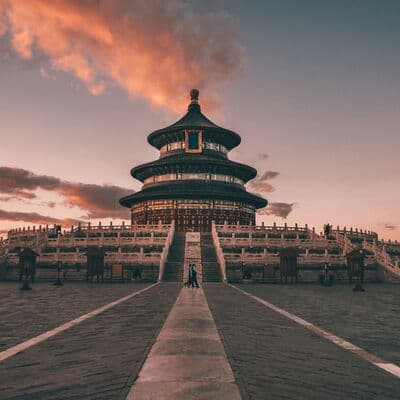
The north is the cradle of Chinese statehood. Beijing served as capital under five dynasties and remains the political center today. Here lies the heritage of imperial China: the Forbidden City with its 9,999 rooms, the Temple of Heaven where emperors prayed for good harvests, and the Summer Palace - the Qing rulers' lakeside retreat with Kunming Lake and Longevity Hill.
But Beijing is more than an open-air museum. Hutongs - old alleyways with traditional courtyard homes called siheyuan - preserve the atmosphere of old Beijing. This is best felt in the Nanluoguxiang area, where coffee shops and boutiques are tucked into historic buildings. The Lama Temple (Yonghegong) is an active Tibetan Buddhist monastery featuring an 18-meter Maitreya statue carved from a single sandalwood trunk.
Badaling and Mutianyu are the two Great Wall sections most accessible from Beijing. Badaling is closer and easier but crowded with tour groups. Mutianyu requires more travel time but rewards with relative solitude and scenic views over green hills. For true adventurers, 'wild' sections like Jinshanling offer unrestored walls without guardrails, where you can feel the authentic power of this structure.
Jingshan Park - a hill opposite the Forbidden City offering the best view of the palace's golden roofs. Beihai Park - the oldest imperial garden, where you can boat on the lake and climb to the White Pagoda. The Drum and Bell Towers once kept time for the entire capital - now they offer panoramic views of the hutongs.
The Olympic Park - legacy of the 2008 Games. The Bird's Nest and Water Cube became architectural symbols of modern China. The National Museum of China on Tiananmen Square is the world's largest museum by floor area, tracing the country's history from Neolithic times to present. The Ming Tombs are mausoleums of 13 Ming Dynasty emperors in a scenic valley north of the city.
Northeast China: Russian Heritage and Winter Wonderland
Harbin is China's most Russian city. Built as a station on the Chinese Eastern Railway in the late 19th century, it still bears traces of the era when thousands of Russian emigrants lived here. Saint Sophia Cathedral is the city's landmark, though now a museum rather than an active church. Central Avenue (Zhongyang Dajie) is a pedestrian street showcasing Russian Art Nouveau, French Baroque, and Byzantine architectural styles.
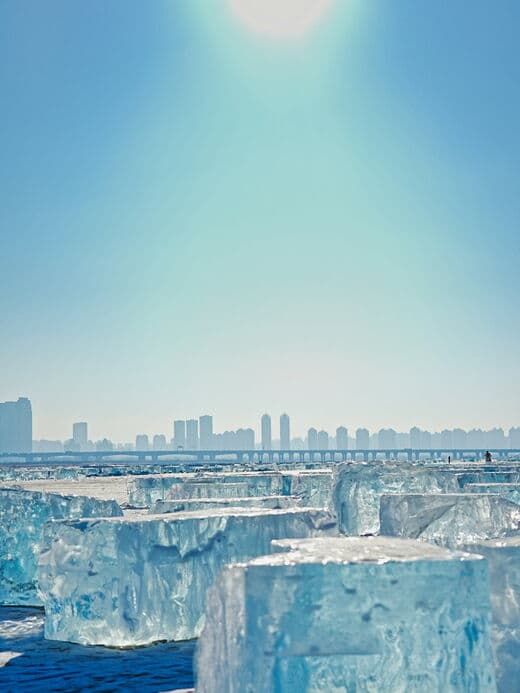
But Harbin's main claim to fame is winter. Ice and Snow World is the world's largest ice sculpture festival, running from late December through late February. Giant palaces, pagodas, and entire streets are carved from blocks of ice harvested from the Songhua River and illuminated from within. Temperatures drop to minus 30-40 Celsius during this time, but the spectacle is worth it. Zhaolin Park offers a more intimate version of the festival.
The Siberian Tiger Park - controversial but popular, where you can see these rare predators. Sun Island - a green oasis in summer and another venue for snow sculptures in winter. Old Daowai - a district with unique 'Chinese Baroque' architecture, where European facades blend with traditional Chinese courtyards. The Harbin Grand Theatre - a modern architectural masterpiece resembling waves of frozen river.
The Flood Control Monument on the Songhua River embankment is the city's symbol. Volga Manor is a tourist complex featuring reconstructed Russian architecture, including a replica of St. Nicholas Church destroyed during the Cultural Revolution. The Unit 731 Museum is a sobering but important site documenting Japanese wartime atrocities.
Eastern China: Financial Capital and Water Towns
Shanghai is the city defining China's future. It is the world's busiest port, a financial center, and showcase of China's economic miracle. The Bund (Waitan) - a waterfront lined with colonial-era bank and trading house buildings from the 'treaty port' era. From here you get the best view of Oriental Pearl Tower, Shanghai Tower, and Shanghai World Financial Center - three skyscrapers defining Pudong's skyline.
The French Concession - a district of plane trees, 1920s-30s villas, and European city atmosphere. Here you will find Shanghai's best cafes, bars, and boutiques. Tianzifang - a labyrinth of alleyways in a former residential quarter turned art space with galleries, workshops, and tiny restaurants. Nanjing Road - the city's main shopping artery, especially beautiful at night in neon glow.
Yu Garden - a classical 16th-century Chinese garden with pavilions, ponds, and artificial rockeries. The surrounding bazaar is chaotic but atmospheric, where you can try Shanghai's famous xiaolongbao - soup dumplings. Jade Buddha Temple, Jing'an Temple, and Longhua Temple - three Buddhist temples, each with its own character. The Shanghai Museum on People's Square houses one of the world's finest collections of Chinese art.
Zhujiajiao - a water town an hour from Shanghai. Canals, arched bridges, white walls, and black-tiled roofs - this is China as depicted in old prints. Other water towns - Suzhou, Hangzhou, Wuzhen - each worth visiting if time permits.
Southeast China: Canton and Technology
Guangzhou (Canton) has been China's gateway to the outside world for centuries. From here tea clippers sailed to Europe, here the famous Cantonese cuisine originated, and here the world's largest trade fair - the Canton Fair - still takes place. Canton Tower is a TV tower with a unique 'wasp waist' design, illuminated in rainbow colors at night.
The Chen Clan Ancestral Hall is a masterpiece of 19th-century Cantonese architecture with incredibly detailed wood, stone, and ceramic carvings. Shamian Island - a former European concession with colonial mansions and banyan trees. Yuexiu Park with the five-story Zhenhai Tower - the city's symbol. Baiyun Mountain - Guangzhou's green lungs.
The Sun Yat-sen Memorial Hall honors the 'father of the nation.' The Guangdong Museum and Nanyue King Museum are for those wanting to understand regional history. Beijing Road Pedestrian Street - a shopping center with archaeological excavations of ancient pavements under glass floors. Huacheng Square and Haixin Bridge - the modern business center. Yongqing Fang - a renovated historic quarter with bars and restaurants.
Chimelong Safari Park and Guangzhou Zoo - for trips with children.
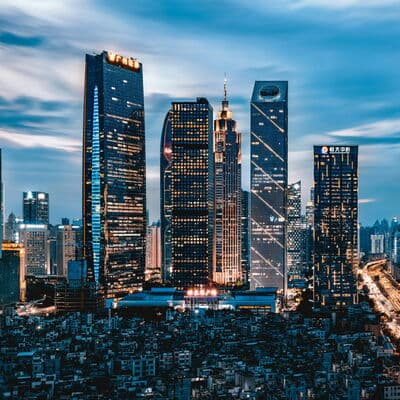
Shenzhen is a city that did not exist 45 years ago. In 1980, it was a fishing village; today it has 17 million residents and hosts the headquarters of Huawei, Tencent, BYD, and DJI. Ping An Finance Centre is the world's fourth tallest building, with an observation deck on the 116th floor.
Huaqiangbei Electronics Market is legendary - you can buy anything from iPhone components to drones and LED screens. It is not just a market but an entire district of skyscrapers packed with electronics. OCT-LOFT is a creative cluster in former industrial buildings. Dafen Oil Painting Village is where most of the world's painting reproductions are created.
Sea World Shekou - an entertainment district around a moored cruise ship. Window of the World and Splendid China - theme parks with miniatures of world and Chinese landmarks. Happy Valley and OCT Harbour - entertainment for all tastes.
For nature - Wutong Mountain, Lianhuashan Park, Shenzhen Bay Park, Futian Mangrove Reserve. Beaches at Dameisha and Xichong - for those tired of the city. Dapeng Fortress and Nantou Ancient City - historic islands amid the ultra-modern metropolis.
Southwest China: Pandas and Mountains
Chengdu is the capital of Sichuan province and unofficial capital of Chinese hedonism. A local saying goes: 'Beijing is too big, Shanghai is too busy, Chengdu is just right.' Life moves slower here, teahouses are full of people in broad daylight, and Sichuanese cuisine is one of the world's most exciting.
The Chengdu Research Base of Giant Panda Breeding is the city's main attraction and one of the best places in the world to see giant pandas. Arrive at opening (around 8 AM) - this is when pandas are active and eating bamboo. After 11 AM, they typically sleep. You can also see red pandas here, which are equally adorable.
Kuanzhai Alley consists of three parallel lanes with restored traditional buildings converted into teahouses, restaurants, and shops. Jinli Ancient Street is a more touristy version of the same concept but atmospheric in the evening. Wuhou Shrine is a memorial dedicated to Zhuge Liang, the legendary strategist of the Three Kingdoms era.
Du Fu Thatched Cottage is a memorial to the great Tang Dynasty poet in a beautiful park. Wenshu Monastery is the city's most active Buddhist temple with an excellent vegetarian restaurant. People's Park is where Chengdu locals drink tea, dance, and hold 'marriage markets.' Tianfu Square is the city's heart with a giant Mao statue.
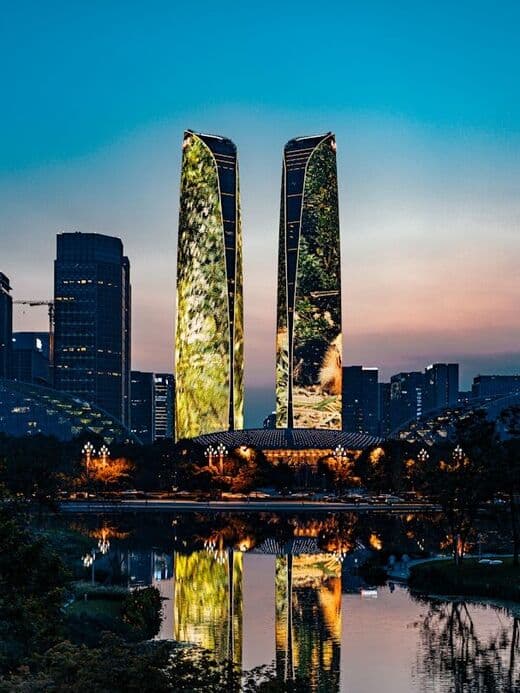
Chengdu IFS is a shopping mall with a giant panda sculpture climbing its wall. Taikoo Li is a trendy district with shops and restaurants in traditional architecture. Sanxingdui Museum - an hour from the city but essential: it displays artifacts from a mysterious Bronze Age civilization with alien-like masks and golden scepters.
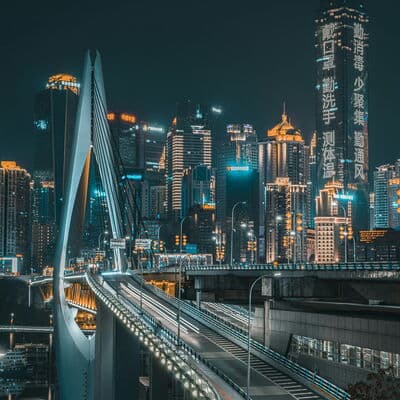
Chongqing is a city-mountain, city-river, city-hotpot. Built at the confluence of the Yangtze and Jialing Rivers on steep hills, Chongqing is a vertical labyrinth where streets run over building rooftops and the metro passes through an apartment block. Hongya Cave is a multi-level complex on a hillside resembling sets from a Miyazaki anime.
The Yangtze River Cableway is the best way to see the city from the water. Liziba Station is where the monorail passes through a residential building. Jiefangbei is the pedestrian zone downtown with skyscrapers and shops. Ciqikou Ancient Town is a restored street with traditional architecture.
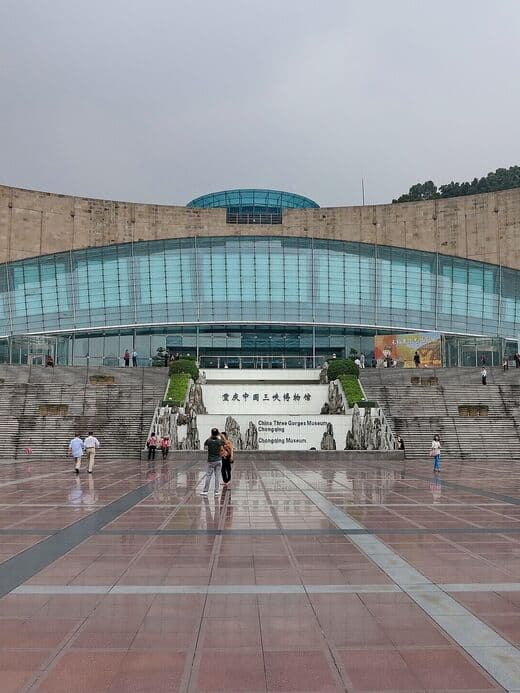
The Three Gorges Museum provides the best introduction to regional history and the massive dam project. Luohan Temple features a gallery of 500 arhat statues. Chongqing Zoo is another place to see pandas. Dazu Rock Carvings are a UNESCO World Heritage site with thousands of Buddhist sculptures. Wulong Karst offers fantastic natural bridges and caves.
Southern China: Tropics and Islands
Sanya is China's main beach resort on Hainan Island. Tropical climate, palm trees, white sand - this is China's answer to Phuket and Bali. Yalong Bay is the most prestigious, with five-star hotels. Dadonghai is more affordable and lively. Wuzhizhou Island is for diving and snorkeling.
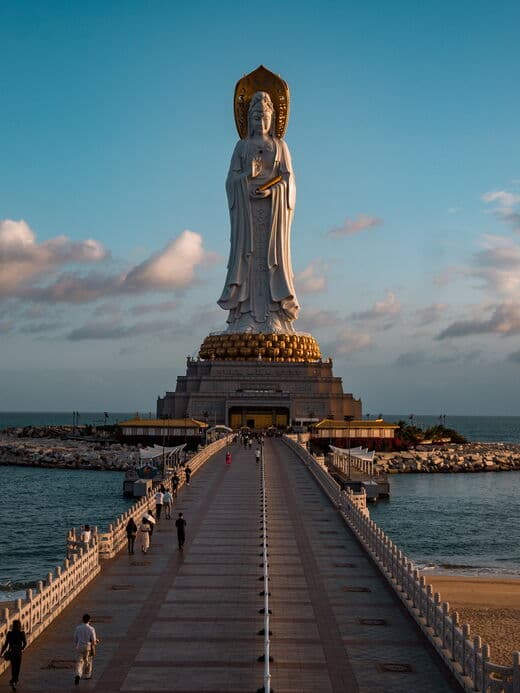
Nanshan Buddhist Cultural Zone is a vast complex featuring a 108-meter Guanyin statue standing in the sea. Tianya Haijiao - 'Edge of Heaven and Sea' - is a romantic spot with rocks and inscriptions. Luhuitou Park is a hill with city views and the legend of a hunter and deer.
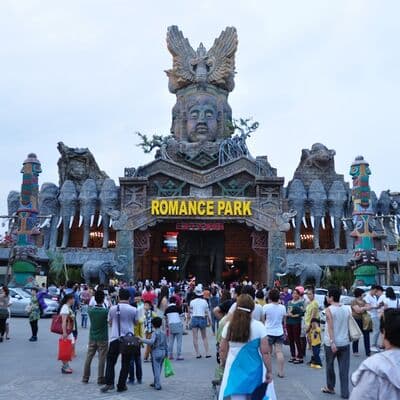
Yanoda Rainforest and Yalong Bay Tropical Paradise Forest Park offer jungles with zip-lines and suspension bridges. West Island is for water sports. Daxiaodongtian is a Taoist temple complex on the seashore. Atlantis Aquaventure Waterpark and Lost Chambers Aquarium are part of the namesake resort. Sanya Romance Park is a Chinese theme park with shows.
Northwest China: The Silk Road
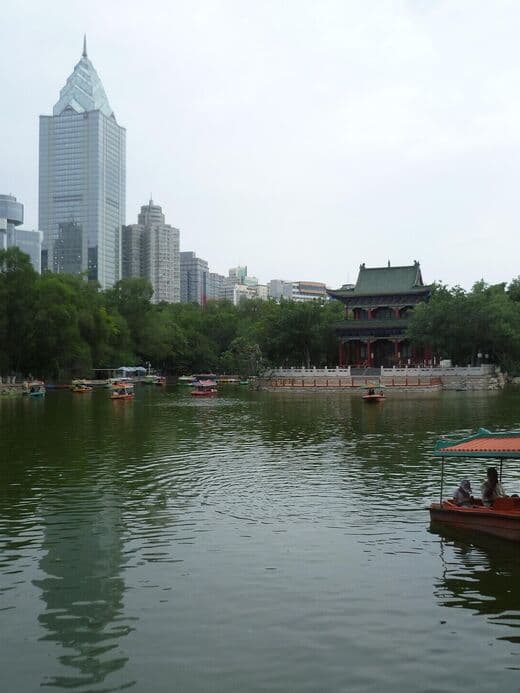
Urumqi is the capital of the Xinjiang Uyghur Autonomous Region and gateway to the Silk Road. It is the world's most landlocked major city. Here China meets Central Asia: mosques neighbor Buddhist temples, Uyghur cuisine coexists with Chinese, and bazaars operate just like in Samarkand or Istanbul.
Xinjiang Grand Bazaar is the world's largest covered market, selling carpets, spices, dried fruits, knives, and silk. This is not a tourist trap but a real regional trading center. The Xinjiang Regional Museum and Silk Road Museum tell the region's history, including the famous Tarim mummies.
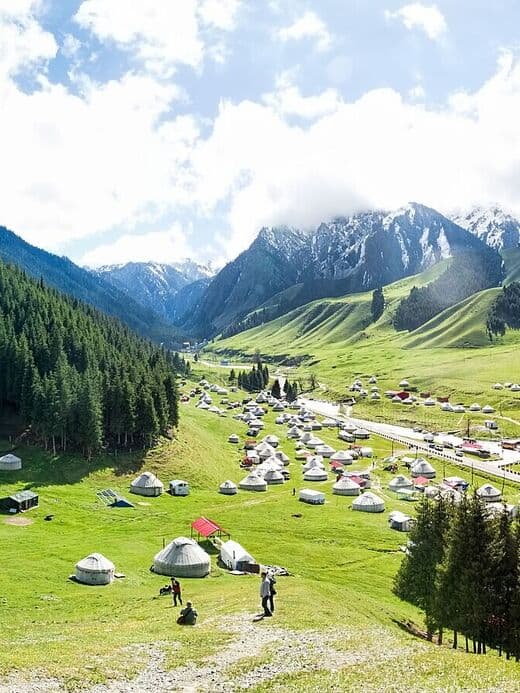
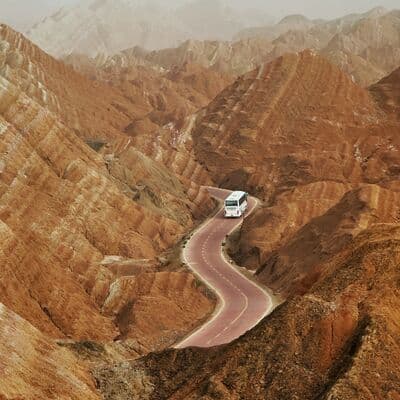
Tianchi Lake - 'Heavenly Lake' in the Tianshan Mountains, two hours from the city. Turquoise water at 1,900 meters elevation, surrounded by spruce forests and snowy peaks. Tianshan Grand Canyon features impressive red rock formations. Nanshan Pasture offers Kazakh yurts, fermented mare's milk, and horseback riding.
Red Hill Park is Urumqi's symbol with a pagoda on top. People's Park and Shuimogou Park provide urban greenery. Dabancheng Salt Lake is a photogenic spot on the road to Turpan.
Central China: Cradle of Civilization
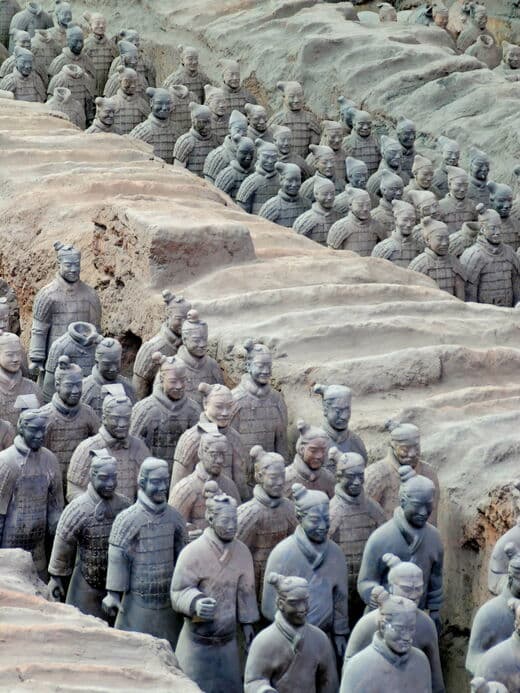
Xi'an is China's ancient capital and eastern terminus of the Silk Road. Thirteen dynasties ruled from here, including the great Tang. The Terracotta Army is the main attraction that draws visitors to the city. Eight thousand clay soldiers, horses, and chariots guarded the tomb of First Emperor Qin Shi Huang for over 2,000 years. The excavation scale is staggering, though tourists are just as numerous as terracotta warriors.
The City Wall is one of the few fully preserved in China. You can rent a bicycle and ride the 14-kilometer perimeter, enjoying views of the city on both sides. The Bell Tower and Drum Tower are symbols of the city center, near the Great Mosque - one of China's largest, in unique Chinese architectural style.
The Giant Wild Goose Pagoda is the city's Buddhist symbol, built to store sutras brought by the monk Xuanzang from India. The Small Wild Goose Pagoda is more intimate and less touristy. The Shaanxi History Museum is one of China's four great museums, with collections from Neolithic to Tang eras.
Huaqing Palace features hot springs where emperors bathed and was the site of dramatic events in 1936. Daming Palace contains ruins of a grand Tang Dynasty complex. Beilin Museum - the 'Forest of Steles' - houses thousands of stone tablets. Mount Huashan is one of Taoism's five sacred mountains, known for the 'death trail' plank walk on a sheer cliff.
Hong Kong and Taiwan
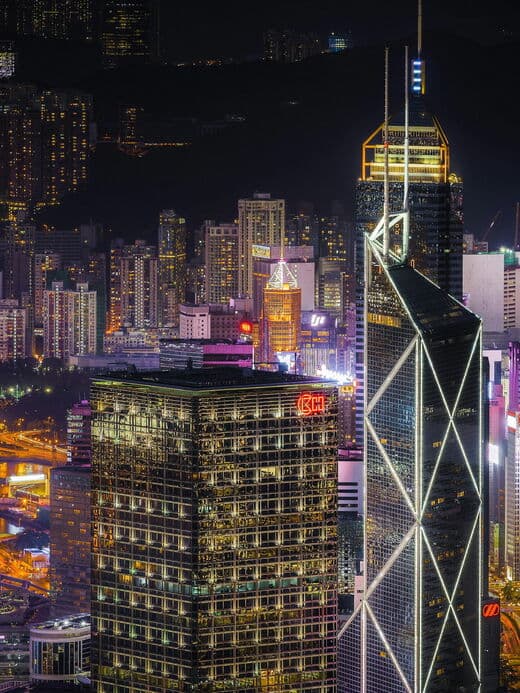
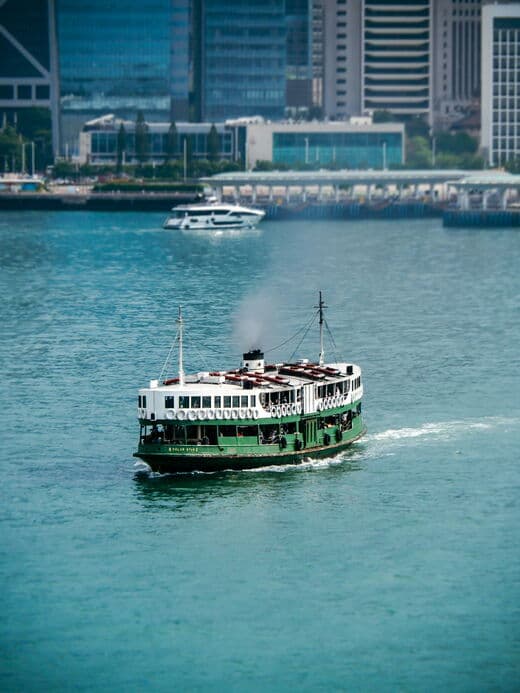
Hong Kong is a former British colony with special status. This is 'different China': Google and Facebook work, it has its own currency (Hong Kong dollar), drives on the left, and English is an official language. Victoria Peak offers the best city views, especially at night. Star Ferry is the legendary harbor crossing.
The Tian Tan Buddha on Lantau Island is a 34-meter bronze statue reached by climbing 268 steps. Nearby are Ngong Ping Village and a cable car with mountain and sea views. Wong Tai Sin Temple is the most visited Taoist temple. Chi Lin Nunnery is an oasis of tranquility built without a single nail.
Tai Kwun is a former prison and police station transformed into a cultural center. Man Mo Temple is Hong Kong's oldest temple with giant incense spirals. Temple Street Night Market, Ladies' Market, and Stanley Market offer shopping. Avenue of Stars is Hong Kong's Walk of Fame. Hong Kong Palace Museum is a branch of Beijing's Palace Museum.
Hong Kong Disneyland and Ocean Park are for families with children.
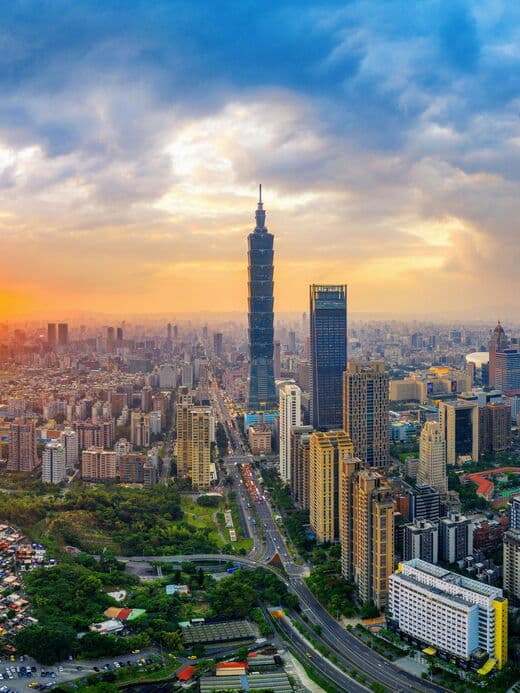
Taiwan is a beautiful island preserving traditional Chinese culture. Taipei 101 is the landmark skyscraper with the world's fastest elevator. The National Palace Museum houses the largest collection of Chinese art, brought by the Nationalists from the mainland.
Chiang Kai-shek Memorial Hall is a monumental plaza with changing of the guard. Longshan Temple is the oldest in Taipei, always filled with worshippers. Shilin Night Market is a gastronomic paradise with hundreds of street stalls. Elephant Mountain (Xiangshan) is a short hike with the best view of Taipei 101.
Jiufen Old Street is a mountain town with red lanterns that inspired Miyazaki's 'Spirited Away.' Beitou Hot Springs offer Taiwanese-style onsen. Yangmingshan National Park features volcanic landscapes right above the city. Taipei Zoo is one of Asia's largest.
Taroko National Park contains marble gorges of incredible beauty. Sun Moon Lake is a picturesque mountain lake in the island's center. Alishan is a mountain range with a narrow-gauge railway and sea of clouds at sunrise. Kenting National Park offers tropical beaches and coral reefs in the south.
The Fo Guang Shan Buddha Museum is a grand Buddhist complex. Lotus Pond with Dragon and Tiger Pagodas provides Kaohsiung's postcard view. Yehliu Geopark features bizarre coastal rock formations.
China's Natural Wonders
China is not just cities and temples. The country ranks fifth in the world by area and stretches from the tropics to the taiga, from deserts to humid jungles. It has over 50 UNESCO World Heritage sites, many of them natural.
In the northwest, Tianchi Lake and Tianshan canyons open a world of glaciers and alpine meadows. In the southwest, Wulong Karst formations inspired the creators of 'Transformers,' while Yunnan's rice terraces are among the planet's most photographed landscapes.
Mount Huashan is for adrenaline seekers: the famous 'death trail' runs along wooden planks over an abyss. Guilin's landscapes with karst peaks rising from rice paddies have made it into geography textbooks. Zhangjiajie's sandstone pillars became the model for the floating mountains in 'Avatar.'
The Tibetan Plateau is the 'roof of the world' with the highest peaks and sacred lakes. The Taklamakan Desert is one of the world's largest sandy deserts. Yanoda's tropical forests on Hainan feature exotic flora and fauna. For every season and every fitness level, China has its natural wonder.
When to Visit
China is vast, and there is no single 'best time' to visit. It all depends on where you are going and what you want to see.
Spring (March-May) is optimal for most destinations. Beijing and Xi'an enjoy comfortable weather with blooming gardens. Shanghai and the east are warm but not yet humid. The south begins its rainy season, though showers are usually brief. The main downside is May Day holidays (May 1-5), when the entire country travels.
Summer (June-August) is hot and humid everywhere except highlands and the north. Sanya feels like a sauna. Shanghai and Guangzhou swelter. However, this is the best time for Harbin, Inner Mongolia, and highland regions. Monsoon season in the south: pack an umbrella.
Fall (September-November) is the second ideal window. Golden autumn is especially beautiful in Beijing (October-November) and mountain regions. Weather is stable, fewer tourists (except Golden Week, October 1-7). Monsoons end in the south.
Winter (December-February) is cold in the north, comfortable in the south. Harbin with its ice sculpture festival is the main winter destination. Sanya is an escape from cold, with peak season prices. Chinese New Year (late January-February) is when NOT to go: everything closes, transportation is packed, prices skyrocket.
What to avoid:
- Chinese New Year (late January-February, dates vary): the largest migration in human history. 3 billion trips in 40 days. Tickets impossible to buy, hotels packed, many businesses closed.
- Golden Week (October 1-7): national holiday when 1.4 billion Chinese simultaneously decide to visit attractions.
- May Day holidays (May 1-5): less chaotic but still crowded.
- Dragon Boat Festival, Mid-Autumn Festival: three-day holidays with increased transport demand.
Getting There
China is one of the world's major aviation hubs. The three main hubs are Beijing (Capital Airport and new Daxing), Shanghai (Pudong and Hongqiao), and Guangzhou (Baiyun). Direct flights connect these cities with virtually every major city worldwide.
From the US/UK/Australia: Multiple direct flights daily to Beijing, Shanghai, and Hong Kong. From the US West Coast, expect 13-15 hours to Beijing or Shanghai; from the East Coast, 14-17 hours. From London, about 10-11 hours. From Australia, 9-12 hours depending on destination. Major carriers include Air China, China Eastern, China Southern, United, American, Delta, British Airways, Cathay Pacific, and Qantas.
Visa for US/UK/Australian citizens: A tourist visa (L visa) is required for mainland China. Apply through the Chinese embassy or consulate in your country, or use an agency. Processing typically takes 4-7 business days. You will need a completed application form, passport valid for at least 6 months with blank pages, passport photo, proof of travel arrangements (flights, hotel bookings), and sometimes proof of financial means. Hong Kong and Macau have separate visa policies - US, UK, and Australian citizens can visit visa-free for up to 90 days (Hong Kong) or 30 days (Macau). Taiwan also does not require a visa for these nationalities for stays up to 90 days.
Domestic flights: Dozens of airlines operate within the country. Prices are low, the route network is extensive. Book through Chinese aggregators (Trip.com, Ctrip) - prices are lower than on international sites. Expect delays: Chinese airports are known for low punctuality due to military airspace restrictions.
Getting Around
High-speed trains (HSR) are China's pride and the best way to travel between cities. The high-speed rail network is the world's largest: over 40,000 km of track. Trains run at up to 350 km/h, always on schedule, with clean carriages and affordable tickets. Beijing to Shanghai in 4.5 hours. Shanghai to Guangzhou in 7 hours.
Tickets can be purchased on Trip.com or at station counters (passport required). Book in advance during holidays. Classes: second class (comfortable seats, like an airplane), first class (wider, quieter), business class (fully reclining seats). Overnight routes have sleeper cars.
Metro systems exist in most major cities. Shanghai's metro is the world's longest by total length. Beijing's is one of the busiest. Navigation is simple: all stations have English and pinyin signage. Payment via card, apps, or single-journey tokens. Security screening at entry is mandatory.
Taxis and ridesharing: Uber does not work; the main app is Didi Chuxing (the Chinese equivalent). You can hail a car, enter your destination in Chinese, and pay through the app. Communicating with drivers without Chinese is difficult - prepare addresses in Chinese beforehand. In Hong Kong, Uber works.
Long-distance buses: Cheap but slow and uncomfortable. Only makes sense for destinations without rail service. Sleeper buses for long distances are a unique experience: narrow bunks in three tiers.
Car rental: Foreigners need Chinese licenses (international licenses are not valid). Temporary licenses can be obtained, but the process is bureaucratic. Traffic is chaotic, navigation without Chinese is difficult. Recommended only for experienced drivers or with a local driver.
Bicycles: Bike-shares are everywhere (Mobike, Hellobike). Unlock via app, pay by the minute. Cycling infrastructure is good in new districts, chaotic in old ones. Electric scooters are the main transport for locals.
Cultural Code
China operates on a completely different cultural matrix. Much of what seems strange or rude has its own logic. Understanding these codes not only prevents awkward situations but opens doors to deeper connections.
Face (mianzi) is the central concept of Chinese culture. Losing face (being publicly embarrassed, making a visible mistake) is a serious wound. Giving face (showing respect, praising in front of others) is a valuable gift. Never criticize a Chinese person in front of others, do not point out mistakes publicly, do not put them in an awkward position. If you need to address an issue, do so privately and diplomatically.
Guanxi (connections) is a network of personal relationships that matters more than formal rules. In China, everything happens through connections. Having a mutual friend with someone opens doors. Shared dinners, gift exchanges, mutual favors - all build guanxi. Less relevant for tourists, but helpful to understand why Chinese place such emphasis on networking.
Tipping: Not expected in mainland China and can even cause confusion. In restaurants, taxis, hotels - not necessary. In tourist zones, guides may expect tips from foreigners, but it is not obligatory. In Hong Kong, the system is more Western: 10-15% in restaurants (often included as service charge).
Personal space: There is less of it than you are used to. Pushing in transport is normal. Standing close in line is normal. Staring at a foreigner is normal (especially outside tourist cities). Do not take this as aggression - it is simply different boundaries.
Volume: Chinese people speak louder. This is not an argument or rudeness - it is the norm. Especially noticeable in restaurants, where a noisy gathering is a sign of good times.
Photos: Be prepared for people to want photos with you, especially if you look 'exotic' (Western features, dark skin, unusual height). Usually asked politely. You can refuse, but for many Chinese from the provinces, this is harmless curiosity.
At the table: Round table, dishes in the center, everyone takes a bit with chopsticks. The lazy Susan rotates clockwise. Never stick chopsticks vertically in rice - this resembles funeral incense. Slurping is acceptable. Leaving a little food on your plate signals you are full (empty plate = host did not feed you enough).
Gifts: If giving - no clocks (symbol of death), white flowers (mourning), sets of four items (four is unlucky, sounds like 'death'). Red is lucky, eight is a lucky number. Gifts are customarily refused several times before accepting - this is politeness, insist.
Safety
China is one of the safest countries for tourists. Violent crime rates are extremely low. You can walk around major cities at night without fear. Still, basic precautions are worthwhile.
Petty theft: As everywhere, watch your wallet in crowds, markets, and on transport. Tourist areas of Beijing and Shanghai require extra attention to bags.
Scams: Classic schemes: 'students' invite you to a tea ceremony (bill of hundreds of dollars), 'artists' offer to show their exhibition (overpriced purchases), taxi drivers without meters (inflated prices). Simple rule: if a stranger is too friendly and invites you somewhere, be wary.
Traffic: This is the main real danger in China. Drivers do not always yield to pedestrians even at crosswalks. Electric scooters are silent and ride everywhere, including sidewalks. Cross roads carefully, look both ways even on green lights.
Emergency numbers:
- Police: 110
- Ambulance: 120
- Fire: 119
English is poorly understood on emergency lines. Better to ask hotel staff or a passerby to help with the call.
Police: Visible police presence everywhere. In tourist zones, you may find 'Tourism Police' who speak some English and help foreigners. Police stations (paichusuo) are in every district.
Areas requiring attention: Generally none. Xinjiang and Tibet require special permits and have travel restrictions, but these are administrative rather than safety issues.
For women: China is safe for solo female travelers. Sexual harassment is rare and socially condemned. Standard precautions (do not get in strangers' cars, do not get drunk in unfamiliar places) are sufficient.
LGBTQ+ travelers: Homosexuality is not criminalized, but public displays of same-sex affection may cause discomfort outside Shanghai and Hong Kong. There is no outright discrimination, but do not expect openness either.
Health and Medicine
China's healthcare system is two-tiered: public hospitals (overcrowded but cheap) and private clinics (expensive but with English-speaking staff). For tourists, international departments of major public hospitals or private clinics like United Family and Parkway Health in major cities are recommended.
Required vaccinations: None required for entry. Recommended: Hepatitis A and B, typhoid, tetanus-diphtheria. For trips to rural southern areas, Japanese encephalitis. Malaria risk exists only in remote tropical areas of Yunnan.
Pharmacies: Everywhere. Many medications prescription-only in the West are sold freely. But names differ - bring the packaging or write down the active ingredient in Latin. Major cities have international pharmacies.
Air quality: Smog is a real problem in Beijing, Shanghai, Chengdu, and industrial cities. Check the AQI index in apps. With readings above 150, limit outdoor time and use an N95 mask. Smog is worse in winter.
Water: Tap water is not drinkable. Boiled and bottled water are everywhere. Hotels always have kettles.
Traditional Chinese Medicine: Popular and available. Acupuncture, tuina massage, cupping - you can try them, but choose clinics with good reviews. Herbal remedies are at your own risk.
Insurance: Essential. Healthcare for uninsured foreigners is very expensive. Ensure your policy covers evacuation - critical in remote areas.
Money and Budget
Currency is the Chinese yuan (CNY, RMB, symbol: ¥). 1 yuan = 10 jiao = 100 fen. Coins in circulation: 1 yuan, 5 jiao, 1 jiao; bills: 1, 5, 10, 20, 50, 100 yuan. Exchange rate is approximately 7-7.5 yuan to the US dollar, 5.5-6 to the British pound, 4.5-5 to the Australian dollar (check current rates).
Cashless payments: China leads the world in mobile payments. Locals virtually never use cash. WeChat Pay and Alipay are accepted everywhere: restaurants, street stalls, taxis, even by beggars. This used to be problematic for tourists, but since 2023-2024, foreign cards can be linked to Alipay and WeChat Pay. Instructions are in the apps - the process takes 10-15 minutes.
Bank cards: Visa and Mastercard are accepted at major hotels, some restaurants, and shops. But not everywhere. UnionPay works universally. If you have a UnionPay card - it will work everywhere.
Cash: Still needed as backup. ATMs are everywhere, most accept international cards. Commission is usually 1-3%. Currency exchange is at banks (passport required), with fixed and honest rates.
Daily budget:
Backpacker ($40-70 / 25-45 GBP / $60-100 AUD):
- Hostel: $7-14 / 5-10 GBP / $10-20 AUD
- Street food and canteens: $7-14 / 5-10 GBP / $10-20 AUD
- Transport (metro, buses): $3-4 / 2-3 GBP / $4-6 AUD
- Attractions: $7-20 / 5-15 GBP / $10-30 AUD
Mid-range ($110-200 / 85-160 GBP / $170-300 AUD):
- 3-4 star hotel: $40-70 / 30-55 GBP / $60-100 AUD
- Restaurants: $20-40 / 15-30 GBP / $30-60 AUD
- Taxi/Didi: $7-14 / 5-10 GBP / $10-20 AUD
- Attractions and entertainment: $14-40 / 10-30 GBP / $20-60 AUD
- Snacks, drinks: $7-14 / 5-10 GBP / $10-20 AUD
Comfortable ($270-550 / 210-430 GBP / $400-800 AUD):
- 5-star hotel: $110-270 / 85-210 GBP / $160-400 AUD
- Fine dining: $40-110 / 30-85 GBP / $60-160 AUD
- Private transport, guides: $70-135 / 55-105 GBP / $100-200 AUD
- Premium options: $55-135 / 40-105 GBP / $80-200 AUD
Sample prices:
- Street food (noodles, dumplings): $2-4
- Lunch at a regular restaurant: $5-10
- Dinner at a nice restaurant: $20-40 per person
- Bottle of water: $0.30-0.50
- Bottle of beer: $0.70-2
- Coffee at Starbucks: $4-5.50
- Metro ride: $0.40-1.40
- Taxi across town: $3-7
- Museum ticket: $4-27
- High-speed train Beijing-Shanghai: $75-240 (second/business class)
Hong Kong is significantly more expensive: multiply prices by 2-3. Shanghai is pricier than Chengdu. Tourist cities cost more than the provinces.
Top Itineraries
7 Days: The Golden Triangle
The classic route for a first introduction to China.
Days 1-2: Beijing
Day 1: Arrival, rest from the flight. Evening stroll through Nanluoguxiang - atmospheric hutongs with cafes and bars. First encounter with Beijing cuisine: Peking duck (book in advance at Quanjude or Da Dong).
Day 2: Morning at Tiananmen Square and the Forbidden City (allow 4-5 hours). Lunch near Beihai. Afternoon climb up Jingshan Hill for views of the Forbidden City from above. Evening around the Drum and Bell Towers.
Day 3: Beijing - Great Wall
Full day at Mutianyu. Leave early (7-8 AM) to arrive at the wall by opening and avoid crowds. Cable car up, walk or toboggan down. Return to Beijing by evening. Dinner: hotpot (pot of broth where you cook meat and vegetables).
Day 4: Beijing to Xi'an
Morning at the Temple of Heaven (best before 10 AM when locals practice tai chi). High-speed train to Xi'an (4.5 hours). Evening walk through the Muslim Quarter near the Great Mosque, street food: yangrou paomo (bread crumbled in lamb soup), roujiamo (Chinese burger).
Day 5: Xi'an
Full day. Morning at the Terracotta Army (1.5 hours from the city, allow 3-4 hours to visit). On the way back, Huaqing Palace. Evening walk or bike ride on the City Wall (open until 10 PM, bike rental on the wall).
Day 6: Xi'an to Shanghai
Morning at the Shaanxi History Museum (book free tickets online in advance). High-speed train to Shanghai (6 hours). Evening on The Bund with views of illuminated Pudong. Dinner at one of the terrace restaurants on the waterfront.
Day 7: Shanghai
Morning at Yu Garden and surrounding bazaar. Lunch: xiaolongbao at Din Tai Fung or Jia Jia Tang Bao. Afternoon in the French Concession and Tianzifang. Go up Shanghai Tower for the panorama. Evening on Nanjing Road in neon lights. Departure.
10 Days: Contrasts of China
Extended itinerary with nature and modern megacities.
Days 1-3: Beijing
As above, plus: Summer Palace (half day), Lama Temple, 798 Art Zone. Can add Ming Tombs on the Great Wall day.
Day 4: Beijing to Chengdu
Morning flight to Chengdu (3 hours). Check in, rest. Evening at Kuanzhai Alley and first encounter with Sichuan cuisine. Try mapo tofu (tofu in spicy sauce) and dandan noodles (spicy noodles).
Day 5: Chengdu
Early morning (7:30 AM) - Panda Base. By 11 AM pandas go to sleep, so arrive at opening. Afternoon at Wuhou Shrine and Jinli Street. Evening hotpot: this is not just food, it is a ritual. Order half spicy, half not if unsure of your chili tolerance.
Day 6: Chengdu - Day Trip
Full day at Sanxingdui Museum (1 hour from the city). Bronze Age artifacts that fit no known civilization: bronze masks with bulging eyes, golden scepters, jade discs. Evening tea ceremony at People's Park.
Day 7: Chengdu to Shanghai
Morning flight to Shanghai. Accommodation in the French Concession. Lunch at a trendy neighborhood restaurant. Walk through the former concessions, Art Deco architecture. Evening cocktails at a rooftop bar with Pudong views.
Day 8: Shanghai
Full city day: The Bund in the morning (fewer people), ferry across to Pudong, Shanghai Tower. Shanghai Museum on People's Square. Yu Garden and old town. Evening at Tianzifang or Bund clubs.
Day 9: Shanghai - Zhujiajiao
Half day at Zhujiajiao water town. Canals, bridges, rice wine. Return by lunch. Evening on Nanjing Road, shopping.
Day 10: Shanghai
Free morning - catch what you missed. Jade Buddha Temple, Jing'an Temple. Last shopping. Departure.
14 Days: East and South
Full immersion with Hong Kong and southern China added.
Days 1-4: Beijing
Extended program: all major sights plus Olympic Park, National Museum, Beihai Park with a boat ride. Full day on the Great Wall - consider a wilder section.
Day 5: Beijing to Shanghai
High-speed train. Evening on The Bund.
Days 6-7: Shanghai
Two full days: all main sites plus Longhua Temple, contemporary art at Power Station of Art, shopping on Nanjing Road.
Day 8: Shanghai to Guangzhou
High-speed train (7 hours) or flight. Guangzhou - introduction to Cantonese culture. Evening dim sum is a must.
Day 9: Guangzhou
Chen Clan Ancestral Hall - a masterpiece of carving. Shamian Island - colonial atmosphere. Lunch: authentic dim sum at one of the old restaurants (Guangzhou Restaurant, Lianxiang Lou). Canton Tower in the evening.
Day 10: Guangzhou to Shenzhen
Train to Shenzhen (30 minutes). The contrast is stark: from historic Guangzhou to the city of the future. Ping An observation deck, Huaqiangbei electronics market, OCT-LOFT.
Day 11: Shenzhen to Hong Kong
Cross at Lo Wu or Futian (metro goes directly through the border). Hong Kong is a completely different world. Victoria Peak, Star Ferry, Temple Street Night Market.
Day 12: Hong Kong
Big Buddha and Ngong Ping by cable car. Tai Kwun. Evening in Lan Kwai Fong or Soho bars.
Day 13: Hong Kong
Wong Tai Sin Temple, Chi Lin Nunnery. Shopping in Causeway Bay or Tsim Sha Tsui. Avenue of Stars and Symphony of Lights show at 8 PM.
Day 14: Hong Kong
Palace Museum in West Kowloon. Final shopping. Depart from Chek Lap Kok airport.
21 Days: The Grand China Journey
For those who want to see the maximum.
Days 1-4: Beijing
Extended program with all major sights. Day on the wild Great Wall (Jinshanling - hiking between towers). Ming Tombs.
Day 5: Beijing to Xi'an
High-speed train. Evening in the Muslim Quarter.
Days 6-7: Xi'an
Terracotta Army, Huaqing Palace. City Wall, museum, both pagodas. Option: day trip to Mount Huashan (for the fit).
Day 8: Xi'an to Chengdu
High-speed train (3.5 hours). Explore Chengdu, evening hotpot.
Days 9-10: Chengdu
Pandas, Sanxingdui, city sights. Option: 2-day trip to Leshan Giant Buddha and Mount Emei.
Day 11: Chengdu to Chongqing
High-speed train (1.5 hours). Chongqing - Hongya Cave in the evening, cable car.
Day 12: Chongqing
Ciqikou, Three Gorges Museum. Option: day trip to Dazu Rock Carvings or Wulong Karst.
Day 13: Chongqing to Shanghai
Flight. Evening on The Bund.
Days 14-15: Shanghai
Full program. Day trip to a water town or Suzhou/Hangzhou.
Day 16: Shanghai to Guangzhou
Train or flight. Evening dim sum.
Day 17: Guangzhou
Full day in the city.
Day 18: Guangzhou - Shenzhen - Hong Kong
Quick look at Shenzhen, cross border to Hong Kong.
Days 19-20: Hong Kong
Full program: Island, Kowloon, Big Buddha, temples, markets, shopping.
Day 21: Hong Kong
Free time, departure.
Alternative 21-day itinerary with Hainan: Replace Chongqing with Sanya (3-4 beach days after the cultural program). Or add Harbin in winter instead of southern cities.
Connectivity and Internet
The Great Firewall: Google, Facebook, Instagram, WhatsApp, Twitter, YouTube, and many Western news sites are blocked in mainland China. Telegram works intermittently. Hong Kong is the exception - internet there is unrestricted.
VPN: Essential to install before entering China. Downloading a VPN inside the country is difficult. Recommended: ExpressVPN, Astrill, NordVPN. Pay for subscription in advance. VPNs work, but speeds can be unstable, especially during political events.
SIM cards: China Mobile, China Unicom, China Telecom. Buy at the airport or shops (passport required). Unlimited mobile data is around $14-27 per month. Tourist packages for 7-30 days are available.
Alternatives: International roaming (expensive), eSIM with Chinese number (convenient), WiFi in hotels and cafes (everywhere, but requires phone number for login).
WeChat: China's main app. Messenger, payment system, social network, taxi, food delivery, tickets - all in one. Install before your trip, register. Full functionality requires verification through an existing WeChat user - ask a Chinese acquaintance or use specialized services.
Useful apps:
- Didi - ride-hailing (Chinese Uber)
- Alipay - payments
- Baidu Maps - navigation (Google Maps does not work)
- Pleco - Chinese dictionary with camera character recognition
- Trip.com (Ctrip) - booking tickets and hotels
- Meituan - food delivery and restaurant reservations
- Google Translate - works offline, download the Chinese package
What to Eat
Chinese cuisine is not one cuisine but at least eight regional traditions, each with its own character. Saying 'Chinese food' is like saying 'European food': Italian pasta and Swedish herring have little in common.
Beijing (Northern) cuisine:
- Peking duck - the main dish. Crispy skin, tender meat, pancakes, sauce, scallions. At a good restaurant, the duck is carved tableside.
- Jiaozi - dumplings with various fillings, boiled or fried.
- Zhajiangmian - noodles with fermented bean and pork sauce.
- Hotpot (northern style) - a pot of broth where you cook meat and vegetables.
Sichuan cuisine (Chengdu, Chongqing):
- Sichuan hotpot - hellishly spicy broth with Sichuan peppercorns that numb your lips. Start with half spicy, half not.
- Mapo tofu - tofu in spicy sauce with minced meat.
- Kung Pao chicken - chicken with peanuts (the real thing).
- Dandan noodles - spicy noodles with sesame paste.
- Twice-cooked pork.
Cantonese cuisine (Guangzhou, Hong Kong):
- Dim sum - small dishes in bamboo steamers: har gow (shrimp), siu mai (pork), char siu bao (BBQ pork buns). Eaten at breakfast or lunch with tea.
- Char siu - red glazed BBQ pork.
- Wontons - small dumplings in broth with noodles.
- Roast goose/duck - not to be confused with Peking duck, completely different flavor.
- Sticky rice in lotus leaf.
Shanghai cuisine:
- Xiaolongbao - famous soup dumplings with broth inside. Bite, drink the soup, eat.
- Shengjianbao - fried buns with meat and broth.
- Hongshao rou - braised pork in soy sauce, sweet and fatty.
- Drunken shrimp/crab - in rice wine.
Xi'an (Northwestern) cuisine:
- Yangrou paomo - bread you crumble yourself into lamb soup.
- Roujiamo - Chinese burger: chopped meat in a crispy flatbread.
- Biang biang noodles - wide hand-pulled noodles.
- Liangpi - cold noodles with spicy sauce.
Xinjiang cuisine (Urumqi):
- Laghman - noodles with meat and vegetables, familiar from Central Asia.
- Polo (pilaf) - rice with lamb, carrots, raisins.
- Kebabs (chuanr) - lamb skewers with cumin.
- Samsa - meat pastries.
- Nan - flatbreads from a tandoor oven.
General tips:
- Street food is safe if cooked in front of you over flame.
- In restaurants, dishes are served for sharing - order for everyone.
- Tea is usually refilled free.
- Spiciness in Sichuan and Hunan is no joke. Ask for 'bu la' (not spicy) or 'wei la' (slightly spicy) if unsure.
- Vegetarians face challenges - meat or fish sauce is added almost everywhere. Buddhist restaurants at temples are the best option.
Shopping
What to bring from China:
Tea: China is the birthplace of tea. Longjing (Dragon Well) from Hangzhou, oolongs from Fujian, pu-erh from Yunnan, jasmine from Fuzhou. Buy at specialized tea shops where you can taste before purchasing. Avoid tourist shops with inflated prices.
Silk: Hangzhou and Suzhou are traditional silk centers. Clothing, scarves, bedding. Check quality: real silk warms quickly in your hand and does not melt from fire.
Ceramics and porcelain: Jingdezhen is the porcelain capital. Traditional blue-and-white pieces, modern interpretations. Major cities have shops with good selections.
Electronics: Huaqiangbei in Shenzhen is a geek paradise. DJI drones, Xiaomi phones, gadgets not yet on sale in the West. For professionals - components and prototypes. Bargain.
Traditional crafts: Cloisonne, lacquerware, embroidery, calligraphy, fans, name seals (you can order your name in characters).
Antiques: Real ones only with certificates and for experts. At markets - 99% fakes, but beautiful ones. Panjiayuan Market in Beijing is Asia's largest flea market.
Chinese medicine: Herbs, balms, patches. Only at pharmacies, not on the street.
Where to shop:
- Malls (no bargaining, fixed prices)
- Specialty stores and boutiques
- Markets (bargaining mandatory, starting price 3-10 times higher than real)
- Factory outlets (silk in Hangzhou, pearls, ceramics)
Tax refund: For foreigners on purchases over 500 yuan at one store. VAT refund is about 11%. Look for shops with Tax Free signs, keep receipts, collect money at the airport before departure.
Bargaining: At markets - mandatory. Start at 20-30% of the quoted price, meet at 40-60%. Smile, be ready to walk away (they often chase with better prices). Shops with price tags do not bargain.
Useful Apps
Without the right apps, China is difficult. Here is the minimum set:
- WeChat - the main app. Messenger, payments, mini-programs for everything. Install before your trip.
- Alipay - payments. Since 2023-2024 accepts foreign cards.
- Didi - ride-hailing. Chinese Uber, works everywhere.
- Baidu Maps or Amap (Gaode) - navigation. Google Maps does not work.
- Trip.com (Ctrip) - booking hotels, train and plane tickets.
- Pleco - best Chinese dictionary. Recognizes characters by camera.
- Google Translate - download the Chinese offline package.
- VPN (ExpressVPN, Astrill, etc.) - for access to blocked sites.
- Meituan/Ele.me - food delivery.
- 12306 - official Chinese railways app (in Chinese).
Final Thoughts
China is not simply a country; it is an entire civilization with five thousand years of history that continues to develop at dizzying speed. Here you can see what the future of transportation looks like (high-speed trains, electric vehicles everywhere) and how the past is preserved (temples where people pray just as they did a thousand years ago). This is a country where a traditional market with live poultry sits next to a fully automated cashier-free supermarket.
For travelers, China is a challenge. The language barrier here is more serious than in most countries. Internet censorship is frustrating. Cultural differences require adaptation. But this is precisely why traveling in China is not just another tour of tourist attractions but a genuine adventure. You will see a world that operates by different rules - and this expands horizons better than any guidebook.
Start with the major cities: Beijing for history, Shanghai for modernity, Xi'an for archaeology. Add Chengdu for food and pandas, Hong Kong for contrast. If you have time, go deeper into the provinces: Harbin in winter, Sanya for beaches, Urumqi for the Silk Road.
Prepare: install apps, get a VPN, learn basic phrases (ni hao - hello, xie xie - thank you, duo shao qian - how much). Bring a card that works internationally. Be ready for crowds, noise, and a completely different concept of personal space. And go with the flow - China rewards those who accept it as it is.
Information is current as of 2026. Visa requirements, prices, and entry rules may change - check current information before your trip. US, UK, and Australian citizens require a visa for mainland China but can visit Hong Kong visa-free.