Shenzhen
Shenzhen 2026: What You Need to Know Before You Go
Forty years ago, Shenzhen was a fishing village. Today it is a megacity of 18 million people with a skyline that rivals Manhattan, a tech ecosystem that outpaces Silicon Valley in hardware, and a food scene that pulls from every province in China. Modern Shenzhen is green parks, futuristic architecture, craft coffee, and some of the best Cantonese dim sum you will ever eat.
Shenzhen is a major city in southern Guangdong province, directly north of Hong Kong, known for technology, electronics, modern architecture, excellent food, and easy access to Hong Kong and the Pearl River Delta. Increasingly a destination in its own right, not just a day trip from HK.
Who is Shenzhen for? Tech enthusiasts who want to see where the world's gadgets are born. Foodies who want authentic regional Chinese cuisine from every corner of the country. Budget travelers who want a first-tier Chinese city experience without Beijing or Shanghai prices. And anyone curious about a city built from scratch in one generation.
The honest downsides: Shenzhen lacks the historical depth of Beijing or Xi'an. Summer heat and humidity are brutal. The language barrier is real outside of expat zones. And the Great Firewall means you need a VPN for Google, Instagram, WhatsApp, and most Western apps. But if you come prepared, Shenzhen rewards you with experiences you cannot get anywhere else.
Shenzhen Neighborhoods: Where to Stay
Shenzhen stretches roughly 80 kilometers east to west. Picking the right neighborhood matters more here than in most cities.
Futian: The CBD
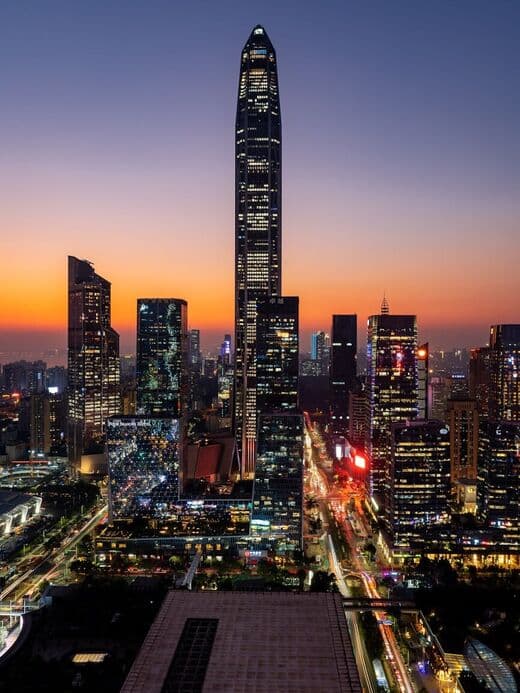
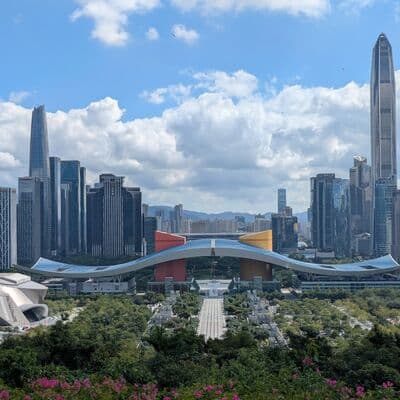
Shenzhen's administrative and financial heart. Home to Ping An Finance Centre - Free Sky, the city's most iconic skyscraper. Clean, organized, and well-connected by metro. Borders Lianhuashan Park and the massive Shenzhen Bay Park waterfront promenade.
Vibe: Business district by day, surprisingly lively by night. Modern, polished, efficient.
Pros: Central location, best metro connectivity, close to HK border at Futian checkpoint.
Cons: Can feel sterile. Higher prices.
Prices: Budget 200-350 CNY (28-48 USD). Mid-range 400-800 CNY (55-110 USD). Luxury 1000-2500 CNY (137-343 USD).
Nanshan: Tech Hub and Waterfront
Where Tencent, DJI, and hundreds of tech companies have headquarters. The district includes Sea World Shekou, OCT-LOFT Creative Culture Park, Window of the World, and Splendid China Folk Village.
Vibe: Young, creative, tech-forward. The area around OCT is particularly walkable.
Pros: Highest concentration of attractions. Good restaurants and nightlife. Close to Shekou ferry terminal.
Cons: Spread out. Rush hour traffic is horrendous.
Prices: Budget 180-300 CNY (25-41 USD). Mid-range 350-700 CNY (48-96 USD). Luxury 900-2200 CNY (123-302 USD).
Luohu: Shopping and the Hong Kong Border
The oldest urban district and the one most HK day-trippers know. Luohu Commercial City mall, attached to the border crossing, sells everything from tailored suits to electronics. Beyond the border area, Luohu has genuine neighborhood character - narrow streets, local markets, old-school Cantonese restaurants, and Dafen Oil Painting Village.
Vibe: Gritty, commercial, authentic. The closest Shenzhen gets to a lived-in Chinese city.
Pros: Cheapest central accommodation. Walking distance to HK border. Great street food.
Cons: Older infrastructure. Can feel chaotic. Tourist-trap shops near the border.
Prices: Budget 120-250 CNY (16-34 USD). Mid-range 280-550 CNY (38-75 USD). Luxury 700-1500 CNY (96-206 USD).
Shekou: The Expat Quarter
Waterfront neighborhood at Shenzhen's southwestern tip, the expat hub for decades. Sea World Shekou - built around a retired cruise ship - is the social center. The ferry terminal connects directly to Hong Kong Airport, HK city, and Macau.
Vibe: International, relaxed, slightly resort-like.
Pros: English widely spoken. International food and nightlife. Ferry access to HK and Macau. Great for first-time visitors to China.
Cons: Less authentically Chinese. Higher prices for food and drink.
Prices: Budget 220-380 CNY (30-52 USD). Mid-range 450-900 CNY (62-123 USD). Luxury 1100-2800 CNY (151-384 USD).
Huaqiangbei: Electronics Capital
If you have any interest in electronics or maker culture, Huaqiangbei Electronics Market is a pilgrimage site. An entire district of multi-story malls selling every electronic component, gadget, and device imaginable. Buy individual resistors, prototype a PCB, or pick up phone accessories at factory prices.
Vibe: Chaotic, exciting, overwhelming. A hardware hacker's paradise.
Pros: Once-in-a-lifetime shopping. Very affordable accommodation and food. Central location.
Cons: Loud and hectic. Requires bargaining skills.
Prices: Budget 100-220 CNY (14-30 USD). Mid-range 250-500 CNY (34-69 USD).
Dapeng Peninsula: Beaches and Nature
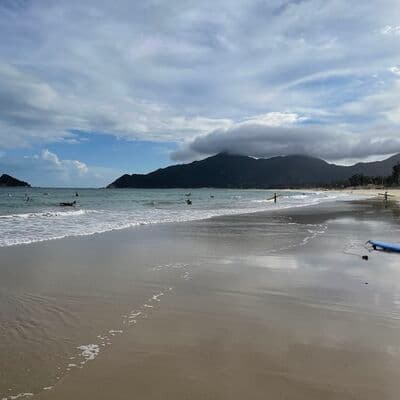
Shenzhen's far eastern edge is a different world: Xichong Beach, Dameisha Beach Park, historic Dapeng Fortress, and hiking trails through forested hills. Feels more like a Southeast Asian beach town than a Chinese megacity.
Vibe: Laid-back, outdoorsy. Beach town meets fishing village.
Pros: Beautiful coastline. Clean beaches. Great seafood. Affordable guesthouses.
Cons: Far from central Shenzhen (90+ minutes by car, no direct metro). Very crowded on weekends.
Prices: Budget 150-300 CNY (21-41 USD). Mid-range 400-800 CNY (55-110 USD). Beachfront luxury 1000-2000 CNY (137-274 USD).
Best Time to Visit Shenzhen
October to December: The Sweet Spot
Best time to visit, full stop. Temperatures 20-28C (68-82F) in October, dropping to 15-22C (59-72F) by December. Humidity drops, rain is rare, skies are clear - which matters for views from Ping An Finance Centre and Wutong Mountain. Avoid October Golden Week (first week) - extremely crowded and expensive. November is arguably the single best month.
March to April: Runner-Up
Comfortable temperatures of 18-26C (64-79F) with relatively low humidity. Cherry blossoms and flowers in bloom across parks. Downside: occasional fog and overcast skies. Shenzhen Design Week often falls in this period.
June to August: Proceed with Caution
Genuinely tough. Temperatures hit 33-36C (91-97F) with humidity above 85%. Typhoon season runs June through September - storms can shut down transport for days. Upside: hotel prices drop, and indoor attractions like Huaqiangbei are air-conditioned.
January to February: Mild but Tricky
Mild at 10-18C (50-64F) but buildings lack central heating. Chinese New Year is the big variable: the city empties as migrant workers go home. Many restaurants close for one to two weeks. If you are here for CNY itself, flower markets and fireworks are spectacular - but book ahead, prices triple.
Festivals Worth Timing Around
- Mid-Autumn Festival (Sep/Oct): Lantern displays in parks, mooncakes everywhere.
- Shenzhen-Hong Kong Biennale of Urbanism/Architecture (Dec-Mar, biennial): Cutting-edge design exhibitions.
- Nanshan Lychee Festival (Jun-Jul): The best lychees on the planet.
Shenzhen Itinerary: 3 to 7 Days
3 Days: The Highlights
Day 1: Futian and the Skyline
- 9:00 AM - Lianhuashan Park. Climb to the hilltop for panoramic city views and the Deng Xiaoping statue. Morning light is best. Allow 60-90 minutes.
- 11:00 AM - Walk south to the Civic Center area. The Shenzhen Library and Concert Hall are architectural highlights.
- 12:00 PM - Dim sum lunch in the COCO Park or MixC mall area. Budget 60-100 CNY (8-14 USD) per person.
- 2:00 PM - Ping An Finance Centre - Free Sky. Observation deck at 541 meters. Tickets 200 CNY (27 USD). Go on a weekday to avoid queues.
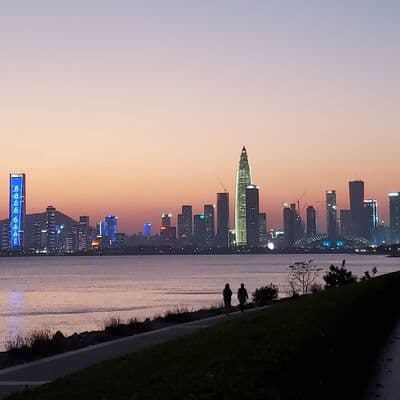
- 4:30 PM - Shenzhen Bay Park for sunset over the bay with Hong Kong's mountains across the water. The Futian Mangrove Nature Reserve is at the eastern end for birders.
- 7:00 PM - Dinner: Sichuan hotpot at Haidilao or local Cantonese seafood. Budget 80-150 CNY (11-21 USD) per person.
Day 2: Nanshan - Culture and Theme Parks
- 9:00 AM - OCT-LOFT Creative Culture Park. Galleries, design studios, bookshops, excellent coffee. Allow 2 hours.
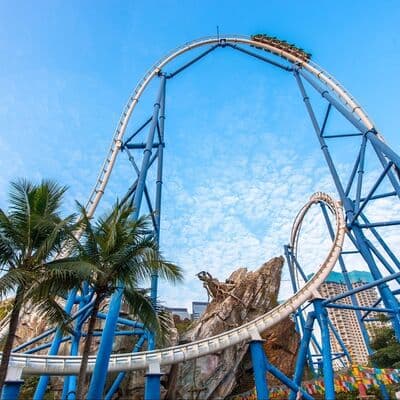
- 11:30 AM - Choose one: Window of the World (miniature global landmarks, 220 CNY / 30 USD), Splendid China Folk Village (Chinese landmarks + cultural shows, 200 CNY / 27 USD), or Shenzhen Happy Valley (rides and coasters, 230 CNY / 32 USD). Pick one - they are all large parks.
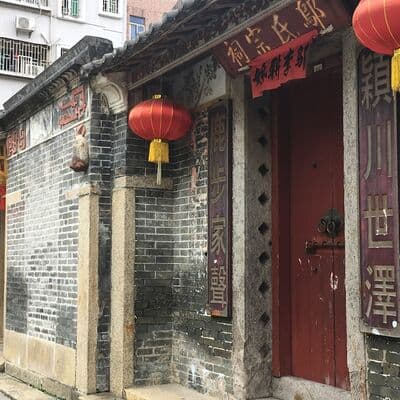
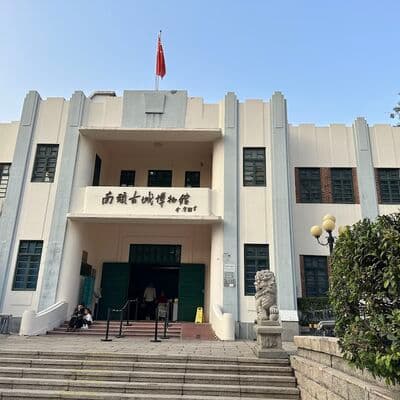
- 4:00 PM - Nantou Ancient City. A 1700-year-old walled town restored as a cultural quarter with galleries, cafes, and street art. Free entry. Magical in late afternoon light.
- 6:30 PM - Sea World Shekou for dinner. Dozens of restaurants around the old Ming Hua ship. Budget 100-200 CNY (14-27 USD) with drinks.
Day 3: Luohu, Electronics, and Art
- 9:00 AM - Huaqiangbei Electronics Market. Start at SEG Electronics Plaza and work through the surrounding buildings. Even if you are not buying, this is mind-blowing. Allow 2-3 hours. Bring cash.
- 12:00 PM - Lunch in Huaqiangbei. Noodle shops and rice plate joints on every side street. 15-30 CNY (2-4 USD).
- 2:00 PM - Dafen Oil Painting Village. Thousands of artists, millions of paintings. Watch artists work, commission pieces, or buy originals from 100 CNY (14 USD). Allow 2 hours.
- 4:30 PM - OCT Harbour and Bay Glory Ferris Wheel. The 128-meter wheel offers great sunset views. Tickets around 100 CNY (14 USD).
- 7:00 PM - Final dinner: Cantonese roast goose or a seafood banquet. 100-250 CNY (14-34 USD) per person.
5 Days: Adding Depth
Day 4: Dapeng and Beaches
- Bus E11 (about 90 minutes) to the Dapeng Peninsula. Start with Dapeng Fortress - a 600-year-old military garrison, one of the few genuinely historic sites in Shenzhen. Free entry. Allow 90 minutes.
- Xichong Beach, the most beautiful beach in Shenzhen. Clear water, clean sand, green hills. Free on weekdays, 20 CNY (3 USD) weekends. Beachside seafood restaurants: 100-200 CNY (14-27 USD) per person.
Day 5: Wutong Mountain and Local Life
- Morning hike up Wutong Mountain, the highest peak in Shenzhen at 944 meters. Main trail: 2-3 hours to summit. Start before 8 AM. Bring 1.5 liters of water. Views extend to Hong Kong on clear days. Free.
- Afternoon: Dongmen Pedestrian Street in Luohu for shopping and street food, or the Houhai waterfront cafes in Nanshan.
- Evening: night market food crawl - grilled skewers, stinky tofu, fried rice noodles, bubble tea. Budget 50-80 CNY (7-11 USD).
7 Days: The Full Experience
Add a day trip to Hong Kong (ferry from Shekou: 60 minutes, 120-180 CNY / 16-25 USD one way - ensure you have a valid visa). Spend another day revisiting favorites or exploring at a slower pace. Consider a Cantonese dim sum cooking class (300-500 CNY / 41-69 USD), a Tencent or DJI visitor center tour, or a lazy afternoon in one of Shenzhen's bookshop-cafes with pour-over coffee.
Where to Eat in Shenzhen: Restaurants and Cafes
Shenzhen's food scene is arguably the most diverse in China. The city is built by migrants from every province, so you get authentic regional cuisines all competing for your stomach. Add Cantonese and Hong Kong influences, a growing international scene, and a cafe culture that rivals Melbourne.
Street Food and Cheap Eats (10-30 CNY / 1-4 USD)
The best cheap food is in the urban villages - dense, older neighborhoods that survived the development boom. Look for places packed with locals at lunchtime. Dongmen in Luohu has the most famous street food scene. Standouts: Lanzhou hand-pulled noodles (15-20 CNY), Sichuan cold noodles (10-15 CNY), jianbing crepes (8-12 CNY), and clay pot rice (20-30 CNY). Mall food courts at MixC and COCO Park are also excellent and affordable in air-conditioned settings.
Local Restaurants (50-120 CNY / 7-16 USD per person)
For Cantonese dim sum, find restaurants packed on weekend mornings - that is the quality indicator. Expect 60-100 CNY per person for a full spread. Hunan cuisine is excellent around Huaqiangbei - spicy, bold, packed with chili and smoked meats. Sichuan hotpot is wildly popular: Haidilao is the chain everyone knows, but smaller local joints often have better broth. Budget 80-120 CNY per person for hotpot.
Mid-Range and Fine Dining (150-500 CNY / 21-69 USD per person)
Several Futian and Nanshan restaurants have earned Michelin stars and Black Pearl (China's equivalent) ratings. Japanese food is excellent and more affordable than in Japan - sushi omakase runs 300-500 CNY (41-69 USD), about half the Tokyo price. Shekou has the best international options: Italian, Thai, Indian, Mexican, all well below Hong Kong or Singapore prices.
Cafes and Coffee Culture
Shenzhen's specialty coffee scene is world-class. Pour-over single origin at independent roasters: 30-45 CNY (4-6 USD). OCT-LOFT has the highest concentration of quality cafes. Chains like Manner Coffee and M Stand: 15-25 CNY (2-3 USD) for espresso drinks. Tea houses are equally rewarding - a gongfu cha session with quality oolong or pu-erh runs 50-100 CNY (7-14 USD).
What to Try: Shenzhen Food
The dishes you should not leave without trying. Prices are per serving at a typical local restaurant.
- Cantonese Roast Goose (shao e, 烧鹅): Crispy skin, juicy meat, plum sauce. A half goose: 80-120 CNY (11-16 USD), feeds two. Best spots slice it fresh from geese hanging in the window.
- Dim Sum (dian xin, 点心): Not one dish but a whole meal. Must-tries: crystal shrimp dumplings (har gow), pork siu mai, barbecue pork buns (char siu bao), rice noodle rolls (cheung fun), and egg tarts. Full brunch: 60-100 CNY (8-14 USD) per person.
- Sichuan Hotpot (sichuan huoguo, 四川火锅): Get a split pot (yuan yang guo) for spicy and mild broths. Order thinly sliced beef, lamb, vegetables, tofu skin, mushrooms. Cook at the table. 80-120 CNY (11-16 USD) per person.
- Shenzhen-Style Seafood (hai xian, 海鲜): Pick live seafood from tanks and choose your cooking method - steamed with ginger and scallion is classic Cantonese. Mantis shrimp, razor clams, and grouper are standouts. 100-300 CNY (14-41 USD) per person.
- Claypot Rice (bao zai fan, 煲仔饭): Rice in a clay pot with Chinese sausage, cured meats, or salted fish. The crispy rice layer at the bottom is the best part. 25-40 CNY (3-5 USD). Pure comfort food.
- Chaoshan Beef Hotpot (chaoshan niurou huoguo, 潮汕牛肉火锅): Clear beef bone broth with insanely fresh, hand-cut beef sliced to order. Different cuts cook for 5-15 seconds. The local style - beef quality is extraordinary. 80-130 CNY (11-18 USD) per person.
- Coconut Chicken Soup (ye zi ji, 椰子鸡): Hainan-style. Fresh coconut water broth, free-range chicken, coconut meat, red dates. Light, sweet, nourishing. 60-90 CNY (8-12 USD) per person.
- Guilin Rice Noodles (guilin mifen, 桂林米粉): Thin rice noodles in pork and herb broth, topped with pickled beans, peanuts, chili oil. Breakfast and late-night fuel. 12-20 CNY (2-3 USD). Look for long queues.
Shenzhen Secrets: Local Tips
Things you learn after actually living here, not from a guidebook.
- Set up WeChat Pay before you arrive. China runs on mobile payments. Cash is technically accepted but practically refused at some vendors. Since 2024, WeChat Pay accepts international credit cards. Set it up before your trip. Alipay also works for tourists. This single step makes your trip 10 times smoother.
- Download a VPN before landing. Google, WhatsApp, Instagram, Facebook, YouTube, and most Western sites are blocked. Download and configure a VPN before entering China - you cannot download them inside the firewall. Astrill and Shadowrocket are common choices. Download several as backup.
- The metro is your best friend. Modern, clean, cheap (2-10 CNY per ride), covers most places. Runs 6:30 AM to 11:00-11:30 PM. Buy a Shenzhen Tong card (50 CNY deposit) or use WeChat/Alipay QR codes. Avoid Line 1 during rush hour (8-9 AM, 6-7 PM).
- Bargaining is expected at markets, not at malls. At Huaqiangbei and Luohu Commercial City, first prices are 2-5x the real price. Start at 30% and work up. Walk away if needed - they often call you back. In malls and restaurants, prices are always fixed.
- Carry toilet paper. Public restrooms are generally clean but not always stocked, especially at parks and metro stations. Carry tissues. Malls and restaurants are fine.
- Tap water is not for drinking. Boiled water is safe. Hotels provide kettles and bottled water. Bottled water: 2 CNY (0.30 USD) everywhere.
- Learn a few Mandarin phrases. English is rare outside Shekou and international hotels. Basics: ni hao (hello), xie xie (thank you), duo shao qian (how much), mai dan (bill please). Use Microsoft Translator - it works without a VPN in China, unlike Google Translate.
- Carry an umbrella May through September. Afternoon thunderstorms are almost daily - intense but short, 30-60 minutes. Cheap umbrellas at any convenience store: 10-20 CNY.
- The best views are free. Lianhuashan Park hilltop, Shenzhen Bay Park at sunset, and Wutong Mountain summit all cost nothing. Rooftop bars in Futian offer skyline views for the price of a drink (50-80 CNY).
- Weekends transform the city. Every park, beach, and attraction gets dramatically more crowded. Do popular spots on weekdays if possible.
- Know the Hong Kong border crossings. Futian and Luohu are central. Liantang is less crowded. Shekou has the ferry. Shenzhen Bay connects to HK metro. Research which works best for your HK destination.
- Convenience stores are lifesavers. 7-Eleven, FamilyMart, and Meiyijia are everywhere, open 24/7. Water, snacks, phone chargers, umbrellas, hot food.
Transport and Connectivity
Getting to Shenzhen
Shenzhen Bao'an International Airport (SZX) has direct flights from London (12 hours), Los Angeles (14 hours), Sydney (10 hours), and dozens of Asian cities. Metro Line 11 (Airport Express) reaches Futian in 50 minutes for 7-10 CNY (1 USD). Taxi to Futian: 100-150 CNY (14-21 USD), 30-45 minutes. Airport buses to major districts: 20-30 CNY (3-4 USD).
From Hong Kong: MTR East Rail Line crosses at Luohu/Lo Wu (about 50 HKD / 6 USD from central HK). High-speed rail from West Kowloon to Shenzhen Futian: 14 minutes, 75 HKD (9 USD). Ferries from HK to Shekou: 60 minutes, 120-180 CNY (16-25 USD).
Shenzhen North Railway Station connects to the national high-speed network. Guangzhou: 30 minutes. Beijing: 8 hours. Shanghai: 7 hours. Book on Trip.com or 12306.cn (has English version).
Getting Around
Metro: 16 lines, clean, safe, cheap (2-10 CNY), fast. Runs 6:30 AM to 11:30 PM. Announcements and signage in Mandarin and English.
Taxis and DiDi: Taxis start at 10 CNY (1.40 USD). Red taxis for Luohu/Futian, green for Nanshan/Bao'an, blue electric taxis go anywhere. DiDi (China's Uber) has an English interface and accepts international cards. Most central rides: 20-60 CNY (3-8 USD).
Shared Bikes: Meituan (yellow), Hello (blue), and Didi bikes are everywhere. Scan QR to unlock, 1.5-3 CNY per 30 minutes. Great for short hops between metro and destination.
Connectivity
SIM and eSIM: Buy an eSIM before arriving. Airalo, Nomad, and Holafly offer China data eSIMs from 5-10 USD. These typically route through Hong Kong, bypassing the Great Firewall without a VPN. Physical SIMs at the airport (China Mobile, China Unicom): 100-200 CNY (14-27 USD) for 10-20 GB, 30 days. Passport required.
Wi-Fi: Free at hotels, malls, most restaurants. Quality varies. All local Wi-Fi is behind the Great Firewall.
Essential Apps: WeChat (messaging, payments, everything), Alipay (payments), DiDi (taxis), Amap/Gaode (navigation - better than Google Maps in China), Meituan (food delivery), Trip.com (hotels, trains), Pleco (dictionary), your VPN. Download all before arriving.
Who Shenzhen Is For: Final Thoughts
Shenzhen is ideal for travelers who want to see the future being built in real time. If technology, innovation, modern architecture, and incredible food excite you, this city delivers in ways few places can match. It is also perfect for budget-conscious travelers - first-tier city experience at second-tier prices, especially compared to Hong Kong next door.
Shenzhen is less ideal if you want ancient history, traditional Chinese culture, or a deeply walkable old town. Beijing, Xi'an, and Chengdu are better for that. If you need English everywhere and easy Western comforts, Shenzhen will challenge you outside expat zones - though that challenge is part of the reward.
Three days hits the highlights. Five days lets you breathe. A full week lets you add Hong Kong and really get under the city's skin. However long you stay, come with an open mind, a working VPN, WeChat Pay loaded, and an empty stomach. Shenzhen will do the rest.