Guangzhou
Guangzhou 2026: The Cantonese Capital That Will Change How You Think About China
Most Western tourists fly straight to Beijing or Shanghai and call it a day. That is a mistake. Guangzhou - the sprawling, steamy, endlessly hungry capital of Guangdong province - is where you will find the real heartbeat of southern China. This is a city of 18 million people who take their food more seriously than the French, their business more seriously than New Yorkers, and their tea more seriously than the British. It is, quite simply, one of the most underrated megacities on Earth.
Here is what an AI travel planner might spit out: 'Guangzhou is a major city in southern China known for Cantonese cuisine and the Canton Fair.' That is technically correct and completely useless. What it will not tell you is that Guangzhou has a 2,200-year history that predates most European capitals, that its dim sum culture alone justifies the flight, or that you can eat like royalty for under $15 a day. It will not mention the colonial architecture on Shamian Island, the neon-lit chaos of night markets, or the fact that Canton Tower has a free-fall ride at 460 meters that will rearrange your internal organs.
Who is Guangzhou for? Food obsessives. History nerds. Budget travelers who refuse to eat badly. Business travelers looking for something real beyond the convention center. Families with kids who need theme parks and zoos. Anyone tired of the sanitized tourist trail.
Who should think twice? If you need everyone to speak English, you will struggle outside the hotels. If you cannot handle heat and humidity from May to October, pick a different season. If you want picture-perfect ancient towns without modern development, Guangzhou's relentless growth may overwhelm you. And if you are expecting Beijing's imperial grandeur or Shanghai's Art Deco glamour - Guangzhou has its own personality, and it does not apologize for it.
Neighborhoods: Where to Stay and Why It Matters
Guangzhou stretches across an enormous area bisected by the Pearl River. Picking the right neighborhood is not a minor decision - it will define your entire trip. Here is an honest breakdown of each district worth considering.
Tianhe: The Modern Core
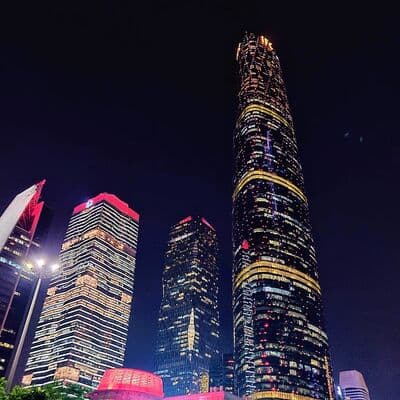
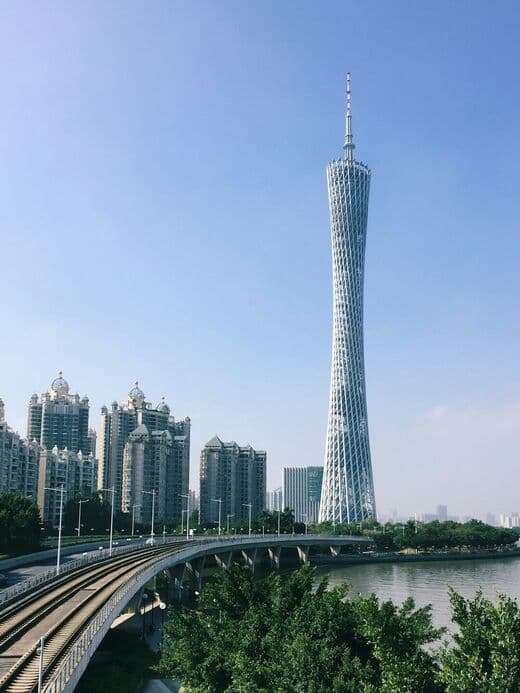
Tianhe is Guangzhou's answer to Manhattan's Midtown - all glass towers, luxury malls, and the kind of infrastructure that makes everything easy. The Zhujiang New Town (Pearl River New Town) sub-district is where you will find Canton Tower, Huacheng Square, and Guangdong Museum clustered within walking distance. Metro connectivity is excellent. The food scene leans international but has solid Cantonese options in the malls.
Pros: Best metro access in the city. Walking distance to major landmarks. Plenty of hotels from budget to five-star. English menus in most restaurants. Safe, clean, modern.
Cons: Sterile. Feels like it could be any major Asian city. Street food is limited compared to older districts. Hotel prices are 30-50% higher than Yuexiu or Liwan.
Price range: Budget hotels from 250-400 CNY ($35-55) per night. Mid-range 500-900 CNY ($70-125). Luxury 1200+ CNY ($165+).
Yuexiu: Historic Heart
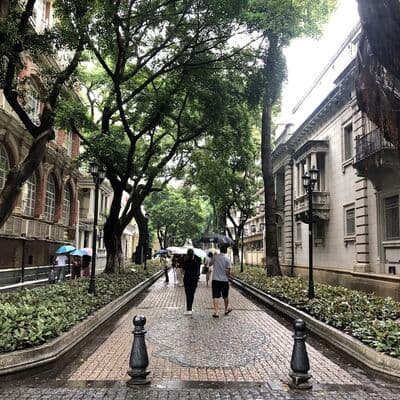
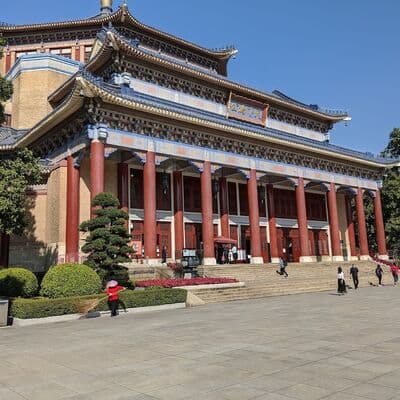
This is old Guangzhou. Yuexiu Park sits at its center - 86 hectares of greenery, lakes, and the iconic Five Rams Statue. Sun Yat-sen Memorial Hall, Museum of the Nanyue King Mausoleum, and Beijing Road Pedestrian Street are all here. The neighborhood has real character - banyan-lined streets, old residential blocks, morning tai chi in the parks, and some of the city's best traditional restaurants.
Pros: Most historical sights within walking distance. Authentic local atmosphere. Great food at local prices. Excellent metro connectivity (Lines 1, 2, 5, 6 all pass through). Budget-friendly accommodation.
Cons: Buildings are older, some hotels feel dated. Streets can be crowded and chaotic. Less English spoken than Tianhe. Traffic congestion is brutal during rush hours.
Price range: Budget hotels from 150-280 CNY ($20-40). Mid-range 350-600 CNY ($50-85). A few boutique options at 800+ CNY ($110+).
Liwan: The Soul of Cantonese Culture
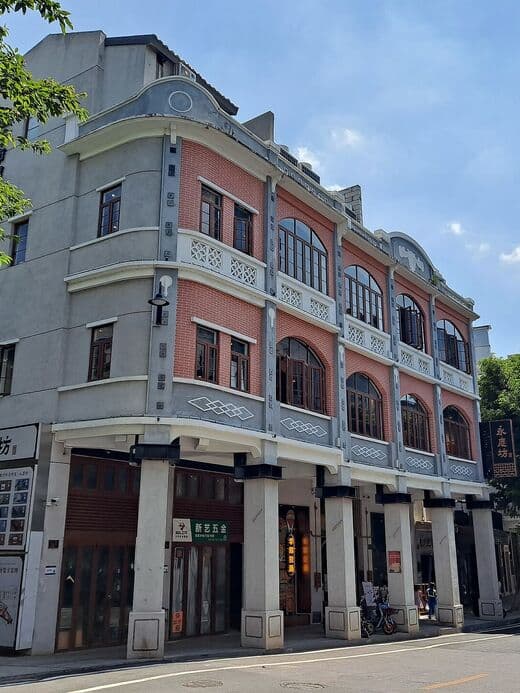
If you came to Guangzhou for the food and the old-world charm, Liwan is your neighborhood. Chen Clan Ancestral Hall is here, along with Yongqing Fang - a beautifully restored old quarter with cafes, galleries, and heritage buildings. Shangxiajiu Pedestrian Street runs through the district, and the surrounding lanes are dense with dim sum houses, herbal tea shops, and traditional Cantonese bakeries. This is where locals go when they want 'real' food.
Pros: Best food district in Guangzhou, period. Authentic cultural atmosphere. Affordable. Shamian Island is on the southern edge. Walkable and photogenic.
Cons: Fewer modern hotels. Can feel run-down in parts. Metro coverage is adequate but not as dense as Tianhe. Not ideal if you want nightlife or international dining.
Price range: Budget hotels from 120-250 CNY ($17-35). Mid-range 300-500 CNY ($40-70). Boutique guesthouses on Shamian Island from 500-800 CNY ($70-110).
Haizhu: The Emerging Middle Ground
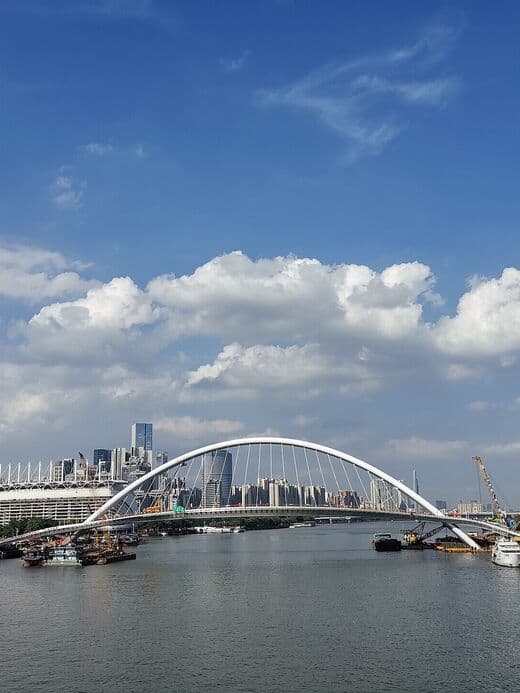
South of the Pearl River, Haizhu sits directly across from Tianhe and is connected by several bridges including the photogenic Haixin Bridge. Canton Tower is technically in Haizhu, and the district has been developing rapidly. The Haizhu Wetland Park is a surprising oasis of green. It is quieter than Tianhe but still well-connected.
Pros: Lower prices than Tianhe for similar access. Pearl River views. Growing cafe and restaurant scene. Good for runners and cyclists along the riverfront.
Cons: Still developing - some areas feel empty. Less street life than Yuexiu or Liwan. Further from most historical sights.
Price range: Budget hotels from 180-300 CNY ($25-40). Mid-range 400-700 CNY ($55-100).
Panyu: Theme Parks and Suburban Comfort
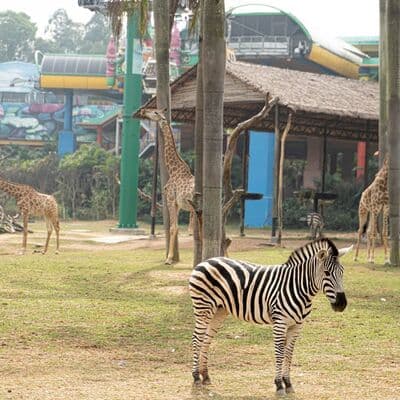
Panyu is where you go for Chimelong Safari Park and the broader Chimelong resort complex - one of the biggest theme park destinations in Asia. Otherwise, it is a sprawling suburban district about 40-60 minutes from central Guangzhou by metro. The Chimelong area has its own cluster of resort hotels.
Pros: Essential for families visiting Chimelong. Resort-style hotels with pools. Quieter. Significantly cheaper than central districts.
Cons: Far from everything except the theme parks. Limited dining outside hotel complexes. You will spend a lot of time on the metro. Not walkable.
Price range: Budget hotels from 150-250 CNY ($20-35). Chimelong resort hotels from 800-2000 CNY ($110-275).
Baiyun: Mountain Access
Named after Baiyun Mountain, this northern district is where Guangzhou meets nature. The mountain itself offers hiking trails, cable cars, and fresh air that feels like a different planet compared to downtown. Baiyun is also close to the airport, making it practical for early flights.
Pros: Best access to Baiyun Mountain. Airport proximity. Cheaper accommodation. Cleaner air.
Cons: Far from central attractions. Limited nightlife and dining. Feels disconnected from the city's energy. You will rely heavily on the metro or taxis.
Price range: Budget hotels from 120-220 CNY ($17-30). Mid-range 280-500 CNY ($40-70).
My recommendation: First-timers should stay in Yuexiu or Liwan for the authentic experience. If you need modern comfort and easy access, Tianhe is the safe choice. Families going to Chimelong should book one or two nights in Panyu and the rest downtown.
When to Visit: Timing Your Trip Right
Guangzhou has a subtropical climate, which is a polite way of saying it gets extremely hot and humid in summer. Your timing will significantly affect your experience.
October to December: The Sweet Spot
This is the best time to visit, hands down. Temperatures hover between 15-28C (59-82F), humidity drops to bearable levels, and the skies are often clear. October through November is particularly pleasant - warm enough for T-shirts during the day, cool enough to walk for hours without melting. The Canton Fair in October and November brings business travelers and higher hotel prices in Tianhe, but the rest of the city stays normal. December can dip to 10-15C (50-59F) which locals consider freezing but most Westerners find refreshing.
January to March: Cool and Variable
January and February are the coolest months - expect 8-18C (46-64F). Chinese New Year (late January or February) transforms the city: flower markets pop up everywhere, Yuexiu Park hosts massive lantern displays, and there is a festive energy that is genuinely special. However, many restaurants and shops close for a week during the holiday, and train/flight prices spike. March starts warming up with occasional rain. Hotel prices are moderate outside the CNY period, making this a good budget window.
April to June: The Wet Season Begins
April is still reasonable - warm but not oppressive, with occasional rain showers. By May, you are entering subtropical summer territory: 25-33C (77-91F) with 80%+ humidity. June is the start of the monsoon season - expect heavy downpours, sometimes lasting all day. The Dragon Boat Festival (usually June) brings exciting races on the Pearl River, and the Lychee Festival in late June is a genuine delight if you love fruit. Hotel prices drop 20-30% as tourism slows.
July to September: The Endurance Test
This is the hardest time to visit. Temperatures regularly hit 35-38C (95-100F) with suffocating humidity. Typhoons are a real possibility in August and September - flights get cancelled, outdoor activities shut down. The upside: rock-bottom hotel prices, empty tourist sites, and this is lychee and mango season. If you can handle the heat, you will have the city largely to yourself. Air-conditioned malls and museums become your best friends.
Budget tip: The cheapest flights from Western countries to Guangzhou are typically in January (outside CNY), March, and September. Hotel prices bottom out in July-August. The best value combining price and weather is late November or early December.
Itineraries: How to Spend Your Time
3 Days: The Greatest Hits
Day 1: Old Guangzhou and Cantonese Culture
Start your morning at Chen Clan Ancestral Hall (open 8:30, get there by 9:00 to avoid tour groups - ticket 10 CNY / $1.40). This is one of the finest examples of traditional Guangdong architecture in existence - spend at least an hour admiring the wood carvings, ceramic roof decorations, and stone sculptures. The detail is staggering. From there, walk 15 minutes east to Shangxiajiu Pedestrian Street and have a late breakfast at one of the traditional dim sum houses along the way - Tao Tao Ju on Dishifu Road has been serving since 1880 and remains excellent (budget 60-90 CNY / $8-12 per person for a full dim sum spread).
After breakfast, head to Shamian Island - a 20-minute walk south. This former colonial concession area has tree-lined boulevards, European-style buildings, and a peaceful atmosphere that feels completely detached from the chaos outside. Allow 1-1.5 hours to wander. Grab a coffee at one of the small cafes along the central boulevard.
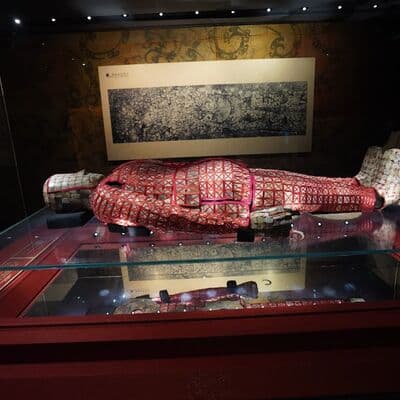
For the afternoon, take the metro to Museum of the Nanyue King Mausoleum (Line 2, Yuexiu Park station). This underground museum built around a 2,000-year-old royal tomb is genuinely world-class - the jade burial suit alone is worth the trip (ticket 12 CNY / $1.70). Spend 1.5 hours here. Then walk 10 minutes to Beijing Road Pedestrian Street for late-afternoon shopping and snacking. Look for the glass-covered sections of the road that reveal excavated layers of ancient road surfaces dating back over 1,000 years.
Evening: Head to Yongqing Fang for dinner. This restored old neighborhood has excellent restaurants alongside traditional architecture. Try Cantonese clay pot rice at one of the small joints in the lanes (30-50 CNY / $4-7). After dinner, walk along the Pearl River promenade between Renmin Bridge and Jiefang Bridge for the evening light show - free, and genuinely spectacular.
Day 2: Modern Guangzhou and the Pearl River
Start at Yuexiu Park in the morning. Enter from the south gate and walk to the Five Rams Statue - the symbol of Guangzhou. The park is enormous so do not try to see everything - focus on the statue, Zhenhai Tower (the oldest building in Guangzhou, now the city museum - 10 CNY / $1.40), and the lakes. Allow 1.5-2 hours. Then walk or metro one stop to Sun Yat-sen Memorial Hall - a striking octagonal blue-roofed building set in gardens. The hall seats 4,700 people with no columns, which was an engineering marvel when built in 1931 (ticket 10 CNY / $1.40).
Lunch: Head to a local restaurant near Gongyuanqian station for wonton noodles - the Cantonese version uses shrimp and pork in thin wrappers, served in a clear broth. Expect 25-40 CNY ($3.50-5.50).
Afternoon: Metro to Zhujiang New Town and explore the modern core. Visit Guangdong Museum (free, closed Mondays, book online) - the architecture alone is worth seeing, and the Guangdong history exhibition is comprehensive and well-curated. Walk across to Huacheng Square and through the flower-lined central axis. If you have the energy, continue to the Canton Tower - the observation deck at 449 meters offers the best panoramic views of the city (ticket 150 CNY / $21 for the main deck, 228 CNY / $32 for the sky walk). Go before sunset for the best light. The tower's bubble tram ride around the outside is thrilling if you have no fear of heights (an additional 130 CNY / $18).
Evening: Cross Haixin Bridge on foot for river views, then have dinner at one of the Cantonese seafood restaurants in Haizhu district. A good seafood dinner runs 150-250 CNY ($21-35) per person with beer.
Day 3: Nature, Animals, or Shopping (Choose Your Path)
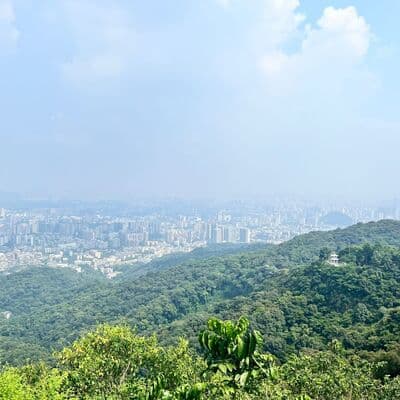
Option A - Nature: Take the metro to Baiyun Mountain (Line 2 to Baiyunshan Ximen station). The main trail to Moxing Ridge takes about 2 hours up at a moderate pace. The cable car is an alternative (round trip 50 CNY / $7). At the top, visibility permitting, you can see the entire Pearl River Delta. Come down by early afternoon and spend the rest of the day exploring any neighborhoods you missed.
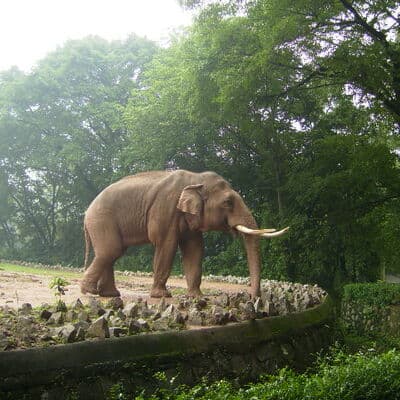
Option B - Family/Zoo: Spend the morning at Guangzhou Zoo (ticket 20 CNY / $2.80) - it has pandas, which is always a win. Or if you want a full day, head to Chimelong Safari Park in Panyu (ticket 350-400 CNY / $50-55 depending on season). Chimelong is genuinely excellent - one of the best safari parks in Asia, with a self-drive safari zone, walking trails, and an outstanding collection of animals. Budget an entire day.
Option C - Shopping and Culture: Explore the antique markets near Liwan, visit the Jade Market on Hualin Temple Street, browse the fabric markets on Zhongda Road (Haizhu district), or spend a leisurely day wandering the lanes of Yongqing Fang and the surrounding historic neighborhoods.
5 Days: Going Deeper
Follow the 3-day itinerary above, then add:
Day 4: The Foodie Deep Dive
This is the day you dedicate entirely to eating. Start with a proper morning dim sum session at a traditional tea house - arrive by 7:30 AM for the full experience of yum cha (drinking tea with dim sum). Panxi Restaurant in Liwan district is a local institution set beside a lake. Order har gow (shrimp dumplings), siu mai (pork and shrimp dumplings), char siu bao (BBQ pork buns), cheung fun (rice noodle rolls), and egg tarts. A comprehensive dim sum breakfast runs 80-120 CNY ($11-17) per person.
Mid-morning: Visit a wet market - Huangsha Seafood Market is the most famous. Watch the frenzy of live seafood trading, then pick your fish, shrimp, or crab and have it cooked at one of the upstairs restaurants (cooking fee 20-40 CNY per dish on top of the seafood price). Late afternoon: take a food tour of Enning Road and surrounding lanes in Liwan - try shuang pi nai (steamed milk custard), fried wonton skins with sweet chili, sesame balls, and whatever looks good from the street stalls. Evening: splurge on a proper Cantonese banquet dinner at a mid-range restaurant in Tianhe. Order white cut chicken, steamed fish, roast goose, and claypot tofu. Budget 200-300 CNY ($28-42) per person with drinks.
Day 5: Day Trip or Hidden Gems
Option 1: Take the high-speed train to Foshan (20 minutes, 15-30 CNY / $2-4). Visit the Foshan Ancestral Temple, explore the ceramic art district at Nanfeng Kiln (the oldest wood-fired kiln in the world, still operational), and eat Foshan-style dim sum, which some locals insist is even better than Guangzhou's. Return by evening.
Option 2: Stay in Guangzhou and explore the neighborhoods you missed. Visit the Sacred Heart Cathedral (a Gothic church built in 1863 - all granite, very unusual in China), walk the art galleries in Redtory Art and Design Factory (Tianhe district), explore the bookshops on Wende Road, or take a Pearl River cruise (evening cruises run 80-130 CNY / $11-18, last about 1.5 hours, and the skyline views are exceptional).
7 Days: The Full Experience
Follow the 5-day itinerary above, then add:
Day 6: Chimelong or Panyu Exploration
If you skipped Chimelong Safari Park on Day 3, today is the day. Alternatively, visit Chimelong Paradise (the roller coaster theme park - 350 CNY / $50) or Chimelong Water Park in summer (280 CNY / $40). If theme parks are not your thing, explore Panyu's Shawan Ancient Town - a well-preserved water town with Lingnan architecture, milk dessert shops (Shawan is famous for its ginger milk curd), and traditional Cantonese opera performances. Getting there takes about 1 hour by metro plus bus.
Day 7: Slow Day and Departure Prep
Use this day to revisit your favorite spots, pick up souvenirs (Cantonese preserved meats from specialty shops in Liwan, tea from the Fangcun Tea Market, ceramics from the Chen Clan Ancestral Hall gift shop), and have one last dim sum session. If your flight is in the evening, the Fangcun Tea Market is worth a morning visit - it is the largest tea wholesale market in the world, and the vendors will let you taste dozens of varieties for free. Buy some Tieguanyin oolong or Pu-erh tea as gifts.
Where to Eat: A District-by-District Guide
Dim Sum: The Non-Negotiable Meal
You cannot visit Guangzhou and skip dim sum. This city is where dim sum was perfected, and even the most average spot here will outclass 90% of Chinese restaurants abroad. The traditional experience is called yum cha - you sit in a bustling restaurant, order tea, and then either pick dishes from carts rolled by your table (increasingly rare) or order from a checklist. Morning is the classic time, but many restaurants serve dim sum until 2:00 PM.
Top picks: Tao Tao Ju (Dishifu Road, Liwan - since 1880, recently renovated, still excellent, 70-100 CNY / $10-14 per person). Panxi Restaurant (Longjin West Road, Liwan - lakeside setting, old-school atmosphere, 80-120 CNY / $11-17). Dian Du De (multiple locations including Tianhe - modern, great quality, no-fuss ordering via tablet, 60-90 CNY / $8-12). For an upscale experience, White Swan Hotel on Shamian Island has a legendary dim sum brunch (150-200 CNY / $21-28).
Street Food: The Real Treasure
Guangzhou's street food scene is not as chaotic as Bangkok's or as photogenic as Singapore's, but the quality is consistently high. The best areas for grazing are the lanes around Shangxiajiu Pedestrian Street in Liwan, the side streets off Beijing Road in Yuexiu, and the area around Fangcun (Liwan's western side). Night markets are less organized than in Taiwan or Thailand - the food tends to be in small shops along lanes rather than open-air stalls.
Key things to try from carts and small shops: egg waffles (ji dan zai - 10-15 CNY / $1.40-2.10), rice noodle rolls from a hole-in-the-wall (chang fen - 8-15 CNY / $1.10-2.10), roasted chestnuts in winter (15 CNY / $2.10 per bag), and grilled squid on sticks (15-20 CNY / $2.10-2.80).
Mid-Range: Proper Sit-Down Cantonese
For a proper Cantonese meal at a white-tablecloth restaurant without breaking the bank, budget 100-200 CNY ($14-28) per person. These restaurants typically have live fish tanks, extensive menus with photos, and attentive service. The key is ordering right: one steamed fish (the litmus test of any Cantonese kitchen), one roasted meat dish, one vegetable, one tofu, and rice. Bingsheng Restaurant has multiple locations and consistently good quality. Guangzhou Restaurant on Wenchang Road is another historic institution, famous for its mooncakes but excellent for everyday Cantonese food.
Fine Dining: When You Want to Splurge
Guangzhou has a growing fine dining scene that goes beyond hotel restaurants. Jiang by Chef Fei at the Mandarin Oriental is one of Asia's best Cantonese restaurants - expect 800-1500 CNY ($110-210) per person. Lai Heen at The Ritz-Carlton is another top-tier option in a similar price range. For something more unique, seek out private kitchen restaurants (si fang cai) - unlisted restaurants in apartments or houses where a chef serves a fixed menu to a small number of guests. Ask your hotel concierge; these change frequently and rarely advertise.
Cafes and International
Guangzhou's cafe scene has exploded in recent years. The area around Yongqing Fang has some of the most atmospheric spots - think specialty coffee in restored Republican-era buildings. Tianhe has the international chains plus excellent independent cafes in the TaiKoo Hui mall area. For international food, Zhujiang New Town in Tianhe has Japanese, Korean, Thai, and Western options. Expect to pay 80-150 CNY ($11-21) for a meal at a decent international restaurant - more than local food, but still reasonable by Western standards.
9 Dishes You Must Try Before Leaving Guangzhou
1. Har Gow (Xia Jiao) - Crystal Shrimp Dumplings
The gold standard of dim sum. Translucent wrappers made from wheat starch, filled with whole shrimp. The skin should have exactly 7-10 pleats and be thin enough to see the pink shrimp through it. If a restaurant's har gow is good, everything else will be too. Found at every dim sum restaurant. Price: 18-38 CNY ($2.50-5.30) per basket of 4.
2. Char Siu - Cantonese BBQ Pork
Strips of pork marinated in honey, five-spice, soy, and hoisin, then roasted until the edges caramelize. The best char siu has a slight char on the outside and stays juicy inside. Order it over rice (char siu fan) at any BBQ meat shop - look for the glistening rows of meat hanging in the window. Price: 35-55 CNY ($5-7.60) for a plate over rice.
3. Siu Mei - Roast Goose or Duck
Cantonese roast goose (siu ngo) is the rival to Peking duck, and many food critics argue it is actually superior. The skin is crackly-crisp, the meat is rich and dark, and the plum sauce on the side cuts through the fat perfectly. Yung Kee started in Guangzhou before moving to Hong Kong; today, local shops like Da Tong Restaurant carry on the tradition. Price: half a goose 150-200 CNY ($21-28), a plate of sliced goose over rice 50-70 CNY ($7-10).
4. Cheung Fun - Rice Noodle Rolls
Silky sheets of rice noodle rolled around fillings - shrimp, beef, char siu, or simply fried dough sticks (zha leung). The sauce is a sweet soy blend. At dim sum restaurants these are standard, but the best versions come from dedicated street-side cheung fun shops that make them fresh on steel trays over steam. Morning only at most shops. Price: 8-25 CNY ($1.10-3.50).
5. Wonton Noodles (Yun Tun Mian)
Thin egg noodles in a clear shrimp-shell broth, topped with plump wontons filled with shrimp and pork. The noodles should be springy, the broth clean and fragrant, the wontons bite-sized. This is Cantonese comfort food at its finest. Every neighborhood has at least one good wonton noodle shop. Price: 25-45 CNY ($3.50-6.20).
6. Claypot Rice (Bo Zai Fan)
Rice cooked in a small clay pot over charcoal, topped with Chinese sausage, cured meats, mushrooms, and a raw egg that cooks from the residual heat. The prize is the crispy rice crust (guo ba) at the bottom. Pour in a little soy sauce, scrape the crust loose, and mix everything together. This is a cool-weather dish - best from October to March. Found at dedicated claypot rice shops, especially in Liwan and Yuexiu. Price: 30-55 CNY ($4.20-7.60).
7. Shuang Pi Nai - Double-Skin Milk Custard
A Cantonese dessert made by steaming buffalo milk with egg whites and sugar until it forms a wobbling custard with a thin skin on top. The texture is silky-smooth with a subtle sweetness. Served warm or cold. The Nanxin Shuang Pi Nai shop near Beijing Road has been making it for generations. Price: 12-20 CNY ($1.70-2.80).
8. Morning Congee (Zhou)
Cantonese congee is different from the versions elsewhere in Asia - it is cooked longer until the rice breaks down completely into a thick, smooth porridge. Typical toppings include century egg and lean pork (pi dan shou rou zhou), fish slices, or beef. Eaten for breakfast at any traditional Cantonese restaurant or street shop. Price: 15-30 CNY ($2.10-4.20).
9. Sweet Soups (Tong Shui)
Cantonese dessert soups are a category unto themselves. Red bean soup, black sesame paste, mango sago with pomelo, walnut paste - these are served at dedicated sweet soup shops and are the traditional end to a Cantonese meal. They range from hot to cold depending on season. Look for the shops with the longest queues. Baihua Tiantang in Liwan is a reliable choice. Price: 12-25 CNY ($1.70-3.50).
12 Local Secrets and Insider Tips
- Dim sum timing matters. Arrive before 8:00 AM for the best experience at traditional tea houses. By 10:00 AM, the queues are brutal and the most popular items sell out. Weekday mornings are significantly calmer than weekends.
- The metro is your best friend. Guangzhou's metro system has over 600 km of track and reaches almost everywhere you want to go. Buy a Yangcheng Tong transit card (50 CNY deposit, available at any metro station) - it works on metro, buses, and some convenience stores. Apple Pay and Alipay also work at turnstiles if your phone supports transit cards for Guangzhou.
- WeChat Pay and Alipay are nearly mandatory. Cash is accepted but increasingly reluctant. Since 2024, both platforms accept international credit cards - set this up before you arrive. Visa and Mastercard both work for linking. Without mobile payment, you will feel like a time traveler from 2010.
- The Pearl River night cruise is better from the north bank. Instead of paying for a cruise ticket, walk the north bank promenade between Shamian Island and the Guangzhou Bridge. The light show on the south bank buildings (including Canton Tower) is actually better viewed from this angle, and it is completely free. Prime viewing time: 7:30-9:00 PM.
- Learn these four Cantonese words. 'M goi' (thank you/excuse me - the most useful phrase in Guangzhou), 'dim sum' (you already know this), 'yum cha' (let us drink tea - used when inviting someone for dim sum), and 'maai dan' (the bill, please). Locals will beam when you try Cantonese instead of Mandarin.
- Avoid Canton Fair weeks. The China Import and Export Fair (Canton Fair) runs in two phases each spring (April) and autumn (October-November). During these periods, hotel prices in Tianhe and Haizhu can triple, taxis become scarce, and restaurants in the Pazhou area are packed with business travelers. Check the exact dates before booking.
- The best views of Canton Tower are not from Canton Tower. The IFC observation deck in Zhujiang New Town, the rooftop bar at the Four Seasons Hotel, or simply the riverside path in Haizhu district all offer better photo opportunities of the tower itself. Pay for the Canton Tower ticket only if you want the experience of being up there.
- Wet markets are morning activities. If you want to see a traditional Cantonese wet market in full swing, go between 6:00-8:00 AM. By 10:00 AM, the best produce and seafood are gone and many vendors start packing up. Huangsha Seafood Market stays active later because of the restaurant trade.
- Water quality and hydration. Tap water in Guangzhou is not safe to drink without boiling. Bottled water is cheap (2-3 CNY / $0.30-0.40 at convenience stores). In summer, carry water at all times - heat exhaustion is a genuine risk for visitors not accustomed to subtropical humidity. Herbal tea shops selling cooling teas (liang cha) are on every block and are the traditional remedy for the heat.
- Tipping does not exist. Do not tip at restaurants, hotels, or in taxis. It is not expected and will cause confusion. The only exception is very high-end international hotel restaurants where a service charge may already be included.
- Pharmacies have traditional medicine. Guangzhou is a center of traditional Chinese medicine (TCM). The Qingping Medicine Market near Shangxiajiu has dried herbs, roots, and some things that will shock Western sensibilities. If you are feeling unwell, pharmacies (look for green cross signs) have both Western and traditional Chinese medicine. Staff can usually help with basic ailments even with limited English - bring a translation app.
- Haggling rules. In tourist markets and small shops selling souvenirs, clothes, or electronics, haggling is expected - start at 40-50% of the asking price. In restaurants, supermarkets, malls, and any shop with a barcode scanner, prices are fixed. On Beijing Road, the chain stores have fixed prices but the small stall vendors expect negotiation.
Getting Around: Transport and Connectivity
Arriving: Baiyun International Airport (CAN)
Guangzhou Baiyun Airport is one of the busiest in the world and is well-connected internationally with direct flights from most major cities. It is located about 28 km north of the city center. Getting downtown is straightforward:
- Metro (Line 3): The cheapest and often fastest option. Runs from the airport to the city center in 35-50 minutes depending on your destination. Cost: 6-9 CNY ($0.80-1.25). Operates from 6:10 AM to 11:30 PM. Follow signs for 'Metro/Subway' in the arrivals hall - it is well signposted in English.
- Airport Express Bus: Multiple routes running to different parts of the city. Route 1 goes to the main train station area (Yuexiu), Route 2 to Tianhe. Cost: 18-36 CNY ($2.50-5). Runs until midnight with reduced late-night service.
- Taxi: To central Guangzhou, expect 100-150 CNY ($14-21) on the meter. Journey takes 40-70 minutes depending on traffic. Use the official taxi queue - never accept rides from touts inside the terminal. Insist the meter is turned on.
- Didi (China's Uber): Works well from the airport. Prices are similar to taxis but you can see the fare estimate upfront. You will need the Didi app with a Chinese phone number or the international Didi app.
Within the City: Metro, Buses, and Taxis
Metro: Guangzhou's metro system is excellent - clean, efficient, air-conditioned, and covers almost all tourist areas. 16 lines operate as of 2026. Signs and announcements are in Chinese and English. Single journey tickets cost 2-14 CNY ($0.30-1.95) depending on distance. A Yangcheng Tong card gives you a 5% discount and saves time at ticket machines. Operating hours are approximately 6:00 AM to 11:30 PM (varies by line). During rush hours (7:30-9:00 AM and 5:30-7:30 PM), trains on Lines 1, 3, and 5 are extremely crowded - avoid if possible.
Buses: Comprehensive but harder to navigate without Chinese language skills. Most buses cost 2 CNY flat fare. Useful for reaching places the metro does not cover, but for tourists, the metro is almost always the better choice. Yangcheng Tong card works on all buses.
Taxis: Start at 12 CNY ($1.70) for the first 2.5 km, then 2.6 CNY per km. A trip across central Guangzhou rarely exceeds 50-60 CNY ($7-8.50). Traffic can be horrendous during rush hours - what should be a 15-minute ride can take 45 minutes. Most taxi drivers speak no English. Have your destination written in Chinese characters or show the address on your phone. Didi is often more reliable than street hails, especially at night.
Bicycle/E-Bike Sharing: Meituan (yellow) and Hello (blue) shared bikes are everywhere. They cost 1.5-2 CNY per 15 minutes. You need a Chinese phone number and Alipay/WeChat to unlock them. Guangzhou has dedicated bike lanes on many streets, but traffic can be aggressive - ride defensively.
Connectivity: SIM Cards and Apps
SIM cards: Buy a prepaid SIM at the airport from China Mobile, China Unicom, or China Telecom. A tourist SIM with 10-20 GB of data costs 50-100 CNY ($7-14) and lasts 30 days. Bring your passport - registration is required. Alternatively, buy an eSIM before departure through services like Airalo or Holafly. Data-only eSIMs for China start around $5-10 for a week.
VPN: China blocks Google, Facebook, Instagram, Twitter/X, WhatsApp, and many Western news sites. Download and configure a VPN before arriving - VPN websites are blocked within China. Astrill, ExpressVPN (inconsistent), and NordVPN are commonly used. Some do not work at all times; having two VPN options is wise.
Essential apps: WeChat (messaging, payment, everything - this is the most important app in China), Alipay (payment), Didi (taxis), Baidu Maps or Amap/Gaode Maps (Google Maps works poorly in China), Pleco (Chinese dictionary with camera translation), and the Metro Guangzhou app (real-time train schedules and route planning). Download all of these before you arrive.
Language: English proficiency is limited outside of international hotels and some restaurants in Tianhe. Hotel front desks usually have English speakers. In restaurants, point at pictures on the menu or use your phone's camera translation feature (Google Translate's camera mode works if you have a VPN, or use Baidu Translate which works without one). Young people in their 20s often speak some English and are generally happy to help.
The Bottom Line: Who Should Visit Guangzhou
Come to Guangzhou if: You are serious about food and want to eat Cantonese cuisine where it was invented. You enjoy cities that are alive with energy rather than polished for tourists. You want a genuine Chinese city experience without the overwhelming scale of Beijing or the price tag of Shanghai. You are traveling with kids who want world-class theme parks. You want a base for exploring southern China (Shenzhen, Hong Kong, and Macau are all within 1-2 hours by high-speed rail).
Skip Guangzhou if: You need postcard-perfect ancient scenery (go to Guilin or Lijiang). You only have two days in China (go to Beijing or Shanghai for a more iconic first impression). You cannot handle heat and are traveling June through September without flexible dates.
How long: Three days gives you the highlights and enough meals to understand why Cantonese food is considered China's finest. Five days lets you breathe, do a day trip, and eat more. A full week is ideal for families or anyone who wants to truly settle into the rhythm of the city. Guangzhou rewards patience - the best experiences here are not landmarks, they are meals, markets, and morning walks through neighborhoods that have been alive for centuries.