Harbin
Harbin 2026: What You Need to Know Before You Go
Harbin is Russia inside China. A city where Orthodox domes stand next to glass skyscrapers, where -22F (-30C) is just another Tuesday in January, and where street vendors sell ice cream outdoors in winter because it is already a freezer out there. This is a place that shatters every stereotype you have about China and delivers something completely unexpected.
The short version: Harbin is worth the trip for the jaw-dropping Ice and Snow Festival (December through February), the Russian-era architecture of Central Avenue and Saint Sophia Cathedral, hearty Manchurian food featuring guobaorou and handmade dumplings, and a possible side trip to China Snow Town. Plan 3-5 days in winter, or 2-3 days in summer.
Harbin is for travelers who want to see a different China. There are no palm trees, no rice terraces, no subtropical gardens. Instead, you get sausage made from century-old Russian recipes, Harbin Beer that has been brewed since 1900, and the largest ice festival on the planet. The city is perfect for winter lovers, food adventurers, and architecture nerds. The downside? Winter here is genuinely brutal. If you are not prepared for -13F to -31F (-25C to -35C), come in summer instead, when Harbin transforms into a green, pleasant city hovering around 77F (25C). Either way, you will leave with stories nobody else in your friend group has.
Harbin Neighborhoods: Where to Stay
Daoli District - Historic Heart and Central Avenue
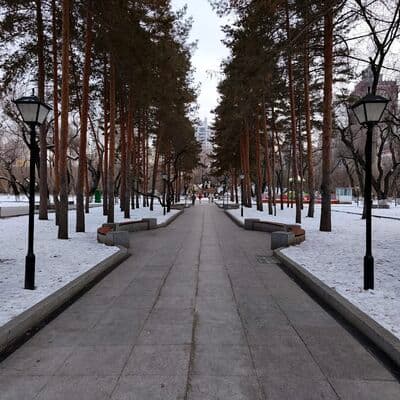
Daoli is the number one neighborhood for visitors, and for good reason. This is where you will find Central Avenue (Zhongyang Dajie), a 0.9-mile pedestrian street lined with late 19th-century Russian architecture. In winter, the street is decorated with ice sculptures and lit up at night - the atmosphere is genuinely magical. A five-minute walk takes you to Saint Sophia Cathedral, the Flood Control Monument, and the Songhua River waterfront.
Pros: everything is walkable, restaurants and shops everywhere, excellent transit connections (metro and buses), the most photogenic part of town.
Cons: tourist-trap pricing at restaurants directly on Central Avenue, noisy evenings, winter peak season brings serious crowds.
Prices: $$ (hostels from 80 CNY/$11, mid-range hotels 300-500 CNY/$42-70, upscale from 800 CNY/$112)
Best for: first-time visitors, families, couples - the best balance of convenience and experience.
Songhua River Waterfront - Views and Quiet
Hotels along the Songhua River offer stunning views, especially in winter when the river freezes solid and becomes a giant playground. In summer, the cable car to Sun Island departs from here. The area is calm and quiet but still within walking distance of Central Avenue.
Pros: panoramic river views, peaceful atmosphere, quality hotels with solid service.
Cons: pricier than average, few budget options, 10-15 minute walk to the main restaurant areas.
Prices: $$$ (hotels from 600-1500 CNY/$84-210)
Best for: couples, romantic getaways, anyone who values comfort and quiet.
Songbei District - Ice Festival Territory
Songbei sits on the north bank of the Songhua River. This is where you will find Harbin Ice and Snow World, Sun Island with its Snow Sculpture Exhibition, and the Siberian Tiger Park. If the ice festival is your main reason for visiting, staying here makes logistical sense - no need to trek back across the frozen city every evening.
Pros: next to the major winter attractions, modern hotels, quieter and more spacious than downtown.
Cons: far from the historic sights (20-30 minutes by taxi), limited dining and nightlife options, dull outside of winter season.
Prices: $$ (hotels from 300-800 CNY/$42-112)
Best for: visitors who came specifically for the ice festival, families with kids.
Nangang District - Budget-Friendly and Real
Nangang is Harbin's business and transportation hub. The main railway station is here, with trains to Beijing, Dalian, and beyond. The neighborhood is not touristy, but that is exactly the point: local restaurants with local prices, markets, and a youthful energy near the universities.
Pros: lowest accommodation prices in the city, authentic local food, convenient for train travel.
Cons: unremarkable streetscapes, almost zero English (though English is scarce everywhere in Harbin), a bit of a trek to the waterfront.
Prices: $ (hostels from 50 CNY/$7, hotels from 150-300 CNY/$21-42)
Best for: budget travelers, transit stops, anyone who wants to live among locals.
Daowai District - Old Harbin for Foodies
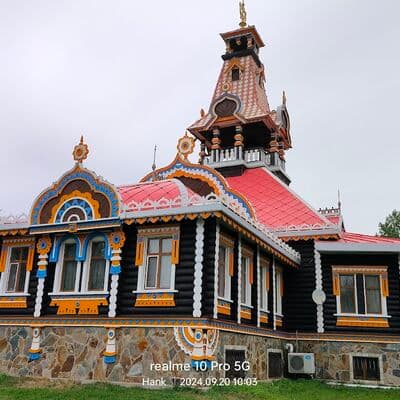
The Old Daowai Chinese Baroque District is architecturally unique: European facades hiding traditional Chinese courtyards. This is where you will find the best street food in the city - the morning market on Hongzhuan Street, endless dumpling joints, and guobaorou shops. The neighborhood is authentic, a bit rough around the edges, but incredibly atmospheric.
Pros: best food at the best prices, one-of-a-kind architecture, almost no tourists.
Cons: far from the main attractions, the neighborhood is not the most polished, zero English spoken.
Prices: $ (hotels from 100-300 CNY/$14-42)
Best for: food lovers, repeat visitors, anyone chasing authenticity over convenience.
Taiping Airport Area
If you have an early morning flight or a late arrival, it makes sense to stay near the airport. The area is purely functional - sleep and fly. Taiping Airport is 22-25 miles from the city center (40-60 minutes by taxi, roughly 120-150 CNY/$17-21).
Prices: $ (hotels from 150-250 CNY/$21-35)
Best for: transit passengers only.
Best Time to Visit Harbin
Harbin is a city of two seasons. Most visitors come in winter for the ice festival, but summer Harbin is a pleasant surprise that very few international travelers know about.
Winter (December through February): The Main Event
Temperature: 5F to -31F (-15C to -35C). No, that is not a typo. Harbin winter is harsh, dry, and sunny. There is surprisingly little snow on the ground (the air is too dry), but the cold cuts through you like a blade.
Best weeks: January 6-20. The festival is fully operational by then (opening is usually December 21-25), but the New Year crowds have thinned out. February is also solid - even fewer people, though some sculptures start softening by month's end.
Ice and Snow Festival: Opening around December 21, running through late February. Ice and Snow World is the main venue with massive ice castles lit by neon. Tickets run about 300 CNY ($42). Arrive at 4:00-5:00 PM to catch the sculptures in daylight, then watch the lights come on as darkness falls.
Other winter highlights:
- Snow Sculpture Exhibition on Sun Island - more artistic, best viewed during daytime
- Ice lanterns in Zhaolin Park - smaller and cheaper than Ice and Snow World, with a tradition dating back to the 1960s
- Winter swimming in the Songhua River - a spectator sport unless you are feeling truly brave
Booking timeline: hotels around New Year's and Chinese New Year (late January to early February) should be booked 2-3 months ahead. The rest of winter, 2-3 weeks in advance is usually fine.
Summer (June through August): The Secret Season
Temperature: 68-82F (20-28C). Pleasant, green, and almost tourist-free. Summer Harbin means beer festivals (Harbin Beer Festival in July), waterfront strolls, Songhua River cruises, and Volga Manor at its lush best.
Shoulder Seasons: April-May and September-October
Spring brings slush and wind; autumn delivers golden foliage and cool air. Virtually no tourists, rock-bottom prices. Good for travelers who want to explore the city without the ice show but in comfortable weather.
Worst Time: November and March
November is already cold, but the festival has not opened yet. March is still cold, but the festival has closed. There is nothing drawing you here during either month.
Harbin Itinerary: From 3 to 7 Days
3 Days in Harbin: The Essentials
Day 1: Historic Center and Russian Heritage
9:00 AM - 12:00 PM - Start at Saint Sophia Cathedral. Get there in the morning before tour groups fill the square. The cathedral is no longer active as a church - inside is a museum of Harbin's architectural history. Admission is 15 CNY ($2). In winter, the square in front of the cathedral is filled with ice sculptures - free to enjoy.
12:00 - 2:00 PM - Walk down Central Avenue. Have lunch here - try Russian-influenced food at one of the restaurants (borscht, Russian-style dumplings, dark bread). Pro tip: skip the first restaurant you see on the main drag and duck into the side streets, where it is cheaper and more honest. Definitely grab a stick of red sausage (hongchang) from a street vendor - it is different from Russian kielbasa but delicious in its own way.
2:00 - 4:00 PM - Walk to the end of Central Avenue to the Flood Control Monument and the Songhua River waterfront. In winter, the river freezes solid and becomes an amusement park: sled rides, ice slides, dog sleds. Entry to the river ice is 10-20 CNY ($1.50-3). In summer, take a river cruise for 60-80 CNY ($8-11).
4:30 - 9:00 PM - Ice and Snow World (winter only). This is the must-do. Arrive by 4:00-4:30 PM to see the sculptures in daylight, then stay for the neon light show after dark. Dress warmly: you will be outdoors for 3-4 hours in deep freeze. Hot drinks are sold inside but are overpriced - bring a thermos of tea or coffee.
Day 2: North Bank and Nature
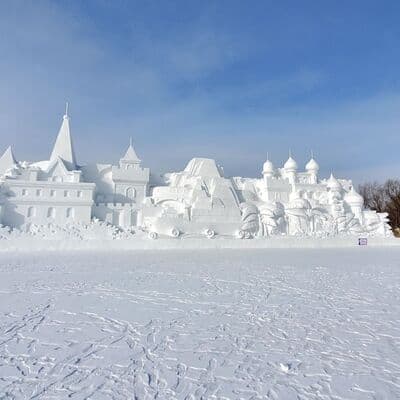
9:00 AM - 12:00 PM - Sun Island. In winter, this is home to the Snow Sculpture Exhibition - enormous figures carved from compacted snow. It is just as impressive as Ice and Snow World but in a completely different way: everything is white, daytime, artistic. In summer, it is a park with Russian-style cottages and greenery. Get there by cable car across the Songhua (50 CNY/$7 one way) or by bus across the bridge.
12:30 - 3:00 PM - Siberian Tiger Park. The world's largest Amur tiger breeding center. You ride through the enclosure in a bus while tigers roam freely around you - unforgettable. Tickets are about 100 CNY ($14). You can grab lunch at the park's cafeteria.
3:30 - 6:00 PM - Zhaolin Park. In winter, the ice lanterns here offer a more intimate and historically significant version of the ice festival (the tradition goes back to the 1960s). The evening lighting creates a fairytale atmosphere. Admission is cheaper than Ice and Snow World - around 100-150 CNY ($14-21).
Evening - Dinner near Central Avenue. Try northeastern Chinese cuisine: guobaorou at Lao Chu Jia (the most famous restaurant in the city) or dumplings at Orient King of Dumplings.
Day 3: Culture and Daowai
9:00 AM - 12:00 PM - Unit 731 Museum. A harrowing but important museum documenting Japanese wartime atrocities. Free admission. It is about 40 minutes by taxi from the center. Exhibits are in Chinese with English signage. Allow 2-3 hours - the content is heavy and worth taking in slowly.
12:30 - 3:00 PM - Old Daowai Chinese Baroque District. Lunch at the local hole-in-the-wall joints - this is where Harbin's best street food lives. Try kaolengmian (grilled cold noodles), shaokao (barbecue skewers), and tanghulu (candied fruit on a stick). After lunch, wander the streets to admire the unique Chinese Baroque architecture - European facades wrapped around traditional Chinese courtyards.
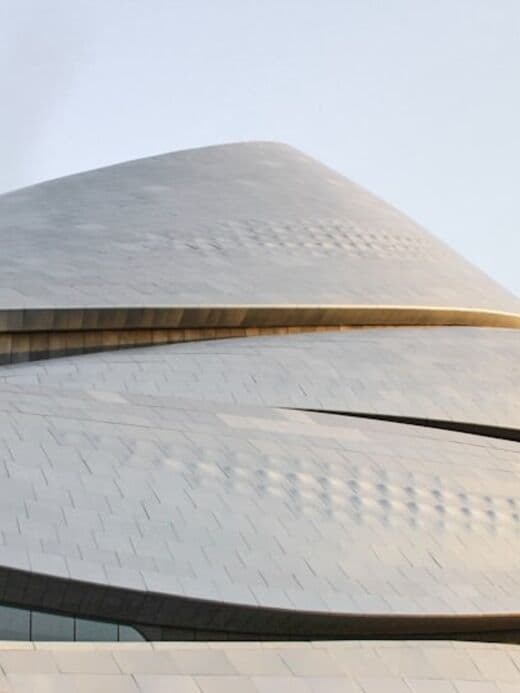
3:00 - 5:00 PM - Harbin Grand Theatre. A futuristic building on the riverbank and an architectural masterpiece by Ma Yansong. Even if you do not catch a performance, it is worth the trip for the photos alone. Building tours cost about 50 CNY ($7).
Evening - Farewell dinner with local Harbin Beer. Try different varieties at one of the beer restaurants on Central Avenue. The standard lager has been brewed since 1900 - it is light, crisp, and perfect with barbecue.
5 Days in Harbin: Taking Your Time
Add these to the three-day itinerary:
Day 4: Volga Manor and Night Markets
9:00 AM - 4:00 PM - Volga Manor. A themed park with replicas of Russian buildings on a riverside setting, about 19 miles from downtown (taxi roughly 60-80 CNY/$8-11). In winter: sleigh rides, Russian sauna, cultural performances. In summer: green lawns and boat rides. You can easily spend an entire day here. Admission is about 150 CNY ($21).
Evening - Hit the Nongda Night Market near the Agricultural University. The street transforms into an open-air food court from 5:00 PM to midnight. Average spend: 20-30 CNY ($3-4) for a full dinner. This is where local students eat, and the prices reflect it.
Day 5: China Snow Town (Day Trip)
Full day - China Snow Town (Xuexiang), 174 miles from Harbin. The drive takes 4-5 hours by bus or with a private driver (about 500-700 CNY/$70-98 round trip). The village looks like something from a storybook: wooden houses buried under thick snow caps, red lanterns glowing in the dusk, complete silence. If you want to stay overnight, book a guesthouse in advance (200-400 CNY/$28-56). Winter only.
7 Days in Harbin: With Day Trips
Add these to the five-day itinerary:
Days 6-7: Yabuli Ski Resort
Yabuli is China's premier ski resort, about 3 hours from Harbin by car or high-speed train. It caters to all levels, from first-timers to experts. Equipment rental, instructors, and slope-side hotels are all available. Two days is optimal: one day on the easy runs, another on the advanced slopes. Lift passes start at 300 CNY ($42) per day.
Alternative: instead of Yabuli, spend a day in Jilin City (2 hours by train), famous for its rime ice phenomenon - frost-covered trees along the Songhua River that look like they are made of glass. The sight is breathtaking, but you need luck with the weather (best chances in January).
Where to Eat in Harbin: Restaurants and Cafes
Street Food and Night Markets
Harbin is a street food paradise, especially in winter. The cold does not stop anyone - if anything, piping hot food tastes ten times better when it is -20F outside and steam is rising from the grill.
Where to go: Nongda Night Market near the Agricultural University is the best value for money. Xuefu Sidaojie Market is the cheapest - a full dinner from 20 CNY ($3). Xiangfang Night Market is the oldest and largest, with hundreds of stalls stretching in every direction.
Average spend: 15-40 CNY ($2-6) per person. Seriously - you will not spend more than that even if you try everything.
Tip: Night markets run from 5:00 PM to midnight. Show up around 6:00-7:00 PM when everything is freshly made but lines have not formed yet.
Local Hole-in-the-Wall Joints
The best food in Harbin is in small restaurants with menus only in Chinese. Do not be intimidated - point at what the table next to you is eating, or use your phone's camera translator (Google Translate or Baidu Translate both work).
Daowai District: The morning market on Hongzhuan Street is the best breakfast spot in the city. Steamed buns (baozi), congee with century egg, savory crepes (jianbing). Everything from 3 to 10 CNY ($0.40-1.40).
University area: Near Harbin Institute of Technology (HIT) and the Agricultural University, dozens of student canteens and small restaurants serve complete lunches for 15-25 CNY ($2-3.50).
Mid-Range Restaurants
Lao Chu Jia: A Harbin legend with over a century of history. Their guobaorou is made from the original recipe - crispy pork slices in a sweet-and-sour sauce that is lighter and more refined than anything you have had before. The restaurant is decorated like a museum, with one dining room set up inside a train car. Average check: 80-120 CNY ($11-17) per person.
Orient King of Dumplings (Dongfang Jiaozi Wang): A chain, but a good one. Oversized dumplings with every filling imaginable - pork with sour cabbage (suancai), shrimp, lamb. Try the multicolored ones made with beetroot and spinach dough. Average check: 40-60 CNY ($6-8).
Hongda Old Restaurant (Hongda Lao Caiguan): Classic northeastern cuisine. Big portions, serious food: braised chicken with mushrooms (xiaoji dunmogu), pork casserole, Songhua River fish. Average check: 80-100 CNY ($11-14).
Russian Cuisine
Russian influence is Harbin's signature story, and the Russian restaurants here are less about nostalgia and more about experiencing this unusual cultural crossover firsthand.
Portman Western Restaurant (Bote Man): The largest Russian restaurant in Harbin. Borscht, beef stroganoff, red sausage. The interior is lavish, portions are generous. Average check: 100-150 CNY ($14-21).
Cafe Russia 1914: An intimate cafe with antique furnishings, lace tablecloths, and genuine Russian baked goods. Great for coffee and dessert after a walk down Central Avenue. Average check: 50-80 CNY ($7-11).
Cafes and Breakfast
Harbin's coffee culture is surprisingly developed - the city has been accustomed to European habits since the Russian immigrant era. Central Avenue is packed with cafes, but the best ones are tucked into the side streets. Near the universities, you will find trendy third-wave coffee shops with lattes from 15-25 CNY ($2-3.50). For breakfast, go local: the Daowai morning market or university canteens beat any hotel buffet.
Halal Options
Muslim Liushunyuan: Located in the Daoli district. Halal Muslim cuisine featuring lamb skewers, vegetable dishes, and seafood. Generous portions at fair prices. If you need halal food in Harbin, this is the primary address.
What to Try: Harbin's Essential Foods
Guobaorou - Harbin's signature dish and a point of fierce local pride. Crispy slices of pork coated in potato starch batter, deep-fried until golden, then doused in a sweet-and-sour sauce made with rice vinegar, sugar, and fresh herbs. Do not confuse this with generic sweet-and-sour pork from other provinces - the Harbin version is more delicate, lighter on the sauce, and shatters with a crunch. Best at: Lao Chu Jia. Price: 38-58 CNY ($5-8) per plate.
Red sausage - hongchang - A legacy of the Russian community. Deep red sausage made from pork, flour, starch, and garlic, smoked using traditional methods. Sold everywhere on Central Avenue - buy it by weight, about 30-50 CNY ($4-7) per stick. The Churin (Qiulin) brand is the most famous and widely considered the best.
Dumplings (jiaozi) - Harbin dumplings are bigger and juicier than anywhere else in China. The classic filling is pork with sour cabbage (suancai). Boiled, pan-fried, or steamed - every version is excellent. At Orient King of Dumplings: from 25 CNY ($3.50) for a plate of 15.
Grilled cold noodles - kaolengmian - A Harbin street food phenomenon. A sheet of cold noodle dough is grilled on a flat griddle with egg, scallions, and a sweet-spicy sauce, then rolled up and sliced. Price: 5-8 CNY ($0.70-1.10). Only found at night markets and street stalls - never in restaurants.
Braised chicken with mushrooms - xiaoji dunmogu - A northeastern classic. Free-range chicken slow-cooked with wild forest mushrooms until everything is fall-apart tender. Served in a clay pot. A portion for two: 58-88 CNY ($8-12).
Tanghulu - Candied fruits on a stick. In Harbin's winter, they are everywhere - the cold instantly hardens the caramel coating into a satisfying crack. Traditional versions use hawthorn berries, but you will also find strawberry, grape, and mandarin. Price: 5-15 CNY ($0.70-2) per stick.
Harbin Beer - China's oldest beer brand, brewed since 1900. Light, refreshing, perfect with barbecue. In a shop: 3-5 CNY ($0.40-0.70) per bottle. In a restaurant: 8-15 CNY ($1-2). Also try the craft varieties at beer houses on Central Avenue.
Fried yogurt - chao suannai - Fruit yogurt is frozen on an ice plate right in front of you, then scraped into rolls. In Harbin's winter, vendors make it outdoors - the subzero air replaces the freezer. Best flavor: blueberry. Price: 10-15 CNY ($1.40-2).
Barbecue skewers - shaokao - Harbin is the barbecue capital of northeastern China. Lamb, pork, chicken wings, vegetables - everything goes on the grill with cumin and chili. Top spot: Da Quanshao Kao, a local legend. Average spend: 40-80 CNY ($6-11).
What to skip: 'Russian cuisine' at tourist restaurants directly on Central Avenue tends to be overpriced and underwhelming. Look for smaller places in the side streets instead. Also avoid guobaorou at shopping mall food courts - it is a pale imitation of the real thing.
For vegetarians: Harbin is not the easiest city. Meat is everywhere. But options exist: Buddhist restaurants (search for 'su shi' on Baidu Maps), vegetable dumplings (suxian jiaozi), tofu dishes at any northeastern restaurant, and fresh produce at markets.
For allergies: Main allergens in local cuisine include peanuts (often hidden), sesame, soy, and wheat (in batter and noodles). Gluten is everywhere. Useful phrase: 'Wo dui [allergen] guomin' - 'I am allergic to...' Write it on your phone in Chinese characters to show to staff.
Harbin Insider Tips: What the Locals Know
1. Layer up - do not rely on one thick coat. It is -22F outside and 77F inside. If you wear a single heavy puffer, you will be drenched in sweat every time you step into a shop or restaurant. The winning formula: thermal base layer + fleece mid-layer + light down jacket + windproof outer shell. Peeling layers on and off is the key to surviving Harbin comfortably.
2. Your phone will die in the cold. Lithium-ion batteries hate freezing temperatures. An iPhone can shut down at 50% charge. Keep your phone in an inside pocket close to your body, and use disposable hand warmers (sold everywhere, 2-5 CNY/$0.30-0.70 per pair). Carry a power bank - also kept warm.
3. Cameras suffer too. Do not take your camera straight from a warm room into the cold - condensation can damage the lens. Put the camera in a plastic bag before going outside and let it cool down gradually. Bring spare batteries - they drain fast in the cold.
4. Skip the white clothing in winter. Against the snow, you become invisible - and on ski slopes and in parks, that is a real safety issue. Bright and dark colors are safer and photograph better.
5. Eating ice cream outdoors in winter is normal here. Harbin locals eat ice cream in January, and the stalls sit right on the snow. It does not melt, so no freezer required. Try the local milk ice cream - a creamy popsicle that tastes like old-school Soviet-era plombir.
6. Negotiate prices on the frozen Songhua River. Sled rides, dog sleds, ice bicycles - the prices are made up on the spot. The opening price is typically 2-3 times the real price. Bargain calmly but firmly.
7. Use DiDi for taxis, but know the quirks. In winter, hailing a taxi on the street is nearly impossible - everyone uses apps. DiDi works, but drivers may pick up additional passengers along the way (this is normal in Harbin, not a scam). Taxi prices are among the lowest in China: airport to downtown is only 120-150 CNY ($17-21).
8. Arrive at the ice festival at 4:00 PM. Most visitors show up at 6:00-7:00 PM, and by then it is packed. If you arrive at 4:00 PM, you see the sculptures in daylight, then sunset, then the full neon light show. Three completely different experiences in one visit.
9. Your lips and skin will dry out instantly. The winter air in Harbin is incredibly dry. Lip balm, moisturizer, and a face mask are not luxuries - they are survival gear. Buy them before you arrive or at the first pharmacy you find.
10. Russian language will not help you. Despite the Russian heritage, nobody in Harbin speaks Russian (with extremely rare exceptions). English is also uncommon. Download an offline translation app (Google Translate with the Chinese offline pack, or Baidu Translate) and learn a handful of basic Mandarin phrases. The Cyrillic letters on signs are purely decorative.
11. Buy disposable hand and foot warmers (nuanbaobo). These chemical heat packs are a lifesaver during long outdoor sessions. Available at every convenience store and pharmacy for 2-5 CNY ($0.30-0.70) per pair. Slip them into your gloves, shoes, and pockets - suddenly -22F becomes manageable.
12. Do not over-schedule your winter days. The cold forces you to take warming breaks every 2-3 hours: duck into a cafe, thaw out, drink something hot. Three to four activities per day is the realistic maximum. Do not try to see the entire city in one day - you will freeze and burn out long before you think.
Getting Around Harbin: Transport and Connectivity
Airport to City Center
Airport shuttle bus (jichang daba): Bus to downtown - 20 CNY ($3), 40-60 minutes. Runs every 20-30 minutes. Final stop is the square in front of the main railway station. The cheapest and most reliable option.
Taxi / DiDi: 120-150 CNY ($17-21) to downtown, 40-50 minutes. Convenient if you are traveling in a group or have heavy luggage. Always use the meter or the DiDi app - do not agree to a flat rate quoted by taxi drivers at the arrivals hall.
Metro: The Line 3 airport metro extension is still under construction (expected opening 2026-2027). For now, there is no metro service to the airport.
Getting Around Town
Metro: 3 lines covering the major sights - Central Avenue, Saint Sophia Cathedral, Ice and Snow World. Fare: 2-6 CNY ($0.30-0.85) depending on distance. Operating hours: 6:00 AM to 10:00 PM. In winter, the metro is a lifesaver: warm, fast, no traffic. You can pay with Alipay or WeChat Pay - just scan the QR code at the turnstile.
Buses: Extensive network, but route information is only in Chinese. Fare: 1-2 CNY ($0.15-0.30) with cash or transit card. In winter, buses are useful for longer routes not covered by metro.
Taxis and DiDi: Base fare: 8 CNY ($1.10). Average ride across town: 15-30 CNY ($2-4). DiDi (the Chinese equivalent of Uber) works well, though the interface is in Chinese. Hack: write your destination in Chinese characters on a piece of paper or on your phone screen and show it to the driver. In winter, taxi demand spikes - book through the app in advance.
Walking: In winter, walk carefully - sidewalks are slippery despite being cleared. Footwear with solid tread is essential. Distances in the Daoli district are manageable - Saint Sophia Cathedral to the waterfront is about 15 minutes on foot.
Internet and Communication
SIM card: The easiest approach is to buy an eSIM before arrival (Airalo, Holafly - from $5-10 for 5-7 days of data). Buying a physical SIM as a foreigner in Harbin has gotten more complicated: you need your passport and sometimes a Chinese phone number for verification. China Mobile and China Unicom shops are in every mall.
Wi-Fi: Free Wi-Fi is available in most hotels, cafes, and shopping centers. Metro Wi-Fi is weak. On the street - nothing.
VPN: Google, Instagram, WhatsApp, Facebook, and most Western social media are blocked in China. Download a VPN before you arrive - VPN provider websites are also blocked inside the country. Recommendations: Astrill, Surfshark, AdGuard VPN (ExpressVPN does not work reliably). Using a VPN is not illegal.
Essential apps to download before your trip:
- WeChat: messenger + payments + everything else. Life in China without WeChat is significantly harder. Register before your trip.
- Alipay: payment for everything from metro fares to street food. International Visa and Mastercard cards can now be linked directly.
- DiDi: ride-hailing. Works like Uber.
- Baidu Maps: navigation. Google Maps does not work properly in China (it technically loads but maps are offset and inaccurate).
- Trip.com or Ctrip: booking hotels, trains, and flights. Booking.com does not work in China.
Payments
Cash is accepted everywhere, but China runs on mobile payments. Alipay now supports foreign Visa and Mastercard - link your card before the trip. WeChat Pay also works with international cards, though the setup is trickier. As a fallback, ATMs are available in every bank, with a typical withdrawal fee of 15-30 CNY ($2-4).
Who Should Visit Harbin: The Bottom Line
Harbin is a city you cannot confuse with anywhere else in China. Russian architecture, neon-lit ice castles, northeastern cuisine packed with dumplings and barbecue, beer older than a century, and cold that takes your breath away - together they create an experience worth flying to China's far northeast for.
Great for: winter and snow enthusiasts, photographers (the ice festival is an endless source of stunning shots), fans of hearty northeastern cuisine, travelers looking for an unusual side of China, families with older children (ages 7-8 and up).
Not ideal for: anyone who cannot handle serious cold (in winter), beach vacation seekers, travelers without a basic offline translator (English is genuinely rare here).
How many days: minimum 2 days (just the ice festival and city center), sweet spot 4-5 days (city plus nearby excursions), maximum 7 days (adding Yabuli and Snow Town).
Information current as of 2026. Prices are in Chinese Yuan (CNY) with USD equivalents. 1 CNY is approximately $0.14 USD.