Shanghai Travel Guide 2025: Your Complete Insider's Handbook
Shanghai isn't just China's largest city - it's a glimpse into the future that somehow coexists with centuries of tradition. This is where Art Deco mansions line the Bund while Pudong's towers pierce the clouds across the river. Where elderly residents practice tai chi in morning shadows cast by the world's second-tallest building. Where you'll slurp the best soup dumplings of your life in a cramped alleyway, then sip cocktails at a rooftop bar 400 meters above the ground.
I've spent years exploring Shanghai's labyrinth of neighborhoods, from the tree-lined avenues of the French Concession to the neon chaos of Nanjing Road. This guide distills everything you need to know for visiting in 2025 - practical advice that will save you time, money, and confusion in this exhilarating metropolis of 26 million people.
Best Time to Visit Shanghai
Shanghai's subtropical climate means you'll encounter distinct seasons, each with its own character and challenges. Choosing when to visit can dramatically affect your experience.
Seasonal Overview
Spring (March - May): The Sweet Spot
Spring is Shanghai's most pleasant season. Temperatures climb from jacket weather to comfortable warmth, cherry blossoms paint the parks pink, and the city hasn't yet surrendered to summer humidity. Late April and early May are particularly gorgeous, with clear skies and minimal rainfall. The only downside? Everyone knows this is prime season, so expect crowds.
Summer (June - August): Hot and Humid
Summer in Shanghai is not for the faint-hearted. June brings the "plum rain" season (梅雨, méiyǔ), with persistent drizzle that can last weeks. By July and August, temperatures regularly exceed 35°C with oppressive humidity. Air-conditioned malls become refuges, and outdoor sightseeing requires strategic early morning or evening timing. On the plus side, hotel prices drop and you'll find fewer tourists.
Autumn (September - November): Second Best
September can still be warm, but October and November offer crisp, comfortable weather perfect for exploring. The Golden Week holiday in early October brings massive crowds and inflated prices, but the weeks before and after are excellent. Autumn foliage in Zhongshan Park and along the French Concession's plane trees is genuinely beautiful.
Winter (December - February): Cold but Manageable
Shanghai winters are chilly but rarely bitter - temperatures hover between 2 - 10°C. The dampness can feel penetrating, though. Chinese New Year (late January or February) means many restaurants and shops close, but it's also when you'll see the city at its most festive. Hotel prices are lowest in winter outside of holidays.
| Month | Avg. High (°C) | Avg. Low (°C) | Rainy Days | Tourism Level |
|---|---|---|---|---|
| January | 8 | 1 | 9 | Low |
| February | 10 | 3 | 9 | High (CNY) |
| March | 14 | 6 | 12 | Medium |
| April | 20 | 11 | 12 | High |
| May | 25 | 16 | 11 | High |
| June | 28 | 21 | 14 | Medium |
| July | 33 | 25 | 11 | Medium |
| August | 32 | 25 | 11 | Medium |
| September | 28 | 21 | 10 | Medium |
| October | 23 | 15 | 7 | Very High |
| November | 17 | 9 | 7 | Medium |
| December | 11 | 3 | 7 | Low |
Events Worth Planning Around
- Chinese New Year (January/February) - The city transforms with lanterns and celebrations, though many businesses close
- Shanghai International Film Festival (June) - Asia's largest film festival brings red carpet glamour
- Mid-Autumn Festival (September) - Mooncakes everywhere and beautiful evening celebrations
- Shanghai Fashion Week (April, October) - The city's stylish side on full display
- Formula 1 Chinese Grand Prix (April) - Racing fans flock to the Shanghai International Circuit
How to Get There
Shanghai is one of Asia's primary aviation hubs, with two major airports serving the city and excellent high-speed rail connections to the rest of China.
By Air
Shanghai Pudong International Airport (PVG)
Most international flights arrive at Pudong, located 30 kilometers east of the city center. This is China's busiest international airport, with direct flights from virtually every major city worldwide. The airport has two terminals (T1 and T2, with T3 under construction) connected by a free shuttle. Transit passengers can take advantage of China's 144-hour visa-free policy - more on this below.
Getting to the city from Pudong:
- Maglev + Metro - The famous magnetic levitation train reaches 430 km/h and covers 30 km to Longyang Road station in just 8 minutes (¥50 regular, ¥40 with same-day flight ticket). From Longyang Road, transfer to Metro Line 2 to reach central Shanghai
- Metro Line 2 - Direct to city center, takes about 70 minutes to People's Square (¥7)
- Airport bus - Multiple routes to different areas, ¥20-30, runs until late night
- Taxi - ¥150-200 to central Shanghai, 45-90 minutes depending on traffic
- DiDi - Similar to taxi but often slightly cheaper, especially for DiDi Premier/Luxe
Shanghai Hongqiao Airport (SHA)
The older, smaller airport handles most domestic flights plus some regional international routes (mainly Japan, Korea, Taiwan). Hongqiao is much closer to central Shanghai and integrated with the massive Hongqiao Railway Station.
Getting to the city from Hongqiao:
- Metro Lines 2, 10, 17 - Direct connections to city center in 30-40 minutes (¥4-6)
- Taxi - ¥50-80 to central Shanghai, 20-40 minutes
By High-Speed Rail
China's high-speed rail network makes Shanghai easily accessible from other major cities. Trains arrive at one of four stations:
- Shanghai Hongqiao Railway Station - Main station for high-speed trains from Beijing (4.5 hours), Hangzhou (1 hour), Suzhou (30 minutes), Nanjing (1.5 hours)
- Shanghai Railway Station - Central location, handles some high-speed and conventional trains
- Shanghai South Railway Station - Primarily for trains to southern China
- Shanghai Nanxiang North (for CR450 experimental services) - New 450 km/h trains beginning service in 2025
| From | Duration | Price (2nd Class) | Frequency |
|---|---|---|---|
| Beijing | 4h 18min | ¥553 | Every 5-15 min |
| Hangzhou | 47min | ¥73 | Every 5 min |
| Suzhou | 23min | ¥39 | Every 5 min |
| Nanjing | 1h 10min | ¥134 | Every 10 min |
| Shenzhen | 8h | ¥737 | Several daily |
| Xi'an | 6h | ¥670 | Every 30 min |
Visa Considerations
144/240-Hour Visa-Free Transit
Citizens of 54 countries (including the US, UK, EU nations, Australia, Canada, and many others) can enter Shanghai visa-free for up to 144 or 240 hours when transiting through China. Key requirements:
- Valid passport with at least 6 months validity
- Confirmed onward ticket to a third country (not your origin)
- Stay within designated areas (Shanghai, Jiangsu, Zhejiang provinces)
- Arrive and depart from approved ports (Pudong/Hongqiao airports, train stations, cruise terminal)
This policy is excellent for short visits - you can easily spend 5 days exploring Shanghai and take day trips to Suzhou, Hangzhou, or Nanjing without needing a visa.
Regular Tourist Visa (L Visa)
For longer stays or if your country isn't on the visa-free list, you'll need an L (tourist) visa. Apply at your local Chinese embassy or consulate with your passport, photos, travel itinerary, and hotel bookings. Processing typically takes 4-5 business days.
Getting Around the City
Shanghai's public transportation is exceptional - clean, cheap, efficient, and extensive. You can reach virtually anywhere in this massive city without ever sitting in traffic.
Metro
The Shanghai Metro is a marvel of modern engineering. With over 800 kilometers of track across 20 lines, it's the world's largest metro system. Trains run from roughly 5:30 AM to 10:30 PM (some lines until 11:00 PM), with frequencies of 2-5 minutes during peak hours.
Key Lines for Tourists
- Line 1 - People's Square, Xintiandi, South Railway Station
- Line 2 - Both airports, Nanjing Road, Lujiazui (Pudong), Jing'an Temple
- Line 10 - Yu Garden, Nanjing Road, French Concession (via transfer), Hongqiao
- Line 11 - Shanghai Disney Resort, Jiading Ancient Town
- Line 14 - New in 2024, connects many central attractions
Fares and Tickets
Fares are distance-based, ranging from ¥3-15. You can pay using:
- Single-journey tickets - Purchase at station vending machines
- Transportation Card (上海公共交通卡) - ¥20 deposit, convenient for frequent rides
- Alipay/WeChat Pay - Scan QR codes at turnstiles (requires Chinese payment setup)
- Apple Pay/Google Pay - Supported at most stations via NFC
Buses
The bus network fills gaps the metro doesn't reach. Fares are ¥2 flat rate (¥1 with transport card) for most routes. The challenge for tourists is that announcements and signage are primarily in Chinese. However, the Gaode Map app shows bus routes clearly with real-time arrivals.
Taxis and Ride-Hailing
Taxis are plentiful and inexpensive. Flag fall is ¥14 for the first 3 kilometers, then ¥2.5 per kilometer. Evening surcharges apply after 11 PM. Most drivers don't speak English, so having your destination written in Chinese characters is essential.
DiDi (滴滴) is China's Uber equivalent and works well for foreigners. The app has an English interface, lets you input destinations in English, and shows upfront pricing. You can pay with international credit cards. DiDi is often your best option when the metro has closed or you're traveling with luggage.
Shared Bikes
Bikes are everywhere in Shanghai, and cycling is an excellent way to explore the French Concession's leafy lanes. The main providers are Meituan (yellow bikes), Hello (blue), and Didi (green/orange). All require Chinese phone numbers to register, but some hotels can help guests set up accounts. Rentals are ¥1.5 for 15 minutes.
Maglev Train
The Shanghai Maglev deserves special mention as both transportation and attraction. The 430 km/h top speed makes it the world's fastest commercial train. It only connects Pudong Airport to Longyang Road metro station, but the 8-minute ride is genuinely thrilling. Single trip ¥50, round trip ¥80, discounted with same-day flight ticket.
Ferries
For a unique perspective, take the Huangpu River ferry between Pudong and Puxi. The crossing takes 5-10 minutes and costs just ¥2 - far cheaper than the tourist boats and almost as scenic. The most useful route runs from Jinling Road Wharf (near the Bund) to Dongchang Road (Pudong side).
Districts and Where to Stay
Shanghai sprawls across an enormous area, but tourists typically focus on a few key districts in central Puxi (west of the river) and Pudong (east side). Your choice of neighborhood significantly affects your experience.
The Bund and People's Square
Why stay here: Iconic location, walking distance to major attractions, excellent metro connections
The vibe: Tourist-central, grand colonial architecture, high energy day and night
Best for: First-time visitors, luxury travelers, photography enthusiasts
This is Shanghai's most famous area, where 1920s banking halls face off against Pudong's space-age towers across the river. Hotels here tend toward upscale (Peace Hotel, Fairmont, Waldorf Astoria), though some mid-range options exist. You'll pay a premium for location, but the convenience is unmatched.
Average hotel prices: ¥800-3000/night
French Concession
Why stay here: Beautiful tree-lined streets, best restaurants and bars, local neighborhood feel
The vibe: Romantic, cafe culture, boutique shops, historic lane houses
Best for: Food lovers, design enthusiasts, longer stays, couples
The former French Concession is Shanghai's most charming district. Plane trees shade European-style villas, hidden cafes spill onto sidewalks, and every corner reveals something interesting. The area isn't compact - it stretches across several metro stops - but walking here is the whole point. Accommodations range from boutique hotels in renovated mansions to cozy Airbnbs in lane houses.
Average hotel prices: ¥500-1500/night
Jing'an
Why stay here: Central location, excellent dining, mix of modern and traditional
The vibe: Upscale shopping, business district energy, temple-meets-skyscraper
Best for: Business travelers, shoppers, those wanting centrality without Bund prices
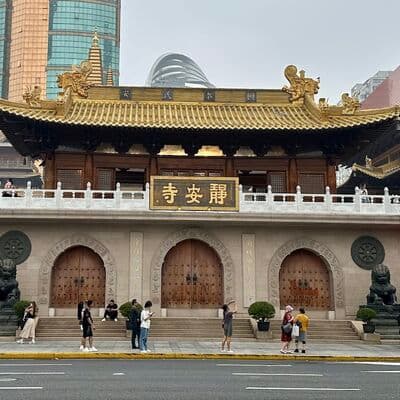
Jing'an offers perhaps the best balance of location, convenience, and value. The ancient Jing'an Temple sits amid gleaming malls, while the surrounding streets hold interesting restaurants and bars. Metro Line 2 provides quick access to both airports.
Average hotel prices: ¥400-1200/night
Pudong (Lujiazui)
Why stay here: Iconic tower views, luxury hotels, closer to Pudong Airport
The vibe: Futuristic, corporate, photogenic but somewhat sterile
Best for: Business travelers, tower enthusiasts, those with early Pudong flights
Staying among the famous towers (Oriental Pearl, Jin Mao, Shanghai Tower) has its appeal - the views are spectacular and hotels like the Park Hyatt and Ritz-Carlton are world-class. But Pudong lacks street-level character. You'll cross the river frequently to access Shanghai's best restaurants and nightlife.
Average hotel prices: ¥600-2500/night
Old Town (Yu Garden Area)
Why stay here: Historic atmosphere, convenient to Yu Garden, budget-friendly
The vibe: Crowded, touristy, traditional architecture (mostly rebuilt)
Best for: Budget travelers, those focused on traditional sights
The area around Yu Garden offers cheaper accommodations and a vaguely "old Shanghai" feel, though most historic buildings are reconstructions. It's convenient to some attractions but removed from the French Concession and Bund dining scenes.
Average hotel prices: ¥200-600/night
Budget Breakdown by District
| District | Budget (per night) | Mid-Range | Luxury |
|---|---|---|---|
| The Bund | ¥300-500 | ¥800-1500 | ¥2000-5000 |
| French Concession | ¥200-400 | ¥500-1000 | ¥1500-3000 |
| Jing'an | ¥200-350 | ¥400-900 | ¥1200-2500 |
| Pudong | ¥250-400 | ¥600-1200 | ¥1800-4000 |
| Old Town | ¥150-300 | ¥300-600 | ¥800-1500 |
Top Attractions
Shanghai rewards both the organized sightseer and the aimless wanderer. Here are the essential experiences, from famous landmarks to local favorites.
The Bund (外滩)
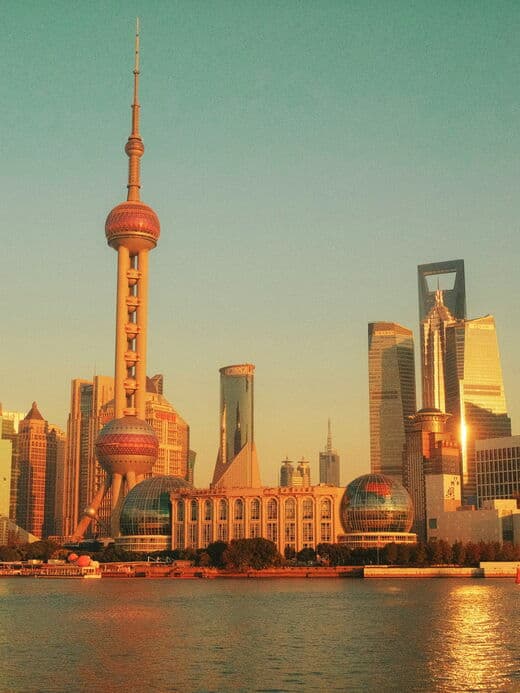
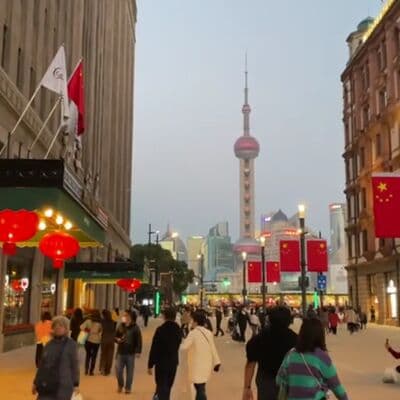
Shanghai's most famous promenade stretches 1.5 kilometers along the Huangpu River, lined with 52 buildings spanning Gothic Revival to Art Deco styles. The view across to Pudong's towers is the city's defining image. Come at sunset to watch the neon ignite, then stay for the light show. Early morning offers a quieter experience with locals exercising.
Don't miss: The Bund's interior spaces are equally impressive. Duck into the Peace Hotel's jazz bar, the Fairmont's lobby, or the Long Bar at the Waldorf Astoria to see restored 1920s grandeur.
Cost: Free | Best time: Sunset and evening
Shanghai Tower (上海中心大厦)
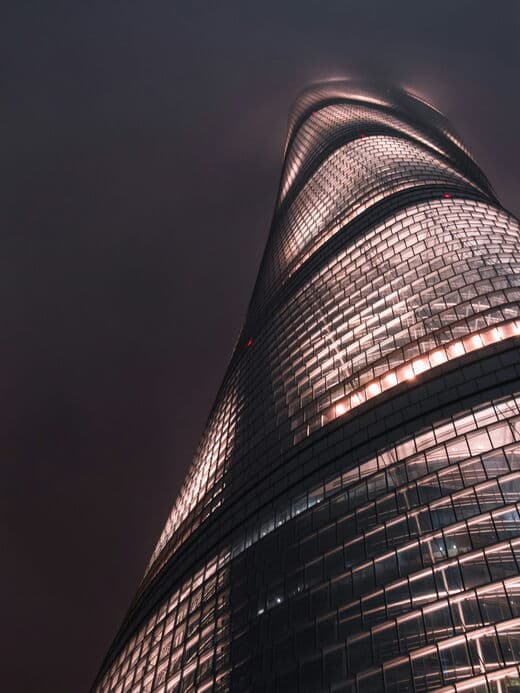
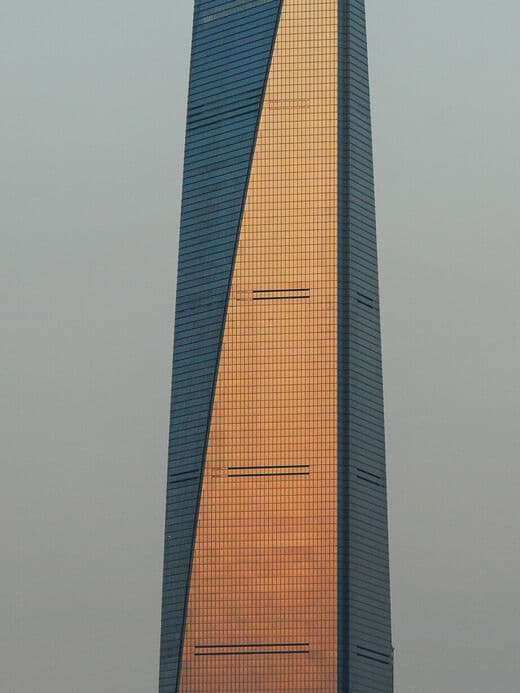
At 632 meters, this is China's tallest building and the world's third tallest. The observation deck on floor 118-119 offers staggering views across the entire Yangtze River Delta on clear days. The spiral design isn't just aesthetically striking - it reduces wind load by 24%. The elevator reaches the top in under a minute.
Pro tip: Visit on a clear afternoon and stay through sunset. The transition from daylight to neon-lit night is mesmerizing.
Cost: ¥180 | Hours: 8:30 AM - 9:30 PM
Yu Garden (豫园)
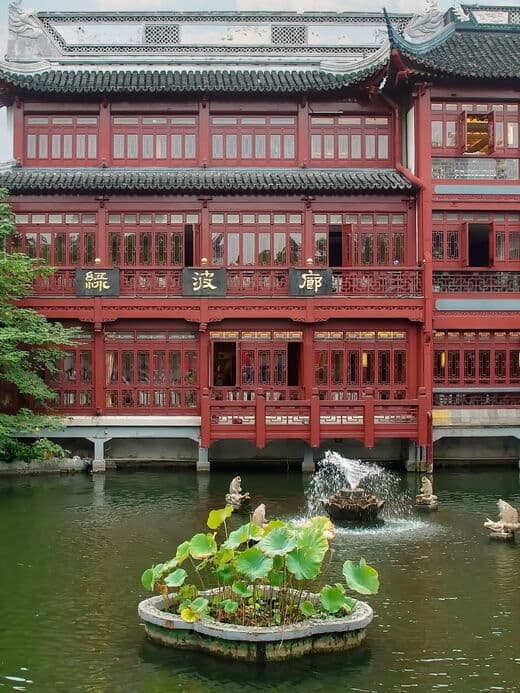
This 400-year-old classical garden offers a tranquil contrast to Shanghai's modernity. Rockeries, koi ponds, pavilions, and moon gates create an intricate landscape designed for contemplation. The surrounding bazaar is tacky but photogenic, and the Huxinting Teahouse on the zigzag bridge is an iconic Shanghai image.
Strategy: Arrive at opening (8:30 AM) to avoid crowds, or visit late afternoon when tour groups have departed.
Cost: ¥30 (off-peak) / ¥40 (peak) | Hours: 8:30 AM - 5:30 PM
French Concession Walking
The former French-administered district offers Shanghai's most atmospheric strolling. The key streets - Fuxing Road, Wukang Road, Huaihai Road, Xinle Road - are lined with plane trees and 1920s-30s architecture. Rather than ticking off specific sights, simply wander. You'll discover hidden cafes, boutique hotels in historic mansions, and local life unfolding on leafy side streets.
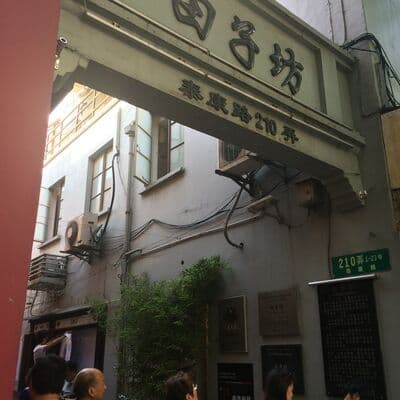
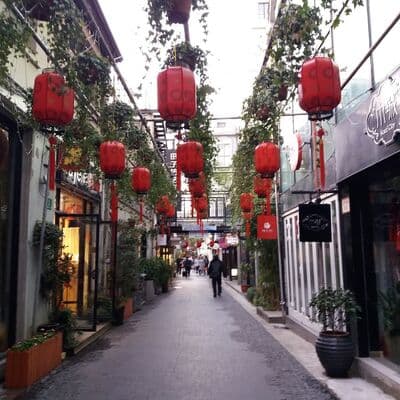
Must-sees: Wukang Building (the flatiron-shaped landmark), Ferguson Lane (creative compound), Tianzifang (touristy but photogenic alleys)
Cost: Free
Pudong Skyline
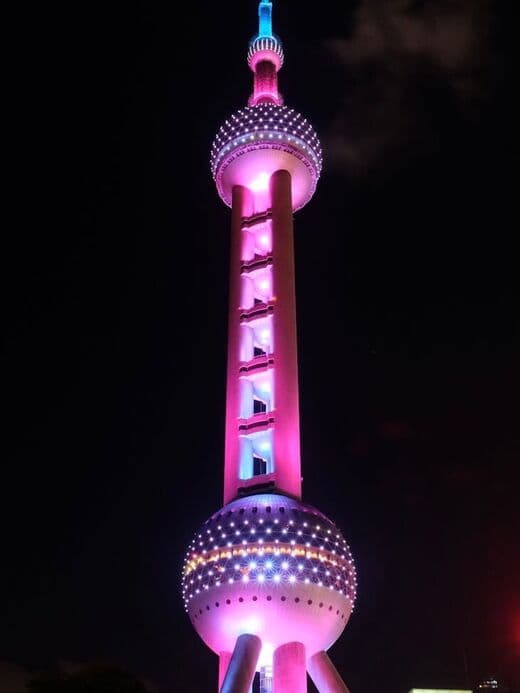
The trio of towers - Oriental Pearl, Jin Mao, and Shanghai Tower - create one of the world's most recognizable skylines. Beyond going up Shanghai Tower, consider:
- Oriental Pearl TV Tower - Retro-futuristic icon with glass floor and city history museum (¥180)
- Jin Mao Tower - 88 floors, Grand Hyatt's vertiginous atrium view (¥120)
- IFC observation deck - Free with purchase at IFC Mall's Level 3 restaurants
- Flair rooftop bar (Ritz-Carlton) - Drinks with views, no observation fee
Jade Buddha Temple (玉佛禅寺)
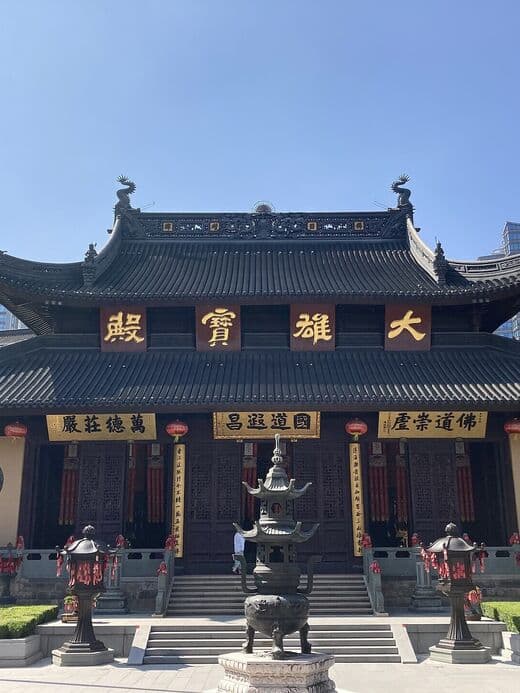
This active Buddhist monastery houses two jade Buddha statues brought from Burma in 1882. Unlike more commercialized temples, genuine monastic life continues here. The seated Buddha weighs over 1,000 kilograms and stands nearly 2 meters tall. Visit during morning chanting (around 4:30 AM) for an unforgettable experience.
Cost: ¥20 | Hours: 8:00 AM - 4:30 PM
M50 Art District
This former textile factory complex on Moganshan Road now houses dozens of galleries and artist studios. It's less slick than 798 in Beijing but arguably more interesting, with a mix of established galleries and experimental spaces. Wander freely; most galleries welcome visitors without appointment.
Cost: Free | Best time: Weekday afternoons, when galleries are open but uncrowded
Longhua Temple and Pagoda
Shanghai's oldest temple dates to 242 AD (though current structures are much later). The 40-meter pagoda and sprawling complex see fewer tourists than downtown temples. During the spring peach blossom festival (March-April), the surrounding gardens are spectacular.
Cost: ¥10 | Hours: 7:00 AM - 4:30 PM
Zhujiajiao Water Town
This Ming-dynasty water town lies 45 minutes west of central Shanghai. Canals, stone bridges, and traditional houses offer a glimpse of pre-modern Jiangnan culture. It's heavily touristed but still atmospheric, especially in early morning or evening. Combined tickets cover multiple attractions, or just wander the streets and bridges free of charge.
Getting there: Take tourist bus from People's Square or metro Line 17
Combined ticket: ¥60-80
Shanghai Museum
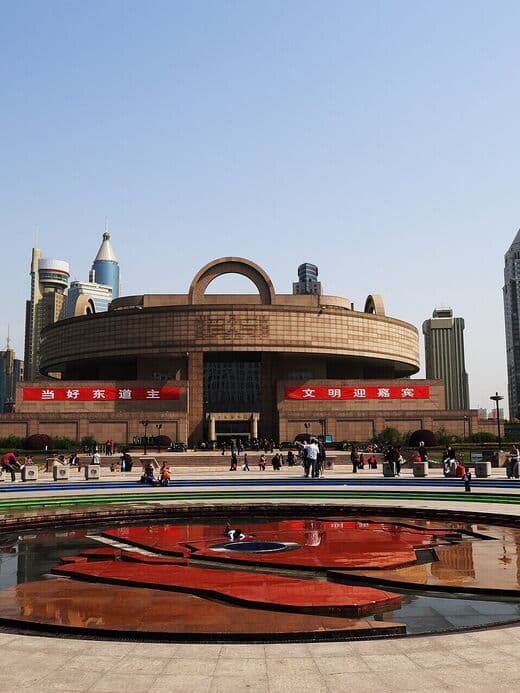
One of China's finest museums, with extraordinary collections of bronzes, ceramics, calligraphy, and traditional furniture. The new East Branch in Pudong opened in 2024 with expanded exhibits. Both locations are worth visiting if you have time. Allow at least 2-3 hours for the main branch.
Cost: Free (reservation required) | Hours: 9:00 AM - 5:00 PM, closed Mondays
What's New in 2025
Shanghai never stops evolving. Here's what's changed or opened recently that affects visitors this year.
CR450 High-Speed Rail Service
China's new 450 km/h trains began limited service in late 2024, with expanded routes in 2025. The Shanghai-Beijing journey time drops to under 4 hours. Look for "CR450" designations when booking tickets on 12306.cn.
Shanghai Museum East Branch
Fully operational in 2024, this massive new museum in Pudong features interactive exhibits, temporary international exhibitions, and collections too large to fit in the original location. The architecture alone - resembling a giant bronze vessel - is worth seeing.
Extended 240-Hour Visa-Free Transit
The visa-free policy expanded in 2024 from 144 to 240 hours (10 days), making Shanghai viable for substantial visits without formal visa applications. This policy continues through 2025 with potential for further extension.
Digital Payment Improvements
China has made significant strides in accepting foreign payment methods. Alipay and WeChat Pay now support linking international credit cards more easily. Additionally, tap-to-pay with foreign cards works at many merchants and all metro stations. Cash acceptance has also improved after government mandates.
Metro Line 23 and Extensions
New metro lines and extensions continue to expand coverage, with Line 23 and Line 12 extensions opening in phases throughout 2025. The network now exceeds 850 kilometers.
Suzhou Creek Waterfront Development
The Suzhou Creek renovation project has transformed industrial waterfront into parks, walkways, and cultural spaces. The 21-kilometer walking path now connects from the Bund westward through former warehouse districts - excellent for an afternoon stroll.
New Hotel Openings
Several noteworthy hotels opened in 2024-2025:
- Aman Shanghai - Ultra-luxury property in Pudong
- Six Senses Shanghai - Wellness-focused luxury in the French Concession
- The Tokyo EDITION Shanghai - Ian Schrager's design hotel concept
- Bulgari Shanghai Tower - Sky-high luxury in the clouds
Sustainability Initiatives
Shanghai has accelerated green initiatives, with electric vehicles now comprising over 50% of ride-hailing fleet. Bike-sharing and new protected cycling lanes make two-wheeled exploration easier than ever. The city's air quality has noticeably improved over recent years.
Food and Dining
Shanghai's food scene is explosively good. Beyond the famous xiaolongbao, you'll find refined local cuisine, excellent regional Chinese restaurants, and a global dining scene rivaling any world capital.
Essential Shanghainese Dishes
Xiaolongbao (小笼包)
These soup dumplings are Shanghai's signature dish. Thin-skinned parcels contain pork and rich, scalding broth - bite carefully or you'll burn your chin. The technique: nibble a hole, sip the soup, then eat the dumpling. Din Tai Fung is reliable, but locals swear by Jia Jia Tang Bao (a tiny shop with enormous queues) or Nanxiang Steamed Bun Restaurant at Yu Garden.
Shengjianbao (生煎包)
Pan-fried soup buns with crispy bottoms and fluffy tops. Equally delicious, less famous, often no queue. Yang's Fried Dumplings (小杨生煎) has branches citywide.
Red-Braised Pork (红烧肉)
Mao Zedong's favorite dish - pork belly slow-braised in soy sauce, sugar, and Shaoxing wine until meltingly tender. A signature of Shanghai's "benbang" cuisine.
Hairy Crab (大闸蟹)
September through November is hairy crab season. These small freshwater crabs from Yangcheng Lake are prized for their rich, creamy roe. Expensive (¥100-300 per crab) but quintessentially Shanghainese autumn eating.
Sweet and Sour Mandarin Fish (松鼠鳜鱼)
Deep-fried whole fish cut to resemble a squirrel, doused in sweet-sour sauce. A specialty of nearby Suzhou, widely available in Shanghai.
Scallion Oil Noodles (葱油拌面)
Deceptively simple: springy noodles, caramelized shallots, soy sauce. Perfect quick lunch. Find it at any local noodle shop.
Where to Eat
High-End and Modern
- Ultraviolet by Paul Pairet - The most theatrical dining experience in Asia, 10 courses with immersive technology (¥6000+, months-long waitlist)
- Fu He Hui - Vegetarian tasting menus that rival any Michelin restaurant (¥800-1200)
- Taian Table - German chef Stefan Stiller's intimate fine dining (¥1500+)
- Da Vittorio Shanghai - Italian excellence from the Bergamo masters
Traditional Shanghainese
- Jesse Restaurant (吉士酒家) - Best-value classic Shanghai dishes in the French Concession
- Chun (春) - Contemporary takes on Shanghai classics
- Fu 1088 - Elegant setting in a 1930s mansion
- 1221 - Reliable old-school Shanghainese, always packed
Street Food and Casual
- Jia Jia Tang Bao - Tiny shop, legendary xiaolongbao, worth the queue
- Yang's Fried Dumplings - Multiple locations for shengjianbao
- Wujiang Road Food Street - Tourist-friendly concentration of snacks
- Da Hu Chun - 24-hour breakfast chain for soy milk, youtiao, cifan
International Dining
Shanghai's international dining scene is world-class:
- Japanese - Sushi Oyama, Ginza Onodera, Unico
- French - Jean Georges, Maison Pourcel
- Italian - 8 1/2 Otto e Mezzo Bombana, Mercato
- Southeast Asian - Kommune, Shelter
Food Markets
Wet markets offer a glimpse into daily Shanghai life. Visit Wulumuqi Road Market in the French Concession for vegetables, meat, and seafood alongside locals doing their daily shopping. For a more curated experience, The Urban Harvest farmers market happens weekends at various locations.
Coffee Culture
Shanghai has embraced specialty coffee with remarkable enthusiasm. The city now has more coffee shops than any other in the world. Standouts include:
- Manner Coffee - Local chain, excellent quality, unbeatable prices (¥15-20)
- Seesaw - Pioneering Shanghai roaster with sleek spaces
- % Arabica - Kyoto import with stunning locations
- Metal Hands - Independent specialty roasters
Nightlife and Entertainment
Shanghai pulses after dark, from sophisticated cocktail lounges to thumping megaclubs. The French Concession and Bund areas concentrate most of the action, but interesting options exist citywide.
Cocktail Bars
Shanghai's cocktail scene is genuinely world-class, with several bars regularly appearing on global best-of lists:
- Speak Low - Four-floor speakeasy behind a bar supply shop; each floor has a different vibe (French Concession)
- Sober Company - Innovative cocktails in a converted print house
- Bar No. 3 - Intimate space, creative drinks, reservation essential
- The Odd Couple - Unique Asian-inspired cocktails
- Flask - Speakeasy hidden behind a Coca-Cola vending machine
Rooftop Bars
Shanghai's skyline demands rooftop drinking:
- Flair (Ritz-Carlton Pudong) - Best Bund views from across the river
- Vue Bar (Hyatt on the Bund) - Outdoor terrace, Pudong panoramas
- Bar Rouge - Bund-side institution, terrace with river views
- POP (Three on the Bund) - Art deco glamour, celebrity sightings
Live Music
- JZ Club - Shanghai's premier jazz venue since 2004
- The Pearl - Eclectic live music in a stunning space
- Yuyintang - Underground live house for indie and rock
- Brown Sugar - R&B and soul in a retro setting
- Cotton Club - Jazz standards in a classic atmosphere
Clubs
- TAXX - Massive superclub, international DJs
- ALL Club - Serious techno, underground vibe
- Elevator - Intimate electronic music
- 44KW - Post-industrial space, diverse programming
Traditional Entertainment
- Shanghai Acrobatic Troupe - Jaw-dropping circus arts at Malanhua Theatre
- Yifu Theatre - Peking Opera performances
- Shanghai Centre Theatre - ERA: Intersection of Time acrobatic show
- Fairmont Peace Hotel Jazz Bar - The original Old Jazz Band plays nightly
Nightlife Districts
French Concession
The densest concentration of interesting bars clusters around Yongkang Road, Yongfu Road, and Julu Road. Start early for dinner, then bar-hop until late. Everything is walkable.
The Bund
More formal, more expensive, more spectacular views. Dress well and expect premium prices. Most venues here focus on pre-dinner drinks or late-night after-parties.
Jing'an
Emerging nightlife area around Kangding Road and Shaanxi North Road. Younger crowd, more experimental venues, lower prices than the Bund.
Shopping
Shanghai is a shopping capital, from international luxury to independent designers to sprawling markets. Whatever your budget and style, you'll find it here.
Luxury Shopping
- Plaza 66 (恒隆广场) - All the luxury brands under one roof in Jing'an
- IFC Mall - Pudong's premier luxury mall with Pudong views
- Three on the Bund - Armani, Cartier in heritage buildings
- Maison Mode - Modern luxury in the French Concession
- Nanjing Road West - Boulevard of luxury flagships
Mid-Range and Mainstream
- IAPM Mall - Trendy brands, good food court
- Grand Gateway 66 - Comprehensive shopping in Xujiahui
- K11 Art Mall - Shopping meets art installations
- Jing'an Kerry Centre - Solid mix of international and local brands
Independent and Local Design
- Xintiandi - Shanghai designers in restored shikumen houses
- Anfu Road - French Concession's boutique street
- Dong Liang Studio - Curated Chinese fashion designers
- Brut Cake - Local designer collaborations
- Comme Moi - Contemporary Shanghai fashion
Markets
Qipu Road Clothing Market
Seven floors of budget clothing and accessories. Quality varies wildly, bargaining essential. Best for basics and quirky finds rather than quality pieces.
Hours: 9:00 AM - 6:00 PM
AP Xinyang Market
Underground warren beneath the Science and Technology Museum metro station. Fake goods of dubious legality alongside genuinely interesting souvenirs. Aggressive bargaining required.
Hours: 9:00 AM - 8:00 PM
Dongtai Road Antique Market
Relocated and diminished from its heyday, but still offers Mao memorabilia, vintage propaganda posters, old cameras, and curiosities. Most "antiques" are reproductions - price accordingly.
Tianzifang
Touristy but atmospheric, these converted lane houses hold boutiques, studios, and craft shops. Better for browsing than serious shopping. Weekday mornings are least crowded.
Electronics
Forget bargains on phones or computers - prices are the same as or higher than the West for genuine goods. Xujiahui's electronics malls (Pacific Digital Plaza, Bai Nao Hui) offer selection but require vigilance against fakes and scams.
Tea
Shanghai sits in the heart of China's tea-growing regions. The Tianshan Tea City offers an overwhelming selection of Chinese teas with opportunity for tasting and learning. Go in prepared to spend time, not just money. Quality varies enormously; bring a knowledgeable friend if possible.
Tax Refund
Foreign visitors can claim 11% VAT refund on purchases over ¥500 at participating stores. Look for "Tax Free Shopping" signs. Keep receipts and claim refunds at the airport before departure. The refund counter is after check-in but before security.
Costs and Budget Planning
Shanghai ranges from surprisingly affordable to obscenely expensive, depending on your choices. It's entirely possible to explore on a backpacker budget or spend thousands per night - the city accommodates both extremes.
Daily Budget Estimates
| Category | Budget | Mid-Range | Luxury |
|---|---|---|---|
| Accommodation | ¥150-300 | ¥500-1000 | ¥2000+ |
| Meals | ¥80-150 | ¥200-400 | ¥800+ |
| Transportation | ¥20-40 | ¥50-100 | ¥200+ |
| Attractions | ¥50-100 | ¥150-300 | ¥300+ |
| Daily Total | ¥300-600 | ¥900-1800 | ¥3300+ |
Typical Prices
Food
- Street breakfast (soy milk, youtiao, baozi): ¥10-15
- Local lunch (noodles or rice dish): ¥25-40
- Xiaolongbao (6-8 pieces): ¥30-50
- Coffee (local chain): ¥15-25
- Coffee (Starbucks): ¥35-50
- Beer (local): ¥8-15
- Beer (imported, bar): ¥40-80
- Cocktail: ¥80-150
- Mid-range dinner for two: ¥200-400
- Fine dining tasting menu: ¥800-2000 per person
Transportation
- Metro single journey: ¥3-10
- Bus fare: ¥2
- Taxi (typical ride): ¥20-50
- DiDi (typical ride): ¥15-40
- Maglev (one way): ¥50
- Day of metro travel: ¥20-40
Attractions
- Shanghai Tower observation: ¥180
- Yu Garden: ¥30-40
- Shanghai Museum: Free
- Jade Buddha Temple: ¥20
- Shanghai Disneyland: ¥475-769
- Zhujiajiao day trip: ¥60-80
Money-Saving Tips
- Eat where locals eat - Follow the crowds to busy local restaurants; excellent food at fraction of tourist prices
- Use metro for everything - Cheap, fast, and comprehensive
- Free attractions - The Bund, French Concession walking, Shanghai Museum, M50 Art District all cost nothing
- Stay in Jing'an - Better value than Bund area with excellent metro connections
- Local coffee chains - Manner is genuinely excellent at ¥15-20
- Book attractions online - Many offer discounts for advance purchase
- Avoid taxis during rush hour - Traffic jams burn money on the meter
Payment Methods
China is famously cash-light, but the situation has improved for foreign visitors:
- Alipay/WeChat Pay - Now accept international credit cards; set up before arrival
- Credit cards - Accepted at hotels, upscale restaurants, international chains
- Cash - Keep ¥500-1000 for small vendors, street food, emergencies
- Tap-to-pay (NFC) - Works at metro and many chain stores with foreign cards
Currency Exchange
Withdraw yuan from ATMs (ICBC, Bank of China, Agricultural Bank work reliably with foreign cards) or exchange at the airport. Avoid hotel exchanges - rates are poor. ATM withdrawal limits are typically ¥2500-3000 per transaction.
Cultural Etiquette
Shanghai is modern and cosmopolitan, but cultural awareness smooths interactions and shows respect.
General Behavior
- Queue behavior - Yes, Chinese people queue, despite stereotypes. Line-jumping exists but isn't acceptable; a firm "excuse me" (劳驾, láojià) works.
- Volume - Chinese conversations often sound loud to Western ears. It's animated, not angry. Adjust your expectations.
- Personal space - Tighter than in Western countries. Metro crowding is intense during rush hour - it's normal, not aggressive.
- Pointing - Use an open hand rather than a single finger
- Gift giving - If invited somewhere, bring fruit or a small gift. Avoid clocks, anything in sets of four, or white wrapping paper (funeral associations).
Dining Etiquette
- Round tables - The host sits facing the door; guests are seated by importance
- Toasting - When someone toasts you, drink. When you toast, say 干杯 (gānbēi) and drink together
- Leaving food - Traditionally, finishing everything suggests the host didn't provide enough. Leave a little.
- Chopsticks - Never stick them vertically in rice (funeral imagery); don't use them to point
- Paying - The person who invited pays. Fighting over the bill is expected - make a gesture but don't be too insistent if they refuse
Business Etiquette
- Business cards (名片) - Essential. Present and receive with both hands; study the card before putting it away
- Hierarchy - Acknowledge seniority; let senior members enter rooms first
- WeChat - Add business contacts on WeChat, not email or phone; it's the primary communication channel
- Punctuality - Expected; traffic is a valid excuse but plan accordingly
Temple Etiquette
- Dress modestly (shoulders and knees covered)
- Remove shoes where indicated
- Ask before photographing worshippers
- Walk clockwise around structures
- Don't touch Buddha statues or sit on altar platforms
Language
Shanghai's dialect (上海话, Shanghainese) differs significantly from Mandarin, though everyone under 50 speaks Mandarin fluently. English proficiency is higher than most Chinese cities but still limited outside hospitality industries. Essential Mandarin phrases help enormously:
- Hello: 你好 (nǐ hǎo)
- Thank you: 谢谢 (xièxie)
- Sorry/Excuse me: 不好意思 (bù hǎo yìsi)
- How much?: 多少钱? (duōshao qián?)
- Too expensive: 太贵了 (tài guì le)
- I don't understand: 我听不懂 (wǒ tīng bù dǒng)
- Bill please: 买单 (mǎidān)
Practical Tips
Internet and VPN
Critical: Google, Gmail, WhatsApp, Instagram, Facebook, YouTube, and many Western sites are blocked in China. To access them, you'll need a VPN (Virtual Private Network). Download and set up your VPN before arriving in China - VPN websites are blocked within the country. Recommended options: ExpressVPN, NordVPN, Astrill. Free VPNs rarely work reliably.
Consider getting a local SIM card for reliable data. China Unicom and China Mobile both offer tourist SIM packages (¥100-200 for a week with several GB of data). Purchase at airport arrivals or any official carrier store with your passport.
Apps You'll Need
- WeChat (微信) - Essential for communication, payments, everything. Set up before arriving.
- Alipay (支付宝) - Payment app; link your international card
- DiDi (滴滴) - Ride hailing with English interface
- Gaode Map (高德地图) - Most accurate for local navigation; Google Maps works poorly
- Metro Man - Offline metro maps for Shanghai and other Chinese cities
- Pleco - Best Chinese dictionary app with camera translation
- Trip.com - Book trains, flights, hotels with English interface
Safety
Shanghai is one of the world's safest major cities. Violent crime against tourists is virtually unheard of. Common issues:
- Scams - The "tea ceremony" scam targets tourists near major attractions. Friendly students invite you to a "traditional tea house" that bills ¥500+ for tea. Decline politely.
- Fake goods - Markets sell knockoffs; quality varies wildly. Don't expect durability.
- Traffic - The main danger. Electric scooters are silent and everywhere; look both ways constantly, even on sidewalks.
- Pickpockets - Rare but possible on crowded metro lines. Standard awareness suffices.
Health
- Air quality - Download an AQI app. On high pollution days, sensitive individuals should limit outdoor activity
- Water - Don't drink tap water; bottled water is cheap and ubiquitous
- Pharmacies - Watsons and chain pharmacies stock basic medications; bring specific prescriptions from home
- Hospitals - International clinics cater to expats with English-speaking staff (expensive without insurance); public hospitals are crowded but competent
Electricity
China uses 220V/50Hz with Type A, C, and I plugs. Most hotels have universal outlets, but carry an adapter if you have specific devices. USB charging is standard.
Weather Preparedness
- Summer - Umbrella (for sun and sudden storms), sunscreen, water bottle
- Winter - Layers (indoor heating is often excessive), warm coat for outdoor time
- Spring/Fall - Light jacket, comfortable walking shoes
- Always - Comfortable shoes; Shanghai requires serious walking
Useful Contacts
- Police: 110
- Ambulance: 120
- Fire: 119
- Tourist hotline: 962020 (English available)
Sample Itineraries
One Day in Shanghai (The Highlights)
Morning: Start at Yu Garden as it opens (8:30 AM) to avoid crowds. Wander the bazaar streets afterward for breakfast snacks. Take the metro to People's Square and walk down Nanjing Road pedestrian street.
Afternoon: Taxi to the French Concession. Explore Xintiandi, then wander Fuxing Road and Wukang Road. Stop for coffee at Manner or % Arabica. Late lunch at Jesse Restaurant.
Evening: Head to the Bund for sunset. Walk the promenade as lights come on across Pudong. Drinks at Long Bar (Waldorf Astoria) or Bar Rouge. Dinner in the area or back to the French Concession.
Three Days in Shanghai
Day 1: Classic Shanghai
Morning: Yu Garden and Old Town (arrive early). Xiaolongbao breakfast at Nanxiang.
Afternoon: Shanghai Museum (reserve free tickets online). Walk to People's Square and Nanjing Road.
Evening: Bund promenade at sunset. Dinner at Mr & Mrs Bund or M on the Bund.
Day 2: Modern Shanghai and French Concession
Morning: Shanghai Tower observation deck (book ahead). Explore Lujiazui, cross river by ferry.
Afternoon: French Concession deep dive. Wukang Road, Fuxing Park, boutique browsing. Late lunch at Fu 1088.
Evening: Cocktails at Speak Low. Dinner in Tianzifang or Xintiandi area. JZ Club for jazz.
Day 3: Beyond the Center
Morning: Jade Buddha Temple early. Explore M50 Art District.
Afternoon: Zhujiajiao water town day trip (or) Shanghai Disneyland (full day)
Evening: Return to French Concession for final dinner. Rooftop drinks at Flair.
Five Days in Shanghai and Beyond
Days 1-3: As above
Day 4: Day Trip to Suzhou
Take the high-speed train (23 minutes) to Suzhou. Visit the Humble Administrator's Garden, Pingjiang Road historic district, and Suzhou Museum (designed by I.M. Pei). Return to Shanghai for a late dinner.
Day 5: Day Trip to Hangzhou
High-speed train (47 minutes) to Hangzhou for West Lake. Rent a bike, visit Lingyin Temple, stroll the tea plantations of Longjing village. Return to Shanghai or stay overnight - Hangzhou deserves more time if you have it.
Shanghai with Kids
- Shanghai Disneyland - Allow a full day; book tickets and Genie+ in advance
- Shanghai Ocean Aquarium - World's longest underwater tunnel in Pudong
- Shanghai Natural History Museum - Excellent interactive exhibits, enormous dinosaur collection
- Maglev train - Speed thrills for all ages
- Pudong towers - Shanghai Tower's glass floor, Oriental Pearl's museum
- Yu Garden - Koi fish, rockeries, and bazaar snacks keep kids engaged
Frequently Asked Questions
Do I need a visa for Shanghai?
Citizens of 54 countries can visit Shanghai visa-free for up to 240 hours (10 days) when transiting through China. This requires arrival from one country and departure to a third country (not your origin). For longer stays or direct roundtrips, you'll need a standard Chinese tourist visa (L visa) from your local embassy.
How do I get from Pudong Airport to the city?
Multiple options: The Maglev train to Longyang Road (8 minutes, ¥50) plus metro is fastest. Direct Metro Line 2 takes about 70 minutes. Taxis cost ¥150-200 and take 45-90 minutes depending on traffic. DiDi is similar to taxi. Airport buses run to various destinations for ¥20-30.
Is English widely spoken?
More than most Chinese cities, but still limited. Hotel staff and upscale restaurants handle English well. Metro signage is bilingual. Street-level interactions often require translation apps or pointing. Download Pleco (dictionary) and prepare key phrases in Mandarin.
Can I use Google, WhatsApp, and Instagram in Shanghai?
Not without a VPN. These services, plus Gmail, YouTube, Facebook, and many others, are blocked in China. Download and configure a VPN before arriving - VPN provider websites are blocked within China. ExpressVPN, NordVPN, and Astrill are reliable choices.
How do I pay for things without Chinese apps?
The situation has improved significantly. Alipay and WeChat Pay now allow linking international credit cards - set this up before arrival. Tap-to-pay with foreign cards works at metro stations and many chains. Major hotels and restaurants accept credit cards. Carry some cash (¥500-1000) for small vendors and emergencies.
Is Shanghai safe?
Extremely safe. Violent crime against tourists is nearly nonexistent. Petty theft is rare. The main "danger" is aggressive scammers near tourist spots (the "tea ceremony" scam) and the chaotic traffic. Exercise normal caution and you'll be fine.
What's the best area to stay?
French Concession offers the best balance of atmosphere, dining, and value. The Bund area is iconic but expensive and touristy. Jing'an provides excellent transport links and good restaurants at reasonable prices. Pudong suits business travelers and those who want tower views. See the Districts section for detailed comparisons.
How many days do I need in Shanghai?
Minimum 2-3 days for the highlights. 4-5 days allows deeper exploration and a day trip. A week gives you time for Suzhou and Hangzhou excursions plus proper French Concession wandering. Shanghai reveals more the longer you stay - it's not a city that gives up its secrets quickly.
When is the best time to visit?
Spring (April-May) and autumn (October-November) offer the best weather. Avoid Golden Week (early October) when domestic tourism peaks. Summer is hot and humid with the rainy "plum rain" season in June. Winter is chilly but manageable with fewer crowds and lower prices.
Is Shanghai expensive?
It can be either cheap or extremely expensive depending on your choices. Budget travelers can manage on ¥300-500/day with hostels, local food, and metro transport. Mid-range comfort runs ¥1000-1800/day. Luxury has no ceiling. Compared to other global cities, Shanghai offers excellent value at every level.
What should I definitely not miss?
The Bund at sunset, xiaolongbao (soup dumplings) at a proper restaurant, walking the French Concession's tree-lined streets, and ascending Shanghai Tower. Beyond that, your interests determine priorities - art lovers need M50, history buffs should see the Propaganda Poster Art Centre, foodies should book one upscale Chinese meal.
How do I get to Shanghai Disneyland?
Take Metro Line 11 to Disney Resort station (approximately 45 minutes from central Shanghai). The resort is connected directly to the metro. Allow a full day; book tickets online in advance, especially during holidays and weekends.