About
Mexico: The Complete Guide to Tacos, Ancient Pyramids, and Caribbean Paradise
Why Visit Mexico
Mexico is a country that grabs you from the moment you step off the plane. The warm air hits you, carrying scents of lime and chili, while mariachi music drifts from somewhere nearby. This is not just another vacation destination - it is a place that reawakens your sense of adventure and reminds you why you fell in love with travel in the first place.
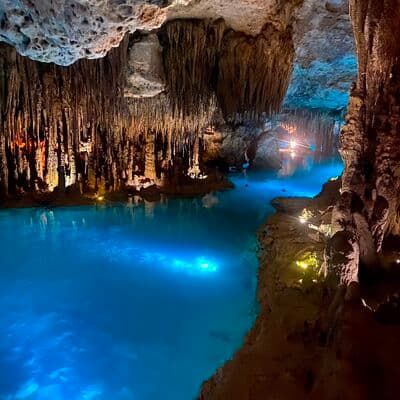
Picture this: in the morning, you are climbing an ancient Maya pyramid older than most European cathedrals. By noon, you are swimming in a crystal-clear cenote, an underground pool sacred to the ancient Maya. Come evening, you are sitting in a colonial plaza with a glass of mezcal, listening to street musicians as the sunset paints the baroque churches gold. All of this - in a single day. Mexico is so diverse that you could return dozens of times and still discover something new.
For American travelers, Mexico offers incredible value and easy access. Most US citizens can enter visa-free for up to 180 days. Direct flights connect major US cities to Mexico City, Cancun, Guadalajara, and Los Cabos in just 2-5 hours. Your dollar stretches far here: a full meal at a local comedor costs $4-6, street tacos are under a dollar each, and a boutique hotel room might run $80-120 - prices that would be unthinkable in comparable European destinations.
But the real draw is the experience. Mexico offers something for everyone: world-class beaches for sun seekers, ancient ruins for history buffs, vibrant cities for culture lovers, remote mountains for adventure travelers, and one of the world's great cuisines for foodies. Whether you want to party in Cancun, find yourself in a Oaxacan mezcal bar, surf Pacific waves, or explore Maya temples in the jungle, Mexico delivers.
Regions: What to Choose
Central Mexico: The Heart of the Nation
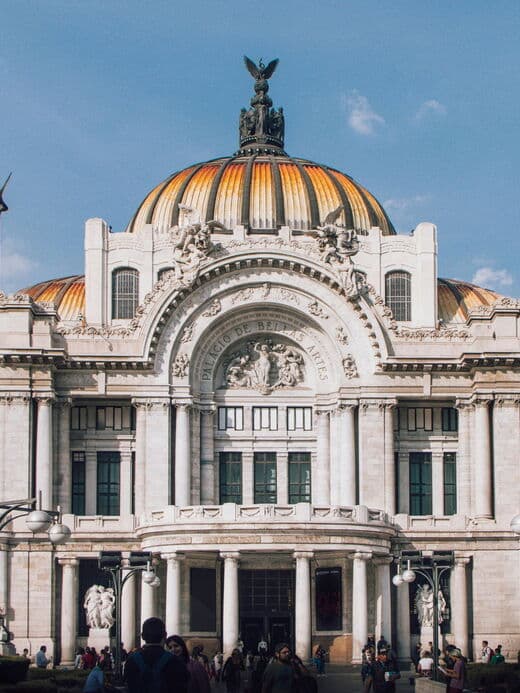
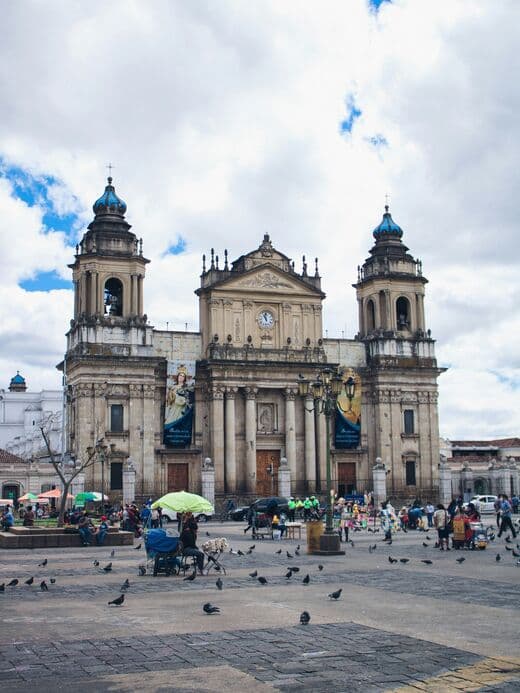
Central Mexico is where you find the essence of Mexican culture, history, and gastronomy. Here lies Mexico City, one of the world's largest megacities with over 21 million people in its metropolitan area. But do not let the numbers intimidate you: the historic center is compact and stunningly beautiful. The Zocalo - the main plaza - is one of the largest public squares in the world, surrounded by the Metropolitan Cathedral and the National Palace with its famous Diego Rivera murals depicting Mexican history.
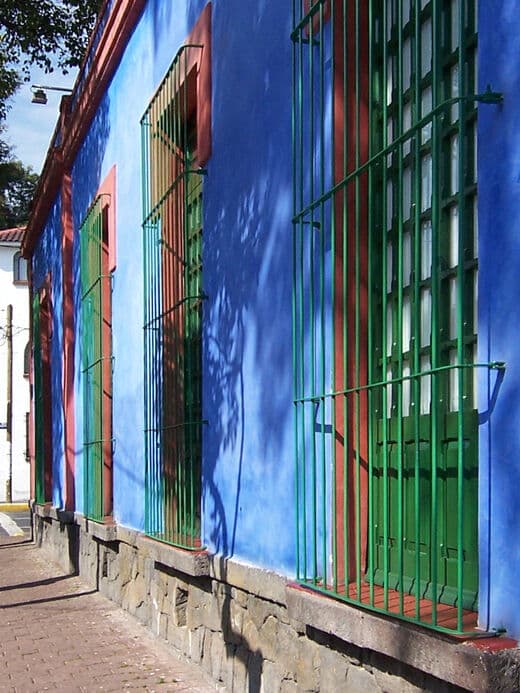
From the Zocalo, streets radiate out to distinct neighborhoods, each with its own character. Roma-Condesa is Mexico City's Brooklyn - tree-lined streets, art deco architecture, hipster coffee shops, galleries, and innovative restaurants. Coyoacan is the bohemian quarter where Frida Kahlo and Leon Trotsky lived. The Frida Kahlo Museum (Casa Azul) is one of Mexico's most visited museums - book tickets weeks in advance. San Angel is an affluent neighborhood with a famous Saturday art market.
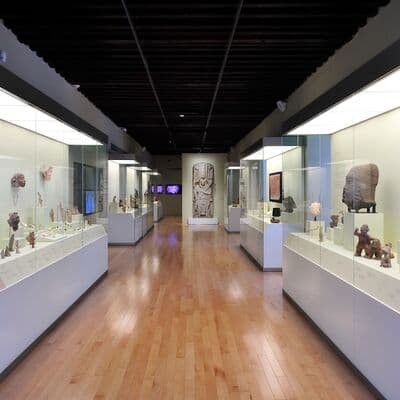
Chapultepec Park is the city's green lung, one of the largest urban parks in the Western Hemisphere. Within it sits Chapultepec Castle - the only royal castle in the Americas - with panoramic views of the sprawling metropolis. The National Museum of Anthropology is absolutely essential for understanding pre-Columbian civilizations. Its collection includes the famous Sun Stone (Aztec calendar) and recreated tomb interiors from Maya sites.
An hour from Mexico City lies Teotihuacan - Mexico's most visited archaeological site. The Pyramid of the Sun is the third-largest pyramid in the world. Arrive at opening time (9 AM) to climb to the top before the crowds and heat. For a mystical experience, visit during the spring equinox (March 21) when thousands gather to absorb the energy.
South of Mexico City is Puebla, the culinary capital of Mexico. This is where legendary mole poblano was invented - a complex sauce made with chocolate, chilis, and dozens of spices. The Zocalo of Puebla is surrounded by baroque architecture decorated with Talavera tiles - the hand-painted ceramics that have become the city's trademark. Do not miss the Rosary Chapel - a baroque masterpiece dripping with gold leaf, considered one of the most beautiful churches in Latin America.
Just outside Puebla is the Great Pyramid of Cholula - the largest pyramid in the world by volume. Yes, larger than Egypt's! Most of it lies hidden beneath a hill topped by a Spanish church. You can descend into tunnels to see the original structures. The Palafoxiana Library, founded in 1646, is the oldest public library in the Americas, with original wooden shelves holding thousands of antique volumes.
The Yucatan Peninsula: Maya Kingdom and Caribbean Beaches
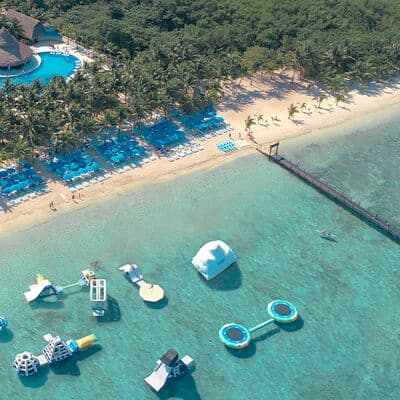
The Yucatan Peninsula is a world unto itself within Mexico. Here you find flat limestone terrain, dense jungle, thousands of cenotes (underground pools), and the ruins of ancient Maya cities. The eastern coast - the Riviera Maya - offers white-sand beaches, turquoise Caribbean waters, and well-developed tourist infrastructure.
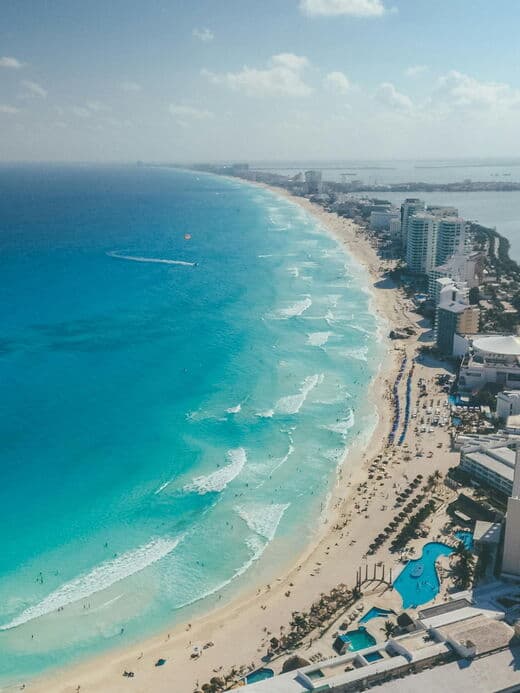
Cancun is the main gateway to the Yucatan. The Hotel Zone is a 15-mile strip of resorts, shopping malls, and nightclubs along pristine beaches. If you want parties and spring break vibes, this is your place. Coco Bongo is the legendary nightclub with acrobatic shows where you will dance on tables until dawn. But Cancun offers more than nightlife. Playa Delfines is a public beach with views of the iconic CANCUN sign where you can often spot dolphins. Isla Mujeres is a laid-back island just a ferry ride away, perfect for a day trip.
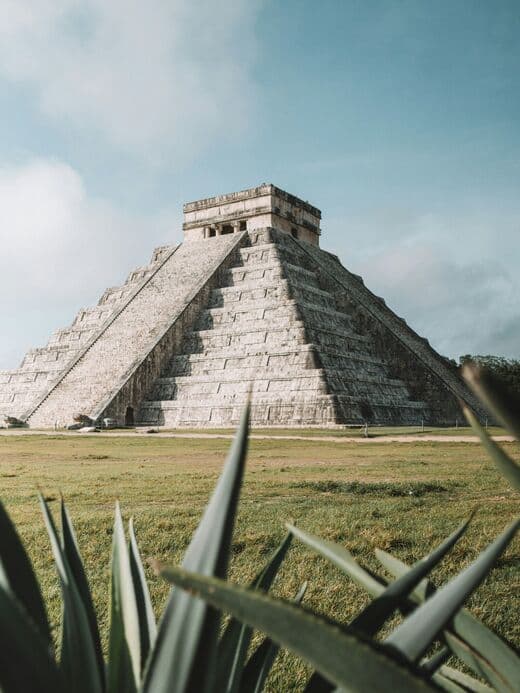
Chichen Itza is Mexico's most famous attraction and one of the New Seven Wonders of the World. The Pyramid of Kukulkan is perfectly engineered so that during the equinoxes, shadows create the illusion of a serpent descending the stairs. Arrive at 8 AM when gates open, or after 3 PM when tour bus crowds depart. On your way, stop at Cenote Ik Kil - a photogenic sinkhole draped with vines where you can swim.
Playa del Carmen is a cosmopolitan town on the Riviera Maya. Fifth Avenue is the pedestrian street lined with restaurants, boutiques, and street performers. Many expats and digital nomads have made this their base. Nearby are some of the peninsula's best cenotes: Cristalino, Azul, Jardin del Eden. Each is unique - some open-air, some in caves, some with fish and turtles.
Xcaret, Xel-Ha, and Xplor are eco-parks perfect for families. Xcaret is the most popular: underground rivers, beaches, a zoo, and an evening show depicting Mexican history. Xel-Ha is for snorkeling in a natural inlet. Xplor is for adrenaline: zip lines, amphibious vehicles, underground river rafting. Tickets are pricey ($100-150) but include a full day of activities and buffet meals.
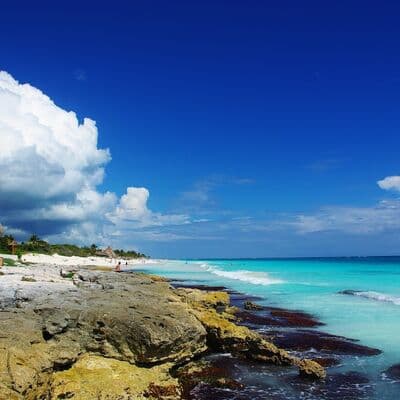
Tulum is the bohemian alternative to Cancun. The Tulum Archaeological Zone is the only major Maya site on the coast - ruins perched on cliffs above turquoise waters. These images grace every Mexico guidebook. The town itself is divided into the pueblo (town center) and the beach zone (hotel strip). The beach zone features boho-chic resorts, yoga retreats, and restaurants with New York prices. Playa Paraiso is one of Mexico's most beautiful beaches.
Cenotes around Tulum are a world of their own. Gran Cenote is perfect for snorkeling among turtles. Dos Ojos is for cave diving enthusiasts. Calavera is for jumping from heights. Casa Tortuga is a complex of four cenotes for a complete experience. Pro tip: arrive early morning or near closing to avoid crowds.
Sian Kaan Biosphere Reserve stretches south of Tulum. Float through mangrove channels spotting crocodiles and hundreds of bird species. Here you will find pristine beaches and the ruins of Muyil. Organized tours cost around $80-100 but offer one of the Yucatan's most unforgettable experiences.
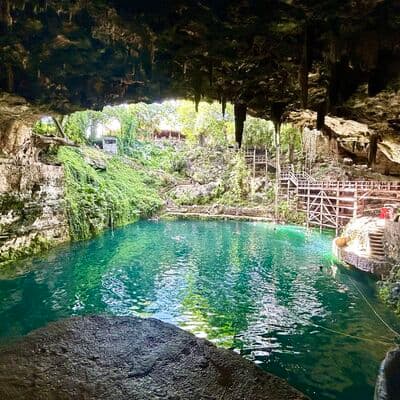
Valladolid is a colonial gem in the heart of the Yucatan, an ideal base for exploring the peninsula. The main plaza showcases classic colonial architecture. Calzada de los Frailes is a picturesque street lined with galleries and restaurants. Right in town is Cenote Zaci - swim without leaving the city center. The San Bernardino Convent is one of Mexico's oldest Franciscan monasteries.
From Valladolid, visit Ek Balam - impressive ruins where you can still climb the main pyramid (unlike Chichen Itza). Nearby are Cenotes Xkeken and Samula in underground caves with light beams piercing through ceiling openings. Cenote Suytun is Instagram-famous for its platform in the center of an underground pool.
Merida - the White City - is the cultural capital of the Yucatan. Spanish colonial heritage blends with living Maya tradition. Plaza Grande is the heart of the city, where local families stroll in the evenings enjoying marquesitas (crispy wafers with cheese and Nutella). Paseo de Montejo is a boulevard lined with French-style mansions built during the henequen (agave fiber) boom.
The Gran Museo del Mundo Maya is a modern interactive museum with the best collection of Maya artifacts. Uxmal is an architectural masterpiece of the Puuc style, less touristed than Chichen Itza but equally impressive. The Pyramid of the Magician with its rounded corners is unlike anything else. Dzibilchaltun is a site near Merida famous for the Temple of the Seven Dolls, through which a sun beam passes during the equinoxes.
Oaxaca: Gastronomy, Mezcal, and Indigenous Traditions
Oaxaca is Mexico for foodies, artists, and anthropologists. This state has the largest indigenous population in Mexico, where Zapotec and Mixtec traditions remain vibrant. The city of Oaxaca de Juarez is a colonial jewel on the UNESCO list. The Zocalo is one of Mexico's most beautiful plazas - you could spend hours under the arcades sipping mezcal and watching life unfold.
The Santo Domingo Church is a 16th-century baroque masterpiece where every inch is covered in gilding and carvings. In the former monastery adjacent to the church is the Museum of Oaxacan Cultures with treasures from Tomb 7 at Monte Alban - gold and jade jewelry found in an unlooted burial.
Monte Alban is the ancient Zapotec capital perched on a mountaintop - one of the first cities in Mesoamerica. Pyramids, an observatory, stelae with dancing figures - and panoramic views of the Oaxaca Valley. Arrive at 8 AM when the ruins are shrouded in mist and virtually empty.
Oaxacan gastronomy deserves its own book. Seven types of mole (complex sauces), tlayudas (giant crispy tortillas), chapulines (fried grasshoppers - try them!), tamales wrapped in banana leaves. Mercado Benito Juarez and Mercado 20 de Noviembre are where you can taste everything at once. At the 20 de Noviembre market, look for the famous row of parrilleros grilling meat on charcoal right before your eyes.
Oaxacan mezcalerias produce authentic mezcal using traditional methods. Unlike industrial tequila, Oaxacan mezcal is a craft product. Each mezcaleria offers tastings where you learn the difference between espadin, tobala, and madrecuishe (agave varieties). Day tours with tastings run about $50 including transportation.
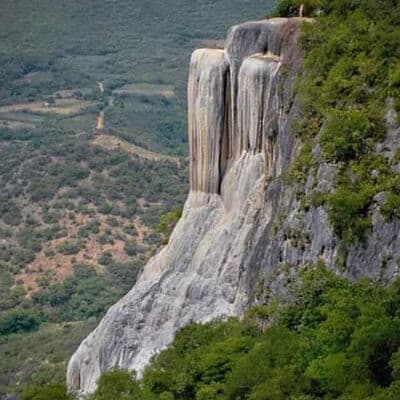
Hierve el Agua is a geological phenomenon - petrified waterfalls in the mountains. Mineral springs have created cascades of white travertine resembling frozen falls. At the top are natural infinity pools with mountain views. The road is rough - take a collectivo (shared van) from Oaxaca or rent an SUV.
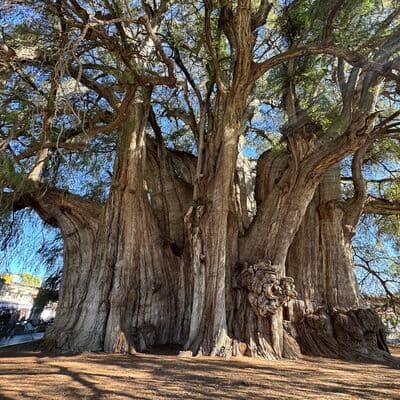
Mitla is a Zapotec site with unique geometric mosaics. Thousands of stone tiles form patterns found nowhere else in Mesoamerica. Teotitlan del Valle is a weaving village producing famous Zapotec rugs with natural dyes from cochineal and indigo. The Arbol del Tule is the world's thickest tree - a cypress over 2,000 years old with a trunk circumference of 138 feet.
Chiapas: Jungles, Waterfalls, and Lost Ruins
Chiapas is Mexico's southernmost state and one of its poorest, yet home to some of the country's most impressive natural and archaeological wonders. This is untouristed, authentic, somewhat wild Mexico.
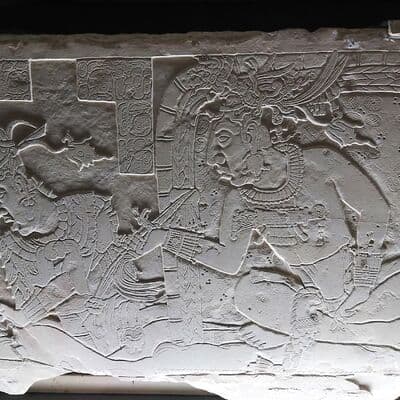
Palenque is a Maya city lost in the jungle. The archaeological zone is one of Mexico's most atmospheric. The Temple of the Inscriptions concealed the tomb of Pakal the Great - a discovery that revolutionized our understanding of Maya civilization. The Palace features a unique four-story tower that may have served as an observatory. The Temple of the Sun is one of the best-preserved Maya temples. In the morning, mist shrouds the ruins and howler monkeys roar from the jungle - an unforgettable experience.
The site museum houses original reliefs and a replica of Pakal's tomb (the original is in Mexico City). Agua Azul is a cascade of turquoise waterfalls where you can swim. Misol-Ha is a 115-foot waterfall with a cave behind the curtain of water. Both waterfalls lie along the route from Palenque to San Cristobal and can be visited in one day.
San Cristobal de las Casas is a colonial city in the highlands at 7,000 feet elevation. Cool nights (bring a jacket!), rich indigenous Tzotzil and Tzeltal culture, coffee plantations nearby. The city is a base for exploring indigenous villages where syncretic rituals are still practiced. In the church of San Juan Chamula, Christian saints mix with pagan deities, and the floor is strewn with pine needles.
Pacific Coast: Surfing and Sunsets
Puerto Vallarta is a Pacific resort beloved by Americans and Canadians. The old town (Zona Romantica) offers cobblestone streets, art galleries, and seafood restaurants. The famous Malecon is a waterfront promenade with bronze sculptures and street musicians. Beaches here are calmer than the Caribbean, but the sunsets are spectacular.
Sayulita and Punta Mita are surf villages north of Puerto Vallarta. Sayulita has a hippie-bohemian vibe with beginner surf schools and international cuisine. Punta Mita is more exclusive with luxury resorts (this is where Hollywood celebrities vacation). Along the Jalisco-Nayarit border are hidden beaches accessible only by boat.
The Oaxacan coast is the wild south. Puerto Escondido is a surf mecca with the famous Zicatela wave (experts only!). Mazunte and Zipolite are hippie villages with nude beaches and sea turtle sanctuaries. Huatulco is a more developed resort with bays for snorkeling.
Baja California: Desert Meets Ocean
Los Cabos is the southern tip of the Baja California peninsula, where desert plunges into the ocean. Cabo San Lucas is a party resort with nightlife and luxury yachts. The famous El Arco rock formation - the Arch of Cabo - is the symbol of Los Cabos, reached by boat tours. San Jose del Cabo is a quiet colonial town with art galleries and restaurants.
The Corridor between the two Cabos is 20 miles of resorts, golf courses, and snorkeling bays. From January to March, humpback whales pass through - visible from shore or on whale watching tours ($80-100). Lover's Beach is one of Mexico's most photographed, accessible only by water taxi.
La Paz is the capital of Baja California Sur, gateway to Espiritu Santo Island. On the island you will find sea lions you can swim with, mangrove channels with dolphins, and wild beaches for camping. This is one of Mexico's best eco-tourism experiences.
The Baja California road trip is one of the world's great drives. 1,000 miles from Tijuana to Cabo through deserts, oases, vineyards (the Guadalupe Valley produces excellent wine), whale-watching lagoons, and lonely fishing villages.
Central-Western Mexico: Tequila, Mariachi, and Colonial Silver
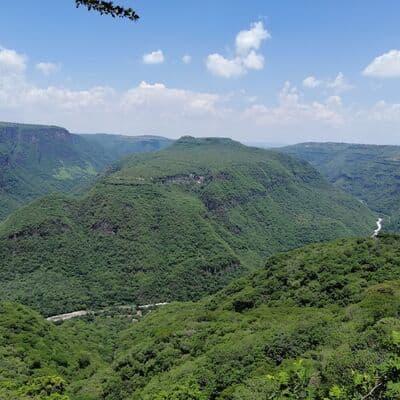
Guadalajara is Mexico's second-largest city, birthplace of tequila and mariachi. This is more traditionally Mexican than cosmopolitan Mexico City. Plaza de Armas is surrounded by the Cathedral, Teatro Degollado (a 19th-century opera house), and government buildings. The Rotonda de los Jaliscienses Ilustres is a memorial with columns and sculptures honoring notable citizens.
The Instituto Cultural Cabanas is a former orphanage, now a cultural center. Here you will find the monumental murals of Jose Clemente Orozco, including the famous Man of Fire in the chapel dome - a masterpiece of Mexican muralism. Mercado San Juan de Dios is Latin America's largest covered market, where you can buy everything from sombreros to electronics.
Tlaquepaque is the artisan district adjacent to Guadalajara. Pedestrian streets lined with galleries, ceramic shops, blown glass, and textiles. Here you will also find the best traditional restaurants. Try birria (stewed beef in chili) - this dish originated in Jalisco.
Tequila is an hour from Guadalajara, the center of Mexico's most famous export. Blue agave fields are a UNESCO site, a fantastic landscape for photos. Visit large distilleries (Jose Cuervo, Herradura) or small family operations. The Tequila Express is a tourist train from Guadalajara with tastings and mariachi music.
Guanajuato is Mexico's most beautiful colonial city. Built in a ravine, colorful houses climb the slopes while the main street runs through underground tunnels of a former river. Jardin de la Union is a triangular plaza, the heart of the city, where student orchestras perform every evening. Teatro Juarez is a Moorish Revival masterpiece with art nouveau interiors.
The Alley of the Kiss is the city's narrowest alley, where lovers kiss from opposing balconies. Legend says couples who kiss here will stay together forever. The funicular to Pipila monument climbs to a viewpoint - from here the best view of the city's colorful mosaic. The underground streets are a unique tunnel system where cars drive and tourists walk.
The Mummy Museum is a macabre attraction: naturally mummified bodies exhumed from the local cemetery. Not for the faint-hearted, but incredibly popular. The Diego Rivera Museum is where the famous muralist was born, with exhibits about his life and work.
The Alhondiga de Granaditas is a former granary that became a symbol of the independence struggle. Here the folk hero Pipila set fire to the doors behind which the Spanish had barricaded themselves. Now it is a museum with murals. The University of Guanajuato is a monumental building on the central stairway, symbol of the city's educational traditions.
San Miguel de Allende is a city that Travel + Leisure magazine has repeatedly named the world's best. A perfectly preserved colonial center, art galleries, fine restaurants, and a large expat community (mostly Americans and Canadians). The Parroquia de San Miguel Arcangel is a pink neo-Gothic church, the iconic symbol of the city.
El Jardin is the central plaza where everyone gathers. Fabrica La Aurora is a former textile factory transformed into an art center with galleries, studios, and boutiques. The artisan market sells handmade souvenirs. Instituto Allende is an art school attracting students from around the world.
Nearby is the Sanctuary of Atotonilco, called the Sistine Chapel of Mexico for its abundance of frescoes. La Gruta Hot Springs offers thermal pools in a cave and outdoors. The Charco del Ingenio Botanical Garden is a canyon with cacti and agaves, perfect for a morning walk.
Copper Canyon: Mexico's Grand Canyon
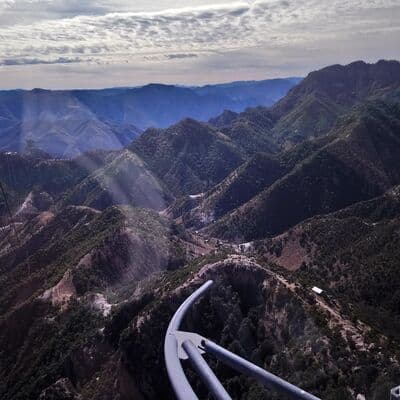
Copper Canyon (Barrancas del Cobre) is a system of canyons deeper and larger than the American Grand Canyon. This is wild northern Mexico, land of the Tarahumara (Raramuri) people, famous for their ultra-marathon running.
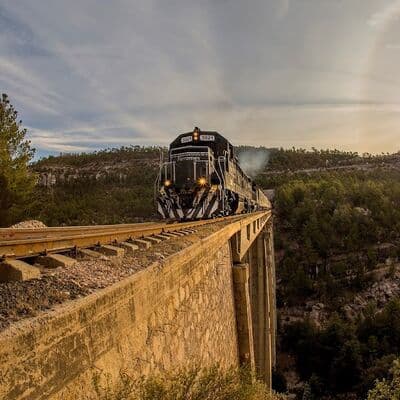
The Chepe Train is one of the world's great railway journeys. 400 miles from Chihuahua to Los Mochis through 86 tunnels, 36 bridges, and dizzying elevation changes. The full trip takes about 16 hours, but you can make stops at key points.
Divisadero is the main viewpoint where the train stops for 15 minutes so passengers can see three intersecting canyons. The Teleferico is a cable car over the canyon, one of the world's longest. Here you will also find zip lines and suspension bridges for thrill seekers.
Creel is a small town serving as the base for exploring the canyons. From here you can take hiking trips, visit hot springs, waterfalls, and Tarahumara villages. Barranca del Cobre itself is the main canyon at 6,165 feet deep. Basaseachi Waterfall is Mexico's second-highest at 807 feet.
Urique is a village at the bottom of the deepest canyon. The descent by jeep is an adventure in itself. The climate changes dramatically: pine forests and cold at the rim, subtropics and heat at the bottom. This is a journey for true adventure seekers.
Islands: Cozumel and Beyond
Cozumel is an island across from Playa del Carmen, a paradise for divers. Palancar Reef is one of the world's best dive sites with visibility up to 200 feet. Chankanaab Park is for snorkeling and swimming with dolphins. Punta Sur is an ecological park with a lighthouse, crocodiles, and pristine beaches.
San Miguel is the island's only town, a port for cruise ships. When cruises arrive - crowds; when they depart - peace. San Gervasio is a Maya site where women made pilgrimages to the goddess Ixchel. El Cedral is the oldest settlement on the island with a small temple.
Paradise Beach is a beach club for relaxation and snorkeling. The west coast is calm with beaches. The east coast is wild with waves, for those seeking solitude. Renting a car or scooter is the best way to explore the island.
Archaeological Treasures of Mexico
Mexico is an archaeological paradise with over 180 sites open to visitors, from grand pyramids to ruins lost in the jungle. Each civilization - Olmec, Maya, Zapotec, Toltec, Aztec - left its mark.
Teotihuacan near Mexico City was the largest city in pre-Columbian Americas. The Pyramid of the Sun, Pyramid of the Moon, Avenue of the Dead - the scale staggers the imagination. The Teotihuacan civilization remains mysterious: we do not know what language they spoke or why the city was abandoned around 700 CE.
Chichen Itza is the most visited but no less impressive. The Pyramid of Kukulkan is a calendar in stone: 365 steps, 4 sides for 4 seasons, 9 terraces for 18 months of the Maya calendar. The Ball Court is the largest in Mesoamerica. The Caracol observatory demonstrates Maya astronomical knowledge.
Palenque is an architectural jewel in the Chiapas jungle. Elegant proportions, intricate carvings, roofs with roof combs - this is high Maya style. The discovery of Pakal's tomb in the Temple of the Inscriptions in 1952 was one of the greatest archaeological finds of the 20th century.
Monte Alban is the Zapotec capital built on an artificially leveled mountaintop. Pyramids, plazas, an observatory, hieroglyphic stelae - and stunning views of the Oaxaca Valley. One of America's earliest writing systems originated here.
Uxmal is a masterpiece of Puuc style with its fine carvings and mosaics. The Pyramid of the Magician with rounded corners is unlike anything else. The Governor's Palace is pre-Columbian America's longest building (almost 330 feet).
Tulum is the only major Maya city on the coast. Ruins on cliffs above turquoise waters - one of Mexico's most photogenic sites. This was a port and trading center still functioning when the Spanish arrived.
Coba is a vast city, most of which remains hidden in the jungle. You can still climb the main pyramid Nohoch Mul (138 feet). The site is so large that visitors travel by bicycle or pedicab.
Ek Balam is a lesser-known but impressive site near Valladolid. Stucco sculptures above the tomb entrance are remarkably well preserved. You can climb the pyramid - rare these days.
When to Visit Mexico
Mexico is a year-round destination, but climate varies greatly by region. The basic rule: dry season (November-April) is ideal for most destinations. Rainy season (May-October) is cheaper and less crowded, but hurricanes are possible on the coasts.
Caribbean Coast (Cancun, Riviera Maya): Best time is December-April. Dry, sunny, temperatures 77-86F. June-November is hurricane season, though major hurricanes are rare. September-October is riskiest. Peak prices: Christmas, New Year, and Spring Break (March).
Pacific Coast (Puerto Vallarta, Oaxaca): November-May is dry season. Summer is humid and hot. Surfers prefer rainy season when waves are bigger.
Central Mexico (Mexico City, Puebla): Comfortable year-round thanks to altitude (7,200+ feet). May-October is rainy season, but showers are usually brief and afternoon. December-February brings cool nights (down to 40F).
Oaxaca: Ideal time is October-November (Day of the Dead and July's Guelaguetza festival). Winter months are dry and comfortable.
Yucatan (Merida, Valladolid): March-May is hottest (up to 104F!). Winter is more comfortable. November-February offers pleasant temperatures of 77-86F.
Baja California (Los Cabos): October-May is ideal. January-March for whales. August-October brings hurricanes and extreme heat.
Copper Canyon: October-March is best. Summer is rainy season with washed-out roads.
Important dates:
- Day of the Dead (October 31 - November 2) - Mexico's biggest holiday, especially in Oaxaca and Michoacan. Book months ahead!
- Semana Santa (Holy Week, March-April) - all of Mexico vacations, beaches are packed, prices peak
- September 15-16 - Independence Day, festivals nationwide
- December 12 - Day of the Virgin of Guadalupe, millions of pilgrims in Mexico City
- Christmas - New Year - high season at all resorts
Getting to Mexico
US citizens can enter Mexico visa-free for up to 180 days. Upon entry, you fill out an electronic FMM form (can be done online at inm.gob.mx). The length of stay is determined by the immigration officer - usually 180 days, sometimes less. Having a return ticket or proof of onward travel helps.
Major US Gateways:
- Mexico City (MEX): Direct flights from most major US cities. Largest hub with connections throughout Mexico.
- Cancun (CUN): Gateway to the Riviera Maya, second busiest airport. Direct flights from across the US.
- Guadalajara (GDL): For central-western Mexico
- Los Cabos (SJD): For Baja California
Airlines: American, United, Delta, Southwest, JetBlue, Spirit, Frontier fly to Mexico. Aeromexico is the flag carrier. Volaris and VivaAerobus are budget options with low base fares (baggage extra).
Flight times from US:
- Los Angeles to Mexico City: 3.5 hours
- Los Angeles to Cancun: 4.5 hours
- Houston to Mexico City: 2.5 hours
- Miami to Cancun: 1.5 hours
- New York to Mexico City: 5 hours
Domestic flights: From Mexico City, Aeromexico, Volaris, and VivaAerobus connect to all regions. Budget airlines are often cheaper than buses if booked in advance. Checked bags cost extra!
Getting Around Mexico
Buses are the backbone of Mexican transportation. The bus system is excellent: comfortable, punctual, with A/C and restrooms. Classes:
- Ejecutivo/Lujo - luxury, seats recline almost flat, meals and drinks included. ADO GL, ETN, Primera Plus.
- Primera clase - first class, comfortable seats, power outlets, Wi-Fi. ADO, Estrella Roja, Omnibus.
- Segunda clase - second class, cheaper but stops everywhere. For budget travelers and short distances.
Tickets: at bus stations or online (ADO: ado.com.mx). Book ahead for popular routes and holidays. Stations are called Terminal de Autobuses or Central de Autobuses - usually on city outskirts.
Sample routes and prices (first class ADO):
- Mexico City - Oaxaca: 6 hours, $25-35
- Cancun - Playa del Carmen: 1 hour, $5-8
- Mexico City - Puebla: 2 hours, $10-15
- Merida - Chichen Itza: 2 hours, $10-12
Car Rental is the best way to explore Mexico at your own pace. Key points:
- International license recommended but US license usually accepted
- Insurance required! Basic liability included, but full coverage costs $15-30/day - highly recommended
- Gas is cheap: about $3.50/gallon
- Toll roads (cuotas) are expensive but fast and safe. Free roads (libres) are slower with more risks
- Avoid night driving, especially in rural areas
- Parking: estacionamientos (paid lots) cost $1-3/hour in cities
Domestic flights: If time is limited, fly. Volaris and VivaAerobus are low-cost carriers with fares from $30-50 for short routes. Aeromexico is the traditional carrier - more reliable but pricier. Example: Mexico City - Cancun for $50-100 one-way.
Taxis and rideshare: Uber works in major cities. Didi is the Chinese competitor, often cheaper. Official sitio taxis are safer than street hails. At airports, buy prepaid taxi tickets at kiosks to avoid overcharging.
Collectivos: Shared vans, the main transport for locals and budget travelers. Cheap ($1-5 per trip) but slow with no fixed schedule - they leave when full.
Cultural Code of Mexico
Mexicans are among the warmest and most hospitable people in the world. But there are cultural nuances worth knowing.
Time: Mexican time is not German punctuality. If invited for 8 PM, arrive at 8:30-9:00. This is called hora mexicana. But for official meetings and tours, be on time.
Greetings: First meeting - handshake. Subsequent meetings - men shake hands, women (and men with women) - one kiss on the cheek. Hugs (abrazo) are for friends.
Addressing people: Senor/Senora/Senorita are standard. Licenciado (for college graduates), Ingeniero, Doctor are respectful titles.
Tipping: 15-20% at restaurants is standard. At bars - 10-20 pesos per drink. Housekeeping - 20-50 pesos per day. Tour guides - 100-200 pesos per tour. Baggers at supermarkets (cerillos) - 5-10 pesos.
Bargaining: Bargain at markets! Start at 50-70% of the asking price. In shops with price tags, bargaining is inappropriate. Artists and craftspeople usually do not negotiate - their prices reflect their labor.
Religion: Mexico is deeply Catholic. Respect this: be quiet and modest in churches, remove hats. The Virgin of Guadalupe is the supreme icon - do not joke about her.
National pride: Mexicans are very proud of their history and culture. Do not confuse Mexicans with Spaniards. Do not compare with the US (neighbors, but very different countries). Interest in Maya and Aztec history is appreciated.
Taboos:
- Never say tequila is mezcal (technically true but offensive to mezcal producers)
- Do not call US citizens americanos - Mexicans are also Americans. Say estadounidenses or gringos
- Day of the Dead is not Halloween! It is a profound tradition honoring ancestors, not a costume party
- Do not make the OK sign with palm facing you - in Mexico this can be offensive
Safety in Mexico
Mexico often appears in news about violence, but the reality for tourists is much calmer. Tourist zones are safe; millions visit every year without incident. However, common sense is necessary.
Safe regions: Yucatan (Cancun, Riviera Maya, Merida, Valladolid), Oaxaca, Central Mexico (Mexico City, Puebla, Guanajuato, San Miguel), Baja California, Chiapas.
Regions to avoid or exercise extra caution: Parts of Sinaloa, Michoacan, Guerrero, Tamaulipas. These are cartel conflict zones. Tourists rarely become targets, but better not to risk it.
General rules:
- Do not display expensive jewelry or electronics
- Do not carry large amounts of cash - $50-100 is enough
- Use ATMs in malls and banks, not on the street
- Avoid empty streets at night, especially in unfamiliar areas
- Use Uber/Didi or official sitio taxis, not street hails
- Do not leave valuables visible in your car
- Watch your belongings on beaches
If stopped by police: Corruption among police exists, especially in rural areas. If stopped without cause and they hint at mordida (bribe), stay calm. Ask for an official ticket (infraccion) - they often let you go after that. Note the patrol car number and officers' names. Do not pay bribes if you can avoid it.
Emergency numbers:
- 911 - unified emergency number
- 078 - tourist police (SECTUR)
- US Embassy in Mexico City: +52 55 5080 2000
Natural risks: Hurricane season on coasts (June-November). Earthquakes (Mexico City is in a seismic zone). Volcanoes (Popocatepetl sometimes erupts - follow warnings).
Health and Medical Care
No special vaccinations are required for Mexico. Updating standard vaccines (tetanus, hepatitis A) is recommended. For trips to the Chiapas jungle, malaria prophylaxis may be needed - consult your doctor.
Travel insurance is essential! Mexican healthcare is high quality but expensive for foreigners. Hospitalization can cost thousands of dollars. Get coverage of at least $50,000. Check if it covers emergency evacuation and extreme sports (diving, surfing).
Stomach issues: Montezuma's Revenge is common for travelers. Rules:
- Drink only bottled water (agua purificada)
- Avoid ice in questionable places (good restaurants use purified water ice)
- Wash fruits and vegetables or eat those you can peel
- Street food - look at popularity (many customers = fresh food)
- Carry Imodium and antibiotics (Ciprofloxacin) just in case
Sun and heat: SPF 50+ sunscreen, hat, lots of water. Heat stroke is a real danger at pyramids and beaches.
Altitude: Mexico City (7,350 ft), Oaxaca (5,100 ft), San Cristobal (6,900 ft) - mild altitude sickness possible in the first days. Drink lots of water, limit alcohol, do not overexert.
Pharmacies: Farmacias del Ahorro, Benavides, Similares are pharmacy chains everywhere. Many medications sold without prescription (antibiotics, painkillers). Pharmacists provide consultations.
Hospitals: Private clinics (hospitales privados) are expensive but high quality. Hospital ABC, Medica Sur in Mexico City. Public hospitals (IMSS) are cheaper but have queues. For serious issues, go private.
Money and Budget
Currency: Mexican peso (MXN). Exchange rate fluctuates around 17-18 pesos per dollar (check current rate). The $ symbol is used for pesos, which confuses tourists - clarify which currency.
What to bring:
- US dollars cash - exchanged everywhere, decent rates at casas de cambio
- US debit/credit cards - widely accepted in tourist areas
- Pesos cash - withdraw from ATMs upon arrival. Limit usually 8,000-10,000 pesos per transaction
ATMs (cajeros): Fee of 30-50 pesos per withdrawal. HSBC and Santander charge less. Withdraw larger amounts to pay fewer fees. Always decline the ATM's conversion offer - their rate is unfavorable.
Budget (in USD):
Budget traveler ($30-50/day):
- Hostel: $10-15 per bed
- Street food: $3-5 per day
- Local comedor (local restaurants): $5-10
- Transport: collectivos and second-class buses
- Attractions: budget options, free museum days
Mid-range ($80-120/day):
- Airbnb or 3-star hotel: $40-60
- Restaurants: $20-30
- First-class buses or car rental
- Tours and entrance fees: $20-30
Comfortable ($150-250/day):
- Boutique hotel: $80-150
- Fine dining: $40-60
- Car rental with full insurance: $50-70
- Private tours: $50-100
Typical prices:
- Street tacos: 10-20 pesos each ($0.50-1)
- Beer at a bar: 40-80 pesos ($2-4)
- Water bottle: 15-20 pesos ($1)
- Archaeological site entrance: 80-100 pesos ($5-6)
- Museum: 50-100 pesos ($3-6), Sundays often free for all
- Uber ride in city: 50-150 pesos ($3-8)
Top Itineraries
7 Days: Riviera Maya and Yucatan
Classic itinerary for a first taste of Mexico. Beaches, pyramids, cenotes - the best in one week.
Day 1: Arrival in Cancun
Land in Cancun, transfer to Playa del Carmen (1 hour). Check in, stroll Fifth Avenue, dinner at one of many restaurants. Try fresh ceviche and a margarita.
Day 2: Cenotes and Tulum
Morning at Gran Cenote (arrive at 8 AM!). Snorkel among turtles. Then Tulum ruins - the only Maya city overlooking the sea. After - Playa Paraiso at the foot of the ruins. Return to Playa via Dos Ojos or Calavera.
Day 3: Chichen Itza and Valladolid
Early departure for Chichen Itza (arrive at 8 AM opening). 3-4 hours exploring. Lunch in Valladolid, stroll the colonial center, Cenote Zaci right in town. If time permits - Cenote Suytun for Instagram photos. Night in Valladolid.
Day 4: Ek Balam and Rio Lagartos
Morning at Ek Balam, climb the pyramid (while you still can!). Cenotes Xkeken and Samula nearby. Afternoon trip to Rio Lagartos: pink flamingos, mangrove channels, therapeutic mud baths. Return to Playa.
Day 5: Beach Day or Eco-park
Rest day. Options: Xcaret (full day including evening show), Xel-Ha (snorkeling and all-inclusive), Xplor (adrenaline). Or just beach: Mamitas in Playa, Playacar.
Day 6: Cozumel Island
Ferry from Playa to Cozumel (40 minutes). Diving or snorkeling at Palancar Reef - one of the world's best. Rent a scooter to circle the island. Punta Sur - wild beaches and crocodiles. Chankanaab - beach and dolphins. Evening return.
Day 7: Cancun and Departure
Morning at Playa Delfines in Cancun for photos with the sign. If time permits - Isla Mujeres (15-minute ferry). Transfer to airport.
10 Days: Classic Mexico
Mexico City + colonial cities + Oaxaca. Culture, history, gastronomy.
Days 1-3: Mexico City
Day 1: Zocalo, Cathedral, National Palace (Rivera murals), Templo Mayor. Lunch at La Casa de los Azulejos. Evening at Plaza Garibaldi with mariachis.
Day 2: National Museum of Anthropology (minimum 4 hours), Chapultepec Park, Chapultepec Castle. Evening in Roma-Condesa: hipster bars and restaurants.
Day 3: Coyoacan - Frida Kahlo Museum (book ahead!), Coyoacan market, ice cream. Afternoon - Xochimilco: ride colorful trajineras (boats) through canals with musicians and food vendors.
Day 4: Teotihuacan and Puebla
Early departure for Teotihuacan (arrive 9 AM). Climb Pyramids of Sun and Moon. Lunch near the site. Drive to Puebla (2 hours). Evening stroll around Zocalo, dinner with mole poblano.
Day 5: Puebla and Cholula
Morning: Rosary Chapel, Palafoxiana Library, Alley of Frogs. Afternoon - Cholula Pyramid, walk through tunnels, volcano views. Evening - rooftop bar overlooking Cholula's 37 churches.
Day 6: Transfer to Oaxaca
ADO bus to Oaxaca (4.5 hours through mountains). Check in, stroll the Zocalo, dinner at 20 de Noviembre Market.
Day 7: Monte Alban and City
Morning - Monte Alban (arrive 8 AM, before heat and crowds). Afternoon - Santo Domingo, Museum of Oaxacan Cultures. Evening - mezcal tasting at a bar on Macedonia Alcala street.
Day 8: Hierve el Agua and Mitla
Day trip by tour or rental car. Arbol del Tule - world's thickest tree. Teotitlan del Valle - weaving demonstration. Mitla - unique geometric mosaics. Hierve el Agua - swim in natural pools above the canyon. Sunset there is magical.
Day 9: Mezcal Tour or Free Day
Options: tour of mezcalerias with tastings. Or cooking class to make mole. Or simply wandering markets and galleries.
Day 10: Return to Mexico City
Morning flight Oaxaca - Mexico City (1 hour) or overnight bus the night before (6 hours). Departure home.
14 Days: Yucatan + Chiapas
Deep dive into the Maya world: pyramids, jungles, colonial cities, beaches.
Days 1-4: Riviera Maya (as in 7-day itinerary)
Day 5: Merida
Transfer to Merida (4 hours by bus). Plaza Grande, San Ildefonso Cathedral. Evening stroll on Paseo de Montejo. Dinner with Yucatecan cuisine: cochinita pibil, sopa de lima.
Day 6: Uxmal
Uxmal - Maya architectural masterpiece, less crowded than Chichen Itza. Evening - light and sound show (included in ticket). En route - Dzibilchaltun with its on-site cenote.
Day 7: Campeche
Transfer to Campeche (2.5 hours). A walled city that defended against pirates. Colorful colonial streets, fortress walls, piracy museum. Night in Campeche.
Day 8: Palenque
Long transfer to Palenque (5-6 hours). Check in, rest. Evening stroll.
Day 9: Palenque Ruins
Early arrival at the archaeological zone (8 AM, before heat and humidity). Temple of the Inscriptions, The Palace, Temple of the Sun. Morning mist, howler monkey calls - magical atmosphere. Museum. Afternoon - pool relaxation or short hike to waterfalls near town.
Day 10: Waterfalls and Transfer to San Cristobal
Agua Azul - cascades of turquoise water. Misol-Ha - waterfall with cave. Transfer to San Cristobal de las Casas (5 hours on scenic mountain road). Night in the cool highlands.
Day 11: San Cristobal
Colonial center, markets, churches. Trip to indigenous villages: San Juan Chamula (syncretic church) and Zinacantan (weaving). Evening at a coffee shop - Chiapas produces excellent coffee.
Day 12: Sumidero Canyon
Boat tour through Sumidero Canyon - vertical walls up to 3,000 feet, crocodiles, monkeys. Return to San Cristobal or transfer to Tuxtla Gutierrez for early flight.
Days 13-14: Return to Riviera or Mexico City
Flight to Cancun or Mexico City. Final beach day or shopping. Departure home.
21 Days: Grand Mexico Journey
For those who want to see Mexico's full diversity: three regions, contrasting landscapes, deep cultural immersion.
Days 1-4: Mexico City and Surroundings
Complete exploration of the capital: Historic center, museums (Anthropology, Frida Kahlo, Soumaya), Teotihuacan, Xochimilco, neighborhoods (Roma, Coyoacan, San Angel).
Days 5-7: Colonial Cities
Guanajuato (2 nights): Jardin de la Union, underground streets, Mummy Museum, Teatro Juarez, Alley of the Kiss. San Miguel de Allende (1 night): Parroquia, galleries, Fabrica La Aurora.
Days 8-9: Guadalajara and Tequila
Guadalajara: Instituto Cabanas, Tlaquepaque, San Juan de Dios Market. Tequila: Tequila Express trip or independent visit, distillery tastings.
Days 10-13: Oaxaca
City of Oaxaca, Monte Alban, Hierve el Agua, Mitla, mezcalerias, indigenous villages, cooking classes.
Days 14-16: Chiapas
Palenque, waterfalls, San Cristobal, Sumidero Canyon, indigenous villages.
Days 17-21: Yucatan
Merida, Uxmal, Chichen Itza, Valladolid, cenotes, Tulum, Riviera Maya beaches, Cancun.
Connectivity and Internet
Mobile Service: Main carriers are Telcel (best coverage), AT&T, Movistar. SIM cards sold at OXXO stores (on every corner), malls, and official carrier stores. Need passport. Prepaid (prepago) packages from 100 pesos (about $6) for 2-3 GB.
eSIM: If your phone supports it - more convenient. Airalo, Holafly, Nomad offer packages from $10/week.
Wi-Fi: Free in hotels, restaurants, coffee shops - almost everywhere. Quality varies. Major cities - excellent; rural areas - may be slow.
What to Try: Mexican Gastronomy
Mexican cuisine is one of three world cuisines on the UNESCO list. This is not just tacos and burritos (burritos are actually Tex-Mex, not Mexican). Each region has its specialties.
Universal dishes:
- Tacos - soft corn tortillas with fillings. Types: al pastor (pork with pineapple), carnitas (braised pork), barbacoa (slow-cooked beef), suadero (brisket), lengua (tongue), cabeza (head meat - a delicacy!)
- Tortas - Mexican sandwiches in telera bread
- Tamales - corn dough with filling in banana or corn husks
- Pozole - hearty soup with hominy corn and meat
- Chilaquiles - breakfast of tortilla chips in salsa, with eggs and cheese
- Guacamole - fresh, made before you in a molcajete (stone mortar)
Regional specialties:
Mexico City: Tacos al pastor, quesadillas with huitlacoche (corn fungus - a delicacy!), pambazos, sopes.
Yucatan: Cochinita pibil (pork in banana leaves), papadzules (tortillas with pumpkin seed sauce), sopa de lima, panuchos, salbutes, poc chuc.
Oaxaca: Seven types of mole (negro, rojo, coloradito, etc.), tlayudas (giant crispy tortillas), chapulines (fried grasshoppers - try them!), tasajo (dried beef), quesillo (string cheese).
Puebla: Mole poblano (chocolate sauce with turkey), chiles en nogada (stuffed pepper in walnut sauce with pomegranate - seasonal August-September), cemitas (special sandwiches).
Jalisco (Guadalajara): Birria (stewed beef or goat in chili), tortas ahogadas (drowned sandwiches in tomato sauce), carne en su jugo.
Seafood: On coasts - fresh ceviche, shrimp cocktails, fish tacos, aguachile (spicy ceviche), mariscos (mixed seafood).
Drinks:
- Tequila - only from blue agave from Jalisco state. Blanco, reposado, anejo - by aging
- Mezcal - from various agave types, smoky flavor. Oaxaca is the mezcal capital
- Pulque - fermented agave sap, low alcohol, ancient Aztec drink
- Michelada - beer with lime, sauces, and spices
- Agua fresca - refreshing drinks: horchata (rice), jamaica (hibiscus), tamarindo
- Cafe de olla - coffee with cinnamon and piloncillo (raw cane sugar)
Street food: Do not be afraid to eat on the street! Watch for crowds - if many locals, it is tasty and safe. Avoid places where food sits out. Best taquerias are where tacos are made before you.
Fine dining: For gastronomic experiences - Pujol in Mexico City (in World's 50 Best), Quintonil, Sud 777. In Oaxaca - Los Danzantes, In Situ. In Tulum - Hartwood (fire cooking, local ingredients). Book in advance!
Shopping: What to Bring Back
Tequila and Mezcal: The obvious choice. At duty-free or specialized stores. Mezcal - look for small producers marked artesanal or ancestral.
Crafts:
- Talavera from Puebla - hand-painted ceramics, look for certification of authenticity
- Alebrijes from Oaxaca - fantastical wooden figures
- Zapotec rugs from Teotitlan - hand-woven with natural dyes
- Embroidery from Chiapas and Yucatan - huipiles, blouses
- Silver from Taxco - the silver city, check for .925 stamp
- Guitars from Paracho - if you are into music
- Sombreros - authentic from Jalisco, not Chinese knockoffs
Food:
- Chocolate from Oaxaca (for hot chocolate)
- Vanilla - authentic Mexican from Papantla
- Dried chilis - for making sauces at home
- Coffee from Chiapas
- Honey with agave
Where to buy: Bargain at markets, pay fixed prices at boutiques for quality and authenticity. Artisan Market in San Miguel, La Ciudadela in Mexico City, Oaxaca markets. Avoid souvenirs Made in China.
Tax Free: Mexico has no tax refund system for tourists. What you see is what you pay.
Useful Apps
- Google Maps / Maps.me - navigation, offline maps
- Uber / Didi - taxis in cities
- ADO - bus ticket purchase
- Airbnb - accommodation rental
- Google Translate - offline Spanish translator
- XE Currency - currency converter
- WhatsApp - main messenger in Mexico, many hotels and restaurants communicate through it
- iNaturalist - identify plants and animals in the jungle
Summary: Why Mexico is Worth It
Mexico is a country that does not leave you indifferent. It is impossible to get bored here: too many pyramids, beaches, markets, mezcal bars, and street taquerias. Too many stories, colors, and flavors.
For American travelers, Mexico offers unbeatable value and accessibility. A long weekend in Cancun, a week exploring colonial cities, a month working remotely from Playa del Carmen - it all works. The 180-day visa-free stay means you can truly explore at your own pace.
Key advice: do not try to see everything in one trip. Mexico is too large and diverse. Choose one or two regions and explore them deeply. Then return for another part of the country. Trust us, you will want to return.
And remember: the best Mexico is not in all-inclusive resorts, but in small towns, at markets, in conversations with locals. Learn at least basic Spanish - it opens up a completely different country. Buen viaje!
Practical Tips for First-Time Visitors
Spanish Basics: While tourist areas have English speakers, knowing basic Spanish dramatically improves your experience. Essential phrases: Buenos dias (good morning), Gracias (thank you), Por favor (please), Cuanto cuesta? (how much?), La cuenta por favor (the check please), Donde esta...? (where is...?), No entiendo (I do not understand). Mexicans appreciate any effort to speak Spanish.
Water and Ice: Do not drink tap water. Bottled water (agua purificada) is everywhere. In good restaurants and hotels, ice is made from purified water and is safe. When in doubt, ask for drinks sin hielo (without ice). Brush teeth with bottled water if you have a sensitive stomach.
Electricity: Mexico uses Type A and B plugs (same as US). Voltage is 127V. No adapter needed for US travelers. European and UK travelers need a plug adapter.
Time Zones: Most of Mexico follows Central Time (CT), same as Chicago. Quintana Roo (Cancun, Riviera Maya) follows Eastern Time (ET), same as New York. Baja California Sur follows Mountain Time. Baja California Norte follows Pacific Time. Mexico observes Daylight Saving Time from April to October.
Altitude Adjustment: Mexico City sits at 7,350 feet (2,240 meters). Oaxaca at 5,100 feet. San Cristobal at 6,900 feet. If coming from sea level, you may experience mild altitude sickness: headaches, fatigue, shortness of breath. Take it easy the first day, drink lots of water, avoid alcohol initially, and consider altitude sickness medication (Diamox) if you are sensitive.
Taxis at Airports: Always use official airport taxis or authorized transportation. At arrivals, look for official taxi booths (sitio) where you pay a fixed fare before getting in the car. Avoid anyone approaching you offering taxi services. Uber works at most airports but pickup points may be in specific designated areas.
Exchanging Money: Best rates are at casas de cambio (exchange houses), not airport kiosks. ATMs offer good rates but charge fees. Withdraw larger amounts less frequently to minimize fees. Notify your bank before traveling to avoid card blocks. Many places accept US dollars, but you will get better value paying in pesos.
Haggling Culture: Bargaining is expected at markets and with street vendors. Start at 50-60% of the asking price and negotiate from there. Be friendly and respectful - it is a social interaction, not a confrontation. In stores with fixed prices, do not haggle. At artisan workshops where craftspeople sell directly, prices often reflect fair labor value and haggling may be inappropriate.
Restaurant Customs: Waiters will not bring the check until you ask (la cuenta, por favor). This is not bad service - it is considered rude to rush guests. Cover charges (cubierto) including bread and salsa are common and charged separately. Some restaurants add 10-15% service charge automatically - check before tipping double. In casual spots, you order at the counter and pay before eating.
Photography Etiquette: Always ask before photographing people, especially indigenous communities. Some Maya and other indigenous groups believe photographs capture part of the soul. At some churches and indigenous ceremonies, photography is prohibited. At archaeological sites, professional cameras may require permits.
Dressing Appropriately: Mexicans tend to dress more formally than Americans. Business casual is appropriate for nice restaurants. At churches, cover shoulders and avoid shorts. Beach attire stays at the beach - walking around town in swimwear is frowned upon. For ruins and cenotes, wear comfortable shoes, not flip-flops.
LGBTQ+ Travel: Mexico City, Puerto Vallarta, and Oaxaca are notably LGBTQ+ friendly with vibrant scenes. Same-sex marriage is legal throughout Mexico. However, attitudes vary in smaller towns and rural areas, where public displays of affection may attract unwanted attention. Use common sense and observe local norms.
Traveling with Kids: Mexico is very family-friendly. Mexicans adore children and will go out of their way to accommodate families. High chairs, kids menus, and child discounts are common. Beach resorts often have kids clubs. At archaeological sites, bring water, snacks, sunscreen, and hats - there is little shade. Consider visiting ruins early morning before heat sets in.
Accessibility: Major tourist areas and newer hotels are increasingly accessible, but older colonial cities with cobblestone streets and uneven sidewalks can be challenging for wheelchair users. Always call ahead to verify accessibility. Archaeological sites are generally difficult for mobility-impaired visitors due to uneven terrain.
Mexico City: A Deeper Dive
Mexico City deserves special attention - it is one of the world's great cities, yet many visitors skip it for the beaches. That is a mistake. CDMX (as locals call it) offers world-class museums, incredible food, vibrant neighborhoods, and a cosmopolitan culture that rivals Paris or Tokyo.
Neighborhoods to Explore:
Beyond the Historic Center and Roma-Condesa already mentioned: Polanco is the upscale district with designer boutiques, fine dining, and the Museo Soumaya - a striking aluminum-clad building housing Carlos Slim's art collection (free admission). The museum's Rodin collection is one of the largest outside France.
Santa Fe is the modern business district with gleaming towers - interesting for architecture enthusiasts. Xochimilco and its floating gardens (chinampas) offer a glimpse of pre-Hispanic agriculture. The Vasconcelos Library is a stunning modern structure dubbed the mega-library - Instagram-worthy and free.
Markets: Mexico City's markets are legendary. La Merced is the largest market in the Americas - overwhelming, chaotic, and authentic. San Juan Market is the gourmet destination with exotic meats, imported cheeses, and chef-quality ingredients. Mercado Roma is the hipster food hall. Sonora Market sells herbs, amulets, and items for folk medicine and witchcraft.
Day Trips: Beyond Teotihuacan, consider Taxco (the silver city, 3 hours south - dramatic mountain setting, world-famous silver crafts), Tepoztlan (mystical town with pyramid temple, yoga retreats, hippie market), or Cuernavaca (the city of eternal spring, Cortes's palace, gardens).
Getting Around: The Metro is cheap (5 pesos per ride), extensive, and safe during the day. Avoid rush hours (7-10 AM, 5-8 PM) when cars are packed. First car of each train is reserved for women and children during peak hours. Metrobus (rapid transit buses) is excellent for Roma-Condesa. Uber and Didi work perfectly and are affordable.
Safety in CDMX: The center and main tourist neighborhoods are safe. Avoid displaying expensive jewelry or phones. Be alert in crowded metros. Taxis from apps are safer than street hails. Some neighborhoods (Tepito, parts of Iztapalapa) are best avoided. At night, stick to well-lit, busy areas or take Uber door-to-door.
Beach Guide: Finding Your Perfect Spot
Mexico has nearly 6,000 miles of coastline on two oceans and the Caribbean. Each coast has distinct character.
Caribbean (Quintana Roo):
- Water: Calm, warm, turquoise, perfect for swimming
- Sand: White and powdery
- Crowd level: Can be very crowded, especially Cancun Hotel Zone
- Best for: Swimming, snorkeling, diving, beach resorts
- Season: November-April (dry), June-October (hurricane risk)
Pacific (Jalisco, Nayarit):
- Water: Cooler, sometimes rough, varies by beach
- Sand: Golden to dark
- Crowd level: Moderate, more Mexicans than foreign tourists
- Best for: Surfing, fishing, sunsets, romantic getaways
- Season: November-May (dry and calm)
Pacific South (Oaxaca):
- Water: Warm, powerful waves
- Sand: Golden
- Crowd level: Low to moderate
- Best for: Surfing, hippie beach culture, budget travel
- Season: November-May
Gulf of California (Baja):
- Water: Cool to warm depending on season, clear
- Sand: White to golden
- Crowd level: Low (except Los Cabos)
- Best for: Whale watching, sportfishing, diving with sea lions
- Season: October-May (whale season January-March)
Top Beach Picks:
- Best for families: Cancun Hotel Zone, Playa del Carmen
- Best for couples: Tulum beach zone, Sayulita, Los Cabos
- Best for parties: Cancun, Cabo San Lucas
- Best for surfing: Puerto Escondido, Sayulita, Todos Santos
- Best for diving: Cozumel, Cabo Pulmo, Isla Mujeres
- Best for budget: Zipolite, Mazunte, Barra de la Cruz
- Best for solitude: Pacific Oaxaca, Baja California small towns
Cenote Guide: Underground Paradise
Cenotes are natural sinkholes filled with fresh water, found almost exclusively on the Yucatan Peninsula. The ancient Maya considered them sacred portals to the underworld. Today they offer some of the world's most unique swimming, snorkeling, and diving experiences.
Types of Cenotes:
- Open (abiertos): Like natural pools, fully open to sky. Gran Cenote, Cenote Azul
- Semi-open: Partially covered, with vegetation and light filtering through. Ik Kil, Jardin del Eden
- Cave (caverna): Inside caves with stalactites. Dos Ojos, Xkeken and Samula
- Underground: Completely underground, accessed through openings. Suytun, Calavera
Visiting Tips:
- Arrive early (before 10 AM) to avoid crowds and get better light
- No sunscreen allowed (or only biodegradable types) - chemicals harm the ecosystem
- Shower before entering (required at most cenotes)
- Life jackets are mandatory at some cenotes
- Entrance fees range from 50-250 pesos ($3-15)
- Some have restaurants and facilities, others are rustic
- Bring water shoes for rocky entrances
Best Cenotes by Experience:
- Best for swimming: Gran Cenote, Cenote Azul
- Best for snorkeling: Dos Ojos, Jardin del Eden, Cristalino
- Best for diving: Dos Ojos, The Pit, Angelita
- Best for photos: Suytun (light beam), Ik Kil (vines)
- Best for jumping: Calavera, Cenote Azul
- Best off-beaten-path: Cenotes of Homun (multiple near Merida)
Day of the Dead: A Complete Guide
Dia de los Muertos (October 31 - November 2) is Mexico's most important cultural celebration. This is not Mexican Halloween - it is a profound tradition honoring deceased loved ones, with roots in indigenous and Catholic practices spanning millennia.
Understanding the Days:
- October 31: Vigil for children who died (angelitos)
- November 1 (Dia de los Inocentes/All Saints): Day for deceased children
- November 2 (Dia de los Muertos/All Souls): Day for deceased adults
Key Elements:
- Ofrendas (altars): Elaborate home and public altars with photos, favorite foods and drinks of the deceased, marigolds, candles, pan de muerto (bread of the dead), sugar skulls
- Marigolds (cempasuchil): The flower of the dead, believed to guide spirits home with their scent
- Calacas and Calaveras: Skeleton figures and sugar skulls, representing death as part of life
- Cemetery visits: Families clean and decorate graves, often spending the night
- Pan de muerto: Special bread baked only for this holiday
Best Places to Experience:
- Oaxaca: The most famous celebration. Comparsas (parades) fill the streets, cemetery vigils in nearby Xoxocotlan village, elaborate sand tapestries in the zocalo
- Mixquic (near Mexico City): Atmospheric village cemetery with thousands of candles
- Patzcuaro (Michoacan): Island of Janitzio with night-long cemetery vigils
- Mexico City: Mega desfile (parade) downtown, altars throughout the city
Practical Tips:
- Book accommodation months in advance - prices triple
- Respect the solemnity - this is not a costume party
- Ask permission before photographing altars or ceremonies
- Try pan de muerto from local bakeries
- Purchase a sugar skull as a meaningful souvenir
Mexican Festivals and Events Calendar
Beyond Day of the Dead, Mexico celebrates festivals year-round:
January: Merida Fest (month-long cultural festival in Yucatan)
February: Carnival (biggest in Veracruz and Mazatlan - rival Rio)
March: Spring Equinox at Chichen Itza (serpent shadow phenomenon), Festival de la Ballena Gris (gray whale festival in Baja)
March/April: Semana Santa (Holy Week - elaborate processions, especially in Taxco and San Miguel)
May: Cinco de Mayo (Battle of Puebla - celebrated mainly in Puebla, not as big as in the US)
July: Guelaguetza (Oaxaca's biggest celebration - indigenous dances, traditional costumes)
September 15-16: Independence Day (El Grito ceremony, fireworks, celebrations nationwide)
October/November: Festival Cervantino (Guanajuato - arts festival), Day of the Dead
December: Posadas (December 16-24 - Christmas processions), Virgin of Guadalupe Day (December 12 - millions of pilgrims in Mexico City)
Wildlife Encounters in Mexico
Mexico is one of the world's most biodiverse countries, home to extraordinary wildlife encounters.
Whale Watching: From December to March, gray whales migrate to the lagoons of Baja California Sur (San Ignacio, Ojo de Liebre) to breed and give birth. These friendly giants often approach boats for close encounters - an unforgettable experience. Humpback whales are seen off Los Cabos and Puerto Vallarta (December-March). Tours cost $80-150.
Sea Turtle Conservation: Six of the world's seven sea turtle species nest in Mexico. Nesting season runs May-October on both coasts. Key sites include Akumal (Riviera Maya) for snorkeling with turtles, and release programs on the Oaxacan and Pacific coasts where you can help baby turtles reach the sea (typically at sunset, July-December).
Monarch Butterfly Migration: Each winter (November-March), millions of monarch butterflies arrive at their sanctuaries in Michoacan and Estado de Mexico after traveling 3,000 miles from Canada. Seeing trees covered in a blanket of orange butterflies is surreal. The main sanctuaries are El Rosario and Sierra Chincua, about 3 hours from Mexico City.
Swimming with Whale Sharks: From May to September, whale sharks - the world's largest fish - congregate near Isla Holbox and Isla Mujeres (off Cancun). Swimming alongside these gentle 40-foot giants is a bucket-list experience. Choose operators who follow sustainable guidelines (small groups, no touching).
Sea Lions: On Espiritu Santo Island near La Paz, Baja California Sur, you can snorkel with playful sea lion colonies. The curious juveniles often swim right up to divers. Year-round activity, best June-November when pups are playful.
Birdwatching: Mexico has over 1,100 bird species. Hotspots include Celestun (flamingos, thousands from November-March), Rio Lagartos (flamingos and crocodiles), Sian Kaan Biosphere Reserve (hundreds of species), and the cloud forests of Chiapas (quetzals, toucans).
Responsible Travel in Mexico
Tourism brings both benefits and challenges to Mexico. Here is how to travel more responsibly:
Environmental:
- Use reef-safe sunscreen at cenotes and beaches - regular sunscreen damages coral and freshwater ecosystems
- Avoid swimming with captive dolphins - choose wild encounters instead
- Do not touch or collect coral, shells, or archaeological artifacts
- Reduce plastic use - carry a reusable water bottle and bag
- Choose eco-certified tours when possible
Cultural:
- Learn basic Spanish - even a few words show respect
- Ask before photographing people, especially indigenous communities
- Buy directly from artisans rather than middlemen stores
- Attend cultural performances and support local artists
- Respect religious sites and ceremonies
Economic:
- Stay in locally-owned accommodations rather than international chains
- Eat at local restaurants, not just tourist-oriented spots
- Hire local guides rather than large tour operators
- Pay fair prices - excessive haggling hurts artisan livelihoods
- Tip appropriately - service workers depend on tips
Wildlife:
- Never touch or feed wild animals
- Keep distance from nesting sea turtles and their eggs
- Choose responsible whale watching operators who maintain proper distances
- Avoid attractions with captive wildlife performances
- Report wildlife trafficking to authorities
Information current as of 2026. Please verify visa requirements and prices before traveling.