Mexico City
Mexico City 2026: What to Know Before You Go
Quick answer: Mexico City is one of the world's greatest megacities for travelers - a place where ancient Aztec ruins sit beneath colonial cathedrals, where you can eat world-class food for $5 or $500, and where 22 million people create an energy unlike anywhere else on Earth. It's overwhelming, exhilarating, and absolutely worth the visit.
I spent three months living in Mexico City and came back convinced it's the most underrated destination in North America. The concerns most first-timers have - safety, altitude sickness, getting around - are all manageable with basic preparation. What caught me off guard was how much there is to do. You could spend a month here and barely scratch the surface.
The city sits at 2,240 meters (7,350 feet) above sea level in a valley surrounded by mountains. This altitude affects everyone differently - some feel nothing, others get headaches and shortness of breath for the first two or three days. Take it easy on arrival, stay hydrated, and skip the tequila on your first night. Your body will adjust.
What makes Mexico City special in 2026 is the collision of old and new. You can walk from a 600-year-old archaeological site to a cutting-edge contemporary art museum in fifteen minutes. The food scene has exploded internationally while street tacos remain the best meal in the city. Neighborhoods like Roma and Condesa feel almost European, while Centro Histórico is pure Mexican chaos and beauty. The peso has remained relatively stable against the dollar, making this an excellent value destination compared to European capitals.
Neighborhoods: Where to Stay and What to Expect
Mexico City is enormous - over 1,400 square kilometers - but tourists generally stick to a handful of central neighborhoods. Where you stay dramatically affects your experience. Here's an honest breakdown of each area.
Roma Norte
This is where I'd tell any first-timer to stay. Roma Norte has the perfect balance of walkability, safety, restaurants, and authentic neighborhood feel. The tree-lined streets are full of Art Deco and Art Nouveau buildings, many converted into boutique hotels, coffee shops, and mezcalerias. You're walking distance from Condesa, the Centro Histórico is a quick Uber away, and there's enough to do in the immediate area that you never feel stranded.
Expect to pay $80-150 per night for a good mid-range hotel or Airbnb. The neighborhood is safe for walking at night, though standard city precautions apply. The downside: Roma Norte has become extremely popular with remote workers and tourists, so prices have increased and some locals complain about gentrification. You'll hear as much English as Spanish in many cafes.
Condesa
Adjacent to Roma Norte and often mentioned in the same breath, Condesa is slightly more residential and leafy. Roma and Condesa together form the heart of trendy Mexico City. Parque México and Parque España provide green space in the middle of the concrete. The restaurant scene here rivals Roma's, with more sidewalk seating and a European cafe culture vibe.
Condesa skews slightly more expensive than Roma Norte, with hotels averaging $100-180 per night. It's exceptionally safe and pleasant but can feel like a bubble - you might forget you're in Mexico entirely until you venture out. If you want a relaxed, walkable experience and don't mind tourist-heavy areas, it's excellent.
Polanco
This is the wealthy neighborhood - think Upper East Side Manhattan or Mayfair London. Polanco has the city's best high-end shopping, luxury hotels, and fine dining restaurants. The Museo Soumaya and National Museum of Anthropology are here, as is Chapultepec Park.
Hotels in Polanco run $150-400 per night. The neighborhood is extremely safe and immaculately maintained but lacks the gritty character that makes Mexico City interesting. I'd recommend staying here if you want luxury amenities and don't mind taking Ubers to experience the "real" city. The restaurant scene is world-class but expensive - expect to pay $60-100 per person at top spots.
Coyoacán
South of the center, Coyoacán feels like a separate village that got swallowed by the megacity. Cobblestone streets, colonial plazas, and the Frida Kahlo Museum draw visitors, but it maintains a more local, residential character than Roma or Condesa. Weekend markets bring crowds of Mexican families.
Staying in Coyoacán means more commuting to other areas - budget 30-45 minutes by Uber to reach Roma Norte or Centro. But hotels are cheaper ($60-100 per night), and you'll experience a side of Mexico City that most tourists miss. The downside is limited nightlife and fewer walkable restaurant options compared to the northern neighborhoods.
San Ángel
Next to Coyoacán, San Ángel is even more upscale and residential. The Saturday Bazaar Sábado is the main tourist draw - a massive art and crafts market that's been running since 1960. The neighborhood has beautiful colonial architecture and excellent restaurants but is impractical as a base unless you're visiting friends or have specific reasons to be here.
Centro Histórico
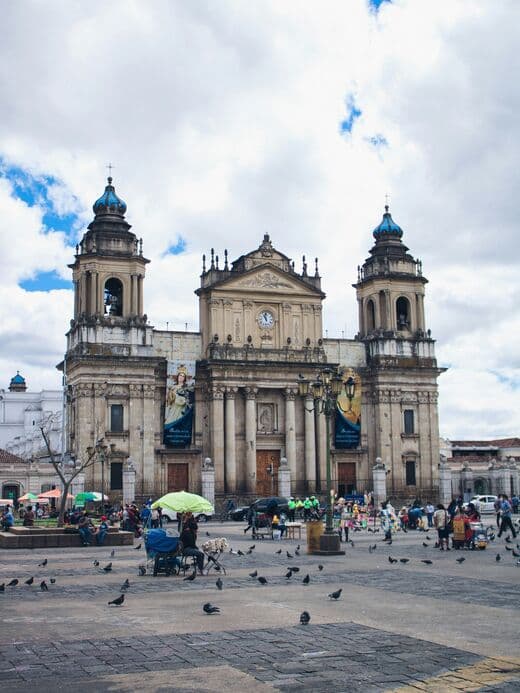
The historic center around the Zócalo is where Mexico City began - the Aztec capital of Tenochtitlan was right here before the Spanish built a colonial city on top. The Metropolitan Cathedral, National Palace, and Templo Mayor ruins are all within walking distance of the main square.
Centro Histórico divides opinion. The architecture is stunning, you're at the heart of Mexican history, and hotels are cheaper ($50-100 per night). But it's chaotic, crowded, and requires more street smarts than Roma or Polanco. Some streets empty out after dark and feel sketchy. I'd recommend staying here if you're an experienced traveler who wants to be in the middle of the action, but not for your first visit to Mexico.
Juárez and San Rafael
These adjacent neighborhoods between Roma and Centro Histórico are where locals who've been priced out of Roma are moving. You'll find cheaper restaurants, more authentic street life, and increasingly good coffee shops and bars. Hotels run $50-80 per night. The catch: infrastructure is spottier, some streets feel run-down, and you need more Spanish to navigate comfortably. Consider these areas if you're returning to Mexico City and want something different.
Best Time to Visit Mexico City
Mexico City has one of the most pleasant climates of any major city - spring-like temperatures year-round with highs around 20-25°C (68-77°F) and cool nights. That said, there's a distinct dry season and wet season that affects your experience.
Dry Season: November through April
This is peak tourist season for good reason. Skies are clear and blue, rain is rare, and temperatures are perfect for walking. December and January can get chilly at night - bring a jacket. The downside is higher hotel prices (especially around Christmas, New Year, and Easter) and more crowded attractions.
The absolute best months are November and February through April. November has excellent weather and fewer tourists than December. February through April offers clear skies without holiday crowds. March sees some air quality issues as it's the driest month, but nothing that should change your plans.
Wet Season: May through October
Here's a secret: the rainy season isn't that bad. Rain typically falls in late afternoon or evening, usually for an hour or two. Mornings are often clear. The city is greener, hotel prices drop 20-30%, and you'll encounter fewer tourists at major attractions.
June and September see the heaviest rainfall. If you don't mind afternoon showers and want better prices, May, July, or August work well. Just pack a light rain jacket and plan outdoor activities for mornings.
Festivals and Events to Consider
Day of the Dead (October 31 - November 2): The most spectacular time to visit. The city transforms with altars, parades, and celebrations honoring deceased loved ones. Hotels book up months in advance and prices spike, but the atmosphere is unforgettable. Book at least three months ahead.
Independence Day (September 15-16): The Grito ceremony in the Zócalo draws massive crowds. Great energy but extremely crowded.
Holy Week (March/April): Many Mexican families travel during Semana Santa. The city empties somewhat, but beach destinations fill up. Some restaurants close for the week.
Formula 1 Grand Prix (late October): The race at Autódromo Hermanos Rodríguez brings racing fans and inflates hotel prices citywide.
Itinerary: How to Spend 3 to 7 Days
Mexico City rewards slow travel, but I know most visitors have limited time. Here's how I'd structure different trip lengths, with specific timing suggestions.
Day 1: Centro Histórico and the Heart of Mexico
Morning (9:00-13:00): Start at the Zócalo early before crowds arrive. Walk around the massive plaza - this was the center of the Aztec empire and remains the political heart of modern Mexico. If the National Palace is open (it occasionally closes for government events), go inside to see Diego Rivera's murals. They're free and take about 45 minutes to properly appreciate.
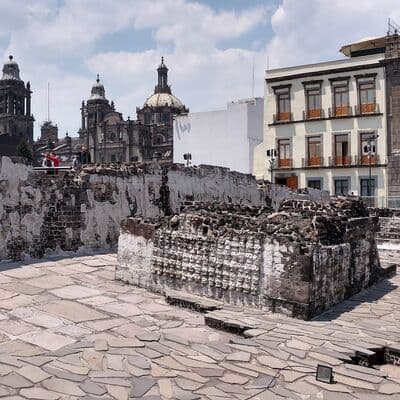
Walk to Templo Mayor (opens at 9:00, closed Mondays, 95 MXN / $5 entry). This is the main temple of the Aztec capital, discovered in 1978 when electrical workers stumbled upon a massive stone disc. The museum is excellent - allow 90 minutes total.
Lunch (13:00-14:30): Walk to El Cardenal on Calle Palma for traditional Mexican breakfast/lunch. Try chilaquiles or huevos motuleños. Budget $15-20 per person.
Afternoon (14:30-18:00): Visit the Metropolitan Cathedral, the largest cathedral in the Americas. Note how it's visibly sinking into the soft lakebed soil. Walk through the pedestrian streets of Madero to Palace of Fine Arts - the Art Nouveau/Art Deco exterior is stunning. If you have time, go inside to see more murals and check the schedule for evening performances.
End at Alameda Central park for people-watching. Grab churros from El Moro across the street (open since 1935).
Day 2: Anthropology and Chapultepec
Morning (9:00-13:00): Arrive at the National Museum of Anthropology when it opens at 9:00 (closed Mondays, 95 MXN / $5). This is one of the world's great museums - you could spend all day here. At minimum, don't miss the Aztec and Maya halls. The Sun Stone (often incorrectly called the Aztec Calendar) is the most famous artifact. Budget at least 2.5 hours, ideally 3-4.
Lunch (13:00-14:30): Walk to Polanco for lunch. The area around Av. Presidente Masaryk has numerous options. For a quick bite, try tacos at El Turix (Yucatecan style) or sit down at Contramar if you got a reservation (book days in advance for their legendary tuna tostadas).
Afternoon (14:30-18:00): Return to Chapultepec Park and walk up to Chapultepec Castle. The castle offers panoramic views over the city and houses a history museum. The walk up the hill takes 15-20 minutes - take it slow at altitude. Entry is 95 MXN / $5 (free on Sundays for Mexican residents, which means crowds).
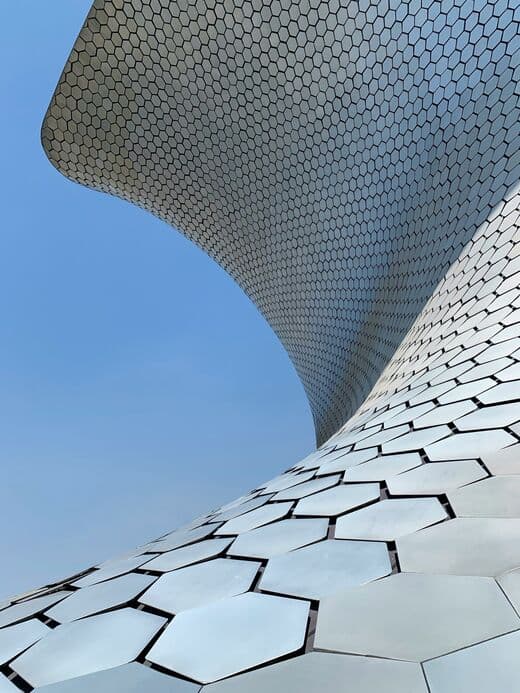
If you have energy, visit Museo Soumaya in the evening (free entry, open until 18:30). The building itself is worth seeing - a shimmering aluminum-clad blob housing Carlos Slim's art collection.
Day 3: Roma, Condesa, and the Food Scene
Morning (9:00-12:00): Sleep in if you're still adjusting to altitude. Start with coffee at Chiquitito Café or Café Avellaneda in Roma. Walk the neighborhood streets, admiring the Art Deco architecture and street art. Stop at Mercado Roma for a market experience without the intensity of traditional markets.
Midday (12:00-14:00): Take a food tour if your budget allows (most run $60-80 and include 8-10 tastings) or self-guide through Condesa to Parque México. Grab tacos al pastor from any busy taqueria - if locals are lined up, it's good.
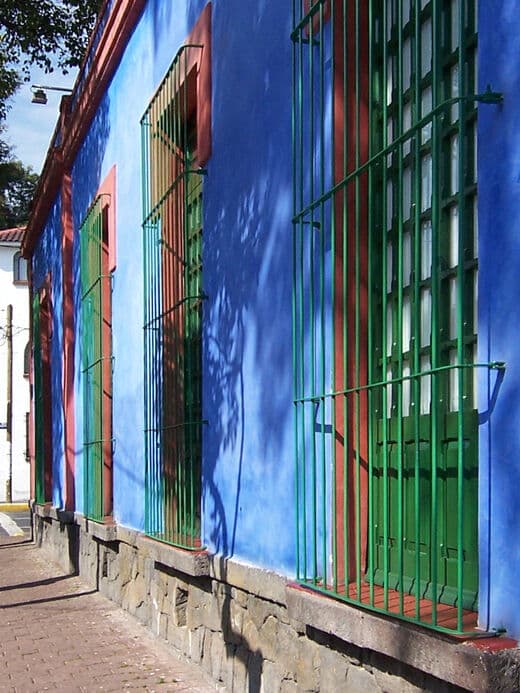
Afternoon (14:00-18:00): Visit Coyoacán (20-30 minute Uber from Roma). Start at the Frida Kahlo Museum - you MUST book tickets online in advance (fridakahlo.org), often weeks ahead. The museum is small but moving. Walk to the main plaza for ice cream at a neveria and watch the street performers.
Evening: Return to Roma or Condesa for dinner. For something special, try Máximo Bistrot (tasting menu around $70 per person) or Rosetta (upscale Mexican-Italian fusion). For casual excellence, Tacos Orinoco does incredible northern-style tacos.
Day 4: Teotihuacan Day Trip
Full Day Excursion: The Teotihuacan pyramids are 50 kilometers northeast of the city and absolutely worth the trip. Leave early - by 8:00 if possible - to beat the heat and crowds.
Getting There: Uber to the Autobuses del Norte bus station, then catch a Teotihuacan bus (depart every 15-20 minutes, $5 round trip, 1 hour each way). Or book a tour ($40-60 with hotel pickup) if you prefer convenience.
At the Site (allow 3-4 hours): Enter through Gate 1, climb the Pyramid of the Sun (248 steps - take your time at altitude), walk the Avenue of the Dead, and end at the Pyramid of the Moon for the iconic photo. Entry is 95 MXN / $5. Bring sunscreen, water, and a hat - there's no shade.
Lunch: La Gruta restaurant is touristy but unique - it's inside a cave near Gate 5. Alternatively, eat back in the city.
Evening: You'll be tired. Low-key dinner in your neighborhood. If you still have energy, catch a Lucha Libre wrestling match at Arena México (Fridays at 20:30, tickets $10-30).
Day 5: Southern Mexico City
Morning (9:00-12:00): Take the Tren Ligero to Xochimilco for the famous floating gardens. Hire a trajinera boat ($25-30 per hour, fits up to 15 people - split cost with other travelers if solo). Sunday mornings are lively with mariachi bands floating alongside; weekdays are quieter. Drink micheladas, eat corn on the cob from passing vendors, and enjoy the surreal experience.
Afternoon (13:00-17:00): Take an Uber to San Ángel. If it's Saturday, the Bazaar Sábado fills Plaza San Jacinto with art and crafts. Walk the cobblestone streets, have lunch at San Ángel Inn (splurge-worthy traditional Mexican in a beautiful hacienda setting), or grab street food from the market stalls.
Evening: Head to Plaza Garibaldi after dark for mariachi music. Yes, it's touristy. Yes, you should still go. Hire a group to play a few songs ($10-15 per song), drink tequila at Salón Tenampa (the historic cantina on the square), and embrace the kitsch. Take Uber directly to and from - the surrounding streets aren't great at night.
Day 6: Art, Markets, and Deep Dives
Morning (9:00-12:00): Visit Basilica of Our Lady of Guadalupe, the most visited Catholic pilgrimage site in the world. The original basilica is visibly sinking (like much of the city); the new circular building beside it houses the famous Virgin image. You don't need to be religious to appreciate the devotion of pilgrims who arrive on their knees.
Midday (12:00-15:00): Uber to Mercado de la Merced, the biggest market in the city. This is chaotic, overwhelming, and incredible - aisles of produce, meat, flowers, housewares, and food stalls serving some of the best cheap eats in Mexico City. Not for the squeamish, but essential for understanding how the city actually functions.
Afternoon (15:00-18:00): Visit the National Museum of Art (MUNAL) or explore whatever neighborhood drew you most earlier in the trip. Sometimes the best day is unstructured wandering.
Evening: Mezcal tasting at a mezcaleria in Roma (Bósforo, La Clandestina, or Pare de Sufrir) - staff will guide you through regional varieties if you're new to mezcal. Expect to pay $8-15 per pour for quality stuff.
Day 7: Flexible Day
Options depending on your interests:
- Architecture: Biblioteca Vasconcelos (stunning modern library), Palacio Postal (gorgeous historic post office), and UNAM campus (free guided tours of murals)
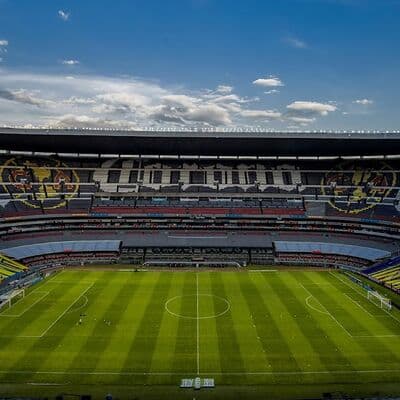
- Sports: Estadio Azteca for a Liga MX soccer match (check schedule - atmosphere is electric)
- More Museums: Museo Jumex (contemporary art), Museo Dolores Olmedo (Diego Rivera collection in beautiful gardens)
- Day Trip: Puebla (2 hours by bus, colonial architecture and mole cuisine) or Taxco (3 hours, silver mining town)
- Markets: Tianguis Cultural del Chopo (alternative/punk flea market, Saturdays)
Where to Eat: Restaurants and Cafes
Mexico City has one of the deepest food scenes in the world. You could eat three meals a day for a month and never repeat a restaurant. Here's how to navigate it.
Street Food: The Foundation
Street food in Mexico City is not just cheap - it's often better than restaurants. Look for busy stalls with high turnover (freshness matters). A taco should cost 15-25 MXN ($0.80-1.30). A torta or tlacoyos runs 35-50 MXN ($2-2.50).
Rules for street food: If the trompo (vertical spit for al pastor) is spinning and meat is freshly shaved, you're good. If locals are eating there, you're good. If the cook handles money and food separately, you're good. Don't eat street food that's been sitting out - choose stalls that cook to order.
Taquerias: The Next Level
Sit-down taco shops offer a step up in comfort with similar quality. Favorites include:
- Tacos Orinoco (Roma) - northern-style flour tortilla tacos, incredible chicharrón
- El Turix (Polanco) - Yucatecan cochinita pibil, tiny spot always packed
- Taquería Los Cocuyos (Centro) - open super late, beloved by chefs
- El Vilsito (Narvarte) - late-night al pastor in a former auto shop
Budget $5-10 for a filling meal at taquerias.
Fondas and Comida Corrida
Traditional lunch spots serving set menus (comida corrida) offer soup, main course, drink, and sometimes dessert for 80-120 MXN ($4-6). These are where office workers eat. Look for handwritten menus or chalkboards listing the daily options. Hours are typically 13:00-17:00 only.
Mid-Range Restaurants
The sweet spot for quality-to-price in Mexico City is around $20-40 per person for a full meal with drinks. Some standouts:
- Contramar (Roma) - the tuna tostadas are legendary, make reservations
- Eno (Condesa) - creative Mexican, beautiful garden setting
- Nicos (Azcapotzalco) - traditional recipes from a legendary chef
- El Hidalguense (Condesa) - barbacoa and consommé, Sunday tradition
- Fonda Fina (Roma) - upgraded home cooking in market setting
Fine Dining
Mexico City has several restaurants on the World's 50 Best list. Expect to pay $100-200 per person for tasting menus.
- Pujol - Enrique Olvera's flagship, regularly ranked among world's best. Book months ahead.
- Quintonil - contemporary Mexican with exceptional ingredients
- Rosetta - Elena Reygadas' beautiful Italian-Mexican restaurant in a Roma mansion
- Máximo Bistrot - market-driven tasting menus, more intimate than Pujol
- Sud 777 - stunning views, innovative cooking
Coffee Culture
The specialty coffee scene has exploded. Excellent shops include Chiquitito Café, Buna, Cardinal Casa de Café, Almanegra, and Blend Station. Expect to pay 60-90 MXN ($3-5) for a quality pour-over or flat white - roughly similar to US specialty coffee prices.
What to Try: Essential Mexico City Food
Beyond tacos, here are ten dishes you must try in Mexico City:
Tacos al Pastor: The city's signature taco. Pork marinated in adobo and pineapple, shaved from a vertical spit, served on small corn tortillas with cilantro, onion, and salsa. Find a busy trompo and watch the taquero's knife skills.
Quesadillas: In Mexico City, quesadillas don't automatically include cheese - you must specify "con queso." Try them with huitlacoche (corn fungus, sounds awful, tastes incredible), flor de calabaza (squash blossoms), or chicharrón prensado.
Tlacoyos: Thick oval corn masa cakes stuffed with beans or requesón cheese, topped with nopales (cactus) and salsa. Breakfast staple at markets.
Tamales: Steamed corn masa packages wrapped in corn husks or banana leaves. Best from morning street vendors or at fondas. Try tamales de mole or rajas con queso.
Tortas: Mexican sandwiches on telera rolls. The torta ahogada (drowned in salsa) is from Guadalajara but popular here. Torta de milanesa with everything is classic Mexico City.
Barbacoa: Slow-cooked lamb or beef, traditionally wrapped in maguey leaves and cooked in pit ovens. Sunday tradition - many restaurants serve it only on weekends. Don't miss the consommé (broth) served alongside.
Pozole: Hominy soup with pork or chicken, served with tostadas, oregano, lime, and shredded cabbage. Hearty and satisfying. Thursday is traditional pozole day in Mexico City.
Chilaquiles: Fried tortilla chips simmered in salsa (red or green) until slightly softened, topped with cream, cheese, and often eggs or chicken. The ultimate Mexican breakfast.
Churros: Spanish-origin fried dough sticks, served with chocolate for dipping. El Moro near Alameda Central has been making them since 1935 and is open 24 hours.
Esquites and Elotes: Mexican street corn. Esquites are corn kernels in a cup with mayo, cheese, chili, and lime. Elotes are the same toppings on corn on the cob. Find them at street carts throughout the city.
Local Secrets: Insider Tips
1. Skip the Instagram spots at peak times. The famous pink walls and colorful buildings are real, but so are the queues. Visit Roma's photogenic streets early morning or late afternoon. The Frida Kahlo house is genuinely small - if you go when it opens with pre-booked tickets, you'll have 15 minutes of relative peace.
2. The altitude is real. At 2,240 meters, you'll feel it. Don't schedule strenuous activities on day one. Alcohol hits harder. Take the stairs slowly. Drink more water than you think you need. Most people adjust within 48 hours.
3. Cash is still king. Many taquerias, markets, and small shops don't take cards. ATMs in convenience stores (Oxxo, 7-Eleven) have lower fees than bank ATMs. Withdraw 4,000-5,000 MXN at a time to minimize transaction fees. Always decline the "conversion to USD" option - it's a scam.
4. Uber is your friend. It's safe, cheap (roughly 30-50% less than US prices), and eliminates the need to negotiate with taxi drivers or worry about routes. Download before arriving. Uber Eats is also excellent for late-night food delivery.
5. Learn basic Spanish. English is more widely spoken than in other Mexican cities, especially in tourist areas, but basic Spanish opens doors. Locals deeply appreciate the effort. Key phrases: "La cuenta, por favor" (the check, please), "Sin picante" (not spicy), "Está bien" (it's okay).
6. Sunday is special. Many museums are free for Mexican nationals on Sundays, which means crowds. But the vibe is wonderful - families out, mariachi at Garibaldi, barbacoa at restaurants. Plan around the crowds or embrace them.
7. The metro is cheap but intense. At 5 MXN per ride ($0.25), it's incredible value. But during rush hour (7:00-10:00 and 17:00-20:00), it's sardine-can packed. Women-only cars (first cars, marked in pink) exist for safety. Off-peak, it's a fine way to travel.
8. Air quality varies. March and April can have smog. If you have respiratory issues, check air quality reports before outdoor activities. Most days are fine, but bad days happen.
9. Earthquakes happen. Mexico City is seismically active. Know where exits are in your hotel. The alarm system blares citywide before major quakes - if you hear it, move to open space away from buildings.
10. Dress for variable weather. Days are warm, nights are cool. Layers work best. A light jacket is essential even in summer. Rain in rainy season tends to come in afternoon bursts - carry a packable rain jacket.
11. Markets close early. Traditional markets like La Merced wind down by 17:00. Tianguis (street markets) vary but are typically morning affairs. Plan market visits for before 14:00.
12. Reserve restaurants in advance. The popular spots - Contramar, Pujol, Rosetta, Máximo - need reservations days or weeks ahead. Use OpenTable, Resy, or contact restaurants directly via Instagram DM (many prefer this).
Transportation and Getting Connected
Getting From the Airport
Mexico City has two airports. Most international flights arrive at Benito Juárez International (MEX), close to the city center. The new Felipe Ángeles International Airport (NLU) is 50 kilometers north and serves some low-cost carriers.
From MEX: Uber pickup is from a designated area outside Terminal 1 or 2 (follow signs or ask). Expect to pay 200-350 MXN ($10-18) to most tourist neighborhoods, taking 30-60 minutes depending on traffic. Official airport taxis cost roughly double but offer fixed prices. The metro connects to Terminal 1 (Line 5) but isn't recommended with luggage.
From NLU: It's far. Uber runs 600-800 MXN ($30-40) to central areas. The Mexicable bus service connects to the city but takes 2+ hours with metro transfers. If your flight uses NLU, factor this into your planning.
Getting Around the City
Uber: The default choice for most visitors. Safe, affordable, no cash needed. Drivers are generally professional. The app works exactly like everywhere else. Download before arriving.
Metro: The system covers most tourist areas with 12 lines. At 5 MXN per ride, it's absurdly cheap. Buy a rechargeable card at any station. Avoid rush hour. The trains are older but functional. Line 1 (pink) connects Centro to Chapultepec.
Metrobús: Bus rapid transit on dedicated lanes. Faster than regular buses, useful for north-south travel on Insurgentes Avenue. Same card as metro.
Walking: Roma, Condesa, Centro Histórico, and Polanco are all walkable once you're there. Sidewalks can be uneven - watch your step. Traffic does not stop for pedestrians despite crosswalks.
Ecobici: The bike-share system works well if you're comfortable cycling in traffic. Flat rate day passes available. Best on Sundays when main streets close to cars.
SIM Cards and Connectivity
Get a Mexican SIM card at the airport or any Oxxo convenience store. Telcel has the best coverage; Movistar and AT&T Mexico are alternatives. A tourist SIM with 5GB data costs around 200 MXN ($10). Most cafes and restaurants have WiFi, but having data makes navigation much easier.
WhatsApp is the primary communication method in Mexico - restaurants, tour guides, and locals all prefer it over phone calls or SMS.
Useful Apps
- Uber - transportation (better than local taxi apps)
- Google Maps - navigation works well, including transit directions
- Rappi/Uber Eats - food delivery
- WhatsApp - essential for communication
- XE Currency - peso conversion (current rate is roughly 19-20 MXN per USD)
- AIRE CDMX - air quality monitoring
Who Mexico City Is For: A Summary
Mexico City is ideal for food lovers, history enthusiasts, art appreciators, and anyone who wants to experience a world-class megacity that hasn't been overrun by international tourism. It rewards curiosity and exploration. It's affordable enough for budget travelers yet has enough high-end options to satisfy any taste.
It may not be right for travelers seeking beach relaxation (though beaches are a short flight away), those with severe mobility issues (the city is not wheelchair-friendly), or visitors uncomfortable with urban intensity. The altitude affects some people significantly, and the scale of the city can feel overwhelming at first.
But for most travelers, Mexico City is a revelation. The food is world-class at every price point. The history spans millennia. The neighborhoods each have distinct personalities. The people are warm once you make an effort. And despite its reputation, the tourist areas are genuinely safe for normal urban precautions. Three days gives you a taste. A week starts to feel comfortable. A month and you'll understand why so many visitors end up staying.