Oaxaca
Oaxaca 2026: What You Need to Know
Oaxaca is a city that defies a single label. Pre-Columbian ruins tower over a valley where the Zapotecs built a civilization long before the Spanish arrived, and the streets smell of chocolate, smoked chili, and fresh tortillas. This is the culinary capital of Mexico, the birthplace of mezcal and seven varieties of mole, a place where weaving is not a tourist gimmick but a living art passed down through generations.
In short: Oaxaca is worth visiting for the ancient ruins of Monte Alban and Mitla, its incredible cuisine featuring seven types of mole, the bustling 20 de Noviembre and Benito Juarez markets, mezcal tastings at local distilleries, colonial architecture, and natural wonders like Hierve el Agua. Plan for 5 to 7 days.
Oaxaca is for travelers tired of resort Mexico. No all-inclusives here, but there are grandmothers grilling tlayudas over coals at five in the morning, workshops weaving rugs with thousand-year-old patterns, and bars where mezcal is served with the same reverence Bordeaux gives wine. The city is compact, safe, and surprisingly affordable. On the downside, nightlife is modest and summers get brutally hot. But those inconveniences pale next to what Oaxaca gives in return.
Neighborhoods: Where to Stay in Oaxaca
Centro Historico - The Heart of the City
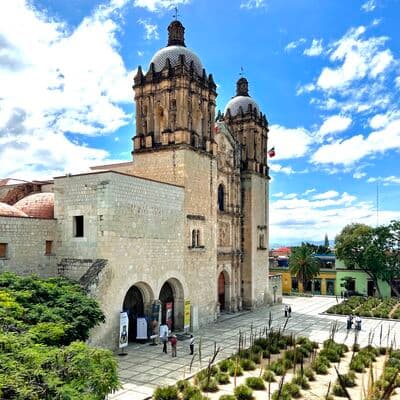
Oaxaca's historic center is a UNESCO World Heritage Site spanning 247 city blocks. Everything is here: the Zocalo with its cafes and musicians, the Templo de Santo Domingo, markets, galleries, and more than 1,200 historic monuments. The pedestrian street Andador Turistico connects the Zocalo with Santo Domingo - in the evening it fills with street musicians and mezcal vendors.
Best for: first-time visitors, families, anyone who wants everything within walking distance.
Pros: walkable to everything, best restaurant selection, atmosphere.
Cons: noisy on evenings and weekends, slightly higher prices, lots of tourists.
Prices: $$ (hostels from $12, boutique hotels from $50-80, premium from $150).
Santo Domingo - Galleries, Mezcalerias, and Gastronomy
The area around Santo Domingo Church and the Museum of Oaxacan Cultures is the most visually stunning part of the city. Mezcalerias, chef-driven restaurants, and galleries on every block. The ethnobotanical garden inside the former monastery is a peaceful oasis. If you want to walk between culture, food, and art all day, this is your neighborhood.
Best for: foodies, art lovers, couples.
Pros: gorgeous architecture, best restaurants, walking distance to everything.
Cons: highest prices, noisy on weekends, tourist-oriented.
Prices: $$$ (hotels from $80-120, boutique hotels from $150-250).
Jalatlaco - Murals, Coffee Shops, and Quiet
Jalatlaco is love at first sight. A former working-class neighborhood east of the center, now Oaxaca's most photogenic corner: every wall covered in murals, tiny coffee shops on the corners, and a pace noticeably slower than downtown. The Zocalo is 15-20 minutes on foot but it feels like a different city. Home to local creatives, digital nomads, and travelers seeking authenticity without crowds.
Best for: digital nomads, couples, street art lovers, introverts.
Pros: atmosphere, quiet, photogenic, good cafes, affordable.
Cons: fewer dining options in the evening, a bit far from the markets.
Prices: $-$$ (hostels from $10, apartments from $30-50, boutique hotels from $60-100).
Xochimilco - Weaving, Crafts, and History
One of the oldest neighborhoods, founded in the 15th century. Weaving workshops with wooden looms, cobblestone streets, small artisan shops, and family-run restaurants. Less touristy than the center but within walking distance of everything.
Best for: craft enthusiasts, travelers who want to live among locals.
Pros: authenticity, quiet, weaving workshops, affordable.
Cons: less tourist infrastructure, minimal nightlife.
Prices: $ (hostels from $8, apartments from $25-40).
El Llano - Parks, Families, and Calm
The area around Parque Juarez El Llano, the largest park in the city. A residential neighborhood with good restaurants and cafes, yet Santo Domingo is only a 10-minute walk. The perfect compromise between convenience and peace.
Best for: families, long-term stays. Prices: $$ (apartments from $35-60, hotels from $50-90).
Reforma, La Noria - Modern Comfort and Budget Options
Reforma is modern Oaxaca: supermarkets, gyms, pharmacies, and excellent cafes like Chepiche. Comfortable for longer stays but lacks colonial charm. Apartments from $30-50, hotels from $40-70. La Noria, south of the center, is the budget pick: quiet streets, family-run eateries, authentic neighborhood feel. Hostels from $7, apartments from $20-35. Both are 15-20 minutes from the center on foot.
Best Time to Visit Oaxaca
Oaxaca sits in a valley at 5,100 feet (1,550 meters) above sea level, which saves it from the tropical heat of the coast. But timing still matters.
Best months: October through April. Dry season with comfortable daytime temperatures of 72-82 F (22-28 C) and cooler nights around 50-59 F (10-15 C). Perfect for walking, ruin explorations, and tastings. Clear skies, almost no rain.
Peak season: November through February. Best weather but the most tourists. Book accommodation 2 to 3 months in advance, especially around Day of the Dead (late October to early November) and Christmas through New Year. Room rates double or triple during these periods.
Day of the Dead (Dia de los Muertos): October 31-November 2. The biggest event of the year. Comparsas (costumed parades), cemeteries with candles and marigolds, ofrendas (altars) everywhere. Book 4-6 months ahead. An absolute must-see.
Guelaguetza: last two Mondays of July. Oaxaca's largest folklore festival - dances, music, and costumes from the state's eight regions. Main amphitheater tickets sell fast, but free events happen citywide.
Worst months: June through September. Rainy season. Downpours hit in the afternoon, mornings are often sunny. But roads to Hierve el Agua can wash out and mountain switchbacks get treacherous. Also hurricane season on the coast (far from Oaxaca city, but transport can be disrupted).
When it is cheapest: May to June and September - the bookends of the wet season. Few tourists, room prices drop 30-40%, and the weather is still tolerable.
Itinerary: 3 to 7 Days in Oaxaca
Oaxaca in 3 Days: The Essentials
Day 1: Historic Center and Markets
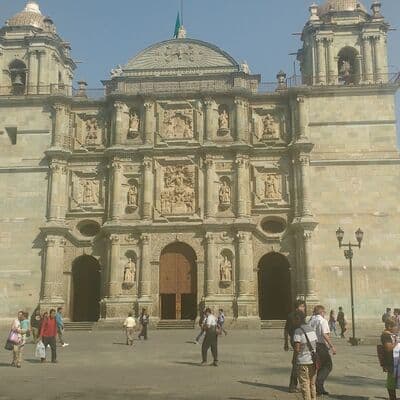
9:00-10:30 AM - Start at the Zocalo. Grab coffee at one of the cafes under the arcades and watch the morning life of the plaza unfold. Duck into the cathedral - it opens early.
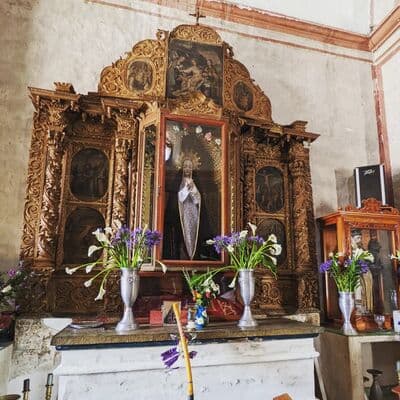
10:30 AM-12:30 PM - Walk the Andador Turistico (pedestrian street) up to Templo de Santo Domingo. Step inside - the baroque interior with gilded stucco is staggering. Then visit the Museum of Oaxacan Cultures in the former monastery: the treasures from Monte Alban's Tomb 7 are among the most important archaeological finds in Mexico. Budget 60 to 90 minutes for the museum.
12:30-2:00 PM - Lunch at 20 de Noviembre Market. Head to the Pasillo de Humo (Smoke Alley) - you pick your meat at one stall, your sides at another, and sit at a communal table. Tasajo (grilled dried beef) with chorizo and tortillas runs about $4-6. Do not skip the chocolate de agua (hot chocolate made with water) - it sounds odd but it is a Oaxacan staple.
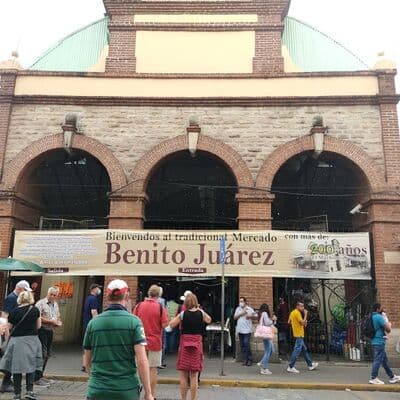
2:30-4:00 PM - Benito Juarez Market across the street: souvenirs, spices, chapulines (fried grasshoppers - yes, people eat them here, and they are genuinely good), quesillo cheese, mezcal. Bargain respectfully.
4:00-6:00 PM - Wander through Jalatlaco. Photograph the murals, stop for coffee at one of the tiny shops. Ice cream at Caingala comes in unusual flavors like mezcal or corn.
7:00-9:00 PM - Dinner in the Santo Domingo area. Try mole negro - Oaxaca's signature dish made with more than 30 ingredients.
Day 2: Monte Alban and Mezcal
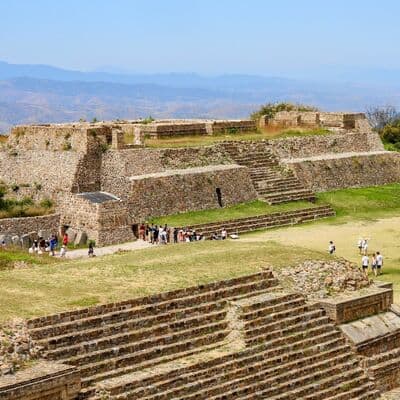
8:30 AM-12:30 PM - Monte Alban, the ancient Zapotec capital perched on a mountaintop. Take a taxi ($4-5 one way) or a colectivo van from Hotel Rivera del Angel. Arrive at the 8:30 AM opening - until 10:00 the ruins are nearly empty, and the panorama of the valley in morning light is mesmerizing. Bring water and a hat - there is no shade. Allow 2 to 3 hours.
1:00-2:00 PM - Lunch back in the city. Try a tlayuda - Oaxaca's 'pizza' on a giant crispy tortilla with beans, cheese, and meat.
3:00-6:00 PM - Mezcal tasting. Option A: drive out to the mezcal distilleries in Santiago Matatlan (30 minutes from the city, round-trip taxi about $15-17) to see the entire process from pit-oven to bottle. Option B: hit the mezcalerias downtown - In Situ, Mezcaloteca (guided tasting format with explanations), or Los Amantes.
7:30-9:30 PM - Dinner at Levadura de Olla, traditional Oaxacan cuisine from chef Thalia Barrios Garcia. Order the platos ceremoniales (ceremonial dishes) - these are the recipes reserved for weddings and festivals.
Day 3: Mitla, Hierve el Agua, and the Tule Tree
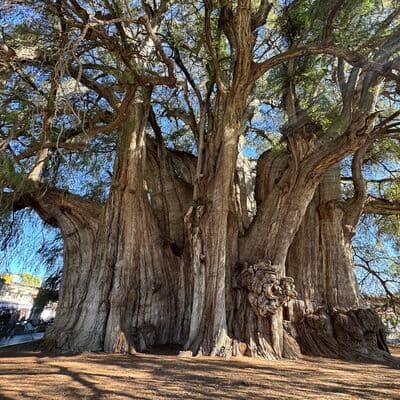
8:00-9:00 AM - Head out on the valley route. First stop: the Tule Tree (15 minutes from the city). This tree is a monster - a trunk circumference of 138 feet and an estimated age of around 2,000 years. It is believed to be the thickest tree on Earth. Allow 20 to 30 minutes.
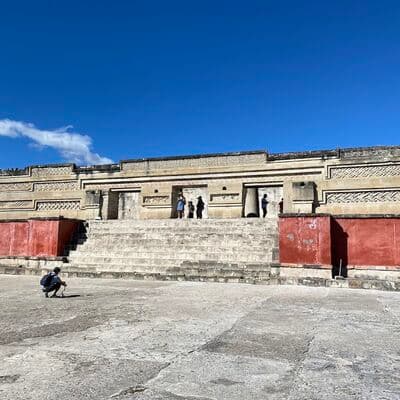
9:30-11:30 AM - Mitla, an archaeological site with unique geometric stone mosaics. Unlike Monte Alban, Mitla is all about the details: thousands of stone pieces fitted together without mortar. A market with textiles and mezcal sits just outside.
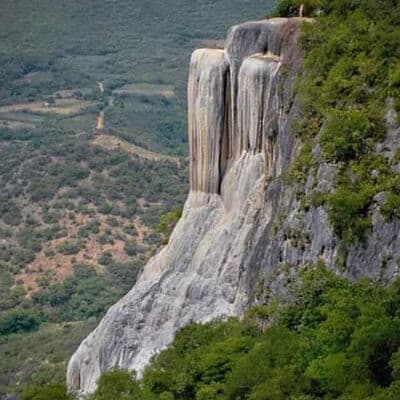
12:00-3:00 PM - Hierve el Agua - petrified 'waterfalls' and natural infinity pools on a cliff edge overlooking the valley. Mineral water has created these cascades over millennia. You can swim in the pools (water is cool). Drive from Mitla: 45 minutes on a winding mountain road.
3:30-4:30 PM - On the way back, stop at Teotitlan del Valle, the weaving village. Famous Oaxacan rugs made from wool dyed with cochineal (red), indigo (blue), and pomegranate (yellow). Buy directly from artisans - small rugs from $25-30.
7:00 PM - Farewell dinner on the Zocalo to the sounds of marimba.
How to organize Day 3: You can do this route by colectivo (shared minivans) - cheap but slow and inconvenient. The best option is a taxi for the full day ($75-100 for the car, split between 2 to 4 people) or an organized tour ($20-30 per person).
Oaxaca in 5 Days: No Rushing
First three days as above. Then add:
Day 4: Cooking Class and Crafts
9:00 AM-2:00 PM - Cooking class. Oaxaca is the best place in Mexico to learn how to make mole. Classes typically begin with a market visit for ingredients, followed by 3 to 4 hours of cooking. Popular options: Casa de los Sabores, La Casa de las Recetas de la Abuela. Price: $75-130.
3:00-5:00 PM - Xochimilco neighborhood: weaving workshops and artisan shops. Stop by the Museo Textil de Oaxaca (free admission) for a remarkable textile collection from across the state.
6:00-8:00 PM - Mezcaleria crawl through the center. Start at Mezcaloteca (tasting of 6 mezcals with explanations, about $18), then head to In Situ for creative cocktails.
Day 5: San Pablo Guelatao or a Free Day
Option A: Day trip to San Pablo Guelatao, the birthplace of Benito Juarez - Mexico's only indigenous president. A beautiful mountain village in the Sierra Norte, 37 miles from the city. There is a lake, waterfalls, and absolute silence. The mountain scenery along the road is spectacular.
Option B: Free day in the city. Go back to the markets, browse the galleries on Calle Alcala, visit the Centro Fotografico (free), and try whatever you missed - memelas at Central de Abastos (the massive wholesale market that only locals visit).
Oaxaca in 7 Days: With the Surroundings
First five days as above. Then add:
Day 6: Tlacolula and the Sunday Market
If Day 6 falls on a Sunday, go to Tlacolula. The Sunday Market stretches nearly 1.5 miles - one of the largest indigenous markets in Latin America. Mezcal, barbacoa (meat slow-cooked underground), textiles, ceramics, spices. Few tourists, rock-bottom prices. Colectivo from Oaxaca: $1.50, 40 minutes. Arrive by 8:00 AM.
Day 7: The Coast or Rest
Option A: Day trip to the coast. The new highway puts Puerto Escondido just 3-3.5 hours away. Buses from $20. Stay overnight for surf at Playa Zicatela - consistent beach breaks year-round.
Option B: Easy day in the city. Breakfast at La Popular, stock up on souvenirs - mezcal, handmade chocolate (Mayordomo), textiles, and alebrijes (fantastical carved wooden figures painted in psychedelic colors).
Where to Eat in Oaxaca: Restaurants and Cafes
Street Food and Markets
Oaxaca is the undisputed street food capital of Mexico. Street food here is not a quick bite - it is a full culinary culture with its own rules and legendary stalls.
20 de Noviembre Market is the main food market. The Pasillo de Humo (Smoke Alley) has a unique format: choose your meat at one stall (tasajo, chorizo, cecina), they grill it over coals, and you buy sides from the neighbors. Breakfast from $2.50, lunch $4-6.
Benito Juarez Market is where you sample everything: chapulines, quesillo cheese, chocolate, mezcal, and tlayudas. Central de Abastos is the largest market - a chaotic labyrinth where locals shop. Dona Vale has been making her famous memelas here for over 30 years (Netflix featured her). Prices are 2-3 times cheaper than the center.
Late-night tlayudas: after 9:00 PM, tlayuda carts appear on the streets. Legendary ones include Libres Tlayudas Dona Martha and Dona Luchita. A tlayuda costs $3-5.
Local Joints
La Popular - a cult breakfast spot among locals. Two locations, both always packed. Tamales, enfrijoladas (tortillas in bean sauce), coffee. Average check: $3-5. Arrive before 9:00 AM or after 11:00 AM to avoid the line.
Ancestral Cocina Tradicional - tucked away north of the center, off the tourist trail. Home-style Oaxacan cooking: mole, entomatadas, tamales. Huge portions, honest prices. Average check: $5-8.
La Cosecha - a hidden courtyard market with organic products. Juices, coffee, tejate (a pre-Hispanic cacao drink with corn), and pastries. An ideal spot for a relaxed breakfast or brunch.
Mid-Range Restaurants
Los Danzantes - set in the courtyard of a former monastery. Contemporary Oaxacan cuisine. Tlayuda with chapulines and mezcal cocktails in a stunning interior. Average check: $15-25. Book your evening table in advance.
Xaok - awarded a Bib Gourmand by Michelin in 2025. Creative cuisine built on Oaxacan traditions. Average check: $20-30.
Criollo - from Enrique Olvera (the mind behind Pujol in Mexico City). Seasonal, hyper-local ingredients. No pretension, serious quality. Average check: $25-35.
Top-Tier Restaurants
Levadura de Olla - chef Thalia Barrios Garcia works with her grandmother's recipes at a contemporary level. Menu divided into 'typical', 'ancestral', 'ceremonial', and 'signature' dishes. Ingredients from surrounding villages. Reservations required. Average check: $25-40.
Casa Oaxaca El Restaurante - fine dining in a colonial courtyard. Tasting menu with wine pairing for special occasions. Average check: $40-60.
Coffee and Breakfast Spots
Cafe Brujula - a local coffee chain working directly with small Oaxacan farmers. Several locations around the city, consistently excellent coffee. Lattes from $2.50.
Cafe Nuevo Mundo - the best roaster in Oaxaca. Small mountain farms, single-origin pour-overs. If you take coffee seriously, this is the place.
Chepiche Cafe - a hidden gem in Reforma. Torta ahogada, blue corn pancakes with bananas, toast with house-made almond butter. Average breakfast check: $5-8.
Must-Try Food in Oaxaca
Oaxaca is the culinary capital of Mexico. Food here is not 'adapted' for tourists - it is cooked the way grandmothers have always made it. Here is what you absolutely need to try:
Mole negro - the crown jewel of Oaxacan cuisine. A thick, dark sauce made from more than 30 ingredients: chilhuacle chili, chocolate, nuts, spices, and plantains. Takes a full day to prepare, served over chicken or turkey. Best at Levadura de Olla or from grandmothers at Central de Abastos. Price: from $4 at the market, from $10 in a restaurant. Beyond negro, try mole rojo, amarillo, coloradito, verde, chichilo, and manchamanteles - Oaxaca has seven traditional varieties.
Tlayuda - Oaxaca's 'pizza.' A giant crispy tortilla spread with asiento (pork lard) and refried beans, topped with quesillo cheese and meat. The best ones come from the late-night street carts after 9:00 PM. Price: $3-5.
Memelas - thick corn masa patties griddled on a comal, topped with beans, cheese, and salsa. The breakfast of champions. At Dona Vale's stand in Central de Abastos, they start at about $1 each.
Empanadas de amarillo - large corn empanadas filled with yellow mole, chicken, and hoja santa (a local aromatic herb). Griddled on a comal, not deep-fried. Price: $1.50-2.
Tasajo - dried beef grilled over coals. The star protein of 20 de Noviembre Market. Served with tortillas, salsa, and guacamole. A plate runs $4-6.
Chapulines - fried grasshoppers with chili, garlic, and lime. Yes, insects. Yes, delicious - think savory chips with a citrus kick. Buy them at Benito Juarez Market from about $1.50 per portion. Go for the small ones; more tender.
Tejate - a pre-Hispanic drink from cacao, corn masa, cacao flower, and mamey pit. Served cold in a painted gourd bowl. Nutty, faintly chocolatey, unlike anything else. At the markets: $1-1.50.
Chocolate de agua - hot chocolate made with water instead of milk. It sounds wrong but tastes right: light, aromatic, spiced with cinnamon. A classic Oaxacan breakfast drink. Mayordomo is the most famous brand (cafes all over the center). From $1.50.
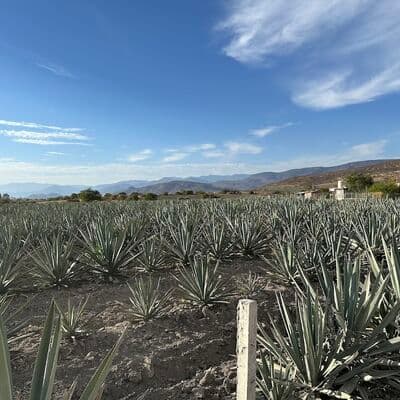
Mezcal - not tequila. Made from dozens of agave varieties (not just blue), with the heart roasted in underground pit ovens - hence the distinctive smokiness. Start with espadin (most common), try tobala (rare, wild), and sip it with orange slices and sal de gusano (salt with ground agave worm). At mezcalerias: from $2-3 per pour. At the distilleries: free tastings.
What to avoid: Tourist restaurants on the Zocalo with hawkers outside - double the price, half the quality. 'Mezcal' in plastic bottles at the markets is often watered down. If the bottle does not have a NOM (certification number), skip it.
For vegetarians: Oaxaca is friendlier than expected. Memelas and empanadas come meatless, tlayudas can be ordered solo queso, and mole has a traditional Lenten version. Several vegetarian cafes operate in the center.
Local Secrets and Tips
1. Do not overpay for mezcal. In tourist mezcalerias, a pour costs $4-6. In local bars, the same mezcal goes for $2-3. Look for signs reading 'mezcaleria' on side streets away from the Andador. Even better, buy directly at the distilleries, where a liter of quality mezcal costs $10-20.
2. Sunday is market day. The most impressive is Tlacolula (40 minutes from the city). But even in town, Sunday brings the markets to life. Central de Abastos on a Sunday is controlled chaos: thousands of vendors, musicians, and the smell of barbacoa drifting through every aisle.
3. Free events are everywhere. Every evening on the Zocalo: free concerts and dancing. Wednesday jazz in various bars. Free gallery admission on Calle Alcala. Free English tours at the Santo Domingo ethnobotanical garden on Tuesdays and Thursdays.
4. Rent a traditional outfit. In Oaxaca you can rent a resplandor (traditional Zapotec headdress and outfit) for a photo shoot against the colonial architecture. Photographers offer their services near Santo Domingo - starting at about $25.
5. Bargain at markets, but respectfully. Haggling is expected but keep it friendly. A 10-20% discount is reasonable. Artisans on Calle Alcala and in Teotitlan price fairly - bargaining is not the norm there. A rug that took a week to weave, priced at $40, is already a steal.
6. Small bills are your best friend. Street vendors cannot break a 500-peso note ($25). Keep 20, 50, 100 peso bills on hand. ATMs dispense large bills - break them at OXXO or supermarket checkouts.
7. Be careful at night. Oaxaca is safe, but street robberies have ticked up. After 10:00 PM, take a taxi. Do not flash your phone on the street. Carry cash in separate pockets.
8. Altitude matters. At 5,100 feet, the first day can feel tiring if you arrive from sea level. Drink extra water and go easy on mezcal your first evening.
9. Learn basic Spanish. English is less common here than in Cancun or Mexico City. A dozen phrases open doors: 'la cuenta, por favor' (the check), 'sin picante' (no spicy), 'muy rico' (delicious). Locals appreciate the effort.
10. Cochineal is not a dye - it is an insect. In Teotitlan del Valle, artisans show how dried cochineal beetles produce vivid red dye for rugs. The Zapotecs used this technique centuries before the Spanish arrived. Ask for a demo - weavers happily oblige.
11. The best sunsets are from the rooftops. Many hotels and restaurants have rooftop terraces. A cocktail for $4-6 buys you a panoramic view of Oaxaca with Santo Domingo and the mountains as your backdrop.
Transportation and Connectivity
Getting to Oaxaca
Oaxaca's airport (OAX) receives direct flights from several US cities. United flies nonstop from Houston (IAH), with seasonal routes from Dallas and LA. Volaris and VivaAerobus connect to Mexico City multiple times daily (1 hour, from $50 booked early). From Mexico City, ADO/OCC buses take 7-8 hours, first-class from $30. The overnight bus works well: leave at night, arrive in the morning.
Airport to City Center
The airport is just 4.5 miles from downtown. Options:
- Official taxi: Buy a ticket at the booth in the arrivals hall. To the center: $8-10, 15 to 20 minutes. The most convenient option.
- Shuttle van: Shared minibuses from the airport counters cost $4-5 but wait until they fill up (15 to 30 minutes).
- Uber: Works in Oaxaca, but drivers do not always pull up to the terminal. Price: $4-7.
- Public bus: No direct airport route. Not an option.
Getting Around the City
On foot: Central Oaxaca is compact. From the Zocalo to Jalatlaco is a 20-minute walk; to Santo Domingo, 10 minutes. Ninety percent of tourist sites are walkable. This is the best way to get around.
Taxis: Cheap but no meters - agree on a price first. Center rides: $2-3. Outskirts: $3-5. Night surcharge: 50%. Use official taxis (white with green stripe) or an app.
Uber / InDriver / Didi: All three work in Oaxaca. Uber is the most reliable, InDriver is the cheapest (you set your own price). A city ride costs $1.50-3.
Colectivos (shared minivans): Connect Oaxaca with surrounding villages. Depart from various points: to Mitla and Tlacolula from Calle Bustamante, to Monte Alban from Hotel Rivera del Angel. Price: $1-2. They leave when full, no fixed schedule. Last ones around 6:00-7:00 PM.
Bicycle: Hilly and cobblestoned, but many rent bikes. From about $8/day at Bici Oaxaca.
Getting to the Coast
Puerto Escondido: The new highway has cut travel time to 3 to 3.5 hours. OCC buses start at around $20. Small Aerotukan prop planes make the trip in 45 minutes for about $75. For surfers heading to Zicatela, this is one of the most scenic short flights in Mexico.
Internet and Connectivity
SIM card: Telcel has the best coverage. A SIM with 3 GB costs about $8 at any OXXO or Telcel store (passport needed). AT&T Mexico is cheaper but worse in the mountains.
eSIM: Airalo or Holafly - buy before your trip. 5 GB for 15 days from $10-15.
Wi-Fi: Excellent in most hotels and cafes. Free municipal Wi-Fi on the Zocalo (slow). In mountain villages and Hierve el Agua, expect zero signal.
Essential apps:
- Uber / InDriver / Didi - rideshare (all three work in Oaxaca)
- Google Maps - navigation, works offline (download the Oaxaca map before you go)
- ADO - bus ticket purchases (book overnight routes in advance)
- WhatsApp - the primary messaging app in Mexico. Tours, restaurants, taxis - everything is booked through WhatsApp
- Google Translate - download the Spanish offline pack. The camera feature translates menus in real time
Final Verdict: Is Oaxaca for You?
Oaxaca is a city that rewards the curious. There is no need to rush: the best discoveries happen when you turn off the main street, walk through an unmarked doorway, and find a courtyard with a centuries-old tree, a grandmother at her loom, or the best mole of your life.
Perfect for: food lovers, culture and history enthusiasts, photographers, digital nomads (great Wi-Fi, low cost of living), couples seeking romance without the beach cliche, and independent travelers.
Not ideal for: beach vacations (coast is 3 hours away), families with small children (cobblestones plus heat), party seekers (nightlife is modest).
How many days: minimum 3 (city only), sweet spot 5-7 (city plus surroundings), maximum 2-3 weeks (crafts, cooking classes, Sierra Norte mountain villages).
Information current as of 2026. Prices are given in US dollars (1 USD = approximately 18-20 MXN). Always check current hours and prices before visiting.