About
Malaysia: The Complete Guide to Southeast Asia's Most Diverse Country
Why Visit Malaysia
Malaysia is a country that defies easy categorization. Where else can you find gleaming skyscrapers like the Petronas Twin Towers standing alongside rainforests older than the Amazon? Where three of Asia's great civilizations - Malay, Chinese, and Indian - coexist in a single street? Where the food is so legendary that celebrity chefs fly in just to eat at street stalls?
For Americans, Brits, and Australians, Malaysia offers something increasingly rare: genuine cultural immersion with first-world infrastructure. English is widely spoken (it's the second language for most Malaysians), the healthcare is excellent, the internet is fast, and the country is remarkably safe. Yet step off the beaten path, and you're in ancient rainforests tracking orangutans, or diving pristine reefs that Jacques Cousteau called among the best on Earth.
The food alone justifies the journey. Malaysia's hawker centers and street food scenes rival anywhere in Asia. Char kway teow, laksa, roti canai, satay, nasi lemak - these aren't just dishes, they're cultural institutions that Malaysians debate with religious fervor. Anthony Bourdain repeatedly named Malaysia as one of his favorite food destinations, and once you've eaten your way through Penang or Kuala Lumpur's Jalan Alor, you'll understand why.
What makes Malaysia truly special is its layered complexity. In a single day, you can visit a 400-year-old Chinese temple, a grand mosque, a Hindu shrine, and a colonial British church - all within walking distance. You can eat breakfast at an Indian roti canai shop, lunch at a Chinese kopitiam, and dinner at a Malay satay stall. This isn't forced multiculturalism - it's how Malaysia has worked for centuries, and it creates a travel experience that's constantly surprising.
The country also punches well above its weight in natural attractions. Malaysia is one of the world's 12 megadiverse countries, home to 15,000 flowering plant species, 286 mammal species, and 150,000 invertebrate species. The rainforests of Borneo are 130 million years old - older than the Amazon. The diving at Sipadan ranks among the best on the planet. For nature enthusiasts, Malaysia delivers experiences that rival Africa or the Galapagos at a fraction of the cost and hassle.
Regions: What to Choose
West Coast and Kuala Lumpur
The west coast of Peninsular Malaysia is where most travelers begin, and many never leave. This is where you'll find the capital, the UNESCO heritage cities, and the most accessible attractions. Excellent highways, efficient trains, and cheap flights connect everything. You could spend a month here and barely scratch the surface.
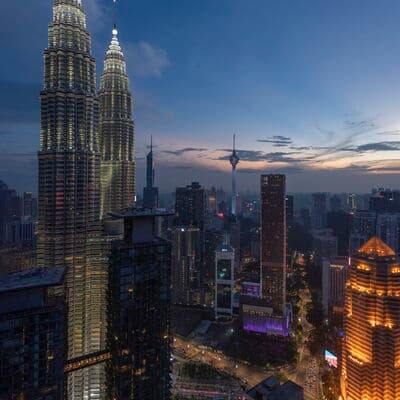
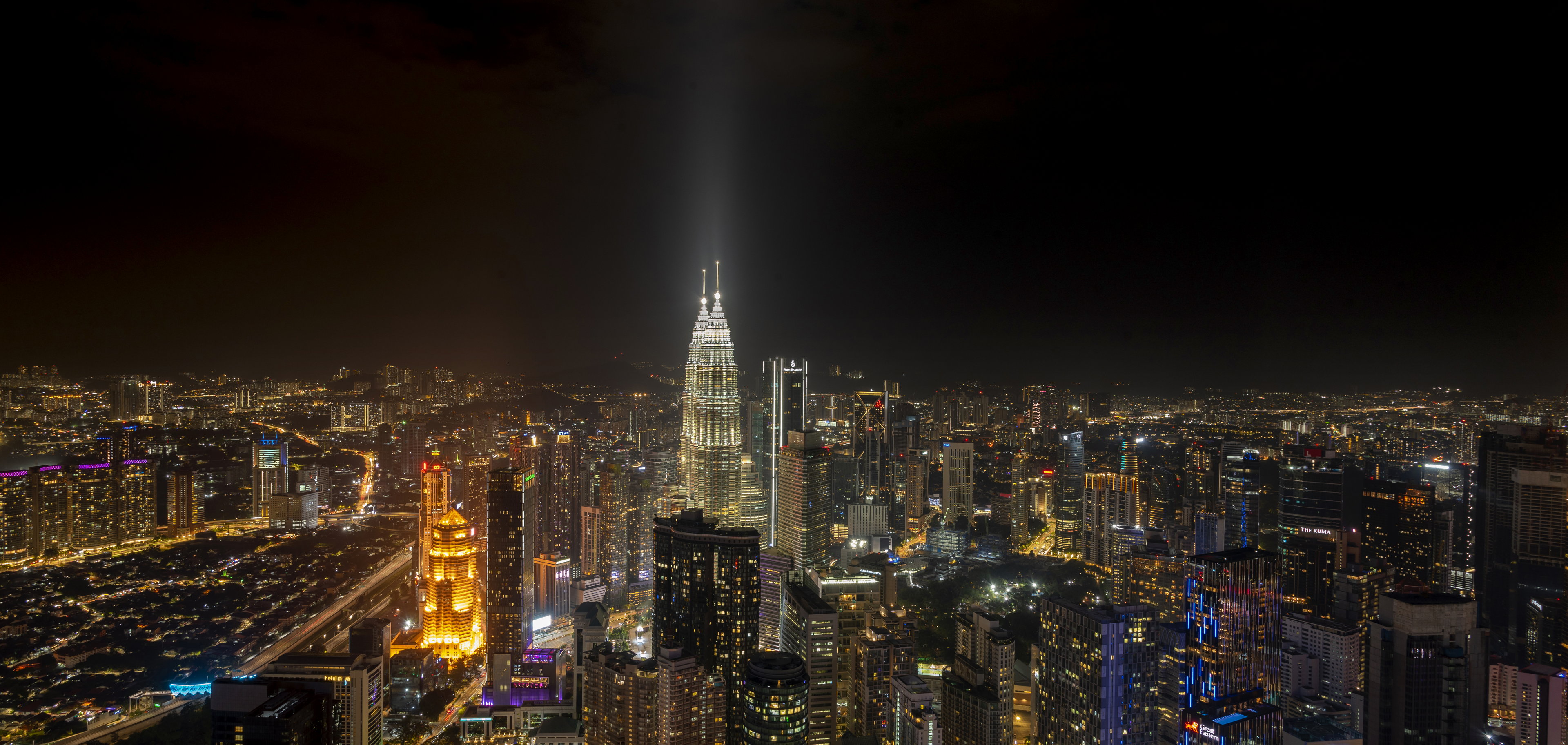
Kuala Lumpur is the beating heart of modern Malaysia. A city of contradictions - gleaming malls and crumbling shophouses, five-star hotels and two-dollar noodle stalls, covered women in hijabs and clubbers in miniskirts. The Petronas Twin Towers are the obvious icon - at 1,483 feet, they were the world's tallest buildings from 1998 to 2004 and remain the tallest twin towers. But the city reveals itself in layers that go far deeper than its skyline.
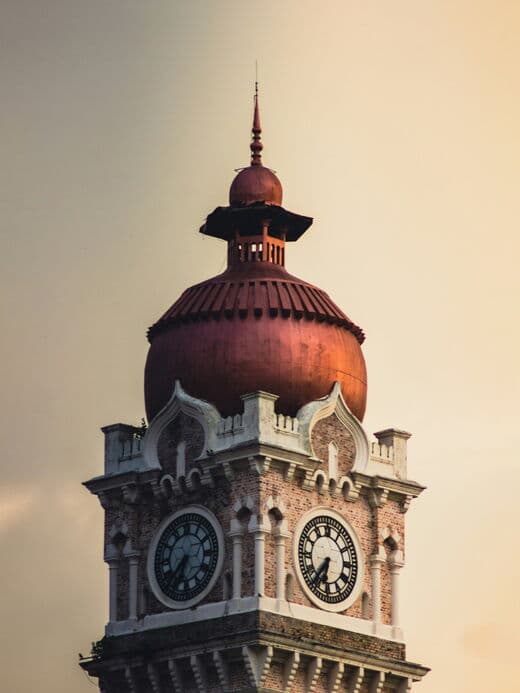
The colonial core around Merdeka Square tells the story of independence - this is where the British flag came down at midnight on August 31, 1957. The square itself is dominated by one of the world's tallest flagpoles (312 feet), flying the Malaysian flag where the Union Jack once flew. The Sultan Abdul Samad Building, with its Moorish arches and copper domes, is perhaps the most photographed colonial building in Southeast Asia. Originally housing British colonial administration, it now contains the Malaysian Supreme Court.
Batu Caves, just 30 minutes from central KL, is the largest Hindu temple complex outside India. The statistics alone are impressive: a 140-foot golden statue of Lord Murugan guards the entrance, making it the tallest statue of a Hindu deity in Malaysia. The 272 steps up to the main cave temple are a pilgrimage that hundreds of thousands make each year. During Thaipusam (January-February), this becomes one of the most intense religious festivals on Earth, with devotees piercing their bodies with hooks and skewers, some pulling chariots attached to their flesh by nothing but metal hooks. It's not for the squeamish, but it's unforgettable.
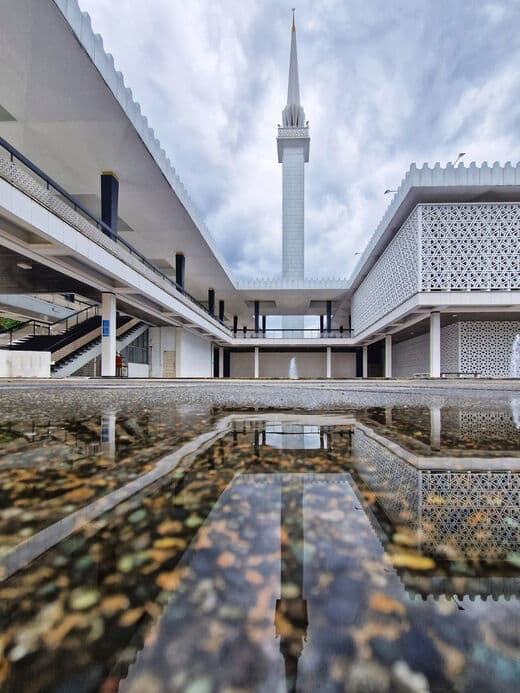
The city's mosques showcase Islamic architecture across centuries. Masjid Jamek, at the confluence of the Gombak and Klang rivers, marks the exact spot where Kuala Lumpur was founded in 1857. Its Mughal-inspired architecture - onion domes, minarets, and arched colonnades - has made it one of the city's most beloved landmarks. National Mosque is a modernist marvel completed in 1965 that can hold 15,000 worshippers under its distinctive folded-plate roof, designed to resemble an open umbrella. KL Tower, at 1,381 feet, offers 360-degree views from its observation deck and a glass-floored skywalk for the brave. The revolving restaurant at the top is a touristy but memorable dining experience.
Beyond the tourist highlights, KL rewards exploration. Chinatown's Petaling Street is a riot of vendors selling everything from fake watches to traditional medicine. Little India (Brickfields) comes alive on weekends with flower garlands, sari shops, and some of the best South Indian food outside Chennai. The Golden Triangle (Bukit Bintang area) is where locals come to shop, eat, and see movies. Bangsar is the expatriate heartland, with wine bars, brunch spots, and boutiques that could be in any Western city.
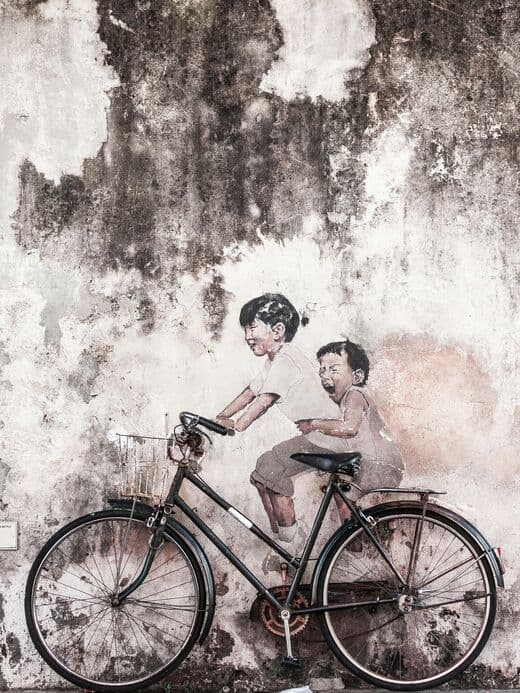
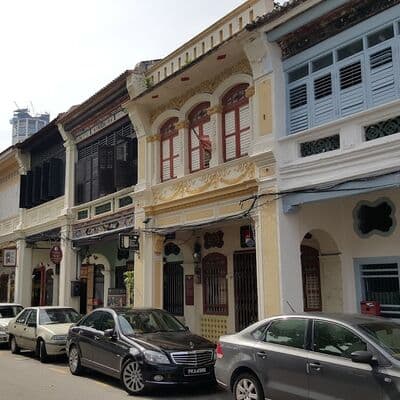
Penang is Malaysia at its most delicious. Georgetown, the island's capital, is a UNESCO World Heritage Site where every street corner reveals another architectural gem - Chinese clan houses with intricate carvings, Indian temples dripping with colored deities, Armenian churches, British fortifications. The street art scene exploded after Lithuanian artist Ernest Zacharevic created a series of murals in 2012, and now the old town is an Instagram paradise of painted walls and installations.
But most visitors come to eat. Penang's street food is legendary even by Malaysian standards. Char kway teow fried in pork fat over charcoal, the smoky wok hei flavor impossible to replicate in a home kitchen. Assam laksa with its sour-spicy fish broth, voted the 7th best food in the world by CNN. Cendol with shaved ice and palm sugar, the perfect antidote to tropical heat. Hokkien mee in a rich prawn broth that takes hours to prepare. Food writers regularly declare Penang the best food city in Asia, and having eaten there, it's hard to argue.
Malacca (Melaka) is history made tangible. This ancient port city was already trading with China, India, and Arabia when the Portuguese arrived in 1511 - the first European colonial power in Southeast Asia. The Dutch took over in 1641, the British in 1824, and the Japanese during World War II. Each left their mark, creating a layered city unlike anywhere else.
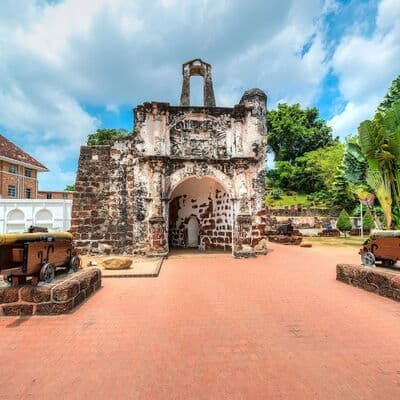
The red-painted Dutch Square, dominated by the Christ Church (1753) and the Stadthuys (1650), is the most photographed spot in town. The ruins of A'Famosa fortress, originally built by the Portuguese in 1511, are all that remain of what was once one of the mightiest fortifications in the East. St. Paul's Church on the hill above was built by a Portuguese captain in 1521, making it one of the oldest churches in Southeast Asia. Jonker Street, the heart of the Peranakan quarter, transforms into a spectacular night market on weekends - hundreds of stalls selling antiques, clothes, and food stretching for half a mile.
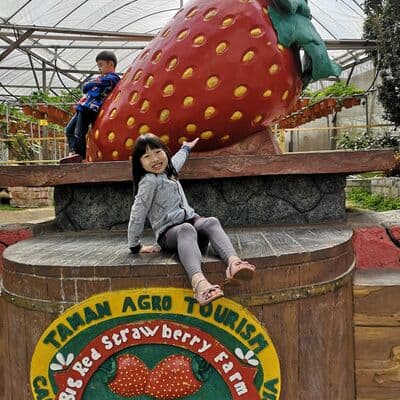
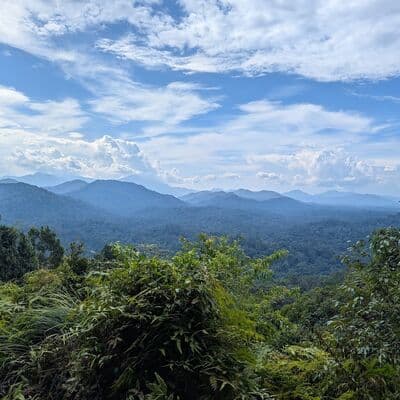
The Cameron Highlands offer escape from the lowland heat. At 5,000 feet elevation, this hill station was where British colonizers came to pretend they were back in England - the golf courses, Tudor-style hotels, and rose gardens remain. Today it's all about tea plantations stretching to the horizon, strawberry farms where you can pick your own, and temperatures that actually require a sweater. The BOH Tea plantations, established in 1929, offer tours and panoramic viewpoints - bring your camera for the emerald waves of tea bushes under mountain mist.
Ipoh is having a moment. Once Malaysia's second-wealthiest city thanks to tin mining, it fell into decline when the tin ran out. Now it's reinventing itself as Malaysia's answer to Penang - the colonial old town is being restored, hipster cafes are opening in heritage shophouses, and street art is appearing on crumbling walls. White coffee was invented here in the 1950s (the beans are roasted with palm oil margarine, giving a lighter color and unique flavor), and it's still best consumed in Ipoh's traditional kopitiams. Visit now before the crowds discover it - in five years, it'll be on every tourist trail.
East Coast
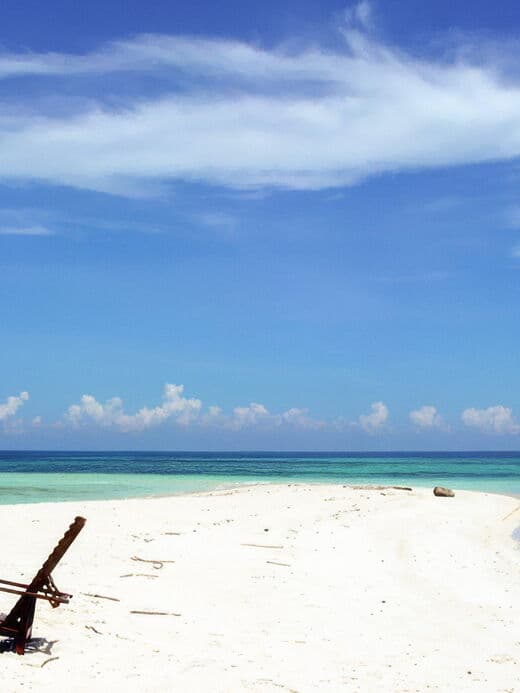
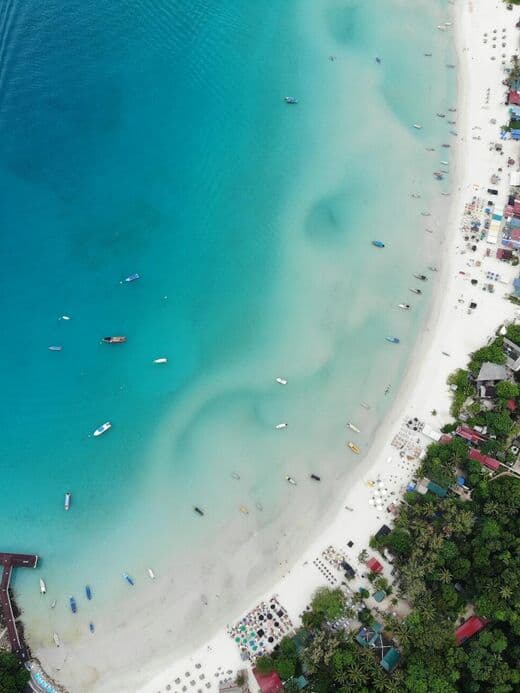
The east coast of Peninsular Malaysia is a different world. More Malay, more Islamic, more traditional. This is where sultanates still hold real power, where alcohol is hard to find, and where the beaches are the real draw - powdery white sand, crystal water, and sea turtles coming to nest. The pace of life is slower, the people more conservative, and the tourism infrastructure less developed. For many travelers, that's exactly the point.
The Perhentian Islands (Besar and Kecil) are Malaysia's backpacker paradise turned mainstream destination - though they've retained their laid-back charm. Two islands separated by a short boat ride: Kecil (Small) for the party crowd with its bars on Long Beach, Besar (Big) for families and those seeking quiet at places like Teluk Pauh.
The snorkeling is excellent - you'll see blacktip reef sharks, sea turtles, and clouds of tropical fish without even getting certified. Turtle Beach on Besar is where green turtles come to lay their eggs between May and September - watching a 300-pound turtle emerge from the sea at midnight, dig a nest, and lay 100 eggs is one of nature's most moving spectacles. Coral Bay on Kecil offers the best house reef for snorkeling - walk off the beach and you're surrounded by fish.
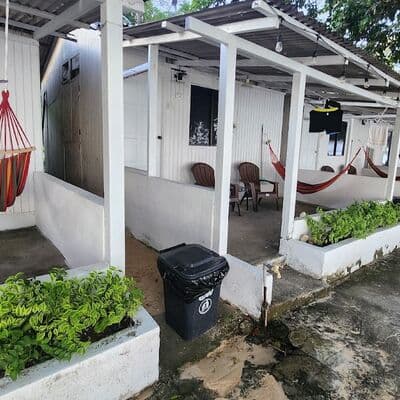
Accommodation ranges from basic bamboo huts (RM30-50/night) to comfortable bungalows (RM150-300/night). There are no cars on the islands, no ATMs, and limited electricity in some places. Bring cash, a flashlight, and the willingness to unplug. That's the beauty of it.
Season matters on the east coast. The northeast monsoon (November to February) brings rough seas and heavy rains - most resorts close completely, and you can't even get to the islands. The season runs from March to October, with April to September being the best for diving (calmest seas, best visibility).
Redang is Perhentian's more upscale cousin. Cleaner beaches, better resorts, and some of the best diving on the peninsula. The marine park here is strictly protected - no fishing, no anchoring on coral, strict limits on visitor numbers - which means the underwater life is exceptional. If you have the budget, Redang delivers crystal-clear water and pristine reefs.
Tioman is larger and more varied - villages, jungle trails, waterfalls, and beaches spread across an island you can actually explore. It's also duty-free, which makes it popular with Singaporeans stocking up on alcohol. The diving includes wreck sites from World War II, and the snorkeling around Coral Island is world-class. The interior jungle is home to monitor lizards, monkeys, and mouse deer - you can hike across the island in a day.
Kuala Terengganu is the gateway to the islands but worth exploring in its own right. This is the heartland of Malay culture - traditional crafts, batik-making, shadow puppet theater (wayang kulit), and kite-making. The central market (Pasar Payang) is one of the best in the country, selling everything from fresh fish to traditional textiles. The Crystal Mosque on an artificial island is architecturally stunning - steel and glass designed to shimmer like crystal. Just remember: this is conservative Malaysia. Dress modestly, don't expect to find alcohol, and respect local customs.
Malaysian Borneo
Borneo is where Malaysia gets wild. The third-largest island on Earth, shared between Malaysia, Indonesia, and tiny Brunei. The Malaysian states of Sabah and Sarawak make up about 60% of the country's landmass but hold only 6 million people - most of the interior is covered in rainforest that's among the oldest on the planet. Here be dragons - or at least orangutans, pygmy elephants, rhinoceros hornbills, and creatures found nowhere else on Earth.
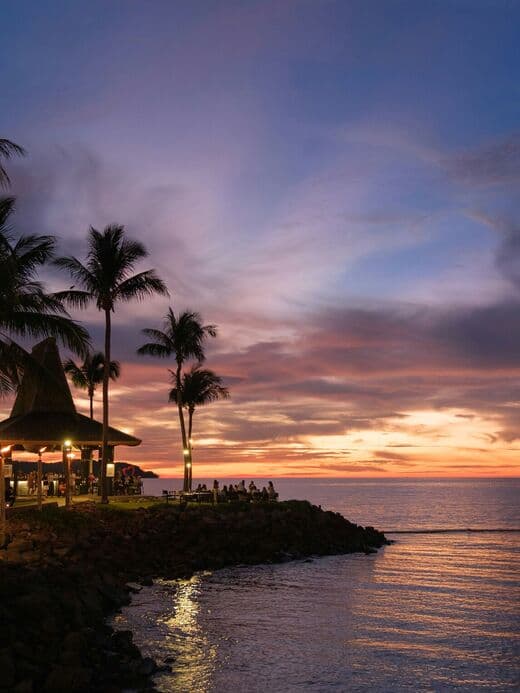
Kota Kinabalu (KK) is the capital of Sabah and the launching point for most Borneo adventures. The city itself was flattened by Allied bombing in 1945 and rebuilt without much charm, but it's surrounded by natural wonders. The waterfront has been redeveloped into a pleasant promenade with seafood restaurants and sunset views. Sunday Market is a sprawling affair where you can buy everything from jungle produce to handicrafts. The Filipino Market is the place for pearls, though bargaining is essential.
Mount Kinabalu National Park is a UNESCO World Heritage Site, home to the highest peak between the Himalayas and New Guinea (13,435 feet / 4,095 meters). The two-day climb to the summit is one of Southeast Asia's greatest adventures - you'll spend the night at Laban Rata mountain hut at 10,700 feet, wake at 2am, and reach Low's Peak by dawn to watch the sun rise above a sea of clouds. It's physically demanding but doesn't require technical climbing skills. Book months in advance; permits are strictly limited to 135 climbers per day.
Even if you're not climbing the summit, the park rewards a visit. Over 5,000 plant species grow here, including 1,500 orchids, 326 bird species, and the giant Rafflesia - the world's largest flower, up to 3 feet across, which blooms unpredictably and smells like rotting flesh. The Poring Hot Springs, part of the park, offer natural sulfur baths and a canopy walkway through the treetops.
Tunku Abdul Rahman Marine Park is just 15 minutes by boat from KK - five islands with coral reefs perfect for a day trip of snorkeling and beach-hopping. Sapi is the most developed and crowded; Manukan has the best facilities; Mamutik is smallest and quietest; Gaya is largest with jungle trails; Sulug is least visited. You can island-hop by speedboat or rent a kayak to paddle between them.
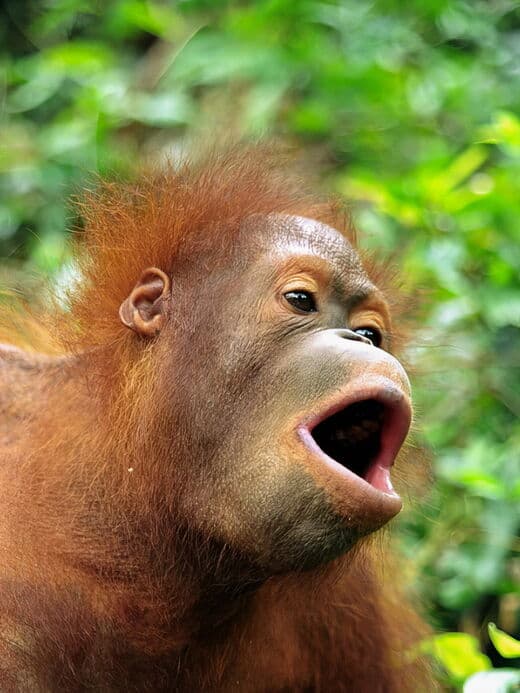
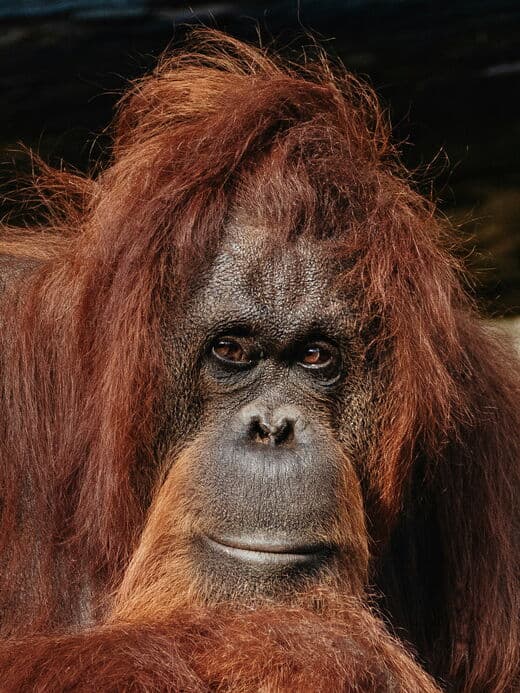
Sepilok is pilgrimage for wildlife lovers. The Orangutan Rehabilitation Centre, established in 1964, rescues and rehabilitates orphaned and injured orangutans - often victims of deforestation or the illegal pet trade - before releasing them back into the wild. Daily feeding sessions at 10am and 3pm bring the great apes to viewing platforms. Some days you'll see a dozen orangutans; some days only one or two. Either way, watching these 'people of the forest' (the Malay meaning of orangutan) share 97% of our DNA is profoundly moving.
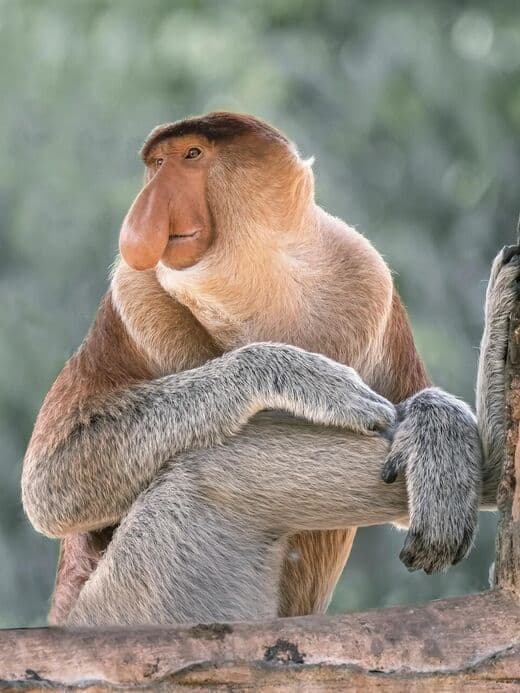
Nearby, the Bornean Sun Bear Conservation Centre protects the world's smallest bears - about the size of a large dog, with distinctive chest markings. Sun bears are notoriously shy in the wild, so this is your best chance to see them. Labuk Bay Proboscis Monkey Sanctuary offers guaranteed sightings of Borneo's most bizarre primates - pot-bellied monkeys with enormous pendulous noses (males only) found nowhere else on Earth.
Lankayan Island is for serious divers. A tiny coral island with a single resort, surrounded by some of the best diving in Asia. Whale sharks visit from April to May - swimming alongside these gentle 30-foot giants is a life-changing experience. The rest of the year offers manta rays, schools of barracuda, turtles, and pristine soft corals. It's expensive (packages start around $250/night including diving) but unforgettable.
The Kinabatangan River is wildlife-watching at its finest. Malaysia's longest river (348 miles) winds through lowland rainforest that's home to the highest concentration of Bornean elephants, plus orangutans, proboscis monkeys, crocodiles, and over 200 bird species. A two or three-day river safari by boat, with nights spent in jungle lodges, offers the best chance to see wild animals in their natural habitat. This is the real Borneo experience - cruising at dawn as mist rises from the water, macaques swinging through the trees, and if you're lucky, a wild orangutan building its nest.
Sarawak, the larger of Borneo's Malaysian states, is less visited but equally rewarding. Kuching, the capital, is one of the most pleasant cities in Malaysia - a laid-back riverside town with excellent museums, colonial architecture, and diverse food. The name means 'cat' in Malay, and feline statues are everywhere. The Sarawak Museum is one of the best in Southeast Asia, with excellent exhibits on indigenous cultures and natural history.
From Kuching, you can visit Bako National Park (proboscis monkeys and pristine beaches, reachable by boat) or the legendary Mulu Caves, home to the world's largest cave chamber (Sarawak Chamber could fit 40 Boeing 747s) and millions of bats whose nightly exodus is one of nature's great spectacles. The Pinnacles - razor-sharp limestone formations rising 150 feet from the jungle - require a challenging two-day trek but reward with an otherworldly landscape.
Langkawi: Duty-Free Island
Langkawi is different from the rest of Malaysia. An archipelago of 99 islands (at low tide) off the northwest coast, it was designated a duty-free zone in 1987. Alcohol, chocolate, perfume, and tobacco cost a fraction of mainland prices - a bottle of whisky that's RM200 on the peninsula might be RM50 here. For many visitors, especially those coming from Singapore or departing Malaysia, that's reason enough.
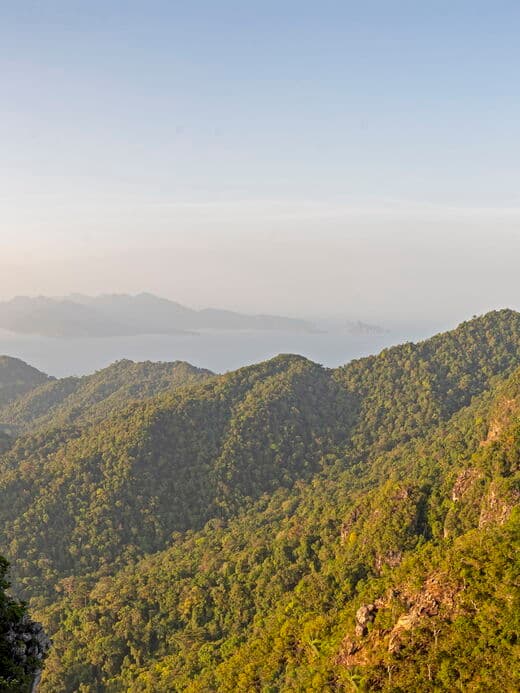
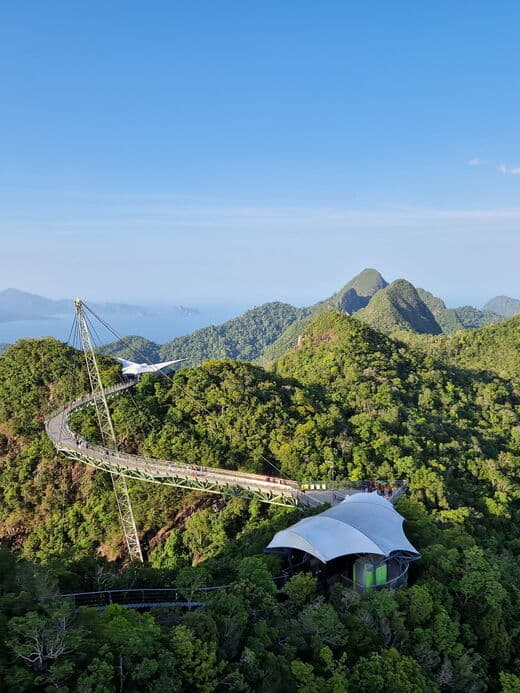
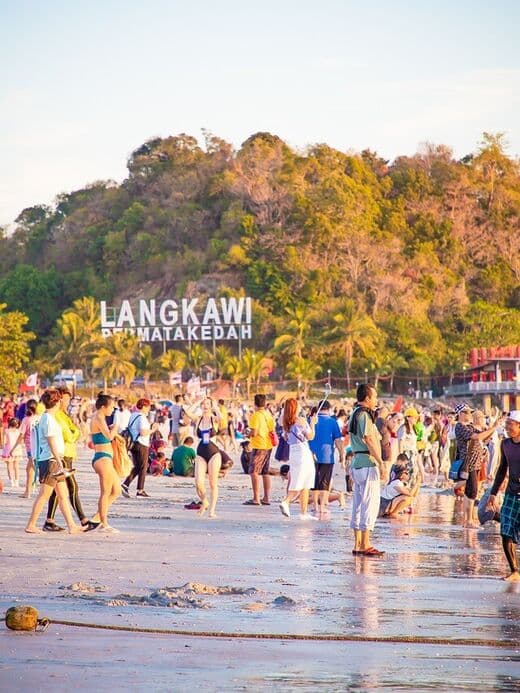
But Langkawi has more to offer than cheap beer. The island earned UNESCO Global Geopark status in 2007 for its 550-million-year-old geological formations. The Sky Bridge is a curved pedestrian bridge suspended 2,000 feet above sea level, reached by a steep cable car with glass-floored cabins - the views stretch to Thailand on clear days. Pantai Cenang is the main tourist beach with restaurants, nightlife, and water sports - jet skis, parasailing, banana boats. Seven Wells Waterfall offers natural swimming pools carved into rock by cascading water. Langkawi Wildlife Park is a small but well-maintained zoo where you can feed animals.
The island also has mangrove tours through river channels where eagles swoop for fish thrown by boat captains, island-hopping to Pregnant Maiden Lake (a freshwater lake inside an island), and some surprisingly good diving at Payar Marine Park. Langkawi works well as a relaxed start or end to your Malaysia trip - three or four days of beaches, cheap drinks, and spectacular sunsets before or after the intensity of the mainland.
Nature and National Parks
Malaysia is one of the 12 megadiverse countries on Earth. Its rainforests are among the oldest on the planet - 130 million years old, predating even the Amazon and the dinosaurs that roamed when these forests were already ancient. The government has protected significant portions of this wilderness, and eco-tourism is increasingly important to the economy. For nature lovers, Malaysia is a destination that rivals far more expensive and difficult places.
Major National Parks
Kinabalu National Park is a UNESCO World Heritage Site recognized not for its scenic beauty (though it has plenty) but for its exceptional biodiversity. Over 5,000 plant species grow here - more than all of North America and Europe combined. The 1,500 orchid species range from the size of a fingernail to the spectacular Rothschild's slipper orchid, one of the most expensive flowers in the world. Nine species of Rafflesia, including the world's largest flower, bloom here unpredictably - guides can tell you if any are currently flowering.
The animal life is equally impressive: 326 bird species including the endemic Kinabalu friendly warbler, 100 mammal species including gibbons and sun bears, and insects beyond counting. Even if you're not climbing the summit, the park offers numerous trails, the Poring Hot Springs with natural sulfur pools, and canopy walkways through the treetops.
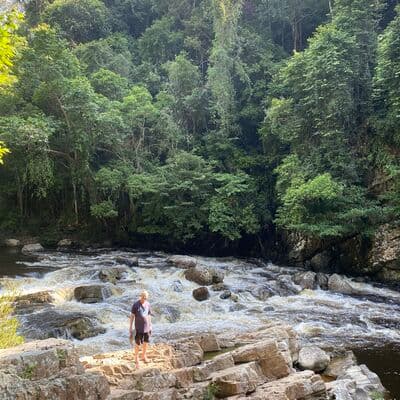
Taman Negara is the oldest national park in Malaysia, established in 1938 and covering 1,677 square miles of lowland rainforest. The jungle here is estimated at 130 million years old - older than the Amazon and Congo combined, making it one of the oldest forests on Earth. This is primary rainforest, never logged or farmed, a window into what the world looked like before humans dominated it.
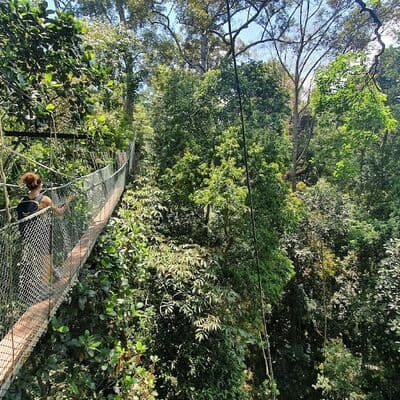
The canopy walkway is the world's longest at 1,700 feet, suspended 130 feet above the forest floor on a swaying series of rope bridges. Tigers, elephants, and tapirs roam these forests, though sightings require patience and luck - the jungle is dense and animals are wary. More commonly seen are macaques, giant squirrels, and countless bird species. Night walks with flashlights reveal a different world: flying squirrels gliding between trees, slow lorises with their enormous eyes, insects and spiders in bewildering variety.
The base for exploring is Kuala Tahan village, reached by a 3-hour boat ride from Kuala Tembling (itself a bus journey from KL). Most visitors stay at resorts along the river and take day trips into the forest, but multi-day treks to the interior - sleeping in hides hoping for wildlife sightings - offer the fullest experience.
Gunung Mulu National Park in Sarawak protects some of the world's most spectacular cave systems. The numbers are staggering: Sarawak Chamber is the world's largest cave chamber by area, so vast it could fit 40 Boeing 747s parked wingtip to wingtip. Clearwater Cave system is one of the longest in the world at over 100 miles of surveyed passages. Deer Cave is home to three million wrinkle-lipped bats whose nightly exodus - a living river of bats streaming out at dusk for hours - is one of nature's great spectacles.
The Pinnacles are razor-sharp limestone formations rising up to 150 feet from the jungle floor, created by millions of years of erosion. Reaching them requires a challenging two-day trek - boat, then trail, then near-vertical climb with ladders and ropes. It's not for everyone, but the otherworldly landscape at the top rewards the effort.
Bako National Park, also in Sarawak, is compact but rewarding. Just an hour from Kuching (including a boat ride), it's the easiest place to see proboscis monkeys in the wild. These bizarre primates with their pendulous noses often approach within feet of the trails. The park also features mangroves, pristine beaches, pitcher plants, and seven distinct ecosystems in a small area. You can visit for a day or stay overnight in the park's basic chalets.
Endau-Rompin on the peninsula is one of the last remaining lowland dipterocarp forests - the same type of jungle that once covered the entire region. Less visited than Taman Negara, it offers similar experiences: waterfalls, ancient trees, wildlife, and indigenous Orang Asli villages. Access is more difficult, which keeps the crowds away.
Marine Parks
Tunku Abdul Rahman Marine Park near Kota Kinabalu is the most accessible - five islands within 15 minutes of the city. Snorkeling and diving are good (not spectacular), and it's perfect for a day trip combining beaches and underwater exploration.
Sipadan is the big one. Jacques Cousteau called it 'an untouched piece of art.' This oceanic island rises 2,000 feet from the seabed, creating a vertical wall that's home to some of the most spectacular diving on Earth. Schools of barracuda form spiraling tornadoes, hammerhead sharks patrol the depths, green and hawksbill turtles are so common they become routine, and the sheer density of marine life is overwhelming.
Only 120 divers per day are permitted, and you must book through accredited operators based on Mabul or Kapalai islands. Permits often sell out months in advance. Staying on Sipadan itself is no longer allowed - the government removed all resorts in 2004 to protect the environment. It's expensive (figure $100-150/dive including permit) but consistently ranked among the world's top dive sites.
The east coast marine parks - around Perhentian, Redang, and Tioman - offer more accessible diving and snorkeling. Strict protection since the 1990s has allowed the reefs to recover from dynamite fishing and anchor damage. Today the underwater life is excellent: reef sharks, rays, turtles, and colorful fish in abundance. Visibility is typically 60-100 feet in season.
Wildlife Encounters
Orangutans are Borneo's iconic species. These 'people of the forest' share 97% of our DNA - the highest of any non-human primate. Their intelligence is remarkable: they use tools, build elaborate nests each night, and teach their young for up to eight years. Sadly, their population has declined 50% in the last 60 years due to deforestation for palm oil plantations.
Besides Sepilok, your best chance of wild sightings is on the Kinabatangan River or in the Danum Valley. Danum is a 170-square-mile protected area of pristine lowland rainforest with the highest density of wildlife in Sabah - orangutans, pygmy elephants, clouded leopards (rarely seen), and over 340 bird species. Accommodation at Borneo Rainforest Lodge is expensive but world-class.
Proboscis monkeys, with their comical pot bellies and enormous noses (males only), are endemic to Borneo. Labuk Bay offers guaranteed sightings at feeding times, Bako National Park is the wild option where they're almost tame, and the Kinabatangan River gives the full wildlife safari experience.
Sun bears - the world's smallest bears, about the size of a large dog with distinctive chest markings - are notoriously shy in the wild. The Sepilok center is your best chance to see them. They're called sun bears because of the golden crescent on their chest, not their sunny disposition - they can be aggressive and have the longest canines relative to body size of any bear.
Sea turtles nest on beaches throughout Malaysia's east coast. Turtle Beach on Perhentian Besar is one of the most accessible spots. Green turtles and hawksbills come ashore at night to lay eggs from May to September. Many resorts organize night watches where you can observe (quietly, with no flashlights) as these ancient creatures perform a ritual unchanged for 100 million years.
Whale sharks visit Lankayan Island from April to May. These gentle giants - the largest fish on Earth at up to 40 feet - are harmless filter feeders. Swimming alongside one as it glides through the blue is a bucket-list experience.
When to Visit
Malaysia straddles the equator, so it's summer year-round. Temperatures hover around 86-90F (30-32C) in the lowlands, with high humidity. But the monsoons dictate where you can go when - and getting this wrong can mean being stranded or disappointed. The good news: there's always somewhere to visit.
West Coast and Kuala Lumpur
Kuala Lumpur can be visited year-round. Brief afternoon thunderstorms are common - they typically hit around 3-5pm and last an hour or two. Locals barely notice them: duck into a mall or coffee shop, wait it out, continue your day. The wettest months are April-May and October-November, but even then you'll have plenty of sunshine.
Penang and Langkawi are best from November to April when skies are clearest. The rest of the year brings more rain but is still manageable - pack an umbrella and embrace the tropical climate.
Cameron Highlands has its own microclimate - cooler and wetter than the lowlands. The driest months are January to March. Bring a light jacket regardless of when you visit.
East Coast
The Perhentian Islands, Redang, and Tioman are strictly seasonal destinations. From November to February, the northeast monsoon brings rough seas and heavy rain - most resorts close completely, boats don't run, and there's nothing to do even if you could get there. Don't try.
The season runs from March to October. April to September is best for diving - calmest seas, best visibility (often exceeding 100 feet), and the most reliable weather. March and October are shoulder season - cheaper and quieter, but more risk of rain.
Borneo
Sabah and Sarawak can be visited year-round, but the driest months are March to October. For climbing Mount Kinabalu, February to April offers the best weather at the summit - clouds and rain are possible any time, but these months are statistically driest. For diving at Sipadan and Lankayan, April-May is whale shark season.
The 'wet season' (November-February) doesn't mean constant rain - typically there are showers overnight or in early morning. But roads in remote areas can become impassable, river levels rise too high for boat tours, and some attractions close. If traveling in wet season, build flexibility into your itinerary.
Festivals and Events
Chinese New Year (January-February, date varies with lunar calendar) transforms Penang, Malacca, and the Chinese quarters of every city. Fireworks, lion dances, red lanterns, and general celebration. Reunion dinners on New Year's Eve mean restaurants are packed; the following days see family visits and feasting. It's spectacular but crowded - book accommodation well ahead and expect higher prices.
Thaipusam (January-February, full moon of Thai month) at Batu Caves is not for the squeamish. Devotees pierce their bodies with hooks and skewers in acts of devotion, some pulling heavy chariots (kavadi) attached to their flesh. The 272 steps up to the temple become a river of devotees, many in trance states. It's one of the most intense religious spectacles on Earth - visually overwhelming and spiritually powerful regardless of your beliefs.
Ramadan (dates vary with Islamic calendar) is the Muslim fasting month. Daytime eating is discreet - many local restaurants close during daylight hours, though tourist areas are unaffected. But evenings come alive with Ramadan bazaars (pasar Ramadan) - vast markets selling an incredible array of food to break the fast. This is actually a great time to experience Malay cuisine in all its variety.
Hari Raya Aidilfitri (end of Ramadan) is the biggest celebration in the Malay calendar - think Christmas, Thanksgiving, and family reunion rolled into one. Festive decorations, open houses where anyone can visit, and traditional clothes everywhere. The atmosphere is wonderful, but transportation is chaotic as everyone travels to visit family. Avoid intercity travel on the first few days.
Deepavali (October-November) is the Hindu Festival of Lights. Little India areas in KL, Penang, and other cities light up with oil lamps and decorations. It's a good time to buy Indian goods - clothing, jewelry, sweets - and experience Hindu culture.
What to Avoid
School holidays (late November through early January, plus shorter breaks in March and August) see domestic tourism at its peak. Malaysian families flood the beaches, hotels charge premium rates, and popular attractions are packed. If possible, avoid these periods.
The east coast from November to February - you simply can't reach the islands, and mainland beaches aren't worth the trip in monsoon conditions.
The weeks around Chinese New Year if you want Penang or Malacca to yourself - they'll be packed with domestic and Singaporean tourists.
Getting There
From the US, UK, and Australia
Kuala Lumpur International Airport (KLIA) is Southeast Asia's major hub after Singapore, well-connected to the world.
From the US: No nonstop flights exist from any US city. Best connections are via Tokyo (ANA, JAL - excellent service, modern aircraft), Hong Kong (Cathay Pacific - consistently good), Seoul (Korean Air, Asiana - comfortable with good food), or Singapore (Singapore Airlines - premium but pricey). Flight time from the West Coast is typically 18-22 hours including layover; from the East Coast, add 4-5 hours.
Cheaper routings via Chinese airlines (China Southern, China Eastern, Xiamen) or Middle Eastern carriers (Emirates, Qatar, Etihad) can save money but often involve longer layovers. Compare total journey time, not just price.
From the UK: Malaysia Airlines flies nonstop London Heathrow to KL (approximately 13 hours). It's not the cheapest option but it's the most convenient. Alternatives via the Gulf (Emirates via Dubai, Qatar via Doha, Etihad via Abu Dhabi) often offer better prices and a chance to break up the journey with a stopover. Singapore Airlines via Singapore adds a premium but outstanding service.
From Australia: Multiple daily flights from Sydney, Melbourne, and Perth. Malaysia Airlines and Qantas offer full service; AirAsia X is the budget option with bare-bones service but significantly lower fares. Flight time is 7-9 hours depending on your departure city. Perth is closest at around 5.5 hours - making Malaysia an easy weekend destination from Western Australia.
Malaysian Airports
KLIA (Kuala Lumpur International Airport) is a massive, modern facility about 45 miles south of the city center. It has two terminals: KLIA1 for full-service carriers and KLIA2 for low-cost carriers including AirAsia. The terminals are connected by a free shuttle, but they're far apart - allow at least an hour if connecting between terminals, more during peak times.
Getting to KL from KLIA:
- KLIA Ekspres - high-speed train, 28 minutes to KL Sentral station, RM55 one-way. Comfortable, reliable, the best option if your hotel is near a train or metro station.
- Bus - multiple operators, 1-1.5 hours in normal traffic (can be 2-3 hours in rush hour), RM12-15. Drops you at various city locations.
- Taxi - coupon system from fixed booths, RM80-100 depending on destination. Grab is usually cheaper and avoids negotiation.
- Private transfer - bookable in advance, RM150-200 for sedan, useful for groups or those wanting door-to-door service.
Penang (PEN) is a small but efficient airport on the island, with direct flights from Singapore, Bangkok, Hong Kong, and other Asian cities. Good option if starting your trip in the north.
Langkawi (LGK) has a small international airport with direct flights from KL, Singapore, and seasonal routes from other cities. Convenient if heading straight to the island.
Kota Kinabalu (BKI) is the main gateway to Borneo, with direct flights from KL (2.5 hours), Singapore, Hong Kong, Seoul, and several Chinese cities. Well-designed terminal, easy to navigate.
Kuching (KCH) serves Sarawak with direct flights from KL and Singapore. Smaller and quieter than KK.
From Singapore
Singapore is the most common entry point for travelers combining the two countries. Options:
- Bus - from S$2-10 depending on operator and booking time, frequent departures to Kuala Lumpur (5-6 hours) or Malacca (4 hours). Comfortable coaches with AC, sometimes WiFi. Border crossing at Johor involves getting off the bus, clearing immigration on both sides, and reboarding - usually takes 30-60 minutes but can be longer on weekends and holidays.
- Train - KTM runs from Singapore's Woodlands station to JB Sentral in Johor Bahru (5 minutes, but you clear immigration separately). From JB, trains continue to KL and beyond. Scenic but slow.
- Flight - 1 hour to KL, often cheaper than the bus if booked ahead on AirAsia or Scoot. Time-efficient if you value your day.
From Thailand
Land crossings are possible at several points along the Thai-Malaysian border. The most common for tourists:
- Padang Besar - train crossing between Hat Yai (Thailand) and Butterworth (for Penang). Daily trains in both directions.
- Sadao/Bukit Kayu Hitam - busiest road crossing, with buses from Hat Yai to Penang and beyond.
The far northeast crossings (Sungai Kolok area) are occasionally subject to travel advisories due to unrest in Thailand's deep south - check current conditions before planning this route.
Getting Around
Domestic Flights
AirAsia dominates domestic flying in Malaysia. The company was founded here and operates hub-and-spoke routes from KL to everywhere else. Fares start from RM50 if booked early - sometimes even cheaper during promotions. The catch: hand luggage is limited to 7kg, checked bags cost extra (RM20-60 depending on weight and route), and you pay for seat selection, food, and basically everything except the seat itself.
Malaysia Airlines is the full-service alternative - higher base fares but including luggage, meals, and seat selection. For longer flights or when carrying significant luggage, the total cost may be comparable. Firefly (regional subsidiary of Malaysia Airlines) and Batik Air (formerly Malindo) offer middle-ground options.
Flying is the only practical way to reach Borneo from the peninsula. KL to Kota Kinabalu is 2.5 hours; to Kuching is 1.5 hours. Even within Borneo, flying often makes sense - Kota Kinabalu to Sandakan is 45 minutes by air versus 6+ hours by road.
Trains
KTM (Keretapi Tanah Melayu) operates the national rail network. The west coast mainline runs from Singapore through Johor Bahru, KL, Ipoh, and Butterworth (ferry to Penang), with some services continuing to the Thai border. The ETS (Electric Train Service) runs modern, comfortable trains on this route - think European-standard coaches with AC, power outlets, and decent legroom. Book at ktmb.com.my.
Sample times and prices (ETS):
- KL to Ipoh: 2.5 hours, from RM35
- KL to Butterworth (for Penang): 4 hours, from RM59
- KL to Padang Besar (Thai border): 5.5 hours, from RM79
The Jungle Railway is a legendary slow train through the interior of the peninsula - from Gemas (south of KL) to Tumpat (near Kota Bharu) via Kuala Lipis and Gua Musang. It's not comfortable and not quick (the full journey takes about 12 hours), but it's an authentic experience passing through remote villages and genuine jungle. This is the Malaysia that existed before highways and airplanes, and for adventurous travelers, it's unforgettable.
Buses
Malaysia's bus network is excellent. Long-distance buses are comfortable with air-conditioning, reclining seats, and sometimes WiFi and USB charging. Main operators include Transnasional (government-linked, extensive network), Plusliner (comfortable), and Aeroline (premium VIP class with meals and extra legroom).
Book at easybook.com or busonlineticket.com. During holidays and long weekends, buses sell out fast - book as early as possible. Prices are very reasonable: KL to Malacca is around RM15-20, KL to Penang around RM35-50.
In Kuala Lumpur, buses depart from multiple terminals:
- TBS (Terminal Bersepadu Selatan) - the main southern terminal, handling routes to the south, east coast, and Singapore. Connected to the LRT and commuter rail.
- Pudu Sentral - older central terminal, some routes
- Hentian Duta - northern terminal for some Penang and northern routes
Always confirm which terminal your bus departs from when booking.
Driving
Driving in Malaysia is straightforward for confident drivers. Roads are excellent - some of the best in Asia, a legacy of the country's rubber and palm oil wealth. Highways (called 'expressways') are tolled but fast and well-maintained, with rest stops every 30-50 km featuring food courts, convenience stores, and clean restrooms. Non-toll alternatives exist but add significant time.
Traffic drives on the left (British system). International driving licenses are valid. Speed limits are typically 110 km/h on expressways, 90 km/h on federal roads, lower in towns.
Car rental starts around RM80-100 per day for a basic sedan (Proton Saga, Perodua Axia). International agencies (Hertz, Avis, Budget) and local companies are at all airports and in city centers. Insurance is essential - basic coverage is usually included, but check the excess (deductible) and consider additional coverage for peace of mind.
Driving makes sense for:
- Cameron Highlands - public transport is limited, having a car opens up the tea plantations
- Touring the peninsula - Malacca, Ipoh, Penang at your own pace
- Exploring Langkawi - the island is spread out with attractions scattered
- Borneo road trips - the Sabah interior has stunning scenery
In KL itself, parking is difficult, traffic is heavy, and distances are deceiving. Use Grab or public transport instead.
Ferries
Ferries and speedboats connect the mainland to the islands:
- Perhentian - from Kuala Besut, speedboats run several times daily (40 minutes, RM70 return)
- Redang - from Merang (30 minutes) or Kuala Terengganu (1 hour)
- Tioman - from Mersing (1.5-2 hours, RM70 return) or Tanjung Gemok
- Langkawi - from Kuala Perlis (1 hour) or Kuala Kedah (1.5 hours), around RM30 one-way
During monsoon season (November-February), east coast services shut down. Even in season, boats may be cancelled due to weather - build flexibility into your island plans.
Grab
Grab is essential in Malaysia. It works like Uber - app-based booking, fixed prices based on distance, payment by card or cash, driver ratings. It's often significantly cheaper than regular taxis (sometimes 50% less) and avoids any haggling or 'meter not working' games. In cities, Grab cars arrive within minutes. Download and set up the app before you arrive.
Regular taxis still exist but are a mixed experience. Theoretically they use meters; in practice, many drivers refuse or claim the meter is broken. If using regular taxis, agree on a price before getting in, or insist on the meter. Airport taxis use a coupon system with fixed prices.
Cultural Code
Malaysia's multicultural society means you'll encounter different customs depending on who you're dealing with. About 60% of the population is Malay (Muslim), 23% Chinese, and 7% Indian, with the remainder indigenous groups (especially in Sabah and Sarawak). Each community maintains its traditions, creating a complex but generally harmonious society. Understanding the basics helps avoid awkward moments and shows respect.
Islam and Public Behavior
Islam is the official religion, and about 60% of Malaysians are Muslim. But Malaysia is moderate by global Islamic standards - far more relaxed than Middle Eastern countries. Alcohol is widely available (except in some east coast states), Western dress is common in cities, and tourists aren't expected to follow Islamic rules.
That said, respect matters:
- Remove shoes before entering mosques (and many homes). Women should cover head, arms, and legs when visiting mosques - robes and headscarves are usually provided at entrances for free.
- During Ramadan (the fasting month), be discreet about eating and drinking in public during daylight hours. It's not illegal, but it's considerate to avoid doing so in front of people who are fasting.
- In conservative areas (east coast states like Kelantan and Terengganu, rural Malay villages), dress more modestly - cover shoulders and knees, avoid very tight clothing.
- Public displays of affection may attract disapproval in conservative areas. Hand-holding is fine; making out in public is not.
Things to Avoid
The left hand is considered unclean in Malay and Indian cultures - it's traditionally used for 'bathroom purposes.' Don't pass money, business cards, food, or gifts with your left hand alone. Using both hands is respectful; using your right hand is standard.
Don't point with your index finger - use your whole hand or thumb instead. Pointing at people is rude across Asian cultures.
Don't touch anyone on the head - it's considered the most sacred part of the body in Buddhist and Hindu traditions. This includes children, even if you mean it affectionately.
Don't point the soles of your feet at people or religious objects - feet are the lowest and least clean part of the body. In temples, sit with your legs folded beneath you or to the side.
Don't publicly criticize the royal family, Islam, or government policies. Malaysia has strict laws on 'sedition' that have been used to prosecute criticism - as a tourist, you're unlikely to be targeted, but it's wise to keep political opinions private.
Tipping
Tipping is not expected in Malaysia - the culture doesn't have the same tipping expectations as North America or even Europe. Most restaurants add a 10% service charge automatically (look at the bottom of the bill) - additional tips aren't necessary. If there's no service charge, rounding up or leaving 5-10% is appreciated but not expected.
Specific situations:
- Hotel porters: RM2-5 per bag is standard
- Housekeeping: RM5-10 per day is appreciated but not expected
- Taxi/Grab drivers: Don't tip - it's not expected
- Tour guides and instructors (diving, trekking): RM20-50 per day is appropriate for good service
- Spa therapists: 10% is becoming common in tourist areas but not required
Communication
Malaysians are friendly and often curious about foreigners. Questions about your family, job, age, and even salary are considered polite conversation starters, not intrusive. Answer as much as you're comfortable with - you can deflect without offense.
'Face' (maintaining dignity and avoiding embarrassment) is important across all Malaysian cultures. Avoid public criticism, raising your voice, or direct confrontation. If something's wrong, address it calmly and privately. Causing someone to 'lose face' by embarrassing them publicly creates lasting damage to the relationship.
'Yes' doesn't always mean yes. Malaysians (especially Malays) avoid direct refusal - it's considered rude. 'Maybe,' 'we'll see,' 'it's difficult,' or a non-committal smile often mean 'no.' Pay attention to hesitation and body language.
For handshakes with Muslims: wait for them to extend their hand first. Conservative Muslim men may not shake hands with women, and conservative Muslim women may not shake hands with men - this isn't rudeness, it's religious observance. A nod and smile is always acceptable.
Dress Code
In KL and tourist areas, wear whatever you're comfortable in - shorts, tank tops, sundresses are all fine. Malaysians in the city dress everything from traditionally to fashionably, and tourists have even more latitude. For government buildings, some clubs, and upscale restaurants, covered shoulders and long pants are required.
On beaches, bikinis are acceptable at resort islands and hotel pools. On mainland beaches, especially on the east coast, you may feel more comfortable in more modest swimwear - one-pieces for women, swim shorts rather than speedos for men.
In all temples (Muslim, Hindu, Buddhist, Sikh), cover shoulders and knees. Some Hindu temples require men to wear long pants or a sarong (often available to borrow at the entrance). In Sikh gurdwaras, heads must be covered - bandanas are provided.
Safety
Malaysia is one of the safest countries in Southeast Asia. Violent crime against tourists is rare - you're statistically safer walking the streets of KL at midnight than many Western cities. Common sense precautions are all that's needed.
Common Issues
Motorcycle snatch thefts are the most reported crime against tourists. Thieves on motorbikes ride up behind pedestrians and grab bags, phones, or necklaces. Prevention is simple: wear bags on the shoulder away from the road, don't walk close to the curb, be aware of motorbikes approaching from behind. This is more common in KL and Penang than elsewhere, and more common in tourist areas than residential neighborhoods.
Pickpocketing in tourist areas is a risk - Batu Caves (lots of distraction and crowds), night markets, public transport. Keep valuables in front pockets or secure bags, don't flash expensive electronics, be aware of your surroundings.
Taxi scams are less common with Grab, but regular taxi drivers may 'forget' to start the meter, claim it's broken, or take circuitous routes. Use Grab for predictable pricing, or agree on a fare before getting in a regular taxi.
Tourist scams exist, especially around Petronas Towers and in Chinatown. Friendly strangers strike up conversation, then invite you to their friend's shop or suggest visiting a 'special promotion' - you end up pressured to buy overpriced goods. Politely decline offers from strangers who approach you uninvited.
Areas to Avoid
Malaysia is generally safe, but some areas warrant caution:
- Eastern Sabah near the Philippine border - the government advises against travel to the far east coast of Sabah due to kidnapping risk from Philippine militants. This includes waters around the islands. Stick to established tourist areas around Kota Kinabalu, Sandakan, and approved diving operators.
- Some areas of KL at night - Chow Kit (red light district), parts of Brickfields (Little India), and areas around budget hostels can feel sketchy after dark. Use Grab rather than walking.
- The Thai border in the far north - occasionally subject to travel advisories due to spillover from unrest in Thailand's deep south.
Natural Hazards
Sun - equatorial sun is intense and burns fast. You can burn in 20 minutes even on cloudy days. Sunscreen SPF50+, hat, and sunglasses are essential. Reapply frequently, especially after swimming.
Monkeys - cute but potentially dangerous. They're common at tourist sites, especially Batu Caves and around temples. Don't feed them (it's illegal at Batu Caves), don't make eye contact (sign of aggression), don't smile showing teeth (also aggression). Secure your belongings - they'll grab anything shiny or resembling food. If surrounded, stay calm and back away slowly. If bitten, seek medical attention.
Jellyfish - present at some beaches in certain seasons. Box jellyfish (dangerous) are rare but possible. Ask locals about conditions before swimming.
Currents - the east coast can have strong undertows, especially during weather changes. Swim where locals swim, heed warning flags, don't swim alone.
Jungle hazards - never hike alone without a guide in serious jungle. Trails can disappear, phone signals don't reach, and rescue is difficult. Leeches are common during and after rain - wear long pants, closed shoes, and insect repellent. Snakes exist but are rarely seen.
Emergency Numbers
- Police: 999
- Ambulance: 999
- Fire: 994
- Tourist Police (KL): +60 3-2149 6590
Malaysian police are generally professional and non-corrupt by regional standards. In tourist areas, English-speaking officers are usually available. If you're a victim of crime, report it promptly - you'll need a police report for insurance claims.
Embassies
- US Embassy: +60 3-2168 5000 (24-hour emergency line for US citizens)
- UK High Commission: +60 3-2170 2200
- Australian High Commission: +60 3-2146 5555
- Canadian High Commission: +60 3-2718 3333
Health and Medical
Healthcare in Malaysia is excellent. Private hospitals in major cities are world-class - KL is a major medical tourism destination, with hospitals like Prince Court, Gleneagles, and Pantai accredited by international bodies and treating patients from around the world. English-speaking doctors (often trained in the UK, Australia, or US) are the norm.
Before You Go
No mandatory vaccinations for entry (unless arriving from a yellow fever zone). Recommended vaccinations:
- Hepatitis A and B - transmitted through contaminated food/water (A) and bodily fluids (B)
- Typhoid - for those planning to eat adventurously at street stalls
- Tetanus-diphtheria - update if over 10 years since last shot
For Borneo jungle treks and extended stays in rural areas:
- Japanese encephalitis - rare but serious mosquito-borne disease
- Rabies - if you'll be far from medical facilities
- Malaria prophylaxis - only needed for deep jungle areas on the Thai border and interior Borneo, not for standard tourist routes. Consult a travel health specialist.
Insurance
Travel insurance is essential. A doctor's visit at a private clinic costs from RM50-150; hospitalization from RM500-1000 per day in a basic ward. Serious procedures - surgery, ICU care - can cost tens of thousands of dollars.
Check your policy covers:
- Medical evacuation (critical if injured in remote areas)
- Diving (standard policies often exclude diving or limit depth)
- Adventure activities (trekking, Mount Kinabalu climb)
- COVID-19 related claims (if still relevant)
Common Problems
Traveler's diarrhea is the classic issue. Malaysian food hygiene is generally good, but unfamiliar bacteria can still cause problems. Drink bottled water (universally available), avoid ice in questionable places (though most tourist restaurants use clean ice), wash or peel fruit. If diarrhea strikes: oral rehydration salts (available at any pharmacy), clear fluids, rest. See a doctor if it doesn't improve in 48 hours or if there's fever or blood.
Dengue fever is transmitted by daytime-biting Aedes mosquitoes. There's no vaccine, no cure, only symptomatic treatment - rest, fluids, acetaminophen (NOT aspirin or ibuprofen). Symptoms: sudden high fever, severe headache, pain behind the eyes, joint/muscle pain, rash. Most cases resolve in a week, but severe dengue can be life-threatening. Prevention: DEET-based repellent, long sleeves and pants in light colors, air-conditioned or screened rooms.
Heat exhaustion is easy to underestimate. Symptoms: heavy sweating, weakness, nausea, dizziness. Prevention: drink lots of water (more than you think you need), wear a hat, take breaks in air-conditioned spaces. Don't plan intensive activities for your first few days while acclimatizing.
Seasickness on ferries and speedboats can ruin your island trip. Dramamine (dimenhydrinate) or local equivalents are available at any pharmacy. Take before boarding, not after you feel sick.
Pharmacies
Pharmacies (called 'pharmacy' or 'farmasi') are everywhere. Many medications that require prescriptions in Western countries are available over the counter. Major chains: Guardian, Watsons, Caring. Pharmacists usually speak English and can recommend treatments for minor ailments.
Money and Budget
Currency
Malaysian ringgit (MYR, RM). Exchange rate approximately 1 USD = 4.5-4.7 MYR (check current rates). Notes: 1, 5, 10, 20, 50, 100. Coins: 5, 10, 20, 50 sen. The RM1 coin is common for smaller purchases.
How to Pay
Credit cards (Visa, Mastercard) are widely accepted in cities - hotels, major shops, chain restaurants. American Express is less common. Street food, local restaurants, and small shops need cash.
ATMs are everywhere. International networks (Plus, Cirrus) work with all major Malaysian banks. Withdrawal fees are typically RM5-10 per transaction. Limits are usually RM1,000-1,500 per withdrawal; you can make multiple withdrawals but may trigger fraud alerts on your home bank account - inform them of travel plans before departure.
Money changers offer better rates than banks or hotels - often 2-3% better. In KL, the best rates are at Jalan Masjid India (near KLCC) and in the Bukit Bintang area. Passport is required. Count your money carefully before leaving the counter.
Budgets
Backpacker (RM80-150 / $18-35 per day):
- Hostel dorm: RM25-50
- Street food three meals: RM15-30
- Public transport: RM10-20
- One attraction: RM20-50
Mid-range (RM250-400 / $55-90 per day):
- 3-star hotel or good guesthouse: RM100-180
- Mix of street food and restaurants: RM50-80
- Grab/taxi and some internal flights: RM30-50
- Activities and attractions: RM50-100
Comfort (RM500-800 / $110-180 per day):
- 4-5 star hotel: RM250-400
- Restaurant meals and some fine dining: RM100-150
- Taxi/Grab everywhere: RM50-100
- Tours, activities, entrance fees: RM100-200
Saving Money
Food - street food is not just cheaper, it's often better than restaurant food. A hawker meal that costs RM8 might taste better than a restaurant meal at RM40. Breakfast at a kopitiam: RM5-10. Lunch at a hawker center: RM8-15. Don't pay restaurant prices for the same food.
Transport - KL's metro and buses are very cheap (RM1-5 for most journeys). Intercity buses are cheaper than trains or flights, and often more convenient.
Accommodation - guesthouses and hostels are excellent quality by Asian standards. Airbnb can be cheaper than hotels for longer stays and gives you kitchen access.
Timing - avoid school holidays and major festivals when prices spike. Shoulder season on islands (March, October) offers lower prices with reasonable weather.
Don't Skimp On
Insurance - a serious injury or illness without coverage can cost tens of thousands of dollars and cause lasting financial damage.
Diving - cheap operators cut corners on equipment maintenance and safety procedures. The price difference between a reputable PADI center and a budget shop might be RM50 per dive - not worth the risk.
Jungle treks - only go with established guides and agencies. Getting lost or injured in Malaysian jungle without proper support is genuinely dangerous.
Top Itineraries
7 Days: Classic Malaysia
Days 1-2: Kuala Lumpur
Arrive, check into a hotel in Bukit Bintang (convenient for food and nightlife) or KLCC (views of the towers). First day: acclimatize, don't over-schedule. Walk to Petronas Towers for sunset photos from KLCC Park. The towers light up beautifully at dusk. Evening: Jalan Alor for your introduction to Malaysian street food - satay, char kway teow, grilled stingray, fresh fruit juices. This single street will show you why Malaysia is a food destination.
Day two: early start (before 9am to beat crowds) for Batu Caves. Take the KTM Komuter train from KL Sentral - 30 minutes, cheap, easy. Climb the 272 steps to the main temple cave, explore the smaller dark caves if you're adventurous, watch the monkeys. Return by noon before the heat and crowds peak. Afternoon: historic center walking tour - Merdeka Square, Sultan Abdul Samad Building, Masjid Jamek. Walk to Chinatown (Petaling Street) for browsing and dinner. If you have energy, drinks at a rooftop bar with tower views.
Days 3-4: Malacca
Morning bus from TBS station (2 hours). Check into a boutique hotel in the historic center - there are some beautiful converted shophouses. After lunch (try chicken rice balls, a Malacca specialty), explore the colonial core: Dutch Square with its red buildings, Christ Church, the Stadthuys. Climb to A'Famosa fortress ruins and St. Paul's Church for views over the old town. Evening: Jonker Walk comes alive after dark on weekends - hundreds of food stalls, antique shops, and the buzz of local families and tourists mixing.
Day four: morning riverside walk - the Malacca River has been cleaned up and beautified with murals and cafes. Visit the Baba-Nyonya Museum to understand Peranakan culture - the unique fusion of Chinese and Malay traditions created by centuries of intermarriage. Cheng Hoon Teng Temple is the oldest Chinese temple in Malaysia (1646). Afternoon: bus back to KL or onward to Penang. The overnight bus to Penang (7 hours, departing around 10pm) saves a night's accommodation and lets you wake up in Georgetown.
Days 5-6: Penang
Georgetown is a walking city - everything is reachable on foot or by cheap Grab. Day one: the street art and heritage walk. Start on Armenian Street with the famous 'Kids on Bicycle' mural, then wander through the UNESCO zone. Visit the clan houses - Khoo Kongsi is the most elaborate, with intricate carvings and a ceremonial hall. Little India for different textures and smells. Throughout the day, eat: assam laksa for breakfast, char kway teow for lunch, cendol in the afternoon, anything that looks good at any time.
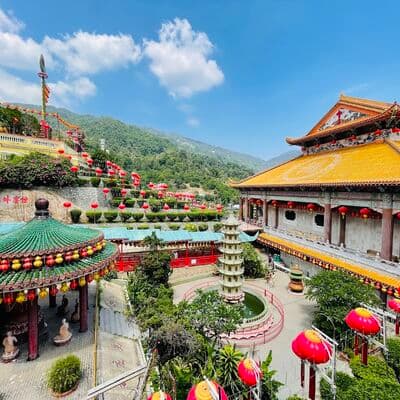
Day six: Kek Lok Si Temple, the largest Buddhist temple in Southeast Asia. The seven-story pagoda blends Chinese, Thai, and Burmese architecture. Take the inclined lift to the giant Kuan Yin statue for panoramic views. Afternoon: Penang Hill by funicular - the British hill station with views over the island, strait, and mainland. Colonial architecture, cooler temperatures, and a good cafe for teh tarik. Evening: Georgetown waterfront and coffee shops.
Day 7: Departure
Morning flight from Penang to KL (45 minutes) or direct international connection if available from Penang.
10 Days: Peninsula Plus Islands
Days 1-3: Kuala Lumpur and surroundings
Follow the 7-day itinerary for Days 1-2 in KL. Day 3: day trip to either Putrajaya (the futuristic administrative capital with striking Islamic modernist architecture - the pink mosque, the steel mosque, the convention center) or Cameron Highlands (tea plantations, strawberry farms, cool weather - about 4 hours by bus, could do as overnight). Return to KL for evening.
Days 4-5: Malacca
As in 7-day itinerary.
Days 6-8: Perhentian Islands
Morning flight from KL to Kota Bharu (1 hour). Taxi to Kuala Besut jetty (1.5 hours). Speedboat to the islands (40 minutes). Check into accommodation - basic chalets on the beach for budget, resort bungalows for comfort. Three days of snorkeling, diving, beach time. The islands are small enough to walk around; water taxis connect the main beaches.
Long Beach on Kecil for nightlife (relative term - we're talking beach bars, not clubs). Coral Bay for quieter vibes and excellent snorkeling right off the beach. Turtle Beach on Besar for wildlife and seclusion. Book a snorkeling trip to the outer reefs - blacktip sharks, turtles, and fish in extraordinary abundance. For divers: visibility is excellent, and sites range from beginner-friendly to advanced. Evening: beach BBQ under stars unobscured by light pollution.
Days 9-10: Return via Penang
Boat back to Kuala Besut, taxi to Kota Bharu. Flight to Penang (direct flights available some days, or connect via KL). One full day in Georgetown - food, culture, and a break from sand. Day 10: fly home from Penang or return to KL.
14 Days: Peninsula Plus Borneo
Days 1-4: Peninsula highlights
Kuala Lumpur (2 full days), Malacca (1 day with overnight), Penang (1 day) - this is intensive but doable. Prioritize food experiences and one major sight in each place rather than trying to see everything.
Days 5-9: Sabah
Fly to Kota Kinabalu (2.5 hours from KL). Day 5: KK orientation - waterfront, Filipino Market for pearls, sunset watching from Signal Hill. Optional: half-day trip to Tunku Abdul Rahman Marine Park for snorkeling.
Days 6-7: Mount Kinabalu climb. This requires advance booking (2-3 months) of your permit and Laban Rata accommodation. Day 6: early departure from KK (2 hours), start climbing from Timpohon Gate (5,866 feet), reach Laban Rata hut (10,700 feet) by afternoon. Day 7: wake at 2am, summit Low's Peak (13,435 feet) by dawn, descend all the way to park HQ, return to KK exhausted but triumphant.
Days 8-9: recover and transfer to Sandakan (flight or scenic 6-hour drive). Sepilok for orangutans (morning and afternoon feeding), sun bears, proboscis monkeys. These can be done in one packed day or spread over two for a more relaxed pace.
Days 10-12: Kinabatangan River
Two or three-day river safari with a reputable operator (Uncle Tan, Sukau Rainforest Lodge, or similar). Transfer from Sandakan to the river (2.5 hours). Accommodation in jungle lodges - basic but atmospheric. Dawn and dusk boat cruises are when wildlife is most active. Expect to see: proboscis monkeys, macaques, crocodiles, hornbills, kingfishers. With luck: wild orangutans, pygmy elephants. This is one of Asia's best wildlife experiences.
Days 13-14: Return
River lodge to Sandakan. Flight Sandakan-KK-KL, then home. Alternatively, if season and budget allow, add Lankayan Island for 2-3 nights of world-class diving before flying out from Sandakan.
21 Days: Full Immersion
Days 1-5: Western Peninsula
Kuala Lumpur (2 full days) - Cameron Highlands (overnight, day exploring tea plantations) - Ipoh (overnight, exploring old town and eating white coffee) - Penang (overnight). This is a road trip: rent a car for the flexibility to stop at viewpoints and lesser-known spots, or take buses if you prefer not to drive.
Days 6-7: Malacca
Bus or drive from Penang (or fly Penang-KL, bus from KL - depends on preference). Full two days allows unhurried exploration - the Portuguese settlement, museums, river cruise, multiple Peranakan restaurants, and properly experiencing the weekend night market.
Days 8-11: East Coast Islands
Tioman or Perhentian - your choice depending on style. Four full days allows for: getting PADI Advanced certified if you're already Open Water, multiple diving day trips, jungle trekking (Tioman), complete relaxation. Build in a buffer day for weather delays.
Days 12-17: Borneo (Sabah)
Kota Kinabalu (1 day arrival and orientation) - Mount Kinabalu (2 days climbing) - Sepilok (1 day wildlife centers) - Kinabatangan River (2 days safari). This is the full Sabah wildlife and nature experience.
Days 18-20: Sarawak
Fly Sandakan to Kuching. Two full days in Kuching - the excellent Sarawak Museum, waterfront cafes, kampung architecture, diverse food scene (Sarawak laksa is different from other versions). Day trip to Bako National Park - boat from Kuching, full day of jungle trails, proboscis monkeys, beaches, return evening. For the truly adventurous with extra time: extend to include Mulu Caves (requires additional flight to Mulu, minimum 2 days).
Day 21: Return
Kuching to KL to home. Alternatively: Kuching to Singapore is a short flight, allowing you to add the city-state to your trip.
Connectivity and Apps
Malaysia is excellently connected. 4G/LTE covers the entire country including most islands - you might lose signal in deep jungle or remote islands, but not in any tourist area. 5G is deployed in major cities. WiFi is available in hotels, cafes, malls, and even many public spaces.
Local SIM Cards
Buy at the airport - operator booths are open around the clock, even for late arrivals. Setup takes 5-10 minutes including passport registration (required by law). Main operators:
- Celcom - best coverage nationwide, including remote Borneo areas. Slightly more expensive.
- Maxis - excellent quality in cities and populated areas. Good data speeds.
- Digi - good balance of price and quality. Wide coverage.
- U Mobile - cheapest rates. Coverage is thinner in remote areas.
Tourist SIM packages with 15-30GB data for 7-30 days cost RM30-50. This is usually far more than you'll need unless streaming video constantly. Top up at any 7-Eleven, Petronas station, or via the operator's app.
eSIM
If your phone supports eSIM, buy online before arrival through Airalo, Holafly, or similar. Convenient - no need to swap physical SIMs - but usually 20-30% more expensive than local physical SIMs for comparable data.
What to Eat
Malaysian food is the synthesis of three great Asian culinary traditions - Malay, Chinese, and Indian - plus unique fusion dishes found nowhere else on Earth. Food here isn't just sustenance; it's culture, hobby, obsession, and near-religion. Malaysians plan their days around meals, travel hours for favorite dishes, and debate food with the passion Americans reserve for sports teams.
Malay Cuisine
Nasi lemak - the unofficial national dish, eaten at any time but especially breakfast. Rice cooked in coconut milk and pandan leaf, served with sambal (spicy chili paste), anchovies, peanuts, cucumber, and a fried or boiled egg. Basic version costs RM3-5 from street stalls; with fried chicken, beef rendang, or other additions, RM8-15 at restaurants. Simple in concept, infinitely variable in execution - every Malaysian has strong opinions about whose nasi lemak is best.
Satay - grilled skewers of chicken, beef, or mutton marinated in turmeric and spices, served with peanut sauce, rice cakes, and pickled vegetables. Good satay depends on the marinade, the charcoal grill, and the sauce. Jalan Alor in KL is famous for satay; Kajang, a town south of KL, claims to have the best in the country.
Rendang - beef (or chicken, or occasionally lamb) braised for hours in coconut milk with a complex spice paste until the liquid evaporates and the meat is infused with concentrated flavor. Dry, dark, and intensely savory. CNN readers voted rendang the world's best dish in 2017, and it's hard to argue.
Laksa - spicy noodle soup in countless regional variations. Penang assam laksa is sour and fish-based, made with tamarind and mackerel. Sarawak laksa has a rich sambal belacan (shrimp paste) base. Curry laksa (sometimes called Nyonya laksa) uses coconut milk. Each version has passionate defenders.
Nasi kerabu - east coast specialty of blue rice (colored with butterfly pea flowers) served with raw vegetables, herbs, fish, and spicy sauces. Visually stunning and distinctively flavored.
Chinese Cuisine
Char kway teow - flat rice noodles fried with egg, prawns, Chinese sausage (lap cheong), bean sprouts, and chives. The magic is in the wok hei - the smoky flavor from extremely high heat that's impossible to replicate at home. Penang and KL each claim superiority; in truth, a skilled hawker in either city will make you a plate that haunts your memories. Expect to pay RM6-12.
Bak kut teh - 'meat bone tea,' pork ribs simmered in a broth of herbs and garlic. Klang style (west of KL) is dark and herbal, heavy on star anise and cinnamon. Penang style is clear and peppery. Both are served with rice, fried dough sticks for dipping, and strong Chinese tea. A warming, restorative dish - locals swear by it for hangovers.
Hokkien mee - confusingly, this name refers to completely different dishes in different cities. In Penang, it's egg noodles in a rich prawn broth. In KL, it's fried noodles with thick soy sauce. Both are excellent; just know which one you're ordering.
Dim sum - the Chinese tradition of small plates eaten for breakfast or brunch. Har gow (prawn dumplings), siu mai (pork dumplings), char siu bao (BBQ pork buns), cheong fun (rice noodle rolls). Ipoh and KL have excellent dim sum restaurants - arrive early (before 9am) when everything is fresh from the steamers.
Hainanese chicken rice - poached chicken served with fragrant rice cooked in chicken stock, with chili sauce, ginger paste, and dark soy. Simple in concept, demanding in execution. Malaysia and Singapore have been arguing for decades about who does it better.
Indian Cuisine
Roti canai - flaky, layered flatbread made by stretching dough paper-thin, folding it, and cooking on a flat griddle. Served with dhal (lentil curry) or other curries. Watching a skilled roti maker is mesmerizing - the dough flies through the air like a pizza but thinner. Available 24 hours at mamak stalls, costing RM1-2 for plain or up to RM5-6 for versions stuffed with egg, onion, or sardines.
Thosai / dosai - crispy crepes made from fermented rice and lentil batter. Served with sambar (vegetable stew) and coconut chutney. Excellent vegetarian option and naturally gluten-free.
Banana leaf rice - a meal served on a banana leaf: rice, several vegetable curries, papadams, pickles, and optionally meat or fish. Eaten with your hand (right hand only). The leaf adds subtle flavor and makes for easy cleanup. Find it in Little India areas everywhere.
Naan and tandoori - North Indian cuisine with clay-oven breads and marinated grilled meats. Less ubiquitous than South Indian food but available in most cities. Good tandoori chicken with garlic naan is reliable comfort food.
Murtabak - a thick, stuffed pancake filled with spiced meat, onions, and egg, served with curry sauce. Malaysian-Indian fusion that's filling and delicious.
Peranakan (Nyonya) Cuisine
The Peranakan (or Straits Chinese) are descendants of Chinese traders who married local Malay women centuries ago. Their cuisine fuses Chinese techniques with Malay ingredients - the result is unique to this region.
Nyonya laksa - curry laksa with a complex spice paste that takes hours to prepare. Richer and more layered than standard versions.
Ayam pongteh - chicken and potatoes braised with fermented soybean paste. Home-style comfort food.
Pie tee - crispy pastry cups filled with julienned vegetables and shrimp.
Kuih - colorful bite-sized desserts made from rice flour, coconut milk, and palm sugar. Dozens of varieties with poetic names.
Malacca and Penang are the heartlands of Nyonya cuisine, but good restaurants exist in KL too.
Drinks
Teh tarik - 'pulled tea,' black tea with condensed milk poured dramatically between two vessels to create a frothy top. The performance is part of the experience. Sweet, creamy, and the perfect accompaniment to roti canai.
Kopi - Malaysian coffee roasted with margarine and sugar, giving a caramelized flavor unlike anything else. Kopi-o is black with sugar, kopi is with condensed milk, kopi peng is iced. Strong enough to restart your heart after a long flight.
Cendol - not a drink exactly, more of a dessert soup. Shaved ice, green rice flour jellies, red beans, and palm sugar syrup. The perfect cooler on a hot afternoon.
Fresh juices - coconut (kelapa), watermelon, mango, starfruit, sugar cane. Available everywhere, RM3-5 per glass. Specify 'less sugar' (kurang manis) if you don't want it syrupy.
Where to Eat
Hawker centers and food courts - outdoor or semi-outdoor collections of food stalls under one roof. You choose your stall, order, find a seat at communal tables, and the food is brought to you. Best food at best prices. Famous ones: Jalan Alor (KL), Gurney Drive (Penang), Jonker Street (Malacca).
Kopitiam - traditional coffee shops serving kopi, teh, toast with kaya (coconut jam), and soft-boiled eggs. The morning ritual for older Malaysians. Atmospheric time capsules with marble tables and wooden chairs.
Mamak stalls - Indian-Muslim 24-hour eateries serving roti canai, maggi goreng (fried instant noodles made surprisingly delicious), nasi lemak, and teh tarik. The great equalizer - CEOs and laborers eat side by side at mamaks. Late-night fuel after drinking.
Shopping
What to Buy
Batik - traditional wax-resist dyed fabrics. Malaysian batik tends toward brighter colors and larger floral motifs than Indonesian batik. The best is hand-drawn (batik tulis) rather than stamped. Buy on the east coast (Terengganu, Kelantan) where it's made, or at Central Market in KL.
Pewter - Malaysia was once the world's largest tin producer, and pewter (tin alloy) craftsmanship remains a point of pride. Royal Selangor is the dominant brand, making everything from picture frames to whisky flasks. Their factory in KL offers free tours and a museum.
Spices and curry pastes - sambal oelek, rendang paste, laksa paste, belachan (shrimp paste). Well-packaged versions at supermarkets travel well.
Ipoh white coffee - Old Town White Coffee in 3-in-1 instant sachets is a popular gift. Or buy fresh-roasted beans in Ipoh itself.
BOH tea - from the Cameron Highlands. Quality tea in attractive packaging makes an excellent gift.
Durian products - fresh durian is banned on planes (the smell), but durian candy, chocolate, coffee, and vacuum-sealed flesh travel fine. For durian lovers, Malaysia produces some of the world's best varieties, especially Musang King.
Where to Shop
KL malls - Pavilion (luxury), Suria KLCC (under Petronas Towers, upscale), Mid Valley (everything). All global brands are represented, but prices aren't lower than elsewhere.
Central Market KL - a heritage building housing stalls selling souvenirs, batik, handicrafts, and antiques. Bargaining is expected and part of the fun.
Jonker Street Malacca - antiques, vintage items, local sweets, and Peranakan goods. Best on weekends when the night market runs.
Langkawi - the entire island is a duty-free zone. Alcohol, chocolate, perfume, and tobacco are 50-70% cheaper than the mainland. Stock up before leaving.
Tax Refund
Malaysia abolished its GST (Goods and Services Tax) in 2018, along with the tourist refund scheme. There is currently no tax refund system for tourists except within the Langkawi duty-free zone itself.
Useful Apps
Grab - transport, food delivery, payments. The super-app of Southeast Asia. Essential.
Google Maps - navigation works excellently, including public transport routing in KL with real-time arrivals.
Moovit - alternative public transport app, sometimes more accurate for bus routes.
XE Currency - exchange rate converter that works offline.
Google Translate - Malay language support including camera translation for signs and menus.
iMoney - compares exchange rates at different money changers in your area.
FoodPanda / GrabFood - food delivery when you're too tired to go out.
Easybook - book buses, trains, and ferries.
AirAsia - booking and flight management for the dominant budget carrier.
Final Thoughts
Malaysia offers a rare combination: the comforts of a developed nation with the adventures of emerging Asia. The cities are safe and modern, the infrastructure works, English is everywhere - yet step into the jungle or onto a remote island and you're in genuine wilderness. The cultural mix of Malay, Chinese, and Indian creates a complexity that reveals itself gradually, rewarding longer stays and return visits.
For Americans, Brits, and Australians, Malaysia is an ideal introduction to Southeast Asia - familiar enough to be comfortable, exotic enough to be exciting. It's cheaper than Singapore but more developed than Thailand or Indonesia. The food scene alone justifies the trip; the nature and culture are bonuses that would be highlights in any other country.
A good first visit is 10-14 days on the peninsula, adding islands if you want beaches. Borneo deserves its own trip or at least three weeks if combining everything. Don't try to see all of Malaysia in one visit - you'll want to return anyway. Most travelers do.
Most importantly: come hungry. Malaysian food isn't just sustenance - it's one of the main reasons to visit. From RM3 street stalls serving the same char kway teow recipe for three generations to fine dining in skyscrapers, the food is excellent everywhere. Try everything, don't fear the spice, and don't count calories. In Malaysia, that's simply not done.
Information accurate as of 2026. Check current visa requirements and prices before travel. Currency rates and costs may fluctuate.